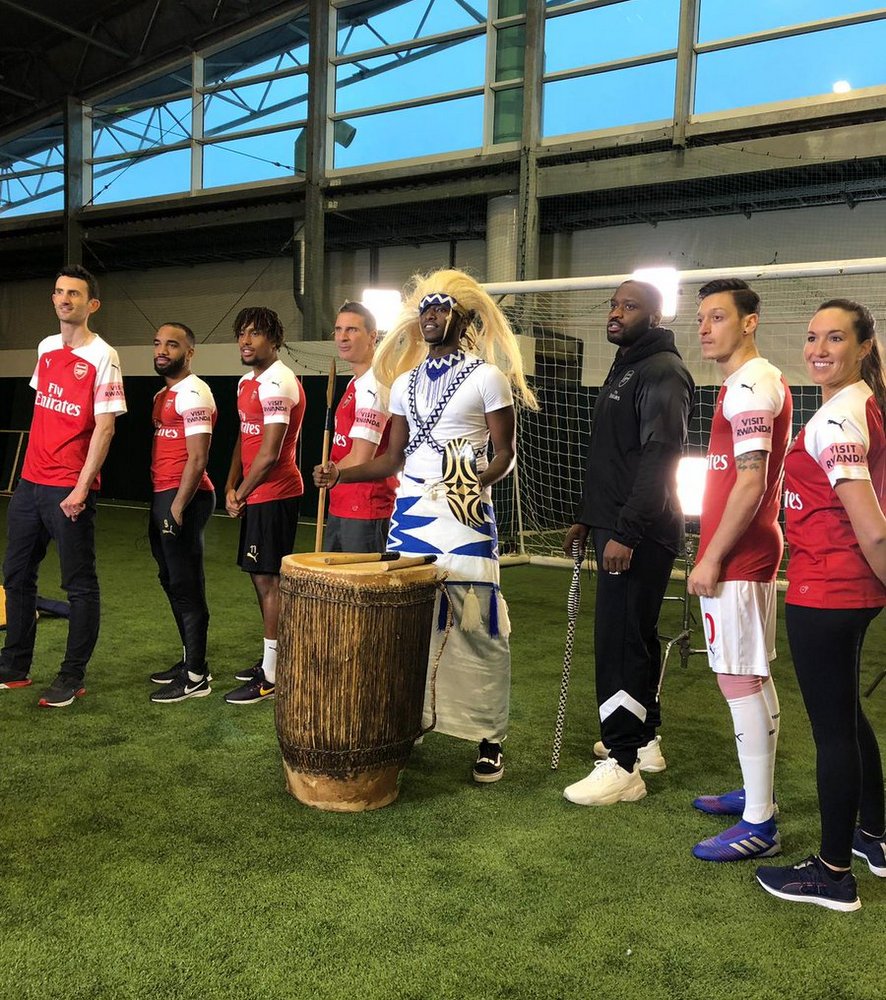
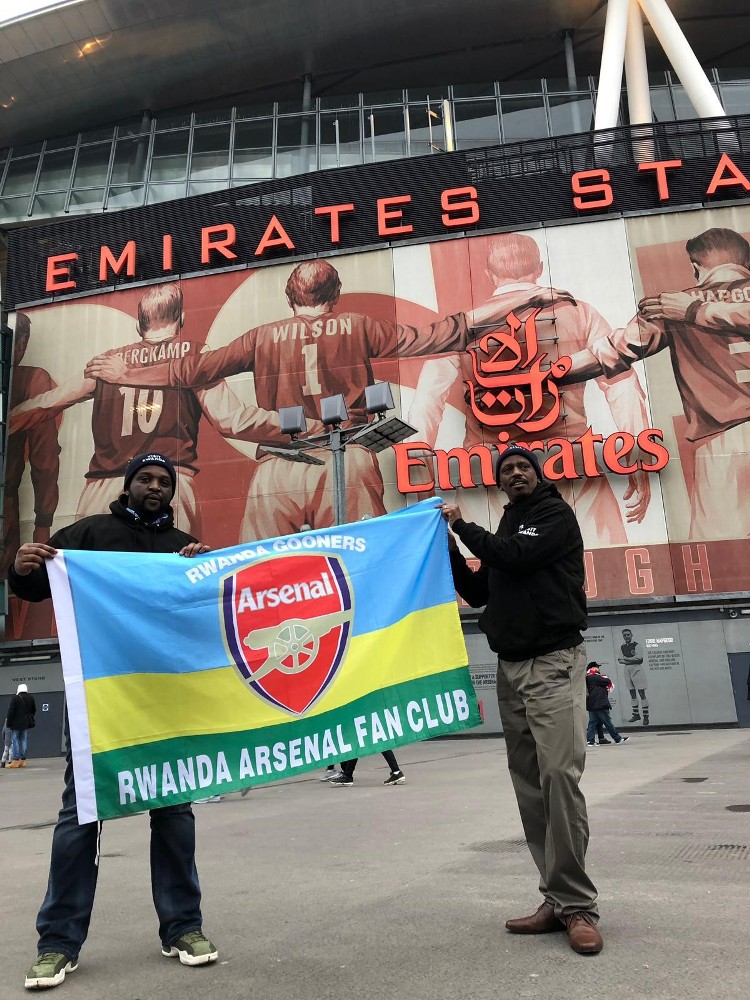
The challenge brought together three Arsenal fans, three Arsenal first-team players, Mesut Ozil, Alexandre Lacazette and Alex Iwobi, and UK music artist Lethal Bizzle.
The fans and the first-team players worked together in a variety of challenges, testing both their football skills and knowledge of Rwanda.
Via its Twitter Wall, Visit Rwanda had announced the launch of the Challenge: “One @Arsenal fan will win an 8 Day, All-Inclusive Trip to #VisitRwanda today in the #RwandaChampionsChallenge taking place at the Arsenal Training Centre. Follow @VisitRwanda_now on Instagram and watch the competition from 5 pm (3 PM GMT) on our Insta Story. A surprise awaits ;)”.
The “Rwanda Champions Challenge” is a competition that requires both physical and mental effort. The participants, Arsenal fans got the chance to be team up with the three first-team players and took part in three challenges. The winner who will be announced on 30th January will be taking home a trip for two to Rwanda.
Other prizes include Return flights, accommodation at a stunning hotel or lodge, guiding services throughout the trip and visits to Rwanda’s stunning National Parks, where the winner will be able to trek with gorillas and see chimpanzees in their natural habitat.
The activity aimed at introducing Visit Rwanda to the Arsenal FC fan base in an interactive manner and strengthen the already existing relationship between Visit Rwanda and Arsenal FC.
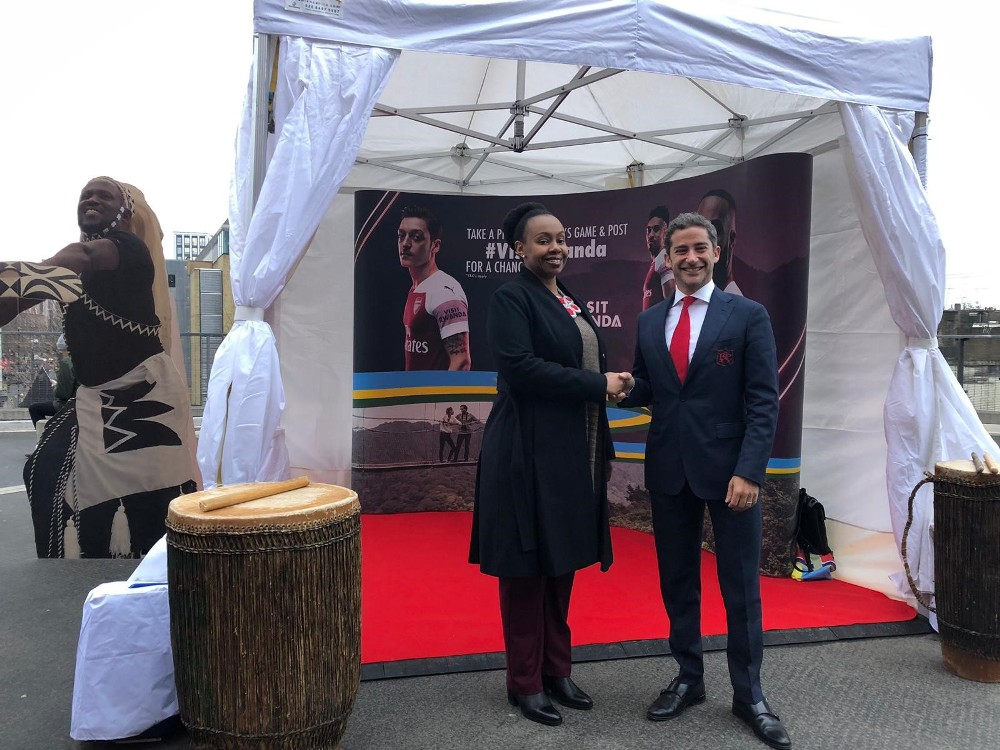
Rwandan Ambassador to United Kingdom Yamina Karitanyi and the team’s commercial director Peter Silverstone were both present.
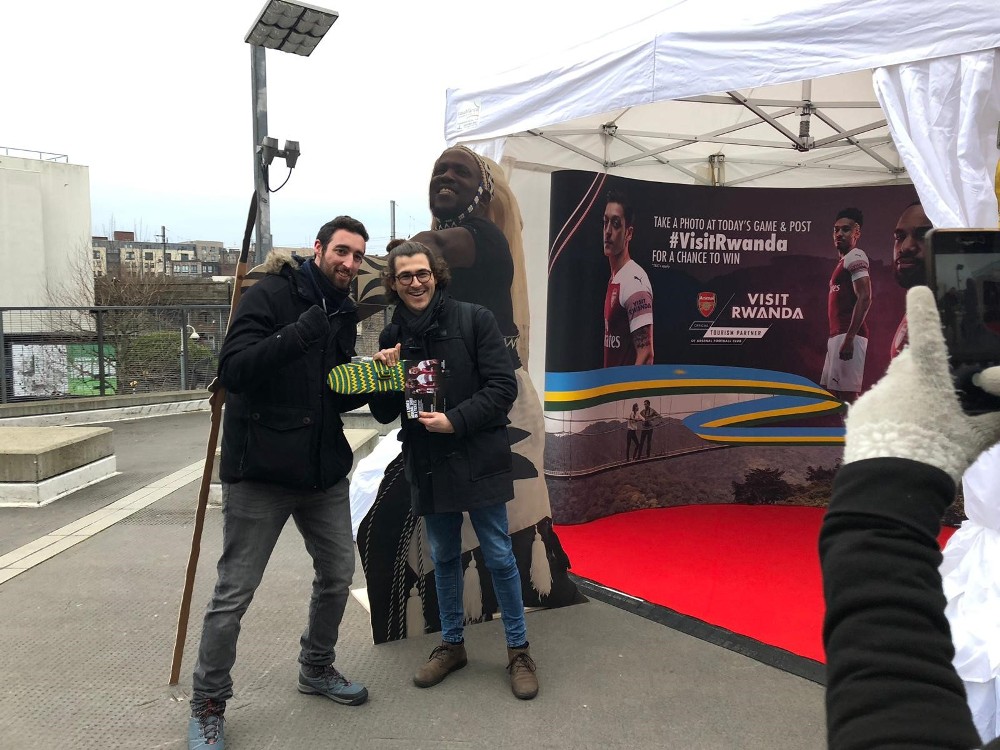
The event took place during a match between Arsenal and Chelsea. As the two adversaries clashed, “Visit Rwanda” representatives were at the entrance to the stadium bringing a taste of Rwanda to thousands of Arsenal FC and Chelsea FC fans, entertaining them with traditional drummers in full Rwandan regalia, while others were distributing flyers illustrating different tourist attractions in Rwanda.
Visit Rwanda also ran a photo competition for the fans, giving them the opportunity to win signed Arsenal T-shirts as well as tickets to watch Home Games of their choice. To participate, the fans had to take a picture in front of the ‘Visit Rwanda’ stand, follow Visit Rwanda Twitter & Facebook Page, then publish the photo with the #VisitRwanda hashtag.
On 23 May 2018, RDB, through the Rwanda Convention Bureau, became Arsenal’s first official sleeve partner as part of Rwanda’s drive to become a leading global tourist destination.
The three-year deal makes ‘Visit Rwanda’ Arsenal’s official Tourism Partner. The ‘Visit Rwanda’ logo features on the left sleeve of all teams.
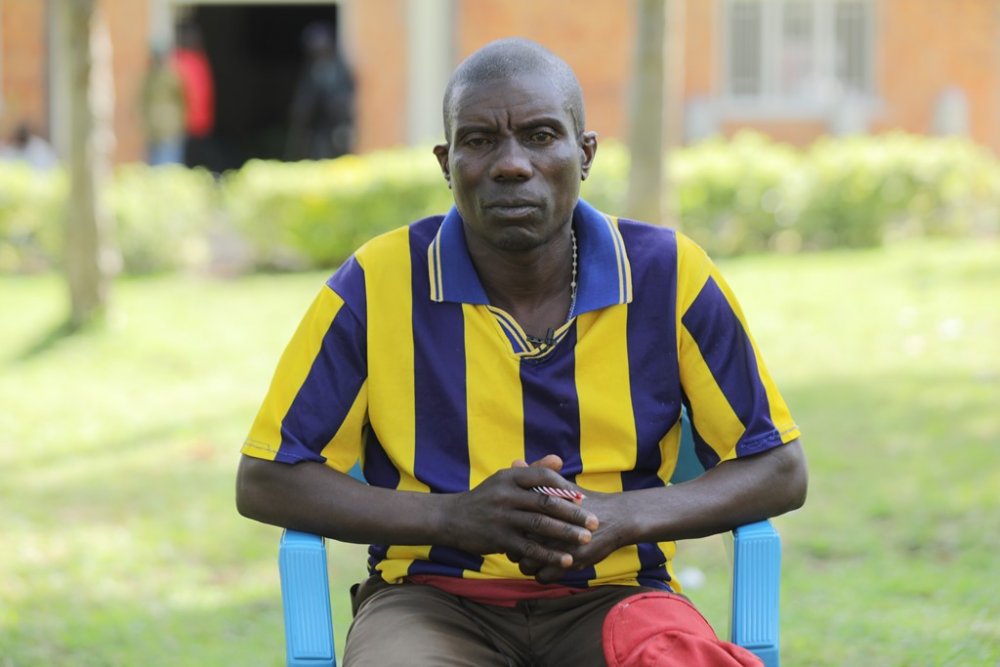
Xavier Kamanayo was arrested on January 17th when officials from the Ministry of Health, Rwanda Investigation Bureau and Muhanga District visited his house following a tip-off from neighbors who said he practices illegal medicine at his home with no certification.
The Spokesperson of the Ministry of Health, Malick Kayumba, told IGIHE that the healer was arrested and handed over to Rwanda Investigation Bureau (RIB) that is holding him on offenses of producing, selling illegal medical products and treating patients without a license.
The 11 patients who were hospitalized at Kamanayo’s house were asked to leave the healer’s house and were advised to seek treatment at official health centers.
The Spokesperson of Rwanda Investigation Bureau (RIB), Modeste Mbabazi said: “We are now holding him in Muhanga District. His file will soon be transferred to prosecution.”
Mbabazi said some patients kept going to the healer’s house for treatment even when he is in custody.
“Some people still want to go to his house for treatment. People should stop consulting traditional healers who are not certified and check with legally certified doctors,” Mbabazi said noting that seeking treatment from uncertified traditional healers is like committing suicide because if someone gets complications there, it becomes very difficult to follow them up.
The miners of who seven were men and seven women died on spot on Monday at 8h:00 am when the mine belonging to PIRAN Resources Limited collapsed.
John Ntanyungura who survived the incident told IGIHE that the mine showed signs of collapse and it fell on his workmates right when he went out to check the situation from outside.
“Fifteen of us entered the mine, seven women and eight men. Before the mine collapsed, it showed some signs of collapse. When I got out to see, I found it shaking and it immediately caved in. My colleagues who were still inside were all buried alive and I survived. The way it collapsed, there was no chance for anybody to survive,” John Ntanyungura said.
Different officials including the Eastern Province Governor, Fred Mufulukye, and the Inspector General of Police (IGP) Dan Munyuza arrived at the scene shortly after.
“The miners went to work as usual and the collapse happened while they were under the ground. We have not yet established the cause of the incident,” the Governor of the Eastern Province, Fred Mufulukye told IGIHE.
The Secretary and Head of Legal Administration and External Affairs at PIRAN Resources Ltd, Minyati Tristan extended his condolences to families who lost relatives following the incident promising the company’s help to families of the victims during burial arrangements.
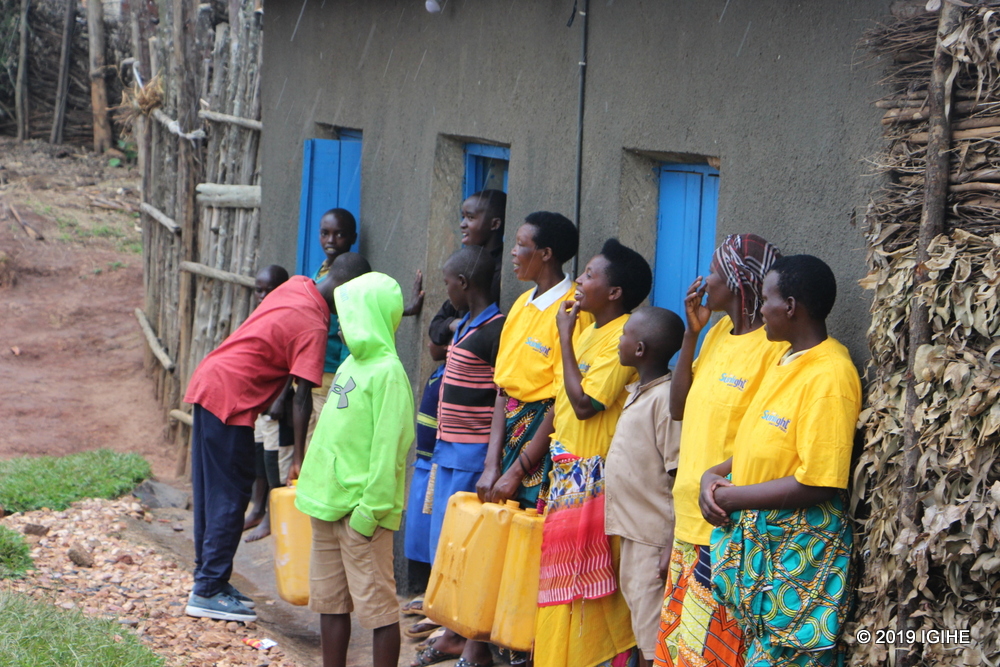
Unilever, a multinational leading consumer goods companies, making and selling around 400 brands in more than 190 countries, launched three water sites built in Munini Sector of Nyaruguru District where residents are now be able to fetch water at Rwf10 per a 20 liter jerry can.
The water facilities that have been constructed in three months are part of Unilever’s project dubbed ‘Sunlight Isoko y’Isuku’ worth Rwf45 million projected to see between 50 and 60 water facilities built in Nyaruguru District.
The water facilities will also serve as shops for cleaning products made by Unilever including soaps sold starting from Rwf50.
Nyaruguru District residents who have started shopping at Sunlight Isoko y’Isuku project sites say the project is a solution to long distances they walked looking for water of which cleanliness they always doubted.
“Before this project was initiated here, access to clean water was really a problem for us. We used to fetch water from stagnant sources in dams at long distances causing children to get late at school,” says Alexis Ntazinda, a resident of Munini Sector.
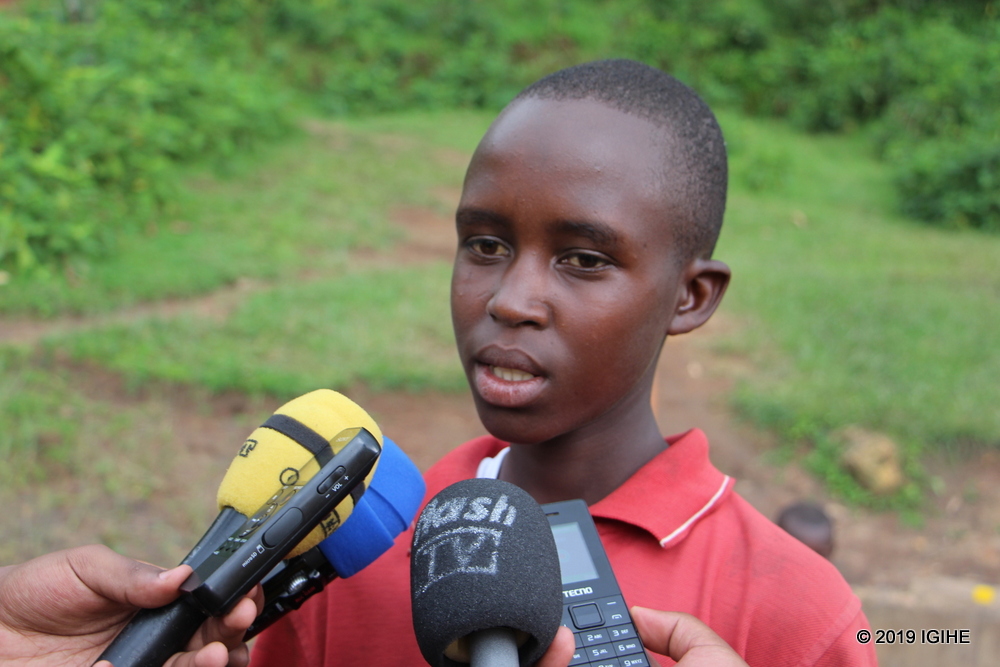
Désiré Manzi, a 17 year-old boy says the nearest place they could get water is the valley where he travelled for 30 minutes which saw him get tired and get late to school.
“We had no other solution. I sometimes came at the water tap and found so many people which made me get late to school,” Manzi said.
Unilever’s Rwanda Country Director, Kelvin Kuria, says Unilever started Sunlight Isoko y’Isuku Project in order to improve the health of members of the communities where they work.
“For us, Sunlight Isoko y’Isuku Project is a way to show the community members that we work for them. Most of our customers are women and children. We only work aiming at improving their lives and social welfare,” Kelvin Kuria said.
“It will also prevent children from dropping out of school due to long distances they travelled looking for water which would take up to two hours. It will help parents also do other household works,” he added.
Kuria said the Project comes to support the Rwandan Government’s program to see every Rwandan get access to improved drinking water and sanitation facilities by the year 2024.
Only 0,85% of Nyaruguru District residents have water taps at their houses according to the District Mayor, Francois Habitegeko who said, “We are very happy of this project because with no other partners, we as the Government only can’t reach the target to see all of our population get access to clean water.”
Habitegeko said now 70.3% of Nyaruguru District populations have access to improved drinking water and sanitation facilities while only 43% residents get water from not longer than 500 meters, which is in line with Sustainable Development Goals (SDGs).
Unilever is a British-Dutch transnational consumer goods company selling food, beverages, cleaning agents, beauty and personal care products in 190 countries worldwide.
The company started its operations in Rwanda in 2016 where it has two projects including the Tea project launched in Nyaruguru District in 2017 set to employ over 1000 residents with permanent job contracts.
It followed Unilever’s project to sell cleaning products including ‘Sunlight soaps’ traded by Zed Investment Ltd.
A former FDLR commander Major Sébastien Nkundabose who is now a dean at Mutobo Centre where the 500 ex-FDLR combatants who repatriated last year are undergoing a three-month civic training says he repatriated to Rwanda after spending two years at Military Prison in Équateur Province in Democratic Republic of Congo.
“We spent all 24 years in jungles with no salaries believing that the Rwandan Government would hold talks with FDLR on sharing power. We always dreamt of coming back and conquer Rwanda but see; some of us have been brought to Rwanda by force. Those who think will get power in Rwanda through fighting, I tell them to stop those thoughts and the war doesn’t build the nation, it instead destroys it,” says Sébastien Nkundabose.
“When we arrived in Rwanda, we were warmly welcomed by officials, different from what we thought that we would be killed,” he adds.
Another ex-FDLR militant Balthazar Ndagijimana who was 19 years old in 1994 when he joined FDLR combatants came back to Rwanda when blind. He also says FDLR hopes of taking power in Rwanda remains a dream.
“That FDLR can take over power in Rwanda is merely a dream. FDLR strength reduced when Gen. Rwarakabije repatriated. He came to Rwanda with a large number of combatants with so much ammunition. We were stronger before but now FDLR was destroyed. Today, I think it is just a dream that they can come and overthrow the government in power,” he says.
“I realize it is impossible. I have been in FDLR for 24 years. I know FDLR enough. Taking over Rwanda is a just a mere say. When you have no ammunition, no army, it is impossible to take over the country,” says Joseph Kabarindwi, another ex-FDLR combatant.
{{Fake news}}
Deo Ndayambaje, 57, another ex-FDLR combatant was born in Nyamasheke District. He had a rank of lieutenant and he was the leader of Kanyabayonga Camp.
Ndayambaje says that they took long in DRC forests due to misinformation on Rwanda. He says among other lies they were told is as that Rwanda is now populated by only foreigners.
“Most of the news that reached us was bad and fake news. They said everyone back in Rwanda is killed while those who survive death are imprisoned. Even those who spoke to their family members were told either their property was sold or they were sentenced to imprisonment among other lies,” Ndayambaje recounts.
At Mutobo Demobilization and Reintegration camp, ex-FDLR combatants undergo civic training, entrepreneurship and other knowledge to help them adapt normal life.
At the end of the trainings, they are given Rwf180,000 of which Rwf60,000 is given before training and Rwf120,000 after rehabilitation as they plan for income generating projects back in their communities. Houses are built for ex-combatants with disabilities ad given a monthly stipend.
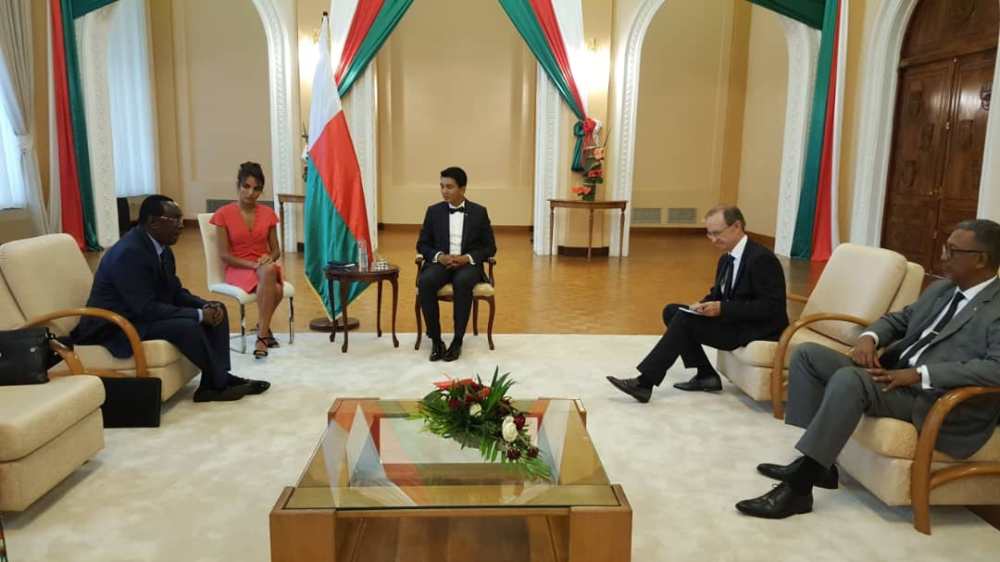
Andry Rajoelina, 44, was sworn in as President of Madagascar on January 19th, 2019 after winning Presidential elections with 55.66 votes cast.
The swearing in ceremony was held at Mahamasina Stadium and saw different guests attending including Rwanda’s Senate President, Bernard Makuza who represented President Paul Kagame.
In his message written on his official Twitter handle, President Rajoelina thanked Makuza whom he said they had discussed bilateral relations between Rwanda and Madagascar adding that he looks forward to meeting President Kagame.
“Thanks to Bernard Makuza, Rwanda’s Senate President for coming. We discussed bilateral relations and I expressed my will to cooperate more with this country [Rwanda] which is a true African success story. Thank you President Paul Kagame and looking forward to meeting you,” President Rajoelina tweeted.
Andry Nirina Rajoelina becomes President after elections after he led Madagascar from March as President of the High Transitional Authority of Madagascar from March 2009 to January 2014 after the resignation of Marc Ravalomanana.
He also served as the Mayor Antananarivo City, from December among other senior positions he held.
Minister Auajjar made the remarks on Sunday after a delegation he leads visited Gisozi Genocide Memorial Site where they paid tribute to 250,000 victims laid to rest there.
Minister Auajjar and his delegation arrived at Gisozi Memorial Site, accompanied by the Executive Secretary of the National Commission for the Fight against Genocide (CNLG), Dr. Jean Damascène Bizimana.
At Gisozi, the Moroccan delegation was shown a documentary film about the bitter times Tutsi went through in the 100 days that left more than a million lives lost in Rwanda.
They visited different parts of Gisozi Genocide Memorial Site as they were explained the history of divisions which led to the 1994 genocide.
Auajjar said what happened is beyond human imagination and efforts should be made to ensure it never happens again.
“My delegation and I were very much touched by what we saw at this site. It was a time to be witnesses of bitter times Rwanda went through but which Rwanda left behind and rebuilt the unity among Rwandans on a foundation of human values, culture, peace and human rights,” he said.
“What President Kagame did here [in Rwanda] makes us Africans proud of his generosity, Rwanda’s strength and capacity in rebuilding itself in a very short time after the genocide. It is a great human, social, cultural and economic success,” he observed adding that Rwanda’s jucidiciary needs to add more efforts in searching for genocide suspects still at large around the world.
Mohammed Auajjar will hold special bilateral talks with Rwanda’s Minister of Justice, Johnston Busingye on Monday January 21 seeking to enhance bilateral partnership in the justice sector.
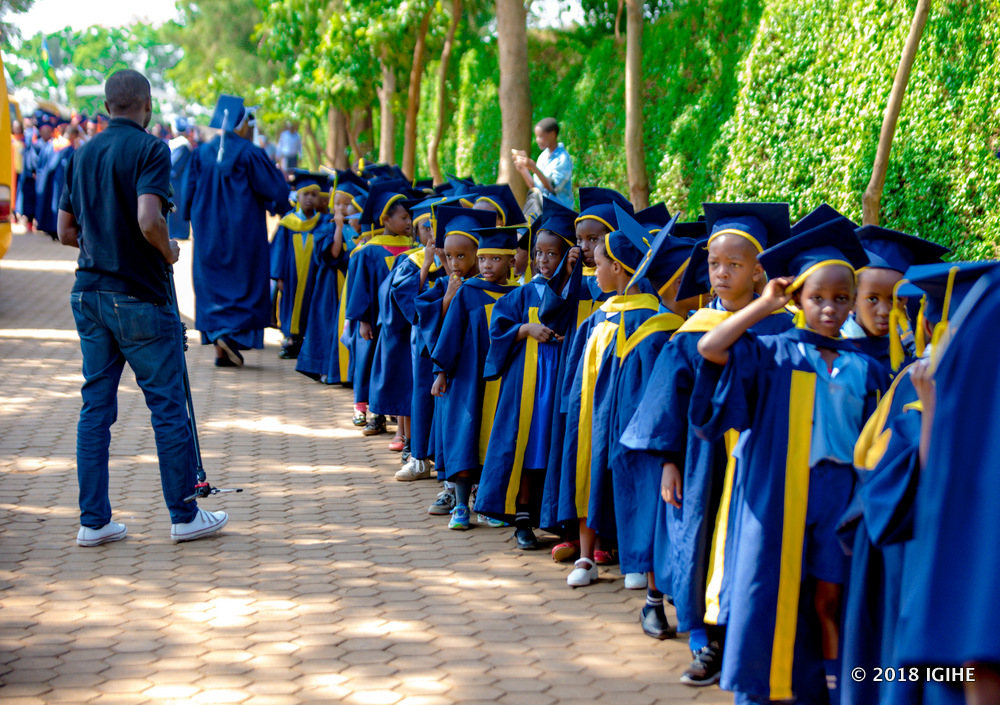
Currently, salaries of teachers in public nursery schools are paid by parents.
“The Ministry of Education plans that teachers in nursery will be paid salaries by the Government starting with next fiscal year. Efforts by parents are not enough. When the Government doesn’t pay them salaries, there are no planned means to follow them up and train them,” Dr. Ndayambaje said adding that the number of certified nursery teachers is still low and unless the Government sets ways to treat them well, they can’t deliver expected results.
Rwanda Government projects the number of children between five and six years pursuing nursery education to increase from 24% to 45% in the next seven years.
According to the Education Ministry figures of 2017, there were 3,186 nursery schools of which 455 are public with 1,484 being public-private whereas 1,247 schools are private.
In 2017, there were 6,039 nursery school teachers in Rwanda.
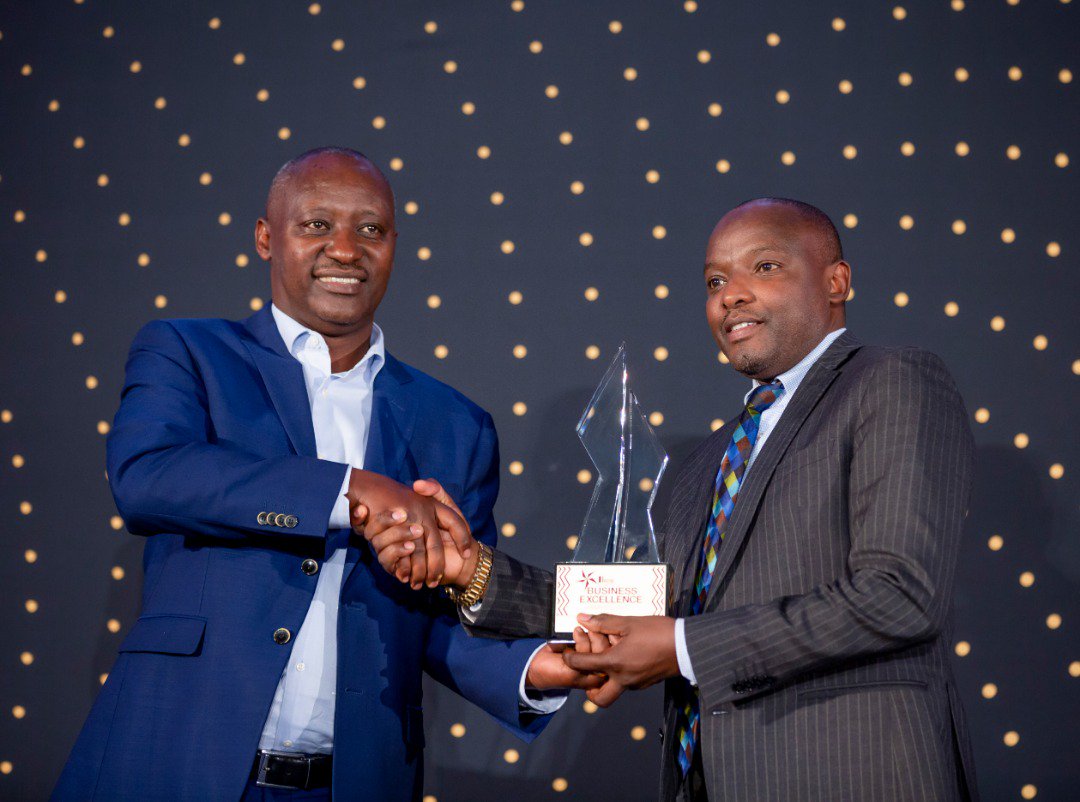
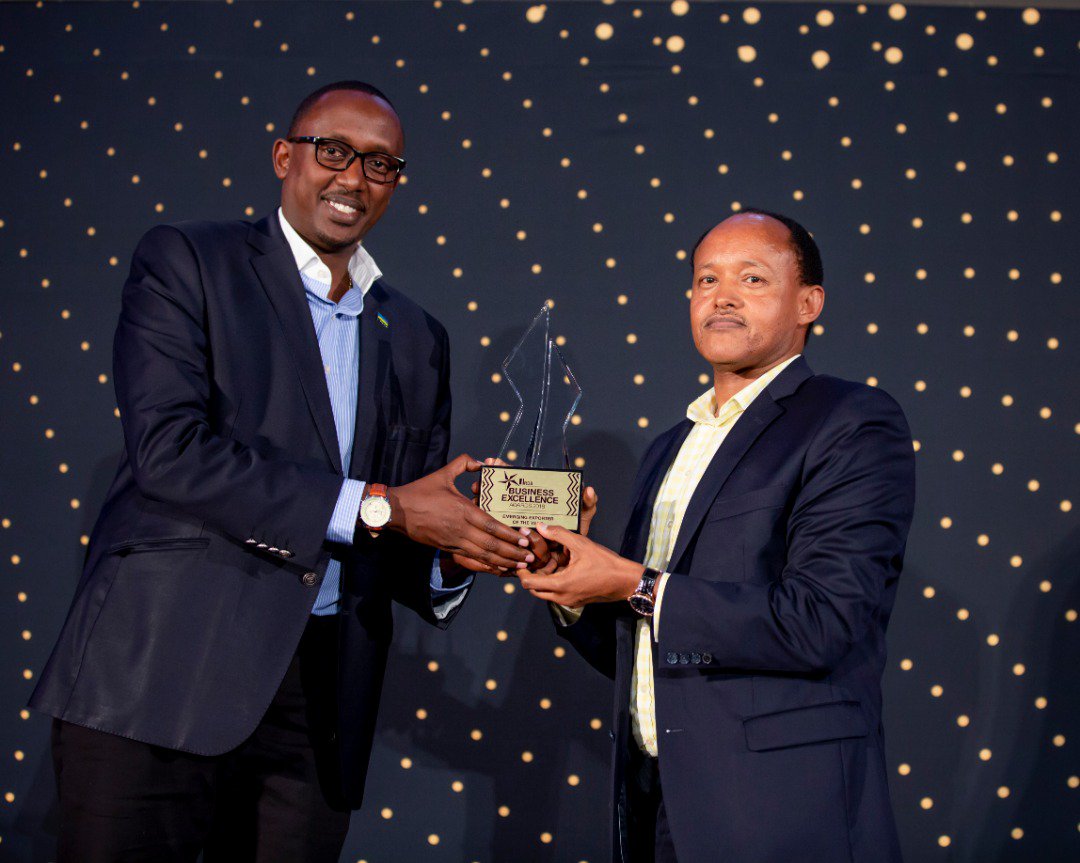
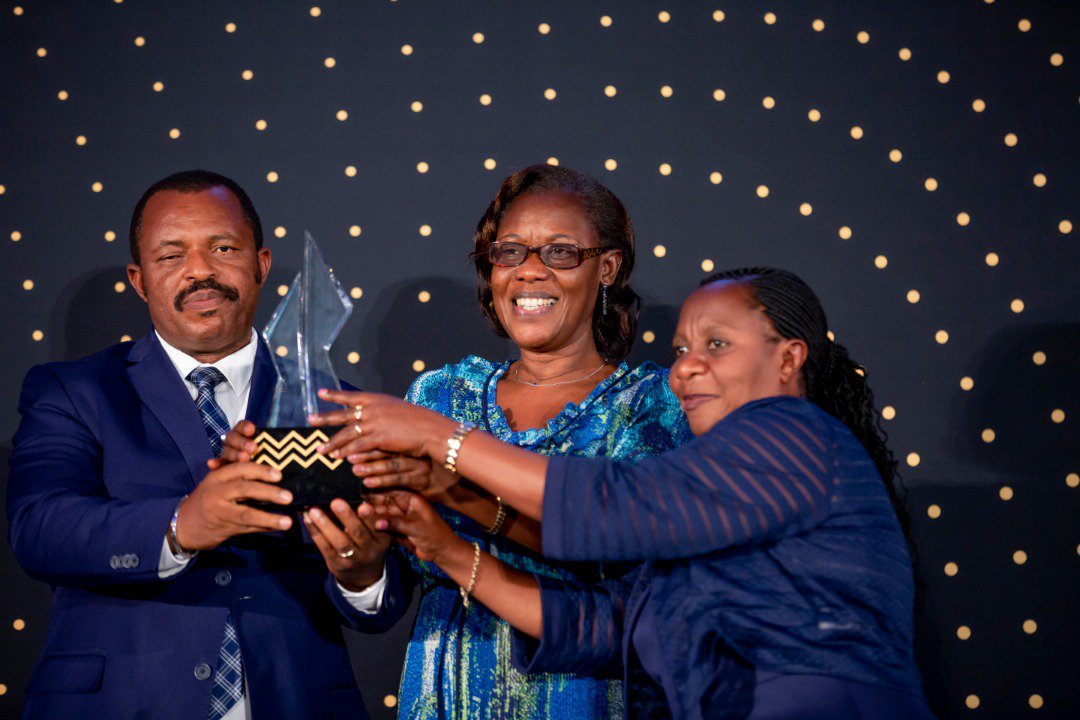
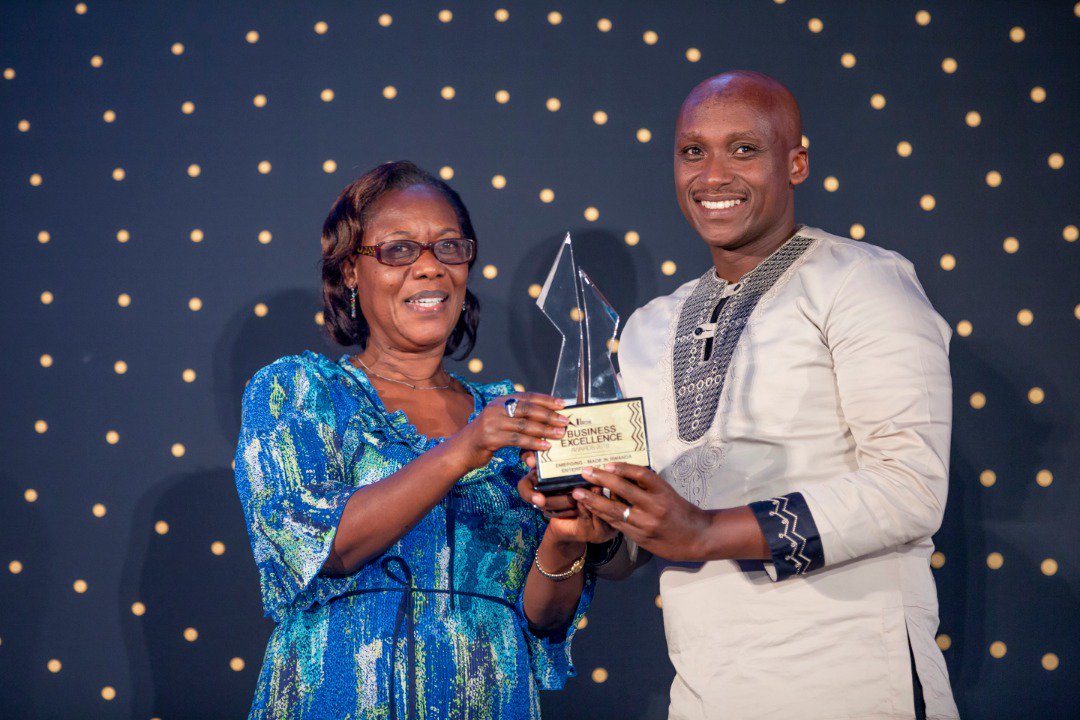
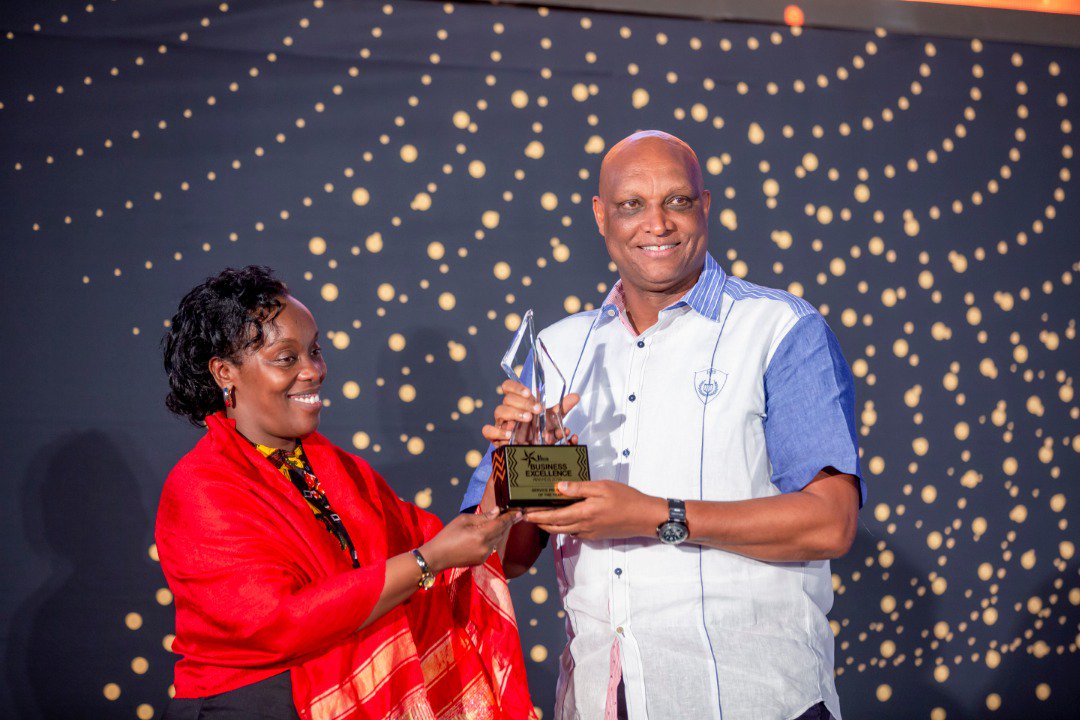
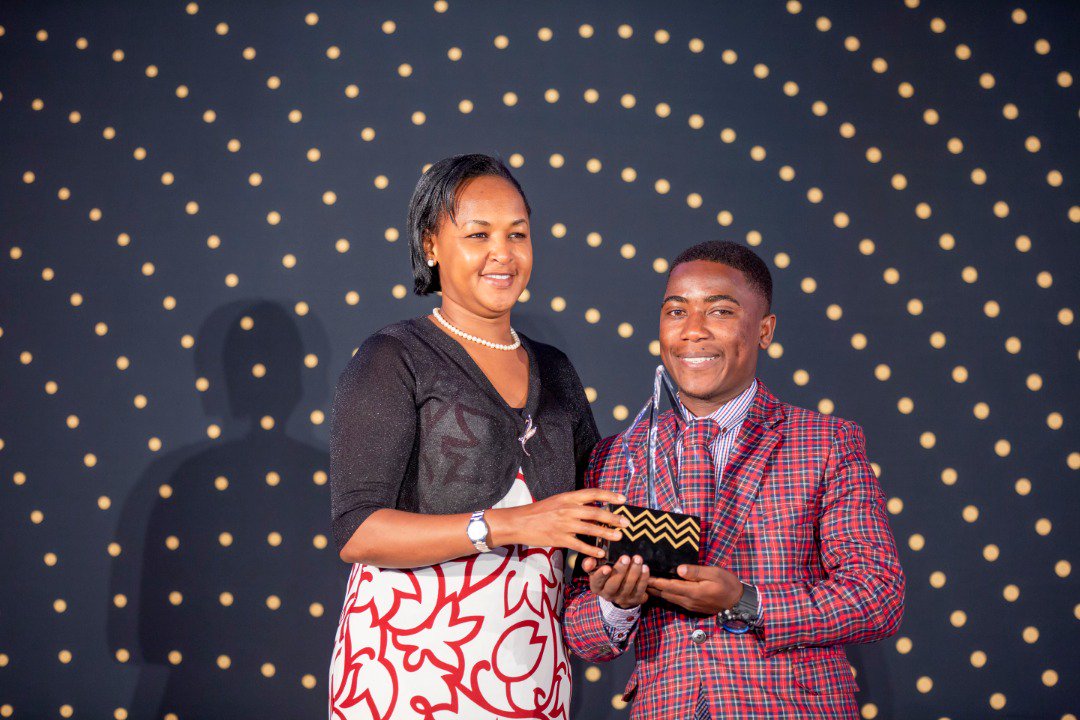
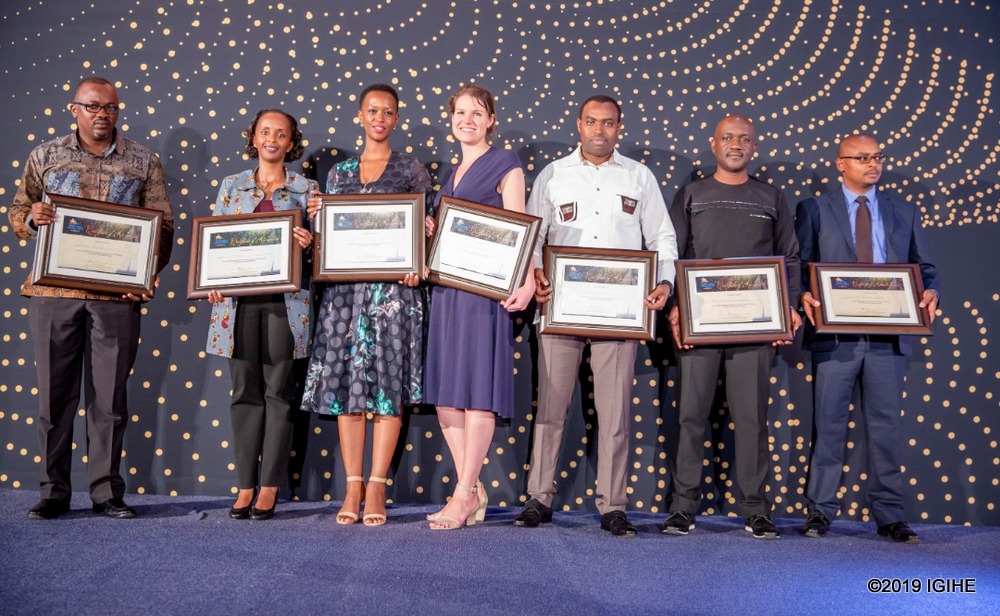
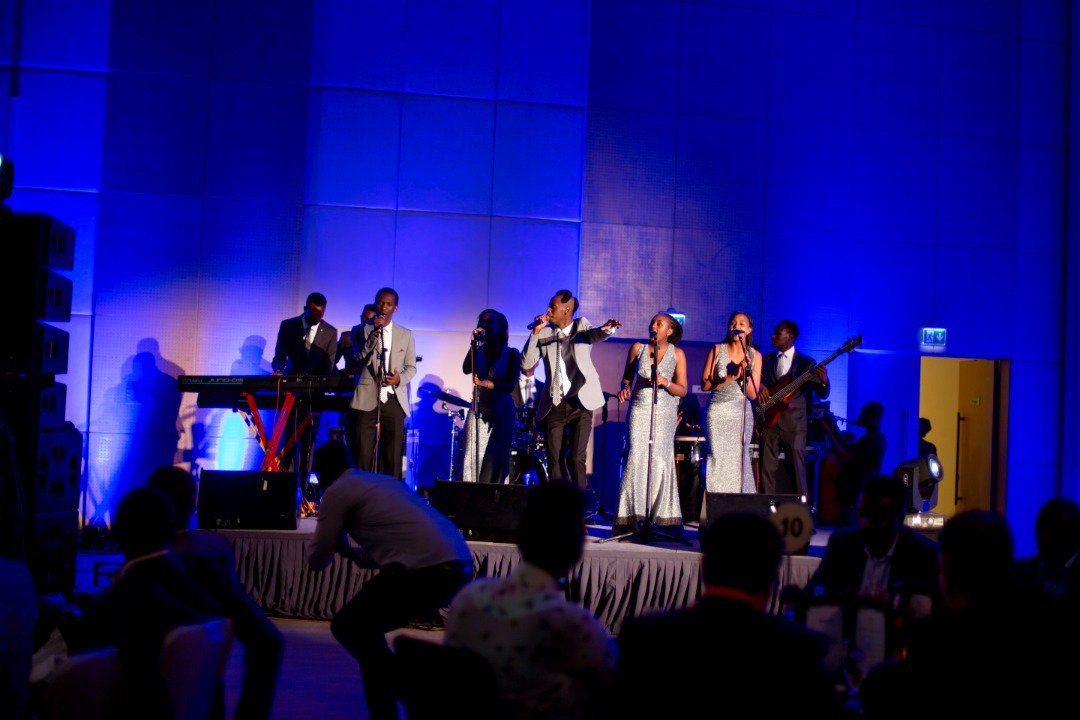
The Business Excellence Awards took place on the night of January 18, 2019 amidst pomp and spectacle.
The categories that were awarded this year were; Investor of the Year, Emerging Investor of the Year, Exporter of the Year, Emerging Exporter of the Year, Innovator of the Year, Woman Entrepreneur of the Year, Young Entrepreneur of the Year, Made-in-Rwanda Enterprise of the Year, Emerging Made-in-Rwanda Enterprise of the Year, the Service Provider of the Year and the SME of the Year.
The Investor of the Year Award was given to the I&M Bank Rwanda, while the Emerging Investor Award was given to Afriprecast, a factory that manufactures precast concrete products.
The Exporter of the Year Award was given to the Africa Improved Foods. Last Year, the Food processing company scooped the 2017 Investor Award. The Emerging Exporter of the Year was awarded to Garden Fresh Ltd, a horticulture exporter in Rwanda, which grows and sells fresh vegetables and fruits to international buyers in the UK and Europe.
The Small & Medium Enterprise of the Year is Pascal Technology Limited, a Rwandan software company that provides ICT Solutions to developing countries in Africa, while the Service Provider Award was allocated to Legacy Clinics.
Officiating the event, Rwanda Development Board CEO, Clare Akamanzi noted the importance of the awards, to celebrate the contribution of the private sector, especially when good results have been registered. Ms. Akamanzi highlighted the milestones reached in 2018.
“RDB for the first time registered investments worth US$ 2.006 billion, an increase of 20% when compared to those registered in 2017. Of the total investments registered in 2018, an estimated 26% represents export-oriented projects,” Akamanzi remarked.
“Correspondingly there was a major highlight in the Doing Business performance where we hit our Vision 2020 target of being in the top 30 globally. The World Bank ranked Rwanda 29th globally in its 2019 Ease of Doing Business Report, and 2nd in Africa,” she added.
All these great results, she said, were made possible through strong partnerships.
The Minister of Infrastructure who was also the Guest of Honor at the Business Excellence Awards, Amb. Claver Gatete applauded the results of the Excellence Awards and observed that “when these awards keep getting bigger and better it is a sign that the private sector is growing”.