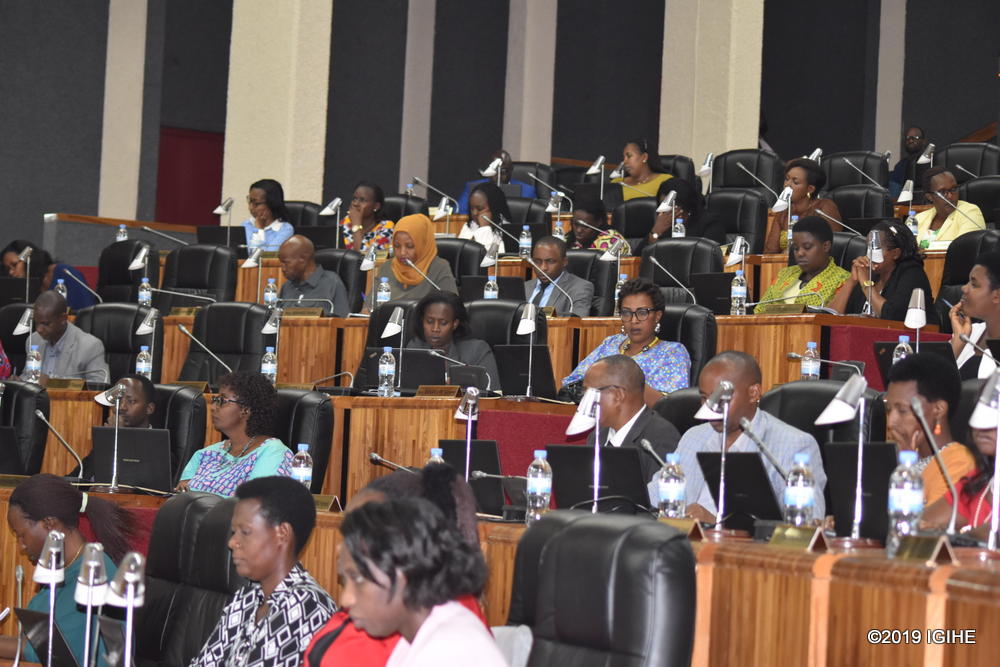
The Minister of Infrastructure, Amb. Claver Gatete made the statement yesterday to the parliamentary chamber of deputies as he provided explanations on challenges identified during their previous tours in different sectors between January and February 2019.
The visits were meant to assess the implementation of development programs and projects eradicating poverty.
The issue of asbestos roofs was among areas of concern.
The Government of Rwanda took the decision to eliminate asbestos roofs ten years ago over associated health risks including cancer among other incurable diseases.
When asked to provide explanations on the progress of eliminating asbestos roofings still found on public, private and individuals’ buildings, Gatete said: “The progress of eliminating Asbestos roofs from public buildings stands at 57%. The rest is 43% to be dealt with. In non-public buildings, asbestos has been eliminated at 66%. We need at least Rwf 4.3 billion to squarely address the challenge.”
“We believe the challenge of asbestos roofing on all public buildings will be completely eliminated within one year,” said Gatete.
He said, private investors are also mobilized to support government in eradicating asbestos roofs.
President Paul Kagame recently talked about the matter as he visited Nyabihu and Musanze districts during previous presidential outreach program at Busogo stadium.
He said the decision to eliminate the hazardous roofs was taken ten years ago but still exists at different buildings across the country.
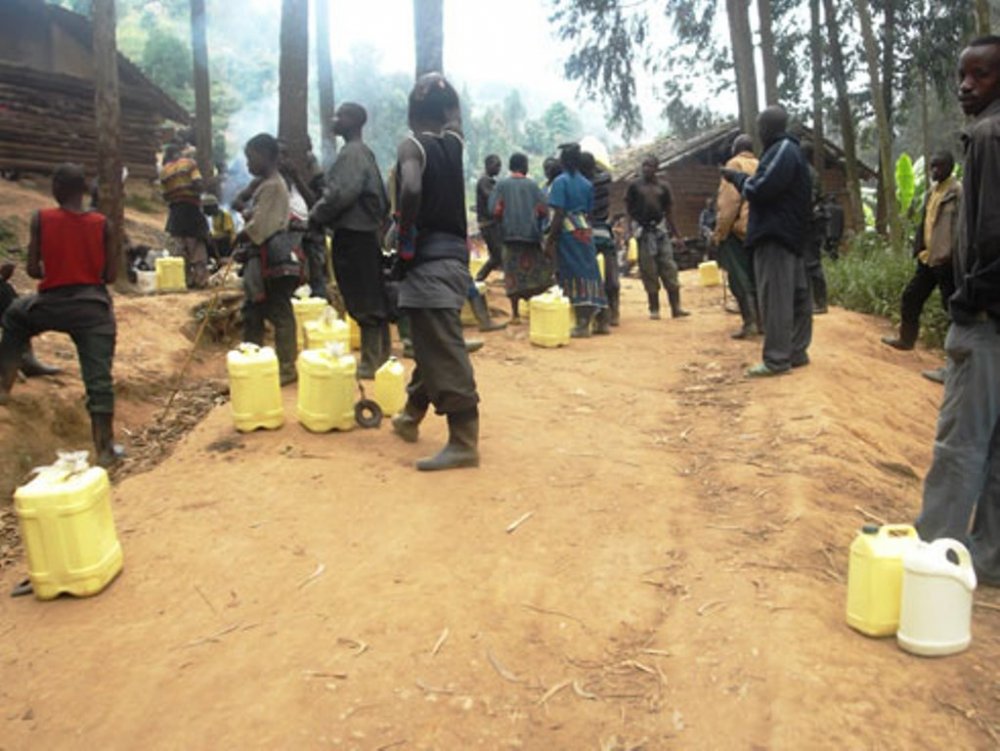
Affected farmers usually use jerry cans, buckets among other plastic containers, saying they find it hard to effectively clean the containers which also attract much heat during sunny days, spoiling the milk which is rejected by milk collection centers.
Farmers have thus appealed for support to get standard milk cans to maintain quality of milk.
“We have quite a number of cows in Gishwati farms. We have higher milk production but we face difficulties with supplying milk. We use jerry cans of which hygiene is uneasy to maintain. Indeed, milk supplied in jerry cans is susceptible to perishing when it is exposed to the Sun. This leads to the rejection of our milk at the collection centers,” said Enock Ngiruwonsanga.
The representative of Rwanda Youth in Agribusiness Forum (RYAF) at Nyiragikokora Milk Collection Center, Jean Pierre Manirabaruta said they sometimes reject over 20 liters of substandard milk a day.
“We often experience such issues of substandard milk because some farmers still use plastic containers like jerry cans and buckets among others. At times we realize the milk is spoiled on arrival. It is difficult to articulately clean such plastic containers,” he said.
Manirabaruta however explained that the challenge is being addressed under the new plan to distribute standard milk containers to farmers.
The representative of Rwanda Dairy Development Project (RDDP) in Nyabihu district, Alexandre Mbyayingabo said the process of distributing milk cans to farmers is underway.
“The Ministry of Agriculture through RDDP operating in 12 districts countrywide, started addressing the issue with the distribution of milk cans, cooling tanks and equipment to test milk standards among others. The initiative launched is in line with improving quantity and quality of milk and accelerate farmers’ progress,” he said.
MINAGRI through RDDP plans to distribute 20,000 dairy equipment including coolers, milk cans and milk testers, among others.
Farmers in Gishwati will receive 3,465 including 4 coolers in a bid to eliminate losses emanating from supplying milk in sub-standard containers.
It is said that both spouses were drunk and got in heated argument when the woman pushed his husband who hit the head on the ground.
The Executive Secretary of Mutarama cell where the incident took place, Seraphine Mukantibiringirwa has told IGIHE that the old man died on Monday night.
“Each of the spouses had spent the day taking alcohol in separate bars. They got in heated argument and engaged into a fight as they returned home. The old woman pushed back his husband whose head hit the stone in the courtyard and started bleeding. He died on the way to the health center,” she said.
Mukantibiringirwa explained that the suspect has been kept in custody at Byumba police station as investigations get underway.
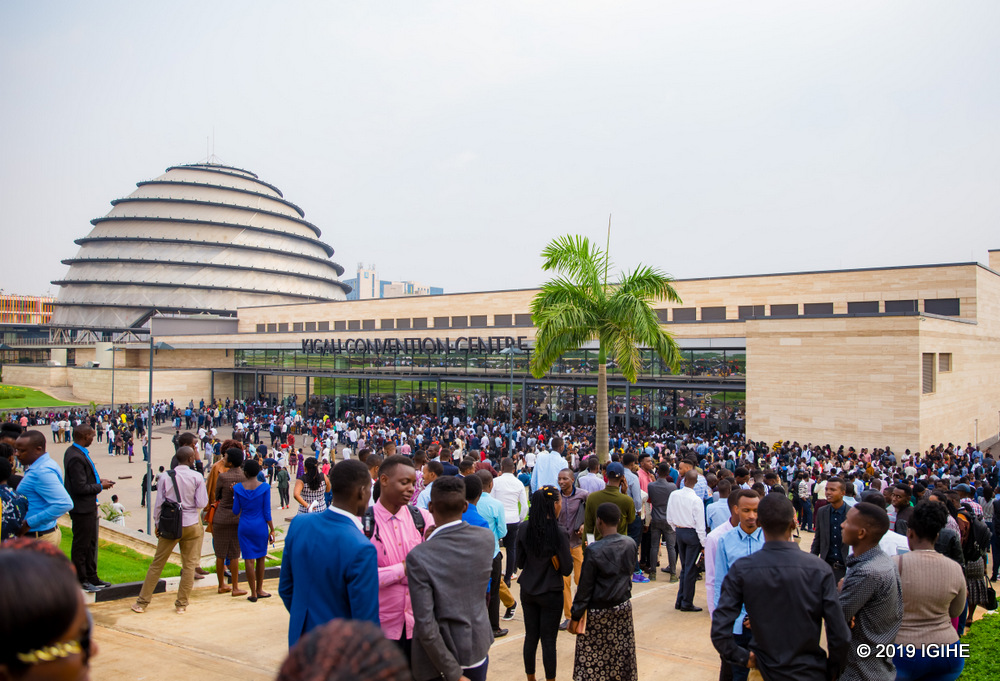
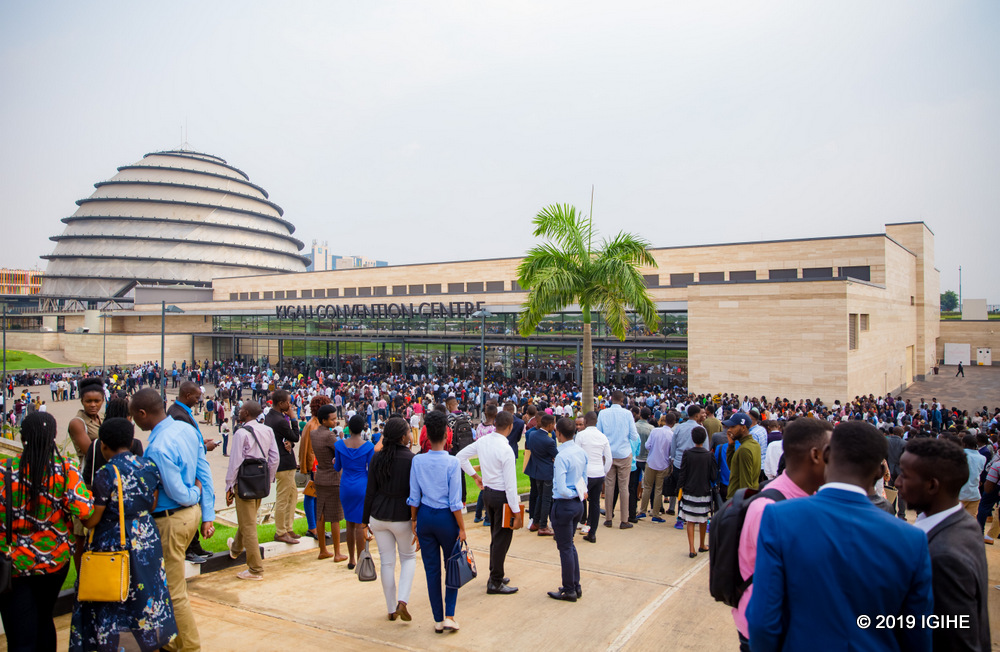
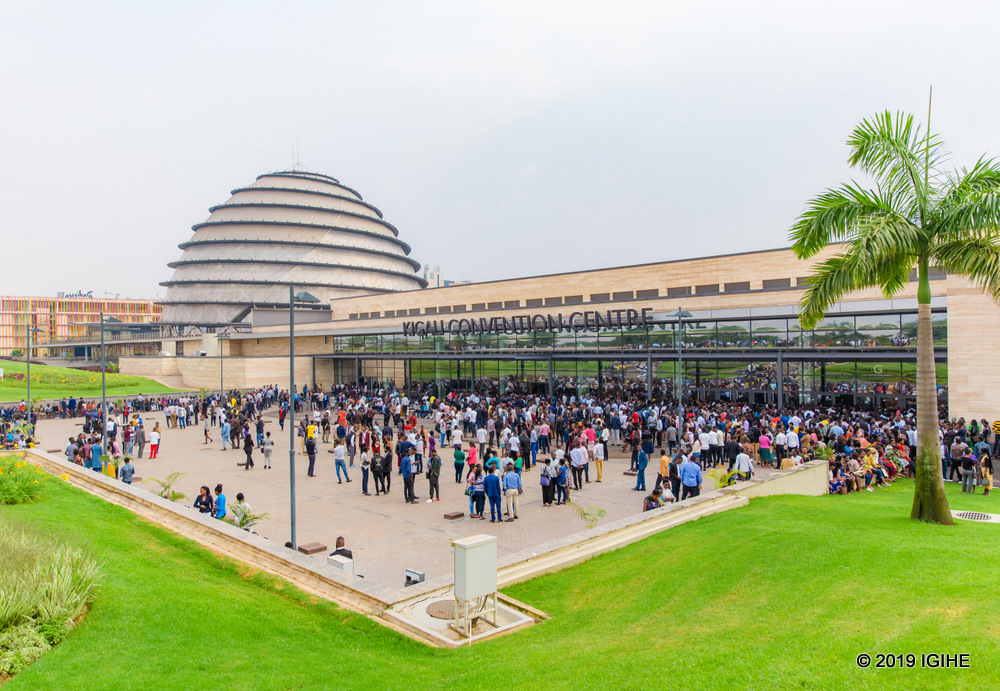
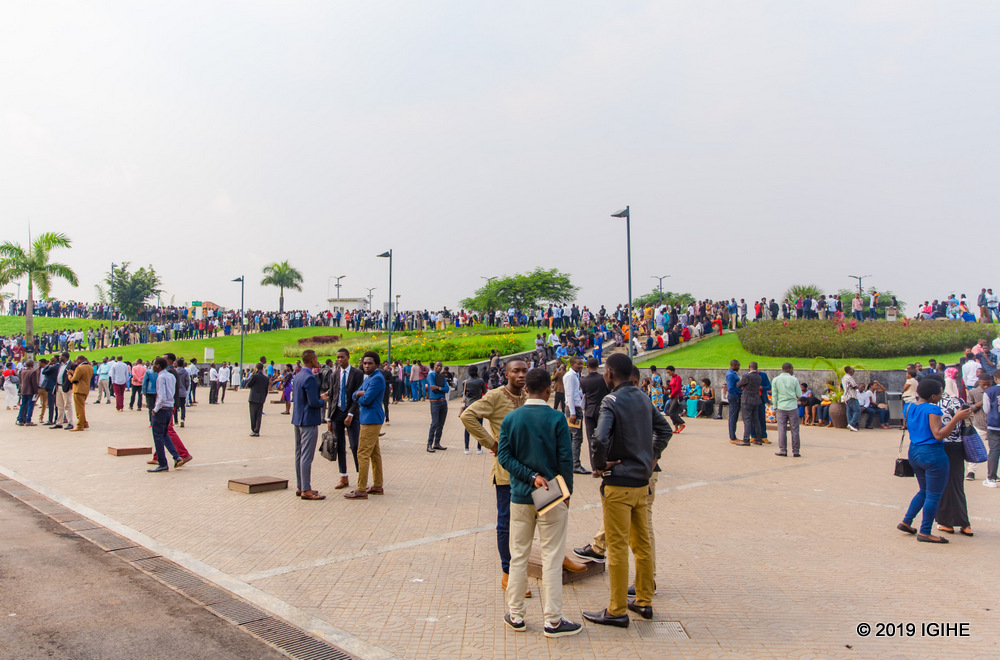
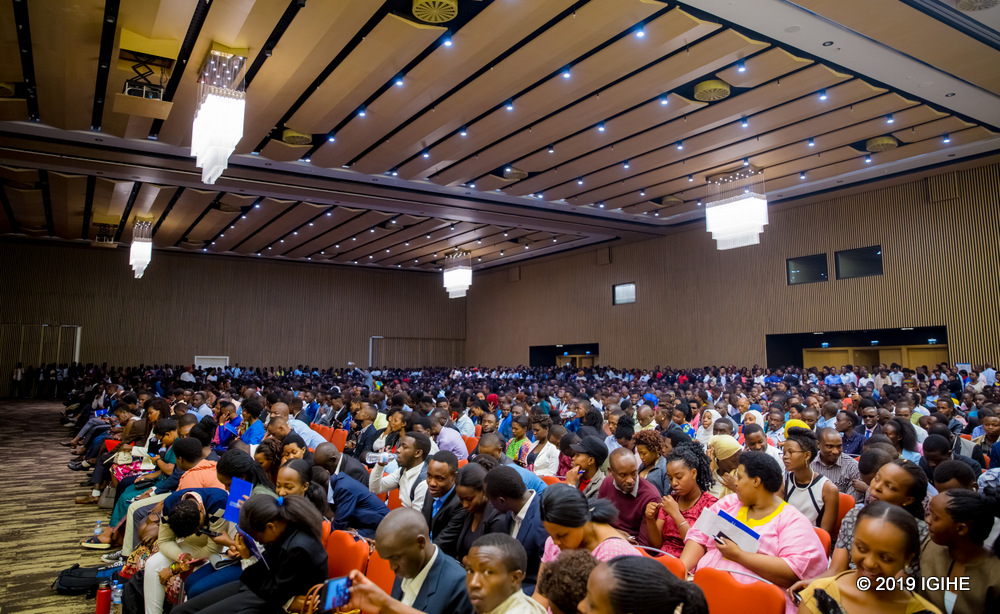
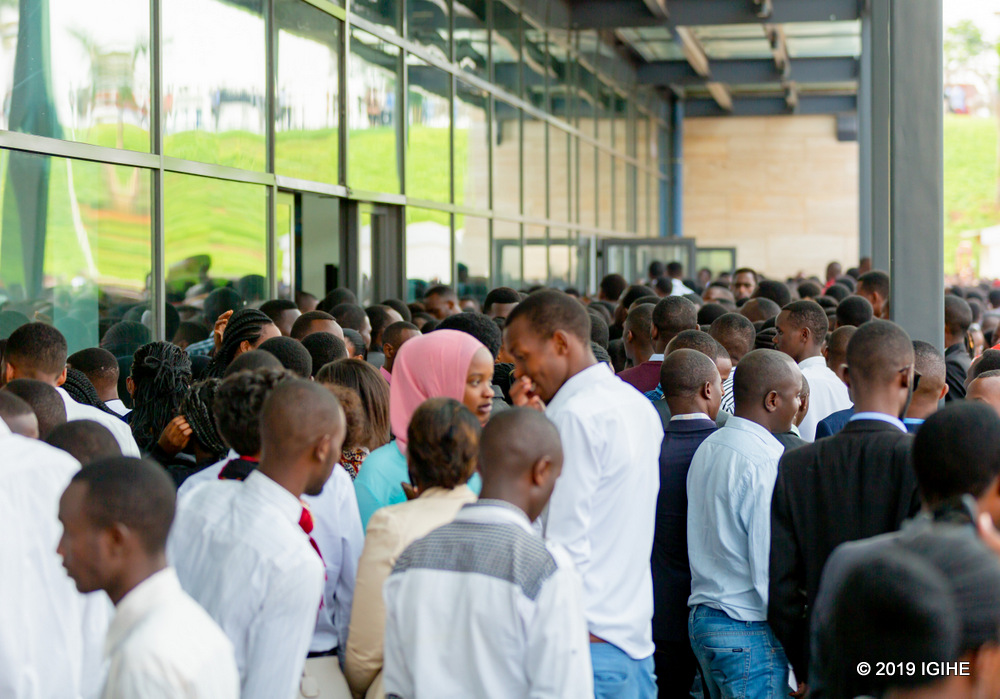
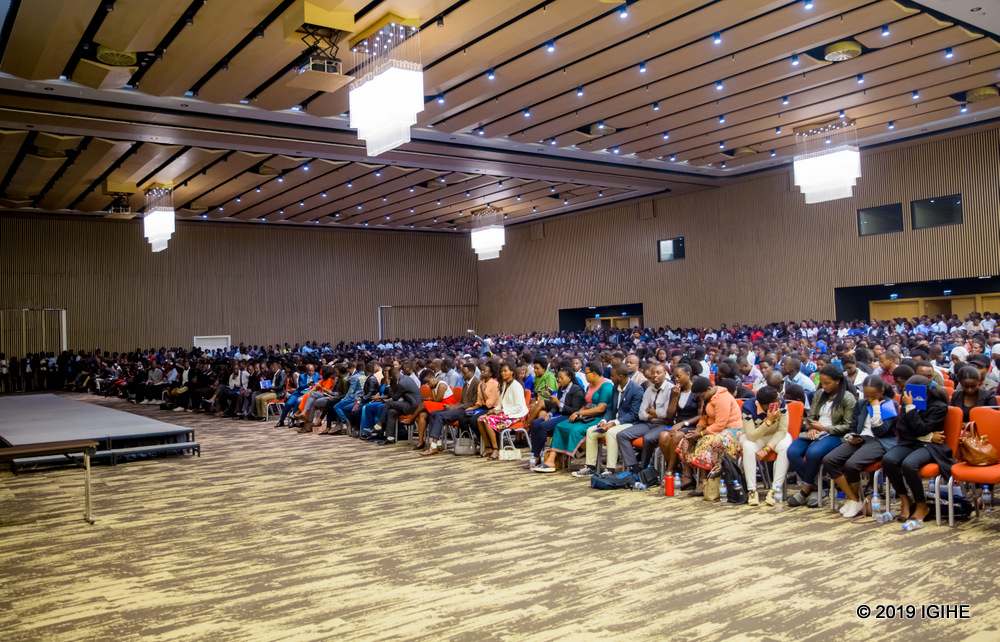
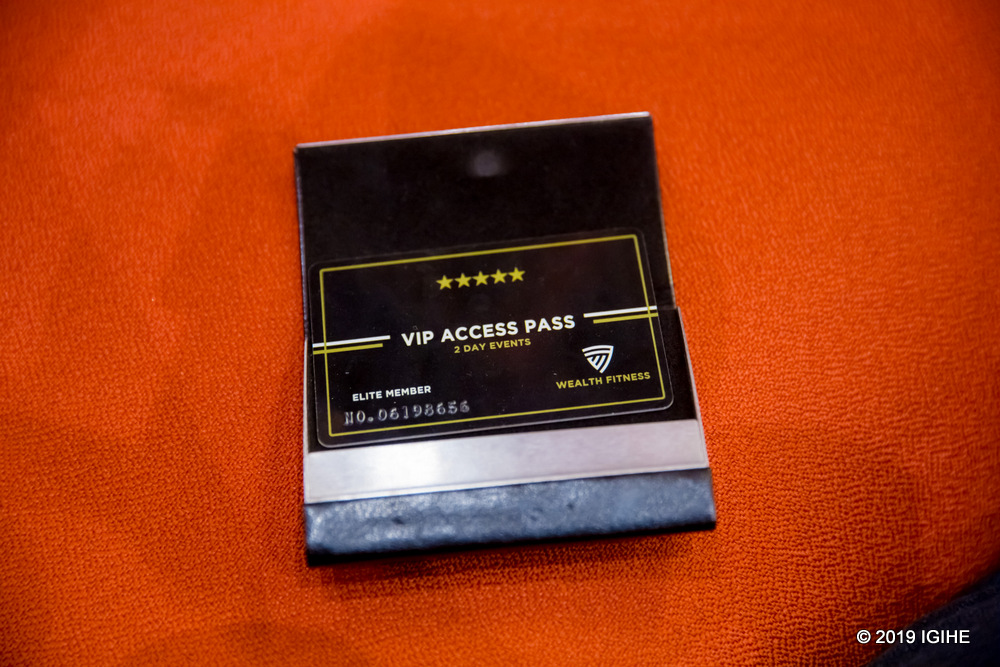
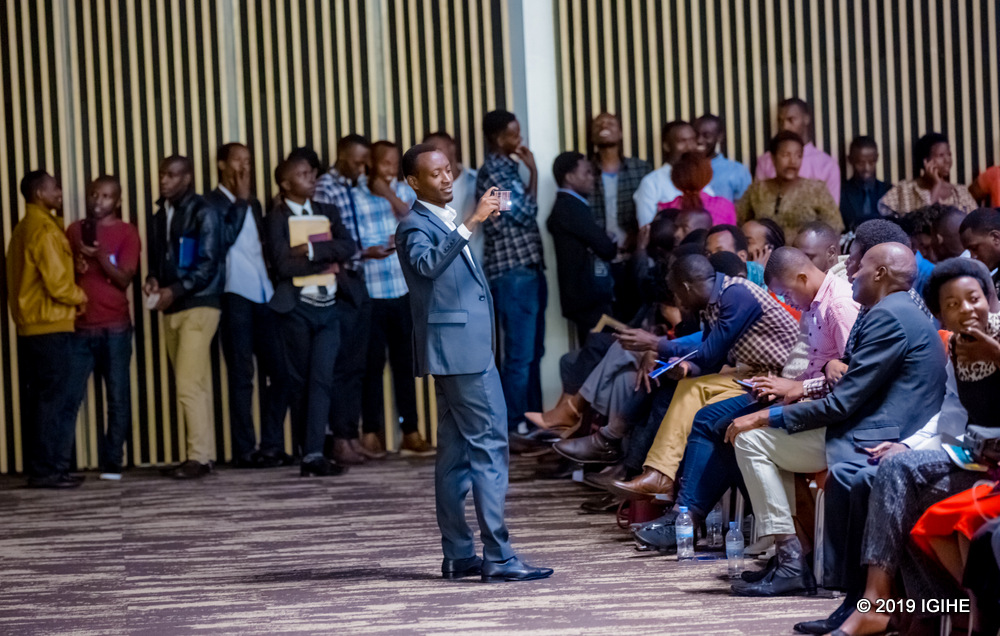
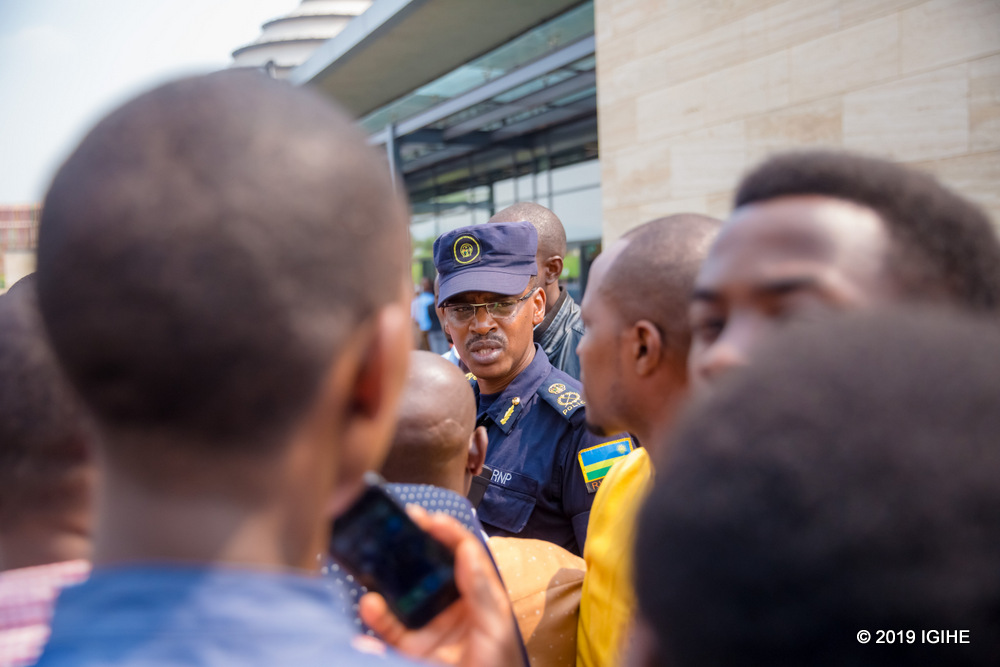
Organized by Wealth Fitness International, the meeting was meant to train participants in doing business but was halted by police and RIB following the crowd’s chaos at KCC.
It is said that applicants were promised US $ 197 after the training session which enticed the youth to register and attend in big numbers.
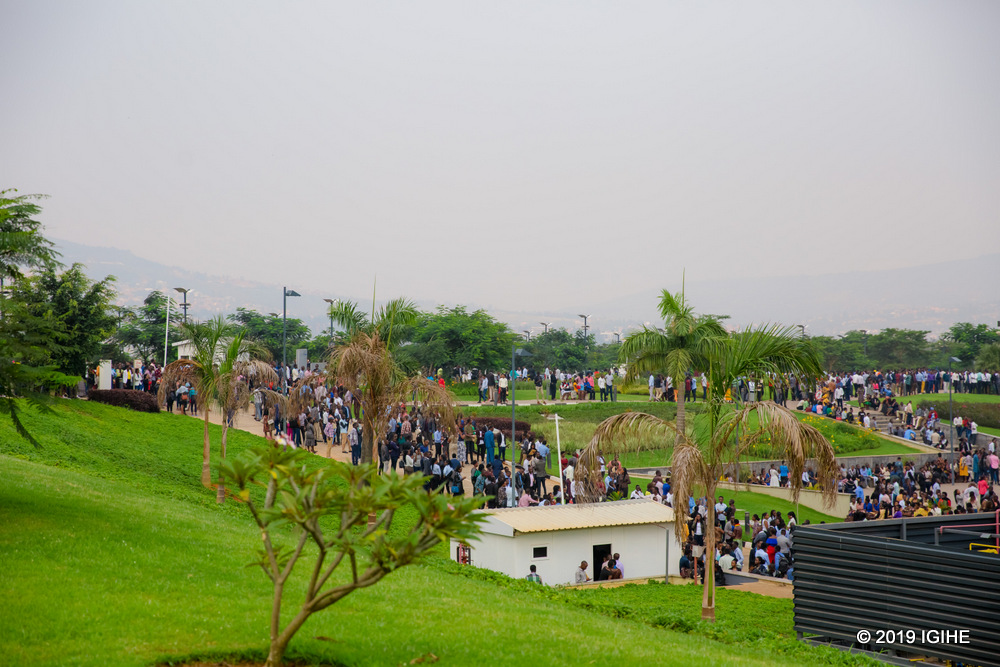
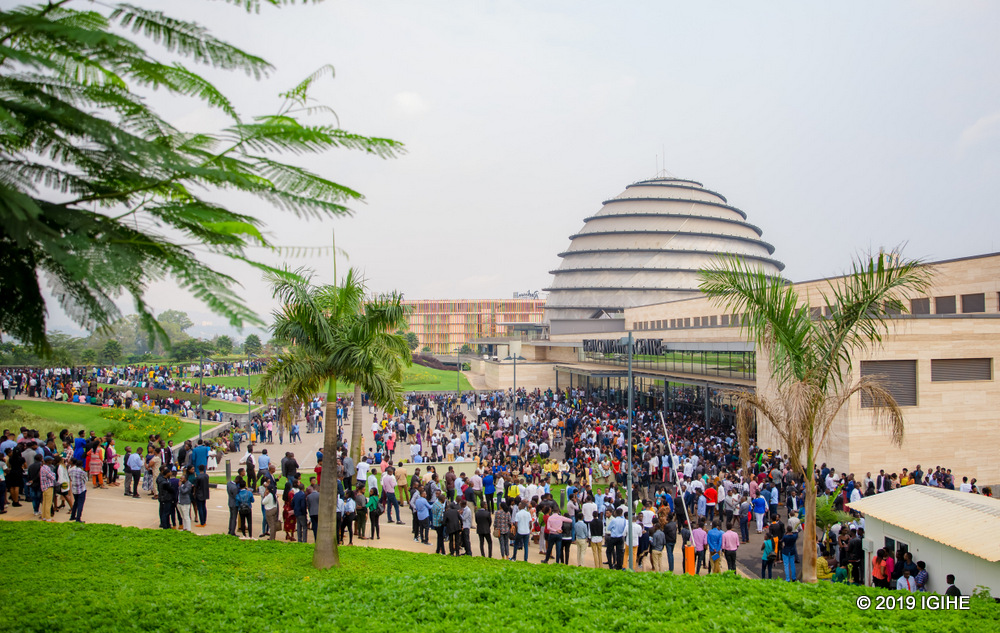
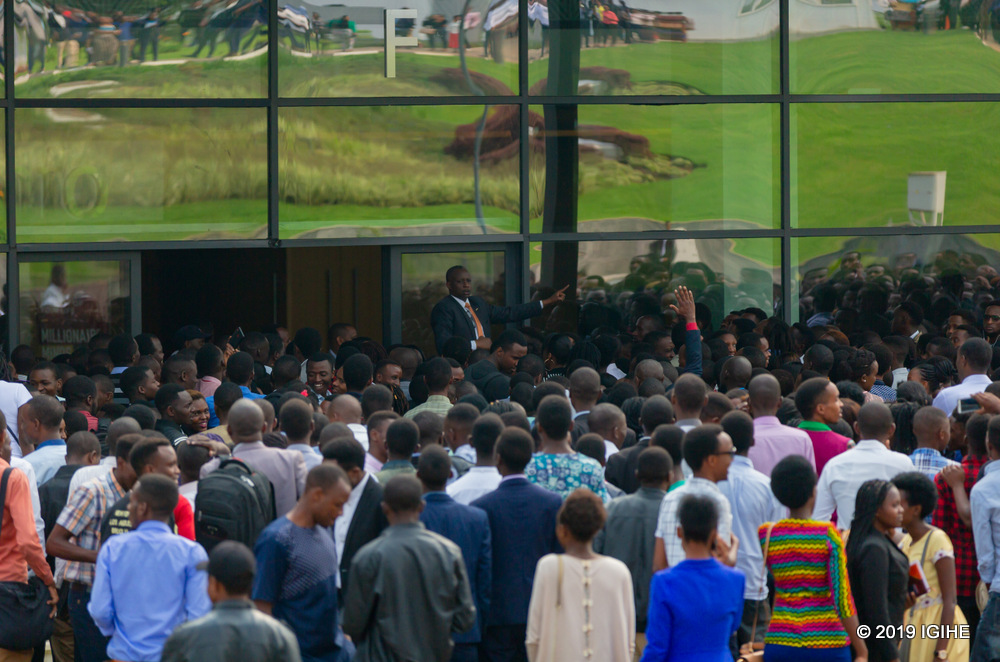
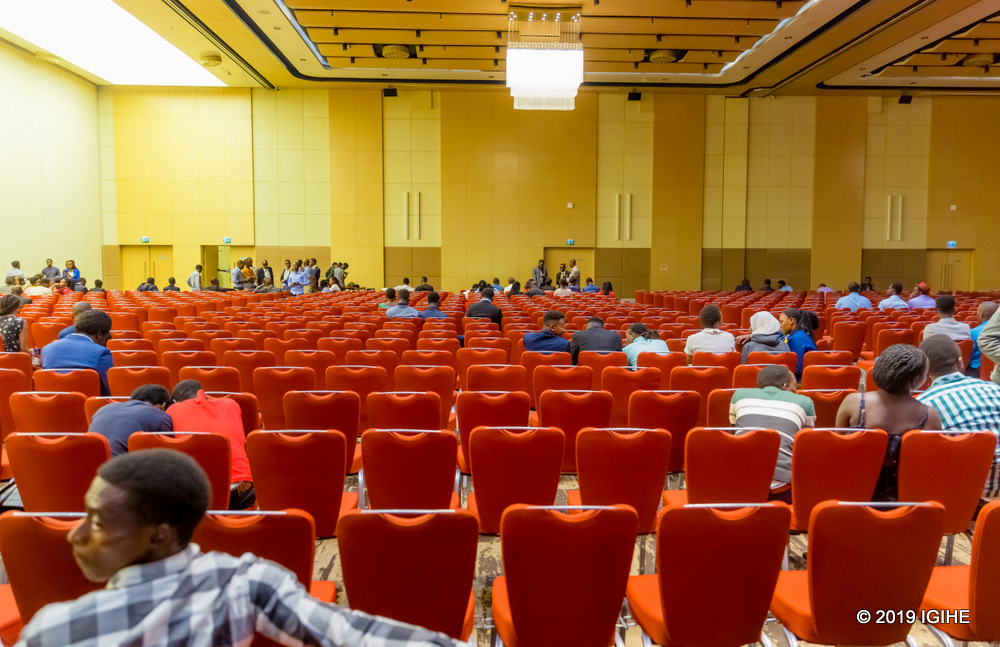
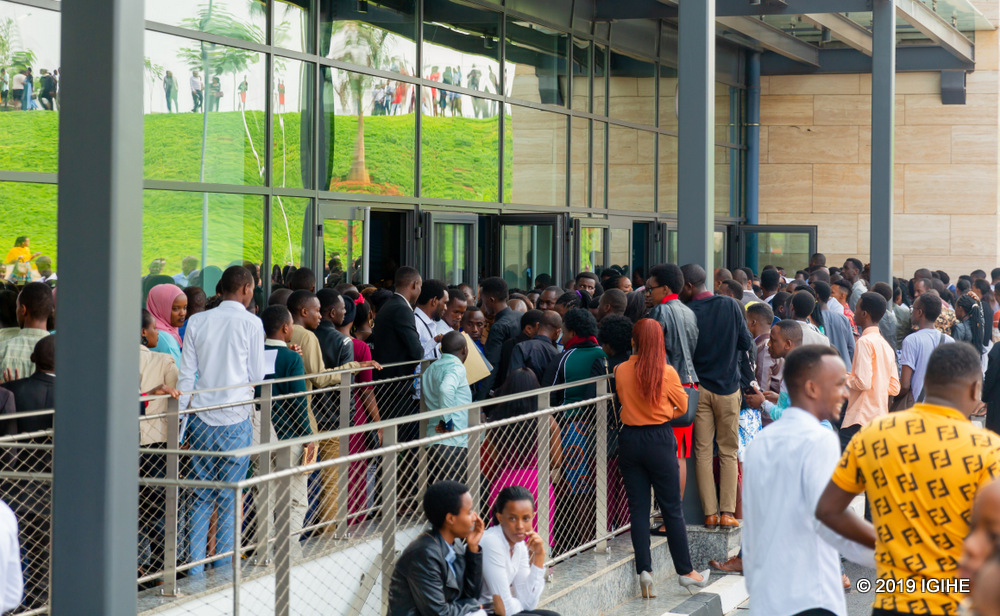
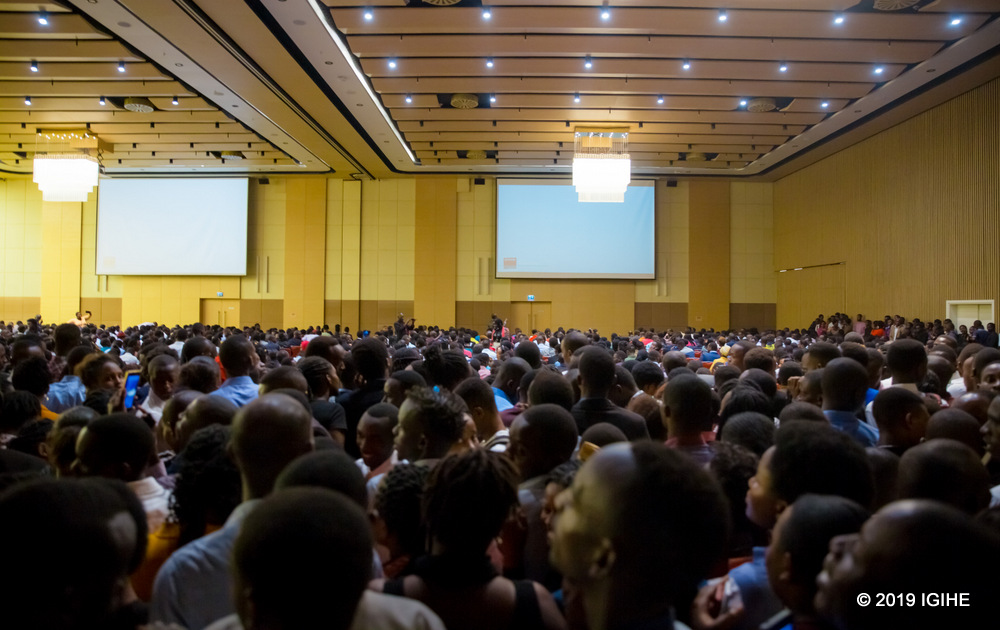
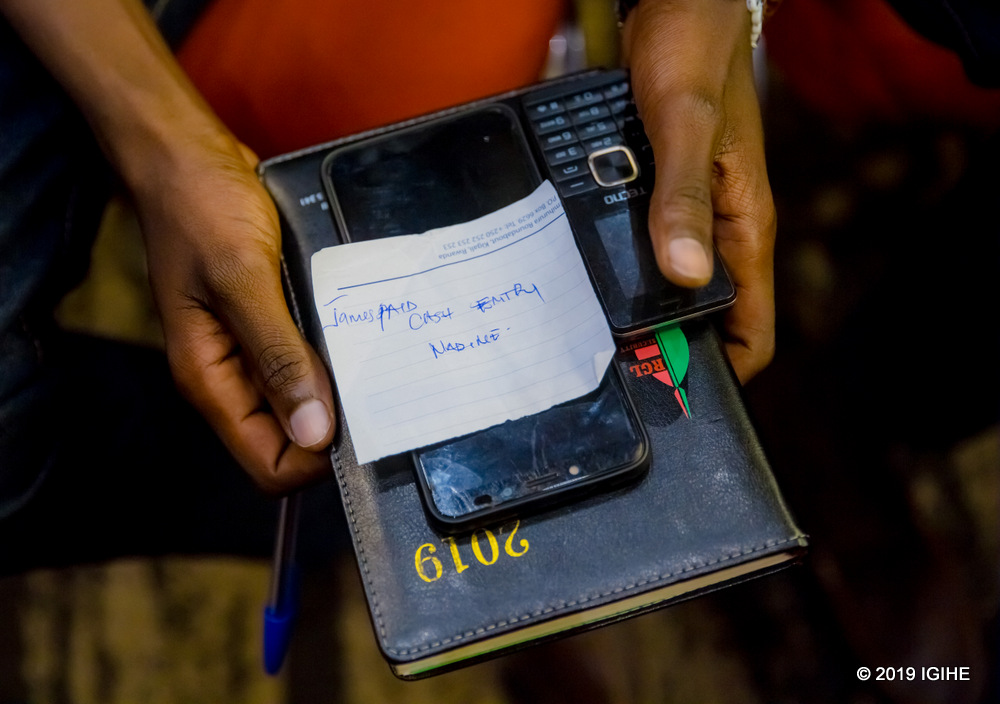
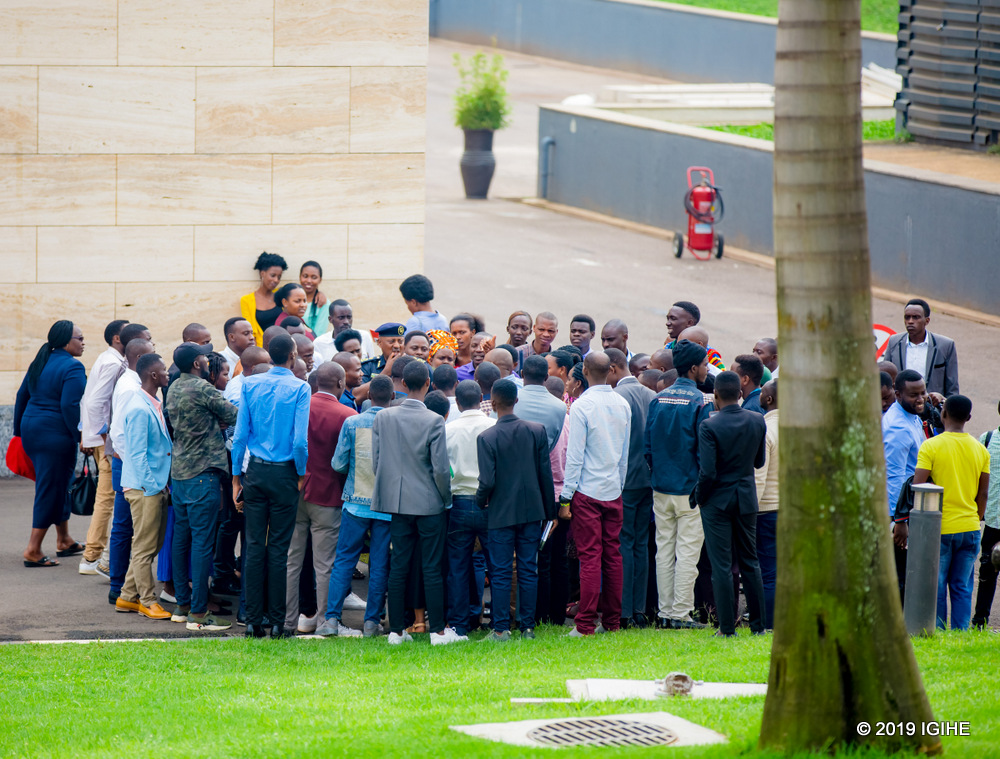
As the crowd of participants flocked Kigali Convention Center today morning, they were required to pay an attendance fee yet they could not even fit in the room booked for the meeting.
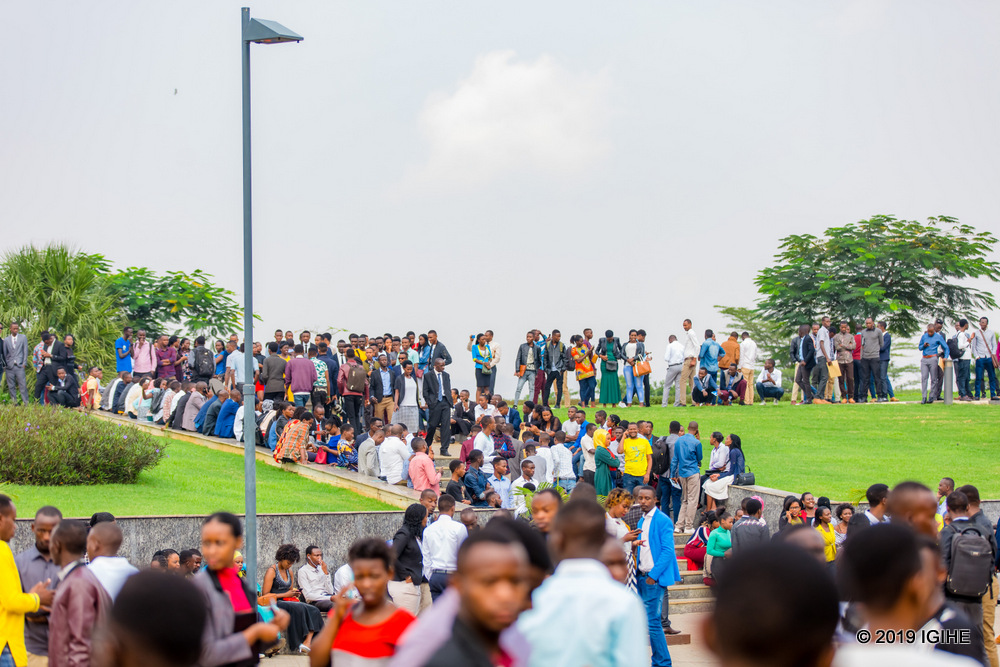
The room was overcrowded and resulted into chaos as the big crowd that could not find space inside the meeting room stayed outside wandering around the premises of Radisson Blu Hotel.
The chaos kept growing until the management of KCC called security for intervention, bringing in Commissioner of Police for Operations and Public Order, CP George Rumanzi and Peter Karake, the Director General for Crime Intelligence and Counter Terrorism at Rwanda Investigation Bureau (RIB).
CP Rumanzi told attendees of the meeting that it is halted following a call from Convention Center management for intervention to stop the chaos.
He explained that training people is not the problem but the anomaly lies in poor coordination of the meeting.
“The organizer doesn’t even know the exact number of invitees. Attendees staying outside outnumbered 10 times the number of people inside the conference room. The registration process is also ambiguous. It causes problems. That is why we have intervened with RIB. There is evidence that it is an issue to be investigated,” he said.
Security officials revealed that over Rwf 15 million in registration fees has been collected from participants. Following interventions, it was agreed that participants who paid for attendance get their money reimbursed.
According to sources, each participant had to pay either Rwf 15,000 for a VIP or Rwf 4,500 for an ordinary seat.
Karake said that RIB is going to investigate the case and requested complainants, to file claims at RIB station in Remera.
Col Jeannot Ruhunga, the Secretary General of RIB also visited the scene at Kigali Convention Centre and requested participants to return home promising that relevant institution will follow up the matter.
He assured attendees who had already paid that their money will be recovered.
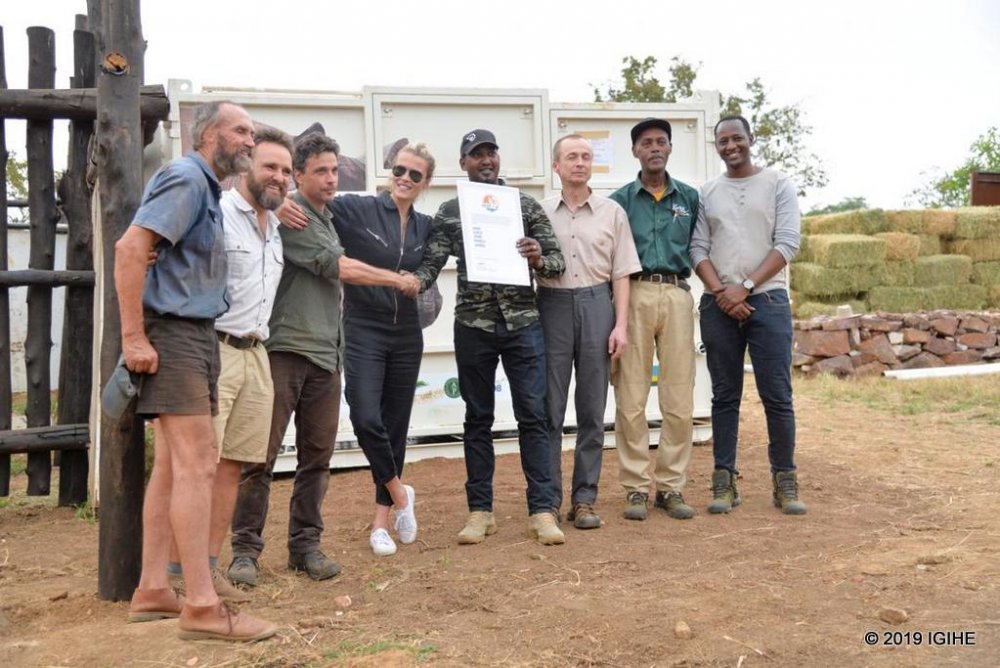
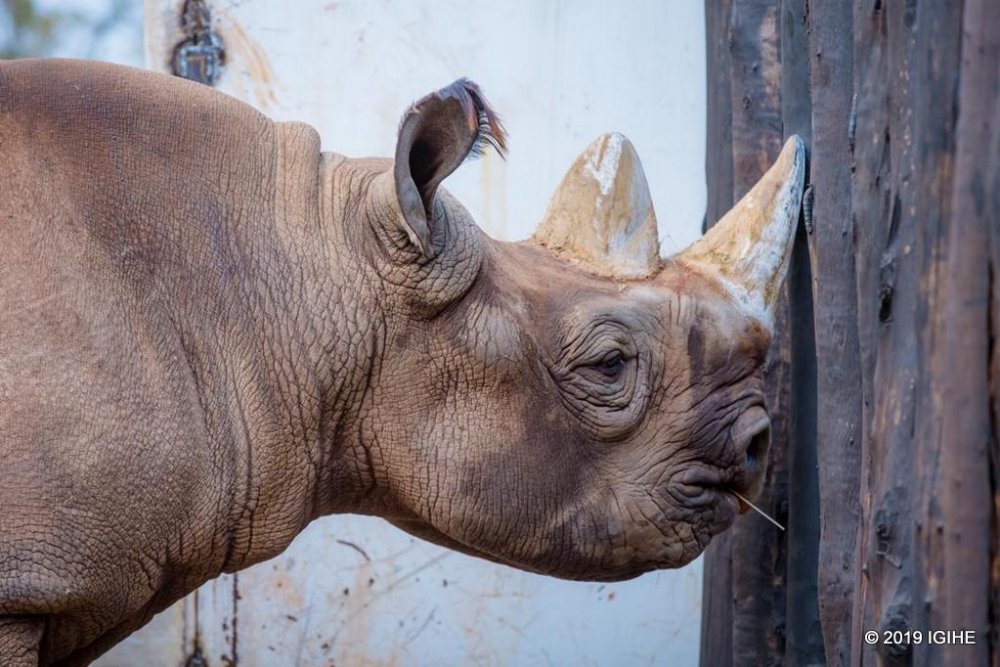
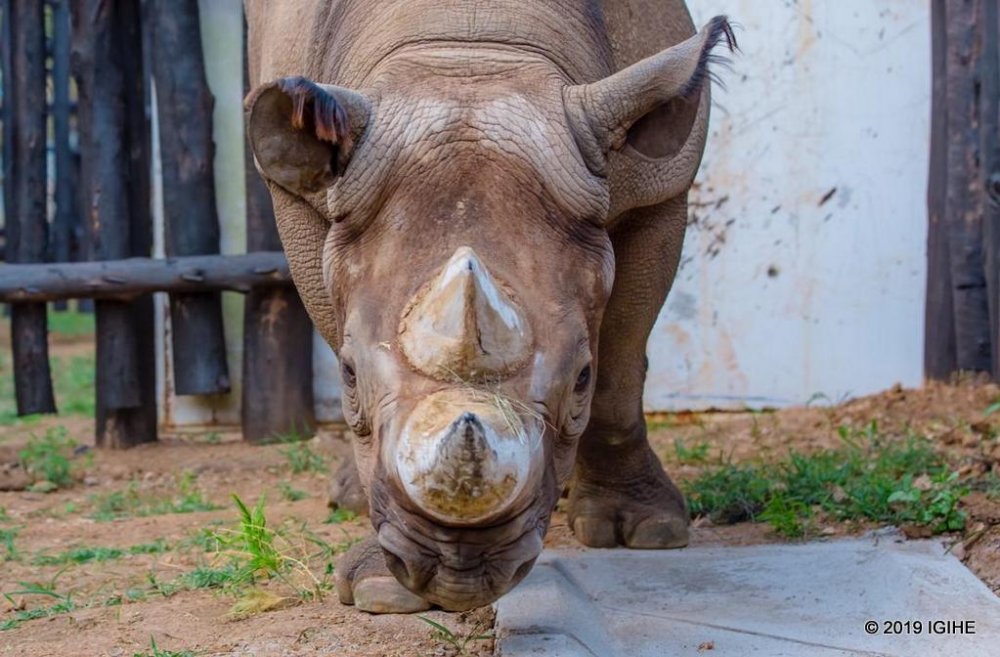
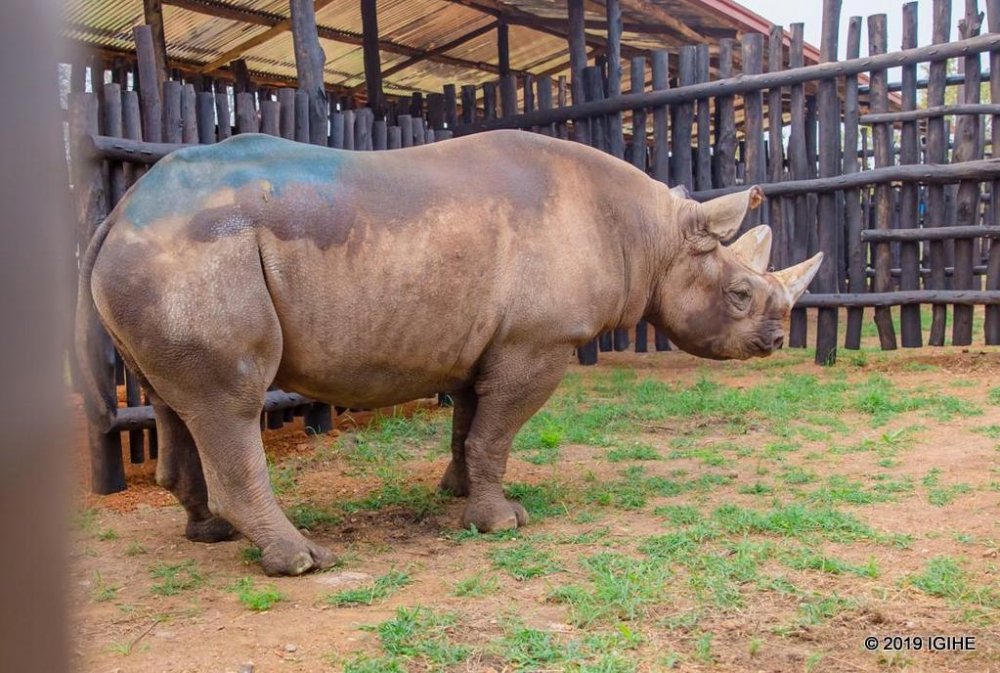
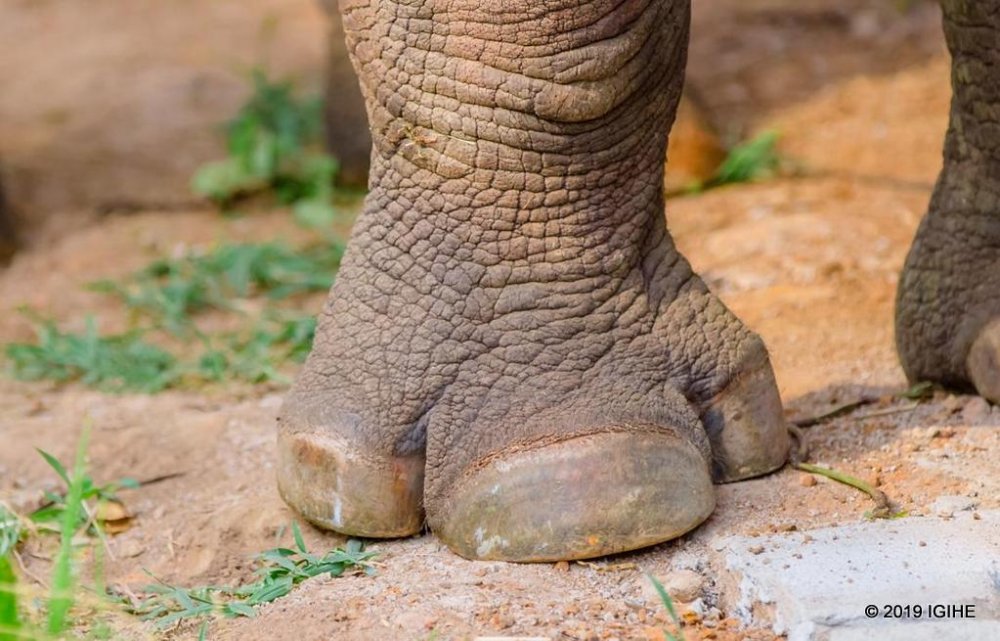
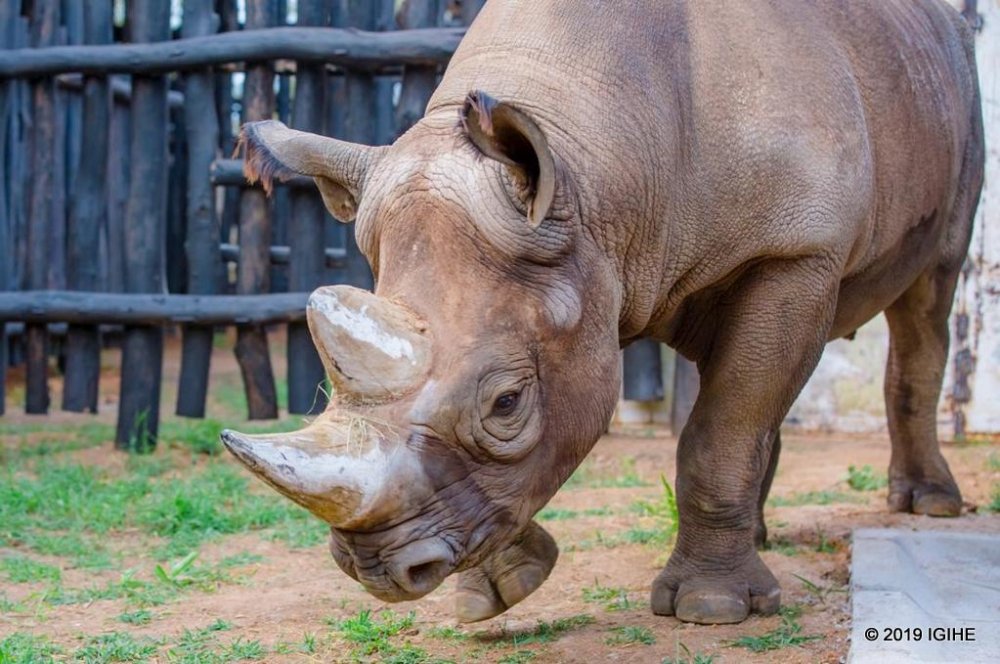
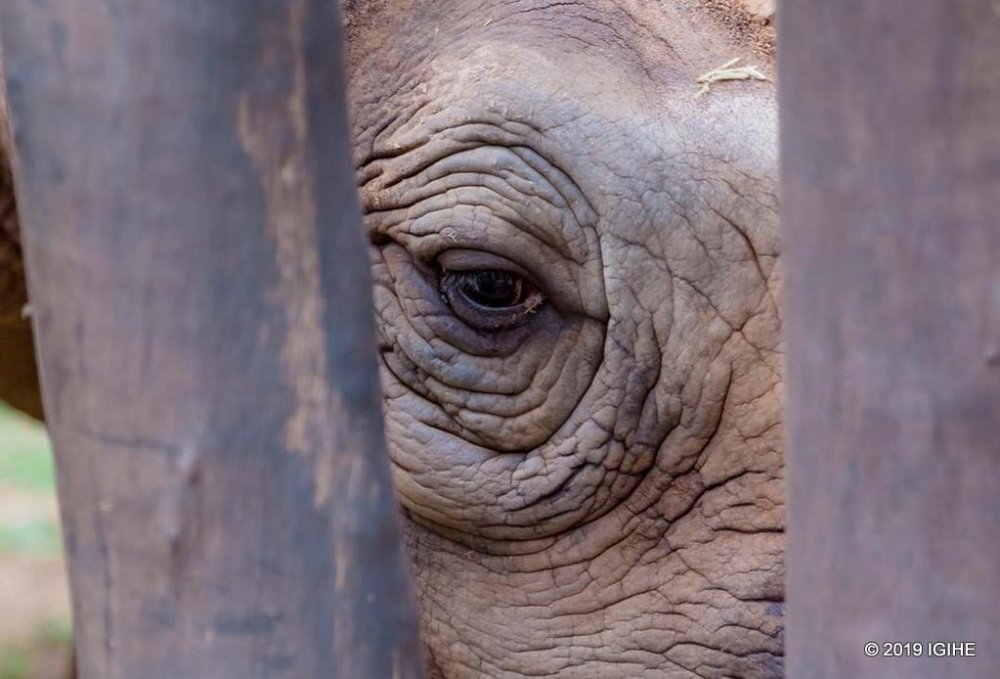
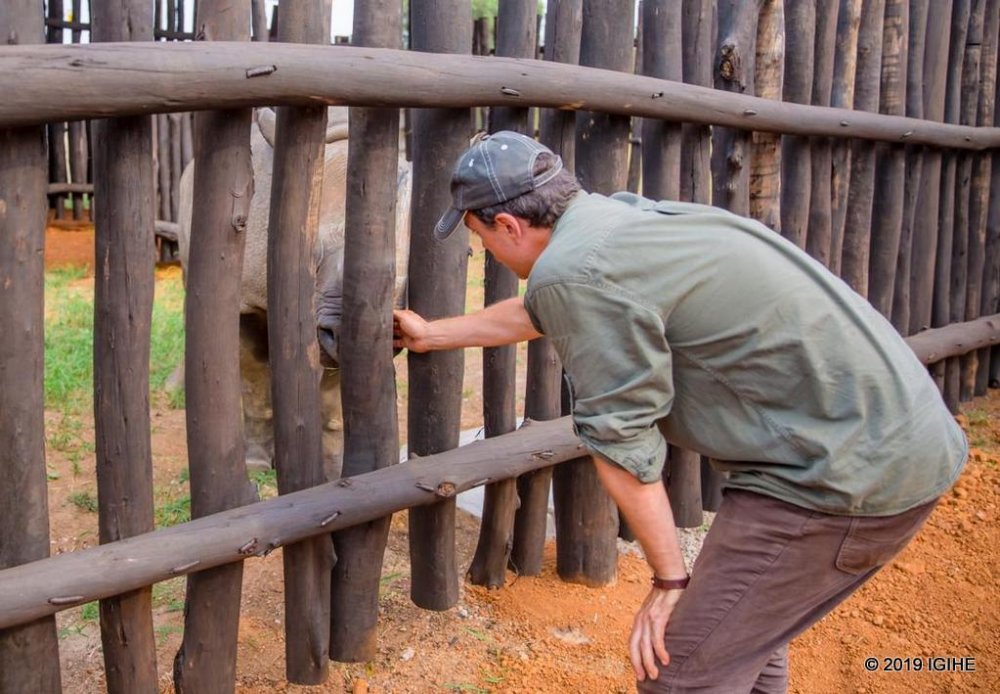
Akagera National Park’s Eastern Black Rhino population has grown with the arrival of five new individuals from European zoos following a translocation undertaken by the European Association of Zoos and Aquaria (EAZA), the Rwanda Development Board (RDB) and African Parks, which manages Akagera National Park in partnership with the RDB.
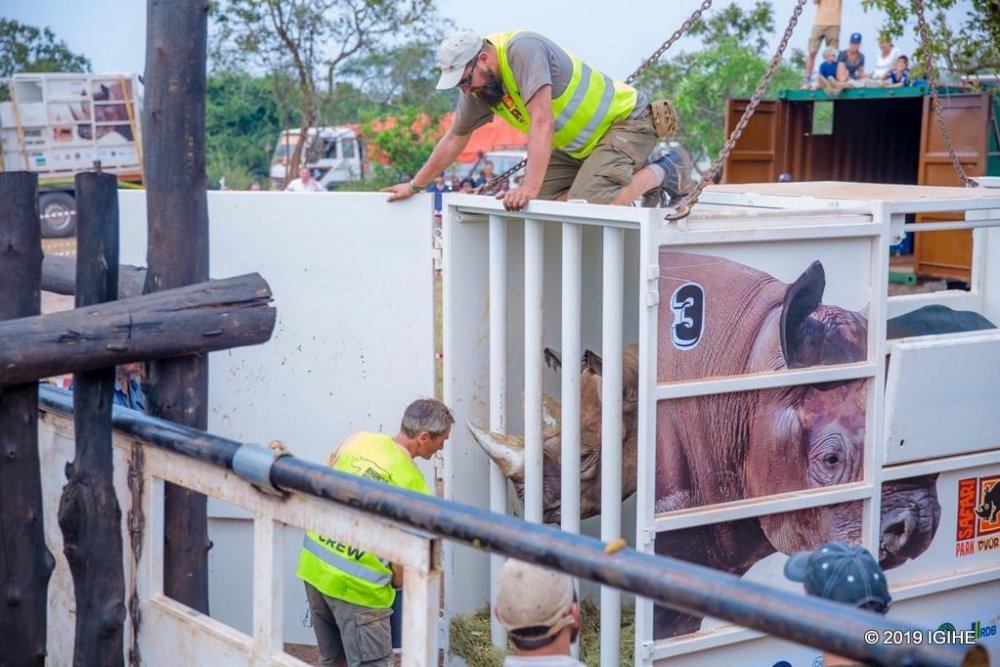
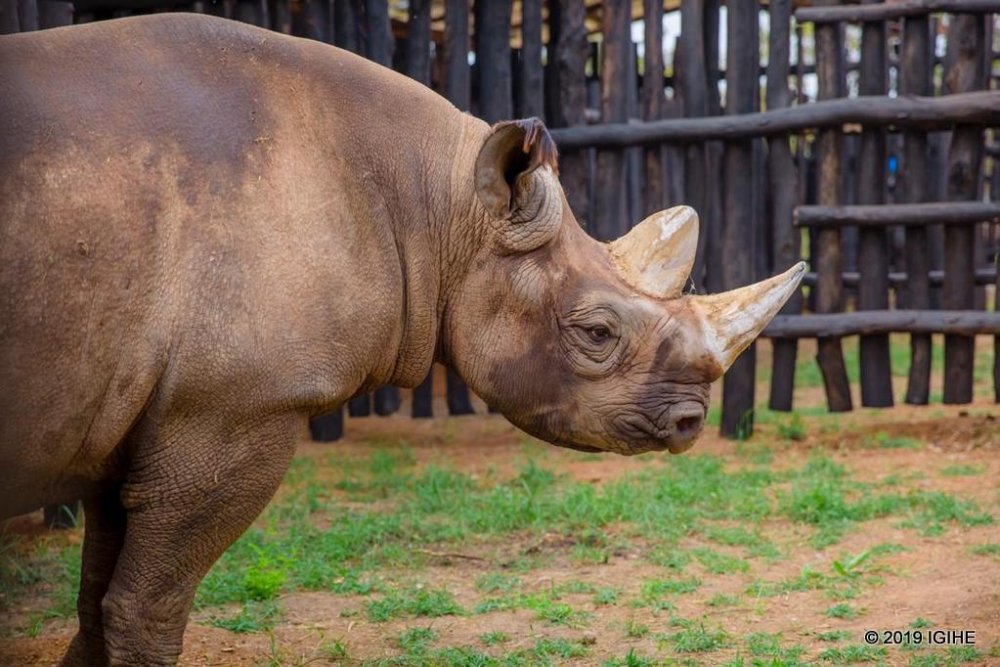
Two male and three female Eastern Black Rhinoceroses were released into the wild of Akagera on Monday 24th June 2019, with the aim of increasing the genetic diversity of the park’s rhino population and aiding efforts to restore the critically endangered subspecies in Rwanda and the region.
Talking on the arrival of the new rhinos, Jes Gruner, Akagera National Park Manager said the newly translocated rhinos will bolster the founder group introduced in 2017, contributing to the reestablishment of a robust Eastern Black Rhino population in Rwanda.
“This unique achievement represents the culmination of an unprecedented international effort to improve the survival prospects of a critically endangered rhino subspecies in the wild. Their arrival also marks an important step in Akagera’s ongoing revitalization, and one that underscores the country’s commitment to conservation,” he said.
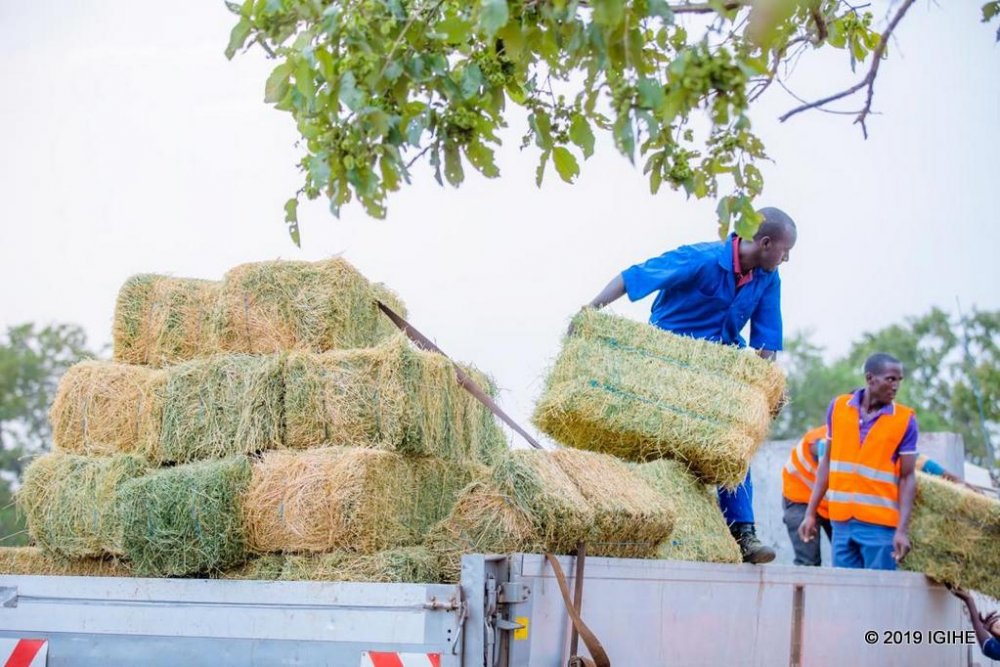
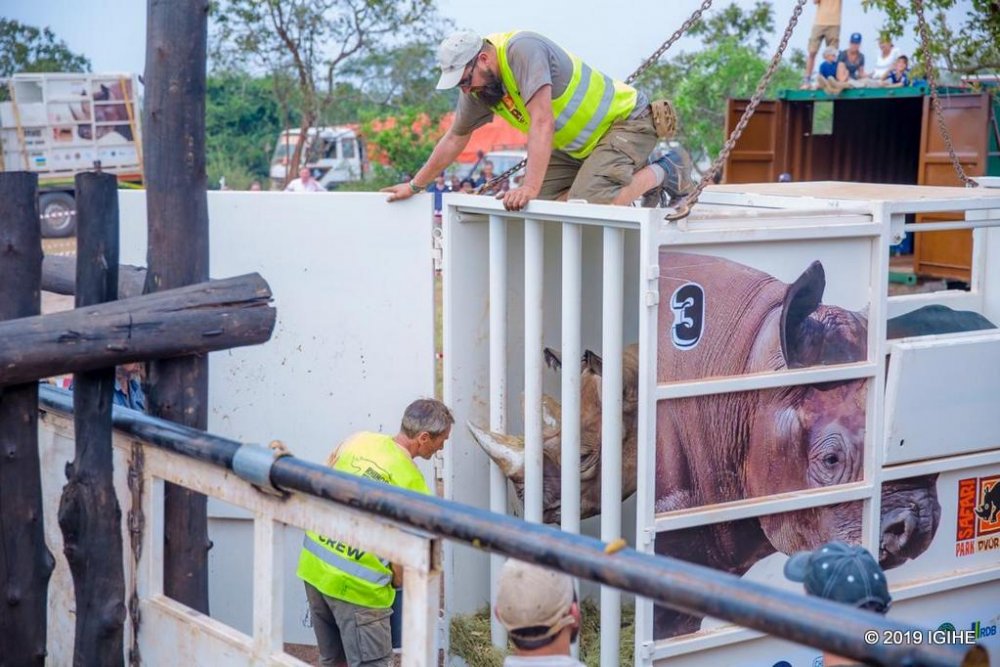
Originally hailing from Safari Park Dvůr Králové (Czech Republic), Flamingo Land (United Kingdom) and Ree Park Safari (Denmark), and selected from the EAZA Ex Situ Programme (EEP) for Black Rhino, the five rhinos began their journey from the Czech Republic on the 23rd June following months of preparation at Safari Park Dvůr Králové. Every precaution was taken to minimize stress and ensure their well-being throughout the translocation process. They were flown to Kigali before being transferred to Akagera National Park by truck.
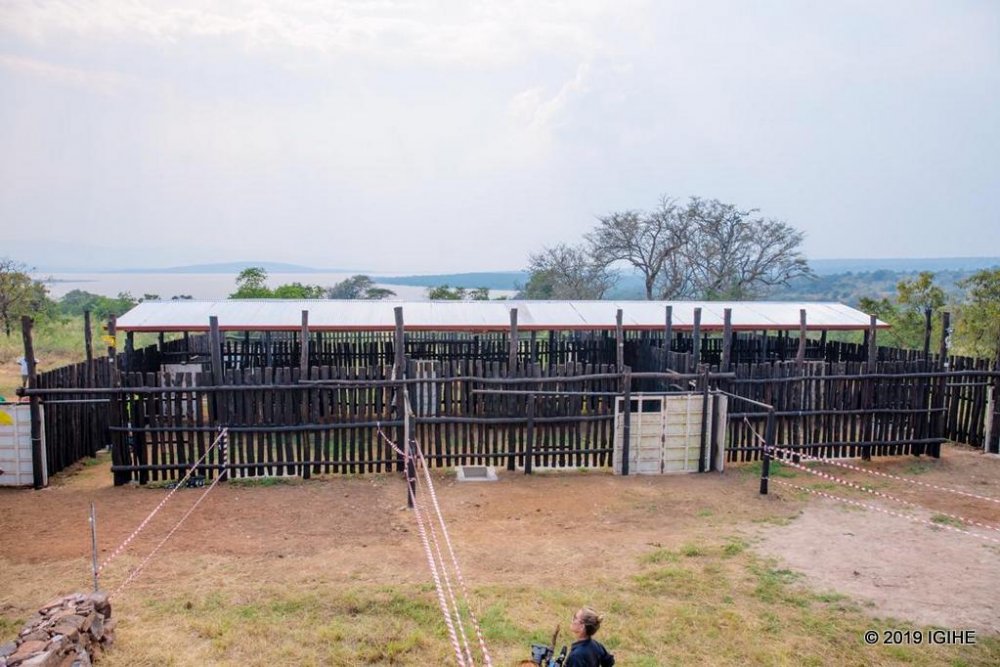
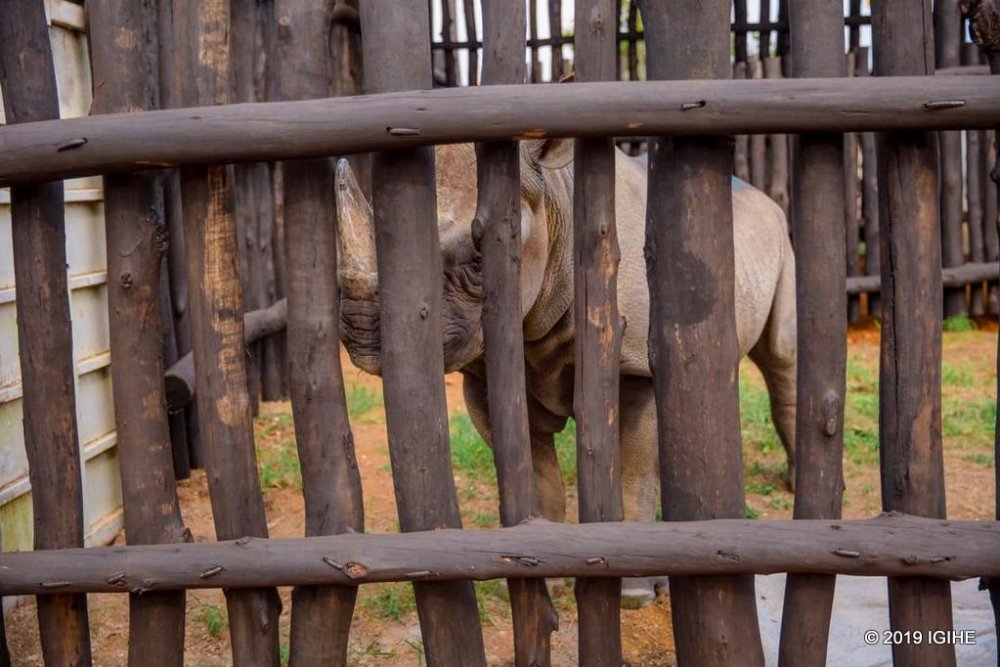
On the afternoon of 24th June, all five Eastern black rhinos were released into enclosures in the park where they will remain for at least three weeks to ensure they have time to acclimatize to their new environment. Once they have adjusted, they will be released into a 10-hectare sanctuary where they will continue to be closely monitored for several months as they establish themselves in the area before being released into the wider park.
Clare Akamanzi, the CEO of the Rwanda Development Board said the country is committed to the long-term success of Eastern Black Rhinos in Rwanda.
“Their health and well-being is crucial to wildlife conservation and biodiversity protection efforts, both in Rwanda and across Africa. We couldn’t be prouder of the strong community-led conservation efforts that make their new home, Akagera National Park, one of the most vibrant and spectacular Big Five Parks in the region, and we are sure that the Park’s newest residents will settle in well,” she stressed.
“Tourists visiting Akagera National Park will get to witness a truly wonderful sight, the Eastern Black Rhino in its natural habitat,” added Akamanzi.
Akagera National Park, a protected savannah habitat in Rwanda that contains excellent black rhino habitat, has undergone a remarkable transformation since African Parks assumed management in 2010 in partnership with the Rwanda Development Board.
In 2017, ten years after Eastern Black Rhinos had last been seen in Akagera, the species were reintroduced with the translocation of 18 individuals from South Africa through a project supported by the Howard G. Buffett Foundation.
The founder population that now numbers 20 adapted well, demonstrating the park’s potential to sustain a black rhino population while underscoring the extremely high levels of security and effective park management provided by African Parks and the Government of Rwanda.
Just under a decade of management with improved law enforcement and strong community and economic development initiatives has seen poaching practically eliminated, key species including lion and rhino returned, significant support fostered for conservation, and vibrant tourism leading to Akagera being 80% self-financing.
The long-term viability and genetic health of Rwanda’s Eastern Black Rhino population requires the introduction of additional animals. The five newly translocated individuals—two males and three females whose ages range from two to nine—were carefully selected and result from the foresight and vision of EAZA in helping to supplement wild populations in secure parks in Africa with genetically-robust individuals successfully bred and nurtured by the EEP.
“The success of the EEP has enabled us to supplement natural populations of rhinos in Africa,” said Dr. Thomas Kauffels, Chair of the European Association of Zoos and Aquaria.
“Modern zoos are a key part of the conservation landscape, and our collaboration with Akagera National Park and the Rwanda Development Board demonstrates how zoos can contribute directly to the conservation and recovery of endangered species in protected landscapes,” he added.
Extensive security measures have been implemented to ensure the long-term safety and well-being of Akagera’s rhinos. They include an expertly trained rhino tracking and protection team put in place in 2017, a canine anti-poaching unit, and the deployment of a helicopter for critical air surveillance to enhance protection of the park – all made possible with funding provided by the Howard G. Buffett Foundation.
Black rhinos are considered critically endangered by the International Union for Conservation of Nature (IUCN), with fewer than 5,000 black rhinos remaining across their range in the wild, and of these approximately 1,000 are the critically endangered Eastern black subspecies.
This translocation, which is being carried out according to IUCN guidelines, represents an urgent and valuable opportunity to expand the range of the black rhino with the help of captive-bred rhinos to supplement and repopulate wild populations. It also forms part of the Government of Rwanda’s vision to revitalize and protect its natural heritage to create a future in which both people and wildlife can thrive.
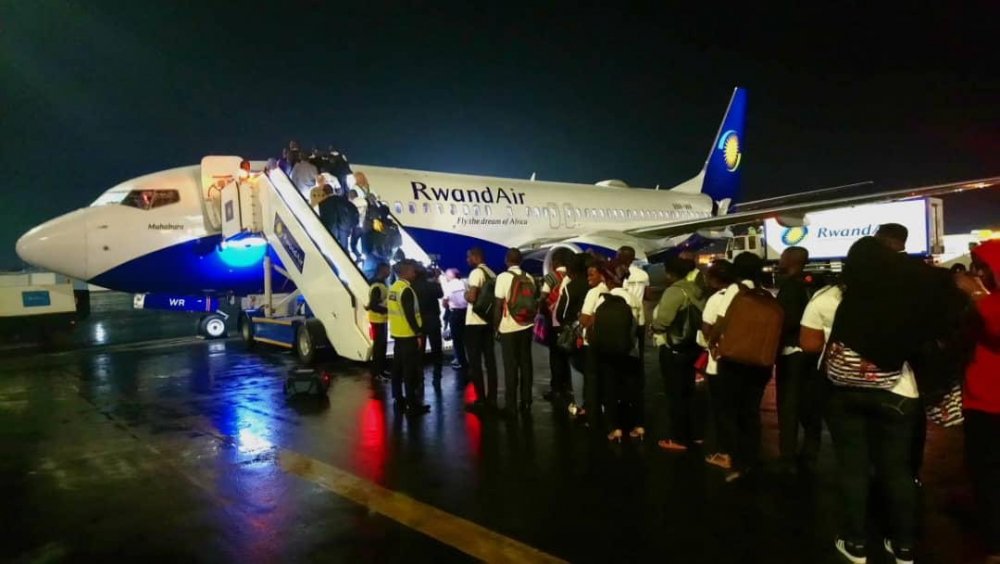
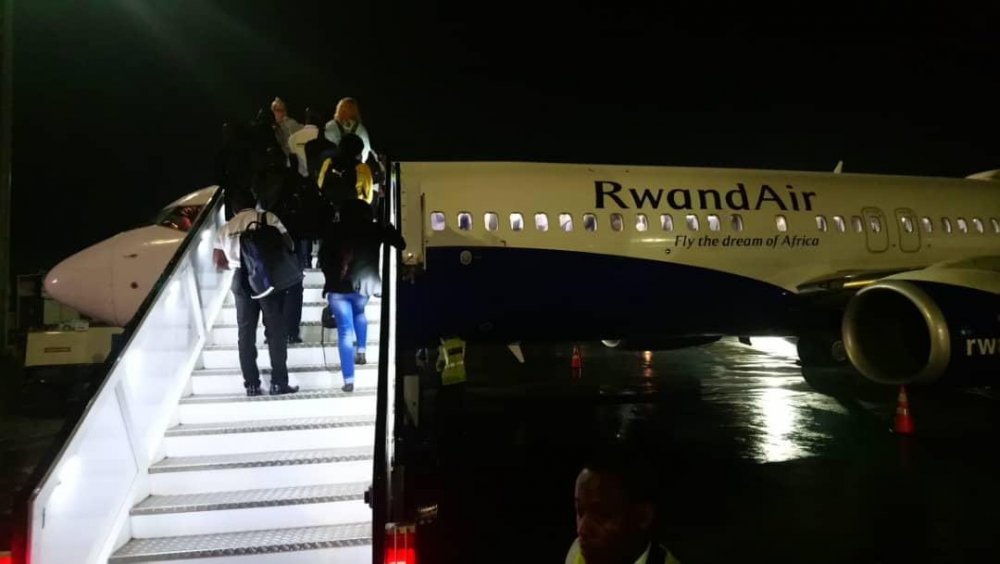
Operated by Boeing 737-800NG with 16 seats in business class and 138 seats in economy class, the national carrier took off on Monday night 24th June and landed in Tel Aviv on 25th June 2019 morning where it was welcomed with a water salute.
RwandAir’s Chief Executive Officer, Yvonne Manzi Makolo expressed her delight for the successful maiden flight to Israel, noting that the carrier will conduct three weekly flights on Tuesdays, Thursdays, and Saturdays.
Tel Aviv becomes the airline’s 29th destination and the second in the Middle East, after the United Arab Emirates.
RwandAir revealed that the new flights are expected to boost existing ties between Rwanda and Israel, particularly in inter-trade cooperation.
Since the beginning of 2019; Rwanda launched flights to Addis Ababa in Ethiopie, Kinshasa in the Democratic Republic of Congo and Guangzhou in China.
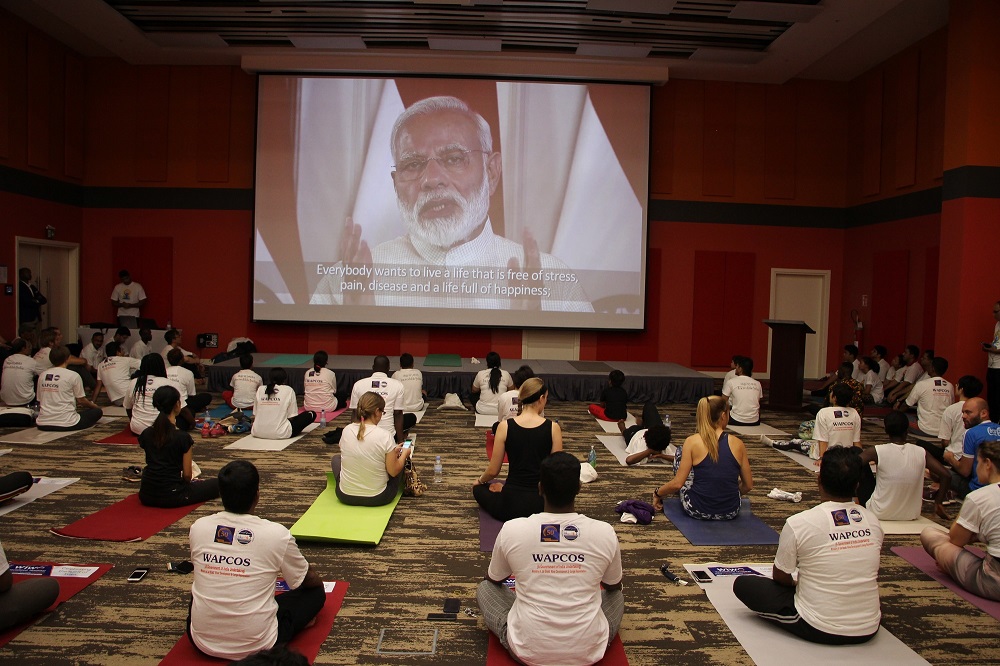
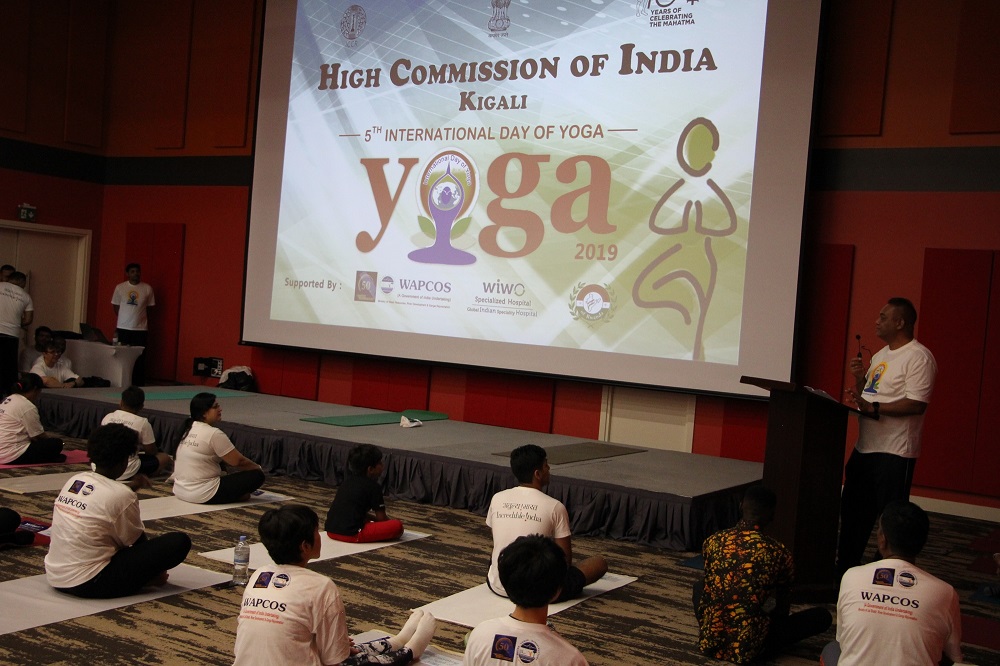
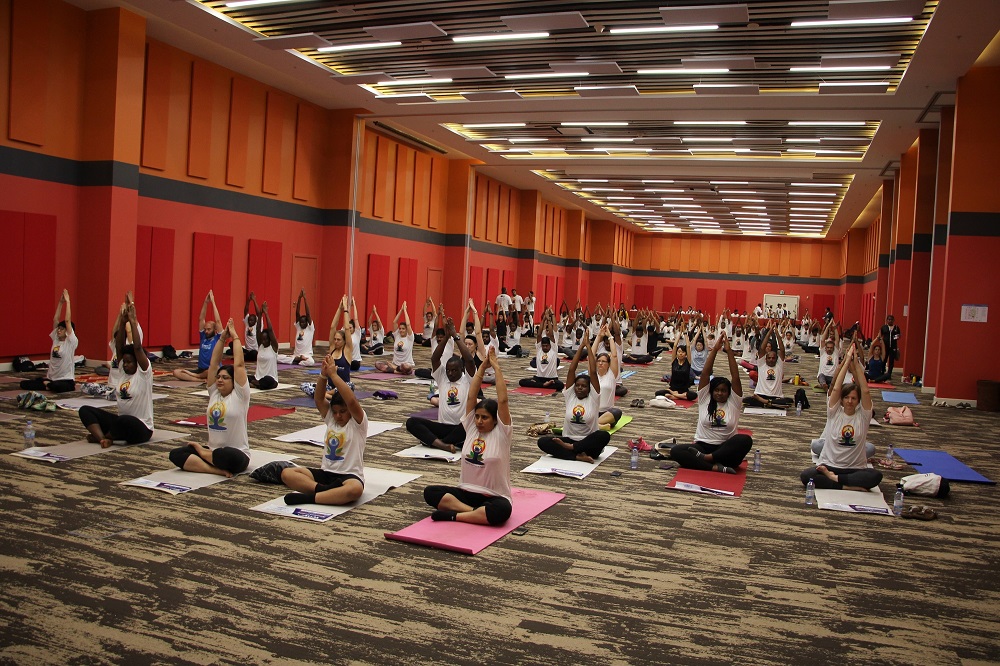
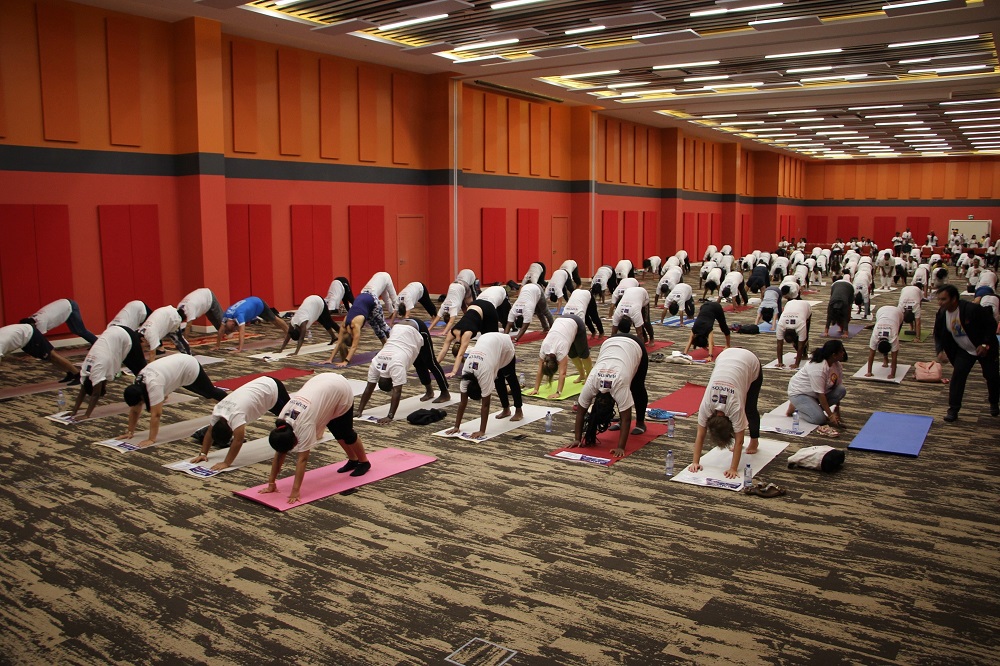
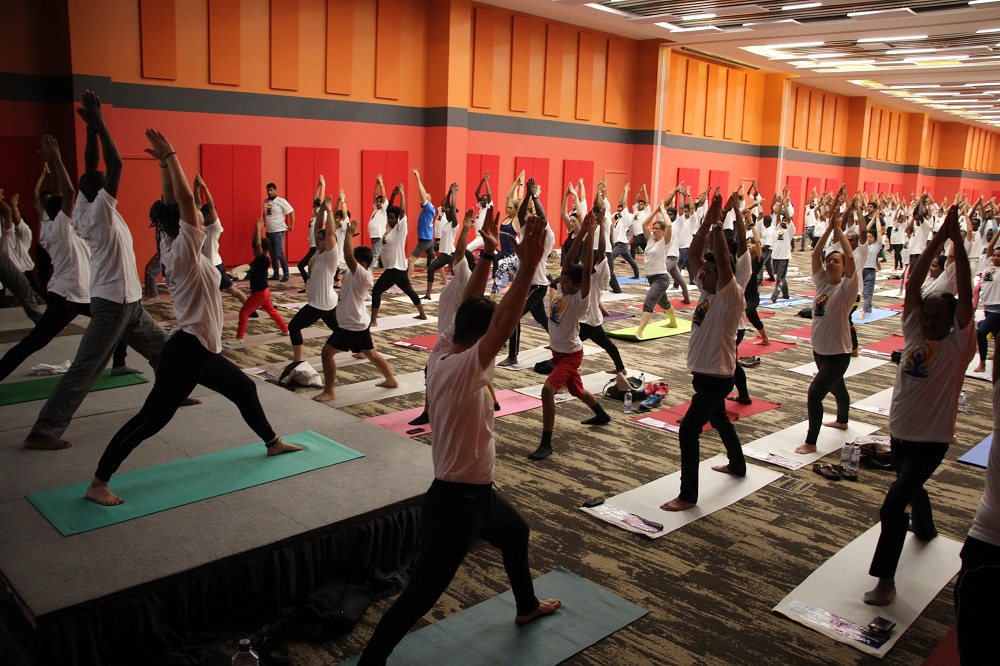
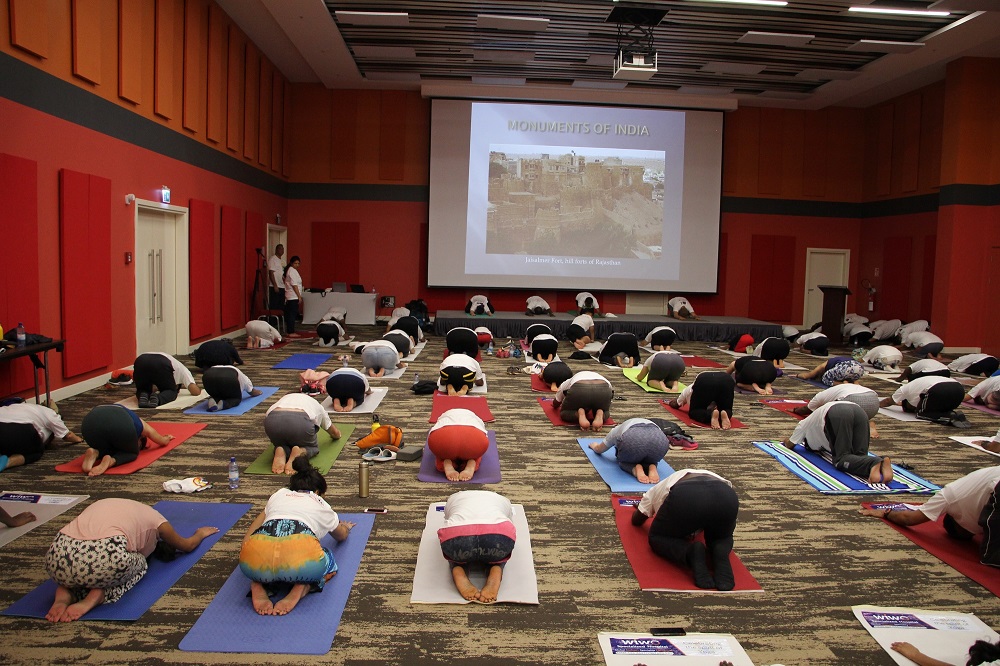
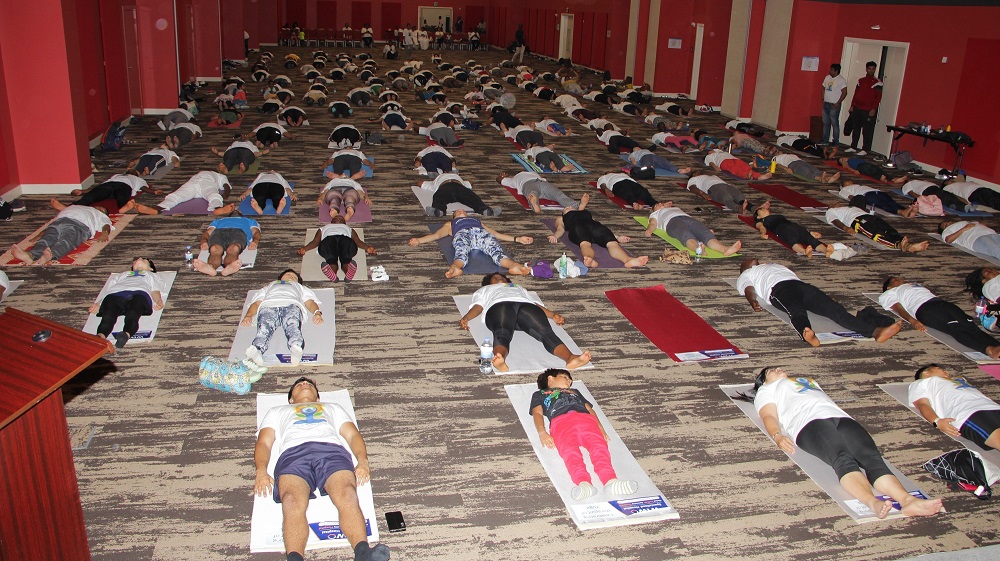
The celebration of the international event saw over 300 Yoga enthusiasts, including members of the diplomatic corps based in Kigali, Indians, Rwandan and foreign yoga teachers.
The event included several Yoga sessions, a short film on Yoga’s history and a message of the Prime Minister of India, H.E. Narendra Modi on the occasion of the Yoga Day.
Speaking at the event, the High Commissioner of India to Rwanda, Oscar Kerketta said that Yoga brings about harmony between man and nature and is a holistic approach towards health and well-being.
“There is a misconception about Yoga that it is associated with certain religions. Yoga is universal and has nothing to do with religion. People of all religions can practice Yoga to live a healthy life without compromising on their religious beliefs,” says Kerketta.
Kerketta further added that Yoga can be practiced in complementarity with other forms of physical activities like jogging, swimming, aerobics, or any other sports.
The idea of having an International Day of Yoga was mooted by Prime Minister Modi at the United Nations General Assembly in September 2014, following which, a resolution was adopted by the United Nations to declare June 21 as the International Day of Yoga. The resolution was co-sponsored by 177 nations, which is a record in UN history. This year marks the 5th International Day of Yoga.
Yoga evolved in India more than 5000 years ago and along with Ayurveda has been an integral part of the traditional Indian healthcare system. What separates Yoga from another form of fitness activities is its focus on mind and breathing.
A large number of scientific studies have come up which prove that Yoga and meditation can ward off stress and diseases. Scientists have begun to recognize the beneficial effects of Yoga in dealing with lifestyle and other diseases such as back pain, insomnia, cancer, heart diseases, etc… Yoga enthusiasts also underline the importance of Yoga in dealing with Climate Change. Yoga practitioners become more conscious consumers, which has a positive effect on the environment. Yoga’s goal is to enable one to discover the sense of oneness with the world and nature.
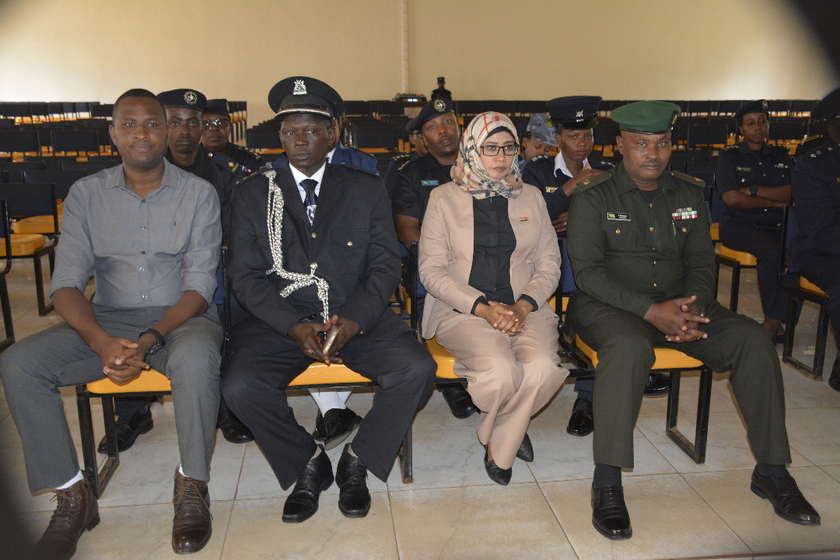
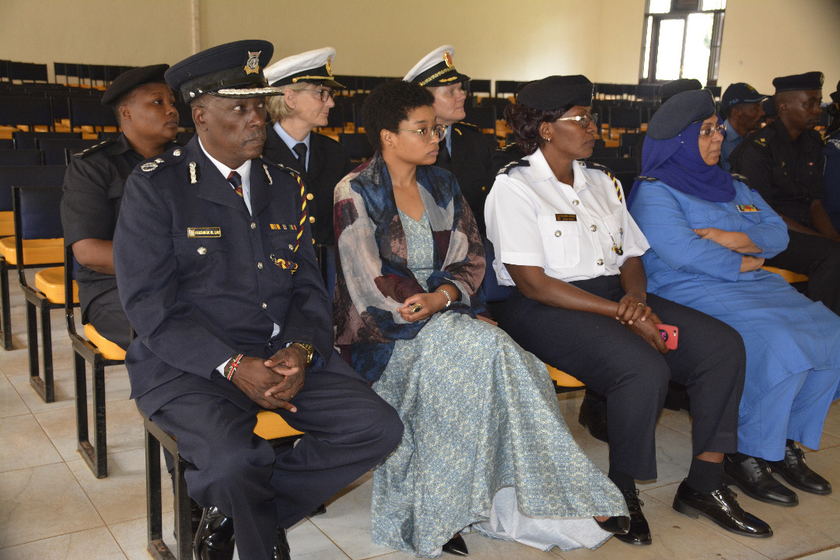
Trainees include Police, military and civilians from the host Rwanda, Comoros, Ethiopia, Kenya, Seychelles, Somalia, Sudan, Uganda and allied participants from Norway.
It’s intended to address issues regarding concepts of gender mainstreaming, SGBV causes and forms in Post conflict situations. It further provides participants with skills, knowledge and techniques of investigating cases related to SGBV during conflict situations.
The commandant of PTS, Commissioner of Police (CP) Vianney Nshimiyimana, while opening the course, said that training is an effective measure to address most of the challenges in regard to contemporary policing and to enforce national laws.
“This course is very paramount to Rwandans as a post genocide country, on one hand, but also in line with functions in peacekeeping operations in region and across the globe,” CP Nshimiyimana said.
The course is line with developing capacity and capabilities of EASF for future deployment in Peace Support Operations.
“This course answers most of our enduring questions in the protracted struggle to professionalize our police forces. Such crimes thrive in insecure and chaotic countries where most of you will be deployed for your peacekeeping missions, and you will be expected to investigate and handle such crimes efficiently,” the commandant said.
The head of Police Component at EASF, Assistant Commissioner of Police (ACP) Dinah Kyasiimire, observed that SGBV has devastating long term effects on the lives of victims, their families and communities, and impedes development.
EASF is one of the five regional forces for Peace Support Operations (PSOs) with multidimensional components that consist of military, police and civilians, and mechanism to provide capability for rapid deployment and intervention, peace support and peace enforcement.
The reduction in data prices is expected to drive further internet connectivity, facilitate business growth and enable communication.
Speaking about the new 4G offers, MTN Rwanda’s Chief Marketing Officer, Richard Acheampong said, “We at MTN believe that every Rwandan deserves the benefits of a modern connected world. Our reduction in pricing indicates our commitment to internet connectivity and making high-speed internet affordable for all.”
Data continues to be one of the fastest growing sources of revenue and subscriptions for MTN Rwanda, with data revenue year on year to date growth of 52.6%.
“MTN continues to see a steady growth of data subscribers on the network and we expect this trend to continue now with the reduction in 4G bundles. Through our pro-customer centric approach, we are not only offering our customers lower rates but also giving them the experience of a good quality network,” added Acheampong.
2018 saw U900 being deployed across the whole network countrywide to drive network efficiency and offer better customer experience. The population coverage went from 53% as of 2017 to 92% in 2018. The plan continues in 2019 that entails upgrading the capacity of 3G sites to enable them to carry more traffic, as well as the building of additional sites.
MTN Rwanda continues to be customer-centric and introduce affordable products and services that will deliver a bold digital world to its customers. This will happen with more affordable data, reliable network and affordable Internet-enabled handsets such as the newly introduced entry-level smartphone, ‘Ikosora’. This combination not only drives smartphone penetration but allows for affordable digital inclusivity. With MTN data, everyone has an offer that suits their needs, regardless of budget.
1. The Cabinet meeting approved minutes of its previous meeting held on 07/06/2019.
2. The Cabinet meeting approved the following policies, strategies and agreements:
o Rwanda child online protection policy for protecting children against risks related to exposure to cyber space;
o The national cooling strategy meant to phase out use of harmful gases;
o Agreement between the Government of Rwanda and Muganza – Kivu tea factory Ltd on co-management of some state forests located in Nyaruguru District;
o Agreement between the Government of Rwanda and Karongi tea factory Ltd on co-management of some state forests located in Karongi District.
3. The Cabinet meeting approved the following draft laws:
o Draft law governing statutes of judges and judicial personnel;
o Draft law approving ratification of the cooperation agreement between the Government of the Republic of Rwanda and the Government of the Federal Democratic Republic of Ethiopia in the field of communication, information and media;
o Draft law approving ratification of the African Union Convention on cyber security and personal data protection adopted at Malabo, Equatorial Guinea.
4. The Cabinet meeting approved the following Presidential orders:
o Presidential order establishing special statutes governing diplomatic officers;
o Presidential order granting retirement to 7 senior officers and 61 junior officers of Rwanda National Police;
o Presidential order discharging a junior officer of Rwanda National Police on health grounds.
5. The Cabinet meeting approved the following Prime Minister’s orders:
o Prime Minister’s order allocating state land located in Nyamasheke District, Karambi Sector, to Gatare tea company Ltd for tea cultivation;
o Prime Minister’s order granting a leave of absence for non-specific period to Mr. NKURUNZIZA Mark who was chief financial officer in Rwanda Development Board.
6. The Cabinet meeting approved the following Ministerial orders and Instructions:
o Ministerial order granting retirement to 140 non-commissioned officers of Rwanda National Police;
o Ministerial order discharging 8 non-commissioned officers and low-ranking officers of Rwanda National Police on health grounds;
o Ministerial instructions amending the existing ministerial instructions on modalities for negotiation and management of contracts between government and service providers.
7. The Cabinet meeting approved agrément of Mr. GOBOPANG DUKE LEFHOKO as High Commissioner of the Republic of Botswana to the Republic of Rwanda with residence in Nairobi, Kenya.
8. AOBs.
o The Minister of Trade and Industry informed the Cabinet meeting that on 6th July 2019, Rwanda will celebrate the international cooperative day under the theme “cooperatives for decent work”.At national level, the day will be celebrated in Rugarama Sector, Gatsibo District, as well as in other districts across the country;
o The Minister of Gender and Family Promotion informed the Cabinet meeting that from 26th to 28th June 2019, Rwanda will host a meeting of Ministers in charge of gender and women promotion in the Economic Community of Central African States (ECCAS) at Serena Hotel, Kigali;
o The Minister of Defense informed the Cabinet meeting that from 24th June to 7th August 2019, the 12th intake of Itorero Indangamirwa will be held at Gabiro Combat Training Center;
o The Minister of Healthinformed the Cabinet meeting of Rwanda’s preparedness to prevent and handle any Ebola threats.
This communiqué was signed by
Marie Solange KAYISIRE
Minister in the Office of the Prime Minister in charge of Cabinet Affairs