The public announcement follows the closure of the canopy in May 2019 for maintenance works.
“Rwanda Development Board wishes to inform the general public that the Canopy Walkway in Nyungwe National Park has been re-opened after completion of regular maintenance. Thank you for your understanding and we apologize for any inconvenience caused while it was closed,” reads RDB announcement released via twitter account.
Nyungwe Forest National Park is one of the attractions that have made Rwanda become the top tourist destination in the world over.
This is not only the place for relaxation but also one of the place for adventure and insight into Rwanda‘s beauty.
The forest is the largest protected mountain forest in Africa that covers between 1600 and 2000 sq metres and being a five hour drive into the middle of Rwanda, this long drive to Nyungwe also gives the guests an opportunity to drink in the country’s diverse scenery and the imposing land scape as you move to the main attraction.
Once a tourist gets to the park, he/she will then prepare to join on one of the most unbelievable adventures ever had including the 200m canopy walk way that gives an excitement hardly compared by anything else.
It is in addition to the beautiful scenery large, centuries old trees and the added thick forest.
Statistics from RDB shows that Nyungwe National Park had a turnover of US$ 534,821 in 2017 from 13,941 tourists.
It is alleged that the suspects identified as Pascal Ntakirutimana, 25, and Cecile Nyiramahirwe, 23, hatched a plan to steal the money from Laetitia Udusanze, 34, of Rususa Village, Gishore Cell in Nyakariro Sector, Rwamagana District. The two suspects were arrested separately on Sunday in Kigali and Rwamagana, respectively.
Chief Inspector of Police (CIP) Marie Gorette Umutesi, the Police spokesperson for the City of Kigali, said that Ntakirutimana was arrested in Kicukiro District, Gatenga Sector, Nyanza Cell in Gasabo Village.
He was at the time of his arrest found with only Rwf100, 000.
CIP Umutesi said that following the alleged theft and the subsequent lodging of the complaint, law enforcement agencies worked together to identify and arrest prime suspects.
“Law enforcement agencies first arrested Nyiramahirwe in Rwamagana, who was cooperative and identified Ntakirutimana as her accomplice in the whole theft scheme. Through information sharing, Ntakirutimana was located and arrested in Gatenga, Kicukiro District,” CIP Umutesi said.
How they hatched the theft plan
Udusanze, a poultry farmer, recently reached out to Ntakirutimana to get her a house-help. Udusanze and Ntakirutimana were friends and fellowshipping together in Rwamagana.
According to Udusanze, Ntakirutimana recommended Nyiramahirwe, who started working last week.
Ntakirutimana had for a while tried in vain to borrow money from Udusanze, apparently to top-up and buy land.
Udusanze explained that recently, Ntakirutimana called her and through a “friendly conversation” he asked her where she keeps the money.
Taking him for a friend, Udusanze openly told Ntakirutimana where she keeps money in her house. The following day, money was gone.
According to the maid (Nyiramahirwe), Ntakirutimana sent her to work for Udusanze with the mission to steal the money.
“On July 3, Ntakirutimana called directing me where the money was, I picked it from a closet and gave it to him,” Nyiramahirwe told the Police.
Ntakirutimana admitted to the crime, but said that he got Rwf490, 000 from Nyiramahirwe but not Rwf500, 000 as claimed.
“Ntakirutimana has since been returned to Rwamagana where he committed the crime, and where he will be tried,” CIP Umutesi said.
She advised against keeping big sums of money at home.
“Financial institutions and other electronic means are accessible everywhere in this country where your money will be safe, no need to take such risks of keeping money in your house,” she advised.
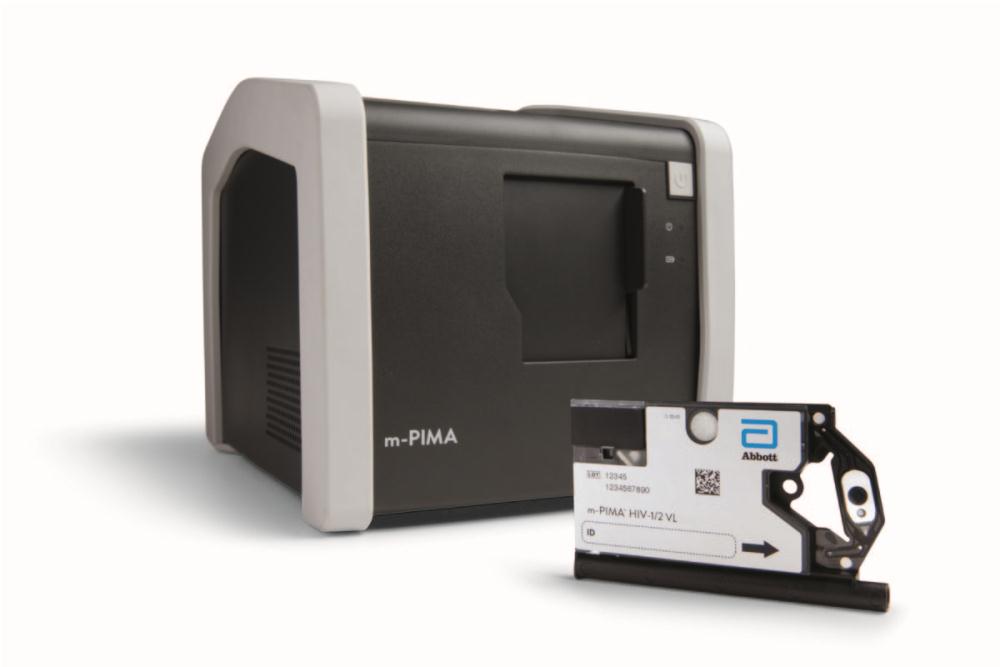
By providing viral load test results in less than 70 minutes, this life-changing technology allows patients to get tested and treated in the same visit and then get back to leading their best life.
Viral load tests measure the amount of HIV copies in the blood of a patient, and determine the type of Anti-Retroviral Treatment that will be effective.
Apart from making easing viral load tests and making results available shortly , the new technology is well to be usable by personnel that are not laboratory-trained in facilities that are not typical laboratory environments.
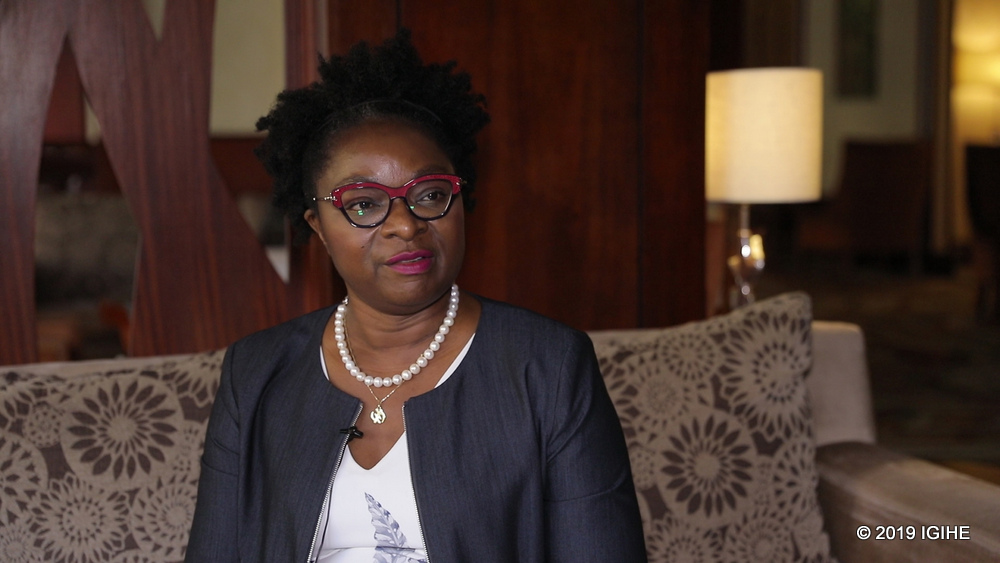
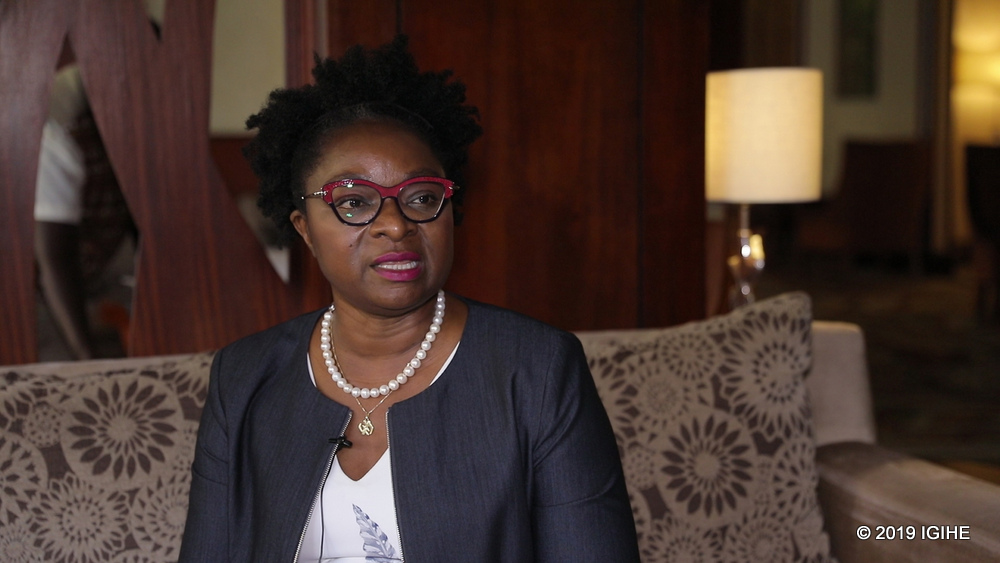
Dr Kuku Appiah, the Director of Medical and Scientific Affairs – Abbot Rapid Diagnostics has told IGIHE that the new technology will allow patients to get tested and treated at the same time.
He revealed this last week on his visit to Rwanda during discussions with health sector officials to assess whether the technology can be used locally.
m-PIMA™ HIV-1/2 VL was licensed by World Health Organization (WHO) to be used as the first technology to diagnose HIV loads timely from the time of infection.
According to Dr Kuku; “The system is built in a way that the test can be conducted at a health post from rural communities or closer to people in need of such services.
Before, it would require a laboratory but this technology will decentralize health services without necessity of experts. m-Pima can be used by any trained individual without advanced laboratory tests skills.”
The tool used for diagnostics has a built-in battery that it can work in the absence of electricity.
“As per WHO instructions, a person with over HIV/AIDS 1000copies/ml needs to change medicaments because health is not in proper conditions. This can only be achieved if there is capability to test HIV/AIDS loads. This is the uniqueness of the technology,” said Dr Kuku.
Rwanda already uses Abott services and is believed to be among countries with willingness to take advantage of new health care services technologies.
To provide the most effective HIV treatment and care, the World Health Organization (WHO) recommends that everyone receiving ART undergoes a viral load test at 6 months and 12 months, and annually thereafter, if the individual is stable on ART. Viral load testing is the gold standard for monitoring ART treatment failure.
The m-PIMA HIV-1/2 VL joins Abbott’s comprehensive portfolio of diagnostic solutions that span the entire HIV cascade of care, serving more than 120 countries globally and all 55 countries on the African continent.
Abbott has a long and deep heritage in HIV diagnostics, having introduced the world’s first HIV test in 1985. With a leading set of solutions for screening, monitoring, management and connectivity – from the lab to the point of care, Abbott is providing critical tools to healthcare providers, especially in resource-limited settings.
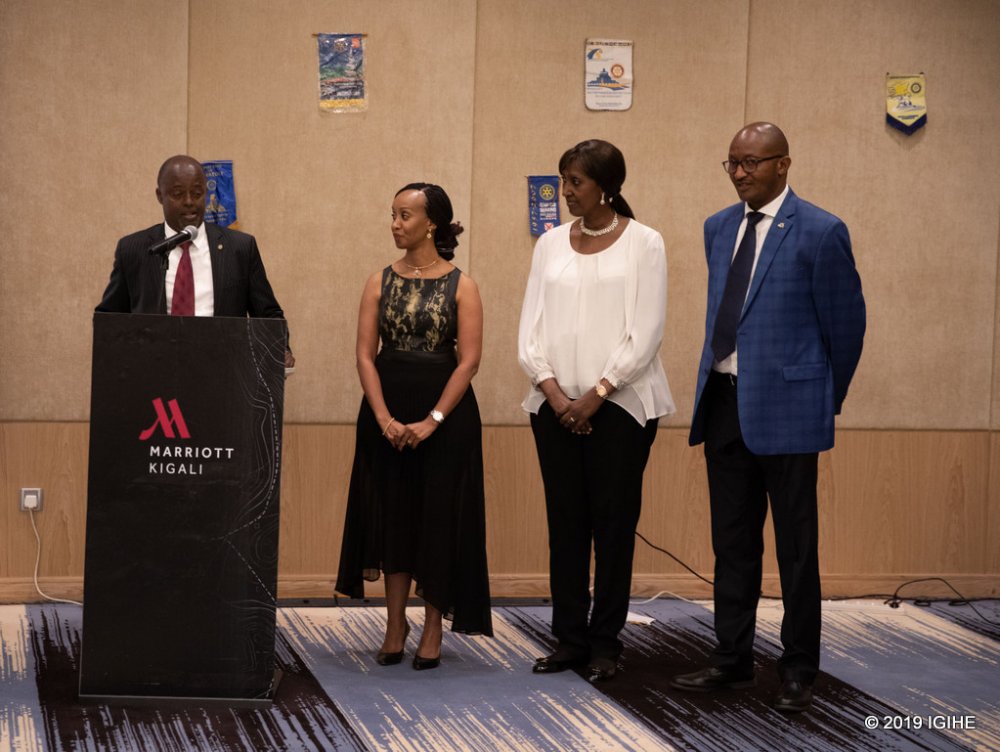
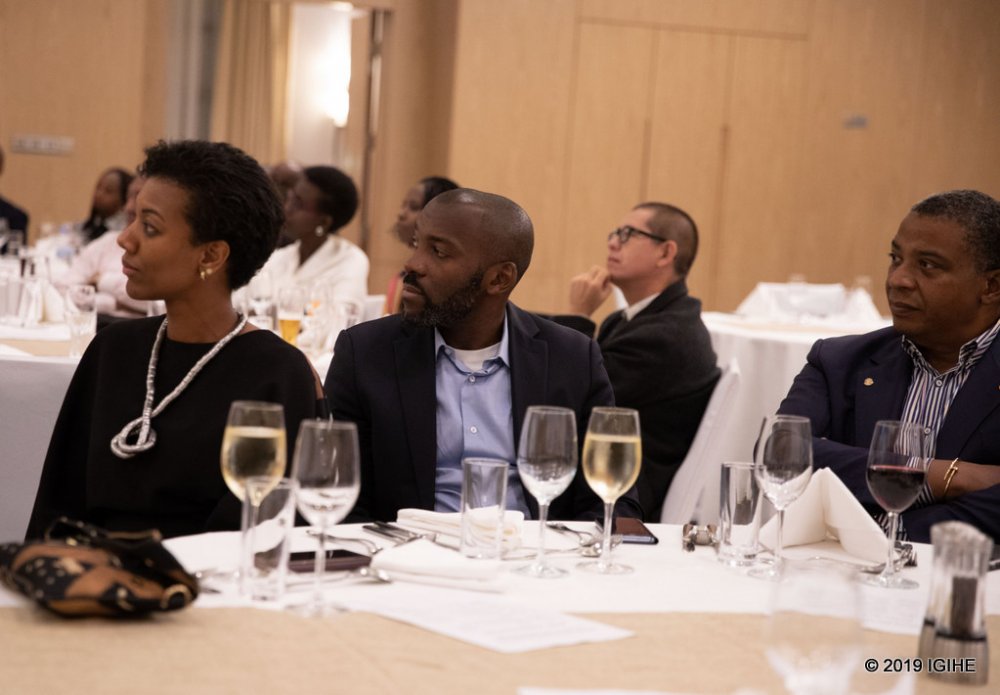
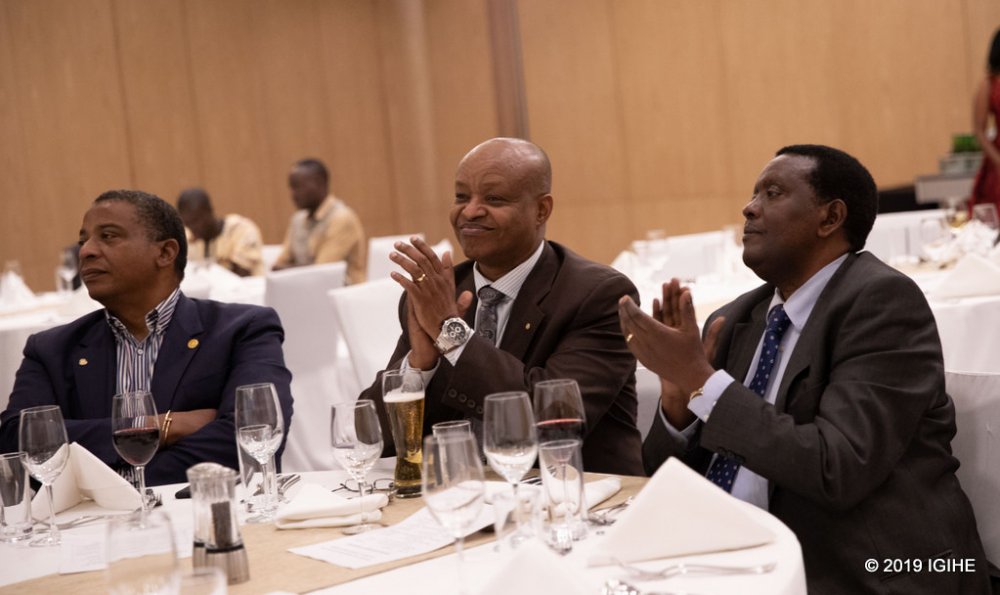
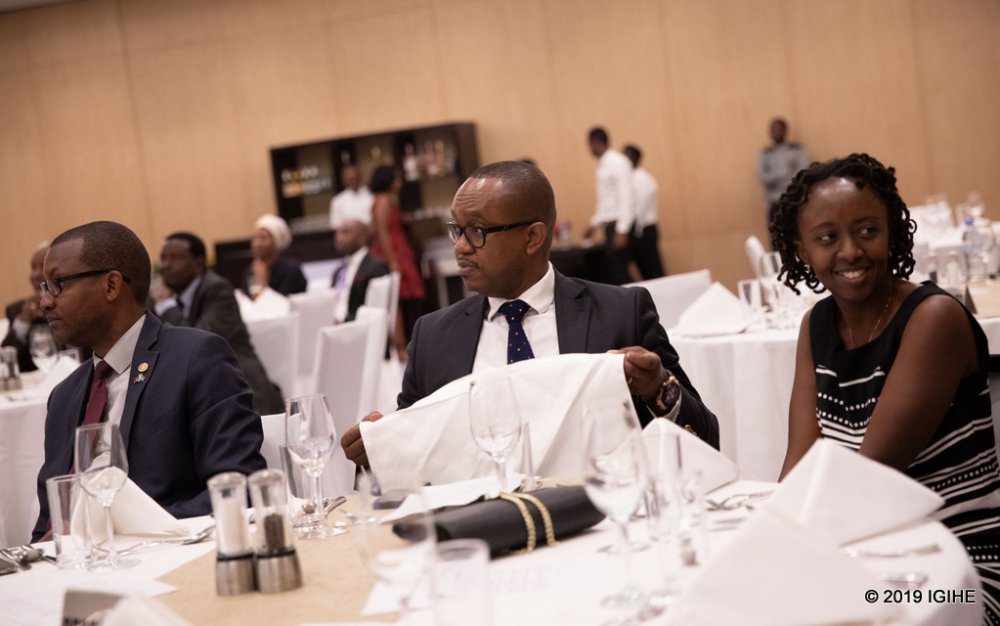
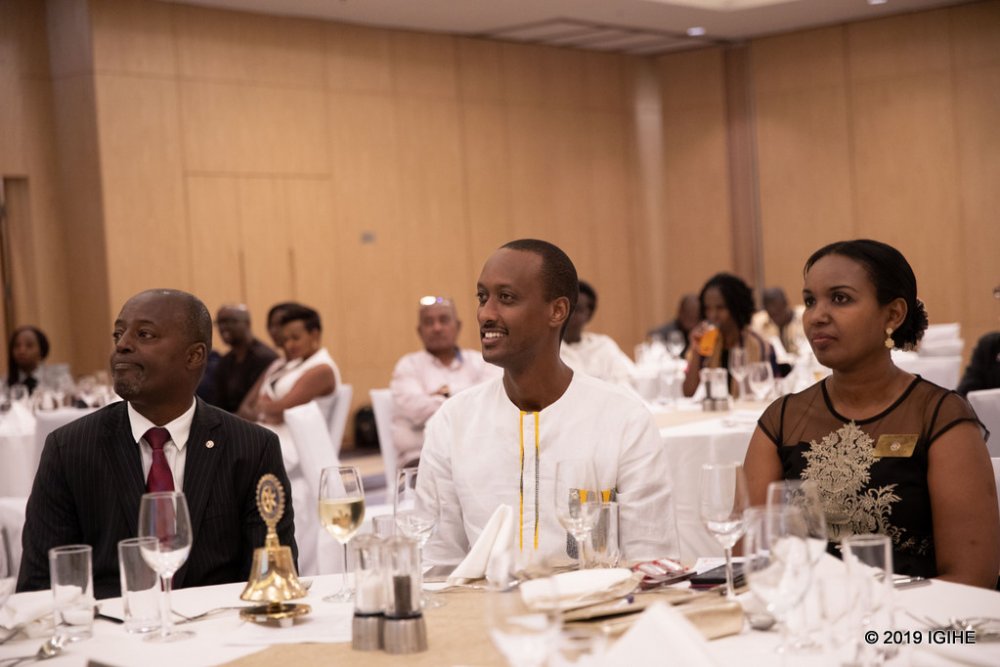
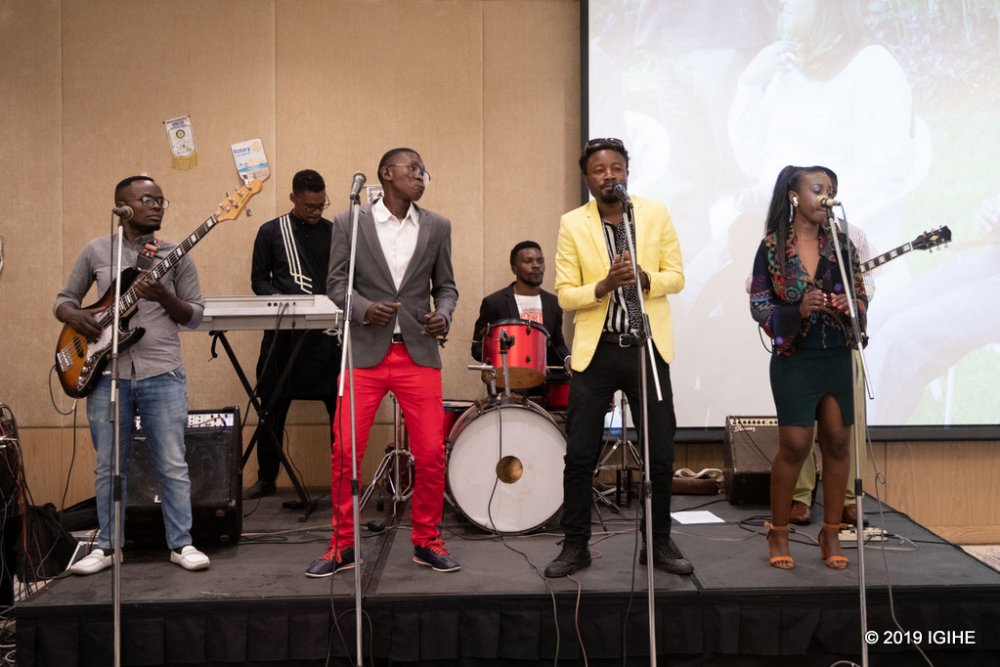
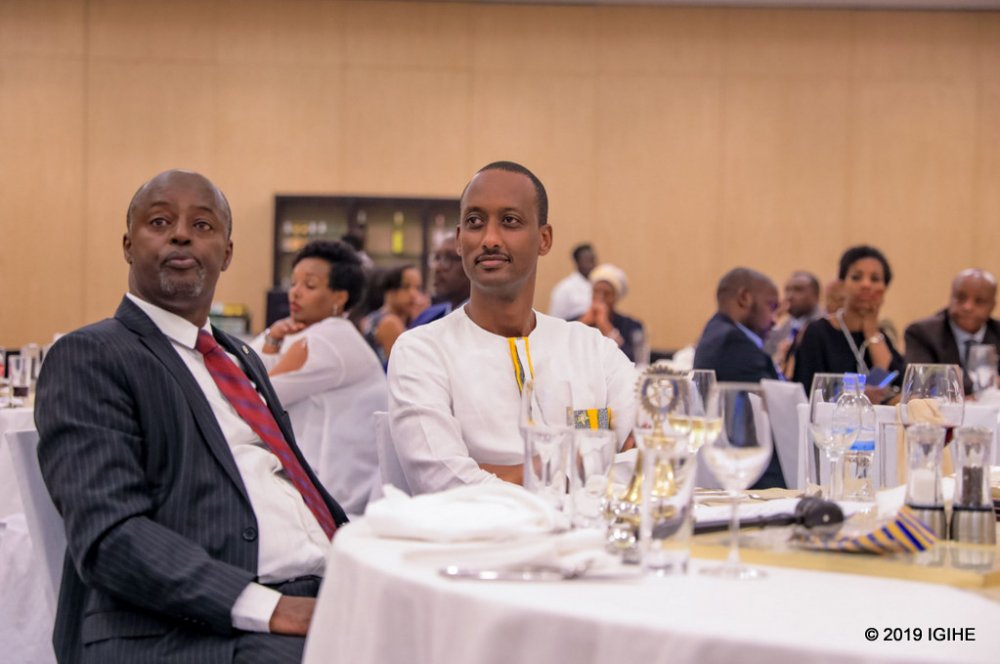
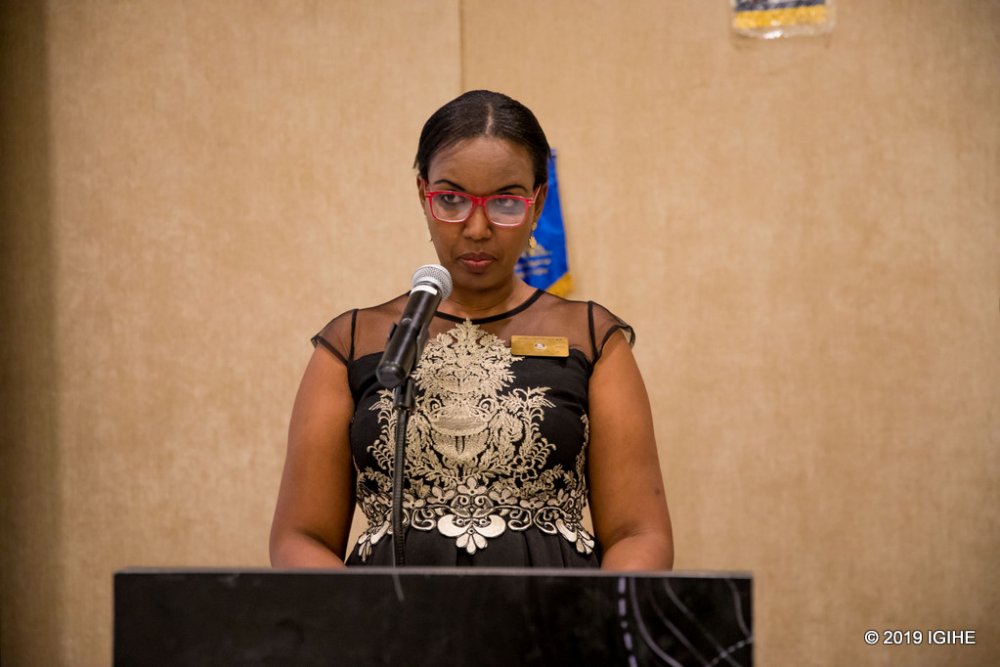
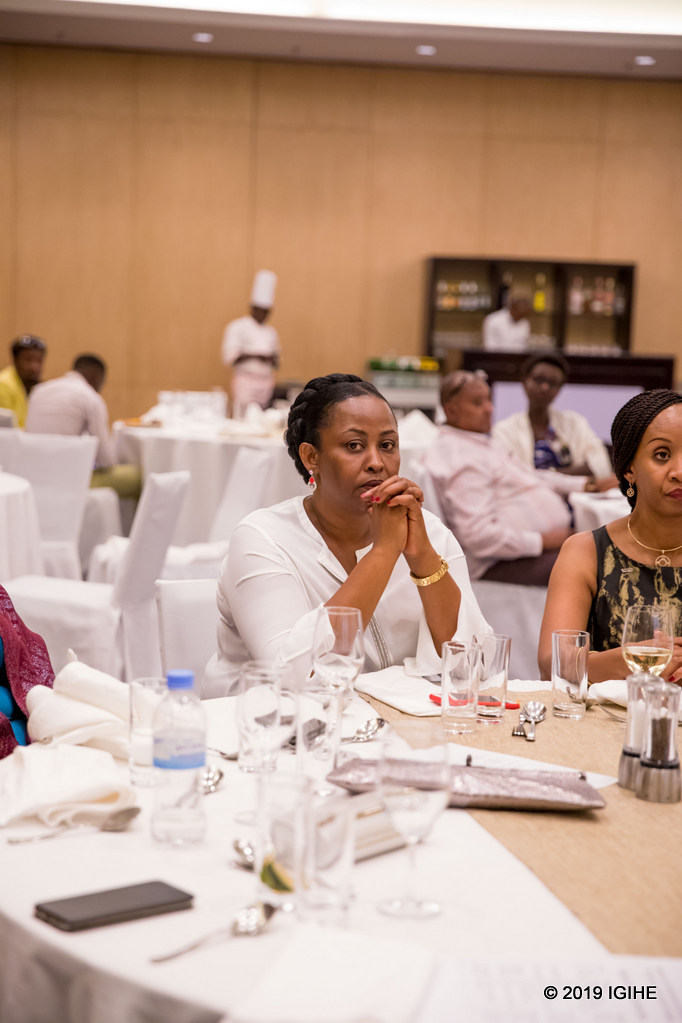
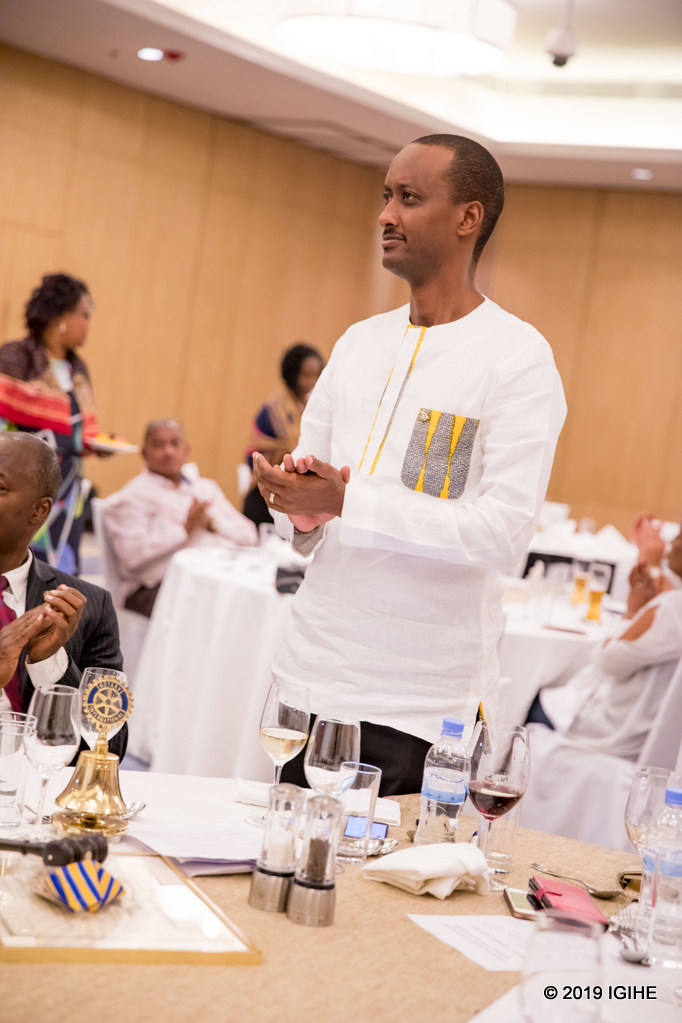
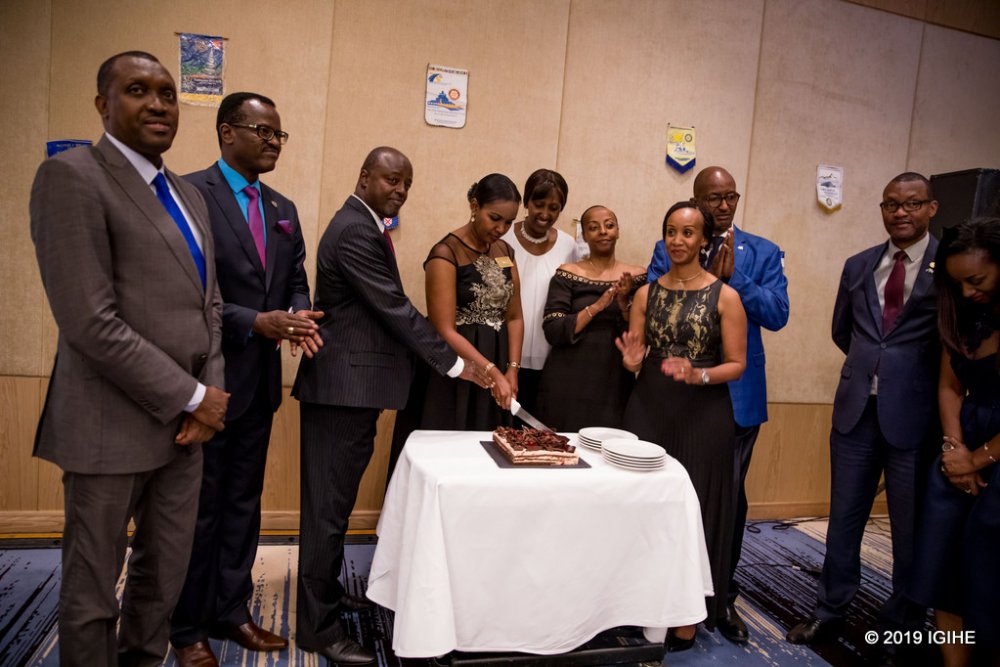
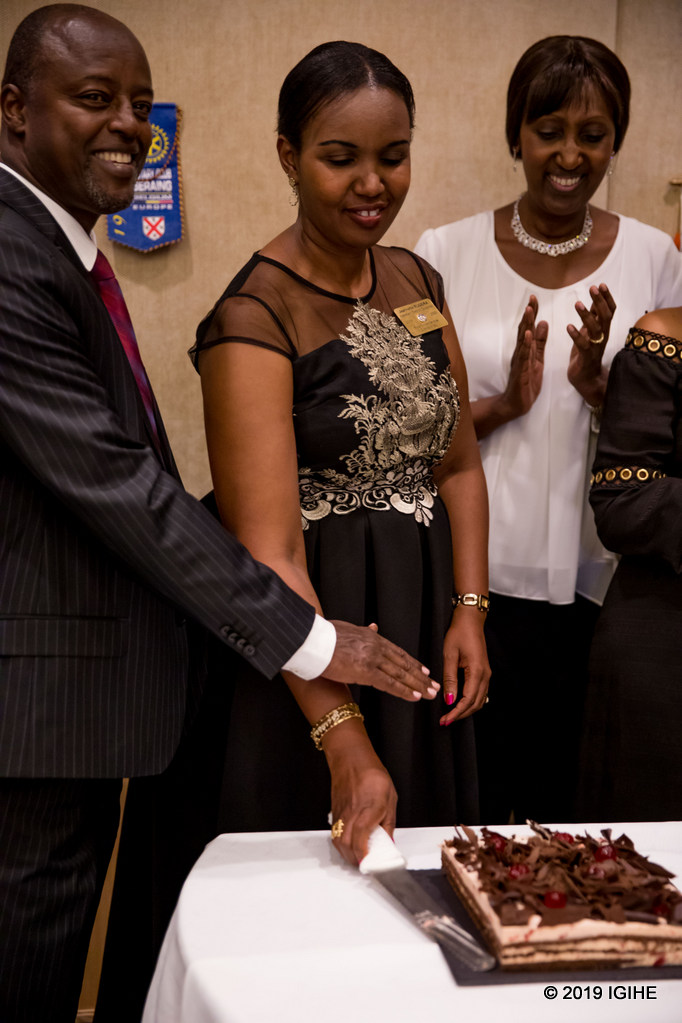
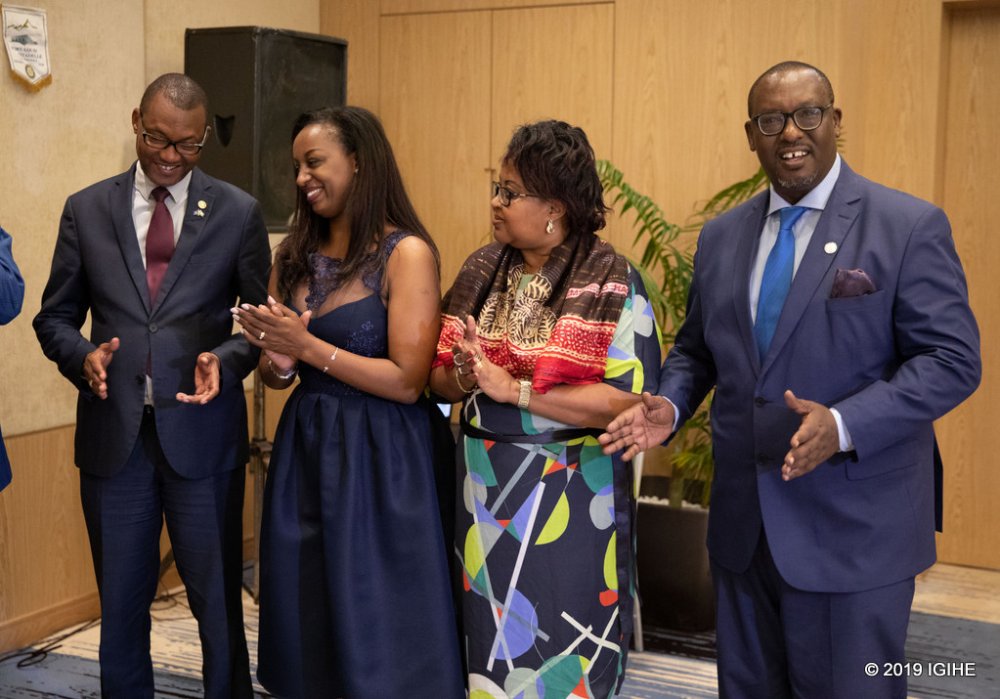
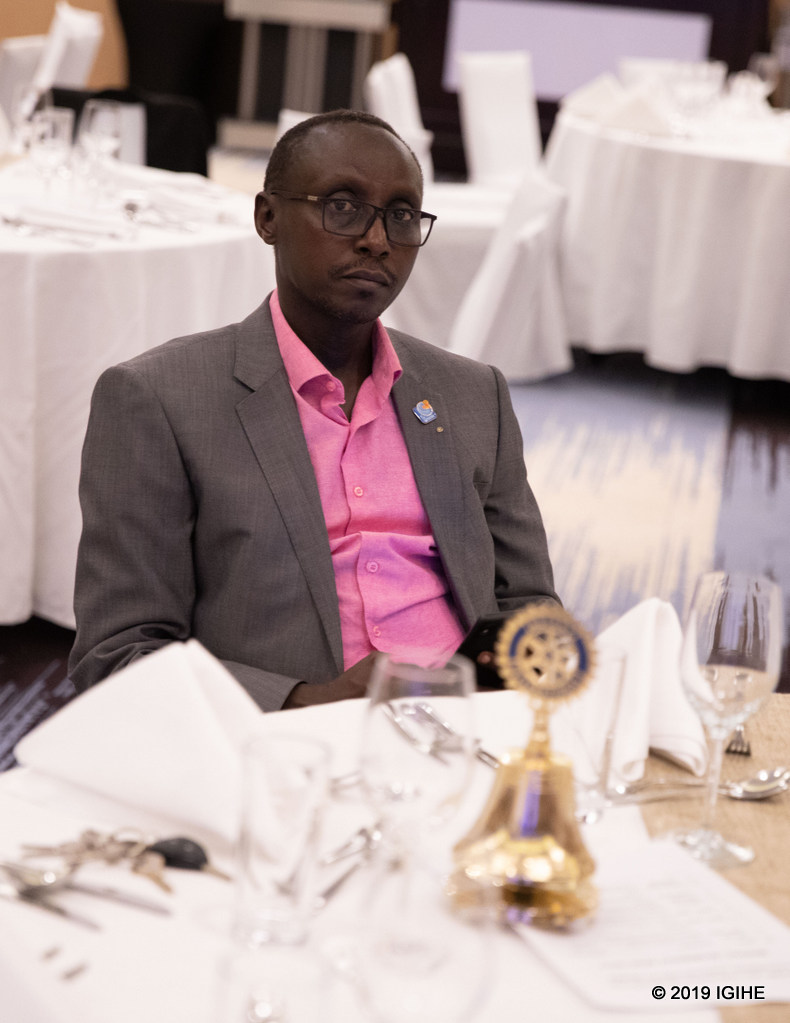
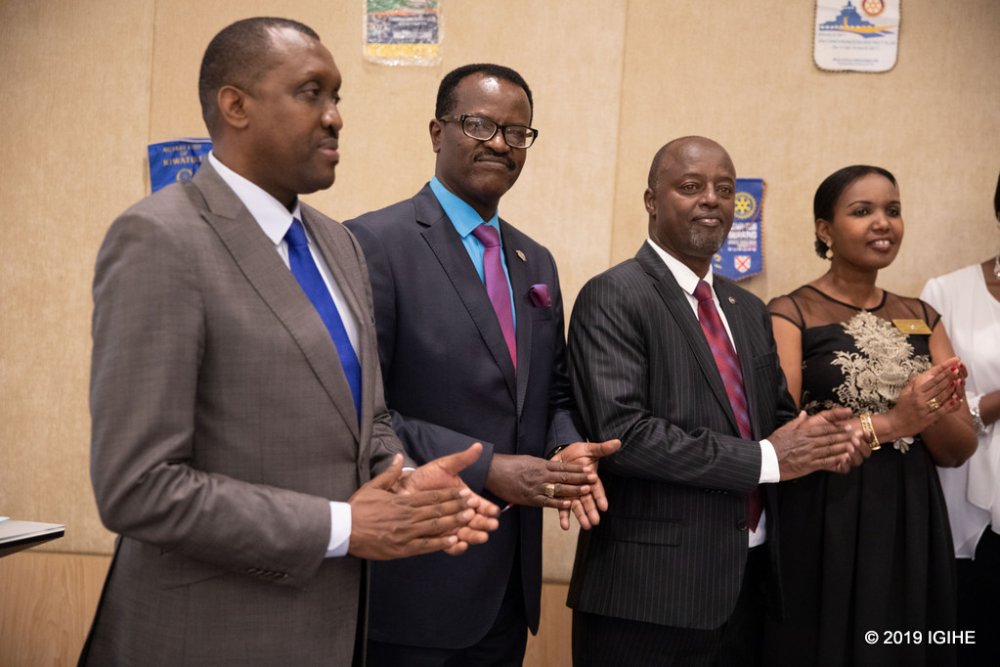
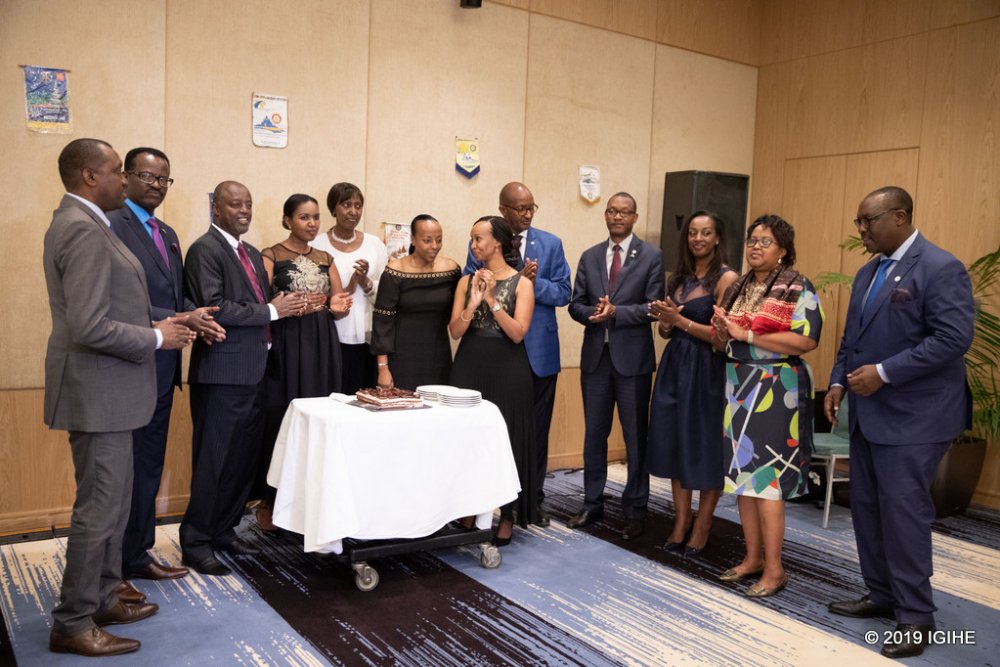
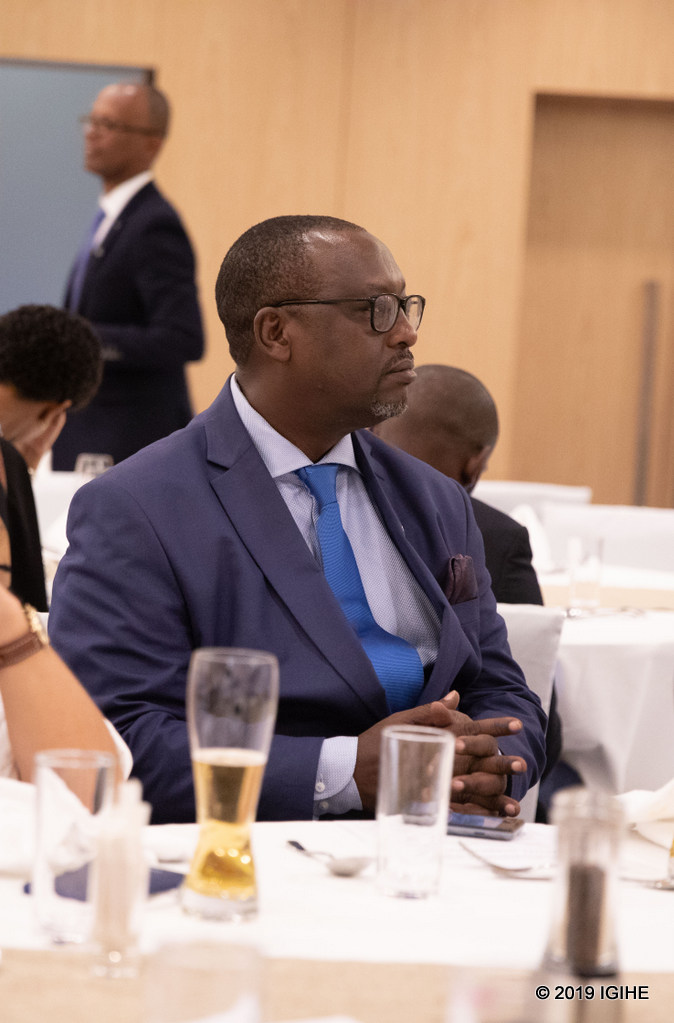
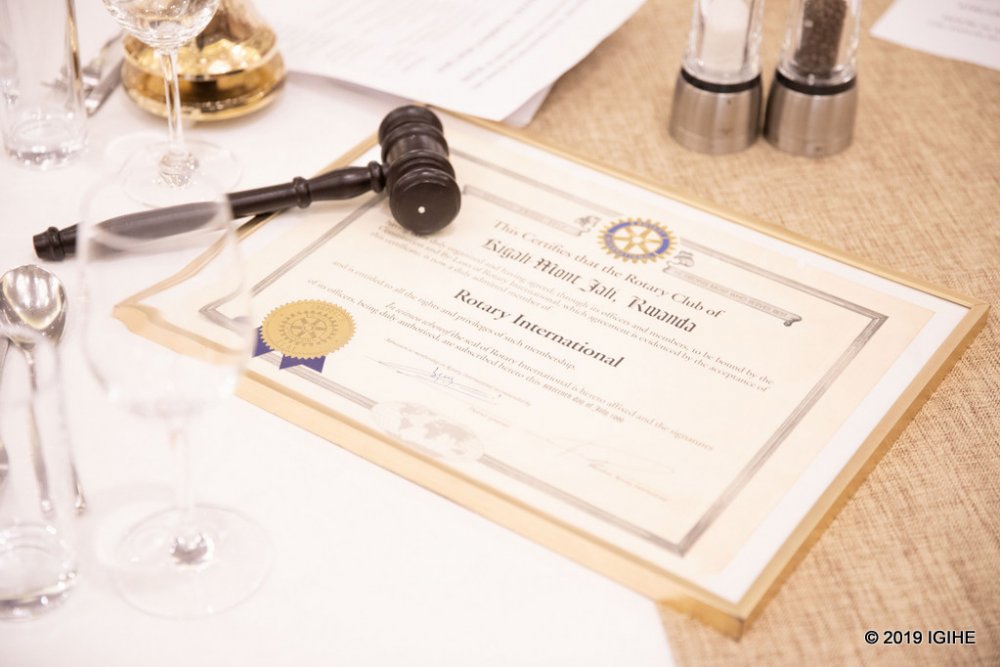
The celebration took place on 5th July 2019 at Kigali Marriott Hotel.
Rotary Club Kigali Mont Jali was established in 1999 as a subsidiary of Rotary Club Kigali Doyen [which was launched in Rwanda 50 years ago].
Like other rotary clubs, Kigali Mont Jali focuses on providing support to addressing problems facing the world by combating illiteracy and poverty, contributing to the provision of safe water, handling disputes, fighting outbreaks and combating through the provision of poliomyelitis vaccinations among other activities supporting the needy.
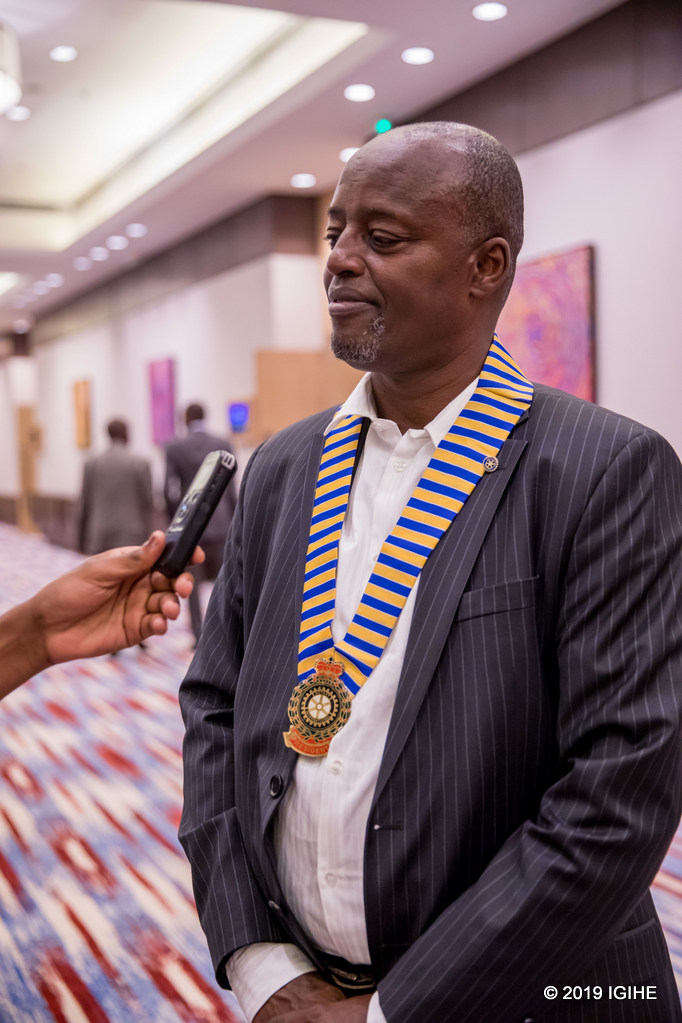
The president of Rotary Club Kigali Mont Jali, Aimé Kabandana lauded all members for their contributions towards implementation of projects supporting needy people.
“I thank you all for the commitment and I hope we shall together achieve more to transform the world into a better place,” he said.
Rotary Club Kigali Mont Jali comprises of 20 members including Jeannette Rugera, the President of Rotary Club in Rwanda.
She said members are proud for their support to Rwanda’s development process.
“We realized different achievements including the provision of safe water to Rulindo residents. We funded Little Angel school primary school located in Mbyo, Mayange sector of Bugesera district where we provided school kits to students and desks among others. We bought sewing machines, plumber equipment for vocational schools, fed vulnerable students and paying their school fees among others,” said Rugera.
In 2018, the club in collaboration with Kigali Virunga and Gasabo clubs planted 6000 trees in line with environmental preservation efforts.
Rugera said more efforts are needed to increase the number of Rotary Clubs’ members.
“For the past 20 years, the value of our activities is over Rwf 1 billion. We spend almost Rwf 50 million during activities held every year depending on funded projects. There is the need of youth engagement to sustain such projects,” she noted.
Members of Rotary Club Kigali Mont Jali visit different schools every year where they donate various equipment and Mutuelle de Santé among other contributions. It also partners with other clubs to make health care services accessible to citizens through Medicare.
The president of Rotary Club Kigali Doyen, Sebera Eddy who was among guests of the event said that people should understand that the clubs are not meant for members with bigger turnovers but everyone with kindhearted committed to improved welfare of the community.
Sarah Doukoure from Ivory Cost and member of Rotary Club Kigali Doyen said Rotary Rwanda has been doing a great job within the past three years since she came to Rwanda. “This anniversary reflects the contribution of this club to the progress of the country. All clubs in Rwanda are unique because they not only donate but also take heed on sustainability,” she said.
Rotary International, the mother of rotary clubs was established by Paul Percy Harris on 23rd February 1905. It has over 1.2 million members grouped into 35, 000 clubs in over 220 countries and districts.
Rotary Club in Rwanda comprises of six clubs including Musanze, Kigali Mont Jali, Kigali Virunga, Kigali Doyen, Gasabo and Butare with 104 members.
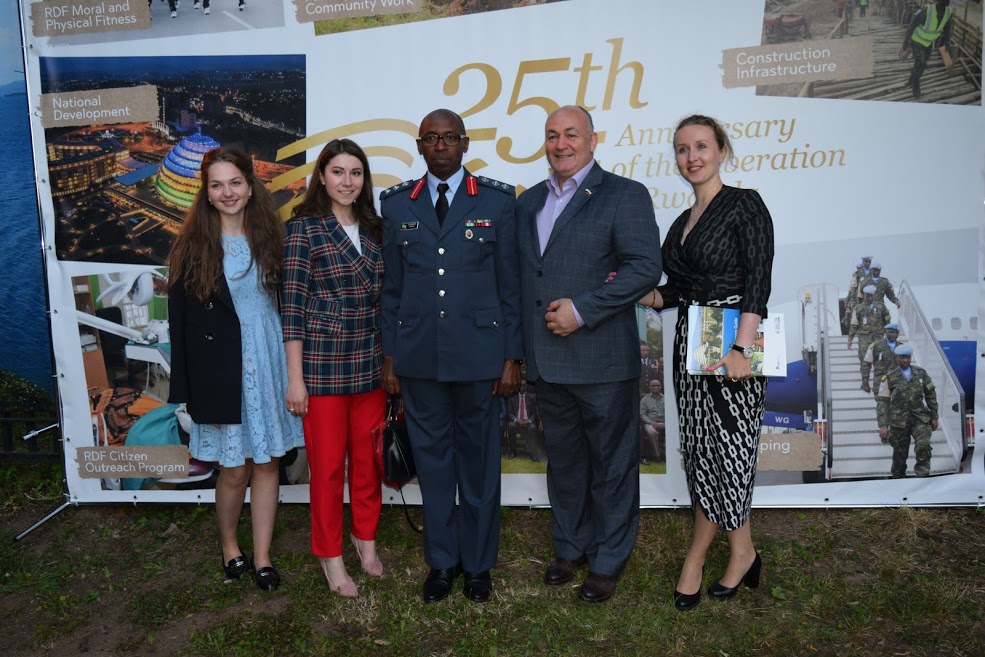
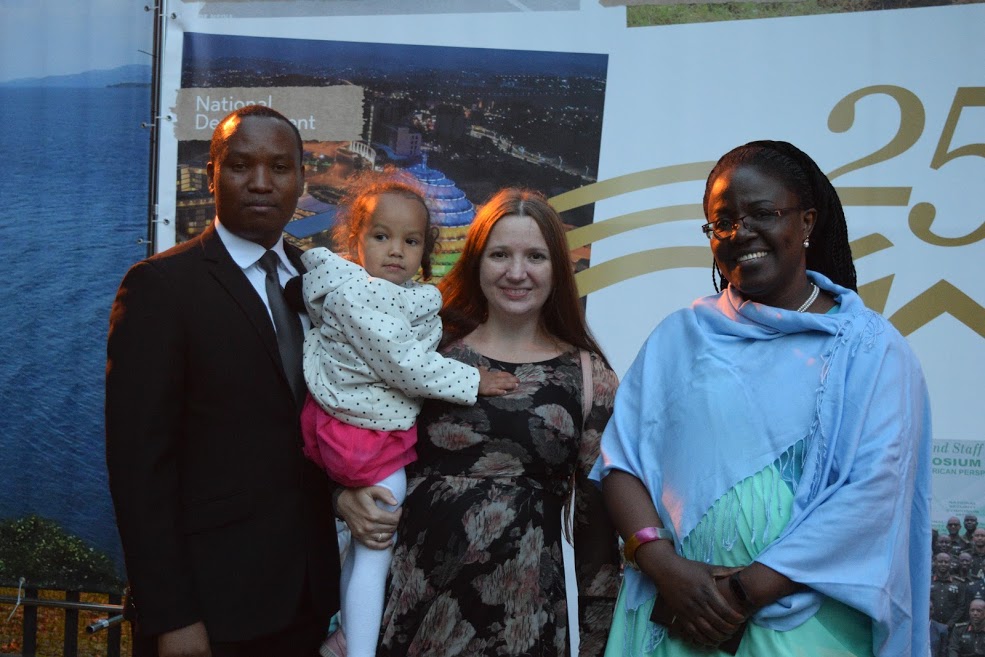
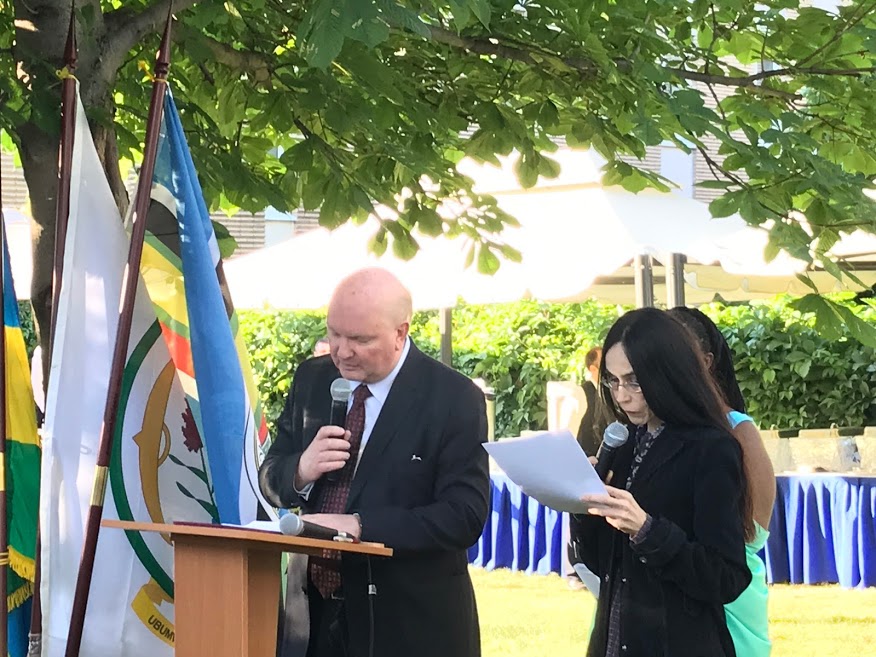
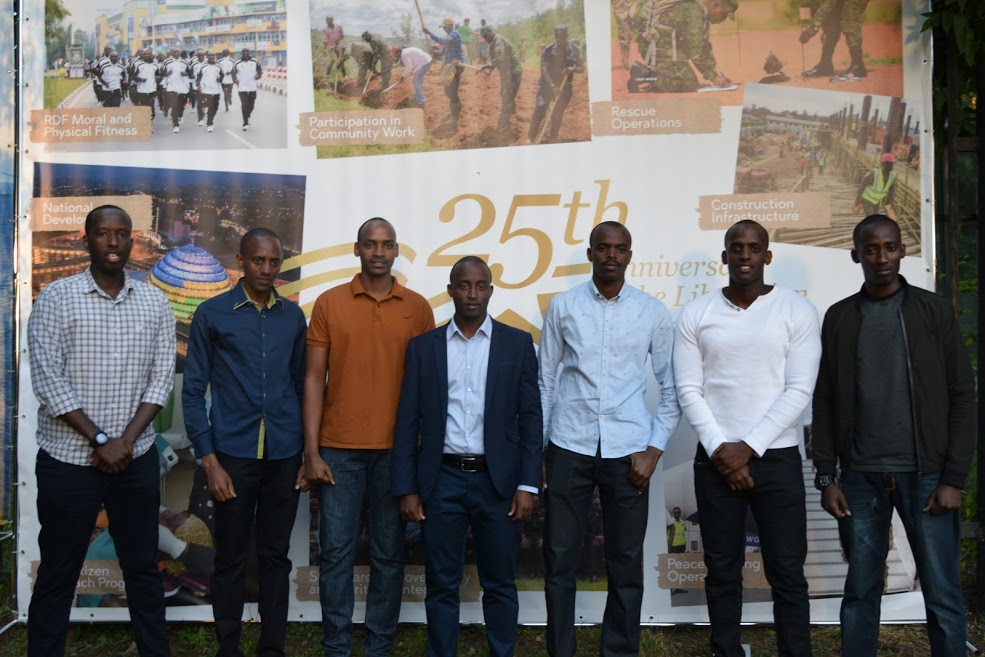
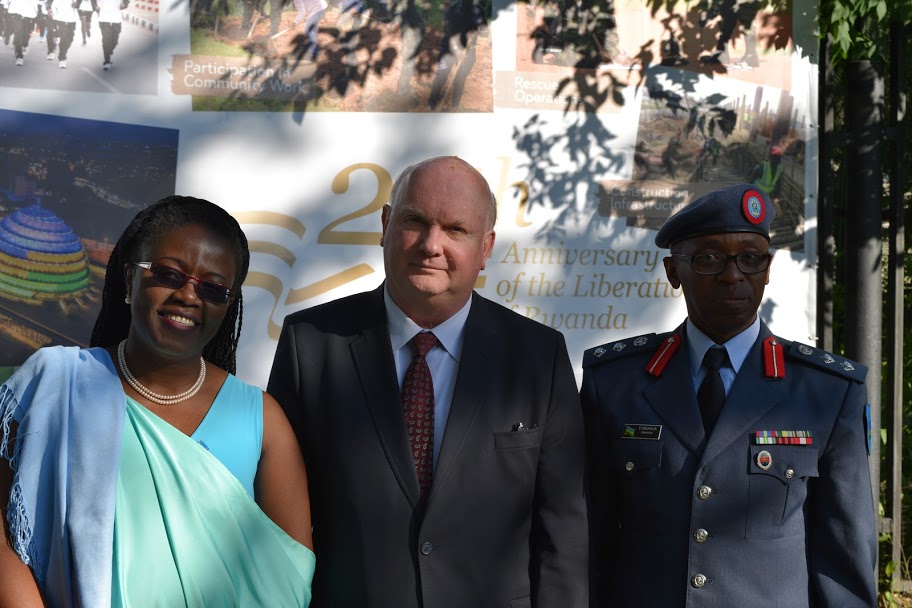
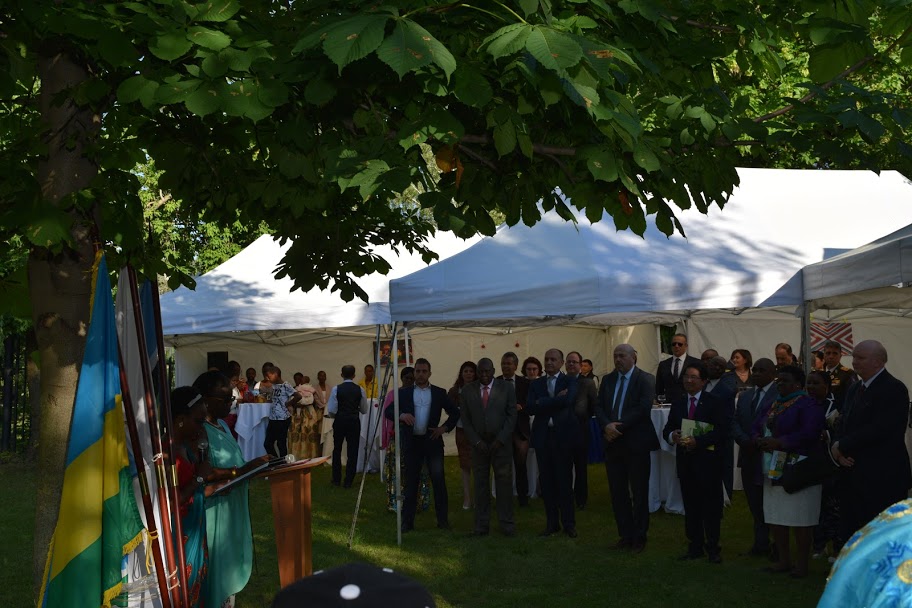
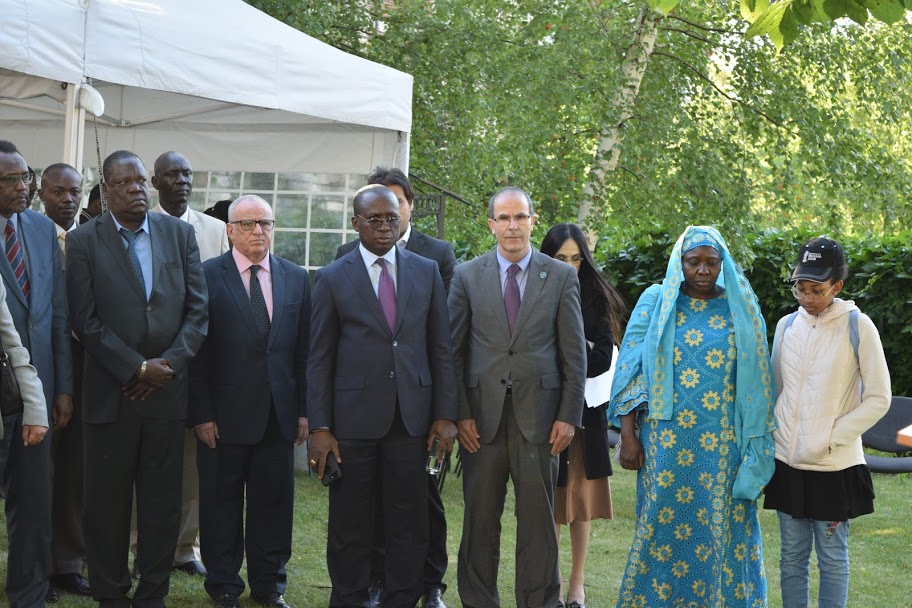
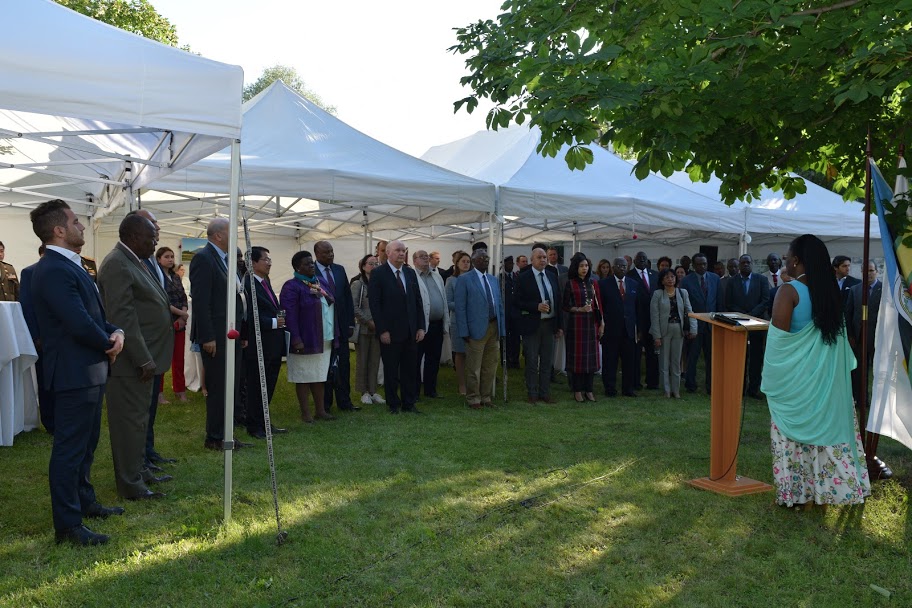
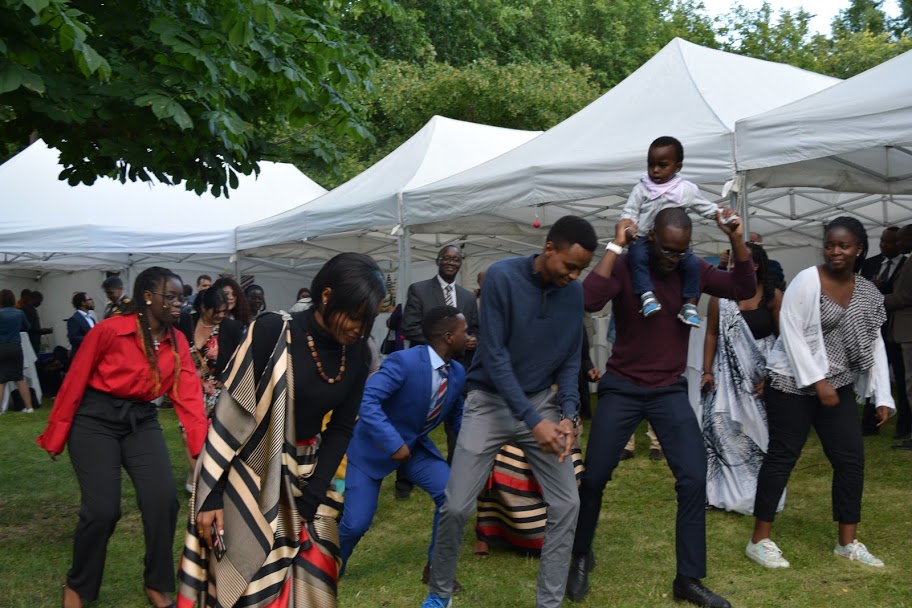
The event was also attended by different heads of missions accredited to Moscow.
Rwanda’s Ambassador to Russia, Dr. Mujawamariya Jeanne d’Arc requested everyone to honor RPF Inkotanyi soldiers for stopping the 1994 Genocide against the Tutsi, liberating the country from oppressive regime and raising the country’s flag to an international repute.
She said that all should consolidate the gains realized with regards to economic transformation, good governance, improved wellbeing, judiciary sector emanating from sacrifice and commitment of Rwandans.
“As Rwandans, we attach great importance to the liberation of our nation because it has a strong foundation on sacrifices of Rwandans to liberate the country from bad governance that currently everyone takes pride to have Rwanda as a home,” said Mujawamariya.
“No one ever thought Rwanda’s progress would be at this extent following the 1994 Genocide against the Tutsi. Let’s honor all these Rwandans who liberated the country which has become a role model for good governance in the region, Africa and worldwide,” she added.
Mujawamariya reminded the youth present at the event on advises of President Paul Kagame during a press conference preceding the Liberation Day, where he said that there should be no point where Rwandans feel like they have arrived but rather should be concerned with more progress and consolidating gains.
Director of Department of Africa relations at Russia Foreign Ministry Kemarsky Andrey Vadimovich wished all Rwandans and their friends a happy Liberation Day. He said that Rwanda, Russia relations have reached greater heights in education, health, investment and trade sectors among others which Vadimovich observed as a reflection that Rwanda is Russia’s trusted friend in terms of cooperation.
He assured participants that both countries shall keep working together for mutual benefits of their citizens.
Chief Inspector of Police (CIP) Marie Gorette Umutesi, Police spokesperson for the City of Kigali, said: “The suspect approached the agent, presented two notes of 5, 000 Frw to be electronically wired to the mobile account of one Eric Muhayimana.”
She further explained that the would-be victim checked the notes which she discovered to be fake, she informed authorities and the suspect was apprehended and handed over to Police.
The suspect was handed over to Rwanda Investigation Bureau at Kimihurura station.
Following the arrest, electronic money agents have been advised to carefully check monies given to them to prevent falling prey.
They were also called upon to always be quick to report people who attempt to defraud them with counterfeit currency to be deposited or electronically sent to their personal or other people’s mobile accounts.
Counterfeit, falsification or alteration of currency or monetary signs or their distribution is criminalized under article 269 of the penal code.
It states that “any person who, fraudulently counterfeits, falsifies or alters coins or bank notes which are legal tender in Rwanda or abroad, notes issued by the Treasury with its stamp or brand, either banknotes or alike that have legal tender in Rwanda or abroad, or one who introduces or issues in Rwanda such effects or notes with knowledge that they are forged or falsified, commits an offence. Upon conviction, he/she is liable to imprisonment for a term of not less than five years and not more than seven years.
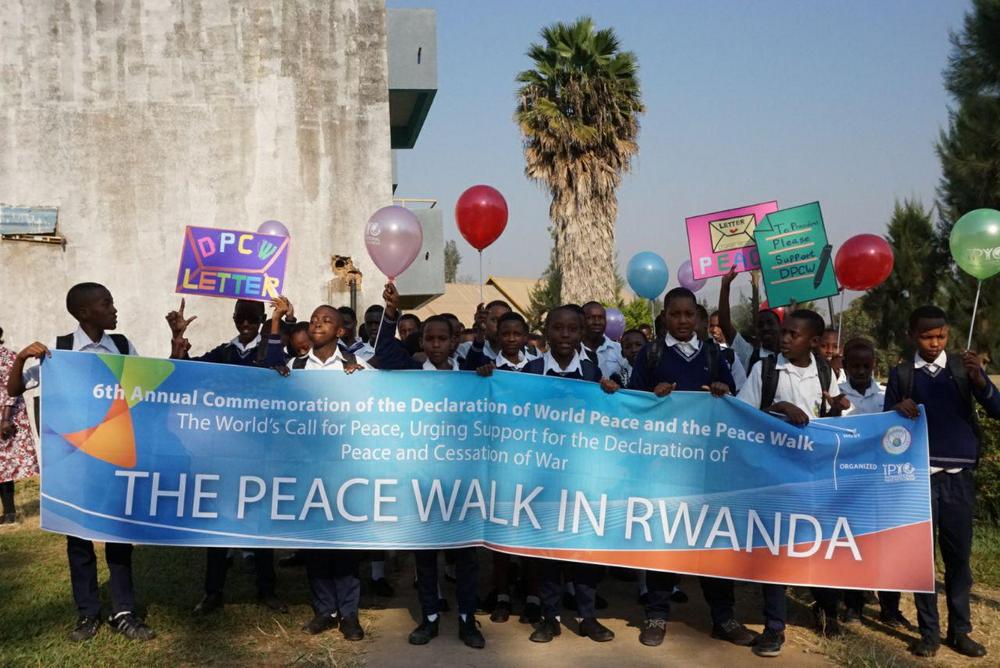
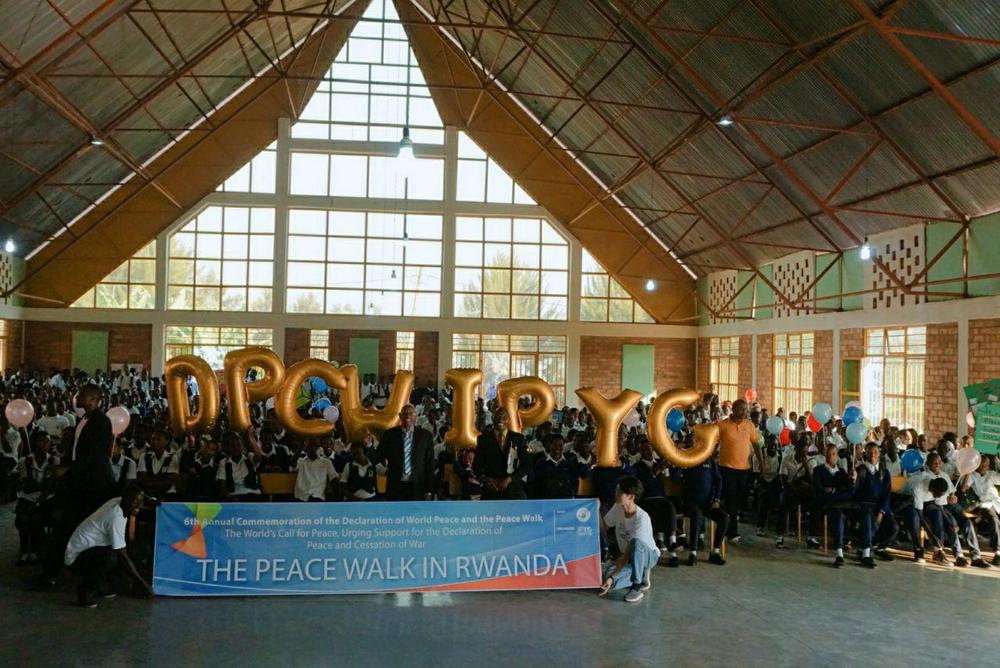
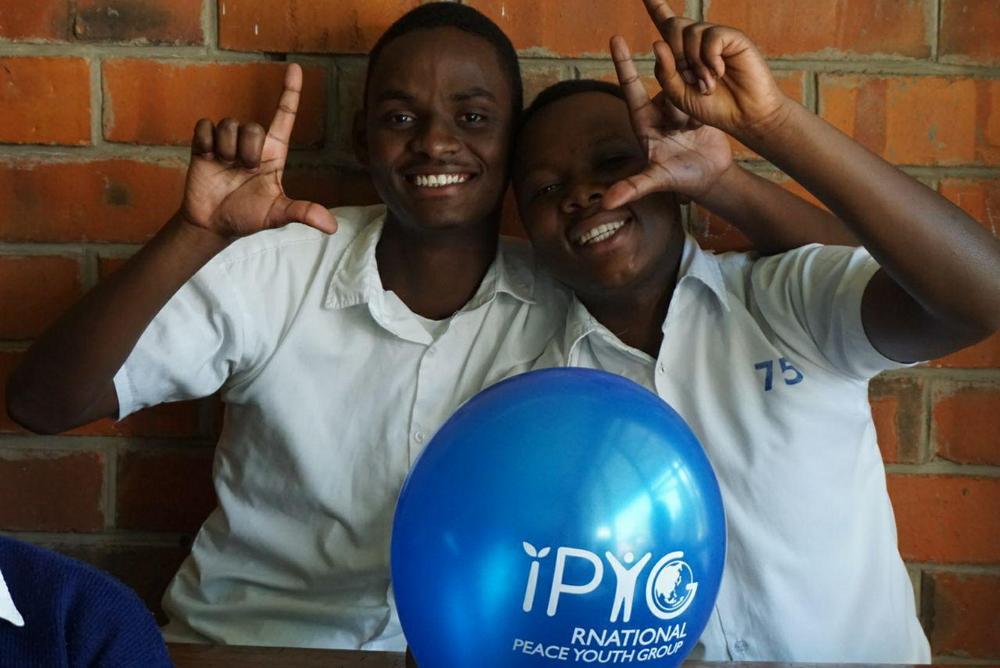
The event was hosted by an international peace NGO called Heavenly Culture, World Peace, Restoration of Light (HWPL) and its youth organization, International Peace Youth Group (IPYG). In attendance with citizens, students, and Journalists, the participants joined the “Peace Letter Campaign” and the “Peace Walk” to promote a culture of peace in Rwanda.
The “Peace Letter Campaign” is a worldwide youth-led campaign that aims to urge for the support for the establishment of an international legal framework for a sustainable peace based on the Declaration of Peace and Cessation of War (DPCW). The DPCW, a crystallized form of the Declaration of World Peace, includes provisions to prevent war-related actions, suggest the peaceful dispute settlement, and maintain sustainable peace.
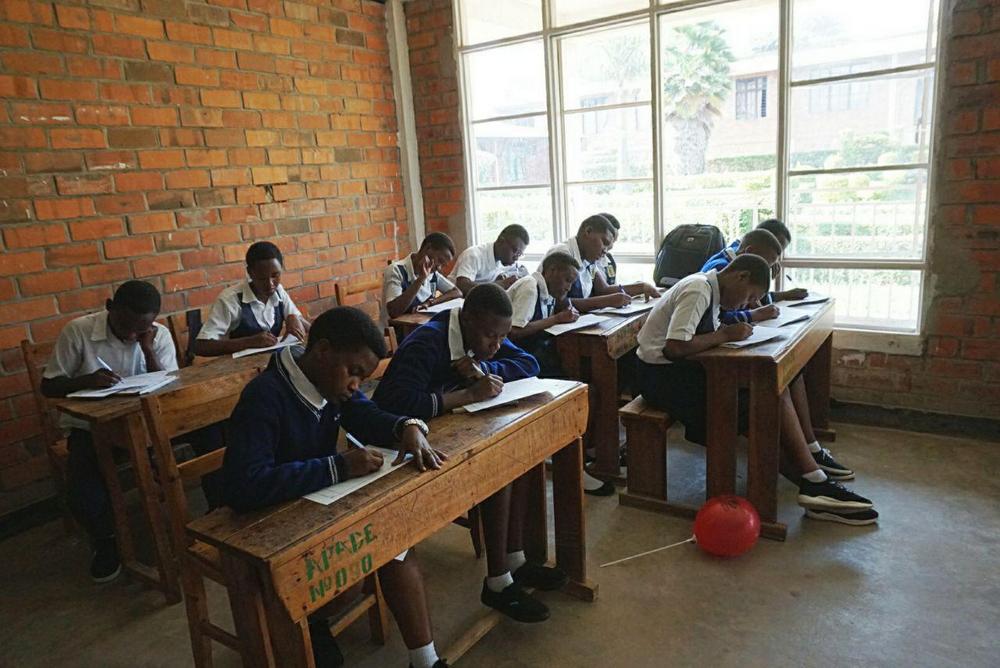
The participants wrote letters to the president of Rwanda to call for the support for the DPCW in order to develop it into a legally binding document by submitting it as a resolution to the UN. And the letters will be delivered to president after the event. At the end of the event, they set out for the peace walk.
Ms. Jenny, a participant of the event, said “The most inspiring thing was the student’s attitude about peace. When they do peace walk with great smile, I could feel their eagerness of achieving peace. what I hope is Rwandan’s support for DPCW as peace-loving country. I’m sure it must be very meaningful.”
As a solution is needed to root out wars and armed conflicts, HWPL has introduced the DPCW to all sectors of the society including high-level officials of governments, religious leaders, educators, youth, women, and media. Civil society around the world has cooperated with HWPL by joining its peace initiatives such as the establishment of international law for peace, interfaith dialogue meeting, and peace education.
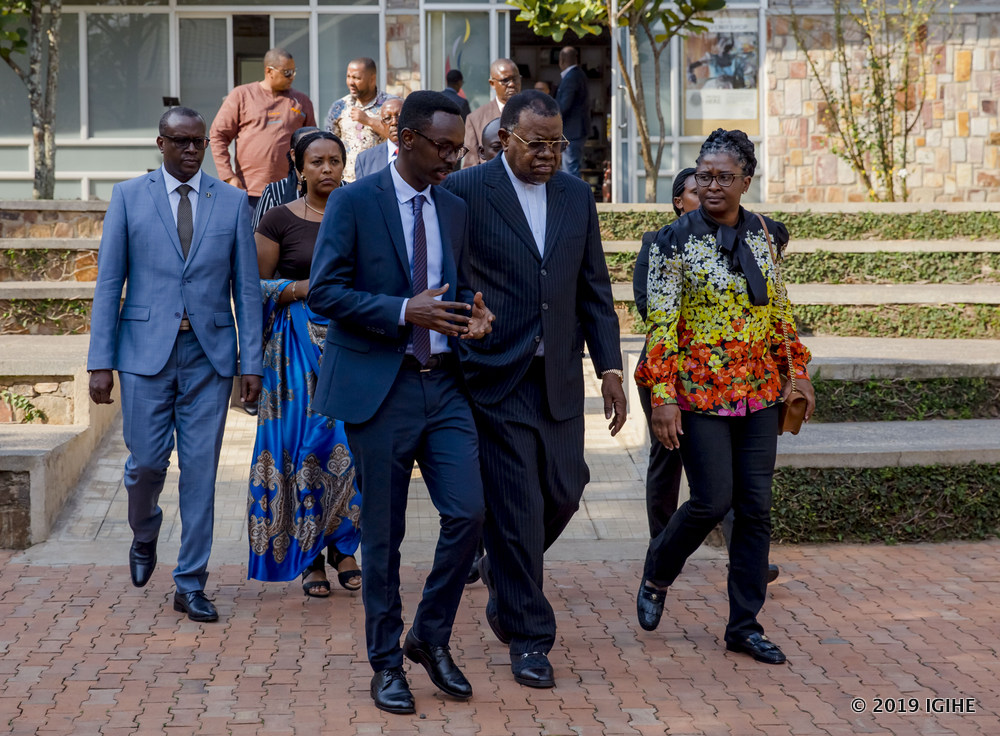
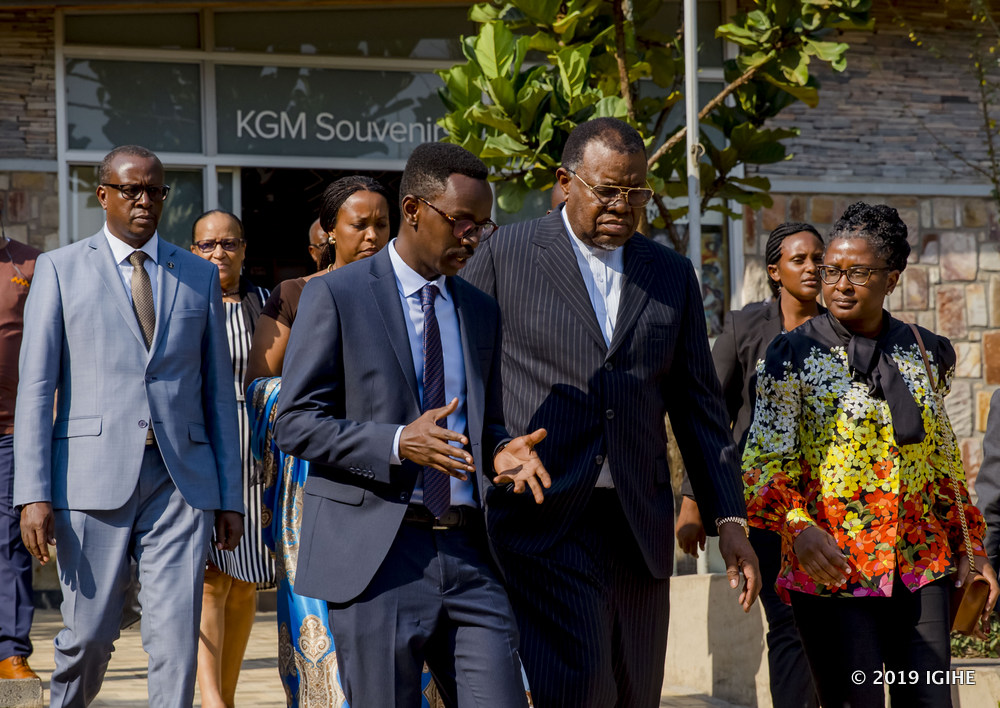
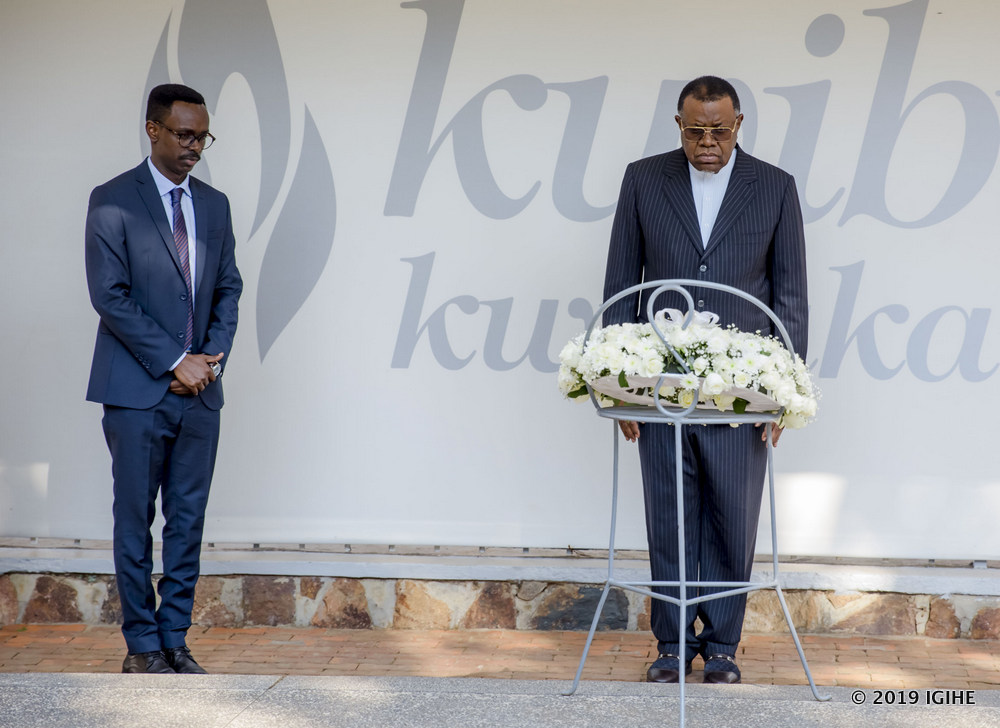
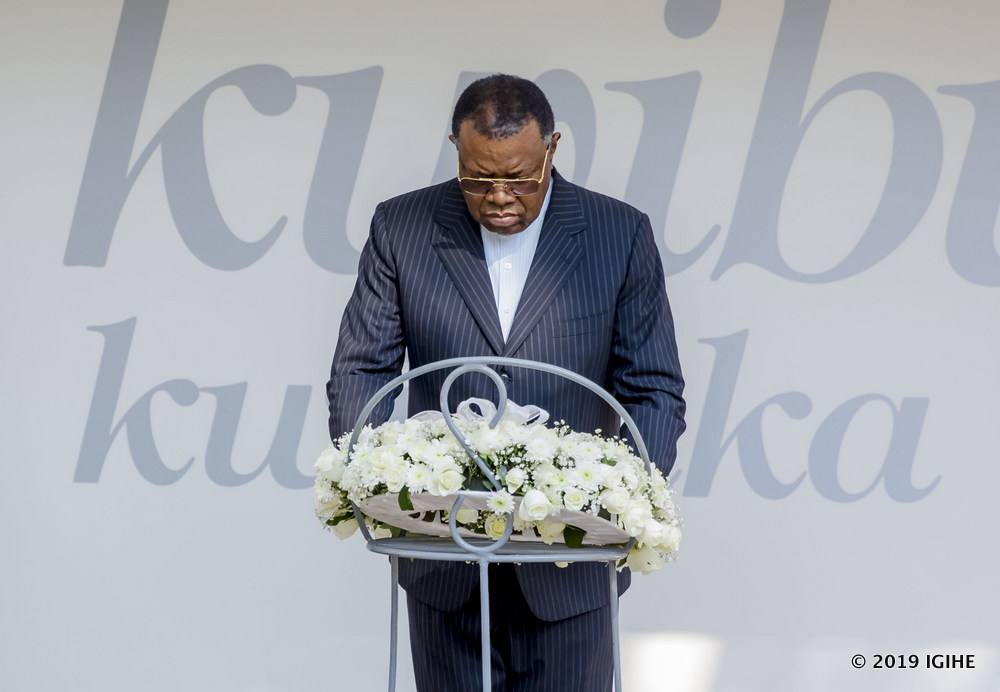
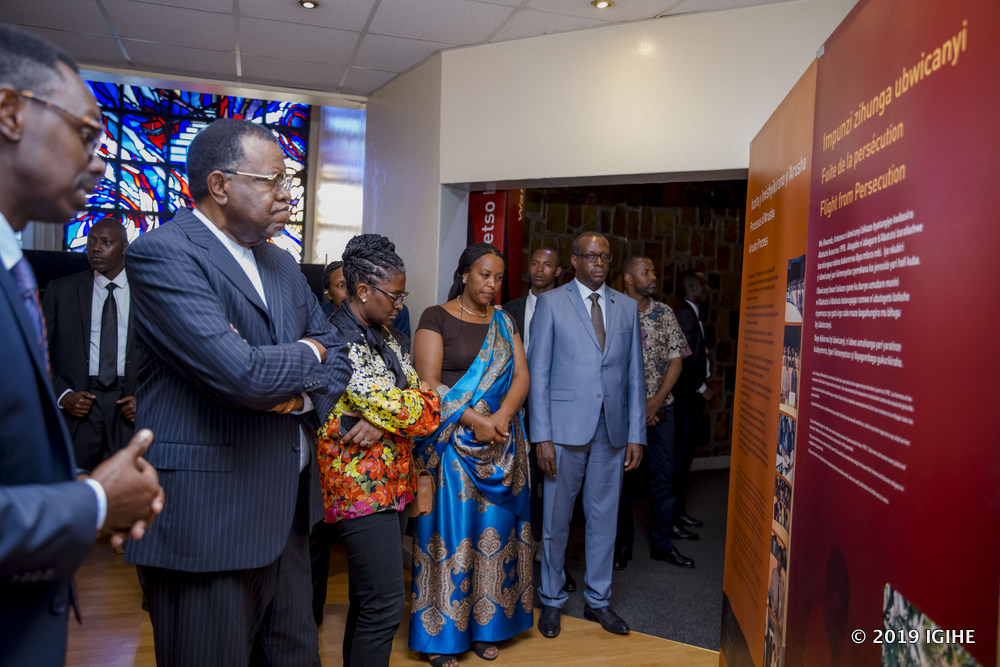
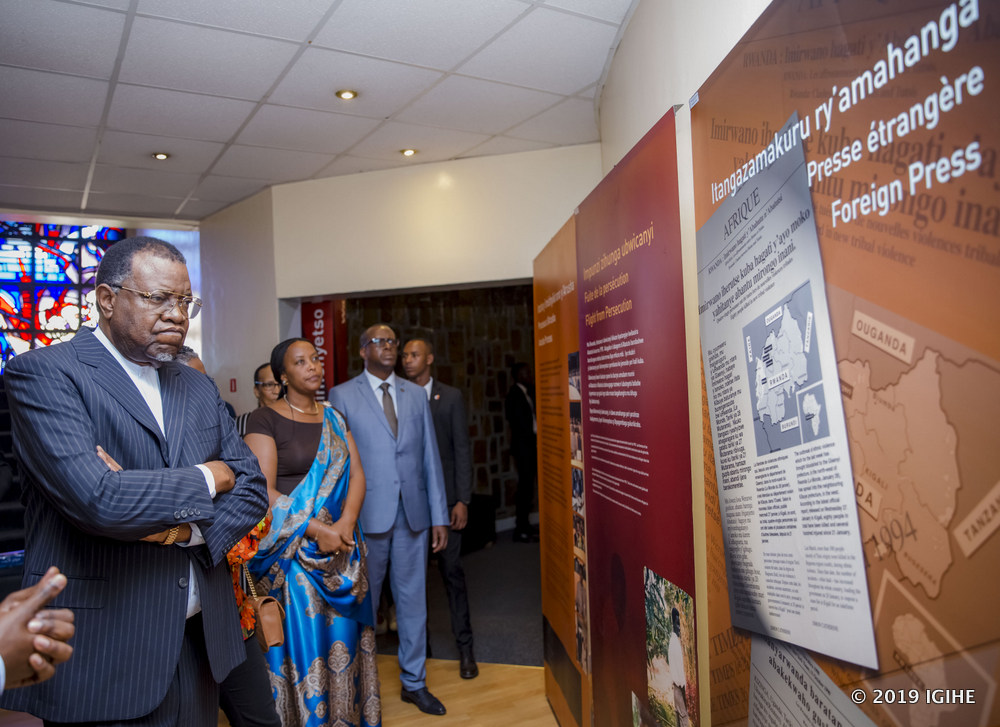
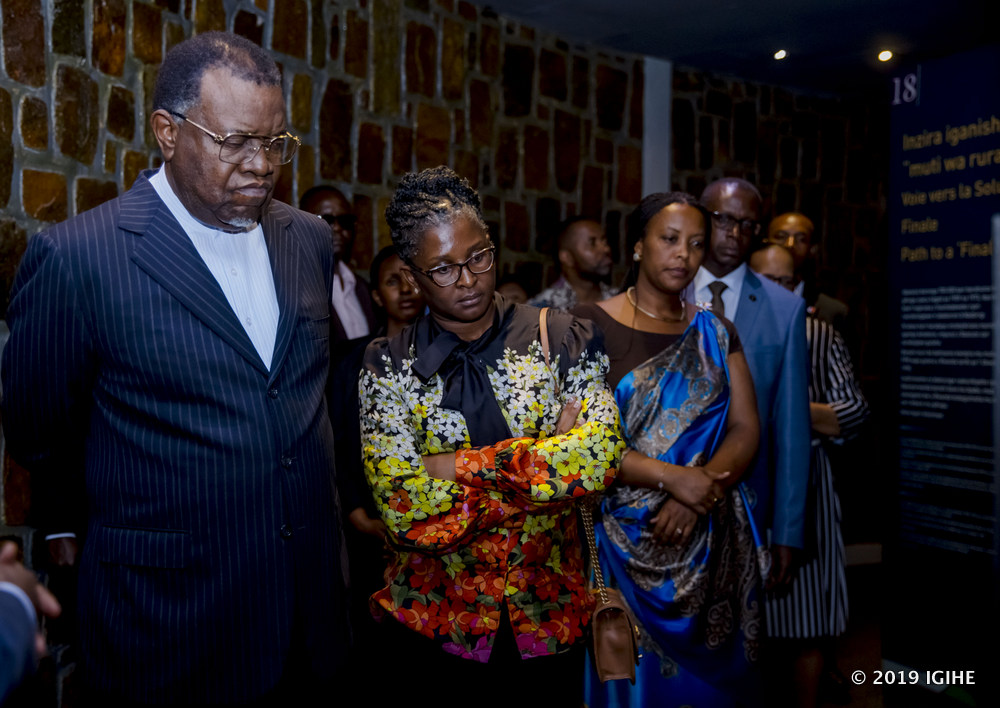
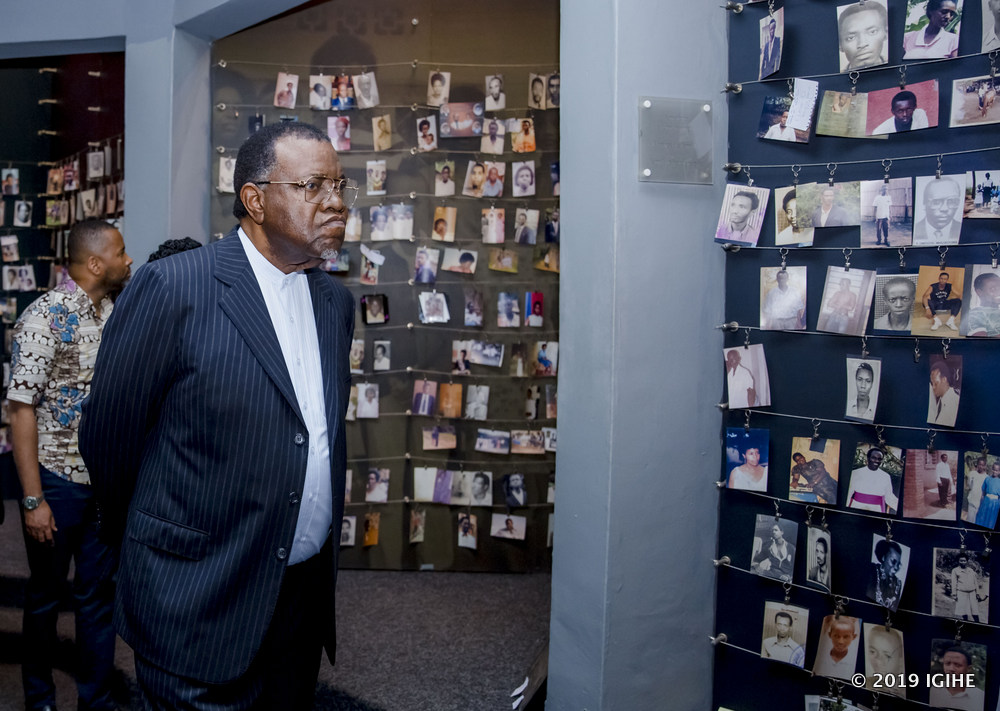
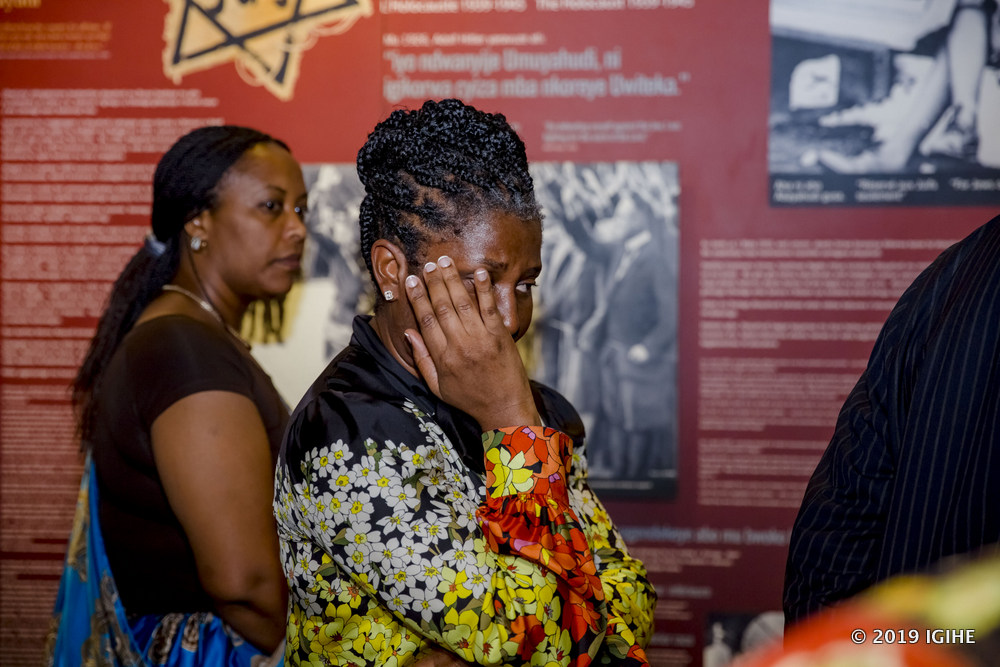
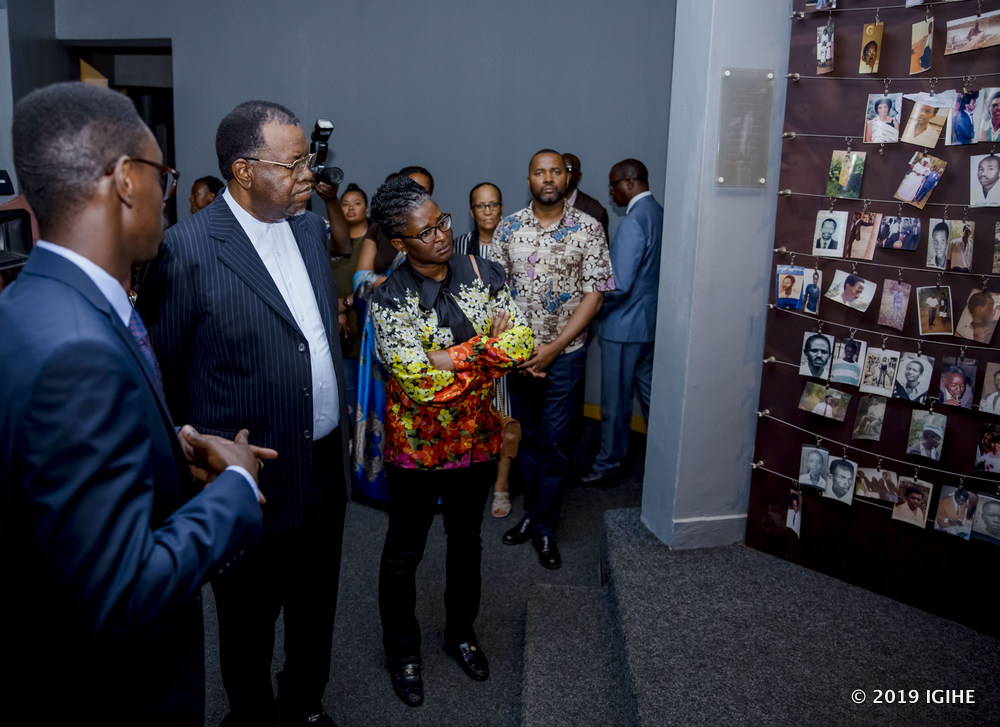
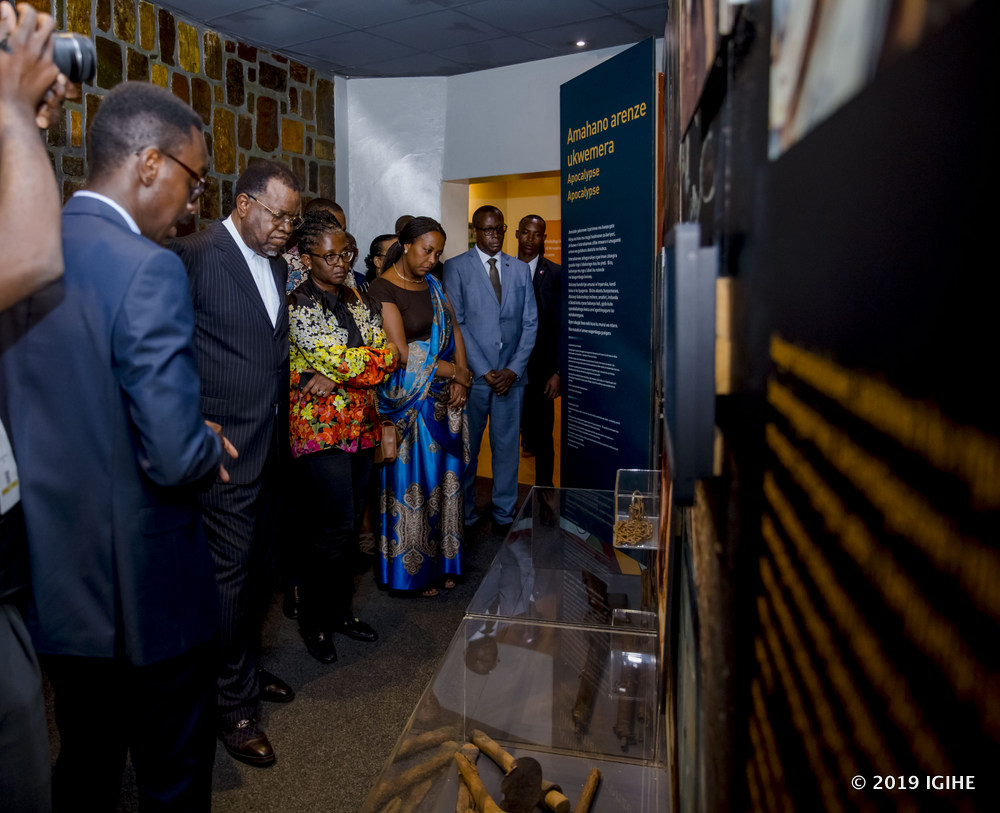
After laying wreaths at mass graves, both guests toured facilities of the memorial and were taken through history of the 1994 Genocide against the Tutsi.
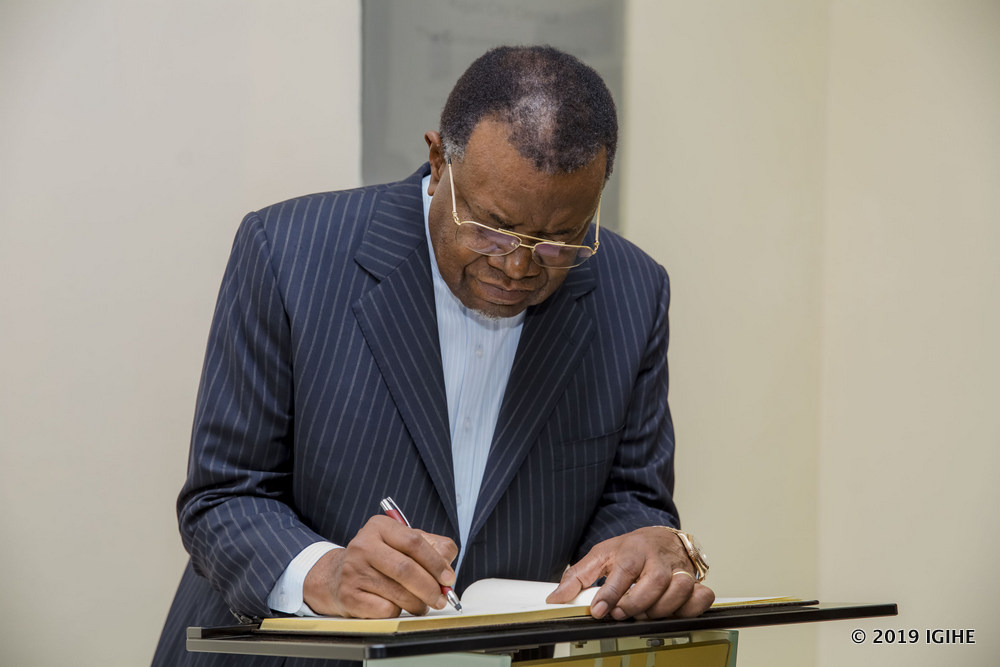
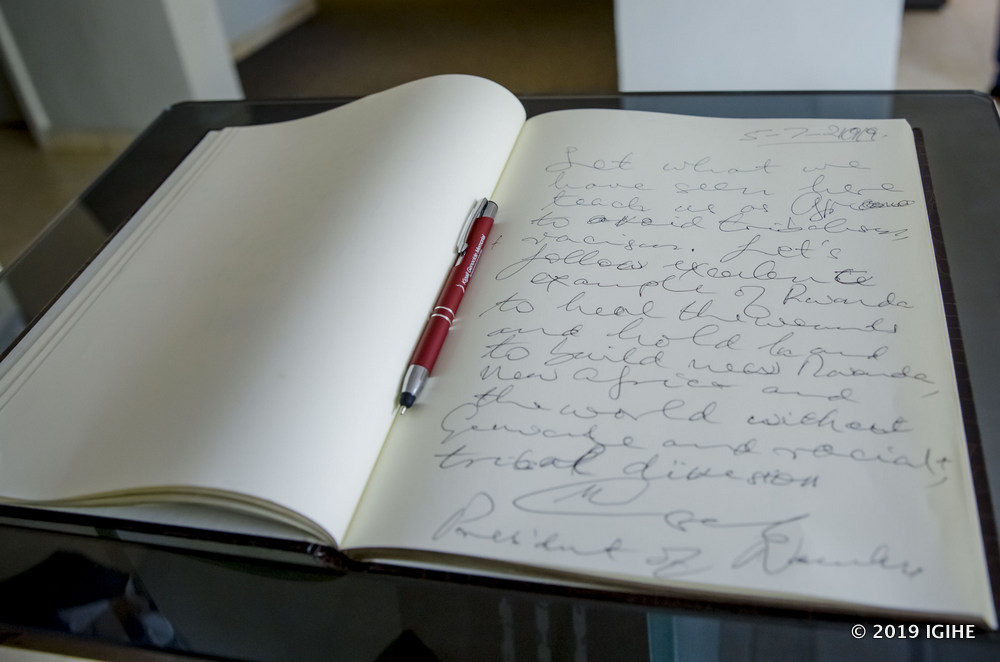
President Geingob later signed in the book of guests and left a message encouraging the world to learn from what happened in Rwanda to prevent re-occurence elsewhere across the world. He also advised the rest of the world to learn from Rwanda’s experience of healing genocide wounds to build a better future without genocide ideology and discrimination.
President Geingob and his wife arrived in Rwanda on Wednesday to join Rwanda during the celebration of the 24th Liberation Day anniversary that took place on 4th July 2019 at Amahoro Stadium.
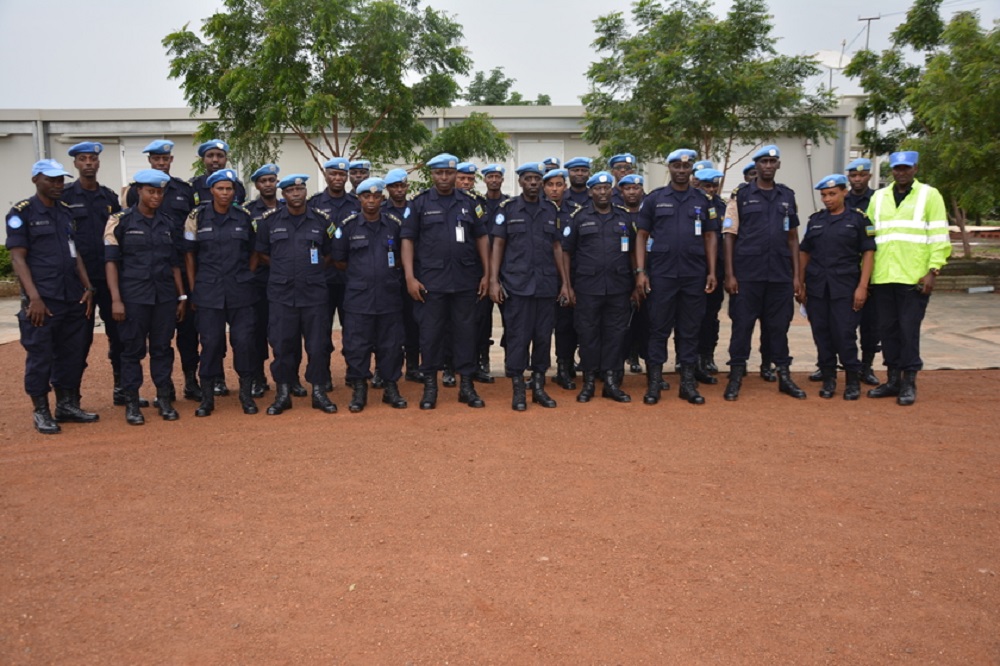
In Central African Republic (CAR) celebrations that were also attended by senior government officials and top UN officials, were held in two separate areas where Rwandan peacekeepers are deployed; in Socatel M’poko in the capital Bangui and Kaga-Bandoro, about 400km from the capital.
In Bangui, where two Rwandan Police contingents and a military contingent are deployed, they were joined by Rwandans in Diaspora, friends on Rwanda in CAR and senior UN officials headed by the Special Representative of the UN Secretary General to MINUSCA, Mankeur Ndiaye.
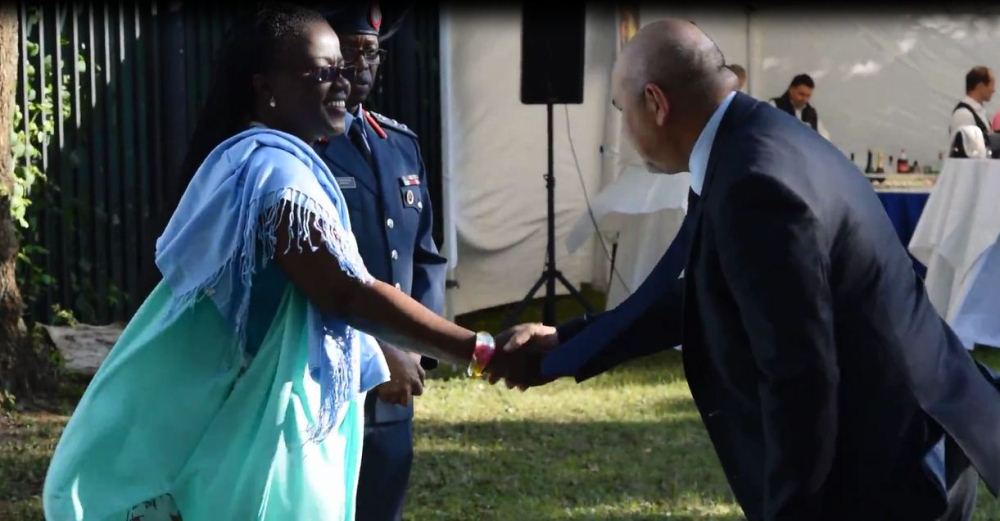
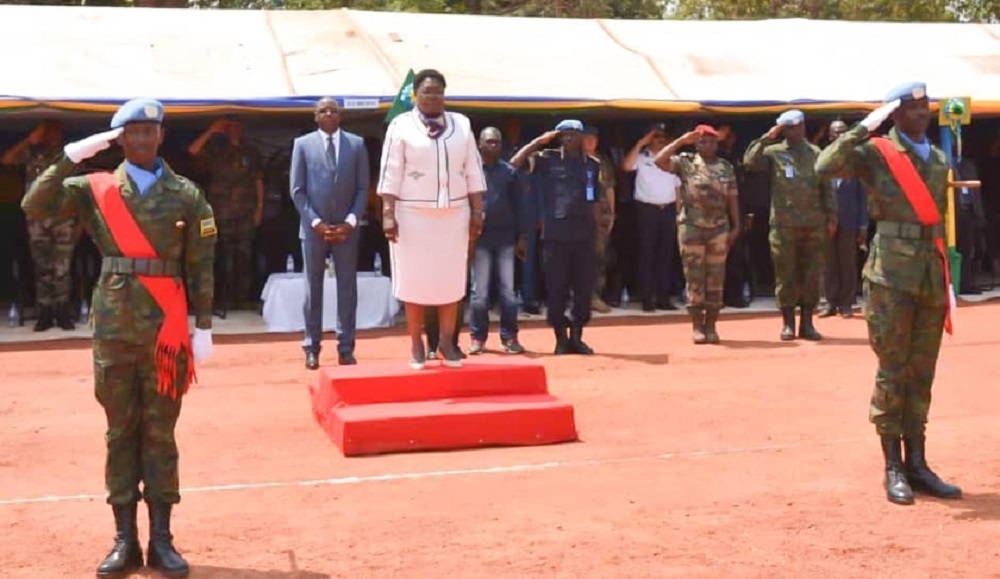
The occasion was presided over by CAR Minister of Defense, Marie Noelle Koyara, who commended the Rwandan peacekeepers for their “professionalism, skills and discipline” and urged them to share them with their counterparts in CAR.
“Rwanda’s period of struggle is almost similar to the one the Central African Republic has passed through. This is why we have to learn a lot from the efforts and commitment of the Rwandan army during the liberation struggle headed by your current President, His Excellency Paul Kagame,” Minister Koyara said
Lt Col. Vincent Ntazinda, who spoke on behalf of Rwandan peacekeepers in Bangui, dwelt much on Rwanda’s bad history and the journey to liberate the country.
“We thank you so much for your accompany on this great day that marks the Rwandan Liberation Day. This day came after four years of struggle to change our nation, give hope and unite Rwandans,” Lt. Col Ntazinda said.
He said that partnership with other African countries particularly through peacekeeping is Rwanda’s policy towards peace and stability on the continent especially in protection of civilians.
Nicholas Rugira, who heads the Rwandan diaspora in CAR, said that Rwanda’s patriotic spirit that stopped the 1994 Genocide against the Tutsi in which more than one million people were killed, and liberated the country, continues to be the pillar of Rwanda’s transformation process.
In Kaga-Bandoro, celebration activities were held at the Rwandan Formed Police Unit (FPU) contingent base-camp and presided over by the Prefect of Nana-Gribizi prefecture, Mahamat Abdoulaye.
They were also joined representatives of CAR security organs, contingent commanders of peacekeeping units from other countries deployed in the area, representatives of former armed groups and local leaders and residents.
South Sudan
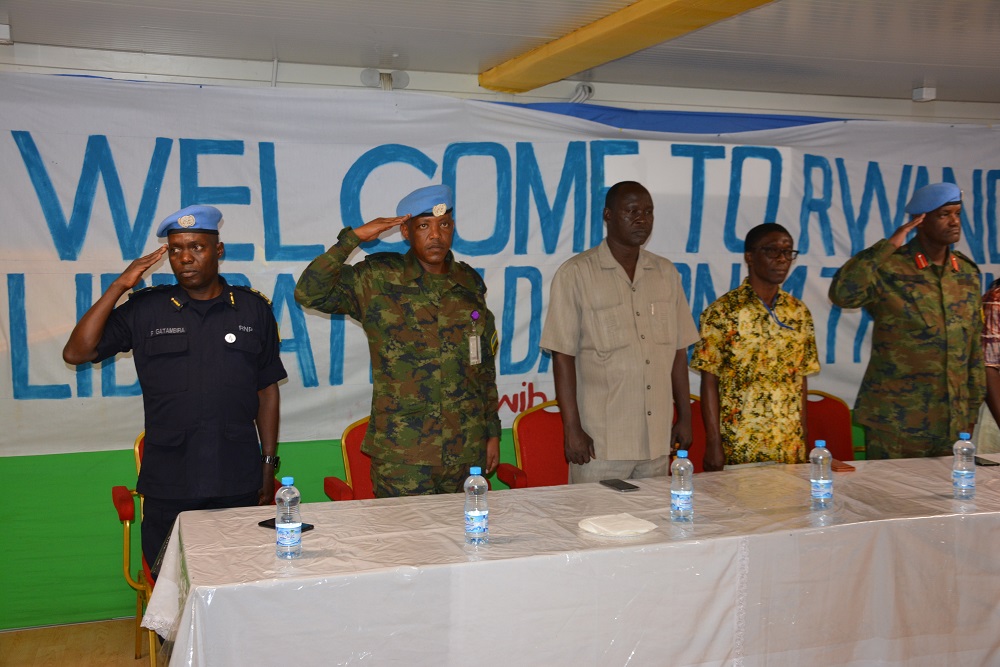
In South Sudan, the Rwandan peacekeepers deployed in Malakal under the United Nations Mission in South Sudan (UNMISS), were also joined by Rwandans living in Malakal, other peacekeepers, local officials and residents.
The Governor of Upper Nile, Peter Chol Wal, who graced the event, said: “I know the meaning of liberation because I was part of the struggle to liberate my country, and such a day bring the memories of what you fought for.”
He added: “Today you are commemorating the brave ones you lost during the liberation war, the ones who gave their lives for the dignity of your country.”
He further said that 25 years later, Rwanda is also celebrating the progress made in all aspects of development.
The Governor commended Rwanda’s “good leadership and their tireless efforts in the continuous liberation struggle.”
Christian Milkhail from UNMISS Field Office, who was in Rwanda between 1990 and 1994, recalled the state of Rwanda in that period and how the country was ruined by the 1994 Genocide against the Tutsi in which more than million people were killed in a space of only one hundred days.
“Such a day bring memories of the difficult period in lives of Rwandans; it’s amazing how the country managed to overcome such kind of challenging situation with in just 25 years… it’s a miracle,” Milkhail said.
He observed that the Liberation Day is an act of “unifying a peaceful Rwanda which is prosperous for all.”
“Rwandans are commonly known for working efficiently… aiming for success in development even in fighting corruption, it’s an admired country, we are all proud as Africans for a country which is striving and reaching millennium development goals,” Milkhail added.
Rwanda maintains Formed Police Unit (FPU) hybrid contingent of 240 officers in Malakal.
At least eight bales contained used shoes and six others of clothes.
The Rwanda National Police (RNP) spokesperson, Commissioner of Police (CP) John Bosco Kabera said that earlier that evening, the District Police Unit of Nyamasheke received a phone call from an informer in Kamembe about two people, who had smuggled quantities of secondhand clothes and shoes into the country from the neighbouring Democratic Republic of Congo.
“The caller was specific on the particulars of the suspected smugglers and the funeral vehicle which they had hired in an attempt to beat security,” CP Kabera said.
“We mounted a snap-check along Ntendezi- Gashyirabwoba road where a Mercedes Benz RAD 819J driven by Afrika Placide, 57, was stopped at about 10pm, recovered eight bales of shoes and six bales of clothes. The vehicle was impounded to Ruharambuga Police station while goods were handed over to the Revenue Protection Unit,” he added.
He said three suspects identified as Daniel Ntigurirwa, 29, the owner of shoes; Simon Kagesera, 41, owner of bales of clothes and their driver, Afrika Placide are also detained at Ruharambuga Police station.
How caguwa is smuggled
Ntigurirwa, one of the suspects, admitted that this was his third time he has smuggled secondhand clothes into the country. He was successful in his first two attempts.
“Normally, there are Congolese, who have ventured in this business of smuggling through Lake Kivu to an agreed destination in Rwanda,” Ntigurirwa narrated.
He added: “When you cross to DR Congo and buy your secondhand shoes and clothes, or even other goods, you reach out to them and you agreed on how much you will pay them after delivering the goods to a specific destination on the Rwandan side. The agreed destination has to be somewhere near the border or the lake. In my case, I paid them Rwf20000 to deliver them to my home in Kamembe.”
Ntigurirwa explained that earlier the day of their arrest, together with Kagesera, they met Africa (driver) at a bar in Kamembe town, Rusizi District.
“We told him the whole plan, he agreed. Since this was a funeral service vehicle we thought it would be a successful deal to smuggle the goods to Kigali without being stopped,” Ntigurirwa explained.
Ntigurirwa alone was to pay the driver Rwf30, 000 on arrival in Kigali.
CP Kabera thanked the role of the public in information sharing, which he said plays a central role in identifying and arresting especially smugglers and drug traffickers, adding that “operations against such unlawful activities are continuous.”
By law, a vehicle used in smuggling as well as the smuggled goods are auctioned, while the driver is handed a penalty of US$5000.