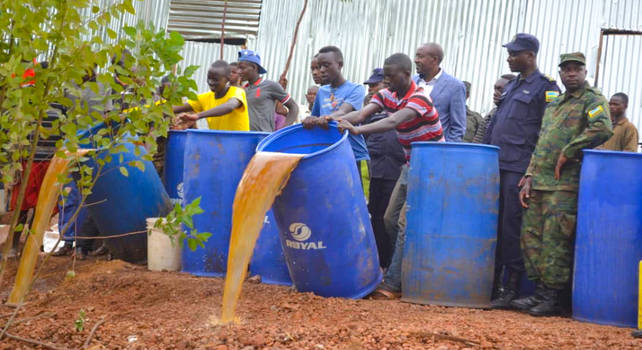
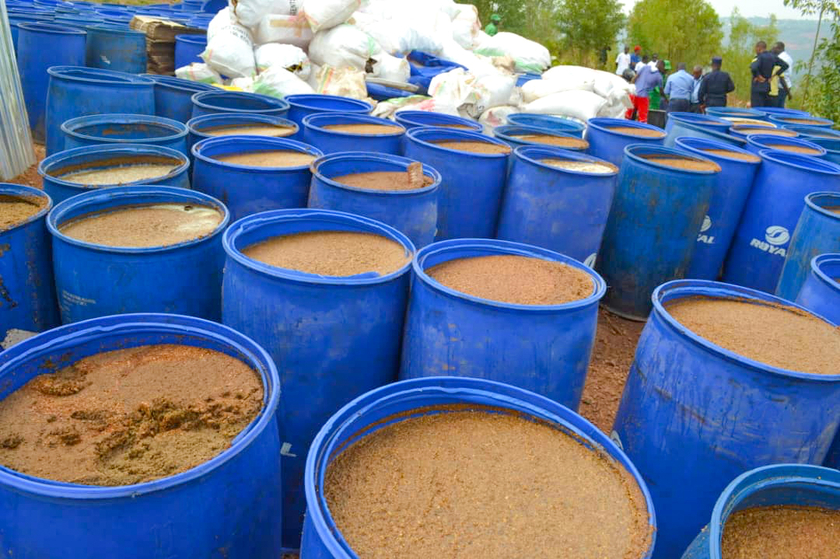
The psychotropic substances were disposed of on Monday in Gahengeri Sector in presence of hundreds of residents as police and local leaders conveyed a message against the criminal practice.
The poured substance was from a distillery owned by Bosco MUSIGWA, who was operating illegal distilleries called ‘Gubwaneza Munyarwanda.’
The Mayor of Rwamagana District, Radjab Mbonyumuvunyi, while addressing the residents after pouring the substances, warned them against the practice, but thanked those who continue working with the Police to identify and arrest drug dealers.
“These substances are unhealthy, they pose a threat to security, as consumers are exposed to their untested content brewed from potentially harmful raw materials let alone the lack of hygiene during the illegal brewing process,” he told residents.
Chief Inspector of Police (CIP) Hamdun Twizeyimana, the Eastern region Police spokesperson warned that only licensed distilleries are allowed to operate within the set standards by Rwanda Standards Bureau (RBS) that include raw materials used and packaging, among others.
“There are set health and legal standards to start a brewery, which also prescribes the raw materials that are not harmful to consumers, and should be followed; contrary to that you are breaking the law,” he said.
RSB set standard requirements to include labeling (name of the products, physical and postal address of manufacturer); net contents in milliliters or liters; ethyl alcohol content; date of manufacture and expiry date; storage instructions; statutory warnings; and list of ingredients in descending order, among others.
The spokesperson said that Rwanda National Police will keep on doing operations and arrest all drug-related criminals. He also called for continued partnership with the public and sharing information on drug traffickers and distillers of illicit drinks.
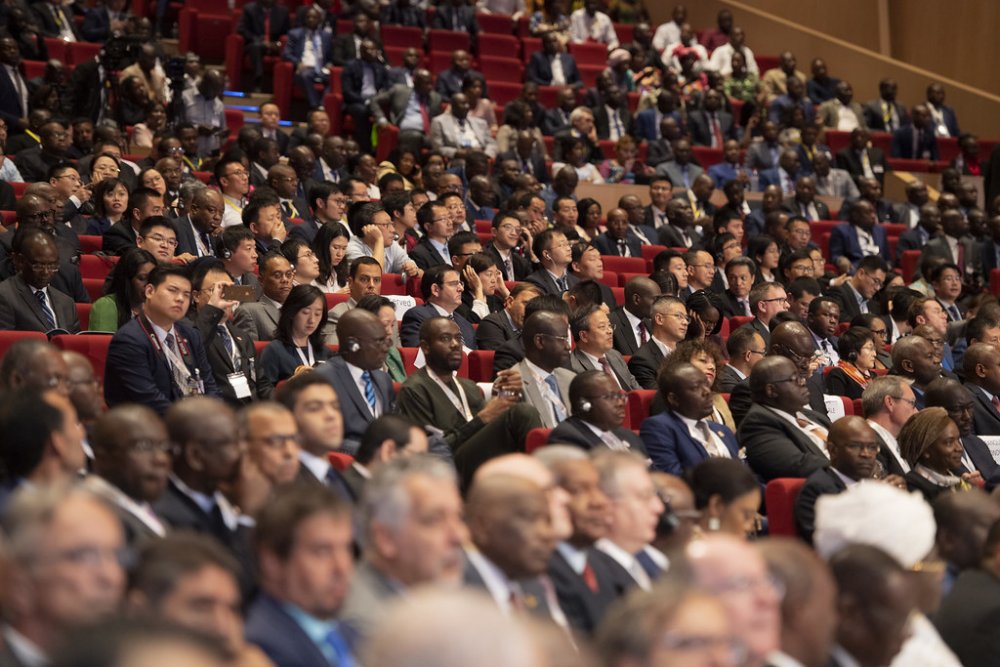
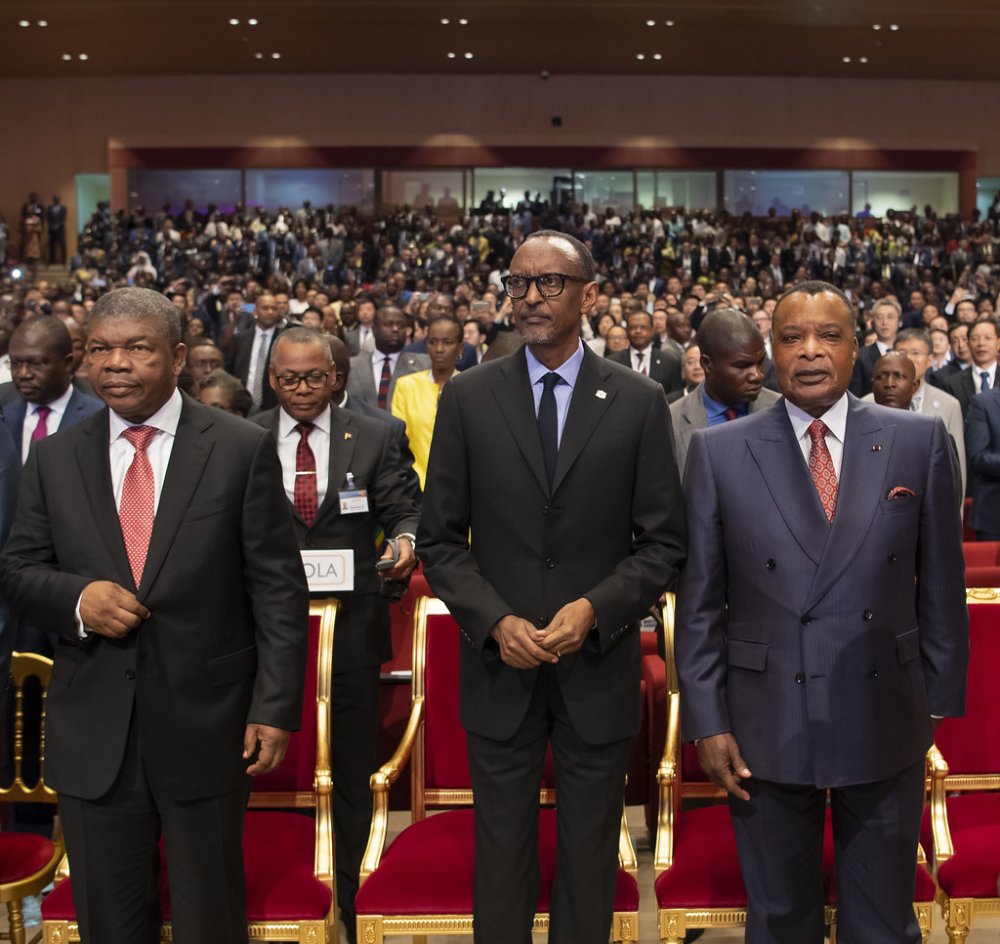
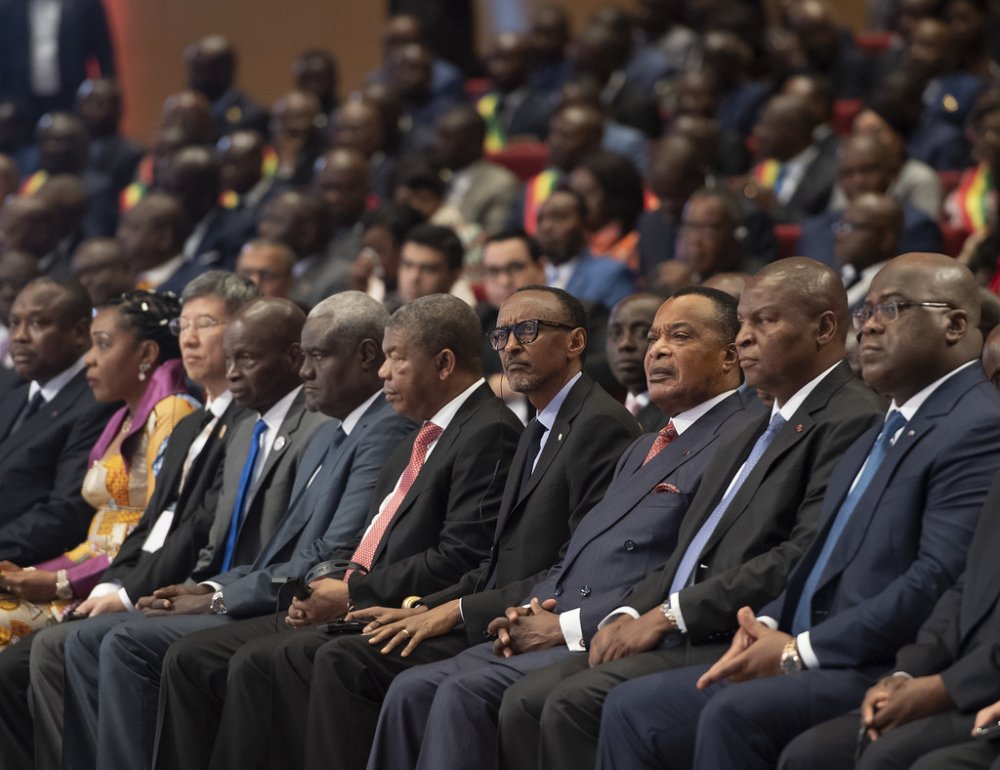
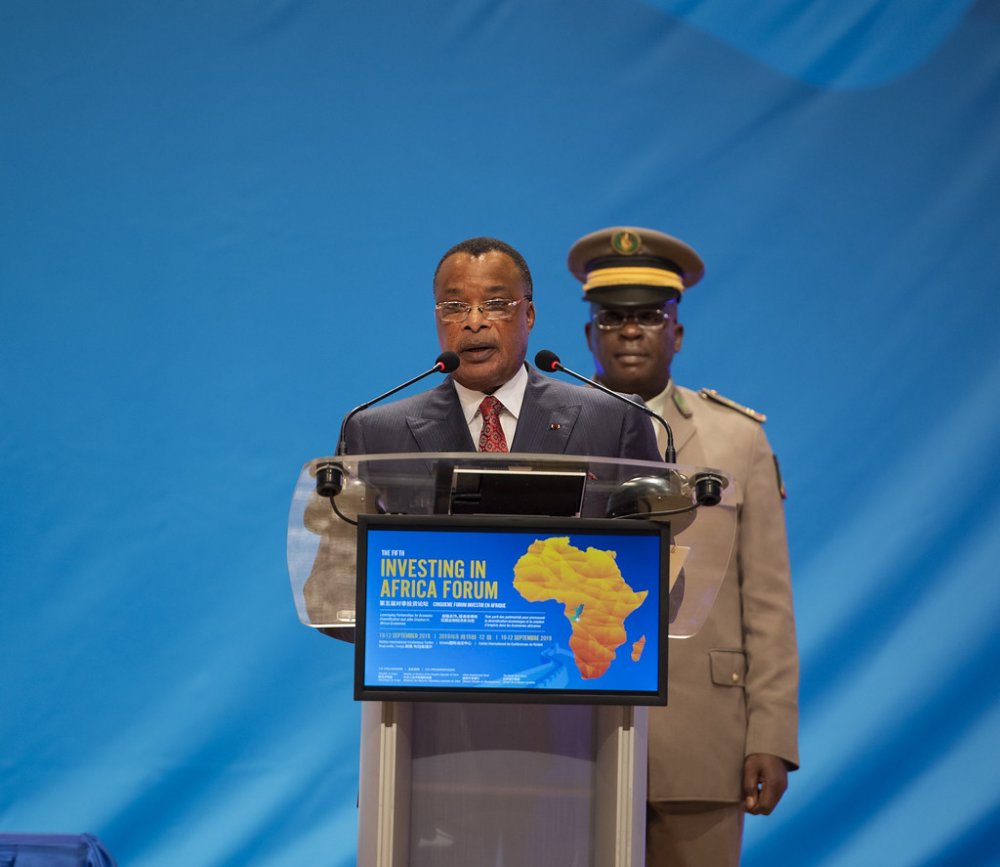
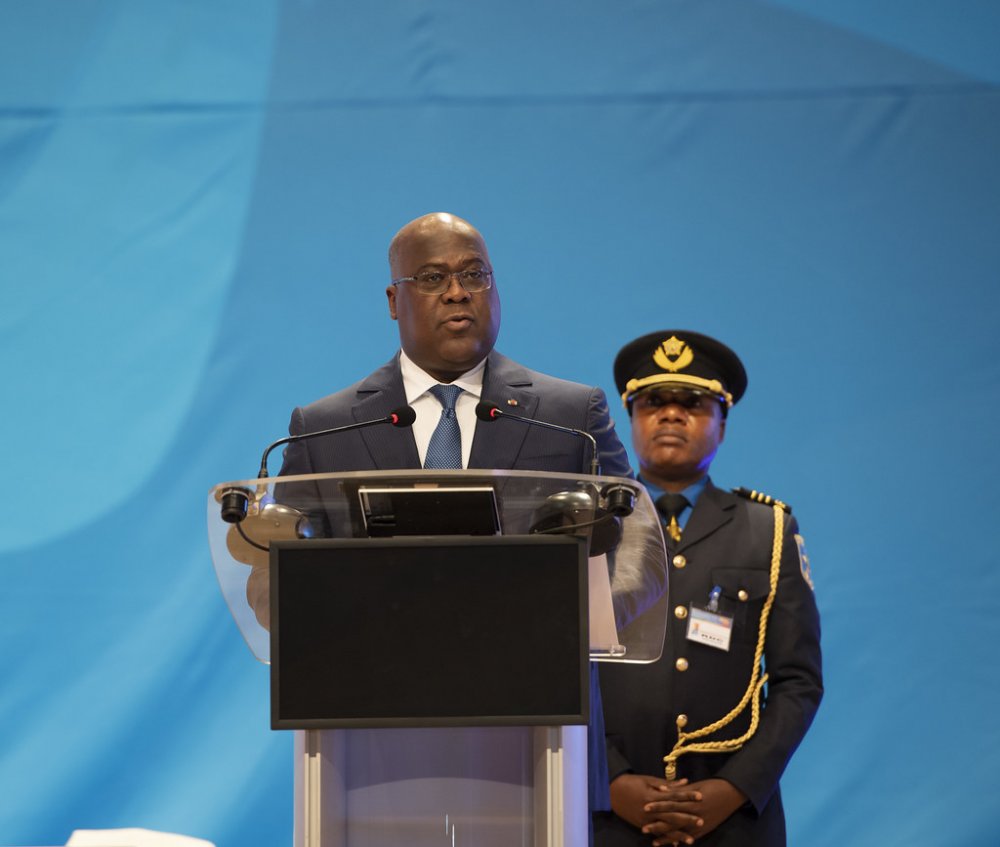
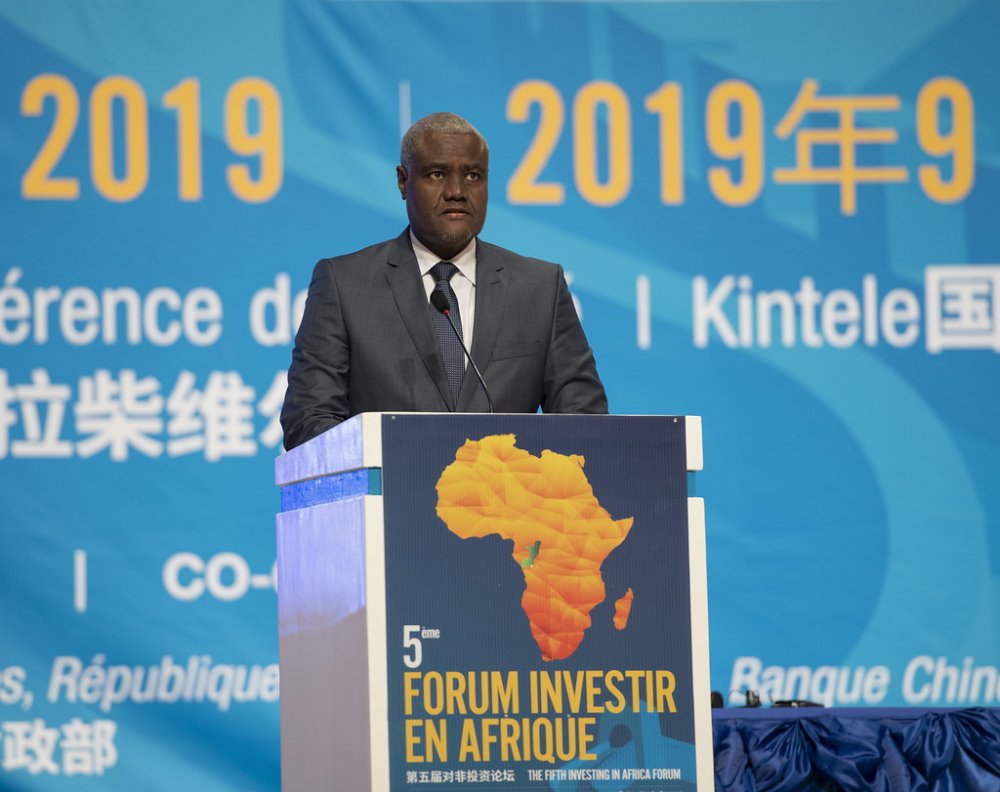
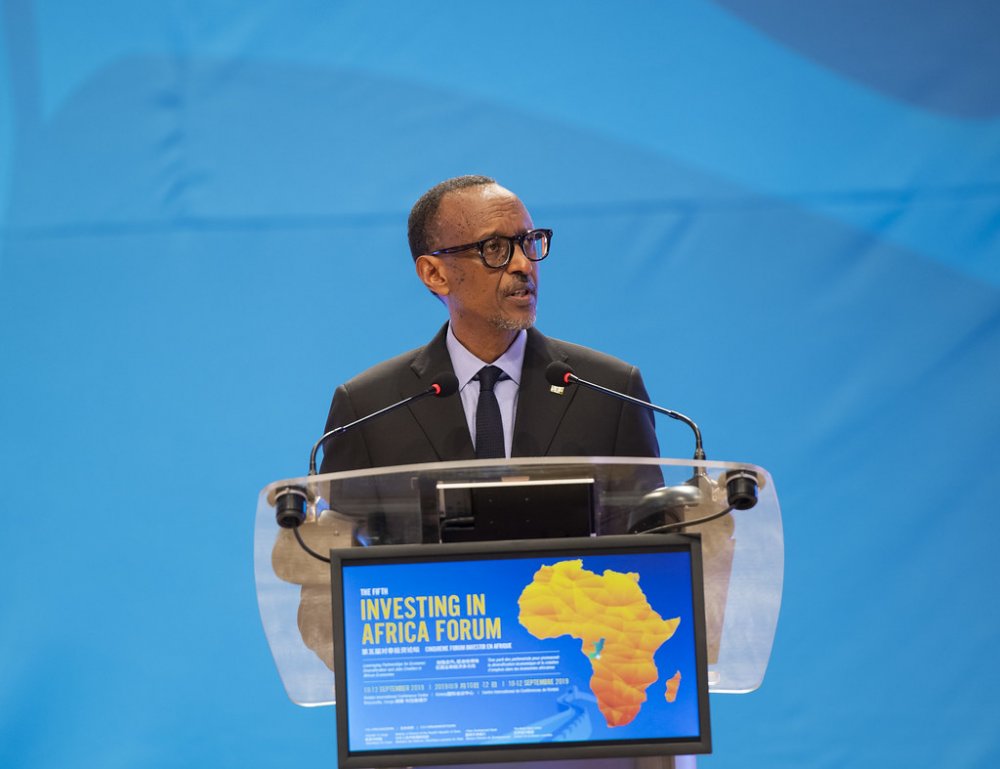
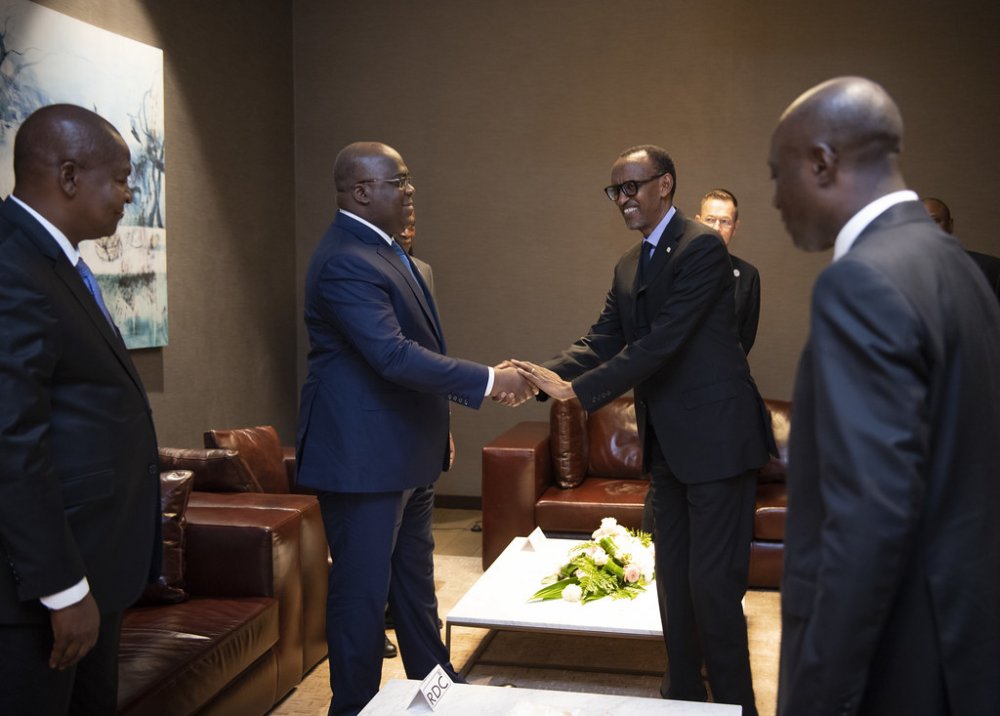
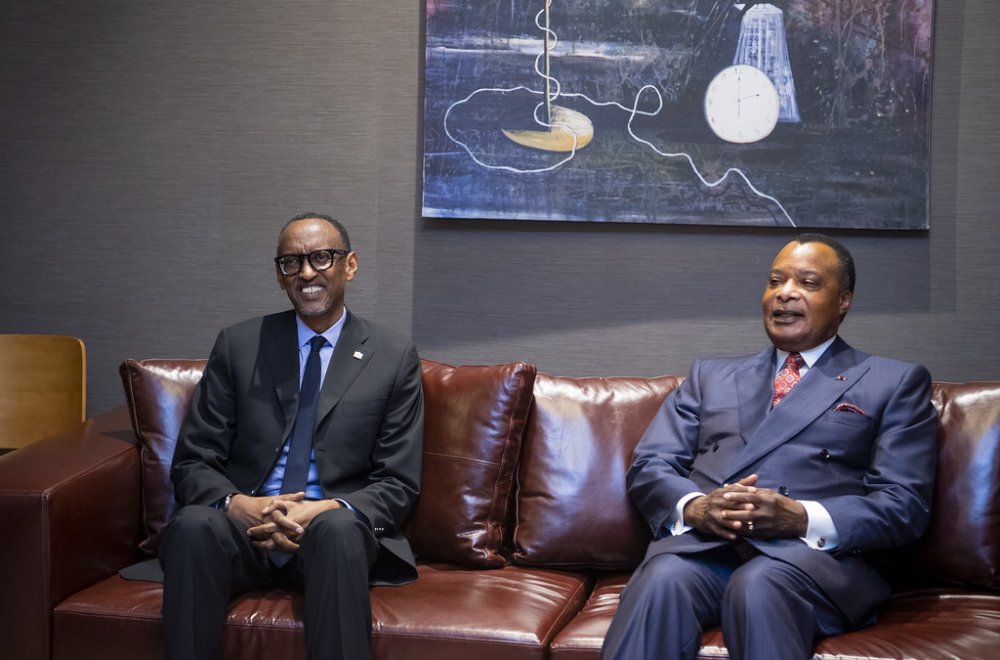
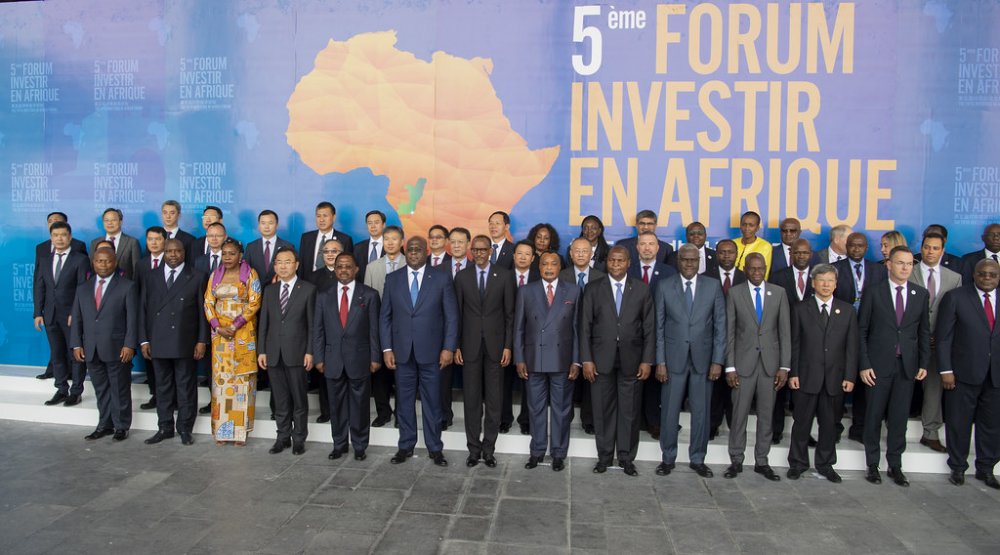
He made the observation today in Congo Brazzaville where he attended the 5th Invest in Africa Forum (IAF) bringing together Heads of State to discuss how to promote investment on the continent.
Held between September 10-12, 2019, the fifth IAF will also examine how best to support economic diversification and job creation in African countries, take stock of progress and achievements, and chart a path forward.
It is themed “Leveraging Partnerships for Economic diversification and Jobs Creation in African Economies.”
Kagame reminisced on areas that hold game-changing potential including the African Continental Free Trade Area which is now in the implementation phase and highlighted that it will bring more opportunities than ever for everyone involved.
“While the more industrialized countries are better placed to take advantage of the opportunities for manufactured goods, the less industrialized can benefit from linking into regional value chains,” he said.
He pointed out an example that countries that are mainly agricultural can gain from meeting Africa’s growing food security needs.
Kagame highlighted that the African Continental Free Trade Area is also expected to bring about faster customs clearance and more efficient logistics, which are particularly meaningful for perishable agricultural products.
An important factor, he said, is closer collaboration among African governments as well as between government and the private sector noting that productive and mutually beneficial global partnerships are key for the continent to fully benefit from this historic agreement.
Kagame said that the continent lacks sufficient regional infrastructure, hence leading to logistical challenges, low internet use, and device affordability, as well as limited payment infrastructure.
Although these have long been obstacles to economic development, the President emphasized that they must be looked at as an opportunity for public-private investment.
Kagame said that appropriate technology will allow Africans to produce much more wealth with the same amount of labor and financial capital.
In this regard, he reflected on vast opportunities offered by e-commerce to trade with each other and the rest of the world and pointed out that Rwandan producers and service providers are starting to sell directly to more customers than ever through the Alibaba Electronic World Trade Platform.
African governments are providing some solutions, like the Smart Africa Alliance, now comprising 24 countries representing over half of Africa’s population. Smart Africa is taking the lead in establishing the One Africa Network and Digital ID, among other initiatives.
Kagame said that ‘Africa is coming late to the game, but there is no reason we can’t catch up, so long as we collaborate to overcome the barriers in the digital sector’.
People cannot trade or invest if they cannot move
President Kagame explained that other opportunities on the continent are easing the free movement of people and goods because people cannot trade or invest if they cannot move.
“Our citizens want to see an Africa that works together, and on their behalf allowing more interactions and activities,” he said.
Kagame emphasized that the African Union’s Protocol on the free movement of people reinforces, other protocols on trade in goods and services where several countries including Rwanda have eased visa requirements. He said that more things can be done faster to make free movement in Africa, a reality.
The President also highlighted the need to continue building positive mindsets of success in Africa’s young people equipping them with education and skills, and support entrepreneurship and innovation.
“Young Africans have to see our continent as a place to build successful careers and businesses, and be empowered to chart their own futures,” he said.
The IAF was established in 2015 as a global platform to promote multilateral cooperation and investment opportunities in Africa.
The first IAF was held in Addis Ababa, Ethiopia in June 2015; the second was held in Guangzhou, China in 2016; the 3rd in Dakar, Senegal in 2017 while the 4th took place in Changsha, China in 2018.
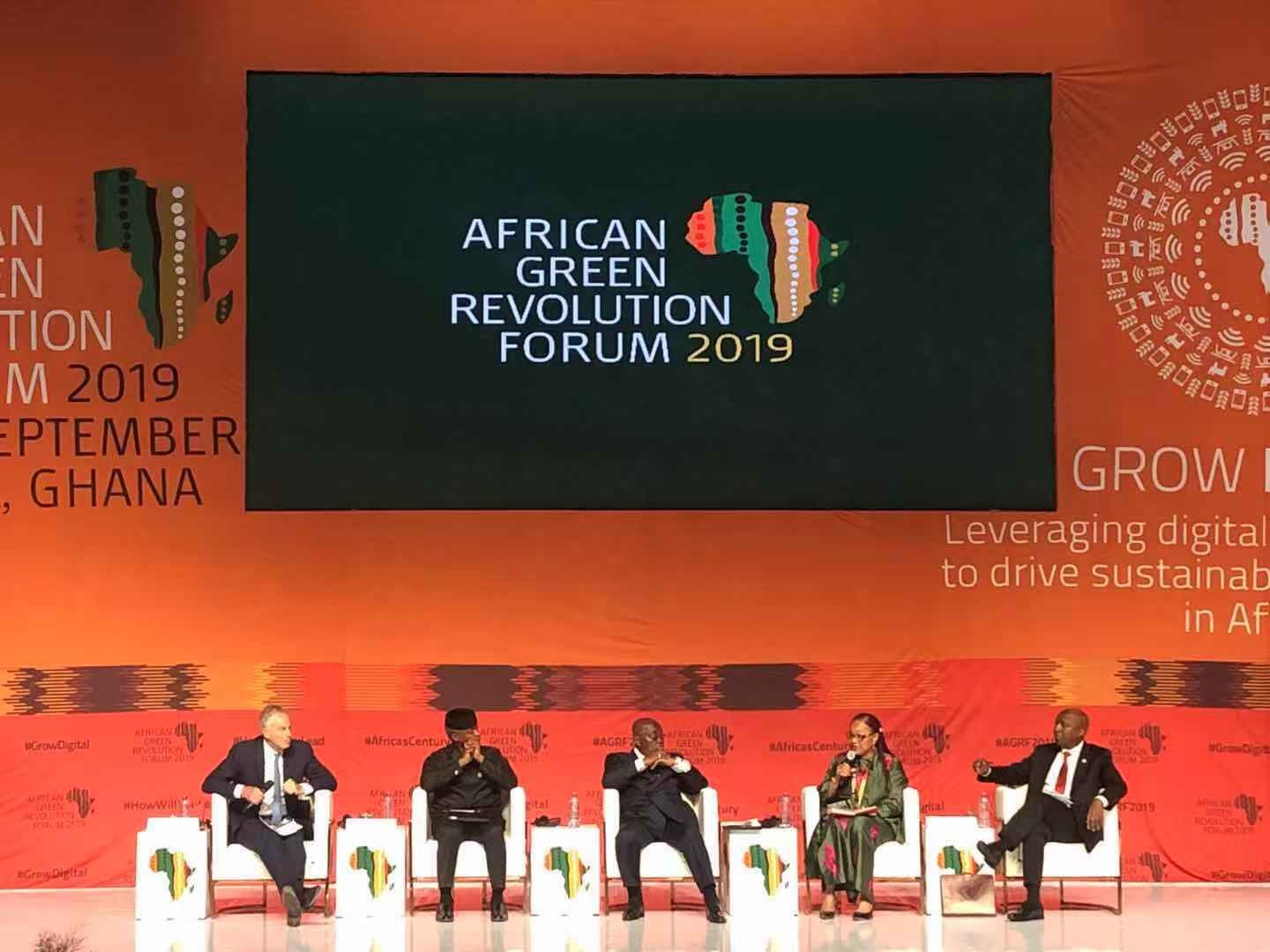
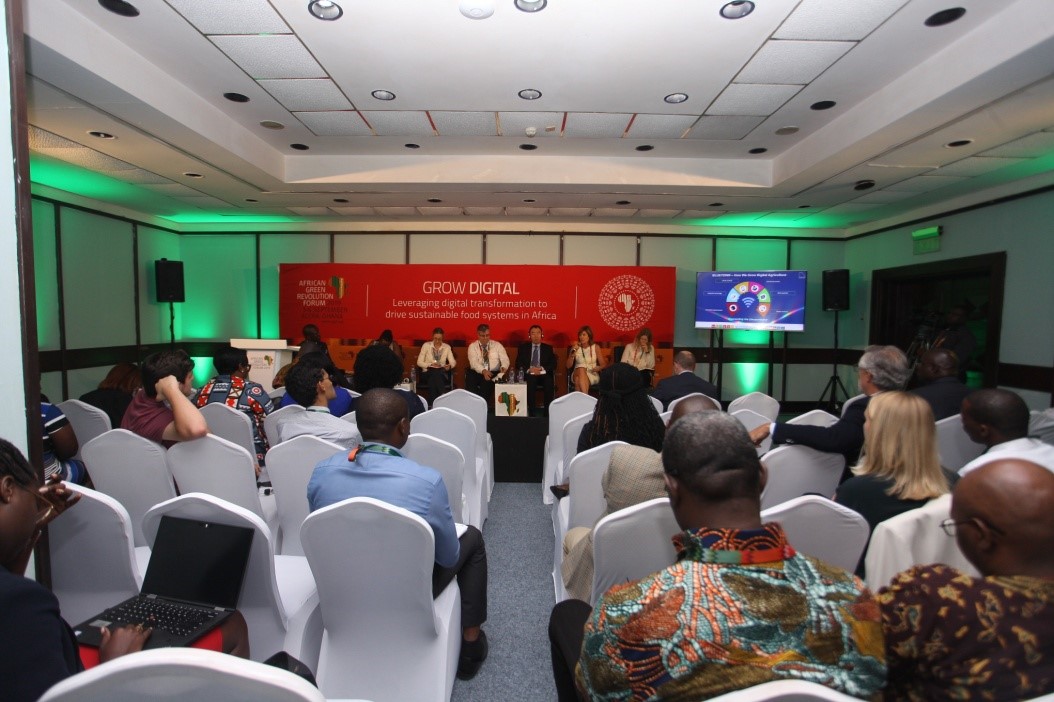
AGRF is the world’s premier forum for African agriculture, pulling together stakeholders in the agricultural landscape to discuss and commit to programs, investments, and policies to achieve an inclusive and sustainable agricultural transformation across the continent.
Under the theme Grow Digital: Leveraging digital transformation to drive sustainable food systems in Africa, leaders from countries across Africa including H.E. Nana Addo Akufo-Addo, President of the Republic of Ghana, H.E. Faure Essozimna Gnassaingbe, President of Togo; H.E. Mahamadou Issoufou, President of Nige; President of Cote d’Ivoire; H.E. Yemi Osinbajo, Vice President of Nigeria; and Rt. Hon. Edouard Ngirente, Prime Minister of Rwanda participated in the forum, shared their experience in the development of agriculture within a digital era and contribution to the goals of the Malabo Declaration (2014) and the Sustainable Development Goals (SDGs).
AGRF rallies these leaders and various stakeholders around a common purpose – to unleash the full potential of Africa’s millions of smallholder farmers and agriprenuers who provide about 80% of the food and agricultural products consumed across the continent and generate millions of jobs and inclusive economic growth.
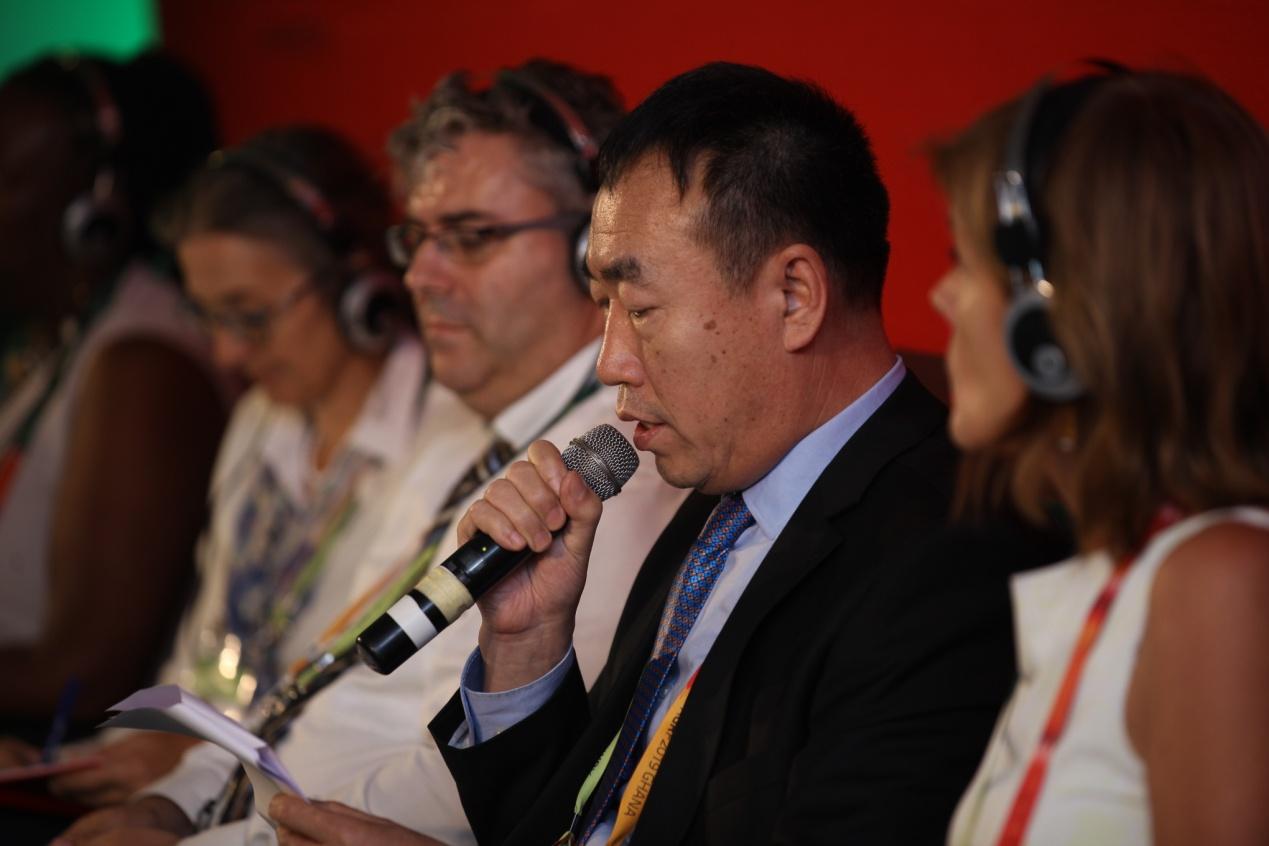
As a localized media group, on the AGRF, StarTimes proposed to facilitate the agricultural development in Africa through digital media. Zhang Junqi, the Vice GM to the Overseas Department of StarTimes Group and the CEO of NTV-STAR TV Network Ltd., addressed a speech and interacted with the guest from worldwide.
Although digitalization is one of the main facilitating efforts for knowledge sharing, it is generally recognized that the lack of infrastructure contributes mostly to the low penetration of digitalization in Africa.
Chinese President Xi Jinping announced that China would implement satellite TV programs for 10 thousand African villages on December 4th, 2015 when he was delivering a keynote speech at the opening ceremony of the Johannesburg Summit of the Forum on China-Africa Cooperation.
The project, known as “Access to Satellite TV for 10,000 African Villages”, is among 10 major cooperation programs to boost cooperation between China and Africa, and constructed by StarTimes, which provides the rural area with a direct and effective method to obtain information from all over the world. The project is expected to be overall completed around the end of 2019 and then there will be 10112 villages been equipped with satellite TV.
“The CEO expressed confidence that the efforts of StarTimes would create access to digital terrestrial content in rural areas across Africa.” reported by Xinhua News about the speech of Zhang Junqin on AGRF.
Specifically, Zhang introduced the plan of dissemination: “It is StarTimes’ social obligation to make our platforms available for educational content popularization across Africa. That is the reason that StarTimes offered to broadcast agriculture-related videos from Bill & Melinda Gates Foundation (BMGF), Alliance for a Green Revolution in Africa (AGRA) and the relevant resources. These videos will be localized in each country and broadcast in local language by facilities of the ‘Access to satellite TV for 10,000 African Villages’ project. ”
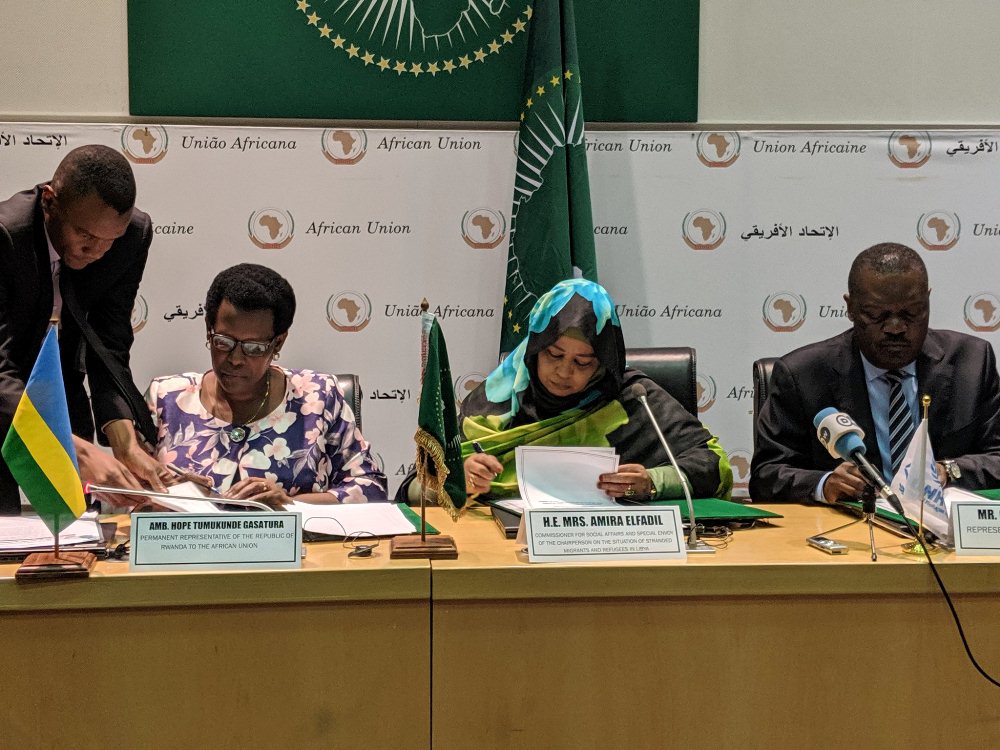
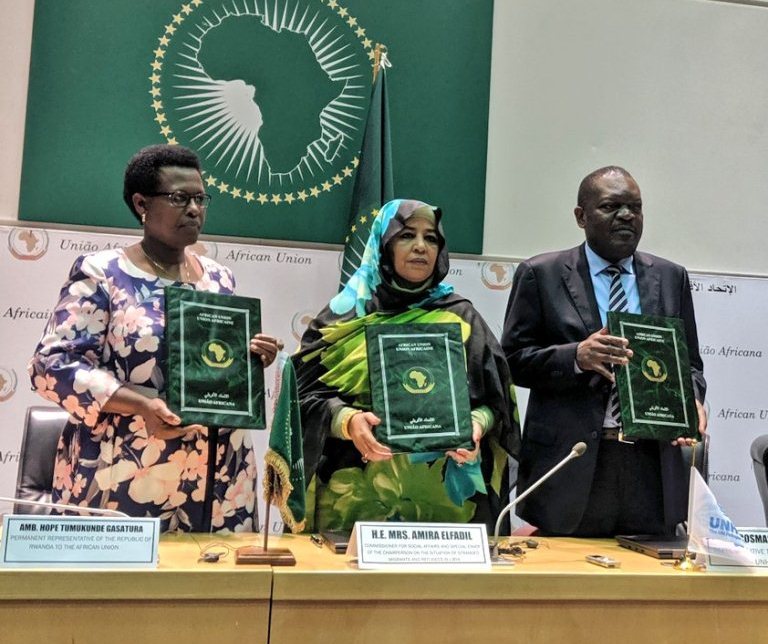
The agreements signed in Addis Ababa, at the headquarters of the African Union in Ethiopia will see Rwanda hosting 500 refugees. Rwanda was represented by its ambassador to AU, Hope Tumukunde during the signing of the agreement.
It was also witnessed by Amira Elfadil Mohammed, the Commissioner for Social Affairs at the Africa Union Commission and Cosmas Chanda, UNHCR Representative to the AU.
The refugees are expected in Rwanda in few coming days and installed in a transit camp in Gashora of Bugesera district.
The Centre will be managed by the Ministry in charge of Emergency Management in coordination with UNHCR which will fully fund the operations of the ETM.
Persons eligible to benefit from the center include refugees recognized by UNHCR Libya, asylum-seekers registered with UNHCR Libya, children and youth at risk registered as refugees as well as spouses and children of asylum-seekers and refugees.
The Government made the commitment to host African refugees in 2017 following damning revelations that thousands of people from across Africa were stranded in Libya after their failed bid to reach Europe while many of them were being subjected to slavery.
Reports indicated that the refugees, most of them from West African countries, were openly being sold in modern-day slave markets in Libya.
At the time, Rwanda made the commitment to provide support in returning migrants stranded in Libya.
According to the United Nation’s reports, 5000 migrants are trapped in Libya where 70% of them are refugees and displaced people.
UNHCR reports indicate that Rwanda accommodates over 140,000 refugees of whom the majority is from Burundi and the Democratic Republic of Congo.
There are others from Afghanistan, Angola, Central African Republic, Tchad, Eritrea, Ethiopia, Guinea and Haiti among others.
Held between September 10-12, 2019, the fifth IAF will examine how best to support economic diversification and job creation in African countries, take stock of progress and achievements, and chart a path forward.
Participants will have an opportunity to share relevant experiences in leveraging private sector investment alongside public sector efforts to boost economic activity and job creation.
Sessions will be organized around five pillars: Human Capital Development; The Digital Economy and Innovation; Public-Private Partnerships and Investment Climate; Industrialization and Global Value Chains and Climate-Smart Energy Solutions.
The IAF was established in 2015 as a global platform to promote multilateral cooperation and investment opportunities in Africa. Private and public sector representatives from China and Africa, international and regional institutions, development partners and think tanks come together on an annual basis to deepen policy dialogue, share experiences, and discuss business opportunities to boost investment and sustainable development in the continent.
The first four editions of the IAF demonstrated that cooperation between China and Africa is mutually beneficial and supports countries’ development strategies.
The first IAF was held in Addis Ababa, Ethiopia, in June 2015, under the theme Partnering to Accelerate Investment, Industrialization, and Results in Africa.
The second IAF took place in Guangzhou, China in September 2016, and focused on Experience Sharing and Investment Promotion, Building Complementarities and Shared Prosperity.
The third IAF, Leapfrogging through Innovation, took place in Dakar, Senegal in September 2017, and made the case that business, as usual, would not be enough to confront the many challenges the region faces.
The 2017 IAF also set the stage to catalyze a new generation of investment opportunities leveraging technology and innovation to unlock Africa’s potential.
The fourth IAF, Deepening Investment Cooperation and Harnessing Innovation for Sustainable Development and Shared Prosperity, was held in Changsha in China in September 2018 and explored how to attract and mobilize private sector investments, both domestic and foreign, to transform African economies and generate much-needed jobs.
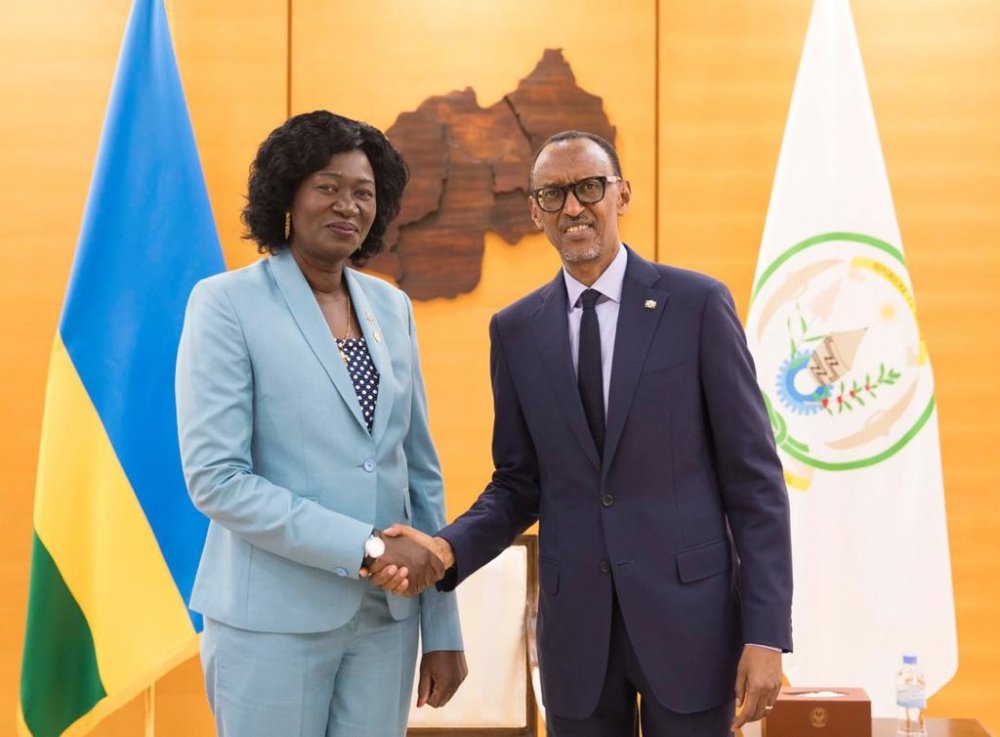
The meeting was announced by Rwanda’s Presidency but didn’t reveal areas of discussion.
Awut Deng Acuil was in Rwanda at a time when his country’s political opponent, Riek Machar went to Juba to meet President Salva Kiir.
Kiir and Machar talks are meant to assess the implementation of peace talks between the government and the opposition.
Machar fled the country on July 2016 after his forces clashed with Kiir’s. This is the second time Machar has come to Juba since 2016, aside from a peace celebration last October.
Based on the agreement, which was signed in Addis Ababa in September 2018 under the mediation of East Africa’s eight-nation trading and security bloc Intergovernmental Authority on Development (IGAD), the South Sudanese government and opposition should have formed a transitional government in May leading to elections in 30 months.
The pre-transitional period was extended by another six months through Nov. 12, but many issues remain pending, particularly concerning security arrangements, federal state formation, and military movement.
South Sudan slid into crisis when Kiir sacked Machar as vice president in December 2013 on suspicion of plotting a coup, followed by a protracted civil war that claimed the lives of tens of thousands and forced 4 million people to flee their homes.
Before a 2018 peace deal, five years of fighting between the two leaders crippled the country, with millions displaced and almost 400,000 people die from violence and disease.
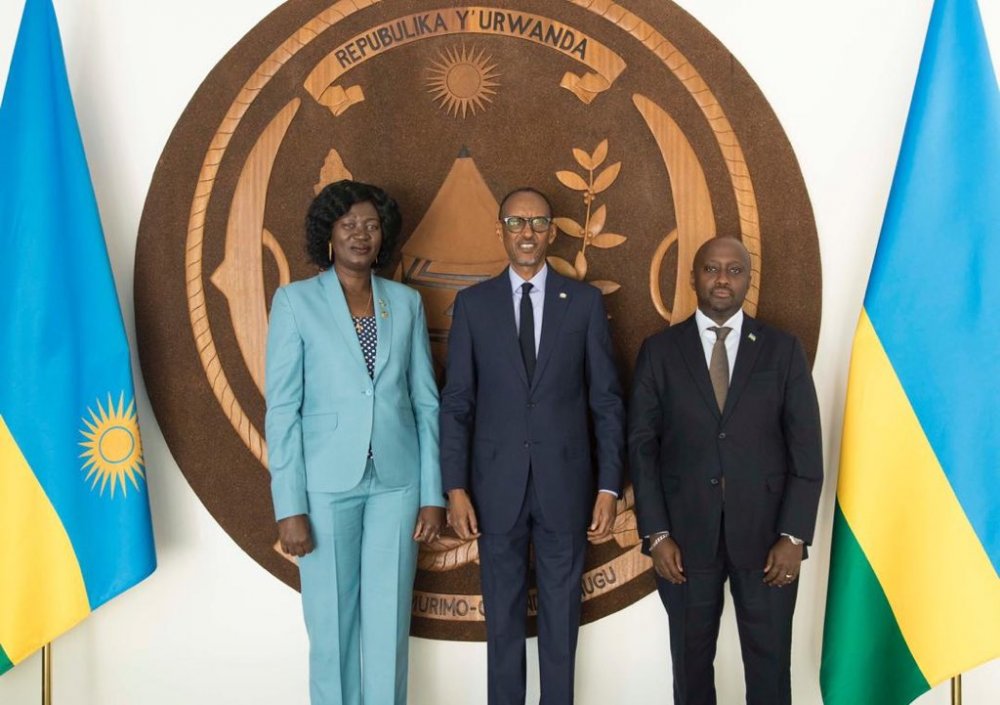
Awut Deng Acuil who met with President Kagame was appointed South Sudan’s Minister of Foreign Affairs and International Relations 21 ago replacing Nhial Deng Nhial. She was previously the Minister of Gender.
Rwanda supports South Sudan in peace operations with deployed police and military forces in UN missions.
President Kagame also met with Damian Halloran, the Vice President of Infectious Disease Emerging Markets at Abbott Rapid Diagnostics and delegation and Gabonese Minister of Foreign Affairs, Alain Claude Bilié Bi Nzé and his delegation yesterday.
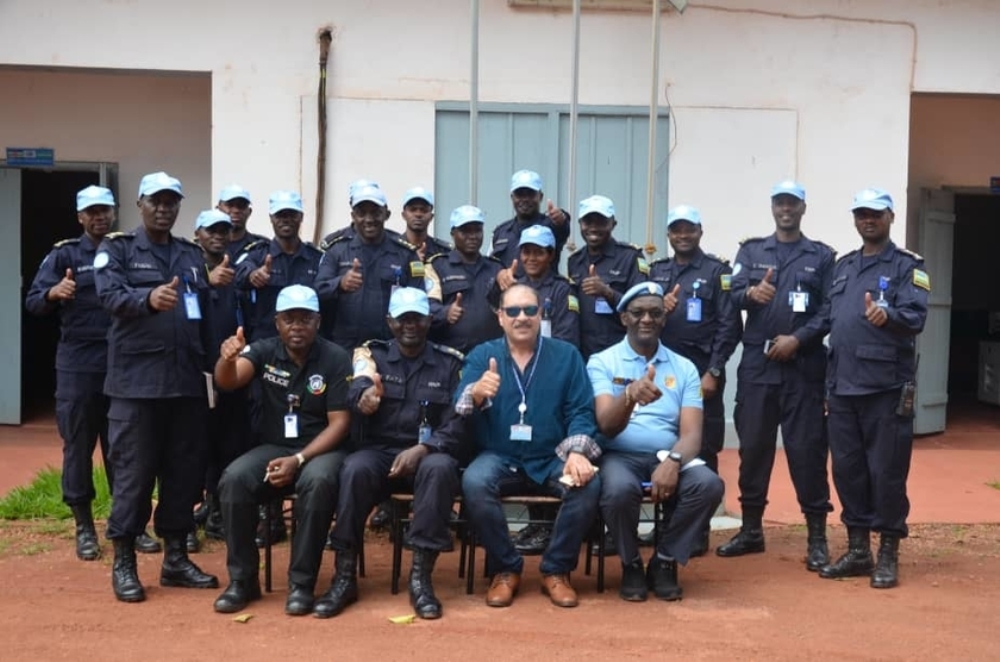
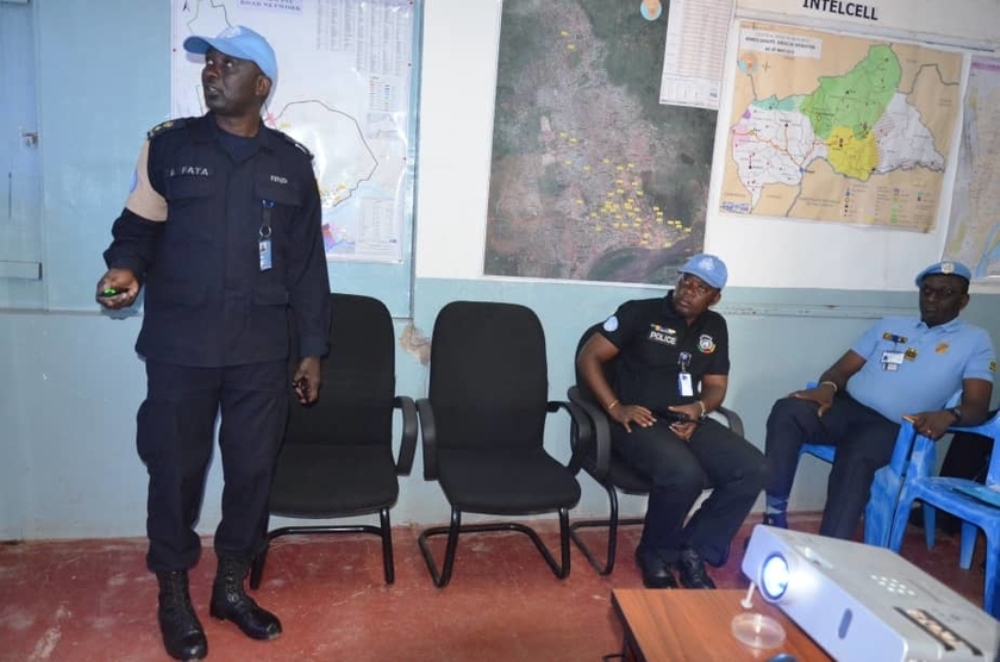
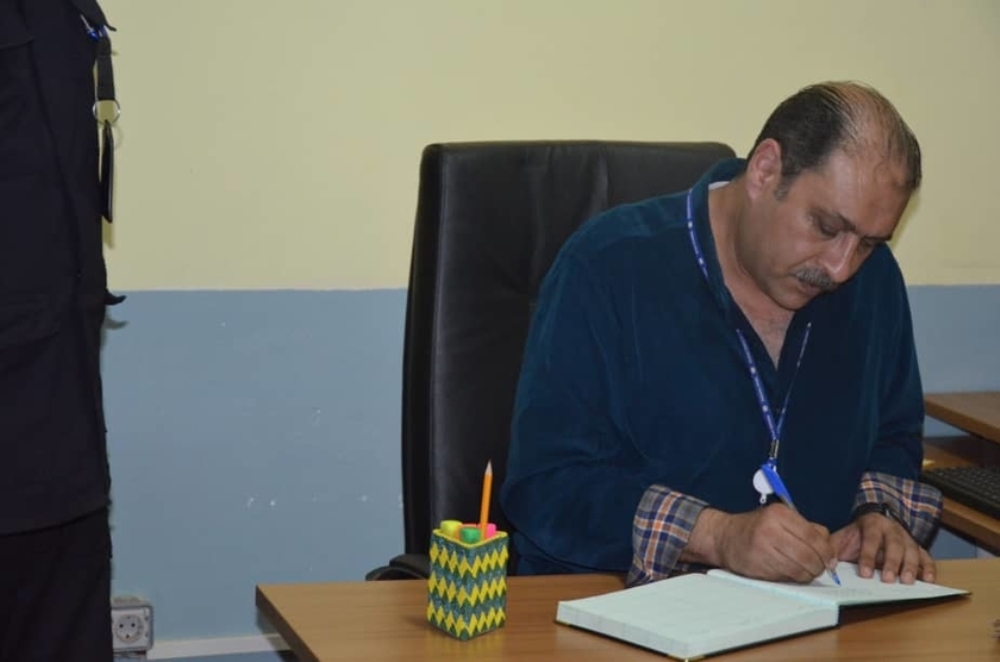
The visit aimed at inspecting the unit’s capacity and readiness in line with MINUSCA standards.
Brig. Gen. Moghazy was accompanied by the acting MINUSCA coordinator for Formed Police Units (FPUs) and Protection Support Units (PSUs), Musa Njoupouanyiyi.
They were received by RWAPSU 1-IV acting contingent commander, Senior Superintendent (SSP) Alex Fata, who briefed them on the unit’s readiness and its day-to-day operations.
SSP Fata’s presentation covered various aspects of the general security situation, operational capabilities and activities performed since their arrival in Bangui in January this year.
RWAPSU is charged with the security of high profile officials including the Prime Minister of CAR, Minister of Justice and the Special Representative of the UN Secretary General (SRSG) to MINUSCA.
The unit also conducts other special duties under the orders of the Joint-Task Force (JTF) commander, including escort of detainees, money in transit, UN personnel and property as well as foreign visiting delegations in CAR, among others.
“I thank the MINUSCA leadership for the support and close partnership, which facilitates our successful operations,” SSP Fata said.
Brig. Gen. Moghazy commended Rwandan police peacekeepers for their “important part in restoring security and peace in CAR” and “protection of MINUSCA good image.”
“I have the pleasure to visit your camp and to see your very good image of discipline and to wish you all the best,” Brig. Gen. Moghazy told the Rwandan peacekeepers.
He urged them to maintain their best performance, good image, professionalism, cleanliness and remain focused on their mandate as some of the key aspects that define Rwandan peacekeepers.
Rwanda National Police (RNP) started deploying in CAR in 2014 and currently maintains three contingents under MINUSCA; two FPUs and a PSU, each composed of 140 officers.
In June this year, President Kagame held a two-day working visit to Gabon aimed at promoting bilateral ties.
Kagame and his Gabonese counterpart, Ali Bongo held talks on Africa’s economy through regions they lead.
President Ali Bongo is the Chair of Economic Community of Central African States (ECCAS) while President Kagame is chairing the East African Community (EAC) since February 2019.
Gabon is among 44 countries that signed the Agreement Establishing the African Continental Free Trade Area (AfCFTA) at the Extraordinary Summit of the African Union held in Kigali, Rwanda, in 2018.
As he addressed the press in Gabon, Kagame said his visit was meant to strengthen bilateral relations between Gabon and Rwanda and visiting his counterpart who was recovering.
President Bongo was hospitalized in Riyadh Saudi Arabia suffering from a stroke in December last year.
He returned to his country in January 2019 where he kept getting medical assistance.
Kagame expressed delight to see his Gabon counterpart, Ali Bongo Ondimba in good health and resuming responsibilities after a long period of sickness.
“It gives me an opportunity to visit with my colleague who has not been feeling well. I am glad that there is a significant improvement to his health that has led to the resumption of his responsibilities,” he said.
“In the African way, we visit friends when it is good times and when it is not so good times,” added Kagame.
At the time, Kagame explained that Gabon has been committed to supporting Africa’s development.
“Gabon has been central to African interests, vision and the strategy to achieve that vision. President Bongo has been very active working with other leaders on our continent to make sure we raise our level of development,” stressed Kagame.
Rwanda and Gabon enjoy existing vibrant relations. They are all members of the Economic Community of Central African States (ECCAS).
Rwanda and Gabon signed a cooperation agreement since 1976 that was revised in 2010.
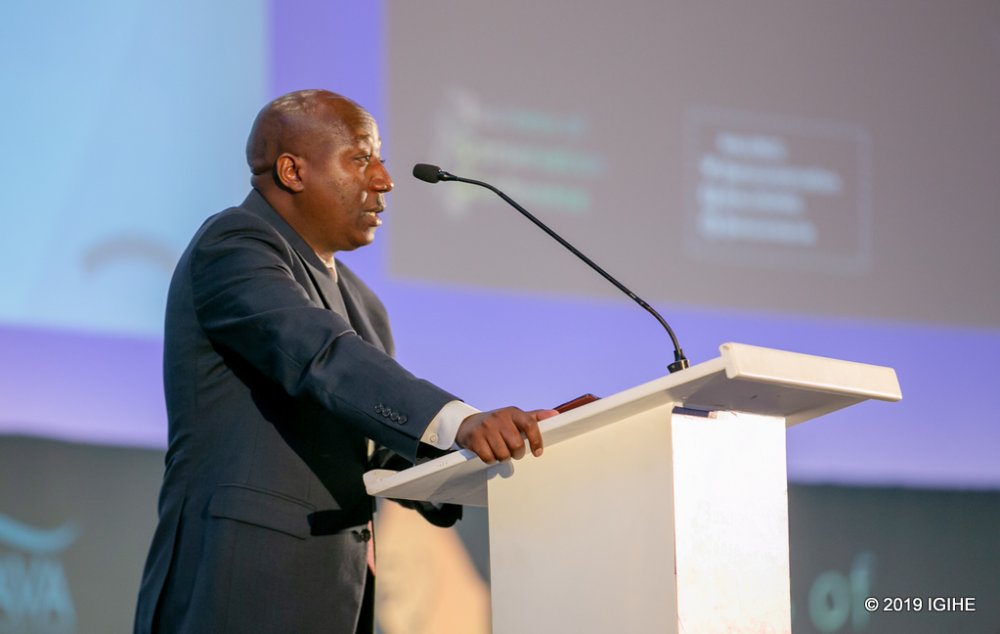
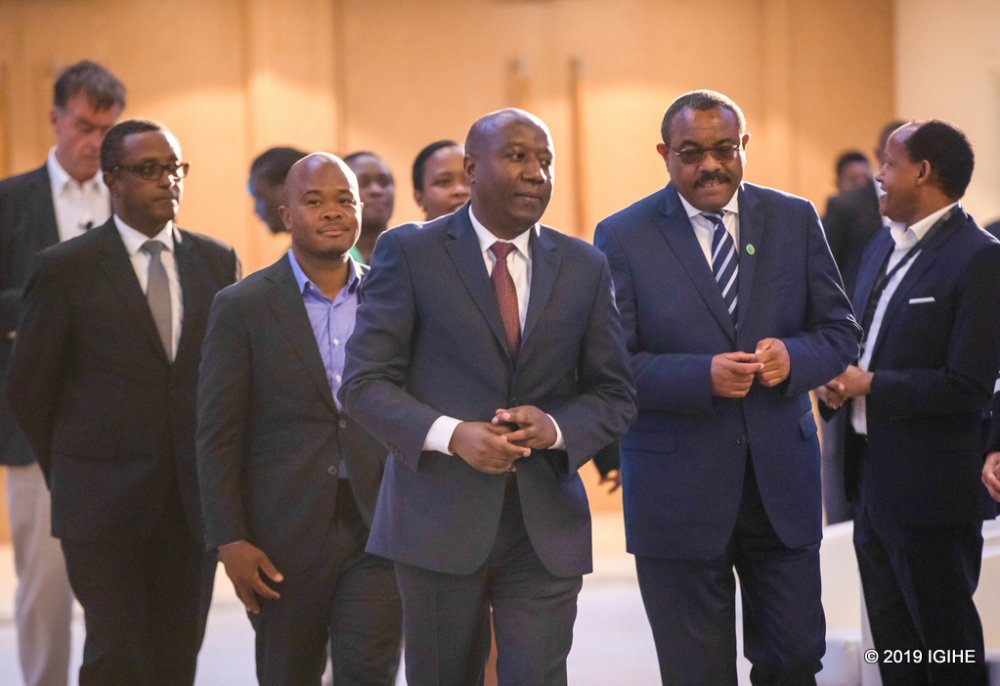
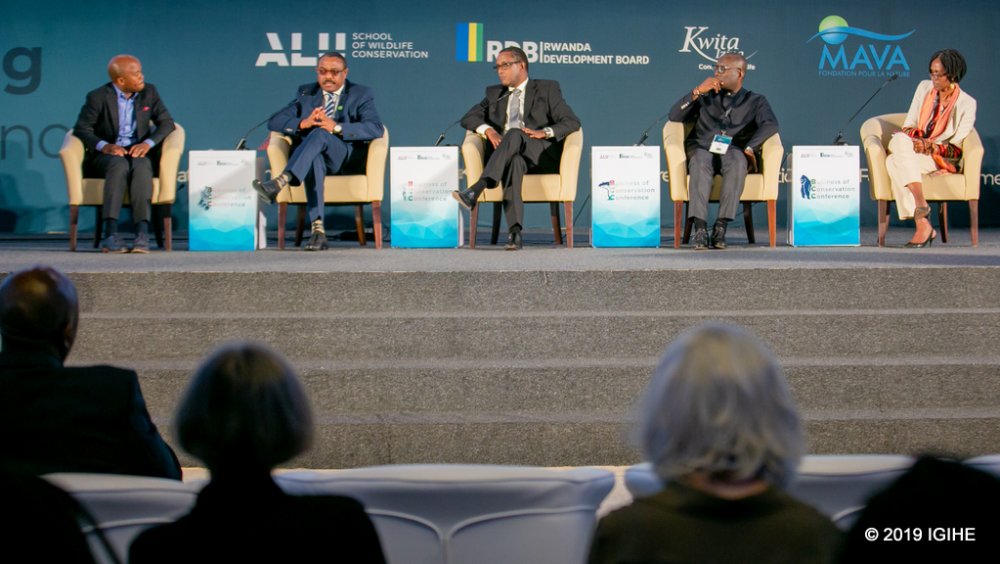
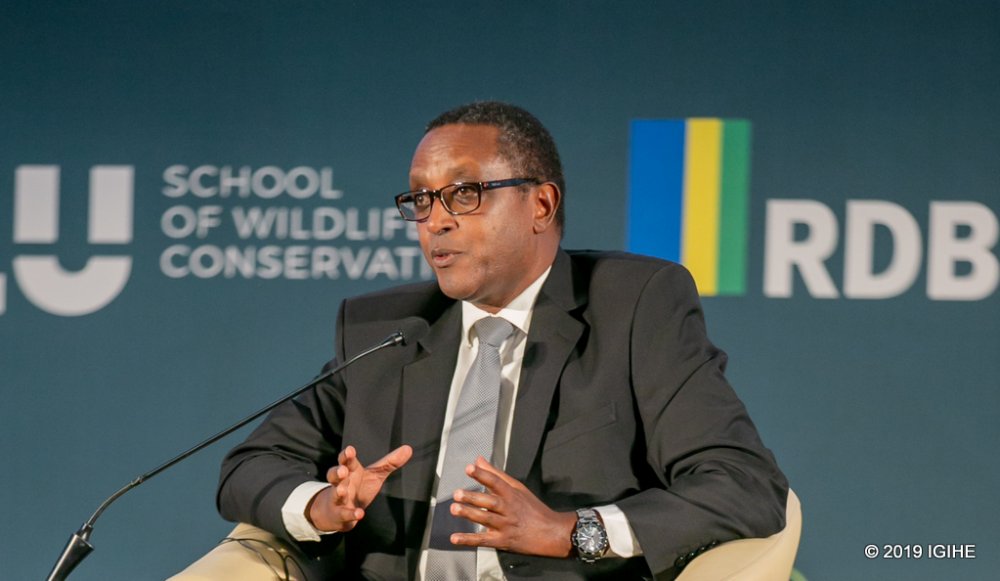
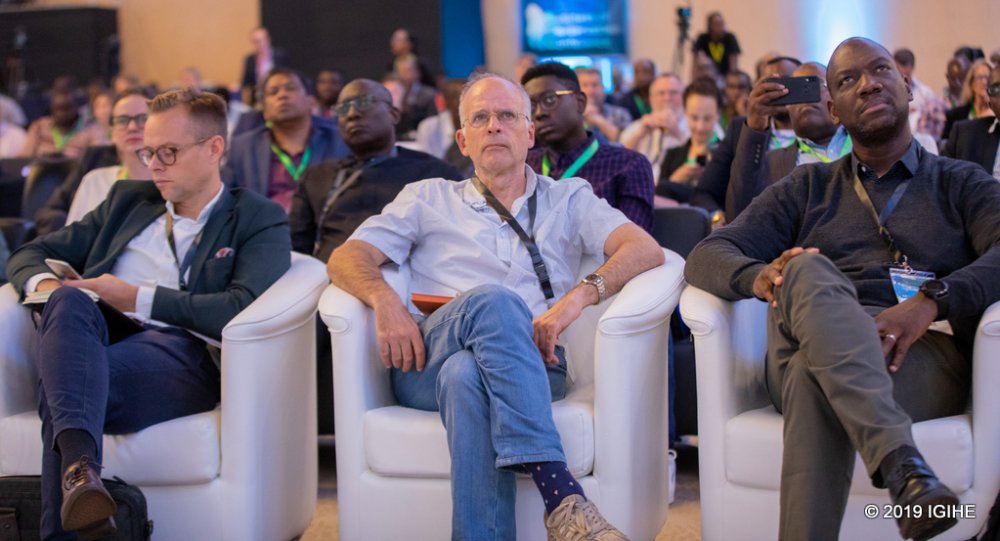
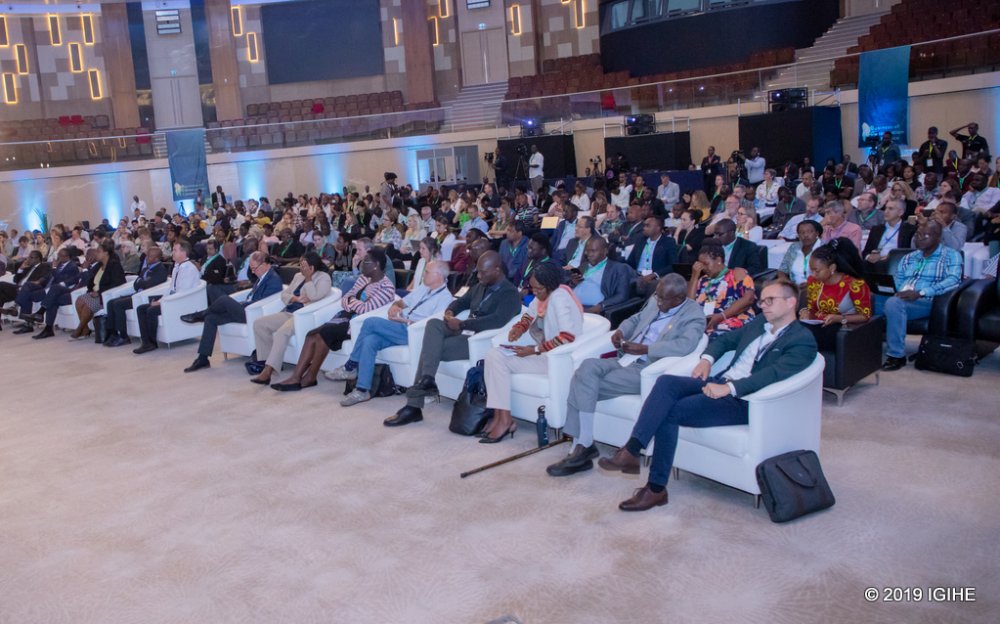
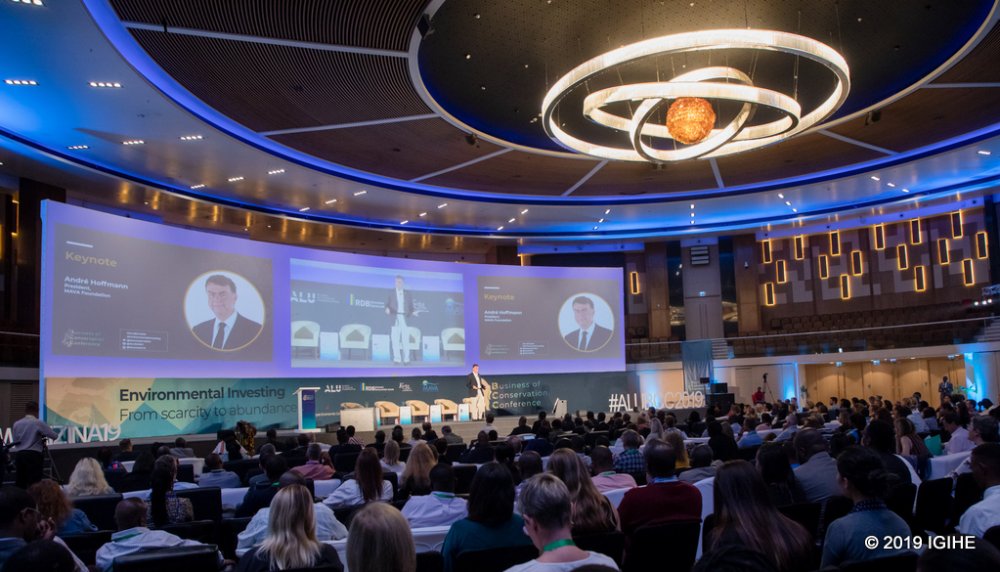
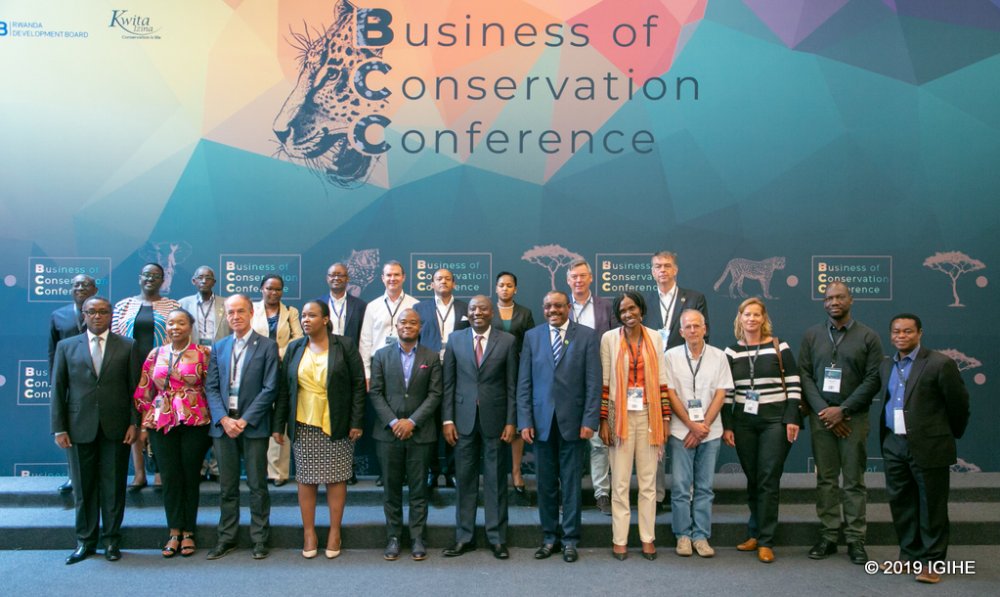
Ngirente made the remarks today as he officially opened the 2019 Business of Conservation Conference held at Kigali Convention Centre. The conference is part of the week-long Kwita Izina 2019 activities.
It brought together leaders from conservation as well as the intersecting industries, to promote best practices, strengthen networks and partnerships, and collectively tackle the challenges of saving Africa’s wildlife and its habitat.
While addressing participants, Premier Ngirente said that Rwanda earmarked much effort in the conservation of natural ecosystems.
“Rwanda is not new to conservation and the protection of natural heritage. We recognized the critical need for conservation-based tourism and economic development through the protection of our natural ecosystems,” he said.
As part of conservation efforts, Rwanda We have become a World leader in conservation has more than 8.9% of its land base protected as national parks.
A few of Rwanda’s conservation achievements include the mountain gorilla conservation in the Virunga Massif as a result of government, communities and conservation partners working together.
The 2016 census revealed a 59% increase in participation from 2003.
This saw the number rising from 240 to 604.
Over the past four years, African Lions were successfully reintroduced to Rwanda in 2015 after being hunted to extinction in 1990s.
An additional 2 male lions were translocated in 2017 to add to genetic diversity of a population that is now thriving and continues to grow.
Eastern Black Rhino were successfully reintroduced to Akagera in 2017, 10 years after the last rhino was seen in 2007.
Today, Akagera National Park is home to big five animals including Lions, Elephants, Leopards, Rhinos and Buffalo.
Premier Ngirente explained that Rwanda took heed on giving back to communities along the conservation journey.
“These strategies have resulted in significant results in Rwanda and for Rwandans over the past 15 years, visits to our national parks increased by 600% since 2003 and a 250% growth in revenues from these same visitors. This solid foundation of conservation, with an aggressive but pro-conservation Tourism Strategy has resulted in significant positive social-economic growth and development benefits for our citizens,” he said.
Under the program known as Revenue Sharing Scheme, Rwanda has invested more than US $5.8 million since 2005 into more than 647 projects in communities surrounding the national parks.
This Revenue Sharing Program, started with 5% and then increased in 2017 to 10% of all tourism revenues invested in communities adjacent to national parks providing economic development capacity and making the lives better for Rwandans.
n 2018/19 alone, the Program supported investments worth US$1.7 million in 37 projects, an increase of 51% over 2017/18.
Ngirente highlighted that this investment has served as a catalyst for many conservation and community partners.
A conservative estimate of community benefits project investments since 2005 increases to 13 million dollars, the result of this investment is clear to see-for both people and nature. We also have an important but little known Special Guarantee Fund in which an additional 5% of all tourism revenues have been used to support management and compensation resulting from human wildlife conflicts in these same communities surrounding our national parks,” he said.
According to Premier Ngirente, Rwanda’s experience is that collaboration and effective partnerships are the key to how the country has been able to achieve the significant results and benefits of conservation, sustainable tourism and economic benefits in Rwanda, for Rwandans.
He said these are the means by which Rwanda has achieved conservation results, provide exceptional tourism experiences for visitors at home and from around the World, and improving the lives of Rwandans as well as means by which ‘we will achieve additional results in the future’.
The Premier further called for efforts in the management and preservation of the ecosystem for the sake of sustainable economies and Africans in general.
“Allow me to add my voice to calls for action that ensure the protection and management of our natural legacy in Africa, but also make use of it in a sustainable way to help drive economies and the benefits for the people of Africa,” he said.
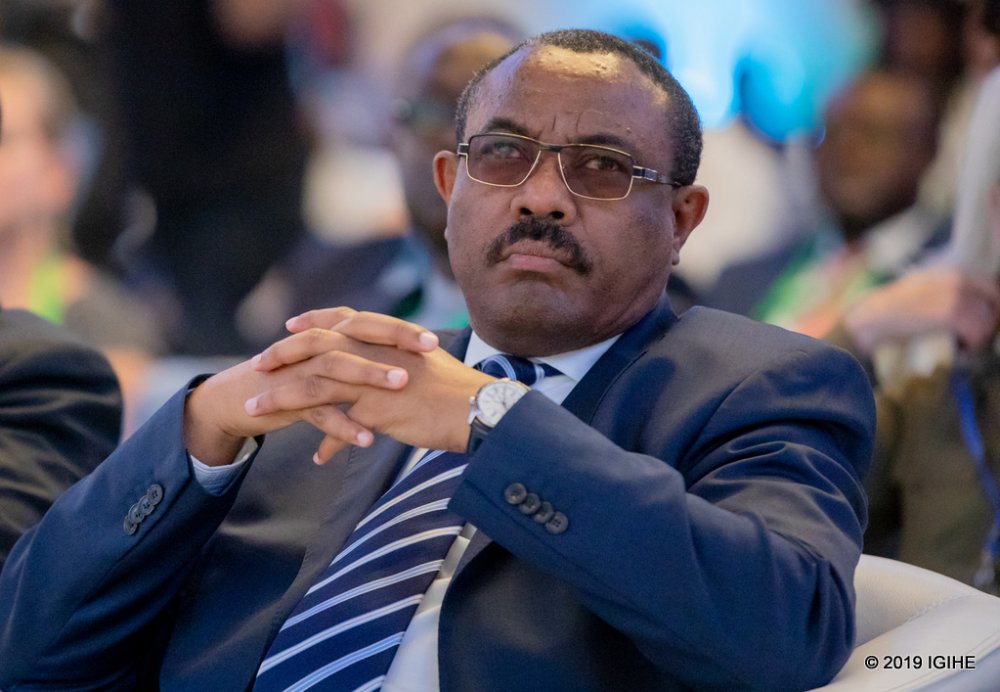
Hailemariam Desalegn, former Ethiopian Prime Minister stressed the need to advance measures towards improved environmental protection and called for youth’s efforts to take advantage of available opportunities.
The conference was organized in collaboration with Rwanda Development Board (RDB) and African Leadership University (ALU) through its School of Wildlife Conservation (SOWC).
The vehicle, RAD 131U was intercepted on Thursday at a check-point that was mounted in Gisakura Sector.
The banned skin bleaching products had been trafficked into the country through an illegal border and was being transported to Kigali.
Chief Inspector of Police (CIP) Emmanuel Kayigi, the Police spokesperson for the Western region, said that the driver of the vehicle identified as Daniel Nsengiyumva was also taken into custody.
He said that Police officers, who were on their usual duties stopped the vehicle, which was being driven by Nsengiyumva to verify all the required traffic-related documents.
“The driver had all the traffic documents, but in the process, they noticed boxes loaded in the same vehicle and when they verified they found he was transporting boxes of banned skin bleaching products that include Epiderm cream and Diproson. The driver was arrested and the vehicles, as well as the dangerous products, were impounded,” said CIP Kayigi.
“When you caught in such acts you lose these products that pose health risks, imprisoned and that affects your individual or family development.”
All lotions, oils, and soaps with hydroquinone were banned in Rwanda. They were scientifically proven to cause skin irritation and skin cancer, among other diseases,” he added.
Rwanda National Police (RNP), Ministry of Health as the lead agency, Rwanda Food and Drug Authority, Rwanda Investigation Bureau (RIB) and Rwanda Standards Board (RSB), launched the joint operation against skin bleaching creams, oils, and soaps, late last year.
Medical experts suggest that the two toxic chemicals; hydroquinone and mercury react with ultraviolet rays and lead to more pigmentation and premature aging. The more these products are used the less melanin the body produces, and this leads to an increased risk for skin cancer.
According to World Health Organization (WHO), mercury in skin lightening soaps and creams has side effects on the kidney, cause skin rashes, skin discoloration, and scarring, as well as a reduction in the skin’s resistance to bacterial and fungal infections.