The call followed an incident that happened on Monday, in Gasanze Cell, Nduba Sector where two men were arrested with 40 dead chicken.
According to Chief Inspector of Police (CIP) Marie Gorette Umutesi, the Police spokesperson for Central region, people who were on neighborhood night patrol commonly known as “Irondo ry’Umwuga” became suspicious and stopped two men who were carrying two sacks at midnight.
“The suspects identified as Emmanuel Mugabonake, 23 and Oscar Bagaragaza, 38 were caught having two full sacks of dead chickens which were supposed to be served to people as they are owners restaurants,” CIP Umutesi said.
The spokesperson added that, the suspects have a restaurant in Gasanze commercial center where they were going to cook those dead chicken for their clients.
CIP Umutesi warned people against those substandard meats, saying they are dangerous and poisonous for human lives.
“Besides being poisonous, they were about to be cooked and served in dirty place with poor hygiene and sanitation as it was confirmed by local leaders who inspected their restaurant and temporarily closed it,” she explained.
Residents were urged to be careful with meat and food they are served in different restaurants and consider hygiene before taking anything.
“We urge people that before taking any meal in restaurants, they should consider hygiene and always ask the kind of meal they are going to be served in order to prevent anything that can affect their lives. We also urge them to always report people who serve expired or substandard food,” CIP Umutesi emphasized.
“There are set standards related to the meat business including transportation and packaging, which must be followed.”
The Ministerial Order n°013/11.30 of 18/11/2010 on transport and trade of meat, particularly article 2 stipulates that “…the transport of fresh chilled or frozen meat for food purpose shall be carried in such a manner to not be seen from outside. The meat shall be properly covered and protected against the sun, rain, mud, dust, and flies.”
Article 3 of the same order states that motor-vehicle transportation of fresh, chilled or frozen, non-packed meat shall use closed vans, separate from the driver, internally covered with galvanized brass or any other stainless material.
At its upper part, the van shall be provided with rails to facilitate the handling of meat. In addition, its interior layout shall allow daily cleaning using water with detergent.
However, Me Athanase Rutabingwa, Chairman of the Board of Directors at BRD says that even though she has been nominated, the proposal has not yet been implemented.
Usually, the procedure dictates that BRD CEO is nominated by the Board of Directors or stakeholders.
If the decision is approved, Kampeta will replace Eric Rutabana who has served as BRD CEO since December 2017.
BRD began its operations in 1967, as a long-term financial services provider, with the financing geared towards national development projects. As of April 2011, the total asset valuation of the bank was approximately US$122 million (RWF:72 billion), with shareholders’ equity of approximately US$42.3 million (RWF:25 billion).
Besides the Government of Rwanda, different institutions in Rwanda own shares in the Bank including Rwanda Social Security Board, National Agricultural Export Development Board (NAEB) and private institutions. There are also foreign institutions including the Belgian Government.
Trump is only the third United States president to be impeached. No president has ever been removed from office via the impeachment process.
The landmark votes on Wednesday set up a likely January trial in the Republican-controlled Senate, where Trump is expected to be acquitted.
As politicians move to the trial phase, here’s what to expect next:
{{1. On what charges was Trump impeached? }}
Trump has been impeached on charges that he abused his power in office and obstructed Congress during the impeachment investigation.
Democrats accuse Trump of pressuring Ukraine to open an investigation into the president’s political rival and former vice president, Joe Biden, who is also a frontrunner in the 2020 Democratic presidential race.
They also charge that the president obstructed their investigation by refusing to comply with subpoenas and directing members of his administration to do the same.
The impeachment inquiry, launched in September following a whistle-blower complaint, was centred on a July 25 phone call during which Trump asked Ukrainian President Volodymyr Zelenskyy to open an investigation into Biden and his son, Hunter, who had served on the board of a Ukrainian gas company. There has been no evidence of wrongdoing by the Bidens.
Trump also wanted Zelenskyy to investigate a debunked conspiracy theory that Ukraine, not Russia, interfered in the 2016 US presidential election.
At the time of the call, the Trump administration was withholding nearly $400m in Congress-approved military assistance from Ukraine.
Citing testimony by current and former US officials, Democrats also accuse Trump of leveraging a White House meeting that Zelenskyy wanted in exchange for the investigations.
{{2. What is a Senate trial?}}
The articles of impeachment are now expected to be sent to the Senate, where senators will consider evidence, hear witnesses and vote to acquit or convict the president. The chief justice of the US Supreme Court presides over the trial.
A two-thirds majority vote is required in the 100-member Senate to convict and remove a president from office. A conviction appears unlikely in the case of Trump.
The Senate is made up of 53 Republicans, 45 Democrats and two independents who caucus with the Democrats. At least 20 Republicans would have to vote with all Democrats and the two independents to remove the president from office.
Senate Majority Leader Mitch McConnell has indicated that he would like swift proceedings, but the president has said he would not mind a robust trial, with testimony from a number of witnesses, including Biden and the whistle-blower whose complaint led to the impeachment inquiry.
On Tuesday, McConnell appeared to reject the Democrats’ request for new witnesses in the trial, saying the Senate would not “do House Democrats’ homework for them” or go on a “fishing expedition” after the House impeachment process.
Senate Democratic leader Chuck Schumer has said he wants to hear from four additional witnesses, including acting White House Chief of Staff Mick Mulvaney and Trump’s former National Security Adviser John Bolton.
McConnell said on Tuesday he hopes to meet Schumer soon to determine the next steps. He added that he is “optimistic” that Republicans and Democrats can agree on a “phase one” of the trial, which would include the presentation of the case and defence.
“We’ll see at that point whether there are 51 members of the Senate who want to take one of two directions – either going in the direction of witnesses or going in the direction of voting on the articles of impeachment,” McConnell was quoted by Reuters News Agency as saying.
But following Wednesday’s impeachment votes, Pelosi said she would wait, for now, to send the articles of impeachment to the Senate.
US media have reported that some House Democrats are urging Pelosi to withhold the transmittal of the articles until the “appropriate time”.
Pelosi on Wednesday evaded questions about when she plans to send the articles to the Senate.
“It would have been our intention” to send the articles to the Senate, but “we’ll see what happens over there,” Pelosi told reporters.
“We cannot name managers until we see what the process is on the Senate side,” Pelosi said, referring to members who will serve as House prosecutors in a Senate trial. “So far we have not seen anything that looks fair to us”.
Withholding the articles of impeachment may give the Democrats leverage when it comes to setting the procedures for the trial.
Pelosi said Democrats will make a decision on next steps as “a group”.
{{3. When will a Senate trial take place?}}
Once the Senate receives the articles of impeachment, a trial can begin.
No firm date for a Senate trial has been set, but McConnell has said it will be the chamber’s “first order of business” upon returning to Washington, DC, in the new year.
Senate Democrats have proposed a trial plan that would see proceedings begin on January 6. Presentations by House managers, who would effectively work as prosecutors, would begin on January 9 under this plan. It is unlikely that Senate Republicans would agree to the Democrats’ exact proposal.
McConnell is scheduled to address impeachment on the Senate floor on Thursday at 9:30 am (14:30 GMT).
{{4. Who would become president if Trump was removed? }}
In the unlikely event that the Senate convicts and removes Trump from office, Vice President Mike Pence would become president and complete Trump’s term, which ends on January 20, 2021.
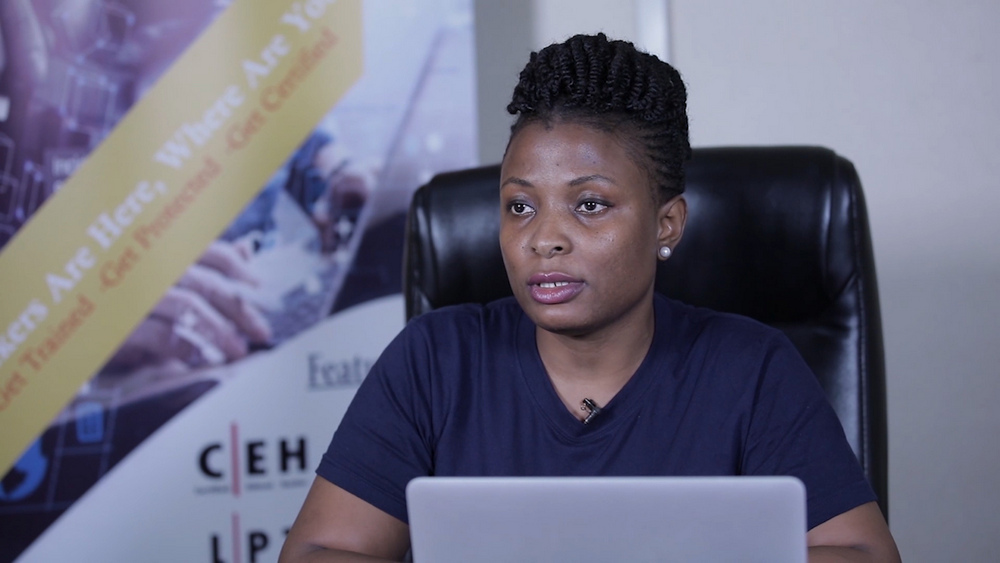
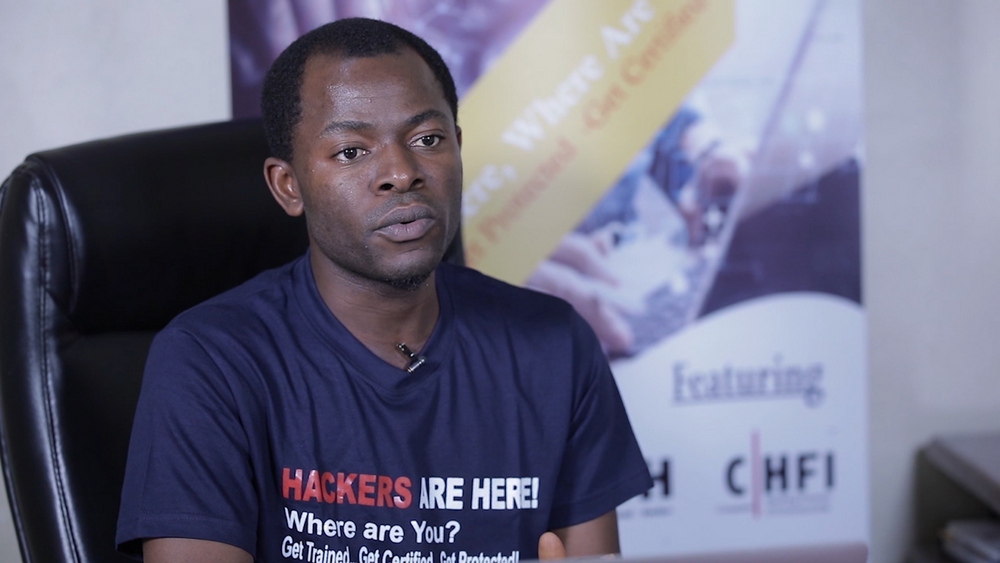
It is against this background that ESSOKA Corporation has introduced the ESSOKA Cybersecurity Division (ECSD), with the purpose of promoting a more proactive and adaptive professional approach in the fight against cybercrimes, using a framework of education and services through International Standardized Cyber Security Training Programs.
The ECSD operates under Cyber4Africa by African (C4A) Project, created to empower Africans with the ability to secure their own cyberspace through one of the leading technocratic virtuoso development programs that have over 29 International licenses in information technology, communication technology, and cybersecurity.
Dr. Coach Achu Gustave, the ECSD Corporate/ Cyber Strategist, and Instructor says they want to squarely address cybersecurity issues despite the current education challenges in Africa. “The kind of education given in Africa is currently the main challenge to training; the academia education is not what Africa needs right now, because school-based and state-regulated provision cannot respond as rapidly and flexible as industry-standard education can, to technological changes as the in-company training that is strategically and well-integrated.
He adds that expertise needs to be directed not by abstract and theoretical knowledge but by a more practice-based curriculum.
Dr. Achu explains that the main purpose of the C4A project designed for Africa is to train the most advanced technocrats in cybersecurity using a work-based exhaustive certification framework that covers the fundamental core, advanced threats and industrial standards in information technology, communication technology, and cybersecurity.
“We have put in place programs to train individuals in offering cyber services in Africa. These programs focus on training that will establish state, industry and cybersecurity experts to improve Africa’s capacity to prevent, defend and respond to cybercrime without any need to call on Chinese or Arabic countries for support. ”
“At ECSD, we provide a comprehensive development path that delivers the most outstanding cybersecurity practices from Africa to the rest of the world, using international standardized cybersecurity training programs, partnerships, certification and services that address cybersecurity challenges and needs in partnership with EC-Council, Microsoft, Cisco, CompTIA, and many more.”
Dr. Achu encourages whoever is interested in IT programs and cybersecurity to join these programs, in order to secure Africa’s cyber services and having them secured by Africans. He says that the ultimate goal is to have a cyber-security system for Rwanda provided by Rwandans.
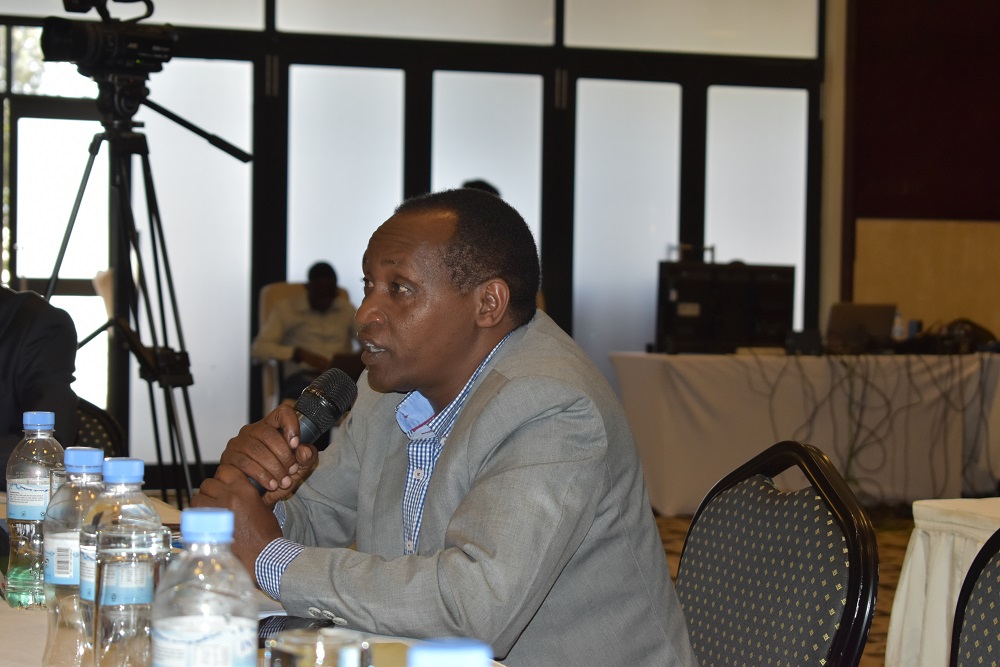
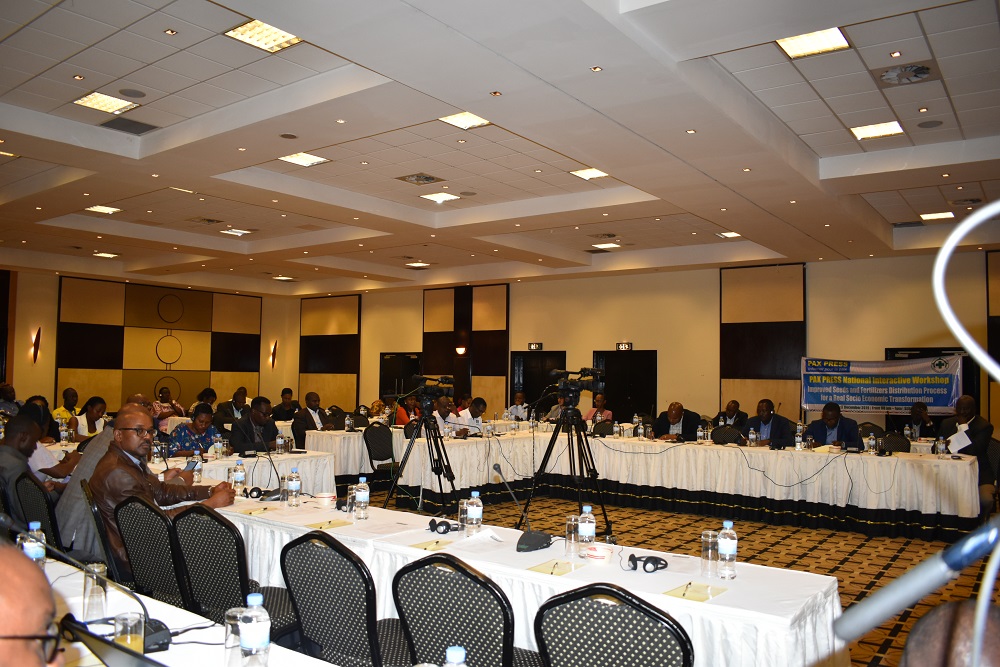
The meeting focused on increasing the productivity of smallholder farmers through easing the access to seeds and fertilizers as well as promoting citizens’ well-being.
Among the reasons that were given justifying the scarcity of seeds and fertilizers was the rise in the dollar value that leads to high market prices and the fact that 80% of fertilizers are imported from abroad.
It is expected that by 2020, Rwanda will have a fertilizer industry that will contribute to enhancing agriculture and meet the ever-growing food demand.
Rwanda has so far partnered with private institutions including Morocco’s OCP group, one of the leading exporters of phosphate fertilizers and launched ‘The Caravan’, a mobile soil-testing laboratory to enhance soil fertility, plant growth, and increased crop yields.
OCP Africa founded in 1920, is one of the leading exporters of phosphate rock, phosphoric acid and phosphate fertilizers in the world. It will invest Rwf 5.4 billion in the project and will own 57.4% of the shares in the ‘Caravan’ company which will be named “Rwanda Fertilizer Company’. 30% of the shares will be owned by Agro-Processing Trust Corporation (APTC) and Rwanda will own the remaining 12.6%.
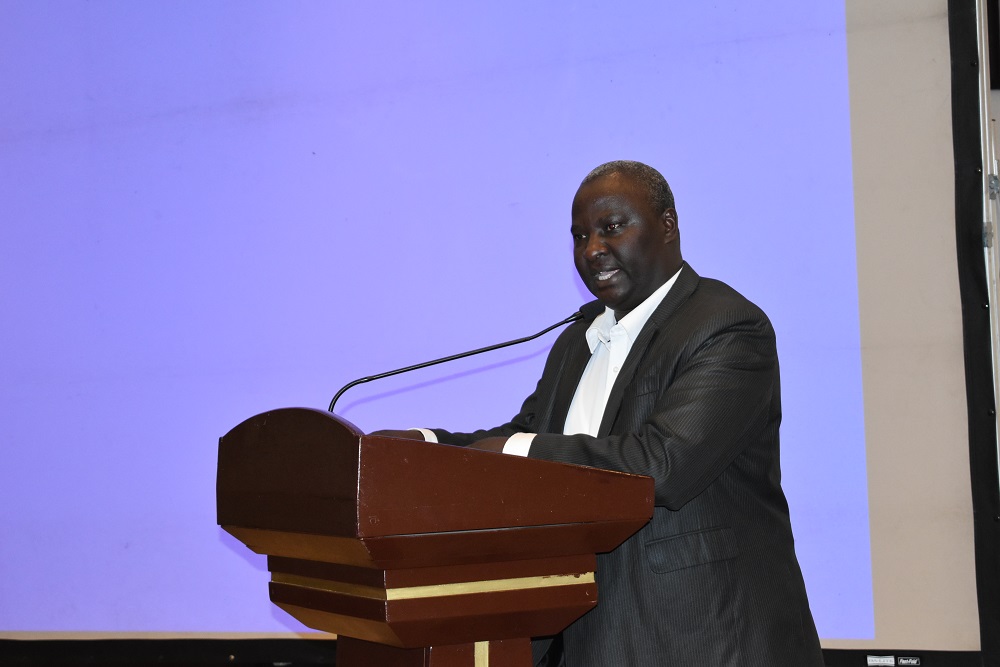
Jean Claude Izamuhaye, Head of Department, Crop Research and Technology Transfer at Rwanda Agriculture Board (RAB) says the problem of seeds scarcity is gradually being solved.
“The problem is being addressed and starting in 2020, we will implement initiatives aiming at increasing seeds and fertilizer accessibility especially for high-altitude farming. By the beginning of July next year, we expect to be fully sufficient in seeds.”
He added that seeds that are prepared within the country will only be distributed in the original districts they were prepared in.
Currently, 305 farmers in Rwanda practice seed multiplication and that leads to sustained agricultural production.
Growing selected forage seeds and manufacturing fertilizers started in Rwanda in 2007. Locally prepared seeds include maize, beans, Irish potatoes, rice and wheat and are used for domestic and international consumption. After the initiative was put in place, farmers complained about the scarcity and high prices of seeds.
During the meeting, farmers said they face the constraint of not being involved by policymakers during the process of formulating policies and that leads to low agriculture yield. Only 23% of farmers in Rwanda are involved in decision making.
One of the resolutions of the meeting was that the Ministry of Agriculture and Animal Resources (MINAGRI) will be informing farmers about real market prices of seeds and fertilizers as a way of building agribusiness capacities and increasing agriculture yield.
The seven officials departed on the evening of Tuesday, December 17th, 2019. Among them are Dukundimana Esperance, the director of administration and human resource, Rugomboka Daniel, Council Affairs Specialist, Mwangange Mediatrice who was in charge of education, Karasira Donat, the Director of Finance, Gahunde Gilbert, the Good Governance Director and Kayitesi Marie Claire, the officer in charge of disaster management.
Dukundimana and Kayitesi were recently arrested for the negligence of public property where they were charged of rendering to waste thousands of cement bags in the district warehouse. However, they were later released as investigations continue.
In 2017, Dukundimana had also been incarcerated along former Mayor of Rubavu District, Sinamenye Jeremie who was charged with impeding electoral procedures for candidate Mpayimana Philippe.
IGIHE reporter in Rubavu District could not get their comment on the cause for their resignations as they refused to respond to several communications but a snap visit to the district established the seven offices were closed.
During the delivery forum attended by local leaders and stakeholders from Rubavu district, Minister Shyaka said that there are lingering corruption and discrimination problems that are hindering the development of the district and the country at large.
He said that it is saddening to realize that corruption is deeply rooted in the district to a point that Rubavu is immediately linked to corruption.
He reproached Rubavu residents of lagging behind in ‘Ndi Umunyarwanda’ program which aims at building a national identity and fostering a Rwandan community that is based on trust and unity.
He said that if nothing is done about the ongoing discrimination between ‘Abagoyi’ and ‘Abagogwe’ it will destroy the country.
“We have experienced enough the vice of discrimination and we know the dark history of our country. The blatant discriminatory behavior should stop because that is what led us to genocide before.”
It is rumored that discriminatory practices are as frequent with local government officials as well.
Research about unity and reconciliation in Rwanda in 2015 showed that 27.9% of Rwandans still have a sense of belonging to particular ethnic groups and Rubavu district leads the rating at 74.4%.
Four children were found in Mataba commercial center selling sugarcane while nine were carrying sugarcane loads.
According to Chief Inspector of Police (CIP) Alexis Rugigana, the Police spokesperson for Northern region, some of the children are involved in harsh labor to gain some money and others are sent by their parents.
“Most of the time children buy sugarcane at lower price and sell them with a profit, it attracts many children to be involved in such illegal activities, and others are sent by their parents to feed their families, practices that must not be tolerated,” said CIP Rugigana.
He added that, there are times children are found with their parents going to markets, carrying heavy loads, which contravenes with children’s rights and affects their development.
CIP Rugigana warned residents against engaging minors in harsh labor like rice farming, mining, rearing cattle among others, saying that such acts are against the law and those involved will be arrested and brought to justice.
“We will keep on conducting different operations to fight against child labor and ensure children enjoy their holidays. We are urging parents to give proper guidance to their children for a better future, in accordance with their rights as provided by the law” the spokesperson said.
Rwanda has put in place several measures to end child labor, which has resulted into majority victims being withdrawn from child labor activities and returned to school.
“Several campaigns are being conducted to sensitize the public against child abuse and other violations children’s rights. Child protection is a collective responsibility; everyone should understand that whoever exploits or deprives a child of their rights will face the wrath of the laws,” he emphasized.
Article 6 of law No. 71/2018 of 31/08/2018 relating to the protection of the child defines a child as “any person under 18 years of age.”
“Parents and guardians should remember their responsibility of looking after their children and avoiding any form of abuse that makes children escape from their homes,” the spokesperson added.
Article 6 of the law regulating labor in Rwanda, prohibits subjecting a child below the age of 18 to any form of works, which are physically harmful to the child; work underground, underwater, at dangerous heights or in confined space; work with dangerous machinery, equipment and tools or which involves manual handling or transport of heavy loads; work in an environment, which exposes the child to temperatures, noise levels or vibrations damaging his/her health; work for longer hours or during the night or performed in confined spaces.
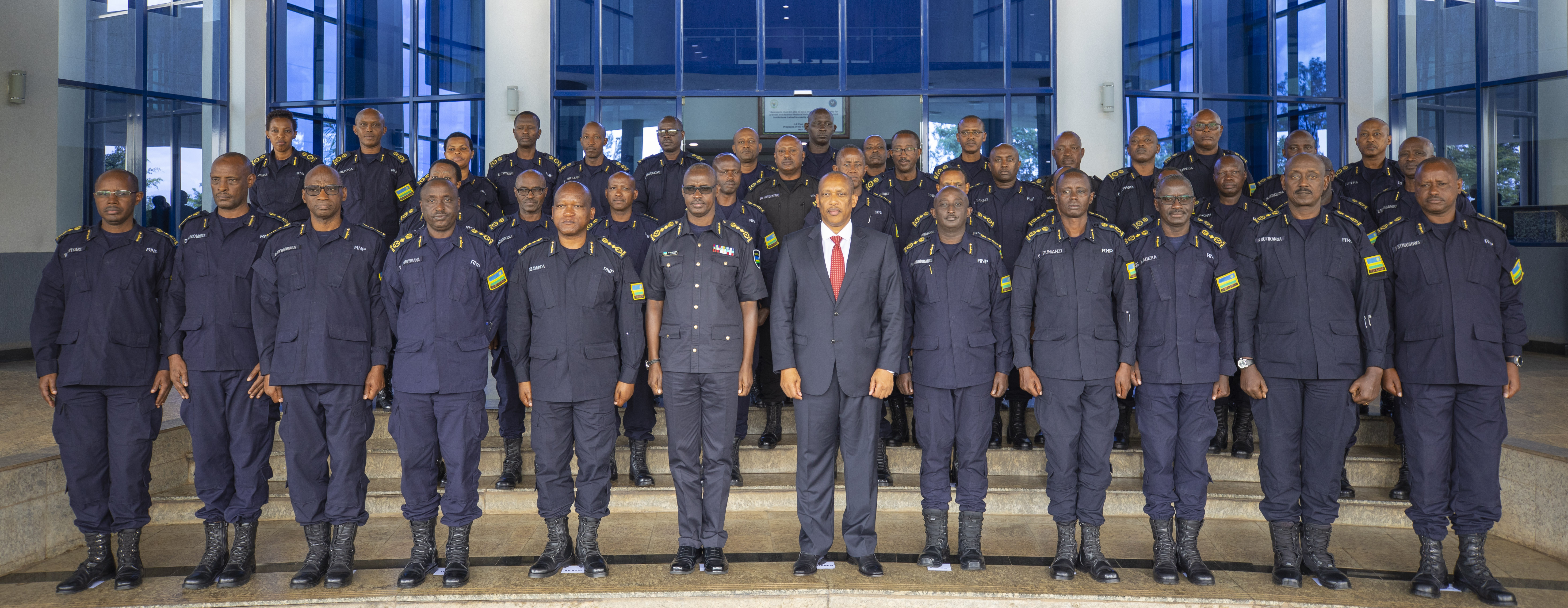
Gen. Nyamvumba made the remarks on Tuesday while addressing the ‘Police High Council’ at the Rwanda National Police (RNP) General Headquarters in Kacyiru.
The High Council was also attended by the Inspector General of Police (IGP) Dan Munyuza and Deputy IGPs; Juvenal Marizamunda of Administration and Personnel, and Felix Namuhoranye of Operations.
The Police High Council is the supreme organ of RNP that brings together its leadership, commissioners, regional and district commanders, seniors and junior officers as well as representatives of Non-Commissioned Officers (NCOs) in the force.
In his address, the Minister, who commended Police for its professional approaches to ensuring safety and security of people living in Rwanda, said, however, that there is a need to increase training, discipline, and service delivery as key factors for Police professionalism.
“Although a lot has been achieved, there is still more to be done in the direction of preventing and eliminating crimes,” Minister Nyamvumba said.
He further challenged the officers to aim for “quality services” to the people and to strengthen the police-public partnership for effective community policing implementation.
“As the country continues to host various events and international meetings; harmony, peace, safety, and security remain key factors. Physical and intellectual preparations are fundamental to the proper discharge of the mandate to keep our country and the people safe and secure,” he reiterated.
The policing landscape, he said, warrants the security institutions to adopt new and advanced technological skills and equipment to facilitate police operations.
Gen. Nyamvumba pledged the government’s commitment to supporting and equipping the force to achieve its mandate of making “people in Rwanda safe, involved and reassured.”
He further called for “personal scrutiny and exemplary character” in fighting corruption within and outside the institution, and other forms of high impact crimes.
IGP Munyuza, said: “This Police High Council has come at the time when we are ending the year. Although a lot has been done to ensure the security and safety for all, we need more efforts in preventing crimes like assault and battery, theft, drug abuse and child abuse that we continue to observe.”
The Police Chief reminded officers that safety and security of the people is their overall responsibility, and urged them to foster a stronger partnership with the people and aim for service excellence in their units.
“Rwanda National Police is committed to promoting professionalism through capacity building, partnership with the community, infrastructure development and quality service delivery.”
The Police High Council, which is held quarterly, evaluates the implementation of resolutions taken in previous meetings, identifies successes and challenges, and devises new strategies to further improve law enforcement and security.
It particularly sets priorities to be undertaken to further professionalize the force in light of the evolving policing landscape.
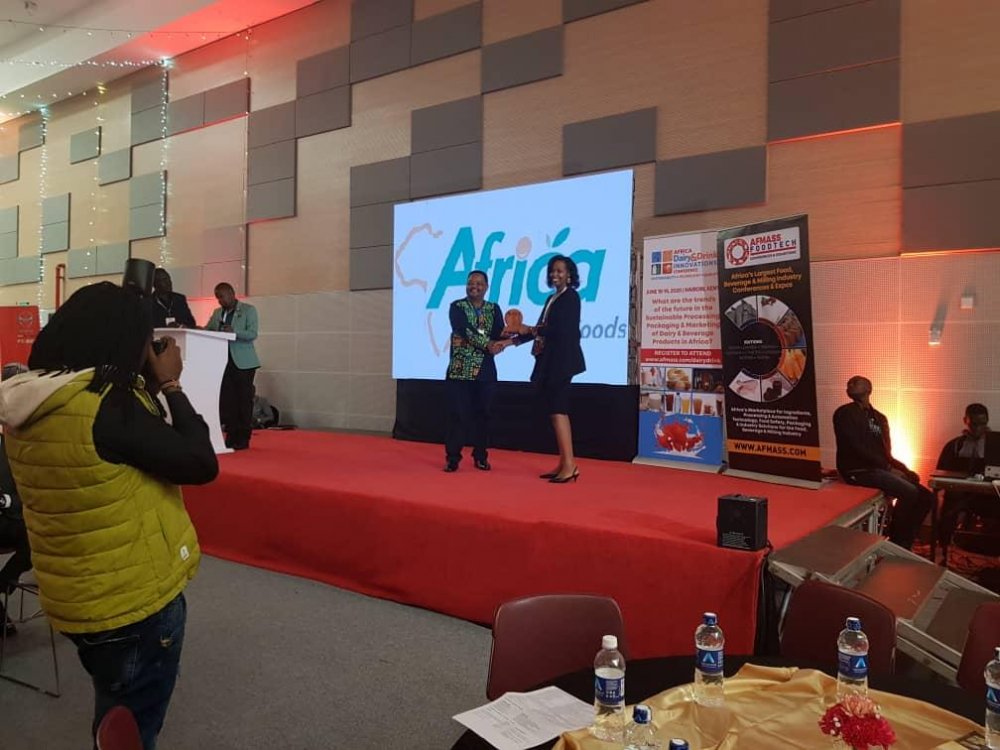
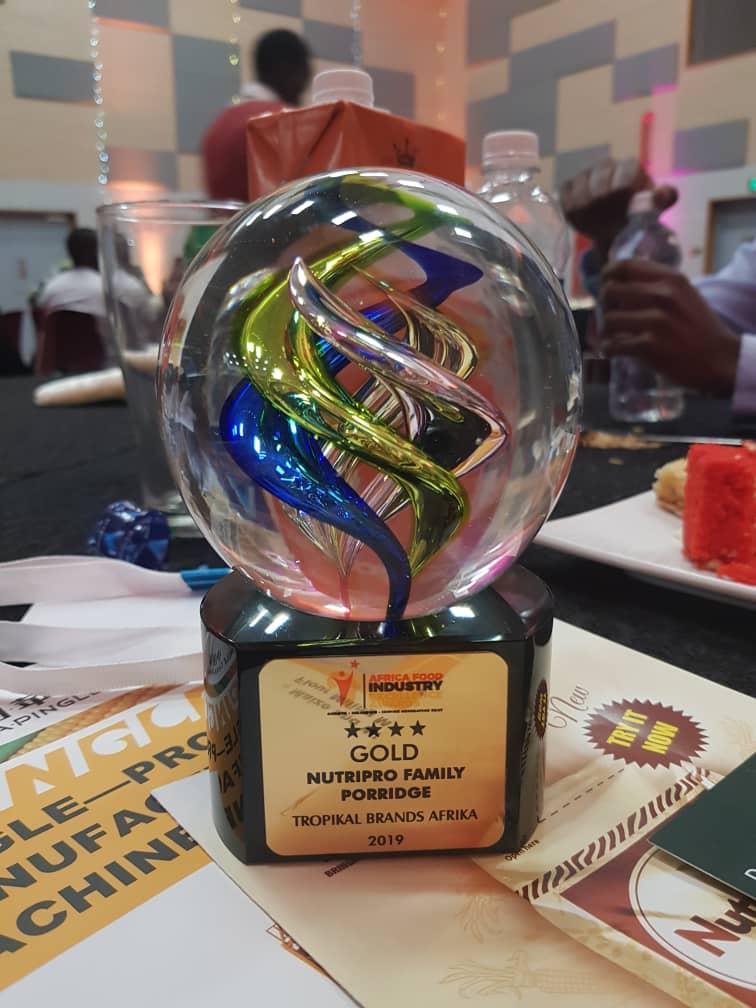
AIF received the award on December 5th, 2019 at the Sarit Expo Center in a ceremony that was held in Nairobi, Kenya and brought together leaders of organizations that deal in food and beverages.
An announcement that was published on December 17th, 2019 confirms that NutriPro flour manufactured by Tropikal Brands Afrika in partnership with AIF has been awarded during the Food Industry Excellence Awards for the milled, cereals and pulses product of the year.
AIF has also been awarded for its approach to develop local maize and soy farming to a much higher standard. Doriane Nzorubara, Head of Strategy and Programs at AIF received the award in the sustainability category rewarding AIF’s value chain centric initiatives.
Other nominees in the awards included National Foods Ltd from Zimbabwe, Mjengo Ltd and Capwell Industries Ltd from Kenya.
Tropikal Brands representative, Victoria Kutima commended the company’s contribution to increasing local crops yield especially crops needed in the East African Community.
Tropikal Brands, Head of Brands development in East and Central Africa, Simon Kabue said that the company aims at manufacturing products that match the market’s demand. “With improved technology processes, we manufacture products that meet international standards in nutrients, preservability including NutriPro porridge flour.”
The partnership between Tropikal Brands Afrika and AIF complements a previous one with World Food Programme (WFP) where AIF will be distributing porridge flour in relief camps in Kenya, Uganda, South Sudan similar to Super Cereal flour which is provided by humanitarian agencies and complements breast milk.
In addition to its contribution to humanitarian agencies, AIF also manufactures ‘Shisha Kibondo’ flour for pregnant and breastfeeding mothers in Rwanda.
AIF was founded in partnership with the Government of Rwanda, Royal DSM, a Dutch multinational active in the fields of health, nutrition and materials, The Netherlands Development Finance Company (FMO), The Department for International Development (DFID) and The International Finance Corporation (IFC).
AIF was founded on May 31st, 2017. The industry has a production capacity of 45 tons of flour per year and employs more than 300 staff while it purchases raw produce from 24,000 farmers. AIF’s goal is to reduce rates of malnutrition and stunting in children from 38% to 32% by 2020.
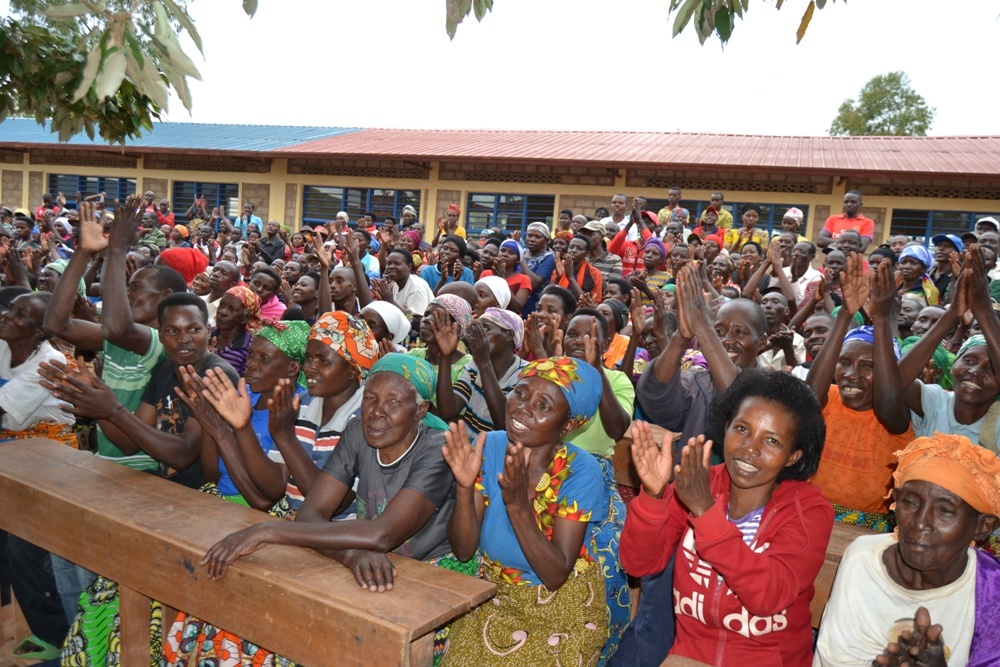
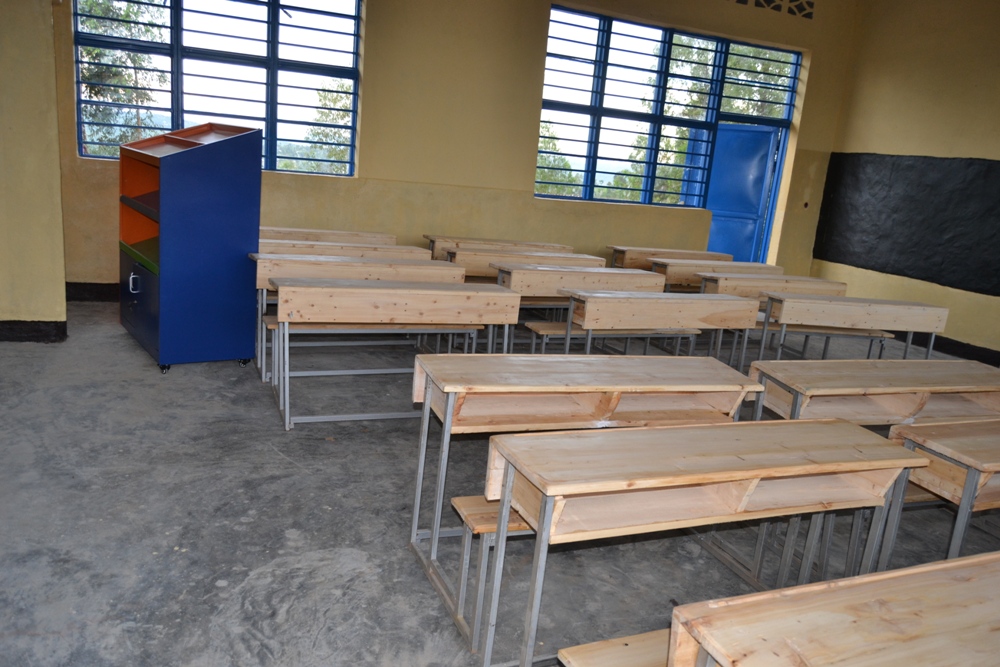
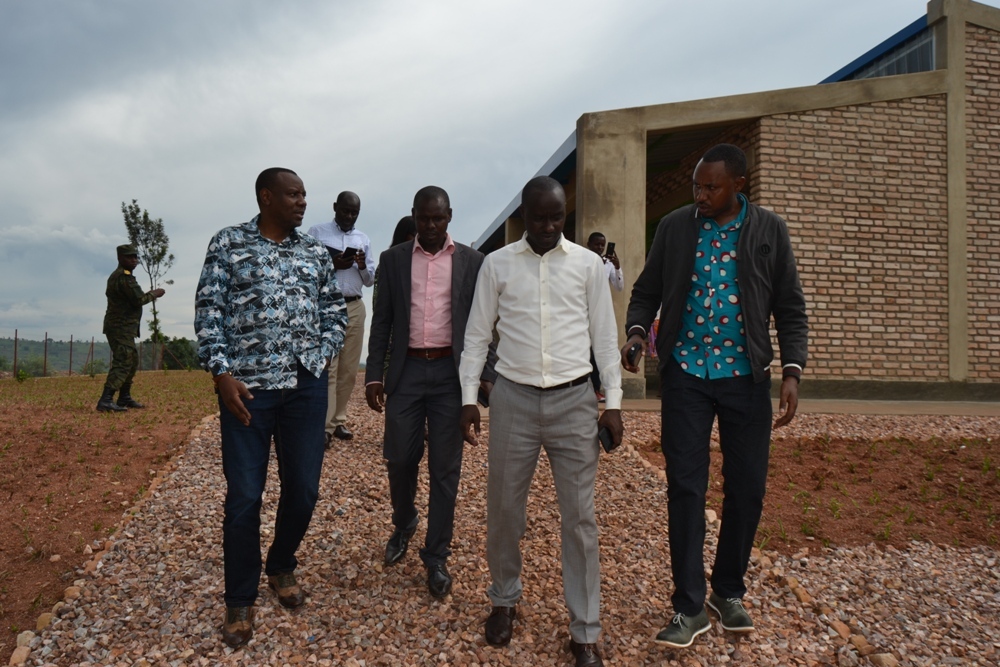
The rooms were inaugurated on Tuesday, December 17, 2019, in different districts and are an addition 1,776 built in the fiscal year 2018/2019, including 1,686 primary and secondary school classrooms and 90 in nursery schools.
Also, 1,452 toilets were inaugurated and are expected to address sanitary challenges that have been rampant in schools.
The Minister of State in Charge of Primary and Secondary Education Dr. Munyakazi Isaac presided over the inauguration of the classrooms in Gisagara District.
He said the classrooms will help address a number of challenges that hitherto faced learners.
“The classrooms will facilitate our children to study well with no congestion and pupils will walk shorter distances from their homes to schools which will help keep them from dropping out of schools. In the meantime, we are looking for a way to increase the school hours, and stop the double-shift system.”