Mutangana would soon after receive a phone call from someone, who identified himself as Eric Tuyisenge.
The caller told Mutangana that he had accidentally sent Rwf34, 000 to her phone and requested her to wire at least Rwf30, 000 to a phone account he gave her.
Mutangana was quick to go to the Mobile Money agent identified as Julienne Musabyimana, without verifying the message she had received, and told the agent to wire Rwf30, 000 to the phone account she had been given.
On checking, she noticed that it was just an SMS. The scammer had succeeded using Mutangana to defraud Musabyimana.
“People should beware that fraudsters employ different tricks to achieve their criminal purpose, and be extra vigilant. Always verify messages and phone calls you receive,” Chief Inspector of Police (CIP) Hamdun Twizeyimana said.
BNR invited bids on behalf of the Government of Rwanda and set the interest rate at 11.55% per annum.
The bond is a benchmark bond and will be subject to withholding tax at the rate of 5% for all investors.
In July 2019, BNR had opened another 20-year treasury bond worth Rwf 15 billion which attracted the attention of bidders on a 141.03% rate with more than 80 investors in different sectors across Rwanda.
Treasury bonds pay a fixed interest rate on a semi-annual basis. This interest is exempt from state and local taxes but is subject to federal income tax. Bonds are a safe-haven investment for investors since payments are directly made into the owner’s bank account. Owners earn interest until the bond matures.
Bonds can also be given as collateral to the ban when the owner is requesting for a loan. The owner can as well sell back the bond to the capital market.
All bids will be submitted to the National Bank of Rwanda through any of the licensed commercial banks or Capital Market intermediaries. The market will open from Monday, January 20th, 2020 to Wednesday, January 22nd,2020.
@CentralBankRw would like to inform the public that on behalf of @RwandaGov there is a Reopen of 7-year T-Bond worth 15.0 billion.
The market will be open from Monday January 20, 2020 to Wednesday January 22, 2020
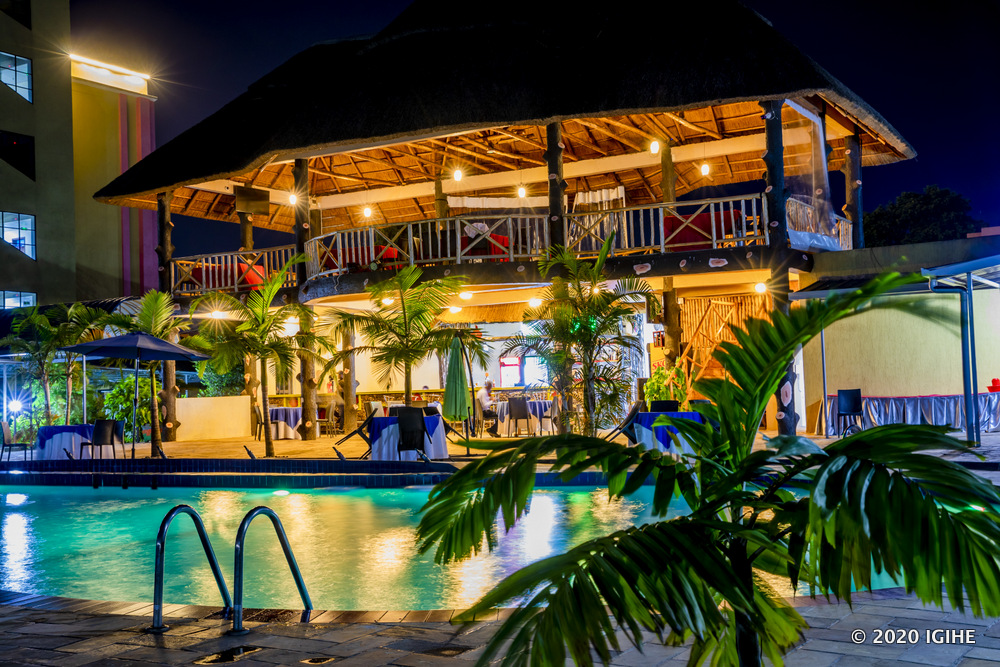
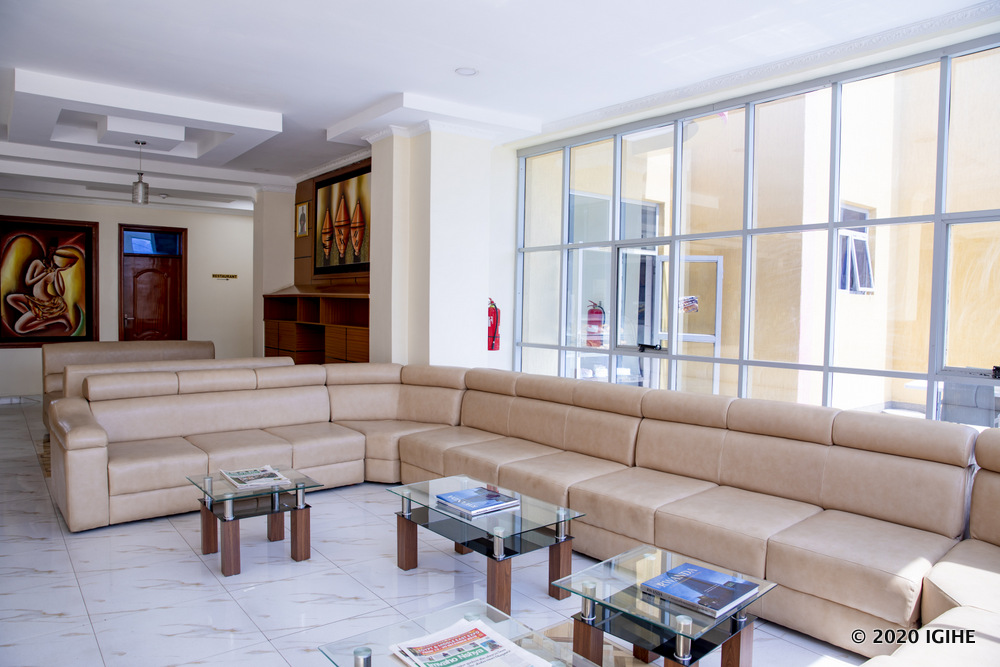
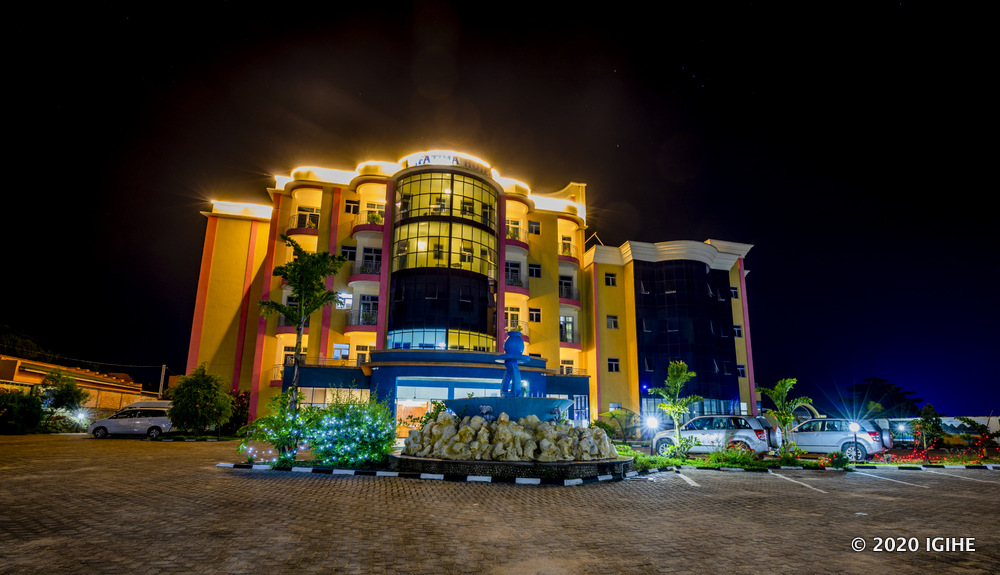
In 2012, to promote the tourism industry in Rwanda and provide tourists and visitors with luxury accommodation, Ruhengeri Diocese started the construction of Fatima Hotel in Mubuga village, Cyuve cell, Rwebeye sector, Musanze district.
The hotel is located on the main road to Rubavu in the center of Musanze a few blocks away from the district’s office. Construction started in 2013 and was completed in 2017. It was inaugurated on August 19th, 2017.
Apart from being strategically located along the main road to Rubavu, Fatima Hotel is also in close proximity to Musanze airport and a few miles away from the Volcanoes National Park.
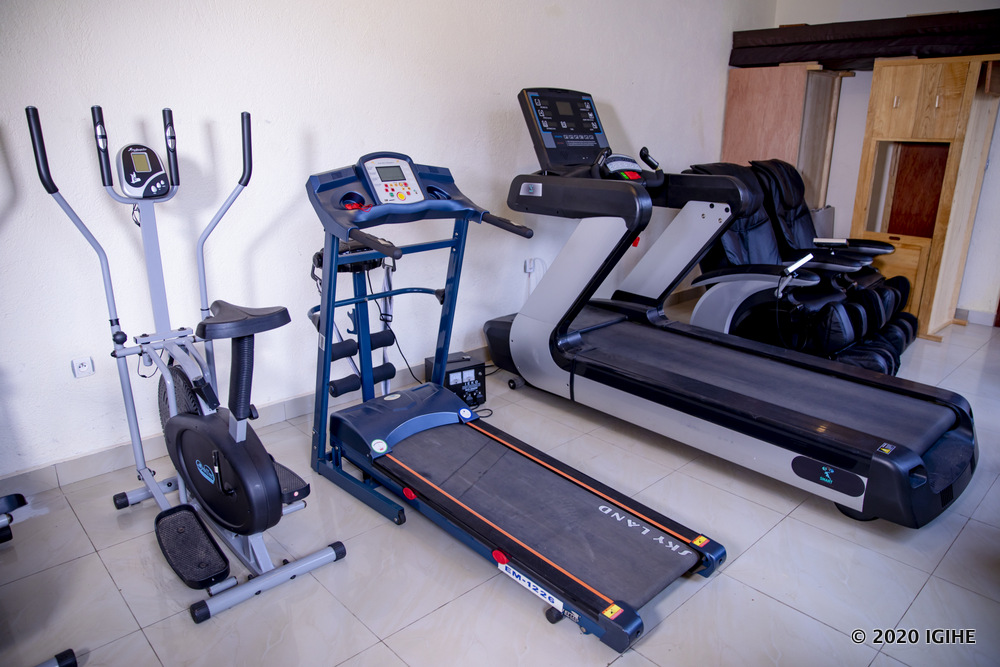
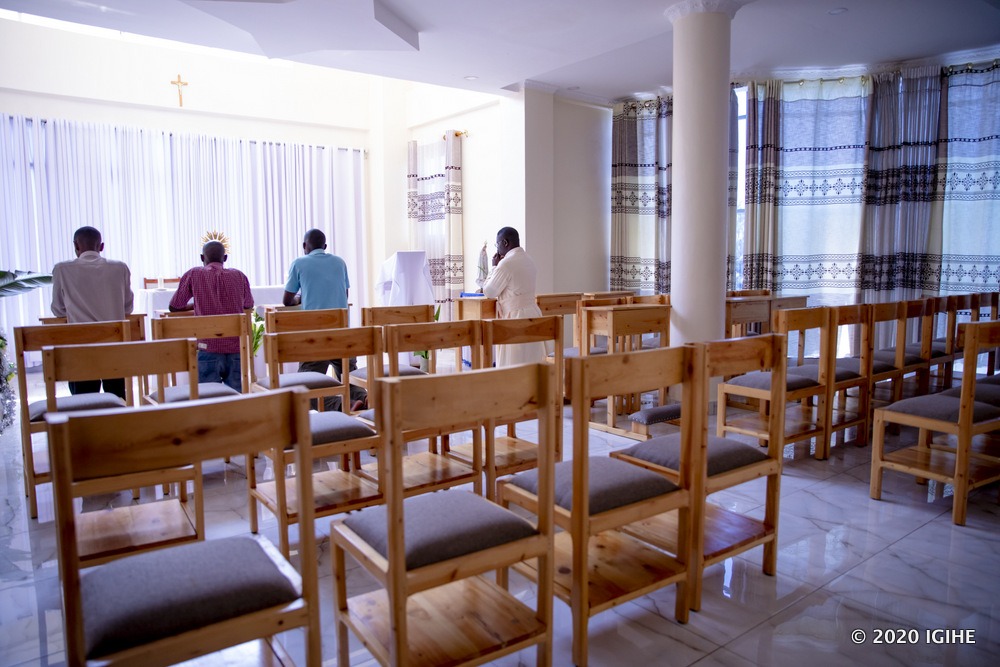
Fatima Hotel also provides a great range of facilities including a gymnasium and a chapel that pilgrims can access at will.
Father Nizeyimana Celestin, Fatima Hotel General Manager told IGIHE that Fatima Hotel was thought of as a landmark in Musanze city which would attract countless visitors.
{{Accommodation}}
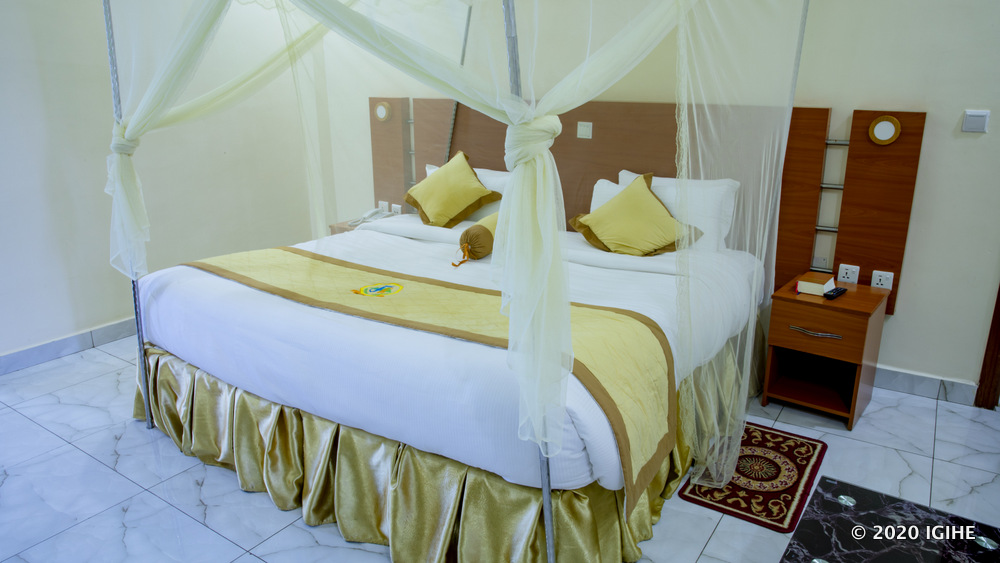
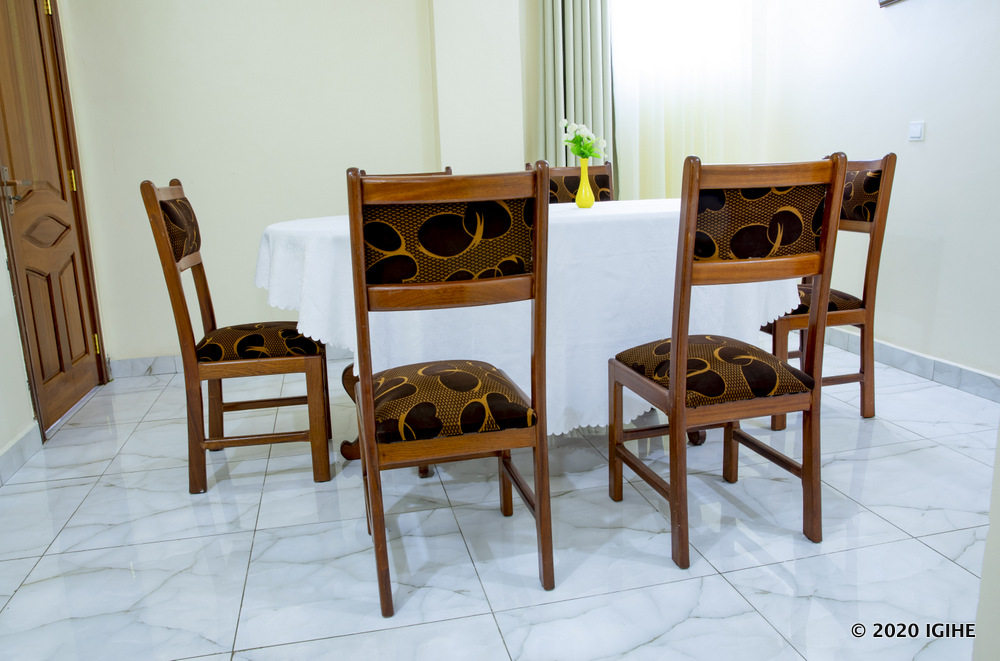
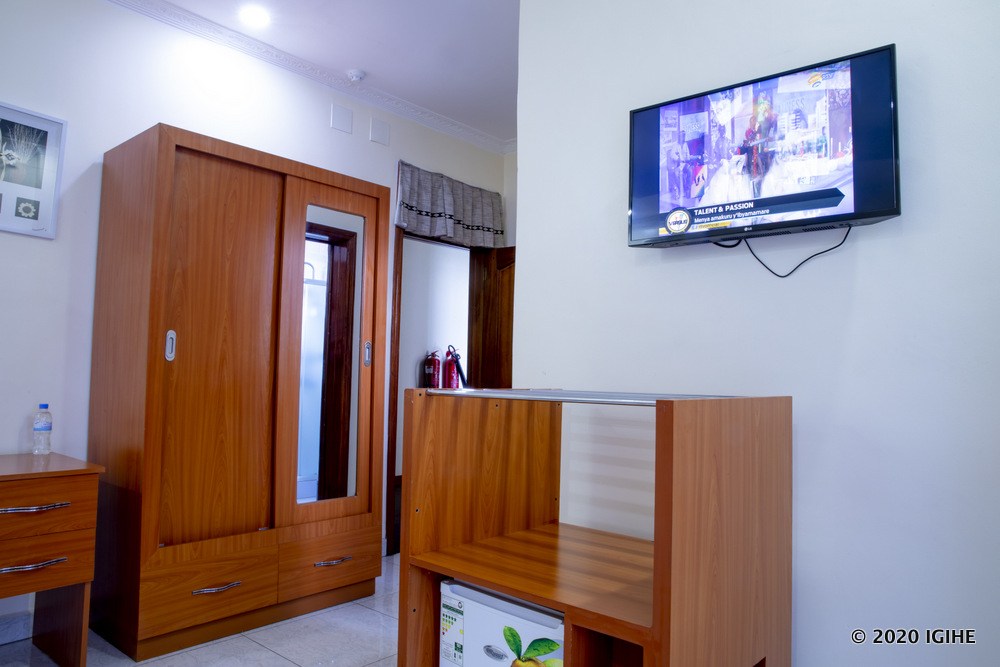
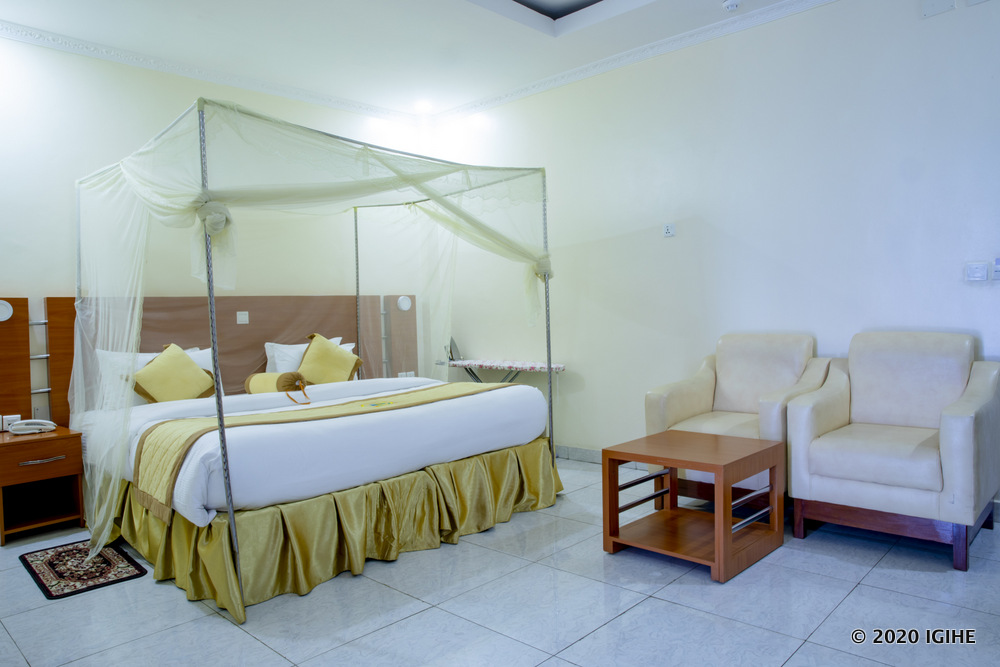
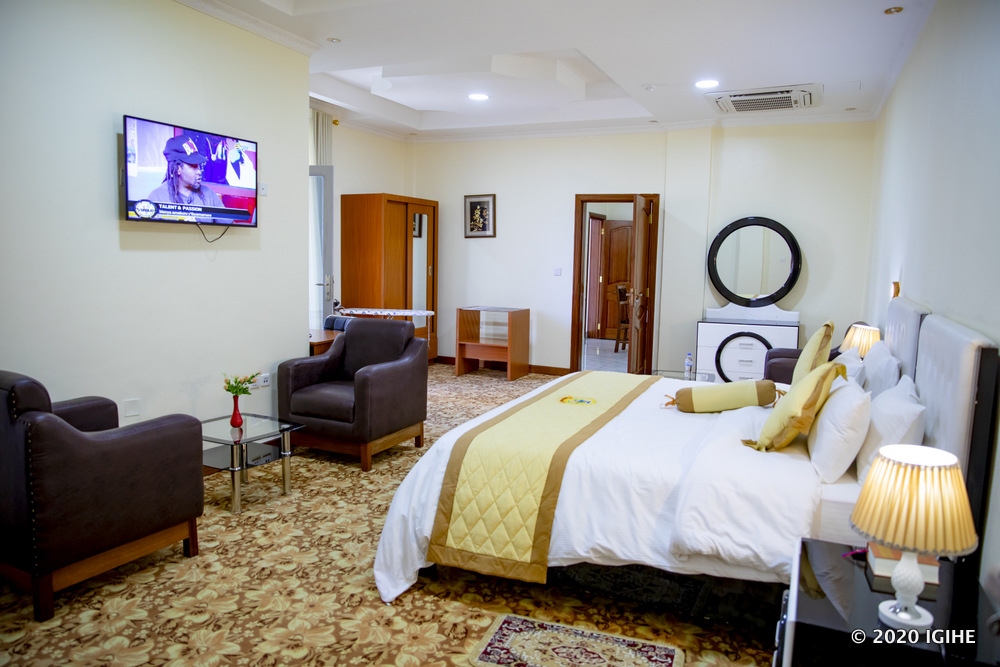
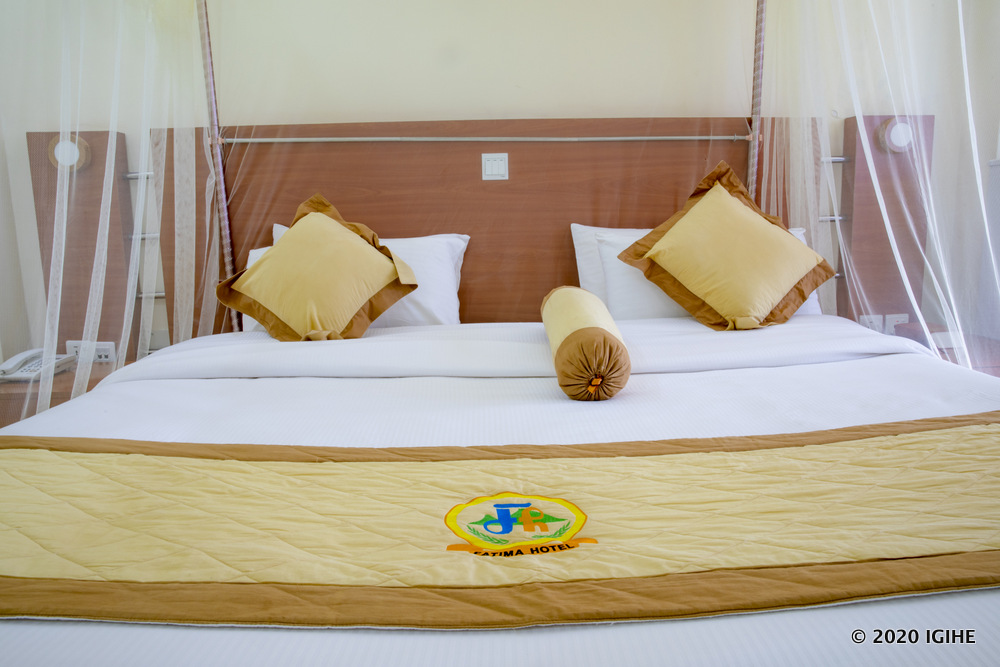
Fatima Hotel is a bastion of modern luxury as it provides rooms ranked from ‘Presidential Suite’ to ‘Presidential Menu Suite’ equipped with a living room, bedrooms, and ample kitchens.
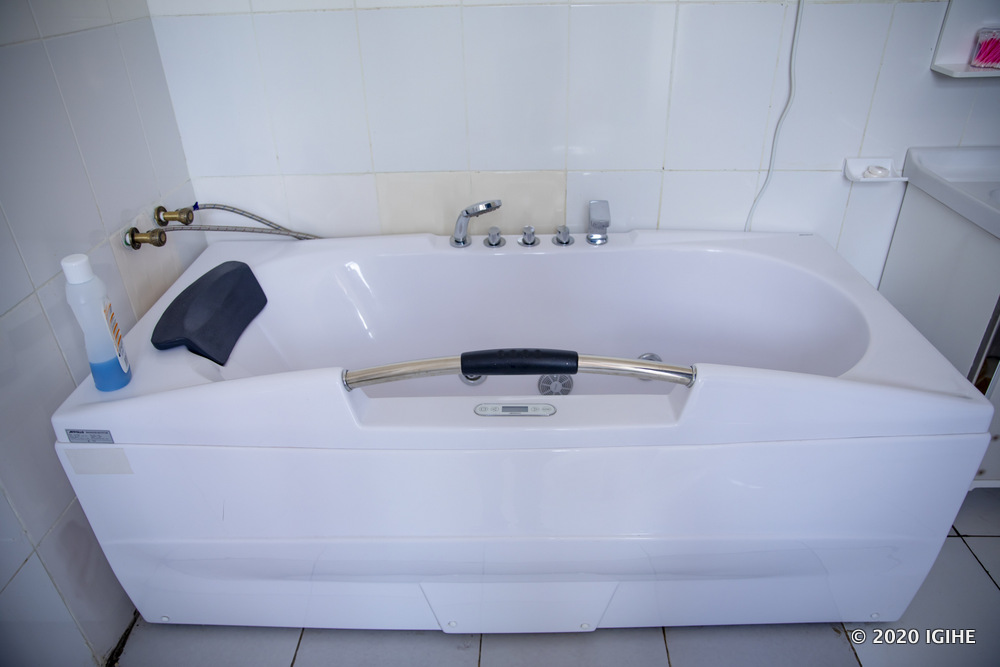
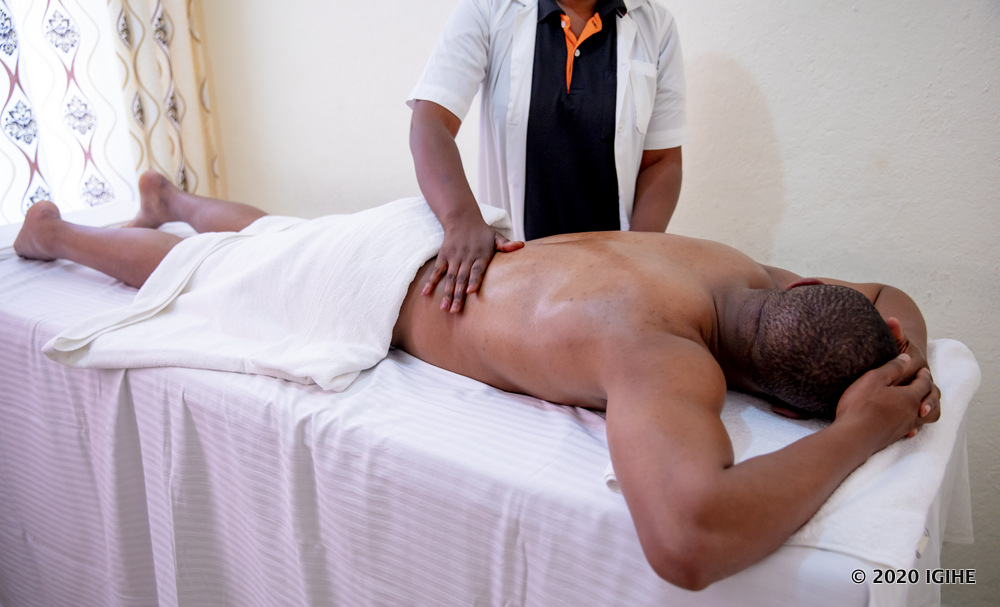
It blends sophisticated rooms, personalized service and home equipment including a television set, a refrigerator, cooking stoves and a modern bathroom that can add a touch of luxury to your stay. Visitors also have access to a sumptuous massage center.
The hotel boasts a re-creation of a family setting with sets that have the capacity of accommodating an entire family and emulate the cozy feeling of a home.
Fatima Hotel is much more than a place to shower and sleep. It is a home away from home and, whether, on business or vacation, you have to feel comfortable and relaxed.
Father Nizeyimana says visitors have rated Fatima Hotel as the best hotel in Rwanda.
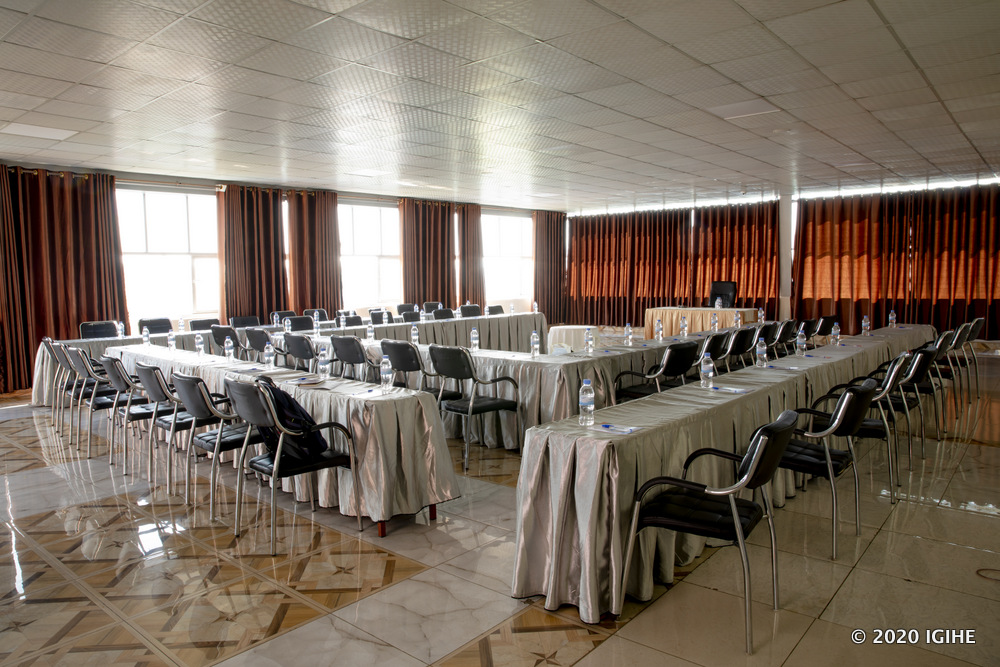
Fatima Hotel offers conference rooms with modern equipment for meetings including free high speed WIFI, projectors, white boards, and a sound system to mention a few.
Restaurant and high-quality food
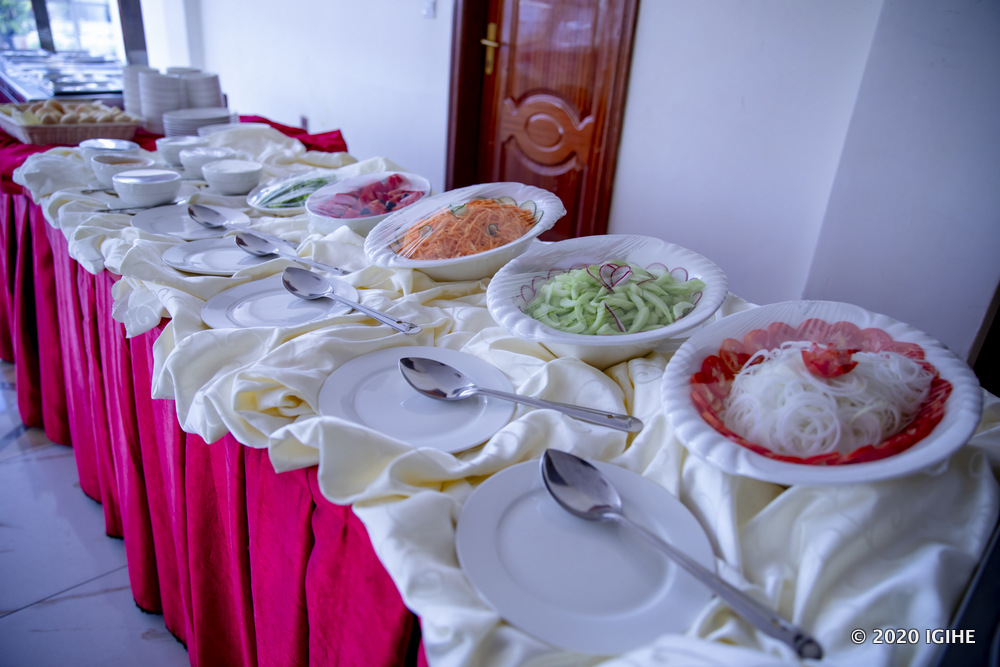
Fatima Hotel offers the best cuisines and plenty of food choices visitors can expect when visiting a luxury hotel. Meals are prepared by the most competent chefs who use fresh local ingredients.
Fatima Hotel offers an onslaught of deliciousness from morning to night. The hotel has a particularity of owning a bakery and an in-house barista to launch you into a unique, authentic and artisan coffee experience.
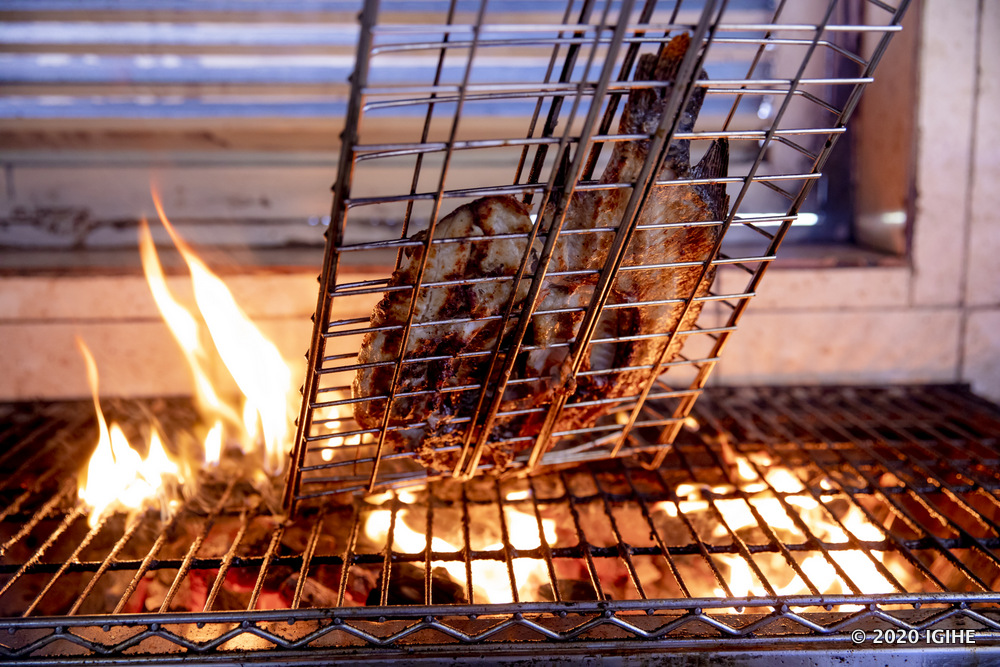
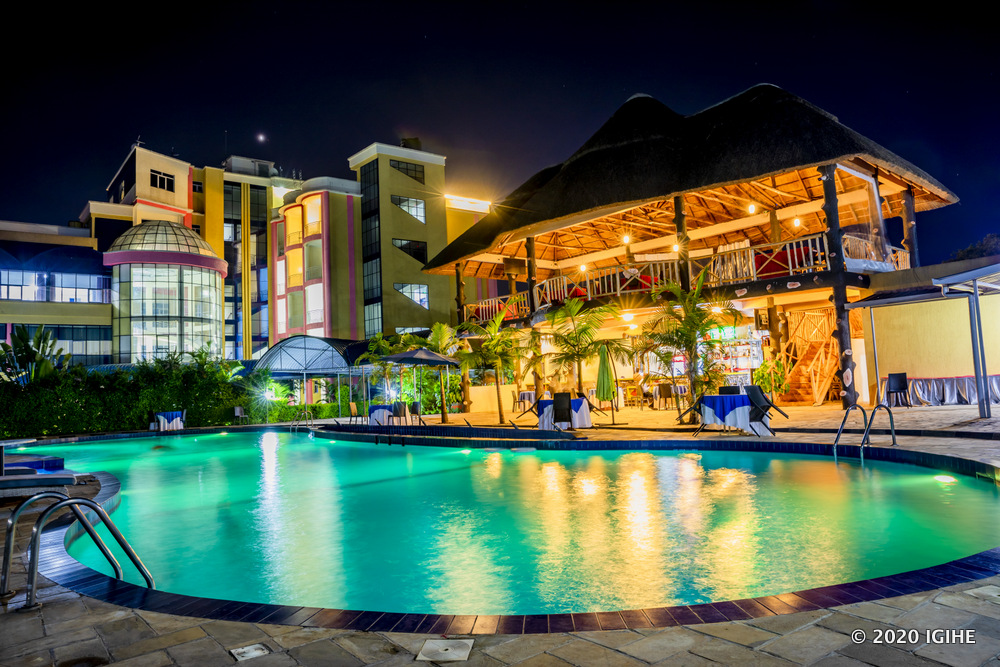
The hotel employs chefs from across the world to fulfill visitors’ boldest gastronomic fantasies. For a daring supper, the hotel offers fish specialties rich in calories and fiber and invites live music bands to entertain visitors for the evening.
{{Sports activities}}
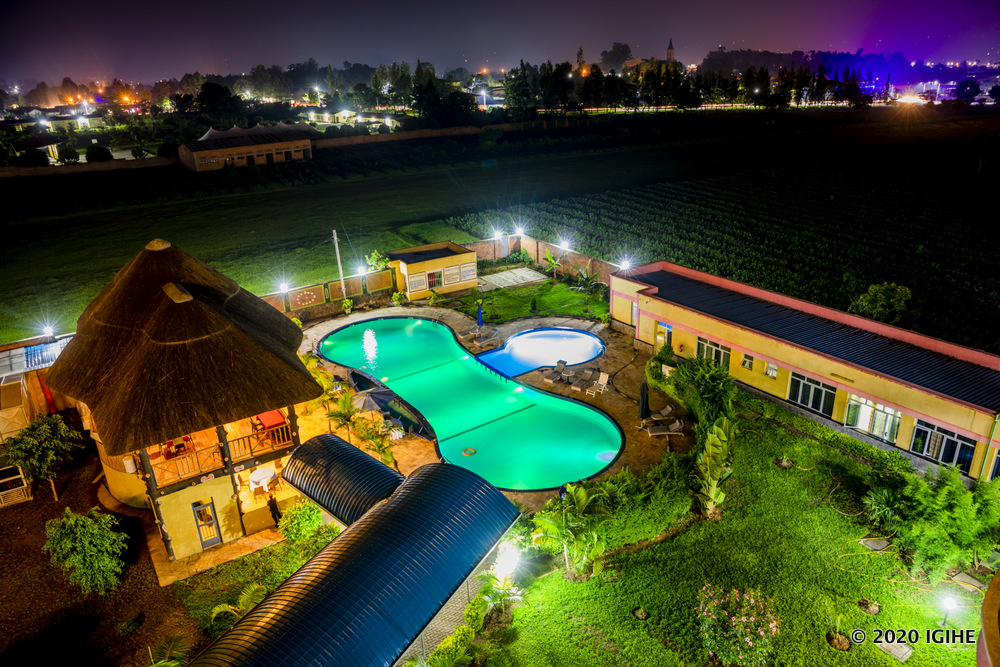
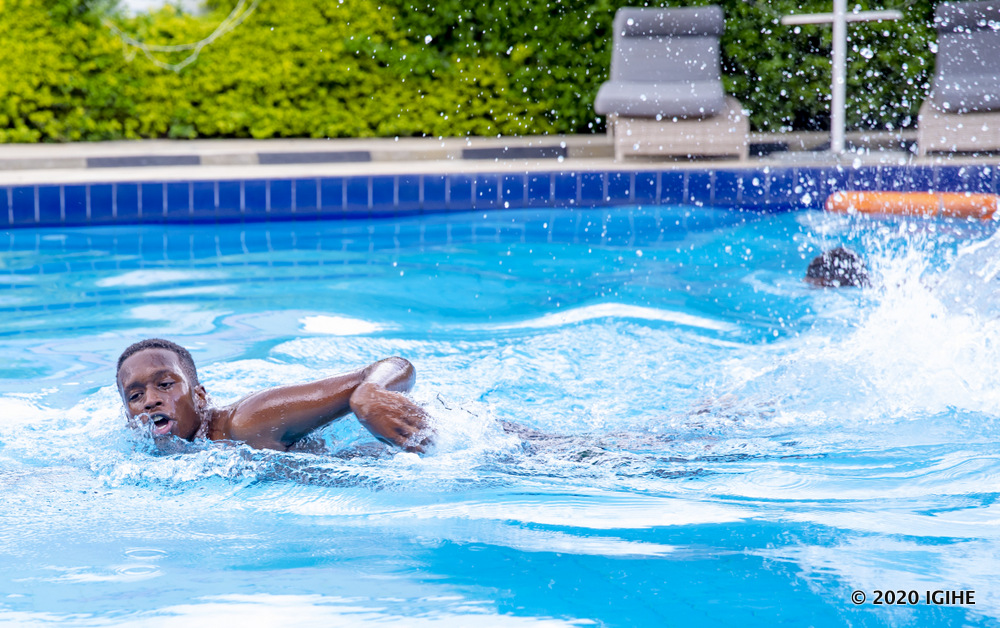
For visitors who like to keep fit and active during their holidays, Fatima Hotel offers fabulous sports and leisure equipment to keep them on the move including a swimming pool, gym, massage, and sauna.
Father Nizeyimana says Fatima Hotel is the ultimate rejuvenation and relaxation destination.
{{Customer service}}
Besides plush bathrobes, fresh bed linens, and spotless floors, Fatima Hotel prides itself in quality customer care service. The hotel meets visitors with an airport shuttle service and affordable transport to tourist destinations including the Volcanoes National Park as well as a professional security team to keep visitors safe.
Despite the hotel being catholic-owned, visitors from other religions are the most welcome as well and free to exercise their beliefs.
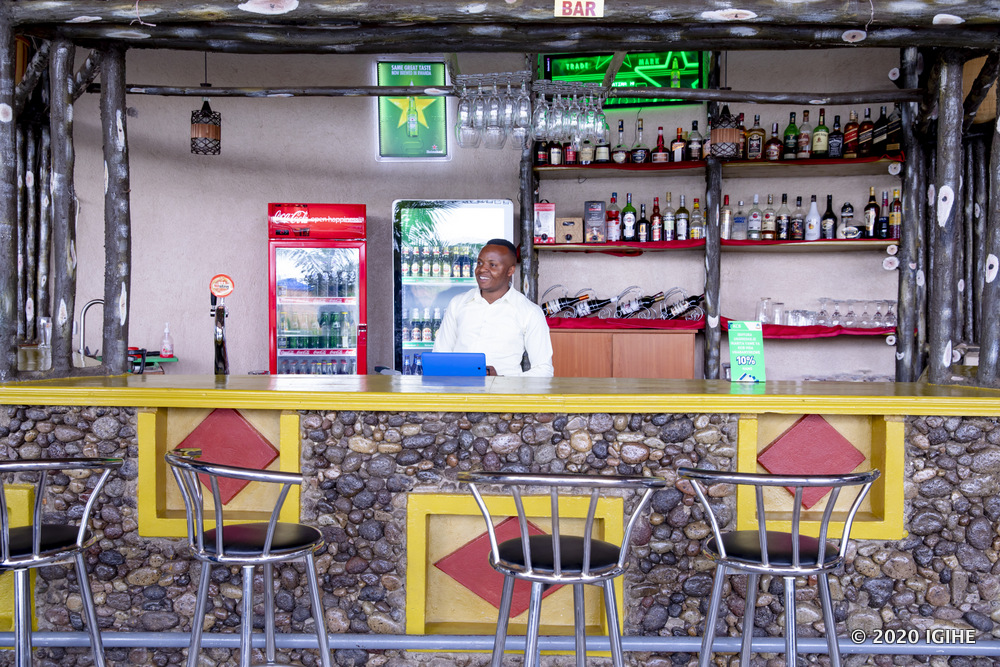
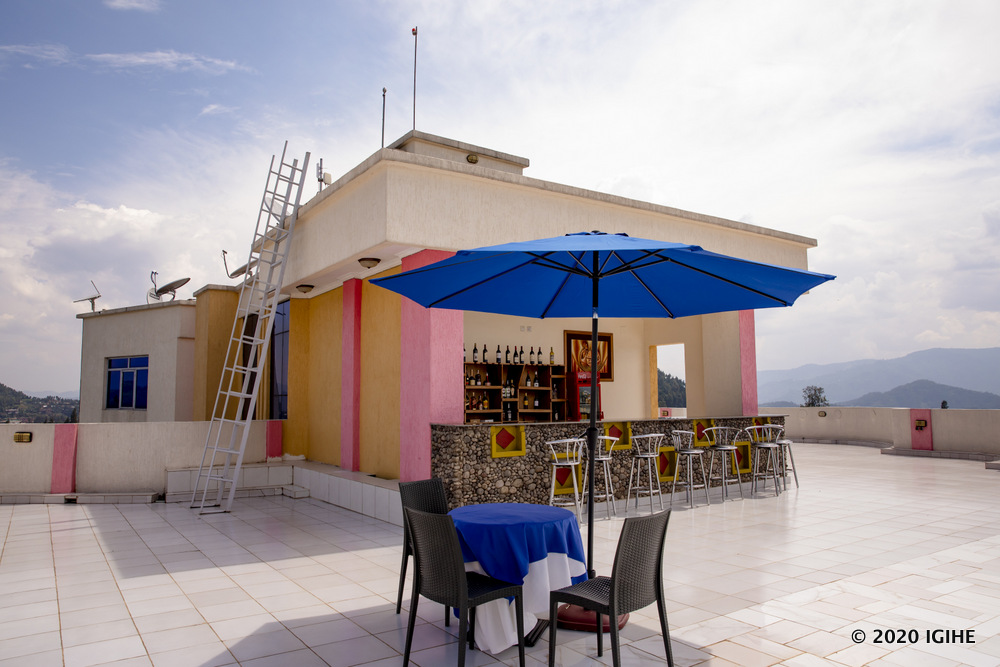
Last but not least, visitors can enjoy their stay at the hotel bars which offer a panoramic view of the volcanoes. “Visitors can enjoy their stay at the counter with breathtaking scenery to the volcanoes.”
Revenues from the hotel are used to help the needy as that was the original idea when the diocese started building it.
For more information, email us at www.fatimahotel.rw or Info@fatimahotel.rw
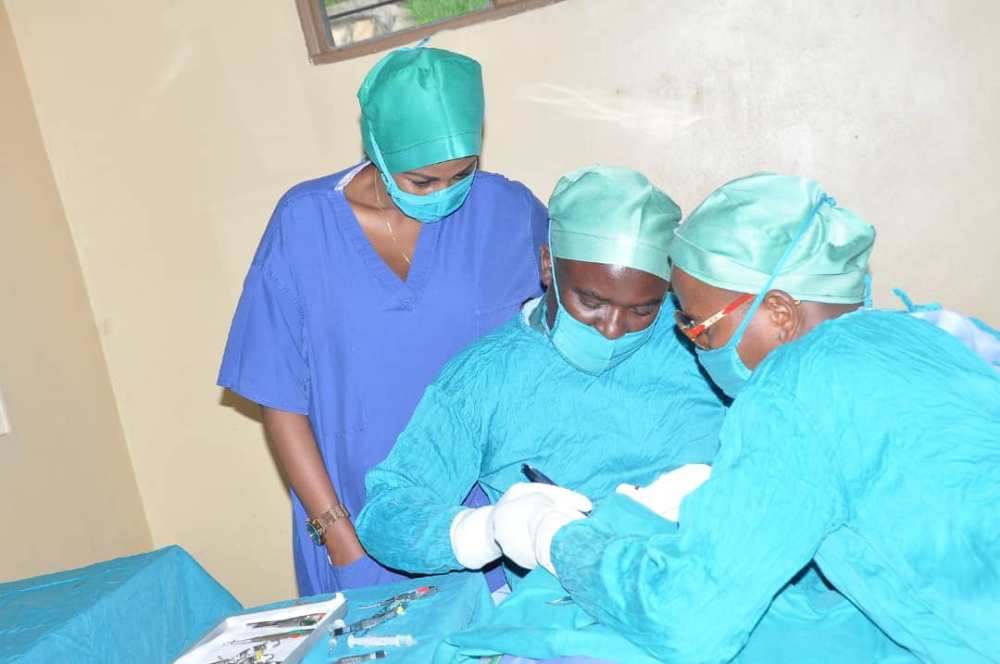
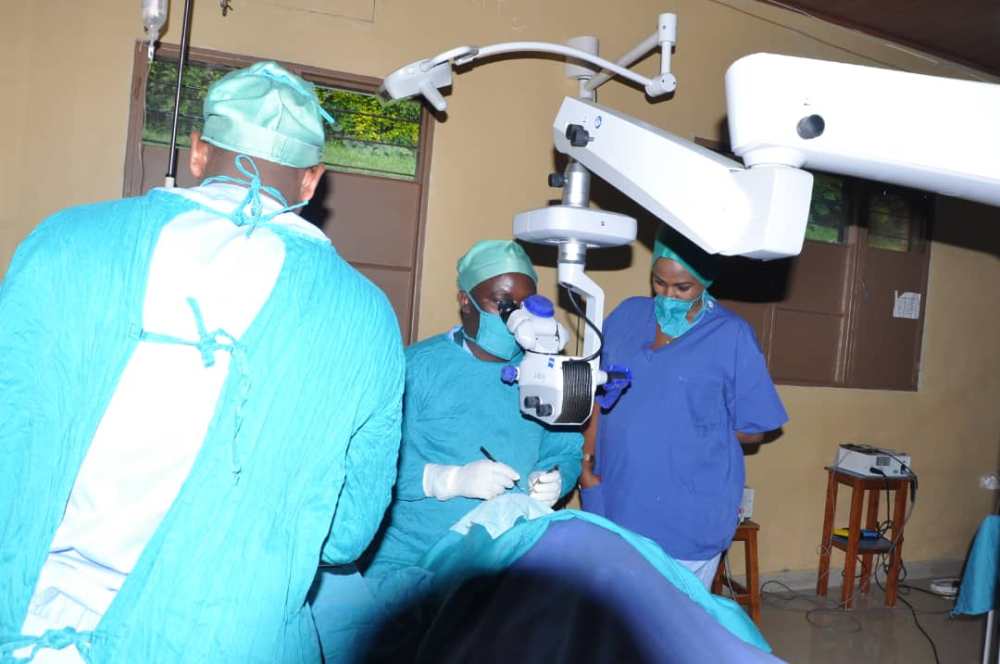
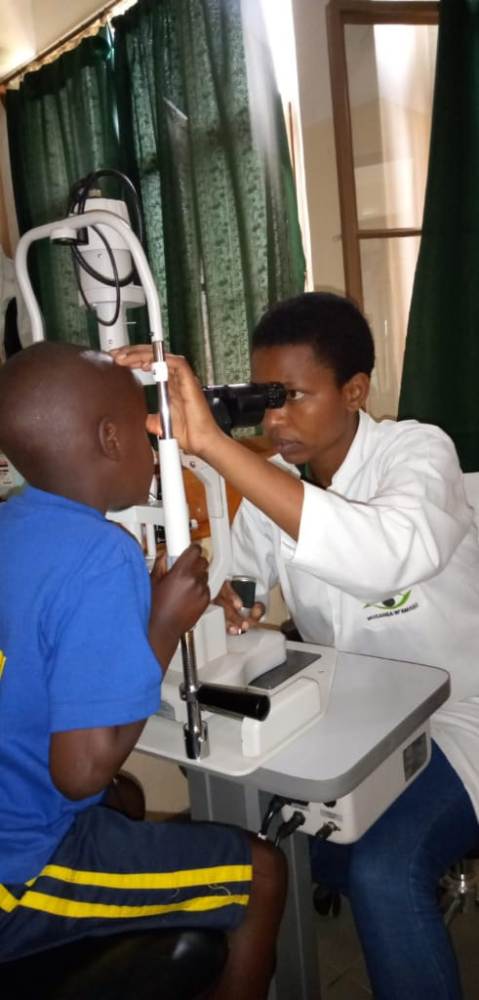
Jordan Foundation was founded by Vanessa Bahati, a Rwandan in November 2015, after receiving the devastating news that their fourth child, Jordan, was born blind and he would never be able to see.
Every year, Jordan Foundation receives 20 children suffering from impaired vision, are treated and those that recover are sent back to their homes.
Jordan Foundation’s CEO, Bahati Vannessa told IGIHE that in 2019 among the children they received, six are now ready to be sent to their families for they have recovered completely.
“The treatment was successful, six are healed and now we will be following up on them after they have returned to their families,” she said.
The treatment administration was concluded on 23rd, December 2019.
Children that have benefited from this program are now about 40 where in the first group two were sent to their homes and now the second group is releasing six.
The Jordan Foundation takes care of visually impaired children between the ages of 3-9, who come from poor families in Rwanda; offering them an opportunity to lead a normal life like other children.
In 2016, Vanessa Bahati, the founder of Jordan Foundation was among the youth that received awards from the First Lady, Mrs. Jeannette Kagame, the CEO of Imbuto Foundation in the awarding event known as YouthConnekt Champions and Celebrating Young Rwanda Achievers Awards (CYRWA) that are scheduled every once in two years.
The police found cannabis on Sunday, January 5, 2020, in Kivumu Cell, Musanze District.
The spokesperson of the police in the northern province, Chief Inspector of Police (CIP) Alexis Rugigana said that it is the woman’s neighbors who gave the police a tip-off about her illegal trade.
He said, “Basing on a tip-off from their neighbors, police officers went to arrest the old woman and her son. When they reached the suspects’ place, the police officers met the son who carried on his back a bag that upon seeing the police officers he dropped down and ran. They opened the bag and found 889 pellets of cannabis. The police officers found the woman at her house with 3,451 more pellets.”
The spokesperson adds that the old woman was taken to Rwanda Investigation Bureau, Muhoza branch, and, meanwhile, the police are still looking for her son who is on the run.
CIP Rugigana thanked citizens who shared information with the police and asked them to keep the practice to help in fighting crime.
He also asked those who abuse drugs to stop it as it negatively impacts their health and it is a crime punishable by law. He said that drugs drive abusers into such crimes as rape, theft, and violence.
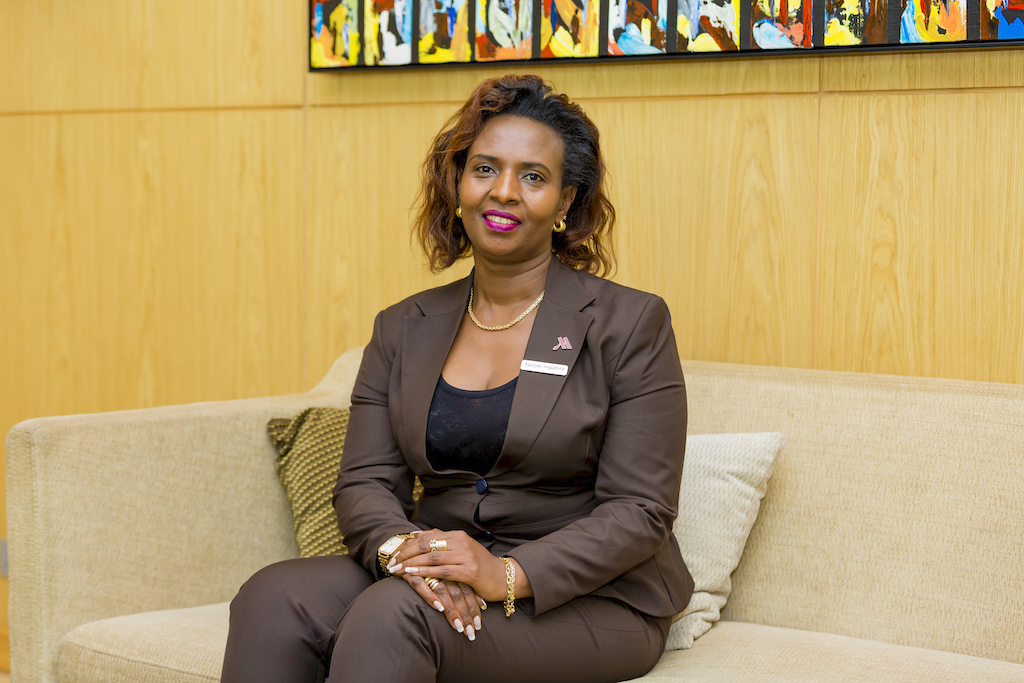
Ingabire has bagged about 25 years of wealthy experience, having started working at a tender age of 18.
The mother of three is the current Director of Human Resources at Kigali Marriott Hotel; previously she was occupying the position of Human Resources Manager at Radisson Blu Hotel & Kigali Convention Centre. This makes her one of the few Rwandan women to have been trusted with such an important position in two distinguished hotels in Rwanda.
Ingabire was born in the city of Goma, Democratic Republic of Congo, from where she pursued her primary and secondary education in Literature, with focus in philosophy and Latin.
She holds a Bachelor’s Degree in Law from Universite Libre de Kigali (ULK), and she will soon be completing her Master’s program in Business Administration with focus in Human Resources at the Adventists University of Central Africa.
Growing up, Ingabire was very passionate about reading and writing and she always pressed her parents to tell her bedtime stories; this passion turned into her becoming an author of two books that are now on the market.
In the past 25 years, she has worked with nine employers. She joined Kigali Marriott Hotel on the 10th, December 2018 after a stint of two years with Radisson Blu.
Ingabire told IGIHE that she has not yet fully explored the depths of Human Resources Management but she is steadily walking the path towards the same.
She shares the journey of her career, giving insights and advice to those interested in working in the hospitality industry.
{{IGIHE: could you share with us your journey as a professional in this field?}}
{{Ingabire: }} I got my first permanent job in the Ocir Thé where I worked as a secretary in the Human Resources Department, after my temporary job with WFP. After six months, I relocated to what was then the Electrogaz working in the stores of Electrical and Plumber Equipment.
I was later appointed to different positions at Eletrogaz in Finance department, Human resources, Archives, and credit department among others.
Nine years later I was introduced to Global Fund, then left and joined UNICEF for a temporary contract as a Junior consultant working with a team that was studying the most effective way of removing children from the streets, and the Management of Excellence.
{{When did you start Human Resources Management as a career?
}}
It was in 2005 when I joined Rwandamotor, which was my first time working as a Head of Human Resources. I worked there for eight years and a half; I learned a great deal as it gave me time to get familiar with all Human Resources Functions.
I left Rwandamotor when I joined Plan International, then Radisson Blu & Kigali Convention Centre in 2016. That is when I was introduced to the hospitality Industry.
{{How did you join Kigali Marriott Hotel?}}
I joined Marriott as the Senior Human Resources Manager and after five months I was fortunate enough to be promoted to the Director of the Human Resources Department. I have 25-years working experience, 15 of which are in human resources management.
I do not shy away from change. I have worked in many places and in a way I think that you can’t grow if you are not curious about how other places operate.
{{
What benefits have you got working for two of the best hotels in Rwanda? }}
Working in five-star hotels opens many doors, and also teaches you a great deal. It is not easy but I have gained a lot of experience, from work ethics to dealing will all sorts of people. It is indeed a great experience!
{{How does it feel being the link between employers and employees?}}
The person in charge of Human Resources has to look at industrial relations from two perspectives in the process of making two parties work mutually for optimal results. You have to remain impartial at all cost; delivering great service to both parties. Understanding employee’s feelings, putting yourself in their shoes so as to solve their problems better; and also thinking as the business owner and finding the best solution even though there are times you cannot please everyone.
This is no easy task, but that is our responsibility. When you have executed well your work it makes your decision making easier.
{{After working hours what else do you love to spend time doing?}}
After I have taken care of my family, I enjoy writing. I have already published two books; the first was published in 2012 it is called ‘Le Bonheur Retrouvé’.
I first thought that writing was reserved to a certain kind of people, until I wrote something and shared it with my brother and he was impressed. Six months later my book was placed in the Multicom Publishing House and was accepted there and published. In 2018, AfricAvenir Editions in Cameroun read the book and decided to buy it as well made its second publication.
My second book was for children with the title ‘Urukwavu Rwanjye Rwiza’ meaning my beautiful bunny; it was published on the market by School Books Distributors (SBD) in 2016.
{{What is your advice for those that are interested in working in the hospitality Industry?}}
Working in the hospitality sector is good; you find great satisfaction even as you welcome a guest, and of course the thrill of meeting new people every day. It is an industry full of opportunities, growth and not limited to one country but global.
{{What are your plans for the future in this area?}}
I see far beyond where I am right now; I still have so many things to do. I want to progress so much so that as I retire I will have gotten experiences not only from here at Kigali Marriott Hotel but elsewhere around the world as well. Also would like the opportunity to share my experience and inspire the youth as something I do before retirement.
Patience and teamwork are the foundation of all that I have achieved so far and I believe that anyone can do it if they work with commitment.
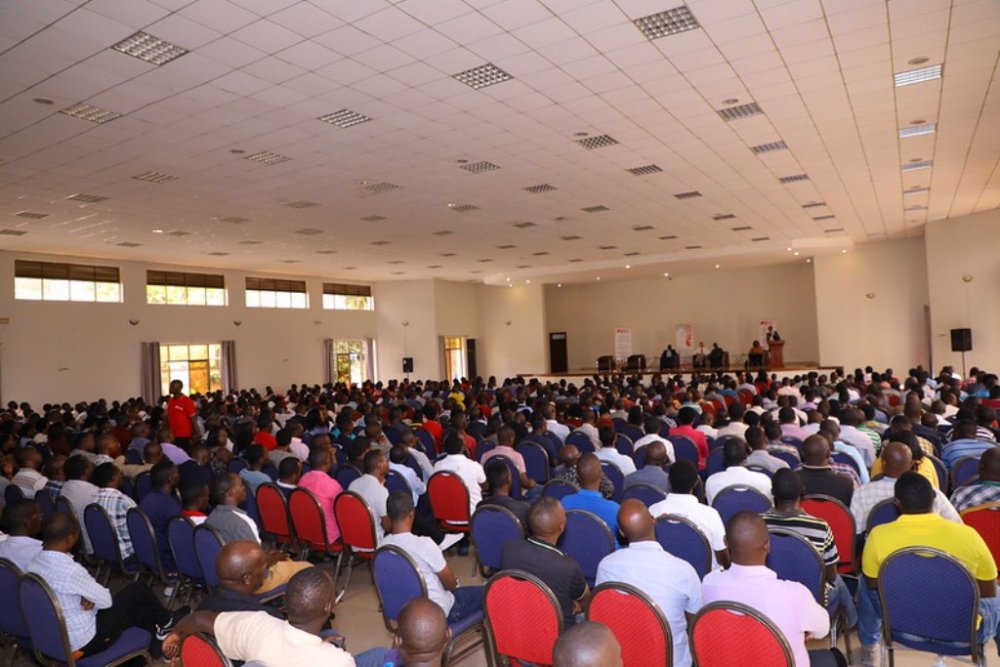
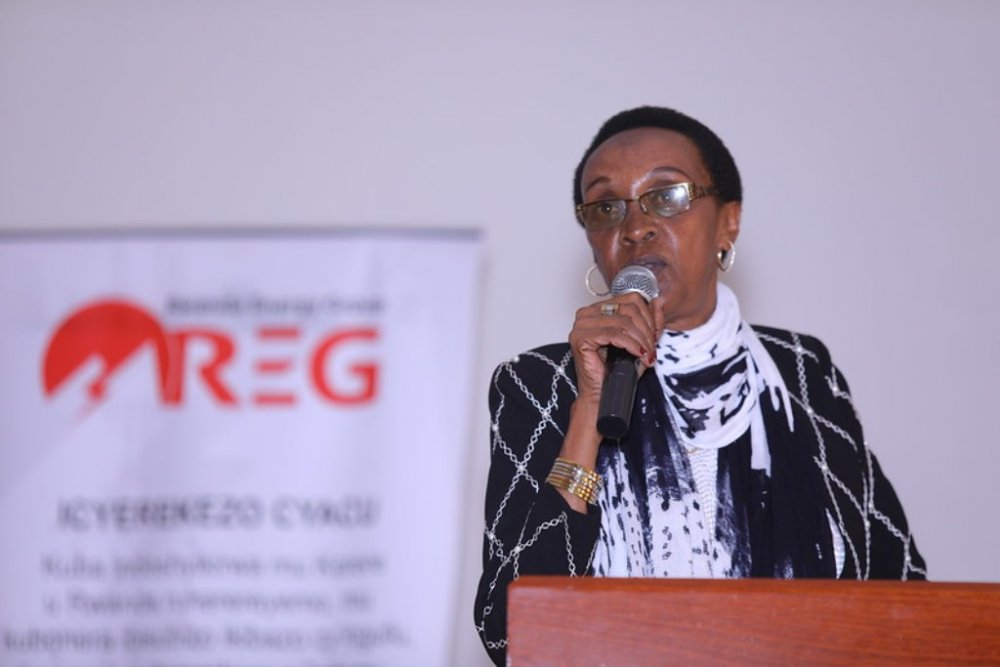
The numbers were announced recently during a staff meeting as REG management and staff reviewed 2019 performance in Kigali, Kamonyi, and Bugesera.
Ron Weiss, REG Chief Executive Officer reminded the staff about REG joint commitment with the Government of Rwanda to achieve 100% of households’ access to electricity by the year 2024.
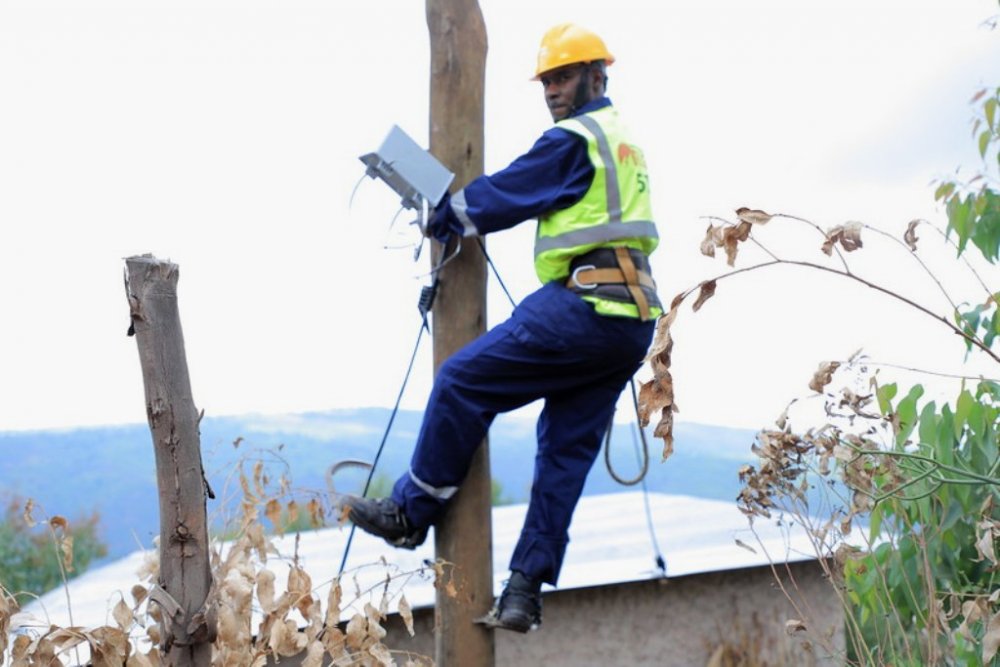
To achieve the target, REG targets to have 500,000 new connections every year.
One of the objectives REG has for 2020 is to provide electricity to the remaining 10 geographical sectors that have no access to electricity so far.
REG also plans on increasing power supply by replacing single-phase motors to three-phase sharing transformers, with the aim of providing long-distance electricity supply that will be used in power grids, mobile towers, data centers, aircraft, shipboard, unmanned systems, as well as other electronic loads larger than 1000 watts.
REG thanked its staff for the commitment they exhibited in providing impeccable service and urged them to continue with the same spirit throughout the year.
Ingabire Marie Immaculée, Transparency International Chairperson observed that REG has made strides in fighting corruption.
In 2019, Transparency International Rwanda released the Rwanda Bribe Index report that placed REG at the top among institutions dedicated to fighting corruption. The report rated REG corruption cases at 5.3% from 12.93% in 2018.
Robert NYAMVUMBA, Chairperson of the Board at REG urged staff to embrace transparent practices and strive to provide better services to all Rwandans.
“We have a common objective of expanding from 221 Megawatts of grid power in 2018 to 556 Megawatts in 2024. We wish that by that time no Rwandan will be using torchlights or firewood. All that goes with effectively managing the resources we already have and putting them to use to serve Rwandans across the country.”
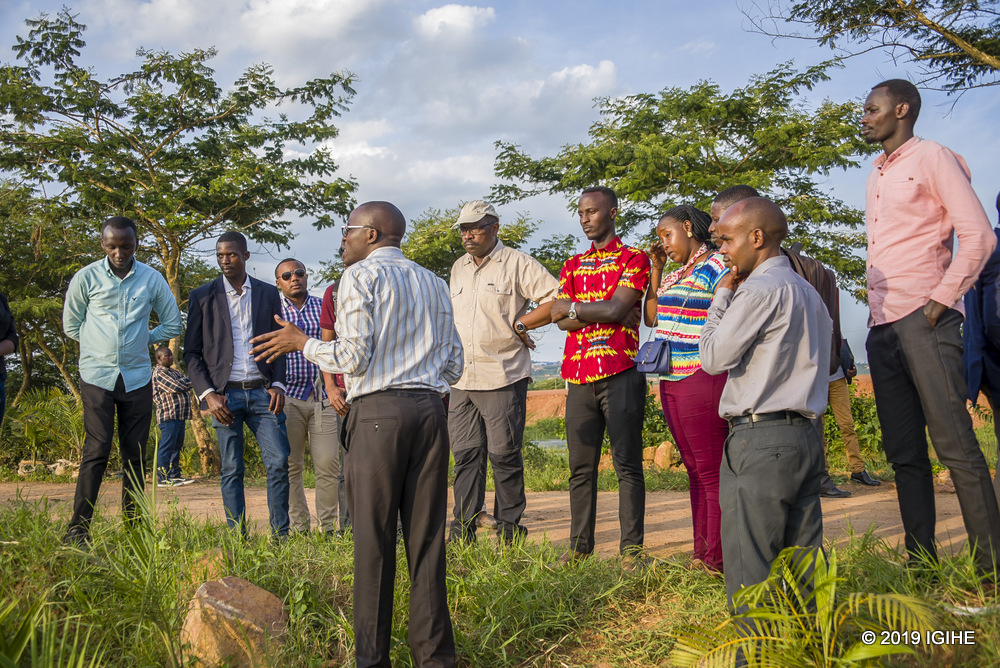
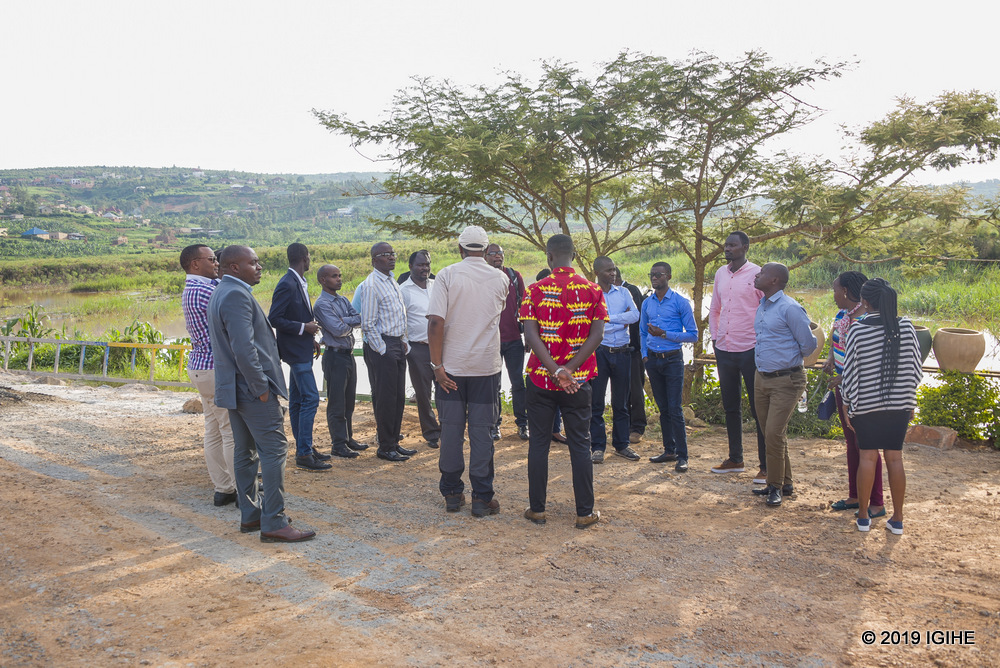
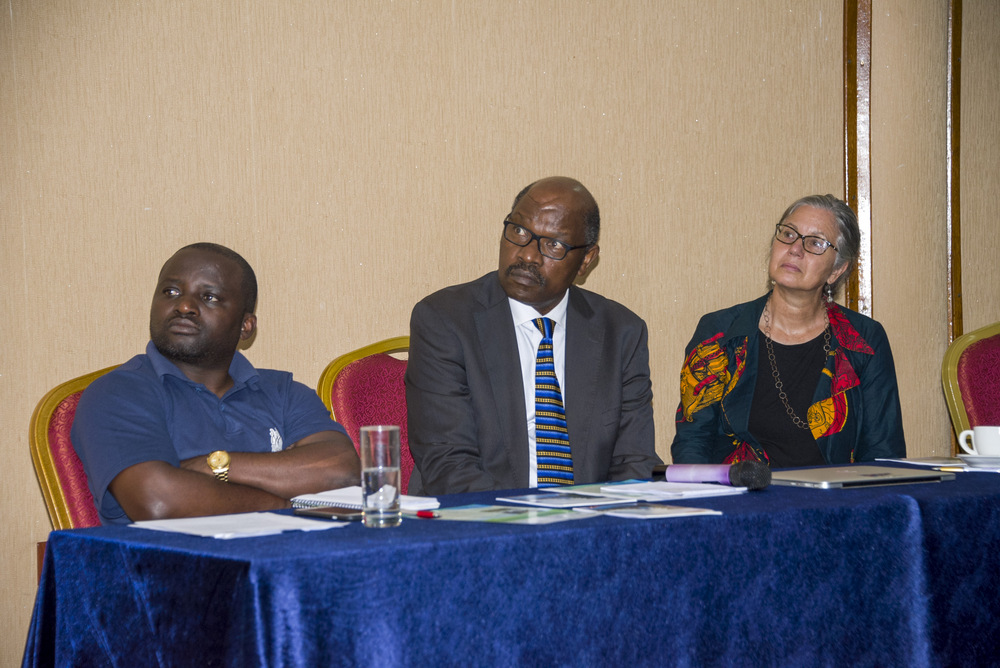
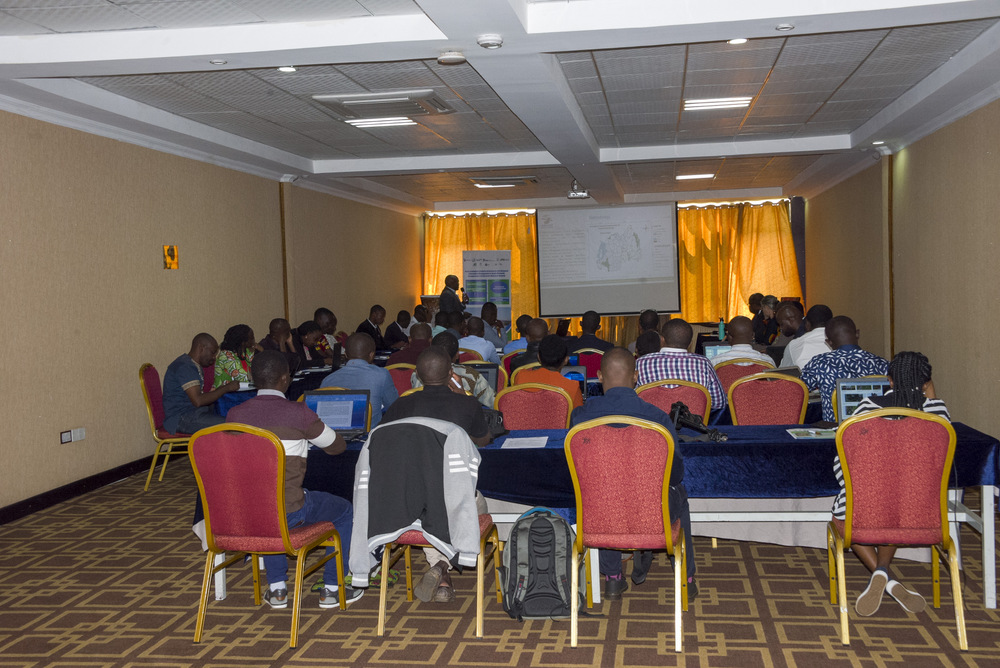
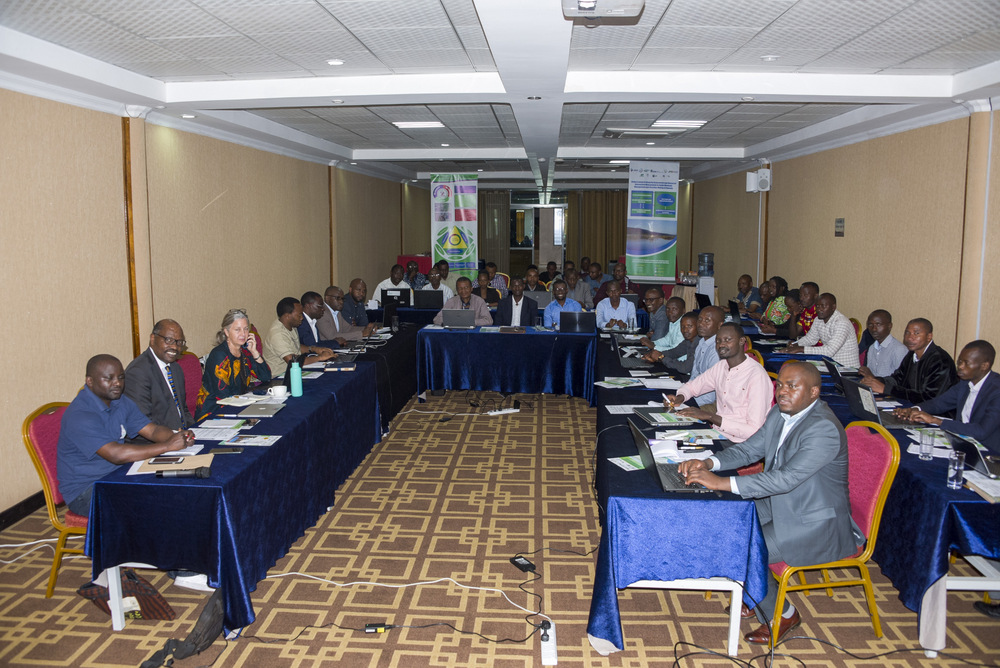
In a National Dialogue that was held at Lemigo Hotel on December 20th, 2019, and organized by the Albertine Rift Conservation Society (ARCOS Network) in partnership with Rwanda Environment Management Authority (REMA), the International Union for Conservation of Nature (IUCN)’s Forest Landscape Restoration (FRL) Hub, the Centre for Geographic Information System (CGIS), Rwanda Development Board (RDB) and the Centre of Excellence in Biodiversity and Natural Resources Management (CoEB) participants had discussions on Rwanda Wetlands Ecological Integrity under the theme “Rwanda Wetlands: Valuable but Vulnerable Asset”.
Participants maintained that wetland management should be given more than the consideration it is given currently in order to curb threats that damage their ecosystems.
Dr. Sam Kanyamibwa, Founder and Executive Director of ARCOS said that measures should be established to monitor activities conducted in wetlands including sustainable agricultural activities.
“Wetland benefits reach a large spectrum and the challenges they face need to be addressed by all sectors. ARCOS Network will continue to support the cause as per its moto of Collaborative Action for Nature and People.”
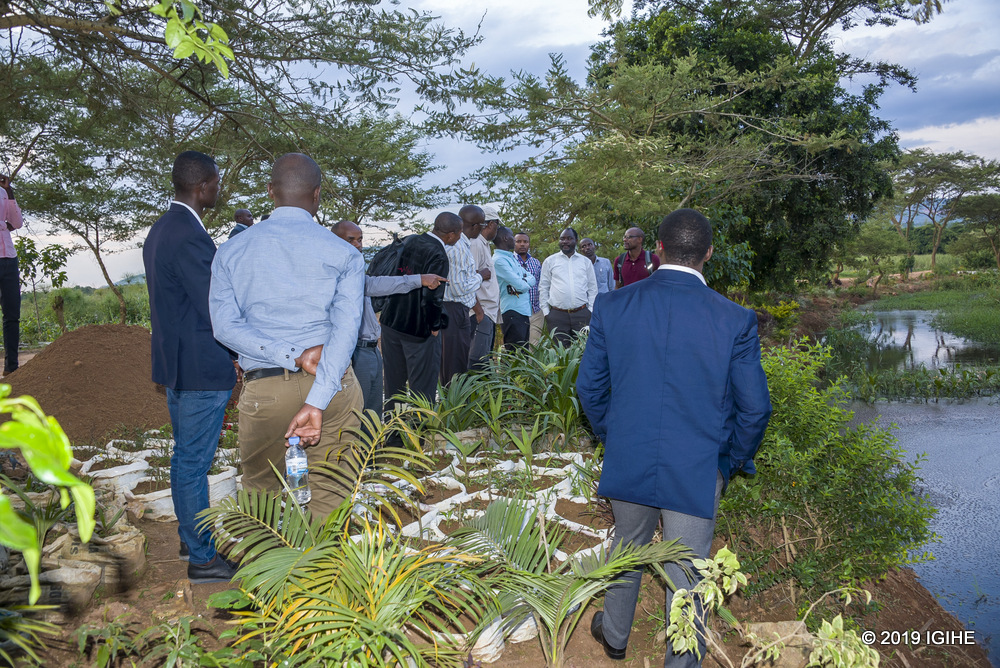
Participants were informed about the findings from the rapid wetland assessment conducted by a multidisciplinary team of Rwandan experts coordinated by ARCOS since May 2019.
Over 1,627 georeferenced records of biodiversity data have been sampled in all 8 major wetland zones of Rwanda and published on ARCOS Biodiversity Information Management System.
The findings show that on average, the ecological integrity of some wetlands in Rwanda is estimated at 50% of its potential, while the ecological integrity of Akanyaru and City of Kigali wetland complexes were ranked low (20%-40%), and between (0%-20%) for Muvumba wetland complex as it is highly converted for agriculture intensification with less than 15% of its size remaining as a natural remnant forest of acacia trees.
Wetlands cover an estimated nine percent of the Earth’s land surface and contribute significantly to the global economy in terms of water supply, fisheries, agriculture, forestry, and tourism, as well as to climate change regulation.
Dr. Kanyamibwa said that more effort should be put in promoting the wise use of all wetlands.
“We need to reflect on wetlands as ecosystems that contribute to both biodiversity conservation and human well-being and base on that to promote their conservation and wise use.”
He urged agencies dedicated on protecting the environment to be vigilant to the threats.
Major threats in wetlands include draining for agricultural and construction activities, the introduction of invasive species that can damage the wetland ecosystem, pollution that kills the flora and fauna of wetlands as well as climate change.
The dialogue came after a research conducted by ARCOS Network on Rwanda Wetland Ecological Integrity Assessment through a two-year project funded by the JRS Biodiversity Foundation.
The results from the rapid assessment phase showed that the overall population status and trends of wetlands taxa is good with various species of special conservation concern, but the level of intensity and frequency of threats is very high.
Apart from Rugezi wetlands gazetted as RAMSAR site and Kamiranzovu wetlands located inside Nyungwe National Park, other different wetlands assessed found that more than 80% of their ecological integrityis threatened by different human activities as well as climate change and there is a desperate need to address the concern.
Statistics show that 10% of Rwanda’s area is covered by wetlands, 101 lakes, 861 rivers and up to 860 swamps. All the aforementioned water bodies are essential since humans and animals depend on water to sustain life.
In 2020, ARCOS Network plans on conducting further research especially in City of Kigali wetlands Complex, rweru-mugesera Wetland complex, Akanyaru Wetland complex, Southern and Eastern Kirehe wetland complex.
The Albertine Rift Conservation Society (ARCOS Network) is a Regional NGO established in 1995 with the mission “To enhance biodiversity conservation and sustainable management of natural resources in the Albertine Rift region and beyond, through the promotion of collaborative conservation action for nature and people”.
Today, ARCOS has programs extending in the Albertine Rift region, Africa Great Lakes and African Mountains.
The development was announced on January 3, 2020, by the Commissioner of Police for Traffic and Road Safety Department, CP Rafiki Mujiji, in a press conference where he gave an insight of 2019 performance and the agenda for 2020.
The 2019 police report shows that 309,970 drivers violated different traffic laws.
Among the police’s main measures are putting more effort into its Gerayo Amahoro campaign that aims at increasing awareness of traffic laws and using technology to control the violation of traffic laws.
He said, “With technology, we are reaching a level at which we won’t need to stop the driver. We will record his vehicle’s plate number and text him the fines to pay.”
This technology is still in the trial and is set to fight bribes given to police officers and the injustice that might be faced by drivers when being fined.
CP Mujiji said, “No one will be treated unjustly. With the cameras, we will have recorded proof, a video. We are still trying it using tablets, but we will reach a time when we will use a camera that will record everything happening in traffic.”
This technology adds up to some cameras installed on highways to record those who over speed.
The police show that the number of road accidents in 2019 reduced by 17% from 5611 in 2018 to 4661 in 2019, and that since August 2019, the number of people killed in road accidents reduced a lot in comparison to other months as it moved from 72 to 50 in September, to 47 in October, and to 43 in November.
The research was published by Oxfam on Sunday, January 5th, 2020.
On Sunday, January 12th, 2020, one British citizen will have contributed to the release of an amount of CO2 equal to what one citizen from countries like Madagascar, Malawi, Ethiopia, Uganda, Guinea and Burkina Faso will contribute in a year.
The research showed that in a year, Rwandans contribute to the release of CO2 equal to 0.09 tons, 0.19 tons in Malawi, 0.25 tons in Burkina Faso, 0.49 tons in Nigeria and 1.68 tons in India.
On average, one person on earth contributes to the release of 4.7 tons of CO2 per year with one British citizen contributing to 8.3 tons per year.
Despite the high amount of Carbon Dioxide released in Britain, the British government continued to establish measures to fight pollution that can lead to an unhealthy environment and cause noncommunicable diseases like strokes, heart conditions, cancers, and chronic respiratory disease, mostly attributable to air pollution.
Extra carbon dioxide in the atmosphere increases the greenhouse effect causing the planet to be warmer than it naturally should be and other calamities including the melting of ice caps and rising ocean levels, which cause flooding.
In the past 100 years, human activities led to the increase of global warming by 2.5 Celsius degrees and that resulted in climate change, floods, and extinction of several animal species.
In a study by Dr. Curt Stager, a researcher from Smith College in Northampton, Massachusetts, she remarked that the Sahara Desert once had abundant lakes, plants, animals and a moister, semiarid climate. She maintained that human activities altered the region’s precipitation patterns and led to a desert.
Scientific reports show that the snows of Kilimanjaro are rapidly disappearing and will be gone by 2033 and all that is due to global warming and the unnatural increase in temperatures.
Carbon Dioxide causes many health hazards including aggravated respiratory diseases such as emphysema, bronchitis, and asthma and also reduced resistance to infections, fatigue and lung damage to mention a few.
Research shows that climate change will impact Rwanda’s GDP by a 4.5% reduction in its total capacity by 2030.
The research was published by the Vulnerable Twenty (V20), a dedicated cooperation initiative of economies systemically vulnerable to climate change. The research maintained that Rwandans face so many health hazards if nothing is done to tackle global climate change.
In May 2018, Rwanda Environment Management Authority (REMA) announced that air pollution was the leading cause of noncommunicable diseases and that major pollutants in Rwanda included smoke from motor vehicles, charcoal, and wood among others. REMA also mentioned that particulate matter in smokes was mostly hazardous. REMA recommended the use of renewable energy that produces no greenhouse gas emissions to reduce pollution.
The acceptable amount of particulate matter is 35 micrograms per cubic meter of air but in summer, the amount reaches between 100 and 150 micrograms due to pollution. To curb pollution, Rwanda has established measures including planting trees where currently trees occupy 30% of Rwanda’s total surface.
Recently Rwanda has also launched vehicles that use electricity in a bid to reduce pollution including Volkswagen ‘e-Golf’ as well as Ampersand motorcycles electric taxi motorcycles