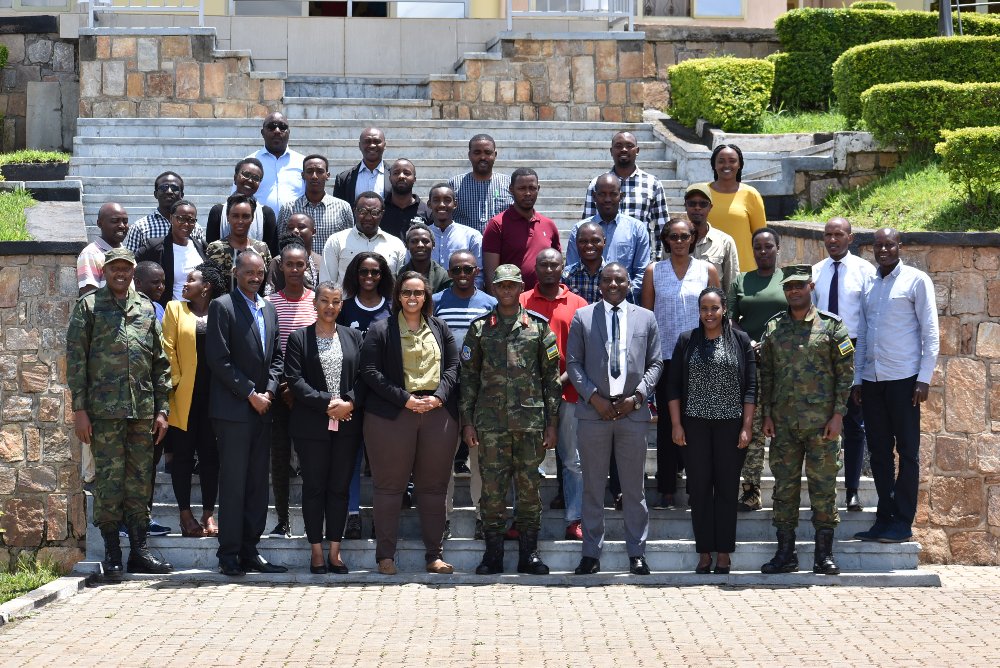
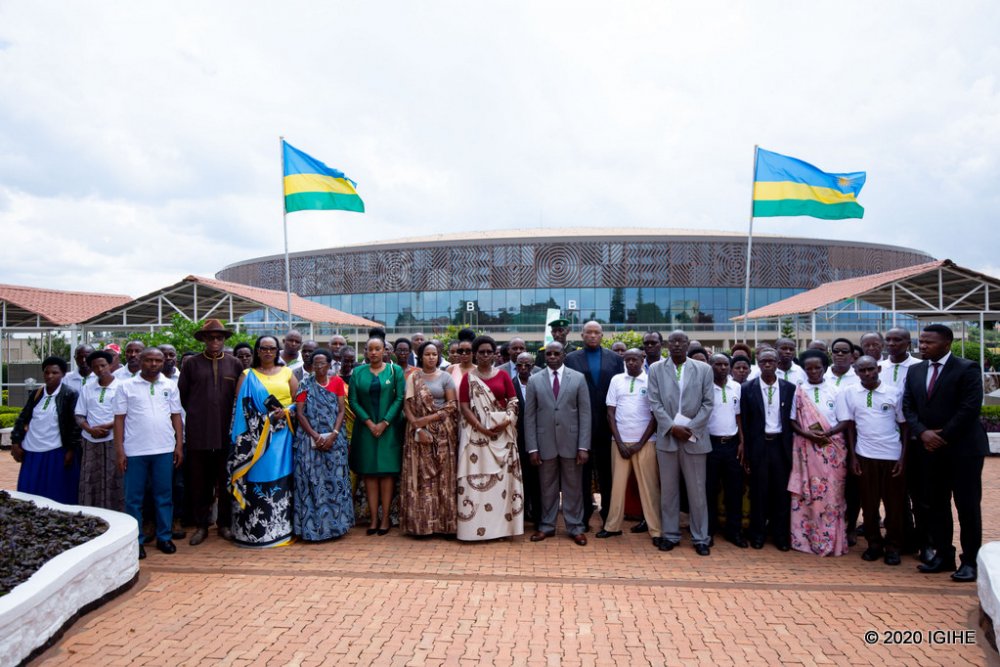
The120-kilometer Liberation History Tourism Trail is a new tourism product consisting of a collection of sites and trails in 29 sites in six districts of the country that were significant in the War on National Liberation that commenced in 1st October 1990 and ended on 4th July 1994. The trail was opened to the public in August 2019.
The training will give the tour guides and partner institutions the ability to contextualize and accurately narrate the facts and history of the trail.
Speaking during the kick off of the training, the Head of Tourism Regulation Department, Emmanuel Nsabimana said:
“The Liberation History Tourism Trail is a monumental part of Rwanda’s history and heritage with potential to grow tourism revenues. We organised the training for the tour guides to improve their knowledge about the trail as it involves both the theoretical part and field visits that will equip them with the knowledge to guide tourists satisfactorily.”
Speaking while officially opening the training, the Rwanda Defence Force, Air Force Chief of Staff, Major General Emmanuel Bayingana said:
“We are happy to work with tour guides to improve their knowledge on the Rwanda Liberation History Tourism trail and help educate the future generation to uphold the cause of the struggle.”
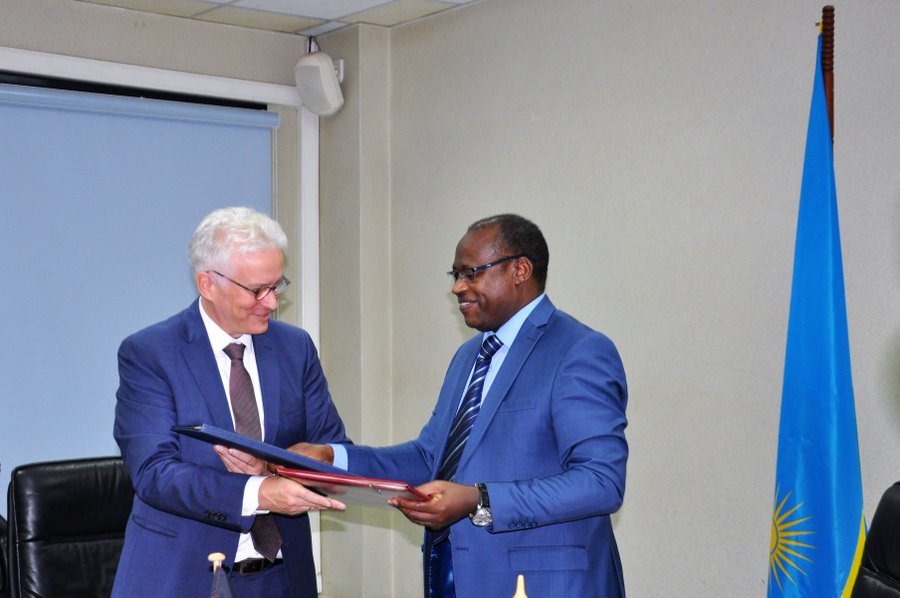
The agreement was signed on Friday, 31 January 2020 by Minister of Finance and Economic Planning Dr. Uzziel Ndagijimana and the Ambassador of the Federal Republic of Germany to Rwanda Dr. Thomas Kurz.
The Green City Kigali, is a flagship project that will be developed on 600 Ha in Kinyinya sector, Gasabo District estimated at USD 1.5 billion. The Green City Kigali Pilot project is an innovative initiative to enhance a paradigm shift in green urbanisation and create a model community.
The project will demonstrate the viability of green cities in Rwanda, and relevant for replicability for the development of Green Secondary Cities at the national level. Phase I of the Green City Kigali City will pilot the construction of 1,749 house units on 18 hectares with an estimated cost of US$ 103.8 million for five years.
Speaking after the signing event, Minister Ndagijimana said the financing signed today (EUR 10 Million) and subsequent EUR 20 Million to be signed later with Government of Germany will contribute to the financing of the enabling environment/infrastructure part of the pilot phase of the city.
This will include mainly the construction of roads, electricity and water and sanitation supply network to not only leverage and catalyze the private sector investment but also increase the affordability of houses in the Green city.
“Rwanda has decided to fundamentally change the way cities are built by following a holistic and integrated approach to green planning that builds on innovate and future-oriented technologies just as much as on home grown solutions, Minister Ndagijimana said.
The German Ambassador expressed his appreciation of Rwanda’s development results in the past and encouraged them to continue staying ambitious in implementing the new National Strategy for Transformation in partnership with the private sector and civil society.
He emphasized that the strong partnership in planning and implementing this new sustainable and innovative neighborhood in Kigali, offering affordable housing for about 14.000 persons, was essential for the success of the endeavor.
The Division of Labor allows Germany development cooperation programme to be active in Education (including TVET); Decentralization and Good Governance, Private Sector Development and Youth; Public Financial Management (PFM); Financial Development. Germany also supports Regional Projects: Centre of Excellence for Health, Improvement of the Investment Climate, Microfinance sector-MIFSSA, ICGLR and Energy.
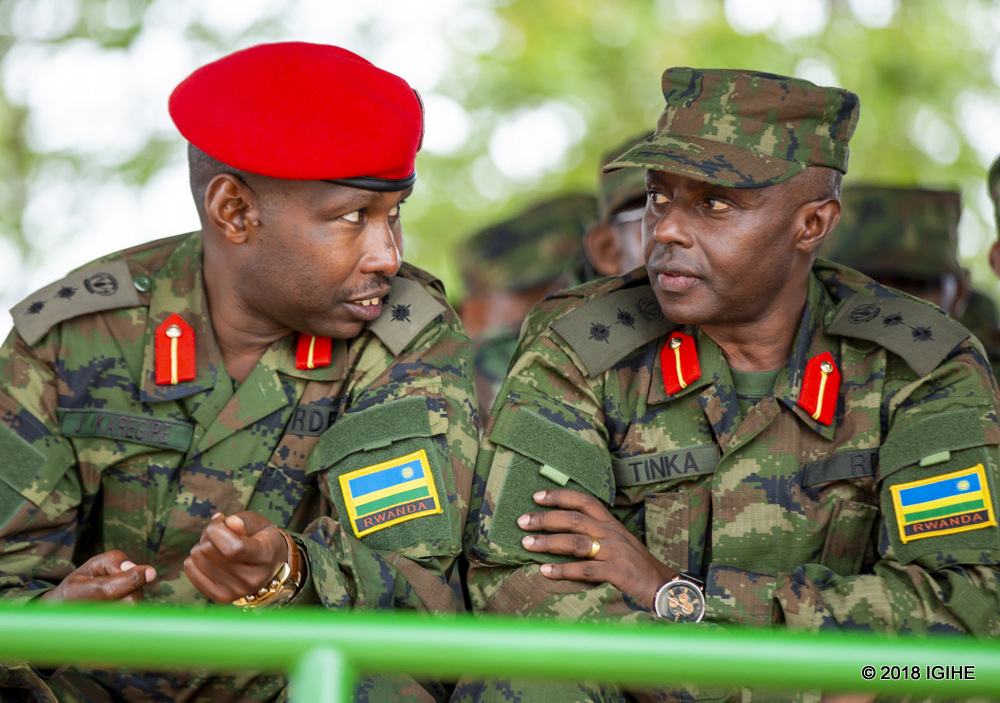
Col Faustin Tinka has been appointed Deputy Commander of the Mechanized Division.
Col Joseph Karegire was made the 211 Brigade Commander while Lt Col Geoffrey Gasana was promoted to Col and appointed Deputy Air Force Commander.
Among others promoted in ranks are Lt Col Kitoko Kadida and Lt Col Louis Kanobayire, both of whom were promoted to Col. Colonel Kitoko Kadida was appointed RG Commander while Col Louis Kanobayire was appointed Chief J3.
Lt Col Richard Ndamage was appointed to OPS Officer 1 Division, and Lt Col Ignace Tuyisenge was appointed Deputy Military Police Regiment Commander.
Capt. Danny Gatsinzi was promoted to Lt Col and appointed Chief of OPS in Air Force.
President Kagame assigned Col Karegire new responsibilities after appointing him Chief J3 last November, in 2019.
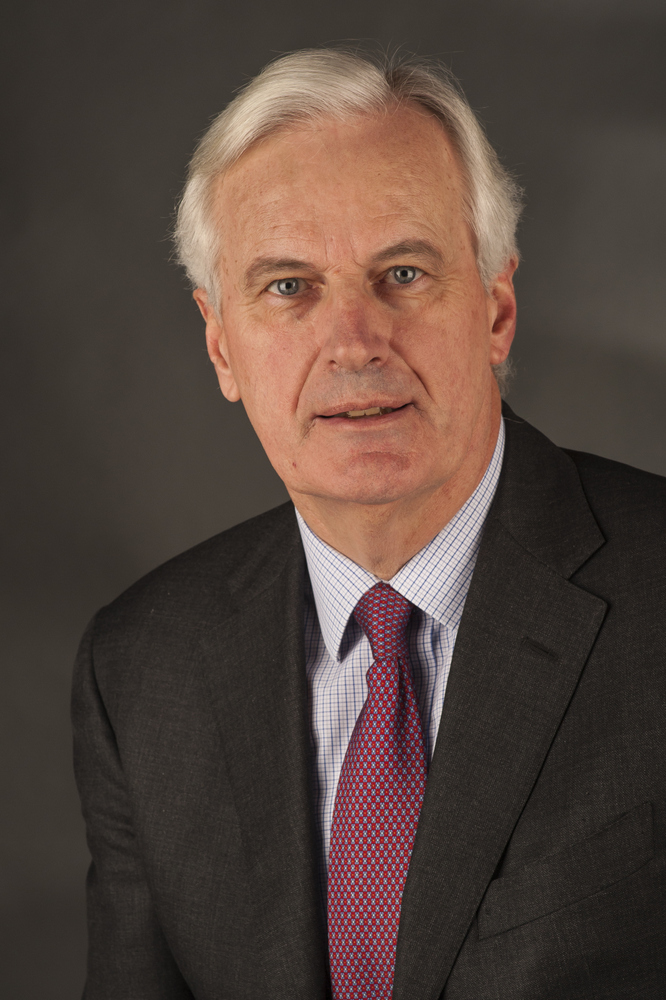
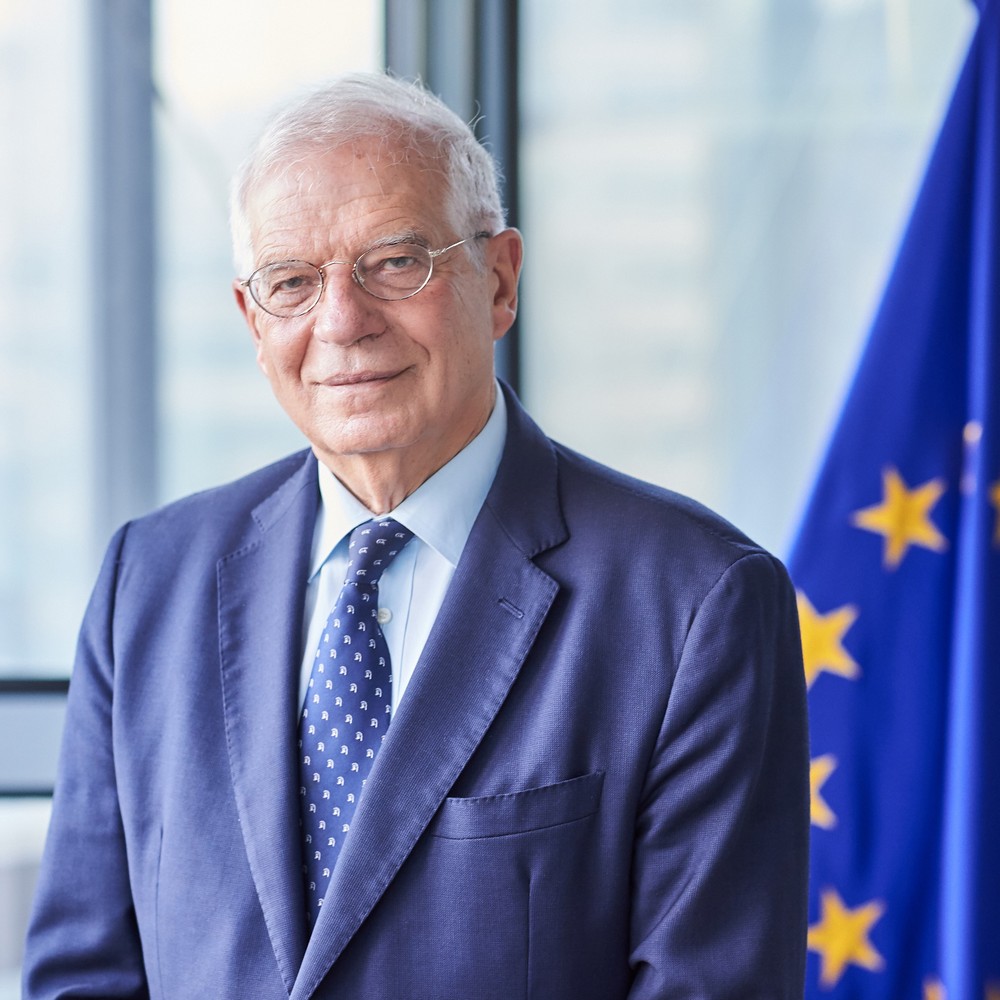
Nevertheless, we have always respected the sovereign decision of 52% of the British electorate, and we now look forward to starting a new chapter in our relations.
Emotions aside, 1 February turned out to be historic but also undramatic. This is largely thanks to the Withdrawal Agreement that we negotiated with the UK, which enabled us to secure ‘an orderly Brexit’. One that – at least for now – minimises disruption for our citizens, businesses, public administrations – as well as for our international partners.
Under this agreement, the EU and the UK agreed on a transition period, until the end of 2020 at least, during which the UK will continue to participate in the EU’s Customs Union and Single Market, and to apply EU law, even if it is no longer a Member State. During this period, the UK will also continue to abide by the international agreements of the EU, as we made clear in a note verbale to our international partners.
So, with the transition period in place, there is a degree of continuity. This was not easy given the magnitude of the task. By leaving the Union, the UK automatically, mechanically, legally, leaves hundreds of international agreements concluded by or on behalf of the Union, to the benefit of its Member States, on topics as different as trade, aviation, fisheries or civil nuclear cooperation.
We now have to build a new partnership between the EU and the UK. That work will start in a few weeks, as soon as the EU27 have approved the negotiating mandate proposed by the European Commission, setting out our terms and ambitions for achieving the closest possible partnership with a country which will remain our ally, our partner and our friend.
The EU and the UK are bound by history, by geography, culture, shared values and principles and a strong belief in rules-based multilateralism. Our future partnership will reflect these links and shared beliefs. We want to go well beyond trade and keep working together on security and defence, areas where the UK has experiences and assets that are best used as part of a common effort. In a world of big challenges and change, of turmoil and transition, we must consult each other and cooperate, bilaterally and in key regional and global fora, such as the United Nations, the World Trade Organization, NATO or the G20.
It is perhaps a cliché but the basic truth is that today’s global challenges – from climate change, to cybercrime, terrorism or inequality – require collective responses. The more the UK is able to work in lockstep with the EU and together with partners around the world, the greater our chances of addressing these challenges effectively.
At the very core of the EU project is the idea that we are stronger together; that pooling our resources and initiatives is the best way of achieving common goals. Brexit does not change this, and we will continue to take this project forward as 27.
Together, the 27 Member States will continue to form a single market of 450 million citizens and more than 20 million businesses.
Together, we remain the largest trading bloc in the world.
Together, at 27, we are still the world’s largest development aid donor.
Our partners can be sure that we will stay true to an ambitious, outward-looking agenda – be it on trade and investment, on climate action and digital, on connectivity, on security and counter-terrorism, on human rights and democracy, or on defence and foreign policy.
We will continue to live up to our commitments. We will continue to stand by the agreements that link us to our international partners and we will continue to develop multilateral cooperation frameworks around the world.
The European Union will continue to be a partner you can trust. A steadfast defender of rules-based multilateralism, working with our partners to make the world more secure and fair.
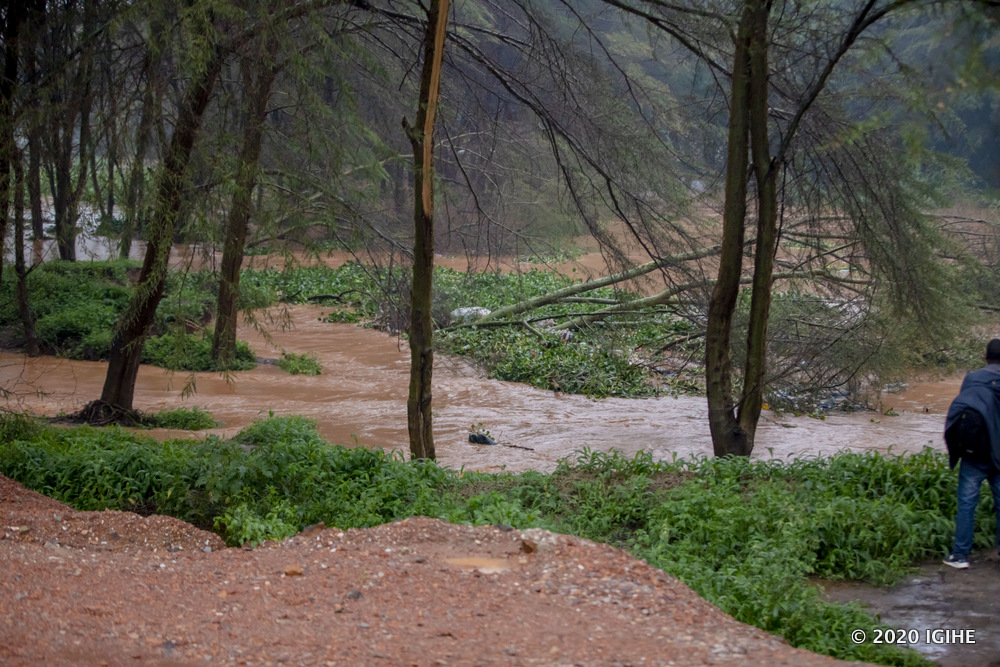
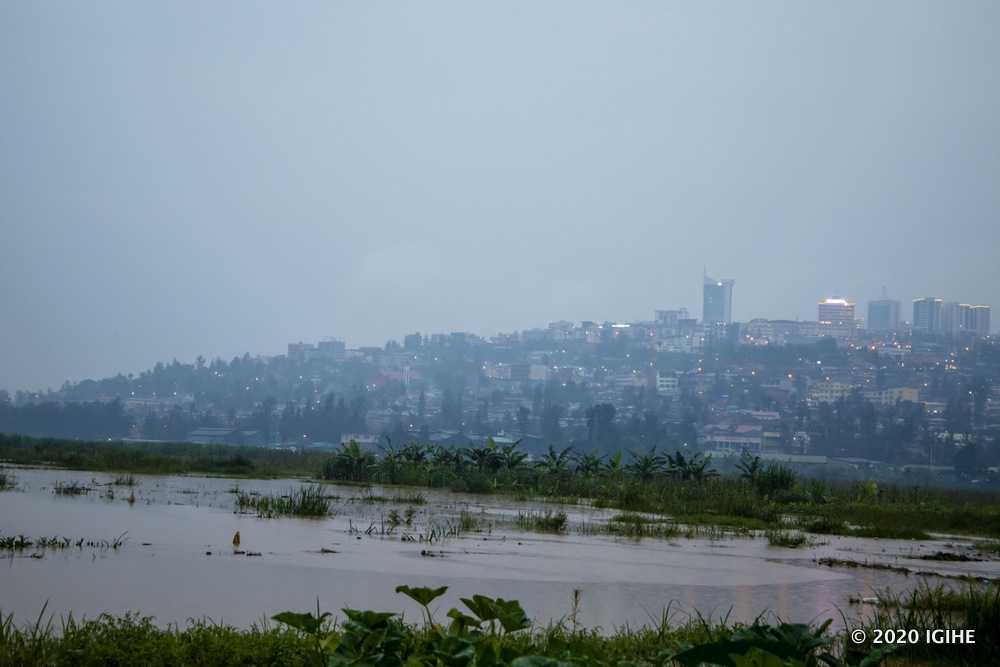
MINEMA says the rain was characterized by hailstorms, lightning, and hailstones which largely led to loss of lives and property.
Most damages were identified in Kicukiro and Gatsibo districts.
In Gasabo district, a house collapsed and swept away by floods, killing all seven members of the household, but by press time only four bodies had been recovered.
One person in Rulindo was struck by lightning and is in critical condition. Houses that were razed down include; one in Bwishyura Sector, Karongi district, one in Rusiga sector, Rulindo , 12 in Nyarugenge sector, Nyarugenge district.
However, Meteo Rwanda shows that January usually gets between 51.6-1.7 mm.
The Southern, Western provinces and the City of Kigali had the highest amount of rainfall.
Meteo Rwanda stated, “In comparison to the rain from past years, the third part of January experienced the biggest amount of rain.”
Due to the rain, soil moisture in the last ten days of January 2020 increased, especially in Southern Province, south of Western Province as well as Kigali City.
“Comparing it to the third season of January, the first season of February will see a decrease in rainfall. The rain will be between 30 and 125 millimeters. The Southern Province and the south of Western Province will have the highest amount of rainfall than elsewhere,” Meteo Rwanda added.
The weather monitoring agency called upon farmers to prepare their fields for the season. It also advises farmers to follow meteorology news so as to take informed decisions.
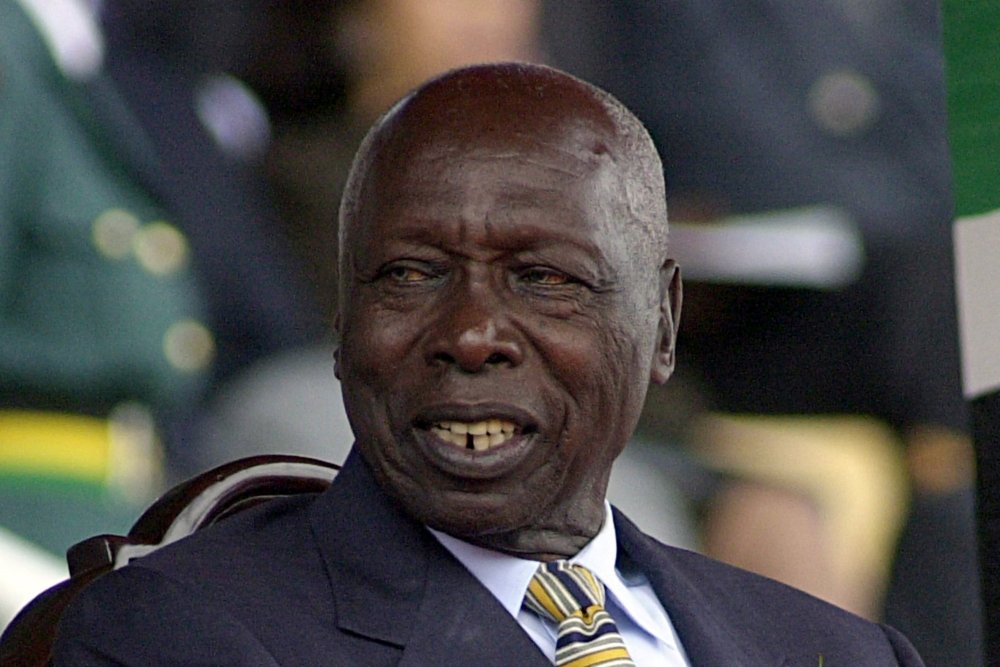
Moi’s death was announced by President Uhuru Kenyatta in a statement on the state broadcaster on Tuesday.
“It is with profound sadness and sorrow that I announce the passing of a Great African Statesman, H.E. Daniel Toroitich Arap Moi, the Second President of the Republic of Kenya,” the announcement said.
“His Excellency the Former President passed on at the Nairobi Hospital on the early morning of this 4th February 2020, in the presence of his family,” it said.
Moi, a former schoolteacher, ruled Kenya between 1978 and 2002. He had been in the hospital for over a month.
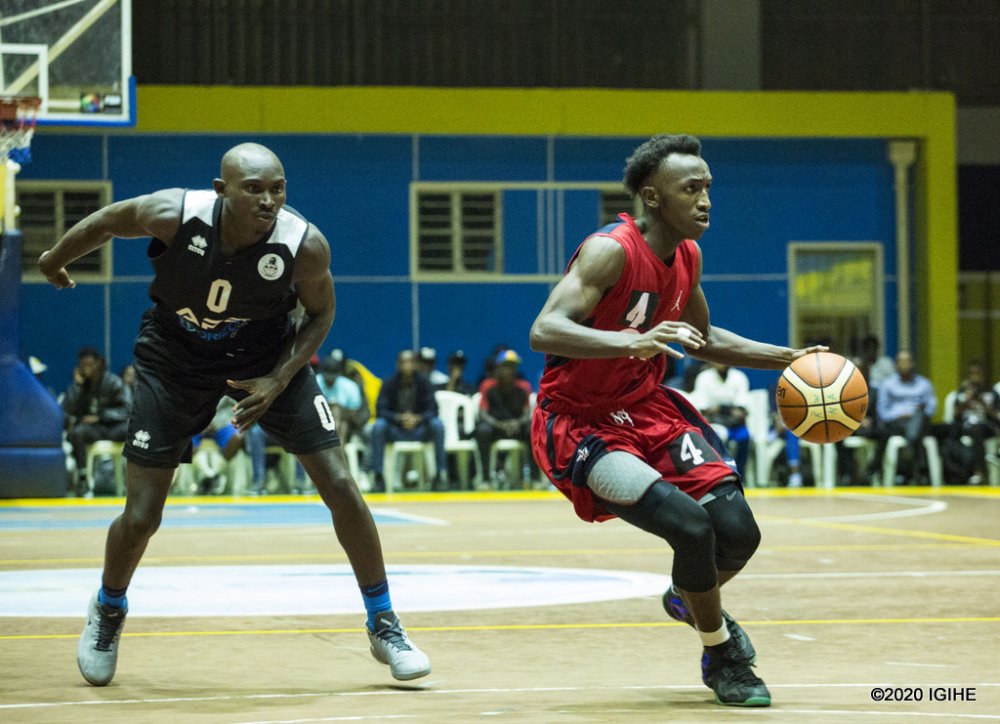
The tournament is organized by the Rwanda Basketball Federation (FERWABA) in partnership with The Chancellery for Heroes, National Orders and Decorations of Honor (CHENO) to mark National Heroes’ Day that is commemorated on February 2nd.
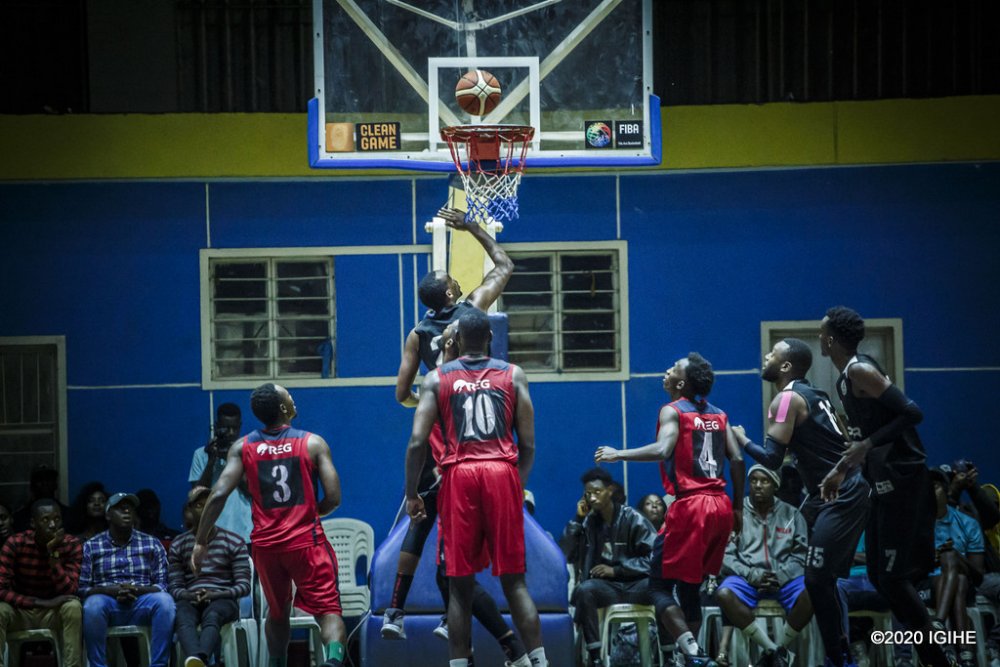
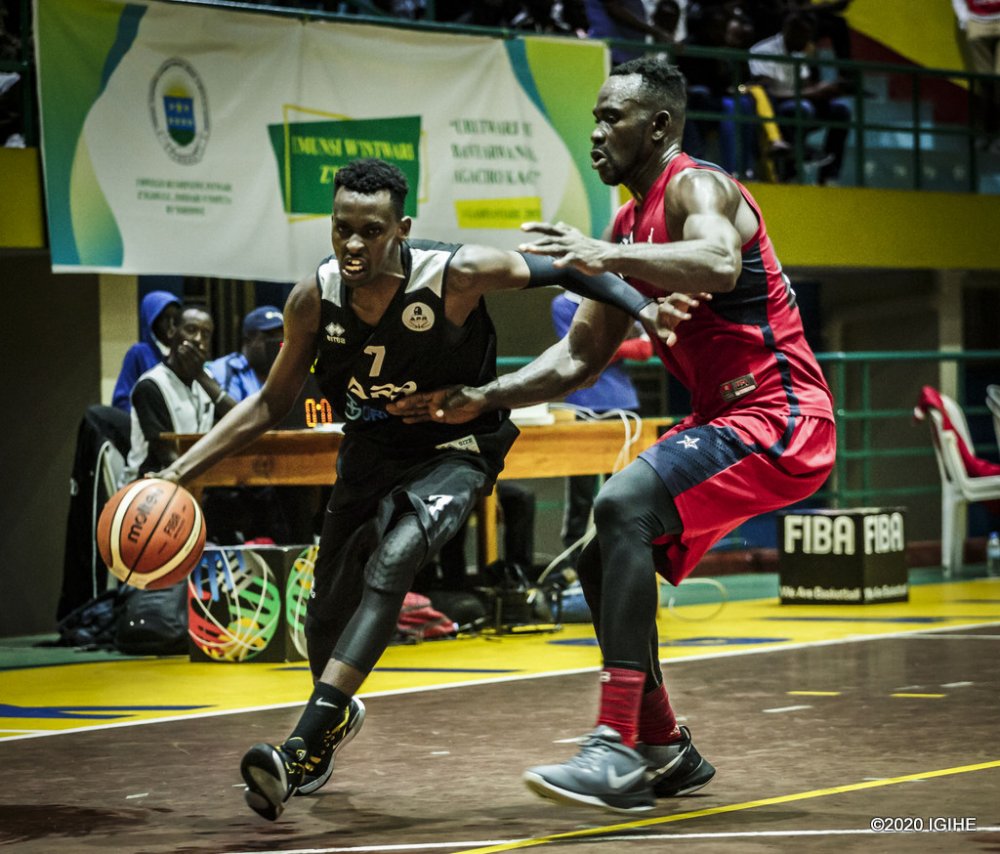
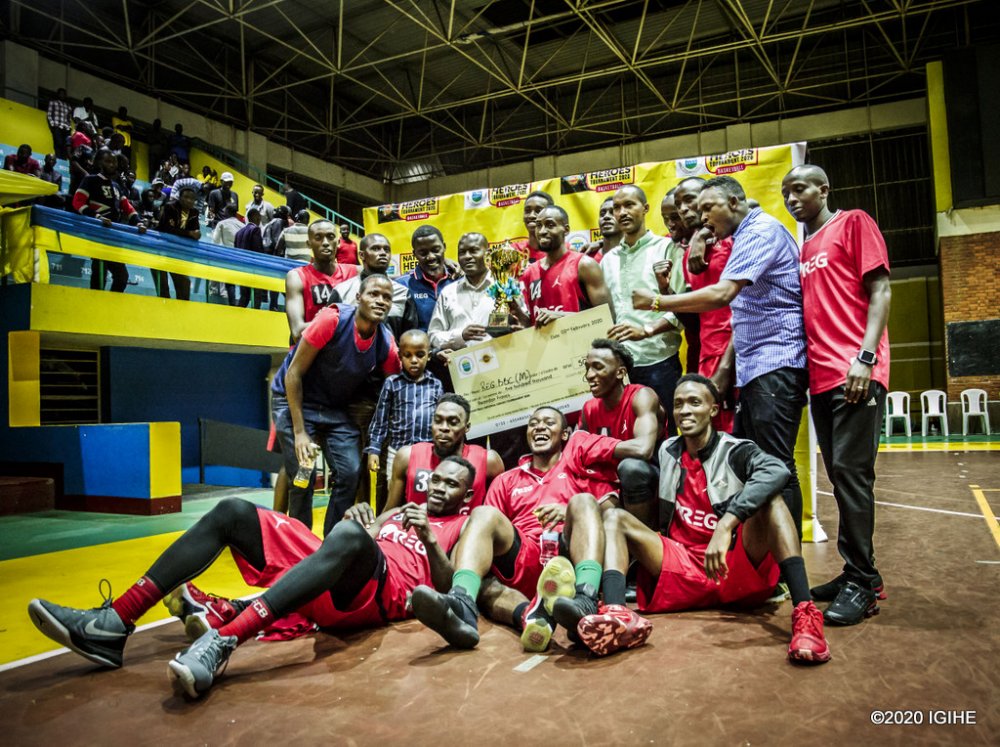
Among men’s teams, REG BBC met APR BBC in the finals for which the former was playing finals for the third time consecutively and the latter was a first-timer.
As the match got into motion, REG BBC right from the start performed well, outperforming APR BBC in the first quarter with 21 points against 15. In the second quarter, it scored 25 points against 17 points of APR BBC and went to the half-time having a difference of 14 points (46-32).
Even though APR BBC reduced the difference in points in the third quarter, making it only nine (57-48), REG BBC took the game with 71-62 points, winning the tournament for the third time consecutively.
Among women’s teams, RP-IPRC Huye WBBC which had previously won the tournament in 2018, took it again after beating The Hoops Rwanda 70-47 points.
The first quarter left The Hoops Rwanda beat, with RP-IPRC Huye WBBC’s 18 points over 9 points of The Hoops Rwanda. However, in the second quarter of the match, the game took another turn as The Hoops Rwanda scored 18 points over 13 of RP-IPRC Huye WBBC, making a total of 31-27.
RP-IPRC Huye WBBC surged its points in the third quarter, with 23 points against 12 points of The Hoops Rwanda. In the last quarter, RP-IPRC Huye WBBC won the final game with 70 points against 47 of The Hoops Rwanda.
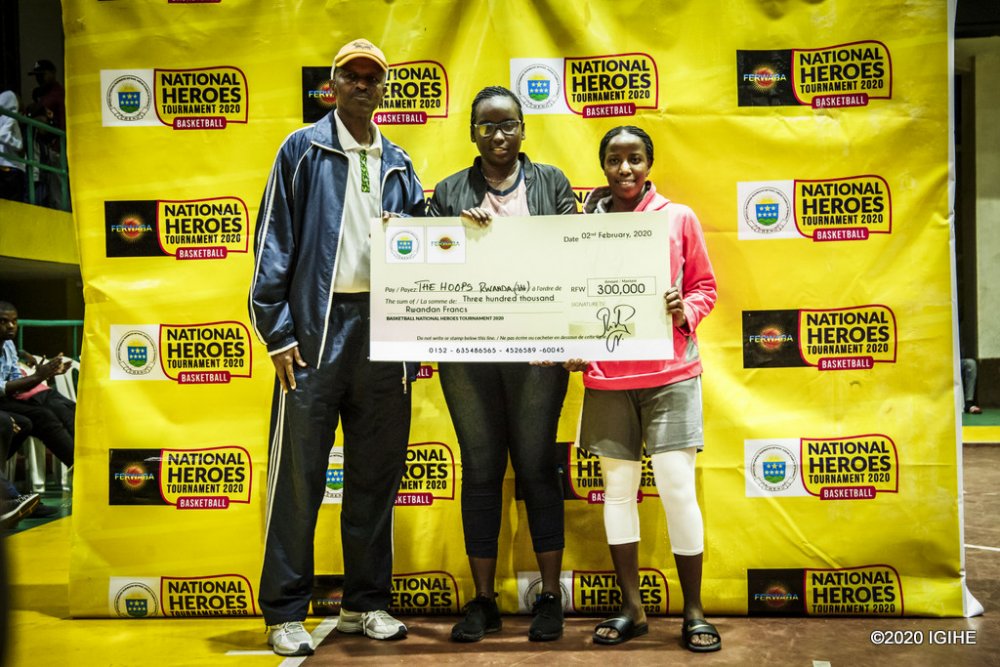
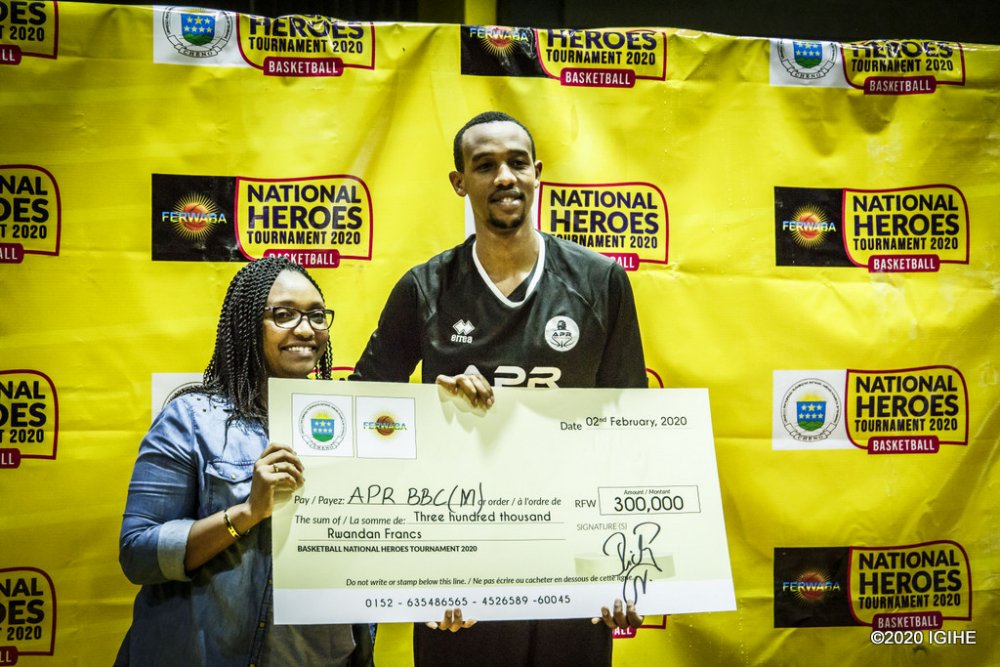
Both the winning teams, REG BBC and IPRC Huye WBBC were given cups and checks of Rwf 500,000 each. APR BBC and The Hoops Rwanda, coming second in the tournament, received Rwf 300,000.
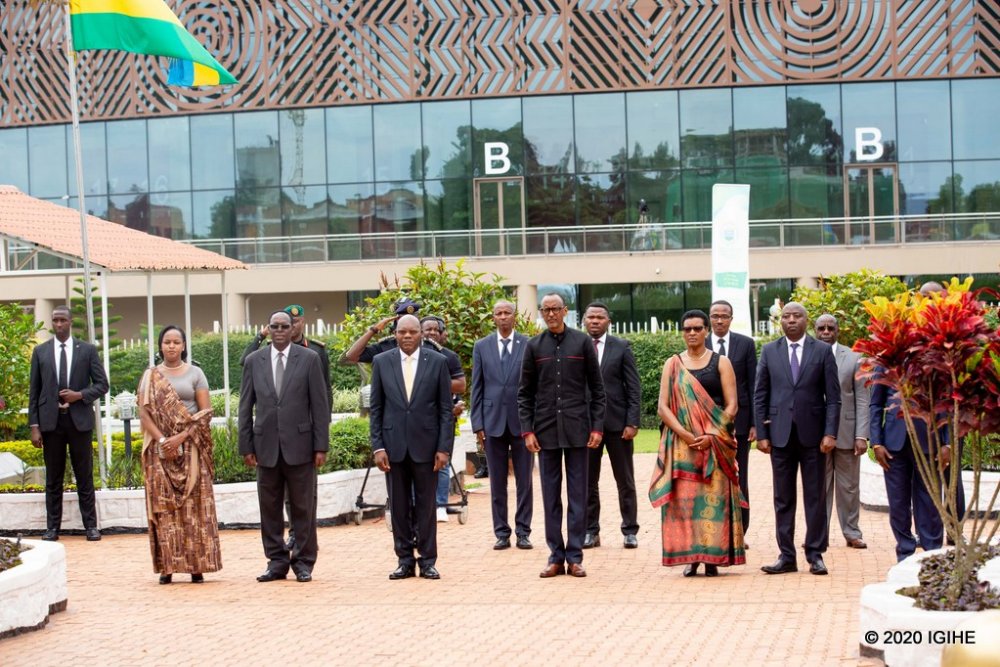
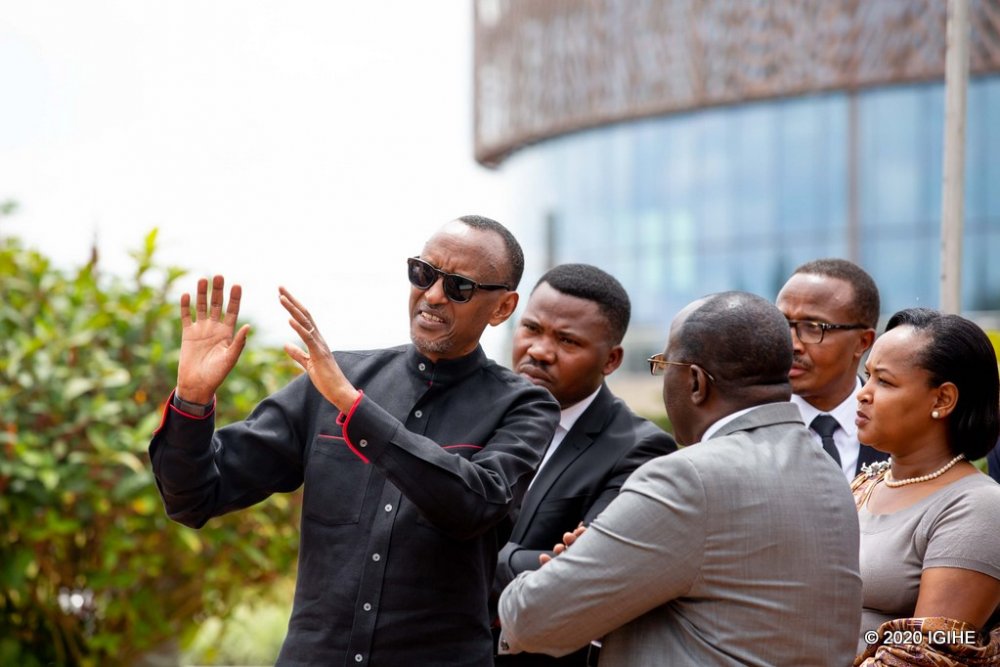
President Kagame chaired the ceremony accompanied by government and security officials including Dr. Ngirente Edouard, Prime Minister of Rwanda, Dr. Iyamuremye Augustin, Senate President, Mukabalisa Donatille,
Speaker of the Chamber of Deputies, Maj Gen Albert Murasira, Minister of Defense in the Rwandan cabinet as well as Mbabazi Rosemary, Minister of Sports, Edouard Bamporiki, Minister of State in the Ministry of Sports and City of Kigali mayor, Pudence Rubingisa.
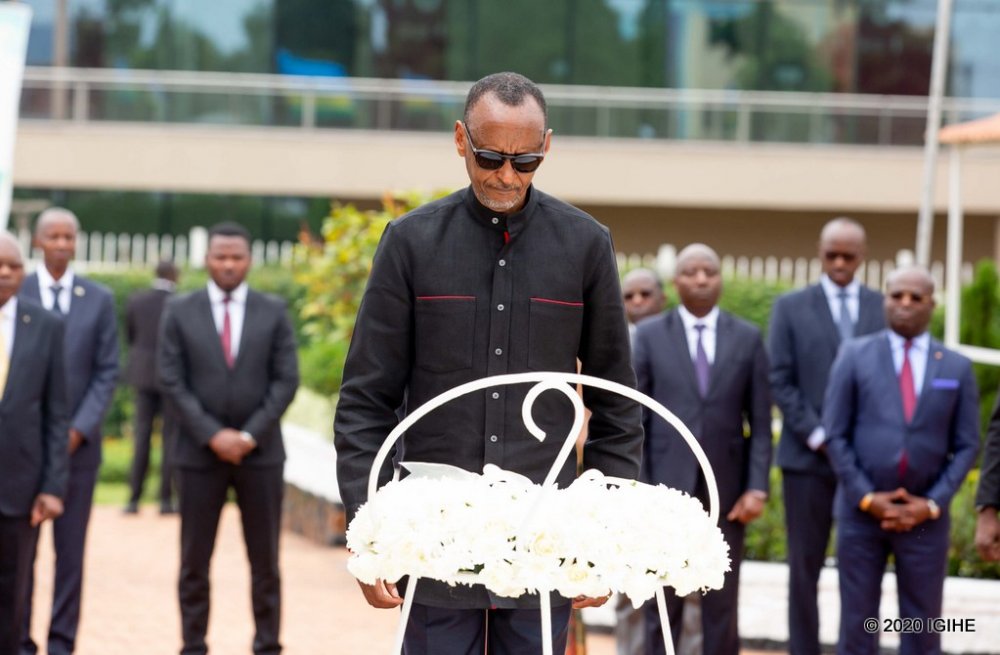
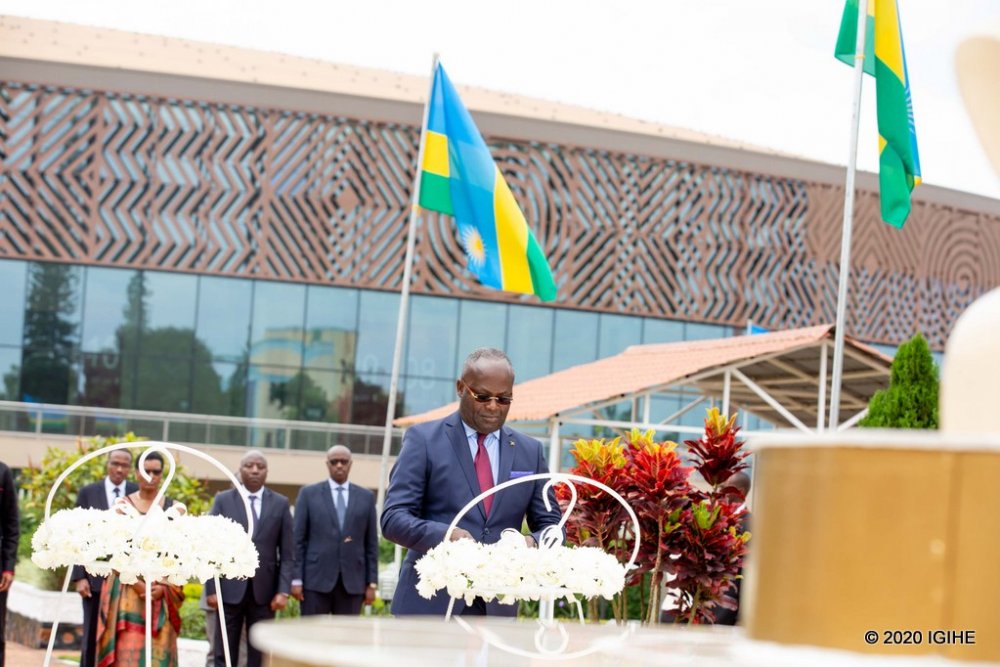
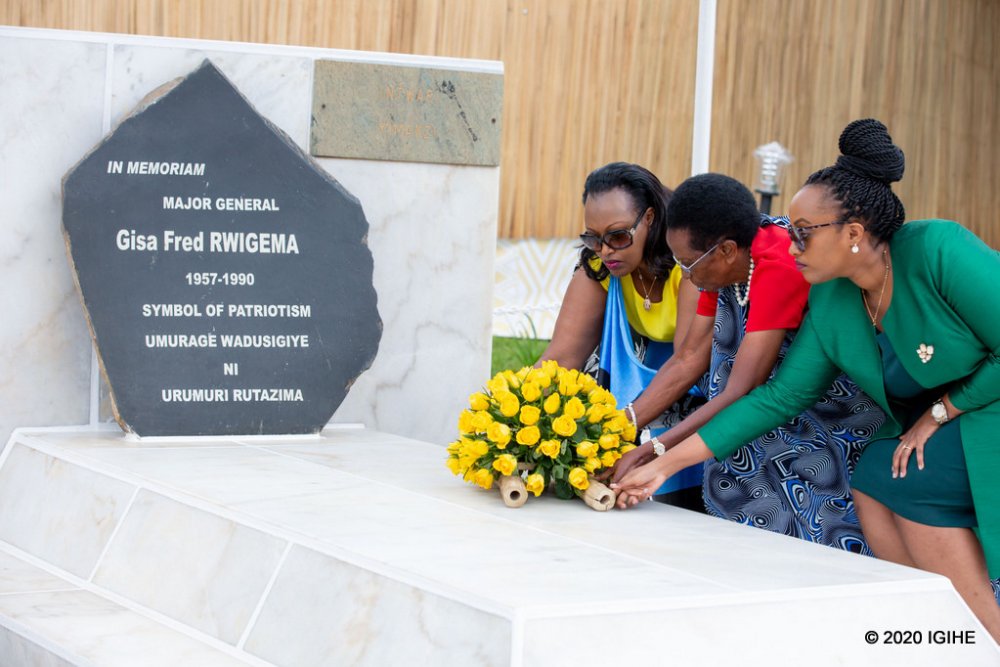
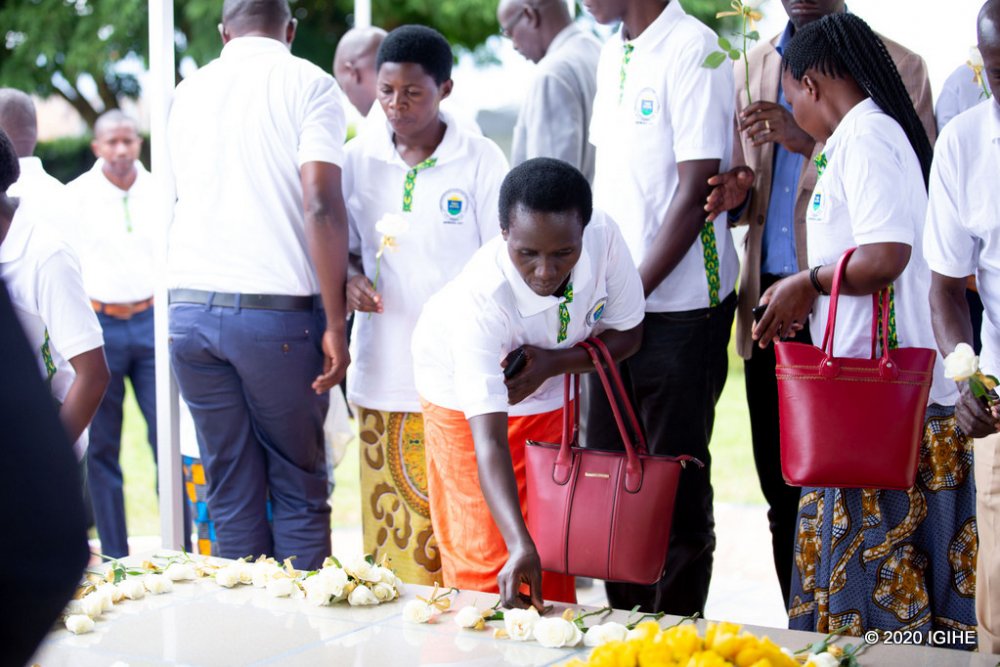
The ceremony started with singing the National Anthem followed by a minute of silence in honor of National Heroes who shed their blood to liberate the country and laying a wreath on National Heroes’ graves.
Each year on February 1st, Rwanda celebrates selfless and brave acts of people who put their lives at stake to save countless Rwandans amidst a ruthless mass slaughter.
Across the country, Rwandans celebrated this day in their respective villages where they were reminded to champion heroic values as portrayed by Rwanda’s heroes.
This year, the National Heroes Day was celebrated under the theme “Our heroism, Our dignity”
Deo Nkusi, the Executive Secretary of the Chancellery for Heroes, National Orders and Decorations of Honour ( CHENO) said that the dignity of the country emanates from its citizens and that therefore Rwandans should tirelessly work to dignify it.
“We must strive to uphold the values our heroes portrayed and contribute to build the country they hardly fought for. In times of war and sorrow, heroism was synonym of brave military actions and even today, security is one of the most important pillar holding our nation together.”
He called upon the youth in particular to be exemplary in whatever they do and work hard to develop the country. “the youth is the future of our country and for that matter, we inculcate to them the Rwandan values we learned from our elders just so they use them as a pillar of development.”
Nkusi said that the secret of development lies in hard work and unity.
The 26th National Heroes’ Day was preceded by the Heroism Week which started from January 24th to January 31st, 2020 with main activities including ‘Ubutwari Tournament’. The tournament included sports disciplines, talk shows and conferences.
In the past three years, research identified 76 other people who showed acts of bravery, some of whom will be added to the list of Rwanda’s National Heroes.
According to the law establishing the Chancellery for Heroes, National Orders and Decorations of Honor “a hero is any person who pursues objectives he/she undertakes to obtain a special achievement for the public interest and with high proven integrity, sacrifice and noble courage in his/her acts and who avoids being a coward in his/her actions in very trying situations.”
{{Rwandan heroes are classified into three categories which are:}}
-* Imanzi: The unknown soldier and Major General Fred Gisa Rwigema.
-* Imena: Mutara III Rudahigwa, Rwagasana Michel, Agathe Uwiringiyimana, Niyitegeka Félicité and Nyange students.
-* Ingenzi: No hero was classified in this category.
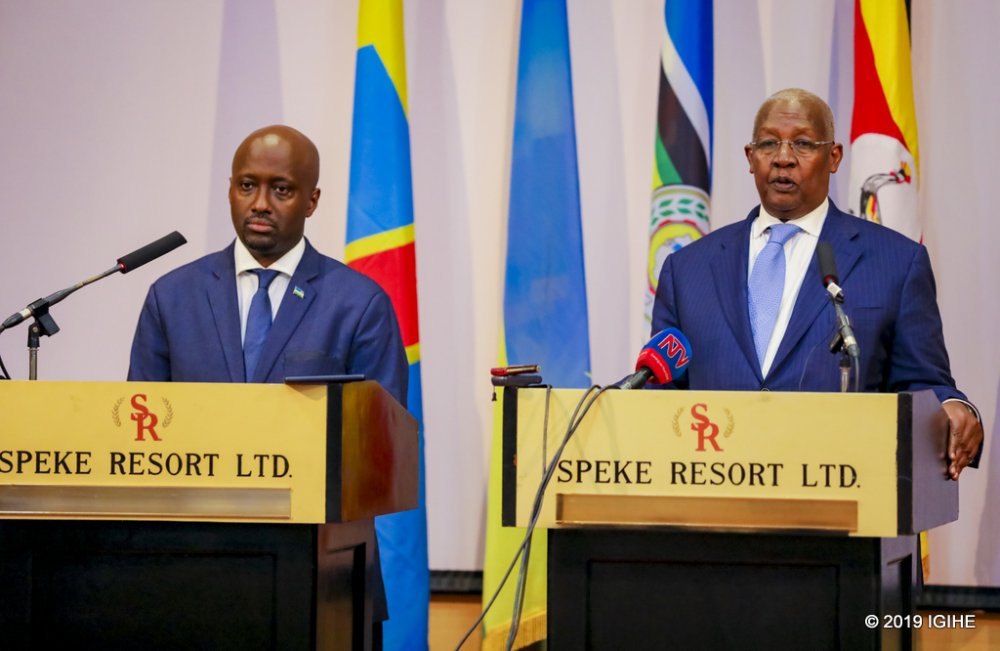
The Minister of State in charge of the East African CommunityAmb Olivier Nduhungirehe, posted on his Twitter account that the third quadripartite meeting on Uganda-Rwanda conflict will be held in Angola on February 2nd, 2020.
“Third Quadripartite Summit on relations between Uganda and Rwanda, to be held in Luanda this Sunday 2nd February 2020, under the facilitation of Presidents João Lourenço of Angola and Félix Antoine Tshisekedi of DRC. With good faith and resolve, we can end this crisis.”
The Ministry of Foreign Affairs in Angola invited the four parties as per a Twitter message that reads: “President João Lourenço has invited his counterparts Félix Tshisekedi (DRC), Paul Kagame (Rwanda) and Yoweri Museveni (Uganda), for another Quadripartite Summit in Luanda this Sunday. Security matters and regional cooperation will be at the heart of the discussion”
In September, 2019, a follow-up meeting was held in Kigali to evaluate the implementation of the agreement. Resolutions taken included releasing countless Rwandans who were incarcerated in Uganda’s prisons and for Uganda to stop supporting anti-Rwanda terrorist groups.
A second follow-up meeting was held in Kampala in December, 2019, discussing the ongoing conflict between the two countries where Ministers of State and other representatives of security authorities tried to find a common ground and end the tensions but to no avail.
It has been three years now that the tension between Uganda and Rwanda sparked. Rwanda accuses Uganda of imprisoning and torturing its citizens and also supporting anti-Rwanda terrorist groups and activities.
In March 2019, the Government of Rwanda warned its citizens to stop all travels to Uganda due to illegal incarceration and torture Rwandans who were in Uganda were subjected to. It was emphasized by many Rwandans who were chased out of Uganda and dumped on border posts after being beaten and tortured for alleged crimes of being on Ugandan territory clandestinely or being spies.
Survivors of Uganda’s jails and torture said that they were tortured on order of Uganda’s Chieftaincy of Military Intelligence (CMI) and that some died while others were permanently handicapped.
Uganda recently released 9 Rwandans who were incarcerated illegally and that suggested good faith on its part to solve the conflict.
Minister Biruta said that it was a good step towards solving the conflict but that it was only a beginning since more than 100 Rwandans are still held prisoner in Uganda.