Each year, WEF identifies young promising leaders across the globe who are under 40 years of age. Young leaders are selected from various sectors including civil society, arts, culture, government, and business. WEF allows them to join, connect with each other and invests further in their leadership abilities.
On WEF ‘Young Global Leaders for 2020’ are 115 influential leaders under 40 years of age, dedicated to changing the world for the better. Some young global leaders named this year are Megan Rapinoe, co-captain of the US women’s soccer team who has gained popularity for being an advocate for gender equality, equal pay and speaking out on inclusion and diversity.
There is also Sanna Marin, Finland Prime Minister who started her political career at 27. At 34 years, she is among the most influential young leaders in the world. Since her appointment as Prime Minister, she made impressive reforms including increasing maternity and paternity leave to 14 months.
Larry Madowo, BBC Africa Business Editor was also named for launching 6 business TV shows for English, Swahili and French speakers and being an on-air correspondent for BBC Radio and Television in more than 40 countries.
There is also, Alicia Garza, co-founder of Black Lives Matter, a US-based movement fighting against police brutality, racism, violence on black people. Other influential young leaders on the list are Yetnebersh Nigussie, an Ethiopian human rights lawyer and Jesus Cepeda, CEO of OneSmart City, an artificial intelligence and blockchain company.
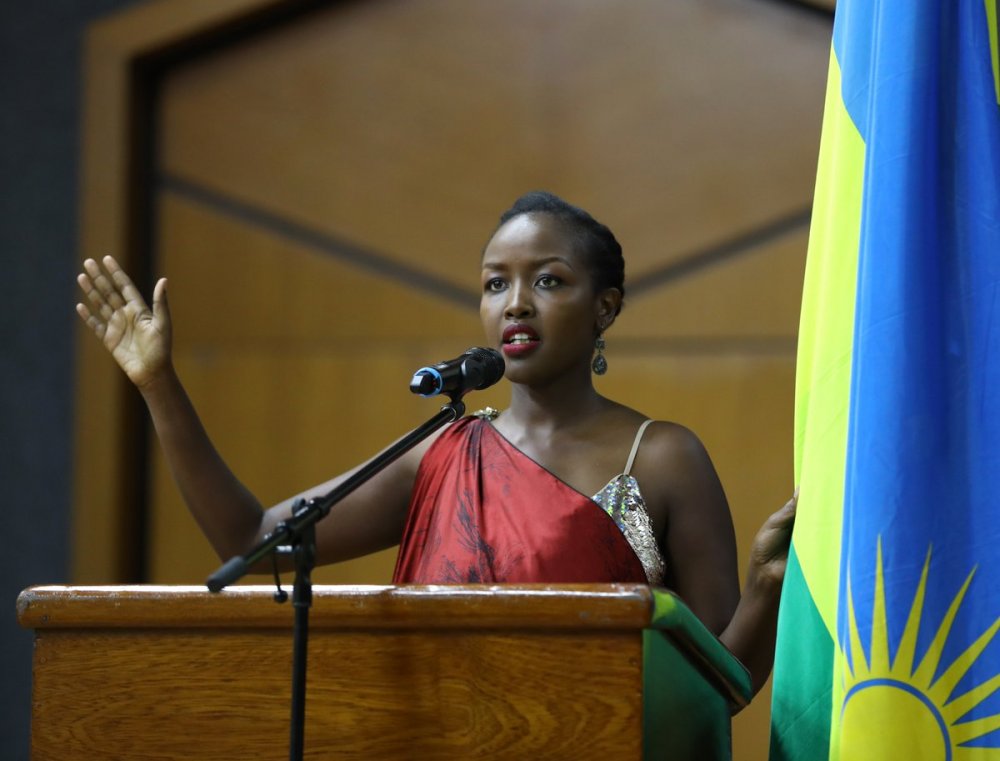
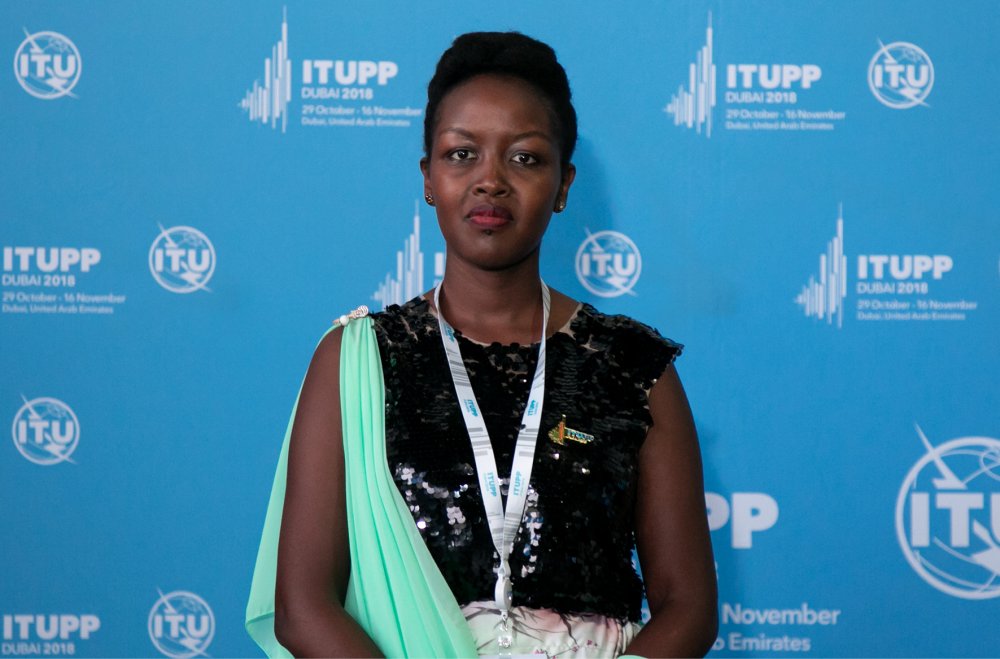
Ingabire was appointed as Minister of ICT and Innovation in October 2018. She holds a high school diploma in Maths and Physics and holds a Bachelor’s degree in Computer Science from the University of Rwanda, former KIST. She also graduated in 2018 with a Master’s degree from Massachusetts Institute of Technology (MIT).
Prior to her appointment as Minister of ICT and innovation, Ingabire served as head of the ICT department at the Rwanda Development Board (RDB).
The portal also significantly reduced costs related to transport and printing documents.
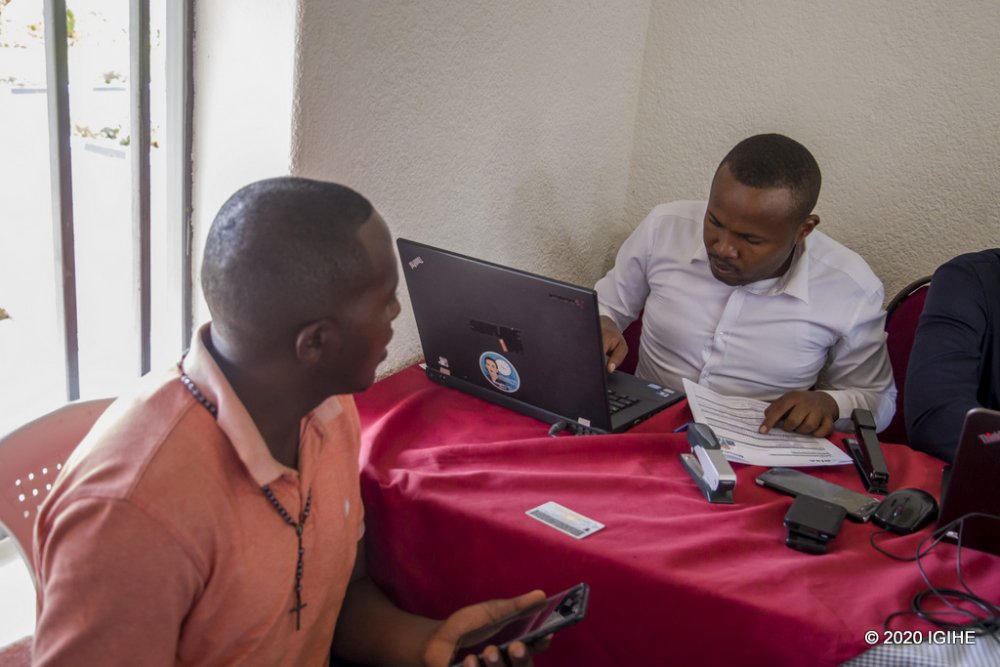
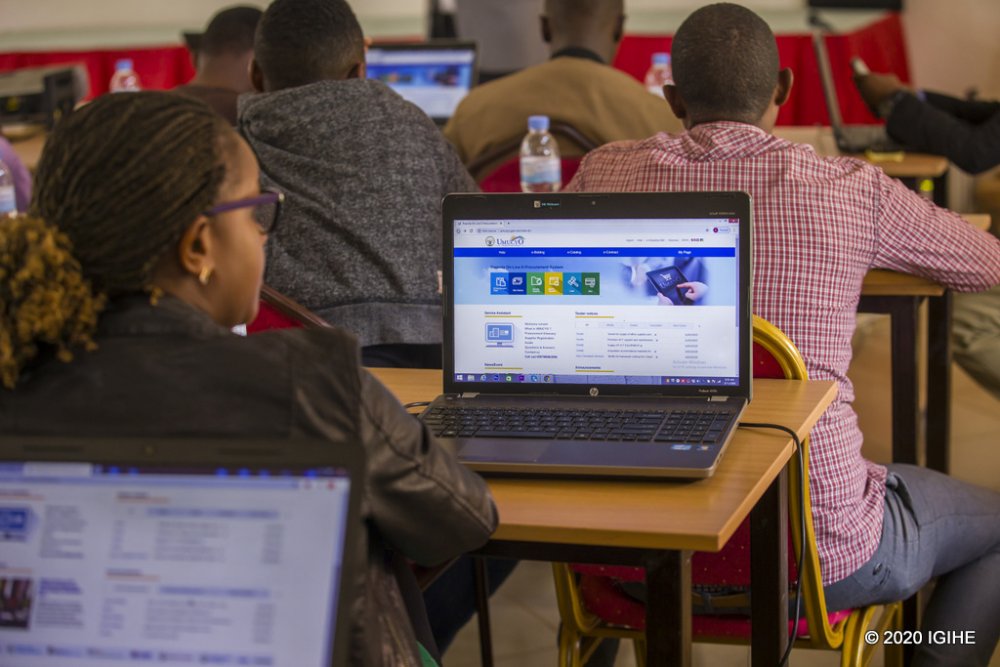
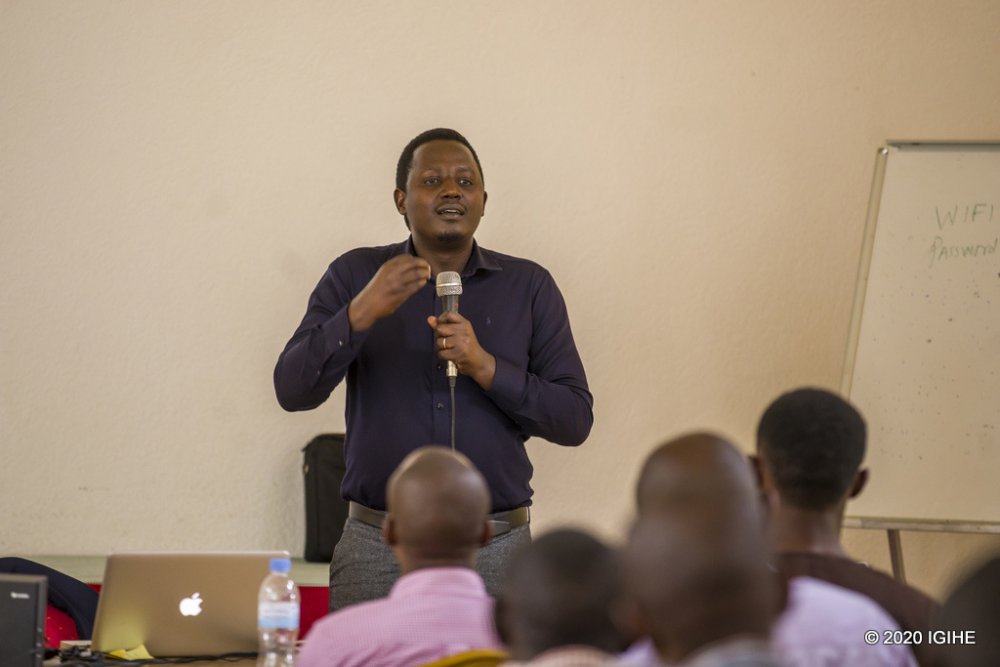
Bidders expressed gratitude for the e-procurement services during a seminar organized by the Rwanda Public Procurement Authority (RPPA) on the functionality of the portal.
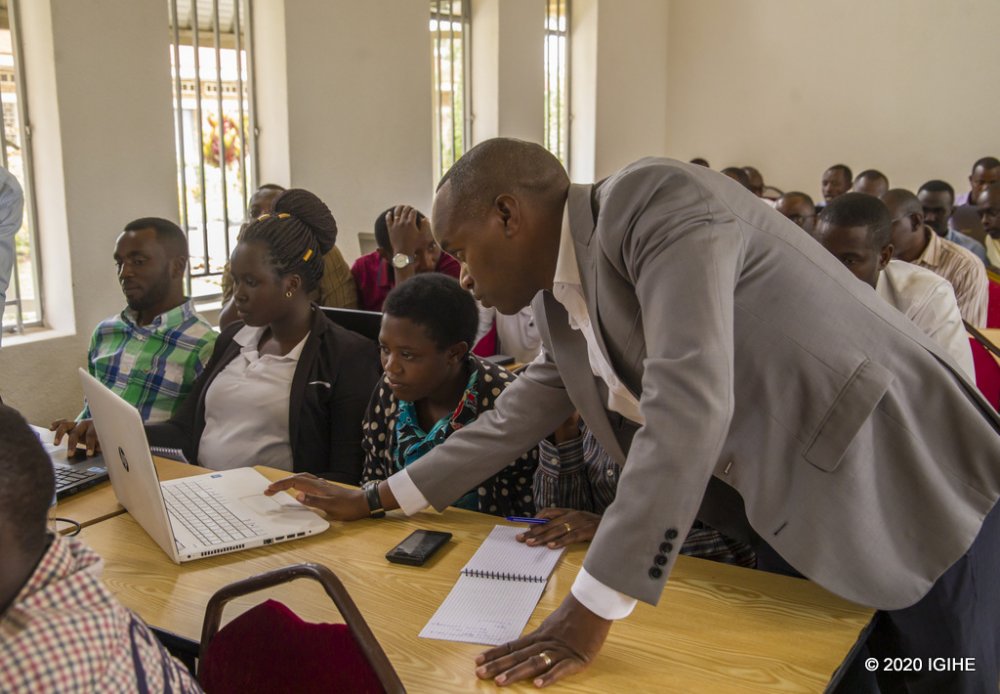
The 2-day seminar was held from March 11th to March 12th, 2020 in Huye District and brought together business owners across various sectors such as hotels, restaurants, private institutions and heads of cooperatives from Huye, Nyaruguru and Gisagara Districts.
The seminar aimed at sensitizing bidders who have not yet registered in the portal to do so and coach first-time users through the process of registering and submitting bids online.
Egide Kayitasire, a businessman and Private Sector Federation (PSF) representative in Huye District said that UMUCYO e-procurement portal solved many challenges including costs incurred during the procurement process.
“Through the portal, bid notices and tenders are published and bidders can apply without physically presenting themselves to a procurement office. The former procurement process was lenghty, costly and complex but now you can buy internet and place a bid using a laptop.”
The portal increased transparency in the procurement process given that before its introduction, corruption was a common practice.
Mahoro Vanessa, Light Hotel representative said that the procurement process is far more transparent than before as the portal was designed to comply with RPPA’s regulations and procurement policies.
Munezero Lydia who works at Emmaus Hostel in Huye said that the portal eases the procurement process and allows bidders to obtain documents such as technical specifications on contracts and learn about terms and conditions of public contracts.
“This seminar will allow us to learn about different functions of the portal because you cannot really say you have mastered the process a hundred percent.”
New subscribers told IGIHE that the system is easy to navigate and that bidders can see details on transactions including bidders, bid prices, contracts, and evaluation reports.
Nsengiyumva Vital, Jyambere Muhinzi Cooperative treasurer said that the cooperative runs a flour processing plant but that until today they did not know how to apply for bids.
Nayigiziki Boniface, a maize farmer in Nyaruguru district emphasized on the importance of the portal saying that they did not know how to register and submits bids online before they attended the seminar.
Richard Migambi, e-procurement manager at RPPA said that UMUCYO portal encouraged bidders to register on the portal and request assistance to the RPPA whenever they will meet difficulties.
“The online portal provides all documents and information required by bidders and eliminates the need for in-person visits and costs incurred in printing.”
The 2-day seminar which was organized by the RPPA will educate about 7490 contractors on the functions of UMUCYO e-procurement portal.
UMUCYO pilot portal was launched in 2016 and availed e-procurement services nationwide by 2017.
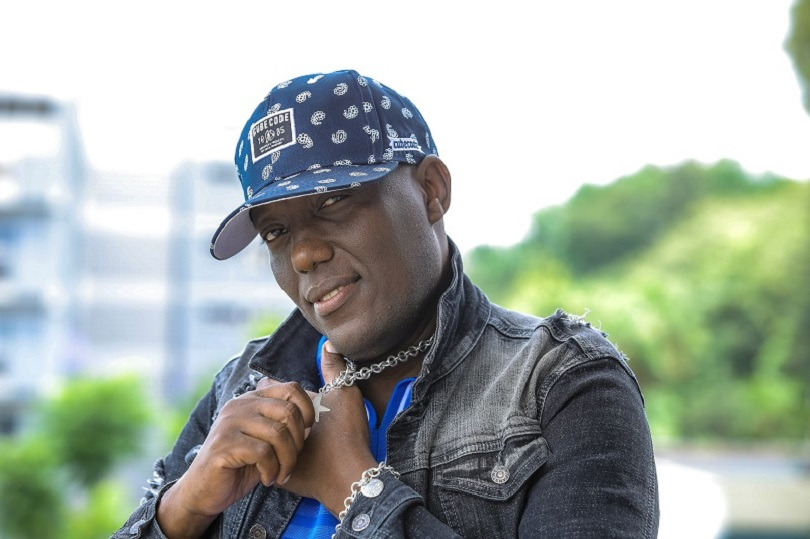
In the song, ‘Abagore ni Beza’ [Women are Beautiful], the singer pours his heart out praising women as loving, and where there are women there is happiness, opportunities and mothers of the nation.
Senderi has told IGIHE that he composed and dedicated the song to women because 75% of his fans are women and wished to celebrate with them in their month, March.
“Most of my fans are women; 75%, so I have a reason to compose for them, to keep them in mind since it’s their month. I know they are my biggest fans basing on the messages I receive every day.”
The “Umuco Wacu Turawugaruye” singer was on February 27, 2020 recognized by district authorities of Kirehe in the Eastern Province where he comes from for composing music that appeals to the people of his homeland and that give insight into the importance of supporting the country’s development programs.
The hit maker started singing shortly before 1994. His music mostly gives educative messages about national development policy, hygiene, prevention of epidemics such as AIDS and Malaria, economics, love, security, and more.
From soldier to musician, Senderi started his musical career when he was still serving in the Rwanda Defense Force (RDF) and is also known for fighting genocide ideology through music.
Some of his songs include ‘Abanyarwanda twaribohoye’ and many genocide tribute songs, like, ‘Intimba y’intore y’Imana.’ In 2016, he composed and released ‘Je suis là’, a French song, and ‘Mapenzi ni somo’, a Swahili Song.
Senderi other songs give out messages of comfort and encouragement to the survivors of the 1994 Genocide against the Tutsi.
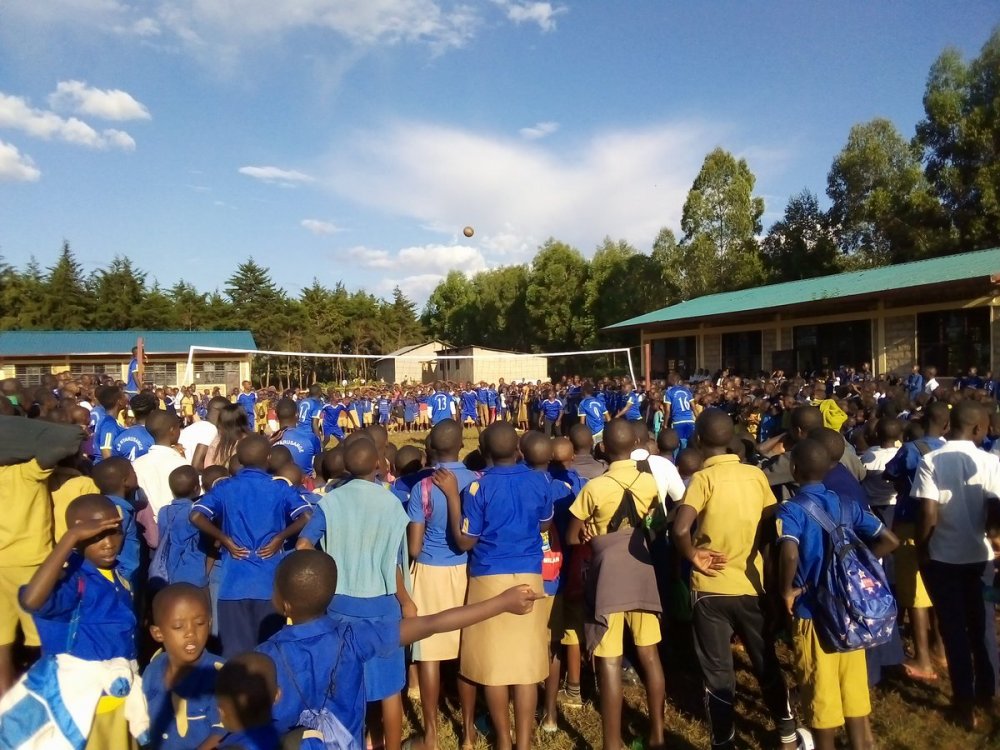
MINEDUC executed the preventive measure following a notice from the Prime Minister’s office published on March 6th, 2020 advising Rwandans on COVID-19 prevention.
Dr. Uwamariya Valentine, Minister of Education requested all schools to avail soap and clean water for students to wash their hands before entering class and other common spaces and before meals. “Moving forward, announcing special programs or communicating information to students will be done in classes instead of at the assembly.”
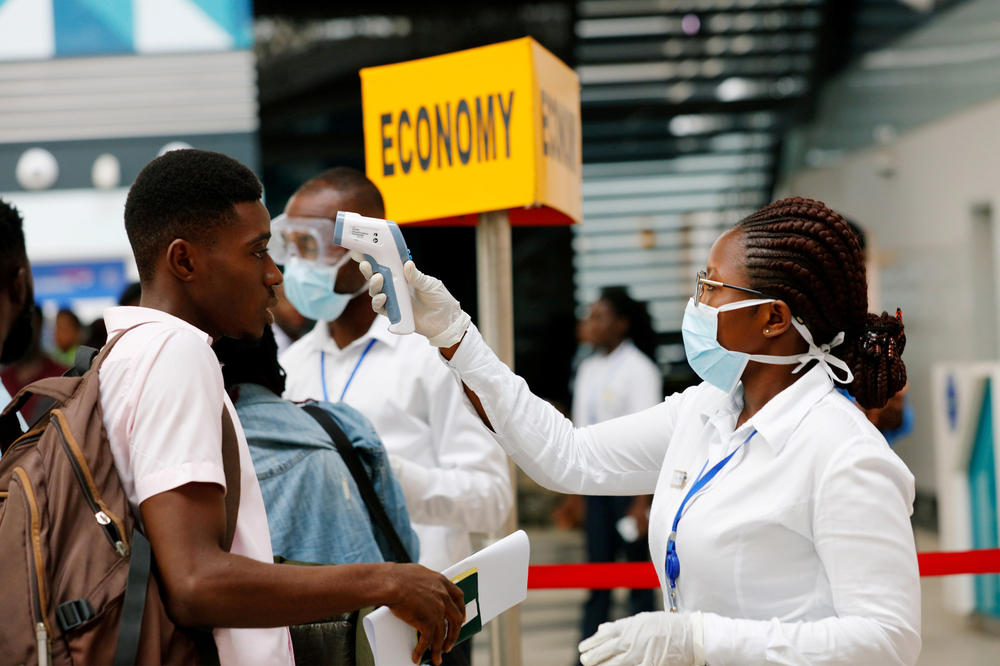
MINEDUC advised teachers, students, and other personnel in schools to immediately seek medical care if they have been in contact with a person coming from COVID-19 pandemic countries and have symptoms including fever, flu or cough.
School leaders were reminded to alert authorities if any student, teacher or personnel shows symptoms of the virus.
Even though no case of COVID-19 has been identified in Rwanda, the government has taken proactive measures to prevent the disease and treat it in case it spreads to Rwanda.
Some preventive measures already in place include cancellation of all public events and gatherings and the distribution of soap and clean water or hand sanitizers in all public institutions and places.
The government of Rwanda advised citizens to avoid unnecessary travels especially in countries where the virus prevails.
The first case of COVID-19 was identified towards the end of 2019 in Wuhan, China. Statistics show that 115,000 were diagnosed with the virus across the globe while 4200 died from it.
On March 10th, 2020, the first case of COVID-19 was identified in the neighboring Democratic Republic of Congo (DRC).
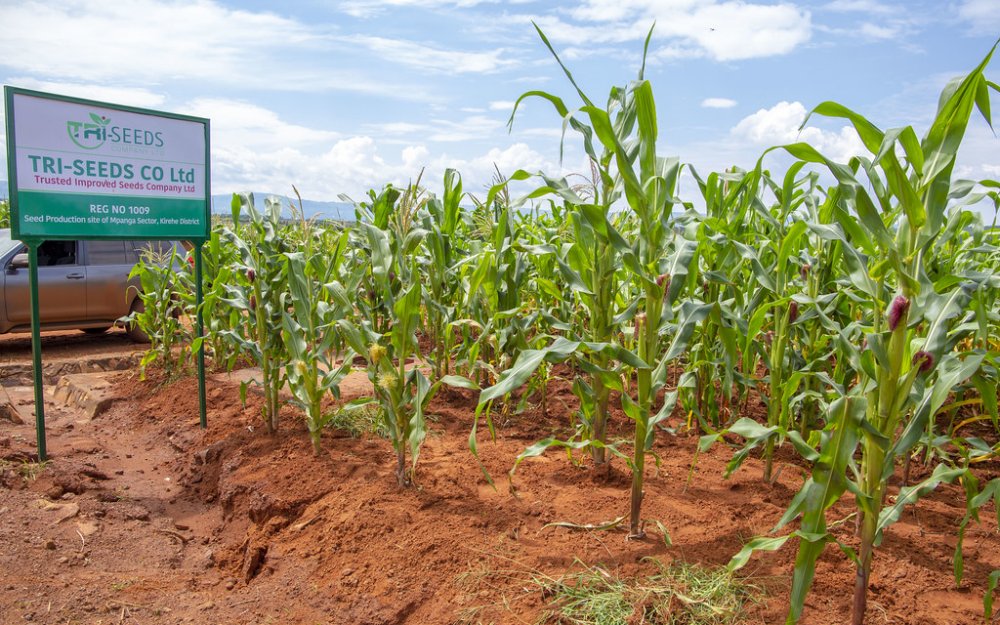
The irrigation project solved the challenges of aridity and land that was too barren to support crops. In 2017, Buffet invested $54 million through relocating 143 families which lived on arable land to public housing and preparing 1100 hectares for cultivation.
Prepared land is currently used for maize, beans, and soybeans cultivation. Yields are sold back to Buffet who exports it or sells it in local markets. A part of the 1100 prepared Hectares is used for fruits growing which are given to children in Kirehe to promote Early Childhood Development.
Dr. Ndambe Nzaramba Magnifique who coordinates irrigation activities in Nasho valley said that before the project was initiated, farmers had low yields. After adding compost and irrigation, farmers can now earn Rwf 650,000 per hectare of yield.
Kansangire Violette, a farmer, and resident of the Nasho sector said that before the irrigation scheme was introduced, she reaped only a ton per hectare but currently she reaps at least 12 tons per Hectare.
“Over the past 3 years, we have seen a significant increase in yields. Before the irrigation project was introduced, we only reaped once in three years due to aridity but currently, our yields and earnings have tripled. Some of us managed to save enough and built houses and we can afford to pay medical insurance on time among other benefits.”
Kanyarwanda Daniel, a farmer and resident of Cyambwe cell in Kirehe told IGIHE that he reaps 10 tons of maize and 3 tons of beans per hectare.
“Before our land was irrigated, we suffered due to aridity and our crops would wither year after year. We are doing very well today. I bought an Rwf 7 million house and a motorcycle and my children are healthy.”
Despite the impressive shift to modern agriculture, there still is a challenge of farmers who receive fertilizers to put in their fields but turn around to sell them. However, the farmers continuously support each other to increase yields.
Statistics show that farmers in Nasho and Mpanga sectors earned Rwf 800 million in total during the last growing season. In a bid to further support farmers in Nasho and Mpanga, Buffet plans on building a 10-km road to facilitate transportation of crops from fields to local markets and beyond.
The number of cases in the UK rose to 460 on Wednesday, up from 373 on Tuesday morning, the Department of Health said. Six British patients have died of the disease in the UK.
Earlier, the department confirmed that Ms Dorries had first exhibited symptoms on Thursday, when she attended a reception in Downing Street with Prime Minister Boris Johnson.
Ms Dorries, who has placed herself in self-isolation, has met hundreds of people in Westminster over the past week.
Number 10 officials said Mr Johnson was not suffering symptoms and would not be tested for coronavirus. They added that he had not been in close contact with the health minister and that current advice stated you had to be within two metres of someone to pass the disease on.
Officials are urgently seeking to identify the names of everyone with whom Ms Dorries has come into contact in recent days and Public Health England will contact anyone they believe to be at risk. Ms Dorries sent a message to a WhatsApp group of Conservative MPs on Wednesday in which she said a member of her staff was also unwell.
Kelly Holmes, the Olympic gold medallist, was present at the Downing Street reception on Thursday. Liz Truss, the international trade secretary, and Anne-Marie Trevelyan, the international development secretary, were also present.
On Wednesday a Labour MP said she was self-isolating following a meeting with Ms Dorries. Rachael Maskell, Labour’s shadow employment minister, wrote on Twitter that she had taken the step after calling the health service’s medical helpline. “NHS111 have advised that I self-isolate as a result of a meeting I had with [Ms Dorries] last Thursday who has subsequently tested positive for coronavirus,” she said. “Thankfully I am asymptomatic. It is so important that we all follow all public health advice.”
The authorities in Westminster said: “At present there are no plans to suspend parliament.”
Matt Hancock, the health secretary, said: “Really sorry to hear Nadine has tested positive for coronavirus. She has done the right thing by self-isolating at home, and both NHS and PHE staff have been brilliant. We all wish her well as she recovers.”
Ms Dorries said in a tweet: “Thanks for so many good wishes. It’s been pretty rubbish but I hope I’m over the worst of it now. More worried about my 84yo mum who is staying with me and began with the cough today. She is being tested tomorrow. Keep safe and keep washing those hands, everyone.”
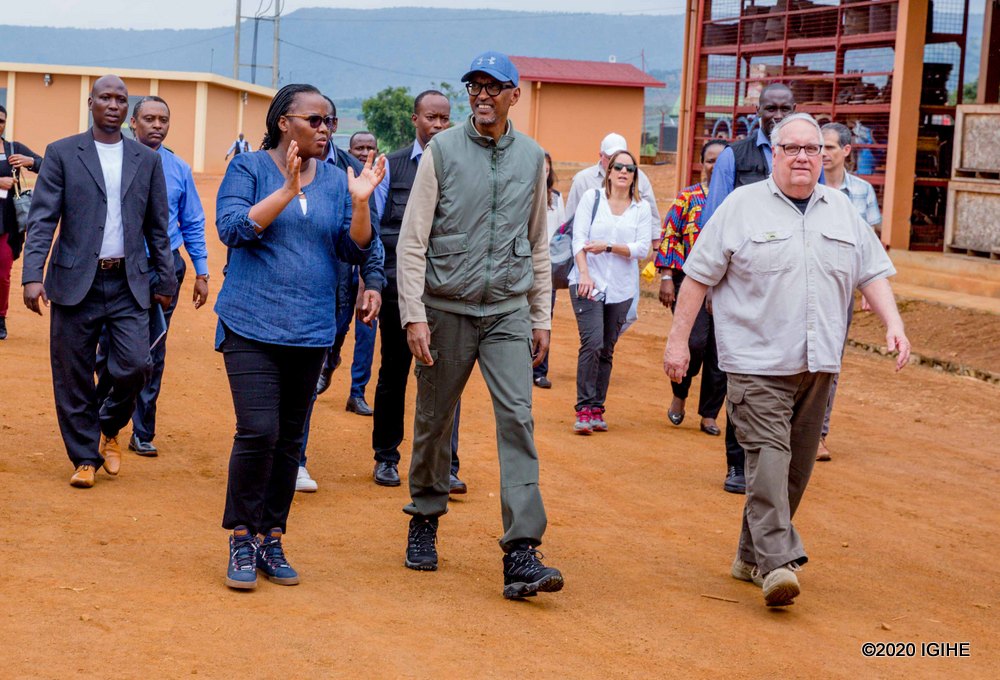
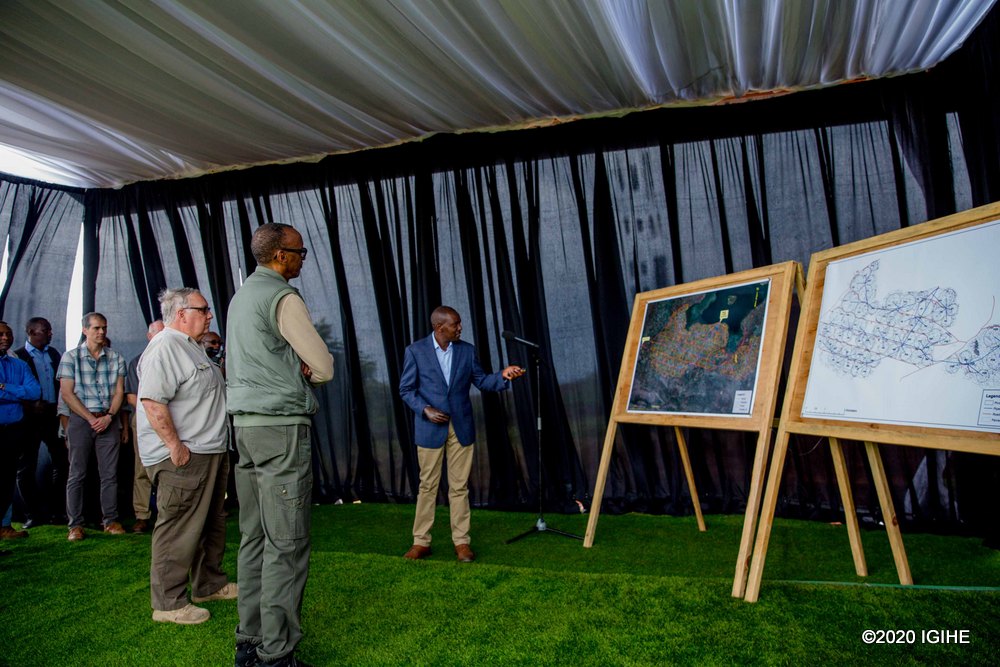
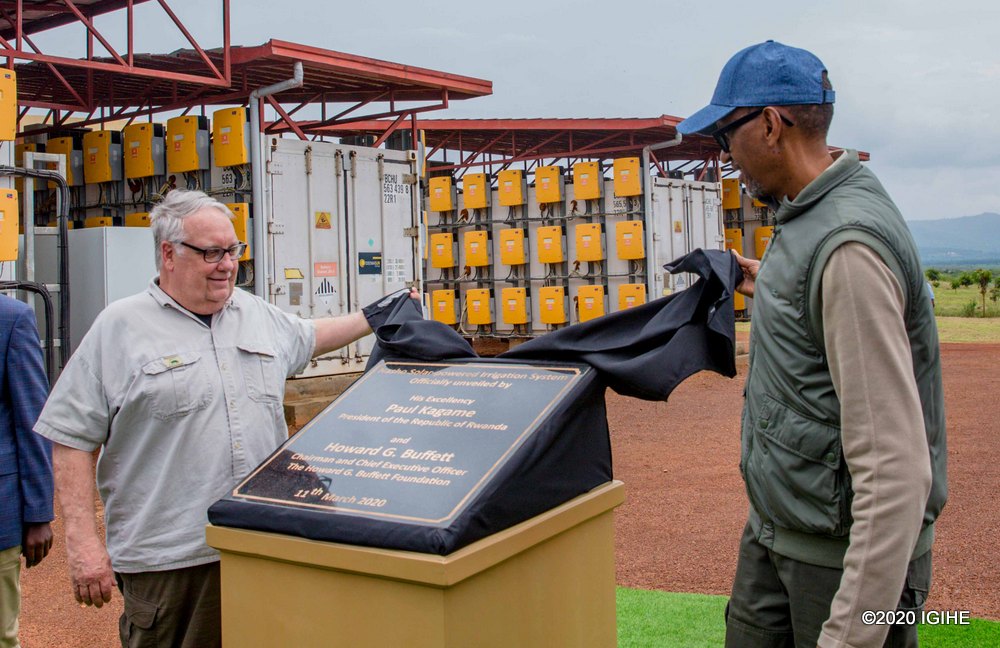
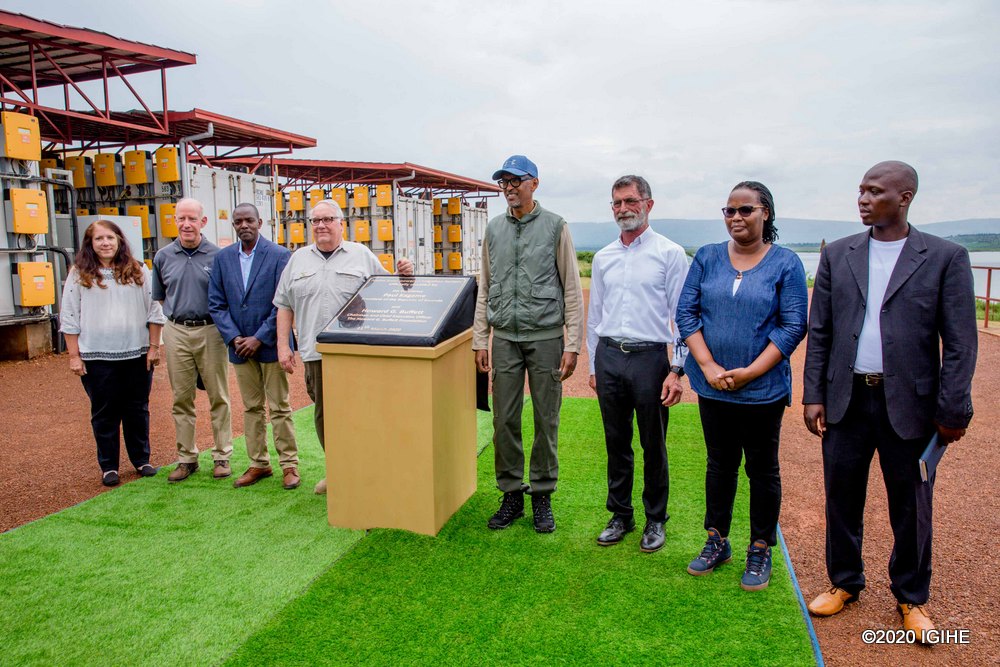
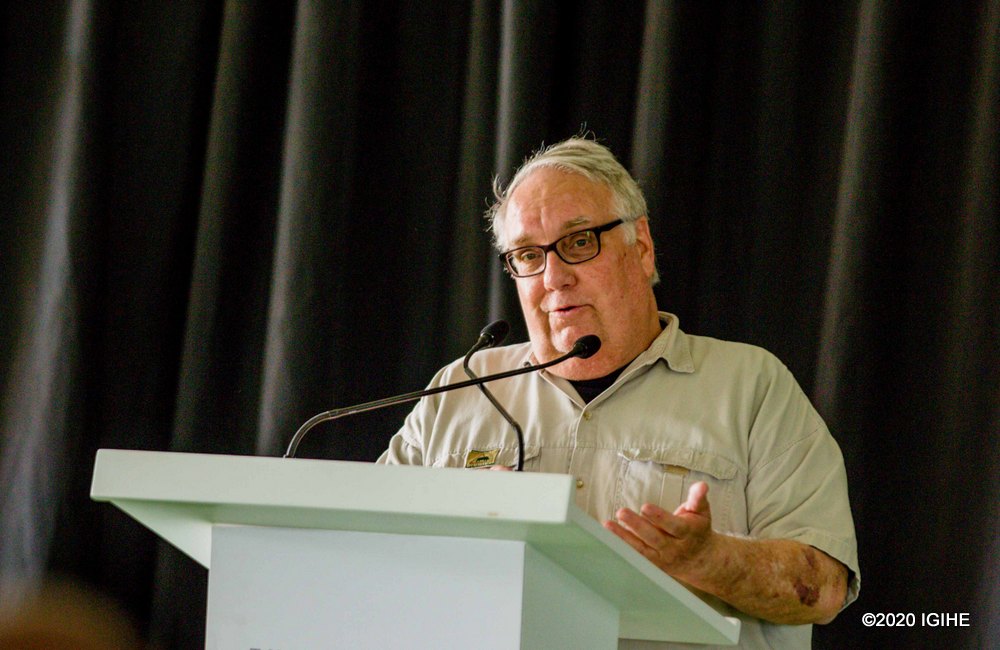
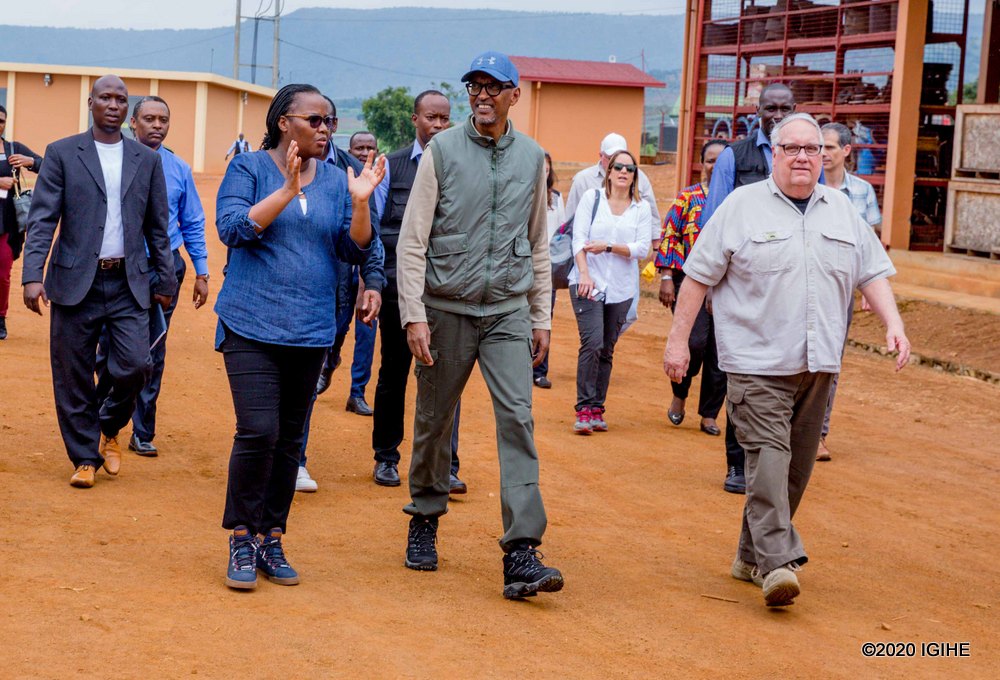
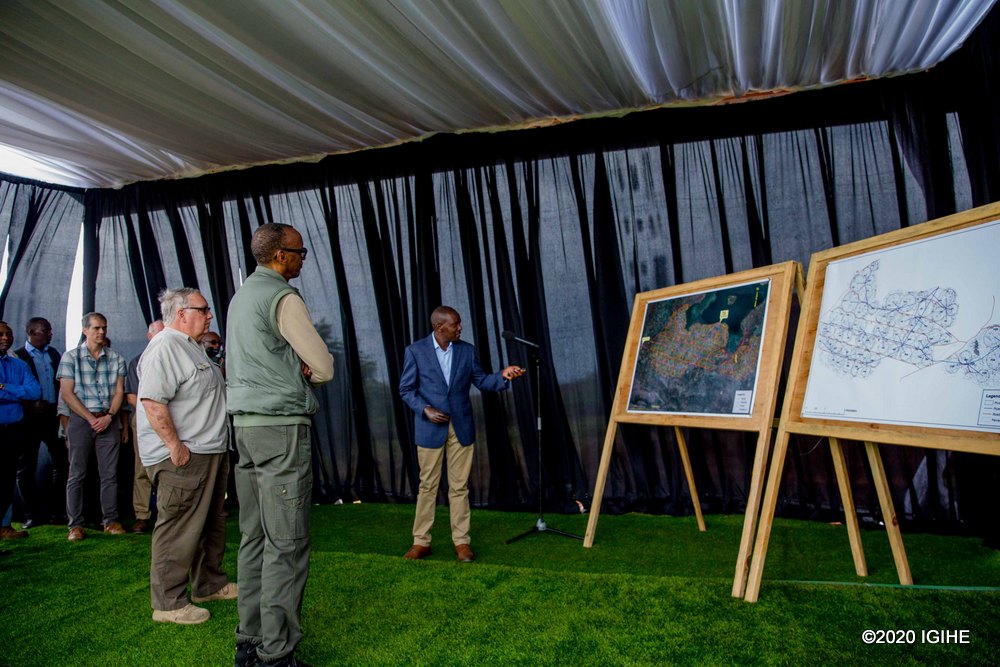
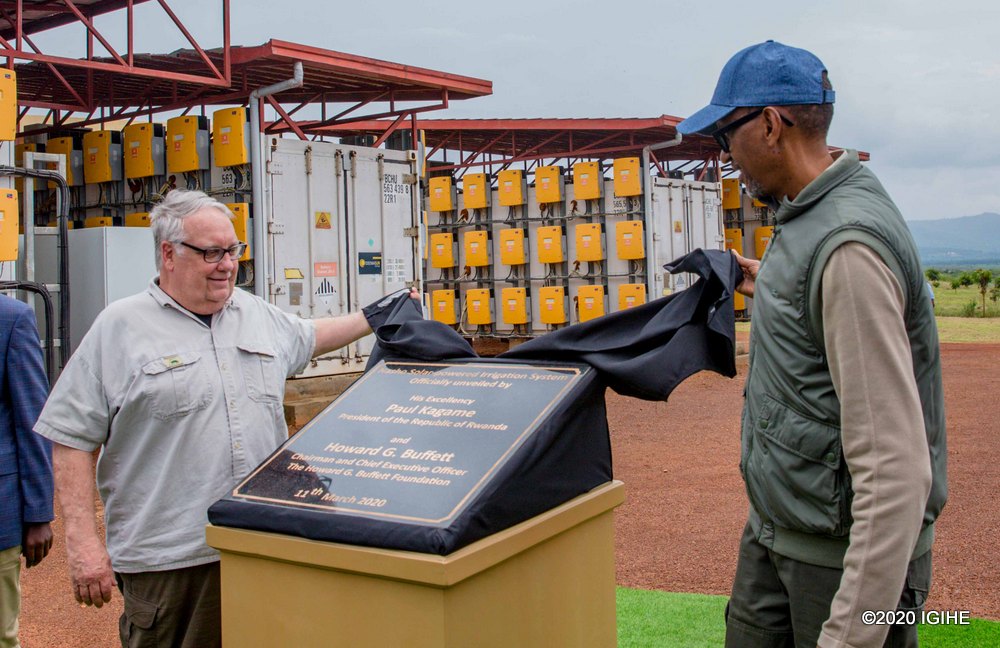
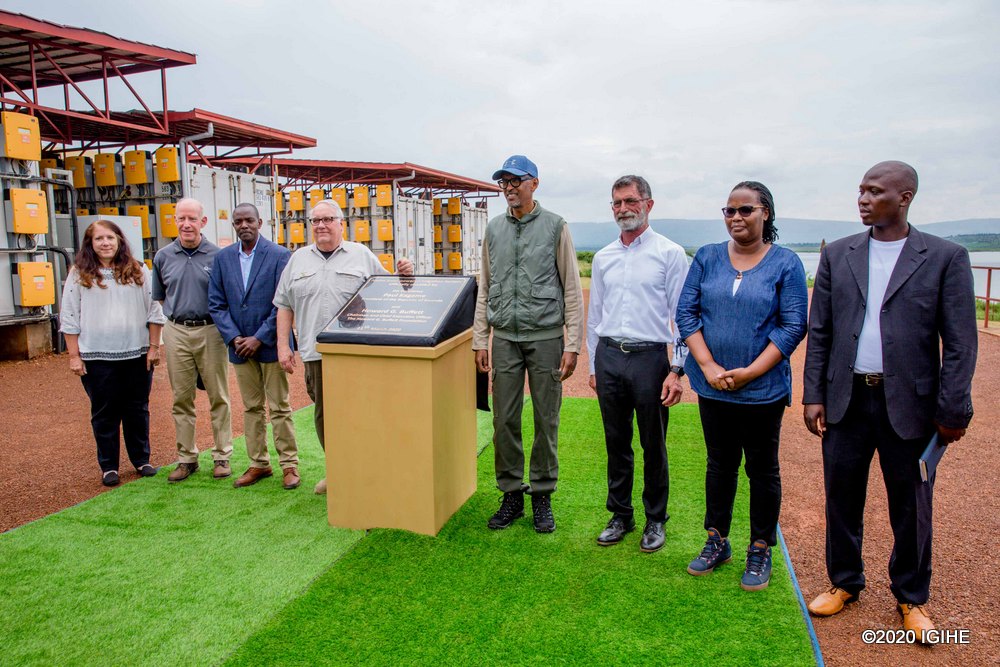
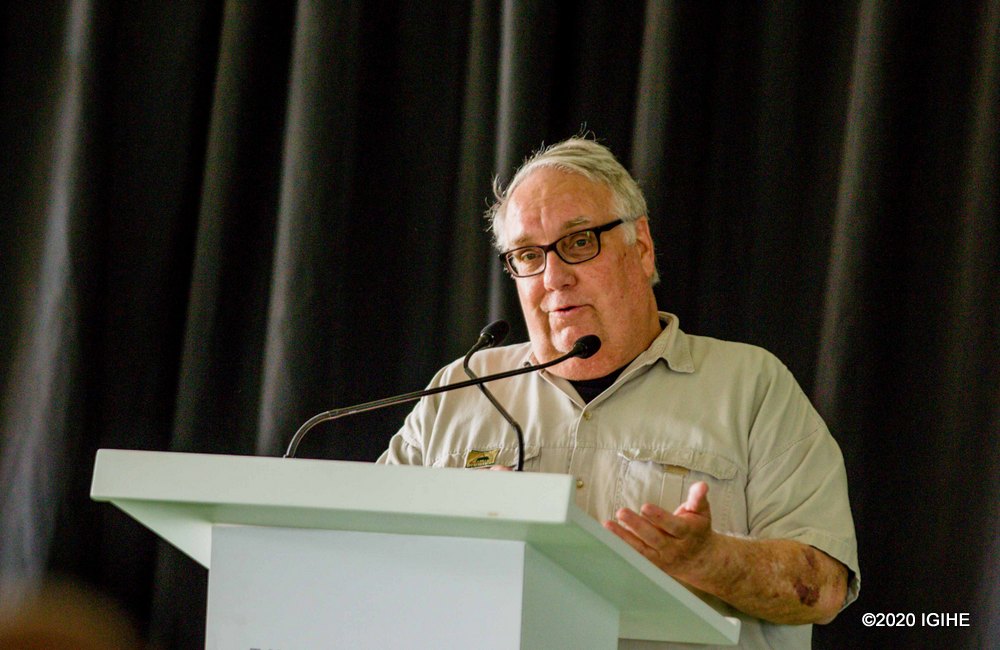
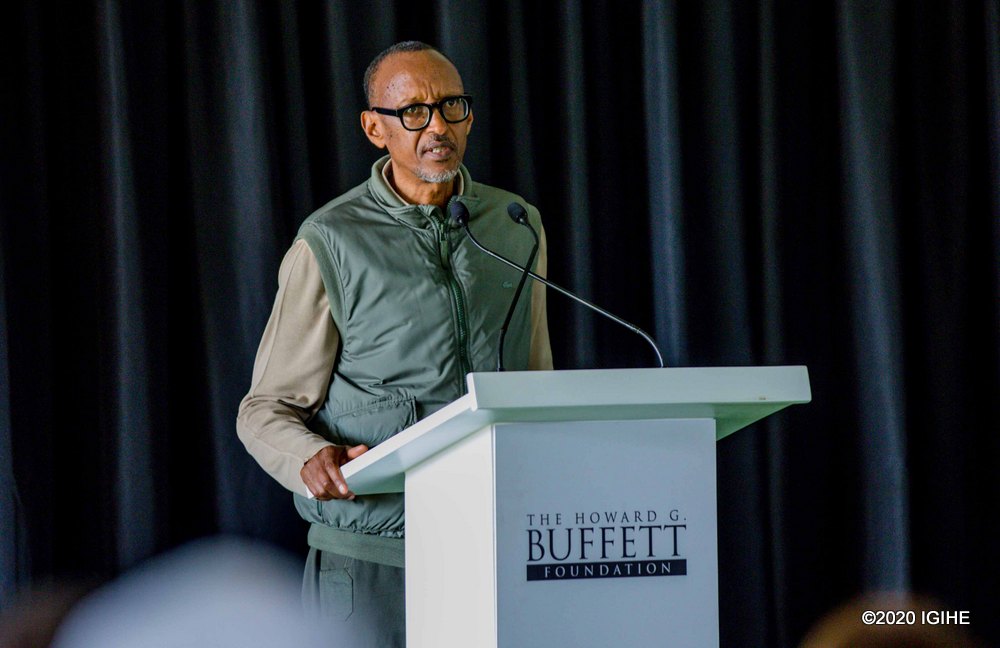
The function was attended by Howard Graham Buffett, an American businessman whose foundation has supported the development of this project, senior government officials, and local people among others.
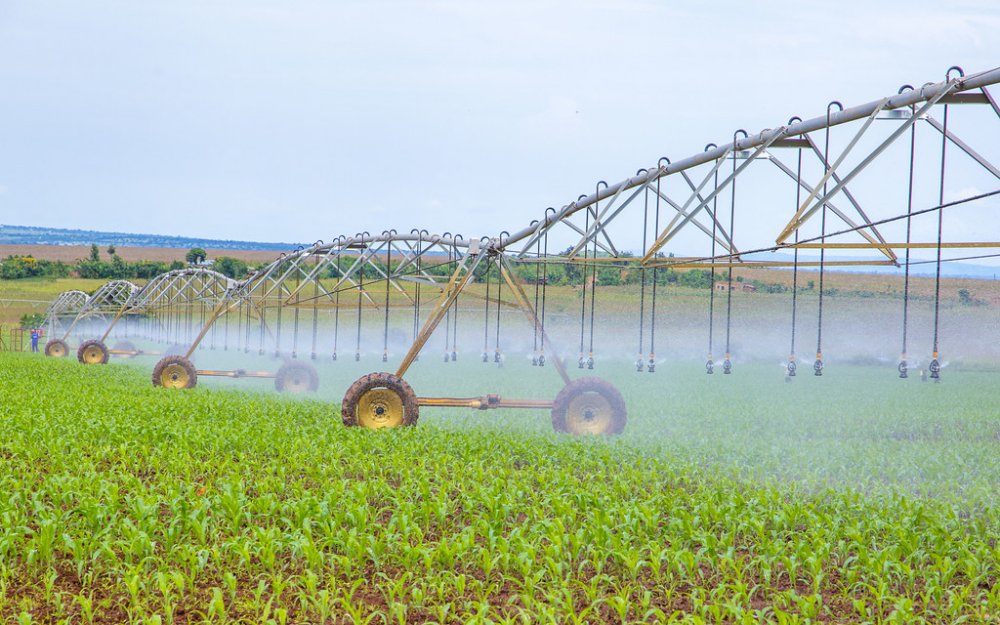
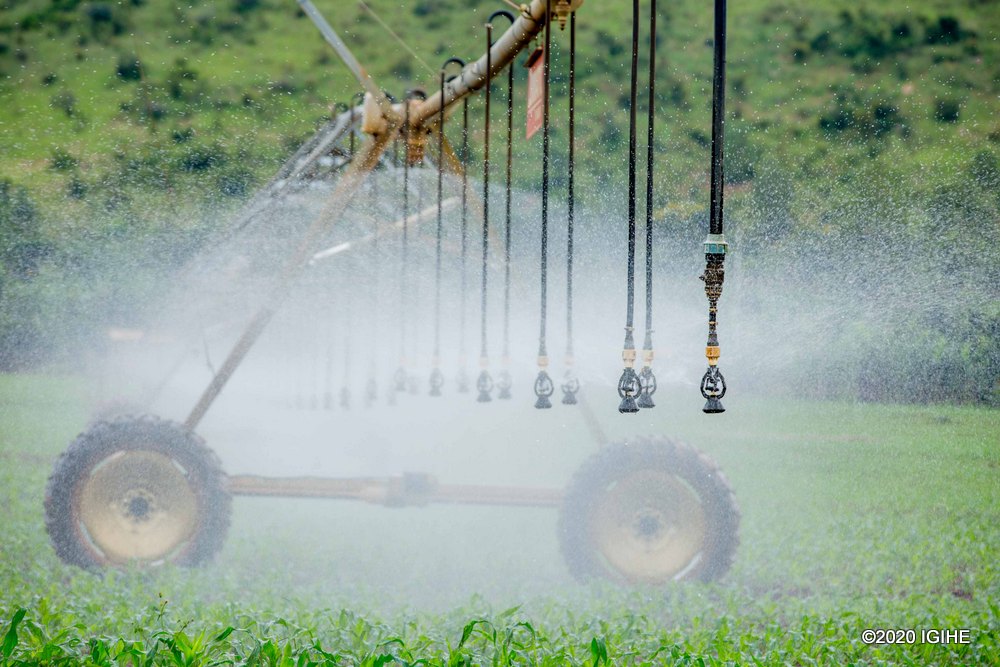
Operational since the agriculture season 2017A, Nasho Irrigation Scheme project is made of 63 center pivots irrigation system, irrigating 1,173 hectares belonging to 2,099 smallholder farmers.
The project, worth 54 million USD, helps local farmers improve their livelihoods by enabling them to grow crops all year round, and allowing for a more efficient use of inputs, such as water and fertilizer, and by enhancing the yields and quality of the crops they grow.
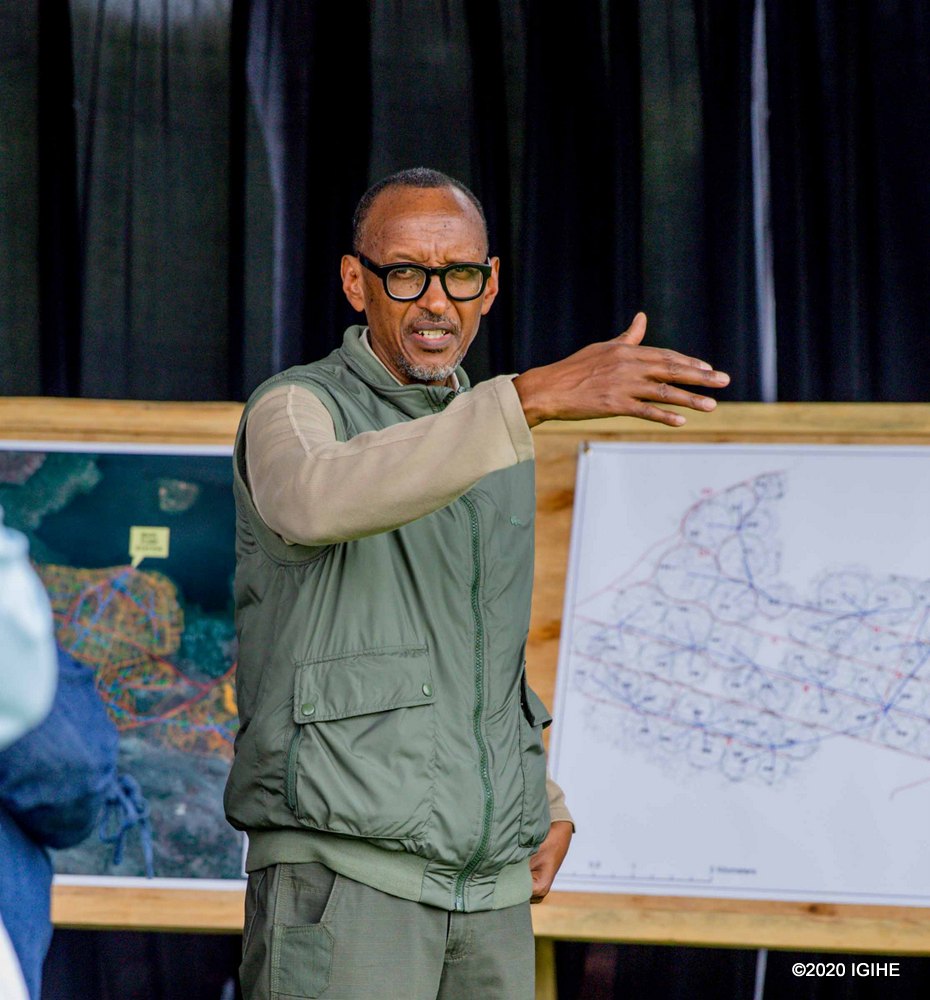
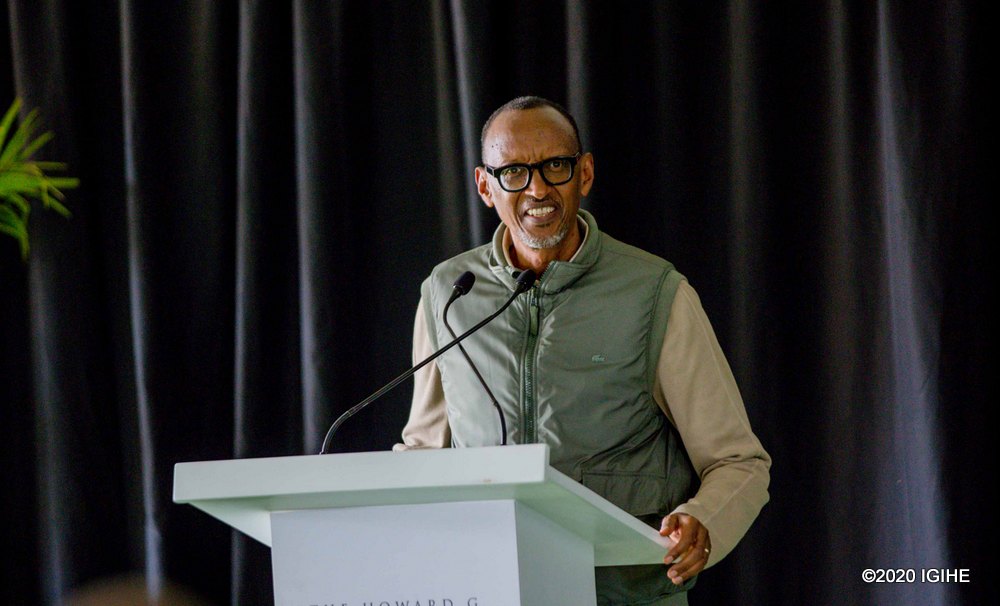
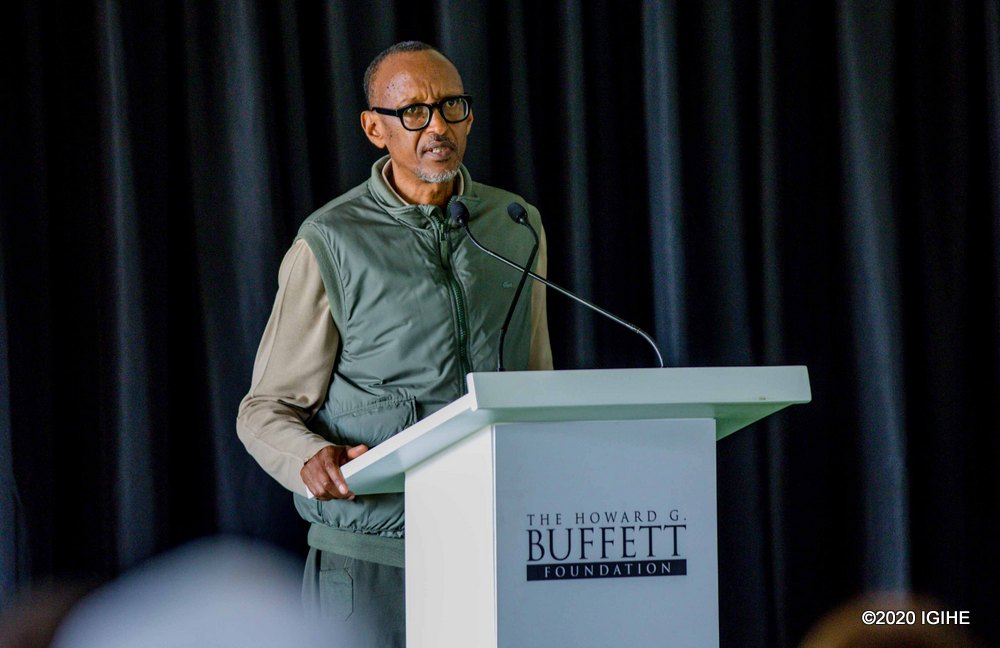
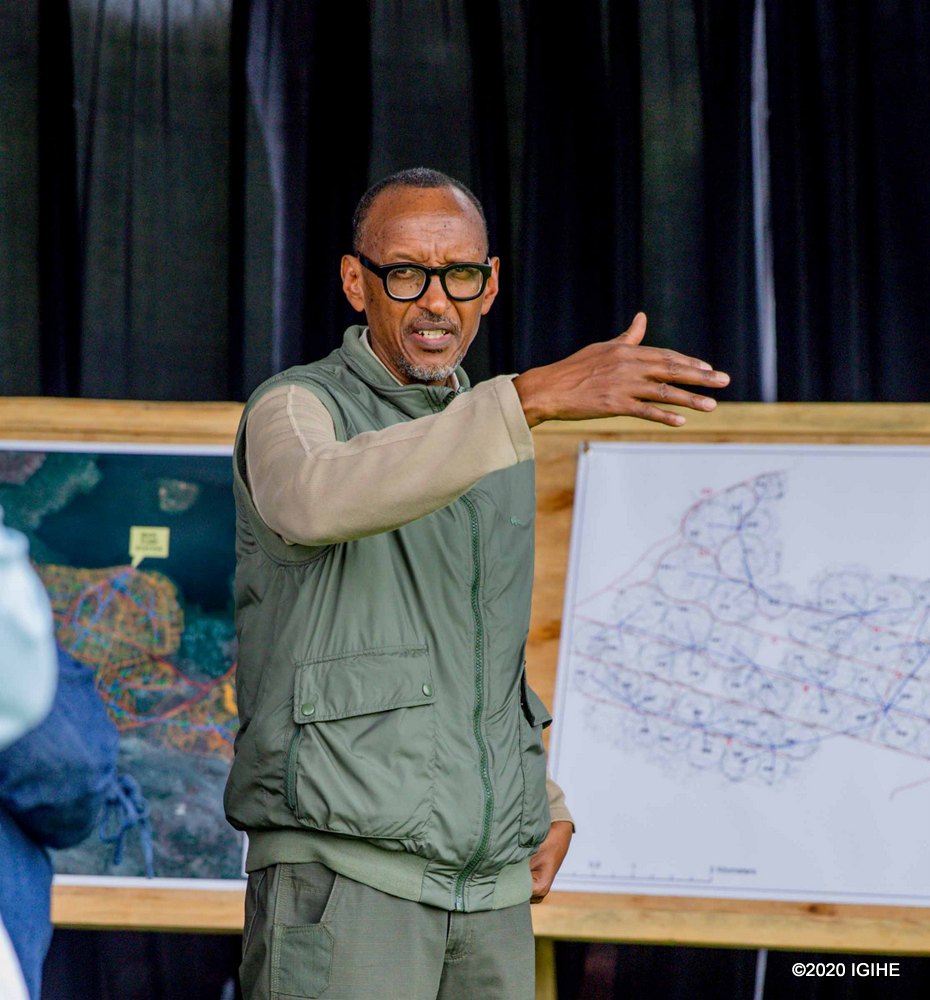
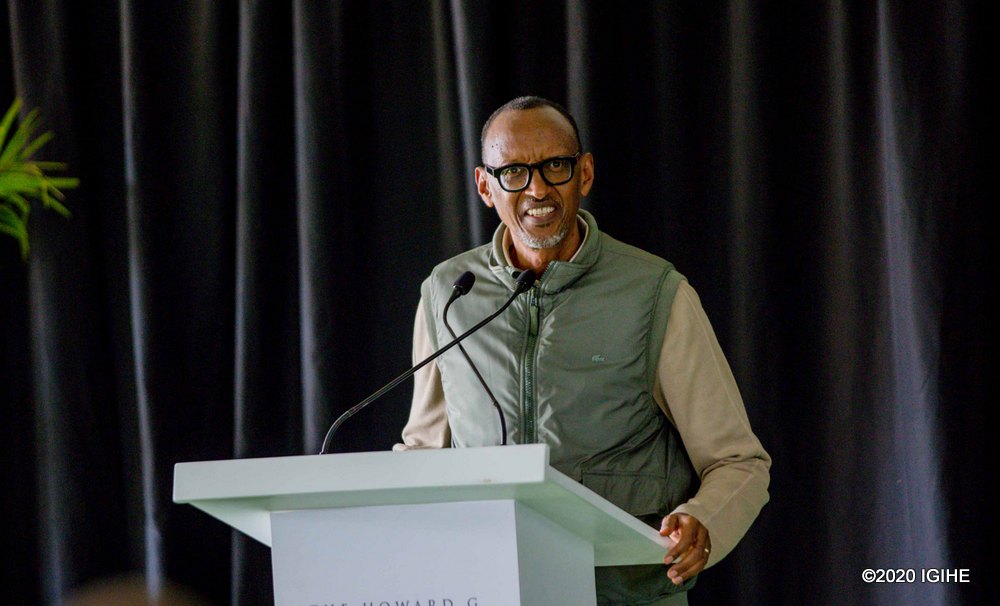
Speaking at the inauguration ceremony, President Kagame thanked Howard G. Buffett for the partnership that has become very productive in Rwanda’s agriculture and conservation to make a big difference for so many lives.
“I am very glad that we are witnessing a scheme like this one which has improved lives of so many to a level many people would not have thought could be achieved in such a short time,” the Head of State said. “We, the Rwandans, have a challenge to make sure that this productive relationship never comes to waste at any point.”
President Kagame also pointed out that the government will keep providing all farmers with advisory services so that they can achieve an increased farm productivity.
As of the agriculture season 2020A at Nasho Irrigation Project, the productivity for maize is between 5.5MT/ha and 10MT/ha, Bean:1.5 MT/ha, and Soybean: 1.3 MT/ha.
Beneficiaries of the irrigation systems were grouped into a cooperative dubbed Nasho Irrigation Cooperative (NAICO); which utilize and maintain the infrastructure.
The scheme also consists of a solar power plant with a capacity of 3.3 megawatts to power the irrigation system, with 2.4 MW battery storage unit installed, to provide electricity to pump water and reduce the burden from farmers.
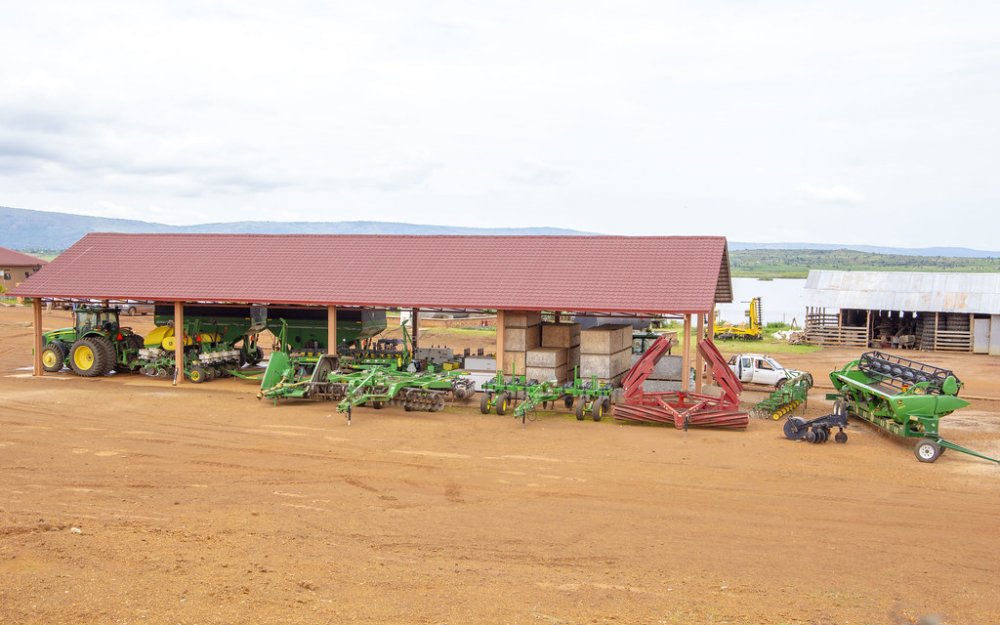
In addition, 144 houses (36 houses that are four-in-one) to resettle households from areas under pivot irrigation, and farm buildings were constructed thanks to this project.
About 24 km of existing roads within the project area were also widened and resurfaced and about 10 km of new roads created, which made it easy for installation of irrigation systems as well as transportation of inputs and produce.
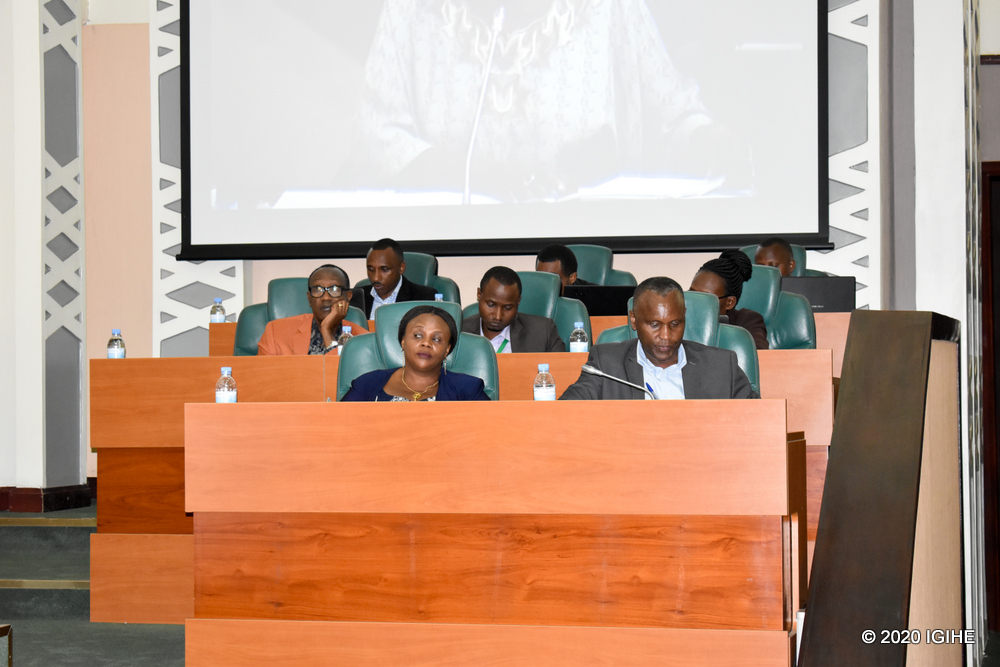
The challenge was raised as part of a 2018/2019 report from the National Commission for the Fight Against Genocide (CNLG) to the Senate’s Standing Committee on Foreign Affairs, Cooperation and Security.
Senator Bideri John Bonds, Head of the Senate Committee Foreign Affairs, Cooperation and Security noted that there is still a long way to go to render justice to genocide survivors.
“We cannot neglect the incredible achievements of the justice system in Rwanda but CNLG report showed that property restitution laws impede unity and reconciliation.”
Bideri said that one of the challenges met in settling property restitution claims was that some of the criminals who were accused of damaging and stealing property during the genocide are deceased while some others fled the country.
Settling claims is made impossible by the fact that the government cannot track those who fled the country and that for many of them, no property is registered in their names to compensate the survivors.
In 2019, Prof Jean Pierre Dusingizemungu, IBUKA President explained that apart from property restitution lawsuits, more than 141 ‘Gacaca’ legal actions were not settled and that also obstructs the process of unity and reconciliation.
In addition, the Rwandan Senate recently called for measures to fight against genocide denial and ideologies spread daily on social media platforms. Genocide propaganda on social media was said to be one of the major reason obstructing unity and reconciliation especially within Rwandan communities living abroad.
‘Gacaca Courts’ was a method of transitional justice which was created in 2002 to rebuild the Rwandan community in the wake of the genocide by placing justice in the hands of citizens. Up to 2 million lawsuits were settled by only 2012 when the lawsuits should have normally taken 110 years to settle.
In approximately 900,000 trials which were conducted under Gacaca Courts, 200,000 were claims for restitution of properties damaged or stolen during the genocide.
Currently, only 10 in 30 districts have completely settled lawsuits related to the 1994 genocide against Tutsi while in the remaining districts, the lawsuits are majorly about property restitution.
In the U.S., the caseload passed 1,000, and outbreaks on both sides of the country were stirring alarm, while in Europe, an increasingly locked-down Italy counted more than 10,000 infections and recorded soaring deaths among its aging population.
“Right now, the epicenter — the new China — is Europe,” said Robert Redfield, the head of the U.S. Centers for Disease Control and Prevention.
Rome’s usual boisterous hum was reduced to a whisper as Italy’s 62 million people were told to mostly stay home. Though shops, cafes and restaurants remained open, police around the country were enforcing rules that customers stay 1 meter (3 feet) apart and certain businesses shutter by 6 p.m.
Authorities said 631 people have died of COVID-19 in Italy, with an increase of 168 fatalities recorded Tuesday. The health crisis was dealing a serious blow to the country’s economy — the third-largest of the 19 countries using the euro — and threatened instability worldwide.ts across Asia dropped Wednesday despite Wall Street’s gains a day earlier. Investors seemed encouraged by promises by U.S. President Donald Trump of a relief package to cushion economic pain from the outbreak.
Governments around Asia and elsewhere have also announced billions of dollars in stimulus funds, including packages revealed in Japan on Tuesday and Australia on Wednesday.
“Investors are still worried that those fiscal stimulus packages may not be able to contain the virus outbreak as well as to mitigate the impact on the economy,” said Louis Wong of Philip Capital Management.
For most, the coronavirus causes only mild or moderate symptoms, such as fever and cough. But for a few, especially older adults and people with existing health problems, it can cause more severe illnesses, including pneumonia. More than 119,000 people have been infected worldwide and over 4,200 have died.
The virus has disrupted travel, closed schools and halted manufacturing in places around the globe.
The Vatican’s representative to the half-island nation of East Timor said Wednesday that an expected visit by Pope Francis, though never made official, would not happen later this year.
Francis’ Wednesday audience — typically a boisterous affair that fills St. Peter’s Square or the Vatican auditorium with tens of thousands — was instead held in the privacy of his library and shared by Livestream. The square was empty, with Vatican City adopting Italy’s lockdown measures.
In the U.S., dozens of cases were being tied to a conference in Boston, and leaders in multiple states were announcing curbs on large events. Colleges around the country emptied their classrooms as they moved to online instruction and uncertainty surrounded the upcoming opening of the major league baseball season and college basketball championships. Even the famed buffets of Las Vegas were affected, with some of the Strip’s biggest being closed in a precautionary measure.
“It’s terrifying,” said Silvana Gomez, a student at Harvard University, where undergraduates were told to leave campus by Sunday.
“I’m definitely very scared right now about what the next couple days, the next couple weeks look like.”
New York’s governor said National Guard troops would scrub public places and deliver food to a suburb where infections have spiked. In Washington state, where a Seattle-area nursing home was the center of an outbreak, officials said the virus had spread to at least 10 other long-term care facilities.
In California, thousands of restless passengers remained stuck aboard a cruise ship, waiting for their turn to disembark to begin quarantines.
Two men vying to take on Trump in the U.S. presidential election abruptly canceled rallies Tuesday and left open the possibility that future campaign events could be impacted, too.
Trump’s campaign insisted it would proceed as normal, though Vice President Mike Pence conceded future rallies would be evaluated “on a day to day basis.”
It was all evidence of the continuing westward push of the virus. In China, where it first cropped up, officials said they’d counted only 24 new cases on Wednesday.
In a reversal of positions, China is seeing new cases brought in from overseas. In Beijing, the capital, all the new cases of COVID-19 reported on Wednesday came from outside the country, five from Italy and one from the United States.
“The epidemic situation is at a low level and the prevention and control are continuously going well,” said Mi Feng, spokesman for the National Health Commission.
The province at the center of China’s virus outbreak said Wednesday that manufacturers, food processors and other businesses deemed essential to the national economy or providing daily necessities can resume operation.
The other major outbreak site in Asia, South Korea, continued to report improving numbers, too, with 242 new cases announced Wednesday. Still, a cluster of infections connected to a call center in one of the busiest areas of that country’s capital was raising alarms.
Adam Castillejo is still free of the virus more than 30 months after stopping antiretroviral therapy.
He was not cured by the HIV drugs, however, but by a stem-cell treatment, he received for cancer he also had, the Lancet HIV journal reports.
The donors of those stem cells have an uncommon gene that gives them, and now Mr. Castillejo, protection against HIV.
In 2011, Timothy Brown, the “Berlin Patient” became the first person reported as cured of HIV, three and half years after having similar treatment.
{{What is the treatment?}}
Stem-cell transplants appear to stop the virus being able to replicate inside the body by replacing the patient’s own immune cells with donor ones that resist HIV infection.
Adam Castillejo – the now 40-year-old “London Patient” who has decided to go public with his identity – has no detectable active HIV infection in his blood, semen or tissues, his doctors say.
It is now a year after they first announced he was clear of the virus and he still remains free of HIV.
Lead researcher Prof Ravindra Kumar Gupta, from the University of Cambridge, told BBC News: “This represents HIV cure with almost certainty.
“We have now had two and a half years with anti-retroviral-free remission.
“Our findings show that the success of stem-cell transplantation as a cure for HIV, first reported nine years ago in the Berlin Patient, can be replicated.”
But it will not be a treatment for the millions of people around the world living with HIV.
The aggressive therapy was primarily used to treat the patients’ cancers, not their HIV.
And current HIV drugs remain very effective, meaning people with the virus can live long and healthy lives.
Prof Gupta said: “It is important to note that this curative treatment is high-risk and only used as a last resort for patients with HIV who also have life-threatening hematological malignancies.
“Therefore, this is not a treatment that would be offered widely to patients with HIV who are on successful antiretroviral treatment.”
But it might offer hope of finding a cure, in the future, using gene therapy.