“As we wait for the new guidelines on the way forward, we call for the usual compliance on any restricted movements and practices, and maximum observance of safety and health guidelines until further notice,” RNP spokesperson, CP John Bosco Kabera emphasized.
“These measures are in the interest of the health and safety of all people living in Rwanda against the pandemic of novel Coronavirus (COVID-19).”
He commended the high level of compliance over the past months and called for the continued spirit of observing guidelines and reporting violators, who may hamper the government efforts against the virus.
“Our responsiveness to the directives and strong partnership is inevitable to win this fight against the pandemic.”
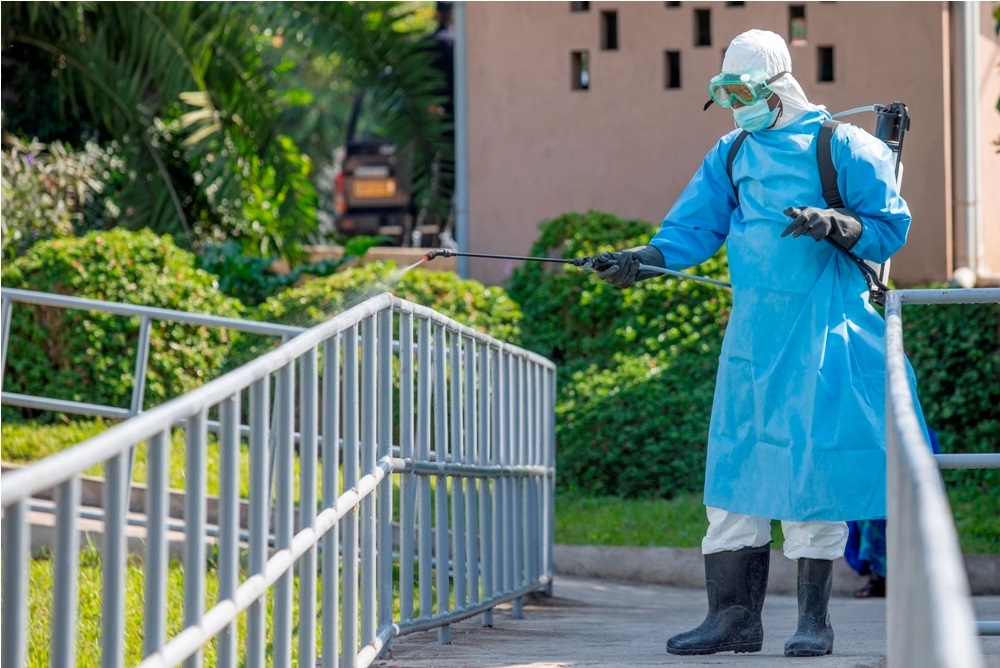
He emphasized the importance of respecting traffic rules and regulations to prevent accidents and operate while observing recommended guidelines against COVID-19, including sanitizing, washing hands before boarding, wearing face masks and distancing in the public service vehicles.
The Ministry of Health in new updates said that the new cases consist of returning residents, and cross-border truck drivers and traders.
The Ministry also stated that patients are in isolation and their contacts have been traced.
The number of confirmed cases is 370, of which 256 have recovered. The total number of conducted tests in Rwanda is 68,068 since the Covid-19 outbreak in March.
Rwanda has eased a nationwide Covid-19 lockdown, allowing some businesses to resume operation.
Cope Consulting Ltd also has experience in organizing youth training aimed at building personal capacity, increasing leadership skills, competing for jobs, and entrepreneurship (job readiness & entrepreneurship).
All of these training are provided by experts with international expertise.
Especially today, where schools have been given a long holiday until September 2020 due to the COVID-19 pandemic, Cope Consulting has found it best to provide training to young people to help them build and improve their Personal Development & Leadership through communication-based on Online training.
They believe that through this training, these holidays, due to their longevity, could put our young people in a bad habit, we can turn it into a great opportunity to rebuild and benefit from advanced skills in a unique and lasting way. In this regard, two training programs are planned for June and July for girls and boys between the ages of 16 and 27, as follows:
• Personal Development Module, from 8-29 / 6/2020
• Leadership Development Module, 1-22 / 7/2020
The training will be held once a week, during the month. Only before and after that day trainees will be given homework. The finalist will be awarded a Certificate from Cope Consulting Ltd. This training is only for young men and women in the age group of 16 to 19 and 20 to 27 years.
{{About payments}}
Each module costs $ 50 or 47000 Rwf. Accounts are: No. 401469788810149 (paid in Rwandan francs) and 401469788810227 (paid in dollars) to the Banque Populaire du Rwanda, bpr Atlasmara, Kigali-Rwanda is open on behalf of Cope Consulting Ltd.
The deadline for payment for the Personal development module is 5/6/2020 and the Leadership development module is 25/6/2020. Once you have paid the bank slip to confirm your payment, on the profile form (See the form/registration form at www.cope-consult.com) and send both to E-mail: copeconsult@gmail.com or WhatsApp 0784075525.
Need for more information one can use the following;
As a parent, your child should not miss out on this special opportunity, especially during these long vacations caused by the Covid-19 pandemic. Sign up before the deadline.
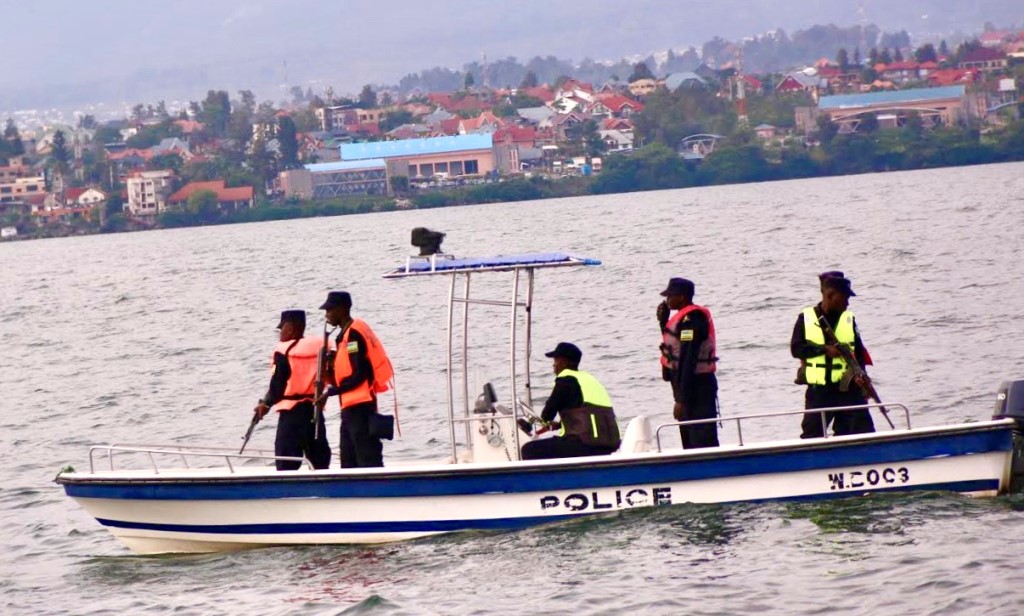
The operation is part of the intensified fight against illegal fishing on water bodies across the country.
Police marine unit Commanding Officer, Assistant Commissioner of Police (ACP) Elias Mwesigye said the destructive fishing nets were seized from poachers on Nkombo island in Rusizi District.
The substandard and illicit nets were disposed of in presence of some area residents and members of fishing cooperatives to emphasize the fight against the illegal acts and reporting those involved, ACP Mwesigye said.
“Some of the confiscated nets were banned due to their ill-effects on fish growth. Others are illicit including mosquito nets and kaningini, which kill young fish,” he said.
“Police Marine Unit is there to ensure that people using water bodies for any business do it legally and safe.”
ACP Mwesigye elaborated on the ill-effects of illegal fishing, which can also lead to loss of lives.
“Illegal fishing is dangerous more than what people think. Poachers use substandard and destructive gears, which injure or kill fish. The dead fish can easily become toxic and negatively affect consumers’ lives but also when the injured fish remain in water they can contaminate others which can also die,” he explained.
“These illegal and dangerous fishing practices, therefore, affect aquaculture and fish depletion, especially when using such fishing gears that net and kill even the juvenile fish.”
The commander warned that operations are continuous around the country, and people who will be caught in those illegal acts will be punished.
He further urged communities around water bodies to take the good initiative of fighting against illegal fishing as well as other crimes that can be committed in waters and report whoever is involved.
The law N°58/2008 of 10/09/2008 determining the organization and management of aquaculture and fishing in Rwanda provides that the right to fishing in public waters is only granted by a competent authority, which issues the fishing license.
Any person, who engages in fishing activities without authorization shall be liable to a fine ranging from Rwf50,000 to Rwf200,000 and an imprisonment of 3 to 6 months or one of them, and dispossession of the equipment used.
Article 11 outlaws use of “poisonous substances aimed at stunning, weakening or killing fish; applying explosives; using electromagnetic procedures or electrocution; flashing water with an aim of capturing fish; fishing where water organisms are reproduced.”
The main objective of the FinScope Rwanda 2020 Survey was to indicate the levels of financial inclusion; define the landscape of access; identify the drivers of, and barriers to financial access; assess trends or changes over time and provide information on new opportunities for increased financial inclusion.
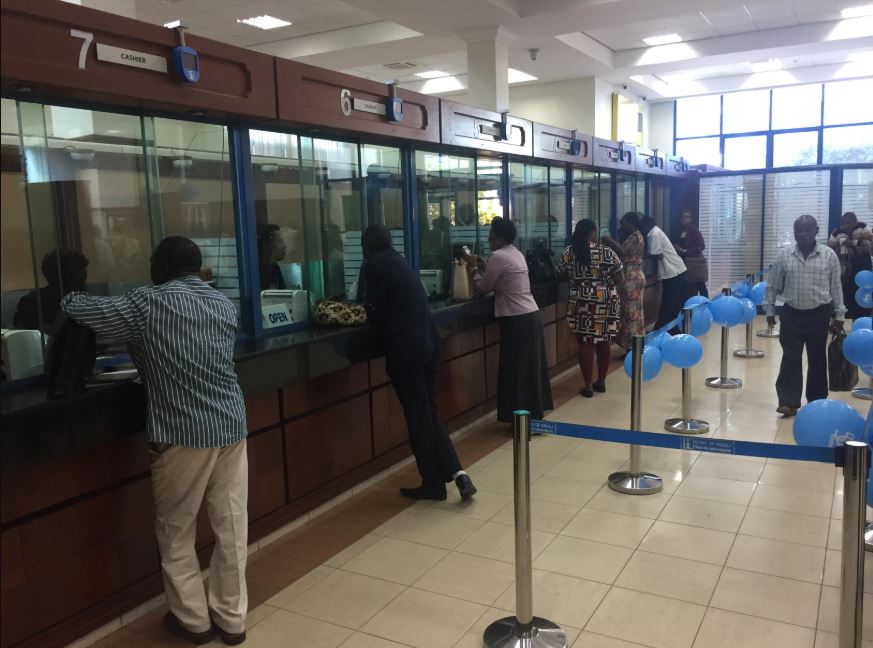
According to the FinScope 2020 survey, 93% (from 89% in 2016, 72% in 2012 and 48% in 2008) of Rwandan adults are financially included in terms of accessing and using both formal and informal financial products. Levels of financial inclusion vary from 99% in Gasabo district to about 83% in Rusizi district.
The survey indicates a narrowing gender gap in financial inclusion with only 8% of women excluded compared to 7% of male counterparts. The report underscores that youth within the age range of 16 – 24 years, are the most financially excluded at 18%, significantly higher compared to the national average of 7% exclusion.
About 77% of the Rwandan population access and use formal financial products, including those that are provided by the banking sector and other from formal but non-bank financial institutions such as insurance firms, mobile network operators, Microfinance institutions/SACCOs, etc.
About 36% (from 26% in 2016, 23% in 2012 and 14% in 2008) of adults in Rwanda are banked. The proportion of adults that are banked range from 80% in Gasabo district to only 8% in Ngororero district. Banked population growth has increased by 1.1 million since 2016. About 25% of banked adults use digital financial tools up from 6% in 2016. About 75% of adults in Rwanda use other formal (non-bank) financial products/services. These financial services increase overall levels of formal inclusion.
The informal sector continues to play a significant role in financial inclusion and increasing product portfolio choices with about 78% of adults in Rwanda using informal financial services mainly through saving groups (ibimina).
“Financial inclusion is one of the core drivers of an inclusive economy and Government has invested significantly in removing systemic barriers to the uptake of financial services. The FinScope survey shows that there has been tremendous improvement in financial inclusion. The work is not over yet. The objective is to achieve 100% financial inclusion by 2024 so I encourage everyone involved to keep the momentum,” said Dr. Uzziel Ndagijimana, the Minister of Finance and Economic Planning.
The FinScope Rwanda survey is a nationally representative demand-side survey conducted every 4 years to address the need for credible financial sector information. It offers insights to guide policymakers, regulators and financial service providers in terms of how to address or respond to existing challenges, monitoring and reviewing the financial inclusion target.
The first FinScope Rwanda Survey was conducted in 2008, driven by a lack of credible information to guide policy interventions and financial service providers in their efforts to expand the reach and depth of the Rwanda financial system. AFR, on behalf of the Government commissioned follow-up surveys in 2012, 2016, and 2020.
The later illustrates how many adult Rwandans are financially included, specifically aligning the levels of inclusion to the revised National Financial Inclusion Strategy (NFIS) and to report any changes since the last FinScope survey.
AFR is a Rwandan non- profit organization, with a strategic focus of stimulating financial sector development by collaborating with financial institutions and other stakeholders to increase access to and use of financial services.
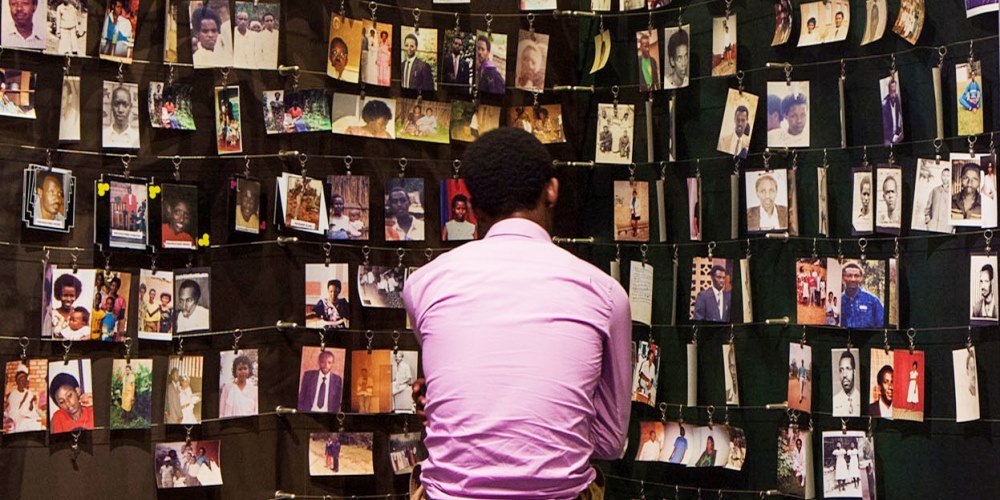
The genocidal government had issued instructions on May 25, 1994 to all prefects to provide detailed civil protection plans. Although the world was well informed about the systematic and extensive massacres against the Tutsi, there was a desire to make the massacres less noticeable.
The Prime Minister of the genocidal government, Jean Kambanda, called on people to participate actively in the killings. After military training, the civilian populations were to be used to track down and kill Tutsi.
The UNAMIR Senegalese captain, Mbaye Diagne, was struck by a bomb at a roadblock while protecting Tutsi that the militiamen wanted to remove from UNAMIR trucks in order to kill them.
{{HESITATIONS BY THE SECURITY COUNCIL ON THE NATURE OF TUTSI MASSACRE ALLOWED KILLERS TO CONTINUE THE EXTERMINATION OF TUTSI}}
Gripped by the urgency and the gravity of the massacres in Rwanda, on May 24, 1994, the United Nations Commission on Human Rights held an emergency meeting in Geneva, convened by Canada. At the end of the meeting, a resolution was adopted on May 25, 1994 recognizing that typical acts of a genocide were committed in Rwanda and concluded on the need for an international investigation into the massacres of Tutsi in Rwanda.
The first official recognition of the genocide finally took place in a report to the Security Council of 31 May 1994. It was based on information provided by Iqbal Riza and Maurice Baril, the military adviser to the Secretary General who had paid a visit to Rwanda between May 22 and 27, 1994.
The UN Security Council had continued to ignore the issue of the Genocide which, since April 7, 1994, had been perpetrated against the Tutsi. Let us recall some facts:
On April 21, 1994, the UN Security Council, in its resolution 912, reduced the mandate of UNAMIR to its simplest form, leaving only 250 soldiers. However, General Dallaire, who headed UNAMIR, sent daily reports to the UN on the scale of the Tutsi massacres in Rwanda.
On April 24, 1994, for the first time, the UN Security Council deliberated on the question of the Genocide perpetrated against the Tutsi in Rwanda. The President of the Security Council wanted to assign member countries a responsibility of providing assistance if it was confirmed that a Genocide was perpetrated in Rwanda, in accordance with what is provided for by the International Convention on the Prevention and Punishment of the crime of Genocide (1948).
On April 28, 1994, the Ambassador of the Czech Republic, Karel Kovanda, requested the Security Council to consider the question of the genocide against the Tutsi without success. Based on information relayed by human rights organizations, Ambassador Kovanda said that the government in power in Rwanda was committing a genocide against the Tutsi.
Some major powers with a permanent seat on the Security Council attacked him under the invalid pretext that the language he had used was not appropriate in the Security Council.
The chairman of the Security Council, Ambassador Colin Keating, also reported information according to which, acts of extreme violence and murder were committed against the Tutsi.
Some major powers with a permanent seat on the Security Council, led by the United States, have opposed the use of the word genocide. However, from April 7, 1994, Tutsi, children, women and men, young and old were systematically killed in the open, and continued in certain regions of Rwanda under the control of the genocidal government, for the only reason that they were Tutsi.
During the May 25, 1994 meeting of the United Nations Commission on Human Rights, delegates concluded that the genocide was ongoing and should be investigated.
On the same day, the Commission adopted resolution 1994 S-3/1, by which a special rapporteur was appointed. He was charged with immediate investigation on the massacres perpetrated against Tutsi which were under way.
Previously, the newly appointed United Nations High Commissioner for Human Rights, Mr. Ayala Lasso, had carried out a mission to Rwanda between May 11 and 12, 1994. His report mentioned systematic and extensive massacres of Tutsi.
{{CONCLUSION}}
Since January 1994, General Romeo Dallaire, the commander of UNAMIR, had constantly alerted the United Nations authorities to the preparation of genocide by the regime in power. For reasons that were not exposed, the UN bodies which had to take a decision to prevent and stop the genocide had dragged their feet and let it go.
Some major powers that have a permanent seat on the UN Security Council could have predicted the genocide, and taken into consideration significant warnings that showed that the genocide was imminent. This calls into questioning the role of certain permanent members of the Security Council. Instead of preventing or intervening, they did everything to impede the strengthening of the UNAMIR mandate.
Permanent members of the Security Council knew that during the two weeks of April 1994 the genocide was obvious, the information were coming from dependable sources, UNAMIR, the ICRC and OXFAM. On the contrary, some members continued to portray the genocide as massacres linked to the civil war, which only masked the reality of the genocide perpetrated against the Tutsi and the obligation to intervene.
International opinion refused to see the reality of what was happening in Rwanda from April 7, 1994. It was not until mid-May 1994 that the word genocide was used internationally.
Done at Kigali on May 31, 2020
{{Dr. BIZIMANA Jean Damascène
Executive Secretary
National Commission for the Fight Against Genocide (CNLG)}}
The suspects identified as Eric Murwanashyaka, 34, and D’Amour Niyitegeka were arrested in separate operations conducted in line with fighting trafficking, distilling and selling narcotic drugs and psychotropic substances.
Niyitegeka was arrested in Masaka Sector in possession of 5,760 litres while Murwanashyaka was arrested in Muhima Sector in possession of 1,452 litres.
Chief Inspector of Police(CIP) Marie-Goretti Umutesi, the Police spokesperson for the Central region, said that the duo had illegal distilleries in their homes producing the poisonous substances.
“We found 24 barrels and many bottles filled with illicit brews from Murwanashyaka’s home,” CIP Umutesi said.
Besides not having legal documents and mixing various undefined raw materials to make alcoholic drinks, she said that they were also working in a dirty and unhygienic place.
The spokesperson thanked the residents as the operations were successful due to their cooperation and sharing of information, and urged them to strength the proactive spirit.
The impounded illicit drinks were disposed of.
Rwanda Standards Board (RSB) specifies that “only food-grade processing aids recognized as safe for human consumption shall be used during the manufacture.”
All drinks with alcoholic content exceeding 45 percent as well as all those without the standard mark (S-Mark) issued by Rwanda Standards Board (RSB) are classified as narcotics.
Article 263 of the new penal code partly states that “any person who, unlawfully produces, transforms, transports, stores, gives to another or who sells narcotic drugs and psychotropic substances commits an offence, with a sentence ranging from seven years to life in prison, upon conviction, and a fine of between Rwf20 million and Rwf30 million.
According to the Ministry of Health’s daily update, after being critically sick, the patient decided to return to his home country and, upon arrival, was admitted to intensive care treatment at a specialized Covid-19 facility but unfortunately was not able to make it; he passed away due to severe respiratory complications.
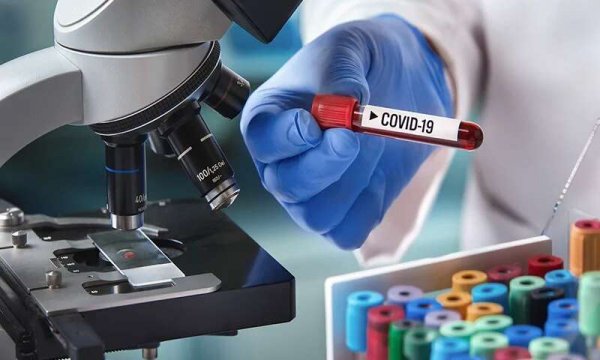
As of May 30, 2020, the coronavirus number of confirmed cases stands to 359 of whom 250 have fully recovered. The active cases stand at 108.
So far Rwanda has eased a nationwide Covid-19 lockdown, allowing some businesses to resume operation. It is expected that on June 1 motorcyclists will also begin to transport passengers, cross-provincial movements will also be permitted after more than two months under restrictions.
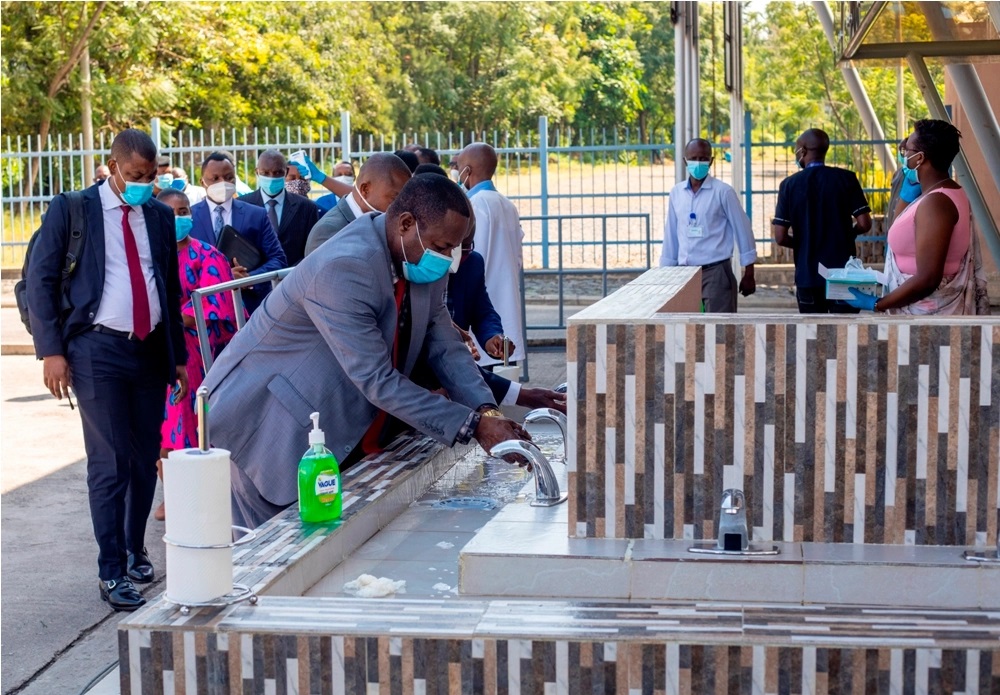
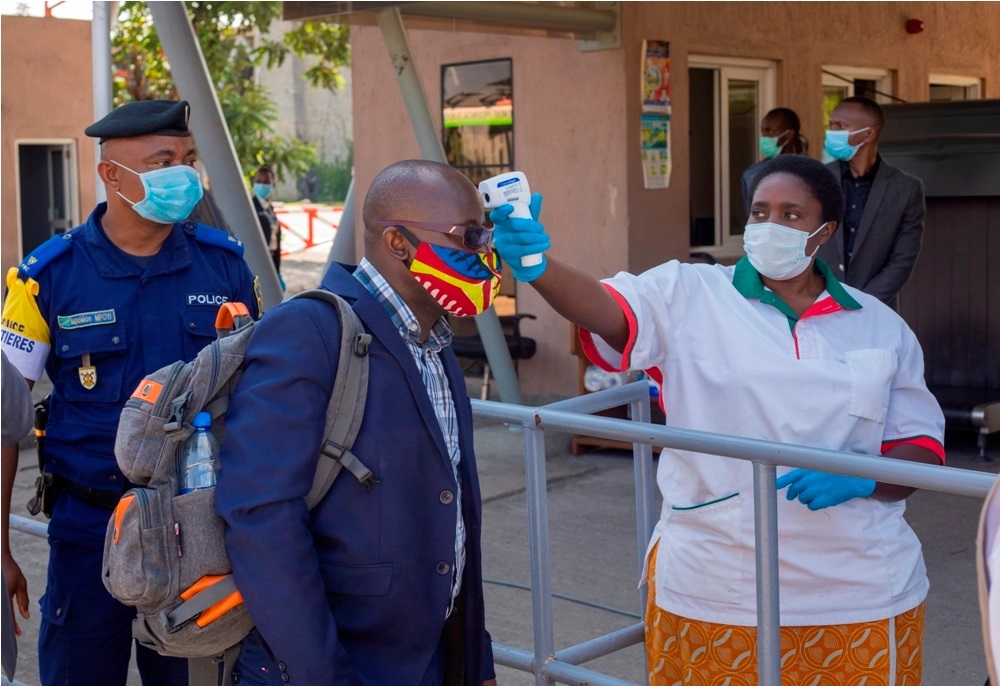
The population is still urged to abide by Covid-19 precautionary measures such as regular washing of hands, self-distancing and wearing face masks when in public or multi-family compounds.
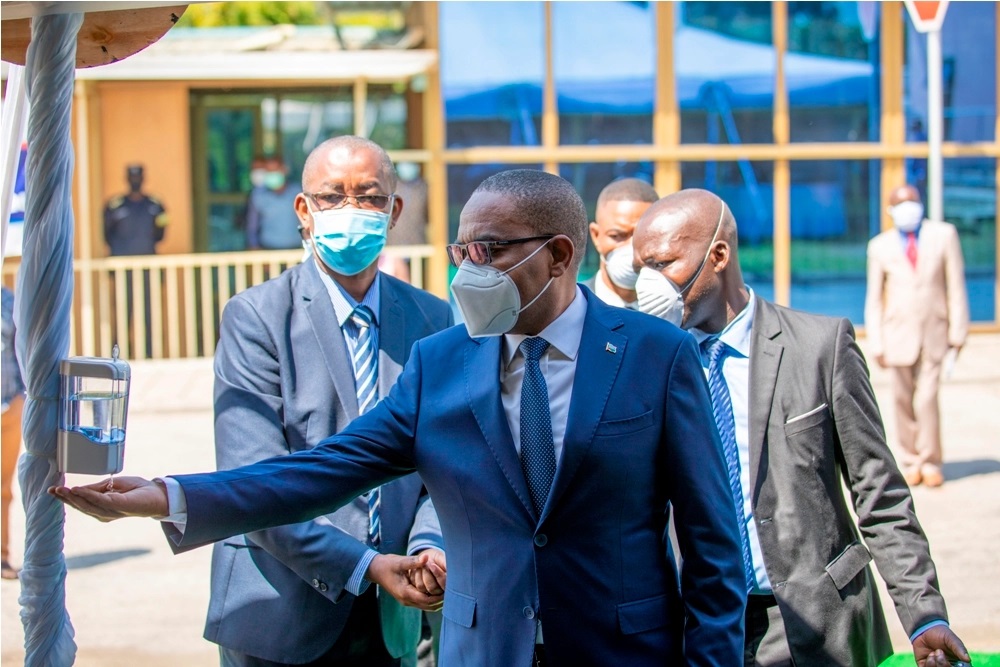
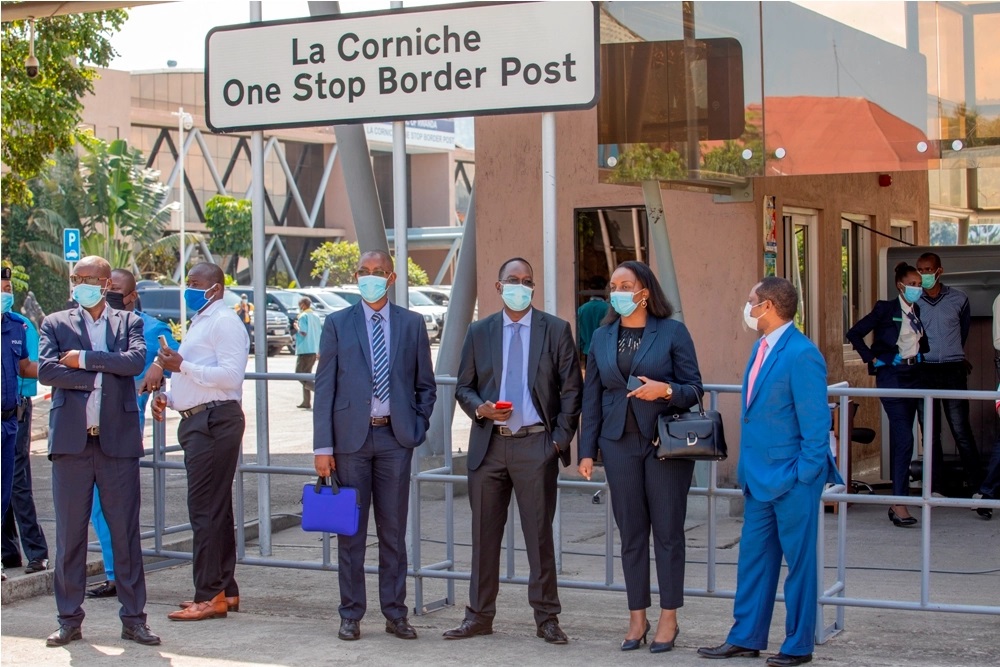
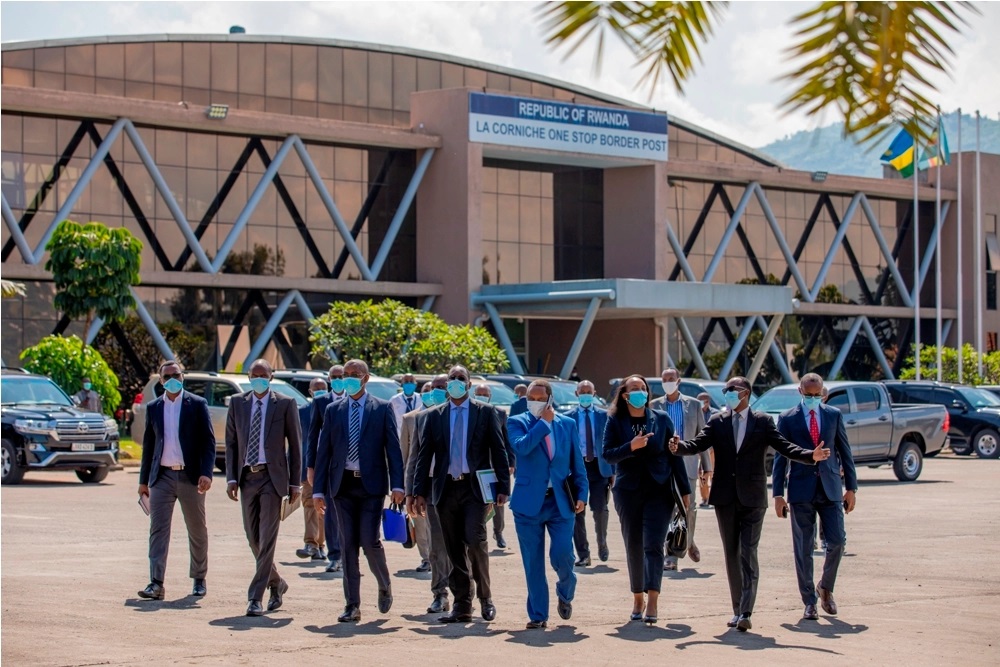
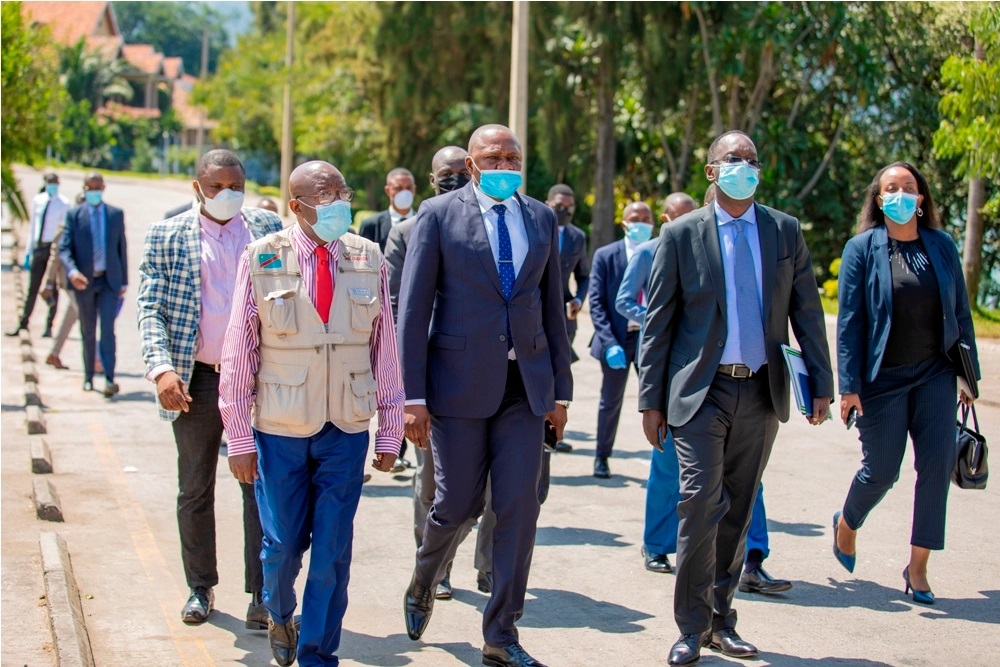
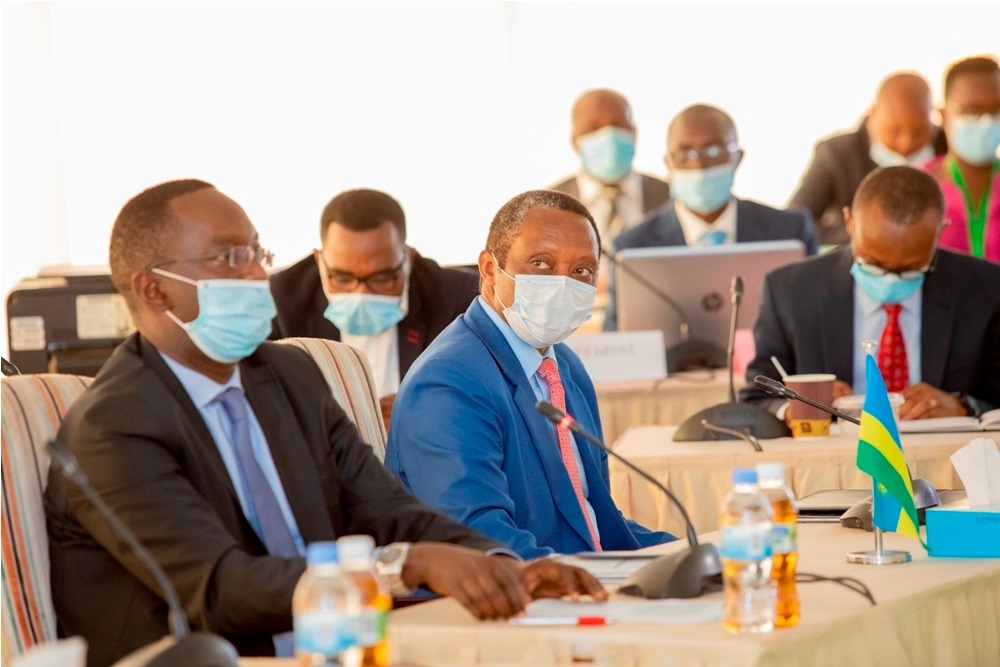
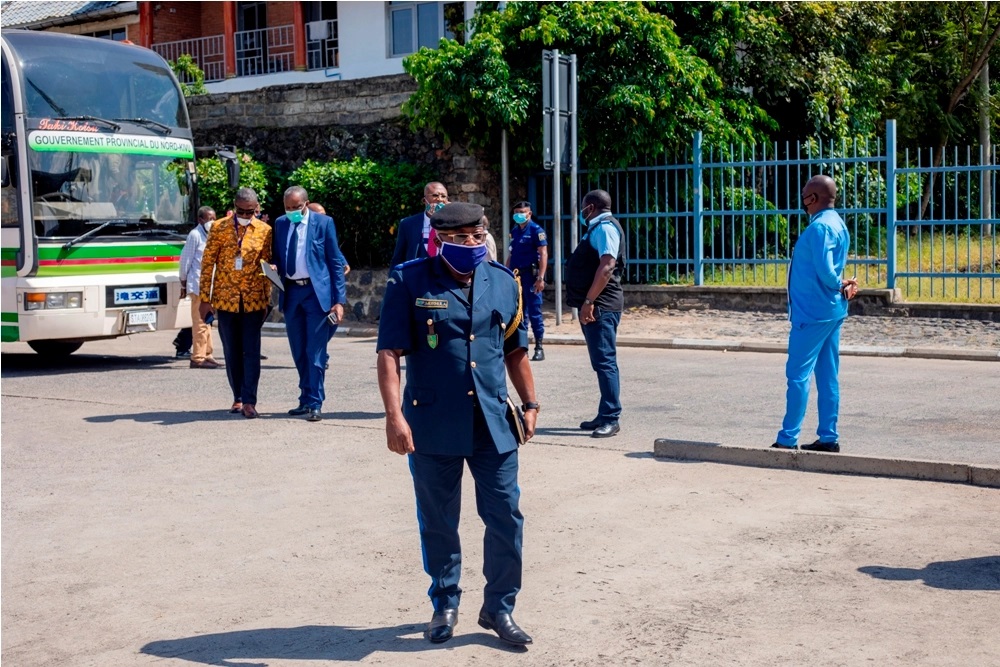
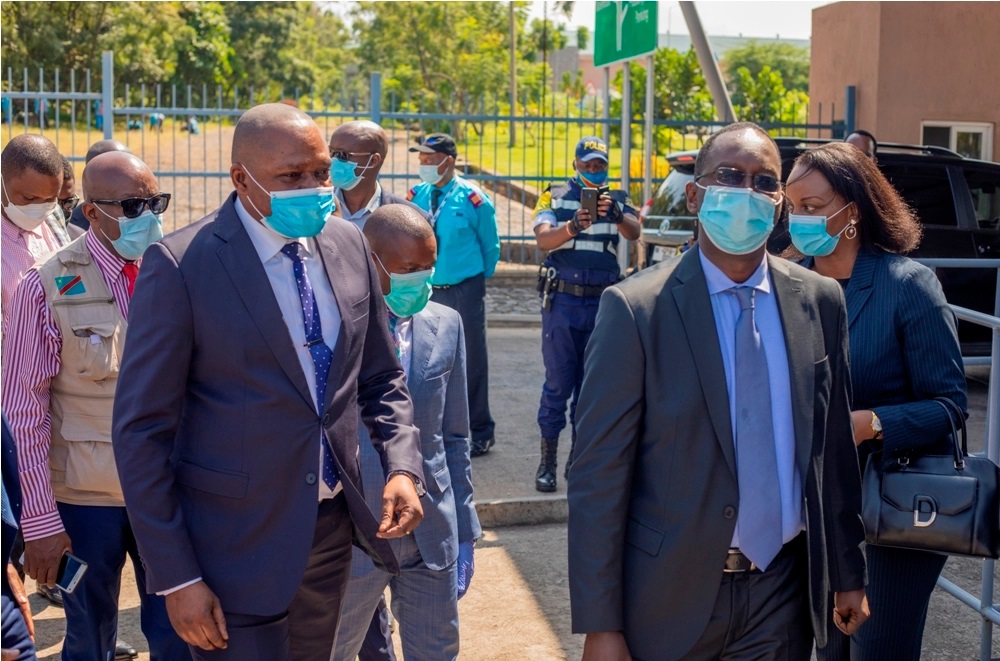
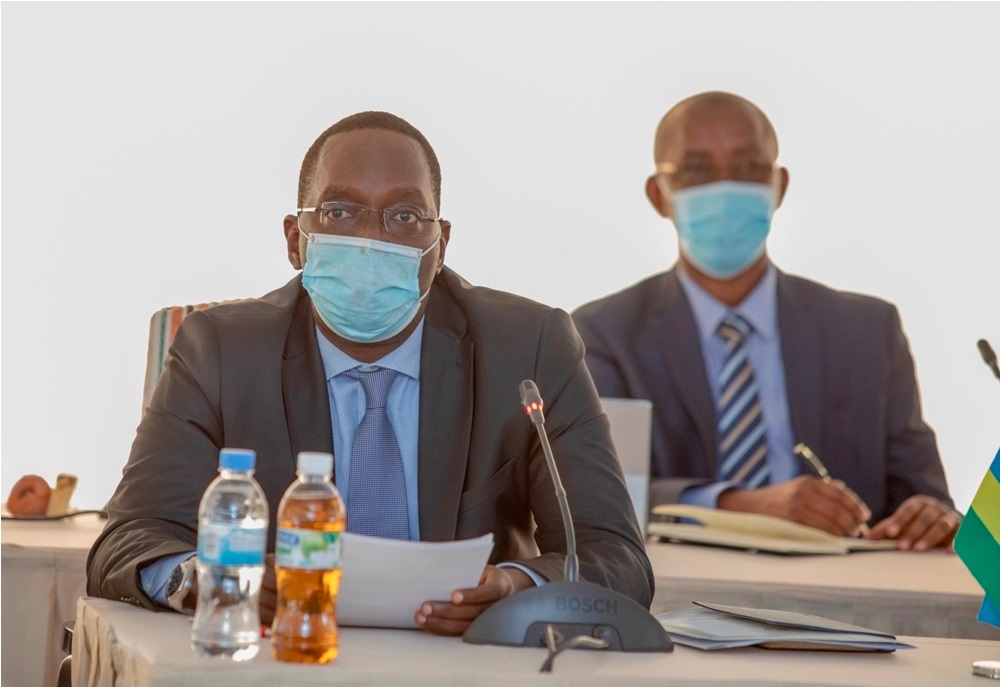
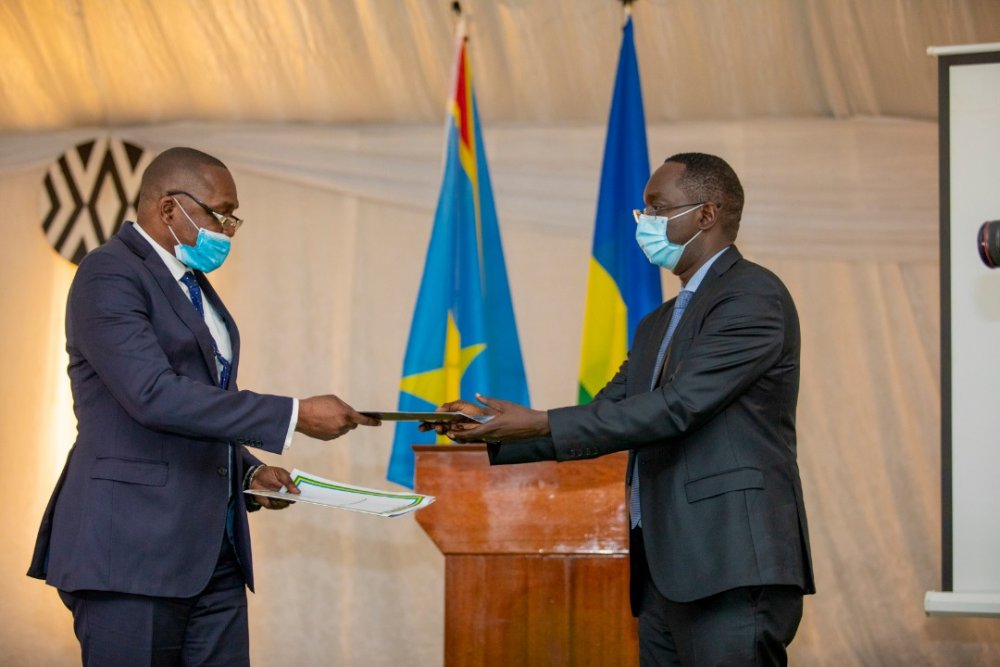
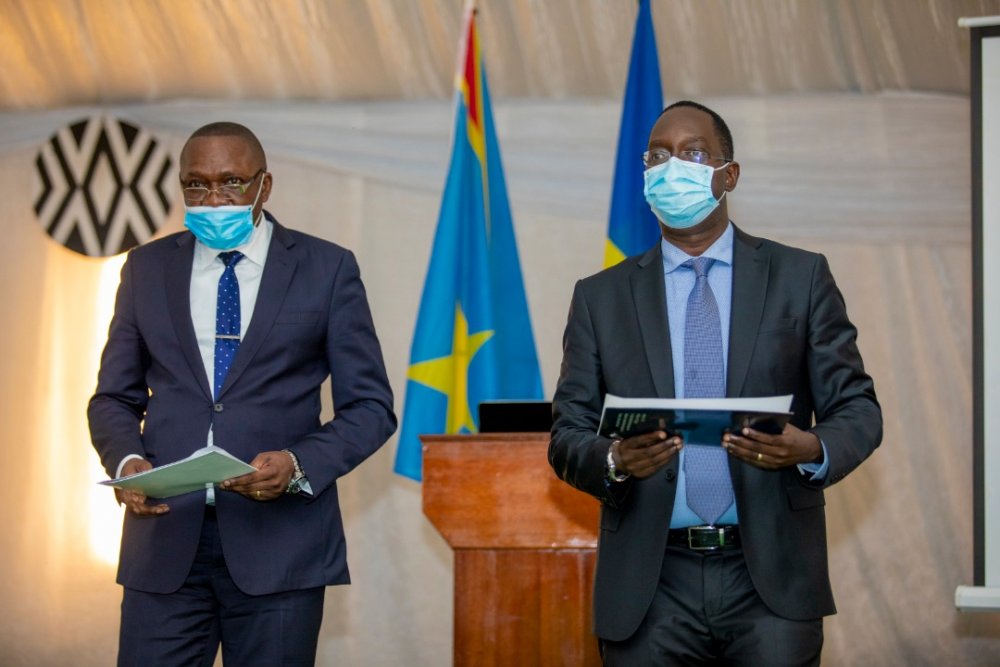
The Rwanda delegation was made of Health Minister Dr. Daniel Ngamije, Trade and Industry Minister Soraya Hakuziyaremenye and Local Government Minister Prof. Anastase Shyaka, among others, while their Congolese counterparts were Innocent Bokele Walaka, the deputy minister for internal affairs, the deputy minister of health – Dr. Albert M’PETI Biyombo and the Governor of North Kivu Province, Carly Kasivita Nzanzu, in Rubavu District in a closed door meeting that lasted over five hours.
Officials from both sides noted that the bilateral meeting was made possible thanks to the political will by heads of state of the two countries. They discussed collaborations towards improving public health in the two countries.
The purpose of the meeting was to formulate proposals for high-level political commitments meant to guide the strengthening of cross-border cooperation in surveillance of Covid-19 pandemic and its implication for cross-border trade in compliance with the specific measures taken by either country.
These two teams discussed about the measures to be taken to ensure the continuity of commercial activities and the cross border movement of essential goods notably medicines, medical equipment and basic necessities.
According to a statement signed by the two countries after the meeting, it was agreed to encourage traders to operate in cooperatives in order to reduce the number of people who would have to cross the border on daily basis; this implies that respective cooperatives will designate emissaries to transact on their behalf across borders. The statement says that goods by informal cross border traders will continue to benefit from a simplified declaration and preferential tariff.
Minister Ngamije noted that the bilateral meeting was crucial towards containing the spread of coronavirus while allowing for resumption of cross-border movement in compliance with measures taken by either country in a bid into curb the pandemic.
“Both countries agreed on how to prevent the spread of Covid-19 through sharing information on those who tested positive in a move to trace groups of suspected cases. We also discussed ways cross border trading should resume without disregarding measures to contain this pandemic,”
Ngamije said also that they agreed to set up a technical team of focal persons from respective sectoral ministries to coordinate the implementation of the meeting resolutions.
Deputy Minister Bokele Walaka said “We are happy as we share same ideas with Rwanda towards fighting COVID-19, we are therefore set to put this pandemic to an end through sharing experience and best practices,”
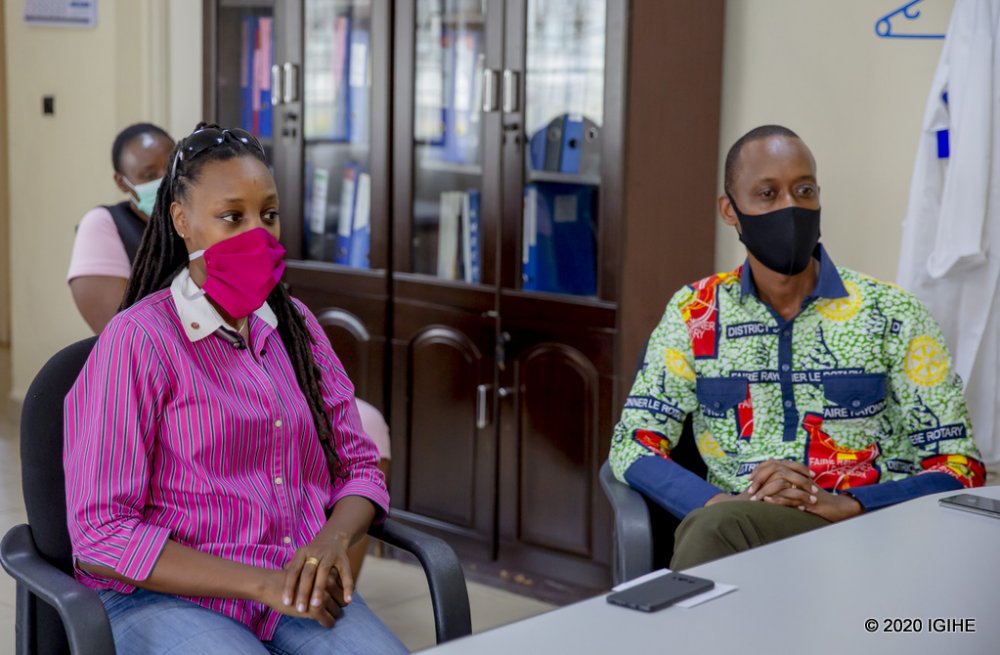
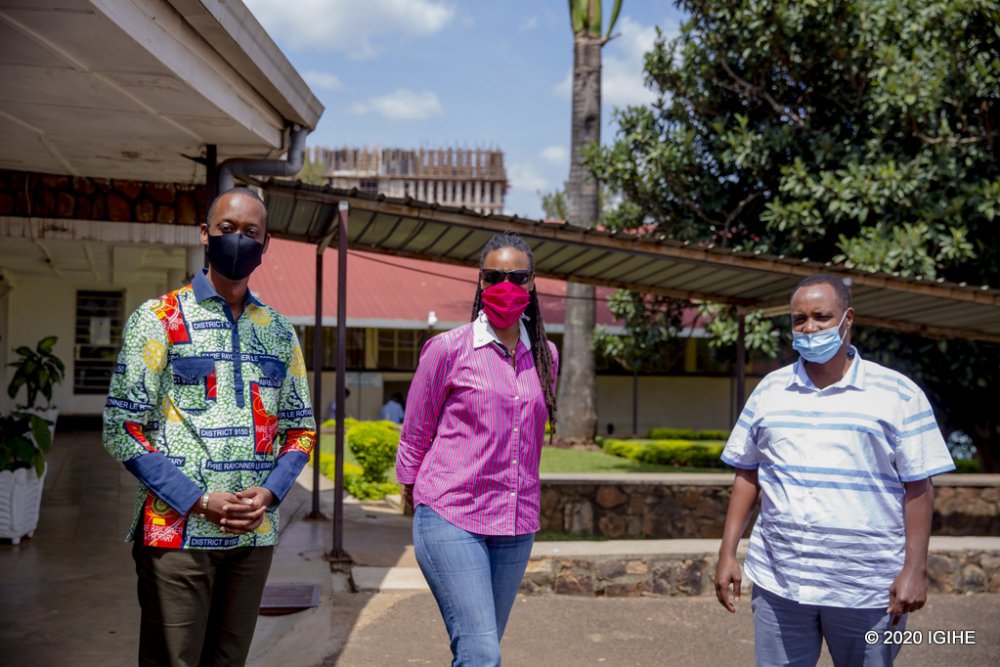
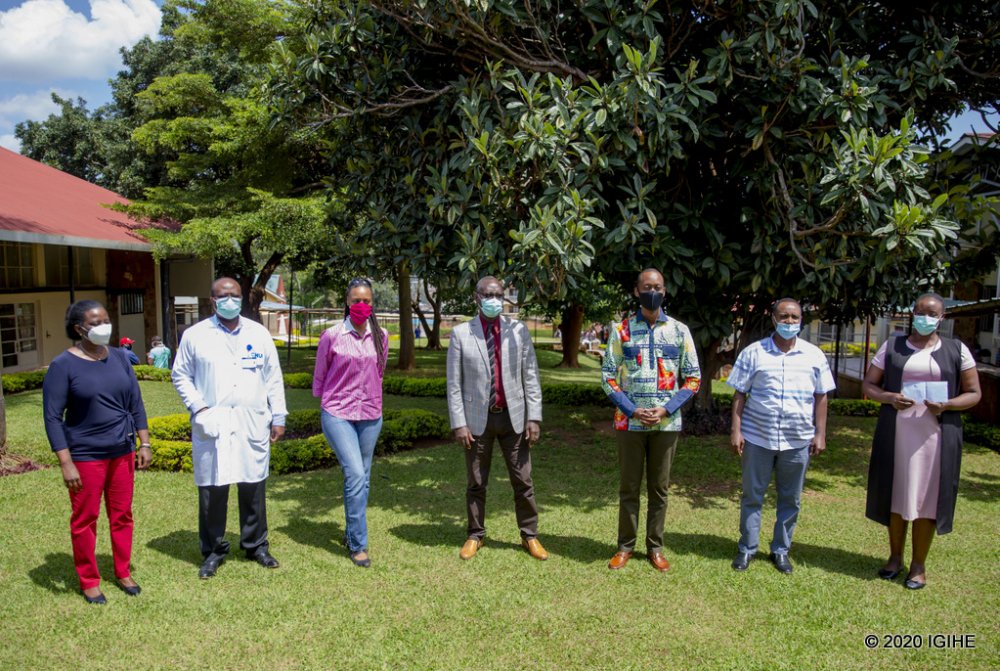
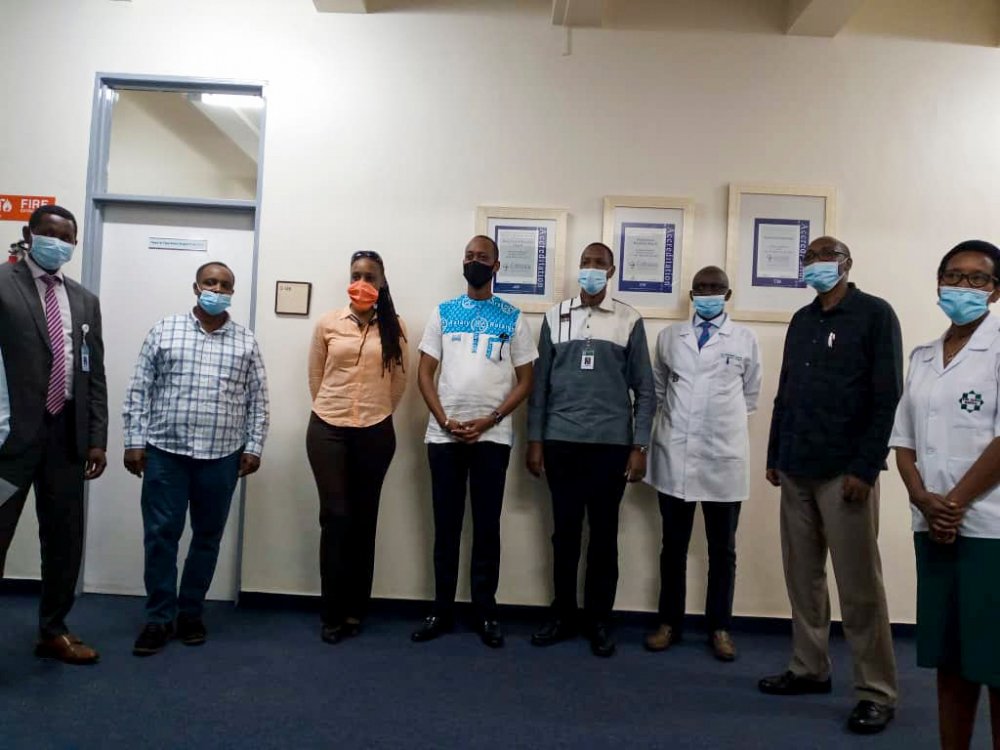
The event took place at CHUK on May 28, 2020, following the King Faisal event on Wednesday.
Rotary Club Kigali Doyen and five other Rwandan charitable clubs are starting to work together to help change the world and resolve conflicts, education, fighting ignorance and poverty, improving access to clean water, fighting pandemics, and eradicating polio disease through donation vaccination and help the needy.
Since the COVID-19 pandemic caused by Coronavirus has been reported in China and spread around the world, doctors are among the foot soldiers fighting its spread.
Rotary Club Kigali Doyen thus donated Rwf 5 million to King Faisal Hospital and Rwf 8 million to CHUK.
The donation was raised in conjunction with Rotary Club Brussels-Renaissance in Belgium and another project called Chaîne de l’Espoir, which has been working with Rotary Rwanda for three years in the field of pediatrics.
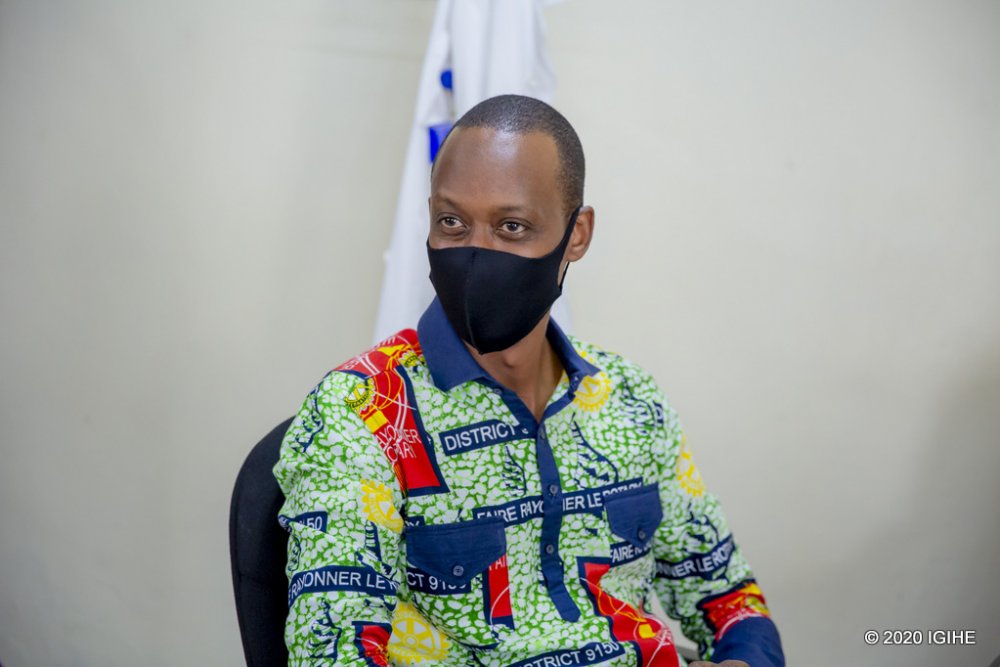
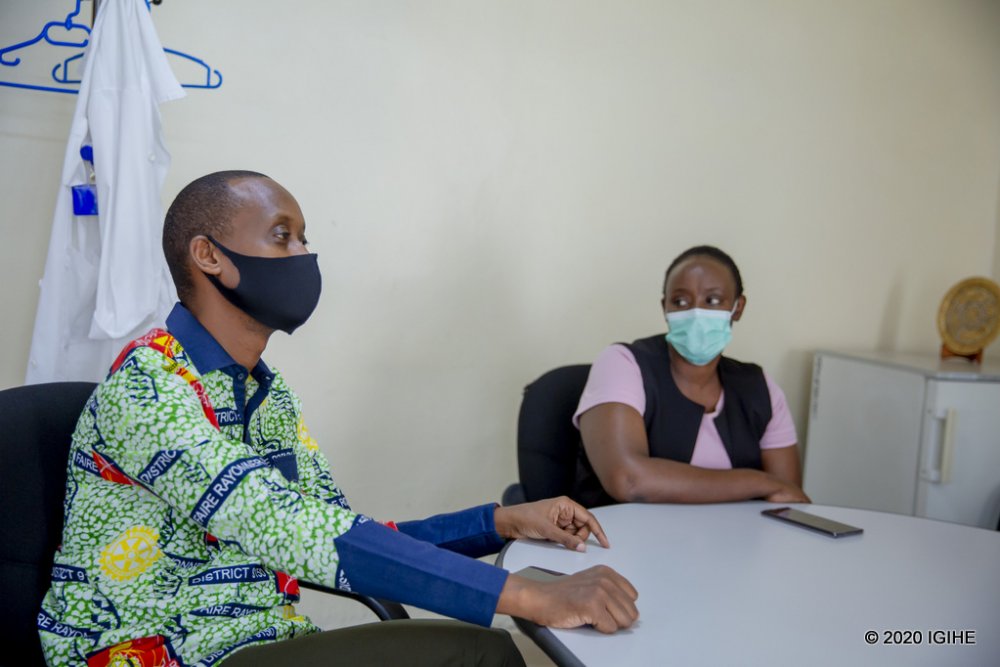
Rotary Club Kigali Doyen President Sebera Eddy told IGIHE that they have chosen to help the hospital access safety equipment for its operations.
The Rotary Club already operates various hospitals in Rwanda where it recruits specialists in various diseases and support the treatment of some communities for free.
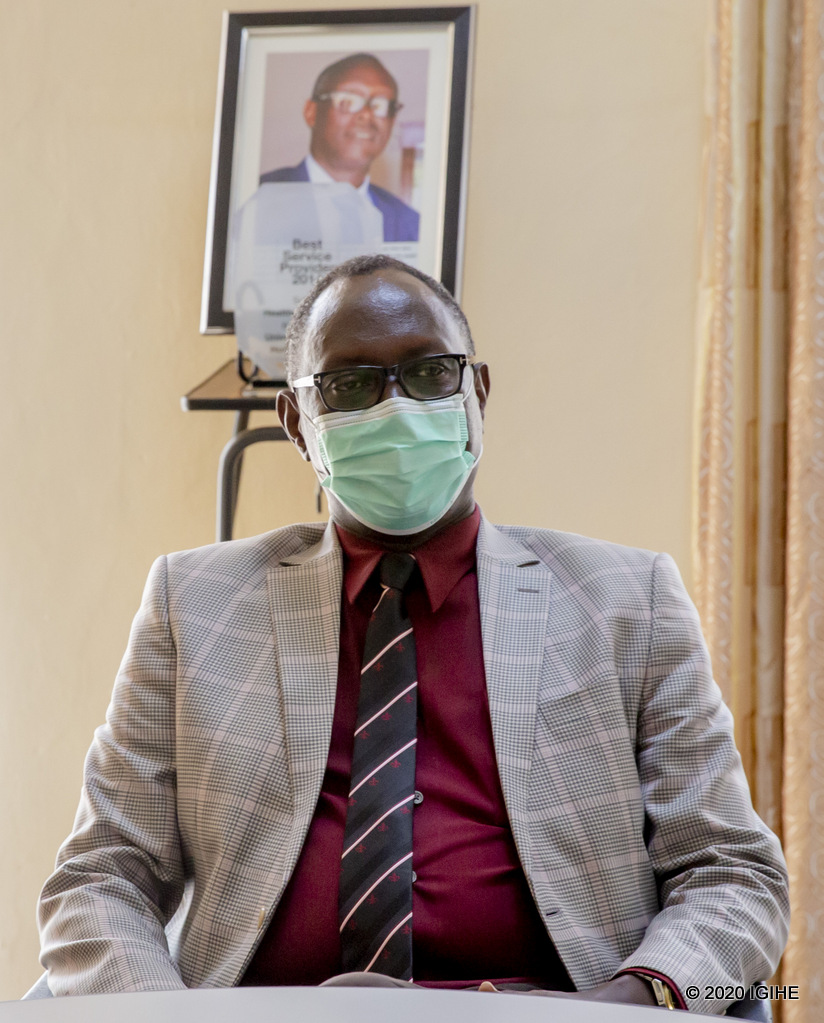
CHUK Director General Dr. Hategekimana Théobald thanked the Rotary Club for their support in various activities.
He said beside the donation given to the two hospitals, children born with heart problems were treated with the support of the Rotary Club which restored hope among their parents.
Rotary Club Kigali Doyen recently donated to Rwandan Biomedical Center (RBC) more than 900 liters of hand sanitizers and hygiene kits including 160 handwashing tanks worth Rwf12 million to deal with Coronavirus. It also donated another Rwf 3 million to support the charity Solid Africa, which cares for homeless patients and helps them get food.