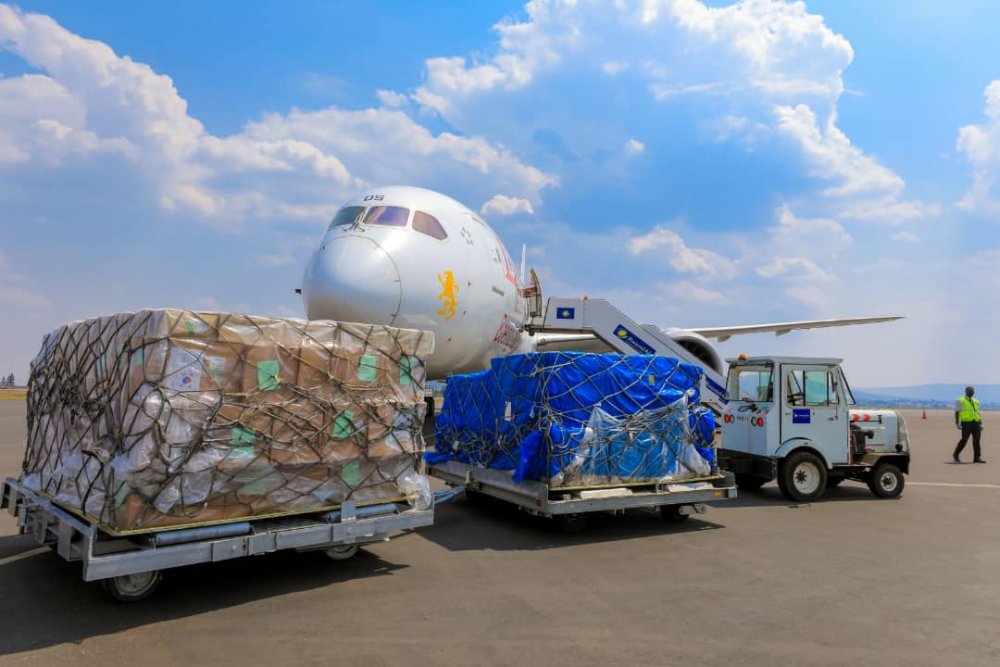
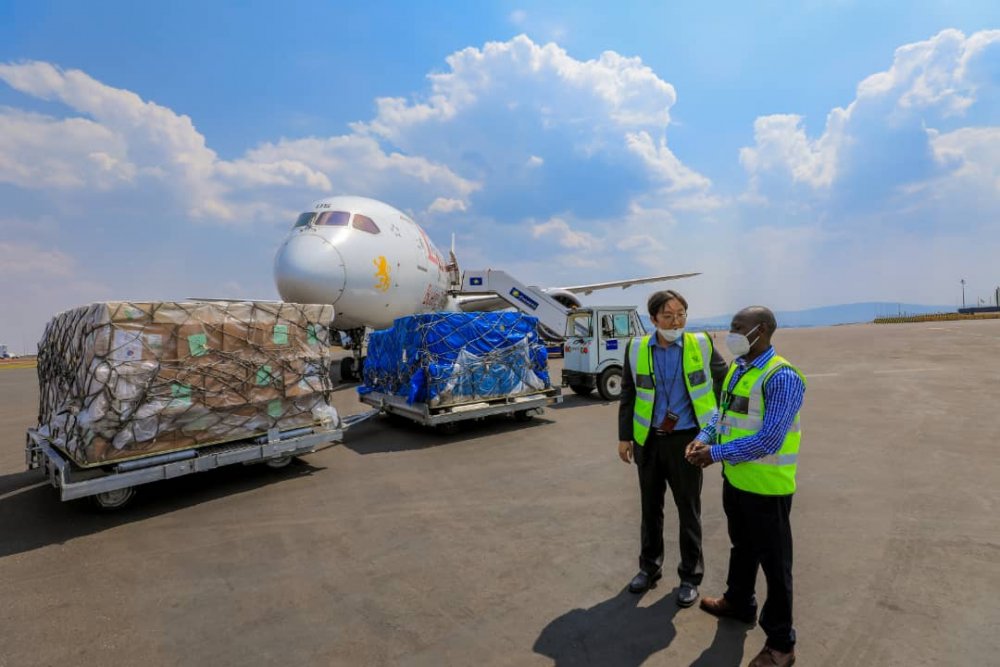
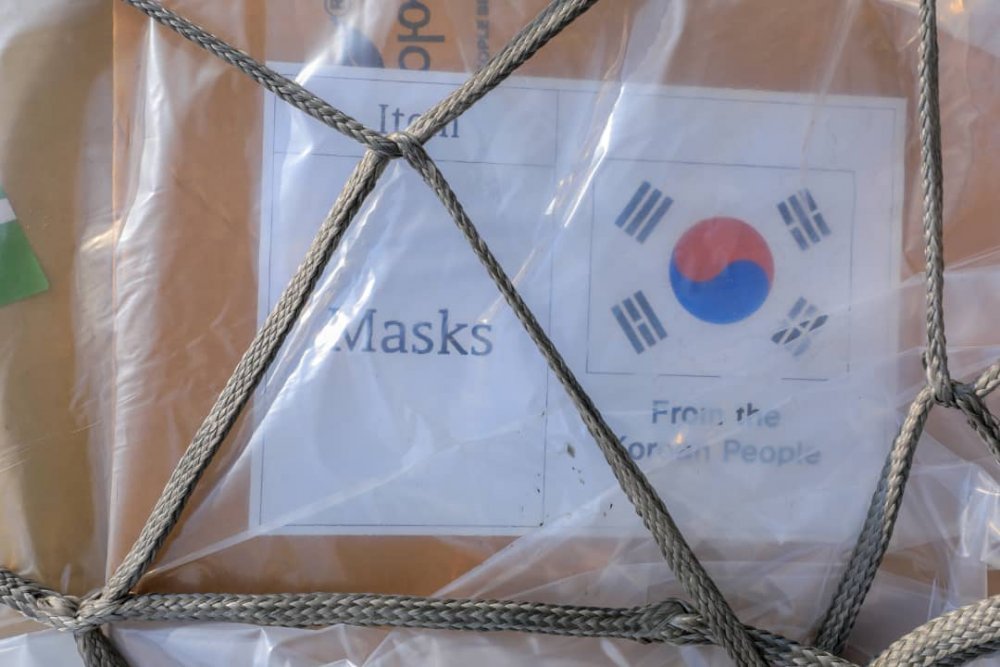
The handover ceremony was held at Kigali International Airport, attended by the Division Manager of Rwanda’s National Reference Laboratory, Dr. Emille Mwikarago, and the Deputy Chief of Mission of the Korean Embassy, Jongyun Choi.
The Director-General of the RBC, Dr. Sabin Nsanzimana thanked the Government of the Republic of Korea, saying their support was timely.
“We appreciate the contribution of the Government of Korea; indeed the masks will help us to stop the spread of COVID-19. The donation is a sign of concrete cooperation; a friend in need is a friend indeed,” he said.
Jongyun Choi said that global solidarity is important more than ever and assured that his country will be a close friend of Rwanda in its fight against COVID 19.
KF94 mask is equivalent to FFP2 mask in Europe and N95 mask in the United States.
As Rwanda continues to cope with the Covid-19 pandemic, it has been receiving international funding to help with the fight, with over 100 breathing machines recently provided by the United States and other medical supplies including masks, temperature testing equipment provided by the army of this country.
The death toll from Covid-19 in Rwanda has risen to over 4,500 so far, while the death toll has risen to 22.
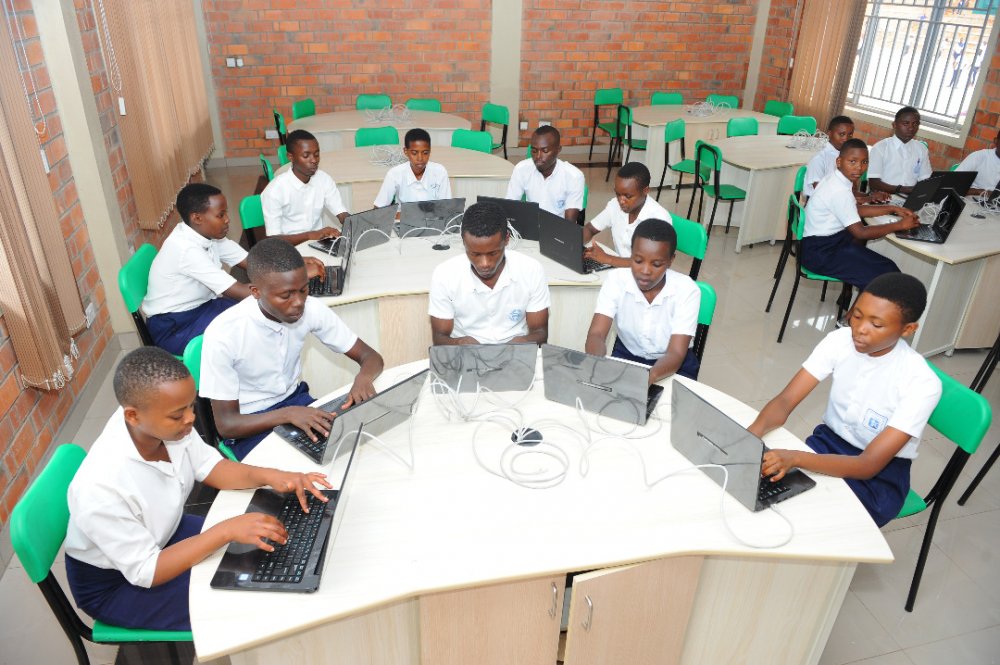
On March 14, after the first Coronavirus patient was diagnosed in Rwanda, it was immediately decided that all schools would be closed and that all students would return home and instead pursue classes online.
REB DG9 Dr. Ndayambaje Irénée told IGIHE that by the time the schools are open, there will be a lot to change because the curriculum will be different from what it used to be focusing mostly on online classes.
“Another factor is related to the hygiene and sanitation in schools. While classrooms are being built, there are also special plans to build permanent toilets in our schools.” Said Ndayambaje.
“We also want children to develop this habit of washing hands because in addition to protecting people from COVID-19 it also promotes hygiene in schools and as we learn it in schools and in our homes, we will be able to reduce incidences of childhood-related diseases. It’s something people should expect.”
REB said that there is also a program to feed children at schools where they will all be provided with meals. In 2014, the Government of Rwanda launched a program to feed 9- and 12-year-old children in primary education to help them improve their level of achievement without losing their temper.
In the first four years, the program was given a budget of Rwf 5.5 billion, but in the previous fiscal year it reached Rwf 7 billion.
“We had a program to feed the children in the secondary schools; you find cases of a child studying in primary school having their elder sibling in their first year of high school; when it is lunchtime one would go to school for lunch when the other will have to pack their lunch or go home to eat.” He said.
Now the government has decided that all children will eat at schools, for it improves their performance.
Recent data show that at one center in Kigali City, parents are required to pay Rwf 12,000 per quarter which is Rwf 4000 per month. The state government pays Rwf56 per child per day.
Last year, the attendance recorded of student 9-12-years primary school were at 97.3%, Kigali City came on the top 100% attendance, North recorded 99.4% attendance, Western Province with95.2%, Southern 97.3 %, Eastern Province also had a turnout of 97.3%.
{{ Concerns about the rising of school fees}}
Some parents and caregivers who recently spoke to IGIHE pointed out that due to the preparations that will be made to prevent COVID-19 while schools are open; it is more likely that the cost will be higher than before.
Schools will be required to provide sanitation facilities, social distance system, increase the amount of water used for washing, building new classrooms, technology and more. It is expensive and more likely is expected to be paid by the student.
The institution will not build new schools or bring in new technology and when it comes to determining the tuition fees ignore all those expenses.
“You could say that the fact that the school bring water system. It means that the tuition fee is going to increase, but we have to go back and think to the cost we paid for the lack of water, the diseases and poor sanitation. Schools should not be afraid that this is going to be another burden so it should raise school fees, everything is counted, and water expenses are counted. We don’t think it is going to be very expensive but it’s something people wanted, it’s important to have It.” said Dr.Ndayambaje.
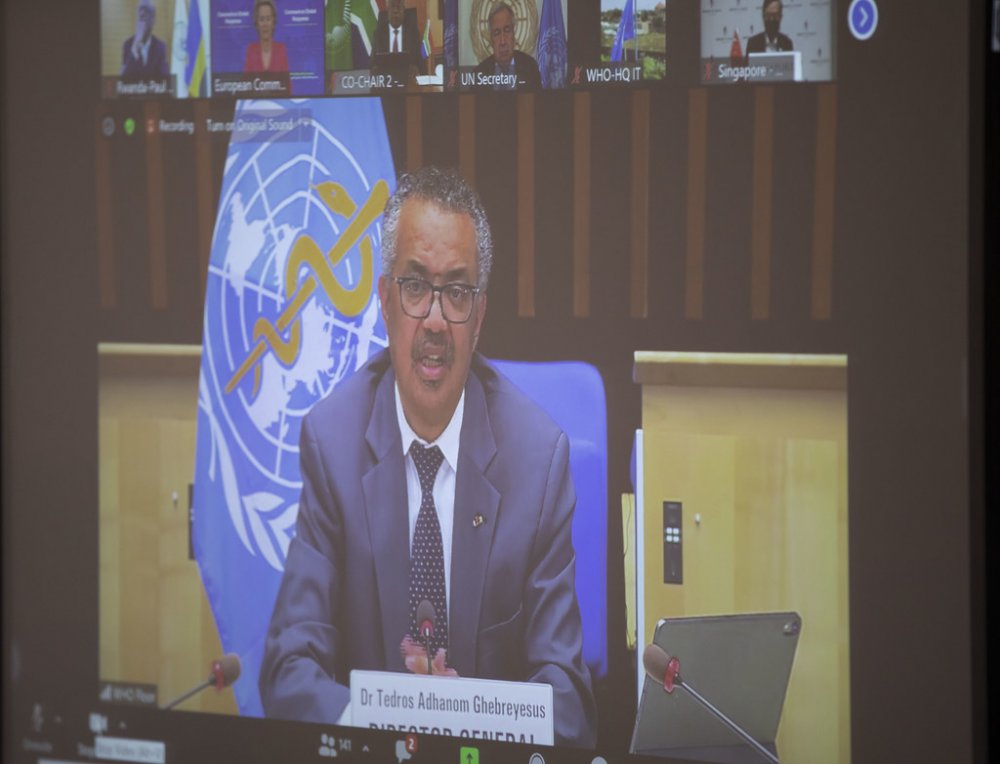
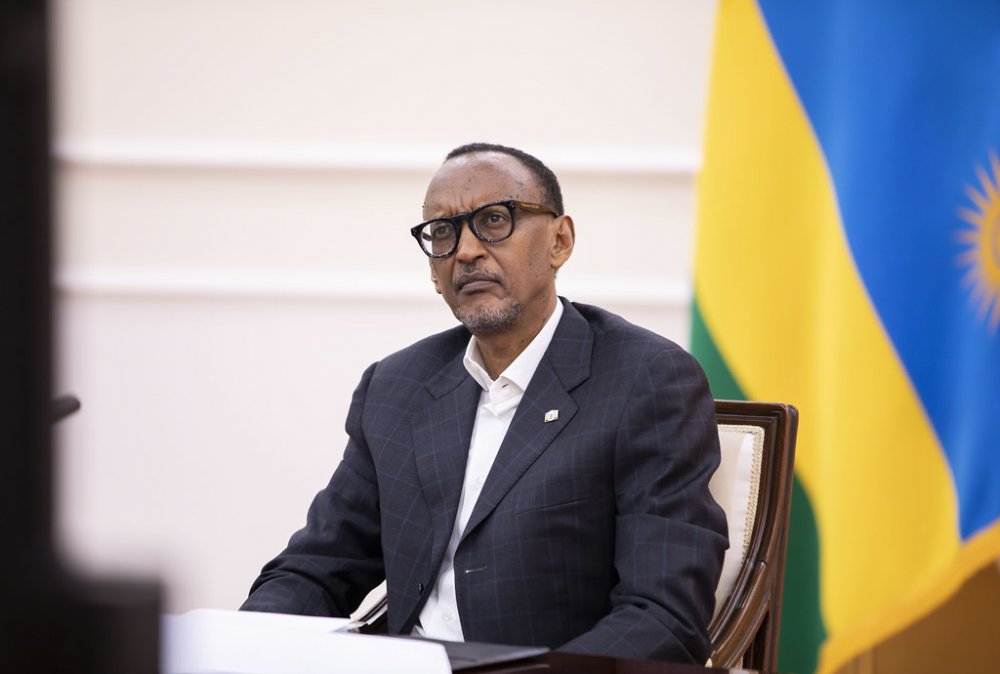
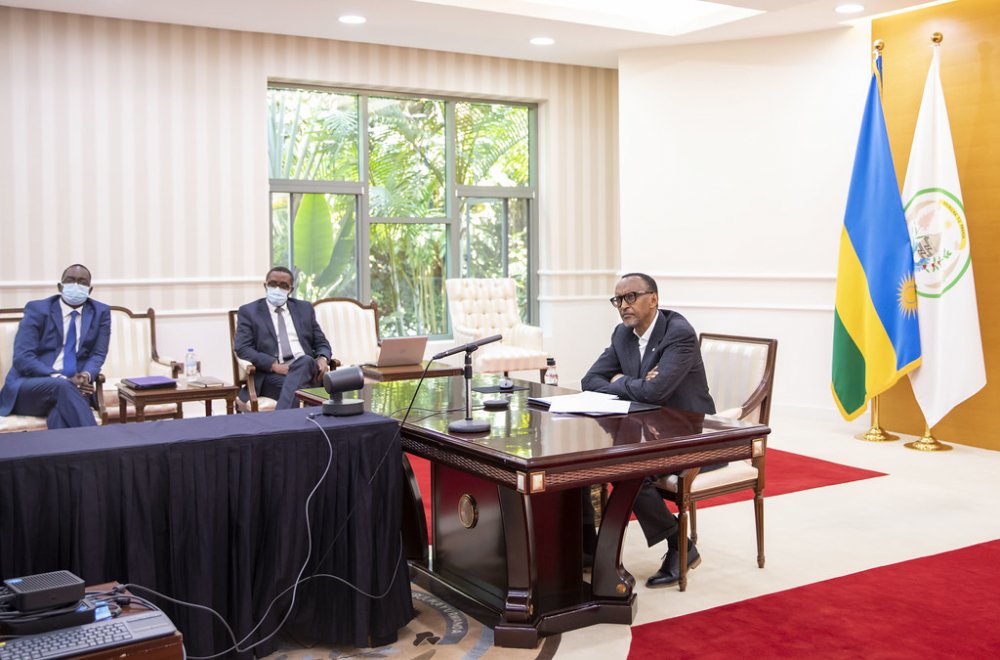
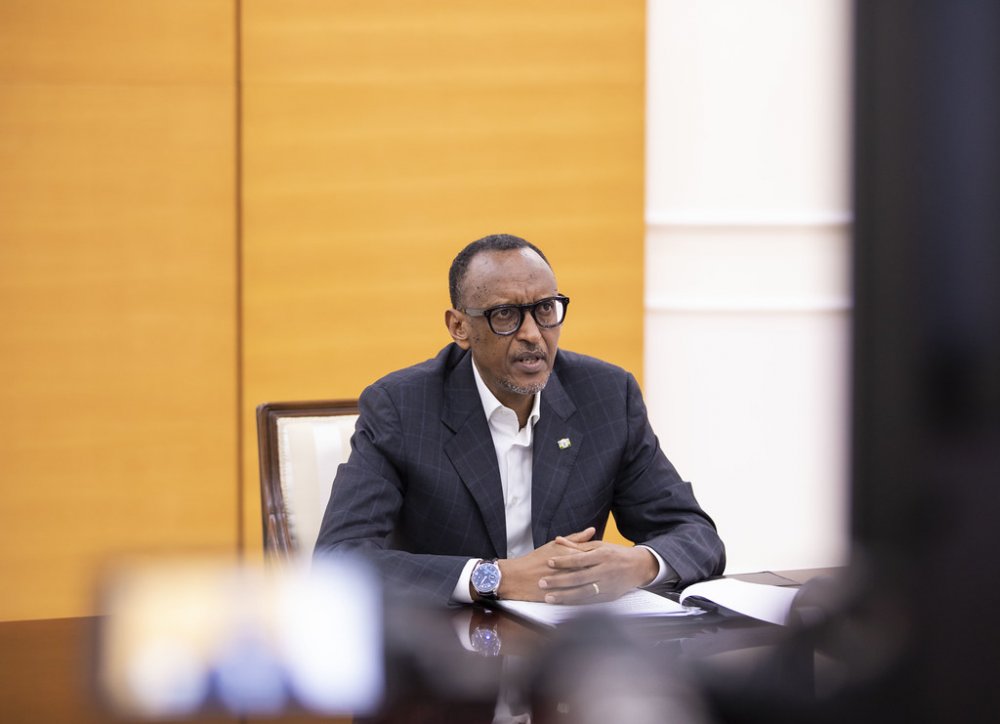
The president made the remarks on Thursday at a virtual conference on Access to COVID-19 Tools (ACT) Accelerator, as a partnership between countries and international organizations aimed at accelerating the balanced distribution of COVID-19 measuring instruments, drugs, and ‘vaccine.
President Kagame described ACT-Accelerator as one of the most important programs in the world today and thanked the agencies, including the World Health Organization, WHO, and the European Commission, which support the pillar on which this program is built.
He said that Rwanda and Africa are coping with the Coronavirus pandemic, saying that success or failure is based on building infrastructure that can help in sustainably tackling health problems.
He stressed that Rwanda is ready to cooperate with other countries so that this program can produce as much as it needs.
As various companies continue to search for Coronavirus vaccines, the process recently hit a snag as, during the final trial by AstraZeneca and the University of Oxford in the UK, it was announced that it was put to a standstill after one of its test-takers in the UK got harmed by the concoction.
AstraZeneca said the suspension was “normal” in the event of a “rare illness”, and that a special analysis was needed to ensure a safe and secure vaccine.
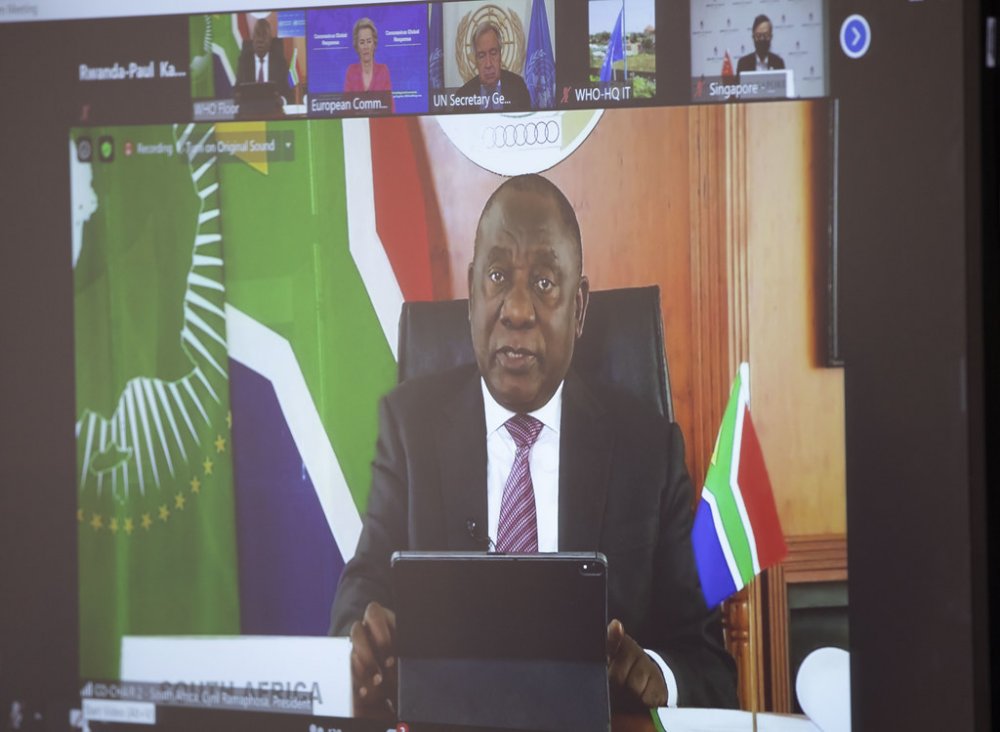
The Chairman of the African Union, also President of South Africa, Cyril Ramaphosa, told the ACT Accelerator at the meeting that since the launch of the program in April this year it has been productive, and there are many expectations for the future.
He said it is important for Africa to participate in the Coronavirus vaccines being developed today.
“As long as one is still exposed to Coronavirus in the world, no matter how far we are, we are all at risk of re-infection with COVID-19. That is why we should strive to ensure that everyone is vaccinated and it reaches everywhere at once.”
Ramaphosa said countries should use existing infrastructure, conduct research that leads to a reliable and efficient vaccine, and the participating agencies are facilitated so that they are at least free from the risk of vaccination losses.
“We need to encourage people to take part in various vaccination trials,” he said.
UN Secretary-General António Guterres said that while people are expecting more from the COVID-19 vaccine, once it’s available should be treated as public property, available to all at a low cost, “because COVID-19 does not care about boundaries.”
He called on countries to increase funding for the program. In the beginning, $ 3 billion was invested, but now needs at least $ 35 billion to expand, including $ 15 billion over the next three months.
The program launched in April 2020, brings together governments, scientists, businessmen, NGOs, philanthropists, and international health organizations such as the Bill & Melinda Gates Foundation, CEPI, FIND, Gavi, Global Fund, Unitaid, Wellcome, WHO, World Bank and Global Financing Facility.
It is the agencies that have put together efforts to find a way to stop the COVID-19 pandemic, through support for the functioning and distribution of equal measures for the testing, treatment and prevention of the pandemic.
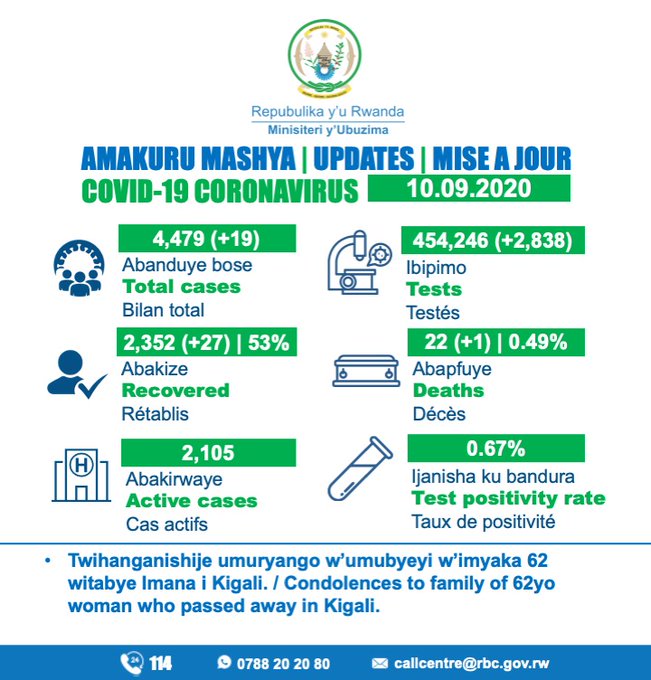
Information released on Thursday by the Ministry of Health indicates that 19 more people have been diagnosed with the disease, bringing the total number of confirmed cases to 4479, of which 2, 352 including 27 new recoveries recorded.
Among the new cases identified were 16 from Kigali testing in a high-risk group, who were most affected by the attack, 2 in Gisaraga District, and 1 in Rubavu.
In the last 24 hours, 2838 sample tests were taken bringing the total tests to 454,246.
Kagame made the observations on Thursday, September 10, 2020, while participating in a youth town hall meeting which was held under the theme “Africa’s Food System of the Future.”
The session which was held virtually is part of the 10th African Green Revolution Forum (AGRF) Summit which started on September 8 and is to end on September 11.
The president said that the potential of agriculture on the African continent is vast.
“We need to invest more and get more out of the investments we have already made. This includes public infrastructure and value chains, particularly for the growing urban food markets that underpin prosperity in rural areas,” said the Head of State.
“What we need from you is the corresponding focus and innovative spirit so that agriculture can serve as the basis of Africa’s economic transformation,” the President told the youth.
Statistics from the African Development Bank (AfDB) indicate that Africa had an estimated net food import bill of US $35.4 billion in 2015, with about 15 food chains accounting for most imports, including 5 staple commodities such as wheat, sugar, rice, beef, and soybeans.
The Bank said that increased food demand and changing consumption habits are leading to rapidly rising net food imports, which are expected to grow from US $35 billion in 2015 to over US $110 billion by 2025, if the situation does not change.
In response to that, President Kagame said that “in our vision, we want to transform agriculture from mostly subsistence to a modern, knowledge-based sector that ensures both food and nutrition security, and also creates value and contributes to our economy.”
“This means therefore, a stronger role for the private sector including farmers with the government acting as a market enabler, rather than dominating the market,” he said.
According to the Head of State, increased profits will come from higher yields and higher value agricultural commodities such as horticulture, poultry, piggery and fisheries, among others.
The President said that besides enabling good policy, the Government of Rwanda is working to provide the required infrastructure and to support research.
“And, you will find that this is across the whole continent; each country is focused on a number of things, but these are the common ones.”
He observed that Rwanda has partnered with the Howard G. Buffett Foundation to establish Rwanda Institute for Conservation Agriculture (RICA) which is educating a new generation of agriculture entrepreneurs in the latest sustainable farming practices.
Rwanda also facilitated the establishment of a youth platform; the Rwanda Youth in Agribusiness Forum, which targets opportunities in the agriculture sector domestically and regionally, the President added.
While speaking in Waramutse Rwanda (Good morning Rwanda), a morning talk-show on Rwanda Television on Thursday, September 10, RNP spokesperson CP John Bosco Kabera warned that anyone implicated or caught in such human rights violations will be held accountable.
The warning follows an incident recently in Gatsata, Gasabo District, where three community policing agents were seen in a video assaulting a local resident, whom they apparently accused of violating the government directives against COVID-19.
CP Kabera said: “We have arrested Ildephonse Sindayigaya, Jean Bosco Karangwa and Elisa Ndahiro, security members at local level, who appeared in a video assaulting Evode Tuyisenge on September 8, in Gatsata Sector of Gasabo District.
Those, who assault people under the guise of fighting the spread of COVID-19 will not be tolerated and will equally face the law for their inappropriate behaviours and actions, which are unnecessary and uncalled for.”
The three suspects are currently held at Gatsata Police Station pending further investigations into the alleged assault.
“Community policing partners like DASSO, Irondo (community night patrols), community policing committees and youth volunteers are playing a big role in supporting RNP to implement government directives meant to contain and combat the pandemic of Coronavirus,” CP Kabera noted.
He, however, urged them not to violate the law or misuse their powers to break the law at the expense of the people’s wellbeing and lives.
“All security organs follow the law in the implementation of their duties and anyone whose conduct is viewed as inappropriate and use of unnecessary excessive force and contrary to the law, is individually held accountable,” CP Kabera emphasised.
The spokesperson, however, urged the general public to comply with the directives instead of being forced, and to exhibit appropriate behaviours when caught in an violations and lawlessness by following given instructions.
“Do not exhibit any violent behaviours when caught or implicated in any wrong-doing. Comply, go where you are instructed to go.”
In case of any abuse by Police officer, the public are urged to call 3511 (toll-free line), Inspectorate of Services and Ethics (ISE) on 0788311400 or Police Disciplinary Unit (PDU) on 0788311824
Chaired by President Paul Kagame at Urugwiro Village on Thursday, the cabinet maintained several decisions that were taken on August 26, 2020; yet the easing of the curfew is sending relief among the public who had difficultly started adjusting to the 7 PM hour.
Among other decisions that pleased the public is the resumption of movements to and from Rusizi, the only district (from Western Rwanda) which remained in lockdown for nearly six months.
“Mouvements to/from Rusizi in private transport is allowed, but they should respect the health guidelines,” reads the statement.
However, the public transport between Kigali and the rest of the districts of the country will remain closed.
Concerning meetings and events, the cabinet said that “all the authorized gatherings including meetings and weddings will continue, with respect of health institutions’ measures including testing for COVID-19 where participants themselves will bear the cost. The number of participants should not exceed 30% of the capacity of the venue,”
The authorization is given by Local government institutions and the Rwanda Development Board (RDB) after examining whether the applicants fulfill all the requirements.
Also testing for COVID-19 and bearing the cost, will be all those that seek to do a trip at Rwanda’s national parks.
“All people are reminded that they should respect the COVID-19 preventive measures including one-meter social distance, wearing the face mask and washing hands. Failure to respect this will attract sanctions,”
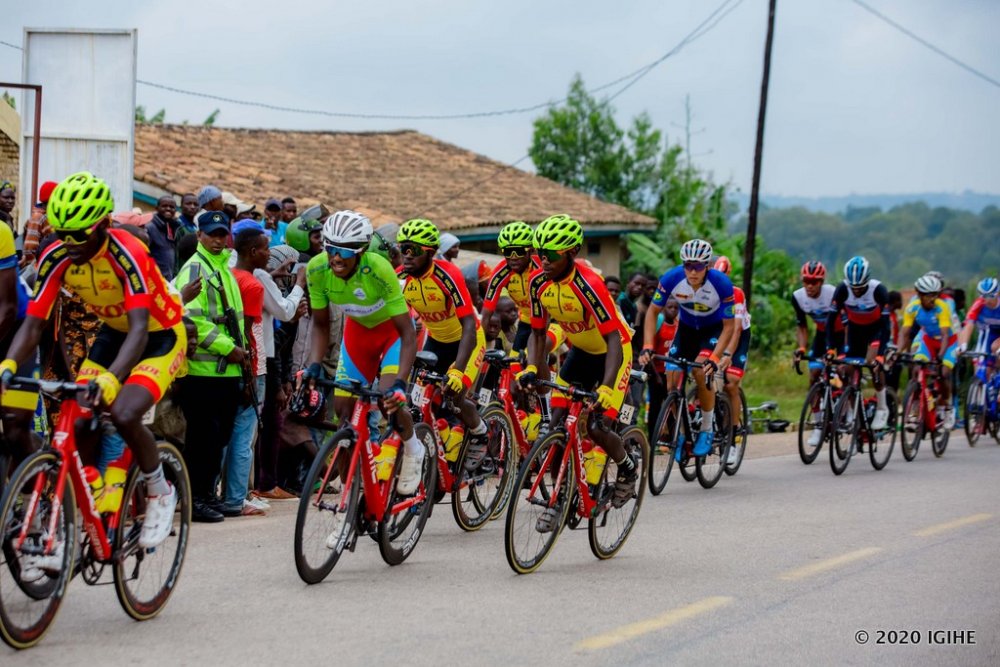
Like other sports, no cycling race has been organized since March this year when the first Coronavirus case was found in Rwanda.
Two-and-a-half months ago, the game was among few of which the players were allowed to train but it is not yet known when the tournament could be resumed.
In an interview with IGIHE, Niyonshuti said that although his players have not played in races for a long time, they continue to monitor them even during the lockdown.
Regarding the preparations for the tournament, Niyonshuti said they were waiting for the decision to be taken by the relevant authorities as they planned to take part in various competitions in Belgium, which were often held in the summer.
“I think the Ministry of Sports will have discussions with the federation and coordinate to see what is needed and we can go back to the tournaments. If not, what I would say to the players is to prepare for next year because I think if we are lucky next year we will have the Tour du Rwanda tournament,” he said.
“If it goes well and we get the visas, and the invitations to the games we had planned to go to Belgium, maybe we will go there for the games in October or November because I think the year of the games will be long even though it is difficult taking the kids to Europe during the cold season,” he added.
For the past two years, the management of SKOL’s soft and non-alcoholic beverages factory has been sending athletes to Belgium for competitions during the summer between July and August.
“Taking them there in October and November when it’s cold, it would be nice for them to get used to the cold weather if they want to be professional players, but if it doesn’t happen, we can focus on the Tour du Rwanda. This year has been like a waste in everything but their life is what matters more.”
The SACA coach said the first challenge right now, for many people, is to get the necessary documents to travel to different countries in these times of Coronavirus.
“Many children here in Africa, going to Italy, France and elsewhere are having a hard time. Getting a visa that was available for two weeks can also take up to three months. Much as everything is planned now, obtaining visas has become a problem.”
Since last month, various tournaments have been organized in Europe and this Saturday, August 29, is the start of the Tour de France with the participation of the world’s top teams.
It is yet to be known where the world championship tournament, in which Rwanda will participate, will be held. So far, Sweden which is likely to host the competition in Aigle-Martigny between September 20 and 27, has extended the deadline for non-assembly of more than 1,000 people until October 1 as part of a strategy for Coronavirus Prevention.
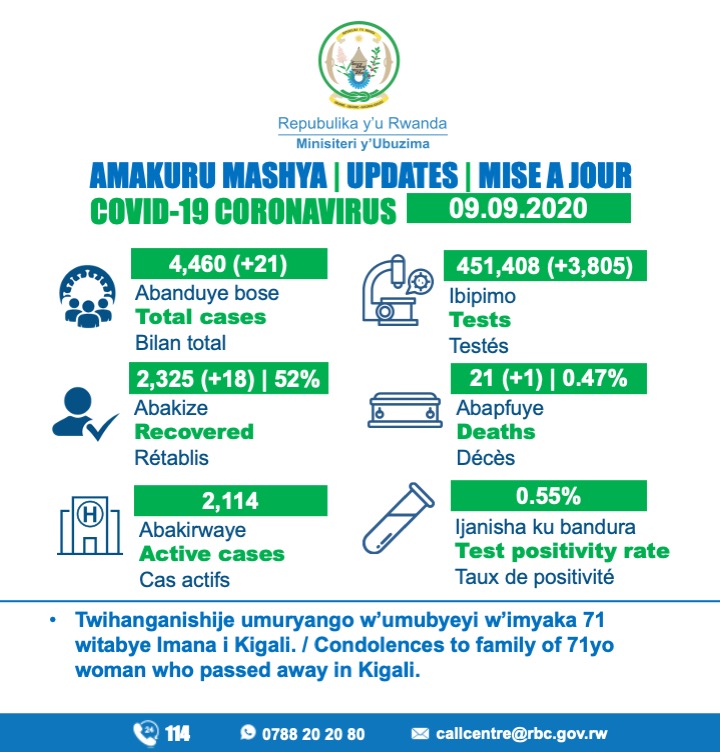
Among the new cases identified were 17 from Kigali testing in high risk groups, 3 in Kirehe and Rusizi one new case.
The figures released on Wednesday put the number of confirmed cases in Rwanda at 4,460, of which 2,325 including 18 new recoveries recorded on the same day, which means the active cases are now 2114 cases.
As of September 9, 451,408 sample tests had been taken.
Coronavirus symptoms include coughing, flu, and difficulty in breathing. The virus is said to be transmitted through the mucous membranes of the respiratory tract.
Rwandans are required to continue complying with government regulations, especially with frequent washing of hands and water and soap, wearing masks when leaving home or in public.
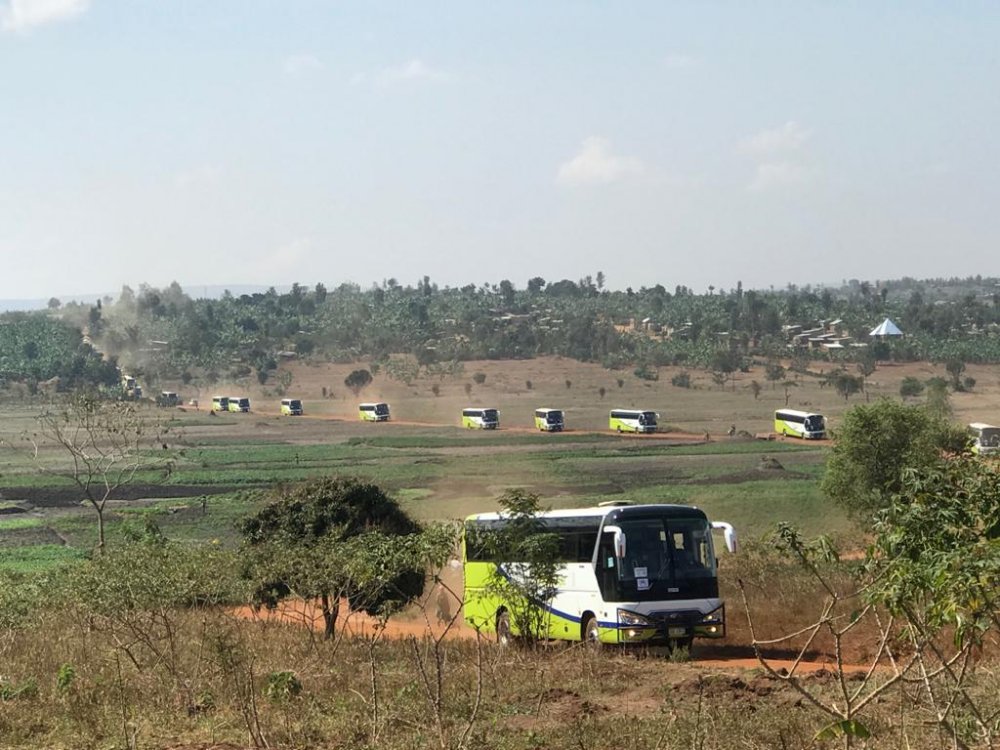
Like in the first phase, all returning residents were first tested for COVID-19.
The number of registered refugees who want to return is 3897, including 485 who returned in the first round.
The first batch of refugees returned on August 27 and was welcomed by the President of Burundi, Gen Maj Evaritse Ndayishimiye.
As the refugees were on their way to the Nemba border, President Ndayishimiye wrote on Twitter saying they wished them well, and asked the rest to return.
“We welcome our relatives who have returned from exile in Mahama. It is a great joy for their families and Burundi. The government is committed to supporting them in every way as they reunite with their families. We encourage others who want to return, Burundi is ours. Welcome to our home! ”