Participants include 40 Police officers and two from RCS.
The Police Tactical Commanders Course is designed to improve the skills of officers in various aspects of policing fields, as well as interpretation of superiors intent in daily activities, human security and leadership.
The Deputy Inspector General of Police (DIGP) in charge of Administration and Personnel, Juvenal Marizamunda, who presided over the pass-out, thanked the officers for the discipline and determination exhibited during the 16-week course, despite the challenges posed by the COVID-19 pandemic.
He said that Rwanda National Police emphasizes training and capacity building in general to further enhance the quality of policing.
The Deputy Police Chief challenged the officers to be defined by “professional conduct.”
“This course is meant to upgrade your skills so as to execute your daily tasks effectively,” DIGP Marizamunda said.
Building Police professionalism, he added, is not only limited to training but also in infrastructure development, upgrading ICT systems as inevitable tools in this globalization era.
DIGP Marizamunda urged the trainees to uphold professionalism and to put to good use the acquired knowledge and skills in their daily tasks.
He emphasized value for policing tasks, to be compliant with the law and RNP core values.
The DIGP appealed to them to always comply with the national COVID-19 prevention guidelines.
“People in Rwanda expect best quality services, professional response to issues of safety and security affecting them but also working with them in policing and human security activities,” said DIGP Marizamunda.
The NPC Commandant, Commissioner of Police (CP) Christophe Bizimungu thanked the RNP leadership for supporting the College to provide quality training.
The Commandant further thanked the officers for the discipline exhibited during the four-month course.
‘’You started the course in November last year while the country was facing the threat of Covid-19, but you took the course seriously while complying with the prevention guidelines and passed; we appreciate that discipline and determination,’’ CP Bizimungu said.
During the four months, course participants covered Police operation, staff and field work, Public order management, law criminology, protection of people and their property and skills-at-arms, among others.
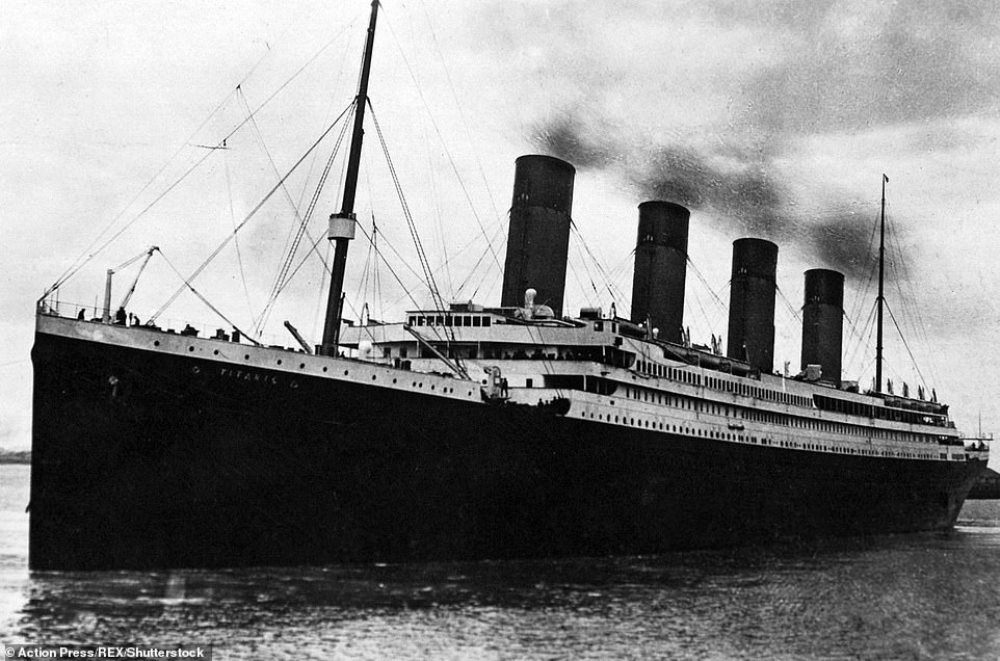
-* { {{On April 14, 1912, the RMS Titanic hit an iceberg while on its maiden voyage from Southampton to New York
-* Within three hours, the ‘unsinkable’ ship had sunk in freezing Atlantic Ocean, killing more than 1,500 people
-* New book Titanic – ‘Iceberg Ahead’, by James Bancroft, uses survivor testimonies to describe what happened
-* Perfume salesman Adolph Saalfeld recalled hearing ‘pitiful cries’ of people drowning as lifeboat sailed away
-* Picture framer Joseph Hyman recalled being awoken by the ‘terrible shock’ of the ship hitting iceberg}} }
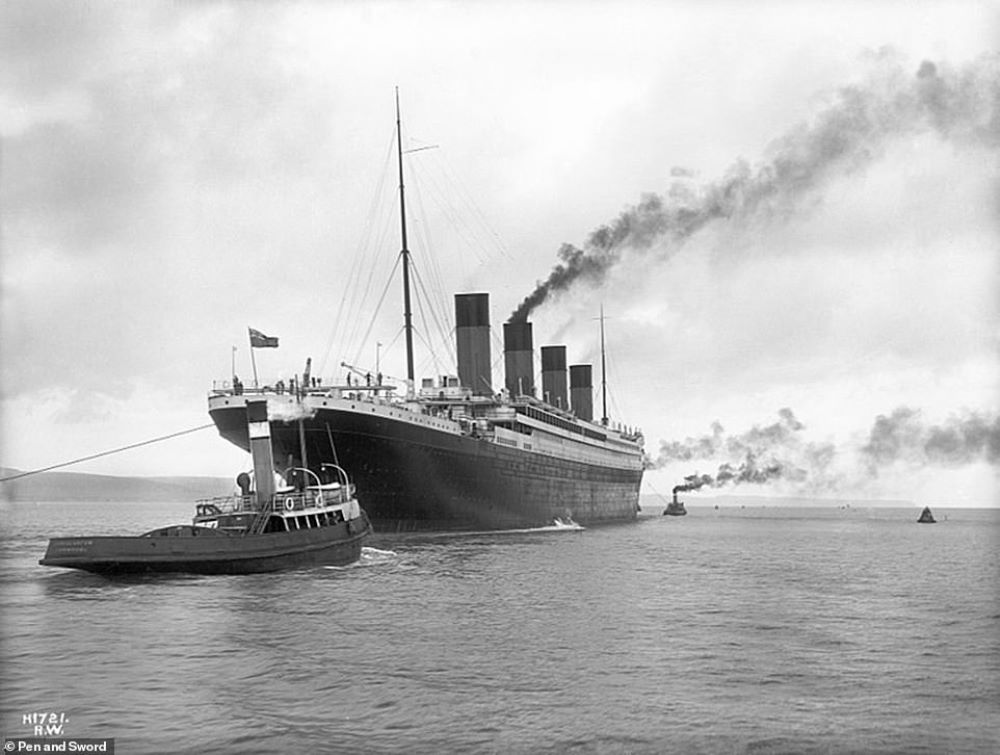
At just before midnight on April 14, 1912, the RMS Titanic hit an iceberg while travelling on its maiden voyage from Southampton to New York.
Within three hours, the ‘unsinkable’ ship had slipped beneath the waves of the freezing Atlantic Ocean, killing more than 1,500 people.
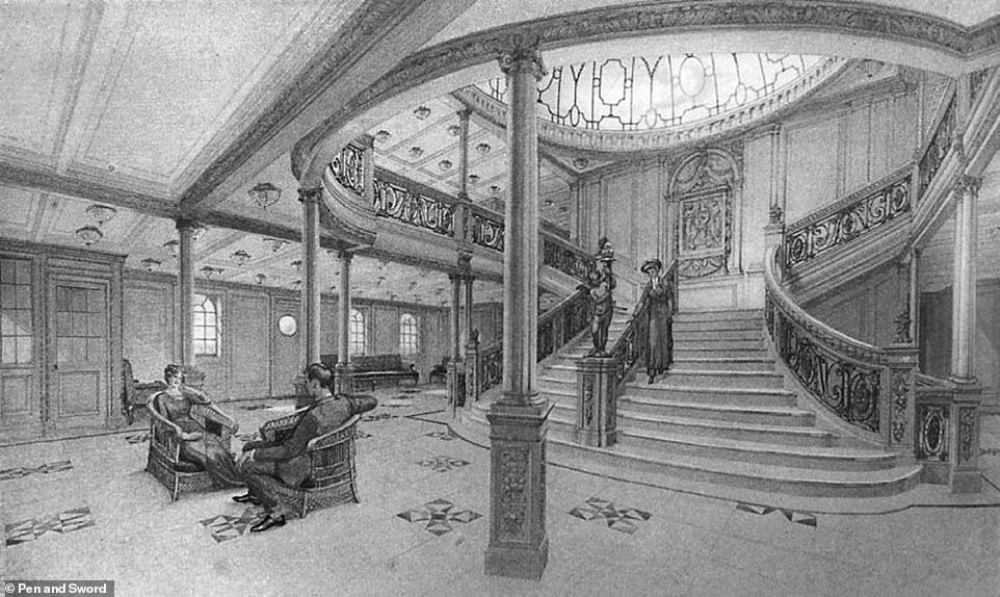
At its launch, the luxurious Titanic was the largest ship in the world, and was carrying some of the wealthiest people in the world, as well as hundreds of people from Britain, Ireland, and elsewhere who were seeking a new life in the United States.
Whilst the story of the disaster has been told many times, a new book uses the vivid witness accounts of 50 of the 705 people who survived to bring the horror of what occurred back to life.
James W Bancroft in Titanic: ‘Iceberg Ahead’, includes testimony from people such as perfume salesman Adolph Saalfeld, who heard the ‘pitiful cries’ of drowning victims as his packed lifeboat pulled away.
Stewardess Violet Jessop, who went on to survive two other shipping disasters, recalled how a baby was ‘dropped into my lap’ as her lifeboat was being lowered into the water.
And picture framer Joseph Hyman described how he ‘didn’t think’ that the ‘terrible shock’ of the ‘bang and a rip’ which awoke him – the force of the Titanic hitting the fateful iceberg – could be ‘anything serious’.
Below, MailOnline retells some of the survivors’ accounts and sheds previously untold light on their lives.
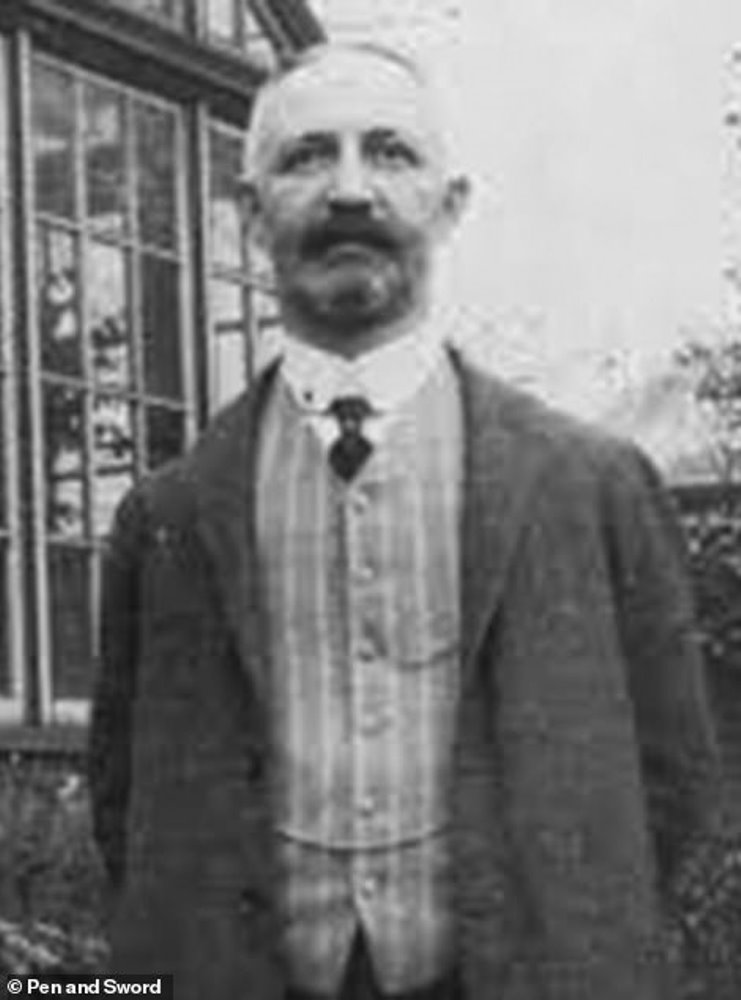
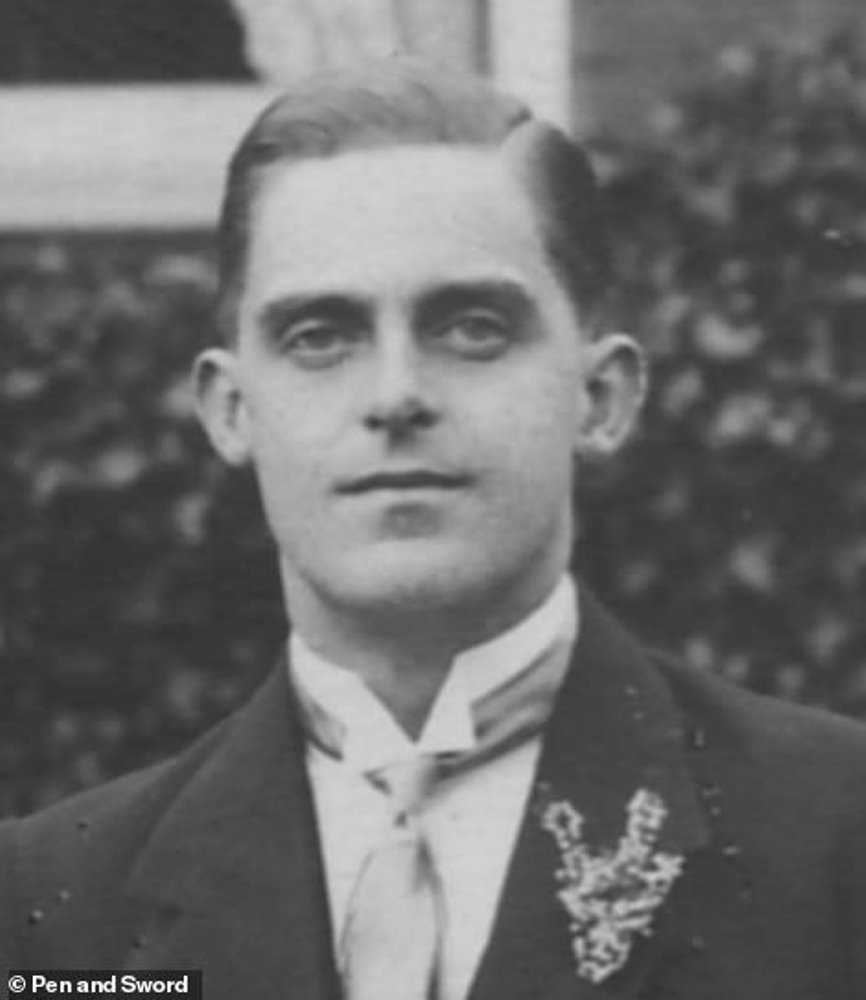
{{Picture framer Joseph Hyman}}
The iceberg which sank the Titanic was first spotted at 11.40pm by lookout Frederick Fleet. He rang the ship’s bell and told the bridge: ‘Iceberg! Right ahead!’.
Whilst the enormous ship changed heading just in time to avoid a head-on collision, the change in direction caused it to his the iceberg at an angle.
A spur of ice beneath the water gauged a huge opening in the Titanic’s hull, causing water to flood in.
Within two-and-a-half hours, the ship had split in two and sunk beneath the waves.
Hyman was a third-class passenger of the Titanic and was going to America to join his brother Harry.
He was hoping to set up a new life before his wife and family would join him once established.
The picture framer had been in bed for more than two hours when he felt the jolt of the ship striking the iceberg.
His cabin was two decks down from the top deck and was near the front of the ship.
He said: ‘It must have been about half-past-eleven when I was awakened by a terrible shock.
‘There was only one – just a bang and a rip – lasting a couple of seconds. Then everything was quiet.
‘I didn’t know what had happened, but never dreamed it could be anything serious, so lay in my bunk for twenty minutes listening.’
Hyman got up from his bed and dressed himself before going down the passage outside his cabin.
He then went up to the top deck and ‘stood a full twenty minutes’.
‘I knew the ship had hit something, but I didn’t think it could be anything serious – I don’t believe anybody on board suspected anything serious,’ he added.
After recuperating in New York following the disaster, Hyman went on to set up a delicatessen in Manchester.
He died at the age of 75 in March 1956.
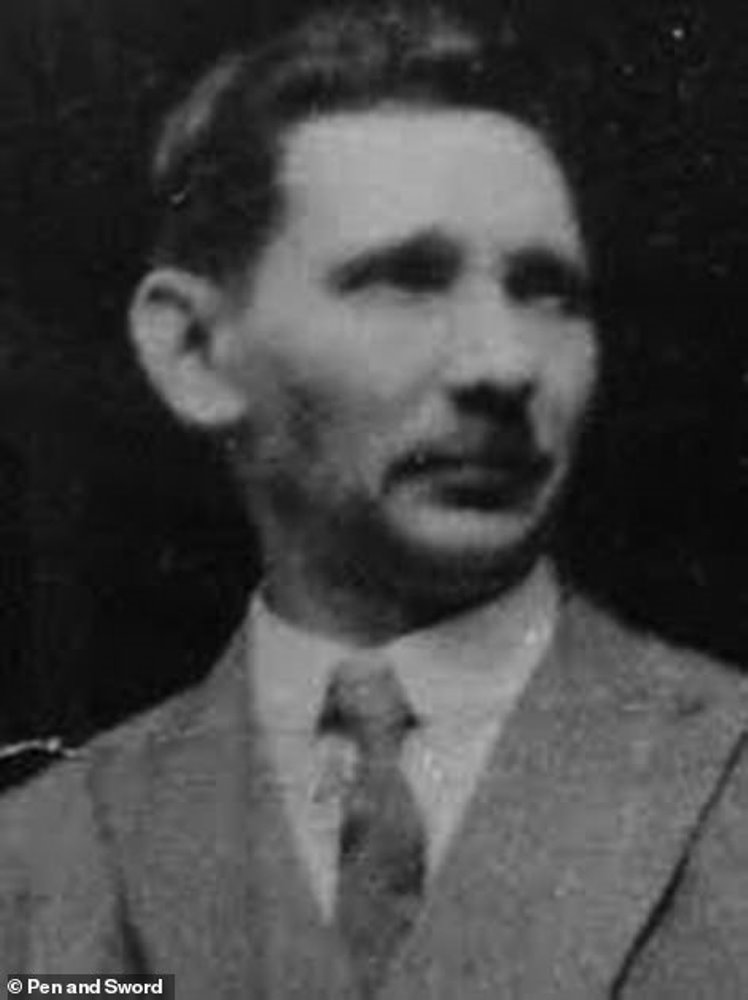
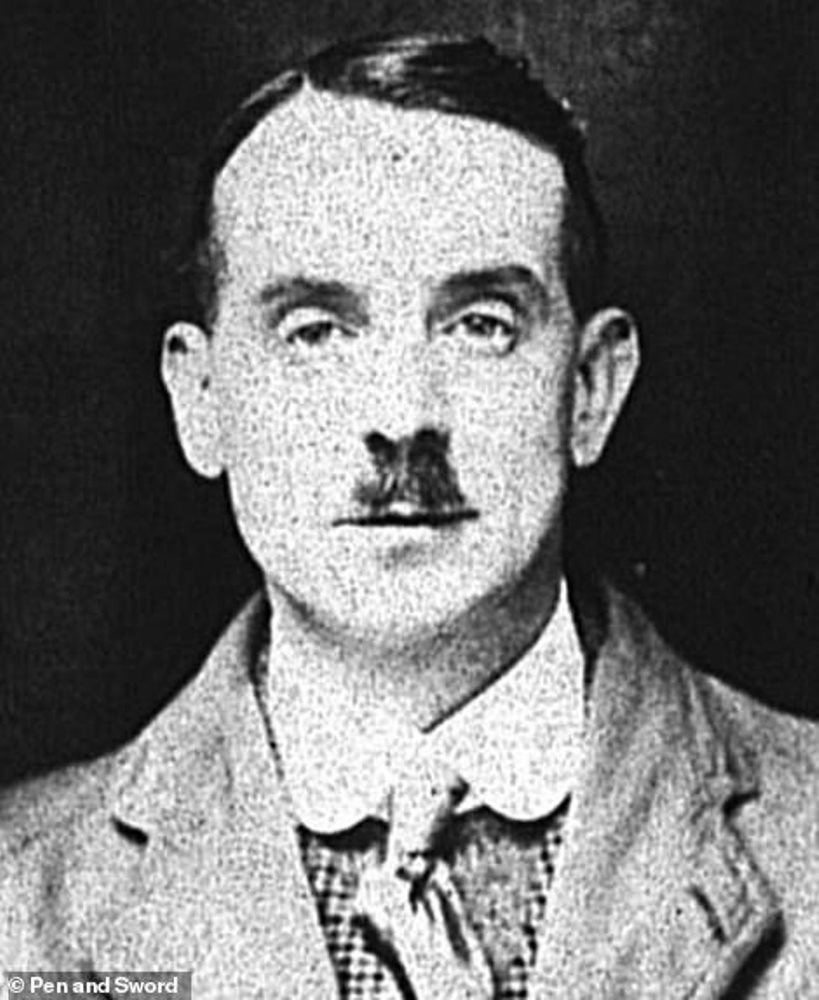
{{Perfume seller Adolf Saalfeld }}
Adolf Saalfeld, who was born in Germany in 1865, moved to England when he was 20 and became chairman of a chemist’s merchants in Manchester.
He boarded the Titanic as a first-class passenger. His cabin was opposite that of John Jacob Astor VI, the wealthiest man on board.
Saalfeld was travelling to America to present a selection of perfumes which he was carrying in 65 glass bottles.
Incredibly, all three of these bottles were recovered from the Atlantic sea bed in 2000.
Saalfeld provided initial accounts of his plush surroundings on board the Titanic, noting the lunch he had of ‘soup, fillet of plaice, a loin chop with cauliflower and fried potatoes’.
That description is in stark contrast to his later words when he was in one of the ship’s lifeboats as it pulled away from the sinking Titanic.
He said: ‘As we drifted away we gradually saw Titanic sink lower and lower and finally her lights went out, and others in my boat said they saw her disappear.
‘Our boat was nearly two miles away but pitiful cries could be plainly heard.’
Starkly, he added that everyone could have survived if there had been enough lifeboats.
‘No one in our boat knew how many lifeboats were on Titanic but … there was ample time for saving every soul on board had there been sufficient boats,’ he said.
Saalfeld said that the crew of the Carpathia ‘did all that was possible’ to make him and his fellow survivors ‘comfortable’ and tend to the sick and injured.
‘The icebergs were huge and the weather extremely rough on the voyage to New York,’ he said.
Mr Bancroft states that Saalfeld was traumatised by his experiences and returned to England ‘with his dreams shattered’.
He was ‘haunted’ by the horrors for the rest of his life and found great difficulty sleeping.
He died on June 5, 1926, at Kew in Surrey.
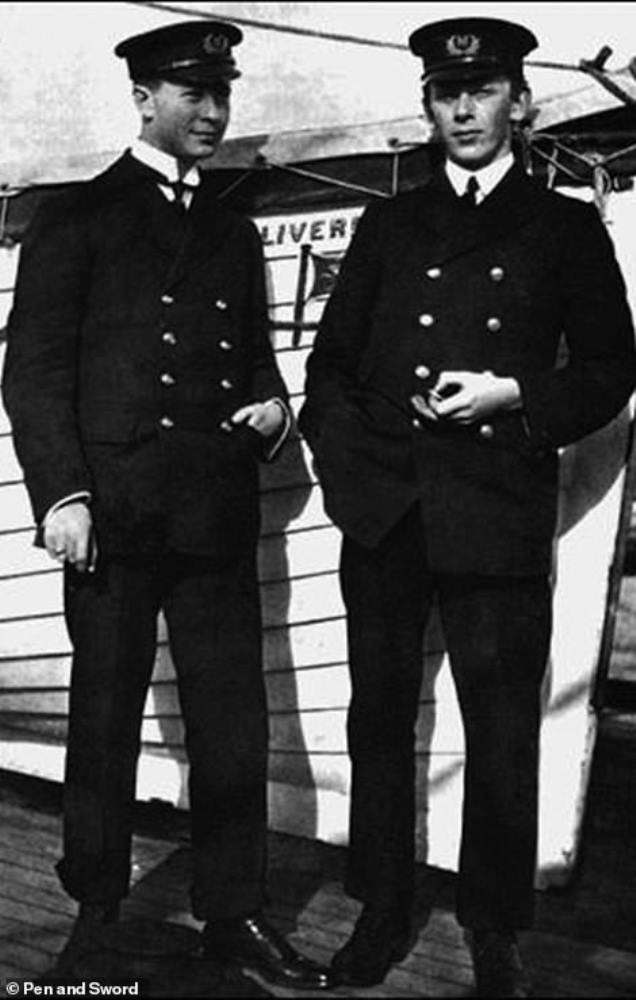
{{Junior officer Harold Bride}}
Harold Bride, who was born in 1890, in Nunhead, South-East London, had served as a Marconi Wireless operator before being appointed as a junior officer on the Titanic.
He noted how he ‘didn’t even feel the shock’ of the iceberg striking the cruise ship.
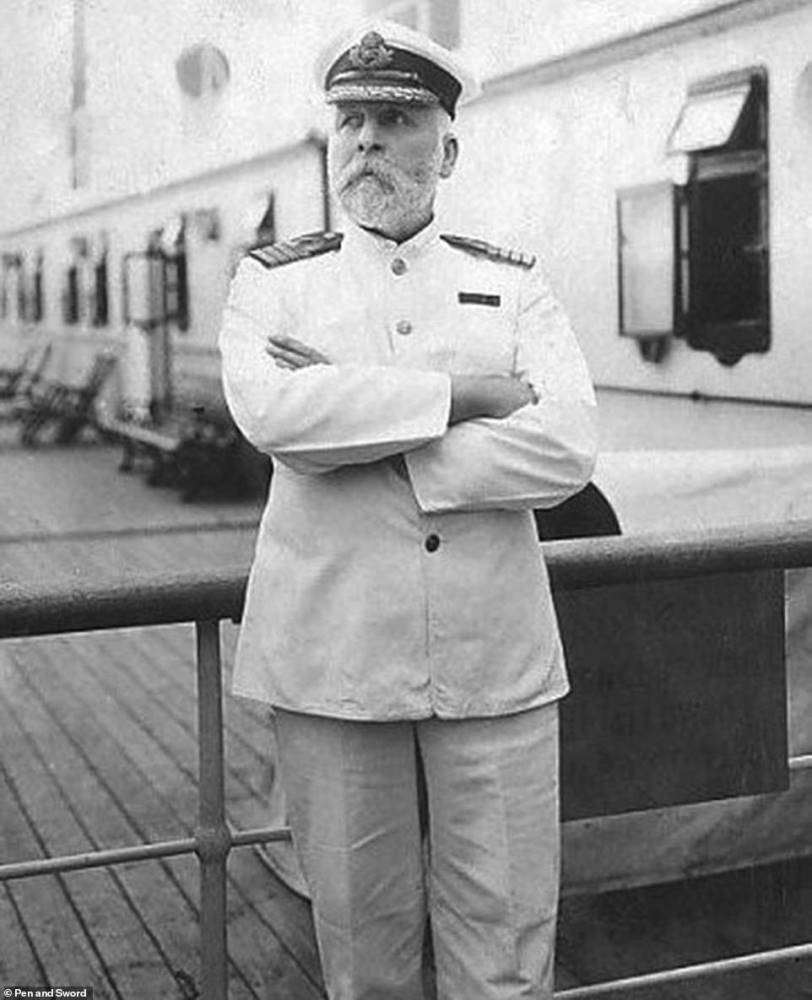
Its captain Edward Smith, 62, came into his cabin to tell him ‘we’ve struck an iceberg’ before adding: ‘You better get ready to send out a call for assistance. But don’t send it until I tell you.’
Bride added that he and his fellow crew could hear a ‘terrible confusion’ but that there was not ‘the least thing to indicate any trouble’.
The captain then re-emerged to order him to send the assistance call. Several ships responded, but the closest – the passenger liner RMS Carpathia – was 58 miles away.
Bride recalled how the decks were now full of ‘scrambling men and women’.
The Titanic’s lifeboats could only carry 1,178 people, far short of the total number of passengers.
As water continued to gush into the ship, Bride noted how the lifeboats were launched and women and children were being put in them.
‘The captain came and told us that our engine rooms were taking water and that the dynamos might not last much longer.
‘We sent those facts to the Carpathia. I went on deck and looked around. The water was pretty close up to the boat deck,’ he recalled.
Amid the scramble escape the ship, as passengers sought to find space in lifeboats, Bride noted how the ship’s band continued to play.
The scene was depicted in James Cameron’s 1997 film, which starred Leonardo Di Caprio and Kate Winslet.
‘I guess all the band went down,’ Bride said. ‘They were heroes. They were still playing Autumn’.
Later, Bride said Captain Smith’s order came though to abandon the ship.
‘Abandon your cabin now. It’s every man for himself. You look out for yourselves. I release you.’
Bride was then pushed into the sea by a wave as he tried to push one of the lifeboats into the water.
He became trapped underneath the boat, which was upside down.
‘I knew I had to fight for it and I did. How I got out from under the boat I do not know, but I felt a breath of air at last,’ he said.
‘There were men all around me – hundreds of them. The sea was dotted with them, all depending on their lifebelts.’
He noted that the ‘beautiful’ ship was ‘gradually turning on her nose’, ‘just like a duck does that goes down for a dive’.
‘Then I swam with all my might. I suppose I was 150 feet away when Titanic, on her nose, with her after-quarter sticking straight up into the air, began to settle slowly,’ he said.
‘When at last the waves washed over her rudder there wasn’t the least bit of suction I could feel. She must have kept going down just as flowing as she had been. That was her end.’
Bride survived after he was hauled into a lifeboat. He recalled being ‘very cold’ before the Carpathia finally arrived and people were taken on to the ship by a rope ladder.
The officer later spent time in hospital suffering from badly frozen and crushed feet.
{{Ship steward Tom Whiteley }}
Tom Whiteley, who was born in 1894, in Highgate, London, was working on the Titanic as a steward in the first class dining saloon.
He recalled being awoken at 11.30pm to be told by a shipmate about the ship striking the iceberg.
‘I looked out of the porthole, the sea was like glass and I did not believe him,’ he said.
Later, during the panicked minutes when the lifeboats went into the water, he recalled how the ship’s officers drew their revolvers.
‘The chief officer shot one man – I didn’t see this, but three others did – and then he shot himself,’ he said.
Whiteley ended up in the water and found himself clinging to ‘an oak dresser’ which he said was the same size as the hospital bed from which he was later treated.
‘I wasn’t more than sixty feet from Titanic when she went down. I was aft and could see her big stern rise up in the air as she went down bow first,’ he said.
‘I saw the machinery drop out of her. I was in the water about half an hour and could hear the cries of thousands of people, it seemed.’
Whiteley then drifted to an upturned lifeboat which he said around 30 men were clinging to.
‘They refused to let me get on. Someone tried to hit me with an oar, but I scrambled on to her,’ he said.
He added: ‘When I last saw the captain he was in the water trying to place a baby in one of the lifeboats crowded with people.
‘Some women tried to drag him on the boat, but he pulled away from them and said: ‘Save yourselves.’ I saw him go under, and he never came up.’
Whiteley was rescued by the Carpathia at around 8.40am. On arrival in New York, he was taken to hospital and treated for a right leg fracture and numerous bruises.
He filed a lawsuit against the White Star Line claiming the Titanic had been unseaworthy but it never came to court.
Whiteley went on to serve in the First World War before having a career as an actor which saw him star in the film version of Journey’s End.
The former steward also served in the Second World War as a warrant officer and was present during the North Africa landings in 1942.
Mr Bancroft says that in circumstances which ‘remain a mystery’, he died at the age of 50 while on his way to a hospital in Italy in 1944 ‘apparently as a result of cardiac problems’.
{{Smoke room steward James Witter}}
James Witter, who was born in 1880, near Ormskirk, West Lancashire, and worked as a smoke room steward on the Titanic.
He recalled being told how the ‘bloody mail room was full of water’.
Witter then told everyone in his cabin to ‘get up, she’s going down’ but was told by one disbelieving man to ‘get out of here’ before one of them ‘threw a boot’ at him.
In July 1912, Witter signed on to work on the Oceanic and remained at sea for many more years.
He continued to serve with the White Star Line and then with Cunard White Star.
He worked on many of the great transatlantic liners, including the Queen Mary and Queen Elizabeth.
However, Mr Bancroft says that Witter ‘rarely spoke’ of the disaster as it was said to have ‘haunted him for the rest of his life’.
He died in Southampton on September 12, 1956, at the age of 80.
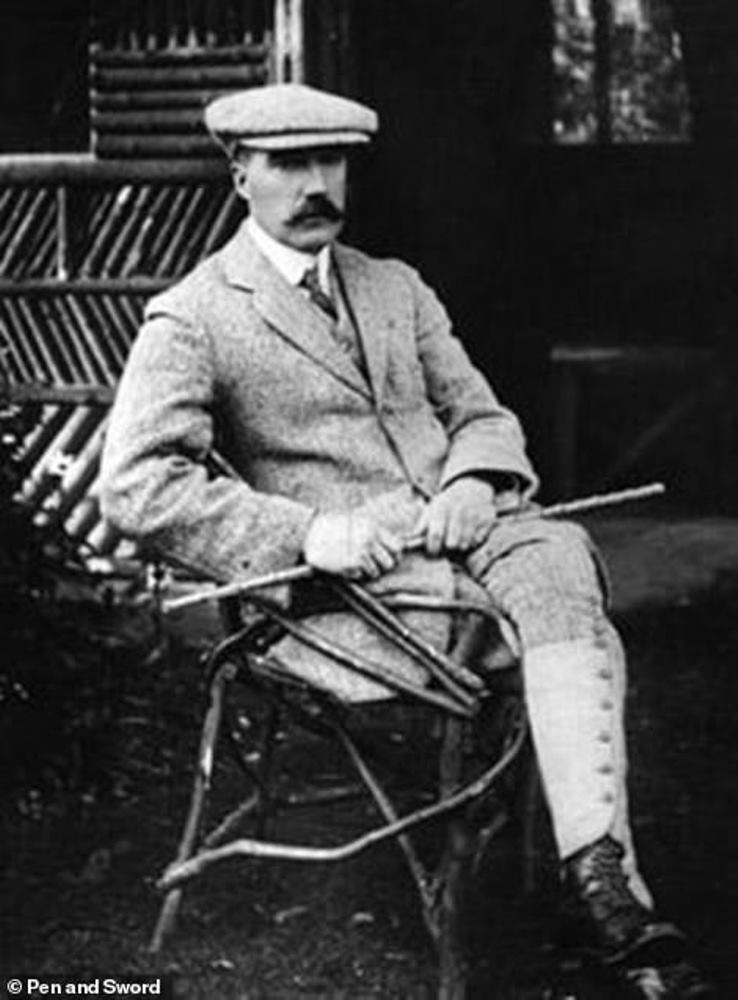
{{Curious traveller Algie Barkworth }}
Algie Barkworth was born in Hessle, near Kingston upon Hull, in June 1864, and was educated at Eton.
Barkworth had booked his passage on the Titanic to see what the ship was like and had intended to stay abroad for around a month.
He recalled hearing a ‘grinding sound’ when he was sitting on the Titanic’s deck with his friends.
Barkworth said it caused the ship to ‘tremble’ before the engines ‘seemed to stop’. He was then told the ship had hit an iceberg and saw how pieces of ice had fallen on to the ship’s deck.
Later, he noted the order being given to passengers to put on their lifebelts.
As passengers were being loaded into lifeboats, Barkworth also noted how the ship’s band continued playing as the ship sank. He said they were ‘playing a waltz tune’.
‘Soon afterwards we went to see the boats lowered. The escaping steam making a deafening sound, women and children were put into the boats first,’ he said.
‘When most of the boats had left the ship, she began to list forward.’
He added: ‘I learned swimming at Eton and made up my mind if it came to the worst I would try my luck in the water.’
Barkworth then had to put his swimming skills to good use.
‘I had on a fur coat with the lifebelt strapped to the outside…When I came up, I swam for all I was worth to get away from the sinking ship,’ he said.
‘Coming across a floating plank, I rested upon it. Looking over my should I saw Titanic disappear with a volley of loud reports, so I swam slowly around and came luckily upon an overturned lifeboat.
He added that, after climbing in to the boat, the ‘scrams of the drowning were most terrible’.
‘Several more people climbed up the stern of the boat, which was now full. We competed to keep everyone else from gathering upon.’
Later, his boat began taking on water. When he and his fellow survivors were finally rescued by the Carpathia, the water ‘was up to our knees’.
Once he reached America, Barkworth wrote to his family to tell them he was safe. A report appeared in his local newspaper which announced: ‘Please announce Algernon Barkworth, Hessle, arrived New York on Carpathia, ex Titanic sank. Jumped into sea, drop thirty feet. Just before she sank.
‘Swam clear, and saw Titanic sink. Cold intense. Held onto overturned lifeboat for six hours. Picked up eventually by one of Titanic’s boats. Suffering from frost-bitten fingers.’
Barkworth lived for the rest of his life at his family home, Tranby House, and remained unmarried.
He carried on his work as a Justice of the Peace following the disaster and continued in his post until a year before his death, in January 1945 at the age of 80.
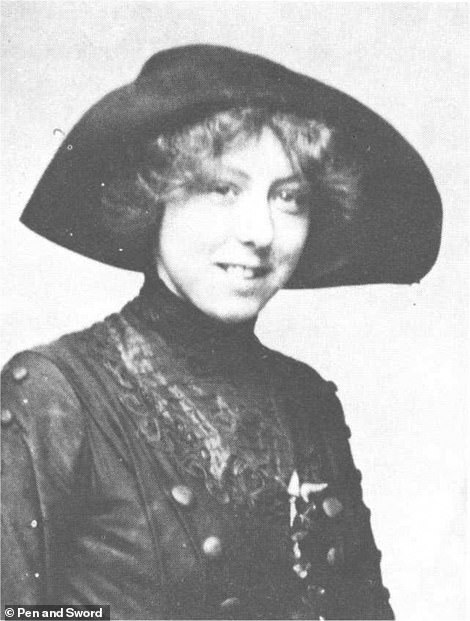
{{Ship stewardess Violet Jessop }}
Violet Jessop was born in October 1887 in Buenos Aires, Argentina.
She worked as a stewardess and was on board the White Star Line ship the Olympic when it collided with HMS Hawke in the Solent in 1911.
She then transferred to the Titanic when her friends persuaded her it would be ‘wonderful’.
After the ship hit the iceberg, she recalled being ordered up on deck, where passengers ‘calmly’ walked around.
‘I stood at the bulkhead with the other stewardesses, watching the women cling to their husbands before being put into the boats with their children.
‘Sometime after, a ship’s officer ordered us into the boat [16] first to show some women it was safe.’
Jessop then said she was handed a baby by one of the ship’s officers but that a woman later ‘leaped at me’ and took the baby before rushing off with it.
‘It appeared that she put it down on the deck of Titanic while she went off to fetch something, and when she came back the baby had gone,’ she added.
During the First World War she worked as a nurse with the British Red Cross and was assigned to work on the HMHS Britannic, which had been converted into a hospital ship.
Jessop was involved in her third disaster when the ship hit a mine as it crossed the Aegean Sea. It sank within an hour and killed 30 people.
The nurse survived after jumping into the water. It was her belief that her thick auburn hair cushioned a heavy blow to her head, therefore saving her life.
She continued to work for the White Star Line after the war before being employed by the Red Star Line and Royal Mail Line.
She retired from her time at sea in 1950 and lived in a thatched cottage in Bury St Edmunds, Suffolk.
She died at the age of 84 of congestive heart failure in 1971.
{{Alice Phillips – travelling to the US with her father, who was taking a job}}
Alice Phillips was born in Devon in January 1891.
After her mother’s death from tuberculosis, her father Escott Robert Phillips secured a position to work as a factory foreman in Pittsburgh and so made the necessary plans to go to America.
They had been due to board the American Lines ship the Philadelphia but were transferred to the Titanic because a coal strike forced its cancellation.
She noted being ‘dreadfully frightened’ by the thud of the Titanic hitting the iceberg
She said she ran outside and was told by a cabin steward that ‘everything is all right’ and that she should go back to her cabin.
‘Father came to my cabin, and asked if I would care to go on deck with him; so I did. We had not been there long when someone said “All on deck with lifebelts on!”, she said.
In a letter to her family, she recalled the ‘sounds of general confusion’ on the deck and went outside before being picked up and put in to one of the lifeboats.
‘I cannot tell you, dear, how I felt in that moment. Dad and I got our belts on, and I went on deck again, and then all the women and children were put into lifeboats and lowered,’ she wrote.
‘I saw my dear father for the last time in this world, and I almost felt I would have liked to die with him.
‘There were already a large number of other women and children in the boat, and I had not been in it a few moments, and did not even fully understand what was the matter, when it was pushed off into darkness.
‘That was the last I saw of Titanic, and I shall never see my poor father again.’
Phillip then noted how her lifeboat drifted for nine hours in the ‘intense’ cold before they were rescued by the Carpathia.
Phillips became ill as a result of the sinking but recovered to work as a stenographer. She later returned to England and moved to Manchester.
She married accounts clerk Henry Leslie Mead and had a daughter in 1921.
However, Phillips contracted influenza and died in 1923 at the age of just 31.
{{Esther Hart and her daughter Eva}}
Young Eva Hart was on board the Titanic with her mother Esther and her father Benjamin.
She was born in 1905, while her mother was born in 1863, in Stockwell, Surrey.
As the Titanic was sinking, Esther and Eva, aged 7, were put into lifeboat 14.
Esther recalled: ‘I know that there was a cry of: “She’s sinking!” I heard hoarse shouts of “Women and children first,” and then from boat to boat we were hurried, only to be told “already full”.
‘Four boats we tried, and at the fifth there was room. Eva was thrown in first, and I followed her.’
She then recalled how one of the ship’s officers fired his revolver into the air when a man tried to climb in.
She said the Officer warned, ‘The next, man who puts his foot in this boat I will shoot him down like a dog.’
Benjamin Hart gave his wife his coat to keep her and Eva warm but told them he was not going to get in the boat. He pleaded, ‘for God’s sake look after my wife and child’.
Eva told the officer with the gun, ‘Don’t shoot my daddy! You can’t shoot my daddy.’
Esther then said that was the last she saw of her husband. She recalled how the ship sank beneath the waves with a ‘mighty and tearing sob’.
The Carpathia then rescued them at 8am.
After the disaster, Esther and Eva returned to Britain to live with her parents. Esther died in September 1928, at the age of 65.
Eva went on to become a professional singer and was awarded an MBE in 1974. She died in February 1996 at the age of 91.
{{Charles Lightoller – the Titanic’s second officer}}
Charles Lightoller was the second officer on board the Titanic.
Mr Bancroft describes how the seaman had a ‘most eventful and adventurous life’.
He was born in 1874 and became apprenticed to the William Price Line of Liverpool in February 1888.
After a series of promotions, he was appointed first officer of the Titanic.
On the night of the disaster, he was falling asleep when he felt the grinding vibration of the ship hitting the iceberg.
He was then informed that water had reached the mail room. After the situation became perilous, Lightoller began loading women and children into lifeboats.
While doing so, the Titanic plunged forward and Lightoller was forced to dive into the sea. The ship’s forward funnel, which broke loose and toppled, narrowly missed him.
Lightoller then found himself alongside the collapsible B lifeboat, which 25 men, including Barkworth and Bride, had climbed on.
As the most senior surviving officer, he was called to testify at the American and British inquiries into the disaster.
It saw him defend the captain and other members of the crew against some of the charges levelled at them.
He returned to sea in 1913, where he became first officer of liner the Oceanic.
During the First World War, the Oceanic was commissioned as an armed cruiser and Lightoller became a Lieutenant in the Royal Navy.
For his actions in the war, he was awarded a Distinguished Service Cross.
He was later given command of a torpedo boat, followed by the destroyer HMS Garry.
After the war, Lightoller returned to the White Star Line and was appointed chief officer of the Celtic liner.
He later opened a guest house and his youngest son Brian, an RAF pilot, was killed during a World War Two bombing raid in May 1940.
Incredibly, when aged 66, Lightoller accompanied his eldest son Roger to sail his yacht the Sundowner to Dunkirk, in Northern France, to help rescue British and French troops from advancing German forces.
In total, they carried 130 men from the beaches.
After the war, Lightoller went into the boat building business before he died from heart disease in 1952, aged 78.
The incident took place yesterday on Thursday 4th March 2021 in Miyange village, Kayonza cell of Mukarange sector as the two children played with the grenade.
The executive secretary of Mukarange sector, Murekezi Claude has told IGIHE that the grenade blasted as confused it with a hammer.
“They are two children aged 13 and 17. The mother of one aged 13 went to till and picked a grenade which she brought home thinking it was a normal metal. She confused it with a hammer and gave it to her son who started playing with it. The next morning, the mother went for casual agricultural labour to neighbors with her son carrying the grenade. Arriving there, the child with another one aged 17 played with the grenade until it blasted and slightly injured them,” he said.
Murekezi appealed on residents to avoid playing with unfamiliar objects lest they put their health at risk or alert local leaders.
The statement is meant to assess economic and financial developments of the year 2020 and give an outlook for the year 2021 and beyond.
In 2020, mobile banking transactions increased in volume by 183 percent from 2 million to 6 million and by 224 percent in value from Rwf 85 billion in 2019 to Rwf 277 billion of transactions.
During 2020, active mobile payment subscribers (transacted in the previous 90 days) increased by 13 percent from 4,139,075 to 4,688,124 while the number of mobile agents increased by 33 percent from 98,359 to 131,173. Mobile payment transactions increased by 85 percent from 378.8 million worth Rwf2,349 billion Rwf in 2019 to 701 million worth Rwf 7,177 billion Rwf in 2020.
The report shows that comparing 2019 to 2020, the portion of cash-based transactions significantly reduced as a consequence of various policies taken to encourage digital payments and minimize the risk of COVID-19 spreading.
Banks which provided internet-banking services increased to thirteen (13) from nine (9) in December 2019 and the number of subscribers increased by 9 percent from 91,825 in December 2019 to 99,810 in December 2020.
In 2020, internet banking transactions increased by 7 percent to 1,445,174 in 2020 from 1,352,301 in 2019 and by 4 percent in terms of value to Rwf 2,362 billion in 2020 from Rwf 2,276 Billion in 2019
{{Card based payment services}}
The number of traditional Point of Sale (POS) machines increased from 3,477 in December 2019 to 4,335 in December 2020. During this period, POS transactions increased by 56 percent in volume from 2,426,456 in December 2019 to 3,780,051 in 2020, while in value, POS transactions increased by 9 percent from Rwf 109 billion in 2019 to Rwf 120 billion in December 2020.
On the other hand, Automated Teller Machines (ATM) decreased from 383 in 2019 to 334 in 2020 due to the fact that two banks moved from ATMs services to Agency banking services. In terms of usage, ATM transactions decreased by 9 percent in volume from 10,061,164 in 2019 to 9,203,942 in December 2020, though the value increased by 17 percent in value from Rwf 578 billion to Rwf 679 billion considering that most people have been withdrawing larger amounts due to the limited access to ATMs during the lockdown period.
Mobile POS contributed the most to increased usage of electronic payments compared to other types of POS during the period under review.
As at end of December 2020, the number of mobile POS increased significantly to 39,7434 in December 2020 from 13,675 in 2019 due to increased adoption by various businesses such as supermarkets, retail shops, health centers and specifically microbusinesses.
The parliament made the request recently on 2nd Wednesday 2021, as it presented report on recent MPs visits in different districts to Parliament’s Public Accounts Committee (PAC).
In October 2020, the parliament’s general assembly tasked PAC to follow up the budget allocated to building and maintenance of Nduba modern landfill after realizing increase in budget that didn’t bear fruits.
In October last year, the Parliamentary Standing Committee on Economy and Trade reported that Nduba landfill exposes neighboring residents at risk.
Parliamentarians have been expressing concerns that the landfill was relocated from Kicukiro to Nduba without study plan which they consider the major cause for increasing budget.
The landfill is under the management of the Ministry of Infrastructure (MININFRA), the City of Kigali, Water and Sanitation Corporation (WASAC), and Rwanda Environment Management Authority (REMA).
The Chairperson of PAC, Muhakwa Valens, has said that digging deeper into the case involved an analysis of documents related to the landfill and advised entities with the mandate to supervise its management.
The Auditor General revealed that Rwf2.5 billion have been used for the management of the landfill.
During recent discussions between PAC and Kigali city, the latter explained that the landfill’s management has so far taken Rwf 2.7 billion.
PAC Chairperson said that the budget allocated to Nduba landfill has been increasing and stressed the need to estimate the real budget used to the landfill.
Speaking to IGIHE, PAC Chairperson Muhakwa Valens said that the City of Kigali has decided to make a study plan initially showing estimated total budget for the landfill.
“After observing that the budget was gradually increasing, we found need to assess the budget used to manage the landfill,” he said.
Muhakwa said that Kigali city committed to complete the study plan by March 2021.
“During discussions with the City of Kigali, we were told that the study plan might be available by end of March. So, we are hopeful that the study plan will show how much to be spent on the landfill until it becomes productive,” he explained.
The report also shows that only 40% of 444 residents to be relocated from surroundings of the landfill were compensated.
The executive secretary of Gasabo district, Umwari Pauline has told IGIHE that some of them have been already compensated while 93 residents have been registered awaiting compensation.
She explained that some of these residents have difficulties related to land documents with land disputes still handled by competent courts.
Umwari Pauline has also revealed that Gasabo district’s advisory committee has scheduled a meeting on Friday 5th March 2021 to study the case before releasing payments.
Nduba landfill accumulates over 500 tons of waste materials are dumped on daily basis.
The landfill stretched over 24.2 hectares is expected to be expanded to 54 hectares.
They are an addition to 347,000 vaccines Rwanda received on Wednesday through COVAX initiative.
These vaccines were delivered to 50 hospitals yesterday from where they were distributed to health centers that have started vaccinating targeted groups this Friday.
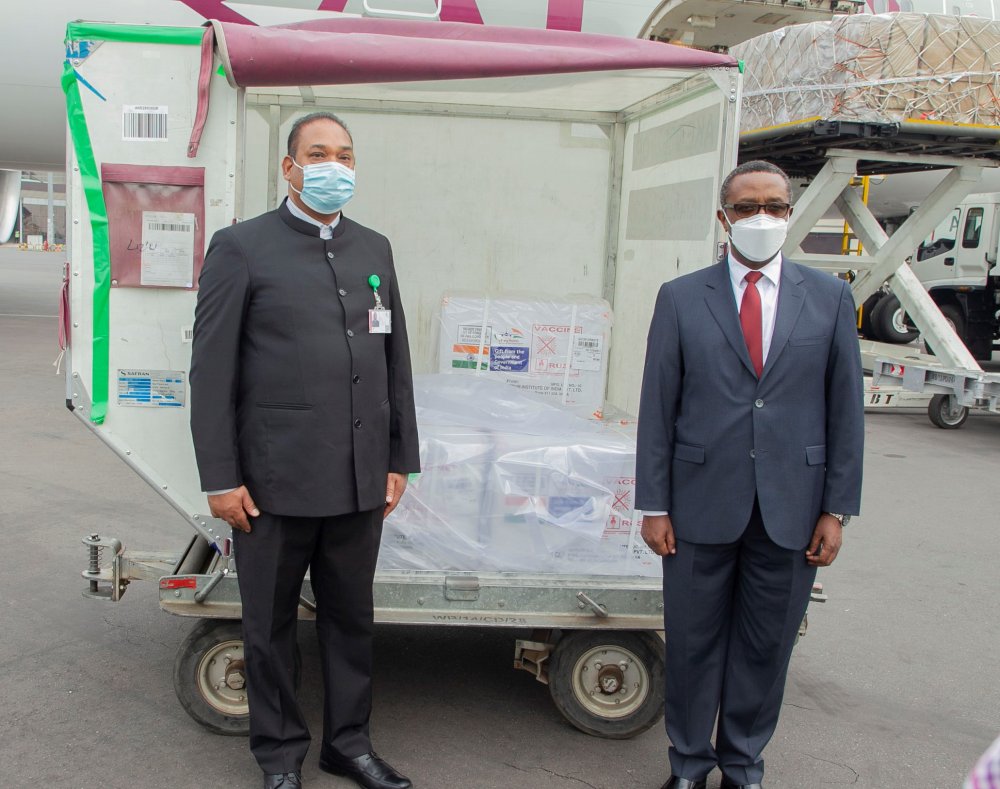
The Minister of Foreign Affairs and International Cooperation, Dr. Vincent Biruta has said that these 50,000 vaccines arrived in Rwanda on Friday morning.
“Pleased to receive 50,000 doses of Covid-19 vaccines from India this morning. The Government of Rwanda is grateful to the Government of India and other partner countries for their valuable contribution to the fight against COVID-19,” he said.
Rwanda has so far received 397,000 vaccines in three shipments including 102,960 Pfizer vaccines, 240, 000 AstraZeneca vaccines and more 50,000 AstraZeneca vaccines received today.
Rwanda plans to vaccinate 30% of the population by 2021.
The Ministry of Foreign Affairs has via Twitter account revealed that Minister Biruta received the vaccines at Kigali International Airport along with Oscar Kerketta, High Commissioner of India to Rwanda.
Health practitioners, patients with incurable diseases like blood pressure, diabetes and asthma among other respiratory diseases will be among the first group to be vaccinated in the first phase along with elders above 65 years and people whose line of duty puts them in a susceptible position.
As per released statement, a liter of petrol, diesel will cost Rwf1,088 and 1,054 respectively translating into 10% due to upsurge in international fuel prices.
Fuel and diesel prices have gone up by 30 % and 26% respectively on international market.
RURA announced latest fuel prices in January 2021 where petrol price and diesel were set to Rwf 987 and Rwf 962.
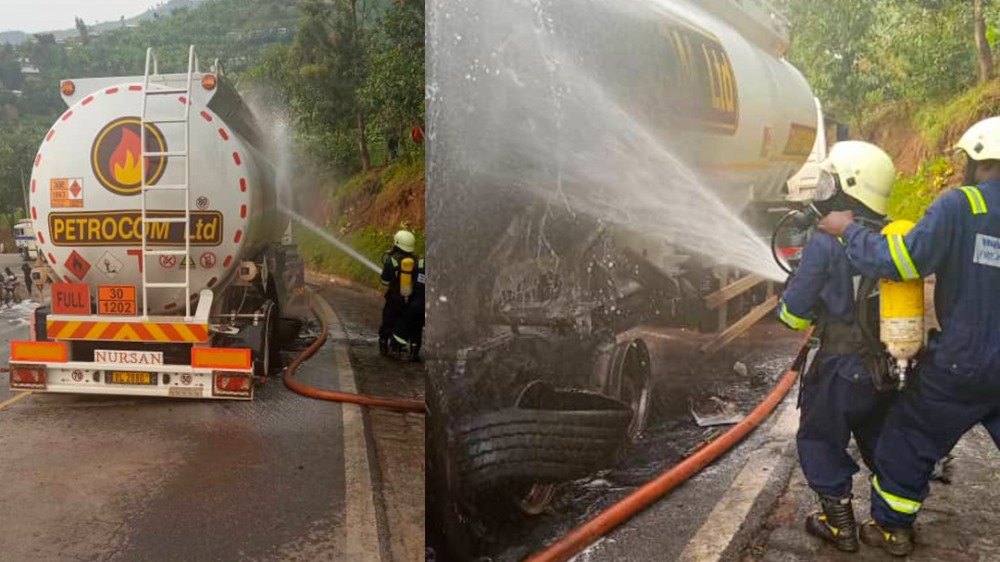
The trailer carrying 41,500 cubic metres of Benzine was headed to Goma in the Democratic Republic of Congo (DRC).
The Commanding Officer of the Fire and Rescue Brigade, Assistant Commissioner of Police (ACP) Jean Baptiste Seminega, said the trailer caught fire at about 3pm.
“At about 3pm, the trailer which was approaching Gisenyi town caught fire. Fire started in one of the tyres and the driver called Mustapha Tom was the only person on board. Residents were quick to call our fire and rescue unit in Gisenyi, the fire truck was immediately deployed and they successfully managed to extinguish the trailer. Only some of the tyres were burnt,” ACP Seminega said.
He thanked the residents, who were quick to call the Police for immediate response.
“We managed to put out fire before spreading because we were called in in real time. It could have been a disaster if the fire had entered the tank.”
The driver, Mustapha thanked Rwanda National Police for the quick response adding that when the tyres caught fire, he had no hope that neither the trailer nor the benzine would be saved.
Lives, he feared, would also be lost due to this dangerous flammable product.
ACP Seminega urged the general public to always call the Police and Fire and Rescue Brigade in particular as soon as possible so as to intervene in real time.
{{Important Contacts in case of fire:}}
111 Fire and rescue
112 Emergency
0788311224: Northern region, 0788311024: Western region, 0788311023: Southern region, 0788311449: Eastern region
A study of 28 African countries including Guinea, Mauritius and Uganda showed that on average women accounted for a slightly smaller proportion of coronavirus infections and deaths compared to men.
Overall around 41 percent of reported Covid-19 cases were women, although the figures ranged widely from 31 percent in Niger to more than 57 percent in South Africa.
“In most countries, women are somewhat less likely to die from Covid-19 than men,” World Health Organization (WHO) regional director for Africa Matshidiso Moeti told an online news conference.
But the pandemic had exposed gaps in health services, with women suffering the brunt of disrupted access to care.
“There was a rise in maternal deaths in 10 countries,” Moeti said, making reference to another study that collated data between February and July 2020.
The highest jumps were recorded in the Comoros, Mali, Senegal and South Africa.
Access to sexual and reproductive care was already poor on the continent before coronavirus hit.
But access was made worse by restrictions to stem the spread of Covid-19, pushing more women to seek risky informal abortions, Moeti explained.
Overstretched hospitals were often unable to see patients seeking non-coronavirus related services, she added.
More data is still needed to determine the full extent of the effect.
The duo of Adelphine Muragijimana and Fidele Niyonambaza were at the time traveling in a public vehicle when it was intercepted by the Police in Nyamitanzi Cell, Kivumu Village.
The Police spokesperson for Western region, Chief Inspector of Police (CIP) Bonaventure Twizere Karekezi said that Niyonambaza was the bus conductor working with Muragijimana, who was among the passengers.
He added that following a tip-off from an informer, Police stopped the vehicle, which was headed to Jomba from Mukamira.
“We had received information that this specific vehicle had a suspected drug dealer on board. Police officers deployed stopped the bus, searched it and recovered 4700 pellets of cannabis concealed in a bag belonging to Muragijimana, who was taken into custody alongside Niyonambaza, the bus conductor, who had connived with her to traffic the narcotics,” CIP Karekezi said.
It is suspected that Niyonambaza has been facilitating drug dealers transporting them alongside their narcotics from one point to another.
CIP Karekezi thanked the citizen who reported the criminal act and facilitated the arrest of the suspected drug traffickers.
He warned transporters as well as taxi-moto operators against aiding drug dealers but also to be vigilant and report traffickers, who would attempt to use them to transport the narcotics.
Fighting drugs and related crimes as well as breaking particular chains of supply is among the Rwanda National Police (RNP) priorities in crime prevention, and the establishment of the Anti-Narcotics Unit (ANU) was in that line.
Cannabis is listed as a “very severe drug” under the Ministerial Order No.001/MoH/2019 of 04/03/2019 establishing the list of narcotic drugs and their categorization.
Under article 263 of the law determining offences and penalties in general in Rwanda, anyone convicted for dealing in “very severe narcotic drugs” faces between 20 years and life in prison and a fine of between Rwf20 million Rwf30 million.