The caution follows videos that have been circulating on social media platforms showing security personnel being assaulted.
In the latest video making rounds on various social media forums, two women street vendors are seen assaulting security guards, who were on duty and enforcing the directives against street vending.
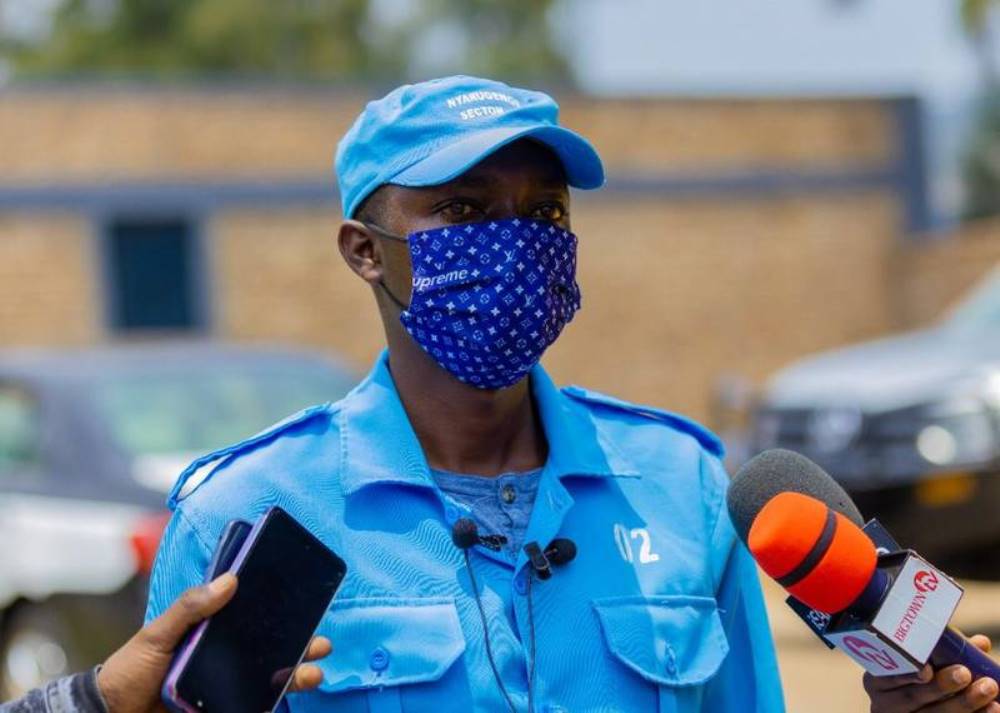
The assaulted guards are Theogene Ndayisenga and Alex Ntihigwa, both members of professional Irondo (community security patrol).
“On Friday, September 16 at about 11am, we were discharging our duties around Kigali city market (in Kiyovu Cell, Nyarugenge Sector, Nyarugenge District) chasing away street vendors; instead they started assaulting me,” Ndayisenga said.
Ntihigwa said that when he went to rescue his colleague, they also started assaulting him.
“It all started when my colleague (Ndayisenga) told them to go away and to stop selling their goods on the street, which is not allowed and which was equally our duty to enforce the directives.
The vendors resisted, they turned on him and started beating him. As I came to rescue my colleague, the same women turned on me and assaulted me until I fell down,” Ntihigwa narrated.
The security guards added that they are facing related challenges while on duty where street vendors abuse them, disregard their instructions and sometimes act violently.
RNP Deputy spokesperson, Chief Superintedent of Police (CSP) Africa Sendahangarwa Apollo said that Irondo, Dasso and other private security personnel are there to support the local administrative organs and the Police to enforce rules and regulations.
“It is unlawful to undermining government institutions or instructions, worse still to try to harm them in any way. Irondo and DASSO were established by the government to support security organs and administrative entities in security and other community matters. Undermining them is undermining the authority and you will be answerable,” CSP Africa warned.
He added that there are rules and standards for business that must be followed including specific places where businesses are allowed to operate from and the hygiene required.
Article 233 of the law determining offences and penalties in general states that any person who, verbally, by gestures or threats, in writings or cartoons, humiliates a member of Parliament when exercising his/her mandate, a member of the Cabinet, security officers or any other person in charge of a public service in the performance or in connection with the performance of his/her duties, commits an offence.
Upon conviction, he/she is liable to imprisonment for a term of not less than one (1) year and less than two (2) years and a fine of not less than Rwf500, 000 and not more than Rwf1 million.
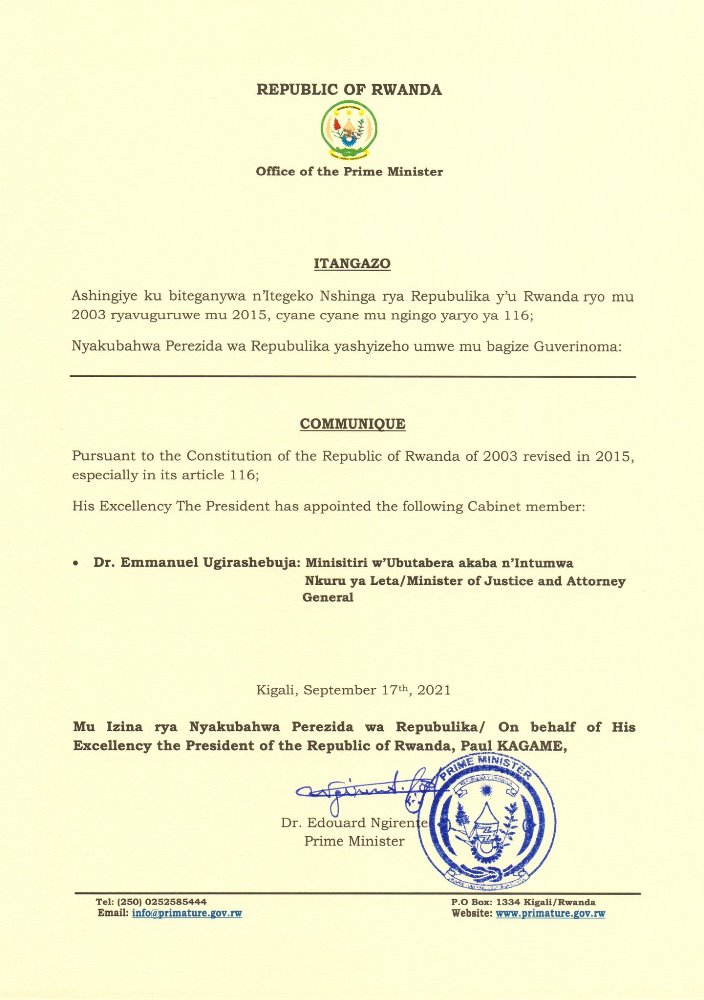
The appointment has been announced today in a Communiqué released by the Office of the Prime Minister.
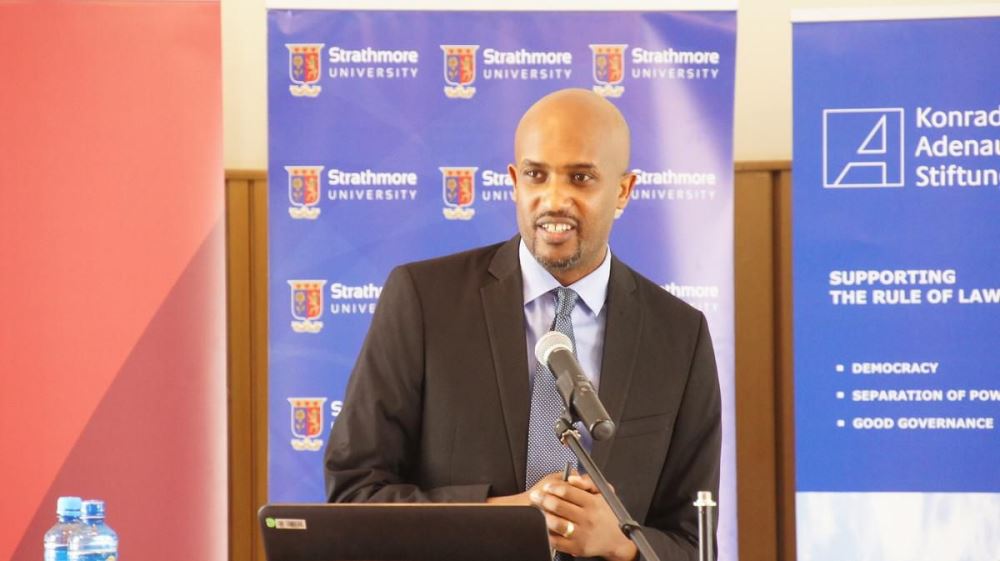
Dr. Ugirashebuja replaces Johnston Busingye who was recently named Rwanda’s High Commissioner to the United Kingdom.
He previously served as the 4th President of the East African Court of Justice (EACJ).
Dr. Ugirashebuja was appointed Judge of Appeal by the Summit of the EAC Heads of State in November 2013 and subsequently, appointed the Judge President of the EACJ in June 2014. His lordship was appointed for seven years tenure.
He also served as the Dean of the Law School, University of Rwanda; Member of the Superior Council of Judiciary; Member of the Supreme Council of Prosecution; Senior Lecturer at the National University of Rwanda; Member of Team of Experts in the East African Community on Fears, Challenges and Concerns towards the East African Political Federation; Legal Advisor at the Rwanda Environment Authority; and Legal Advisor at the Rwandan Constitution Commission.
He has given lectures at the University of Edinburgh, the University of Dar es Salaam, to the Rwanda Senior Command and Staff and at the Rwanda National Police College.
The statement released yesterday reads that the decision is reached after several considerations and approval by the bank’s Board of Executive Directors.
{{Read the statement in full}}
“Trust in the research of the World Bank Group is vital. World Bank Group research informs the actions of policymakers, helps countries make better-informed decisions, and allows stakeholders to measure economic and social improvements more accurately. Such research has also been a valuable tool for the private sector, civil society, academia, journalists, and others, broadening understanding of global issues.
After data irregularities on Doing Business 2018 and 2020 were reported internally in June 2020, World Bank management paused the next Doing Business report and initiated a series of reviews and audits of the report and its methodology. In addition, because the internal reports raised ethical matters, including the conduct of former Board officials as well as current and/or former Bank staff, management reported the allegations to the Bank’s appropriate internal accountability mechanisms.
After reviewing all the information available to date on Doing Business, including the findings of past reviews, audits, and the report the Bank released today on behalf of the Board of Executive Directors, World Bank Group management has taken the decision to discontinue the Doing Business report. The World Bank Group remains firmly committed to advancing the role of the private sector in development and providing support to governments to design the regulatory environment that supports this. Going forward, we will be working on a new approach to assessing the business and investment climate. We are deeply grateful to the efforts of the many staff members who have worked diligently to advance the business climate agenda, and we look forward to harnessing their energies and abilities in new ways.”
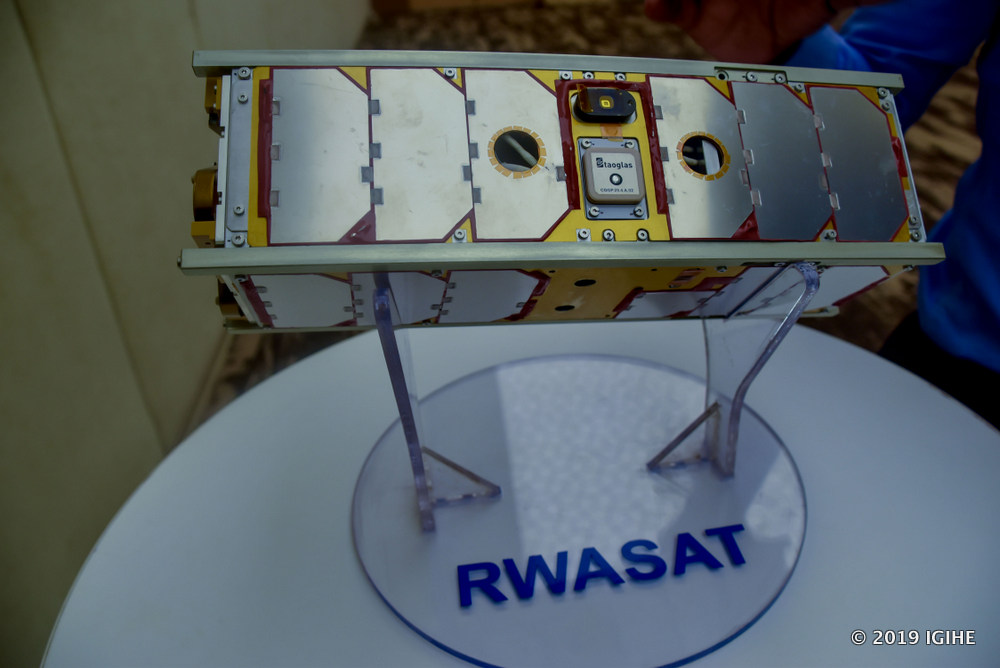
The satellite was launched into space on 25th September 2019. It is equipped with a small technology device that can test the quantity of water, warmth, humidity among other climate measurements.
The satellite has the capacity to monitor different directions using its two cameras that can capture pictures on Rwanda’s earth.
The Minister of ICT and Innovation, Paula Ingabire has said that Rwasat-1 has been sending data useful for the Ministry of Agriculture and Animal Resources to design policies aimed at increasing agricultural yields.
“Most of transmitted data helps to identify productive land, the size and appropriate crops to grow. These indications are used along with other data collected using other technologies,” she said.
“These include satellites, drones, sensors which help us, particularly, the Ministry of Agriculture and Animal Resources to improve monitoring and leverage the power of technology to increase agricultural produce,” added Ingabire.
With 30cm of height and 10 cm of width, Rwasat weighs 3.8 Kgs. Other satellites of the same size are replaced between two and three years to ensure they provide reliable data.
Rwasat-1 was the second satellite Rwanda launched into the space following the launch of ‘Icyerekezo’ satellite on 28th February 2019 to expand internet access in rural areas.
It was launched by the Government of Rwanda in collaboration with OneWeb.
Rwanda continues to promote the use of technology to transform the agriculture sector which accounts for 31 percent of Gross domestic Product (GDP).
In March 2021, Rwanda’s parliament passed the law establishing Rwanda Space Agency (RSA).
As provided by the law establishing RSA, some of its responsibilities include advising the Government on creating and developing national and international space policies.
It also has the responsibility of providing geospatial services for development activities in various domains such as agriculture, urban planning, emergency response & weather forecasts.
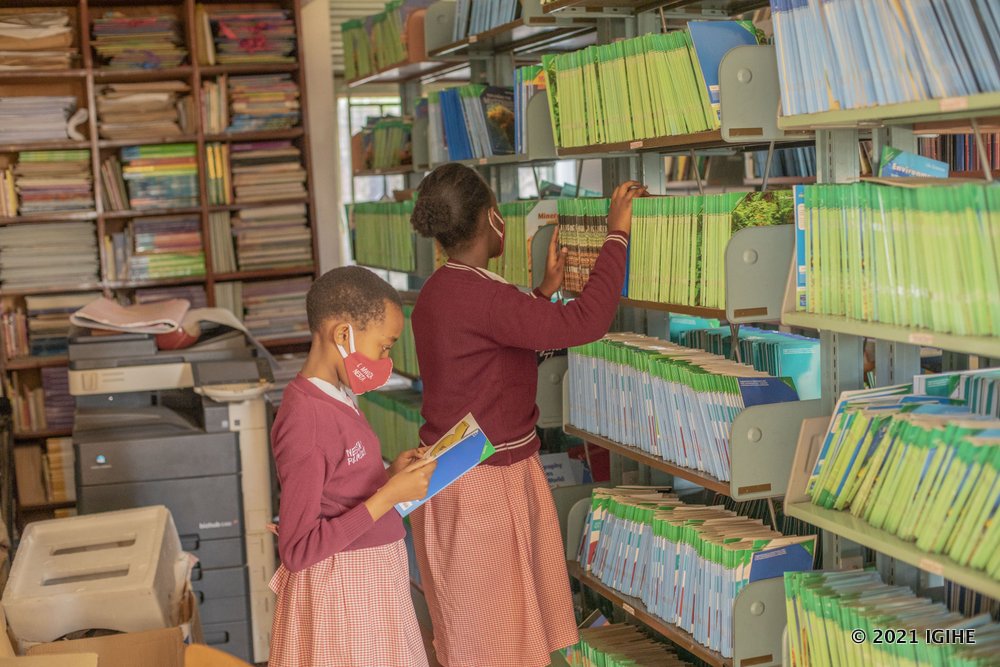
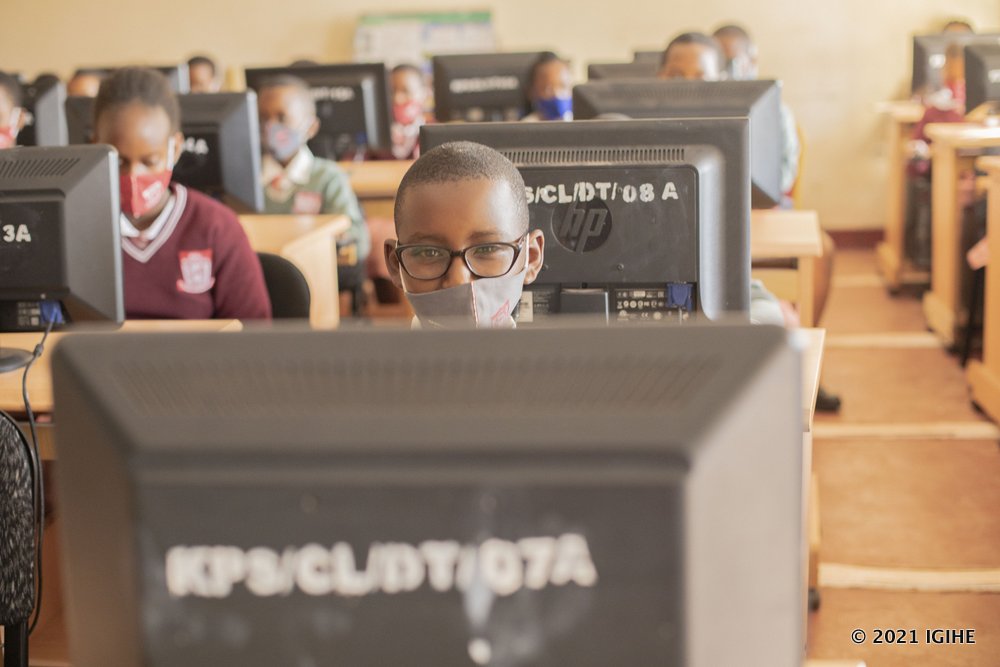
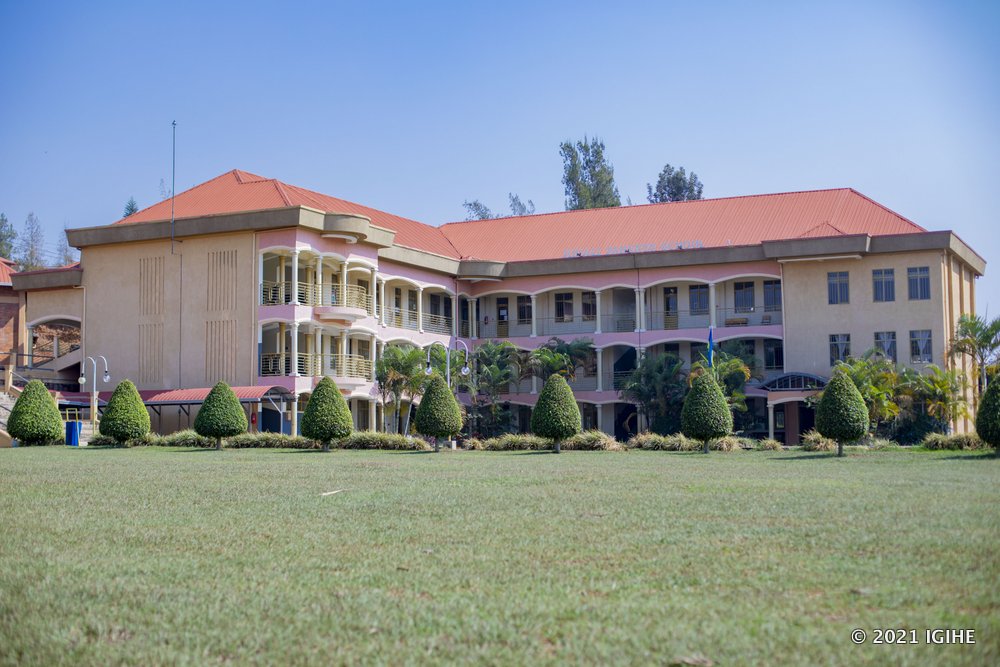
Preparations to meet requirements qualifying the school to introduce the program are underway in a bid to maintain the pursuit of excellence.
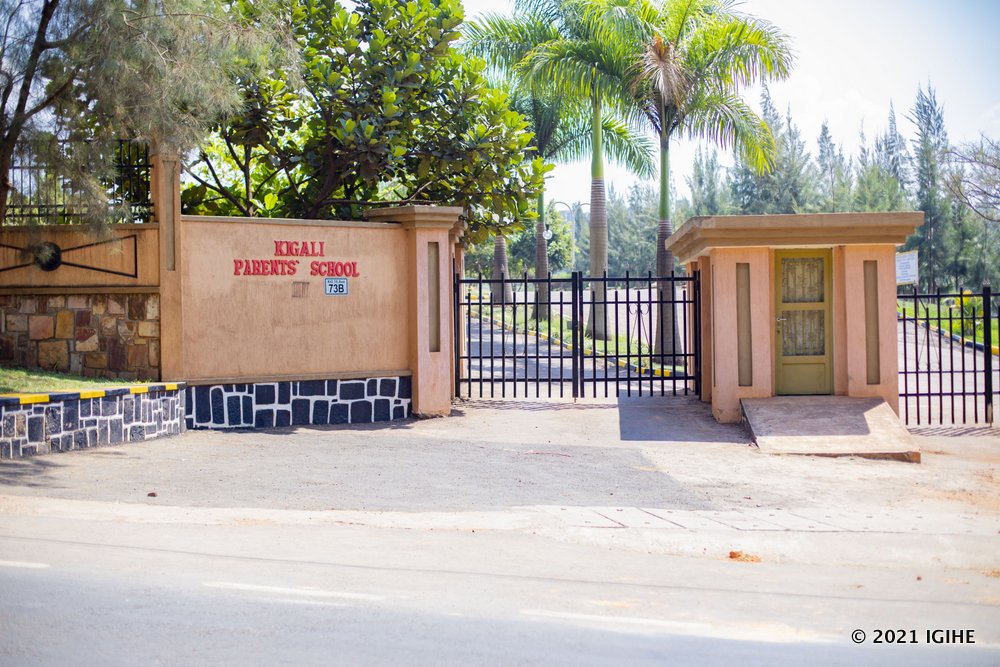
Since establishment in 1995, Kigali Parents’ School has been positioning itself as the cradle of excellence with experienced educators imparting leaners with relevant skills and moral values.
With both the Nursery and Primary Section, the school polishes learners’ language proficiencies in Kinyarwanda, English and French and keeps a close supervision to ensure they have a good language command.
The Head Teacher of Kigali Parents’ school, Guershom Buzaale has told IGIHE that students are monitored along their intellectual growth and receive all necessary support to exhibit excellent performance irrespective of their backgrounds.
Among others, the school’s pastoral teaching approach motivates students to concentrate on lessons and grow with great ambitions.
“The brilliance of our students is a result of good collaboration with parents. Upbringing children properly should be founded on holistic pillars involving the student, parent and educator to maintain excellence. The three pillars must be interlinked to succeed. That is why we voice appreciation to parents and educators for unwavering commitment and dedication to maintain the leading position with regard to quality education and the performance of our students at national level,” he said.
Buzaale explained that the school’s main objective is to draw emphasis on child’s brain development to ensure learners graduate from Primary School with proficiencies in the languages of Kinyarwanda, French and English as well as other relevant life skills.
“It serves as the foundation for quality education helping the graduate to compete at the labour market,” he said.
Buzaale advised parents to draw attention to child’s education early as it sets ground for future intellectual growth and excellence.
“The child’s future performance is affected when quality education does not start from primary school. Basic education should be well structured to properly nurture a child with competencies paving the way for a better future,” he said.
“Kigali Parents’ school has a well-organized management, devoted educators with a wealth of experience, necessary equipment and competent curriculum providing favorable learning environment. These are among other factors helping our students to exhibit outstanding performance upon completion of primary school,” added Buzaale.
The Ministry of Education has recently announced that the next school year shall reopen on 11th October 2021.
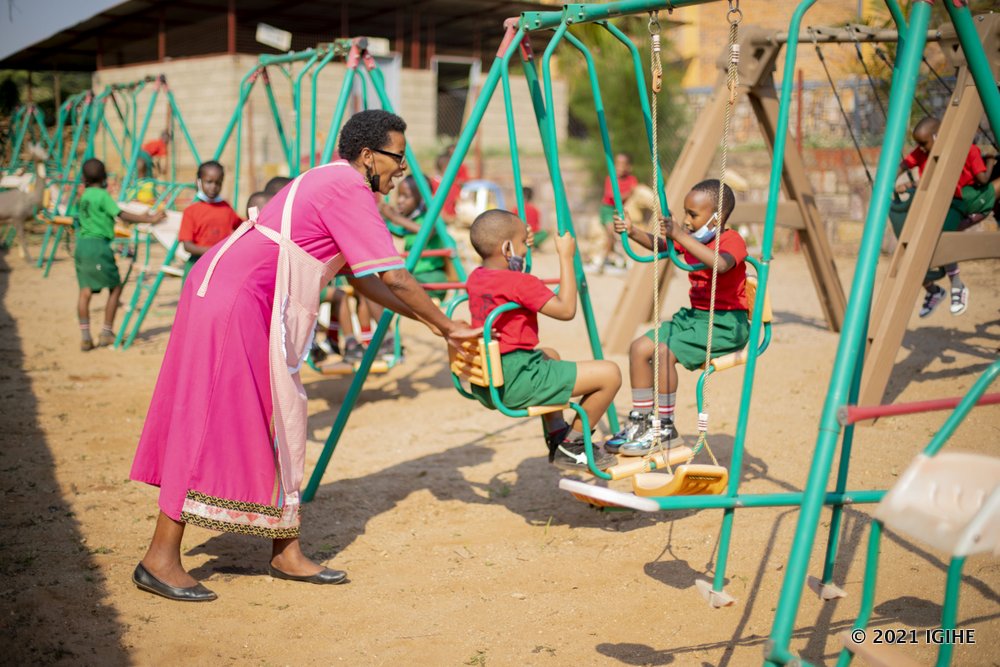
With other extracurricular activities contributing to children’s brain development and healthy lifestyle, Kigali Parents’ School has opened doors for all children wishing to pursue excellence.
More details can be accessed via the school’s website: www.kpsrwanda.ac.rw or provided contacts: 0782859121, 0788742500, 0788595403.
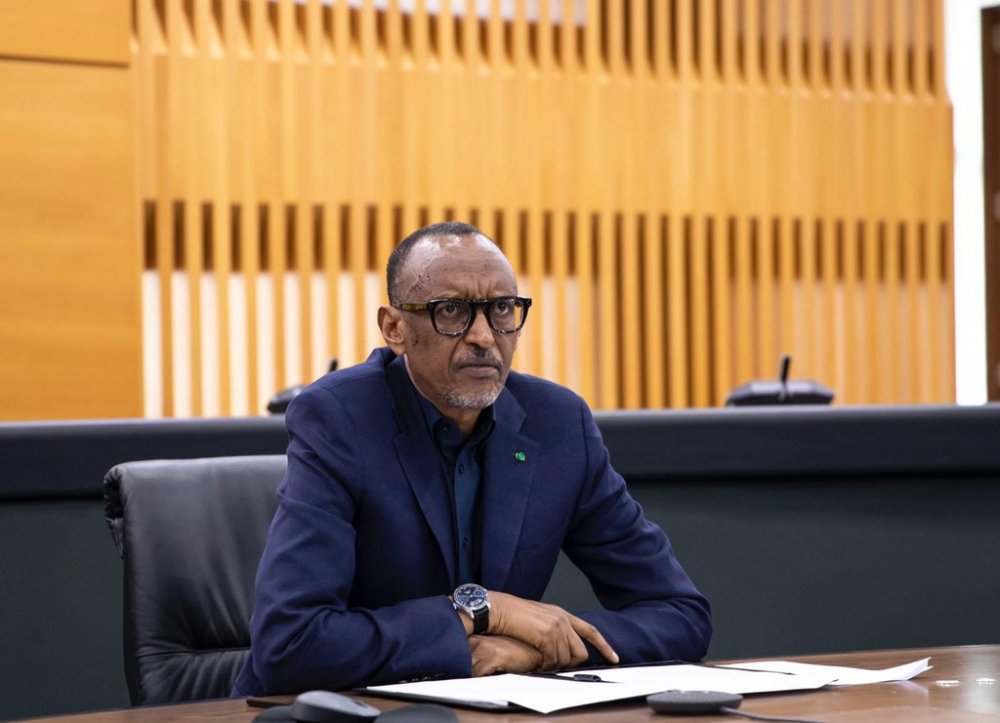
Kagame made the revelation on Thursday 16th September 2021 as he virtually attended the ‘Stern Stewart Institute Summit’ where he spoke on transformation and leadership in Africa in a conversation moderated by John Defterios, CNN Business Emerging Markets Editor and Anchor.
Kagame said that leadership should be perceived as the relationship between leaders and citizens which is a crucial aspect leading to great achievements.
“First, leadership has to be understood in terms of the relationship between leaders and citizens. It is not just about the characteristics of the individual who happens to be a leader,” he noted.
Kagame explained that there are two specific things to be considered in leadership which include trust that people have that the leadership is working in the best interests of the country and a mechanism for being accountable for delivering the results that citizens expect and deserve.
The President further stated that people often judge leaders considering circumstances under which they took and quit power yet there are other key considerations to take stock of.
“Too often, the legitimacy of leaders is judged by the process through which they arrived in office or their manner of leaving office. What happens in between is given less attention. And yet, the good or bad results that leaders actually deliver on the ground are how citizens judge them. So you often find a mismatch between internal and external perceptions of the performance of various leaders,” he said.
Kagame also stressed the need for leaders to put citizens’ interests at the forefront if they are to deliver on expectations.
“A leadership that consistently delivers tangible results for the well-being of citizens is going to be resilient and successful,” he affirmed.
Kagame said that Rwanda attaches great relevance to citizens’ participation to promote inclusive leadership and development.
“The second and final thought I have is the importance of changing mindsets. Leaders cannot lead countries alone. They can only set the tempo and raise the level of ambition by involving the public directly. This is a key reason why, in Rwanda, we spend a great deal of time investing in, and engaging with young people. The goal is to make them more self-reliant, confident, and innovative than previous generations. Otherwise, there is no way to secure the gains that our country has made in the past 27 years,” he noted.
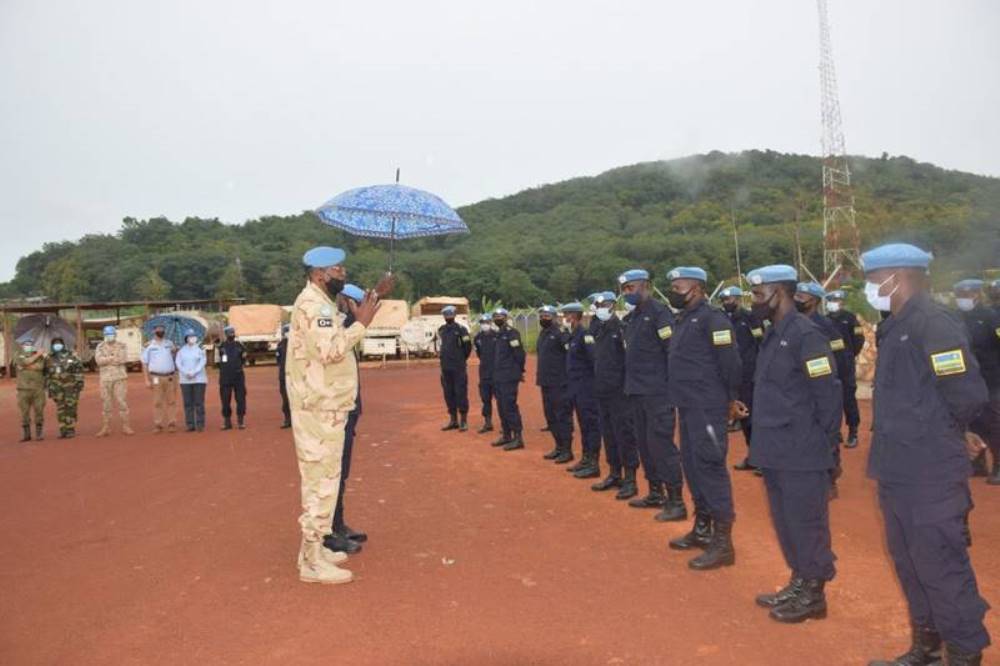
Brig. Gen. Elkair and his delegation were received at the RWAFPU-1 Camp-Fidele base in the capital Bangui by the contingent commander, Chief Superintendent of Police (CSP) Claude Bizimana.
CSP Bizimana briefed the JTFB commander on the assigned peacekeeping tasks, achievements, challenges and routine operations.
Brig. Gen. Elkair appreciated the contingent for their resilience and work done as well as the general environment in the RWAFPU-1 camp.
“MINUSCA recognizes your discipline and appreciates what you do for the people of Central African Republic,” Brig. Gen. Elkair said while briefing the contingent.
He urged them to maintain the spirit and avoid acts of sexual exploitation and abuse.
“Keep the existing professional standards and values that define Rwandan Police officers, ensure continuous full time command and control,” he added.
CSP Bizimana, on his part, thanked the entire MINUSCA leadership for the continued support adding that the contingent remains committed to its mandate despite the challenges encountered.
RWAFPU-1 is one of the three Rwandan Police contingents of combined 460 officers deployed in CAR.
The statement released last night also shows that 423 people have caught the virus out 14495 sample tests, 2 recovered while 23 are critically ill.
A total of 1,235,816 people have been fully vaccinated while 1,832,972 received the first dose of COVID-19 vaccine since Rwanda began countrywide inoculation program on 5th March 2021.
Coronavirus symptoms include coughing, flu, and difficulty in breathing. The virus is said to be transmitted through the mucous membranes of the respiratory tract.
Rwandans are urged to adhere to COVID-19 health guidelines, washing hands frequently using soaps and safe water, wearing face masks and respecting social distancing.
The group was also allegedly ambushing people at night, assaulting them and robbing their valuables.
They were arrested on Thursday, September 16, in operations conducted in Kazirabonde and Gishyeshye cells of Rukoma Sector.
Police also seized from the group six bags of unprocessed minerals.
The Southern region Police spokesperson, Superintendent of Police (SP) Theobald Kanamugire said that the suspects were arrested in partnership with local leaders following separate complaints from residents.
“Local residents in Kazirabonde and Gishyeshye cells have been reporting groups of people armed with machetes, who ambush them at night and rob them of their valuables,” said SP Kanamugire.
“With the help of local authorities and residents, we compiled a list of suspects, all who belong to an illegal mining racket that calls itself Abahebyi. This facilitated the successful operation in which the 12 suspects were arrested. They were found in possession with six sacks of unprocessed minerals and traditional tools their were using in mining and ambushing people,” he added.
There have also been complaints from the management of mineral concessions where the groups were illegally operating. The group include those who were either dealing in drugs of abusing drugs.
All the suspects were handed over to RIB at Rukoma station for further investigation.
Article 54 of the law N° 58/2018 of 13/08/2018 on mining and quarry operations, states that; any person, who undertakes mineral or quarry exploration, exploitation, processing or trading without a licence, commits an offence.
Upon conviction, the offender is liable to imprisonment for a term of between two and six months and a fine of not less than Frw1 million and not more than Frw5 million or only one of these penalties.
The court also orders confiscation of any seized minerals or quarry in storage, trading or processing without a license.
Article 166 of law determining offences and penalties in general states that, any person convicted of theft is liable to imprisonment for a term of not less than one (1) year and not more than two (2) years and a fine of not less than Rwf1 million and not more than Rwf2 million, a community service in a period of six (6) months or only one of these penalties.
In article 167, however, the penalty for theft doubles if the act was carried out at night or by more than one person.
The revelations came out on Wednesday 15th September 2021 as FARG appeared before the Parliament’s Public Accounts Committee (PAC) to respond to mismanagement issues reported during implementation of the aforementioned project.
During the session, it emerged that the funds provided to four group beneficiaries sheltered in One-dollar campaign complex were poorly managed.
The Auditor General (AG)’s report indicated that FARG provided Rwf81,000,000 funding to four groups comprised of 81 beneficiaries sheltered in the housing unit built under One-dollar campaign project (ODCP).
ODCP is a charity initiative started by members of the Rwandan Diaspora in 2008 to mobilise a symbolic one dollar each to raise money to provide shelter for Genocide survivors.
Initially, beneficiaries received Rwf48, 600,000 with a promise to receive more funds after presenting how best the first installment was utilized.
The previous inspection held in February 2021, indicated that two groups received Rwf12, 600,000 and 12,000,000 respectively but did not operate.
There was also a delay in implementation of projects worth Rwf12, 000,000 for one of the four groups that received funding. It is reported that the group started implementation eight months later after receiving funds.
The AG’s report revealed that beneficiaries in one of the four groups shared received funds worth Rwf12, 000,000 instead of using them for intended purpose.
The Director General of FARG, Julienne Uwacu explained that individuals who shared the money had pitched ideas of selling of agricultural produce.
FARG entered agreement with the Association of Graduate Genocide Survivors (GAERG) to follow up their project.
Uwacu said that details of sharing funds emerged when an inspection was carried out following beneficiaries’ request to get the second installment.
“They kept telling us that businesses are still operational. We visited them and refrained from releasing the remaining 40% after realizing that their businesses are not sustainable. The group did not yield intended results because it was split that every member went his/her own way to live in desired favorite places,” she revealed.
Parliamentarian Germaine Mukabalisa said that there should have been proactive measures to prevent the loss and monitor beneficiaries on daily basis.
Emmanuel Munyangondo, the Director of Planning, Monitoring and Evaluation at FARG explained that they followed up beneficiaries but failed to reach out to some of them.
“One of them submitted identifications that he stays in Ntongwe sector of Ruhango district. He gave us contacts that we planned field visits which failed at different times because the beneficiary used to switch off his phone upon arrival in the area,” he said.
The Chairperson of PAC, Valens Muhakwa questioned the response wondering how assigned team failed to reach out to a person living in Rwanda.
“Failing to reach out to people in Rwanda…how come? Does it mean that you delegated someone and came back telling you that he /she didn’t find beneficiaries?”
Mukabalisa also said that it is not reasonable ‘to provide 60% of the total funds without knowing where the beneficiaries are located’.
“How come that a beneficiary disappears when there is an inspection to follow up project implementation. Doesn’t the case involve funds embezzlement?”
The AG’s report indicated that FARG allocated Rwf1, 076,000.000 in 2012/2013 to different districts to support 1065 cooperatives involved in income generating activities.
The implementation has however been characterized by irregularities due to lacking reports on the project’s progress.
The majority of funded projects encountered losses. For instance, 393 projects worth Rwf325, 400,000 an equivalent to 37 percent of all funded projects were not successfully implemented while 35 of them worth Rwf27, 700,000 failed with no clear reasons.
FARG also allocated Rwf49, 500,000 to support 99 small income generating projects.
Each of these projects was supposed to receive Rwf500, 000 but 25 of 73 visited projects halted activities due to various reasons including sickness and use of funds to cater for household needs among others.
Among others, auditors established that 15 beneficiary groups that received Rwf7, 500,000 changed their business models without go ahead from FARG.
{{Unrecovered funds }}
The audit carried out in 2019 indicated that Rwf358, 434,000 that FARG had allocated for lucrative projects were misused and had to be recovered.
Another audit held in March 2021 showed that the funds had not yet been recovered despite ongoing efforts in collaboration with Rwanda Investigation Bureau (RIB).
The Director General of FARG, Uwacu explained that funds allocated to support projects owned by vulnerable survivors of the 1994 Genocide against Tutsi were released following a viable study.
Some beneficiaries implemented businesses different from initially pitched ones. Part of the funds was recovered waiting for the rest to return the money.
Parliamentarian Jean Rene Niyorurema said that beneficiaries used to receive funds without prior training which might have triggered inefficiency.
Uwacu explained that beneficiaries were trained before and received funds in their respective groups through collaboration with grassroots leaders.
MP Germaine Mukabalisa said that the ineffective execution should not only be attributed to beneficiaries but also the committee assigned to oversee these projects that did not fulfill their duties.
The Vice Chairperson of PAC, Beline Uwineza also raised queries to understand stakeholders behind the failure and their actions triggering inefficiency.
Uwacu admitted that FARG is also involved ‘because we would have achieved goals for which the fund was established, had we implemented projects smoothly to transform beneficiaries’ lives. We are responsible for this along with partners.