DCGP Muhisoni previously served as the Deputy Commissioner for Community Policing.
She was appointed the Deputy Commissioner General of Rwanda Correctional Service (RCS) recently in October replacing Jeanne Chantal Ujeneza who recently moved to Rwanda National Police (RNP) as the Deputy Inspector General of Police (DIGP) in charge of Administration and Finance in April 2021.
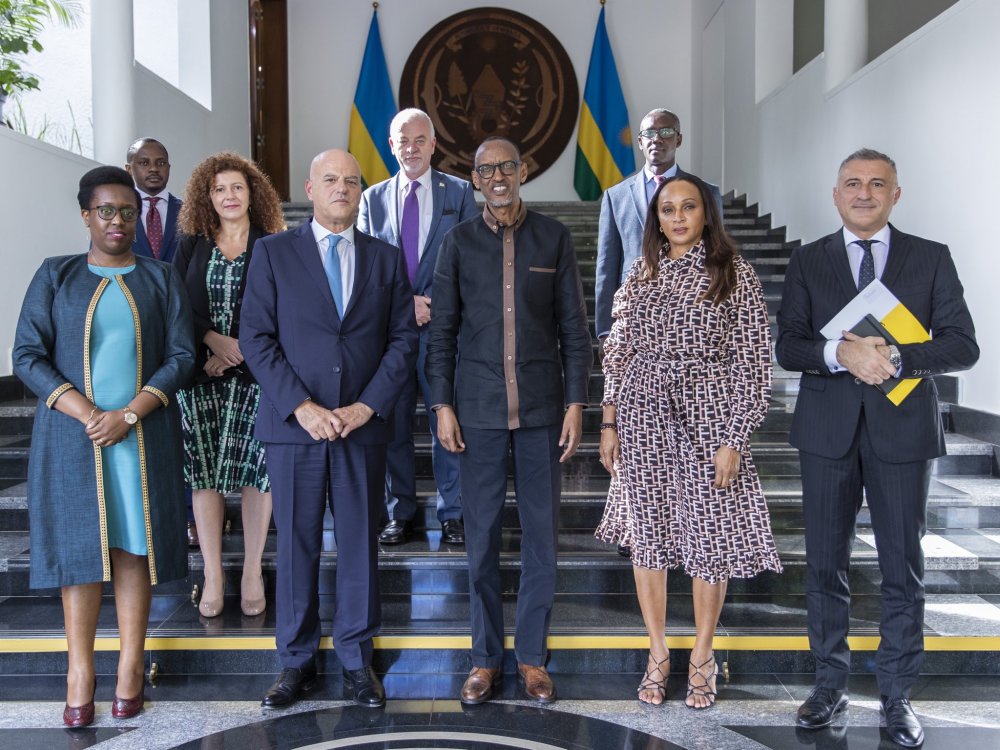
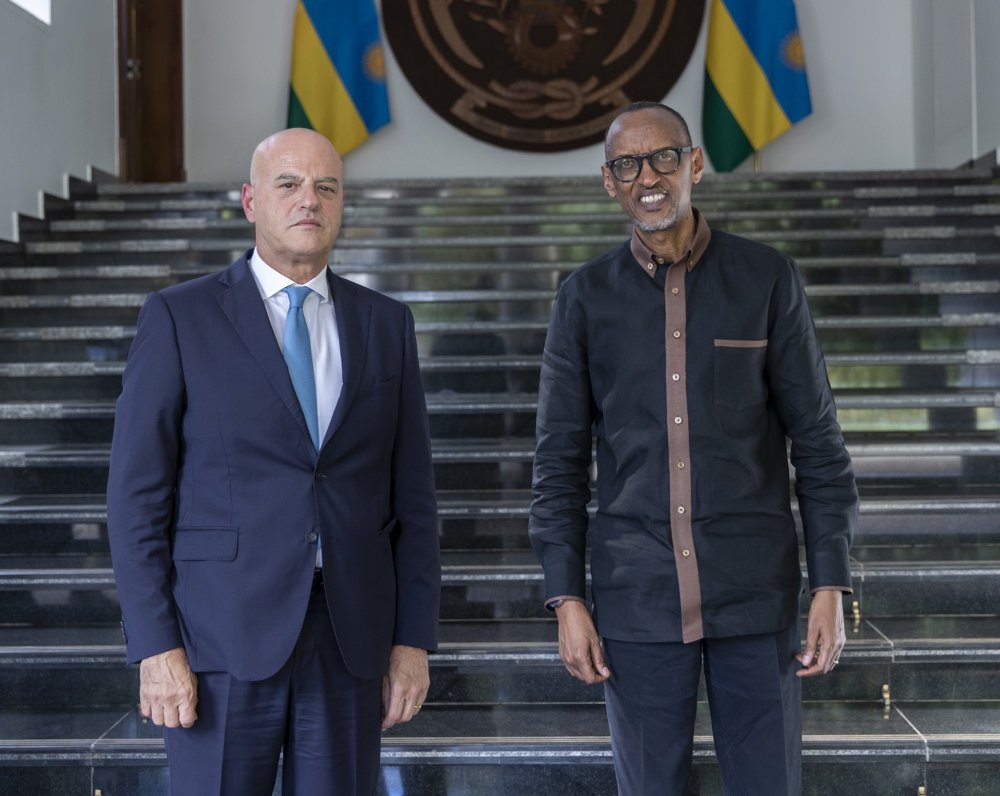
ENI is an Italian multinational oil and gas company headquartered in Rome. Considered one of the seven ‘supermajor’ oil companies in the world, it has operations in 66 countries with a market capitalization of US$36.08 billion, as of 31 December 2020.
The Government of Rwanda has put environment and climate change at the center of the country’s policies and plans. Under the country’s Vision 2050, Rwanda has a bold vision to become a carbon-neutral and climate resilient economy by the middle of the century.
In May 2020, Rwanda was the first African country to submit its revised climate action plan (NDC). In the plan, Rwanda has an ambitious target to reduce greenhouse gas emissions by 38% by 2030 compared to business as usual, equivalent to an estimated mitigation of up to 4.6 million tonnes of carbon dioxide equivalent (tCO2e) through engagement with partners, both nationally and internationally, to attract sustainable green investment..
The country’s efforts to limit its contribution to climate change and adapt to the consequences of a warming planet over the next decade is estimated at US $11 billion, made up of 5.7 billion dollars for mitigation and 5.3 billion dollars for adaptation.
To ensure the country remains well coordinated in financing these goals, the Rwanda Green Fund (FONERWA) was created. Since its inception, the Fund has raised US $217 million for green investments across the country.
Rwanda was one of the few first countries to ban plastic bags in 2008 and single use plastics in 2019. Rwanda’s efforts to manage existing forests and reforest areas of the country have led to 30.4% of the country being covered with forests. These areas play an important role in mitigating Rwanda’s contribution to climate change.
A National Cooling Strategy has been put in place which will phase out or reduce the use of powerful greenhouse gases used in cooling systems (known as HFCs) as part of efforts to achieve the goals of the Kigali Amendment to the Montreal Protocol.
Rwanda is also investing heavily in e-mobility, sustainable urbanisation, climate smart agriculture and renewable energy.
ENI’s decarbonization strategy also envisages a progressive reduction in hydrocarbon production in the medium term, and an increasingly important role for gas, with the aim being to reach a 60% share of the production mix by 2030 and more than 90% by 2050.
This year, African economy is expected to be back on its feet, as real GDP growth is projected to grow decently by 3.4% and 3.5% next year. The full growth, however, is expected to be fulfilled when African countries start reaping big from the mostly-ratified African Continental Free Trade Area agreement (AfCFTA).
The agreement, now stark in its infancy, is expected to boast African internal trade from a scandalous 16%, to a moderate 52.3%. Once such target is achieved, most Africans will be consuming products from African industries in different countries, and unprecedented growth of African economy will be inevitable.
With this in mind however, Africa is still loaded with tons of problems to solve, in order to achieve African Dream. Among others, the continent’s ambitious plan to increase intra-trade will be hindered by vast gap in terms of financial inclusion.
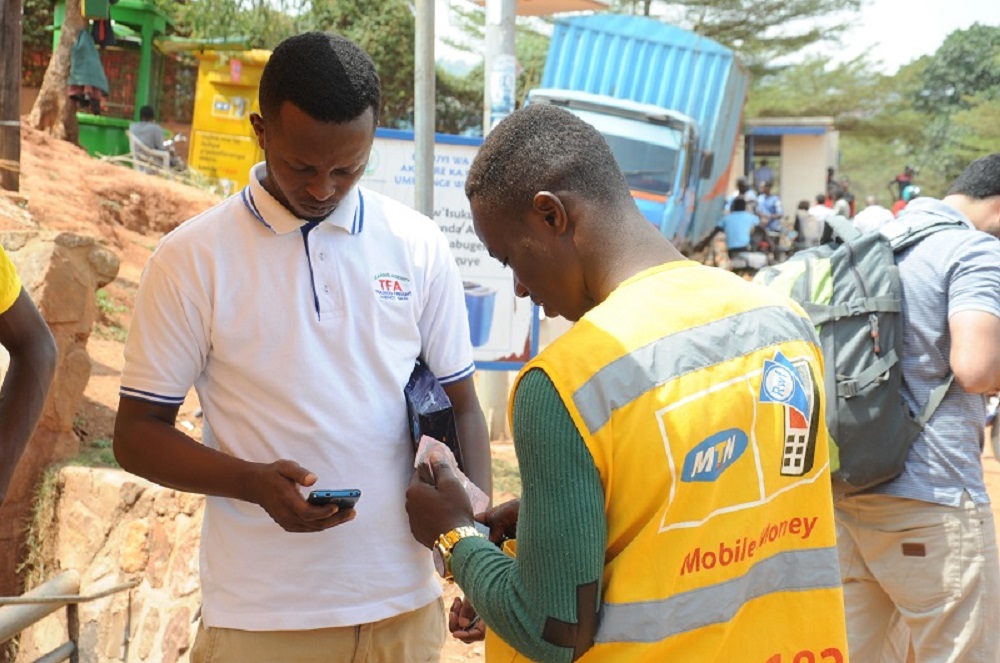
Last year, 562 million of Africans were using mobile money services, an increase of 12% compared to the previous year. However, the increase in mobile money users is not necessarily provoking increase in financial service diversification, which is a critical phase to achieve mass financial inclusion.
For instance, it is easier to for a Rwandan to send money abroad, to a subscriber of the same telecom company, while it is impossible to do so for a subscriber of a different telecom who is based in Rwanda.
The same case applies to push and pull services between banks, telecom companies and other financially-engaged agencies.
With no such flexibility, it is difficult to motivate Africans to use mobile money services, and so the continent will have to endure preventable losses. That’s one of the main reasons why Global Voice Group (GVP) was initiated in 1998.
The Pan-African company collects and analyzes big data from crucial economic sectors like telecommunication and financial services, with the intention of enabling governments and other companies to implement data-driven decisions, hence promoting valuable solutions.
Analyzing data is such a crucial step towards solutions like interoperability, which allows various players in financial sector to create ways that facilitate the flow of money among their clients. For instance, different telecom companies can create a way in which subscribers of both sides can transfer money either way. This can be done to governments agencies, banks and other stakeholders.
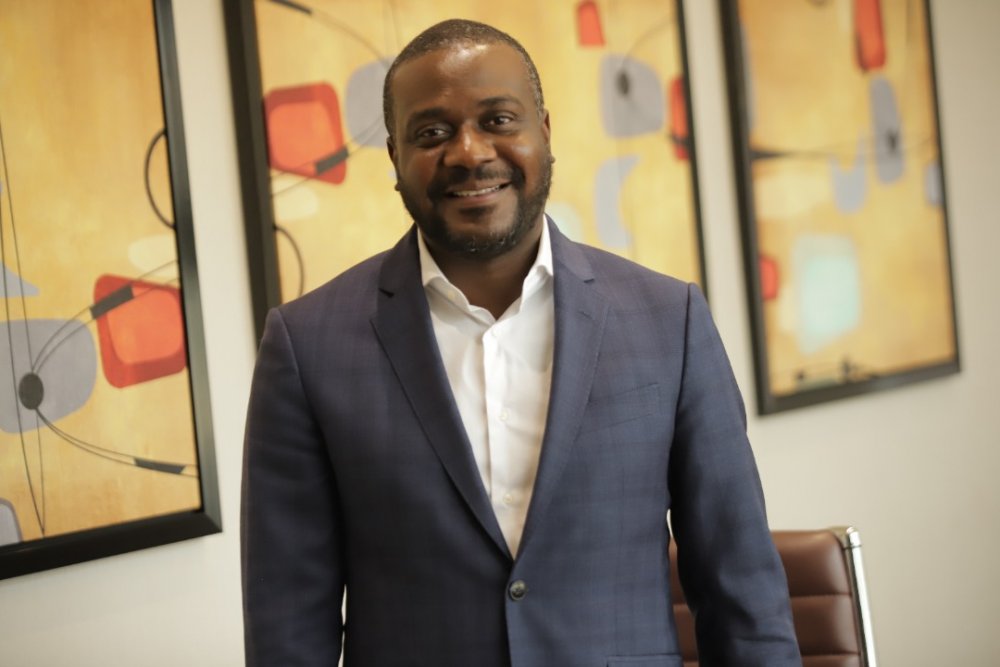
IGIHE has caught up with James Claude, the CEO of GVG to shed light on what needs to be done to achieve total financial inclusion in Africa, and how their company is becoming increasingly important throughout this long journey.
{{What is the state of financial inclusion in Africa? }}
When we talk financial inclusion, we try to measure it by the banked verses the unbanked percentage of the population, but I believe this concept is outdated, because if you see in Africa, mobile money was born in Kenya. I just read that M-Shwari, a system that allows people to save using mobile money, hits half trillion shillings.
So, I know there are still a lot to be done and Africa is still behind in many aspects when it comes to financial inclusion but I believe there is a revolution which is happening in fintech, in mobile money and other alternative ways that create new ecosystem when it comes to payment.
However, there is regulations that need to be done to really facilitate the development of that sector and I believe Africa is on the right track. So, for me it is very difficult to use statistics about banked and unbanked to really quantify financial inclusion in Africa.
{{What are regulations that need to be introduced?}}
What needs to happen is what is already happening [at a small scale], which is allowing people to use alternative technologies such as mobile money, to start benefiting in financial services like getting loans, making payments and transact online because ultimately, the definition of financial inclusion is being able to access those types of financial services. For instance, if it is loan, I am being able to get it using those channels, which can be mobile money and so on.
Of course, regulations need to be looked at to facilitate in the development of this new payment systems and also I believe those systems are quite fragmented, so interoperability can really play role to integrate those kind fragmented fintech solutions that can really take full advantage of the development of those payment systems.
{{What role can central banks play to facilitate interoperability?}}
Central banks [can step in] as they did with traditional banks to put in place interoperability platforms such as the one we have developed internally [as Global Voice Group] that allows to bring together all the fragmented payment system.
{{You mentioned mobile money, how important is it to the idea of financial inclusion in Africa?}}
Mobile money started with basic services [like saving], and it kept evolving, new services are being added and there are many projects in different countries where governments and private sectors are really working to provide interoperability [between different telecommunication companies, telecommunication companies and banks, and so on].
In our case for example, we just launched recently a platform called Transfin, a platform that assist, from the government perspective, to provide interoperability at the country level. It also takes into account many needs and requirements governments might need when it comes to interoperability. [It can help] to be able as government to make payments regardless of the channels, banks or mobile money, to the public service employees. [It can help] to be able to pay social programs, those are areas we believe it can bring a lot of value to all the stakeholders.
{{As an investor and advocate of interoperability solutions in Africa, why is Africa still behind? Is it because of political will or the force of the market? }}
I wouldn’t say we don’t have interoperability in Africa, there has been fast development in mobile money and fintech in the last few years, and more sophisticated transactions have been happening on the top of mobile money and now these national revolutions require more integration so that different payments solutions can speak with each other. Now there is a movement towards that goal, [what is being assesses is] how can we tackle challenges to benefit the population who are participating in those solutions.
{{Do you think interoperability can hamper innovations from SMEs? }}
I believe this system can help small companies. If you have a bigger company providing certain services, then the small player coming in, if they don’t have access to the population, I think it can slow down his development. There are also rules which can guide the whole system [which can protect SMEs if needed]. So I think it can be beneficial to small companies.
Africa lose billions of money because of money laundering, corruptions and all these kind of problems.
{{Can integrated financial inclusion help to solve those problems?}}
Financial inclusion can solve many problems but not all. Of course, having big part of the economy migrating to digital economy where all things happen online, the authorities like central banks and other financial intelligence agencies have more capabilities to oversee compliance and monitor more effectively problems like money laundering. By the way, that is one of the solutions we have. As GVG, we have provided platform to central banks and telecommunication laundering in countries like Tanzania, Rwanda, Uganda, Ghana and Congo Brazaville, they are using platforms we provide.
{{When it comes to fraud, there are other regulations that need to be in place and of course having the right to monitor the compliance would be very helpful. As GVG, what are some of your projects in Africa?}}
We consider ourselves to be pioneer of regulatory technology in Africa. We have been working in many countries as we have been on the continent for the past 20 years. And we started by providing solutions to the newly created telecom regulators, like when the market became liberalized with having the new regulators coming in.
The telecom regulators needed tools to really monitor compliance on what is happening on market prices, quality of services and so on, this is how we started.
Over the years, we kept developing new solutions for the telecom regulators so that they can keep up with the development of the telecom sector in general.
As you know, telecom sector is the backbone of the digital economy, on which many other solutions have been deployed, such as mobile money. So, we have anything that telecom regulators might need like [how telecom regulators can monitor] quality of service, revenue, traffic, we have different solutions in that aspect.
We have also developed solutions such as mobile money monitoring, and we are also working to develop solutions related to identities, because identification is the cornerstone of financial inclusion. We are talking about digital identity, but in many countries, simple identification is not in place. So we are working to make sure that simple identity can be translated into digital identity.
One of the last solutions we just launched is interoperability solutions because we saw that governments are promoting the use of new innovative solutions such as mobile money, mobile payment but they don’t necessarily use it.
Therefore, we said why don’t we come and bring together fragmented ecosystem, at the same time, provide different applications to governments such as payroll management, where the government can pay directly on mobile money. That would streamline the whole process of payroll like social program and pension.
To this end, we built a comprehensive platform based on what we understood to be part of the problem of digitalizing the whole payment system, where governments, as one of the significant player, is lagging behind when it comes to the use of these solutions.
{{Where did you apply your solutions?}}
Our solutions have been applied in 15 African countries and we are finalizing the implementation in countries like Zimbabwe, we work in Central Africa, West Africa, in countries like Ghana, Senegal. One of our key component is Big Data, collecting data and dig them to monitor compliance. It’s kind of data-driven solutions. As governments are planning new policies, having the ICT like what we provide, [authorities] are able to collect all the necessary information in real time in order to see how efficient that new policy is.
The market is ready, there are a lot of demands because governments are seeing technology as an ally they can rely on to achieve their goals. Big Data is being used. Many companies are using a lot of data. They are also different programs in different universities, including the University of Rwanda, that are teaching about the use of Big Data. It is more of having a lot of data, it’s also how you can use them and make them actionable intelligence.
{{African tech companies tend to be ignored by governments in developing such high tech solutions using big data. Have you ever faced that problem? }}
We are very proud of our identity and we bring knowledge from all over the World, so we have development center in Spain, we used to have part of our business in Estonia, because we believe Estonia has a very good governance. So, we bring knowledge from all over the World but we have a Pan-African identity because this is where we started and it is where we develop solutions. In fact, we are more welcomed here in Africa. Most of the officials tell us ‘you are from Africa so you can really understand the problem we are facing’, I think it is an advantage for us.
{{How can Africa become independent in the digital sector?}}
Africa needs to invest in education, infrastructure and technologies. They have been a lot of investment in that sense. Leaders need to discuss how to define the vision of Africa [in order to play a big role in global technologies]. We are in the right direction to embark and be successful.
If you look at the past, tech startups used to be from USA and Europe, but the situation has changed. There are many startups in Nigeria, Kenya and South Africa which are on a global scale, because it’s about understanding technology and creating solutions for the population.
The guy who is sitting in Houston is not smarter than our guy who went to college and is sitting in Kigali.
{{Which advice can you give to Africans who are trying to create solutions in tech industry?}}
The young guy who has an idea, should start by working on it to reach a level where he can start pitching at different levels. Today, you can be in Kigali and pitch your idea in Los Angeles. So if it is the right solution [you can have the resources to implement it].
But I also believe that private companies should play a role by investing in those young startups. For instance, we set up a fund a few years ago, to try to understand startups that have synergies with the kind of business we are in, and we invest in them and help them accelerate their growth. These are examples of how private companies such as ours, can help other startups to grow.
All the 333 are from the University of Rwanda’s six colleges. Out of this total, 133 will be awarded undergraduate degrees, while 200 will be awarded postgraduate academic honours that include doctoral degrees, masters, diplomas and certificates.
The College of Arts and Social Sciences boasts the highest number of prospective graduates with 117 to receive their degrees. It is followed by the College of Business and Economics with 83. The College of Science and Technology has 70 graduands, while 33 are from the Musanze based (Busogo) College of Agriculture, Animal Sciences and Veterinary Medicine. Both the College of Education and the College of Medicine and Health Sciences have the fewest graduates, with 19 and 11 respectively.
According to UR management, the decision to organize the upcoming mini graduation was based on the desire to offer level playing ground to all finishing students who wound up their studies in 2021 to celebrate their hard work in a single year. The intention is to do whatever it takes on UR’s part to maximise everyone’s chances of moving on with employment or further studies.
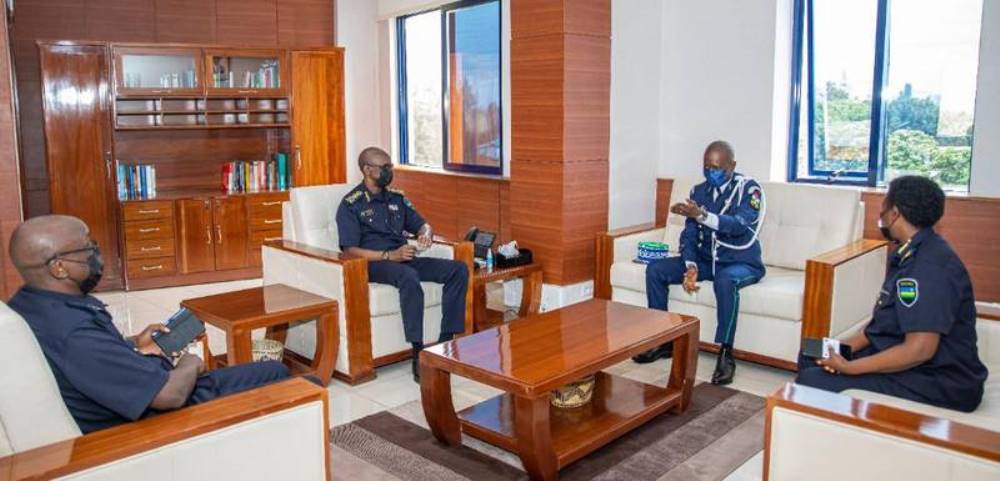
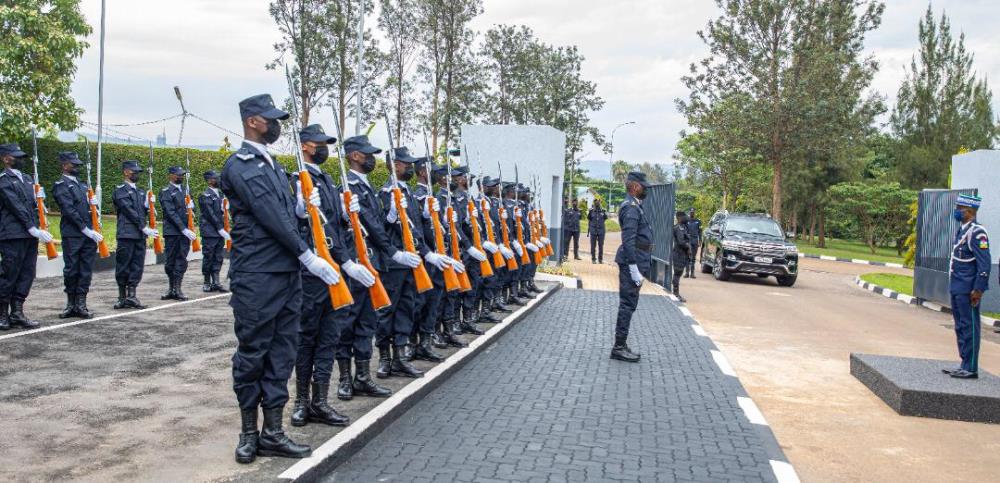
Director General Landry and his delegation are in Rwanda since Tuesday for a six-day visit to cement policing cooperation between Rwanda National Police (RNP) and the Gendarmerie Nationale of CAR.
Speaking during the bilateral meeting held at the RNP General Headquarters in Kacyiru, IGP Munyuza said the visit is an opportunity to build strong cooperation between the two institutions.
“Rwanda National Police is pleased to join hands with our brothers from the Gendarmerie of Central African Republic as we work together to provide peace and security of our respective countries,” IGP Munyuza said.
“Rwanda and the Central African Republic are reliable partners in ensuring safety and security since 2013 when CAR experienced violence,” he added.
Rwanda was the first country to deploy Police peacekeepers to CAR in 2014 and currently maintains three Police contingents of combined 460 officers.
Other 36 officers work as Police Advisors. The head of the Police component of the UN Multidimensional Integrated Stabilization Mission in the Central African Republic (MINUSCA) is also a Rwandan–Commissioner of Police (CP) Christophe Bizimungu.
“Rwanda forces under the UN peacekeeping mission stood together with Central African Republic forces to ensure the country becomes stable and secure. We commit to foster these joint efforts to ensure that peace continues to prevail in Central African Republic,” IGP Munyuza said.
He stressed that contemporary policing requires cooperation and training to respond effective to emerging security threats.
“In this era of policing, law enforcement agencies are required to work closely together if we are to confront security challenges that are organized and transnational in nature. Most importantly, we need to train law enforcement officers and equip them with necessary knowledge and skills to combat crimes such as violent extremism, terrorism, drug trafficking, economic and financial crimes among others,” said IGP Munyuza.
As a Rwandan policy, he said, RNP is always ready to share the expertise and experience with partners in Africa and beyond to work together to strengthen peace and security on the continent.
On his part, Director General Landry said that they will benefit more from the visit and partnership
“We are very honored to visit this friendly country to present our compliments to the Rwandan Government and in particular to the Inspector General of RNP. We are here to establish bilateral cooperation between our two institutions,” DG Landry said.
“We are very happy to visit this country historically known for its expertize in facing its challenges to guarantee the well-being of this nation and its citizens,” he added.
Gendarmerie Nationale of CAR, he said, believes in this cooperation to support them in the implementation of their community policing programme.
“We are in a globalized world where we need to work together to address the challenges and particularly to restore the state authority throughout Central African Republic. We cannot achieve this without working together with our partners.”
During his stay in Rwanda, DG Landry will also visit other RNP facilities including the National Police College (NPC) in Musanze district, Police Training School (PTS) Gishari and regional police units.
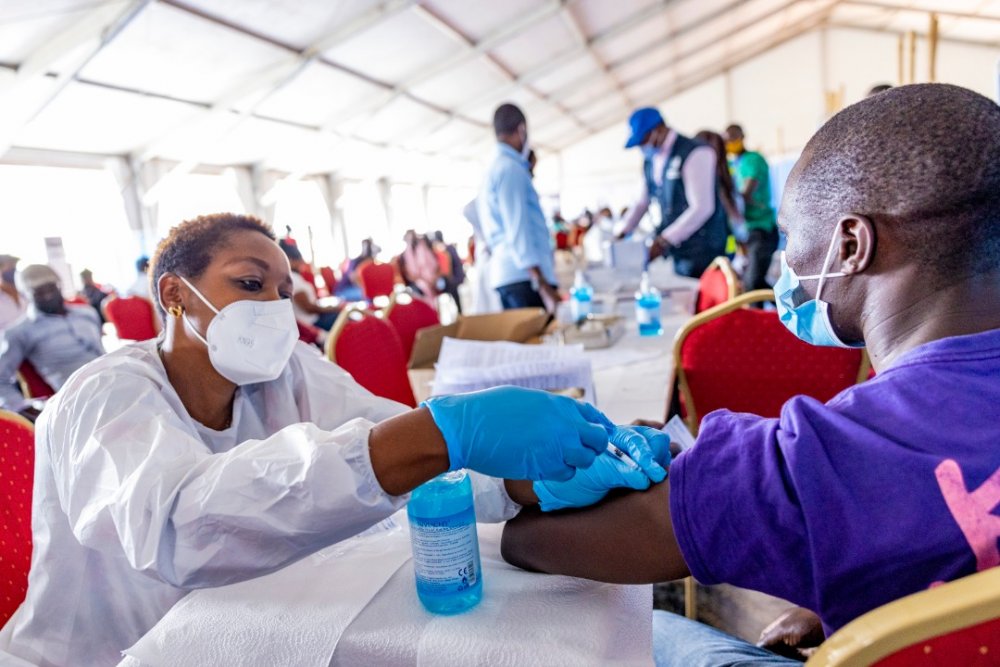
Among others, the statement released last night shows that 55 people have caught the virus out of 7373 sample tests bringing the number of positive cases confirmed within seven days to 306.
The death toll remains at 1332 after the country recorded zero deaths yesterday.
Coronavirus symptoms include coughing, flu, and difficulty in breathing. The virus is said to be transmitted through the mucous membranes of the respiratory tract.
Rwandans are urged to adhere to COVID-19 health guidelines, washing hands frequently using soaps and safe water, wearing face masks and respecting social distancing.
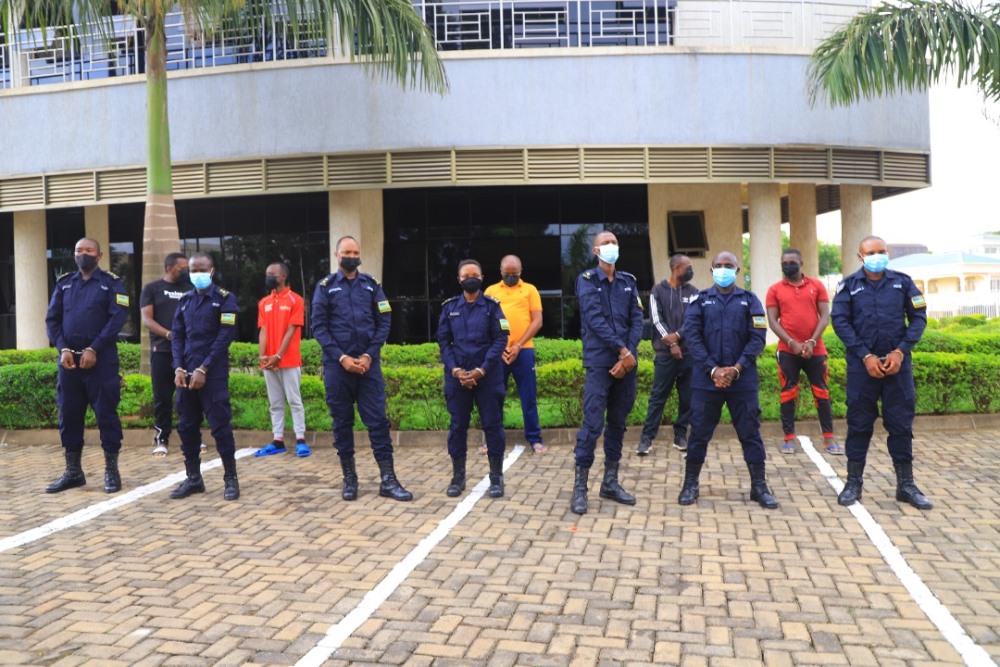
They include seven Police officers, who were conniving with five driving school instructors to defraud candidates, who registered to do driving tests.
The group was showed to the media on Wednesday, November 3, at Kigali Metropolitan headquarters in Remera, Gasabo District.
Sergeant Augustin Twagirashema , who has been serving in RNP for the last 13 years is among those arrested.
He, together with other Police officers at different ranks, alongside the driving school instructors, were operating a syndicate targeting people, who registered for driving tests, making them believe that tests are hard to pass and that they can facilitate them if they paid a certain amount of money.
Some of the Police officers like Sgt Twagirimana, were arrested on sites where they had been deployed to supervise driving tests.
Jean de Deu Nshimiyimana is among the five arrested driving school instructors. He said: “I was arrested on Monday, November 1, for allegedly collaborating with a Police officers to solicit bribes from candidates doing driving tests to help them acquire a driver’s license.”
Information on the ring, Police said, was shared by one of the people, whom they had approached.
“I had successfully registered to do driving tests, but they told me that it was not easy to get a permit without paying some money. They first demanded Rwf300,000 but we later agreed Rwf100,000, which I paid them,” said one of the candidates (names withheld).
“Later, I realized that what I had done was wrong and contrary to the law. I decided to report to the Police.”
RNP spokesperson, Commissioner of Police (CP) John Bosco Kabera said that the Police acted on the information provided by concerned residents to identify and arrest the suspects.
“These seven Police officers were taking money from candidates and were using the five school instructors as their brokers,” said CP Kabera. “Investigations revealed that these Police officers were also adding names of people, who either failed or did not do the driving tests, on the list of those who passed. Some of those marked as passed did not even go to the driving test sites.”
CP Kabera urged the public to be vigilant and avoid criminal shortcuts to pay extra amount of money.
He further warned against both soliciting and offering bribes are punishable by law.
All the suspects were handed over to RIB for further legal process
Article 4 of the law N° 54/2018 of 13/08/2018 on fighting against corruption states that any person who offers, solicits, accepts or receives, by any means, an illegal benefit for himself/ herself or another person or accepts a promise in order to render or omit a service under his or her mandate or uses his or her position to render or omit a service, commits an offence.
Upon conviction, he/she is liable to imprisonment for a term of more than five (5) years but not more than even (7) years with a fine of three (3) to five (5) times the value of the illegal benefit offered, solicited or received.
In article 174 of the law determining offenses and penalties in general states that; any person who, by deception, obtains another person’s property, whole or part of his/her finance by use of false names or qualifications, or who offers positive promises or who threatens of future misfortunes, commits an offence.
Upon conviction, he/she is liable to imprisonment for a term of not less than two (2) years and not more than three (3) years, and a fine of not less than Rwf3 million and not more than Rwf5 million.
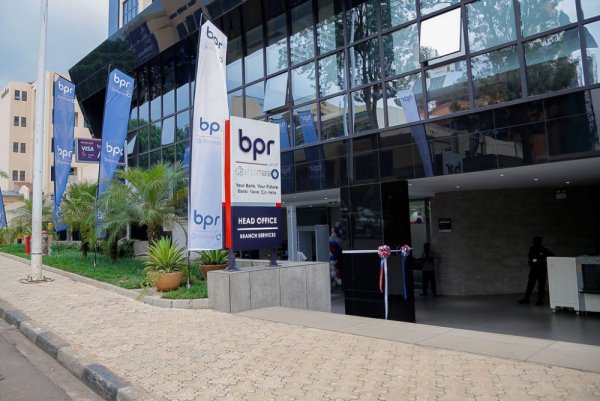
As part of its overall strategy, the bank aims to make it easy for customers to access credit from the bank.
It has therefore, reviewed and amended the main credit access conditions for personal banking loans including Home loans, Personal loans, Home Equity and Vehicle loans.
The key adjustments made include the unsecured personal loans limit that has been increased from Rwf 15 million up to Rwf30 million.
Monthly installments on Home, Personal and Vehicle loans will be up to 50% of the customer’s net monthly disposable income up from the existing limit of 35% of the customer’s net monthly income.
Among others; the amount the bank can lend in form of Home Equity will be up to 70% of the assessed market value of the property while A customer with an existing loan in the bank and has repayment capacity as stated above is eligible to access top ups on their current loan balance.
Commenting on the announcement, Banque Populaire Du Rwanda Plc, Managing Director, Mr. Maurice K. Toroitich said that the move is part of the bank’s strategic initiative to make it easy for our customers to do business with us. Reviewing and adjusting our existing loan conditions is therefore aimed at simplifying and making it possible for our customers to achieve their goals.
“We exist as a bank to make it possible for all our stakeholders to achieve their goals, and we are always looking for those barriers in policies, processes and systems that make it difficult especially for our customers to do business with us, so that we redefine them to become simpler and easier to serve our customers. That’s why we have reviewed our existing credit access conditions to be able to offer a compelling value propositions to our customers to enable them to make progress,” he said.
Both new and existing BPR customers with a stable monthly income are eligible to access up to Rwf 30 million in unsecured personal loans, if they fulfill all the terms and conditions. Under the new criteria, BPR customers with an existing loan facility will also be eligible for a loan top up.
Xavier Shema Mugisha, the bank’s Chief Business Officer also highlighted that by increasing the limit on unsecured personal loans, and increasing the monthly repayment limit up to 50% of the customer’s net monthly income, the bank is striving to improve the livelihoods of its clients after identifying that the existing conditions were challenging to a big number of customers.
“The previous Unsecured Loan limit of Rwf15 million often limited consumers’ options in acquiring assets or other needs. For example, “customers taking out loans to purchase assets such as land or a vehicle, the previous amount limited options for the acquisition but now with the new changes, customers will have the opportunity and freedom to do more and improve their ways of living,” he noted.
BPR customers who are eligible and want to access a loan top up can visit their nearest branch to start the application process.
{{About BPR Bank }}
The BPR journey started in 1975 as a community based savings and credit scheme and subsequently transformed to become a fully-fledged commercial bank in 2008 with a core focus in Retail and SME Banking.
In January 2016, Atlas Mara acquired a stake in BPR, which was subsequently merged with Atlas Mara’s existing operation, BRD Commercial Bank that resulted in the merged entity becoming the second largest bank with operations cross Retail, SME and Corporate Banking. In August 2021, KCB Group Plc acquired majority shareholding in the company through the purchase of all the shares held by ATMA and ARISE BV. Consequently, BPR Plc is now a subsidiary of KCB Group Plc. BPR currently operates through an extensive network of 137 branches, 51 ATMs and 350 bank agents across the
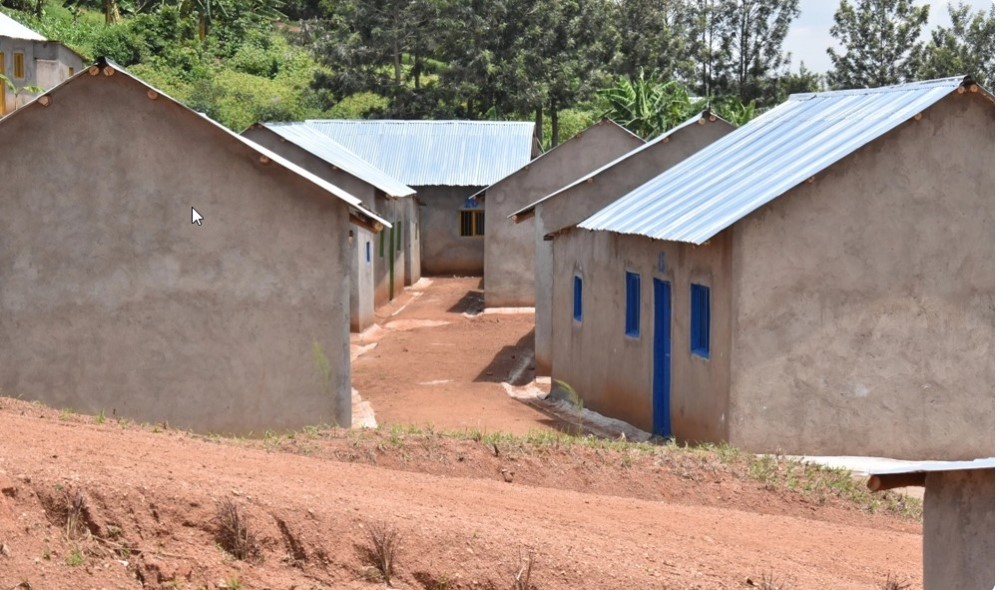
The houses constructed by Gisagara peat power plant, were handed over on Tuesday 2nd November 2021, to beneficiaries including residents who had no shelter and others living in old structures.
Delphine Ukubereyimfura, one of beneficiaries explained that she has been facing hard life with her children as they had had no permanent shelter since her husband cohabited with another wife.
“I have spent long time accommodated by good Samaritans because our thatched cottage house was demolished. My husband casted me aside to cohabit with another wife. Since then, I have been leading hard life because I paid rental fees after sweating on daily casual work. I pledge to take good care of received house and work hard to improve my wellbeing. I also commend the good leadership for liaising with partners to build houses for us,” she said.
François Mbanzabagabo also revealed that he has been living in a dilapidated building that it would rain on him inside.
“I am grateful for receiving a new decent house. I am now safe from life hazards along with my children,” he said.
Apart from houses donated to vulnerable residents, the plant also build latrines for Kabumbwe Primary School located in the area and donated a television to Kabumbwe cell to help residents stay updated on trending issues.
The operations manager at Gisagara Peat Power Plant, Tonci Tadic has revealed that the donation is part of the company’s pledge to contribute to improved wellbeing of surrounding community.
“Our activities in this area are meant to promote residents’ welfare. We remain committed to sharing part of revenues for residents’ improved wellbeing,” he said.
As Tadic explained, the plant has so far built houses for 34 vulnerable families in Gisagara district and pledged to subscribe 1000 households for community based health insurance (Mutuelle de Santé) every year.
The plant has also donated school kits to learners at Kabumbwe Primary School and plans to connect the facility to clean water.
Residents in the area have also been receiving cows and small livestock from the plant.
The Acting Mayor of Gisagara district, Athanase Ntaganzwa has said that residents have benefited a lot since construction of the plant began in Mamba.
“Residents from different cells surrounding the plant have received different support including cows that have reproduced among others. Beneficiaries got milk, and compost which helped them to increase agricultural yields,” he noted.
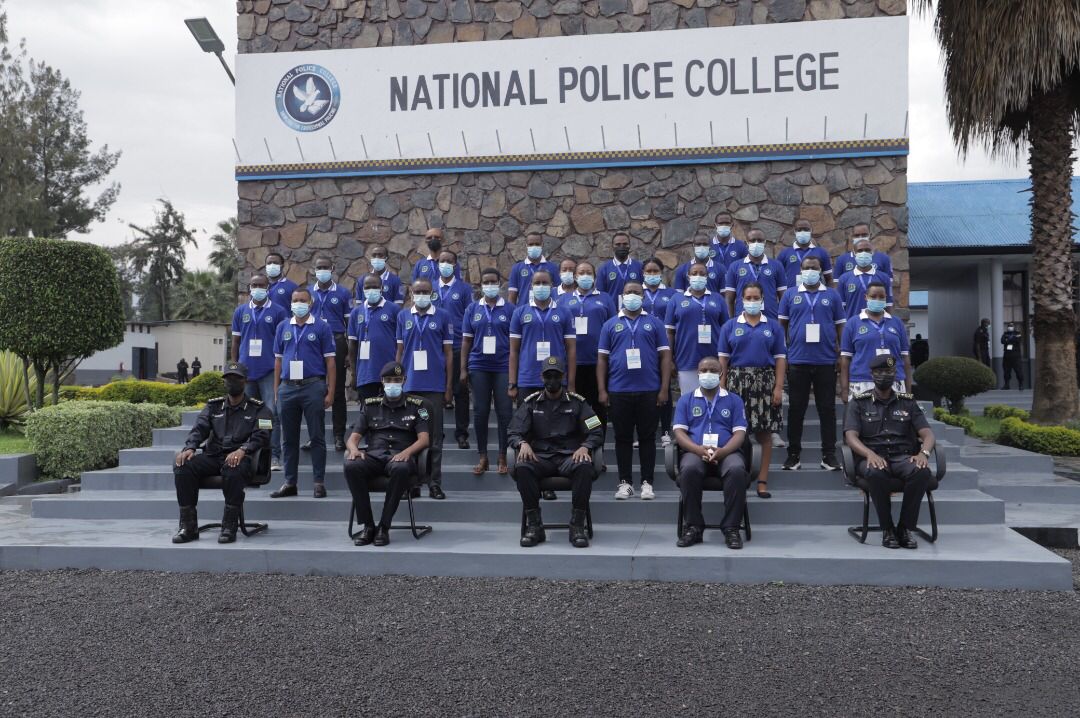
IGP Munyuza made the remarks on Tuesday, November 2, while officially closing the five-day Training of Trainers (ToT) for 49 members of Rwanda Youth Volunteers in Community Policing (RYVCP) at the National Police College (NPC) in Musanze District.
The training in socio-economic transformation, governance and crime prevention was held under the theme: “The role of youth volunteers in the implementation of governance programmes.”
IGP Munyuza thanked the youth volunteers for their role in the national socio-economic development and crime prevention and urged them to continue the spirit of patriotism.
“Your role is commendable particularly in this period of Covid-19 where you have volunteered and worked hard in reinforcing the national response to the pandemic,” IGP Munyuza said.
He added: “The pandemic has not been totally defeated, yet there are other pressing concerns such as smuggling, criminal acts associated with narcotic drugs especially by the young people, smuggling and other trans-border illegal trade practices. We also have crimes facilitated by technology including spreading negative propaganda. Be focused and be at the frontline to fight against such crimes… exhibit the same spirit that you showcased in fighting Covid-19 and other human security activities that you have conducted in the past.”
Richard Kubana, the Director General in the Ministry of Local Government in charge of Community Mobilisation and Youth Volunteers Coordination, said that the purpose of the training has been achieved and hopes that participants will utilize the knowledge acquired during the training.
“This training of trainers for the selected members of youth volunteers has met its objectives. We have adopted 16 key resolutions, which will be implemented including sharing knowledge and skills acquired to their colleagues down to the grassroots to have the same understanding and priority focus in the country’s socio-economic development and security matters,” said Kubana.
One of the trainees, Jean Claude Ndagijimana, who is in charge of national youth volunteers coordination, said that the training was a source for vast knowledge to guide their volunteerism mission.