The details emerged on Tuesday 27th September 2022 as the ministry announced results for primary school and ordinary level national examinations for the year 2021/2022.
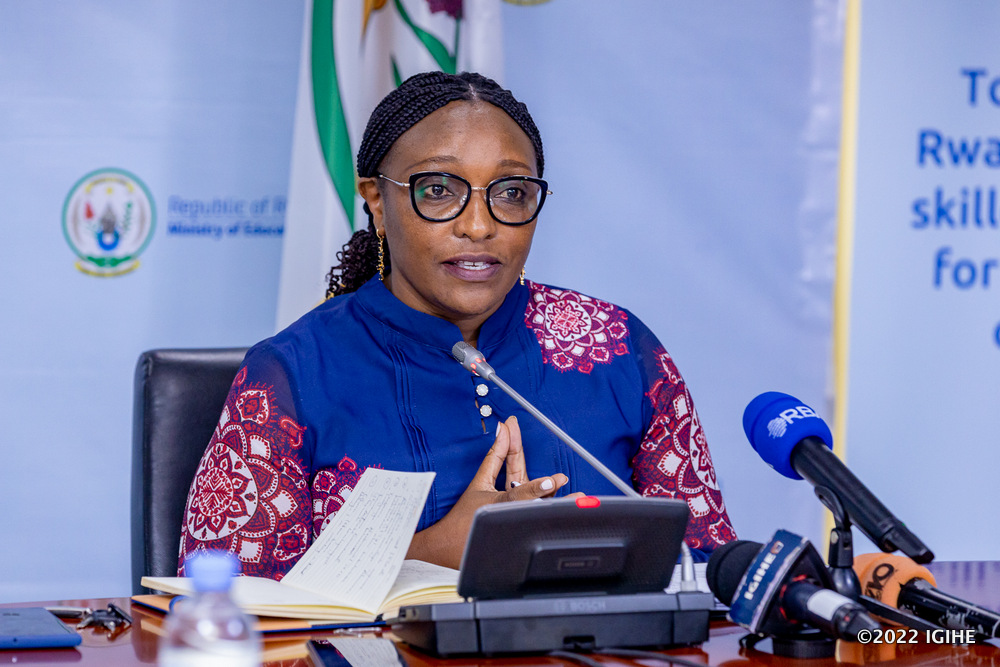
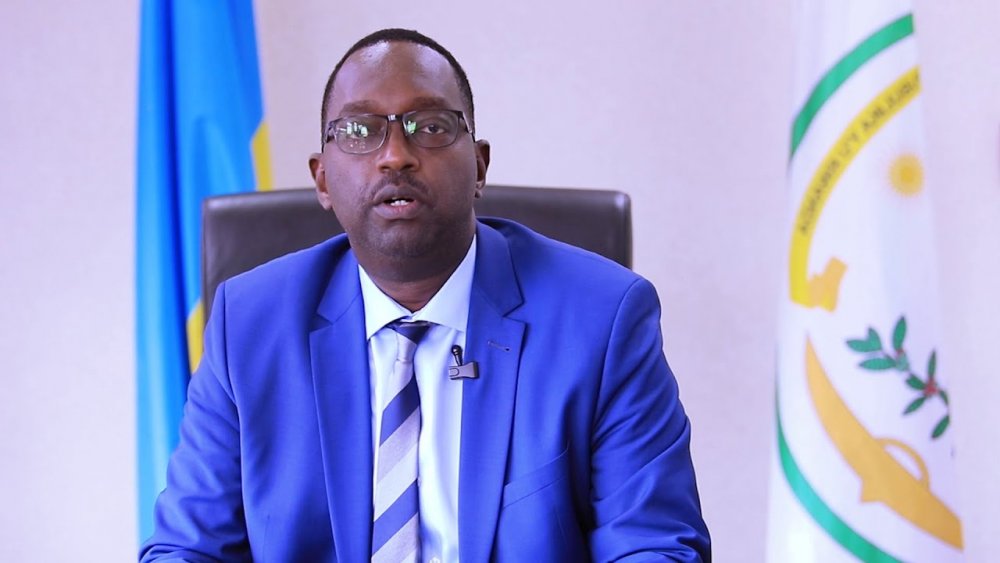
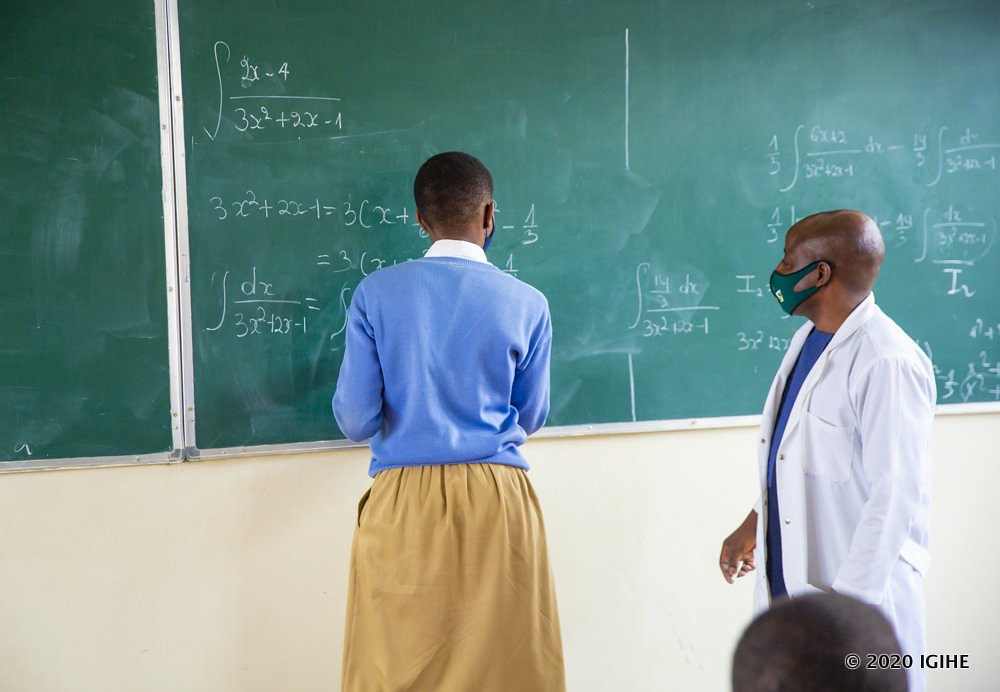
The Minister of Education, Dr. Valentine Uwamariya has said that a total of 227,472 candidates sat for primary leaving national examinations of whom 125,169 are girls while the number of boys stood at 102,303.
“A total of 206,286 candidates obtained a pass mark, representing 90.69%. This means, the remaining 21,186 equivalent to 9.31% failed. Last year, pupils passed exams at 82.8%. This shows the improvement registered this year,” she said.
As for ordinary level, only 126,735 sat for exams out of 127,589 registered candidates.
“A total of 108,566 students passed the national exam representing 85.66% while 18,469 representing 14.34% failed exams. Unlike primary national exams, the ordinary level’s performance is below compared to 86.3% registered last year,” said Dr. Uwamariya.
Of those who passed primary leaving exams, 26,922 received boarding schools while 179,364 were sent to day schools.
Dr. Uwamariya has revealed that all students who failed to secure a pass mark will repeat classes.
Last year, a total of 60,000 who failed primary leaving and ordinary level national examinations also repeated the school year.
The narcotics packed in 10 sacks, were recovered on Monday, September 26, in a house located in Kanjongo Sector, Kigoya Cell in Kabaga Village, where two members of the racket were arrested.
Those arrested are Laurent Fatisuka, 39, and Jean Claude Hakuzimana 34. They were handed over to RIB at Kanjongo station along with their exhibits.
Three other members of the same ring fled during the operation, according to Chief Inspector of Police (CIP) Mucyo Rukundo, the Western Region Political and Civic Education Officer (RPCEO).
At the time of the operation, the traffickers were loading the sacks of narcotics into the vehicle transporting charcoal, in an attempt to beat security,
The narcotics would be transported to another destination in Kabgayi, Muhanga District, he added.
“This was a successful operation facilitated by information provided by responsive residents. It is said that the narcotics were trafficked into Rwanda three days ago.
There are other three suspected members of the same racket, who escaped during the operation. Available information indicates that the three men still at large are the ones that trafficked the sacks of cannabis from Rusizi to the same house in Nyamasheke, which they rented three days ago,” CIP Rukundo explained.
“Drug dealers should not interpret the absence of Police in an area as a window to engage in such high impact crimes. The residents are the eyes and ears against lawlessness. Law enforcement organs are working together to bring to book all those connected to this criminal ring,” he reiterated.
Cannabis is classified as a very severe narcotic drug under the Ministerial Order nº 001/MoH/2019 of 04/03/2019 establishing the list of narcotic drugs and their categorisation.
Article 263 of law No. 68/2018 of 30/08/2018 determining offenses and penalties in general states that any person, who unlawfully produces, transforms, transports, stores, gives to another or who sells narcotic drugs and psychotropic substances, commits an offence.
Upon conviction for very severe narcotics, the offender faces between 20 years and life imprisonment, and a fine of between Rwf20 million and Rwf30 million.
Career counselor Faithful Esther advises people in this age group to start saving as much as possible so they can be financially stable.
Nonetheless for an individual to save they should have money to save. This raises the question: ‘how can people in their 20s make money?’
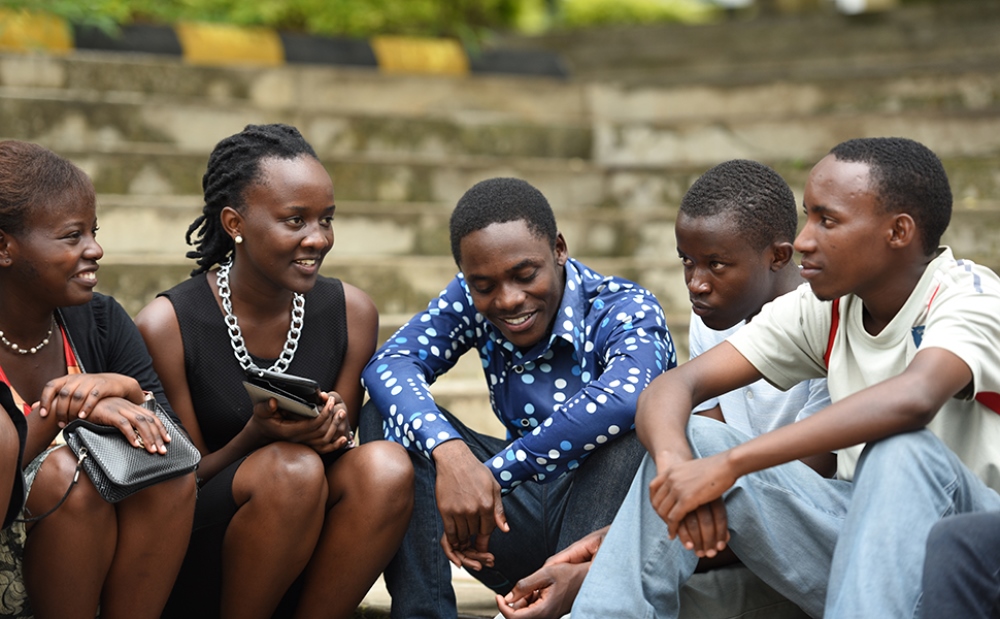
Most people in this age group are most likely starting university or graduating. So, how are they earning money?
Keza Nancy,22, a 2nd-year university student is conducting a professional internship.
Even though she uses most of internship facilitations for transport and lunch, Keza is convinced that it is a stepping stone for career growth and considers it a doorway for future employment.
Since most jobs require experience, Faithful recommends that people in their 20s take this as an opportunity to try internships or volunteer to explore diverse careers and find which best suits them while they are still young.
“Have a life plan to guide you and direct you so you’re not directionless or under pressure to keep up with the Joneses,” she says.
Another thing to consider is ‘reading extensively’. This is something everyone has heard of at least once in their lifetime. However, it is important to be intentional and start reading self-development books and, expertise in one subject but do not forget to look through different subjects for those cases when you find yourself amidst new people, so you can hold your own.
Also suggested is attending different conferences. A 20-year-old young person with a smartphone or with access to television or radio, has chances to learn about different conferences happening around their home or within the country.
If possible, an individual should attend these conferences and make connections with numerous people with various positions. By doing so, you will be more likely to find one that interest you and meet your future employer.
Again, be self-aware and do the work you need to be your best version. Be honest about your strengths and areas for growth.
According to a psychologist and blogger, Dr. Jennifer Baker-Porazinski, brain changes with age where the brain of individuals in their 20s is considered to be fine-tuning or maturing.
In this regard, ‘areas of the brain responsible for planning, working memory, and impulse control finish developing and the brain has reached its peak in terms of performance’.
Porazinski also highlights that it is a perfect time to work on oneself and learn new things.
Habits or hobbies are also important to a person’s life. Counselor Faithful advises that an individual should find interests, hobbies, and passions and pursue them intentionally to get better.
This can be either by learning to play an instrument or learning to speak a new language. A growing individual should be active in activities that will better them rather than destroy them.
Another aspect to be considered is about investing in relationships, and know the people you spend time with. The people in someone’s life should be pushing them to be better. Relationships are based on mutual respect, understanding, good communication, trust, and more. Be intentional in starting a relationship platonic or not, and keep in mind that to have a good friend you should be a good friend.
Counselor Faithful advises individuals to ‘take time and learn not to take things personally, extend grace and benefit of the doubt because everyone has stuff they’re dealing with and each has a story you know nothing about. So just Learn to be kind early.’
“Travel, travel, travel! Even if you have to backpack on your own, don’t cancel your trips if your friends back out at the last minute,” says Faithful.
There are benefits of traveling; stress relieving, promoting physical activity, being educational, and exploring different cultures.
And lastly, learn not to be a people pleaser, and set boundaries. This builds self-esteem, builds character, and tests a person’s self-respect and discipline. It is a bold statement to make but it proves its point.
Schools from primary to higher education should have psychologists not only to assist students but also teachers and other staff members because one’s behaviour can affect the entire community.
Besides, a school is a place where most people discover themselves; get their abilities, their talents developed, learn to be competitive and create relationships with new people.
Spending time at school, can be a wonderful experience for some students while others dread the entire day from the moment they wake up until they return home.
A senior 3 student who spoke to us recently, narrated awful experiences he went through over being around people with whom he could not easily socialize.
“I tried day school, I tried boarding school but none of those options helped me get over the anxiety I had every time I went to school,” he said.
As he says, parents did not hear his concerns and called it laziness whenever he put forward his case.
“My parents would call me lazy, but I was not lazy. I did not feel like I fit in school, not with my classmates. I felt like every teacher was out to get me and I concentrated on that so much that studying was hard for me,” he said.
The young man says that he was able to focus on his studies and felt more confident only after his sister found him a therapist who walked him through what he was feeling.
Some give up on schools not because they are failing in school but because they are unable to handle everything else that comes with it. Most of the time, they will get judged and taunted to go back to school.
To find a durable solution, it is also important to consider the mental health of a teacher, professor or lecturer.
Most of the time, we forget that they are humans too, to avoid or reduce the stress that comes from their personal, mixed with their professional life especially if they are in the classroom. This is where a psychologist gets involved in this situation to direct the educator on how to handle it, so it does not control the way they deal with the students.
Psychologists are not only involved in psychology or therapy but are also trained to assess and conduct formal psychological tests.
According to trainee psychologist, Atheane Faye; having psychologists at schools would be of great significance to schools however expensive it is to provide counseling, trauma or grief support.
“Often in Africa, there are a lot of financial restrictions. People do not have enough money. However, if the child is able to get this as a service offered by the school, it can make such a huge difference in the child’s life because this can be the only time that child will ever have access to a psychologist,” she said.
Usalama, which means ‘safety’ in Swahili, is an Interpol supported operation conducted simultaneously in all Eastern and Southern Police Chiefs Cooperation Organization (EAPCCO and SARPCCO) member states against harmful and high impact crimes.
The five-day operation, which started on September 19, was conducted jointly by Rwanda Investigation Bureau (RIB), Rwanda National Police (RNP), National Intelligence and Security Service (NISS), Rwanda Food and Drug Authority (RFDA), Ministry of Trade and Industry, Ministry of Local Government, Rwanda Standards Board (RSB), Rwanda Energy Group (REG), Rwanda Environment Management Authority (REMA), Rwanda Mines, Petroleum and Gas Board (RMB) and the Private Sector Federation (PSF).
It targeted mainly transnational and organized crimes such as drug trafficking, trafficking in persons, stolen motor vehicles, theft of copper wires; smuggled, counterfeit products Illicit brews, forged documents, banned non-biodegradable polythene bags and illegal mining.
Peter Karake, the Director General for Intelligence and Counter-terrorism at RIB, said that the harmful products seized include illicit drugs, expired and illicit foods and beverages, substandard electrical and smuggled or stolen cables, second-hand clothes and shoes, skin bleaching lotions, polythene bags, forged documents and other counterfeit and products.
He added that 25 people were arrested in the process, including three connected to one case of trafficking in persons.
Others arrested include four drug dealers, 11 traffickers and dealers in the outlawed skin bleaching cosmetics, three apprehended over forging documents, three over illegal mining and one person apprehended in connection with motor vehicle theft.
“There is still a health concern of production plants and people producing substandard or illicit foods and beverages. We observed that some factories and illegal plants operate in unhygienic areas, poor storage, and use of harmful ingredients,” Karake said.
During the operations, RFDA fined some producers and traders to a tune of over Frw36 million, for flouting the rules and procedures.
RNP spokesperson, Commissioner of Police (CP) John Bosco Kabera warned that this should not be perceived as the end but rather continuous operations.
“This is an indication that there are some people seeking wealth through illegal practices at the expense of other people’s lives,” CP Kabera said.
He added that as law enforcement organs in partnership with other relevant institutions, this will not be allowed.
“You will be operating in loses because these harmful products will be seized, but you will also find yourself in prison.
You are only safe from loses and imprisonment if you desist from these unlawful acts and do your businesses the right way,” CP Kabera warned.
Dr. Eric Nyirimigabo, the head of Foods and Drugs Inspection and Safety Monitoring department at RFDA also said that they will continue working with relevant entities against substandard foods and beverages, which constitute the majority of the harmful products seized from the market.
“There are laws, rules, procedures and standards that must be followed. We are here to help those who want to go in the right direction but also ready, together with law enforcement organs, to deal with those who want to prosper at the expense of lives of other people,” Dr. Nyirimigabo.
He receives the promotion following his tour of duty in Cabo Delgado, of Mozambique.
The statement released by RDF on Monday 26th September 2022 reads that the appointment takes immediate effect.
Rwanda started the deployment of 1000 troops of the Rwanda Defence Force (RDF) and the Rwanda National Police (RNP) to Mozambique on 9th July 2021, to fight terrorist groups, honoring the request of Mozambique. The troops had increased to nearly 2000 by the end of the year 2021.
The situation in the country had worsened since October 2017 when armed extremists launched an insurgency in the Cabo Delgado Province of Mozambique.
Mozambique Defence Armed Forces battled the extremists but many civilians were killed and displaced by the fighting.
Before Rwandan troops’ intervention, terrorists had killed 3000 civilians while more than 800,000 were displaced. The insecurity had also put to halt all development projects in the area controlled by insurgents.
The joint operations between Rwandan and Mozambican troops yielded big where different regions were seized from rebels.
Rwanda and Mozambique have been enjoying vibrant relations for many years.
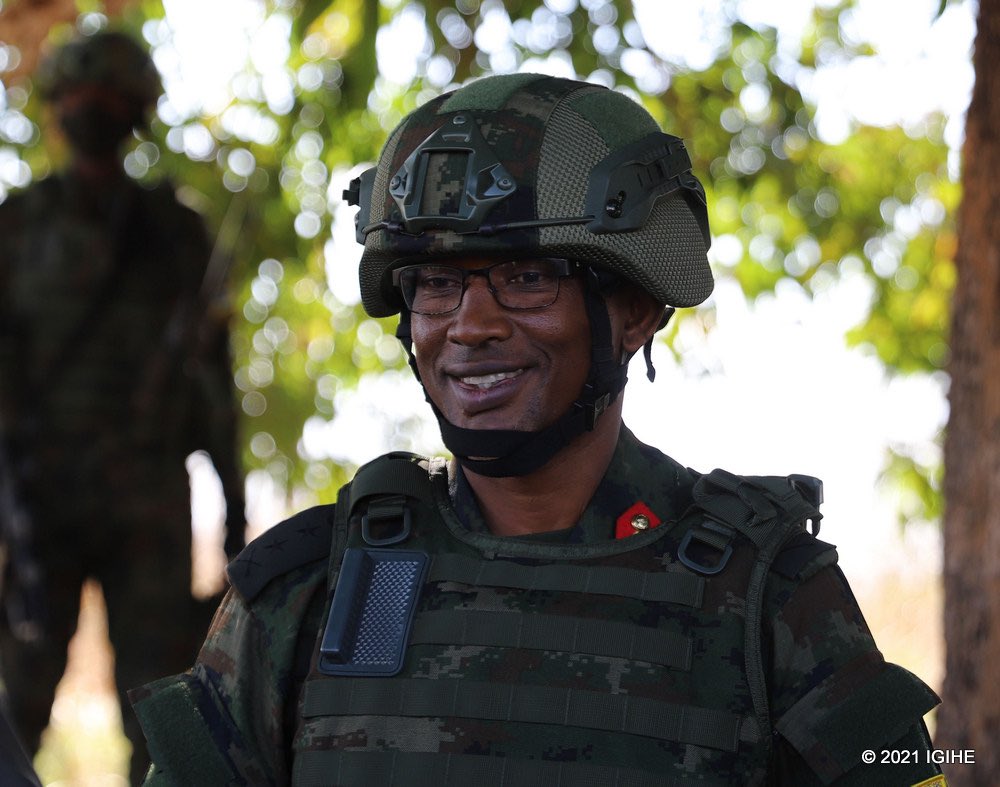
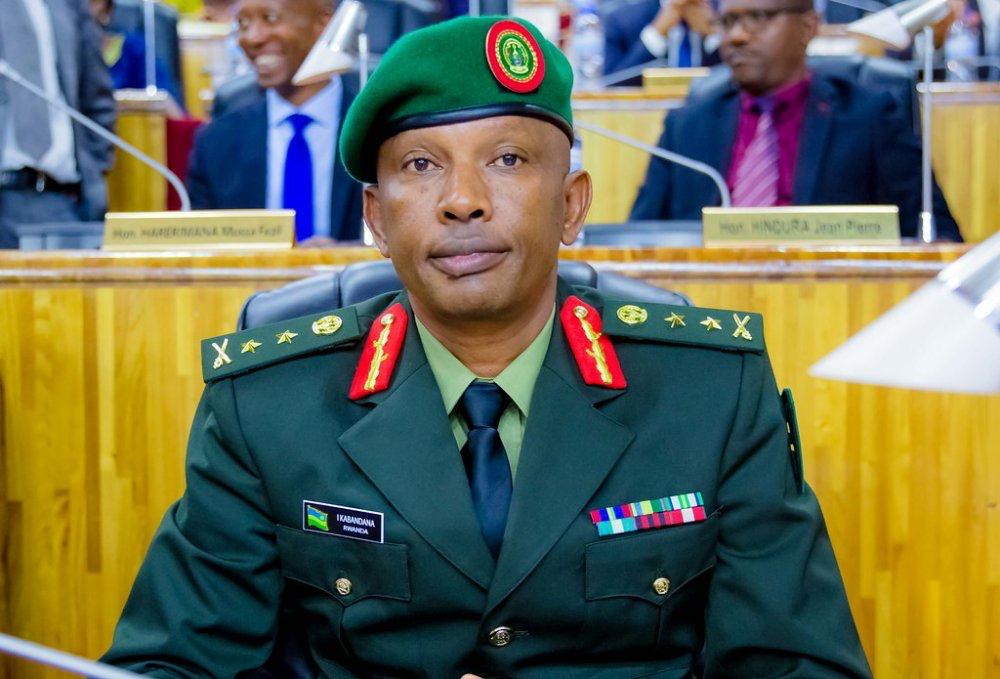
Lt Gen Kabandana who has been commanding the Rwandan JTF was recently replaced by Maj Gen Eugene Nkubito.
During his tour of duty, Lt Gen Kabandana was deputized by Brig Gen Pascal Muhizi who served as joint operations commander.
Lt Gen Kabandana once served as Defence Attache’ to the Embassy of Rwanda, Washington DC.
Among others, he held different positions as a Brigade staff officer in charge of Civil Military Affairs, Chief Instructor at Rwanda Military Academy in Gako, and Deputy Chief Military Personnel Officer in the United Nations Mission in South Sudan -UNMISS Sudan.
He was also once the Chairman of the Military Tender Board: Chief of Logistics, RDF HQ; Commandant of Rwanda Military Academy and Director of Rwanda Peace Academy.
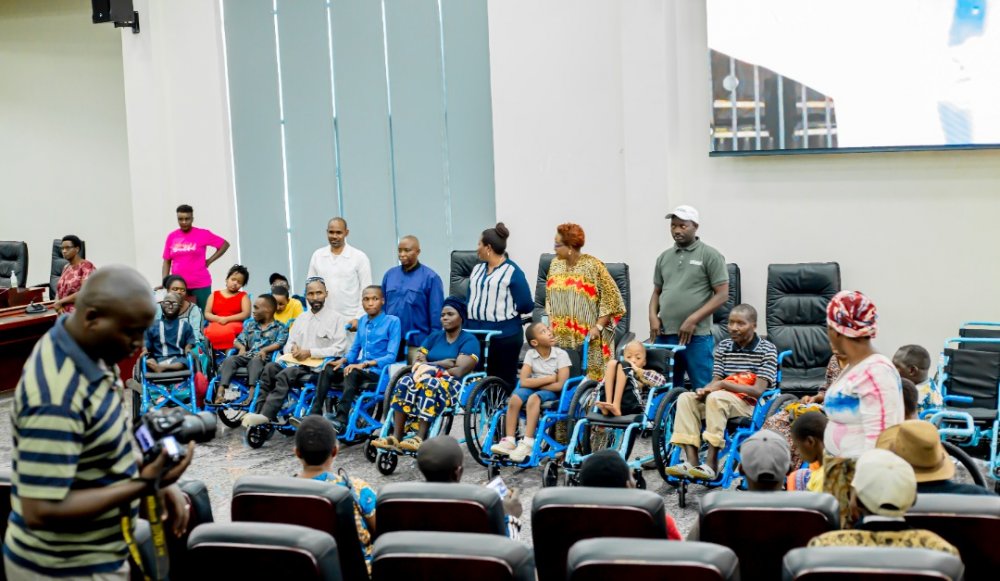
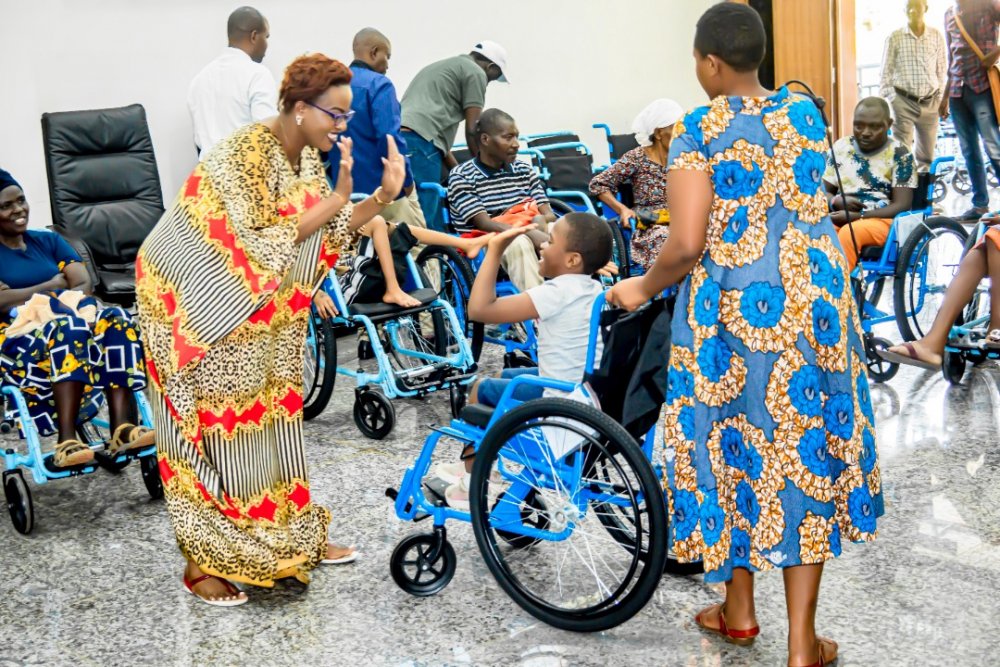
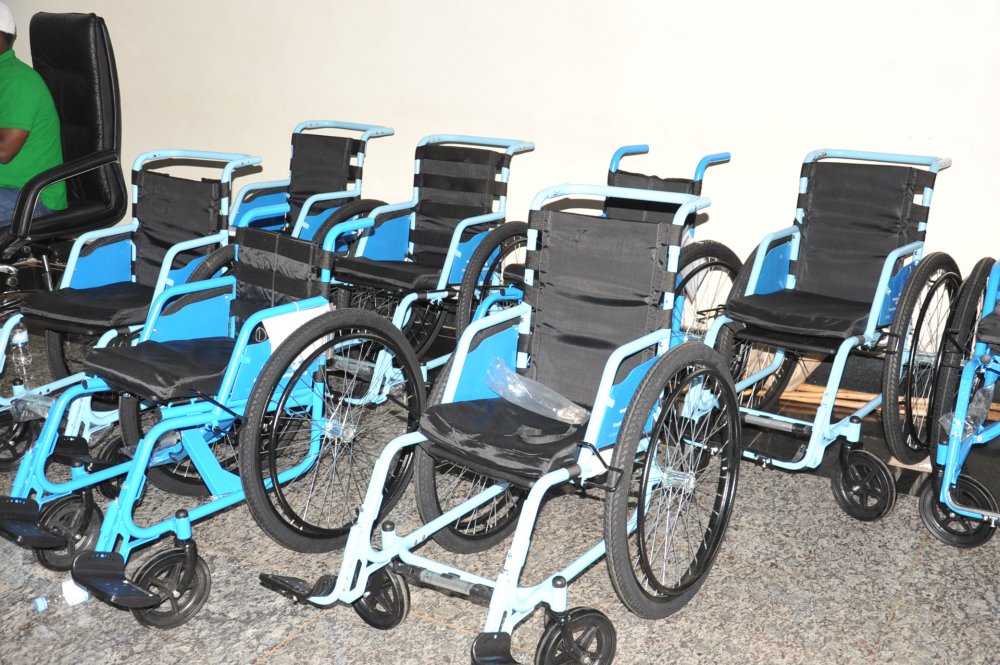
In partnership with Food For The Hungry, the donation made on Friday 23rd September 2022 saw beneficiaries receiving wheelchairs worth more than Rwf450,000 each.
Founded by Rwandan gospel singer Aline Gahongayire in 2016, Ndineza Organization is a non-governmental organization which aims to promote the wellbeing of disadvantaged people and alleviate human suffering through acts of generosity.
Belia Mushimiyimana, a mother of six, is one of beneficiaries who received wheelchairs on Friday. She considered it an essential tool helping her to lead a better life.
“I am grateful to God from the bottom of my heart for working with his child, Aline Gahongayire, to [provide me with a new wheelchair. TI have had an old wheelchair in poor conditions that I could no move easily, thanks to the latest godsend. I am ready to run a business whenever I get financial support because I can now move easily,” she noted.
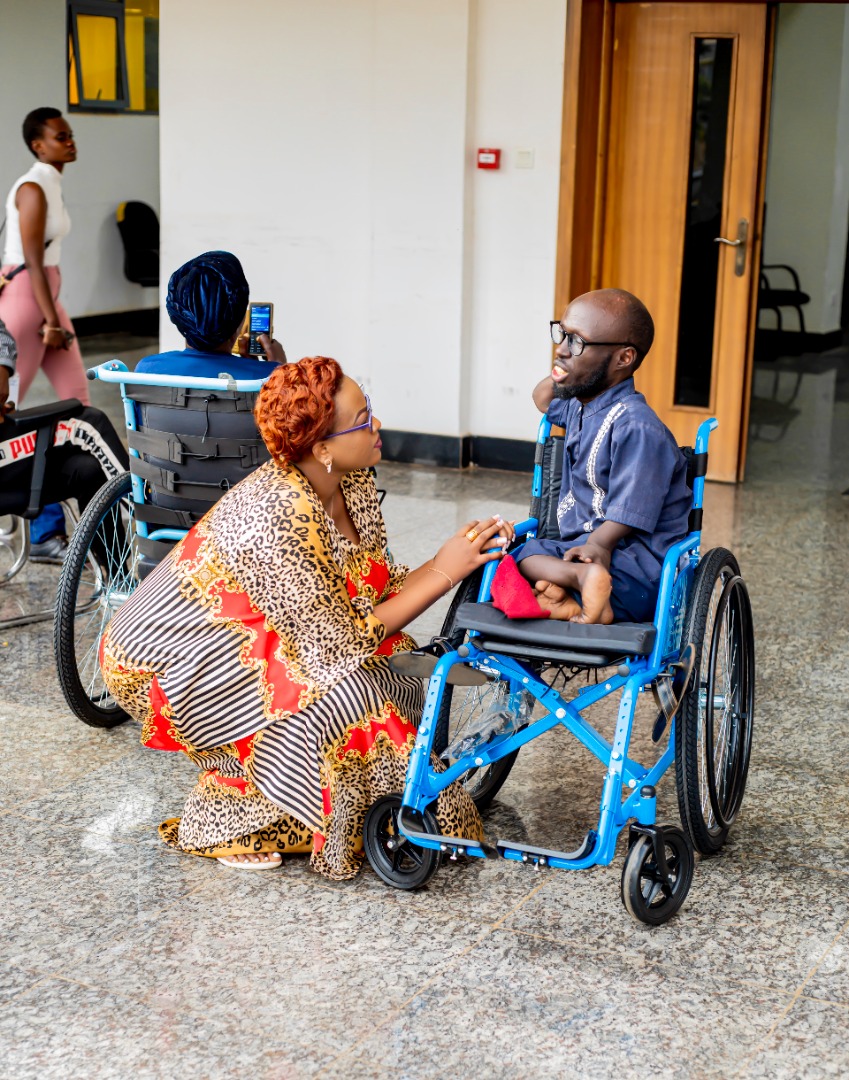
Wardun Dusabimana, hailing from Gasabo used to walk with crutches. They were once broken that he was obliged to crawl. Dusabimana expressed delight for the gift which he considers the beginning of improved wellbeing.
Pauline Umwali, Gasabo District Executive Administrator revealed that such a partnership with a charity facilitates the implementation of a number of government programs.
“We work in close collaboration with our partners in Gasabo District to roll out different social protection initiatives, pay school fees for children from poor families, build homes for the homeless and other activities to promote the well-being of citizens. Ndineza has donated 40 wheelchairs out of 125 we wanted to distribute among residents. The gesture is much welcome,” she said.
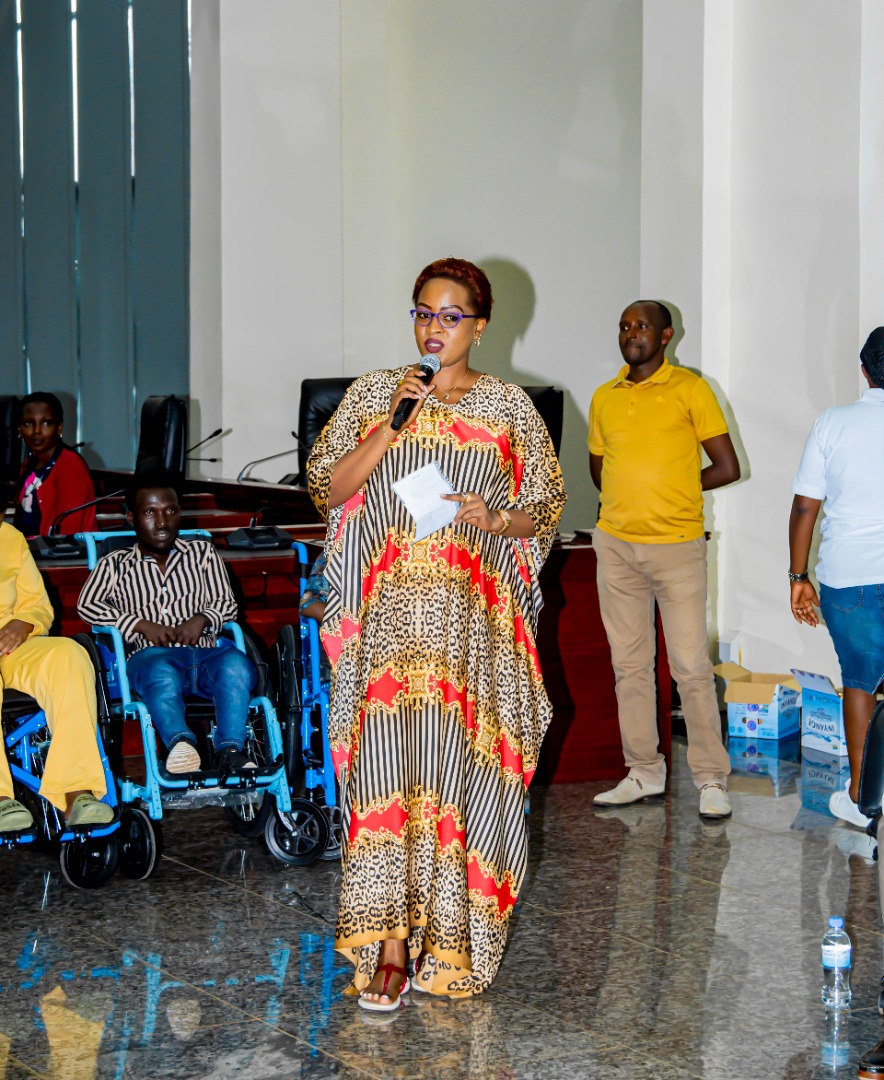
Speaking at the recent event, Aline Gahongayire revealed that the organization, sponsors and partners are proud to be part of the great gesture to support persons with disabilities.
“As part of our commitment to assist persons with disabilities from vulnerable and vulnerable families in Rwanda, particularly in the Gasabo District, we are here once again on this momentous occasion to donate another batch of wheelchairs,” she said.
“As the Ndineza Foundation, our vision is to go further and expand support to beneficiaries in other locations across the country. We are convinced that we can deliver on our mission with God’s help,” Gahongayire added.
In 2020, Ndineza also donated more 40 wheelchairs to needy beneficiaries.
Figures released by Ugandan authorities on Sunday indicate that 34 people have been suspected of testing positive for Ebola virus. Of them 16 cases have been confirmed while 21 people have died after the country confirmed the first Ebola case one week ago.
The Ministry of Health has reassured Rwandans that the epidemic has not yet reached the country noting that travelers from Uganda are being isolated at designated sites where they are released within 21 days after undergoing medical checkups and testing negative.
Minister Ngamije has requested Rwandans to avoid unnecessary travels to areas affected by the Ebola outbreak in Uganda.
“We call upon residents in the districts neighbouring with Uganda to avoid unnecessary travels to the country, especially during this time when the virus is reported there. People can cancel their travels awaiting the situation to normalize,” he said.
Dr. Ngamije has also advised those traveling from Uganda against crossing through porous borders lest it affects the population in case they conceal details about their travel yet got in contact with people infected with Ebola.
“We request people staying there to remain cautious, while those coming back have to alert health and security officials at the border to record genuine details of his/her journey. It is worthless to conceal information,” he noted.
Minister Ngamije has urged the general public to gather information about neighbours and visitors coming to their villages to contain the spread of Ebola virus because it is deadly.
“We have not yet confirmed the virus in the country. We will continue to scale up efforts to contain the epidemic and have necessary equipment to conduct tests for Ebola. We remain standby to respond swiftly,” he said.
Ebola symptoms includes fever, headache, joint pain, soar throat, fatigue, diarrhea, regular vomiting several times, stomachache and bleeding through different body parts.
The general public is also advised to avoid contacts with blood, body fluids, items that may have come in contact with an infected person’s blood or body fluids ; avoid contact with the body of an Ebola victim or dead wild animal or eating its meat ; always wash hands with soap and clean water and seek medical care whenever they do not feel well.
NAEB shows that the money was generated from 702 tons where a kilogram of Rwanda’s coffee stood at US$5.8 at the international market.
The main destinations of Rwanda’s coffee last week include the United Kingdom, Sweden and Germany.
Meanwhile, the country exported 304.1 tons of tea which generated US$869,197. The main destinations were Pakistan, Egypt, Kazakhstan and the United Kingdom.
The country also exported 229.2 tons of flowers, fruits and vegetables US$535,857 in total.
The major markets for these products include the Netherlands, the United Kingdom and the Democratic Republic of Congo (DRC).
Other agricultural exports include animal products which generated US$194,409; cereals, grains and flour (US$1,760,732), roots and tubers and other products whose main destinations were DRC, Qatar, and Ethiopia.
The initiative will be rolled out on collaboration between students, teachers, educational institutions as well as actors from the health sector, non-governmental organizations among others.
It will be done in such a way that the teachers themselves will be trained to treat Malaria patients without the support of community health workers.
The program is expected to reduce the severity and number of malaria cases in schools.
The ceremony to launch this initiative took place on Thursday, September 22, 2022 and brought together representatives from various institutions including Rwanda Biomedical Center (RBC), Rwanda Basic Education Board (REB) and non-governmental organizations.
Malaria is currently an issue of global concern, with 240 million cases and 600,000 deaths registered in the past year. Of these, the disease killed from 70,000 to 110,000 children aged between five and 14.
In Rwanda, the disease still exists and kills many people. Statistics from RBC show that 998,874 people caught the disease in the year 2021/2022 which also claimed lives of 71.
From July up to date, 109,000 are reported to have caught the disease with the most vulnerable groups being students, fishermen and prisoners among others.
According to a study conducted by an organization dubbed Universal Health in Education in 15 schools in Kayonza District on 63,274 students indicated that 39,874 of them had fever while 19, 431 tested positive for malaria out of 38,502 tests.
This led to the idea to introduce programs creating the room for training of teachers and students about this disease so that they can treat colleagues like community health workers do.
Hassan Habimana, the legal representative of Universal Health in Education, said that training teachers to assist students within school premises instead of spending long time to get treatment was given high priority.
“We started in 2018, where our partner, Partners in Health, helped us to pay the community health workers who trained teachers. This initiative has proven to be successful in reducing Malaria in places where it was piloted,” he noted.
He explained that once they plan to expand this program throughout the country after acquiring official licensing.
Students trained under this initiative have hailed it for haing played a great significance to the fight against Malaria.
“The training enlightened us on how to prevent Malaria through the groups we worked with. We also had time to share acquired knowledge with our parents,” said Joel Niyonasenze from G.S Nyagasambu.
Christine Musabyeyezu, a teacher from G.S Kabarondo believes that Malaria has been reduced at her schools because they have been well trained and contributed to its eradication.
“When a student has a fever, we immediately work with the teacher on duty to treat him/her. If the student is diagnosed with Malaria, he/she he receives medicines and sent home where necessary,” he explained.
The Executive Secretary Rwanda NGOs Forum on HIV/AIDS & Health Promotion, Nooliet Kabanyana stressed that this activity will continue in other parts of the country in order to fight this disease with an active involvement of teachers and students.
As she says, the initiative targeted schools because students are among segments of the population vulnerable to Malaria.
Rwanda plans to cut Malaria by 50% from 2019 to 2024 Malaria.
RBC figures show that community health workers have played an important role in the fight against severe Malaria. The number has been dropping from 7054 cases in 2018/2019 to 4354 in 2019/2020, 2592 in 2020/2021 and 1833 currently.
The outcomes are also expected from trained teachers once the initiative is rolled out countrywide as highlighted by Epaphrodite Habanabakize, the head of Malaria Control Division at RBC.
“You know, it is said that 31% of Rwandans are in school. When you start a mission there and protect them, they go back to their homes and teach their families. We want to gather that group and make them participants so we can fight against Malaria together.”
The Head of ICT in Education Department at REB, Dr. Christine Niyizamwiyitira said observed launching these activities in schools is a good opportunity to cooperate with other institutions to make the program a success countrywide.