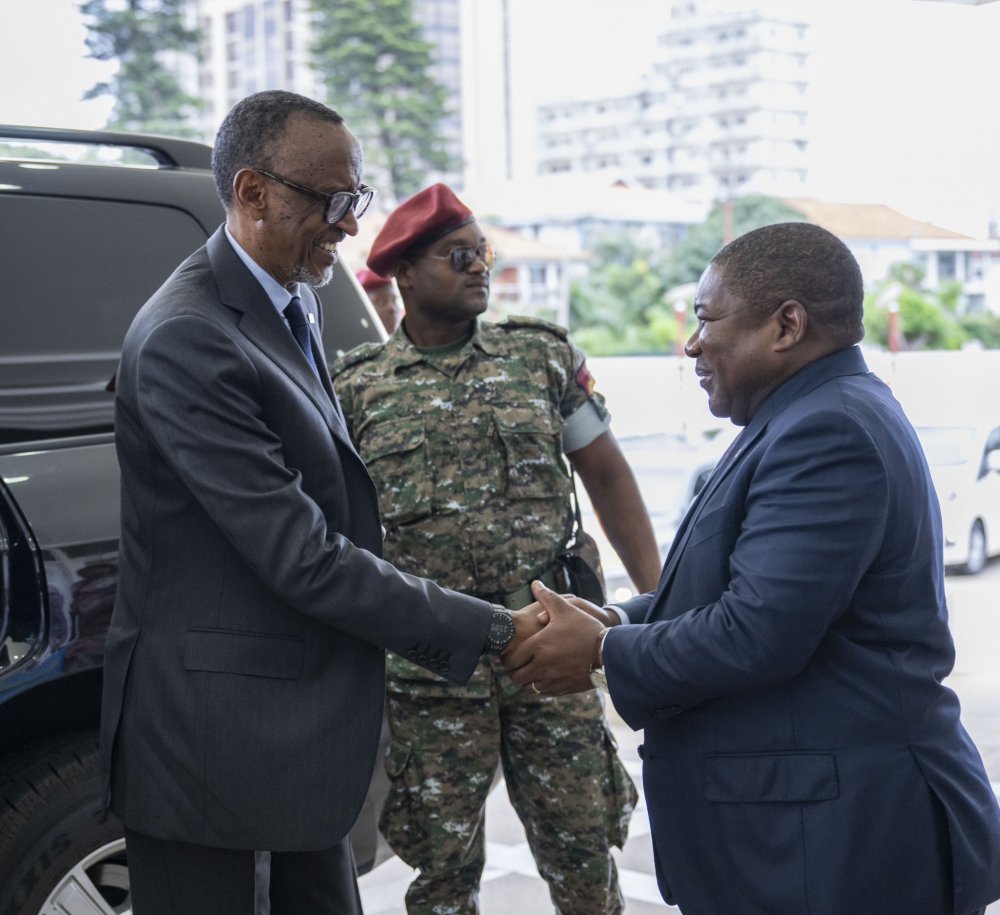
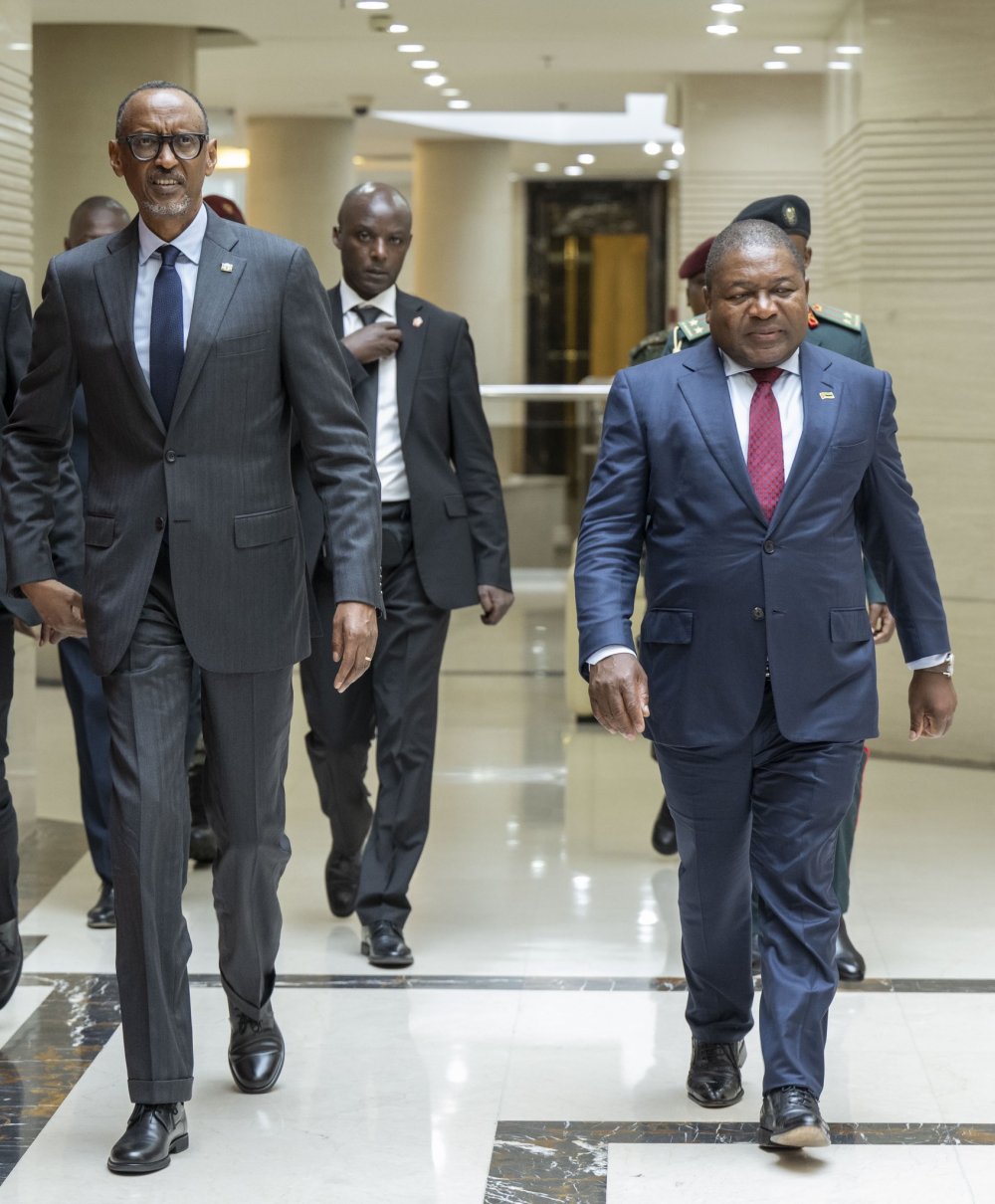
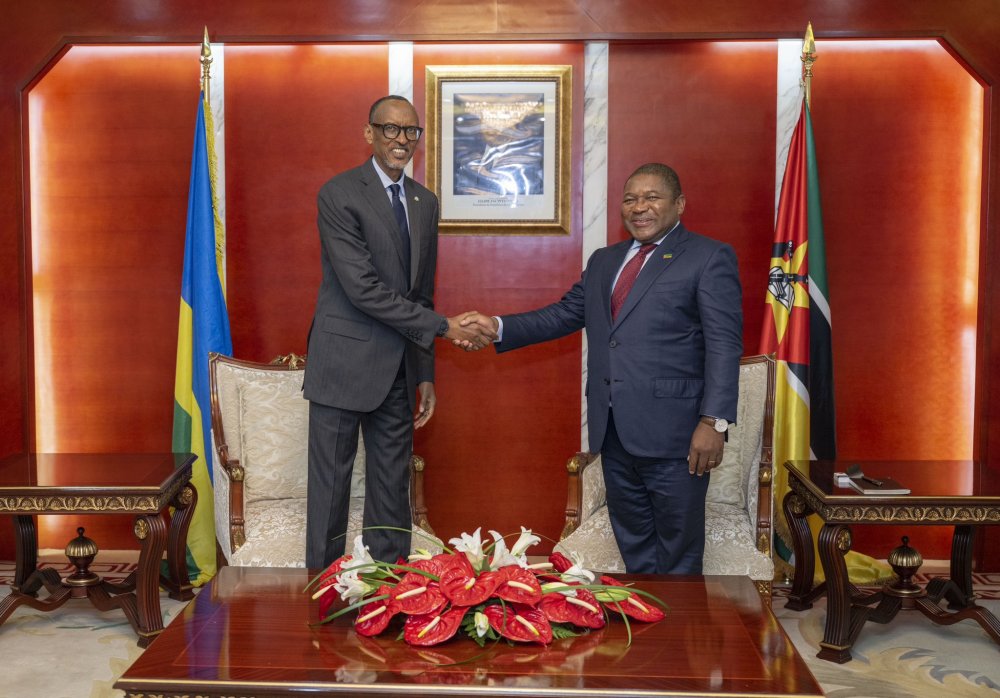
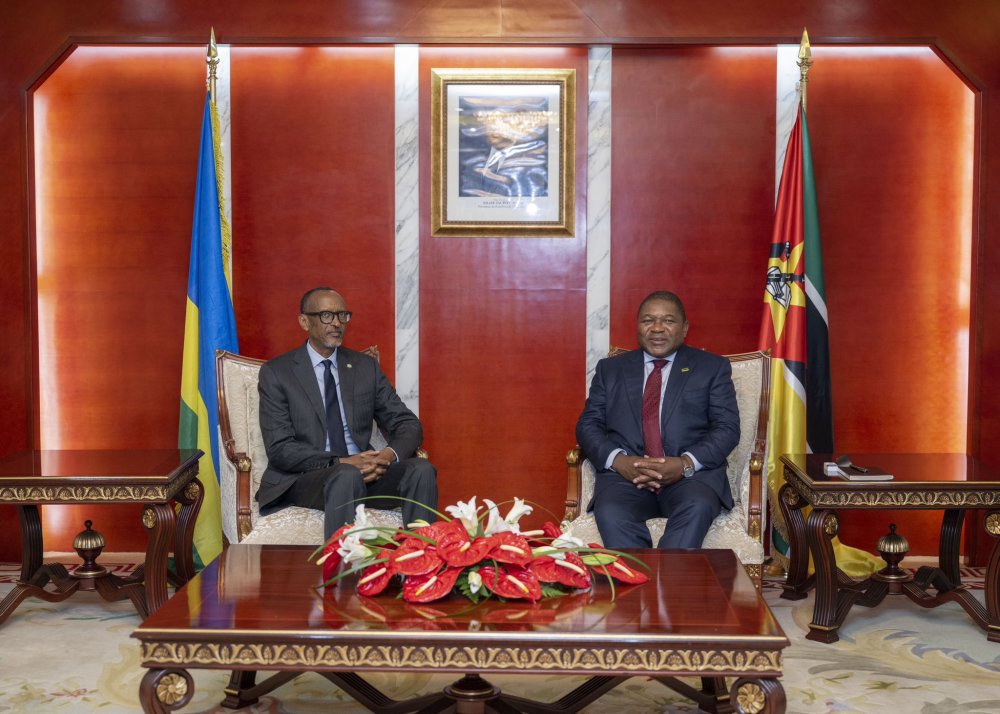
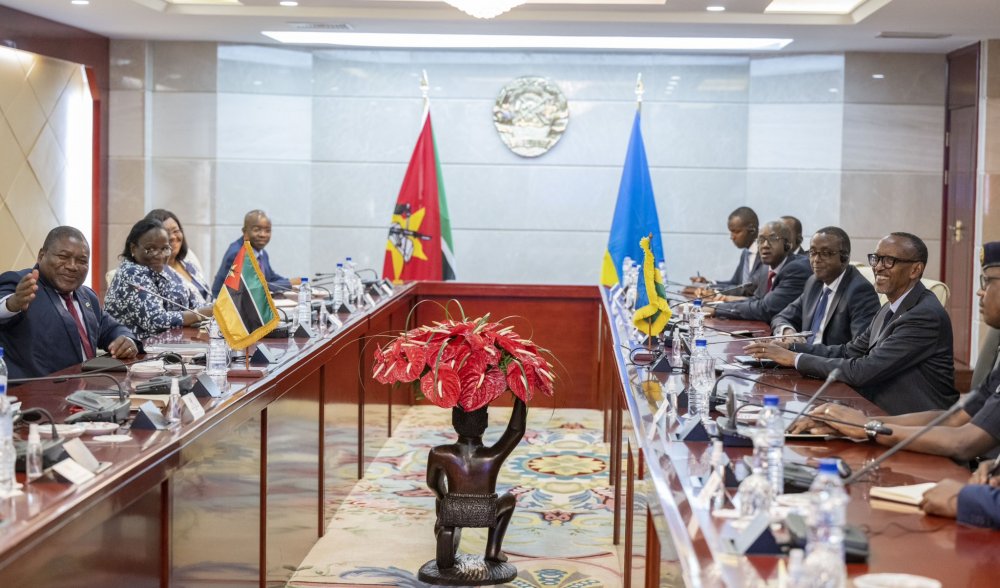
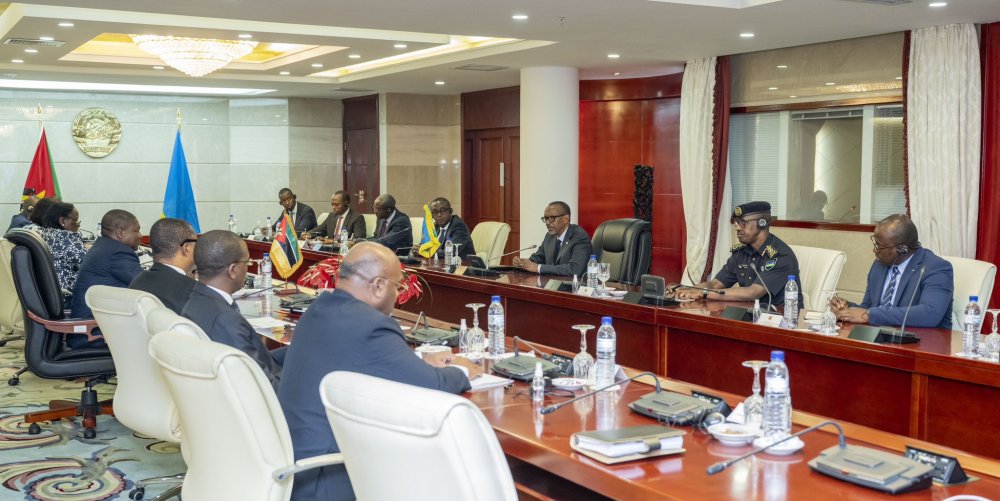
Kagame arrived in Maputo on Friday 28th October 2022 where he was welcomed by President Filipe Nyusi.
The Heads of State also held a tête-à-tête discussion at the Office of the President followed by a bilateral meeting with delegations from Rwanda and Mozambique to discuss ongoing areas of cooperation.
Rwandan delegation includes Rwanda’s Ambassador to Mozambique, Claude Nikobisanzwe; the Inspector General of Police, IGP Dan Munyuza; the Secretary General of National Intelligence and Security Services (NISS), Maj Gen Joseph Nzabamwita and the Senior Economic Advisor to the President, Francis Gatare.
Kagame was last in Mozambique on 25th September 2021.
Rwanda and Mozambique have been enjoying vibrant relations for many years.
Both countries have cooperation agreements in different areas including security, trade and investment among others.
Last year, Rwanda sent joint troops of Rwanda National Police (RNP) and Rwanda Defence Force (RDF) to fight terrorists in the Southern Africa country.
Following the deployment of Rwandan troops, the situation has been gradually returning to normal where displaced citizens returned home and schools resumed.
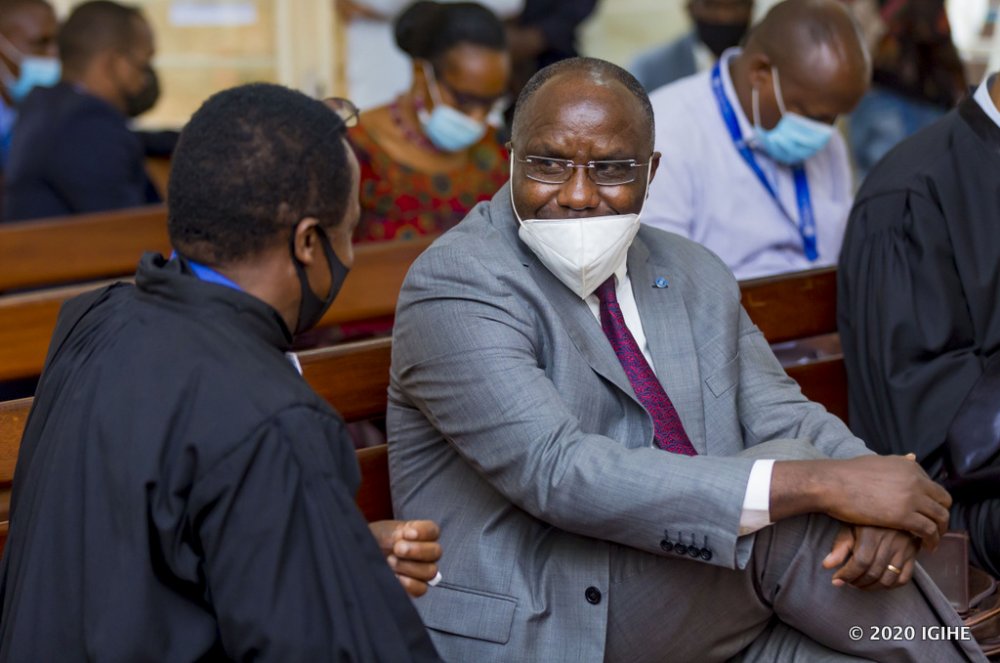
Dr. Habumuremyi has been summoned by Gasabo Primary Court for a hearing scheduled on 2nd November 2022.
He was released on 14th December 2021 after spending a year and three months.
During trial proceedings, the prosecution said that Dr. Habumuremyi had Rwf1.5 billion in debts.
The clemency granted to him nullified the three-year jail term and Rwf892 fine that he was handed by Nyarugenge Intermediate Court on 27th November 2020.
However, he had to clear all debts owed to plaintiffs.
It is reported that Dr. Habumuremyi paid some individuals in installments but others did not receive a single coin.
The former politician who served as Rwanda’s Prime Minister between 2011 and 2014 experienced hurdles to pay the debts as his university (Christian University) which dragged him into debts was also closed owing to irregularities.
Dr. Habumuremyi will appear before the court following an allegation filed by Daniel Bizimana, a business man who claims for Rwf3.2 million for offered car rental services.
It is said that the cars were used to transport the staff of the closed Christian University.
Sources indicate that the man received unguaranteed cheque from I&M Bank signed on 10th July 2020 before Dr. Habumuremyi’s arrest.
Following his release, it is reported that the man approached Dr. Habumuremyi to pay back his money ‘which he neither did nor gave him assurance’.
Bizimana filed an accusation to the court demanding it to order Dr. Habumuremyi to refund the money and compensate incurred losses.
Last year, it was revealed that some of properties of Dr. Habumuremyi including a plot of land located in Masaka Sector of Kicukiro District, were put on auction to clear some debts.
After serving as Prime Minister from 7thOctober 2011 to 23rd July 2014, Dr. Habumuremyi was named as the chairman of Chancellery for Heroes, National Orders and Decoration of Honour from February 2015 prior to his arrest in 2020.
The collaboration between FARDC and FDLR has been reported going on since M23 rebel group resumed fighting with Congolese Army demanding the Democratic Republic of Congo (DRC) to respect peace agreements signed in 2013.
FDLR is a terrorist group formed by masterminds responsible for the 1994 Genocide against the Tutsi.
Mukuralinda said that escalating security problems in eastern DRC results from DRC’s low willingness to abide by established processes to find a solution.
These include Nairobi and Luanda processes and commitments made by both countries’ Heads of State during a recent meeting with French President Emmanuel Macron in New York.
The deputy spokesperson stressed that the most important thing is to fight all armed groups as a whole.
“You know that over 120 armed groups are reported to be there but only one is talked about amidst collaboration between Congolese Army with another armed group. Rwanda maintains that FDLR poses a threat in the area, but they overlook the reality and work with it to conduct military operations instead of fighting it,” he said.
“Such acts are not to be tolerated. Rwanda monitors the situation to contain possible threat on its land,” added Mukuralinda.
He further revealed that the violence against Kinyarwanda speaking citizens is also monitored even though some politicians denounced it.
“It is a good move that politicians in DRC denounced the violence but doing so today through social media, and decline to bring to justice individuals behind such acts yet they can be located, is another problem. I think that it is among reasons why such acts do not halt,” stated Mukuralinda.
He however emphasized that leaders continue to engage in discussions where the problems will get a solution whenever DRC’s side demonstrates willingness.
The man hailing from Nyamagabe District has been living in Nyanza to make a living.
His body was found on Thursday morning in his accommodation located in Gihama Village of Nyamiyaga Cell.
Neighbours say that he might have committed suicide over complex problems including debts he owed to different people.
They explained that the man had left his home in Nyamagabe over disputes with her with whom they had sired together two children.
Nyanza District Vice Mayor in Charge of Social Affairs, Nadine Kayitesi has told IGIHE that the man is suspected to have committed suicide over difficulties including debts he owed to different people.
She however added that investigation is underway to put an end on speculations.
“Rwanda Investigation Bureau has launched a probe to establish the cause of his death,” said Kayitesi.
Kayitesi has advised residents to seek assistance from local leaders instead of making decisions to take their own lives.
Harerimana’s body has been taken to Nyanza District Hospital for postmortem.
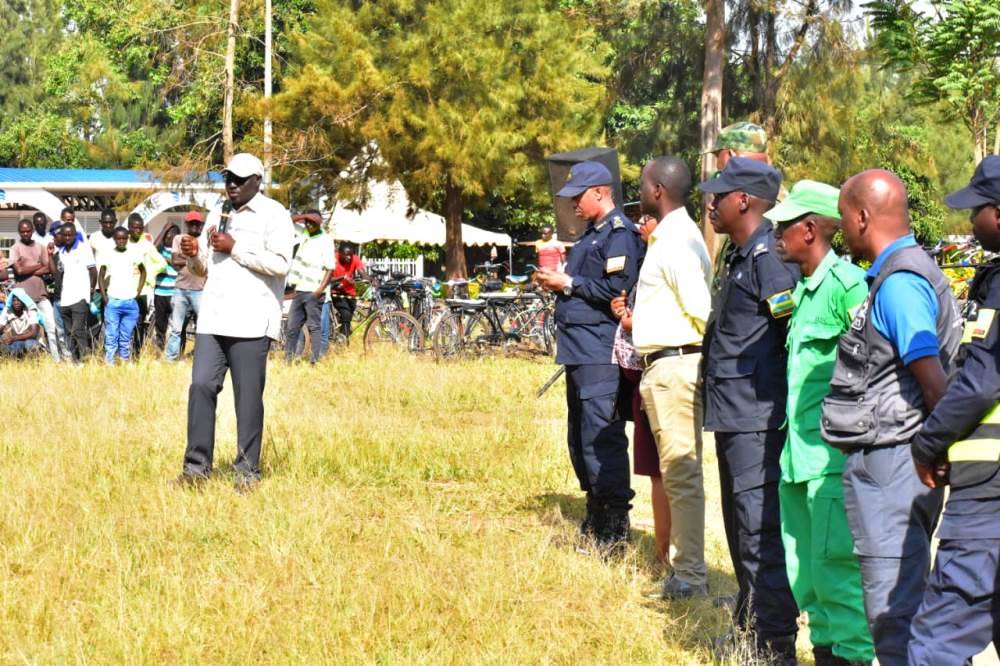
He made the call on Thursday October 27, while addressing about 700 cyclists at Kigabiro playground in Kigabiro Sector.
“Operate professionally and that requires you to be in cooperatives, avoid riding while drunk. Love and work for your country, put safety and security ahead in whatever you do,” CG Gasana said.
He further appealed to them to subscribe to Ejo Heza, an inclusive scheme targeting both salaried and non-salaried workers to help accumulate savings for a dignified and secure old age.
The Eastern Region Police Commander, ACP Innocent R. Kanyamihigo reminded them of their role in community policing.
He cautioned them against holding onto moving vehicles, working with drug dealers and indulging in other unlawful acts.
The cyclists were also urged to always share information on people involved in unlawful practices, fight gender-based violence and child abuse.
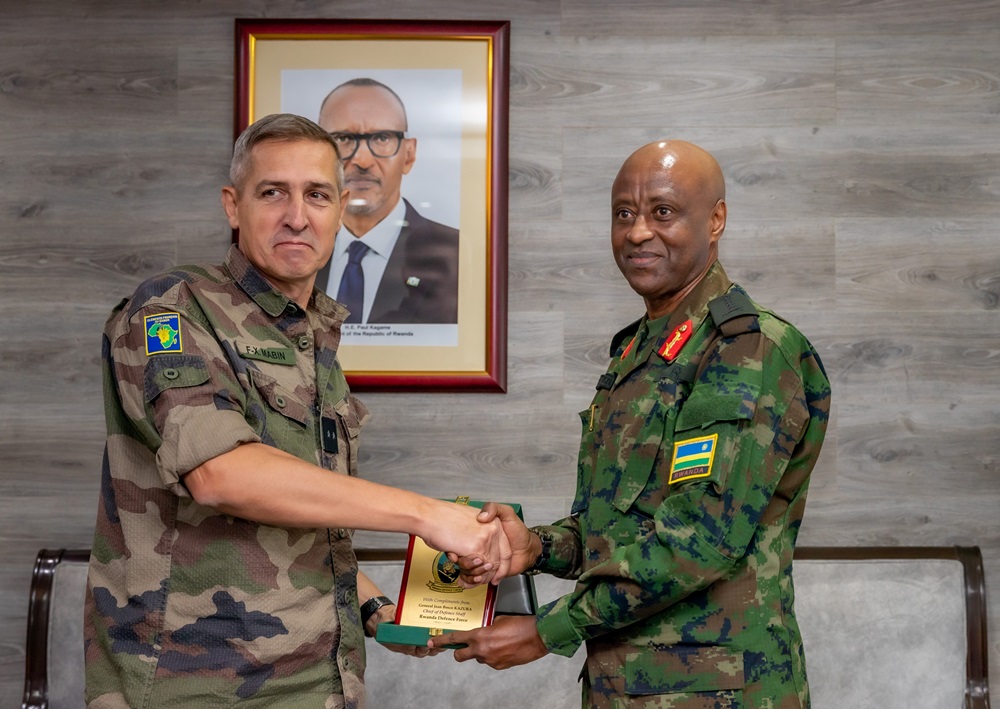
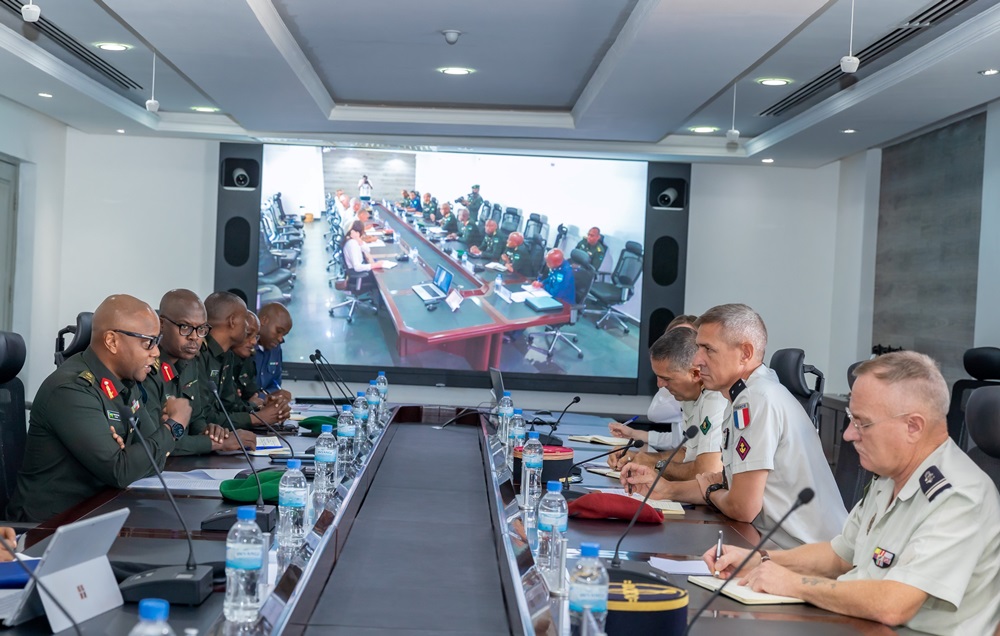
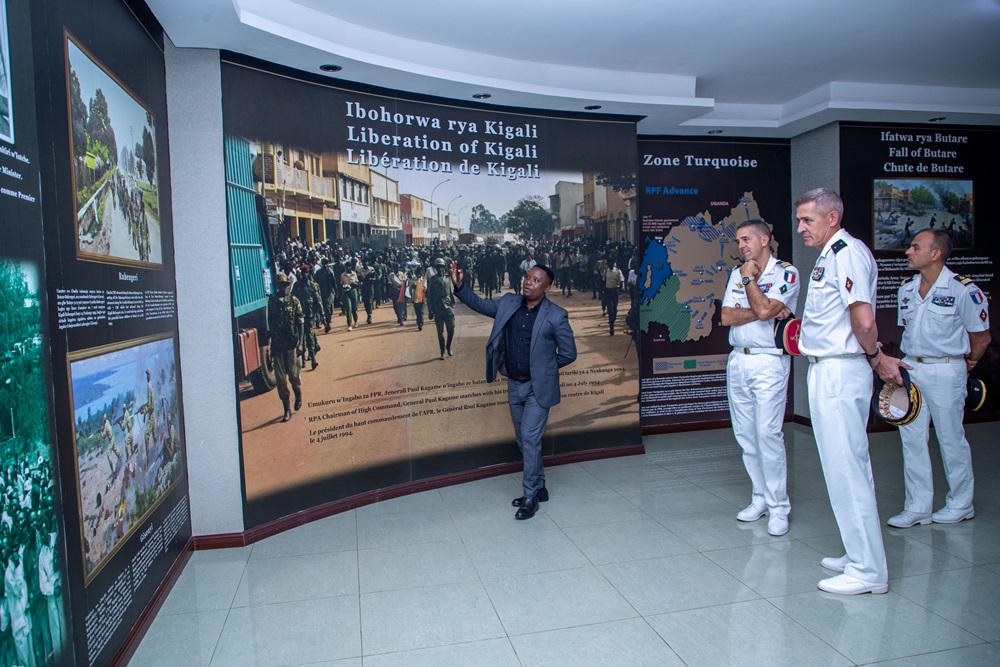
In an interview after the meeting, Brig Gen Mabin said that his visit aims at strengthening military cooperation between the Rwanda Defence Force and the French Armed Forces following the discussions held by both army chiefs in March this year.
“We have set up a roadmap and today we are in its implementation which will result in numerous cooperation actions and exchanges starting in 2023.”
Brig Gen François-Xavier Mabin and his delegation also held bilateral discussions with RDF officials at RDF Headquarters.
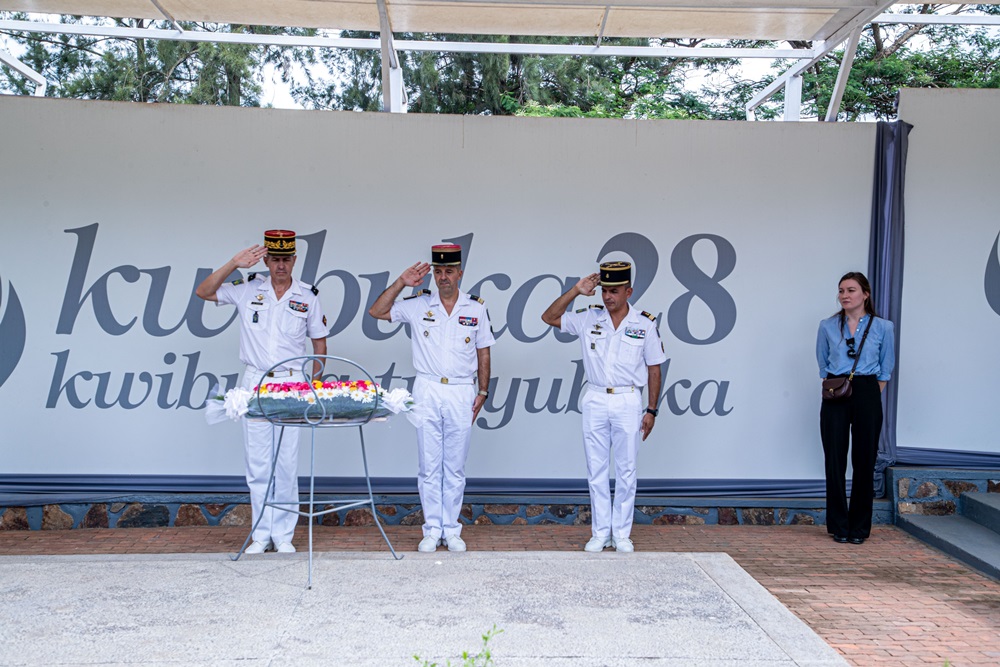
Earlier on Tuesday, Brig Gen François-Xavier Mabin and his delegation paid respect to the victims of 1994 Genocide against the Tutsi at Kigali Genocide Memorial and also visited the Campaign against Genocide Museum.
The wines and liquors including Hennessy, Moet, and Jameson were recovered on Wednesday, October 26, in a house located in Gisenyi town, Rubavu Cell, Munini Village.
Chief Inspector of Police (CIP) Mucyo Rukundo, the Western Region Political and Civic Education Officer (RPCEO) said that one person was arrested over the alleged smuggling and fraud.
“On Wednesday, October 26, at about 11p.m. in response to credible information on smuggled alcoholic beverages stored in a house in Gisenyi town; the ASOC team and the Regional Police Unit went to the said house where boxes of assorted wines, spirit and beers were recovered. Among them are 138 bottles of Hennessy, 120 bottles of Leffe beer, 96 bottles of Moet, 72 bottles of Bacardi, 72 bottles of Grand Marnier, 65 bottles of Jameson, 54 Sheridan’s, among others,” CIP Rukundo said.
Other wines and Whisky recovered include Glenfiddich, Absolut, Veuve Clicquot, and Double Black.
“One suspect identified as Mbarushimana Alias Danny, was arrested at the store. The second person said to be the rightful owner of the wines and liquors, identified as Gakwaya Silas, is still on the run,” CIP Rukundo added.
Mbarushimana told the Police that he was hired by Gakwaya to guard the house. He added that the goods were sneaked into Rwanda from the Democratic Republic of Congo (DRC), at night.
Smuggling is punishable under the East African Community Management Act, which is applicable in Rwanda, which provides that seized smuggled goods under article 199, are auctioned.
A taxpayer, who commits fraud, is also subject to an administrative fine of one hundred percent (100%) of the evaded tax and a likely imprisonment of between six months and two years.
Two people; Geoffrey Ngabonziza, the owner of the production plant, and one Vedaste Sinaribonye, the alleged distributor of the psychotropic substances, were also taken into custody.
Police and FDA also seized over 3500 litres of Huguka illicit brew and close to 1000 litres of Agasusuruko brew, from Ngabonziza’s store in Nyabugogo and at his plant in Jabana.
“Over 1590 litres of Huguka and 904 lires of Agasusuruko were recovered from Ngabonziza’s store in Nyabugogo.
Drums containing other 2000 litres were found at his production plant in Jabana. Other 106 bottles of illicit brew were also found in Sinaribonye’s shop,” Chief Inspector of Police (CIP) Sylvestre Twajamahoro, the Police spokesperson for the City of Kigali, said.
The plant was destroyed and the illicit drinks disposed of. Ngabonziza allegedly started producing the the substances back in 2020.
“Ngabonziza had no license, either issued by Rwanda Standards Board (RSB) or Rwanda FDA, as a prior requirement. The law is clear; alcoholic drinks produced without complying with standards and other laws are considered as simple narcotic drugs,” CIP Twajamahoro explained.
Article 263 of the law determing offences and penalties in general states that; any person who, unlawfully produces, transforms, transports, stores, gives to another or who sells narcotic drugs and psychotropic substances, commits an offence.
Upon conviction, he/she is liable to imprisonment for a term of not less than seven years and not more than ten years and a fine of not less than Rwf5 million and less than Rwf10 million in regard to “simple narcotics.”
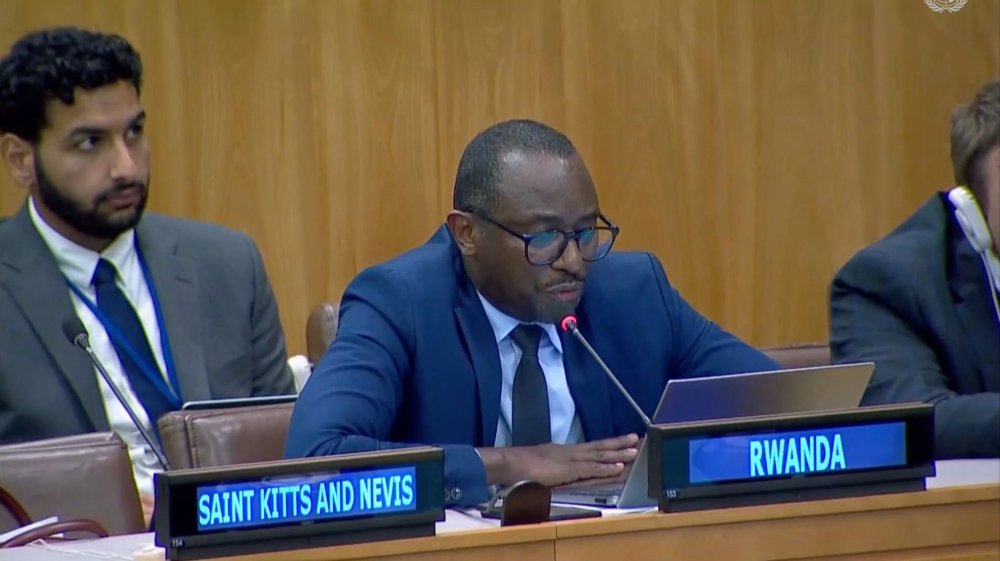
He voiced the concern as the United Nations Security Council convened for discussions on Combating Illicit Trade in Natural Resources That Fuels Conflict in the Democratic Republic of Congo.
The meeting took place on Wednesday 26th October 2022, amidst ongoing fight between Congolese Army (FARDC) and M23 rebel group that resumed on 20th October.
Reports indicate that the rebel group is on the verge of capturing Rutshuru territory.
DRC accuses Rwanda of supporting the group, but the country repeatedly denied the allegations.
M23 has been claiming that resuming fighting was triggered by DRC’s stubbornness to implement peace Accords signed in 2013.
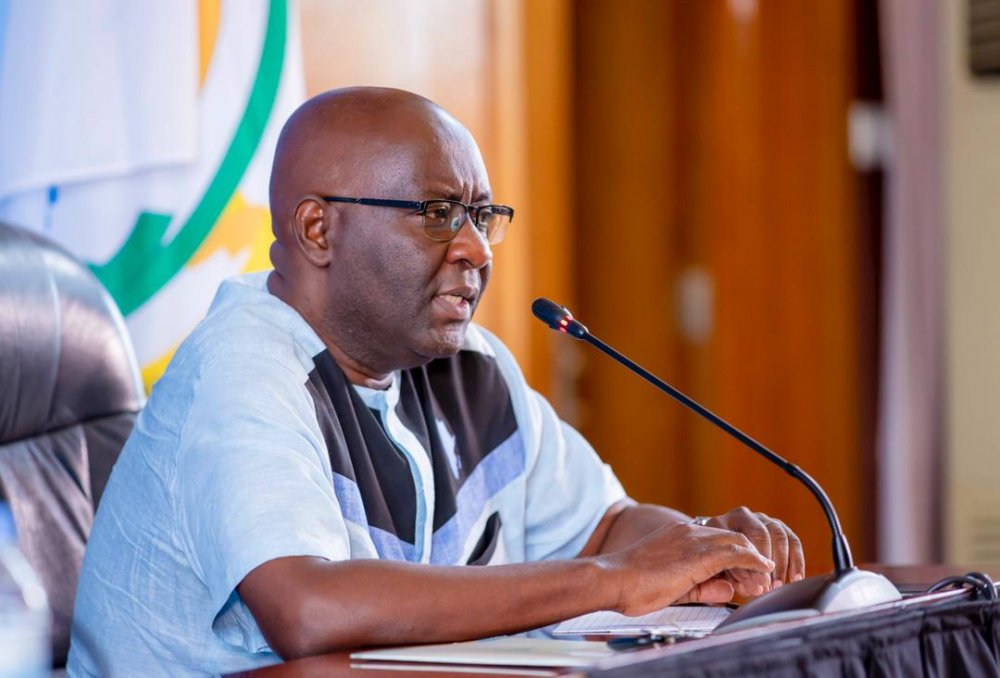
Kayinamura explained that Rwanda “knows first-hand what it takes to build a nation from the ashes”, which is why it is committed to carrying out all tasks required by the Peace, Security and Cooperation Framework Agreement.
Stressing the need to address the root causes of conflict, he expressed concern about the “dangerous attitude” that characterizes certain communities in the eastern Democratic Republic of the Congo as “foreigners” who should “go back where they came from”.
Kayinamura highlighted that the attitude is “a seed of unending conflict” which undermines efforts to find a lasting solution.
Another concerning issue pointed out is FDLR, which settled in the Democratic Republic of the Congo after committing the 1994 Genocide against the Tutsi.
Kayinamura expressed worries that the armed group continues to recruit and train combatants and commit grave human rights violations, despite several Council resolutions and presidential statements calling for its disarmament and disbanding.
He further called on the international community to build on regional initiatives to achieve sustainable peace ‘by addressing the root causes of crises in the Great Lakes region, including the two-decades-long active presence of FDLR in the Democratic Republic of the Congo’.
On the other hand, DRC’s envoy Georges Nzongola-Ntalaja, said that the town of Bunagana has been occupied by M23 for more than four months, asked the Council to demand that “Rwanda and its M23 immediately withdraw.”
The envoy does not see FDLR as a problem but explained that it is used as a cover to loot minerals in his country.
He demanded the UN Security Council ‘to support the Nairobi process, require all armed groups to lay down their weapons, impose sanctions against internal and external mafia networks which illegally exploited the country’s natural resources, and ensure that each country in the Great Lakes region settles its disputes with the combatants and rebels’.
The envoy of Burundi, Zéphyrin Maniratanga said it is important to ensure that Council members goes beyond the presentation of reports in New York to a visit to the region so as to be able draw its own conclusions.
Burundi underscored the need for cooperation and coordination of military efforts between the armed forces of the Democratic Republic of the Congo, MONUSCO and the forces of the East African Community.
“When the house of your neighbour is on fire, you must move to contain the fire before it spreads to your own house,” he said.
Maniratanga expressed support for the Nairobi process and said that his country deployed a military contingent of the Burundi National Defence Force.
He said that the deployment is not only in need of political support, but also of technical and financial aid to ensure its effective discharge of its mandate.
Maniratanga also underscored that the Peace, Security and Cooperation Framework for the Democratic Republic of the Congo and the region is an essential platform to bring together the DRC and the regional countries to arrive at a lasting solution.
The new platform is expected to help customers easily access its services and products without visiting its Kigali plant to place an order.
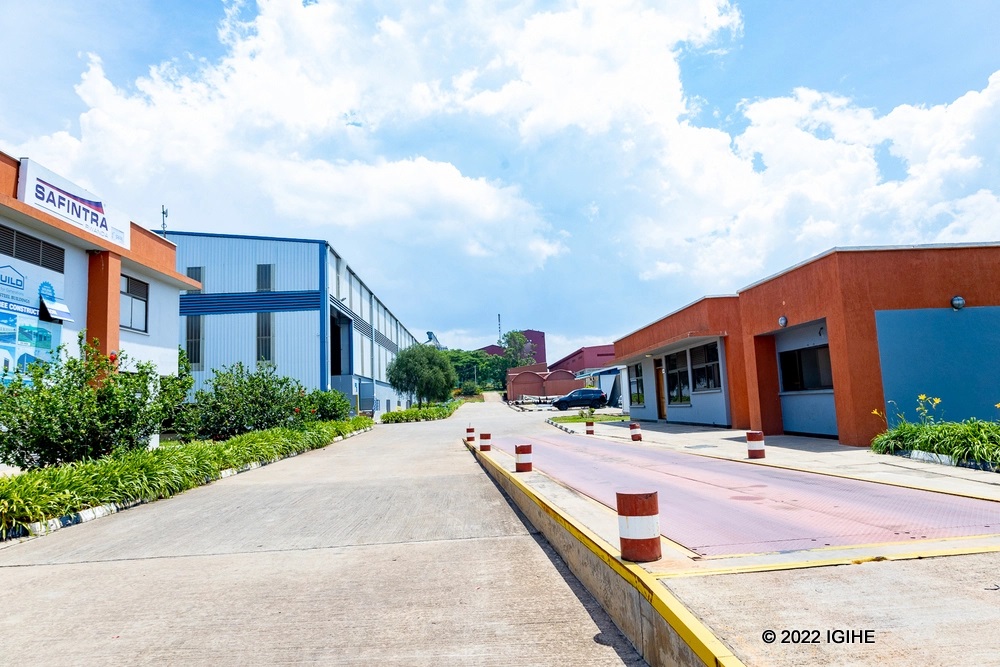
The Managing Director of Safintra, Vikrant Srivastava, has told IGIHE that the company mulled launching the e-commerce platform to improve services and adjust operations to the world’s digital advancement.
“We have launched the platform to respond to the needs of our customers. We want to facilitate them to place orders without disrupting their businesses or work,” he said.
Vikrant went on to explain that the platform will also help retailers of construction materials and end users to access updated information on the latest products.
The e-commerce platform also has a section for live chat enabling direct interactions between the customer-support department and customers who might need more clarifications or share suggestions.
The technology is expected to bring more convenience to customers in placing orders from Safintra Rwanda Ltd to execute their construction projects without the hassles of buying physically.
According to Vikrant, the platform will also relieve customers located in areas that previously had no retail stores for products from Safintra.
Safintra Ltd is a Rwanda-based subsidiary of the Safal Group with a presence in 8 African countries providing high-quality roofing materials. The company was registered in 2007 and started commercial production in 2008.
The Safal Group has also launched the e-commerce platform in other countries – Uganda, Tanzania and Kenya.
Once a customer places an order via the platform, products will be available between three and five working days.
Customers can access the company’s products and buy via the online store www.shop.safintrarwanda.com
Vikrant Srivastava has explained that customers placing orders online have different payment options using Mobile Money, Visa Card, and Master Card.
After making payments, you receive an email and a proof of payment for performed transactions to be presented before picking the products from the factory.