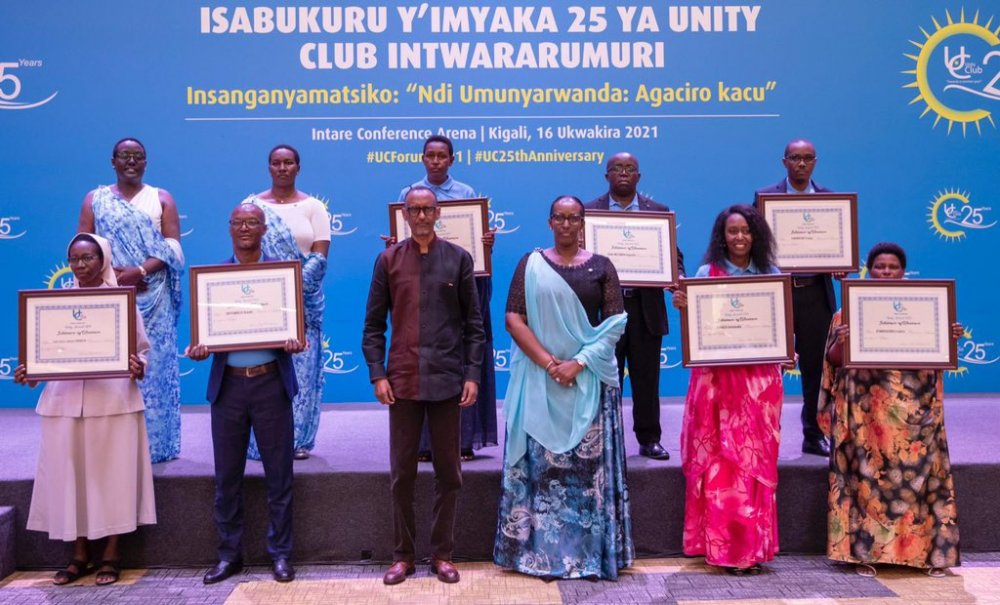
Unity Club is an organization founded First Lady Jeannette Kagame in February 1996.
She brought together spouses of male Cabinet members and women Cabinet members with the aim of promoting cohesion among themselves and work together to enhance unity and peace while contributing to the socio-economic development of the country following the 1994 Genocide against the Tutsi.
On 8th March 2007, marking Unity Club 10th Anniversary milestone, the club extended its membership to include spouses of effective associate members.
The ten protectors of friendship pact to be recognized include four Rwandans and six foreigners. Of these, seven passed away.
They will be honoured for their acts of courage and humanity displayed during the 1994 Genocide against the Tutsi.
Members of Unity Club-Intwararumuri will come together for the 15th forum at Rwanda’s Parliamentary building from 10th to 14th November 2022.
It was organized on collaboration with the Ministry of National Unity and Civic Engagement (MINUBUMWE) will focus on discussions aimed at strengthening unity and resilience of Rwandans.
During the forum, participants will assess the implementation of performance contracts signed during the 14th edition.
Protectors of friendship pact are expected to be awarded on the last day.
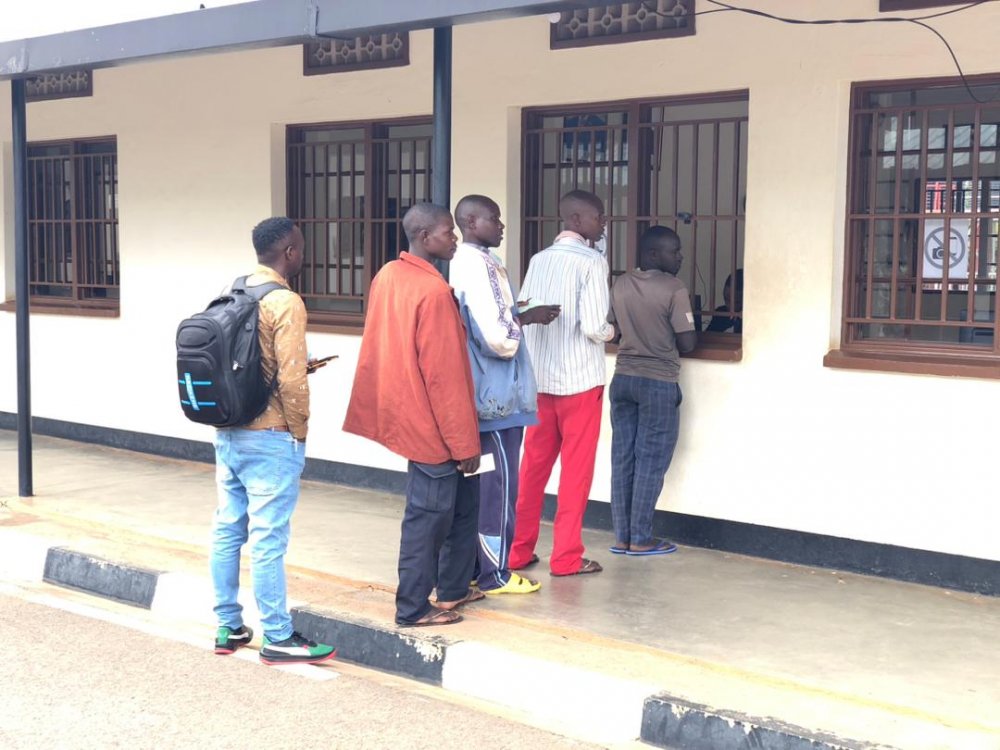
Located in Bugesera District, Nemba is among most crossed borders. It is reported that the border was crossed by between 600 and 800 people on daily basis before closure in 2015.
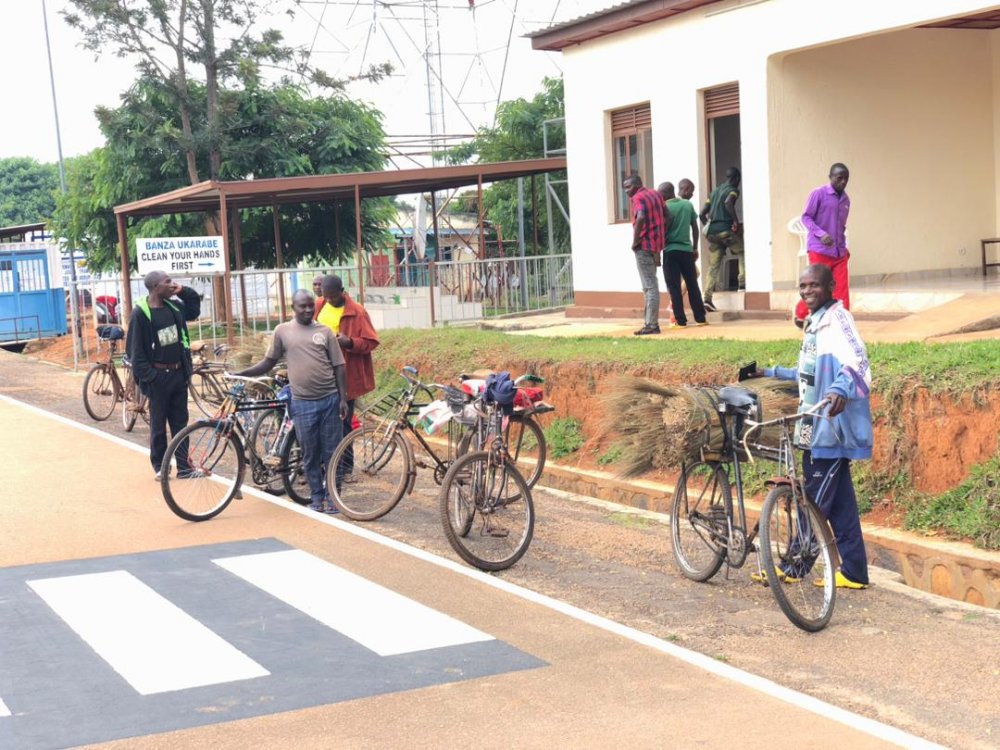
Following the good news, IGIHE has visited the border to have a glimpse on the current situation of movements at the border.
We have learnt that passengers crossing the border currently range from 250 to 300 of whom Burundians account for 70% while the rest are Rwandans.
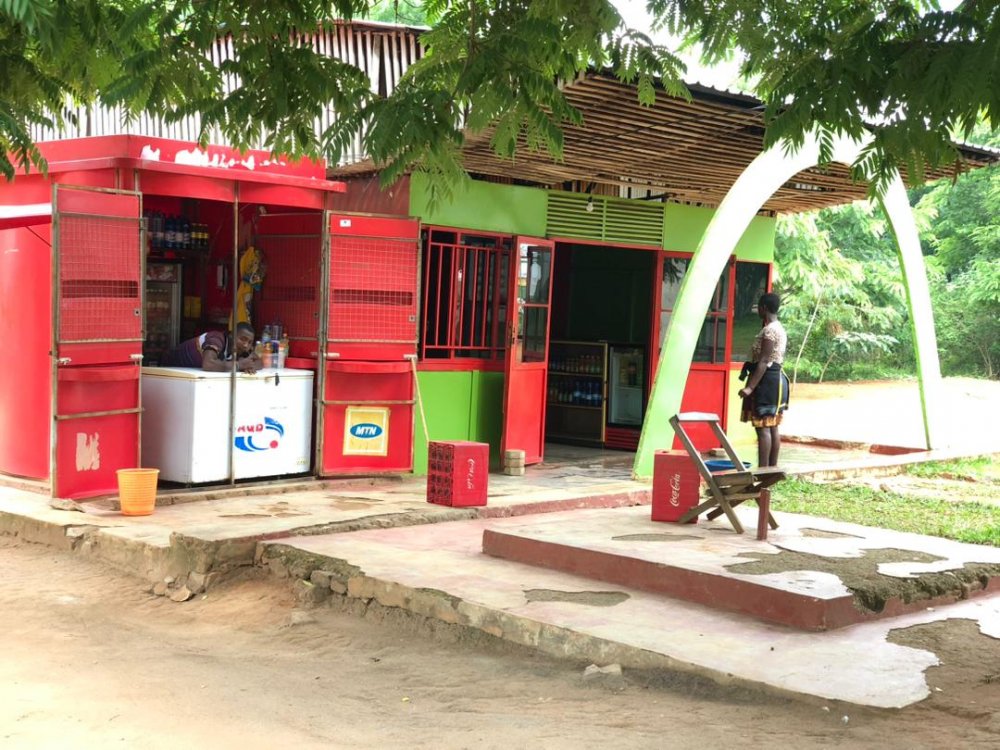
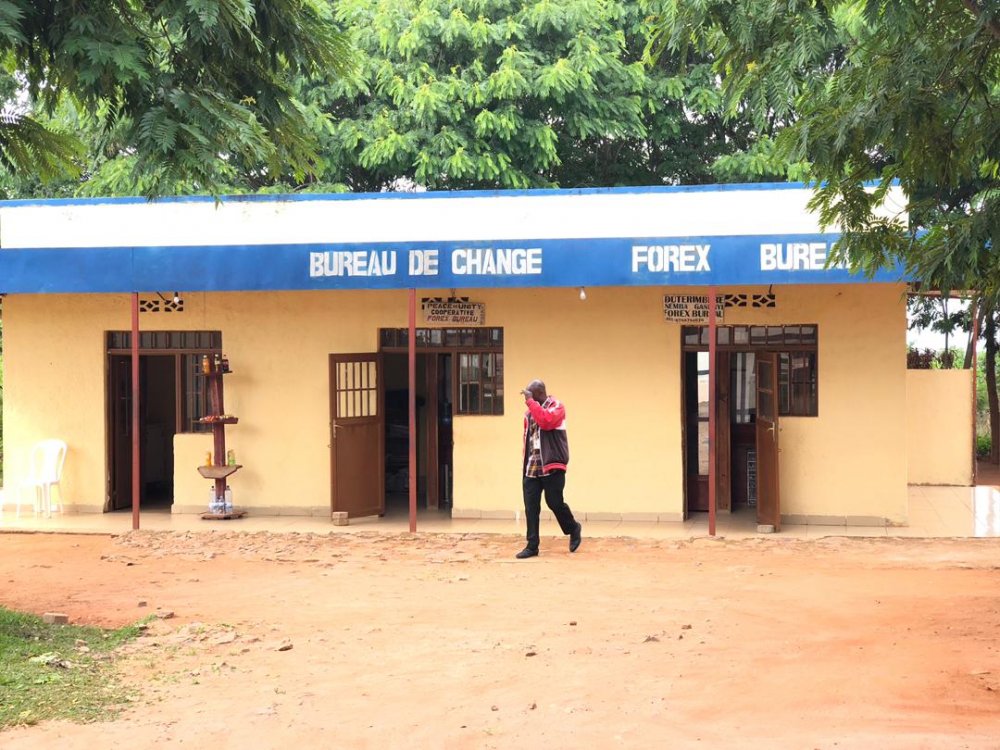
Apart from passengers’ movements, other businesses including forex trading and restaurants among others have resumed operations.
As our journalist visited the border, he found bicycles from Burundi brought to carry various merchandises from Rwanda.
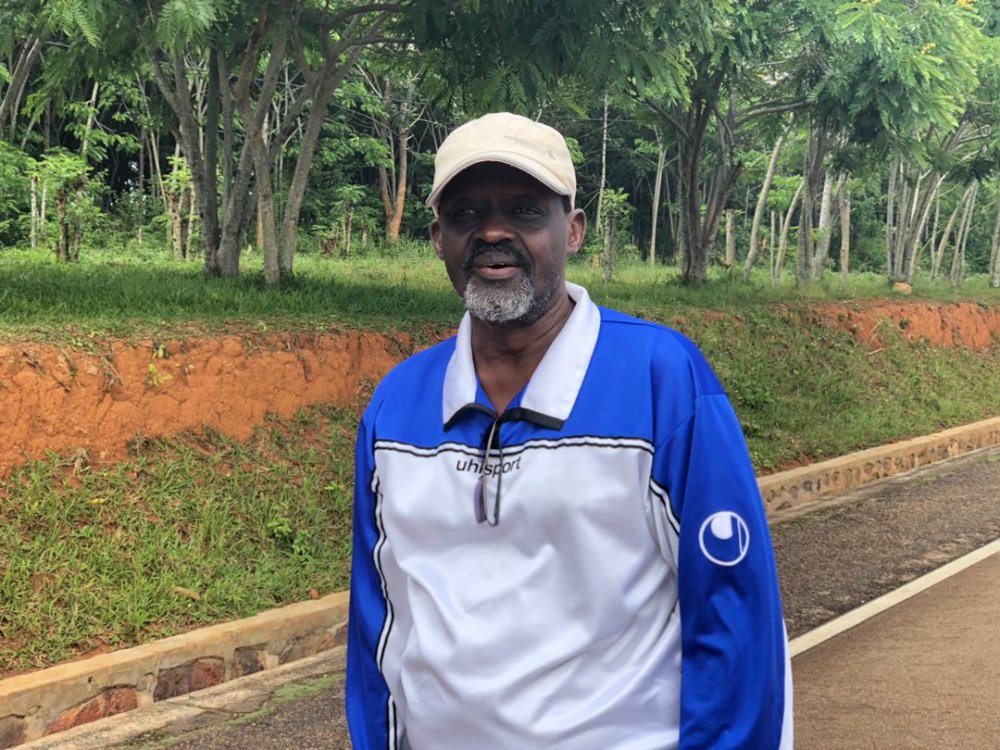
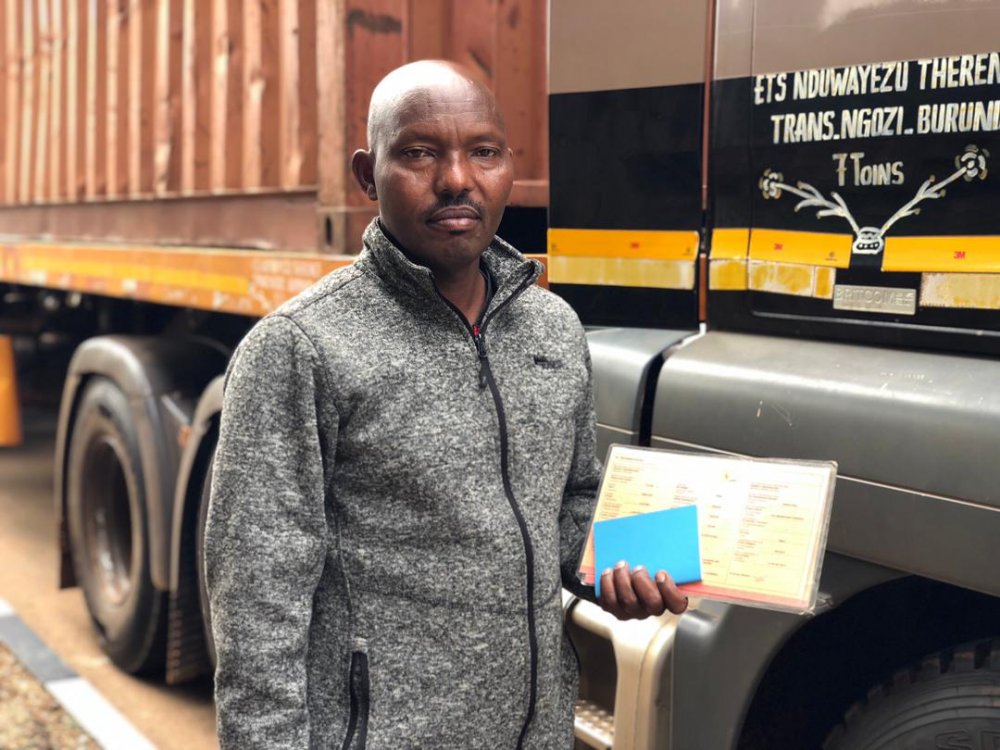
Gilbert Ntamwana, one of drivers crossing the border said that he was delighted with the reopening of borders between Rwanda and Burundi.
“I am excited with the opening of Nemba border because I will be crossing it as I travel to Uganda. Normally, I used to travel to Uganda through Tanzania yet crossing through Rwanda would be a shortcut. This will reduce the time spent on road by eight hours. We thank God for this reopening,” said Ntamwana.
Moses Nkomezekuyisaba from Kirundo Province in Burundi disclosed that he used to make a living from cross-border trade before the closure in 2015.
“The closure had incurred losses because I worked as a businessman with a large portion of goods imported from Rwanda. Now that the border is open, I have resumed my business. I have started buying goods in small quantities to be sold in Burundi,” he said.
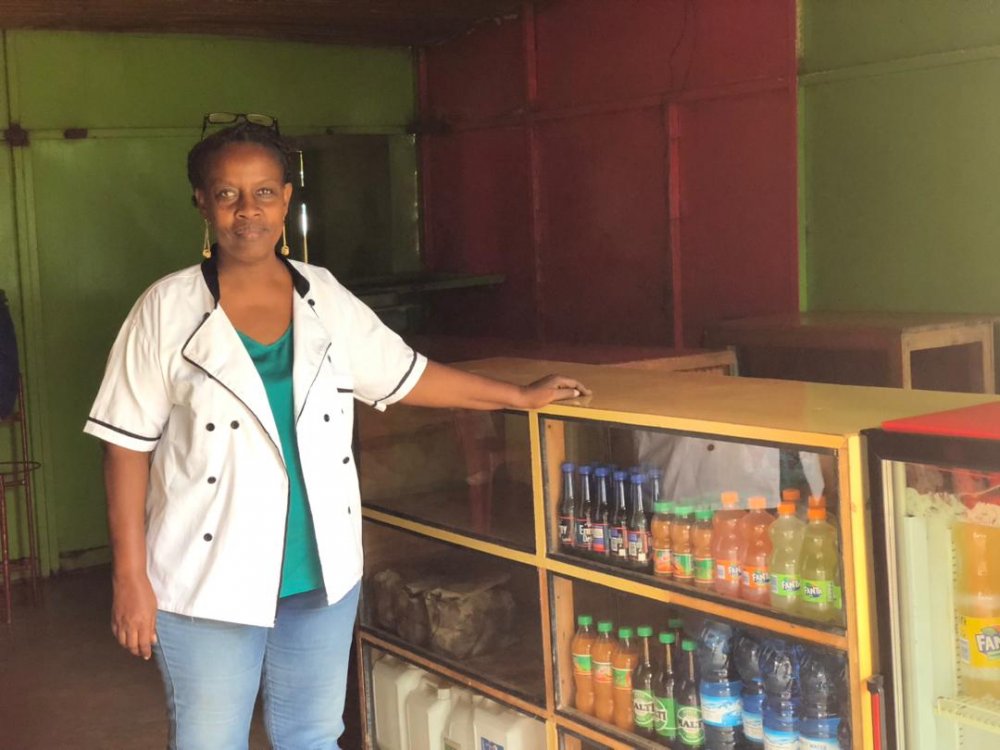
Annonciata Mukashyaka who runs a business at Nemba border on the side of Rwanda says that she used to receive a large number of customers, which helped her to feed her family.
Mukashyaka was hit hard following the closure but expressed optimism that the situation will be back to normal gradually.
“I used to welcome over 200 customers per day in 2015. I have been receiving moderate number customers since I resumed business one week ago and hope the situation will get much better,” she said.
Louis Nkaka residing in Nyamata Sector of Bugesera District has said that the requirement to pay Rwf15,000 for COVID-19 test on the side of Burundi is still among barriers hampering free movements after border reopening.
She appealed on relevant authorities to conduct advocacy to ensure full resumption of free movements.
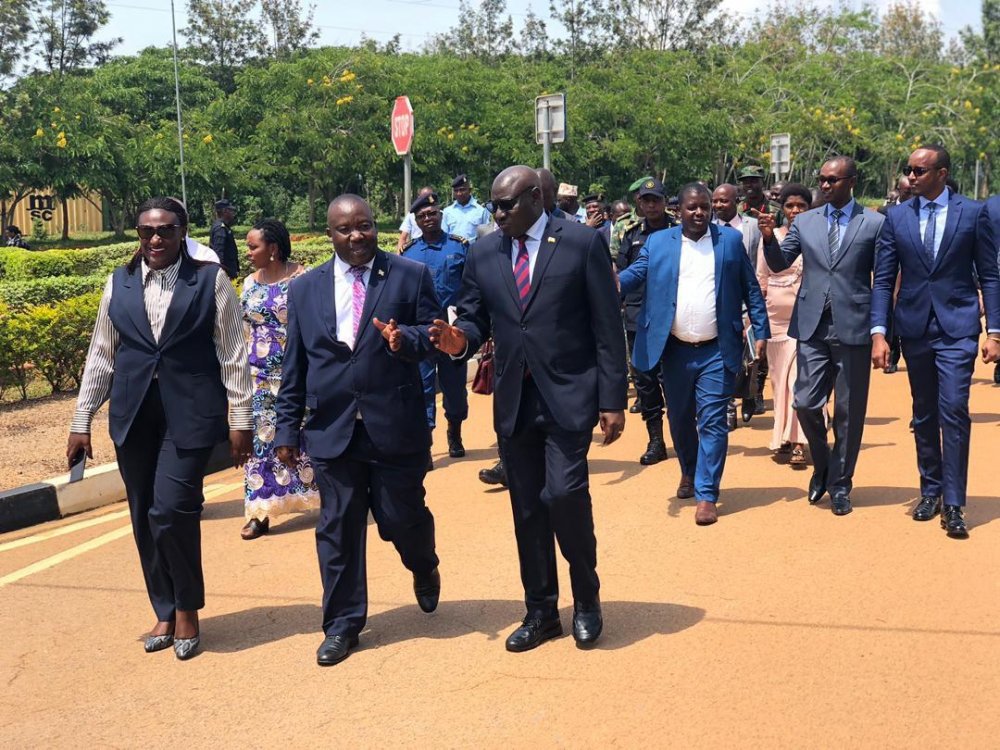
On Tuesday 8th November 2022, the Governor of Eastern Province, Emmanuel Gasana; Governor of Southern Province, Alice Kayitesi and their counterpart of Kirundo from Burundi held discussions on different issues including the amount COVID-19 charged to enter Burundi.
The Governor of Kirundo Province, Albert Hatungimana said that he will forward the issue to relevant authorities to be put under consideration.
The Government of Rwanda strongly protested the violation which DRC also admitted through a statement.
It was not the first time the country violated Rwanda’s airspace. The latest incident which also triggered strained relations between both countries happened 26 years ago when the country bore the name of Zaïre.
At the time, Zaïre whose name later changed to the Democratic Republic of Congo (DRC) was led by Mobutu Sese Seko.
Both countries were experiencing strained relations as Mobutu had settled individuals responsible for the 1994 Genocide against the Tutsi including armed soldiers of the defeated Rwandan Armed Forces (FAR) nearby Rwanda’s border.
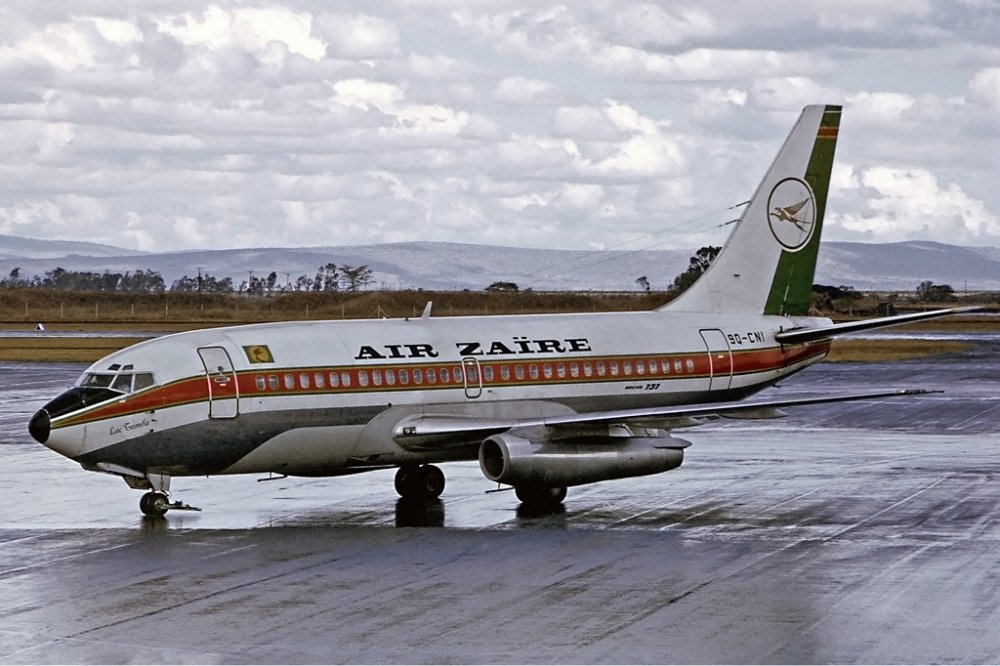
On Sunday 7th April 1996, an airplane Boeing 737 belonging to Air Zaïre took off from Kinshasa with 35 people onboard. These include 26 passengers and nine flight crew members. They were flying to Bukavu town through Goma.
Surprisingly, the place landed in Kamembe of Rusizi District in Rwanda’s Western Province instead of Bukavu.
At the time, Rwandan officials blocked it from taking off. The Government of Zaïre announced that the plane landed in Rwanda due to bad weather but Rwanda claimed that it was carrying weapons with intentions to destabilize its security.
The incident was followed by negotiations to release the plane but Rwanda rejected the request.
Two weeks later on 11nd April 1996, Rwanda allowed the flight crew and passengers to return home but withheld the aircraft.
A statement released by the International Committee of the Red Cross (ICRC) at the time indicated that passengers were taken to the airport to pick their belongings and continued their way back through Rusizi border where they were handed over to officials from Zaïre and Air Zaïre.
Tensions between Zaïre and Rwanda continued owing to preparations by refugees that had fled to the country to attack Rwanda.
In October 1996, Rwanda backed AFDL group of Laurent Desire Kabila during a struggle which overthrew Mobutu in May 1997.
On 11th July 1997, two months after ousting Mobutu, Rwanda handed over the aircraft that had been confiscated for one year and three months.
At the time, Radio Rwanda reported that the aircraft made its way back to Congo through Goma town.
Details did not emerge as to why the aircraft was released but there was a good progress on restoring bilateral ties. However, things fell apart in the year that followed and led to the Second Congo War.
“We will fully implement the trilateral memorandum,” Kristersson said at a joint press conference with Turkish President Recep Tayyip Erdogan in the capital Ankara.
“Sweden will take important steps with regards to the fight against terror,” he added.
Sweden plans to introduce new legislation by 2023 to fight terror groups, whether they pose risk to Sweden or Türkiye, the Swedish leader noted.
Kristersson said his country has designated the outlawed Kurdistan Workers’ Party (PKK) as a terrorist organization and his government was willing to support Türkiye in its fight against the group.
“Joining this alliance is a vital security issue for us. Being a NATO member means taking (security) responsibility for other allies,” he added.
Kristersson held talks with Erdogan on Tuesday in a bid to convince the Turkish leader to approve Sweden’s bid to join the NATO.
“Sweden wants NATO membership for its own security, and we want to see a Sweden that supports our own security concerns,” Erdogan said.
Finland and Sweden’s NATO bid was initially blocked by Ankara, which accused them of supporting anti-Türkiye groups as they rejected Ankara’s extradition requests for the suspects affiliated with the PKK and the Gulen movement.
On June 28, Türkiye, Sweden and Finland reached a trilateral memorandum of understanding (MoU) ahead of the NATO Madrid summit.
Sweden and Finland pledged to support Türkiye’s fight against terrorism and agreed to address Ankara’s pending deportation or extradition requests for terror suspects expeditiously and thoroughly.
Türkiye remains one of the two NATO members yet to ratify their accession, as Ankara has been complaining that the two countries have moved too slowly in fulfilling their commitments over the Turkish security concerns.
The PKK, listed as a terror organization by Türkiye, the United States and the EU, has been rebelling against the Turkish government for more than three decades.
The Gulen movement, led by the U.S.-based Muslim preacher Fethullah Gulen, has been accused by the Turkish government of masterminding the 2016 failed coup to topple Erdogan’s rule.
In an interview with the Italian newspaper La Repubblica, Podolyak said that a potential ceasefire deal at the current stage of the conflict would provide Russia with time to strengthen its positions.
“The ceasefire for Russia is a tactical pause for reinforcement,” Podolyak said.
While commenting on the reports that the representatives of the U.S. Pentagon and the Russian Defense Ministry are involved in talks, Podolyak said that “there are no negotiations between Russia and Western countries regarding Ukraine.”
“Our partners adhere to the principle of ‘nothing about Ukraine without Ukraine.’ Neither side will be able to ensure the implementation of agreements without the support of the Ukrainian people,” he said.
The Russia-Ukraine conflict started on Feb. 24.
Ukrainian and Russian negotiators held the latest round of face-to-face peace talks in Istanbul, Türkiye, on March 29.
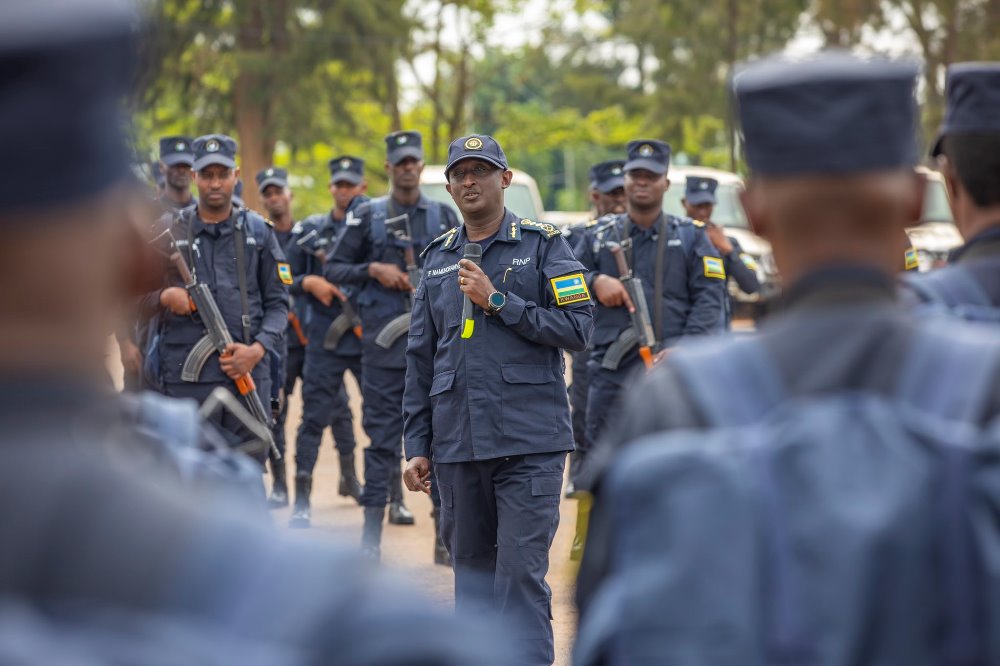
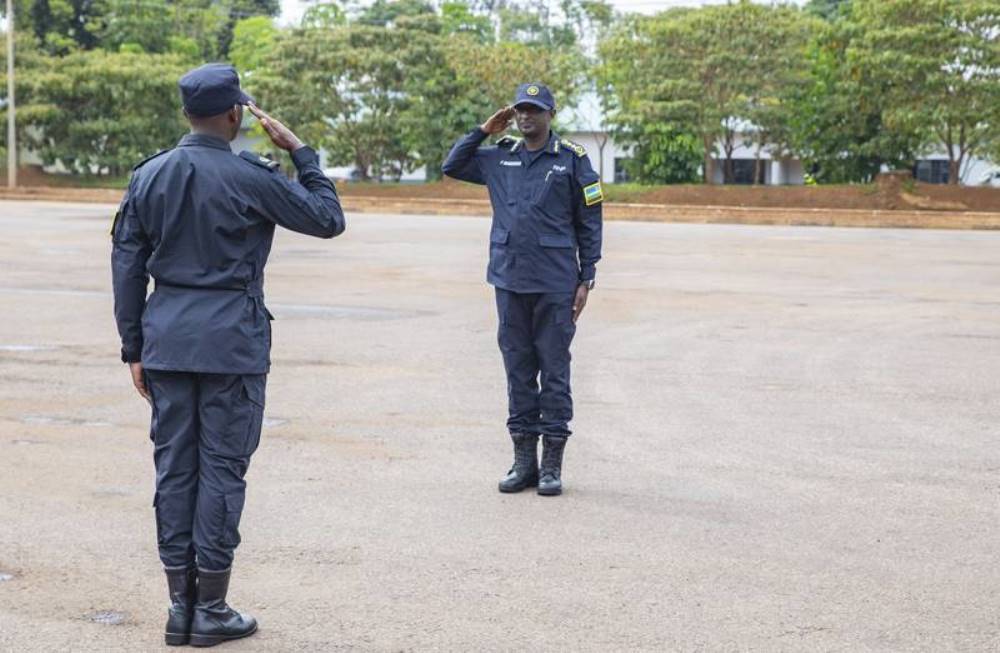
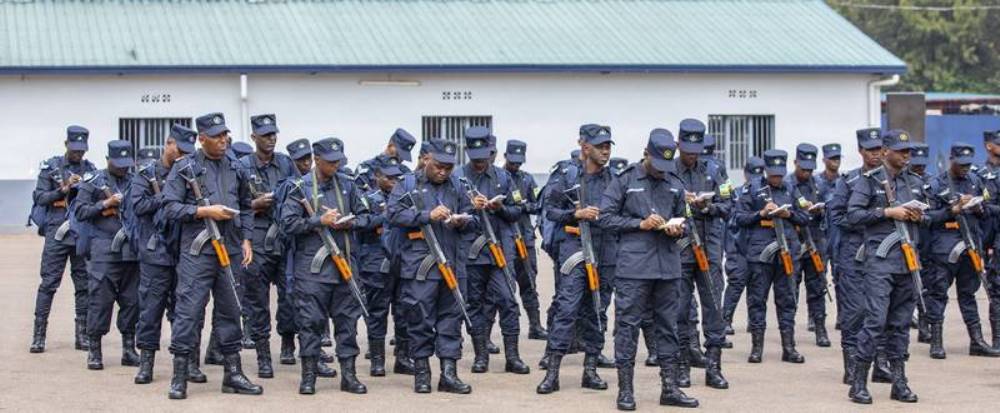
The MINUSCA Rwanda FPU-3 of 180 officers set to be deployed this Wednesday, November 9, will be the first peacekeeping contingent to be deployed in Bangassou, about 725 kms South East of the capital Bangui.
DIGP Namuhoranye urged the men and women of the newly generated unit to be exceptional throughout their tour-of-duty.
“Those, who were deployed before you set standards high, sustain that image and strive to be exceptional in your peacekeeping duties,” DIGP Namuhoranye told the officers during the pre-deployment briefing at the RNP General Headquarters at Kacyiru.
He encouraged them to maintain the morale throughout the period of their tour-of-duty, and to address their concerns and challenges through the established chain of command.
In the force, he added, discipline which is largely defined by one’s behavior, and professionalism, drives professional performance and success.
“The Rwandan flag in peacekeeping was raised high; it can only be raised higher, and that goes with respect, team spirit, supporting each other, doing what you were trained and deployed to do, being where you are required to be in the right time,” said the Deputy Police Chief.
He urged them to be professional in their patrols, escort duties, protection of civilians and other assigned duties.
“Be a unit that is respected and loved by those under your protection, but feared by those with ill-intentions. That goes with your posture, turn out, and being extremely observant,” DIGP Namuhoranye said.
This will be the fourth Rwandan Police contingents to be deployed to CAR. The RWAFPU-1 and Rwanda Protection Support Unit (PSU) of 140 each, are operating in Bangui.
Another contingent; Rwanda Formed Police Unit Two (FPU-2) is deployed in Kaga Bandoro, more than 300kms out of the capital.
This is part of its yearly scholarship program under the Patronage of Mrs. Maïté Relecom launched in 2021 for SKOL Employees’ Children pursuing secondary (Technical and Vocational Education and Training included) and undergraduate studies.
This program was launched to harness and nourish the capabilities that lie within the Rwandan youth, particularly SBL Employees’ Children and contribute to their education and skills development.
SKOL Brewery Management and Mrs. Relecom are very happy to see that the program is benefiting more children year per year, 59 children were supported during the 2021-22 school calendar.
Few days after DRC expelled the neighbouring country’s envoy, Rwanda has reported that Congolese Army’s fighter jet Sukhoi-25 violated its airspace and briefly touched down at Rubavu Airport in Western Province.
Rwanda said that it did not respond militarily despite series of provocations from the neighbouring country over the past few months.
Since March this year, Rwanda accused Congolese Army (FARDC) bombarding its territory at different times in collaboration with the Democratic Forces for the Liberation of Rwanda (FDLR).
FDLR is a terrorist group formed by individuals responsible for the 1994 Genocide against the Tutsi.
Rwanda also accused the coalition of kidnapping two soldiers of the Rwanda Defence Force (RDF) who were on patrol along the border but were later released and sent back home through the mediation of Angola.
DRC has been accusing Rwanda of supporting M23 rebel group, a claim which the neighbouring country has repeatedly denied.
The violation of Rwanda’s airspace has been considered as a serious provocation to drag Rwanda into a war following recent revelations by Congolese President Felix Tshisekedi who alluded to his intentions to wage a war on Rwanda.
Isaïe Murashi, a historian and expert in politics who once served as Rwanda’s Ambassador to Uganda, has told IGIHE that the actions of DRC make up provocations of a war which they can hardly win.
“In diplomacy, expelling an ambassador signals deteriorated relations. This stage usually comes before discontinuing ties. We have not yet cut bilateral ties but it is apparently the next step, preceding an all-out war with an exchange of bullets,” he said.
M23 rebel group has captured different areas of North Kivu Province and continues to advance towards Goma, the largest town of the province.
The rebel group currently camps in 15 kilometers away from Goma.
Instead of repelling the enemy, Congolese politicians and citizens continue to push the government to wage a war on Rwanda over alleged support to M23.
Rwanda maintains that the fight between Congolese Army and M23 is an internal problem which should be addressed by DRC without playing blame games.
Last week, President Tshisekedi called for mass recruitment of the youth to reinforce his country’s army in a war against the enemy.
Murashi has observed that Tshisekedi’s reactions incite a war.
“This is the likely next stage considering the speeches of Tshisekedi, what is happening in Goma and the resistance of Congolese soldiers despite their defeat. […] Rwanda does not want a war against Congo. It advises the neighbouring country to solve internal problems even though they show no willingness and remain stuck in blame games,” he noted.
“Such arrogance and reluctance to friendly dialogue is on purpose. The purpose to fight,” added Murashi.
Murashi observed that DRC’s option for war can hardly materialize adding that it would not last long in case the country remains stubborn.
“A war will not materialize. It is their option but they won’t triumph because M23 is in the proximity of Goma making it the only place from where they can attack Rwanda. Where else will they manoeuver through? The war won’t come about. Even if it happens, it would not last long,” he said.
“If we look at high-frequency indicators and the economic sentiment, we see that many things point to a contraction in economic activity this winter,” Gentiloni said at a press conference of the Eurogroup.
Paschal Donohoe, president of the Eurogroup, said everyone knows that the economy within the euro area is slowing down. In October, economic growth for the area stood at 0.5 percent.
The finance ministers, representing the 19-country euro area, met in Brussels on Monday to discuss the eurozone’s economic development, as well as budgetary measures to mitigate the impact of high energy prices.
According to estimates by the Commission, euro area governments have so far collectively spent about 200 billion euros, or 1.25 percent of the European Union’s (EU) gross domestic product (GDP), on energy support for the year.
Gentiloni said around 70 percent of the supporting measures adopted by the member states so far are untargeted, meaning “they benefit all, or a very large share, of the population.”
“We are aware of course that targeting is not always easy, politically and technically, especially if you have to react very quickly. This is also why we have the expectation that this targeting of measures can improve in the coming months,” he added.
Donohoe said the ministers noticed the challenges of significant supports and effectively managing the trade-off between reducing inflation, while supporting both vulnerable households and the euro area’s international competitiveness
Sisi made the remarks in an inaugurating speech to the Sharm El-Sheikh Climate Implementation Summit (SCIS), which gathers heads of state and government worldwide here at the 27th session of the Conference of the Parties (COP27) in Egypt’s coastal city of Sharm El-Sheikh.
Addressing the summit, Sisi called on world leaders to take real and concrete steps towards reducing emissions, enhancing adaptation to the consequences of climate change, and providing the necessary financing for developing countries that suffer the most from the current climate crisis.
“Time is running out for the world and there is no way to retreat from implementing climate commitments,” Sisi said.
“It is necessary for developing countries, especially in our African continent, to feel that their priorities are responded to and taken into consideration,” he said
“These countries bear their responsibility, to the extent of their capabilities and the amount of appropriate support and finance, in accordance with the principle of common but differentiated responsibilities, granting them some satisfaction with their position on global efforts to combat climate change,” Sisi added.
He stressed that this can only happen by creating an atmosphere of confidence as well as taking additional serious steps and of developed countries to fulfill their climate finance commitments.
He pointed out that the world is still facing many challenges that cast a shadow on its ability to reach the goal of the 2015 Paris Agreement, which is to keep the global average temperature rise this century as close as possible to 1.5 degrees Celsius above pre-industrial levels.
Addressing the climate summit, United Nations Secretary-General Antonio Guterres also warned global leaders of the current climate challenges.
“We are on a highway to climate hell with our foot still on the accelerator,” he said, adding “the planet is fast approaching the tipping point that will make climate chaos irreversible.”
“Greenhouse gas emissions keep growing, global temperatures keep rising, and our planet is fast approaching tipping points that will make climate chaos irreversible,” he adds.
He noted that humanity must “cooperate or perish” in the face of international crises that have battered economies and shaken international relations.
“It is either a climate solidarity pact, or a collective suicide pact,” Guterres warned.