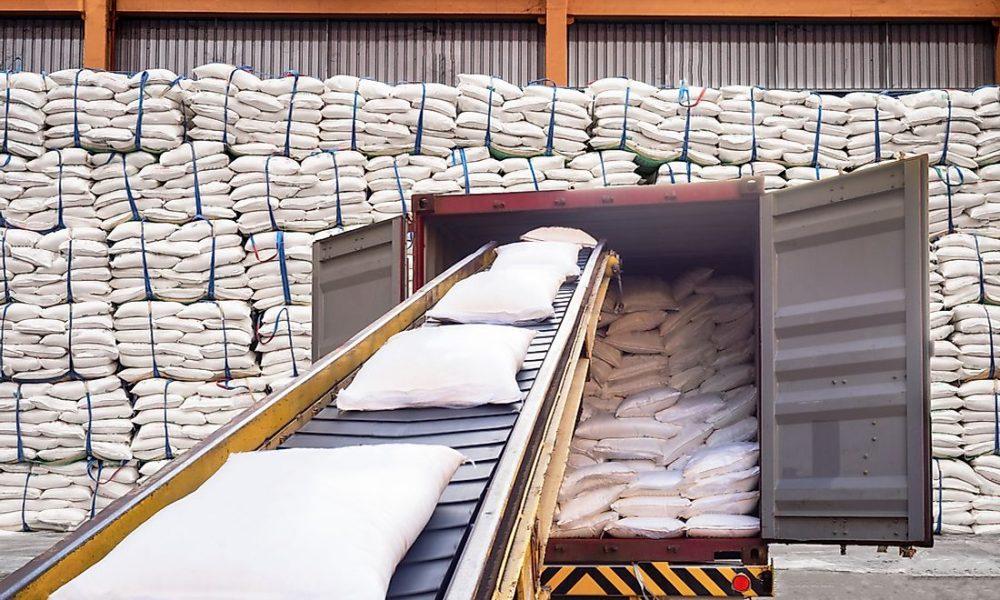
The country imported 195,610 tonnes of sugar valued at $145 million (approximately Rwf 212 billion) in 2025, down from 308,000 tonnes worth $238 million (about Rwf 348 billion) in 2024.
The imports comprised raw sugar for industrial refining, inputs for beverage and food manufacturing, and refined sugar for household consumption.
Minister of Trade and Industry Prudence Sebahizi attributed the decline to a combination of reduced demand for refined sugar, increased domestic production, and a drop in re-exports to neighbouring countries.
“The decrease in imports can be attributed to a drop in refined sugar consumption locally, coupled with increased domestic production,” Sebahizi told The New Times.
He added that re-exports, particularly of raw sugar destined for further processing, also declined in 2025 compared to the previous year, contributing to the overall drop in import volumes.
According to the minister, the trend reflects broader market adjustments rather than the impact of new policy measures, pointing to evolving consumer preferences and supply dynamics.
The decline follows a surge in 2024, when sugar imports rose to 308,000 tonnes valued at $238 million, up 24 per cent from $192 million recorded in 2023.
Rwanda continues to apply the East African Community Common External Tariff alongside safeguard measures aimed at balancing consumer affordability with the protection of local producers. To stabilise prices, the government also permits strategic imports under managed quotas.
Additionally, authorities have temporarily eased the application of the regional external tariff on sugar and other essential food commodities to cushion consumers from rising costs, according to the Ministry of Finance and Economic Planning.
Looking ahead, the government plans to allocate 8,000 hectares of land for sugarcane cultivation and mobilise at least $50 million in private investment. The initiative is intended to expand processing capacity, strengthen the domestic sugar industry, and further reduce reliance on imports.
Rwanda imported 195,610 tonnes of sugar valued at $145 million (approximately Rwf 212 billion) in 2025, down from 308,000 tonnes worth $238 million (about Rwf 348 billion) in 2024.
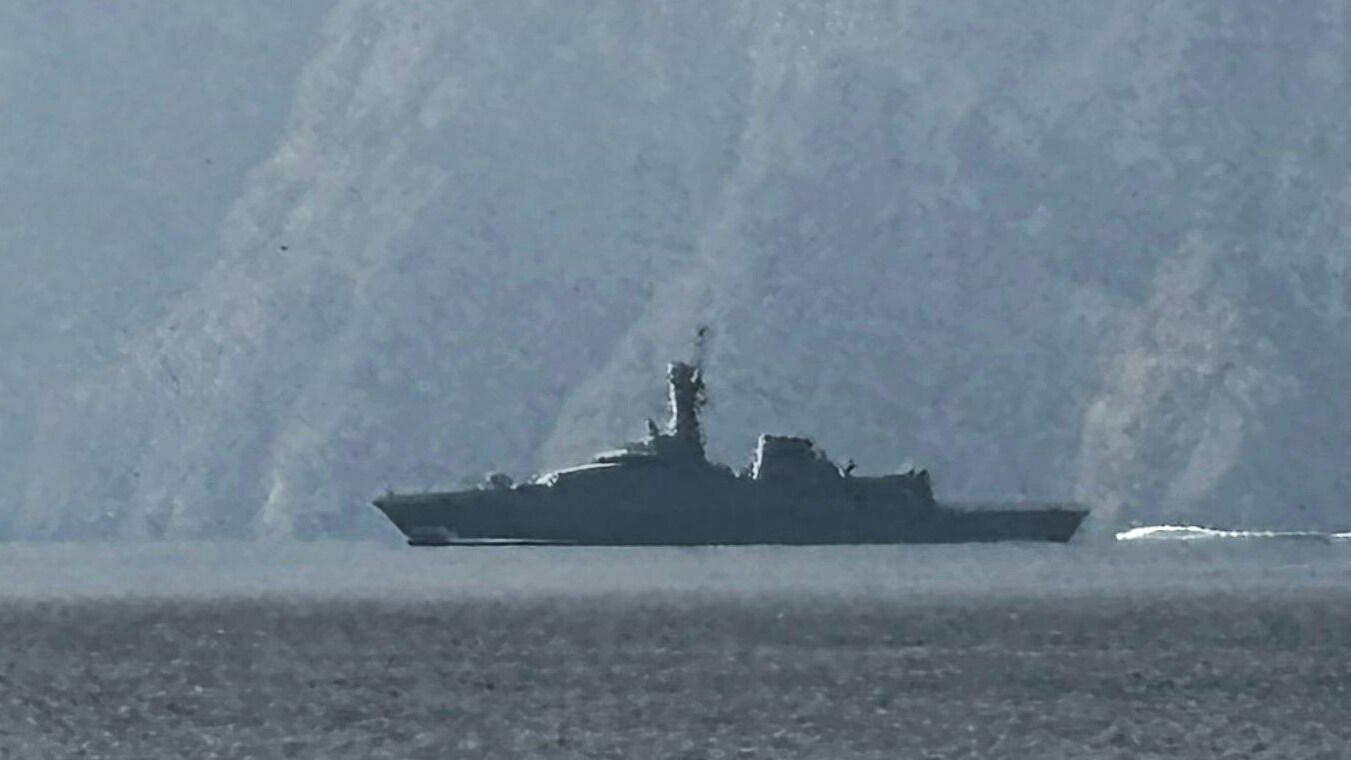
The USS Truxtun and USS Mason, supported by Apache helicopters and other aircraft, faced a series of coordinated threats during the passage, said the report, citing Pentagon officials, who spoke under condition of anonymity.
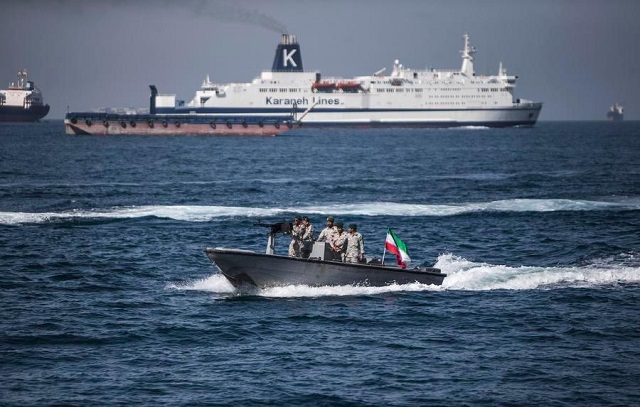
No U.S. warship was struck, though Iran launched small boats, missiles and drones against them as a sustained barrage, the officials were quoted as saying.
None of the projectiles launched by Iran reached the U.S. vessels, they said, adding that the U.S. military’s assisting efforts, bolstered by air support, successfully intercepted or deterred each incoming threat.
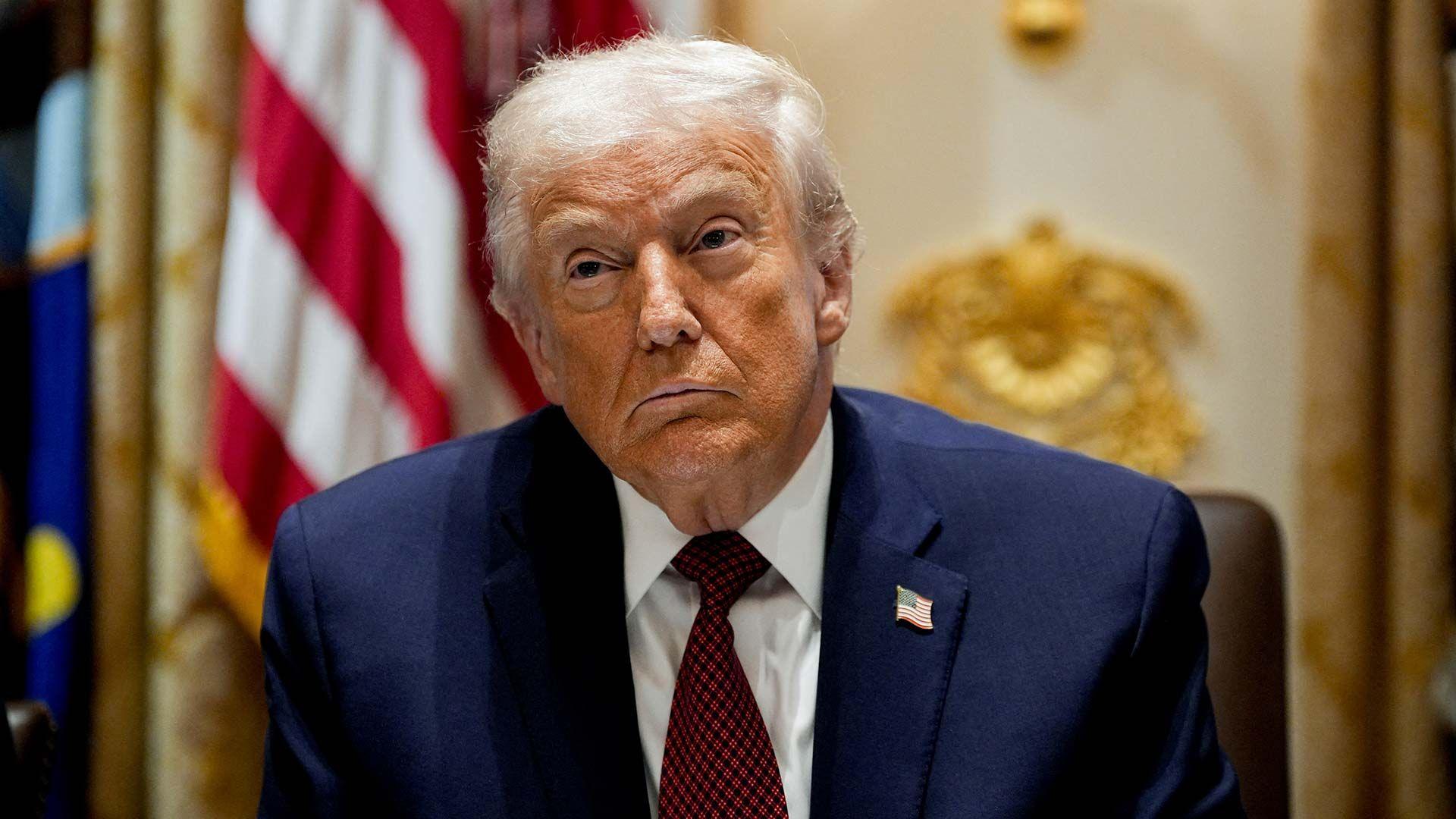
U.S. President Donald Trump told Fox News on Monday that the Iranians are “more malleable” than they were before.
In a phone interview with Fox News, the president threatened that if Iran targets U.S. ships in the Strait of Hormuz as the Pentagon begins operations to restore commercial shipping transit through the strait, they would be “blown off the face of the Earth.”
However, in another phone interview with ABC News on Monday, Trump stopped short of saying Iran’s Monday attacks had violated the U.S.-Iran ceasefire.
“[It was] not heavy firing,” Trump said, downplaying the attacks.
Brad Cooper, chief of the U.S. Central Command, told reporters earlier on Monday that Iranian forces had launched “multiple cruise missiles, drones, and small boats at ships we are protecting.”
U.S. forces have sunk six Iranian small boats targeting civilian vessels in the Strait of Hormuz and intercepted several Iranian missiles and drones, said Cooper.
Iran later rejected the U.S. claims, saying that “no commercial vessels or oil tankers” have transited the Strait of Hormuz, the semi-official Tasnim News Agency reported.
On Feb. 28, the United States and Israel launched joint strikes on Tehran and other Iranian cities, killing then-Supreme Leader Ali Khamenei, senior military commanders and civilians. Iran responded with waves of missile and drone attacks on Israel and U.S. targets across the region and restricted passage through the Strait of Hormuz for vessels linked to Israel and the United States.
A ceasefire took effect on April 8, followed by talks between Iranian and U.S. delegations in Islamabad that ended without a deal.
Two U.S. Navy destroyers have passed through the Strait of Hormuz and entered the Gulf after navigating an Iranian barrage, U.S. media outlet CBS News reported on Monday night.
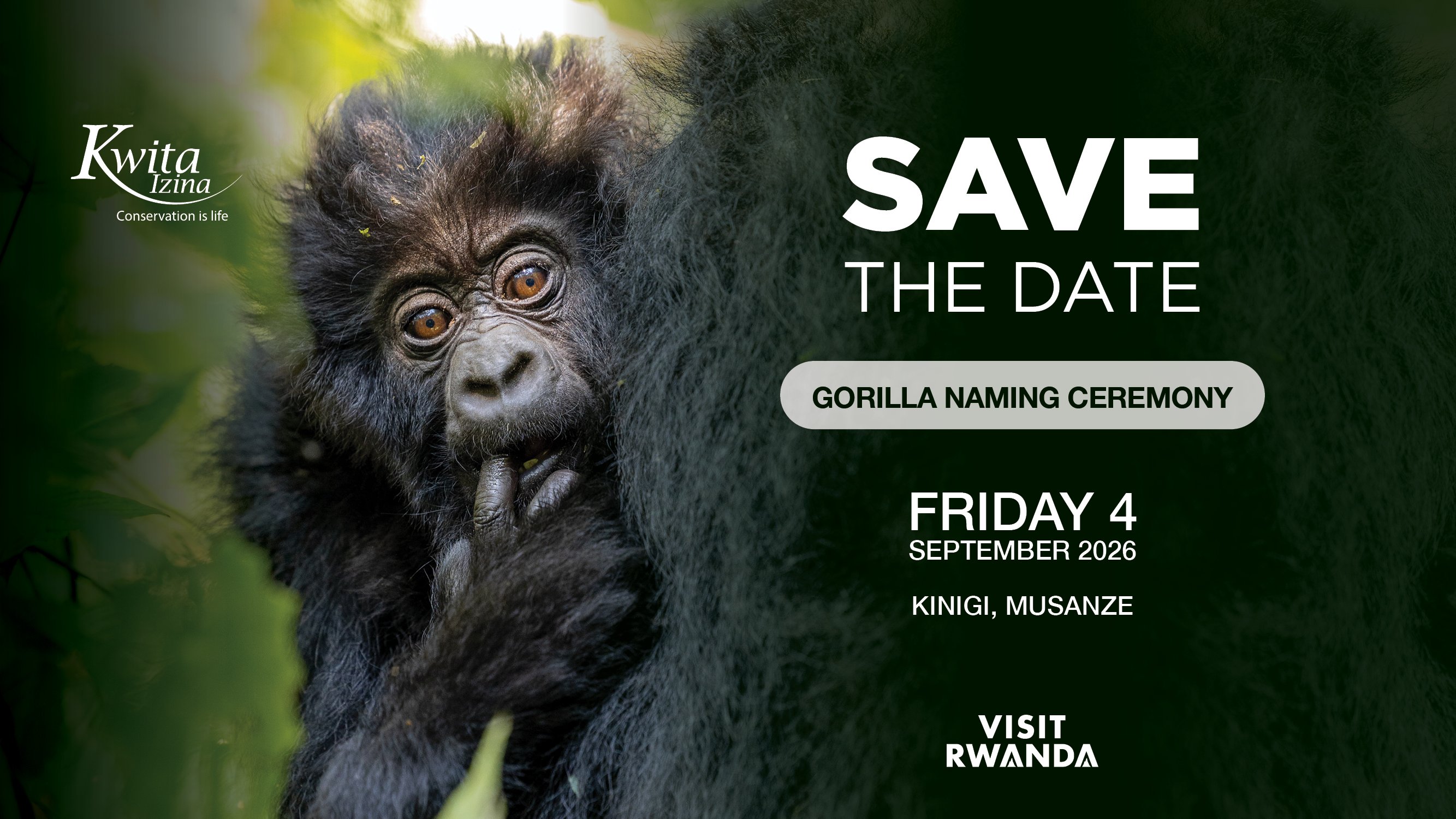
As is tradition, the 21st edition of the ceremony will take place in Kinigi Sector, Musanze District, at the foothills of Volcanoes National Park.
“Join us in Kinigi, @MusanzeDistrict for the 21st @KwitaIzina, Rwanda’s annual baby gorilla naming ceremony, celebrating community-centred conservation and the collective responsibility to protect mountain gorillas and their habitat at @VolcanoesPark,” RDB said in a post on X on Monday, May 4, 2026.
The 20th edition of Kwita Izina took place on September 5, 2025, during which 40 baby gorillas from 15 families were named.
Prime Minister Dr Justin Nsengiyumva served as the guest of honour at the ceremony, which was also attended by several high-level dignitaries, including First Lady Jeannette Kagame.
In his address, PM Nsengiyumva highlighted the global significance of the event:
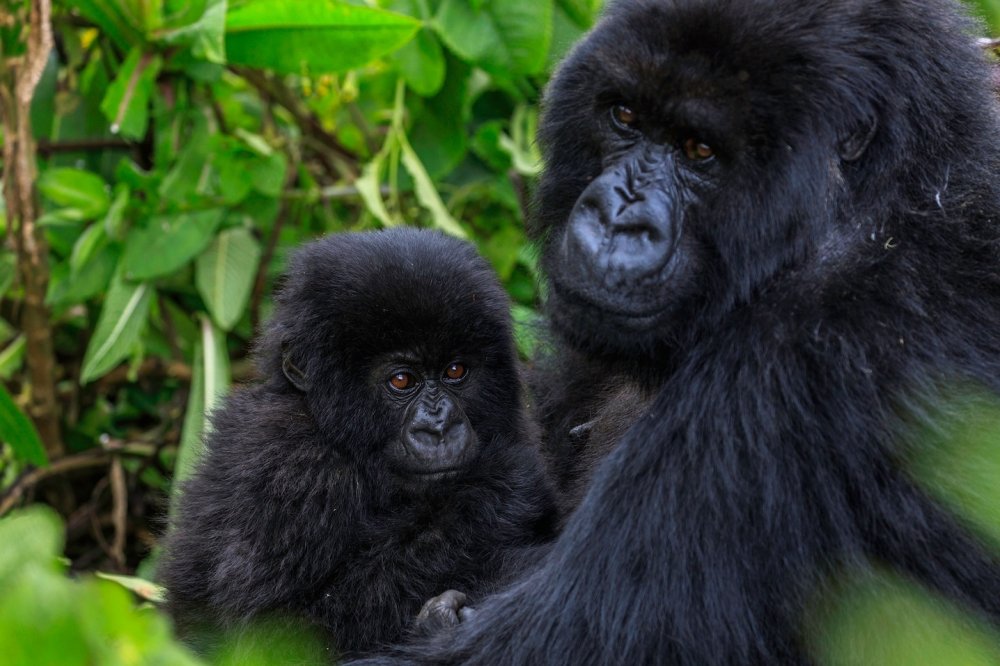
“Thanks to the leadership of Rwanda, the dedication of conservationists, and the commitment of our communities, mountain gorillas have come back from the brink. Today, there are over a thousand mountain gorillas worldwide, including more than 600 in the Virunga Massif,” he said.
The Prime Minister also affirmed a bold plan to expand Volcanoes National Park by nearly 25%, ensuring future generations of gorillas have secure habitats while simultaneously improving local livelihoods.
Since its launch in 2005, Kwita Izina has become a flagship conservation event, with 435 baby gorillas named to date.
Tourism revenues continued to grow in 2025, reaching $685 million, up from $647 million in 2024, representing a 6 percent increase.
Visitor arrivals also rose by 9 percent to 1.49 million, with a significant share visiting Volcanoes National Park, known for gorilla trekking, as well as other national parks.
Gorilla trekking permits are priced at $1,500 for foreign non-residents. Reduced rates of $500 apply to foreign residents living in Rwanda, other African nationals, and foreigners residing elsewhere in Africa. Citizens of Rwanda and the East African Community (EAC) qualify for the lowest rate of $200.
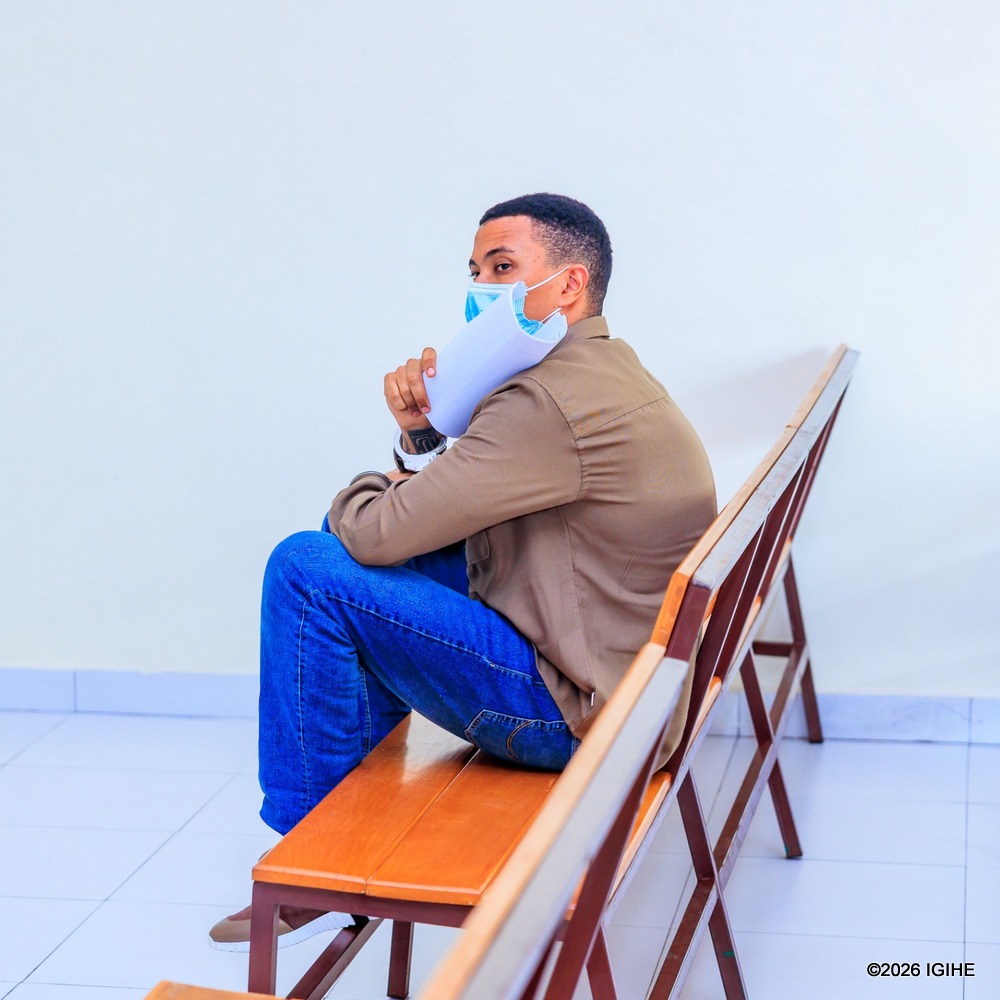
The court ordered his immediate release following the pronouncement of the judgment.
DJ Toxxyk was facing charges including involuntary manslaughter, drug-related offenses, fleeing the scene after causing or being involved in an accident, and refusing to undergo an alcohol test.
The charges stem from a road accident that occurred in the early hours of December 20, 2025, which claimed the life of a police officer. Investigations following the incident also uncovered narcotic substances at the DJ’s residence.
Under Article 111 of Rwanda’s penal code, involuntary manslaughter occurs when a person causes death through negligence, recklessness, or failure to observe regulations, without intent to kill. The offense carries a penalty of six months to two years in prison and a fine ranging from Rwf 500,000 to Rwf 2,000,000, or one of these penalties.
Regarding drug use, Article 263 provides that any person who consumes or is found in possession of narcotic drugs or similar substances commits an offense punishable by one to two years’ imprisonment or community service.
On the charge of fleeing the scene, Article 5 of the 1987 road traffic law stipulates that any person who leaves the scene of an accident to avoid identification commits an offense, punishable by three months to one year in prison and a fine of between Rwf 10,000 and Rwf 30,000. The court applied this law as it was in force at the time of the offense.
After reviewing submissions from both the prosecution and the defense, the court found DJ Toxxyk guilty on all counts. However, the court suspended the three-month community service sentence for six months, meaning it will only be enforced if he fails to comply with the conditions set during the suspension period.
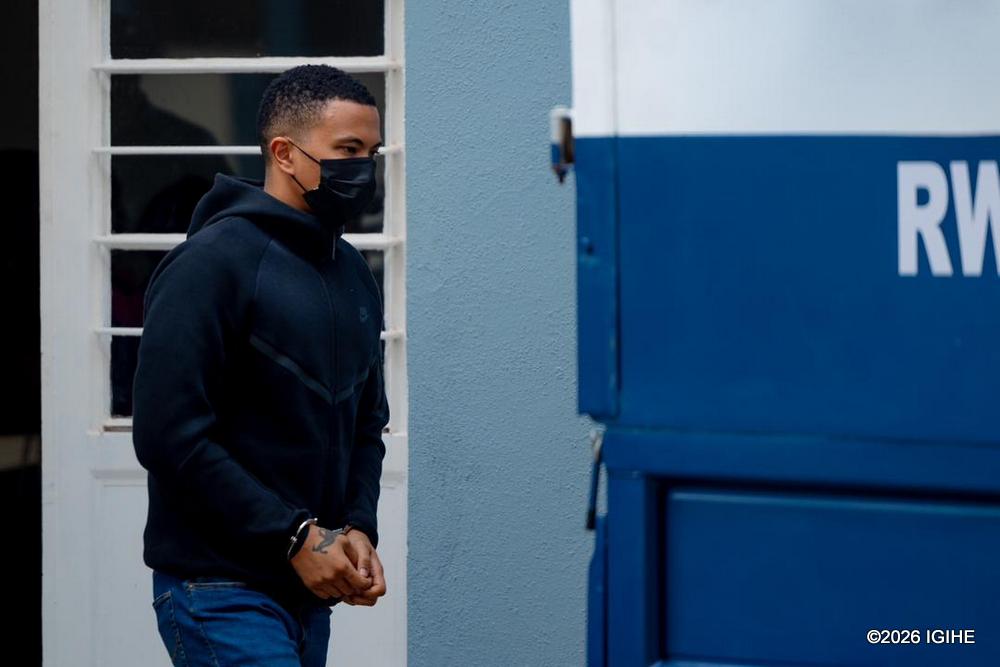
The court ordered his immediate release, effectively accounting for the time DJ Toxxyk had already spent in pre-trial detention. He was arrested on December 21, 2025, and had been held at the Nyarugenge Correctional Facility since February 9, 2026.
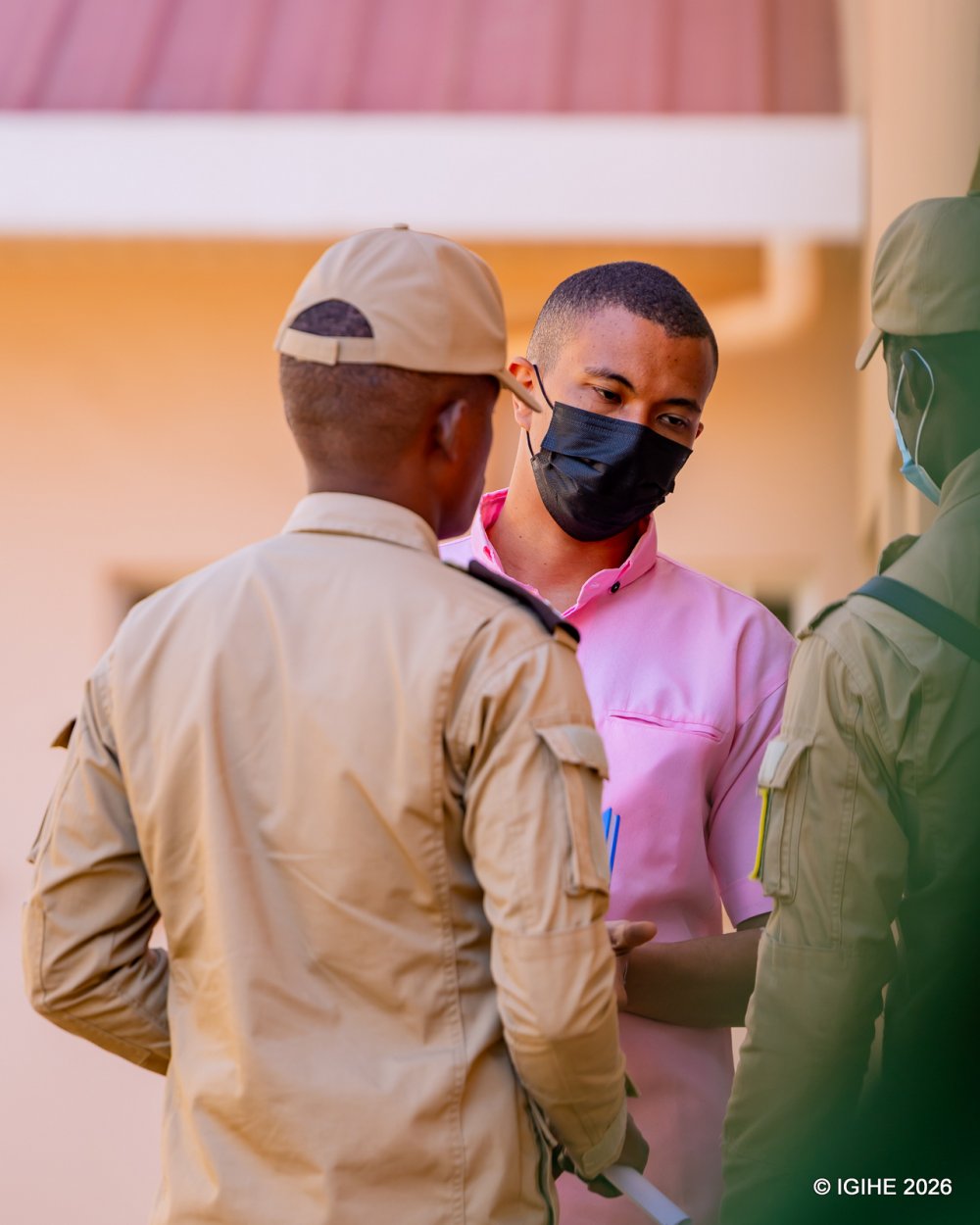
The Nyarugenge Primary Court found Arnaud Shema De Bosscher, DJ Toxxyk, guilty on all four charges related to a fatal road accident and drug-related offences. The court sentenced him to a fine of Rwf 1,050,000 and three months of community service, which has been suspended for six months.The court also ordered his immediate release following the pronouncement of the judgment.
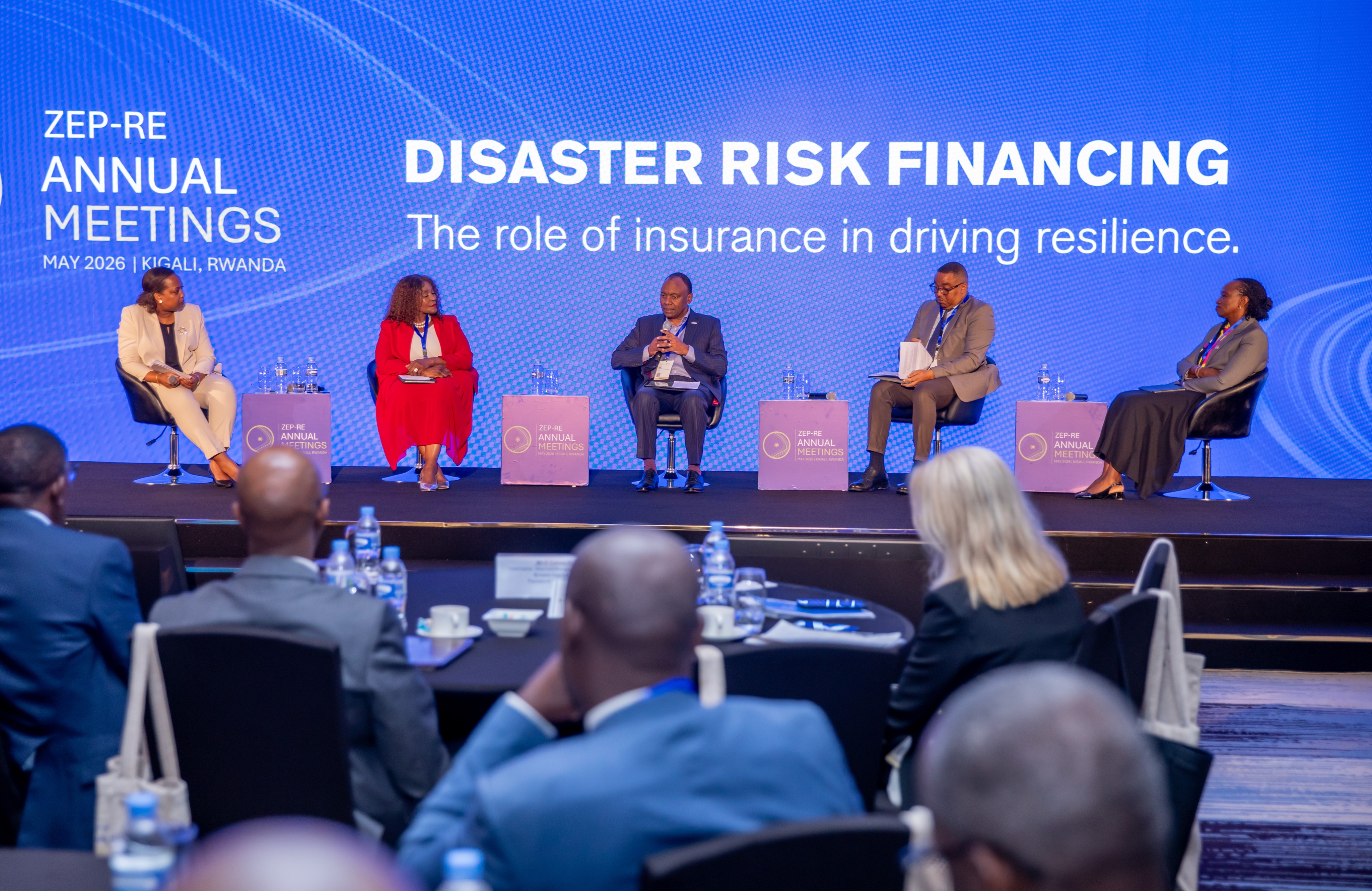
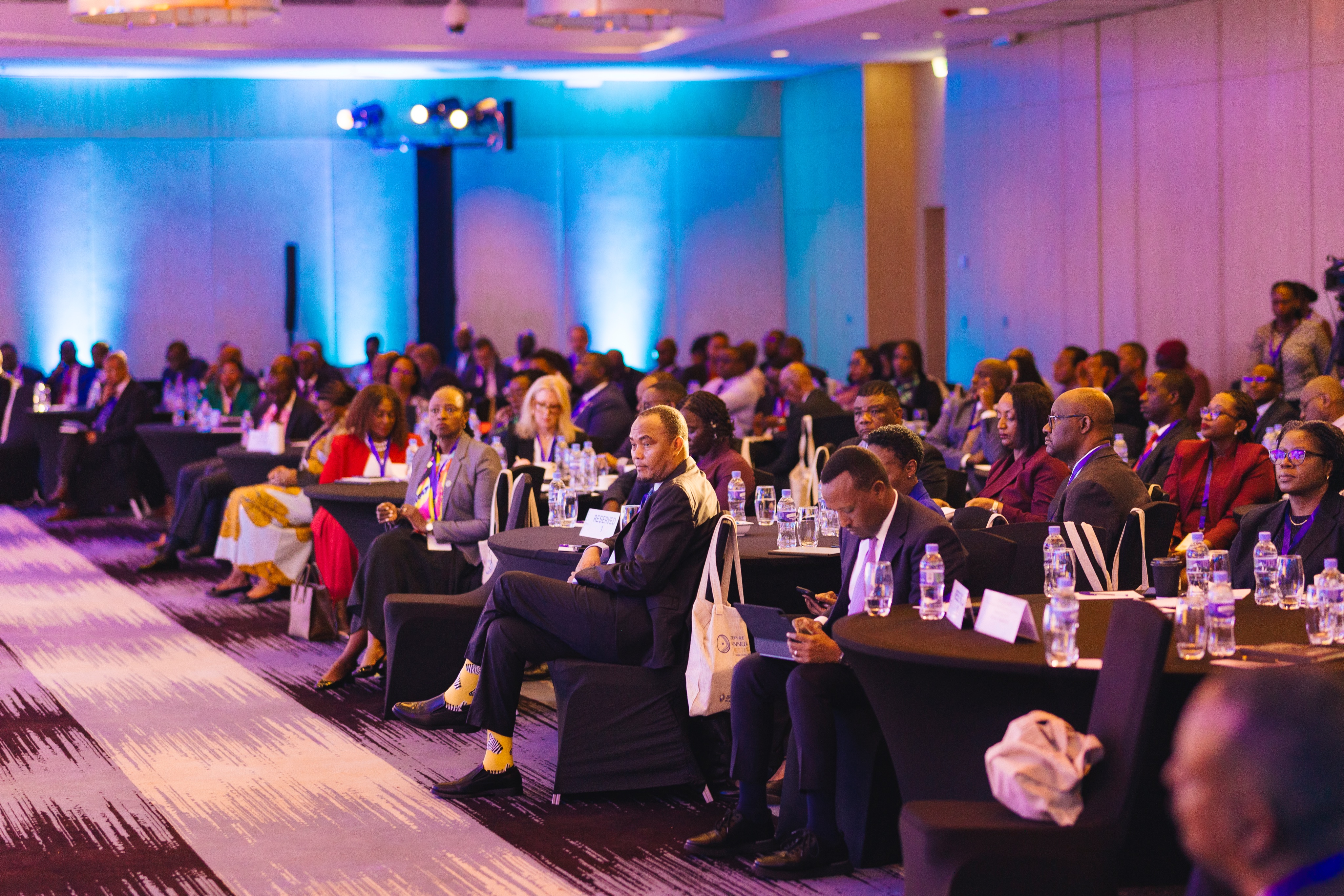
The high-level meeting, which opened at the Kigali Marriott Hotel on Monday, May 4, 2026, brings together government officials, regulators, industry executives, and development partners to discuss how insurance can better support African economies facing increasing climate shocks, fiscal pressures, and development challenges.
Insurance gap at the centre of debate
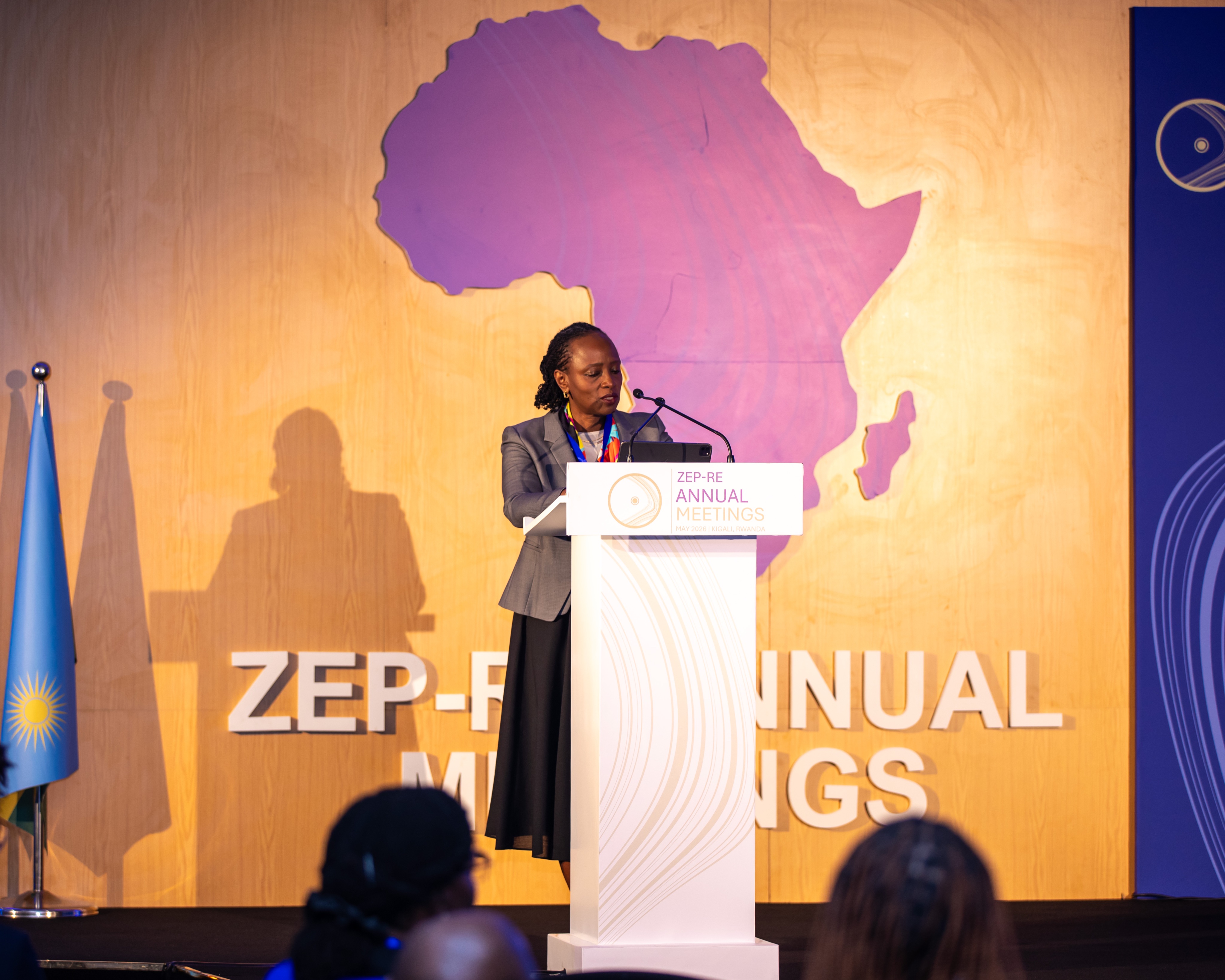
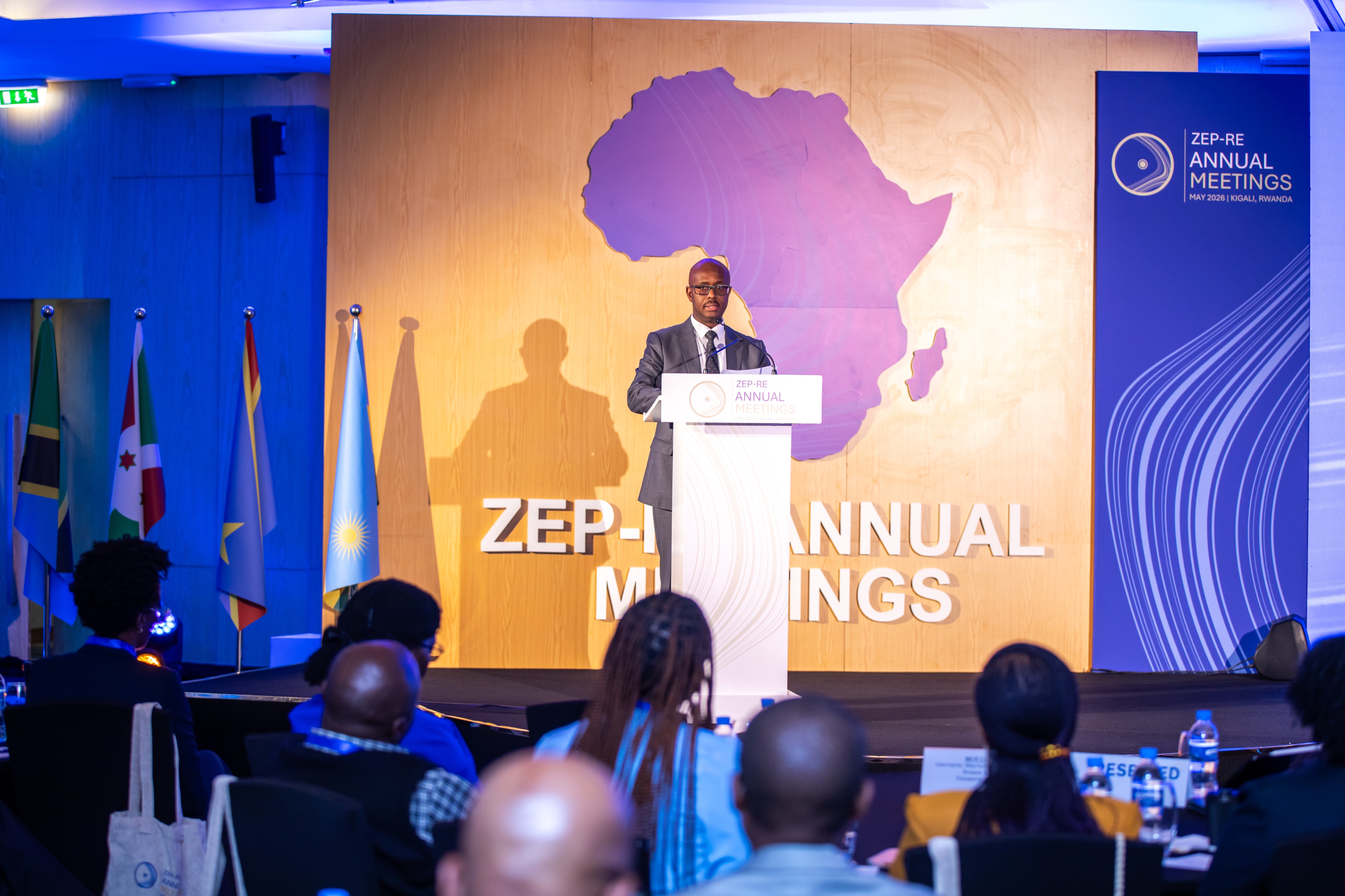
Opening the meeting, ZEP-RE Managing Director and Group CEO Hope Murera said Africa continues to face a recurring cycle where governments are forced to fund disaster recovery after events occur, often through costly borrowing, while vulnerable populations remain largely unprotected.
“When disasters happen, governments step in to rebuild… resources are eventually found, but sometimes too late,” Murera said. “In many cases, this comes as expensive debt that remains long after the disasters.”
ZEP-RE Managing Director and Group CEO Hope Murera said Africa continues to face a recurring cycle where governments are forced to fund disaster recovery after events occur, often through costly borrowing.
She noted that insurance penetration remains low across the continent, leaving smallholder farmers, women, youth, and small businesses particularly exposed to shocks such as droughts, floods, and other climate-related events.
Murera emphasised that insurance should play a stronger role in absorbing risks and de-risking African economies, but said fragmented risk financing systems and limited affordability continue to hinder progress.
“This is the gap that we, as an industry, seek to address and help close,” she said.
Call for collective action
ZEP-RE Vice-Chair Simon Chikumbu, speaking on behalf of the Board Chairperson, said Africa remains significantly underinsured, adding that the consequences are widely felt across economies and communities.
He stressed that addressing the challenge requires coordinated action across governments, regulators, insurers, and development partners.
“The challenges before us are significant. Africa remains underinsured to a great extent,” he said. “Addressing this requires more than individual effort. It requires collective engagement and purposeful dialogue.”
The high-level meeting brought together government officials, regulators, industry executives, and development partners to discuss how insurance can better support African economies facing increasing climate shocks, fiscal pressures, and development challenges.
Chikumbu also underscored ZEP-RE’s founding mandate to build African reinsurance capacity, noting that while the institution has made progress, the continent’s insurance gap remains a major concern.
Delivering a keynote address, Rwanda’s Minister of Finance and Economic Planning, Yusuf Murangwa, highlighted the scale of the challenge, noting that Africa’s insurance penetration stands at about 2.7%, compared to a global average of 7%.
He warned that the gap leaves hundreds of millions of people exposed to financial hardship when disasters strike.
“The informal sector, the market stall owner, the smallholder farmer, the motorcyclist, taxi drivers, is not uninsurable; it is simply uninsured,” Murangwa said, adding that this distinction represents a major opportunity for industry growth and innovation.
Rwanda’s Minister of Finance and Economic Planning, Yusuf Murangwa, highlighted the scale of the challenge, noting that Africa’s insurance penetration stands at about 2.7%, compared to a global average of 7%.
He also pointed to climate-related losses that continue to strain public finances, noting that most catastrophe-related costs in Africa are borne by governments, households, and businesses rather than insurers.
Murangwa called for faster and more ambitious action beyond pilot projects, urging stakeholders to scale up solutions that address climate risks and disaster preparedness.
Insurance as a resilience tool
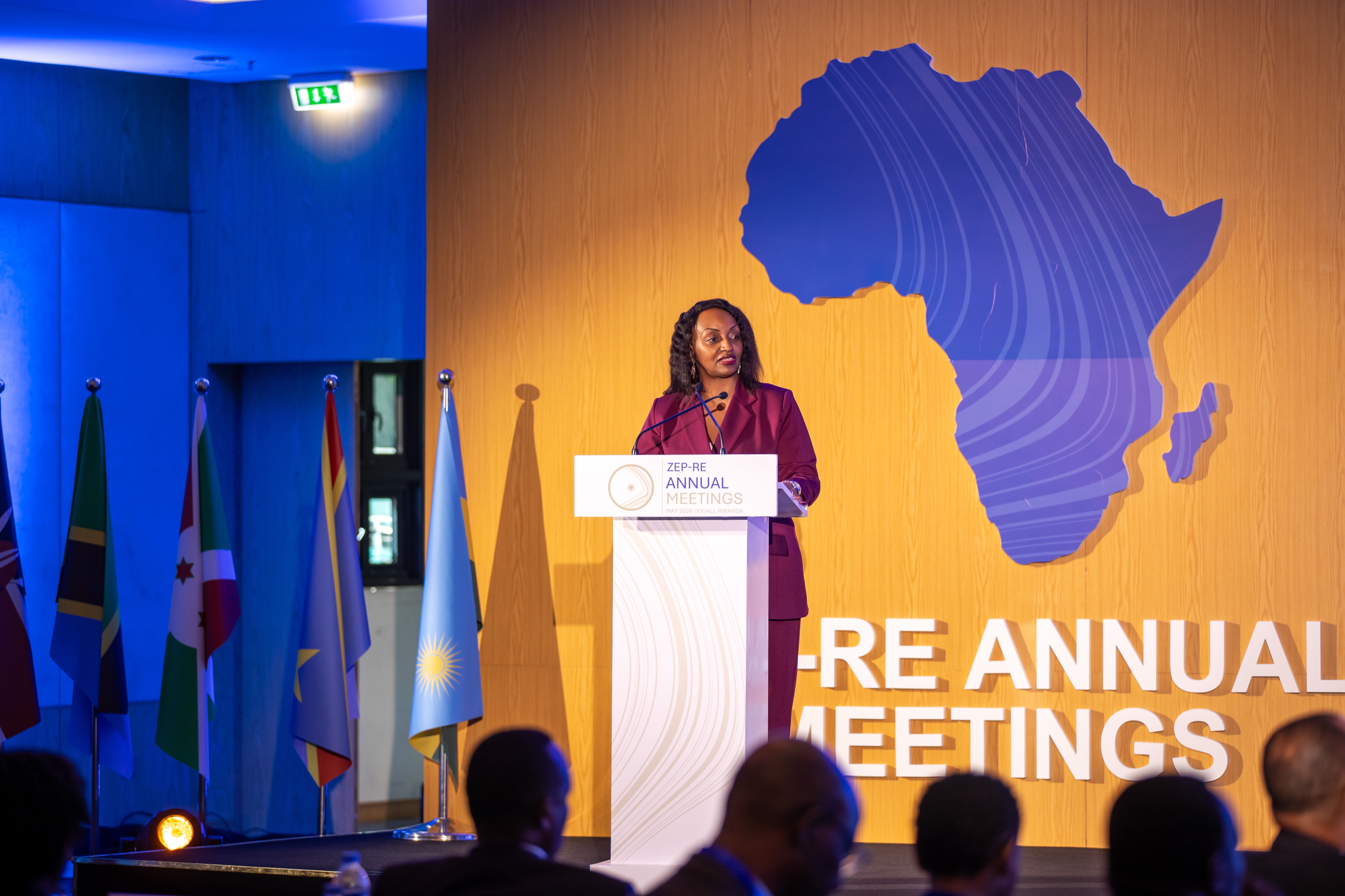
Governor of the National Bank of Rwanda, Soraya Hakuziyaremye, who opened the high-level panel discussions, said insurance must no longer be viewed as a niche financial product but as a strategic tool for economic resilience and growth.
She highlighted that Africa is increasingly exposed to climate shocks, citing floods, droughts, and storms that are becoming more frequent and severe.
“These shocks are no longer rare events, they are part of our new normal,” she said.
She added that more than 80% of catastrophe-related losses in Africa remain uninsured, shifting the financial burden to households and governments at times when they are least able to absorb it.
Hakuziyaremye also noted that Africa carries 19% of the global population and is expected to account for one in four people globally by 2050, increasing the urgency for scalable insurance solutions.
Governor of the National Bank of Rwanda, Soraya Hakuziyaremye, said insurance must no longer be viewed as a niche financial product but as a strategic tool for economic resilience and growth.
Innovation and regional solutions
Discussions at the meeting highlighted ongoing efforts to address Africa’s risk financing gap through insurance-based solutions, particularly index insurance models being developed in the agricultural sector.
Dr. Grace Muradzikwa, Commissioner of Insurance, Pensions and Provident Funds in Zimbabwe, noted that index insurance products have been developed with support from partners, including the World Bank, to help farmers manage climate-related risks. She cited agricultural insurance initiatives such as the
“Farmers Basket” scheme, which was first launched in one province and progressively expanded to eight provinces with support from multiple stakeholders.
According to Dr. Muradzikwa, such initiatives demonstrate how insurance can shift from post-disaster response to more proactive risk management, as governments, regulators, insurers, and development partners work together to structure more sustainable agricultural protection mechanisms.
Speakers also referenced regional insurance and risk-sharing frameworks, including the Common Market for Eastern and Southern Africa (COMESA) Yellow Card system, the Regional Compensation Transit Guarantee (RCTG), and African Risk Capacity (ARC) initiatives, aimed at strengthening resilience and facilitating risk pooling across African economies.
Moving from pilots to systemic impact
Participants agreed that while progress has been made in developing innovative insurance products, Africa must move beyond small-scale, pilot-driven approaches toward system-wide solutions that can deliver broader impact.
They emphasised the need for stronger collaboration between governments, regulators, insurers, and development partners to scale up insurance solutions that serve both agricultural producers and wider vulnerable populations.
However, challenges such as affordability, data limitations, low insurance awareness, and fragmented implementation across markets remain key barriers.
“In the world we are experiencing more than 10 types of disasters, such as floods, landslides, strong winds, lightning, and many others… In 2023, we experienced one of the strongest hazards in this country. In a single night, we lost more than 135 lives,” said Adalbert Rukebanuka, Director General of Policy, Planning and Risk Reduction at Ministry in charge of Emergency Management (MINEMA).
He noted that disasters are becoming more frequent and complex, placing increasing pressure on governments that already bear a significant share of recovery costs, underscoring the urgency of strengthening disaster risk financing systems that can deliver faster and more predictable responses while reducing pressure on public finances.
The AGM continues on Tuesday, May 5, with a closed session and concludes with the adoption of key resolutions.
ZEP-RE is a pan-African reinsurer established in 1990 under COMESA, operating in more than 45 African countries. It plays a central role in supporting insurance market development and building risk capacity across the continent.
Participants agreed that while progress has been made in developing innovative insurance products, Africa must move beyond small-scale, pilot-driven approaches toward system-wide solutions that can deliver broader impact.
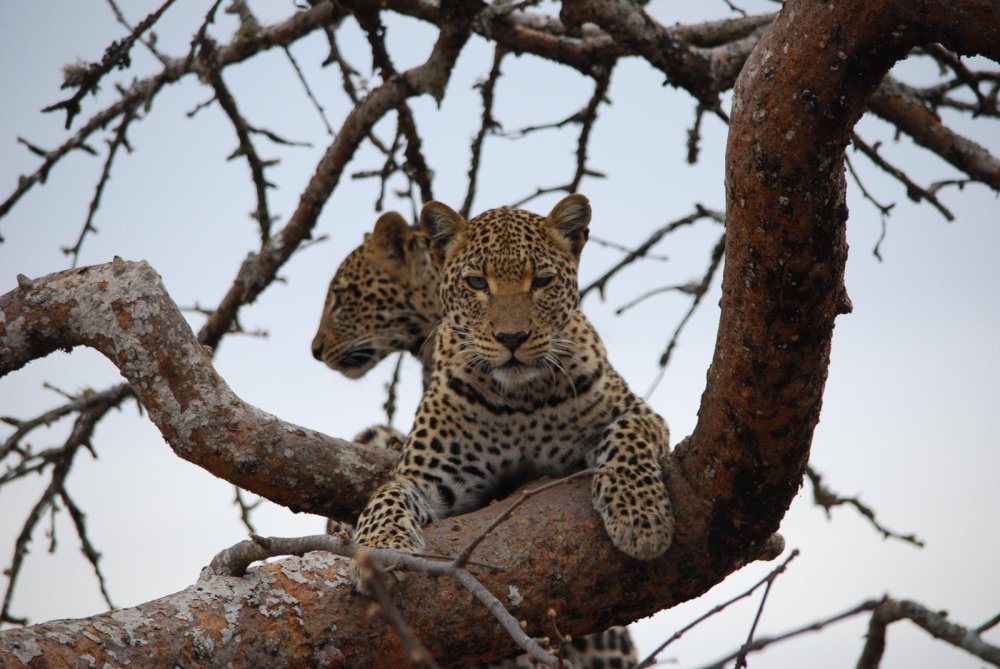
The research, which began in March 2026 and will run through September 2026, follows an initial population assessment, the first of its kind in the park, which suggested that Akagera could host between 70 and 80 leopards. However, park management currently has verified records of 59 individual leopards.
According to Jean Paul Karinganire, Funding & Reporting Manager at the park, a previous study conducted between 2024 and 2025 successfully identified 59 distinct leopards from an estimated population of around 80.
He noted that leopards are more concentrated in the southern part of the park, where vegetation is denser compared to the northern section, providing more suitable cover and hunting conditions.
“This study will help us better understand the structure of our leopard population and how they live on a daily basis within the park,” Karinganire said. “We are looking at their behavior, feeding habits, preferred prey, activity patterns such as when they are most active and how often they reproduce each year.”
He added that the research will provide deeper insights into how leopards behave across different seasons, including the size of their territories, their hunting grounds, and reproductive cycles.
Karinganire emphasized that the goal is to build a comprehensive ecological dataset not only focusing on individual leopards, but also examining the broader ecosystem. This includes understanding the animals they prey on and integrating that information with other ecological data to strengthen conservation planning and park management.
Leopards are carnivorous mammals belonging to the genus Panthera, which includes other large cats such as lions, tigers, and jaguars.
Park management also reported that in the first quarter of 2026, Akagera National Park received more than 11,700 visitors, generating over $1.3 million (approximately Rwf 1.9 billion) in revenue.
Akagera National Park launches research on leopards.
In recent days, employees working in the building were informed to prepare for relocation. In a statement released on Monday, RDB stated that institutions previously operating in the building will be temporarily moved to alternative office spaces.
“Until the new premises are ready, One Stop Centre services are available at the Ground Floor of the Ministry of Infrastructure [Kimihurura KG 1 Roundabout, Kigali]. Other services will continue through RDB’s existing digital platforms,” reads the statement.
Institutions housed in the RDB Building include RDB, RCB, RMB, and RHA.
A building that has long attracted controversy
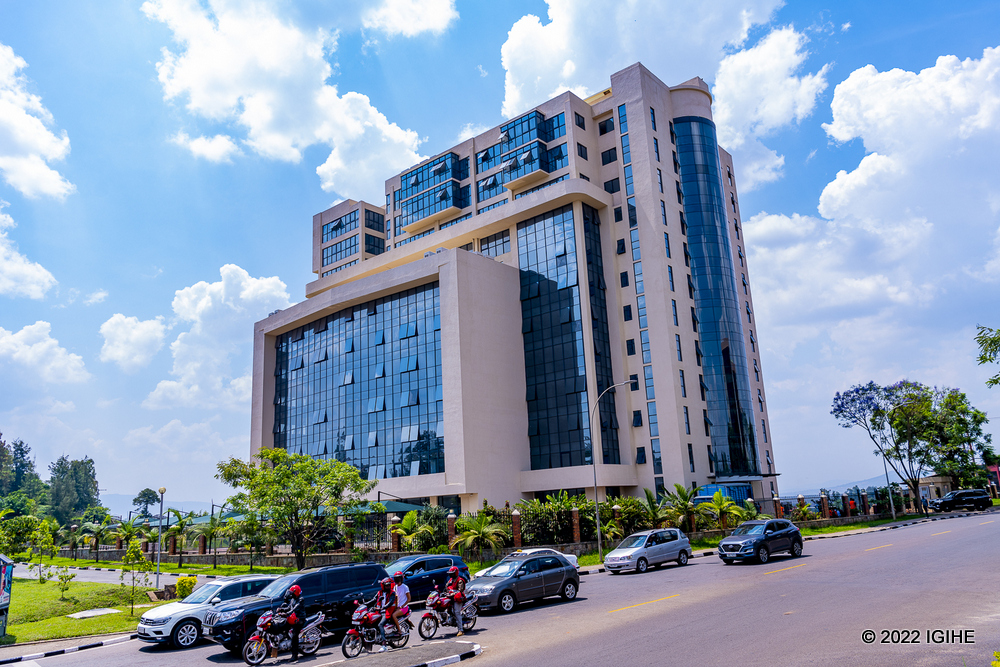
The RDB Building, located in Gishushu, is a 12-storey structure with four underground floors that can be used for various purposes, including parking and gym facilities. It has a total floor area of approximately 42,000 square metres.
The building was purchased by the government for Rwf 42 billion after concerns had been raised over its quality standards. The Rwanda Housing Authority (RHA) previously stated that it had conducted assessments to determine whether the building met required standards.
Analyses reportedly revealed several structural and construction-related issues, prompting corrective measures linked to both design and construction flaws.
Over time, these problems are said to have persisted and, in some cases, worsened, leading to growing concerns about the safety of occupants and the need for urgent intervention.
As a result, authorities decided to relocate all services from the building to ensure the safety of users while renovation works are undertaken.
The Deputy Director General of RHA, Dr Noël Nsanzineza, previously told Members of Parliament that, under the purchase agreement, the original owner was responsible for correcting the identified defects.
He stated: “According to the sale agreement, the issues were supposed to be corrected by the building’s owner. However, the contract also included a clause allowing us to withhold about Rwf 2 billion if the corrections were not made. The owner failed to fully address the problems despite some attempts, and we eventually decided to withhold the funds.”
The RDB Building, located in Gishushu, is a 12-storey structure with four underground floors that can be used for various purposes, including parking and gym facilities.
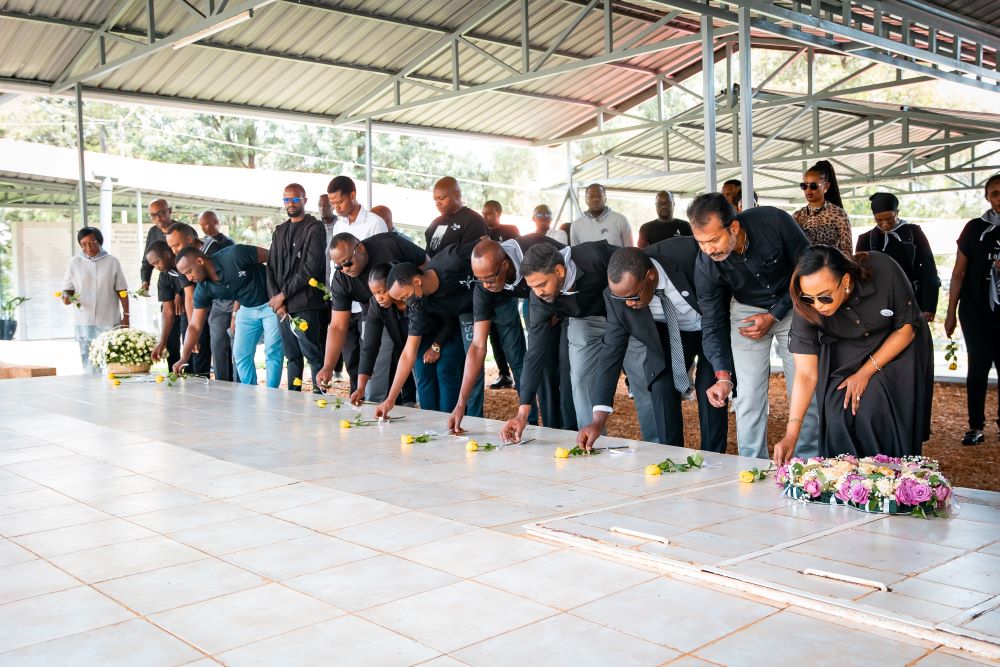
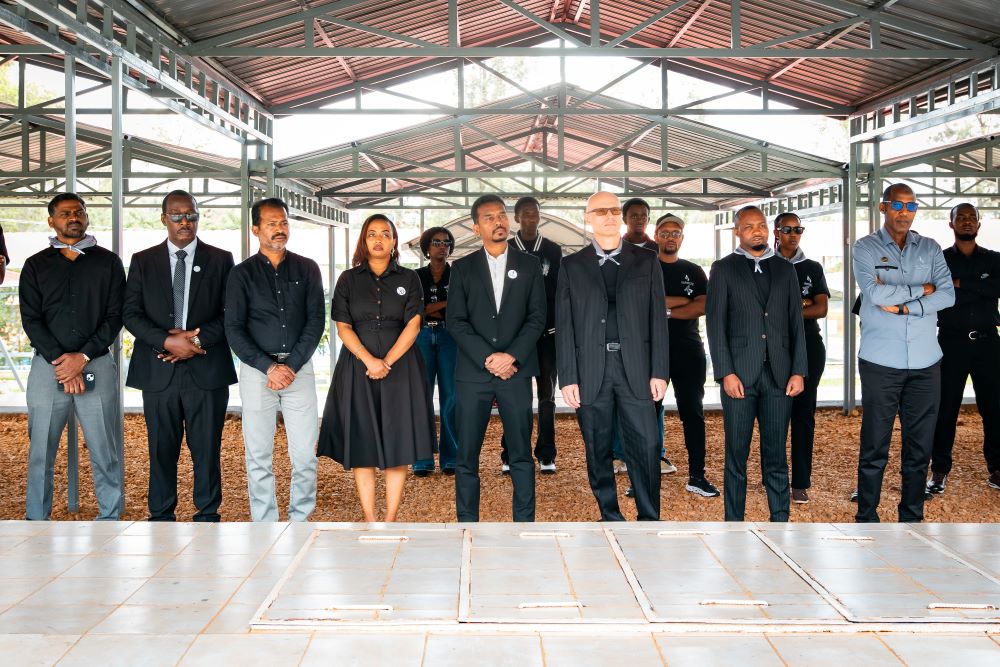
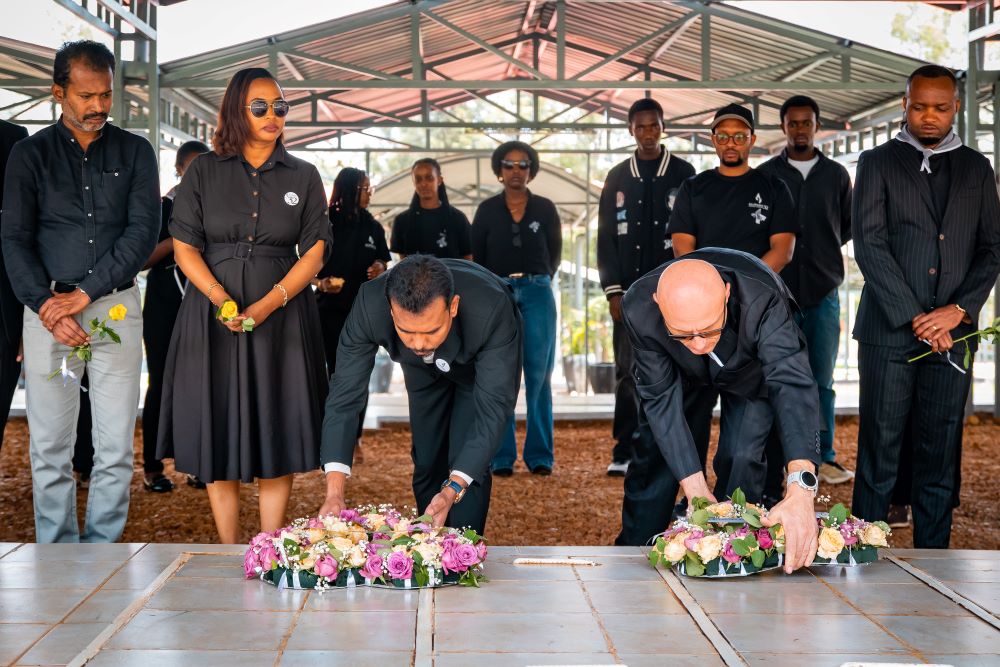
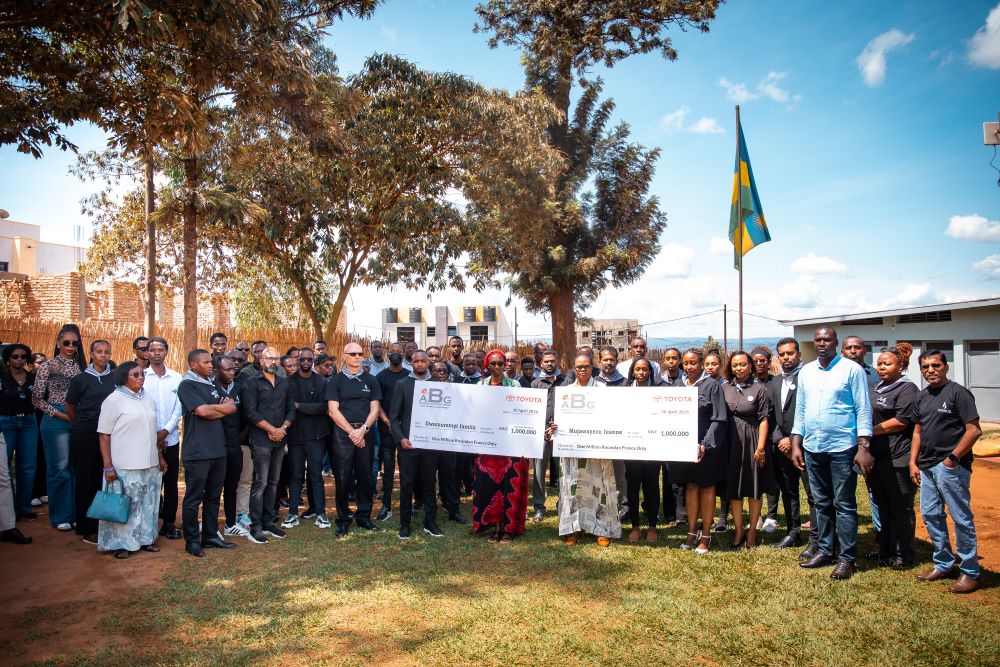
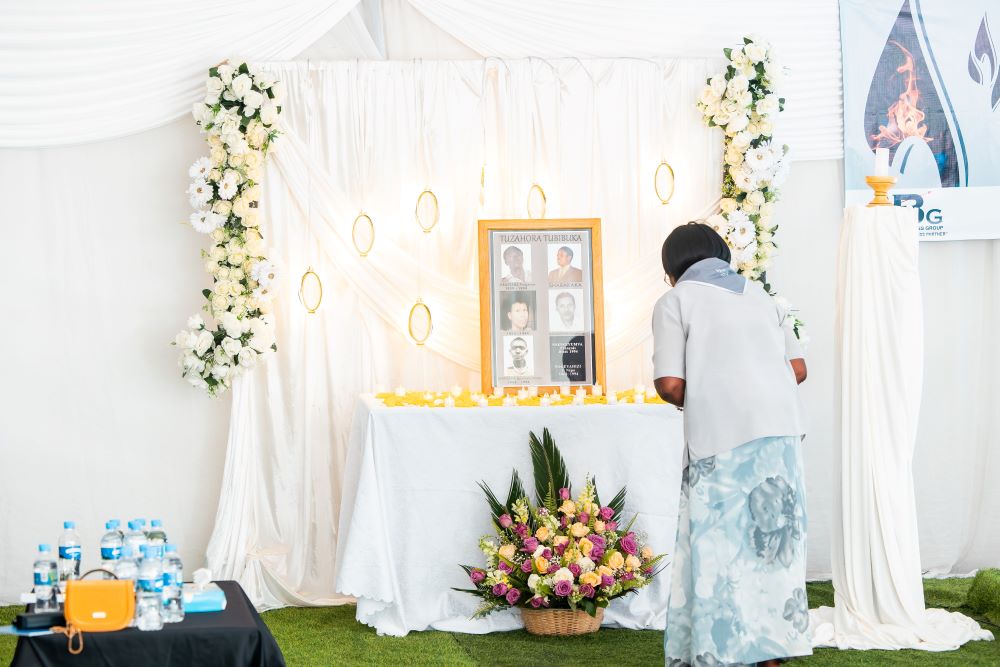
The commemoration event, held on April 30, 2026, began with a visit to Nyanza Genocide Memorial followed by a visit to Gahanga Sector in Kicukiro District. As part of its longstanding support to survivors, Akagera Busness Group and Toyota Rwanda provided a contribution of 1 million RWF each to two families from Gahanga and Kagasa, underscoring its dedication to solidarity and community impact.
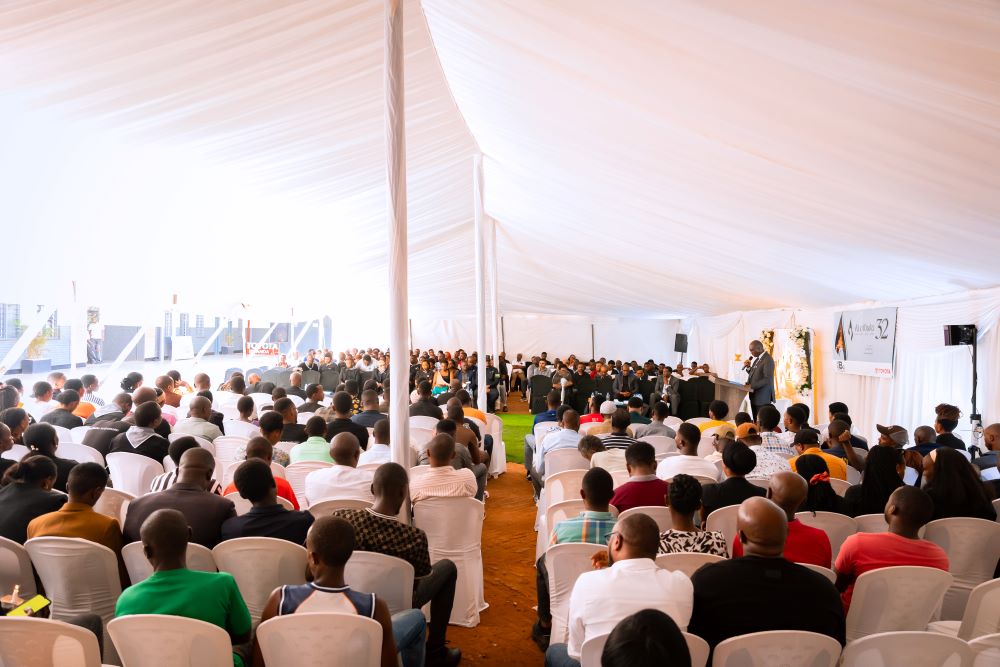
Employees later held commemoration talks at the company’s headquarter in Karuruma, Jali Sector, Gasabo District.
Dr. Théoneste Rutayisire, Head of Research at the Ministry of National Unity and Civic Engagement (MINUBUMWE), outlined Rwanda’s historical trajectory from the pre-colonial period, through colonial rule, to the Second Republic, which culminated in the 1994 Genocide against the Tutsi.
He stressed that genocide is never accidental but planned and systematically prepared over time.
“Genocide does not happen by accident. It is planned, as was the case in 1994. It was prepared and taught for over 30 years,” he said.
He noted that the genocide was not only orchestrated by political actors but also involved businesspeople and investors who played a role in its preparation and execution.
“In the preparation of the Genocide against the Tutsi, political power and financial influence were both used. Some businessmen benefited from bank loans to strengthen their enterprises, and later those same resources were used to support the genocide agenda,” he said.
Participants also heard testimony from genocide survivor and ABG employee Gilbert Gasore, who survived in the former Cyangugu Prefecture, Kimbogo Commune (now Mwururu Sector, Rusizi District). He shared his traumatic experience and the circumstances that enabled his survival.
Gilbert Gasore said he was 16 years old at the time and had already witnessed signs of preparation for the genocide, including the stockpiling and production of weapons used to kill Tutsi civilians in his area.
He dismissed claims that the genocide was triggered by the shooting down of the presidential plane, saying preparations had long been underway.
“In our area, a man known as ‘Byabeyi’ was responsible for sharpening spears and reinforcing clubs with nails. He would go into the forests searching for wood used to make these weapons,” he said.
He added that these weapons were produced under the instruction of a local youth, Théodore Rukeratabara, and were later used in attacks that killed Tutsi residents in the area.
The representative of Ibuka in Gasabo District, Madame Solange Mukanizeyimana, recalled the history of La Rwandaise during the Genocide, explaining how the Interahamwe looted vehicles that were in stock at Karuruma, leaving the company in a very bad state. She also expressed appreciation to the investors of both companies for coming to Rwanda, investing, and providing employment opportunities to Rwandans.
Member of Parliament Murora Beth urged employees of both companies, most of whom are young people, to take an active role in countering genocide denial and distortion of history, particularly on social media.
“I want to remind you that the battle of guns is over. Today, the fight continues on social media, where some people distort the history of the Genocide against the Tutsi. You must learn this history so that you are able to respond to such narratives,” she said.
The commemoration included visits to Nyanza Genocide Memorial and Gahanga Sector as staff honored lives lost in 1994The management laying wreaths at the mass grave of Nyanza Genocide MemorialThe commemoration event, held on April 30, 2026, began with a visit to Nyanza Genocide Memorial followed by a visit to Gahanga Sector in Kicukiro District.As part of its longstanding support to survivors, Akagera Busness Group and Toyota Rwanda provided a contribution of Rwf 1 million each to two families from Gahanga and Kagasa.The commemoration event served as a moment for reflection, unity, and honoring the lives lost, while reinforcing the company’s commitment to remembrance and resilience. Employees also held commemoration talks at the company’s headquarter in Karuruma, Jali Sector, Gasabo District.
The team consisted of renowned broadcaster David Attenborough and photographer Martin Saunders. They were confident their work would proceed smoothly, having secured all the necessary permits from Rwandan authorities. In addition, they had the support of primatologist Dian Fossey, who had extensive experience studying gorillas in the Karisoke area, between Mount Karisimbi and Mount Bisoke.
According to Attenborough, their preparations had been thorough, with all required permissions in place and everything appearing well organized.
Dian Fossey, widely known in the Ruhengeri by a local nickname as Nyiramacibiri, had devoted her life to protecting mountain gorillas. Her work went far beyond feeding or treating them, she lived among them in the wild, even establishing a base in the volcanic mountains. She would later be killed under circumstances widely believed to be linked to powerful interests opposed to her conservation efforts.
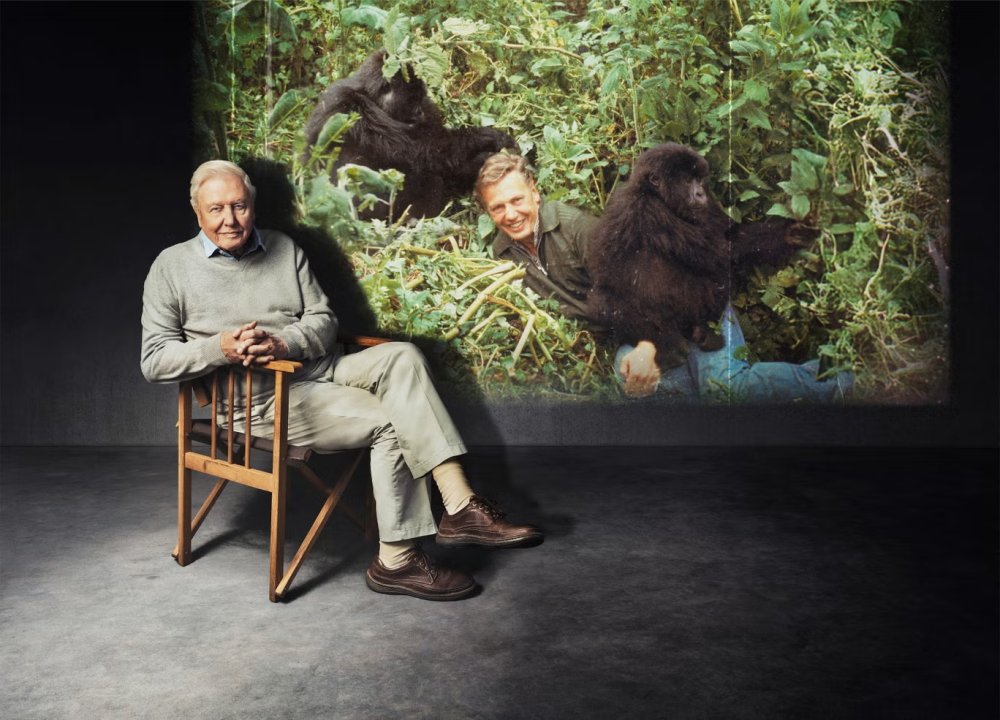
Filming the gorillas proved challenging for Attenborough, who was not yet accustomed to their behavior. At one point, a dominant male gorilla named Pablo climbed onto him, creating a moment of fear. Despite the tension, he remained focused and continued the work that had brought him there.
After completing the demanding work, Attenborough and Saunders returned to Kigali, preparing to head back to the United Kingdom with what they believed was an extraordinary story, one that would reveal to the world the complex and human-like nature of these animals.
Their journey from Ruhengeri had been filled with excitement, as they believed they had achieved something rare. However, as they approached Kigali International Airport, that sense of accomplishment quickly turned into fear. Attenborough began to wonder whether they would safely leave the country—or lose everything they had worked so hard to capture.
Gunfire suddenly erupted overhead. At first, they were unsure what was happening, but it soon became clear that they themselves were being targeted by Rwandan soldiers attempting to stop them, apparently suspecting them of wrongdoing.
Attenborough later described the confusion of the moment, recalling how they turned and saw armed security personnel approaching them.
The two men were stopped and quickly realized that the footage they had captured was at risk. Sensing danger, they discreetly rearranged how they stored their film in an effort to prevent it from being confiscated.
When the soldiers reached them, they demanded to inspect their belongings. However, the exact reason for the suspicion remained unclear—whether they were accused of threatening national security, illegal wildlife activities, or something else entirely.
They were taken away from the airport and first brought to a hotel. The following morning, they were transferred to a military facility, where they were made to stand in an open area under the sun, surrounded by armed personnel. At that moment, they feared for their lives, unsure whether they would be imprisoned, executed, or subjected to other forms of punishment.
Saunders later reflected that they were left standing in the heat without explanation, unable to understand what they were being accused of, which only heightened their anxiety about what might happen next.
After some time in detention, the authorities unexpectedly decided to release them. The two men were allowed to leave, greatly relieved—not only to have regained their freedom, but also because their valuable footage remained intact.
This dramatic episode is recounted in the documentary, Making Life of Earth: Attenborough’s Greatest Adventure, released by BBC on May 3, 2026, just days before Attenborough’s 100th birthday.
More recently, Attenborough has also been involved in another documentary released on April 17, 2026, on Netflix. This production also explores the lives of mountain gorillas and was created in collaboration with Silverback Films.
The film brought together contributions from several prominent figures in filmmaking, including James Reed, Alastair Fothergill, Leonardo DiCaprio, Jennifer Davisson, and Phillip Watson.
The project combined over 250 hours of footage captured between 2023 and 2024, along with archival material filmed by Attenborough during his time in Rwanda.
According to Fothergill, the original idea was simply to tell the story of gorillas. However, after discussions with the Dian Fossey Gorilla Fund—which has spent more than six decades protecting gorillas in Rwanda—the project gained momentum.
The concept evolved further when Fothergill approached Attenborough, who had previously worked on gorilla-related documentaries. Attenborough welcomed the idea and revealed that he had kept detailed notes from his earlier experiences in Rwanda, which could enrich the film.
The resulting documentary not only highlights how gorillas live, but also shows their complex social dynamics, including struggles for leadership and behaviors that often resemble human interactions.
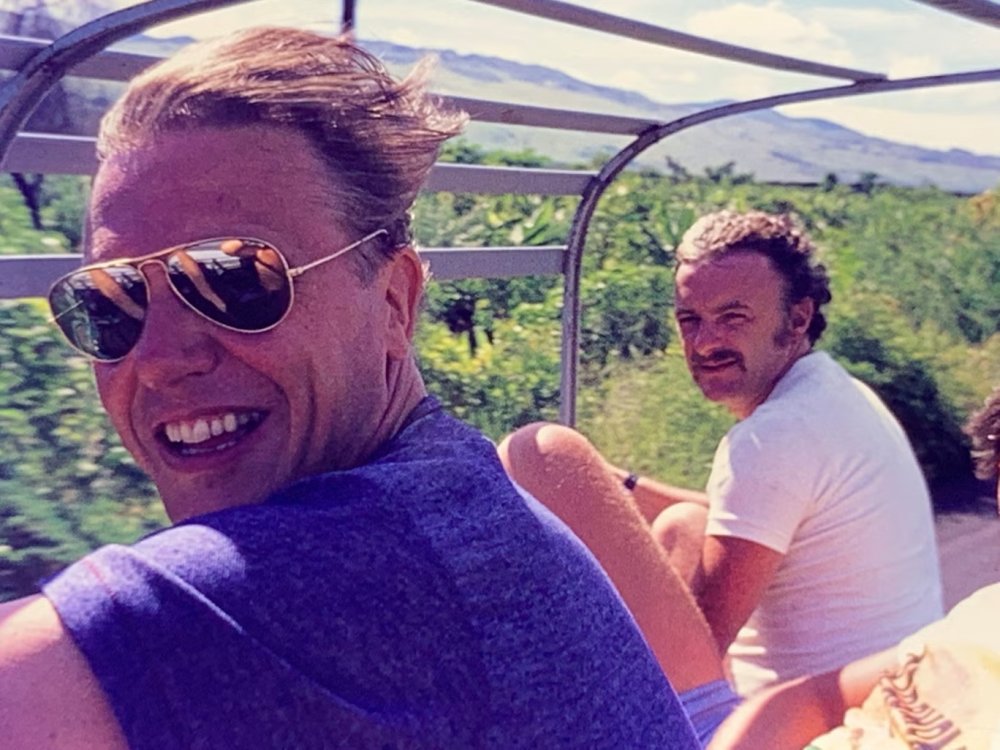
Sir David and Martin during an excursion in ComorosThe film “Making Life of Earth: Attenborough’s Greatest Adventure,” features footages of a gorilla climbing onto Sir David Attenborough.
The announcement, made on May 4, 2026, said the plan would start on Monday and is intended to help ships that have been unable to leave the strategically important waterway because of heightened hostilities in the region.
Trump described the initiative as a “humanitarian effort” aimed at guiding merchant ships safely through the sometimes dangerous strait so they can resume their journeys. Many of these ships and their crews had been “locked up” for weeks, with limited supplies, after Iran restricted access through the passage.
The U.S. Central Command said it will back the operation with a large force that includes thousands of U.S. military personnel, more than 100 aircraft, and naval support. Officials said the effort would combine both diplomatic coordination and military planning to keep the strait secure while maintaining a naval blockade on Iranian ports.
Despite these actions, Trump did not outline detailed plans about how the operation will unfold or whether U.S. warships will directly escort commercial vessels. Comments from the White House and Pentagon were limited at the time of the announcement.
Not long after the U.S. statement, the United Kingdom Maritime Trade Operations (UKMTO) reported that a commercial tanker had been struck by unknown projectiles roughly 78 nautical miles north of Fujairah in the United Arab Emirates. Fortunately, all crew members aboard the ship were reported safe, and details about the cause of the attack were still emerging.
This incident highlights the growing maritime security concerns in the Strait of Hormuz, a crucial chokepoint through which a large portion of the world’s oil flows. Tensions in the region, involving Iran’s blockade and responses by other nations, have already disrupted shipping and contributed to fluctuations in global energy prices.
U.S. moves to help ships stuck in the Strait of Hormuz.