The Rwanda Utilities Regulatory Authority (RURA) has implemented this decision, which will see a slight reduction in the prices of petroleum products.
A liter of petrol will cost 1,528 Rwf instead of 1,544 Rwf, and diesel will cost 1,518 Rwf instead of 1,562 Rwf, compared to the previous announcement made in February.
The decision to reduce fuel prices comes after a period of rising fuel prices worldwide.
The announcement, made on Sunday evening, will take effect on the same day at 7:00 p.m.
This move is aimed at relieving financial pressure on Rwandan households and stimulating the country’s economy. Over the past two years, the Rwandan government has subsidized petroleum product prices to help manage inflation rates and rising prices of goods and services in the country.
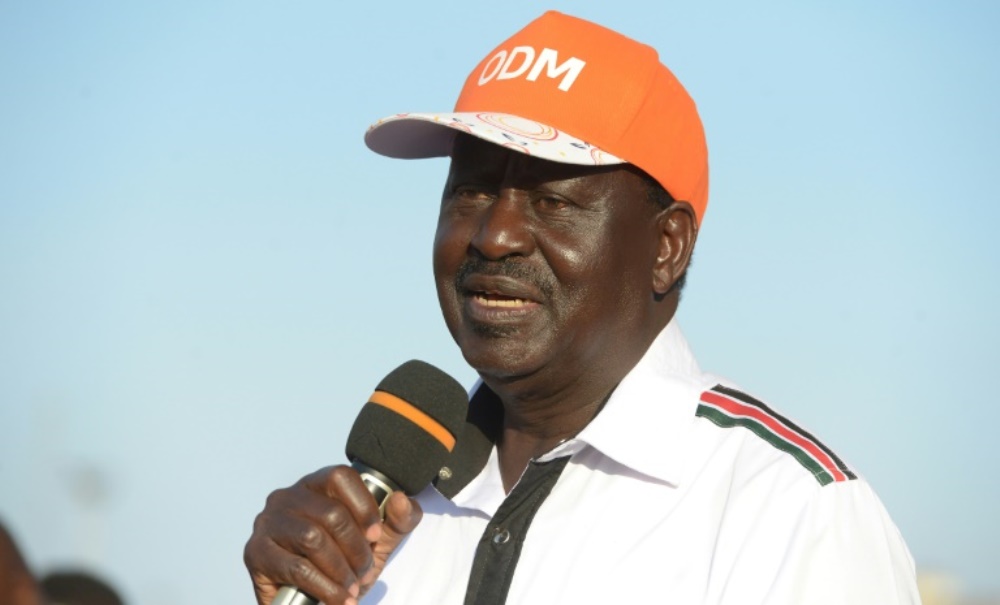
Odinga’s supporters have taken to the streets in recent weeks, protesting against high living costs and alleged fraud in last year’s election.
However, the protests have been marred by violence, with at least three people killed, 400 wounded, and some businesses looted.
In response to Ruto’s suggestion of creating a bipartisan parliamentary committee to address the opposition’s concerns, according to Al Jazeera, Odinga announced on Sunday that he was ready for negotiations, describing the president’s statement as an olive branch and a “positive development”.
“We stand down our demonstrations for Monday…But in doing so, we want to emphasize that the right to assemble, to demonstrate, petition, and speak are iron-clad as provided for in our constitution,” Odinga said. However, he also emphasized that his party “reserve[s] the right to call for demonstrations should this process not bear fruit”. The opposition has been pushing for electoral commission reforms, including stronger assurances that the president cannot pack the body with supporters.
Ruto’s government has scrapped subsidies on fuel, maize, and electricity, which has led to a high cost of living for many Kenyans. Odinga pledged to engage the government on the issue, suggesting subsidies to reduce the cost of living. He also warned that if there was no meaningful engagement or response from Ruto, the protests would begin again in one week.
In 2007, post-election violence in Kenya left over 1,200 people dead, prompting religious groups to urge the government and opposition to engage in dialogue to prevent a similar situation from happening again. The international community has also expressed concern over the recent violence in Kenya, with the United States, United Kingdom, and African Union calling for a peaceful end to the chaos.
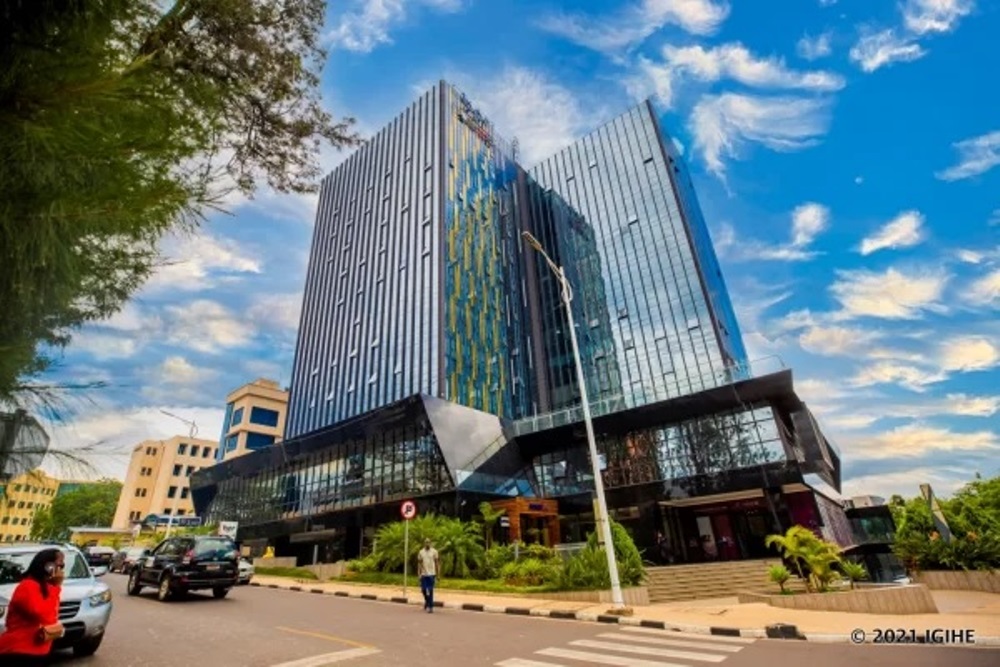
The bank’s total operating income also increased by 16% to Rwf72 billion compared to Rwf61 billion in 2021, due to revenue growth in interest income and containment of interest expense. The bank’s loan book grew by 27%, reaching Rwf456 billion in 2022, driven by investments made in manufacturing, trade, and construction.
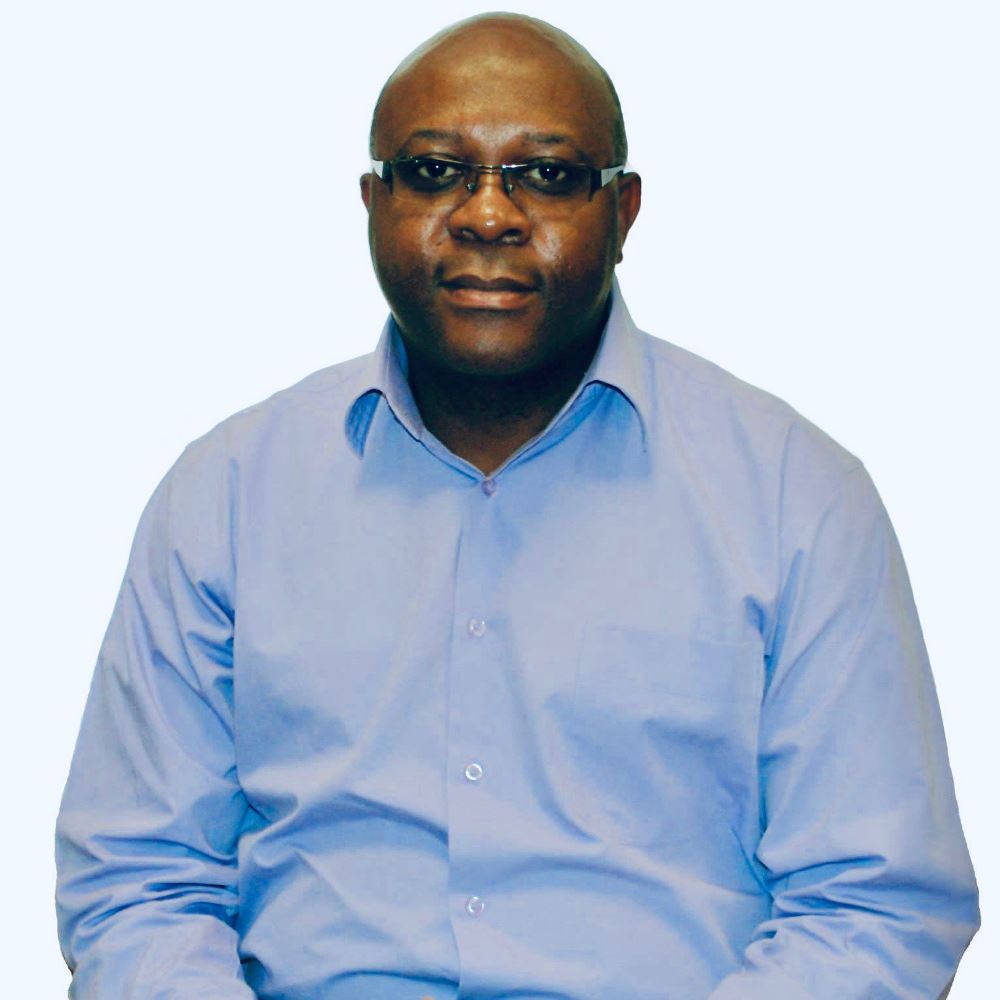
BPR Bank’s Managing Director, Patience Mutesi, attributed the performance to the consolidation of gains from the merger of the former KCB Rwanda and Banque Populaire du Rwanda, as well as providing customer-centric products and services while implementing technological advancements.
The bank’s Chairman of the Board of Directors, George Rubagumya, noted that the results were achieved through sound financial management, the introduction of new products and services, and a keen focus on customer satisfaction metrics.
BPR Bank has reiterated its commitment to offering quality services in public and private investments, payments, and savings for customers.
Composed of about 40 military personnel, the first South Sudanese contingent, transported by the Kenyan army plane, will be deployed around Goma for peacekeeping operations.
“As of this Sunday and during the coming week, we begin the deployment of our colleagues from South Sudan who will join the other colleagues already deployed on the ground,” Emmanuel Kaputa, deputy commander of the EAC regional force, declared at the Goma airport.
This deployment came a few days after the deployment of nearly 1,000 Ugandan soldiers in the territory of Rutshuru of North Kivu.
South Sudan is, therefore, the fourth country to officially join the EAC regional force aimed at ending the violence in eastern DRC, after Kenya, Burundi and Uganda.
In 2022, the EAC countries set up a regional force to intervene in eastern DRC, in particular, to stem the advance of the March 23 Movement rebel group.
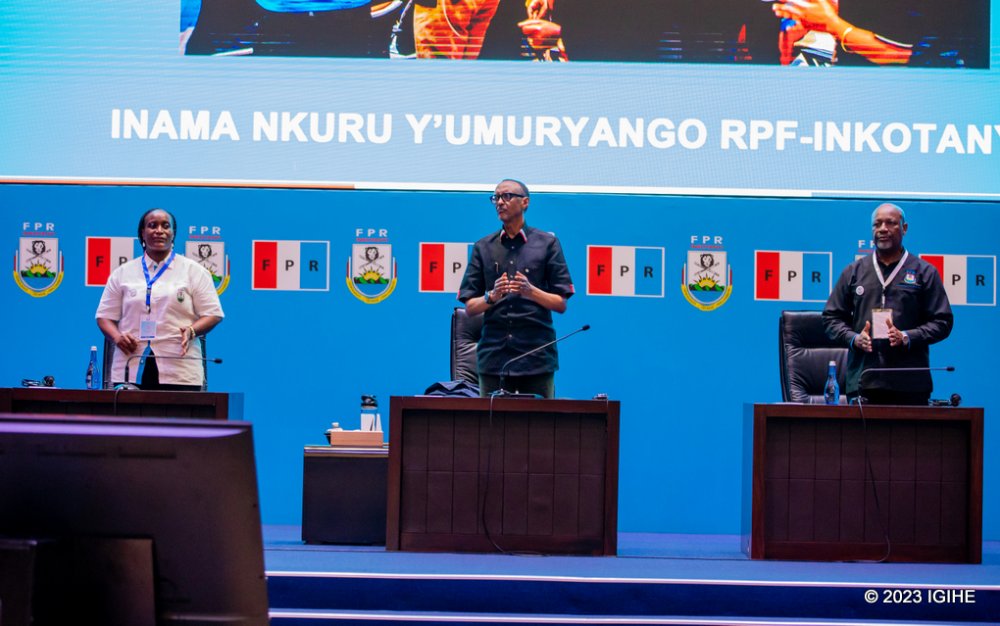
The President’s candidacy was seconded by Senator Marie-Rose Mureshyankwano, who praised him as a selfless leader who has delivered positive results to the party.
Kagame’s only challenger was Abdul Karim Harerimana, who announced his candidacy but was only able to secure three votes out of 2,102 voters.
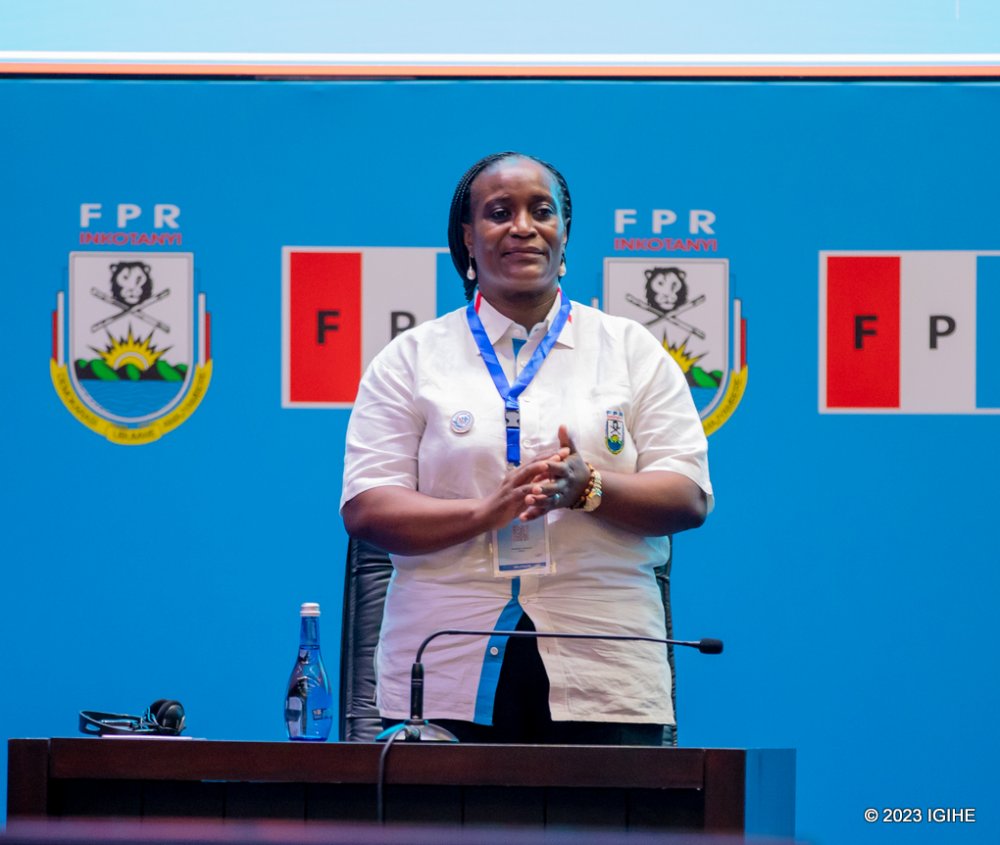
In addition to the re-election of President Kagame, on 2nd April 2023, the congress also saw the election of the party’s first-ever female Vice President, Consolee Uwimana, who was endorsed by party elder Tito Rutaremara and received 1,945 votes.
Uwimana’s election is a significant milestone for the party, as it marks the first time a woman has been elected as the party’s number two.
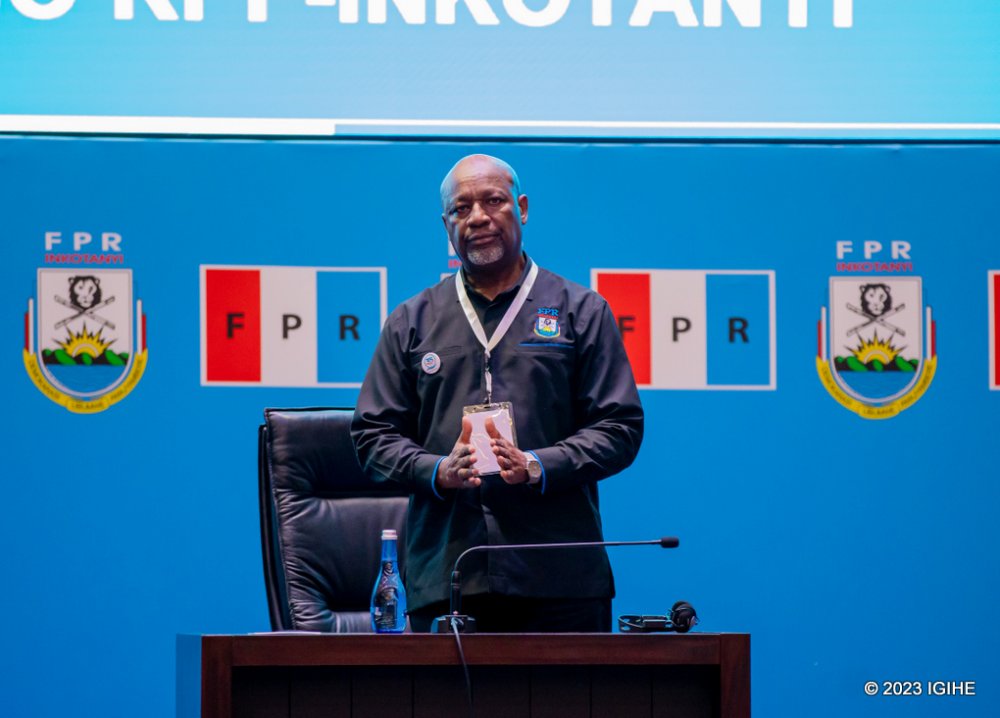
The congress also elected a new Secretary General, Wellars Gasamagera, who received 1,899 votes. Gasamagera replaces François Ngarambe in the role. Uwimana, on the other hand, replaces Christophe Bazivamo.
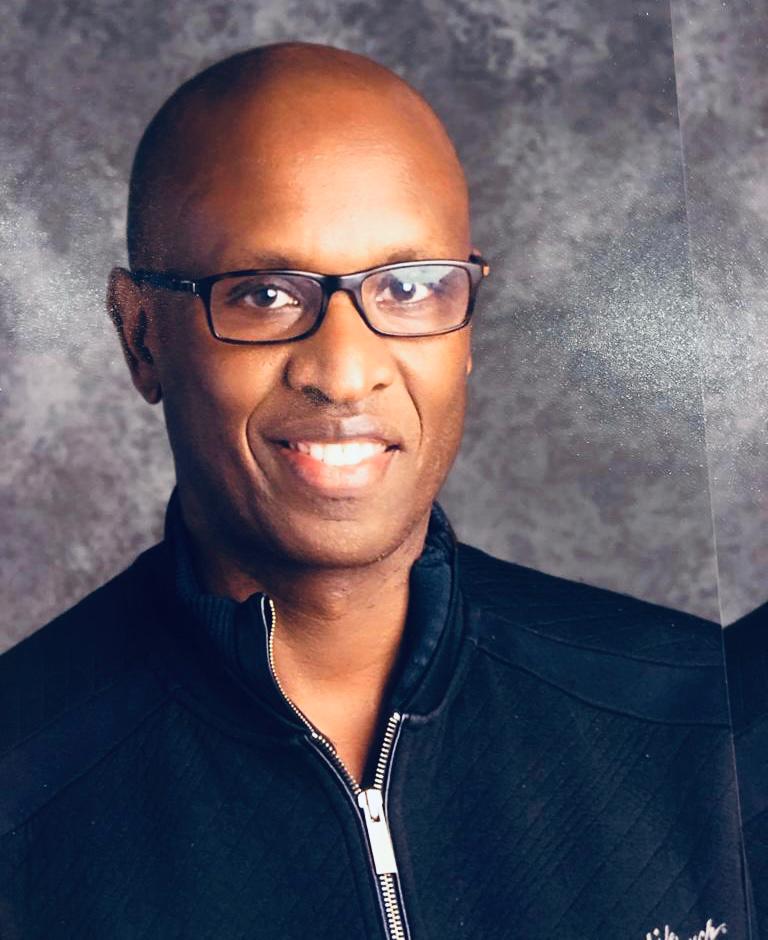
IBUKA-Canada is headquartered in Toronto, Canada’s economic capital. The newly elected leadership committee includes President Léo Kabalisa, who resides in Toronto, and is deputized by Marie Josée Gicali living in Montréal, and Eugène Nshimiyimana, who resides in Hamilton. Gustave Mukurarinda living in Ottawa-Gatineau was selected as secretary.
Kabalisa expressed his satisfaction with the establishment of IBUKA Canada after a long period of conceptualization.
“The establishment of this organization is crucial for many reasons. Here in Canada, the majority of Rwandans living here are survivors of the Genocide against the Tutsi. IBUKA Canada will bring together different organizations aimed at remembering and restoring the dignity of our relatives who were killed with extreme cruelty and most of us were not able to lay them to rest decently,” he said.
IBUKA Canada aims to provide a platform for survivors of the Genocide against the Tutsi, which took the lives of over 1 million victims in just 100 days, to connect with each other.
Kabalisa also expressed his gratitude for the fact that IBUKA Canada will contribute significantly to the efforts to fight against people trivializing the Genocide against the Tutsi.
He emphasized that it is also a platform for young people to gain a deeper understanding of the history of the Genocide against the Tutsi, stating that “they will be responsible for preserving history tomorrow to prevent a recurrence of what happened during the Genocide against the Tutsi.”
“We live in foreign countries, but nationals also want to know who we are and our history. The fact that the Genocide is a crime against humanity raises alarm and attracts global attention beyond the place where it happened. That is why we have the responsibility to share our history with the world, starting with the places where we live in Canada, to know the truth and prevent a recurrence of what happened,” Kabalisa added.
Kabalisa further stated that “Ibuka-Canada” complements other organizations responsible for the preservation of the history of the Genocide against the Tutsi, including Ibuka Belgique, Ibuka Suisse, Ibuka Rwanda, Ibuka Italie, Ibuka Hollande, Ibuka France, Ibuka Allemagne, Ibuka USA, Ibuka Sénégal, Ibuka Suède, and Ibuka Danemark.
This is a significant step for the future of air transport in Africa. The official signing ceremony to mark the country’s entry into the organization took place on March 30 in Kigali, paving the way for the Rwandan parliament to ratify the air navigation agency’s convention.
The agreement was signed by the president of its Committee of Ministers, Oumarou Malam Alma, and Ernest Nsabimana, the Rwandan Minister of Infrastructure.
This membership will allow Rwanda to benefit from ASECNA’s expertise, network, and technology in assisting with navigation and securing airspace.
This is also a move forward in the process of liberalizing the African sky and implementing the African Single Air Transport Market (MUTAA) by 2063, led by 18 countries, including Rwanda.
By joining ASECNA, Rwanda will become the first East African country to be part of the organization and will be able to benefit from its expertise in air navigation.
This is expected to improve the safety and efficiency of the management of Rwandan airspace, as well as facilitate trade and travel between ASECNA member countries.
The proposed revision of the Constitution of Rwanda, which was originally enacted in 2003 and revised in 2015, suggests conducting the election of Deputies on the same day as the Presidential election.
The objective of this proposed change is to streamline the election process and reduce the time and cost associated with organising separate elections.
The proposal will now undergo analysis by the Conference of Chairpersons, which includes the Bureau of Standing Committees and the Bureau of the Lower House, before it is put to a vote by the plenary sitting.
The synchronisation of both presidential and parliamentary elections is common in many countries globally where the term of office of the President and that of lawmakers are equal.
The draft revision seeks to amend article 75 of the Constitution, which talks about the composition of the Chamber of Deputies and the election of its members. It proposes that the election of 53 Deputies be done on the same day as the election of the President of the Republic.
To ensure that synchronisation of the election of Deputies with the election of the President due in 2024 does not result in a lack of legislature, the Constitution is supplemented with a new transitional provision.
This provides that current Deputies in office at the time this revised Constitution comes into force will continue to serve until the day of the dissolution of the Chamber of Deputies due to elections.
The next election of deputies in Rwanda was due in August 2023, while that of the President of the Republic is due in 2024.
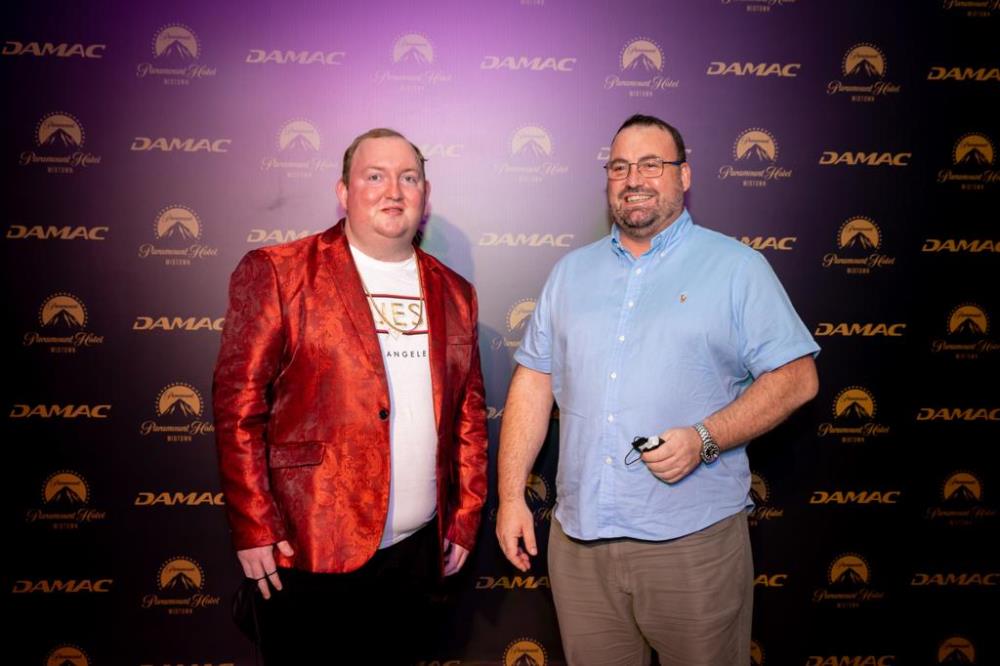
After successfully selling the app to Crucial Compliance, a major player in the gambling industry, Bradford turned his attention to helping young entrepreneurs succeed in business. He has already made a significant impact in the UK and is now working with budding entrepreneurs in Rwanda, located in East Africa.
As a recipient of the Queen’s Young Leaders Award, a Commonwealth award recognizing young people’s leadership and community contributions, Bradford attended a Commonwealth meeting last year in Kigali, the capital of Rwanda.
There, he met with an old friend, Emmanuel Nshimiyimana who introduced him to the Rwanda Opportunities Organization, which supports young people from rural communities in areas such as literacy, writing, entrepreneurship, and ICT.
Impressed by Rwanda’s people and opportunities, Bradford made the decision to expand his philanthropic efforts to the country. He found that the public’s outdated view of Rwanda did not match its current reality. Rwanda is developing into a tech hub with coding academies, business incubators, and various projects.
Bradford is currently involved in multiple initiatives, including counseling for gambling addiction and hackathons with industry companies.
He has observed that gambling addiction is prevalent in Rwanda, particularly among young people in rural communities.
To address this issue, he plans to start offering counseling in Rwanda in the next few months using a digital platform as a therapy tool.
“We are looking to roll it out as a therapy tool that will provide digital counseling to people who might have a problem,” he said. In addition, Bradford’s team is running hackathons with industry companies to help them better understand and address gambling addiction.
Besides, he is a consulting producer for a new movie that features an A-list star and focuses on autism, a subject close to Bradford’s heart.
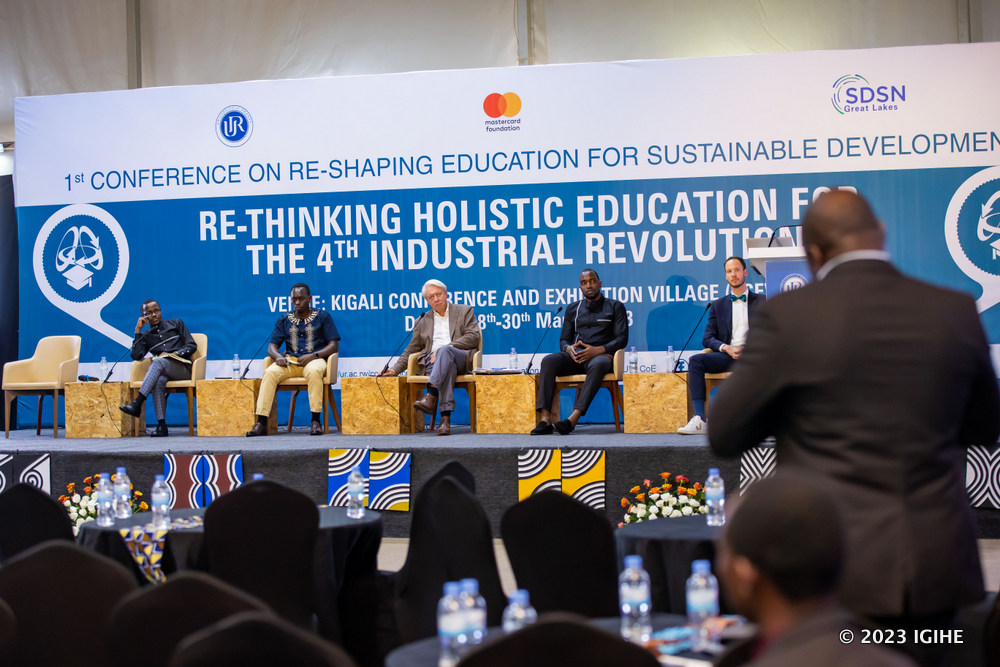
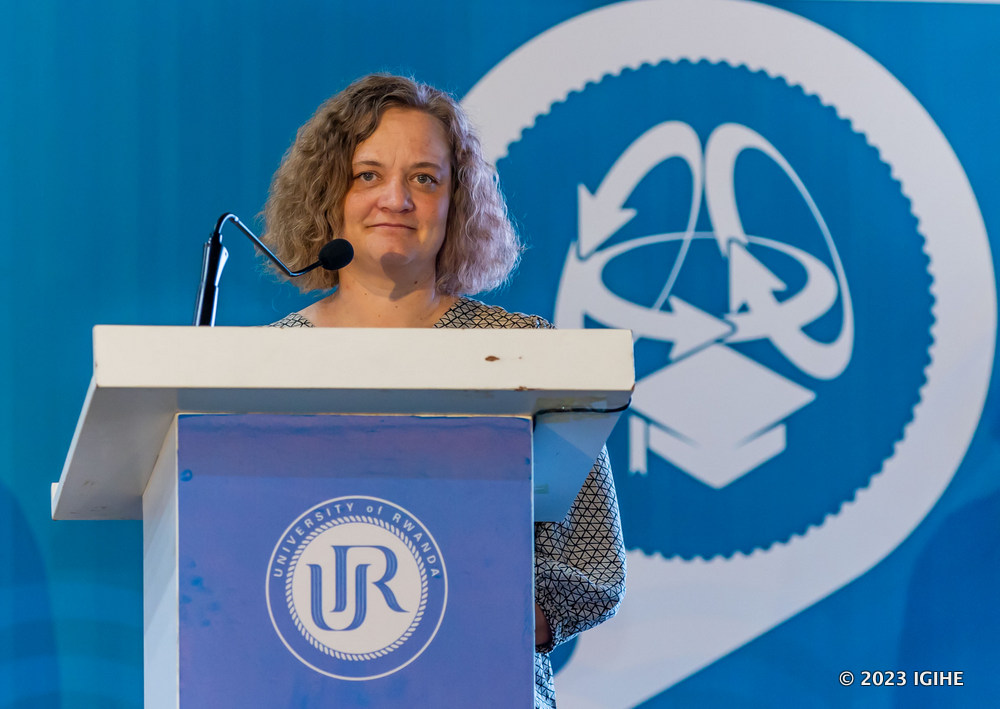
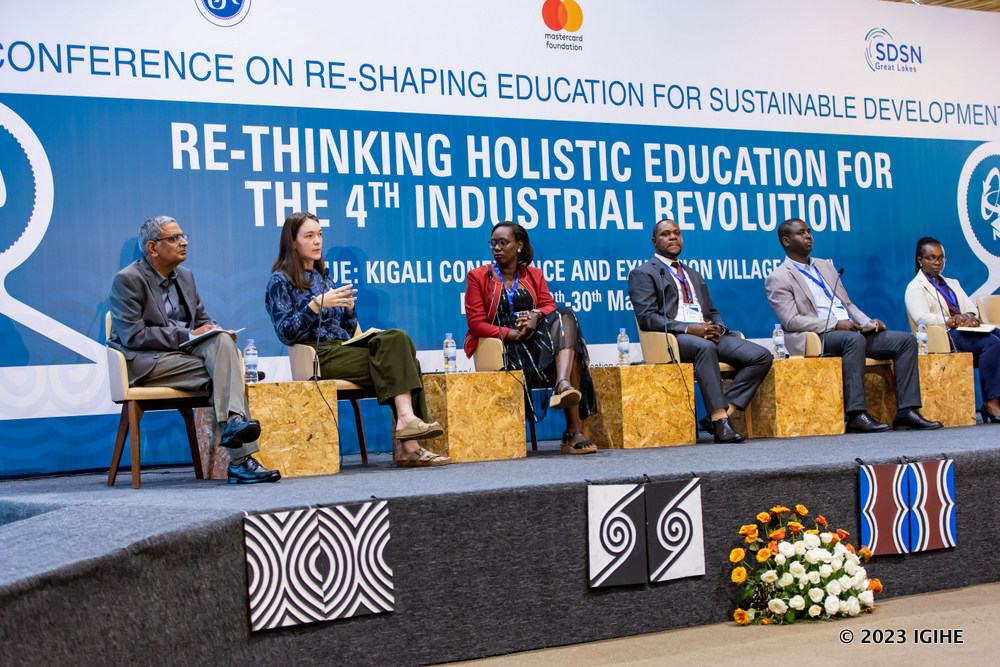
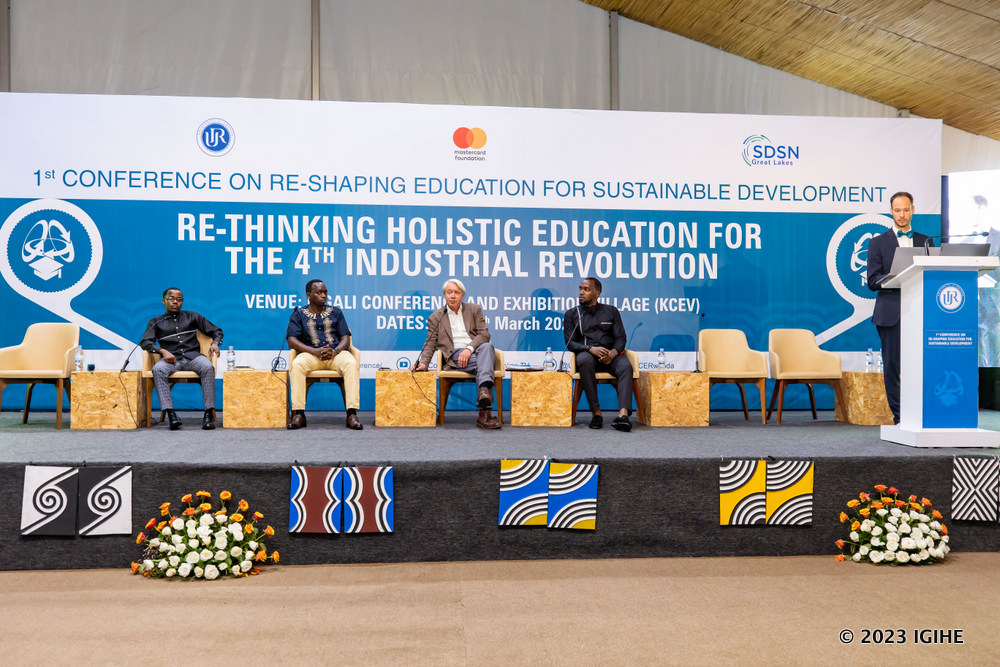
This was announced during the international conference on “Re-shaping Education for Sustainable Development” which was organized by the UR- College of Education (UR-CE) through its Leaders in Teaching (LIT) Initiative Project, in collaboration with the Mastercard Foundation (MCF) and the UN Sustainable Development Solutions Network (SDSN).
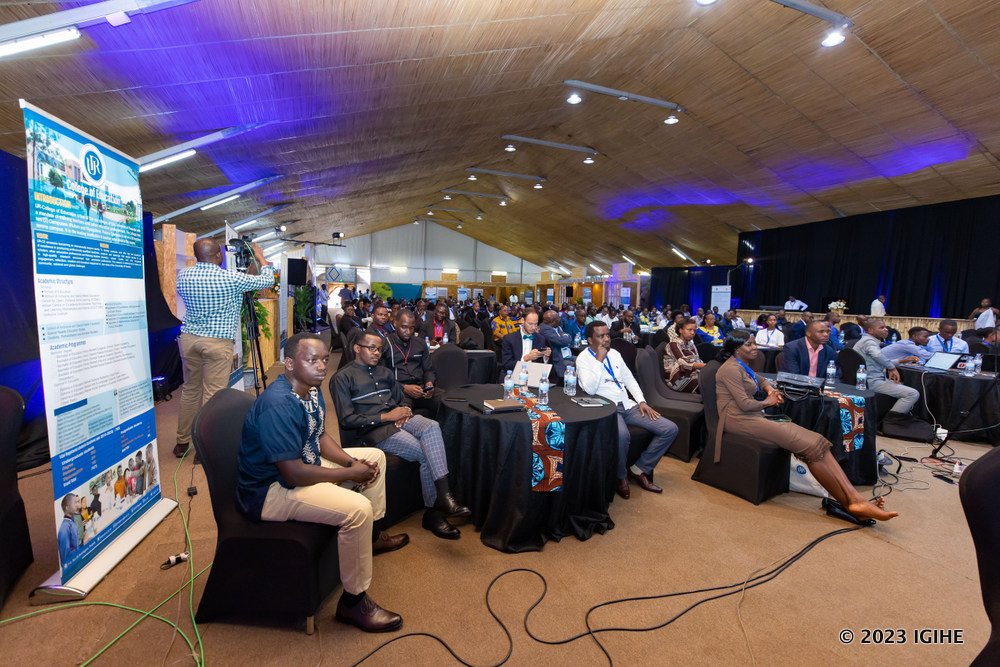
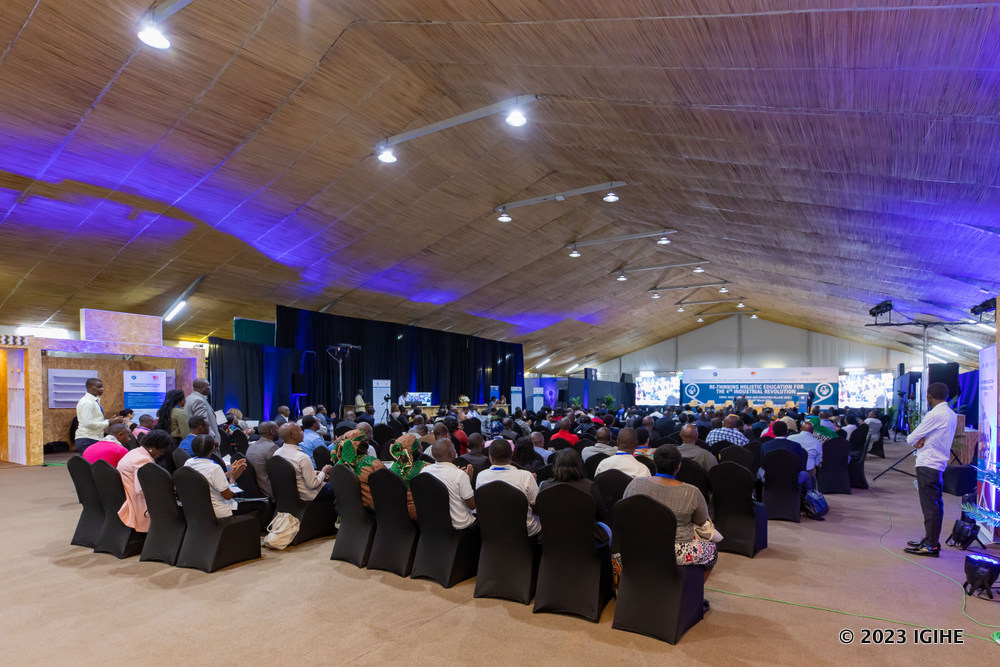
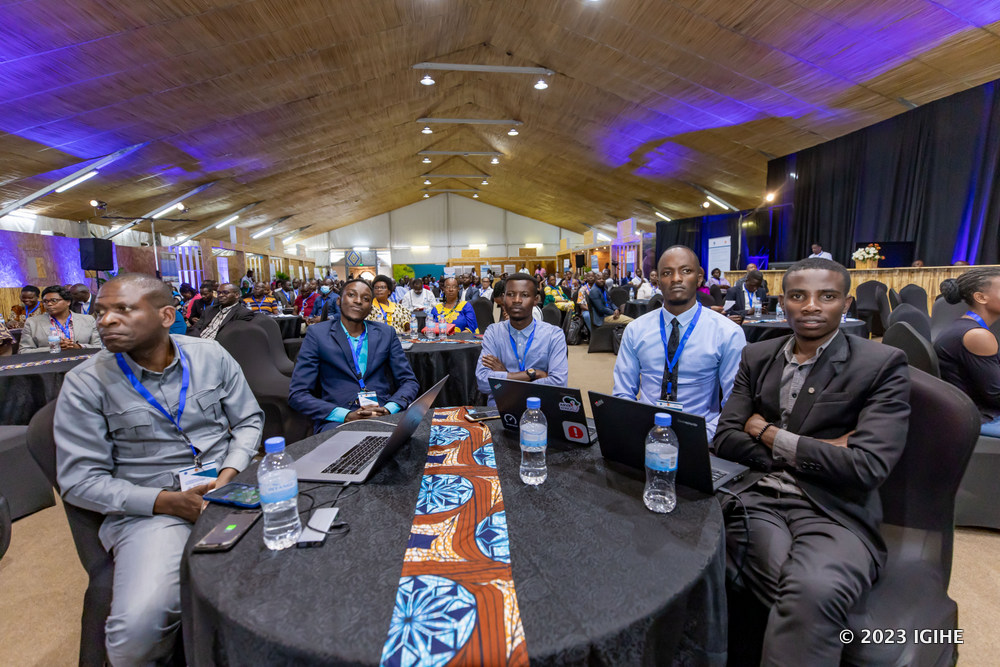
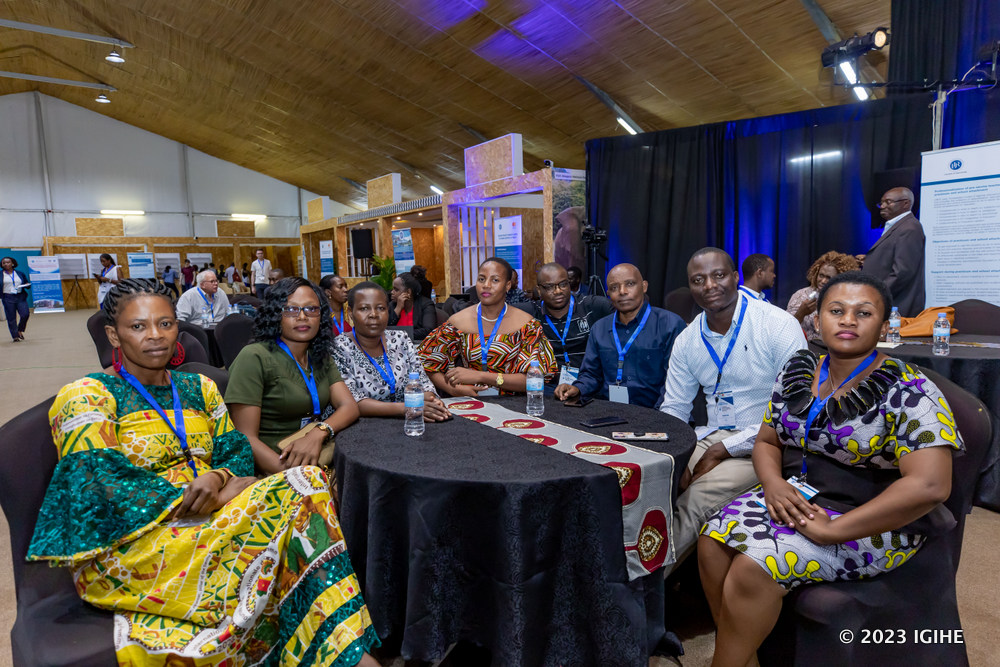
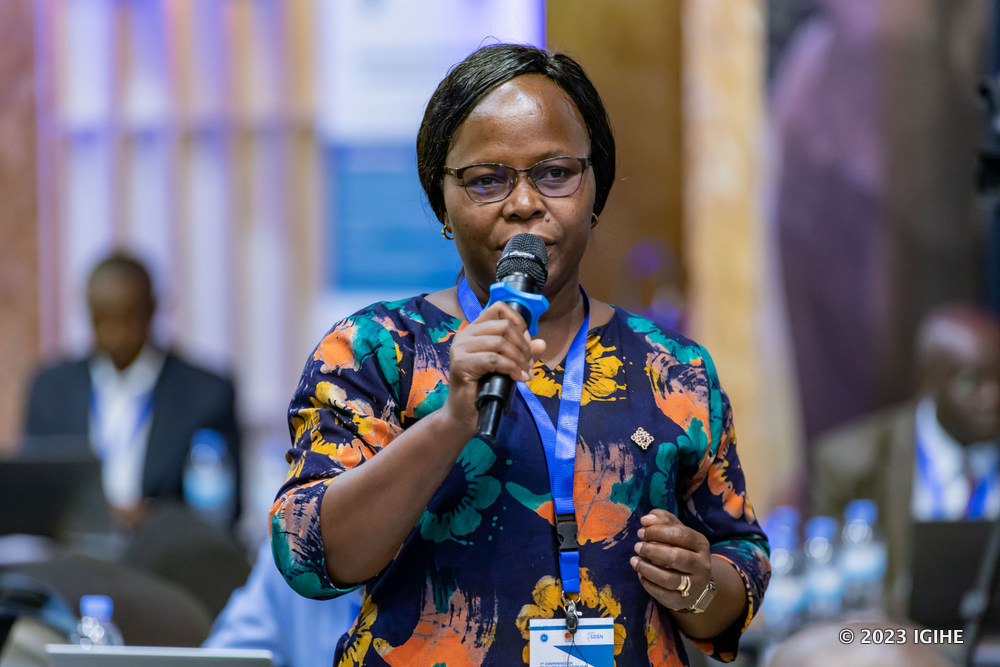
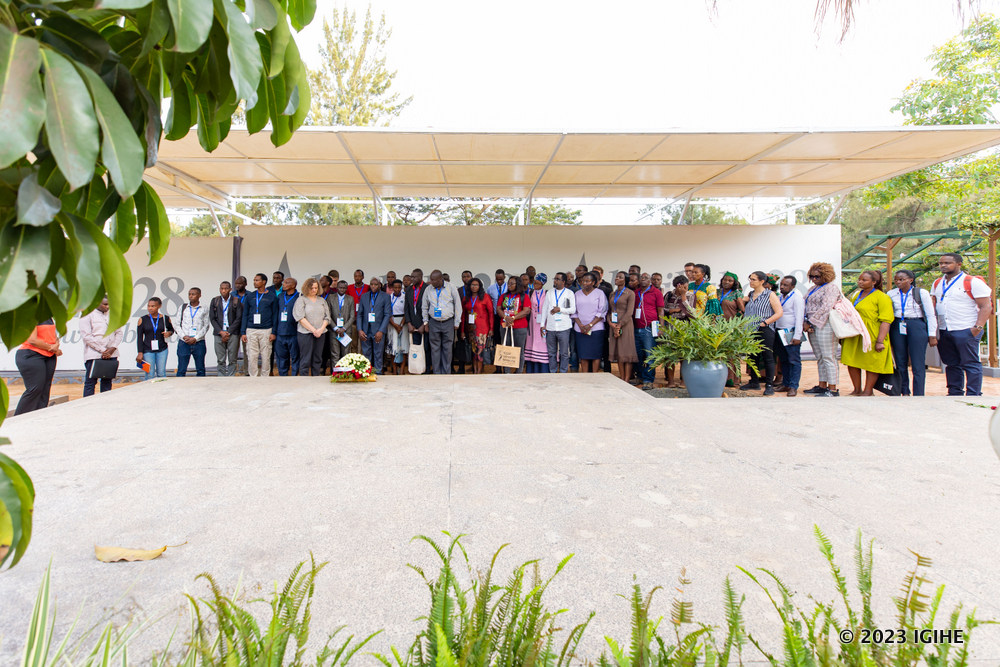
The conference which concluded on March 30th, 2023, brought together researchers, scholars, educators, policymakers, and postgraduate students from different countries to discuss the future of education and how it can be adjusted to meet the needs of the labor market.
According to Prof. Wenceslas Nzabalirwa, LIT Project Academic Lead and Lecturer at the University of Rwanda, education should be centered on technology and labor market-oriented courses. He emphasized the need for teachers to take advantage of technology to revolutionize the education sector in this digital era.
He further stated that the UR is encouraging students, particularly girls, to develop a passion for Science Technology Engineering and Mathematics (STEM) to tap into the opportunities available and bridge the existing gap.
Christina Jerome Shuna, a researcher and lecturer representing Dodoma College of Education in Tanzania, stated that the conference plays a significant role as it serves as a platform to share best practices.
The Vice Chancellor of the University of Rwanda, Dr. Didas Kayihura Muganga emphasized the importance of collaboration among participants from different countries to ensure the provision of quality education to students at early stages.
He stressed the need to invest in education, beginning from nursery education to prepare future academicians.
The conference was attended by participants from more than 15 countries.