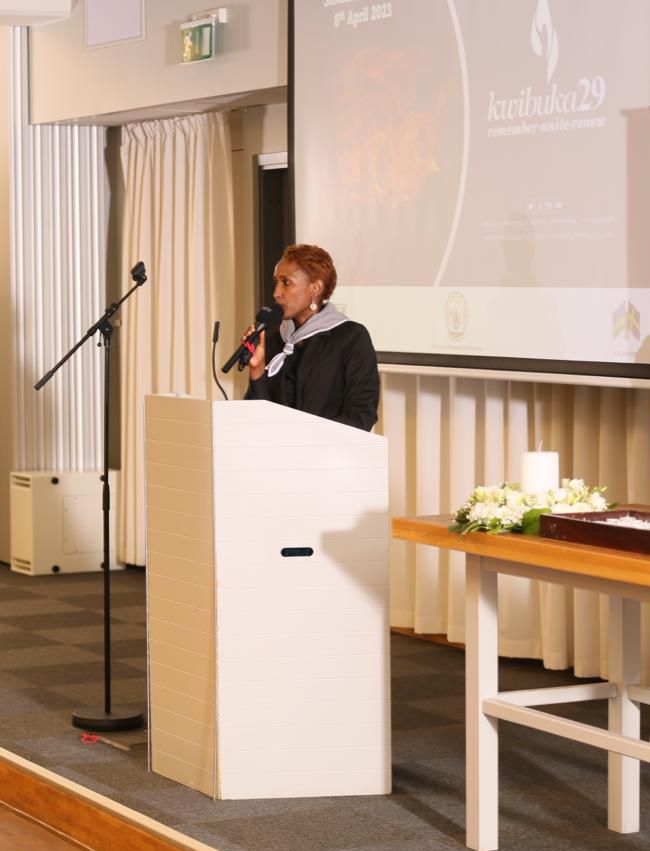
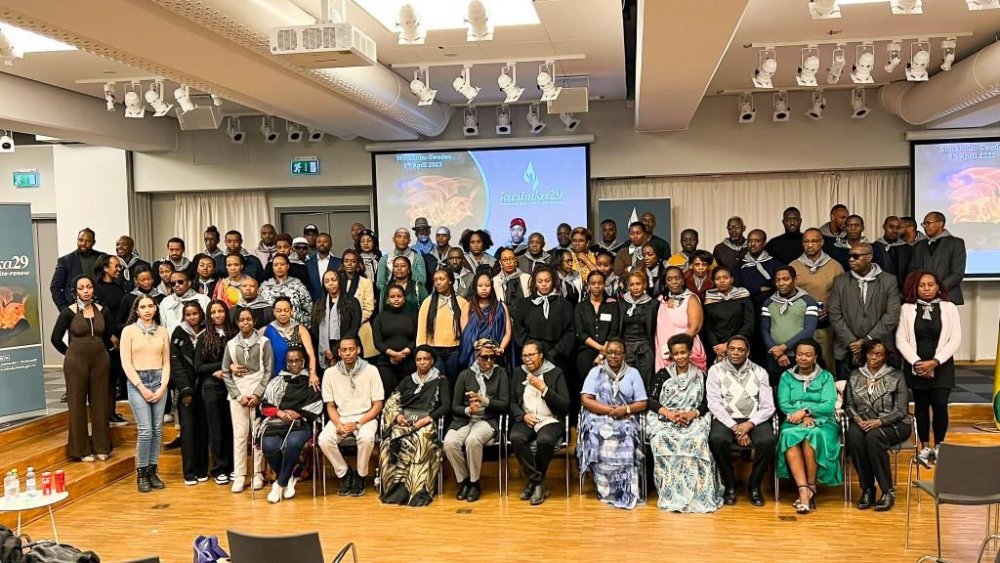
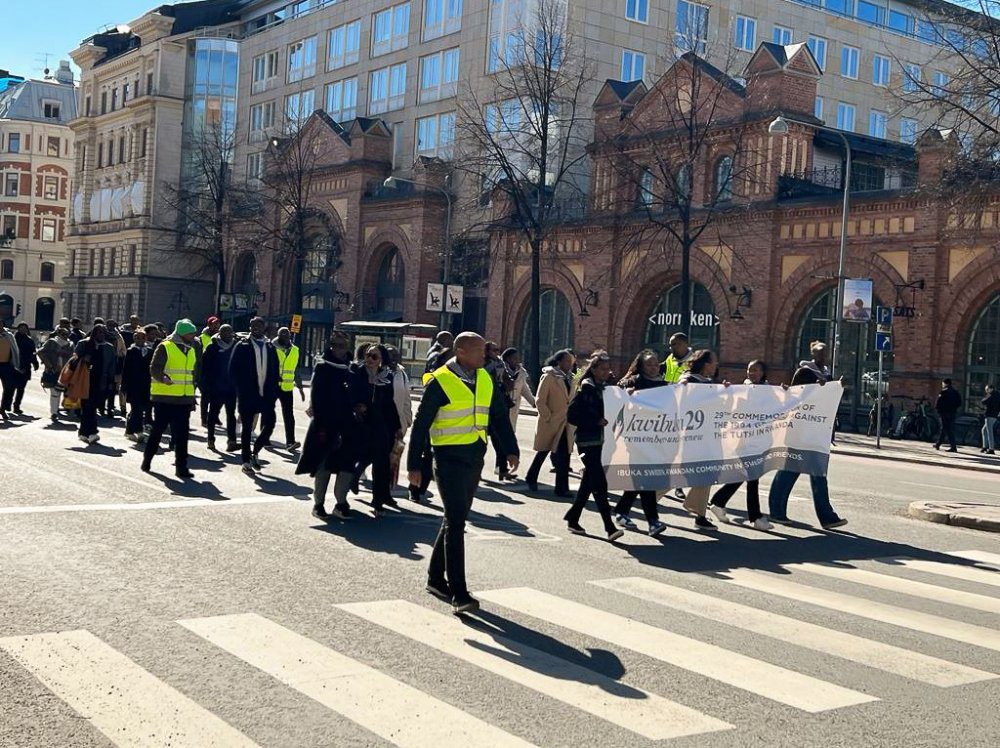
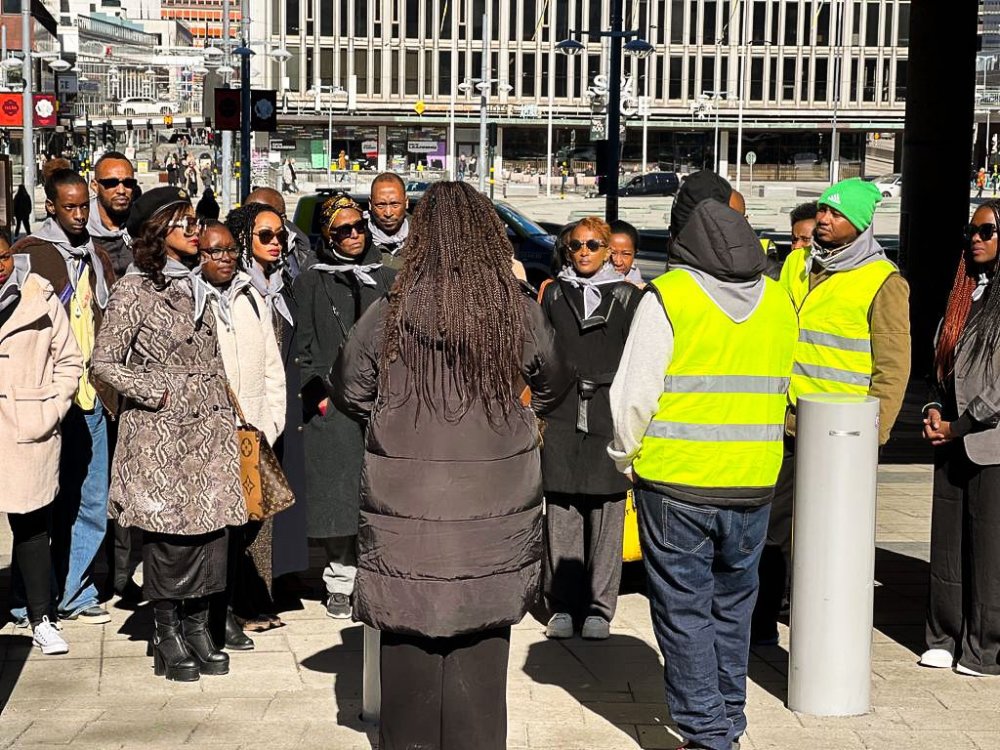
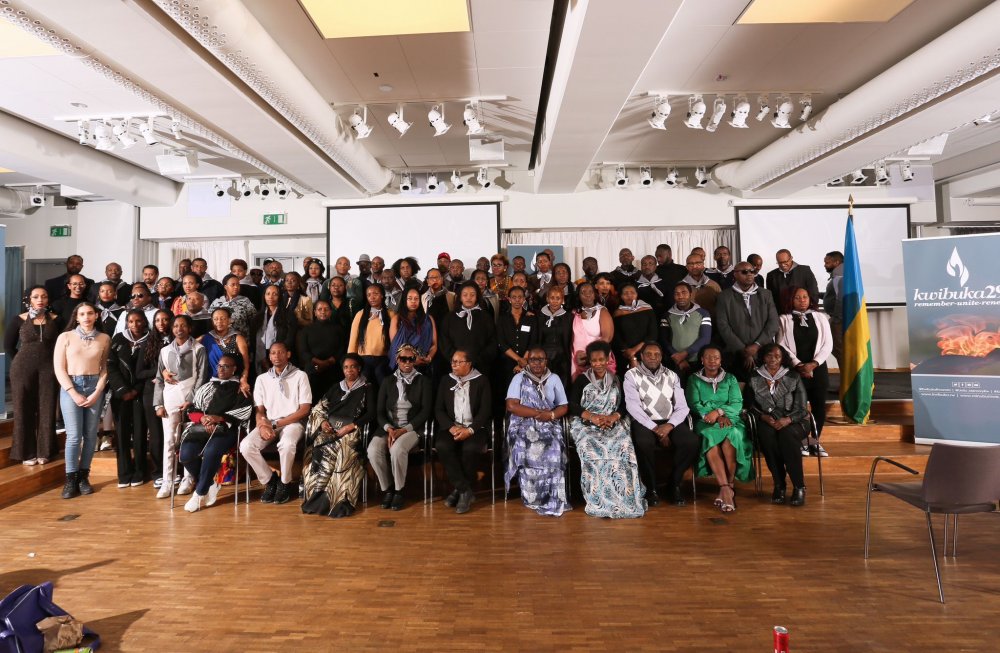
The event held as Rwanda commemorates Genocide against the Tutsi for the 29th time, was organized by Ibuka-Sweden in partnership with Rwanda’s embassy in Nordic countries and the Rwandan diaspora in Sweden.
Josine Kanamugire, the President of Ibuka Sweden, expressed her gratitude to the organizers of the event.
“We always remember because our relatives memories are engraved on our hearts and we must restore their dignity, strive bring to public attention Genocide history, avoid reoccurrence and trivialization,” she said.
“What we see and hear in the neighbouring country committed against Rwandophones, reminds us what we went through before our relatives were killed.
We spent years experiencing oppression and torture with the silence of the international community. That is why we should not overlook and sit idly amidst actions fuelling genocide,” added Kanamugire.
At the event, Muheto shared her testimony of persecution and how she and her family fled from Rulindo to Kigali in 1992, where they were living when the Genocide against the Tutsi occurred. Other testimonies were also delivered through poems and works of art.
A group of women survivors spoke about their experiences of torture and the loss of their loved ones during the genocide. They praised the Inkotanyi soldiers for rescuing them and giving them hope for a new life after the tragedy.
The Rwandan embassy in Nordic countries provided comfort and support to the Rwandan community, encouraging them to avoid despair and stand united in healing each other’s wounds.
The embassy reminded Rwandans to be proud of their country, which values everyone regardless of their innate characteristics, and to strive for a prosperous and safe future for all generations.
The Genocide against the Tutsi which lasted for 100 days left over 1 million victims killed over their innate personality.
The messages mainly revolved around standing in solidarity with Rwandans , and reaffirming commitment to prevent reoccurrence of the dark history.
This article focuses on various messages shared by foreigners who joined Rwanda to commemorate the 1994 Genocide against the Tutsi for the 29th time.
{{UN raised a call to action against hate speeches}}
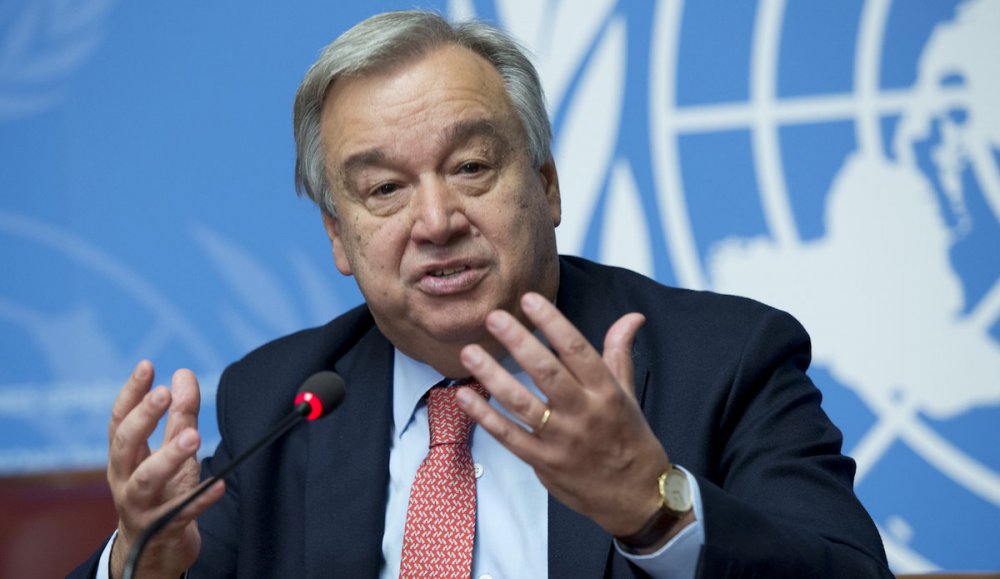
The United Nations Secretary-General, António Guterres, has reminded the world not to forget what happened and ensure future generations always remember.
In his commemorative message on the International Day of Reflection on the 1994 Genocide Against the Tutsi, Guterres mourned the lives lost and paid tribute to the resilience of the survivors.
He recognized the journey of the Rwandan people towards healing, restoration, and reconciliation, while also acknowledging the failure of the international community to prevent such atrocities.
“A generation since the Genocide, we must never forget what happened – and ensure future generations always remember,” said Guterres. He also highlighted how easily hate speech – a key indicator of the risk of genocide – turns to hate crime and how “complacency in the face of atrocity is complicity.”
The prevention of genocide, crimes against humanity, war crimes, and other serious violations of international law is a shared responsibility and a “core duty” of every member of the United Nations, according to Guterres. He stressed the need for all nations to stand firm against rising intolerance, be ever vigilant, and always ready to act.
{{Commonwealth shared a message of comfort}}
The Secretary-General of Commonwealth, Patricia Scotland has paid tribute to victims of Genocide against the Tutsi highlighting that people should draw lessons from what happened to build durable peace.
“Today we commemorate the International Day of Reflection on the 1994 Genocide Against the Tutsi in Rwanda and pay tribute to those who lost their lives and those who suffered. Today is a reminder of our collective responsibilities towards fostering lasting and sustainable peace,” she tweeted.
“We commend Commonwealth Chair-in-Office President Paul Kagame of Rwanda and his Government for their work towards rebuilding and unifying Rwanda,” adds the message posted on Twitter on 7th April.
The European Union Ambassador to Rwanda, Belen Calvo Uyarra also highklighted that the 29th commemoration is a moment to honour victims of Genocide against the Tutsi and reflecting on Rwandans’ courage with regards to forgiveness, reconciliation, unity and building a prosperous nation from ashes.
{{Turkey’s message}}
As Rwanda commemorates the 1994 Genocide against the Tutsi for the 29th time, Turkey also stood in solidarity with Rwandans.
“We sincerely share the pain of the friendly state and people of Rwanda. We commend that Rwanda was able to reestablish its social peace by healing the wounds of this atrocity. We wish that peace, stability and prosperity achieved through this process will be lasting,” reads part of Turkey’s statement.
“Turkey opposes all kinds of crimes against humanity, racism, xenophobia and extremist ideology and will continue to fight resolutely for preventing the reoccurrence of similar sufferings in the future,” adds the statement.
Ugandan journalist, Andrew Mwenda has also sent a message of comfort to Rwandans.
The British High Commissioner to Rwanda, Omar Daair also said that he stands in solidarity with Rwandans noting that his thoughts are with the victims and survivors of the 1994 Genocide against the Tutsi.
He saluted the courage of survivors to strive for resilience and called on the world to prevent reoccurrence of the dark history.
A parliamentarian in Canada, Kayabaga was among participants of the ceremony that marked the beginning of 100 days of mourning in commemoration of victims killed during the 1994 Genocide against the Tutsi.
He said that the youth needs to consolidate gains and uphold Rwanda’s unity and resilience.
The Mayor of Paris Anne Hidalgo, also announced that a genocide memorial is set to be built in Paris to honour victims of Genocide against the Tutsi.
She said that commemoration activities will continue to pay homage to Genocide victims and stand in solidarity with Rwandans in general.
French Ambassador to Rwanda, Antoine Anfré also joined Rwanda to commemorate for the 29th time and underscored that his country will strive to depict the truth on Genocide history.
The Chairperson of the African Union (AU) Commission, Moussa Faki Mahamat, said that the AU joins Rwanda to commemorate Genocide against the Tutsi every year.
He highlighted that remembering is a moment to honour slain victims, stand in solidarity with survivors, prevent genocide ideology and hate speeches.
But, let me say, from the facts, presented to us by Bizimana and from the personal testimony by Eric, the truth of the matter is what has always been said. You can run but can’t hide. There is no hiding place for you from these very facts of our history. So even those who have their time to say whatever they want to say, they will say it. Maybe they will do many things based on that as well. But the fact is, they cannot find a place to hide.
Also, someone said that if you ever have to choose between being kind and being right, it’s better to choose to be kind because you will always be right by doing that. So, in our history, that history that Bizimana gave facts about, and from what Eric told us, kindness went completely absent. So, this is what we have to deal with on a daily basis.
Today, we gather to honour the continued sacrifice of survivors and remember all those we lost during the Genocide against the Tutsi, which really means, people are just being targeted and killed for who they were. And nobody here, or anywhere in this world, chooses what to be in that sense. Nobody chose to be what tribe, race, ethnic group. There are many things we choose to be. You can choose your religion, but you don’t choose to be the person to be targeted. In fact, even those who targeted them, have not chosen to belong to that ethnic group or things like that.
So, it’s very clear that the wounds are still deep. But Rwandans, I thank all of you, for refusing to be defined by this tragic history, and people have managed to turn the page and move forward from grieving, from crying, and people have decided to live on. And even, people have been ready, have been willing, to do the most difficult thing, one or the other, they have decided to forgive, but we can’t forget.
Imagine a person like Eric, with what he went through, being able to find it in himself to forgive. It’s amazing. And some of those who try to distort the facts of our history, it’s just because they cannot be ashamed.
But we have our lives to live, all of us, and nobody, I want to say nobody, will ever decide for us how to live our lives. We have strength, incredible strength, coming from this history that informs us, that tells us that you should never, never, allow anybody else to dictate to you how you live your life. And that is Rwanda today.
We are polite people, we are humble people, we know where we come from, we know who we are, we listen, but at the end of the day, I want to assure you, that for as long as some of us are still here, what I’m saying is just what is going to happen, that we shall have to live our lives, live the best way we can just like other people elsewhere in the world, and they have no right, and we will not even accept, that dictating to us how we live our lives can happen.
So, Rwanda has transformed itself. Unity, being together, is the foundation of everything we try to do. From the beginning, we understood the need to cultivate and preserve a spirit of “oneness” to give us hope for a better future.
We cannot, however, ignore the fact that things like violence and hate speech persist, not so far away from here. Much as it does so, you can also see the same indifference today, as we saw in 1994.
Genocide denial is a dangerous and deliberate attempt to block the truth.
We must fight revisionist ideologies because they are easily passed on from generation to generation. We must fight denial because that is how history repeats itself.
Rwanda’s youth are privileged to have a country to call home, and which embraces everyone, all of them. We need to encourage young Rwandans to learn about our past, so that they can lead with historical clarity, but also with a sense of responsibility and accountability.
That is the essence of “Kwibuka Twiyubaka”.
Rwandans will not accept any attempt to divide us. We had enough of it. More than enough. That will not succeed again, here, ever.
This underscores the need to find solutions within ourselves, no matter how unconventional that may be, and remain in charge of our destiny.
Do you remember, at the time of need, when we needed every help we could get, and everybody in the world turned their back on us. That’s part of the historical facts that Bizimana told us. The world turned its back on us. So that is simple. The message is: you are on your own. So we should learn to be on our own. And I think we have learnt enough. If people help we appreciate. If they don’t, we don’t have to all of us perish just because somebody didn’t show up to help.
Therefore, the most important lesson our country has learnt is to transform challenges into opportunities, and also use so little to do a lot.
There is nothing Rwandans cannot overcome, through unity, hard work, and perseverance.
We will forever be very grateful to those friends and partners who stood by our side, and some continue to do so, in the search for justice, as well as in development.
We also thank the friends who continue to accompany us on the journey to durable peace and prosperity.
Above all, and as always, I thank my fellow Rwandans for the courage they have shown in overcoming impossible odds and working together to build a new and better nation for all of us.
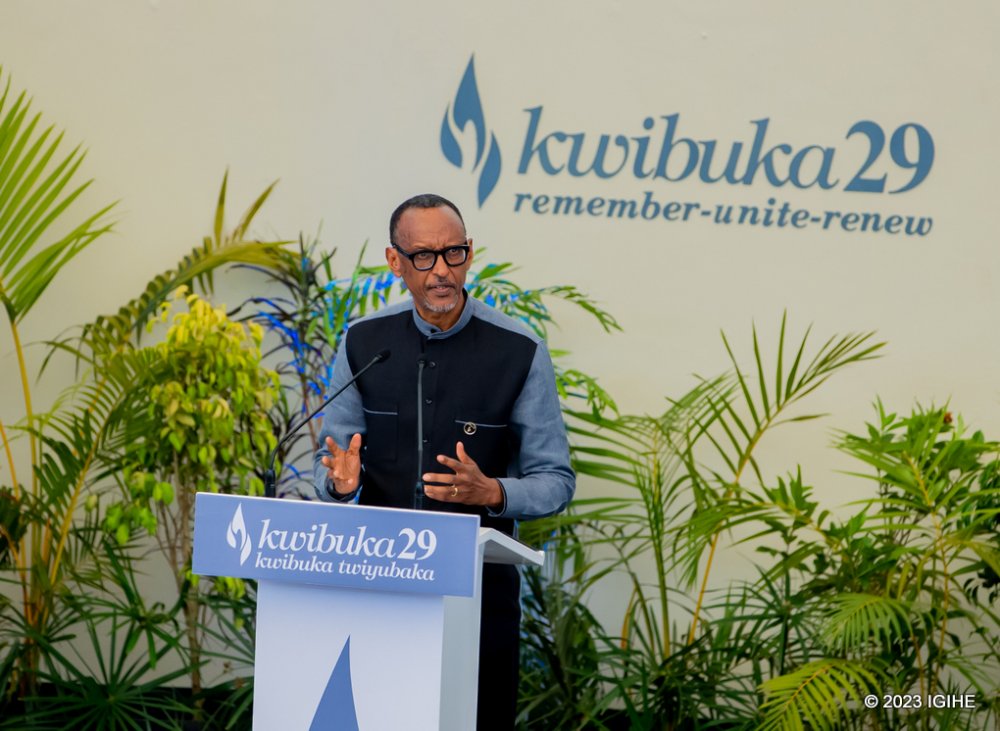
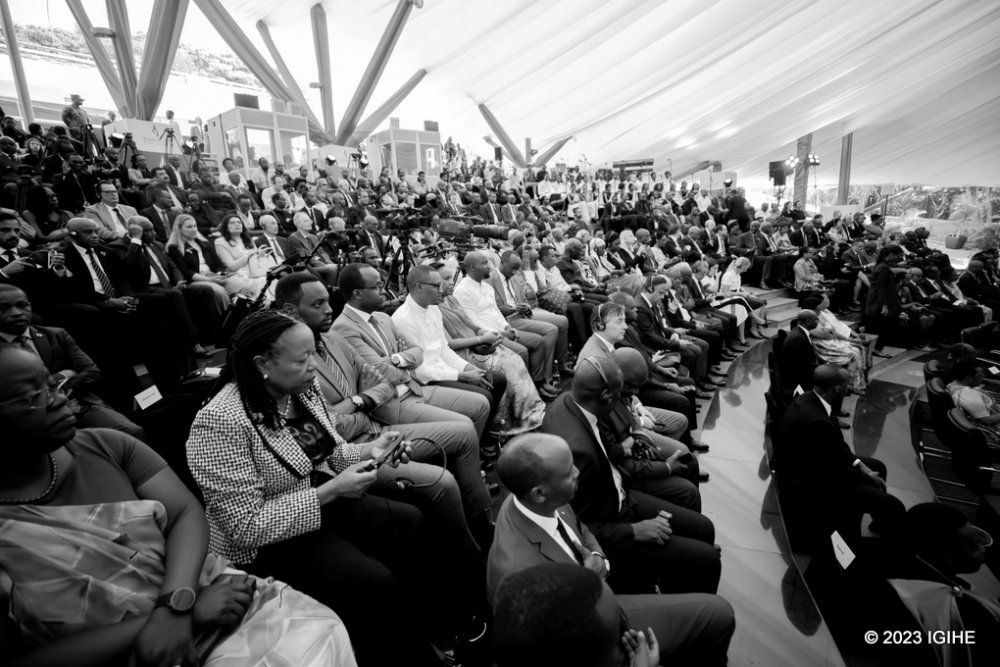
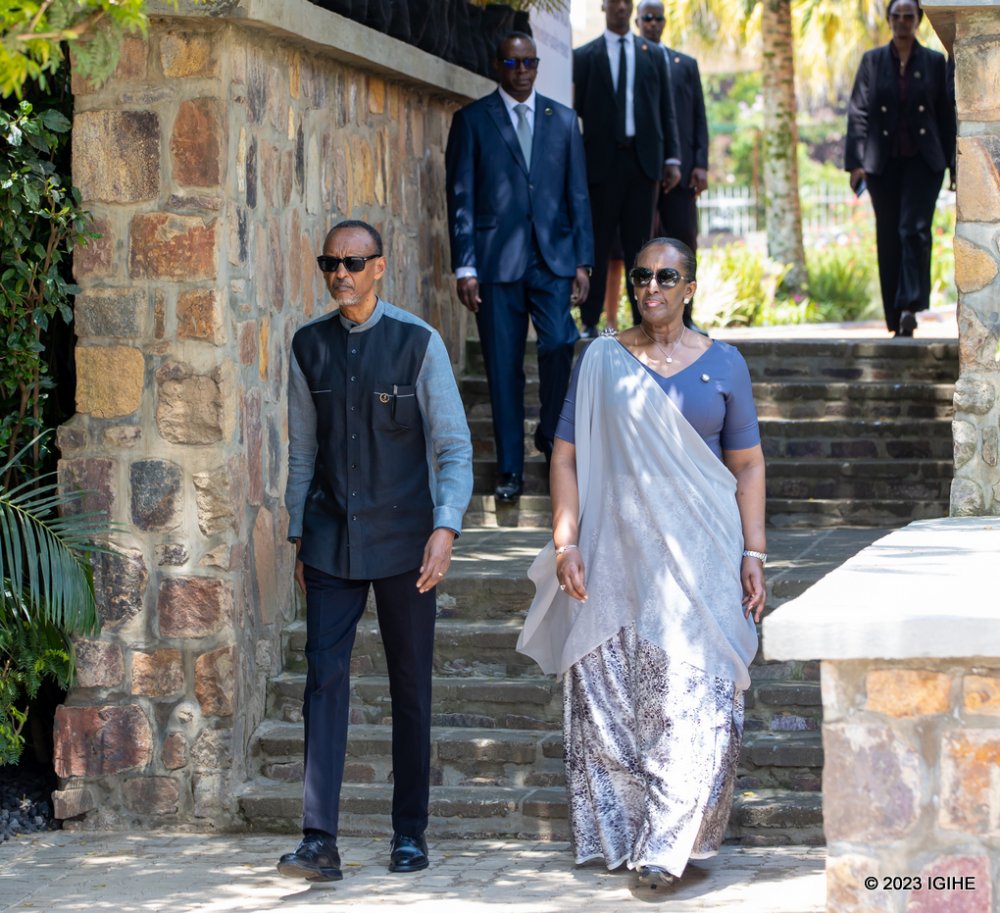
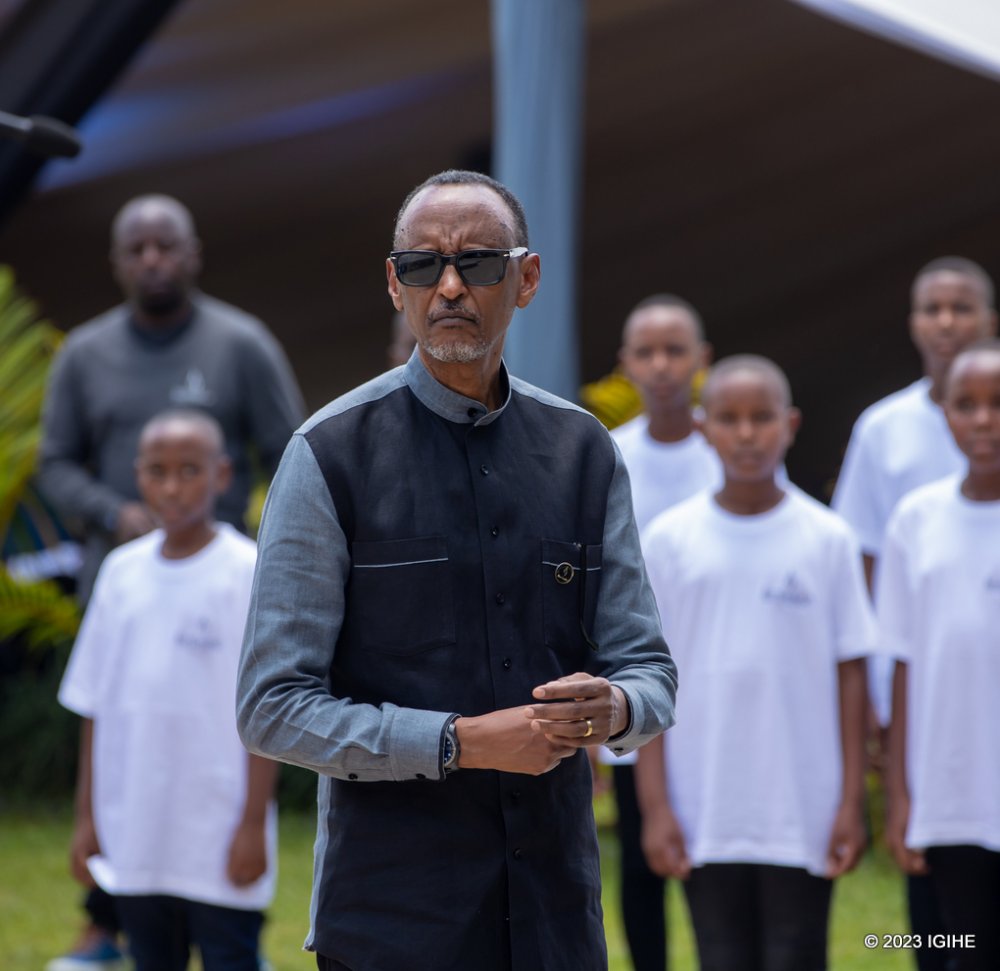
He was speaking at the ceremony marking the beginning of the 29th Commemoration of the 1994 Genocide against the Tutsi at Kigali Genocide Memorial.
During the ceremony, the Minister of National Unity and Civic Engagement, Dr. Bizimana Jean Damascene talked about Genocide ideology propagated by the Democratic Forces for the Liberation of Rwanda (FDLR) on support of Congolese government.
“FDLR is comprised of remnant perpetrators of the 1994 Genocide against the Tutsi in Rwanda and others harbouring genocide ideology. The terrorist group has not been decimated because the Congolese government works with it and fuels hatred and killings targeting Congolese from Tutsi ethnicity,” he said.
President Kagame has said that it is impossible to ignore what is happening nearby Rwandan borders, noting that the silence of international community over the situation is alarming.
“We cannot, however, ignore the fact that things like violence and hate speech persist, not so far away from here. Much as it does so, you can also see the same indifference today, as we saw in 1994,” he said.
Kagame further stated that Genocide denial is a dangerous and deliberate attempt to block the truth.
“We must fight revisionist ideologies because they are easily passed on from generation to generation. We must fight denial because that is how history repeats itself,” he noted.
The Head of State also urged Rwandan youth to learn about the country’s past, so that they can lead not only ‘with historical clarity, but also with a sense of responsibility and accountability’.
“That is the essence of Kwibuka Twiyubaka.”
He said that Rwandans will never accept to be divided.
“Rwandans will not accept any attempt to divide us. We had enough of it. More than enough. That will not succeed again, here, ever,” he said.
“This underscores the need to find solutions within ourselves, no matter how unconventional that may be, and remain in charge of our destiny. Do you remember, at the time of need, when we needed every help we could get, and everybody in the world turned their back on us,” added Kagame.
He told Rwandans that they need to develop self-reliance and expressed optimism that it is possible with acquired lessons.
“The message is: you are on your own. So we should learn to be on our own. And I think we have learnt enough. If people help we appreciate. If they don’t, we don’t have to all of us perish just because somebody didn’t show up to help,” noted Kagame.
“Therefore, the most important lesson our country has learnt is to transform challenges into opportunities, and also use so little to do a lot. There is nothing Rwandans cannot overcome, through unity, hard work, and perseverance,” added Kagame.
As usual, the ceremony took place at Kigali Genocide Memorial in Gisozi where 259,000 victims of Genocide against Tutsi are laid to rest.
Their remains were exhumed from Gasabo, Kicukiro and Nyarugenge districts of Kigali City.
The 1994 Genocide against the Tutsi took lives of over 1 million victims within three months killed over their innate personality.
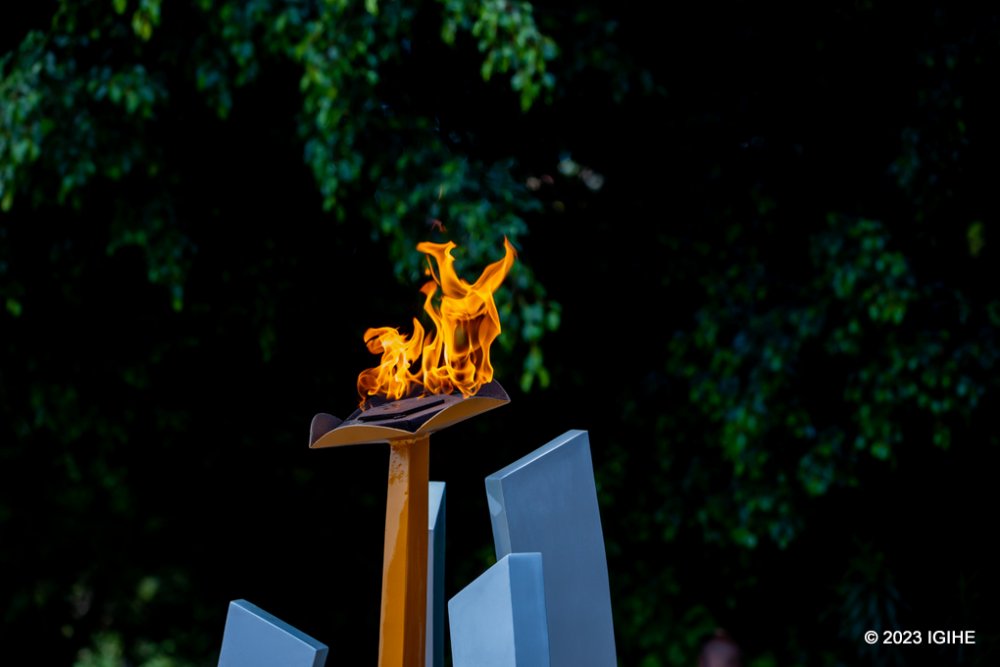
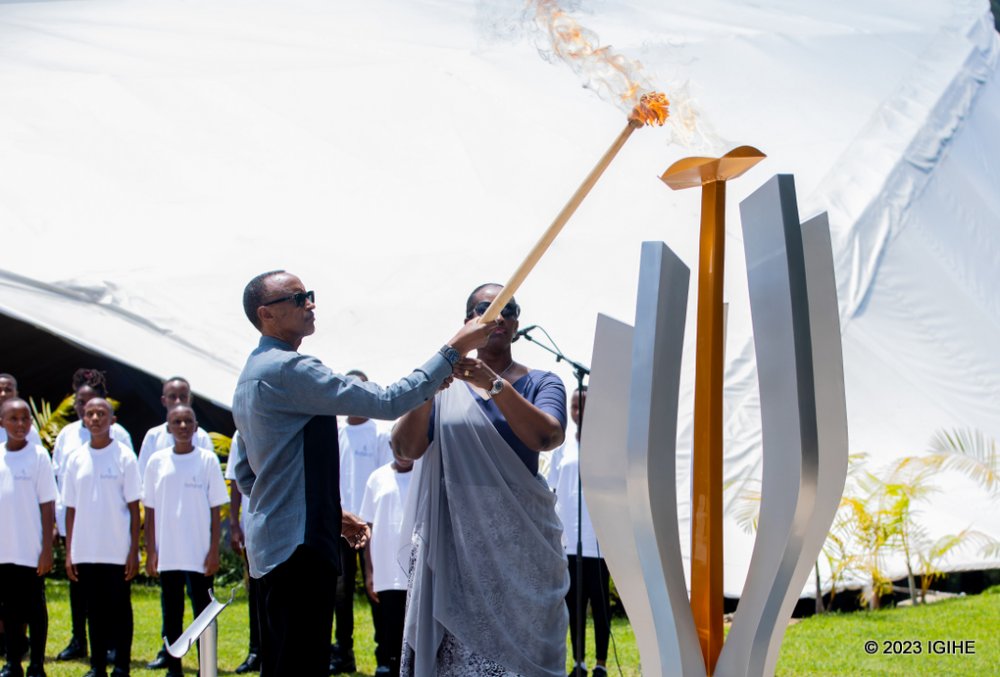
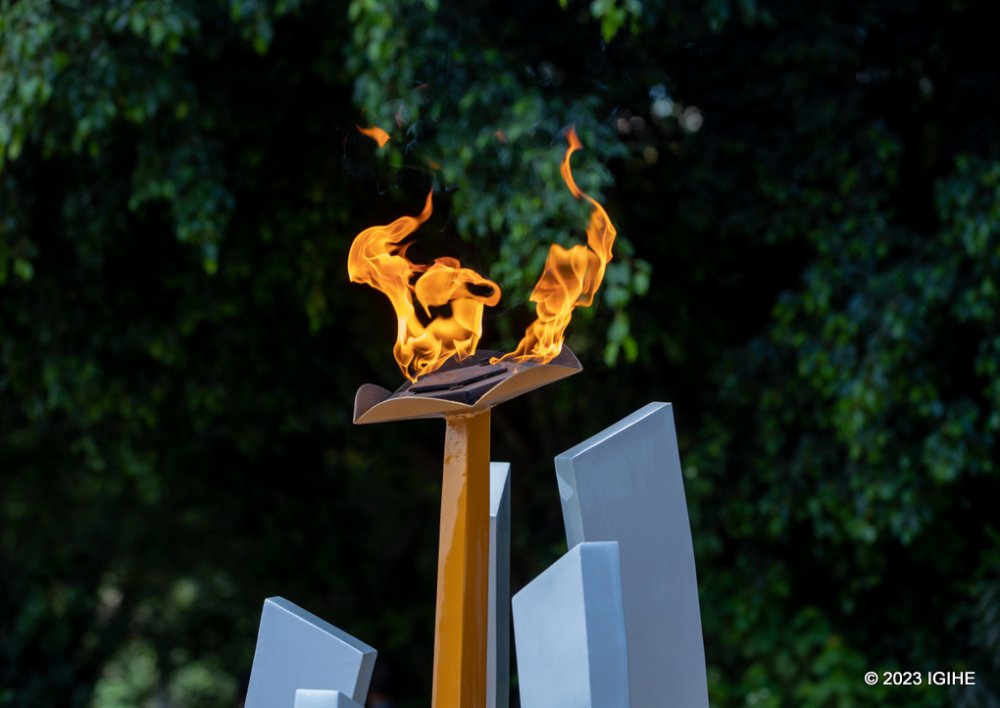
The flame will remain lit for the next 100, symbolising the period that the 1994 Genocide against the Tutsi lasted.
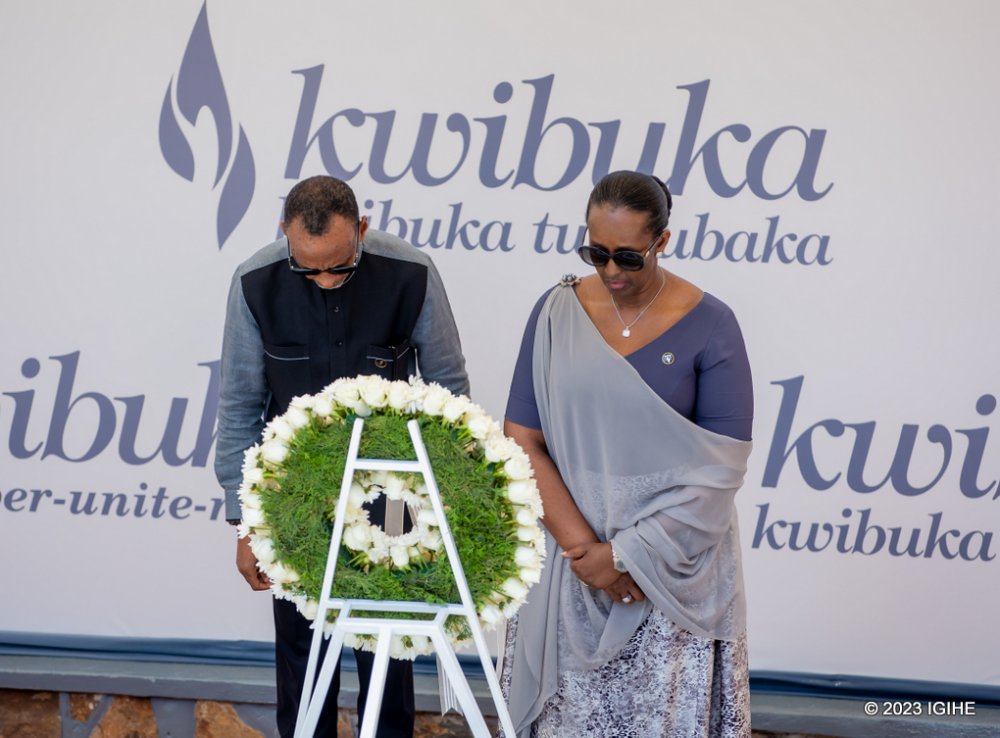
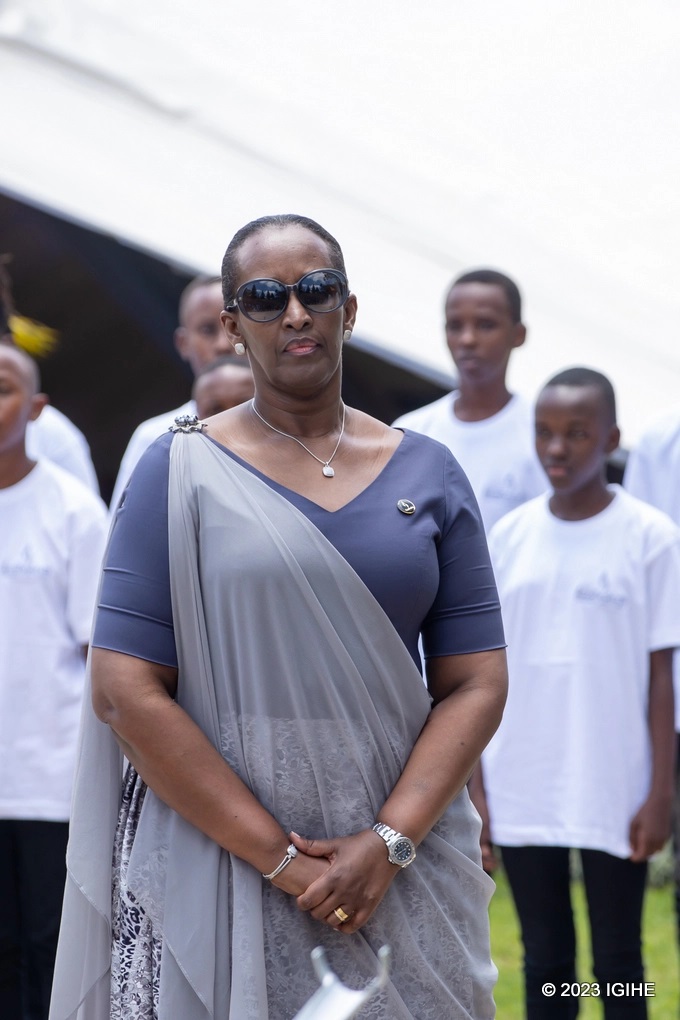
Before lighting the flame of hope, President Kagame and First Lady Jeannette Kagame laid wreaths at the mass grave at the memorial and paid homage to victims laid there.
The ceremony was attended by different dignitaries including the head of diplomatic corps in Rwanda and representatives of umbrella organizations of survivors of the 1994 Genocide against the Tutsi including IBUKA, AVEGA Agahozo and AERG.
During the ceremony, the Mufti of Rwanda, Sheikh Salim Hitimana, led a prayer asking God to grant a safe haven for the slain victims and strengthen the Genocide survivors.
He also prayed for the strength of Rwandans to stand against any attempt to revive ethnic discrimination.
The Minister of National Unity and Civic Engagement, Dr. Bizimana Jean Damascene, said that Tutsis were killed in 13 districts across the country on April 7th, 1994.
According to a report by the Ministry of Local Government from 2000 to 2002, 1,074,017 Tutsis were killed during the 100 days of the genocide from April to July 1994. A 2004 report identifies the places where genocide victims lived, their ages, and names.
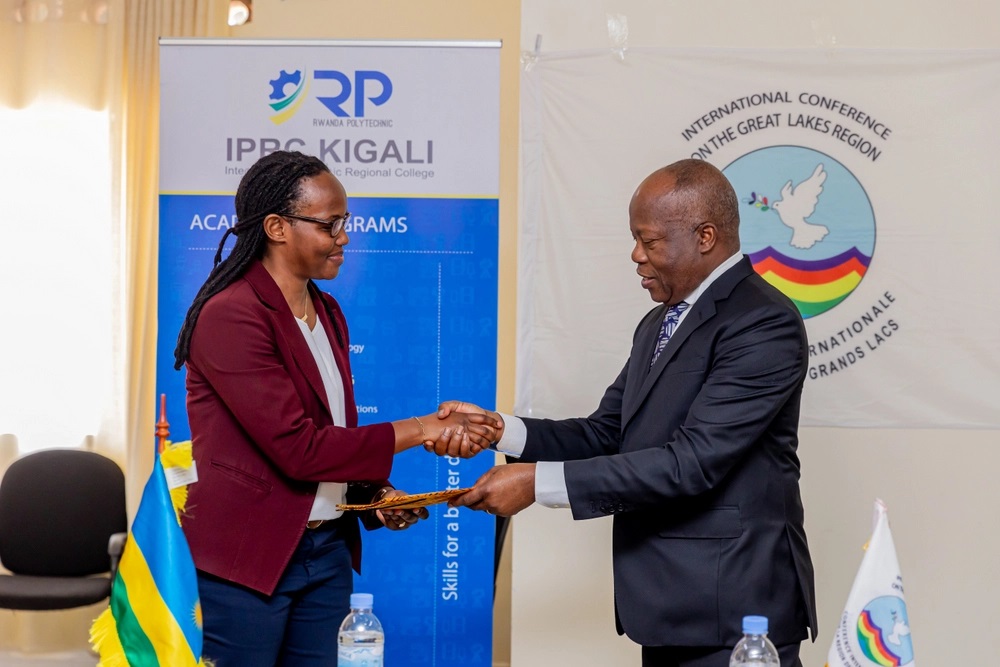
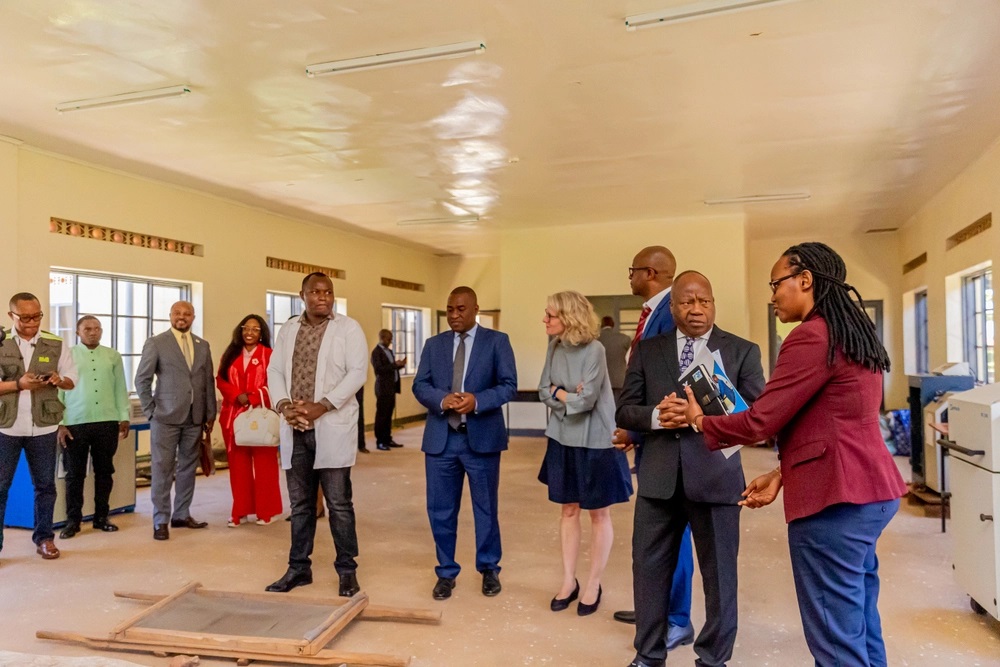
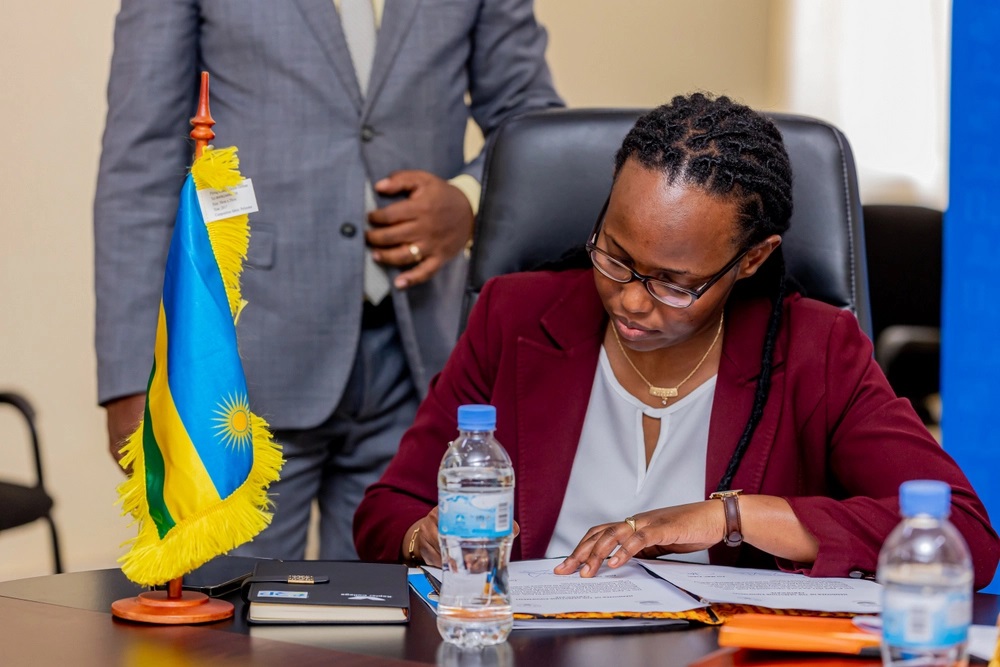
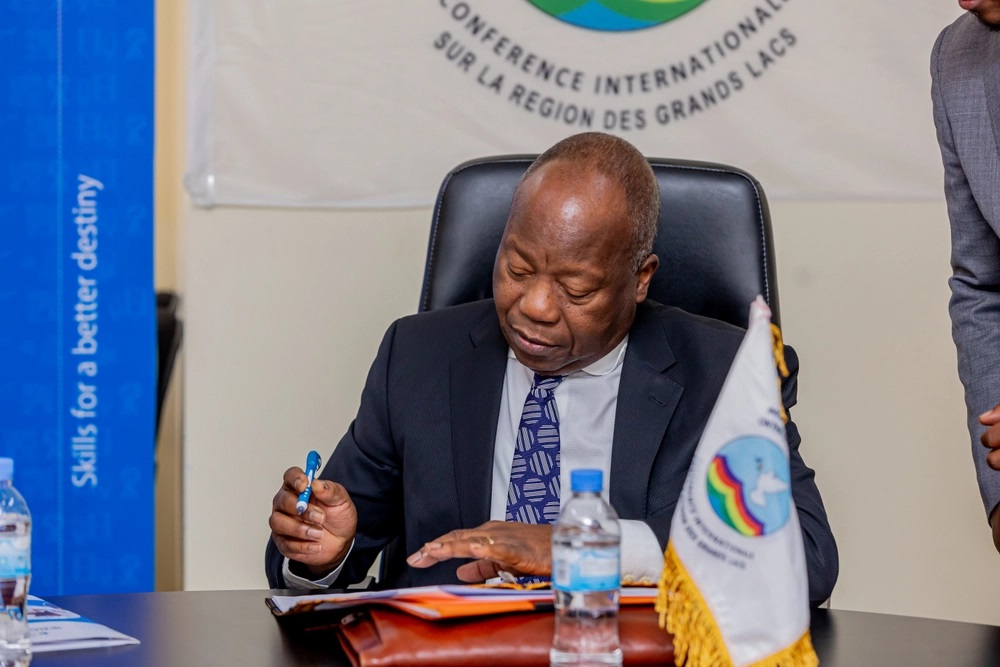
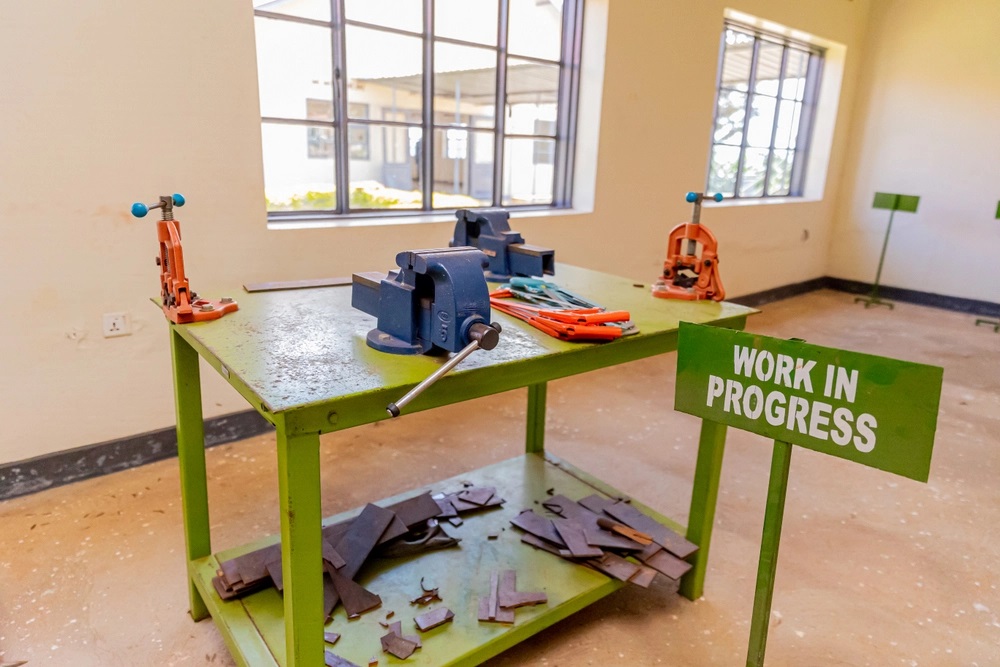
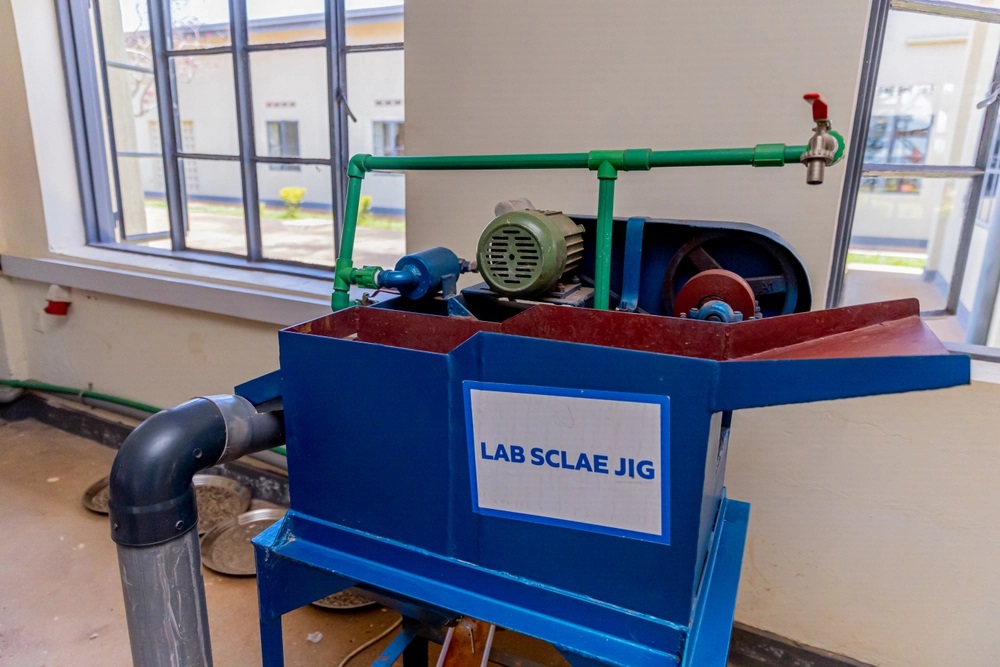
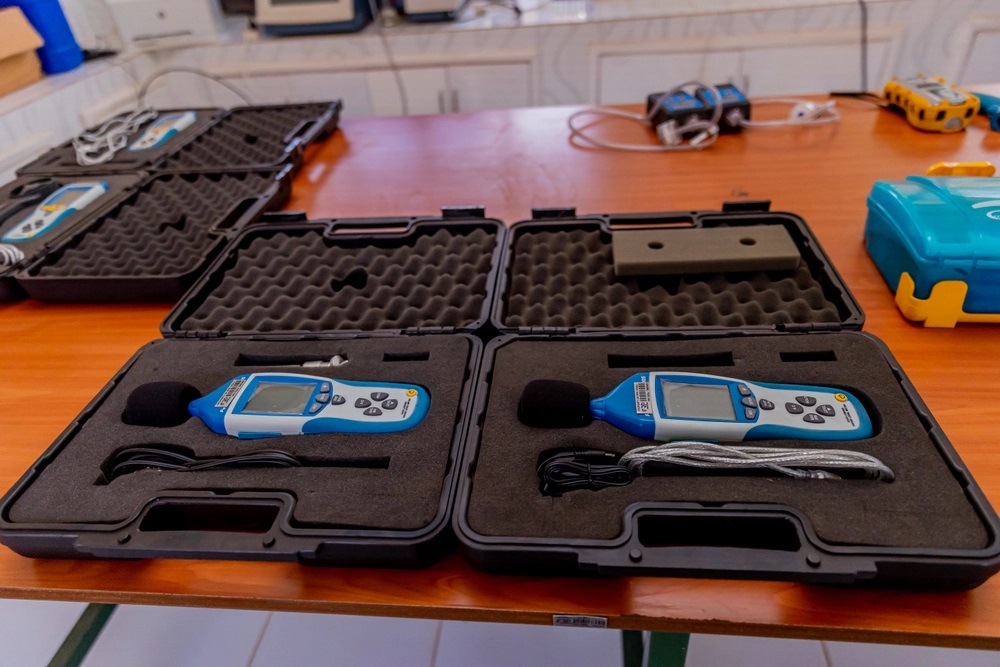
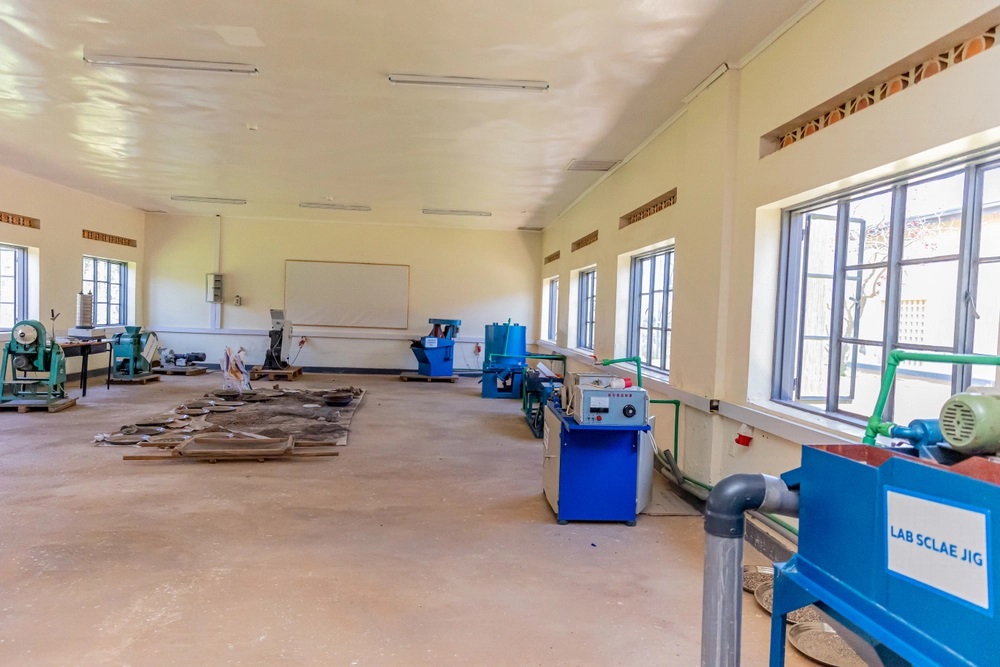
The equipment presented on April 4, 2023, was purchased at a tune of more than Rwf44.6 million through the cooperation between ICGLR and the German Agency for International Cooperation, GIZ.
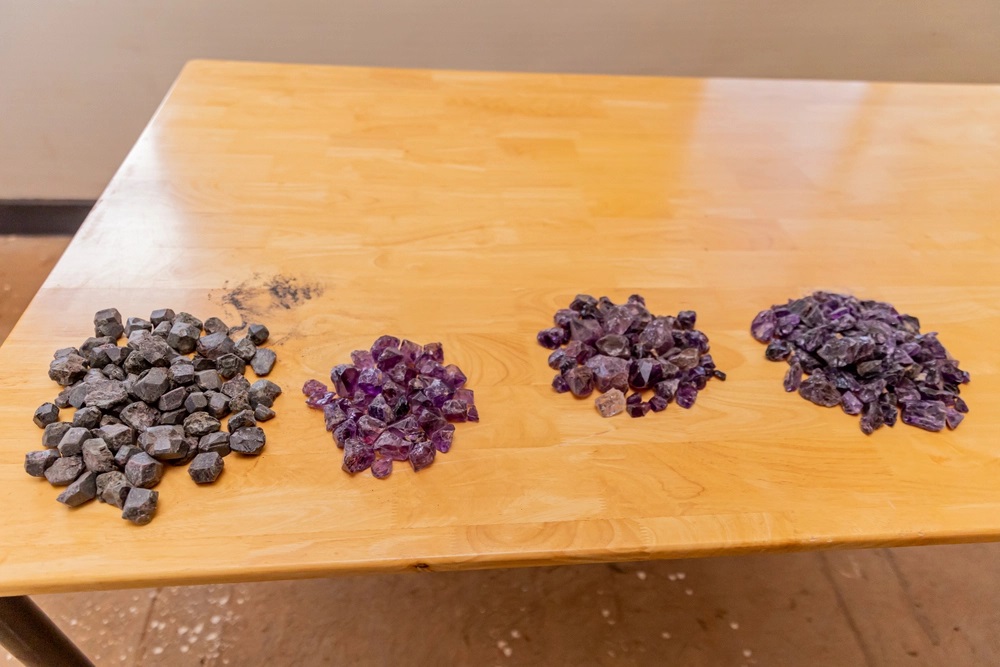
The equipment will facilitate the production of jewelleries, rings, earrings and other ornaments.
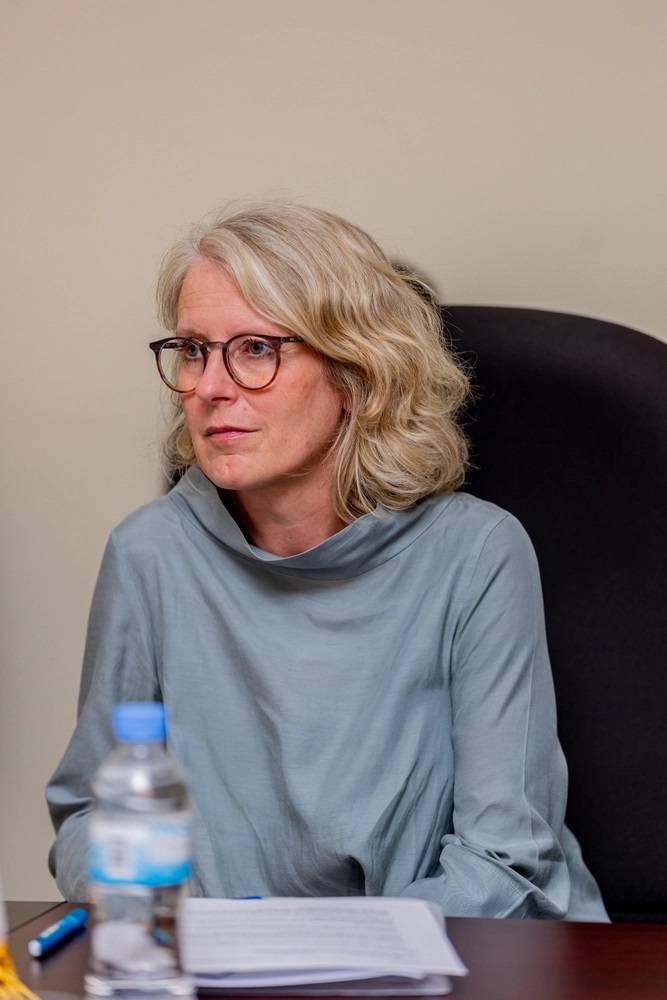
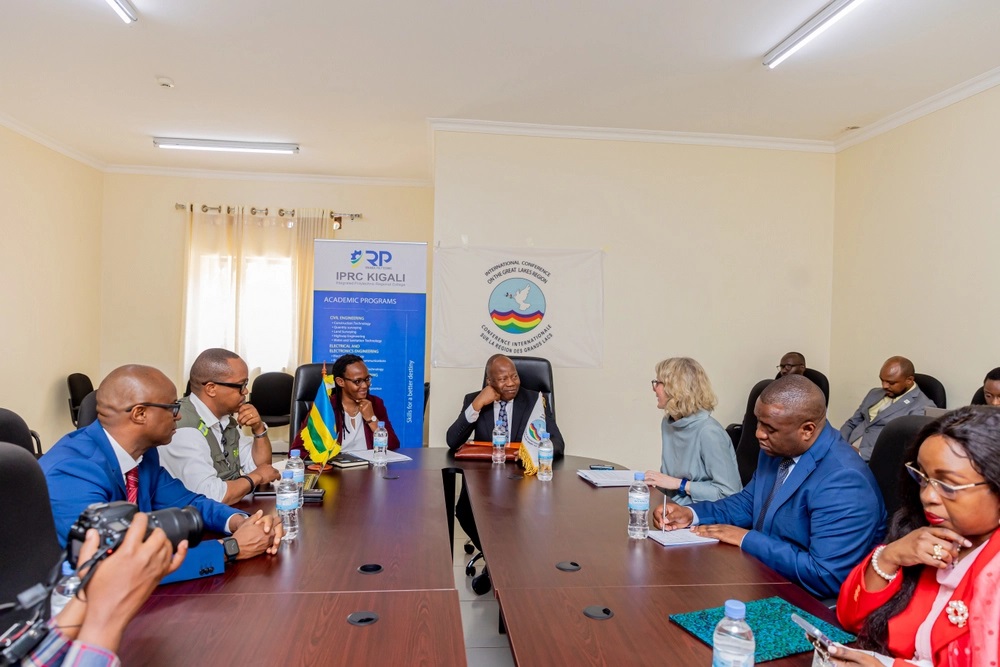
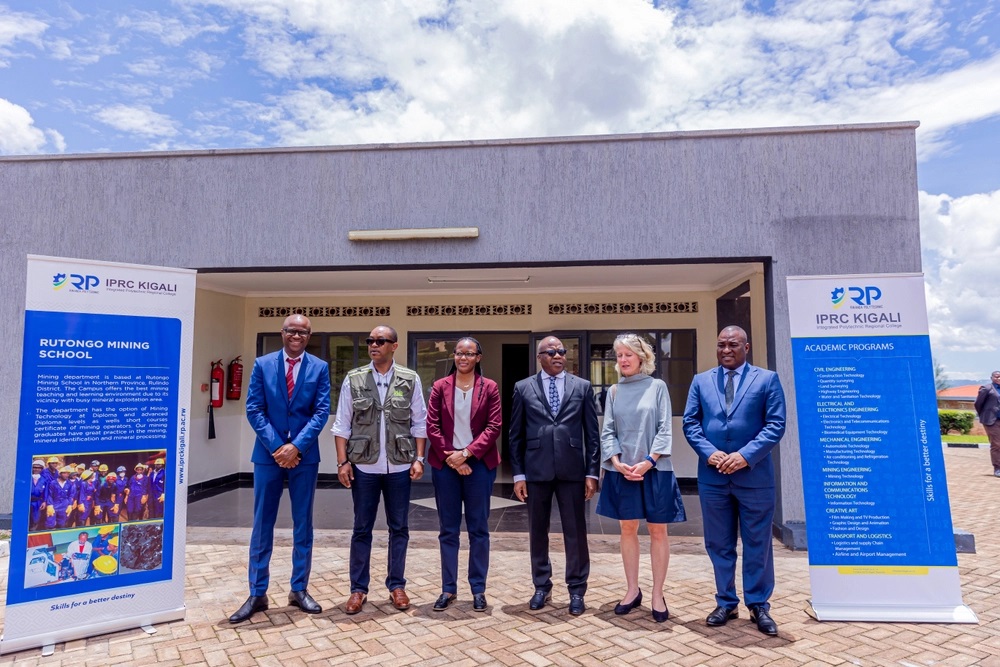
This event which took place at Rutongo Campus in Rulindo District, was attended by Amb.Joao Samuel Caholo, Executive Secretary of the International Conference of the Great Lake Region, Ms. Christina Liesegang, Deputy Head of Cooperation German Embassy Kigali, Dr. Alice Ikuzwe, Deputy Principal in Charge of Academics and Training, Dr. Ivan Twagirishema, Chief Operating Officer at Rwanda Mines, Petroleum and Gas Board (RMB) and other stakeholders.
The Deputy Principal in Charge of Academics and Training, Dr. Alice Ikuzwe, thanked ICGLR, GIZ and other partners for providing the equipment, saying that it will help in providing training especially youth and women in order to encourage them to join the mining sector as they number ( of women ) is too small.
She went on saying that in partnership with MIGEPROF, IPRC Kigali/ Rutongo campus started training women with the aim of increasing and promoting gender diversity in the mining sector by equipping beneficiaries with knowledge and skills to increase employability opportunities in mining.
Executive Secretary of the International Conference of the Great Lake Region (ICGLR), Amb. Joao Samuel Caholo said that investing in mining using modern equipment in Rwanda will create jobs in the region and attract different investors.
Ms. Christina Liesegang, Deputy Head of Cooperation German Embassy in Rwanda said that this program is important for Rwanda as a country which wants to be a center for mining in the region.
She went on saying that her country is very proud to see the mining sector in Rwanda develop in a sustainable way, saying that Germany will cooperate with Rutongo Campus to provide training to trainers who will participate in training others.
The equipment which was handed over to IPRC Kigali/ Rutongo campus is composed of machines and their accessories including 4 gemstone performing and sawing machines and their accessories and 3 faceting machines and their accessories.
Figures from RMB indicate that Rwanda generated US$585 million (over Rwf630 billion) from minerals in the first nine months of 2022.
As at December 2022, the mining sector in Rwanda currently employed around 46,000 people with a target to increase the number to more than 100,000 by 2024.
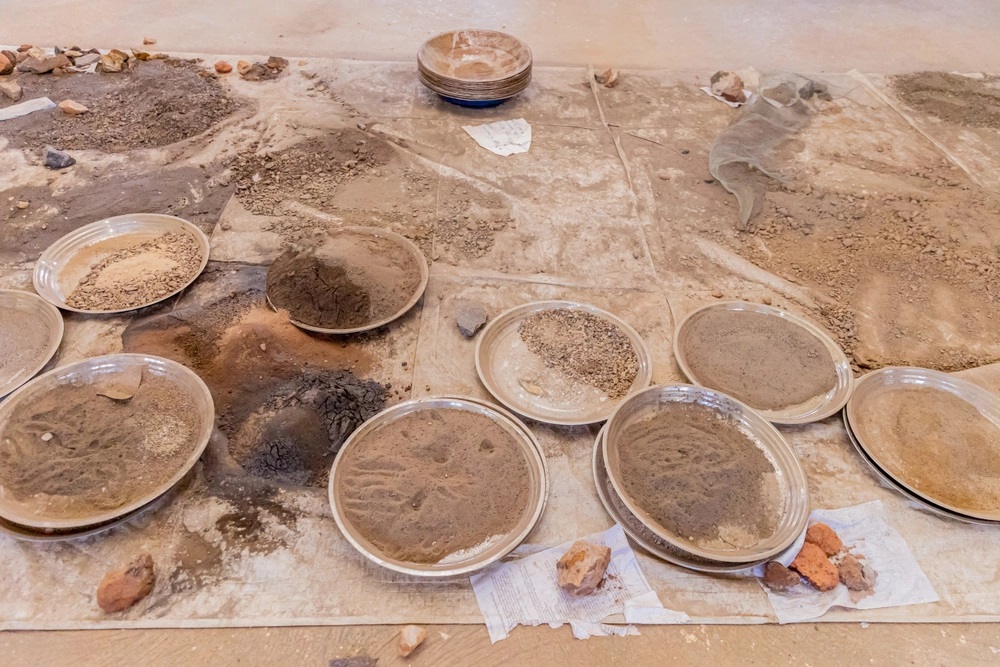
Minerals present in Rwanda include Coltan, Cassiterites, Wolfram, Lithium and Gold among others.
In his annual commemorative message on the International Day of Reflection on the 1994 Genocide Against the Tutsi, Guterres mourned the lives lost and paid tribute to the resilience of the survivors.
He recognized the journey of the Rwandan people towards healing, restoration, and reconciliation, while also acknowledging the failure of the international community to prevent such atrocities.
“A generation since the Genocide, we must never forget what happened – and ensure future generations always remember,” said Guterres. He also highlighted how easily hate speech – a key indicator of the risk of genocide – turns to hate crime and how “complacency in the face of atrocity is complicity.”
The prevention of genocide, crimes against humanity, war crimes, and other serious violations of international law is a shared responsibility and a “core duty” of every member of the United Nations, according to Guterres. He stressed the need for all nations to stand firm against rising intolerance, be ever vigilant, and always ready to act.
As we remember the victims of the 1994 Genocide against the Tutsi, Guterres called on the world to truly honor their memory by building a future of dignity, security, justice, and human rights for all.
“No place and no time are immune to danger, including our own.”
On Friday, April 14, the Memorial Ceremony to mark the 29th anniversary of the Genocide against the Tutsi will be held at UN Headquarters in NY. The event will feature addresses by the Secretary-General, the President of the UN General Assembly, and other officials, as well as remarks from a survivor of the Genocide.
Besides, the International Women’s Day (IWD) is a global day that celebrates the social, economic, cultural, and political achievements of women, while also advocating for gender equality and raising awareness about the challenges women continue to face.
Observed annually on March 8th, IWD is an occasion to honor the contributions of women throughout history and recognize the ongoing struggle for gender parity and women’s empowerment.
It is against this backdrop that Access Bank Rwanda, has decided to prioritize the well-being of women.
To this end, it has organized several activities during the month dedicated to them, including exhibitions for women in SMEs and breast cancer screenings.
This year, in honor of International Women’s Day, the lender offered free breast cancer screenings to over 213 women across the country.
Women were deeply grateful for the opportunity to access this crucial medical service at no cost, and many expressed their appreciation to Access Bank Rwanda for making it possible.
Last year, the Bank also provided free eye test where over 500 people were screened.
According to the Country Managing Director of Access Bank, Faustin Rukundo Byishimo, celebrating women is not limited to free medical checkups but also involves celebratory emails to female staff, sharing of creatives celebrating them on social media, and donation of branded gifts at various locations.
{{Women Banking}}
Attaching great significance to the role played by women in the society does not only end with the Women’s Month but has been adopted by the bank as a routine.
Access Bank Rwanda has launched several programs and initiatives that are aimed at empowering women, including the Women Banking Initiative, which provides financial and non-financial services tailored to the unique needs of women entrepreneurs and professionals.
The bank also offers a range of financial products and services that are specifically designed to meet the needs of women, such as the W Power Loan, which provides financing for women-owned businesses.
Else, the welfare of women and their families receives needed attention it deserves and can be reflected through six months maternity leave granted to employees.
{{Women in leadership positions}}
Access Bank Rwanda aims to be a highly respected African bank by setting sustainable business practices that empower employees, deliver superior customer value, and provide innovative solutions to communities.
The Access Women Network, a leading women network in Africa for corporate women, is committed to helping corporate women advance in the workplace by promoting commitment, assertiveness, empowerment, recognition, work-life balance, and innovation.
Access Bank Rwanda strongly believes in promoting gender equality and empowering women, including their participation in leadership positions. The bank is proud to have several women in executive roles, such as the Chairperson, Country Operating Officer and Executive Director among others heading different departments.
Moreover, the lender is proud to have a significant number of women in tech roles, such as Digital Banking, Information Security, and IT support staff that are provided with the support and resources they need to thrive.
{{Financial inclusion}}
Access Bank Rwanda introduced a package designed to cater specifically to the financial needs of women. The Women’s Savings Account offers a host of benefits that are tailored to meet the unique requirements of women and empower them to achieve their financial goals.
One of the standout features of the Women’s Savings Account is the competitive interest rate of up to 6% per annum, which is higher than the standard savings account interest rate. This means that women can grow their savings faster and earn more on their deposits.
Moreover, the Women’s Savings Account offers a range of other benefits, including free online banking, free debit card issuance, and access to exclusive discounts and offers.
The account also provides access to financial literacy programs, empowering women with the knowledge and skills they need to manage their finances effectively.
By introducing the Women’s Savings Account, Access Bank Rwanda demonstrated its commitment to empowering women financially and creating opportunities for them to thrive.
{{Strong growth with over Rwf4 billion profit }}
Access Bank Rwanda achieved a commendable performance in the year 2022 with a reported profit before tax of Rwf6.8 billion representing a record of 117% year-on-year growth.
The bank assets base grew by Rwf 33bn between 2021 and 2022 financial years, largely contributed by growth in loans to customers and investment securities which increased by Rwf 9.7bn and Rwf 23bn respectively.
Although the beginning of 2022 was marked with lots of uncertainties around the global economy due to Russia- Ukraine war, the bank capital position remained resilient with sufficient buffers to absorb any form of shocks. The source of funding significantly improved by Rwf 30bn year-on-year which enabled the Bank to close the year 2022 with good liquidity position.
According to the management, the achievement of the above performance is centered to collective teams’ efforts towards serving our customers’ needs, operational efficiency and strong international brand.
The bank focused on expanding its customer base and improving customer experience, which led to an increase in deposits and loans. Additionally, the bank leveraged its digital platforms to enhance its service delivery and improve operational efficiency and increasing revenue.
The bank’s strategy is to increase its competition by growing market share, various initiatives to drive profitability, and enhanced digital products to create of World of endless Opportunities.
In its agenda vision 2050, the Government of Rwanda sets a pathway that will lead the country to living standards of upper middle-income countries by 2035 and high-income countries by 2050. Rwanda is hence targeting to develop high-growth knowledge-driven sectors, which can enable the envisioned rapid social economic transformation, while providing the necessary conditions to build required industrial research and development (R&D) capability, including a competent workforce.
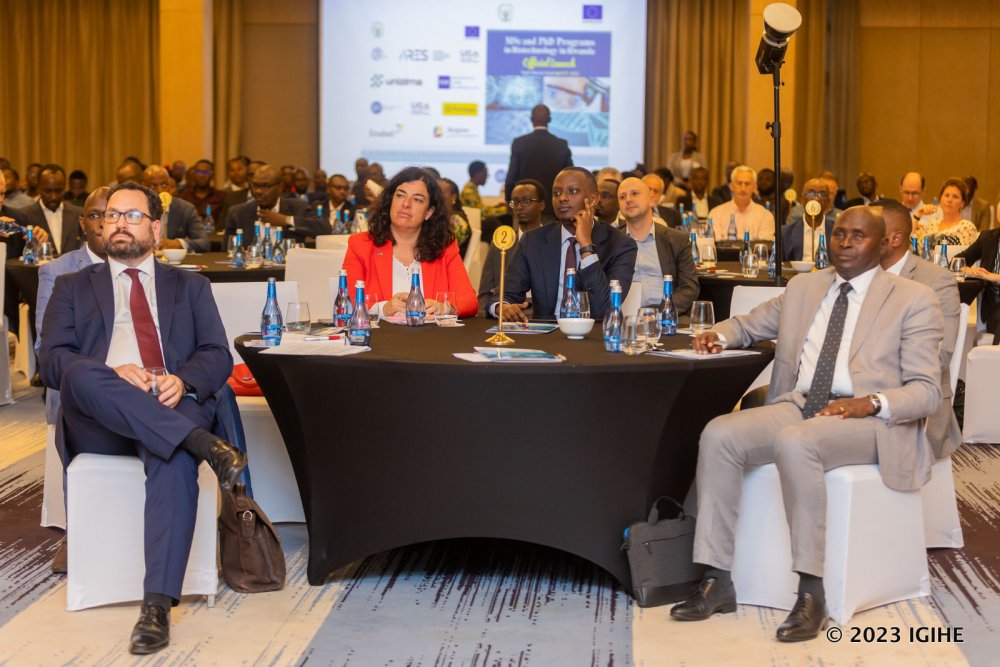
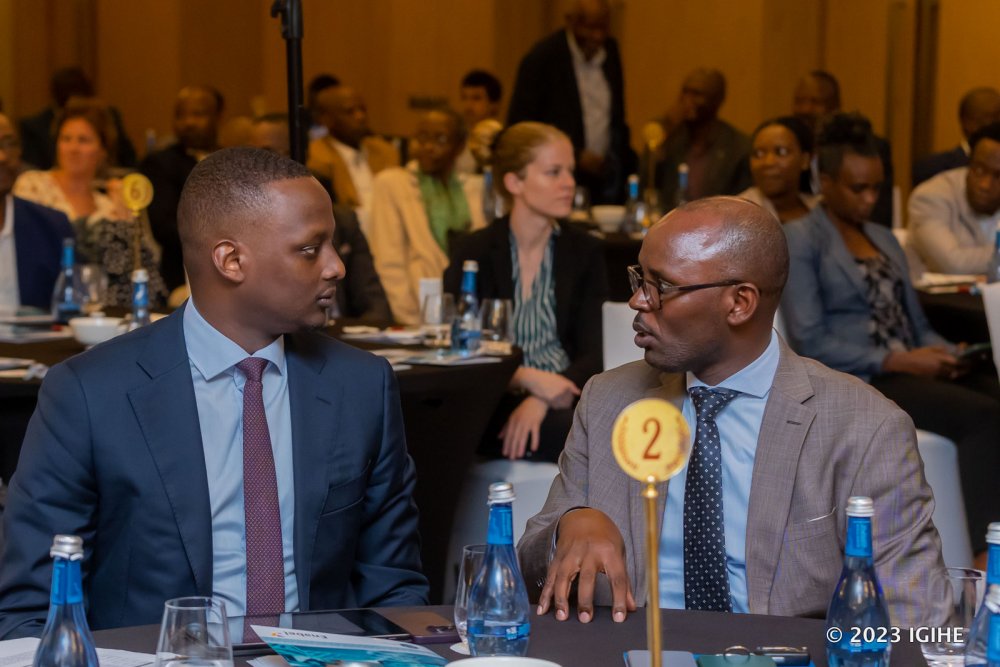
The MSc in Biotechnology programme, hosted by the University of Rwanda, responds to that vision and has been developed in the broader human capital development program, which includes also training of PhDs in Biotechnology.
The launch of the programme also follows Government of Rwanda’s vision to become a regional hub for next-generation biomanufacturing. This is supported by the Team Europe’s initiative on manufacturing and access to vaccines, medicines and health technologies in Africa (MAV+) under the EU Global Gateway strategy. At continental level, it equally represents a milestone under the talent development bold programme of the Partnerships for African Vaccine Manufacturing (PAVM).
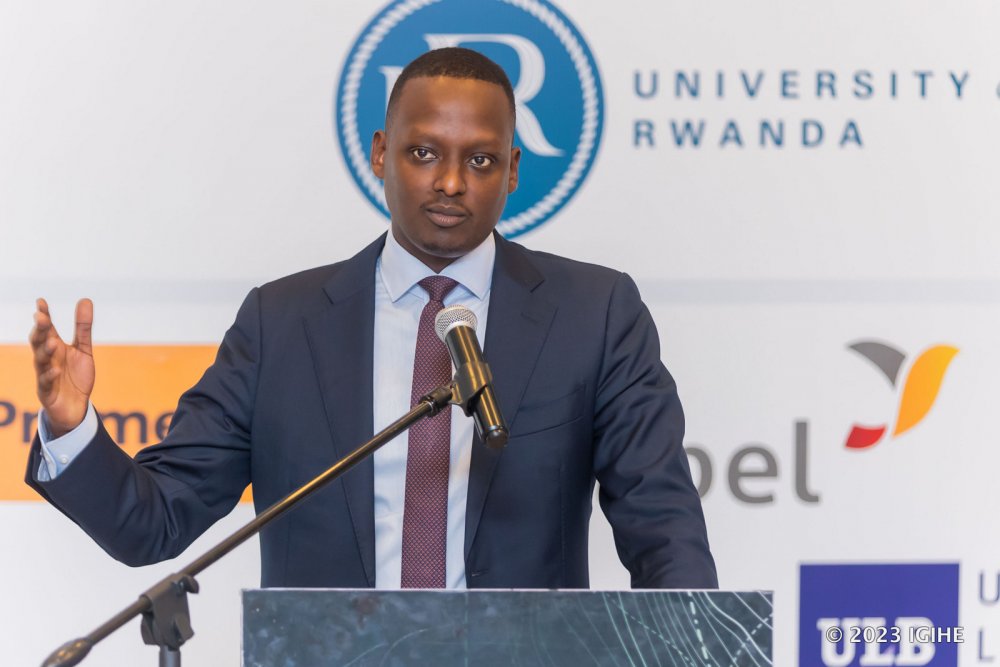
Speaking at the event, the Vice Chancellor of the University of Rwanda, Dr. Didas Kayihura Muganga explained that the program is currently offered at the undergraduate level for students to obtain a Bachelor’s degree in Biotechnology.
He highlighted that advanced knowledge is necessary for conducting deep research leading to the discovery of drugs, medical equipment, and other important innovations.
Dr. Kayihura expressed confidence that the program will produce qualified workforce for the country’s vaccine manufacturing facility.
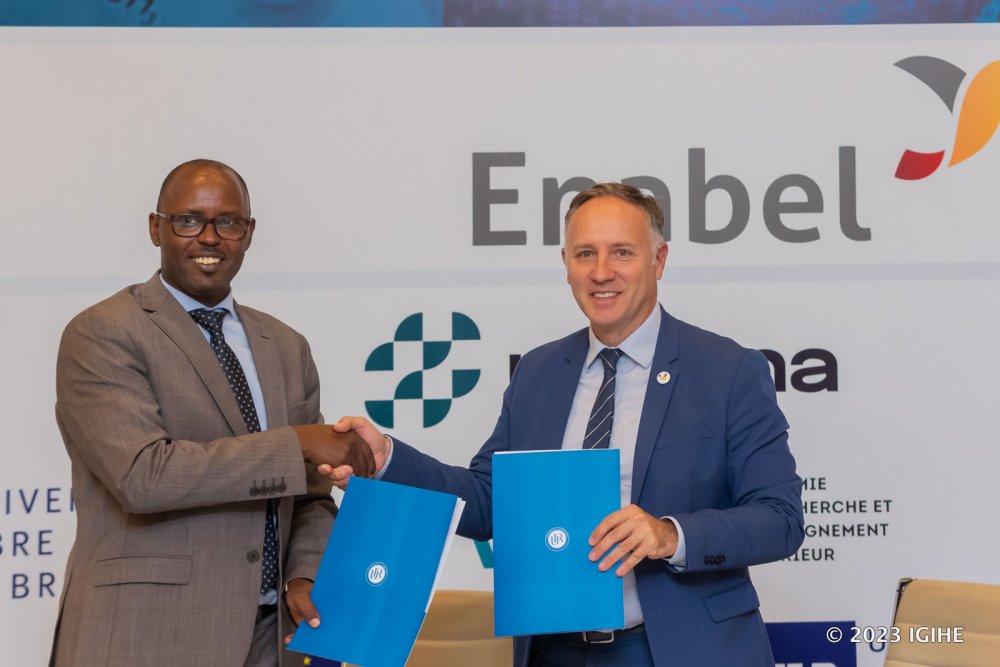
The University of Rwanda has also signed agreements with partner institutions for the successful implementation of this project.
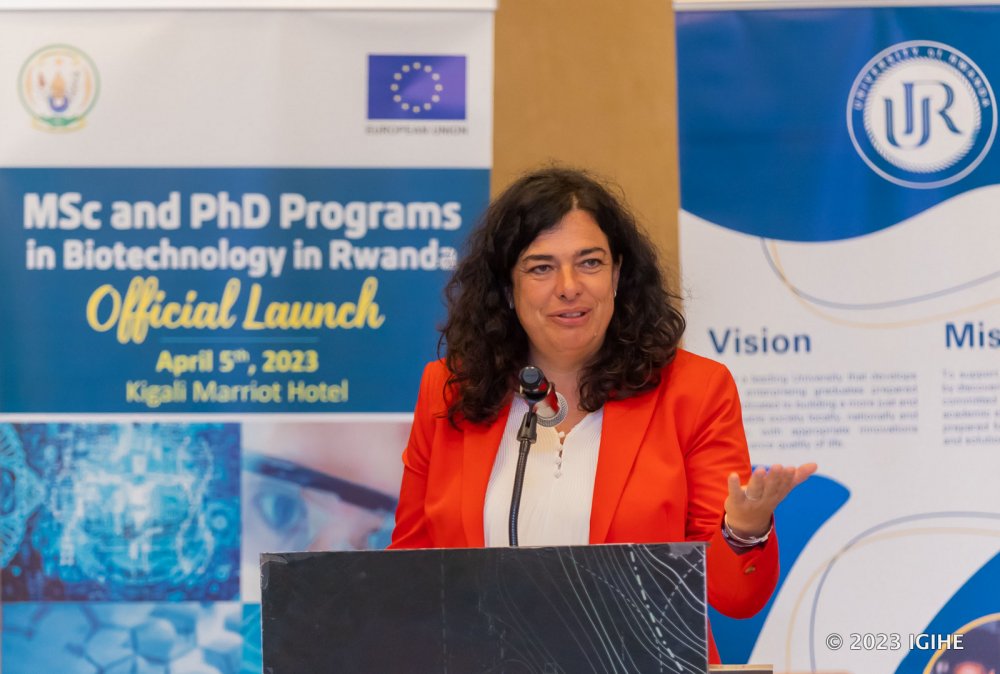
Commenting on the development, the Ambassador of the European Union to Rwanda, Belén CALVO UYARRA, stated; “The EU in Rwanda and Team Europe are proud to announce the launch of the MSc and PhD programmes in biotechnology at the University of Rwanda. It brings together the expertise of EU member states’ universities to train the future Rwandan workforce on academic and industrial aspects of biotechnology, vaccine development and manufacturing. It is also another important milestone displaying EU’s full commitment to boost local manufacturing capacities in Africa and strengthen pharmaceutical systems and health equity.”
The MSc programme, supported through the Kwigira programme of the European Union in Rwanda and Enabel – the Belgian development agency, will be implemented in partnership with different European universities as well as other global academic and research networks.
Bert Versmessen, Ambassador of Belgium to Rwanda said; “The launch of this MSc PhD program is a showcase of what Team Europe can contribute to Rwanda’s ambitions in the biotech sector. The first seed of cooperation between Belgian universities and the University of Rwanda was planted 5 years ago with Belgian development funding. Other universities from France and Cameroon have joined the initiative and the EU stepped in with additional funding to turn this into a full-fledged educational program. The students going through this program will become the human capital required to turn Rwanda into a biotech pioneer on the continent.”
Developing a pole of competence in biotechnology is one of the toolkits that would strengthen higher learning, research and innovation, and position the country as a benchmark for the sub-region in the field of biotechnology, in particular by promoting the generation and production of added value bio-products and bioprocesses of economic importance.
“The programme launched today will serve as backbone support for the Government of Rwanda’s strategic initiative to establish a biomanufacturing plant to supply the country and continent. Skills delivered through the course will have growing impact on climate change and climate-resilient agriculture,” said Yvan Butera, Rwanda’s State Minister for Health.
25 students (medical doctors, biologists, pharmacists) will be recruited for the MSc programme each intake, aiming to train 100 skilled MSc graduates in 4 years. 5 PhD candidates will also be supported. Lecturers from European countries will provide distance and onsite training, with a common core in the first year and internship training/research responding to local health needs in the second year.
{{About MAV+}}
Following the call by African leaders in April 2021, the Team Europe Initiative on manufacturing and access to vaccines, medicines and health technologies in Africa (MAV+) exists since May 2021. It contributes to create an enabling environment for local manufacturing of health products and helps tackle barriers on both supply and demand sides. MAV+ has already mobilised 1.1 billion and is contributing to several complementary projects across the continent, in close coordination with the PAVM hosted by the Africa CDC. Team Europe is coordinated by the European Commission and integrates EU Member States as well as European financing institutions.
{{About the KWIGIRA programme}}
As part of the MAV+ initiative, the EU-Enabel programme “Kwigira” supports the Rwanda Food and Drug Authority in its regulatory functions, laboratory equipment, the digital transformation and upgrading of pharmaceutical systems, strengthening of quality control laboratories and skills development. It is implemented by Enabel with financing from the European Union.
{{About Global Gateway}}
Global Gateway is the European strategy to boost smart, clean and secure links in digital, energy and transport sectors, and to strengthen health, education and research systems across the world. Global Gateway investments support efforts in vaccine deployment, infrastructure and production capacities, skills development, regulatory frameworks and universal health coverage.
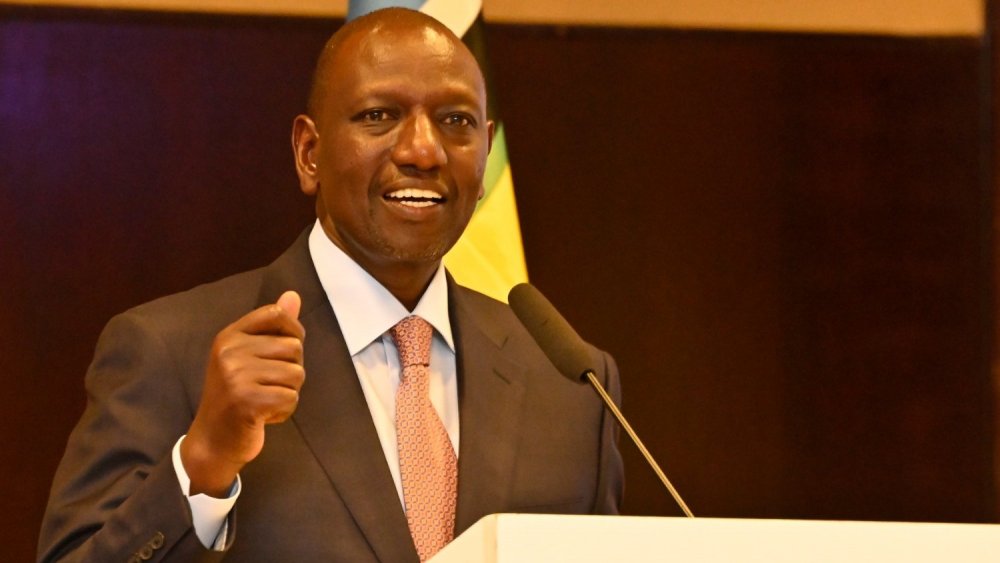
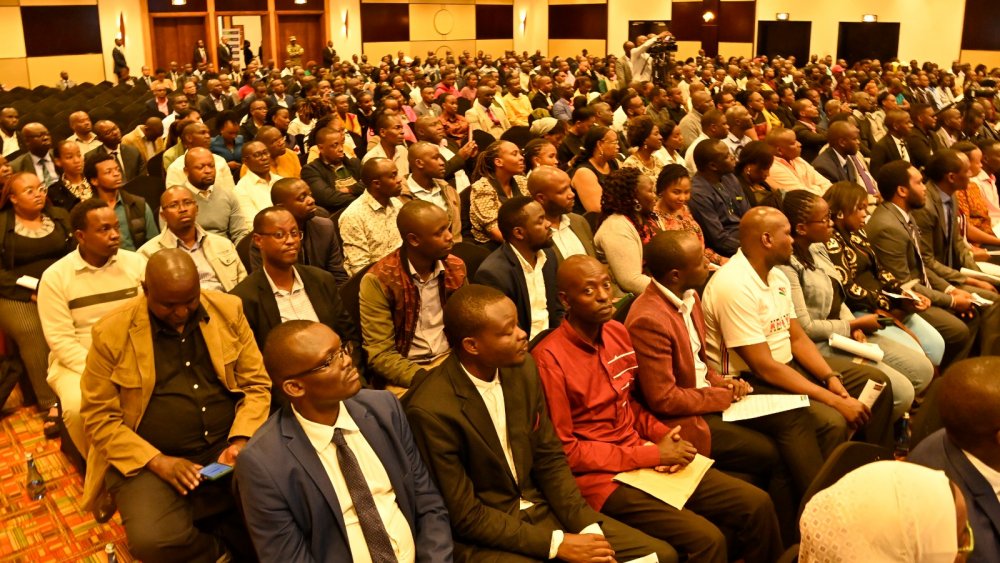
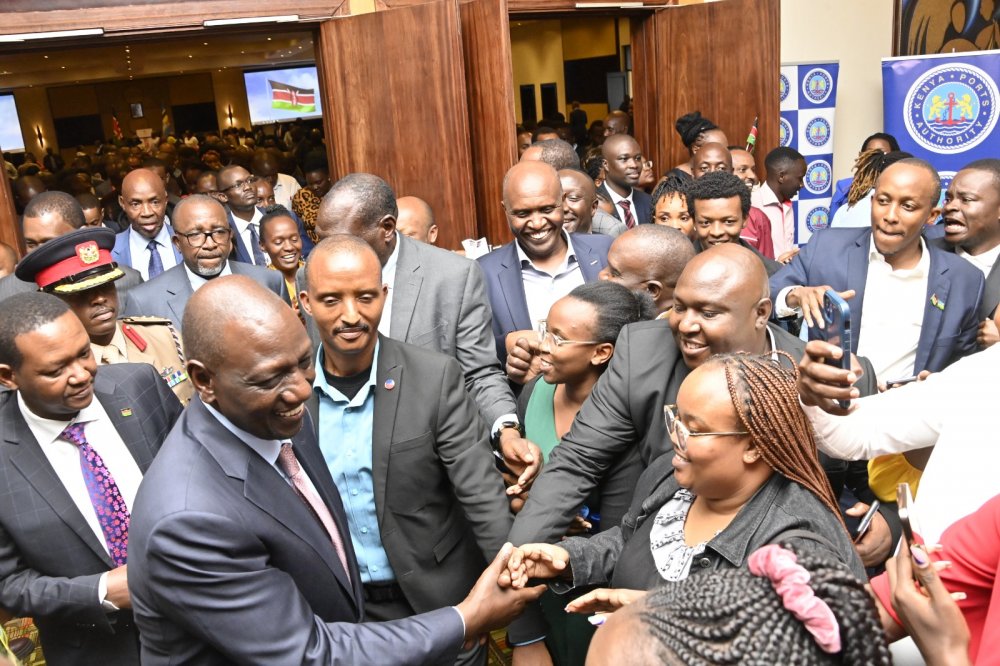
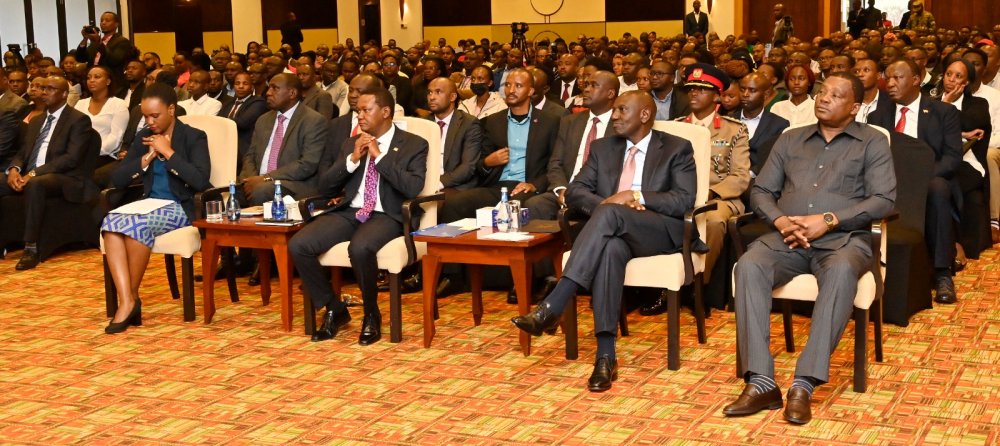
He made the call as he interacted with members of Kenyan diaspora in Rwanda on the second-day of his visit to the Country of Thousand Hills.
President Ruto told Kenyans that the development of the country depends not only on taxes and loans but also on investments that create jobs for the population.
The Head of State said his administration will in the next two weeks launch the ‘Boma Yangu’ initiative to benefit Kenyans living abroad.
He said the programme, which is part of the low-cost houses will benefit Kenyans living abroad just like their colleagues at home.
He noted that the government would provide free land to solve the problem of high land costs, which would significantly reduce the cost of homes. The government is also exploring ways to help people obtain loans to buy these homes.
Among others, Ruto also disclosed that companies such as Amazon, Google, and MasterCard have expressed interest in investing in Kenya.
He emphasized that this private investment would create jobs for Kenyans in various sectors.
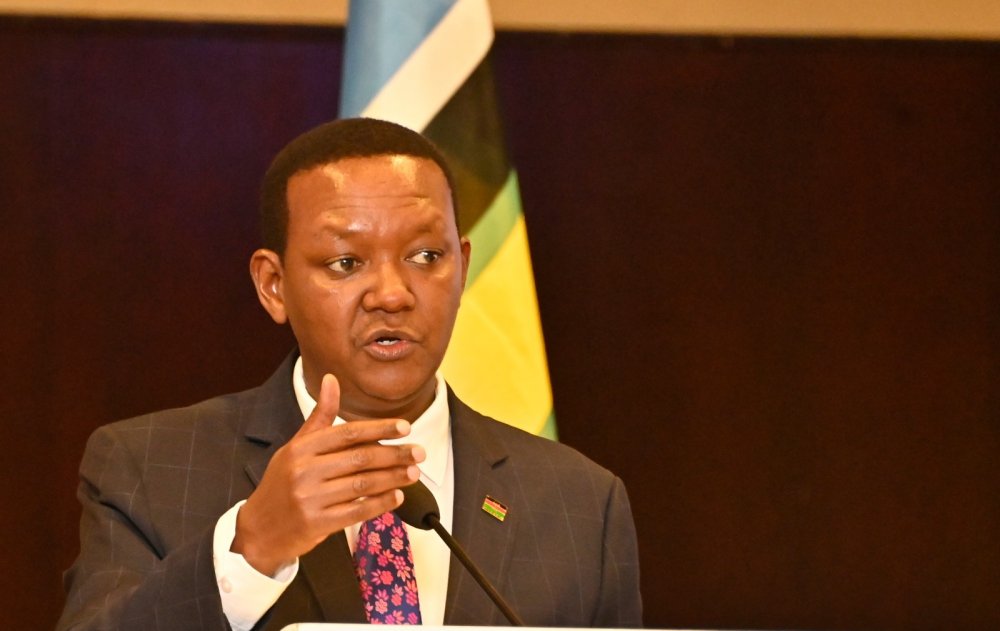
Kenya’s Minister of Foreign Affairs, Dr. Alfred Mutua, also called on Kenyans living abroad to invest in their home country, noting that changes were underway to make life easier for them, including through closer and more efficient embassies.
President Ruto revealed that Kenya has signed agreements with various companies, including vaccine producer Moderna, which will invest US$500 million in the country and create about 100,000 jobs.
He also lauded the role played by Kenyans in the diaspora in national development and urged them to be good ambassadors of Kenya.
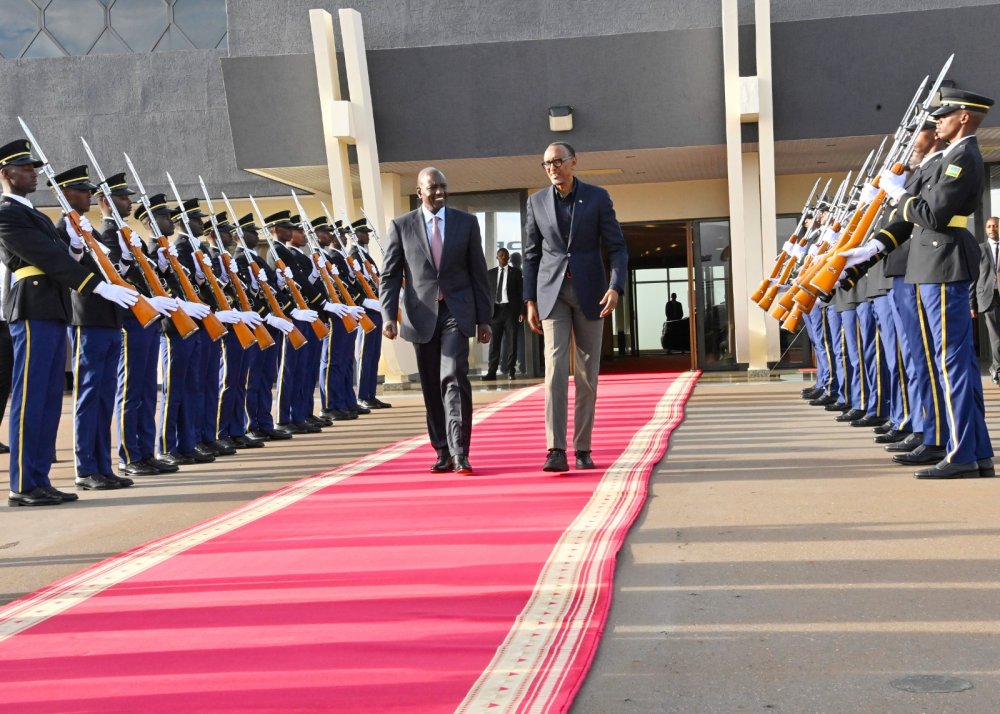
William Ruto concluded his state visit to Rwanda on Wednesday 5th April 2022.
During his visit, he signed ten agreements with Rwanda aimed at strengthening economic ties between the two countries.
They were signed in the areas of correctional services, diplomatic training, ICT, health, youth, education and cooperative development among others.