Since Monday evening, series of tweets started spreading, claiming that a minister had been arrested for receiving bribe at a hotel in Remera.
The person was described as an individual passionate about sports and an active participant in the popular bi-monthly sports event, Car Free Day, in Kigali. These rumors gained traction and sparked debates on various social media platforms throughout Tuesday, May 23, 2023.
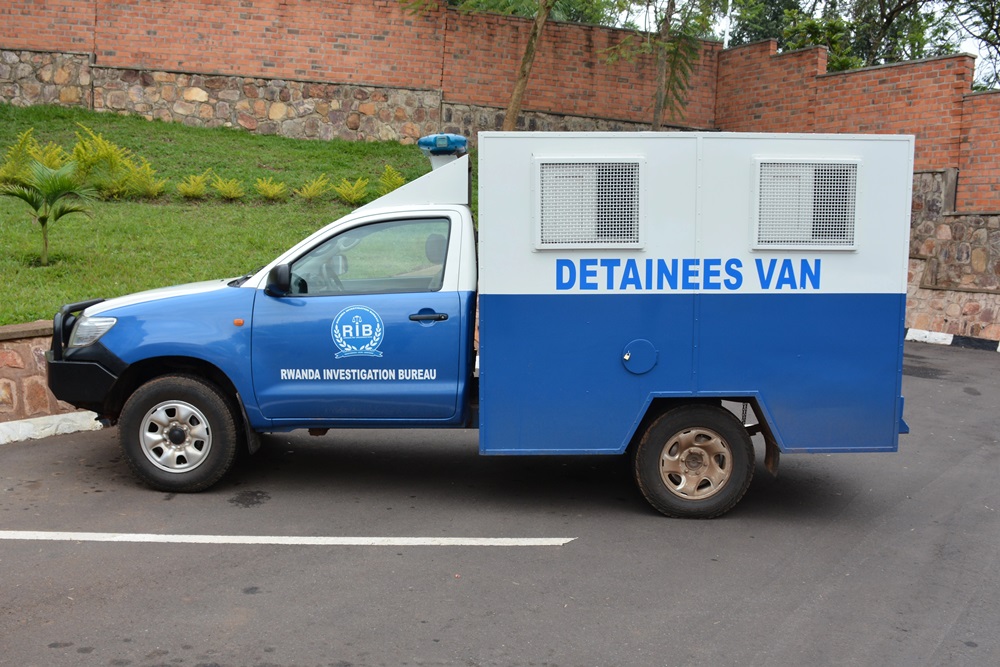
RIB’s spokesperson, Dr. Murangira B. Thierry has confirmed to IGIHE that the information was baseless and affirmed that no high-ranking official was arrested at the mentioned hotel.
“No high-ranking official has been arrested at a hotel. The information is unfounded,” he stated.
While arrests of high-ranking officials for corruption are not uncommon in Rwanda, it is important to note that such incidents do not correspond to the current case.
It is worth mentioning that the recent arrest of Edouard Bamporiki, the former State Minister in the Ministry of Youth and Culture, had attracted significant media attention.
In January, Bamporiki was sentenced to a five-year prison term by the High Court after being convicted of fraudulent acquisition and abuse of power. He is currently serving his sentence at Mageragere Prison.
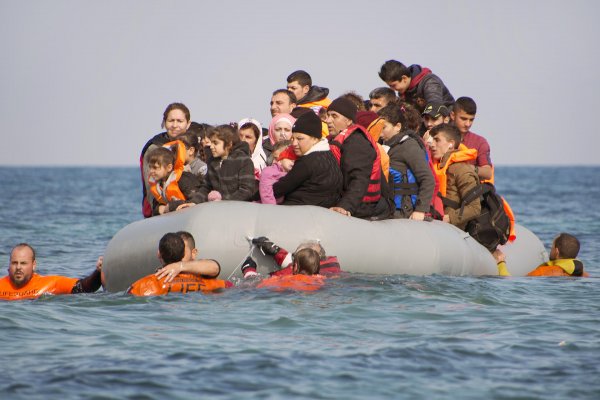
The UK Ministry of Interior has labelled the criticisms as a double standard given that Rwanda and the UNHCR already have a similar agreement in place.
In 2019, the UNHCR played a crucial role in a program aimed at relocating migrants stranded in Libya. This initiative, supported by the Rwandan government and other partners, led to the establishment of a transit camp in Gashora, Bugesera District.
The migrants housed in this facility receive accommodation and necessary care. Since the program’s inception, over 1,500 migrants have been relocated to Gashora, with nearly a thousand of them being granted asylum in third countries.
However, despite this precedent, the UNHCR opposes the United Kingdom’s policy of relocating migrants to Rwanda. This position became evident during a recent hearing at the British Court of Appeal.
Lawyers representing a migrant advocacy organization argued that Rwanda is known for human rights violations and that transferred migrants would no longer receive protection from the United Kingdom.
Responding to these arguments, an official from the UK Ministry of Interior expressed their opinion in an interview with The Times, stating that “it appears hypocritical for the UNHCR to criticize our program with Rwanda while being involved in a similar initiative in that country.”
Under the Migration and Economic Development Partnership signed between Rwanda and the UK in April last year, the UK will provide an upfront investment of £120 million to fund invaluable opportunities for Rwandans and migrants, including secondary qualifications, vocational and skills training, language lessons, and higher education.
The agreement sets the stage for the deportation of migrants and asylum seekers staying in the UK illegally to Rwanda.
The UK made this decision to discourage illegal crossings into the country and to reduce the budget spent on illegal migrants every year.
Earlier this year, Rwanda and the UK signed an additional agreement aimed at expanding the provision of support for migrants to be deported to Rwanda.
Upon arrival, asylum seekers from African countries and others outside the continent will be treated with dignity, just like Rwandans. It is expected that those willing to return to their home countries will be assisted in doing so.
The initial plan was for the first migrants to arrive in Rwanda in July 2022. However, this deadline was postponed following a complaint filed by organizations advocating for migrants’ rights.
One family contesting their deportation to Rwanda argued that it is not a safe country for migrants.
During a recent hearing, the family’s lawyers claimed that Rwanda is known for human rights violations.
They further argued that if the United Kingdom chose to transfer migrants to Rwanda, they would no longer be under British protection and might lack the means to ensure their safety.
However, the UK maintains that Rwanda is a safe country for the resettlement of asylum seekers.
The funding will be used to provide food, water and sanitation, healthcare services, cash assistance as well as psycho-social support to refugees, returnees, asylum-seekers, and third-country nationals from Sudan as well as their host communities in Egypt, the UN body said in a statement.
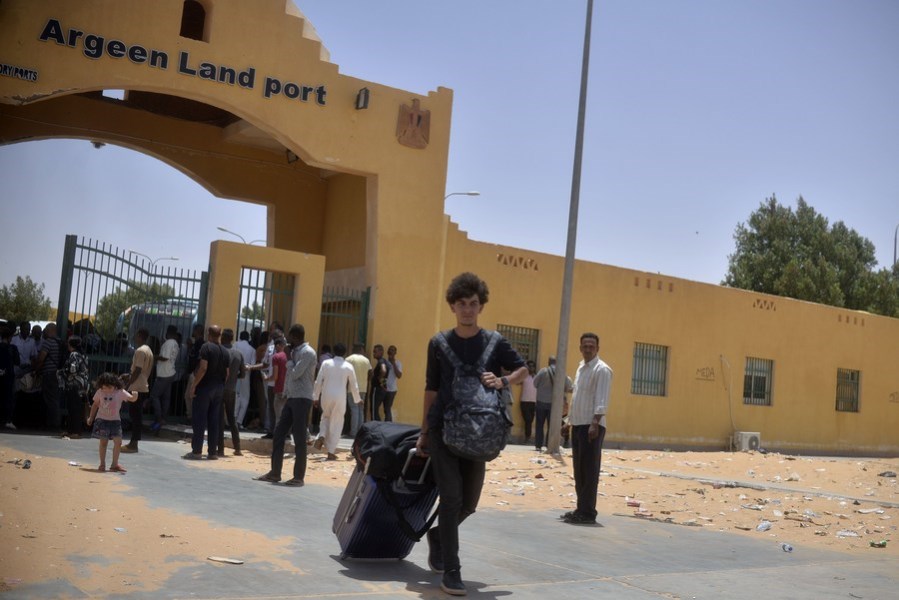
Since the conflicts in Sudan erupted on April 15, Egypt has received the largest number of Sudanese refugees, the statement said, adding that over 113,000 people arrived cross the Egyptian-Sudanese borders as of May 17, and the number keeps climbing with around 5,000 arrivals per day.
The United Nations High Commissioner for Refugees (UNHCR) estimated that a total of 350,000 people would enter Egypt from Sudan in the next six months.
In addition to 5 million dollars for Egypt, CERF also provided a total of 17 million dollars to other neighboring countries of Sudan, including Chad, the Central African Republic, and South Sudan.
The imports include 150,000 calves and 20,000 sheep, the ministry said, adding that in which 45,000 will be slaughtered immediately, and the remaining 105,000 will be fattened.
The measure aims to provide sufficient meat at reasonable prices for Eid al-Adha, one of the most important holidays for Muslims, Egypt’s Agriculture Minister Al-Said Al-Qusair said in the statement.
Al-Qusair added that the Egyptian government is working to release fodder for cattle and poultry in ports to lower their prices in the market.
As Eid al-Adha is six weeks away, Egypt is witnessing record-high meat prices, with the price for beef reaching 400 Egyptian pounds per kilogram (about 13 U.S. dollars) in some stores.
This year’s Eid al-Adha is expected to be celebrated on June 28.
The event, organized by the Ministry of Environment in Rwanda’s capital of Kigali, featured discussions about the implementation of the Kunming-Montreal Global Biodiversity Framework adopted by countries last December as part of efforts to halt and reverse nature loss.
Speaking at the event, Rwandan Minister of Environment Jeanne d’Arc Mujawamariya said the country’s development agenda recognizes the central role that biodiversity plays in terms of supporting national economic growth. “We cannot develop our nation unless we put the environment at the heart of everything we do.”
The minister warned against cutting down trees. “We need to reverse this trend, and educate future generations to understand the importance of biodiversity in everything we do for a brighter future,” she said.
The Rwanda Environment Management Authority (REMA) highlighted that Rwanda’s biodiversity plays a critical role in ecosystem services such as ensuring water provision, air for breathing, controlling soil erosion and flooding, as well as climate change mitigation.
“Biodiversity is part of our lives. Growing up, I was surrounded by nature and this helped build my passion for protecting the environment and understand the importance of biodiversity. I encourage us all to reconnect with nature and prioritize biodiversity,” Juliet Kabera, director general of REMA, told an audience of stakeholders of Rwanda’s climate, environment and natural resources sectors.
The International Day for Biological Diversity is celebrated this year under the theme “From agreement to action: Build Back Biodiversity” to remind nations that biodiversity is essential to ecosystem function and services delivery.
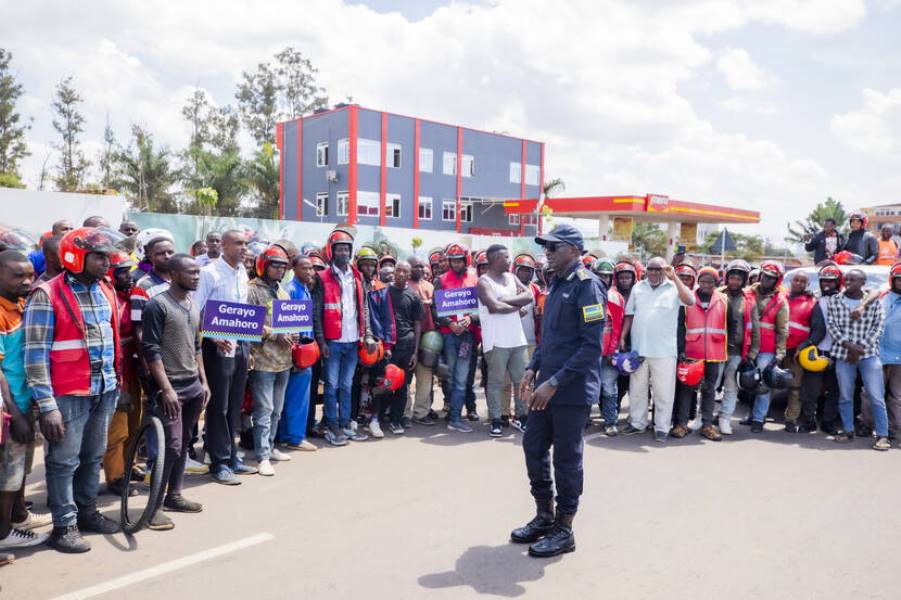
On the first day on Monday, May 22, the campaign was conducted in 122 primary and secondary schools in different parts of the country.
In City of Kigali, the campaign was conducted in 20 schools, 36 in the Eastern Province, 30 in Northern Province, and 29 schools in Southern and Western provinces.
The RNP spokesperson, Commissioner of Police (CP) John Bosco Kabera, said that targeting schools is deliberate to instill a culture of safer road usage among the most vulnerable group.
Road crashes are the leading cause of death among people aged between 5 and 29 years, according to the World Health Organization (WHO).
The WHO suggests that more than 1.35 million people die in road crashes globally, every year. Over 650 fatalities and 4000 injuries were recorded in Rwanda, last year.
CP Kabera said: “Young people and school going children in particular, constitute one of the most at risk age group. We have had fatal incidents involving students, either due to the recklessness of motorists or children playing in the middle of road and other careless practices.
This campaign will be extended to all primary, secondary and tertiary institutions to make road safety a choice and ultimately a culture.”
The campaign will also include establishing road safety clubs in schools.
{{Road safety tips for students}}
-* Never run or play on the road.
-* Children should only go on road under the care of a responsible person holding his or her hand.
-* Practice Safety in Moving Vehicles: Never stand or walk through a moving vehicle; never put hands or head outside through the window; always wear a seatbelt.
-* Always use sidewalks
-* Use zebra crossing where they exist
-* When crossing the road, check that vehicles have stopped to give way to cross. Never cross while running instead walk faster.
-* Before crossing, stop at the edge of the road, look right, left, right again and listen for any vehicles approaching you.
-* When you cross at traffic lights, check when the figure of a person turns green then cross as fast as the figure of a person in the light shows.
-* At pedestrian controlled traffic light, press the button, wait for the green light to turn on and for the vehicles to stop; then cross.
-* Walk on the left side of the road facing oncoming traffic.
{{Respecting fast lane}}
Meanwhile, the campaign in schools kicked off alongside awareness on use of passing lane also known as fast lane.
It is meant to educate motorists to respect the fast lane especially at duo or multilane roadway, used by fast-moving vehicles when passing slower traffic, to ensure smooth traffic flow.
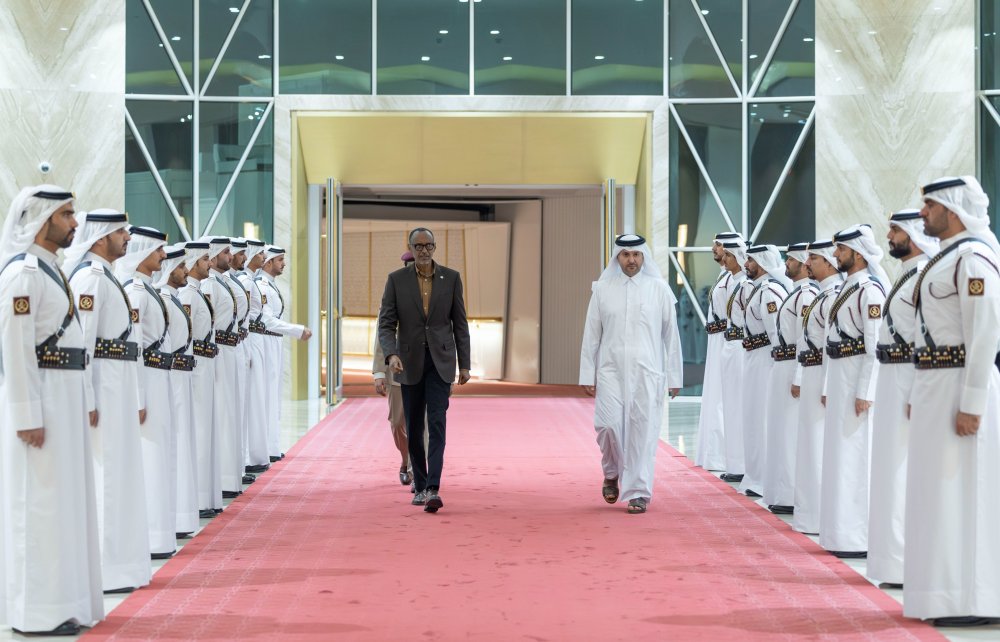
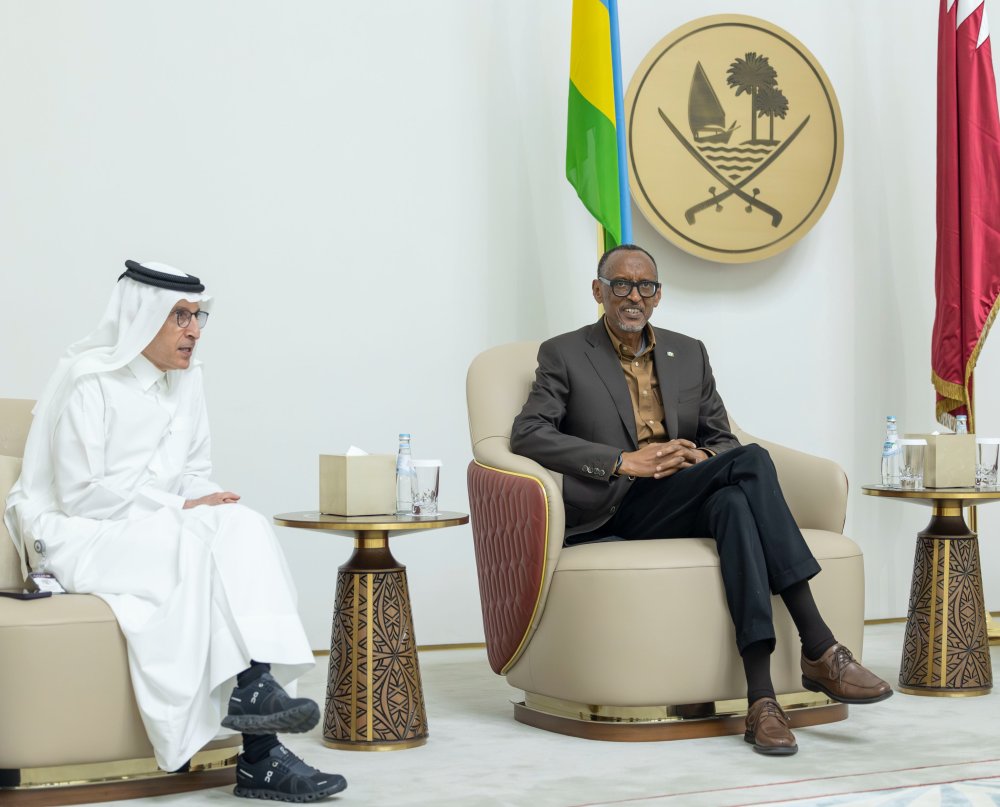
Upon arrival in the country on Monday evening, the Head of State was received by Akbar Al-Baker the Group CEO of Qatar Airways.
The forum to be chaired by the Emir of Qatar, Sheikh Tamim bin Hamad Al Thani will begin on 23rd May 2023.
This year’s Forum will bring together around 2000 participants including Heads of State and Government, CEO’s of international institutions, leading global investors and other stakeholders for discussions focused on the latest economic trends including the major shift in the existing economic order, highlighting the rising South-to-South economy and the new growth opportunities it presents to the global business community.
On the morning of Tuesday, 23 May, President Kagame will participate in a live interview with Jennifer Zabassaja, Chief Africa Correspondent for Bloomberg TV.
Their conversation will cover current global economic realities including inflation management, shifting geopolitics, energy security, artificial intelligence and more.
Established in 2012, the RCOA aims to bolster ongoing efforts in cementing ties between Rwanda and China while fostering collaboration and solidarity among Chinese alumni. The organization’s activities include fundraising initiatives to support vulnerable populations.
During the event, Amb. Wang emphasized that the achievements of the organization reflect the fruitful outcomes of China-Rwanda cooperation in people-to-people exchanges, underscoring the growing energy behind China-Rwanda friendship. He quoted the saying, “If you want to go far, walk together,” noting its relevance to both bilateral relations and the RCOA.
Amb. Wang also highlighted that exchanges between China and Rwanda are swiftly resuming in the post-COVID recovery period. To expedite progress, he proposed three key areas that require significant attention, building upon past accomplishments.
Firstly, Amb. Wang requested the RCOA to strengthen its internal connections and organization.
With a multitude of highly talented members, he expressed his hope for increased participation in daily activities and the contribution of their expertise and strengths to the group.
Secondly, he emphasized the importance of the RCOA playing a more prominent role in connecting China and Rwanda.
Recognizing the valuable assistance provided by many members to individuals traveling between the two countries, he believes that collectively, they can raise public awareness of the organization and transform it into an exceptional platform for both communities.
As an example, this year, the Embassy and the Organization are planning to host a job fair that will generate additional opportunities for people.
Thirdly, Amb. Wang urged RCOA members to share more inspirations and suggestions regarding China-Rwanda relations. As accomplished individuals in their respective fields, they possess extensive knowledge about both countries. According to him, their unique position allows them to offer fresh ideas on how China and Rwanda can collaborate and forge a better future for both nations. He expressed the hope of hearing more from them.
Amb. Wang reaffirmed that China warmly welcomes RCOA members as their second home and stressed the need for further engagement and collaboration for the betterment of both peoples.
Théoneste Higaniro, the head of RCOA, emphasized that studying in China provides an opportunity to gain knowledge and learn from best practices. Janet Umuhoza, who holds a Master’s degree in Meteorology obtained in China, also highlighted that alumni can fully leverage their skills to make a meaningful impact on society.
Marie Elise Umulisa, representing the Ministry of Foreign Affairs, stated that China-Rwanda cooperation is essential to support national ambitions in building a knowledge-based economy, as outlined in Agenda 2050.
Agriculture emerges as the leading sector in terms of employment. The Labour Force Survey indicates that 1.7 million individuals, comprising 46.3% of the employed population, are engaged in agricultural activities. This figure is relatively high, as the country aims to reduce the proportion of agriculture-related employment to 30%.
The second most prominent economic activity is wholesale and retail trade, along with the repair of motor vehicles and motorcycles. This sector employs 492,726 individuals, representing 13% of the employed population.
The real estate sector also contributes significantly to employment opportunities. In February 2023, the sector employed 307,229 people, accounting for 8.1% of the employed population.
According to figures from the National Bank of Rwanda (BNR), real estate accounted for 67.8% of development projects, playing a critical role in the country’s economic recovery following the Covid-19 pandemic.
Transportation employs 203,586 individuals, equivalent to 5.4% of the employed population, while industry provides employment to 195,191 individuals, accounting for 5.1% of the total.
Other notable sectors include activities of households, employing 147,074 individuals (3.9%); education, employing 144,661 individuals (3.8%); accommodation and food service activities, employing 110,540 individuals (2.9%); as well as governance and the mining sector, which account for 2.7% and 1.1% of employment, respectively.
As per the Labour Force Survey, in February 2023, the working-age population (16 years and above) was approximately 8 million, with 3,803,942 individuals employed, 792,115 unemployed, and 3,380,192 individuals out of the labor force.
The sum of the employed and unemployed populations gives a total labor force of 4,596,057 individuals.
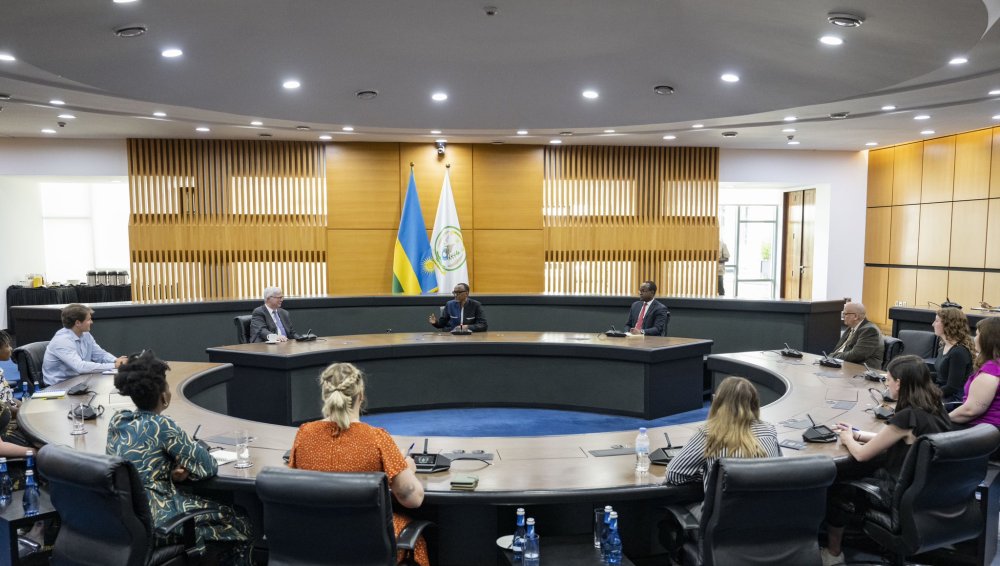
Rwanda’s Presidency has revealed that the students shared lessons learned from the Peace and Values Education course at the Kigali Genocide Memorial and asked the President about leadership, reconciliation and Rwanda’s transformational journey after the 1994 Genocide against the Tutsi.
Kagame is among leaders that often deliver talks to students from USA where he shares Rwanda’s resilience journey after Genocide against the Tutsi, serving as a source of inspiration and motivation for others who seek to overcome challenges and create positive change.
On Monday 15th May 2023, the Head of State also hosted students from Harvard Business School at Urugwiro Village where he emphasized the importance of resilience and finding a way up, even in the face of adversity.
Reflecting on Rwanda’s remarkable transformation after the 1994 Genocide against the Tutsi, he attributed the country’s success to its refusal to remain mired in darkness.
As he interacted with the students on Monday, Kagame also highlighted that working with people has been the key enabler for Rwanda to achieve current transformations after Genocide against the Tutsi.