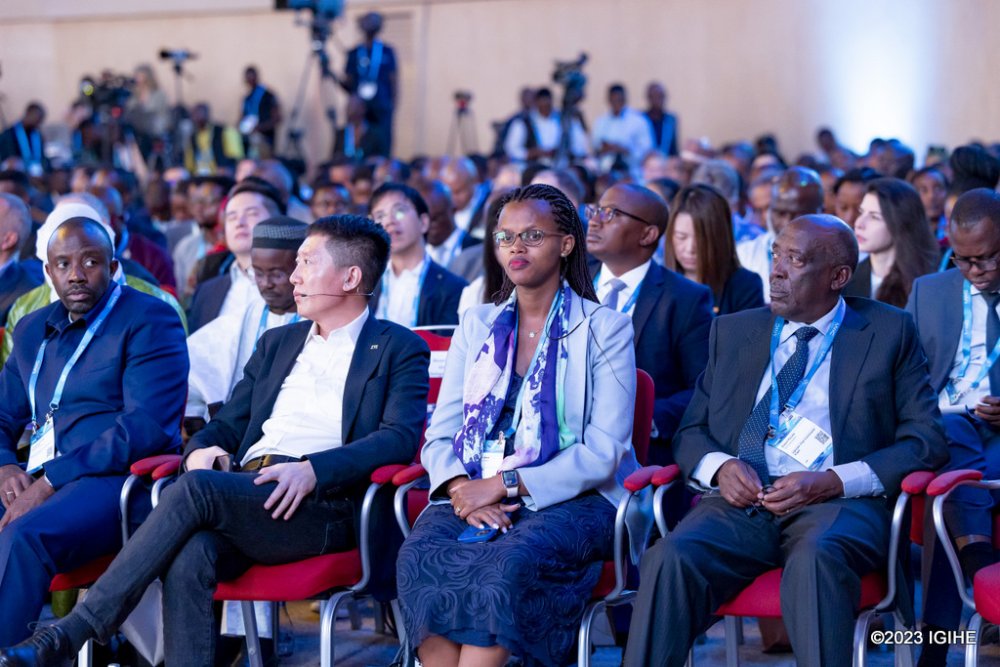
The meeting, held on Oct. 17-19, brought together more than 2,500 delegates, including political leaders, government officials, experts, representatives from the United Nations and the African Union, as well as dozens of technology companies and start-ups, among others, from across Africa and the world.
“The rollout and deployment of 5G is expected to contribute to the growth of Africa by creating jobs and improving incomes. The ecosystem surrounding the 5G economy is much more powerful than any other technology that preceded it in the realm of digital communications,” Amir Abdelazim, a partner expert with Detecon Consulting, said in an interview with Xinhua on the sidelines of MWC2023 on Thursday.
He added that African countries should put in significant efforts to ensure the rapid deployment of 5G networks, unlocking unprecedented opportunities for innovation and economic development on the continent. “It is remarkable to see how startups in Africa are working to find innovative solutions that can catalyze the rollout of 5G.”
Elizabeth Migwalla, vice president of international government affairs for Qualcomm, told Xinhua that the 5G standard is designed to enable new services and use cases across all sectors of the economy.
“It is the capabilities of 5G that make this transformation possible. When properly deployed and used, every sector of the economy can benefit from 5G, spanning from education and health to governance and transportation in Africa,” she added.
While addressing the 5G session on the sidelines of the MWC2023, Li Tao, president of Huawei Southern Africa Wireless Business, emphasized that 5G technology has substantial potential to drive economic growth in Africa.
He noted that Huawei plays a crucial role in delivering 5G technology to the African continent. “5G can stimulate and promote the 5G industry further by enhancing various aspects, such as devices, ecosystem, and network.”
The momentum for 5G is growing in Africa. However, the initial focus for 5G deployment is on urban areas and industrial locations, where there is a greater need for the technology, according to Mobile Economy Sub-Saharan Africa’s latest report by Global System for Mobile Communications, a global organization that unifies the mobile ecosystem.
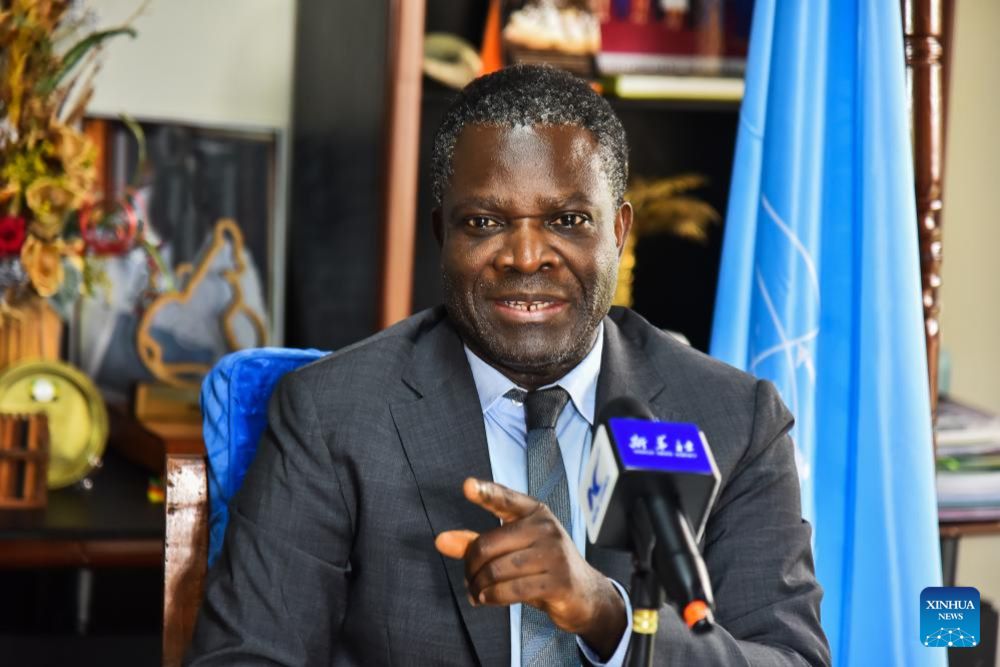
The initiative is a role model for inclusion and international cooperation that keeps with the UN agenda, Tavares said in a recent interview with Xinhua, hailing the BRI as “an excellent opportunity for Africa to industrialize and develop.”
The initiative is fundamental for African development and China’s support for African countries with its own experience in the area of industrial policies and strategies will help the continent achieve its development goals faster, he said.
Emphasizing the initiative has helped African countries find innovative solutions to their own problems, the representative said, “I like very much the idea and this is an inspiration we can get from China.”
“We are still discussing policy on industrialization, policy on digitalization, policy on quality, policy on environment and sustainability as the world is undergoing rapid and profound changes,” Tavares said.
With the initiative “on our side,” he added, progress and goals will be achieved.
Citing the Kribi Deep Seaport in Cameroon as an example, Tavares said it has played a crucial role in bolstering infrastructure development, employment, trade and investment in Cameroon.
The construction of the first phase of the project in 2018 stimulated Cameroon’s economy and provided relief for the harbor at Douala port, the country’s most populous city, and the second phase is in progress and will help improve the efficiency of the port and enable Cameroon to become a maritime hub in Central and West Africa upon its completion.
The UN agency “intends to have a role in the creation of an economic zone or maybe an industrial park around Kribi and BRI will be facilitating,” he added.
Tavares also praised China’s transfer of skills as vital, saying that “enterprises from China are doing more than development.”
“Belt and Road is another way to work together, another way to do something regarding many countries, not only bilateral and this is what the United Nations in general is promoting, multilateralism,” Tavares said.
The airline said in a press release that Thursday’s inaugural flight came after it secured approvals from aviation authorities in Uganda and Nigeria. “Uganda Airlines will operate flights to Nigeria three times a week, on Mondays, Thursdays and Sundays, using its state-of-the-art 258-seat Airbus A330-800neo aircraft.”
Jenifer Bamuturaki, the airline’s chief executive officer, said the flight schedule is arranged to provide as much connectivity as possible to other destinations with minimal waiting times.
“Nigeria is Africa’s largest economy while Uganda’s central location on the continent makes it the ideal connection hub between East, West, North and Southern Africa,” Bamuturaki was quoted by the press release as saying. “The direct flights will yield significant time savings for our guests who will be terminating their journeys in Uganda and those who may wish to travel onward within our network to Nairobi, Dar es Salaam, Zanzibar, Kilimanjaro, Mombasa, Juba, Bujumbura, Kinshasa, Dubai, Mogadishu or Johannesburg and Mumbai.”
Lagos becomes Uganda Airlines’ 13th destination following the launch of direct flights to Mumbai, India, on Oct. 7.
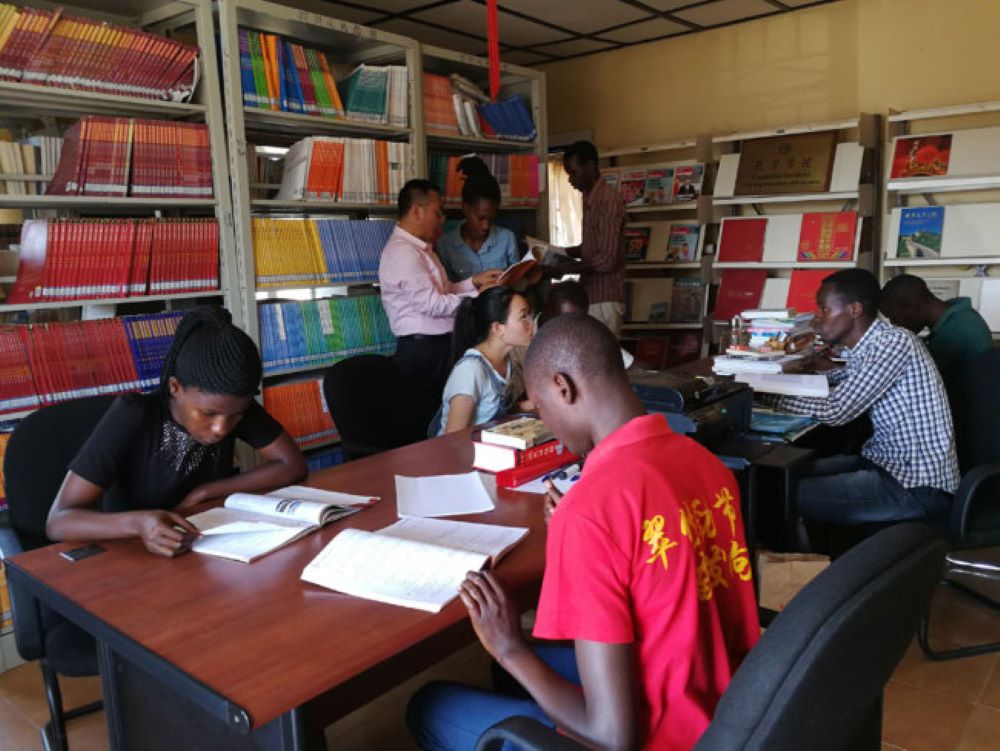
The one-day symposium, organized by the College of Liberal Arts at Chongqing Normal University and the Confucius Institute at the University of Rwanda, brought together Rwandan government officials and scholars, as well as education experts from Rwanda, China and the East African region.
Speaking at the event, Florien Nsanganwimana, principal of the University of Rwanda’s College of Education, said that the symposium is a testament to the enduring partnership between Chongqing Normal University and the University of Rwanda.
“The purpose of this symposium is to take Chinese language education in Rwanda to the next level because we are committed to raising the bar in Chinese language education,” Nsanganwimana said. “We aim to make Chinese language education more accessible to a broader audience in Rwanda and the East African region.”
Nsanganwimana highlighted the event signifies the remarkable journey that has been undertaken in promoting Chinese language education and cultural exchange.
“As we deliberate on the development of Chinese language education in Rwanda and the broader East African region, let us not only celebrate our achievements but also look ahead to the exciting opportunities and challenges that await us. Together, we can continue to bridge cultures and foster mutual understanding,” he said.
Shui Qiang, deputy director of the College of Liberal Arts at Chongqing Normal University, said via video link at the event that the College of Liberal Arts looks forward to providing more support and assistance for the development of Chinese language education in East Africa.
“We are willing to share resources and experiences in the field of international Chinese language education with East African countries, jointly promoting cooperation and exchange in language, culture, and education,” Shui said.
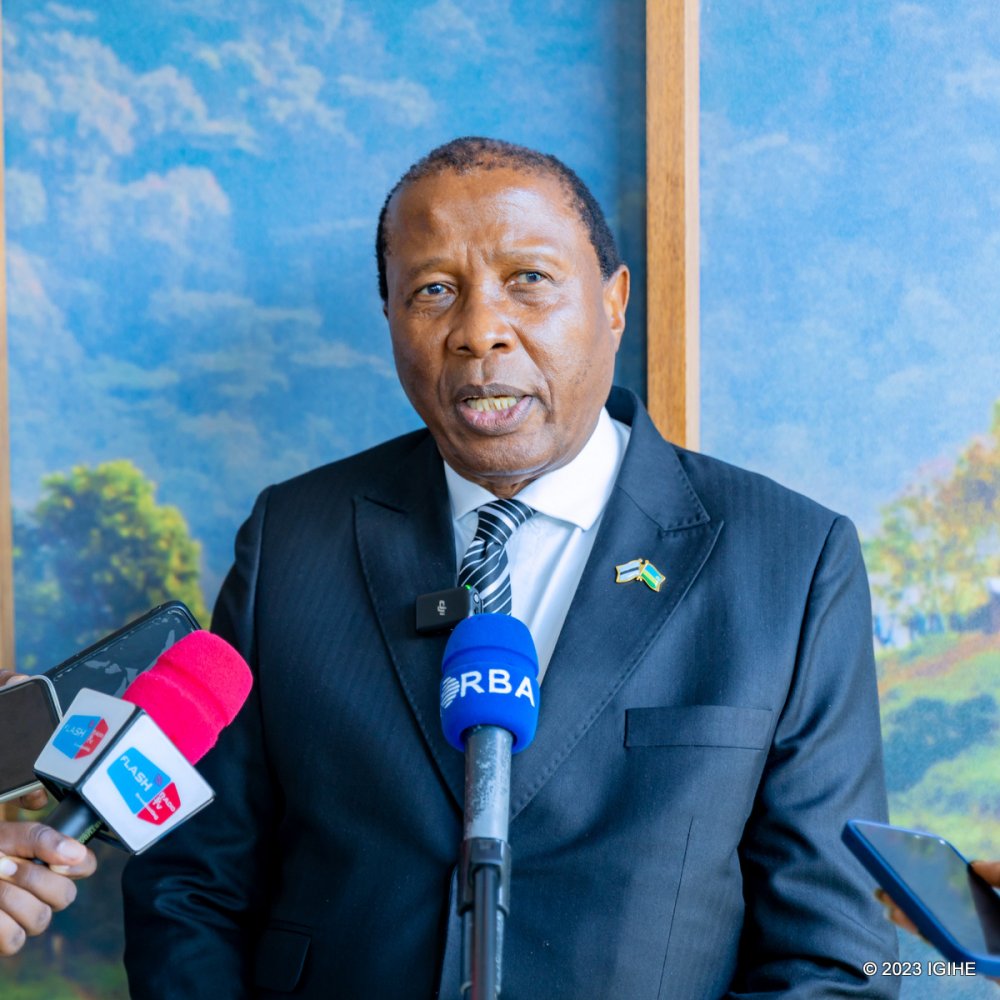
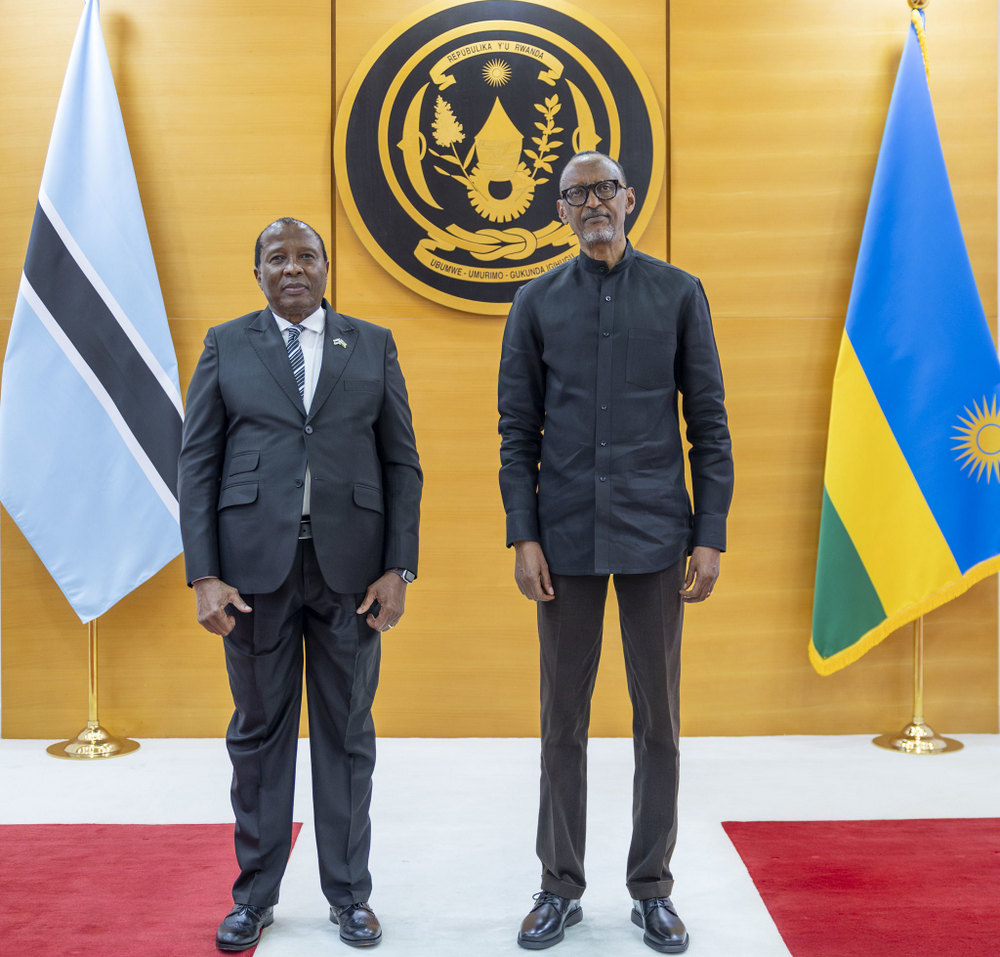
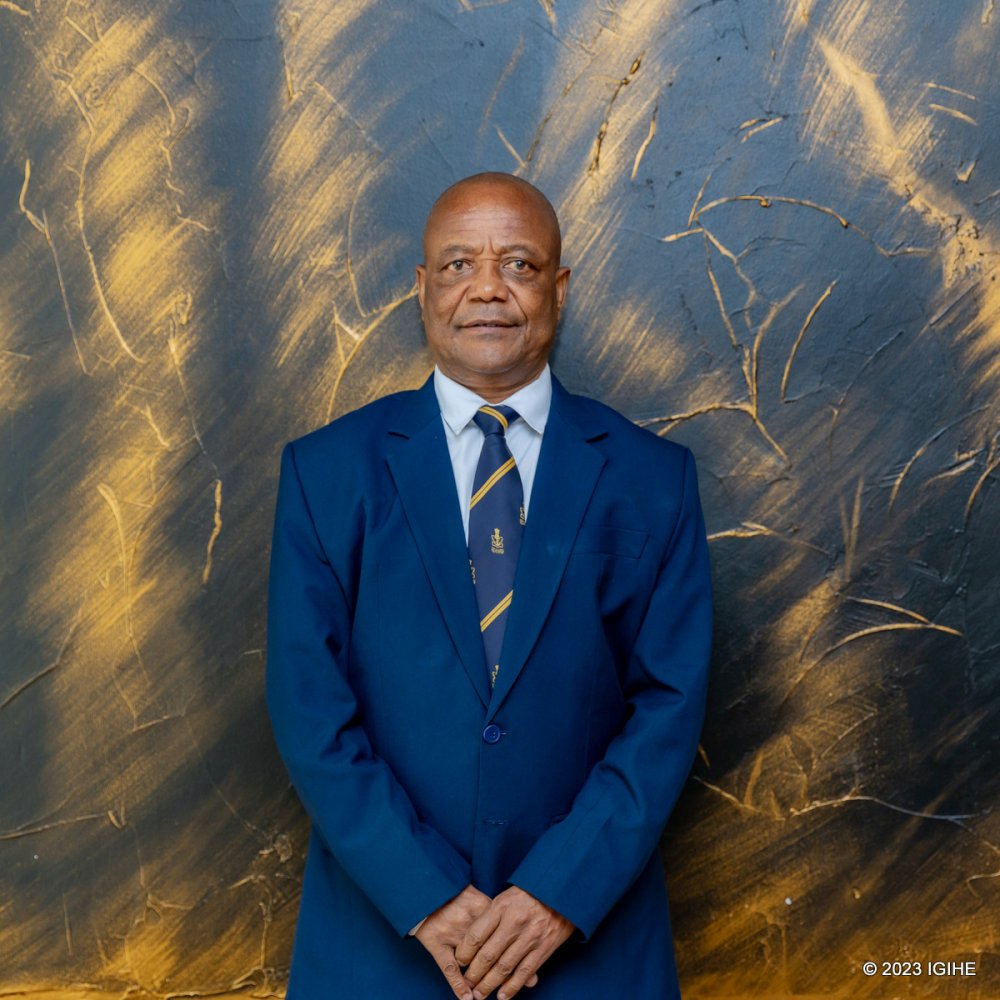
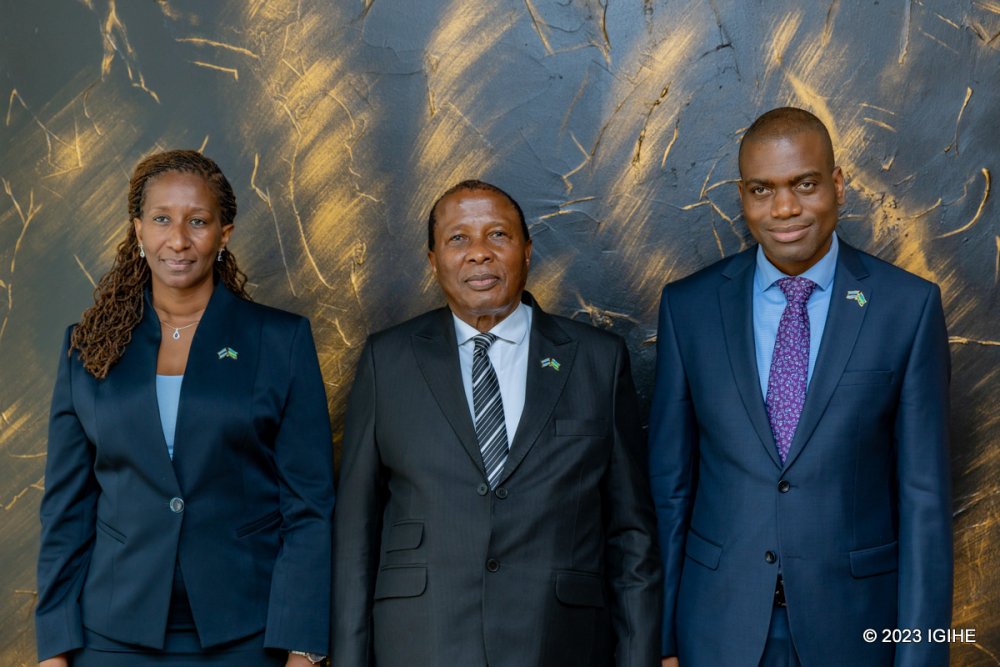
He made the remarks after presenting credentials to President Paul Kagame on Wednesday 18th October 2023 pledging to enhance the excellent relationships that exist between Botswana and Rwanda.
“As you know, Rwanda has embarked on a remarkable journey and stands as a model of exemplary leadership. Through challenging times, it has evolved into a beacon of hope and prosperity not only for the people of Rwanda. This journey represents a remarkable transition towards a future filled with hope and high expectations,” he exclaimed.
He also commended Rwanda for its innovative and effective policies in subsistence farming, setting remarkable examples not only for the entire African continent but also for developing countries worldwide.
In the same manner, Sesinyi appreciated Rwanda’s leadership which is known for democracy, good governance and planning, stating that the nation is not only a ‘doer of marvellous things, but also a pace nation’.
“I feel empowered and enabled to continue to enhance the excellent relationships that exist between our two countries. We have excellent relations at several levels which include a joint permanent commission of corporation – an instrumental platform through which we expect to coordinate all the activities that mutually benefit our people,” he explained.
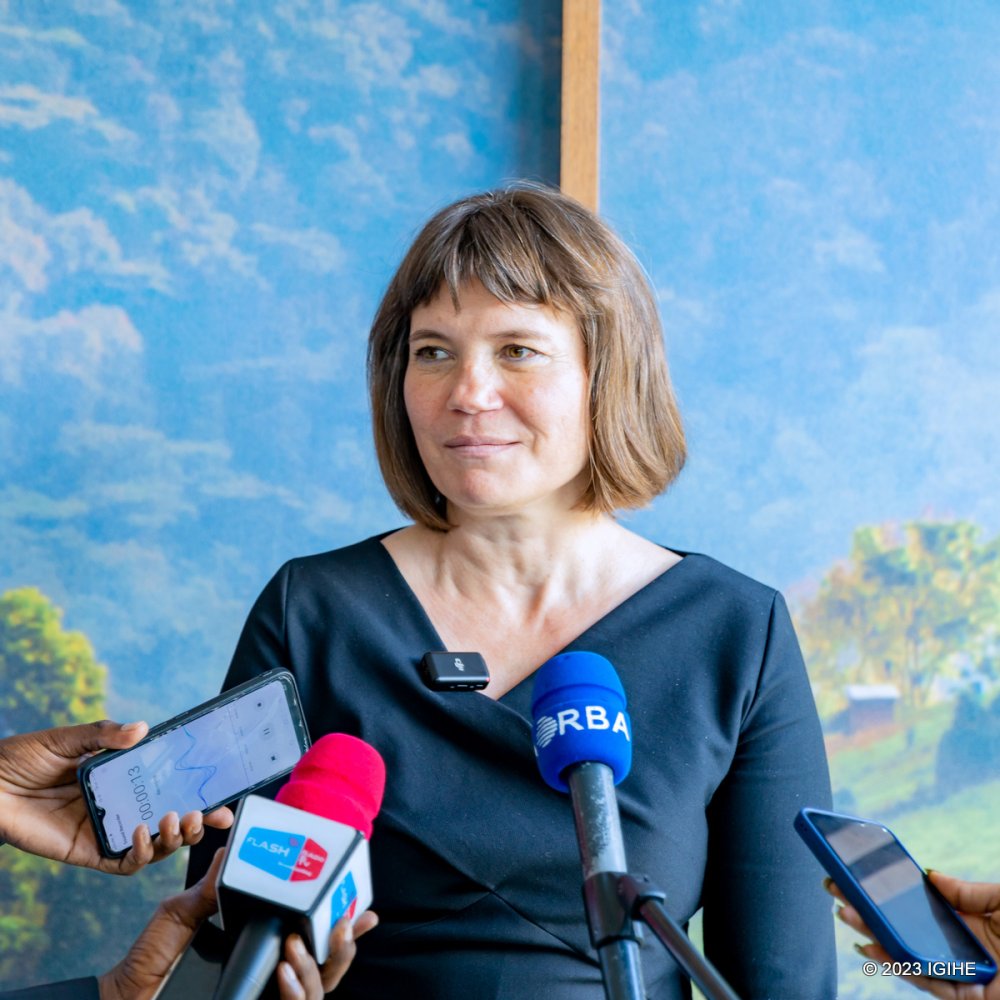
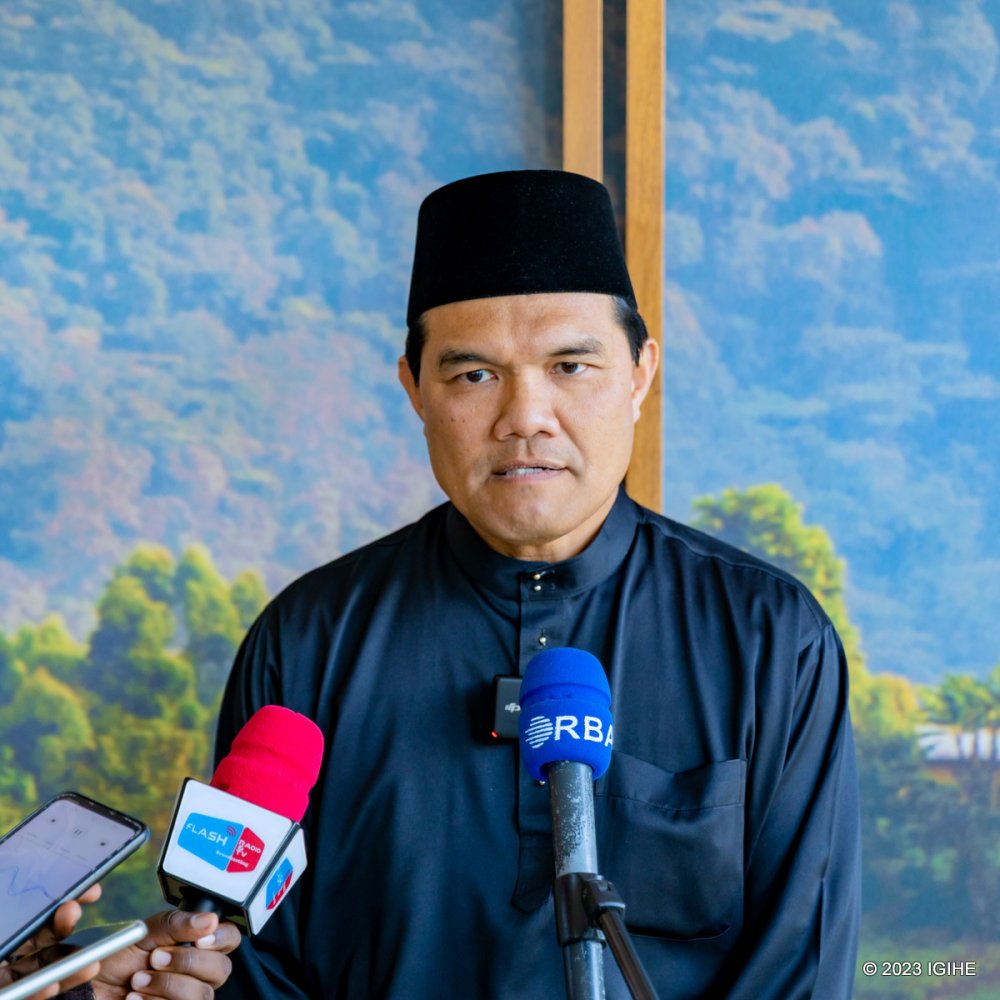
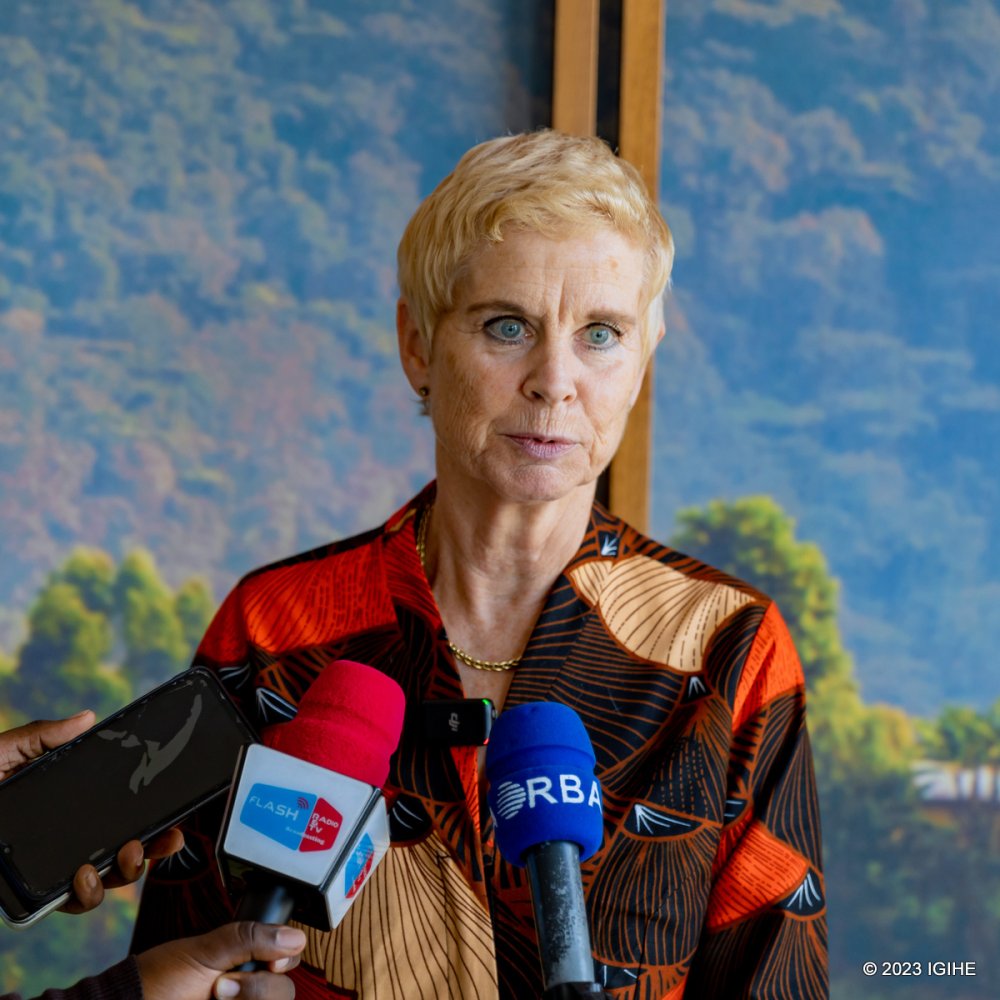
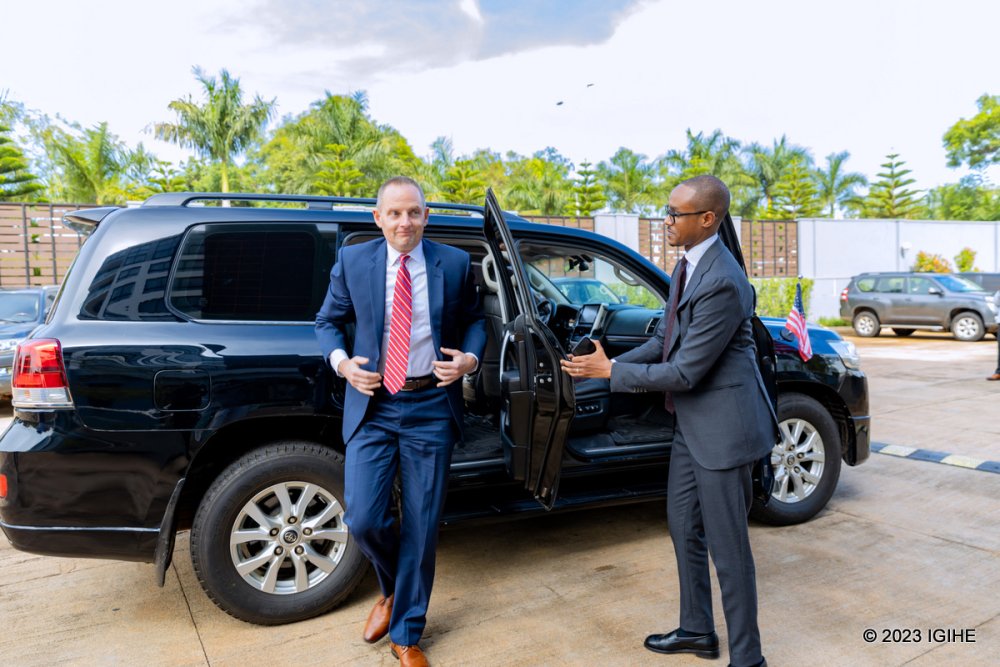
Kagame also received letters of credentials of envoys from the United States of America (USA), Spain, Malaysia, Czech Republic and Netherlands.
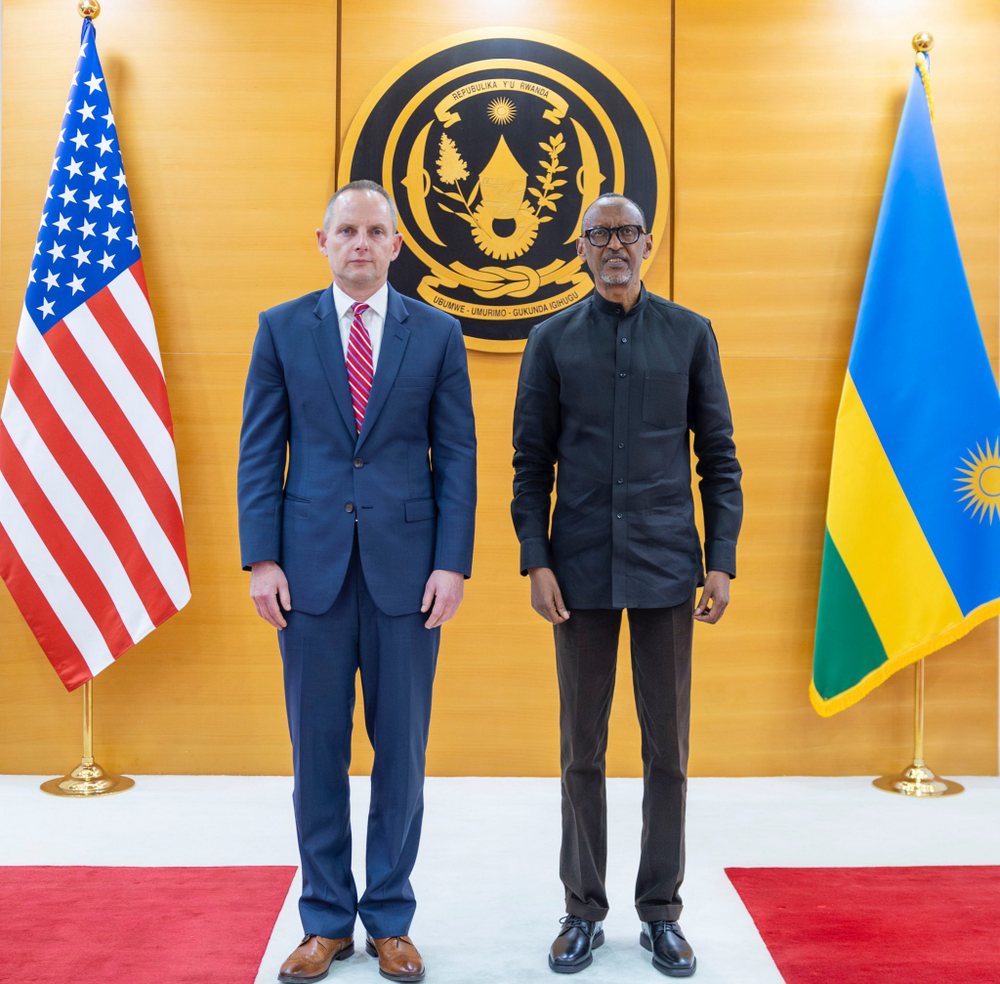
Speaking to the media after presenting his credentials, Eric Williams Kneedler, the ambassador of USA explained the three main areas of focus he presented to the Kagame.
These include; education of Rwandan students in America and vice-versa, expanding the economic and commercial linkages between the US and Rwanda and syncing and aligning partners with Rwanda’s National Strategy for Information (NSIT1) and NST2, in addition to other initiatives in the areas of health, environment, economic empowerment, among others.
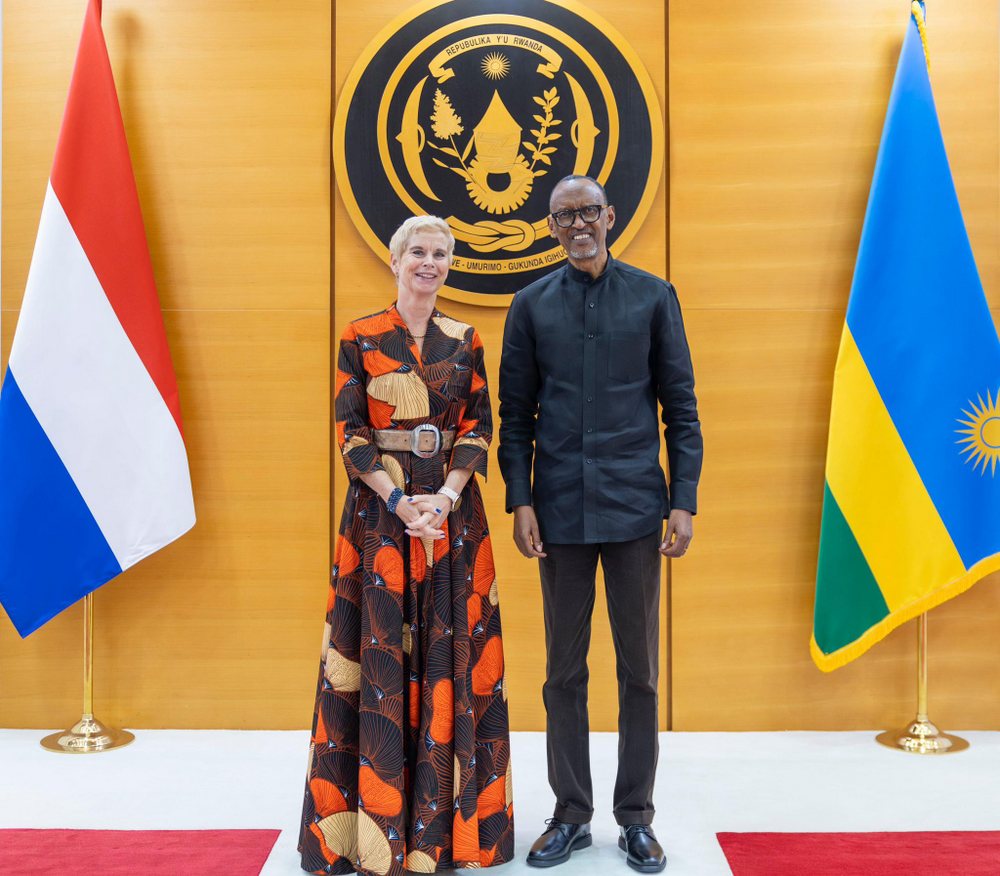
Joan Jacobje Jantina, the Ambassador of the Netherlands to Rwanda expressed great honour for presenting her credentials to Kagame reckoning on the good relationship and cooperation the two countries have which dates many years back.
Committing to work together with the government of Rwanda, Joan hinted on some of the areas that Netherlands intends to cooperate on with Rwanda like the green economic cooperation, private sector development, all which align with Rwanda’s transformation agenda.
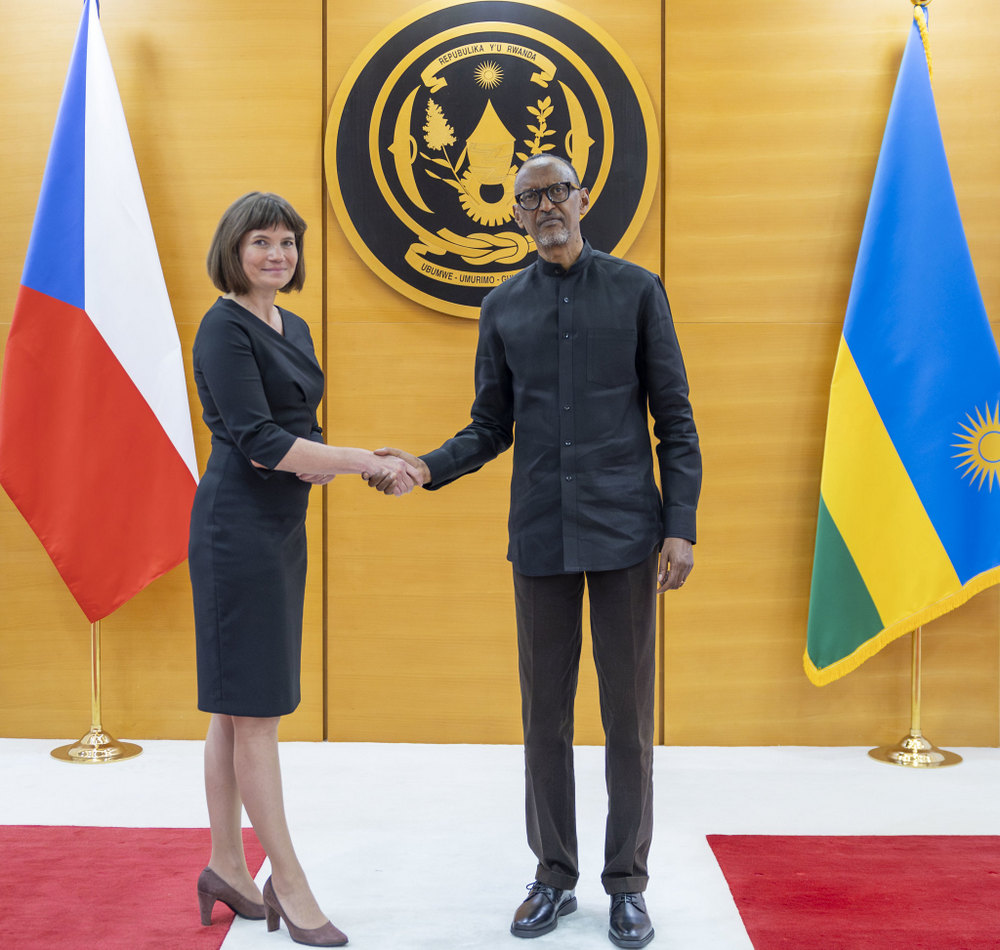
“Our partnership has grown stronger and stronger and it is based on mutual trust and confidence and I’m strongly believe that this confidence is also reflected in the decision of his excellency the president and the government of rwanda to open a mission in Prague in our capital,” said Nicol Adamcova, the ambassador Czech republic after presenting her credentials to Kagame.
Earlier this year, the Government of Rwanda built a mission in Prague, the capital of Czech Republic a thing Adamcova says is proof for the two nations partnership that dates back to 1994.
She further stressed Czech’s will to strengthen partnerships with Rwanda in the health sector, advanced technologies, digitalization, and trade missions.
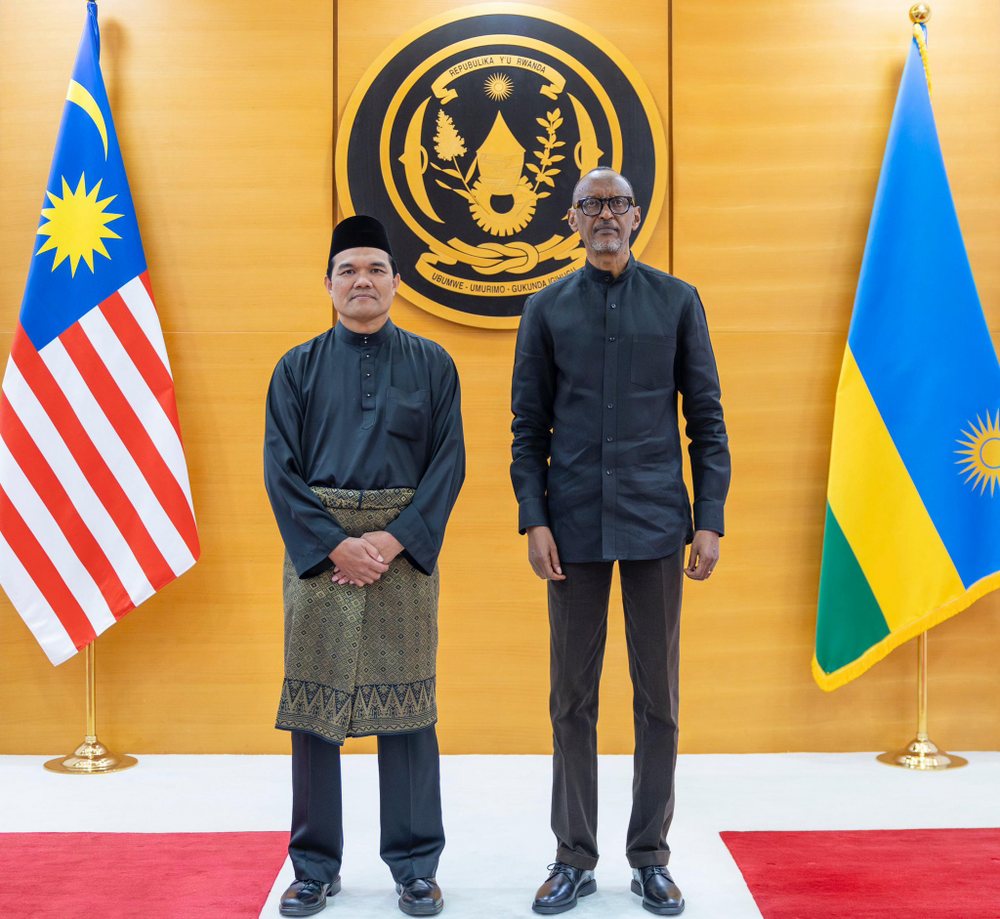
On the other hand, the Ambassador of Malaysia- Ruzaimi Bin Mohamad expressed the need to improve economic cooperation between Malaysia and Rwanda, as both countries were greatly affected by COVID-19.
In August this year, Kagame received twelve credentials from envoys from South Korea, Pakistan, Ethiopia and Iran, among others.
Tshisekedi was appointed by the Economic Community of Central African States (CEEAC) to facilitate talks between Chad’s opposition parties following the sudden passing of Idriss Deby, who was succeeded by his son.
Recently, the opposition parties initiated a petition, urging their supporters to sign it with the aim of collecting a minimum of 200 signatures. The petition explicitly expresses their dissatisfaction with Tshisekedi’s role as a mediator, alleging that he has exhibited bias in favor of Chad’s Transitional President, Mahamat Déby.
One prominent opposition figure, Yaya Dillo, expressed his frustration, stating that they had been patient and cautious but now believed that Tshisekedi was conveying a biased message from those in power. He criticized Tshisekedi, contending that he is an unsuitable representative of democracy to mediate on behalf of the people of Chad.
This development occurred just as Tshisekedi’s envoy was expected in Chad’s capital, N’Djamena, to facilitate negotiations between the government and its opponents.
Jean-Bernard Badaré, the spokesperson for Idriss Deby’s MPS party, who was succeeded by Deby’s son, remained resolute in asserting that negotiations would proceed irrespective of the opposition’s stance.
He underscored that Tshisekedi’s appointment was made by CEEAC, and any alteration to his role would need to originate from that organization.
In a related development, one opposition politician, Succès Masra, postponed his return to Chad after a year in exile in the United States.
Masra cited the government’s disregard for human rights, politically motivated arrests, and their subsequent release as reasons for his decision not to return to the country.
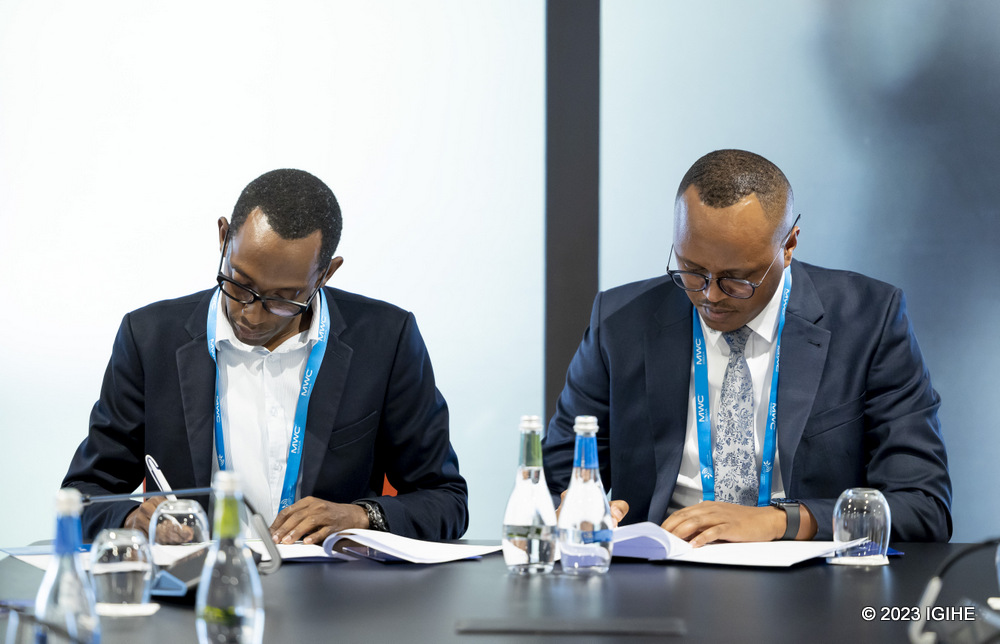
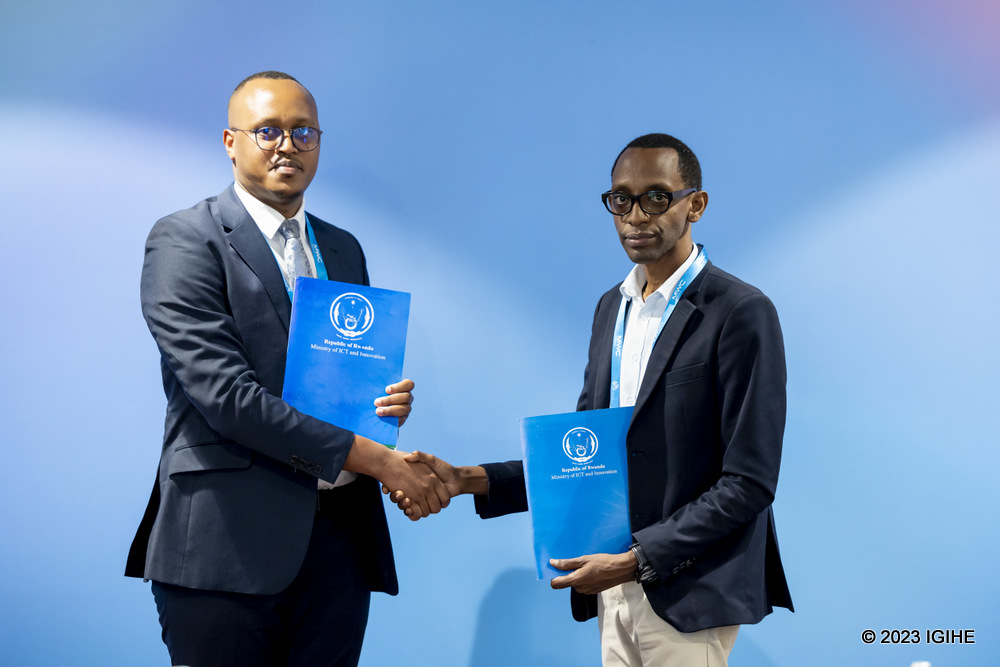
The agreement, signed on Wednesday 18th October 2023, signifies the commitment of both parties to work together in achieving the common goal of improving financial stability and the well-being of key communities as per need in Rwanda.
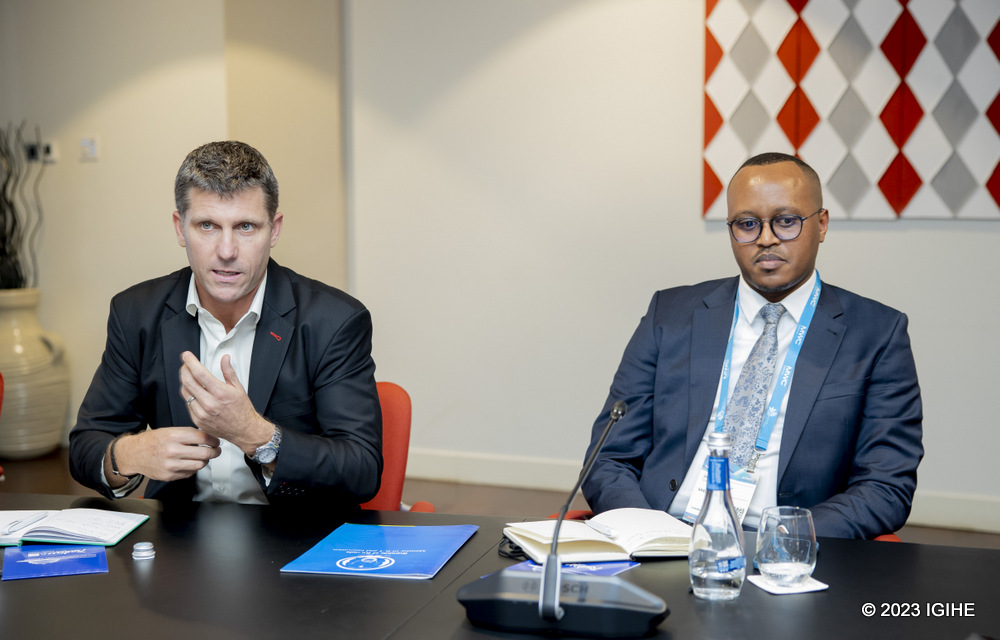
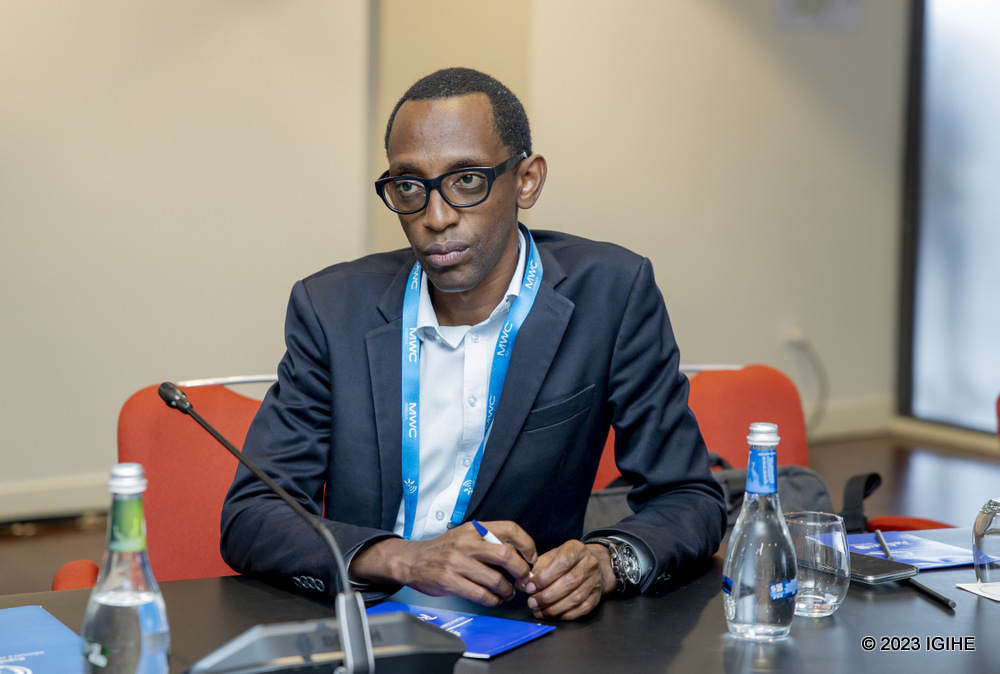
Karake Julius, the Country Manager for SPENN in Rwanda, emphasized that the cooperation aligns with Rwanda’s national plan to harness technology’s potential across sectors.
“What we want is to see every Rwandan comfortable in accessing and paying for services through technology,” Karake stated.
This partnership will leverage SPENN’s innovative financial technology and MINICT’s mission to drive economic growth through information technology, communication, and innovation policies.
This agreement is a game-changer for SPENN, marking a pivotal moment in the company’s history.
It is poised to drive substantial revenue growth by facilitating the efficient disbursement of governmental funds, a mission that resonates deeply with SPENN’s core values. At full scale, the value of this agreement is anticipated to propel the earnings into positive profit on a group level of SPENN technology A/S, enhancing its financial stability and sustainability.
Commenting on the development, Jens Glaso, CEO at SPENN, commented, “We are excited to partner with MINICT to advance financial inclusion and empower communities in Rwanda. This Agreement sets the stage for meaningful collaborations that will create positive economic impact and drive innovation in the country.”
Paula Ingabire, Minister of ICT stated that this partnership reflects Rwanda’s dedication to leveraging technology and innovation to enhance economic growth and reduce poverty in Rwanda.
“Together with SPENN, we will work towards achieving our mission and improving financial opportunities for all Rwandans,” she noted.
Gordon Kalema, the Director General of Digital Transformation at MINICT emphasized that the agreement signifies a significant leap in technological adoption, opening doors to other companies striving to elevate social welfare standards.
{{The Scope of agreement will cover five main initial projects:}}
{{Empowering Educators and Teachers }}
Through this agreement, SPENN will collaborate with the Ministry of ICT and other government institutions in education and to uplift the socio-economic welfare and enhance the financial stability of educators and teachers in Rwanda.
This collaboration will include tailored financial products, loan disbursements, and financial literacy training programs for health workers as well.
{{Enhancing Bursary Disbursement}}
SPENN will partner with the Development Bank of Rwanda (BRD) to integrate with the MINUZA platform, facilitating bursary disbursement and repayments to University of Rwanda students within and outside Rwanda.
BRD will utilize SPENN’s credit scoring algorithm to improve loan repayment rates and ensure efficient fund disbursement.
{{Financial Tools for Health Post Personnel}}
SPENN will seek collaboration with the Society for Family Health (SFH) to provide access to financial tools for health post personnel, including operators and managers of health posts managed by SFH.
{{Rwanda Community Abroad Support}}
SPENN is dedicated to supporting the Rwandan diaspora by enabling free-of-charge remittances from Nordic banks to Rwanda. This initiative aims to alleviate Rwandan franc depreciation and promote financial activity and investment within Rwanda.
{{Multi-Currency Wallet}}
SPENN Rwanda plans to introduce a multi-currency wallet, enabling users to hold different currencies in one wallet, facilitating seamless and cost-effective cross-border transactions between African countries.
Both parties are committed to exploring additional mutually beneficial projects that drive financial literacy and accessibility to the digital economy, aligning with their vision to make financial services accessible for everyone as per need.
As part of this important strategic move, SPENN’s management is diligently assessing its current operations to align them more closely with the focus on governmental disbursement. This shift reflects SPENN’s dedication to optimizing its operations and capitalizing on the tremendous potential within this sector.
To bolster this transformation, SPENN is placing a strong emphasis on cost efficiency. The management is rigorously focusing on cost reduction to ensure that resources are allocated judiciously, thereby minimizing expenditure associated with implementing this project.
This disciplined approach is expected to position SPENN favorably, primarily through the generation of float fees resulting from the governmental disbursement process.
Nnenna Nwabufo, the director-general for the East Africa Region at the AfDB, stressed that the continent should leverage capital and technology from indigenous businesses to boost green financing amid shrinking external support.
“Our level of economic development has made it difficult to accelerate climate action and that is why we need innovative ways to increase climate financing,” she said at a regional civil society forum convened by the AfDB.
Nwabufo said that Africa’s private sector deserves some fiscal and regulatory incentives to boost its contribution to green financing.
According to the AfDB, African countries should mobilize 213 billion U.S. dollars annually from the private sector to bridge the climate financing gap by 2030, given the strain on public finances.
In addition, the continent requires 242.4 billion dollars annually until 2030 to support the implementation of carbon emission reduction targets known as Nationally Determined Contributions, the AfDB said.
The continent received a partly 4.2 billion dollars in private climate finance in the 2019-2020 period, equivalent to 14 percent of total climate finance flows of 29.5 billion dollars, the lender noted.
Nwabufo revealed that the AfDB intends to raise 10 billion dollars in the medium term to boost climate financing in Africa and hasten the implementation of projects that advance resilience across key economic sectors.
Josephine Ngure, country manager at the AfDB, said African governments should design commercially viable green projects across energy, agriculture, forestry, water and manufacturing sectors to attract private sector financing.
According to Ngure, the continent should unlock private sector investments in renewable energy, climate-smart agriculture and green technologies through knocking down regulatory barriers.
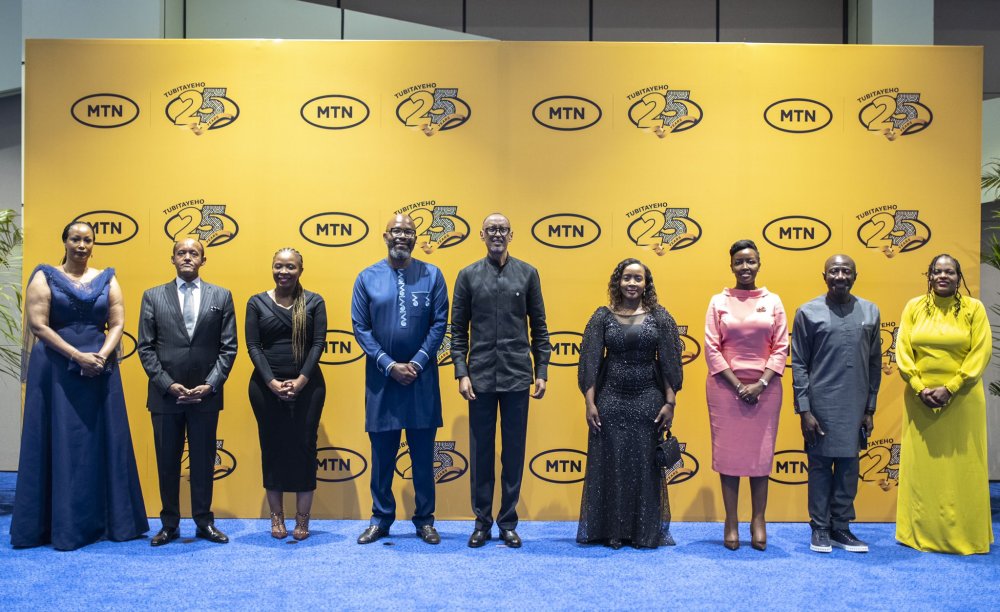
Speaking at the event, President Paul Kagame, lauded MTN Rwanda’s quarter-century tenure in the country and acknowledged the audacious gambles taken by both parties during that epoch.
Kagame acknowledged the shared risks taken by both parties, reflecting on their mutual journey.
He expressed genuine contentment at the notable achievements made over the past quarter-century, emphasizing that these accomplishments warrant celebration. Kagame remained steadfast in his belief that the future holds even more promise for this collaboration.
He went on to elucidate the collaborative journey between Rwanda and South Africa, harkening back to its inception four years before the formal investment, when Rwanda was endeavoring to rise from the ashes, while South Africa was emerging from the tumultuous history of apartheid.
He recounted how, in 1998, during a cabinet meeting convened to approve the company entrusted with launching the mobile telecommunications sector in the country. The Head of State underscored the significance of adopting cutting-edge and forward-looking technology.
This stance contrasted with other government members who favored a Rwandan-owned company among the bidders, a firm that had provided substantial support during the liberation war but possessed only analog technology.
He reminded his colleagues at the time that the nation required technology capable of efficiently serving its populace, leading to the selection of MTN’s proposal.
The head of state conveyed his joy in celebrating the enduring partnership with MTN Rwanda, characterized by occasional challenges but ultimately proving mutually beneficial.
“Today, we have millions of individuals with mobile phones in their hands, and others who benefit from MTN Mobile Money… let us continue to build upon this foundation,” he emphasized, extending an invitation to the company’s leaders to consider Rwanda as their second home.
Kagame stated that there are millions of people holding mobile phones, and others reaping the advantages of MTN Mobile Money nowadays and stressed the importance of further developing this groundwork.
Since 1998, MTN Rwanda has remained steadfast in its commitment to expand and modernize its network, along with fostering innovative digital solutions for Rwanda’s advancement.
At the MWC summit, MTN Rwanda unveiled the country’s inaugural live 5G network technology, aimed at delivering advanced, high-speed mobile internet services. This development is poised to significantly reduce latency and substantially enhance the internet user experience.
With its transformative capabilities, 5G is anticipated not only to enhance digital experiences but also to invigorate economic growth and further reinforce the nation’s digital inclusion agenda.
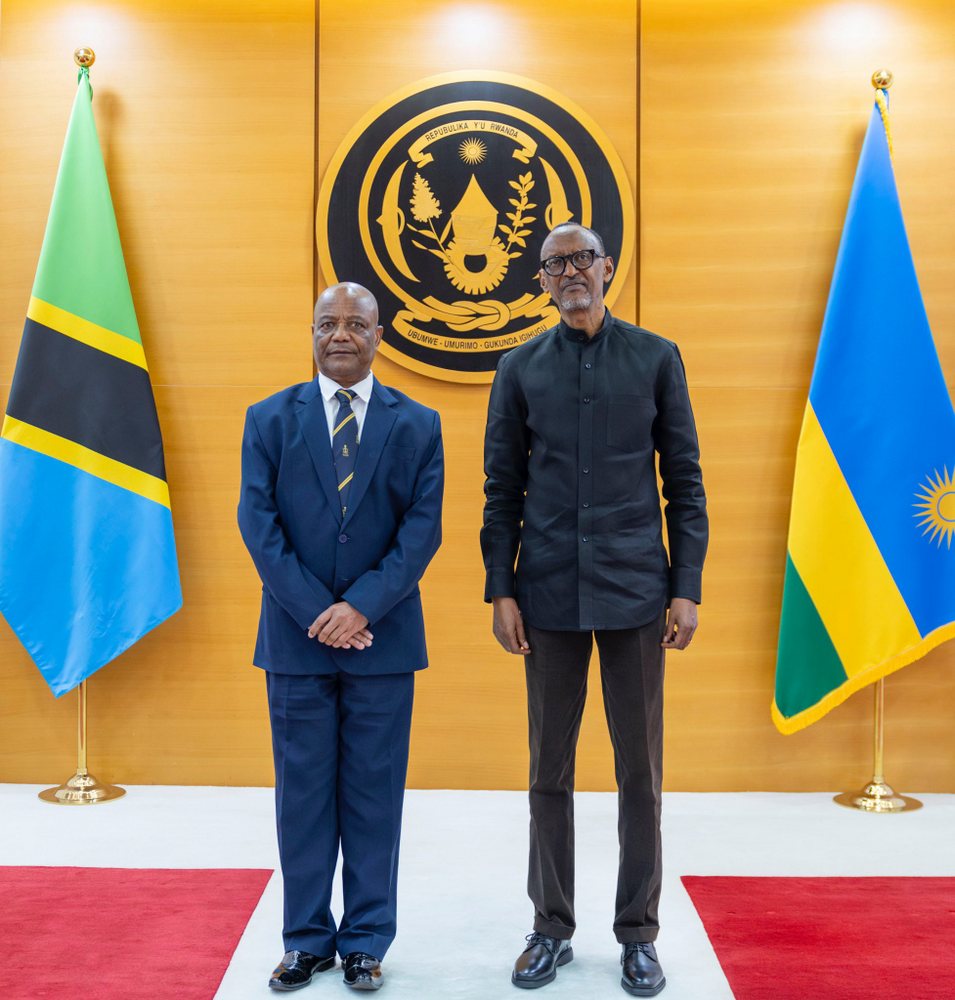
The event held at at the Urugwiro Village saw diplomats from several friendly nations, including the United States, Tanzania, and the Netherlands, engaging in fruitful discussions on enhancing bilateral relations.
The distinguished diplomats present at the event included Mr. Eric William Kneedler from the United States, Ms. Joan Jacobje Jantina Wiegman from the Netherlands, and Major General Ramson Godwin Mwaisaka from Tanzania.
All three are based in Kigali. Additionally, Mr. Ruzaimi Bin Mohamad represented Malaysia, Mr. Andrew Onalenna Sesinyi stood for Botswana, Ms. Nicol Adamcová represented the Czech Republic, and Jorge Moragas Sánchez hailed from Spain, with their embassies based in Nairobi.
Eric William Kneedler, the newly appointed U.S. ambassador to Rwanda, expressed gratitude for the strong friendship between the United States and Rwanda, highlighting their successful collaboration in various domains, including trade and investment.
He also mentioned ongoing partnership projects supported by USAID, aimed at bolstering sectors such as education, healthcare, and the economy.
Ambassador Joan Jacobje Jantina Wiegman from the Netherlands reaffirmed her country’s commitment to Rwanda, particularly in the realm of economic cooperation.
She cited successful examples of Dutch companies like Heineken, KLM, Unilever, and Royal DSM, all of which have made significant investments in Rwanda.
The Czech Republic conveyed its eagerness to boost bilateral cooperation, particularly in the mining and advanced technology sectors. In May 2023, Rwanda and the Czech Republic signed an agreement to eliminate double taxation, facilitating trade and encouraging mutual investments.
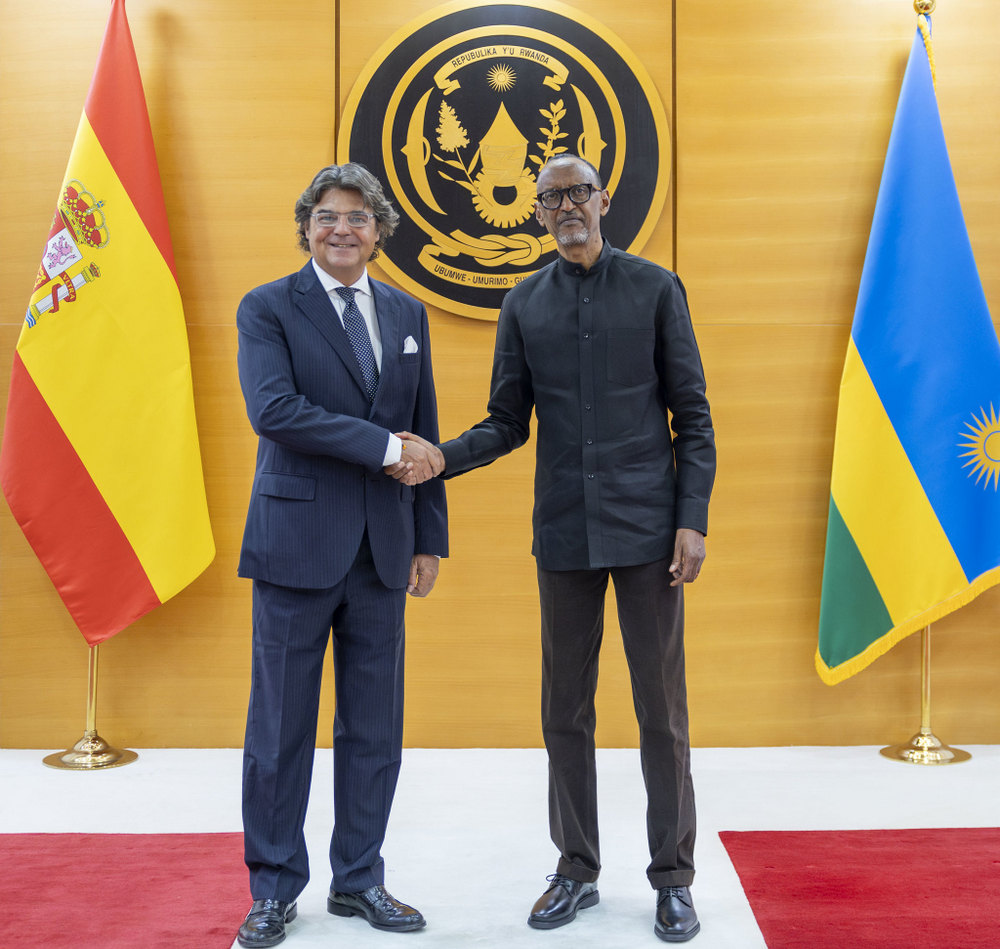
The Spanish Ambassador discussed cooperation in the agricultural sector and announced a $20 million investment in an irrigation project in Rwanda’s Eastern Province. He also emphasized the importance of promoting the Spanish language in the country.
Among others, the Malaysian Ambassador emphasized the need for stronger economic cooperation, particularly in light of the disruptions caused by the Covid-19 pandemic.
The exchange between Kagame and the ambassadors provided a fresh opportunity to strengthen ties between Rwanda and its international partners, with a primary focus on economic cooperation and mutual development.