The UN Office for the Coordination of Humanitarian Affairs (OCHA) said the Federal Ministry of Health and the World Health Organization (WHO) reported that seven of the 18 states suffered nearly 3,000 suspected cases of cholera, including 89 deaths, as of Nov. 12, double the numbers reported less than three weeks ago.
“The United Nations and humanitarian partners are scaling up the response to the outbreak, including by supporting the detection and treatment of cases,” OCHA said. “Vaccination campaigns are expected to start in states affected by the outbreak by the end of November.”
The humanitarians said about two-thirds of Sudan’s population lack access to health care, and more than 70 percent of health facilities in conflict areas are out of service. Since the start of the war in April, the WHO has verified 60 attacks on health care in Sudan.
The WHO said the initial cholera outbreak was reported in the eastern state of Gedaref and soon was reported in the capital of Khartoum in the country’s east-central region and continued spreading.
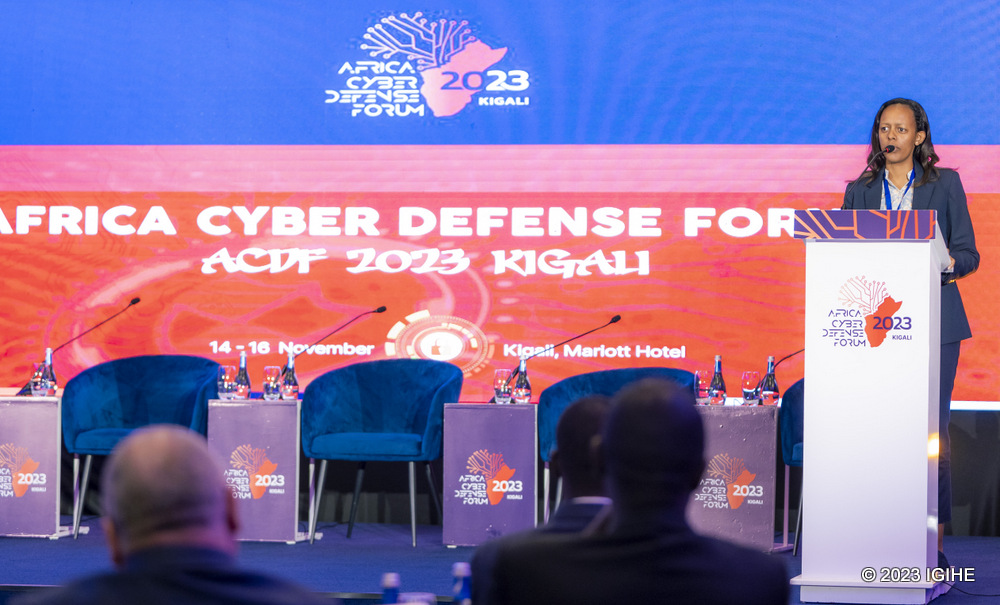
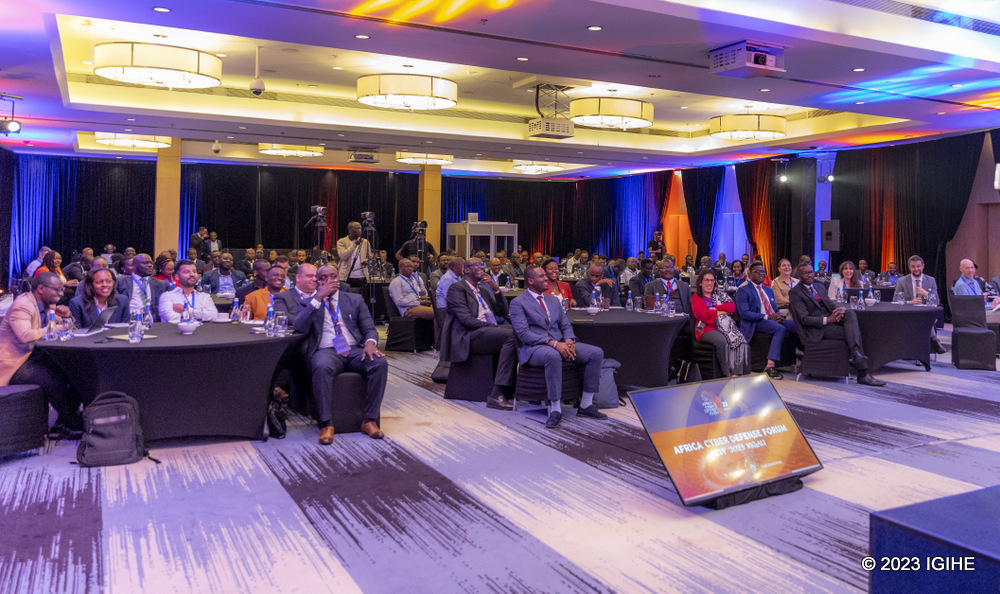
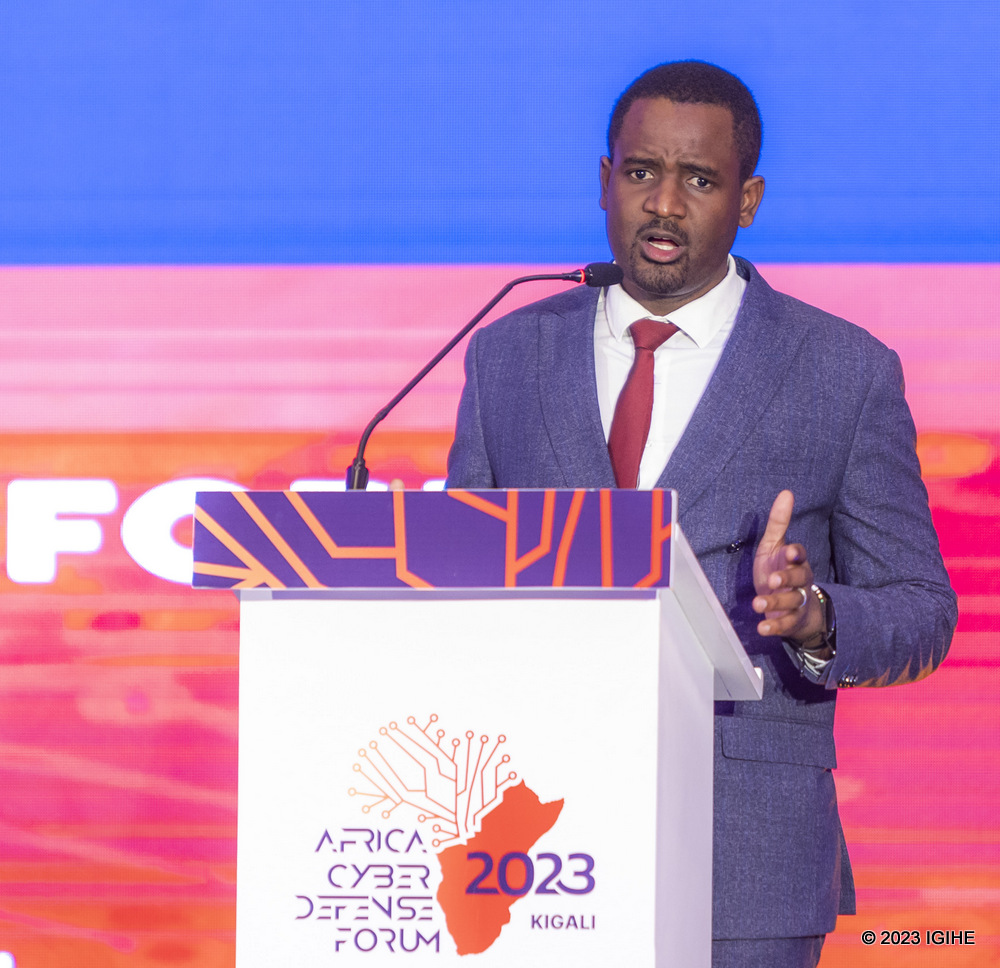
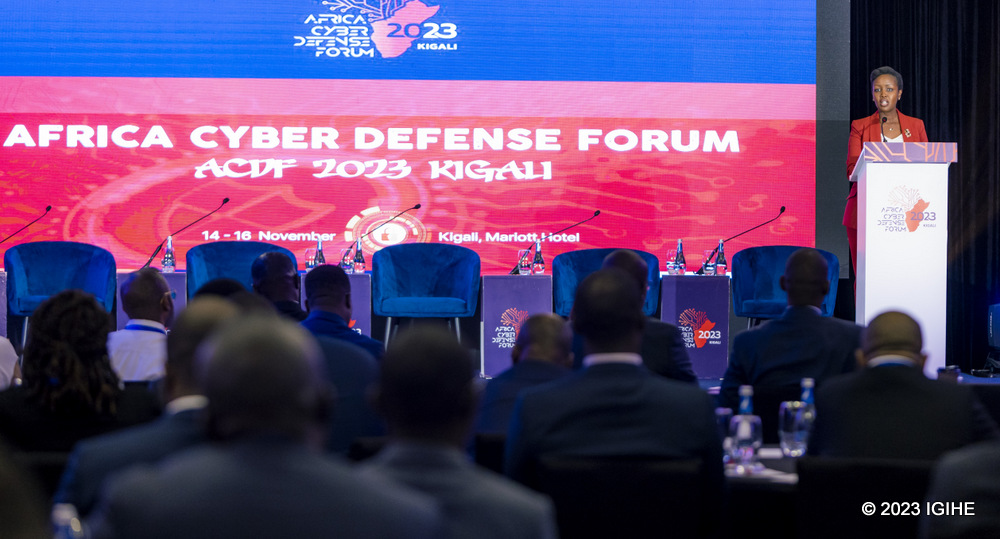
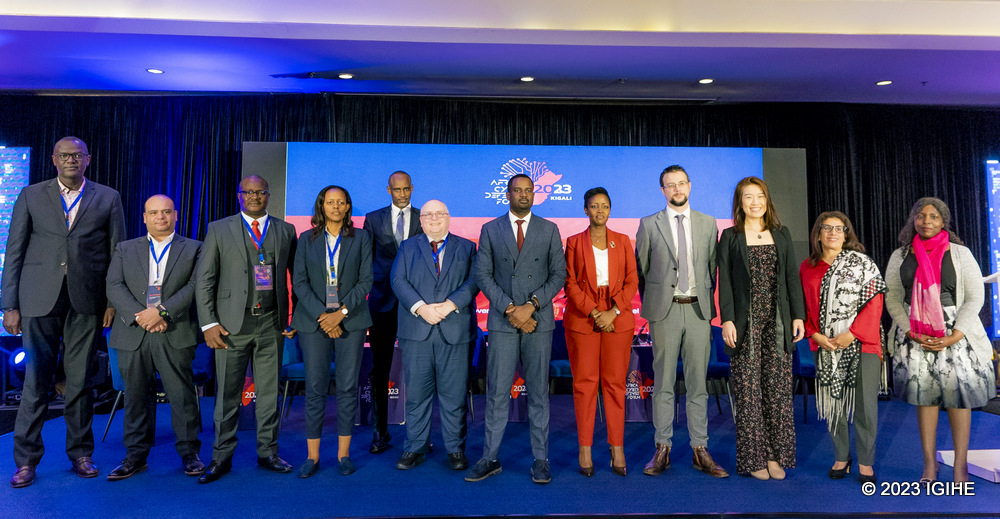
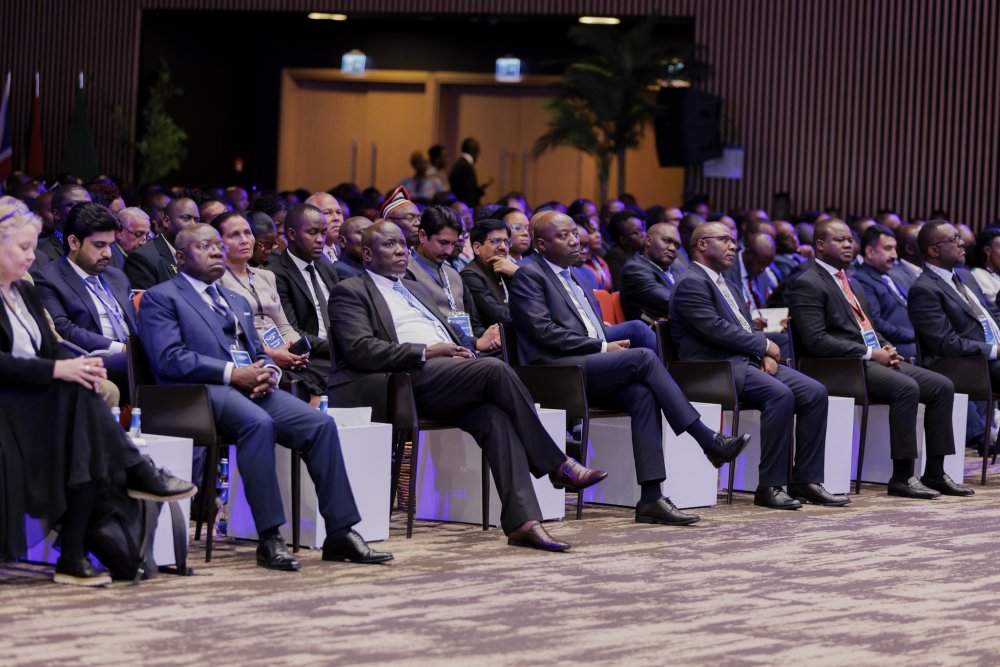
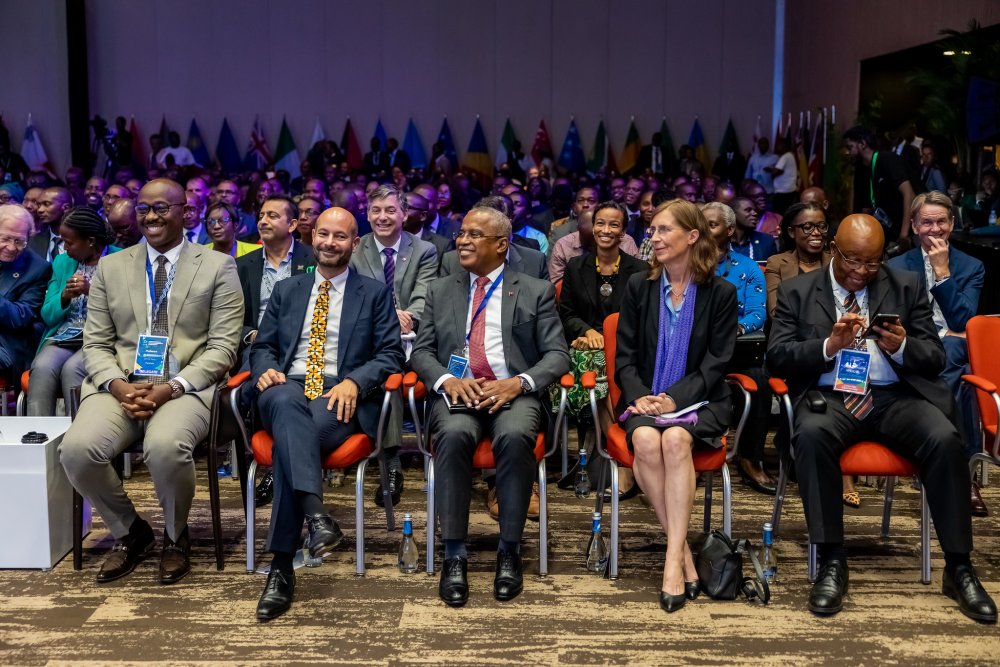
The ACDF, an idea conceived five years ago, has become a crucial platform for progressive business conversations, connecting thought leaders, experts, and organizations to address the challenges posed by the evolving threat landscape in cyberspace.
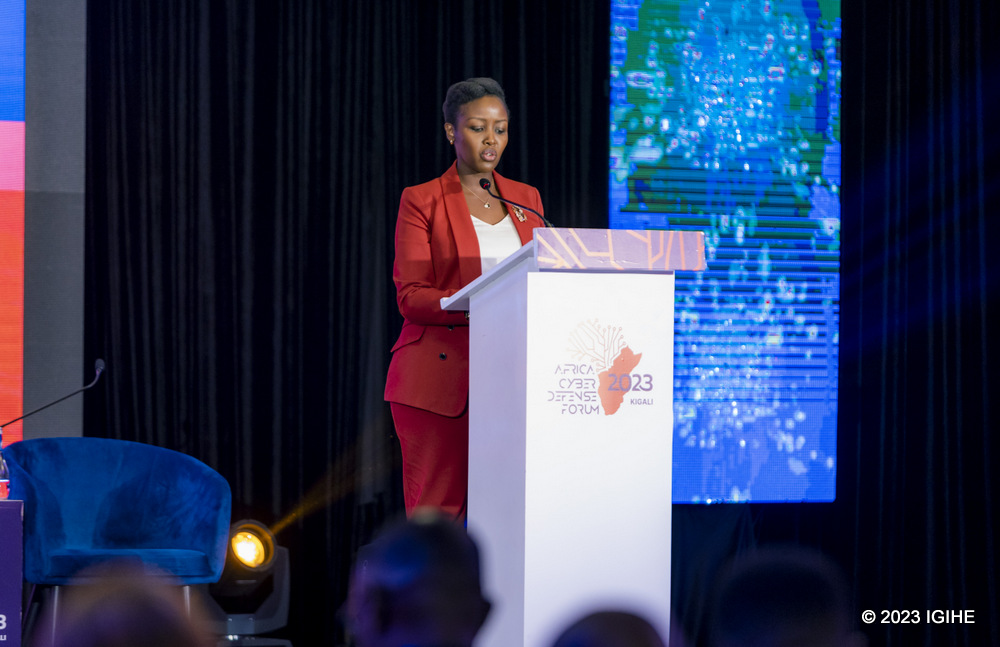
While officially opening the event, the Minister of ICT and Innovation, Paula Ingabire highlighted Rwanda’s commitment to safeguarding its citizens in the digital realm through the establishment of the Data Protection Law.
Minister Ingabire emphasized the significance of protecting not only the social but also the economic life of Rwandans through the safety of cyberspace.
She underscored the importance of continental conversations in making the digital space secure and highlighted the establishment of the Data Protection Law in Rwanda as a pivotal step in this direction.
“The importance of a secure and reliable data ecosystem cannot be overstated. It is the foundation upon which sustainable digital economies are built,” said Ingabire.
“Our recent AI policy recognizes the critical aspect of a well-protected data environment, emphasizing the need for sustainable digital economies built on the foundation of secure and reliable data ecosystems,” she added.
Among others, Ingabire emphasized the enactment of the Personal Data Protection and Privacy Law is a significant step in empowering individuals with greater control over their personal information, emphasizing the global threats with a 15% increase in cybersecurity crimes.
She stressed the need for preparedness, citing the shortage of cybersecurity skills as a significant challenge. Notably, the under-representation of women in the field, accounting for less than a third of the workforce, was highlighted as an area that needs urgent attention.
Ingabire further reiterated the importance of addressing gaps in regulations, with Rwanda taking a proactive step in this regard through the establishment of the data protection law.
The overarching theme of solidarity and collective action was reiterated throughout the forum.
Minister Ingabire urged attendees to share the vision of meeting the challenges in the cyberspace realm together. She likened cyberspace to our primary home, emphasizing the need to ensure its secure operations.
The Africa Cyber Defense Forum, with its mission to inspire and connect thought leadership, aims to shape the future of information security. The event’s focus on developing and connecting cybersecurity experts aligns with Rwanda’s commitment to leadership development in the field.
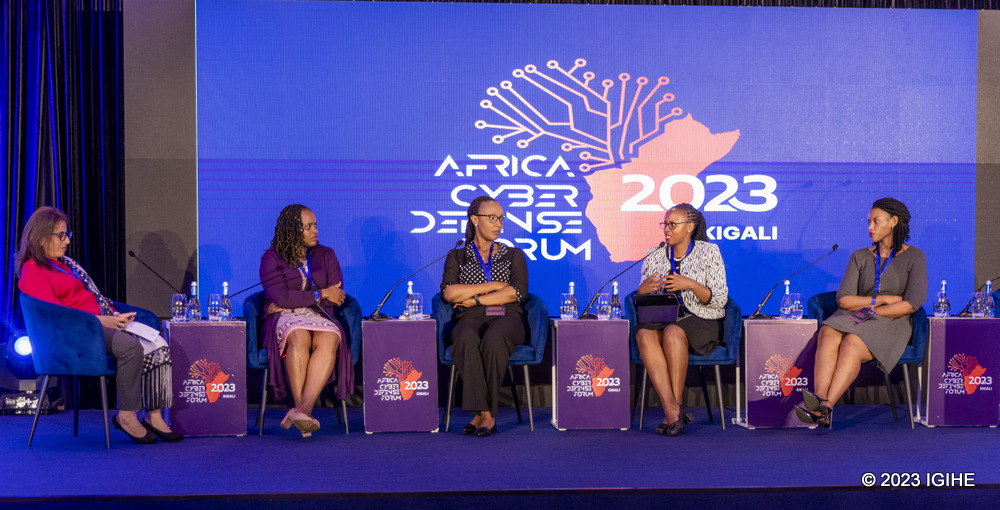
Panel discussions during the event, including “Women in Cybersecurity: Opportunities and Challenges,” shed light on the underrepresentation of women in the field.
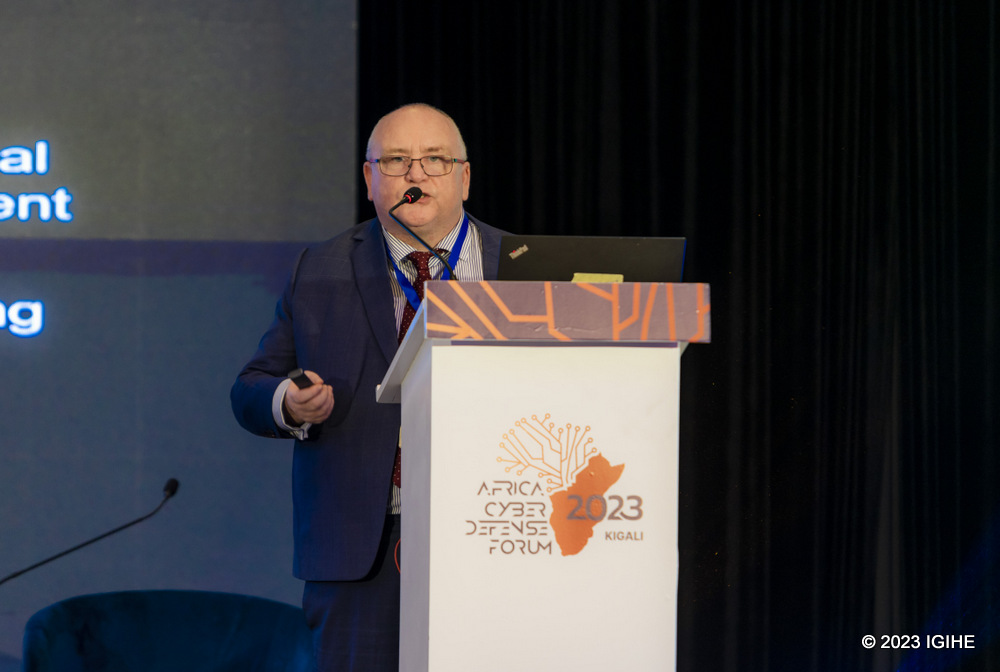
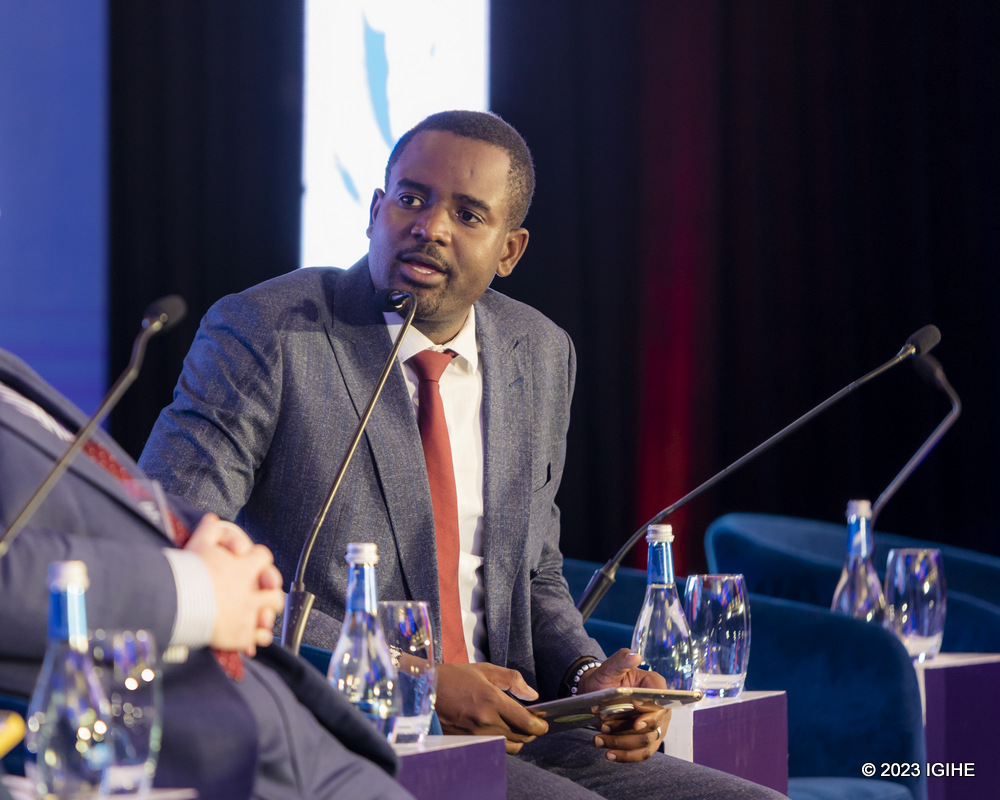
John Omo, the Secretary-General of the African Telecommunications Union (ATU), called for collaboration and putting in place strategic measures to ensure cyber security in line with the Malabo convention 2014 which asks for enhancing CS and data protection and tailored national strategies and efforts
Andy Chadwick, the Head of Africa Cyber Network for the UK Foreign, Commonwealth and Development Office, based in Nairobi, emphasized the need for international engagement in response to the rapid digital transformation.
Cybersecurity is now at the heart of the UK’s Foreign Agenda, with a vision for responsible and democratic cyber power to protect and promote a free, open, peaceful, and secure cyberspace.
The Africa Cyber Defense Forum 2023 serves as a critical platform for shaping Africa’s digital future.
The discussions and insights shared pave the way for collaborative efforts in building a secure, resilient, and innovative digital Africa.
The verdict, delivered by the court’s president, Robert John Reed, indicated that the UK’s plan to send migrants staying in the country illegally is considered unlawful.
The UK Supreme Court based its decision on the assertion that there are “substantial grounds to believe that asylum seekers would face a genuine risk of ill-treatment due to refoulement to their country of origin if deported to Rwanda.”
Refoulement involves forcibly returning refugees or asylum seekers to a country where they may face persecution.
Rwanda was accused of denying asylum to people from conflict-affected countries such as Syria, Yemen, and Afghanistan.
In response to the verdict, a statement released by the Government of Rwanda on Wednesday night acknowledged that it was ultimately a decision for the UK’s judicial system, but expressed disagreement with the ruling that ‘Rwanda is not a safe country for asylum seekers and refugees.’
The statement contended, “Given Rwanda’s welcoming policy and our record of caring for refugees, the political judgments made today were unjustified.”
Addressing the allegation of denying asylum, Rwanda countered that their claim of a “100% rejection rate” of asylum seekers from some parts of the world is dishonest. The statement clarified, “A total of two individuals from Syria and Yemen were indeed not considered for asylum because there was a faster and more appropriate path to legal residence, and these individuals are currently living and working in Rwanda.”
The court also mentioned that Rwanda had unfair decisions regarding migrants, citing agreements with Israel that led to the deportation of some migrants. The government clarified that an earlier agreement with Israel to receive migrants ‘was ended by Rwanda after it was deemed unworkable.’
Rwanda further indicated that the court relied on extreme and speculative concerns based on the hypocritical criticisms of the UNHCR, which has, on numerous occasions, expressed appreciation for Rwanda’s inclusive refugee policies, qualifying them as ‘exemplary.’
Rwanda remains focused on working with the UK on a binding treaty to re-emphasize already existing guarantees required for the partnership to succeed.
Following the Supreme Court’s ruling, Prime Minister Rishi Sunak revealed that his country is actively working on a revised migration treaty with Rwanda. He expressed his unwavering commitment to controlling illegal migrations via his X account, formerly Twitter, immediately after the court’s decision on 15th November 2023.
“My commitment to stopping the boats is unwavering. The Government has been working on a new treaty with Rwanda, and we’ll finalize that in light of today’s judgment. If necessary, I am prepared to revisit our domestic legal frameworks,” he wrote.
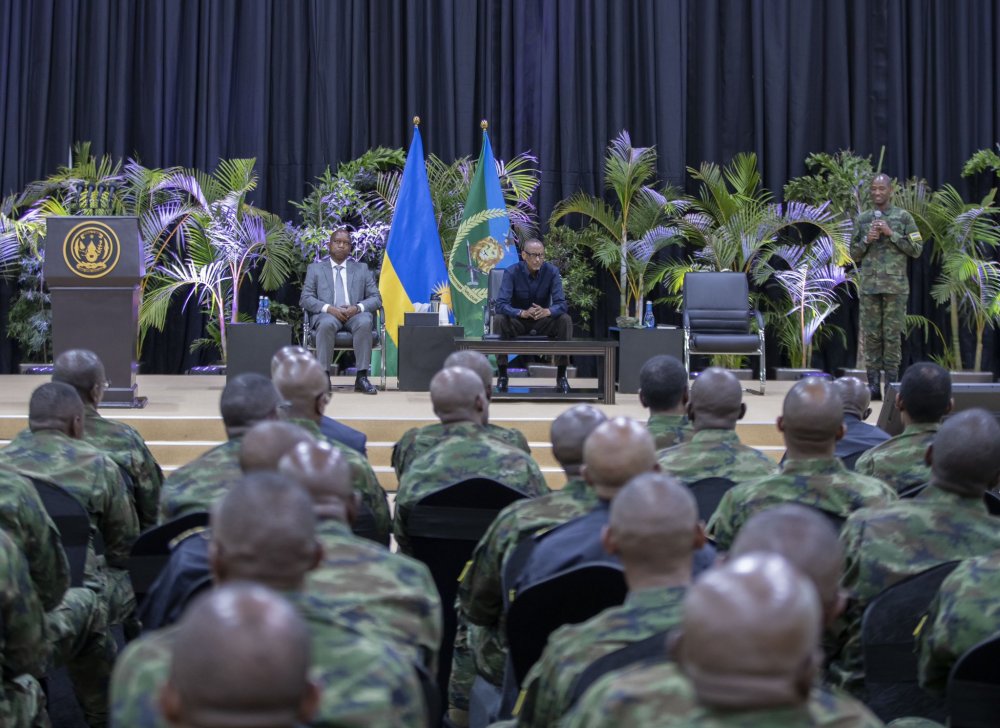
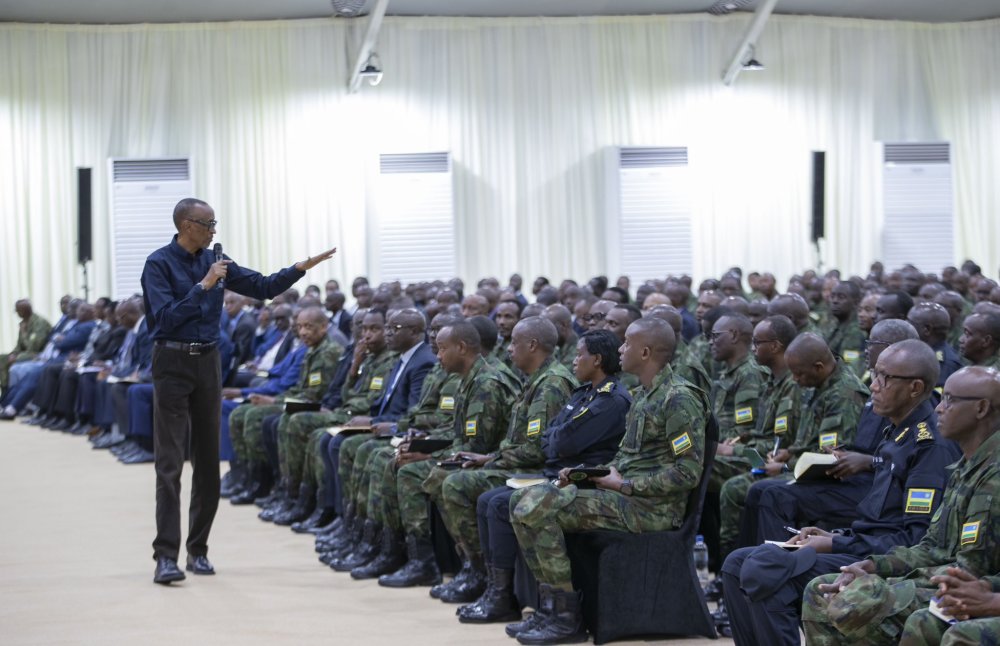
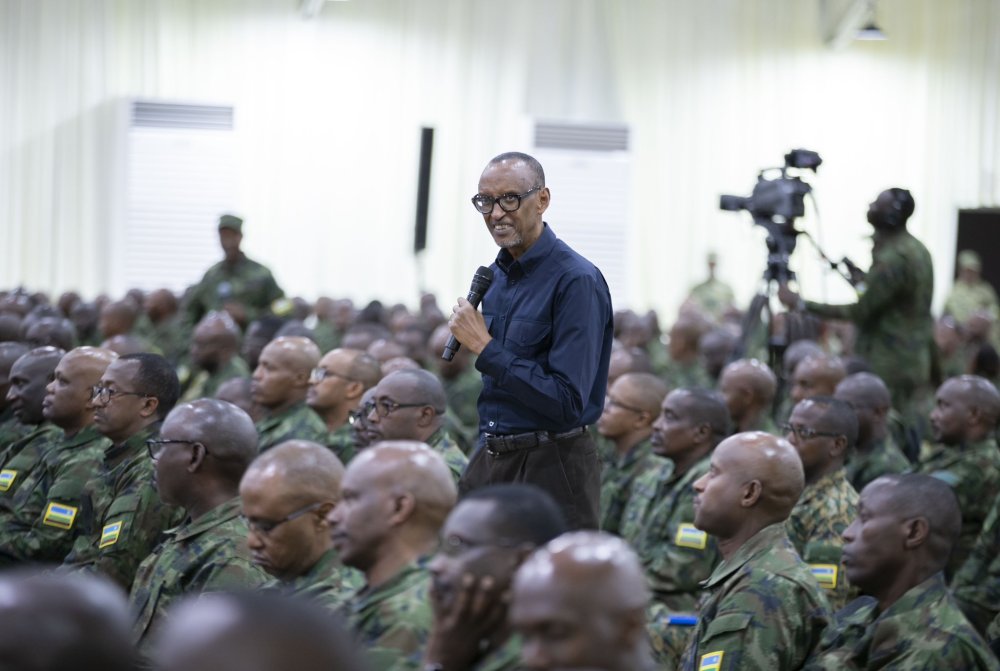
The meeting held on Wednesday, November 15, was attended by The Rwanda Defence Force (RDF) Chief of Defence Staff, Lt Gen Mubarakh Muganga; Minister of Defence, Juvenal Marizamunda; Inspector General of Rwanda National Police (RNP), CG Felix Namuhoranye, Rwanda Investigation Bureau (RIB) Secretary General, Col (Rtd) Jeannot Ruhunga among others.
According to Rwanda’s Presidency, the meeting was also attended by active and retired RDF senior officers, senior officers from RNP, RDF, NISS, RIB and Rwanda Correctional Service (RCS) but specific details of the discussions were not disclosed.
Rwandan soldiers continue to play a pivotal role in ensuring the security of Rwandans and actively contribute to various initiatives that enhance their well-being.
In response to the ruling, the Spokesperson of the Government of Rwanda, Yolande Makolo has reiterated Rwanda’s commitment to its international obligations, as a country with international repute for exemplary treatment of refugees.
“This is ultimately a decision for the UK’s judicial system. However, we do take issue with the ruling that Rwanda is not a safe third country for asylum seekers and refugees, in terms of refoulement,” she said.
“Rwanda is committed to its international obligations, and we have been recognized by the UNHCR and other international institutions for our exemplary treatment of refugees,” added Makolo.
According to Makolo, Rwandan has been busy continuing to deliver progress for its citizens throughout the legal process, and working together with international partners to solve some of the biggest challenges that Africa and the wider world faces.
“We take our humanitarian responsibilities seriously, and will continue to live up to them,” concludes Makolo.
The “Migration and Economic Development Partnership” paving the way for transfer of migrants and asylum seekers from the UK to Rwanda was signed in April 2022.
However, delays arose when rights groups contested the plan, leading to a Court of Appeal ruling against deportation.
Despite this setback, Prime Minister Rishi Sunak has been staunchly defending the initiative, emphasizing Rwanda’s effective refugee management.
The “Migration and Economic Development Partnership,” initiated in April 2022, aimed to transfer individuals unlawfully present in the UK to Rwanda.
Delays in implementing the plan occurred when organizations advocating for migrants’ rights filed a complaint. This led to the Court of Appeal reviewing the case, ultimately ruling against the deportation of asylum seekers to Rwanda.
Despite the court’s decision, UK Prime Minister Rishi Sunak consistently defended the deportation plan, emphasizing Rwanda’s successful management of the refugee and migrant crisis, prompting the appeal to the Supreme Court.
However, the highest court’s unanimous rejection of the government’s deportation plans deals a blow to Rishi Sunak’s key immigration policy. The ruling, issued on Wednesday, November 15, 2023, upheld the Court of Appeal’s decision, expressing concerns about the ‘real risk of wrongful determinations and potential ill-treatment upon return to their countries of origin’.
The ruling followed the release of an incendiary letter by the sacked home secretary, Suella Braverman, accusing the prime minister of breaking an agreement to insert clauses into UK law that would have preempted legal challenges under the European Convention on Human Rights (ECHR) and the Human Rights Act.
Braverman warned of the lack of a “credible plan B” and cautioned that losing in the supreme court would result in a wasted year and parliamentary efforts. A meeting of hard-right Conservative MPs was anticipated to support calls to leave the ECHR.
Sir John Hayes, a close ally of Braverman, suggested tabling a narrow piece of legislation to enact the Rwanda plan before Christmas in the event of losing. Later, this could be included in the Tory election manifesto alongside withdrawing from the ECHR.
However, Rwanda maintains that it will remain committed to its international obligations, as a country with international repute in the treatment of refugees.
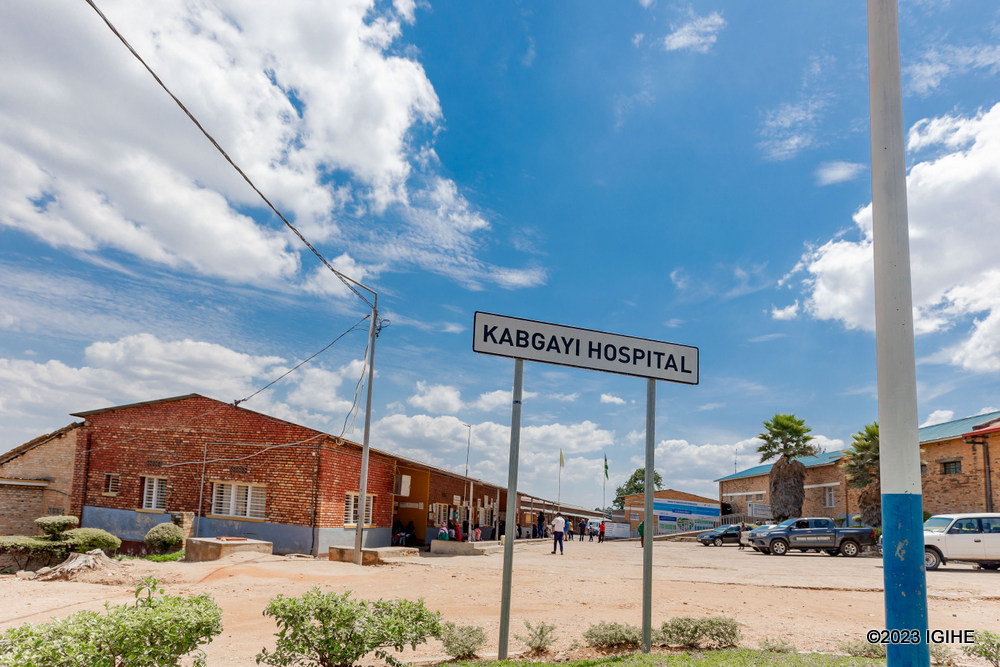
Kabgayi Hospital, despite its outdated infrastructure, serves a substantial number of patients from all corners of the country. A loan agreement of US$42,051,000 between the Rwandan government and the Korean Exim Bank for the hospital’s renovation and expansion was approved by the lower chamber of parliament’s general assembly on November 13, 2023.
The signed loan agreement on September 13, 2023, outlines a repayment period of 25 years at a minimal 0.01% interest rate, including a 15-year grace period. Dr. Uzziel Ndagijimana, the Minister of Finance and Economic Planning, emphasized that the primary objective of this substantial investment is to enhance the hospital’s facilities, upgrade its service capabilities, and bolster its capacity for training future medical professionals.
The comprehensive project encompasses the renovation of existing structures, the addition of 206 new beds to the current 355, and the acquisition of state-of-the-art medical equipment. Dr. Muvunyi Jean Baptiste, the Director General of Kabgayi, shared with IGIHE that the strategic plan includes replacing old structures with modern ones, set to commence next year.
Dr. Muvunyi highlighted that these new facilities are anticipated not only to enhance the quality of healthcare services but also to contribute to the aesthetic appeal of Muhanga town. Furthermore, the upgraded facilities will facilitate the introduction of advanced medical services such as Minimal Invasive Surgery, endoscopy, and Magnetic Resonance Imaging (MRI).
The current structures at Kabgayi Hospital, dating back to 1937, will be replaced as part of this transformative initiative, marking a significant step towards modernizing healthcare infrastructure in Rwanda.
The occupants of the vehicle included Dr. Frank Habineza, Germaine Mukabalisa representing women in parliament, and Annoncée Manirarora from the RPF Inkotanyi party.
According to Dr. Habineza’s account to IGIHE, the accident unfolded near Merez Petrol Station when a Howo truck in front of them began to change direction.
This prompted the MPs to stop and move off the road. Unfortunately, as they were preparing to navigate the situation, another truck from behind collided with their car, causing it to also impact another vehicle in front.
Despite the severity of the accident, Dr. Habineza reassured IGIHE that all occupants emerged unharmed. Miraculously, they were able to exit the vehicle safely despite the considerable damage sustained during the collision.
Dr. Habineza disclosed that the MPs were taken to King Faisal Hospital following the accident, where they were discharged on the same day during night hours.
“We underwent a medical imaging, and no other complications were detected except for pain. However, I still feel pain in the chest,” he said.
According to statistics from the Rwanda National Police, over 3000 accidents occurred in various parts of Rwanda between January and June 2023.
In July 2023, the Police reported that these accidents resulted in 385 fatalities, 340 serious injuries, and 4132 individuals who survived with minor injuries. Additionally, 1728 infrastructures were destroyed in these incidents.
Bicycles and motorbikes collectively contributed to a significant 53% of these accidents, with bicycles being accountable for 41% of all recorded incidents.
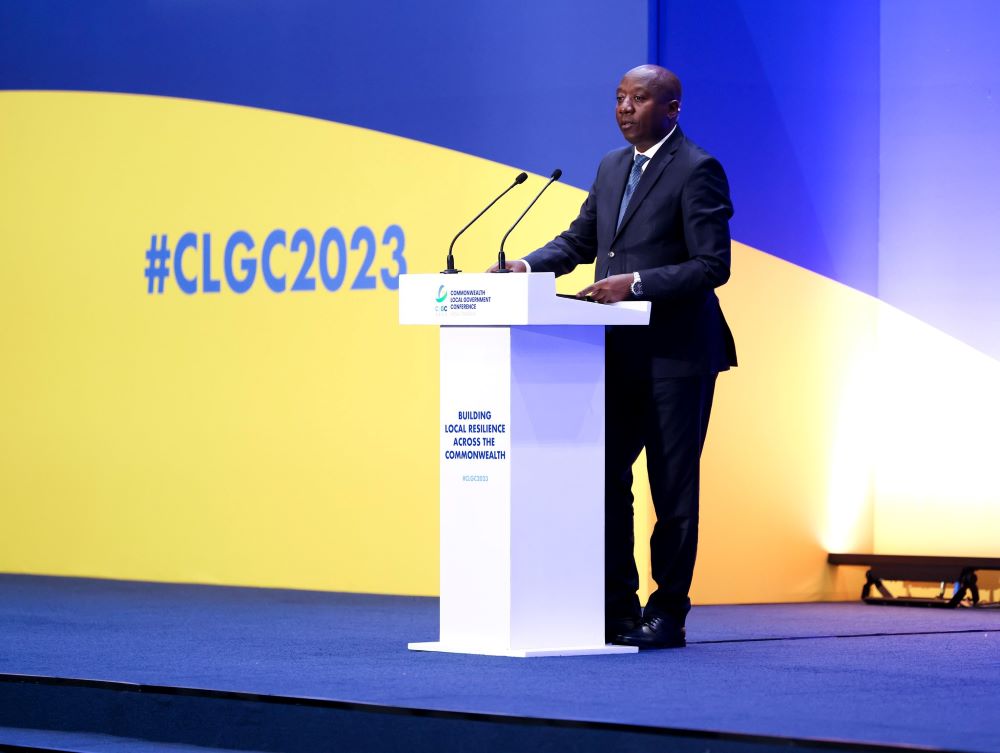
He made the call as he officiated the opening ceremony of the Commonwealth Local Government Conference (CLGC) on November 14, 2023, at the Kigali Convention Center, where he emphasized the significance of collaboration.
The CLGC, convening from November 14 to 17, 2023, brought together local leaders from member countries, including Ministers of Local Government, district and city mayors, among others.
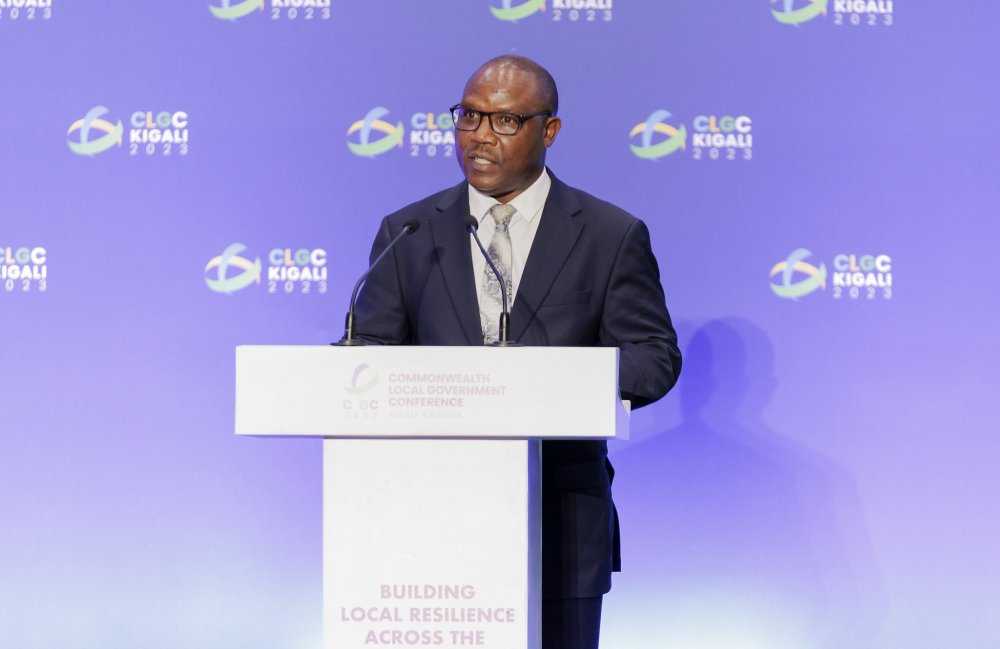
Rwanda’s Minister of Local Government, Jean Claude Musabyimana, expressed pride in hosting the conference for the first time.
He highlighted that discussions would encompass common challenges faced by member countries, notably the COVID-19 pandemic, with a primary focus on grassroots leadership and its pivotal role in overcoming emerging challenges.
Musabyimana disclosed that the conference’s agenda extends beyond the pandemic, covering democracy, climate change, finance, and the role of local governments in fast-tracking Sustainable Development Goals.
The overarching theme of the conference, “Building Local Government Resilience to Future Shocks,” aligns with contemporary trends and serves as a reminder for nations to collaborate in overcoming challenges, including those posed by COVID-19, climate change, economic instability, and conflicts.
Premier Ngirente drew attention to alarming statistics, noting that Commonwealth countries collectively lost over US$1000 billion of their Gross Domestic Product (GDP) in 2020, attributing a substantial portion of these losses to the effects of climate change. He warned that if no action is taken, climate-related impacts could push 100 million people into extreme poverty by 2030.
The Premier emphasized that the conference presents a crucial opportunity to discuss reinforcing the capacity of local governments to withstand these shocks. Despite Rwanda’s considerable efforts in this regard, Dr. Ngirente acknowledged that there is still a long journey ahead.
He outlined key priorities, such as citizen-centered governance, effective service delivery, inclusive development, the introduction of performance contracts, and transparency and accountability.
Ngirente highlighted specific successes, including building capacity for local leaders, integrating technology in service delivery, and allocating budgets for districts’ development projects.
These endeavors, he emphasized, have contributed to Rwanda’s progress in building a safe, united, and prosperous nation over the past 29 years.
The biennial conference, last held physically in 2017, was disrupted by the COVID-19 pandemic. Its resumption in 2023 underscores the importance of fostering international cooperation to address the complex challenges facing nations today.
Matshidiso Moeti, the WHO regional director for Africa, said the continent has 24 million adults living with diabetes, and the number is expected to rise to 55 million by 2045.
According to Moeti, diabetes was responsible for 416,000 deaths in Africa in 2021 and is projected to be one of the leading causes of death in the continent by 2030, unless communities adopt healthier lifestyles such as regular exercise.
“Diabetes affects every part of the body and if not correctly managed, people living with the disease can develop debilitating and life-threatening complications,” Moeti said in a statement released in Nairobi, the Kenyan capital.
She noted that diabetes has exerted economic strain on families, stressing that regular checkups combined with quality treatment and care are key to minimizing fatalities linked to the disease.
Moeti revealed that 54 percent of people living with diabetes in Africa are still undiagnosed and are at risk of succumbing to the disease due to the late onset of life-prolonging medication like insulin.
“This speaks to the need for greater awareness of the disease and the capacity to recognize and diagnose diabetes at a level of care that is easily accessible to all in our communities,” Moeti remarked.
She said that the WHO has developed tools for combating noncommunicable diseases including diabetes for the African region that emphasize timely diagnosis and treatment.
The WHO official urged governments to invest in diabetes prevention tailor-made for local communities including diets rich in fiber and vitamins, awareness against tobacco and alcohol use, physical exercises, and availing life-saving drugs to patients.
In addition, Moeti said governments should train healthcare workers on diabetes management, and enhance the disease surveillance and reporting of new cases.