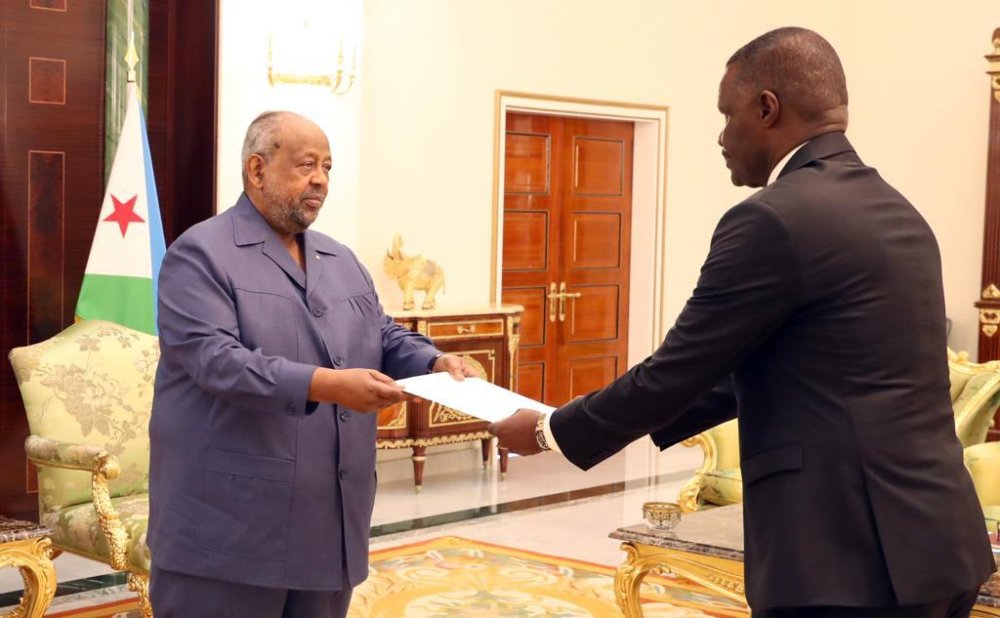
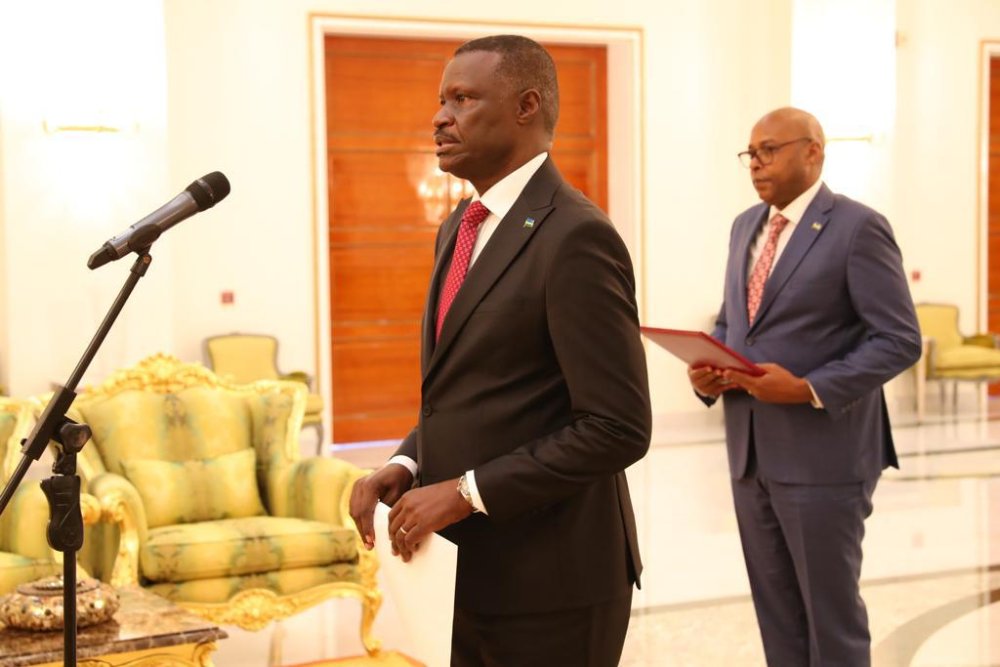
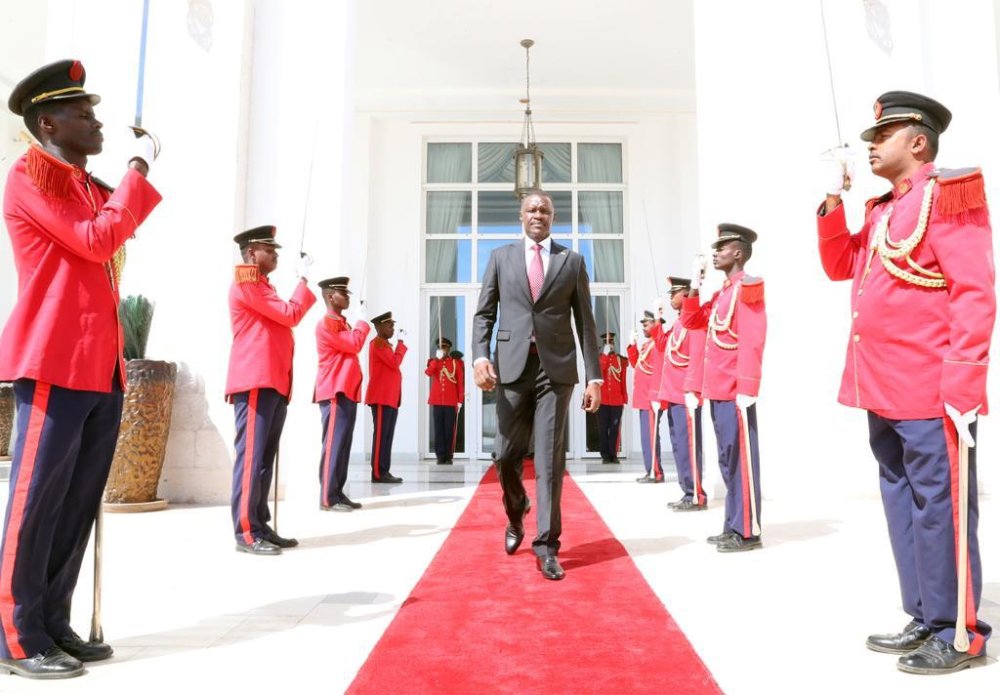
Amb. Maj Gen (Rtd) Karamba expressed gratitude to President Guelleh for approving his appointment and conveyed greetings from Rwandan President Paul Kagame. He highlighted the positive relations between the two countries, emphasizing the impact of strong leadership.
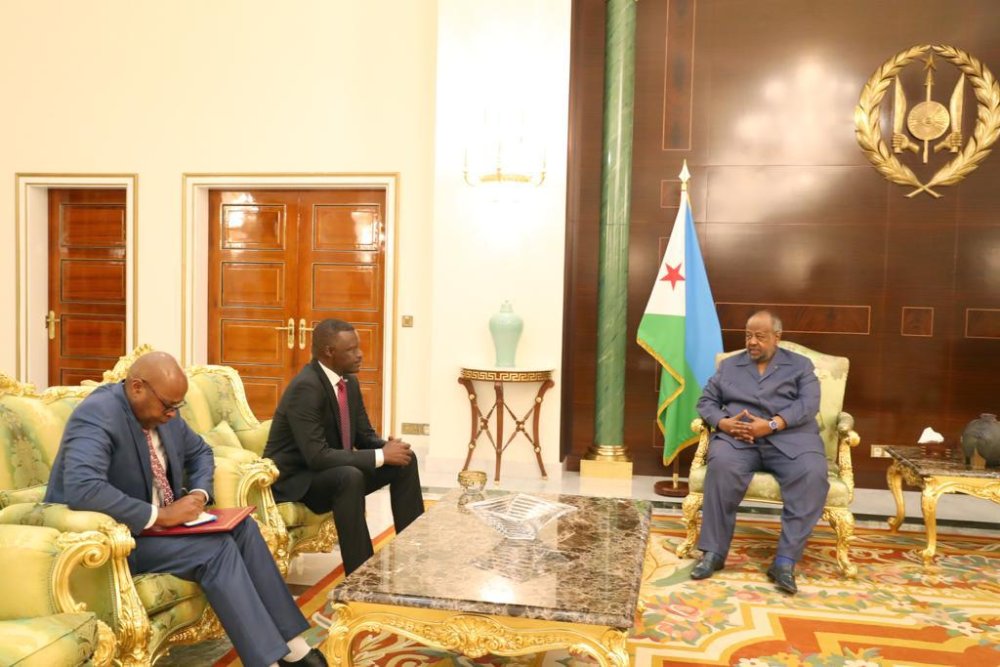
In response, President Guelleh warmly welcomed Ambassador Karamba, praising President Kagame for entrusting him with the role of representing Rwanda. He also acknowledged the robust relations between Djibouti and Rwanda, promising support for the ambassador in fulfilling his duties.
Rwanda and Djibouti enjoy existing cooperation in the areas of education, trade, agriculture, technology and tourism among others.
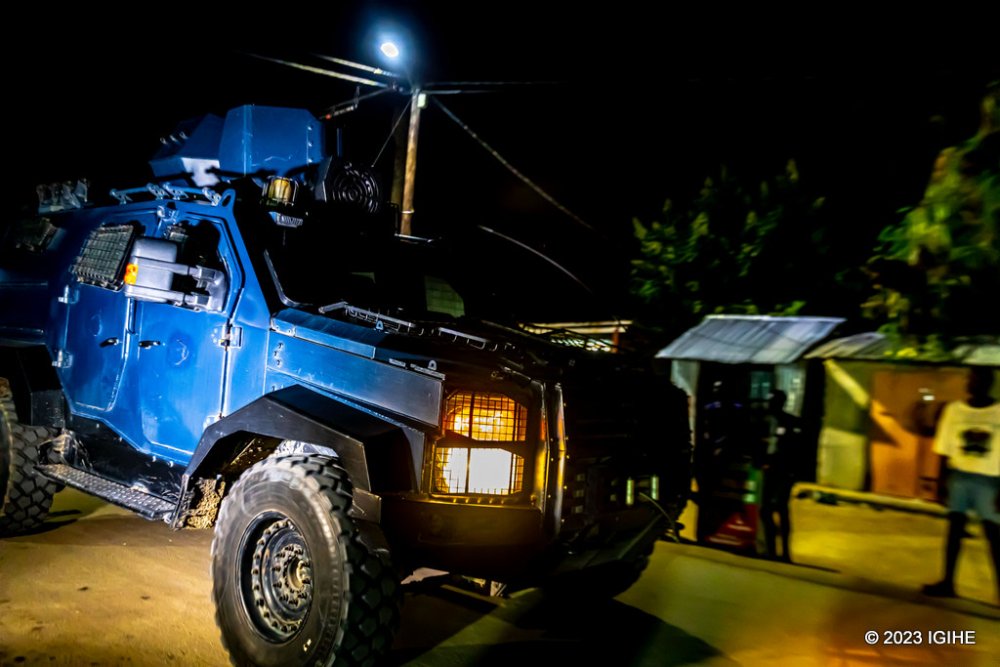
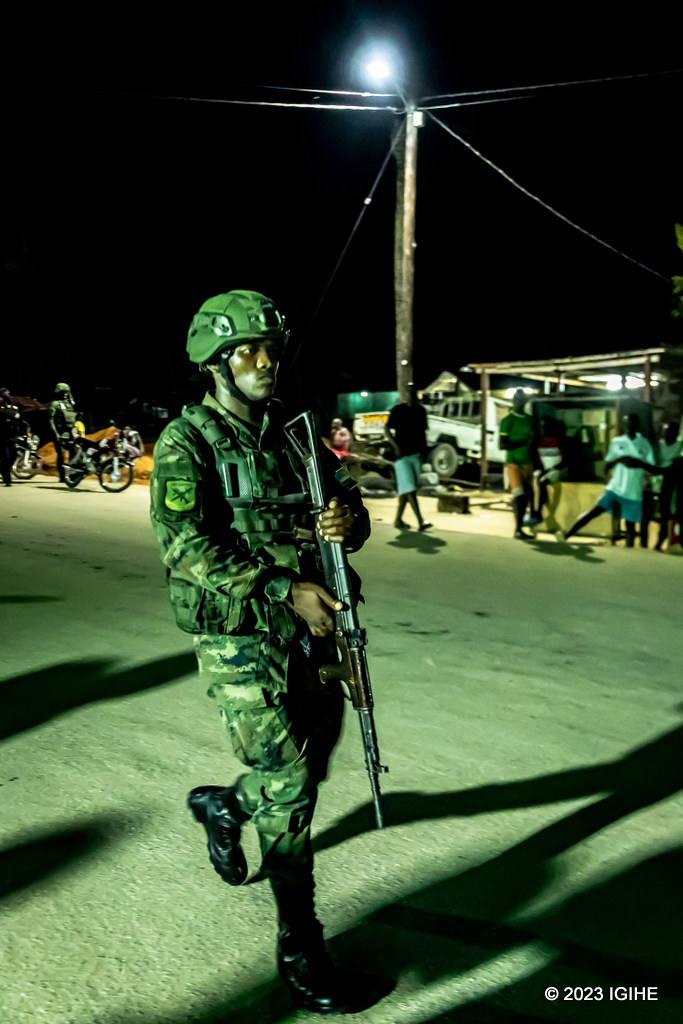
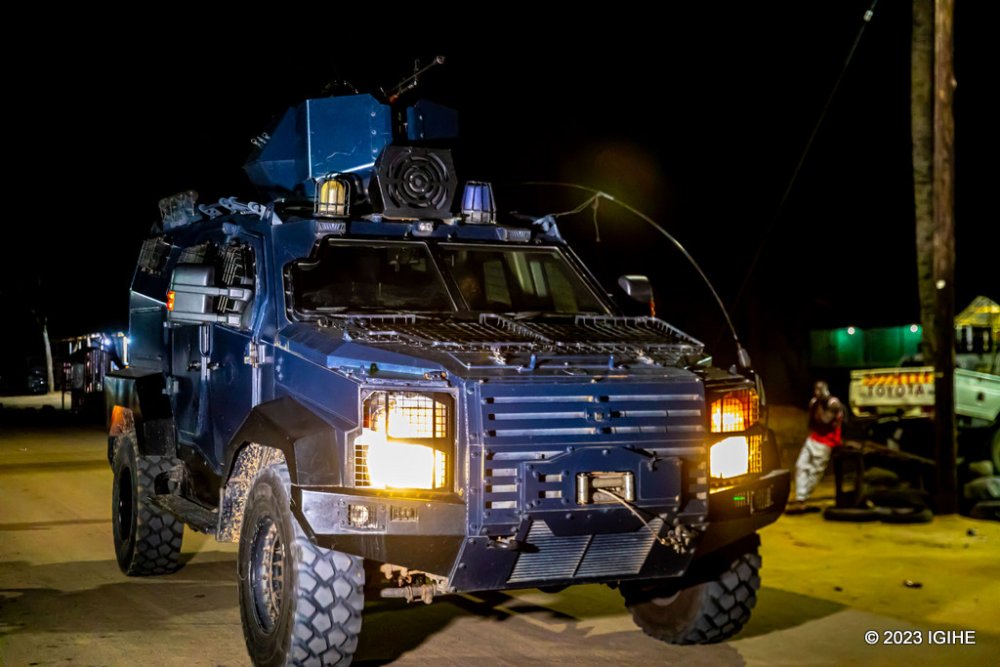
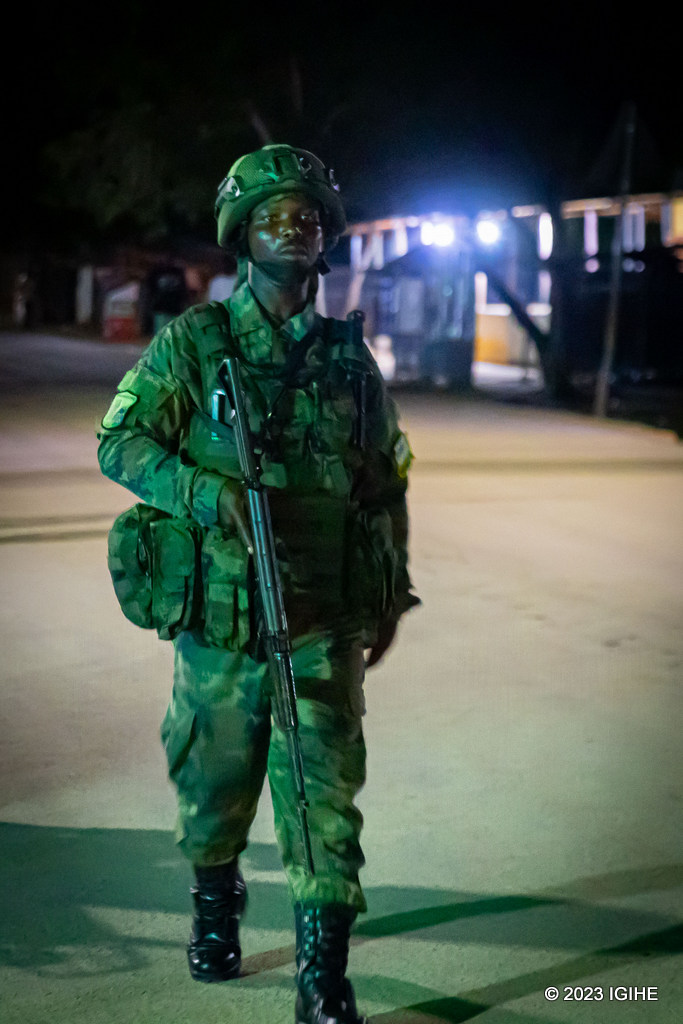
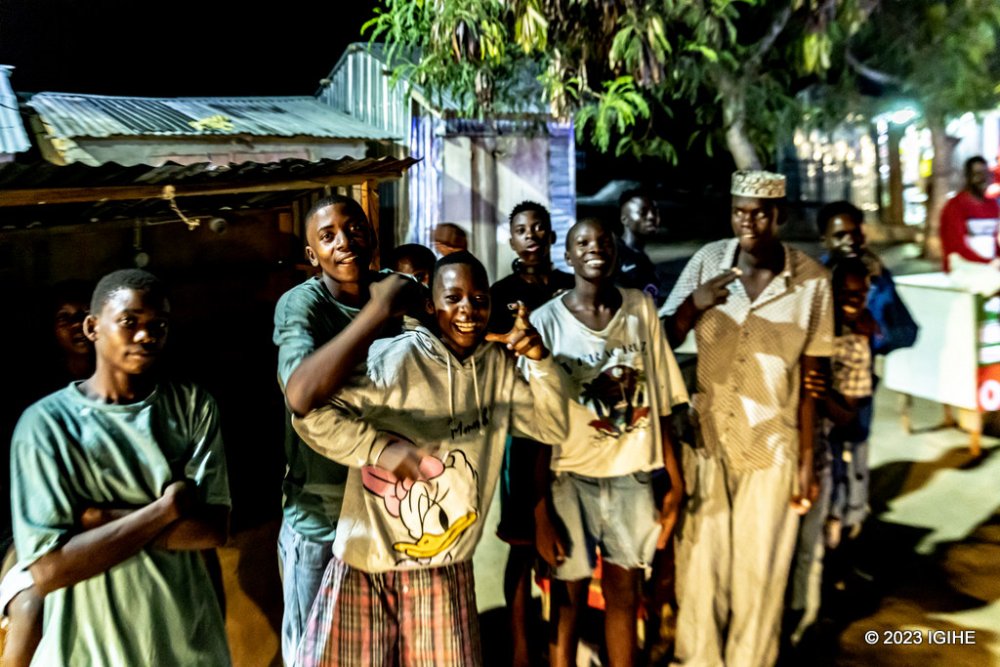
Upon arriving in Palma at night, one observes people strolling, entrepreneurs conducting business, motorcyclists efficiently ferrying passengers, and the streets teeming with predominantly youthful individuals. The scenes unfold in bars, outdoor movie screenings, and various other activities.
Hakizimana’s decision to establish a presence in Palma was influenced by the visible security even during nighttime, a stark contrast to what he had witnessed in Rwanda. Motivated by the commitment of Rwanda’s security forces to ensure safety in the province, he spent a month assessing the environment before launching his bar business.
Reflecting on his arrival in Mozambique in May last year, Hakizimana emphasized the importance of understanding the new setting before diving into work. He diligently gathered capital and returned with a determined mindset to establish a thriving business. His confidence in this venture stemmed from the presence of security forces from Rwanda.
Expressing his gratitude, Hakizimana stated, “If they were not there, I would not have come. I arrived to find security returning; all the streets were full of cars, and they were actively maintaining order. It was reassuring considering the initial situation. One could not see where to start.”
Recognizing the crucial role fulfilled by Rwandan soldiers and police personnel, he expressed, “I firmly believe that the presence of Rwandan soldiers and police is the sole source of hope for me as a Rwandan.”
Upon arrival, Hakizimana sought guidance from Burundians familiar with the area, learning the local language and adapting to the business landscape.
He emphasized the distinctions between business operations in Rwanda and Mozambique, citing differences in tax structures.
During a nighttime visit around 9:00 p.m., Hakizimana’s bar was vibrant with activity—people dancing and playing billiards. The atmosphere, characterized by Rwandan songs, could easily mislead someone into thinking they were in Rwanda.
Throughout his stay, Hakizimana attested to the absence of security concerns. He affirmed, “Being here with Rwandan police and soldiers is not the same. You feel completely safe.” Recognizing the vast potential for investment, especially in agriculture, livestock, and various aspects of work, he stressed the need for comprehensive development.
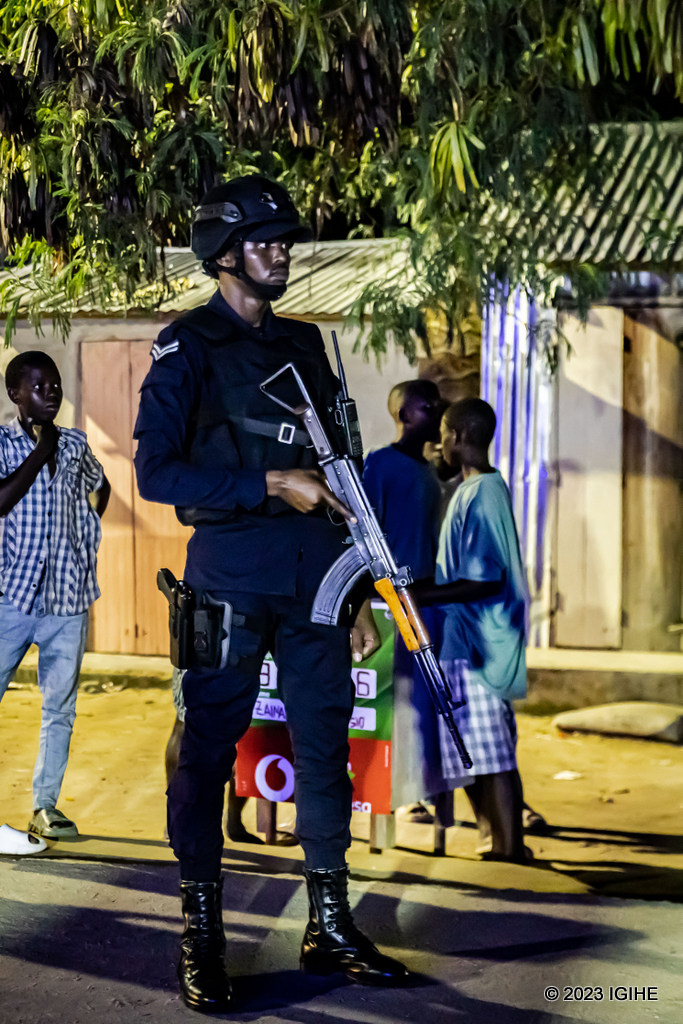
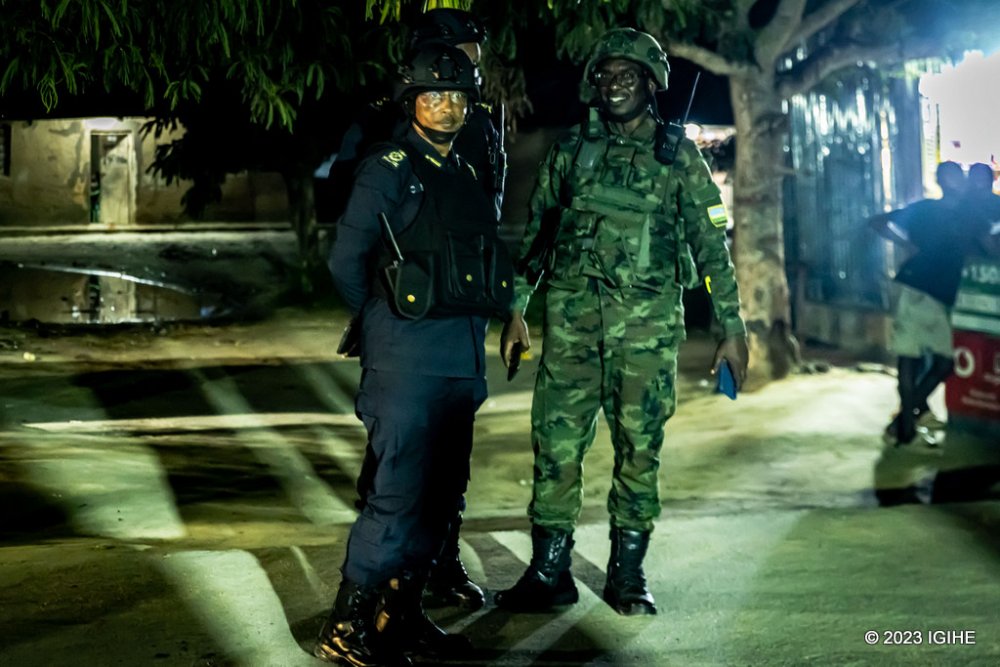
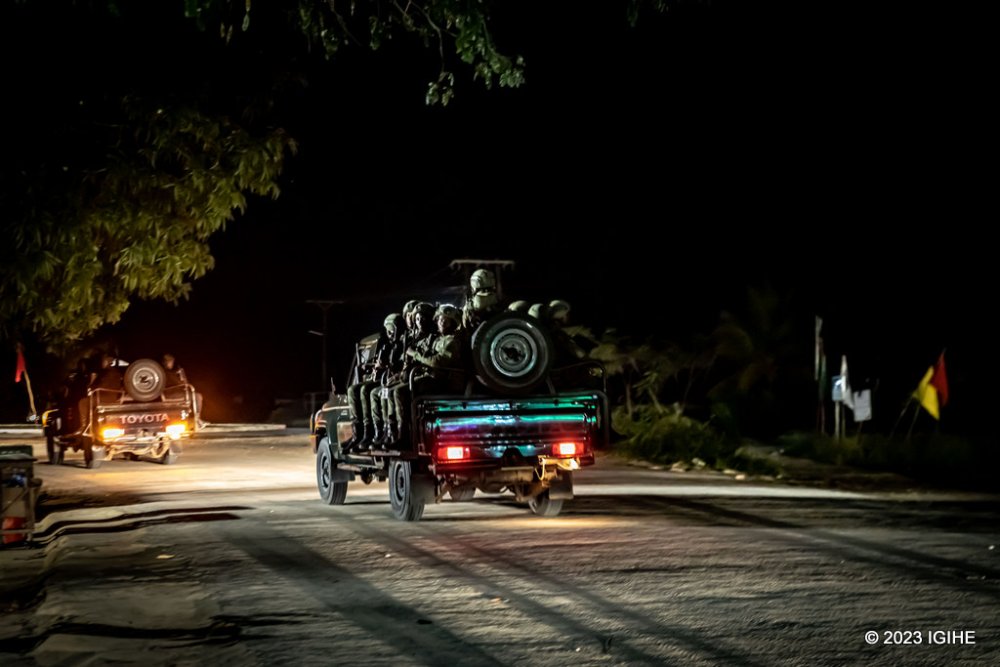
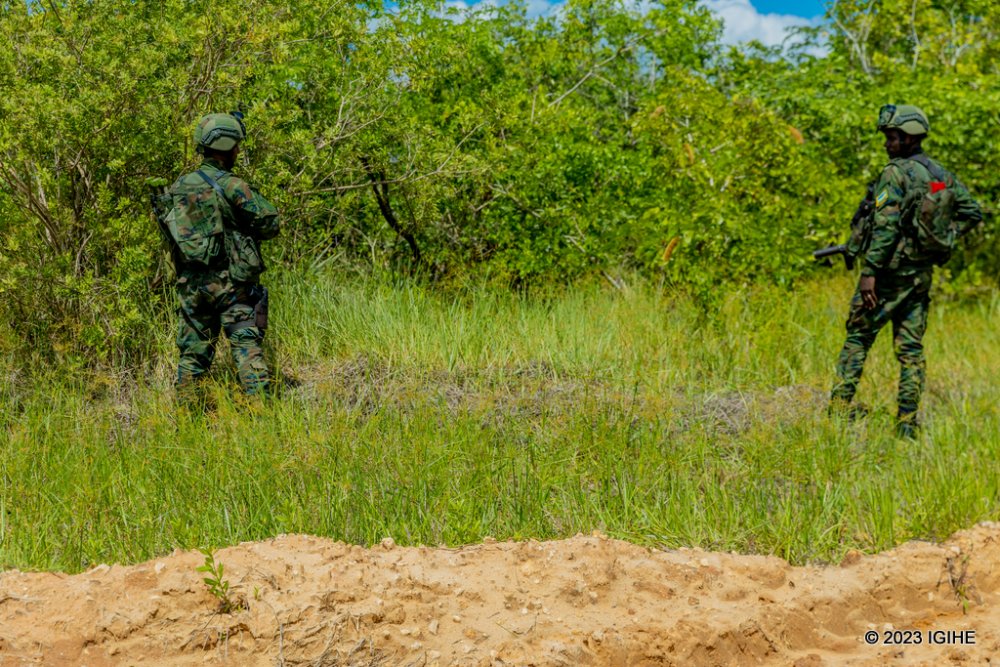
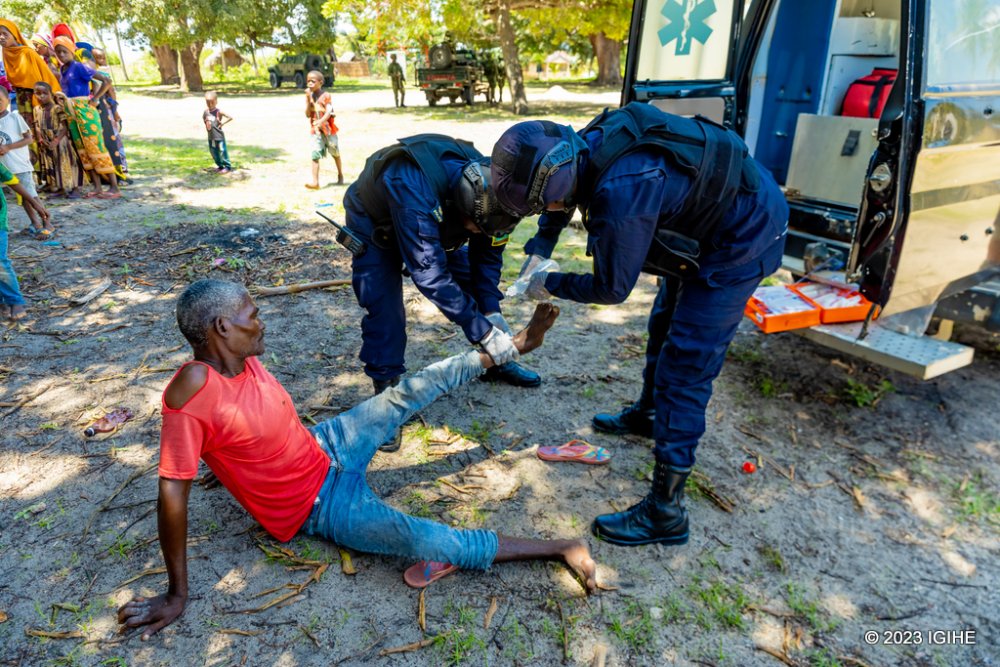
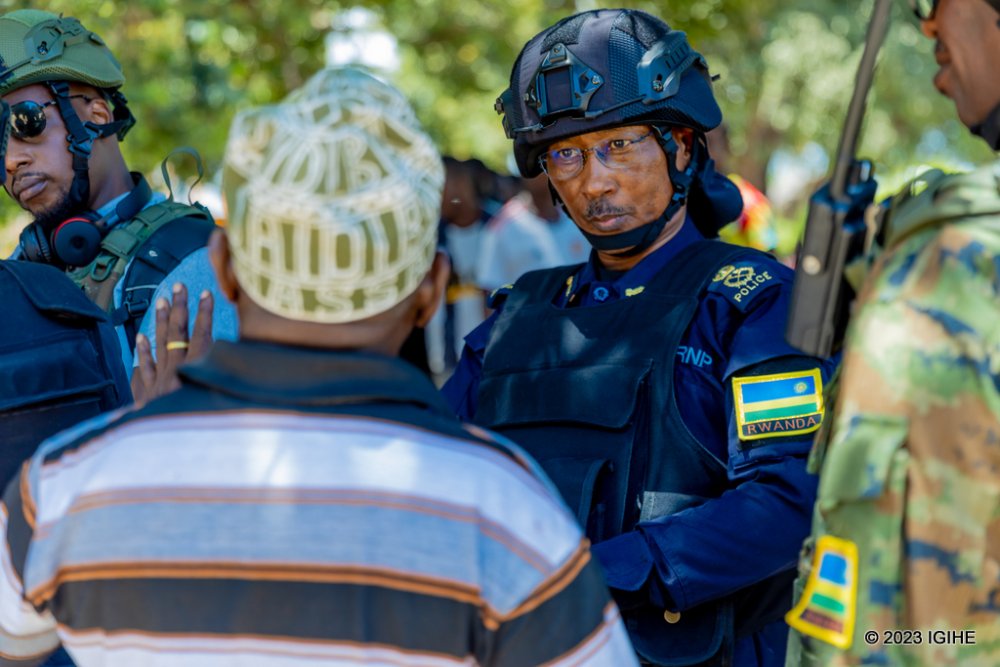
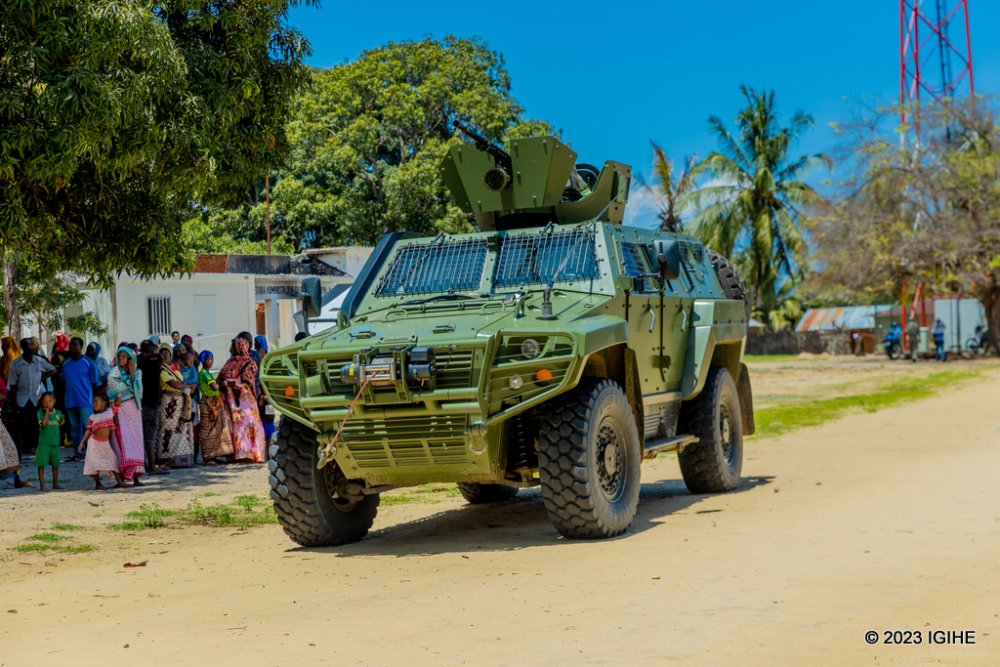
Rwandan security forces actively patrol the city and its suburbs, using both armoured vehicles and foot patrols. Their vigilance involves checking for potential issues and maintaining a direct line of communication with the public, ensuring any security threats are promptly reported to Rwandan security officials.
The province had become a base for these terrorists, who mercilessly attacked civilians, beheading them and setting polstations ablaze. The toll included 3,000 lives lost, over 800,000 displaced individuals, and a halt in development activities due to the pervasive security.
The turning point occurred when the Rwandan Army intervened in Cabo Delgado, relentlessly engaging the terrorists. Rwanda Defence Force (RDF) entered the Quionga area near the Mozambique-Tanzania border. The terrorists committed atrocities, burning houses and destroying infrastructure, forcing civilians to flee their homes.
Over the course of two and a half years, the once-ruined areas were reclaimed, and life began to return to normal. Residents rebuilt their homes, resumed education,businesses and revived various services disrupted by the conflict.
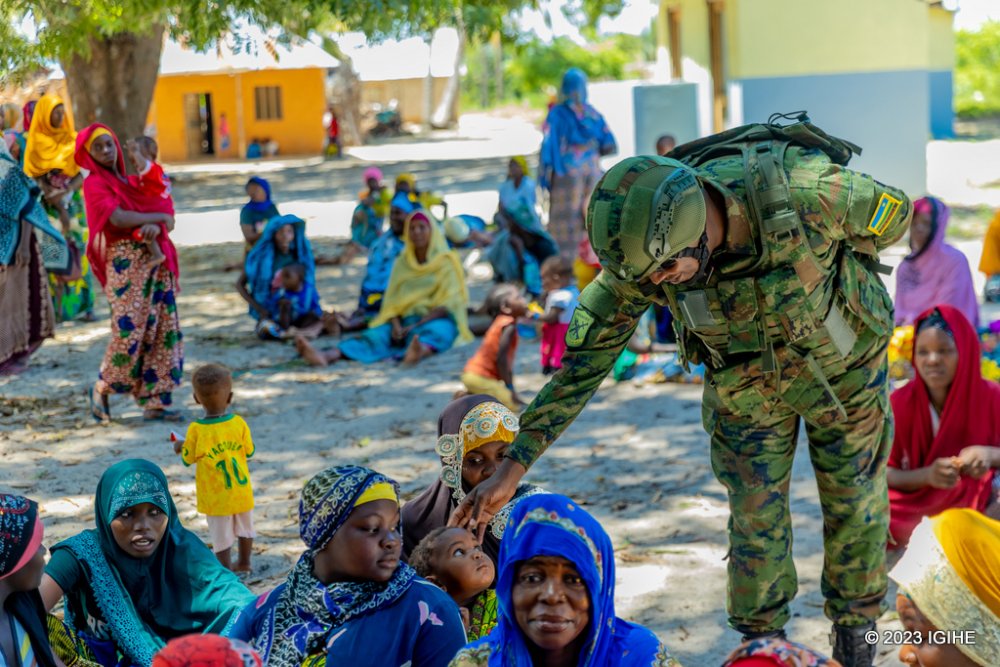
Journalists spoke with the people of Quionga, capturing their stories of life after liberation from terrorist control. The residents, once burdened by the darkness of the conflict, now smile again. Their faces radiate joy and hope, even though they continue to grapple with the lingering effects of the war.
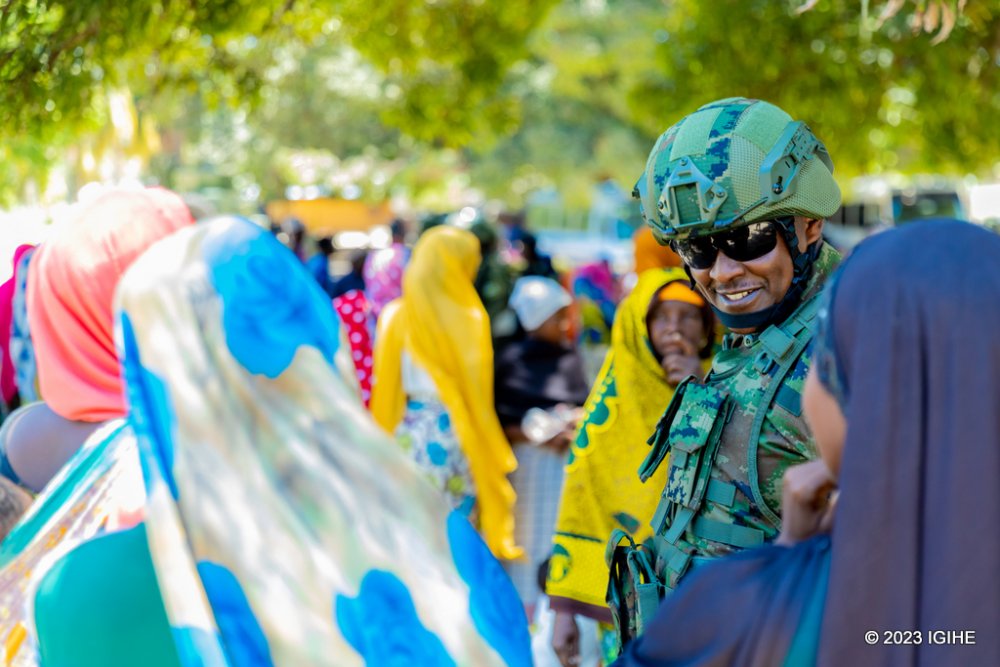
In the presence of Rwandan Security Forces, the residents eagerly approach and engage in conversations about life. Lt Col Simon Kabera, the Deputy Spokesperson of RDF, offered guidance to the youth, emphasizing the importance of education and security for their future aspirations.
Brig Gen Ronald Rwivanga, the spokesperson of RDF, highlighted the significance of Quionga in Palma District as the place where RDF initiated its struggle against the terrorists. While Quionga was never fully captured, numerous attacks forced residents to flee, with terrorists burning houses. Since the RDF’s intervention, almost all residents have returned home, and no further attacks have occurred in Palma.
Brig Gen Rwivanga explained that, since 2021, there have been no attacks in Palma, and joint efforts with the Southern African Community (SADC) troops were initiated to combat terrorists in other areas, such as the Catupa Forest in Macomia. The collaboration aimed to defeat the enemy and strategically eliminate the threat. Despite challenges, the collective efforts of the RDF and SADC have contributed to maintaining security and reclaiming control over the region.
The statement was made by the AU Commission Chairperson Moussa Faki Mahamat, expressing his concern over the expanding conflict in the country.
The chairperson “notes with dismay, the reopening of traumatic wounds for many Darfurians, who for over the past twenty years, have lived in Abu Shok as a place of refuge, but fighting resumed there in recent days,” an AU statement issued Monday read.
Noting the deteriorating security situation in Sudan, Faki, in particular, expressed concern over recent reports of the renewed attacks on the Abu Shouk camp for internally displaced persons, as well as the spread of the fighting to Wad Medani in Gezira state.
“Similarly, attacks on Wad Medani have opened up a new front in the Sudanese war that is now in its ninth month,” the chairperson said.
Noting the Wad Medani area has in recent months welcomed millions of Sudanese civilians who have fled the fighting in the capital Khartoum, Faki said many previously displaced people are being forced to flee for a second time since the outbreak of the conflict in April 2023.
The AU Commission chairperson called on the warring parties in Sudan, the Sudanese Armed Forces and the Rapid Support Forces, “to immediately cease hostilities and participate meaningfully in negotiations towards building and sustaining peace in Sudan.”
He reaffirmed the readiness of the AU to continue to work with key national stakeholders, and regional and global actors including the Intergovernmental Authority on Development, the League of Arab States and the United Nations, toward the swift resolution of the conflict in Sudan.
The EAC Secretariat issued a statement on December 18, informing stakeholders that the EAC would not physically attend the elections due to the denial of the request by relevant authorities.
Despite this setback, the EAC expressed its commitment to wishing the Government and people of the DR Congo peaceful elections and reiterated its dedication to fulfilling its mandate to all Partner States.
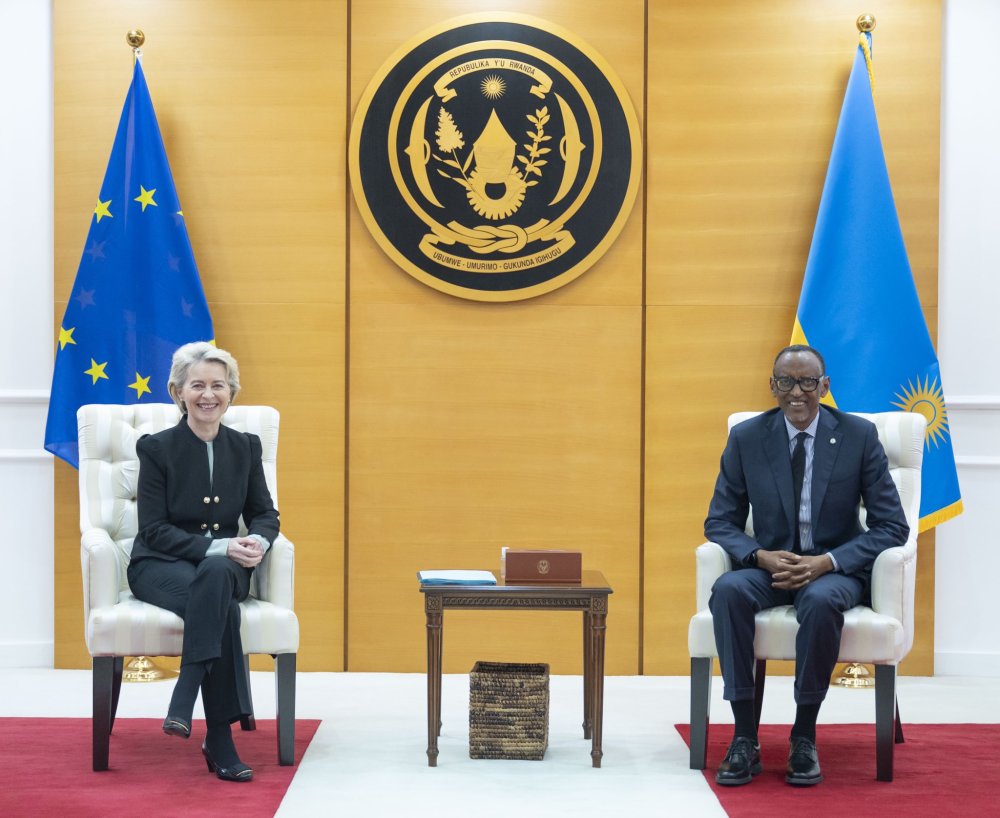
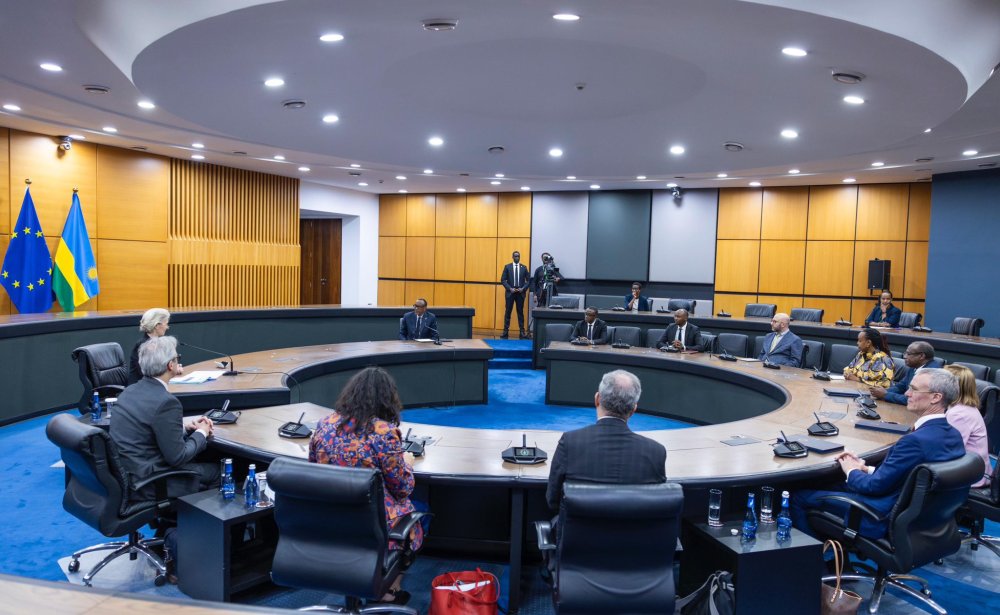
The European Union and its Member States in a Team Europe approach are investing more than €900 million in Rwanda under Global Gateway, Europe’s investment programme for the world. The Presidents discussed investments in areas including health, critical raw materials, the agro-food industry, climate resilience and education.
President von der Leyen announced an additional €40 million Global Gateway investment in the development of a vibrant biopharmaceutical industry and local manufacturing of vaccines, medicines and health products in Rwanda, which was welcomed by President Kagame.
The funds will benefit particularly higher, technical and vocational education and training, research and development, entrepreneurship, and supply chains.
With the investment announced on Monday, Team Europe’s support to local manufacturing and access to vaccines, medicines and health technologies in Rwanda amounts to approximately €94 million.
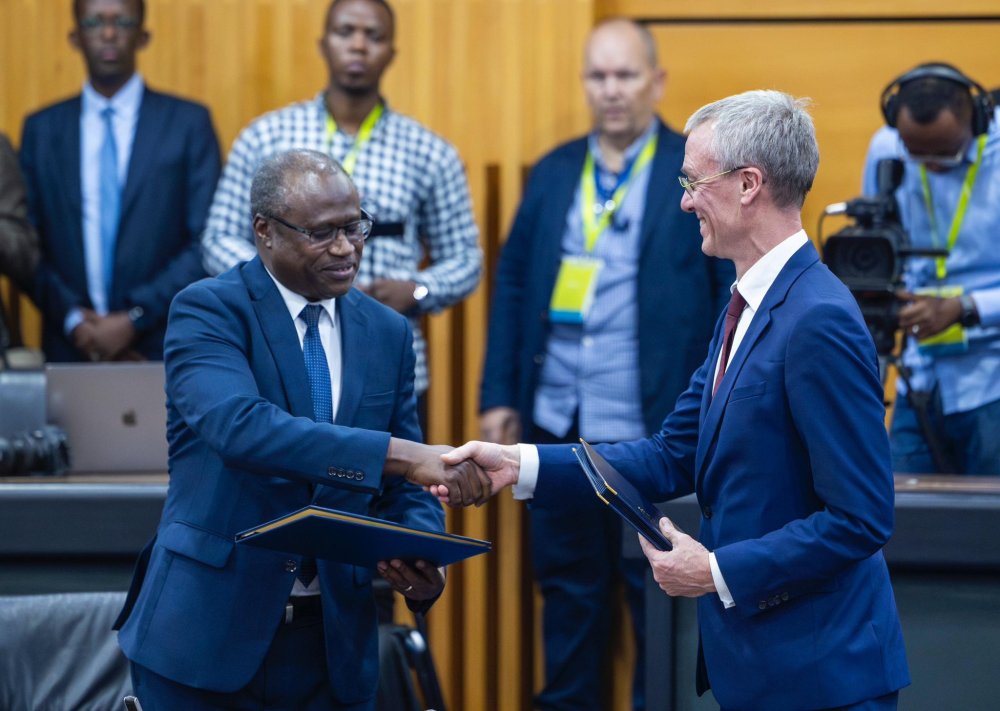
The leaders also witnessed the signature of the Joint Declaration on Critical Raw Materials Value Chains between the Government of Rwanda and the European Investment Bank. The declaration builds on the robust working relationship between the EU and Rwanda in the mining sector and paves the way for an even more significant and comprehensive strategic partnership in the field of critical raw materials under the Global Gateway strategy.
Commenting on the development, President Kagame said: “As a continent, we still rely heavily on imports for vaccines and medicines. We want to change this, and the long-term solution is to strengthen our manufacturing and scientific capacity. Again, the European Union has been very active in this, trying to support us in this development.
Earlier today, the President and I attended the inauguration of BioNTech’s vaccine manufacturing site. The European Union, and President von der Leyen personally, helped to make this a reality.”
European Commission President Ursula von der Leyen said: “On the global scene, the EU and Rwanda see eye-to-eye on many matters and we warmly welcome Rwanda’s climate leadership.
Rwanda is also a key partner for Europe under Global Gateway, which is investing 150 billion euros in Africa. Global Gateway, Europe’s investment strategy for the world, comes with the highest environmental and social standards, and with transparency.
We share technology and knowledge, and we train the local workforce. We bring the support of the entire Team Europe, from public and financing institutions, and private sector investment. All this helps to create good, local jobs for Rwandans.”
Approximately €380 million of Global Gateway investments by Team Europe support the development of the agro-food industry.
Team Europe also invests almost €320 million in sustainable, climate-proof cities, including in urban mobility, and an estimated €100 million in inclusive pre-primary education in Rwanda.
The Government of Rwanda confirmed its interest to commence negotiations on an Economic Partnership Agreement with the EU and agreed to launch a process to scope the negotiations.
President Kagame and President von der Leyen welcomed Rwanda signing the Samoa Agreement in Brussels just before their bilateral meeting. The Samoa Agreement will form the foundation of the partnership between the European Union and the Organization of African, Caribbean and Pacific States for the next 20 years.
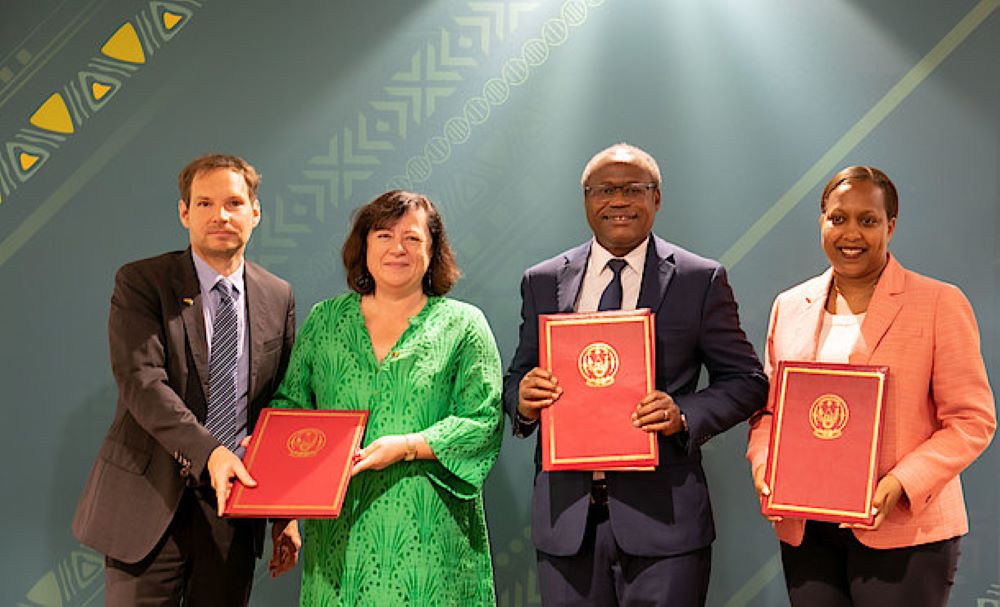
The signing ceremony at MINECOFIN was attended by several high-level authorities from various institutions, among them Minister of Finance and Economic Planning Dr. Uzziel Ndagijimana, CEO of BRD Ms. Kampeta Sayinzoga and the Parliamentary State Secretary of the German Federal Ministry of Economic Cooperation and Development (BMZ), Dr. Bärbel Kofler.
A grant of total EUR 15.6 million (approx. Rwf 20 billion) is made available by the German Financial Cooperation, implemented by KfW on behalf of the German Government. The facility will furnish the banking sector through BRD with tailor-made guarantee products, incentivizing them to provide higher financing volumes and longer tenures to their clients, and hence enhancing their access to finance and other financial services.
The establishment of the EGCF is a continuation of a long-lasting and successful relationship between BRD and KfW which inter alia also introduced the Export Growth Facility (EGF), a vehicle which provides adequate financial services to SMEs through the Rwandan banking sector since many years.
Speaking after the signing event, Minister of Finance and Economic Planning Dr. Uzziel Ndagijimana welcomed the EGCF and expressed his expectation that it will allow Rwandan businesses to access new markets and expand their operations, ultimately increasing the country’s overall export revenues. “ECGF will help to create new jobs and foster economic growth by providing a more stable business environment that will support the economic empowerment of the Rwandan people,” Minister Ndagijimana added.
Kampeta Sayinzoga, CEO of BRD, highlighted BRD is deeply committed to fostering sustainable economic development within the region and beyond. ECGF aligns with the Bank’s overarching goal of promoting inclusive growth through strategic interventions in key sectors such as manufacturing, agriculture, and technology- especially SMEs seeking to venture into export markets.
Through tailored financial solutions and advisory services, BRD aims to empower SMEs with the tools they need to compete internationally and contribute significantly to trade diversification and job creation.
This facility plays a pivotal role in mitigating risks associated with international trade. By providing credit guarantees to exporters and financial institutions, we are enabling businesses to expand their global reach and seize opportunities in foreign markets.
Dr. Bärbel Kofler, Parliamentary State Secretary of the German Federal Ministry for Economic Cooperation and Development (BMZ) commended the innovative approach of the EGCF as a testimony to the continuing strong ties between Germany and Rwanda and the long-lasting collaboration between KfW and BRD in the area of Financial Systems Development.
She particularly welcomed the improvement of access to finance for women-led enterprises as a contribution to the new strategy on feminist development policy, which is of particular importance to the German Government.
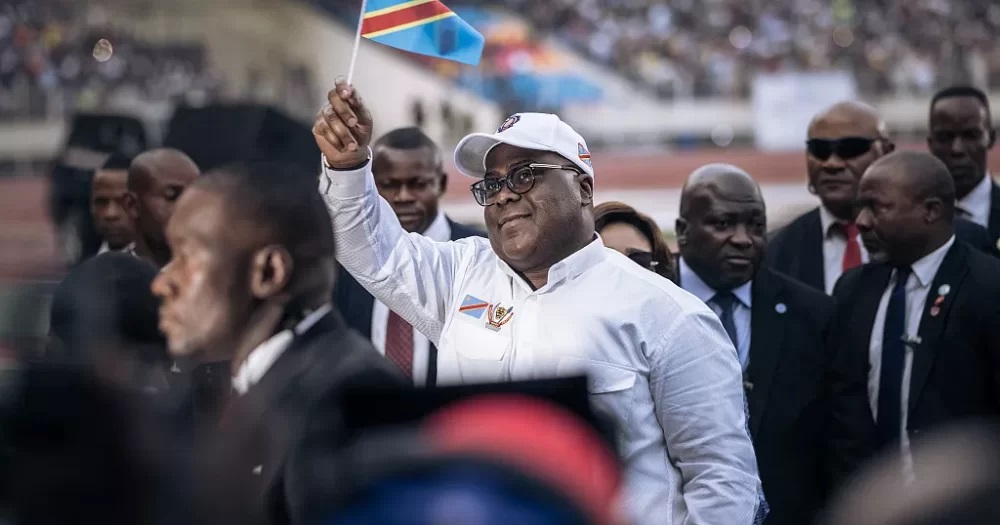
During the rally, Tshisekedi asserted that the Congolese Army has the capability to shell Kigali while stationed in Goma, just kilometers away from the ongoing conflict with the M23 rebel group.
He assured Kinshasa residents that they need not fear, as the Congolese Army possesses the potential to disrupt President Paul Kagame’s peace.
Tshisekedi warned that upon the first sign of aggression towards Goma, he would convene parliamentarians to seek approval for a military intervention in Rwanda.
These statements echo previous claims by Tshisekedi and other Congolese officials, accusing Rwanda of supporting the M23 rebel group, allegations vehemently denied by Rwanda.
Despite campaign pledges starting on November 19, 2023, where Tshisekedi accused Rwanda of invading and causing suffering in eastern DRC, Rwanda has maintained its commitment to addressing instability in the region without succumbing to provocations.
Tshisekedi’s rhetoric escalated when he compared President Kagame to Adolf Hitler, expressing a desire for a similar end to the dictator.
Despite DRC’s provocative statements, Rwanda remains steadfast, emphasizing its readiness to contribute to resolving instability in the Democratic Republic of Congo.
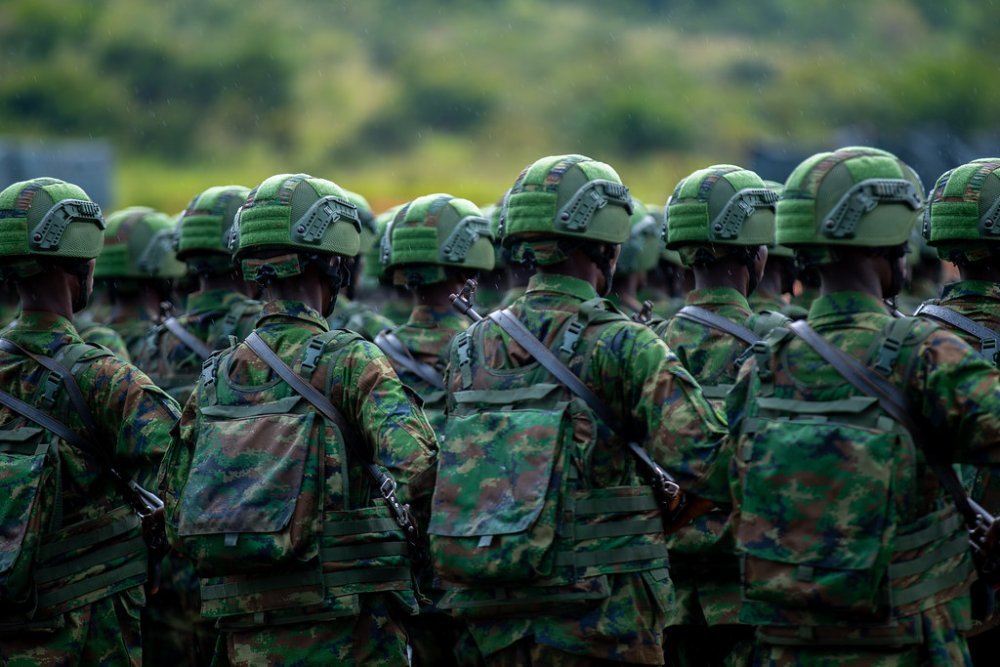
The statement released by RDF reads that four soldiers with the rank of Brigadier General have been promoted to Major General while 17 have been elevated from the rank of Colonel to Brigadier General.
Among others, 83 have been promoted from the rank of Lieutenant Colonel to Colonel, 98 from Major to Lieutenant Colonel, 295 from Captain to Major while four have been promoted from Lieutenant to Captain.
The statement also indicates that 226 non-commissioned officers have been promoted to the rank of Second Lieutenant.
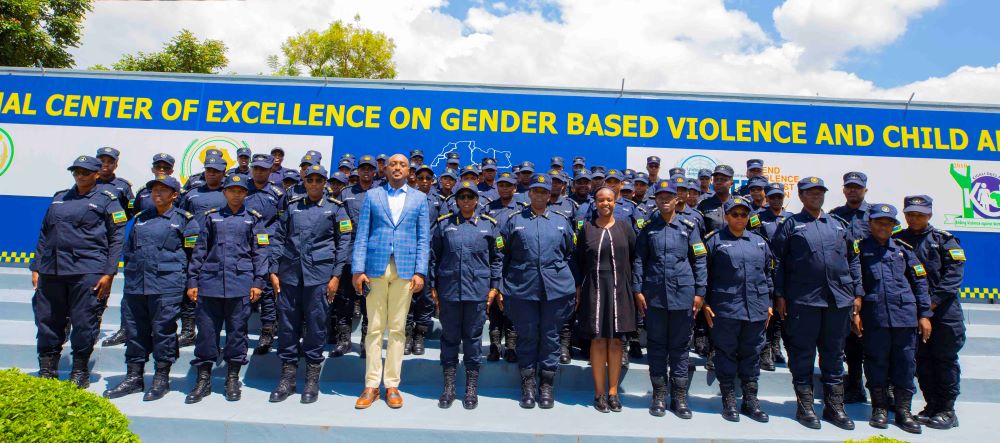
About 100 female Police officers from different departments and units across the country came together in a one day meeting to share and harmonize experiences and to ensure timely intervention.
The dialogue provided a platform for the female RNP officers to share knowledge and ideas for proper interventions; to strengthen the Regional Centre of Excellence’s capacity to build the skills of security organs; and to enhance networking and collaboration with other service providers to jointly address the the vice.
The Deputy Inspector General of Police DIGP in charge of Administration and Personnel, Jeanne Chantal Ujeneza, while opening the meeting, said that RNP is committed to fight all forms of GBV.
She pointed out that gender desks, training, awareness and seminars are some of the means through which GBV and child abuse issues are addressed.
The Deputy Police Chief commended the role of different partners in tackling these human rights violations.
She appealed to the women police officers give it due attention in their policing tasks.
Clement Kirenga from the United Nations Development Programme (UNDP), said that achieving sustainable development goal goes with tackling violations still faced by women and children.
“No country can achieve sustainable development goals while women and girls are still facing gender based violence challenges,” Kirenga said.