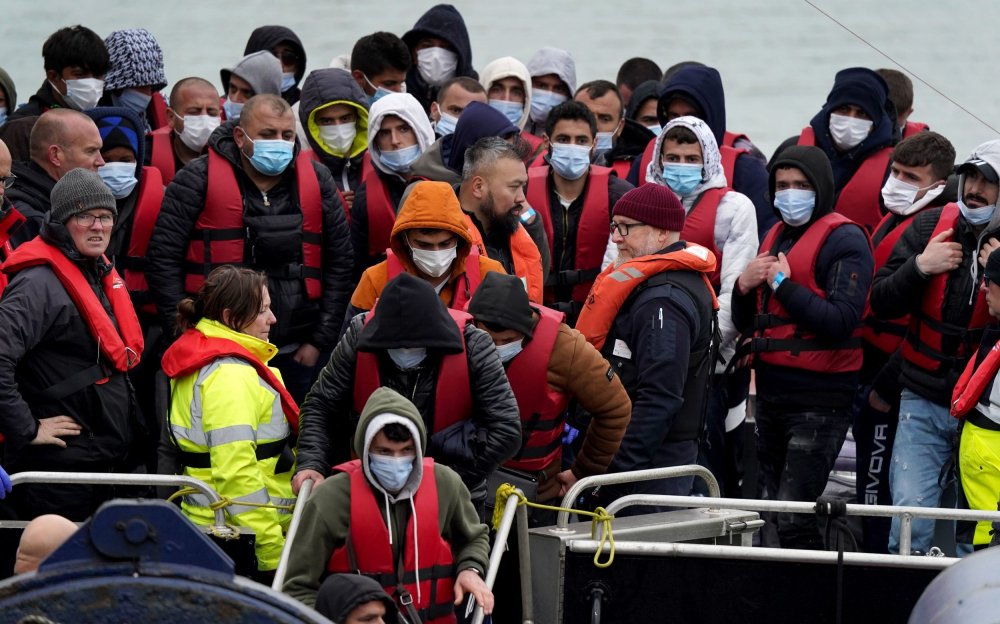
Since the enactment of the immigration policy, which grants ministers the authority to detain illegal immigrants and facilitate their deportation to another country, the UK has granted permission for these individuals to stay.
The government has recently confirmed that applications approved under this policy will result in migrants being sent to Rwanda while their claims are processed.
According to The Telegraph, this directive implies that asylum seekers arriving after the issuance of this order in July 2023 will be initially directed to Rwanda during the processing period for approval or rejection.
The governments of Rwanda and the United Kingdom solidified their commitment to collaboration on migration issues and economic development through a revised agreement signed on December 15, 2023, following the Supreme Court’s determination that the initial plan was legally unacceptable.
Prime Minister Rishi Sunak emphasized that this agreement addresses concerns about Rwanda’s safety for immigrants and asylum seekers.
The approval of Parliament members was a crucial step to confirm Rwanda’s safety. Initial voting by deputies has been favorable, and the pending decision from members of the second chamber of UK’s parliament anticipated in January 2024.
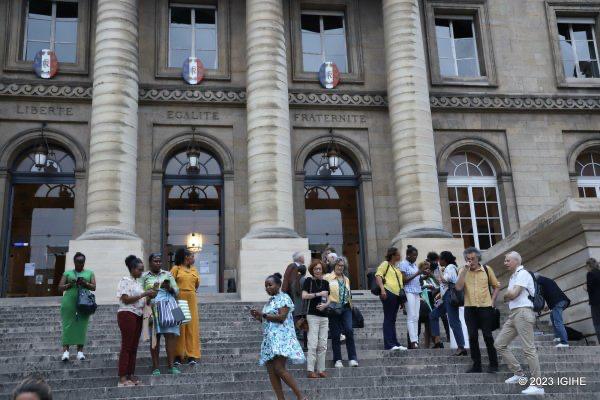
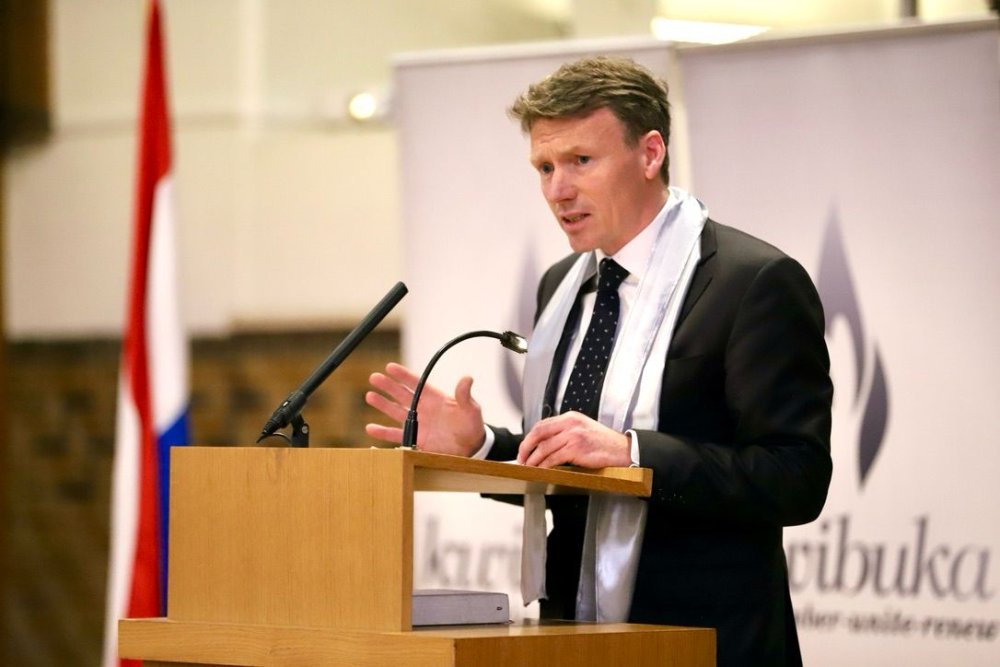
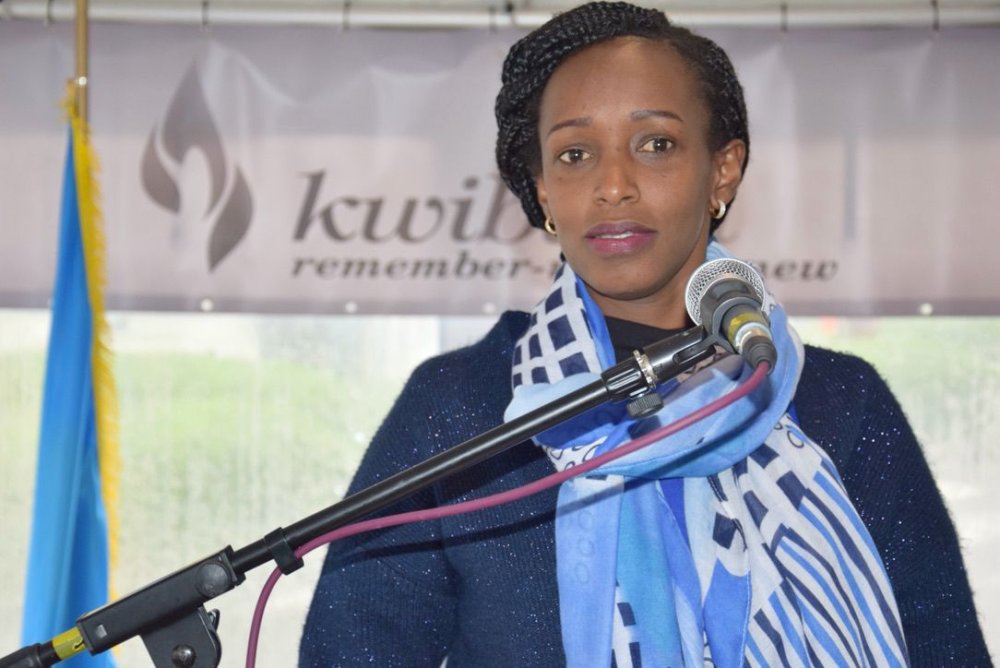
Out of this collective need for healing and remembrance, the Ibuka family emerged. Established in Belgium on August 16, 1994, by Rwandans residing there at the time, Ibuka stands as an organization dedicated to the welfare of Genocide survivors, expanding its reach across continents.
Ibuka’s journey began with Ibuka-Belgium, followed by the establishment of branches in Switzerland, Rwanda, Europe, France, Italy, Holland, Germany, the USA, Senegal, Maine-USA, Finland, Sweden, Denmark, and Canada in subsequent years.
The inception of Ibuka in Belgium, given Rwanda’s historical ties with the country, was a challenging endeavor that demanded dedication, patience, and relentless effort, with some Rwandans and Belgians sacrificing nights until Ibuka materialized.
The organization’s first significant action took place on April 7, 1995, a poignant date when over a million Tutsis fell victim to the 1994 Genocide. Ibuka-Belgium played a crucial role in subsequent actions, including creating and publishing documents to expose Genocide suspects globally.
Advocacy efforts gained momentum as Ibuka members, guided by Rwandan government initiatives, pursued justice against those denying or trivializing the Genocide against the Tutsi, bringing perpetrators to trial in Belgium and France.
Belgium’s proactive stance in prosecuting Genocide perpetrators became evident, with the Court of Assizes in Brussels hosting trials from 2001 onwards. Notable cases include the Nuns of Sovu, Samuel Ndashikirwa, Etienne Nzabonimana, Bernard Ntuyahaga, Ephrem Nkezabera, and the landmark Fabien Neretse case in 2019. Recent convictions in 2023, such as Twahirwa Séraphin and Pierre Basabose, signify continued efforts to seek justice.
In France, trials against individuals like Captain Simbikangwa, Octavien Ngenzi, Tito Barahira, Claude Muhayimana, Bucyibaruta Laurent, Hategekimana Philippe, and Dr. Sosthène Munyemana resulted in convictions and 24-year sentences, marking a step forward in addressing Genocide-related crimes.
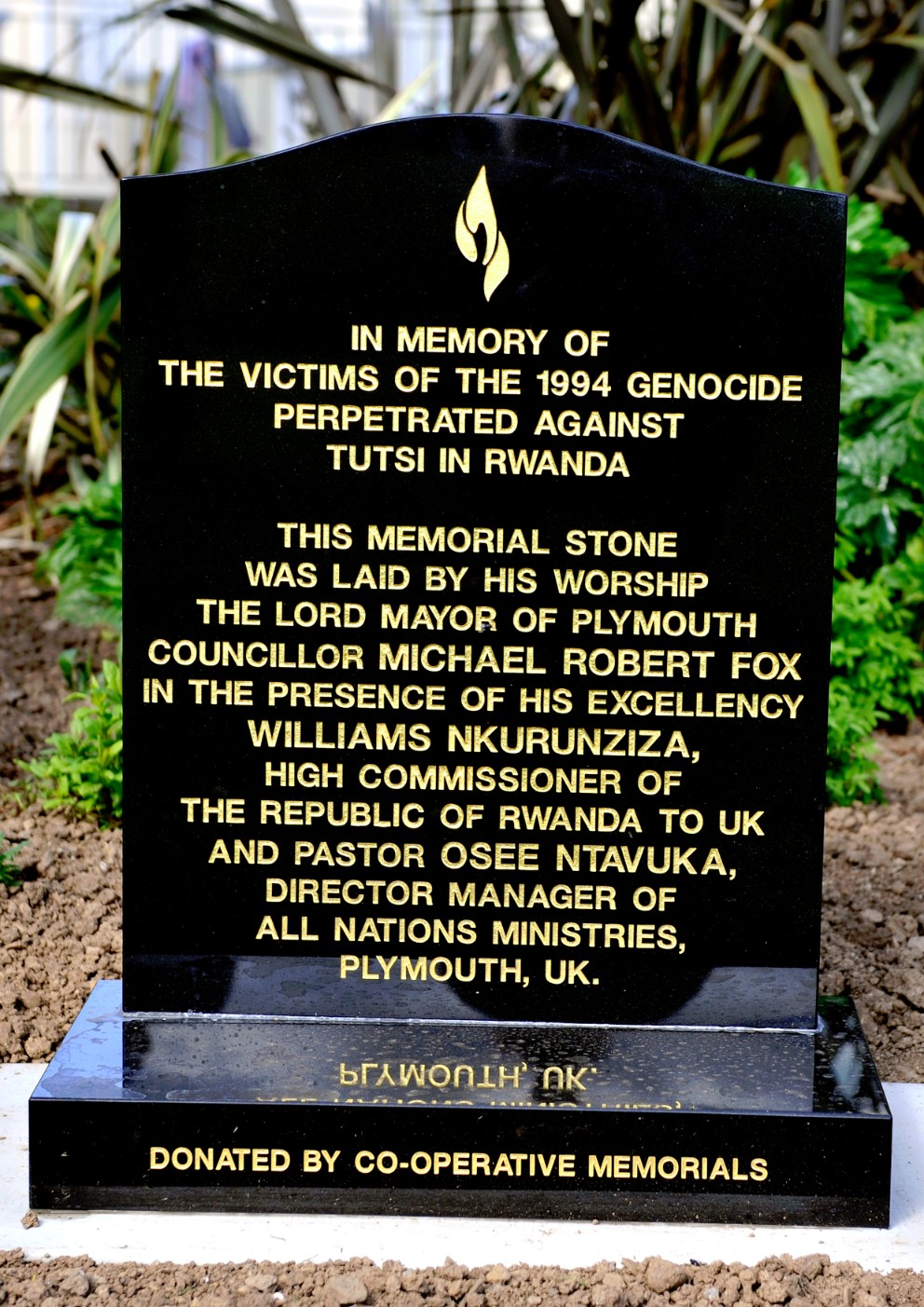
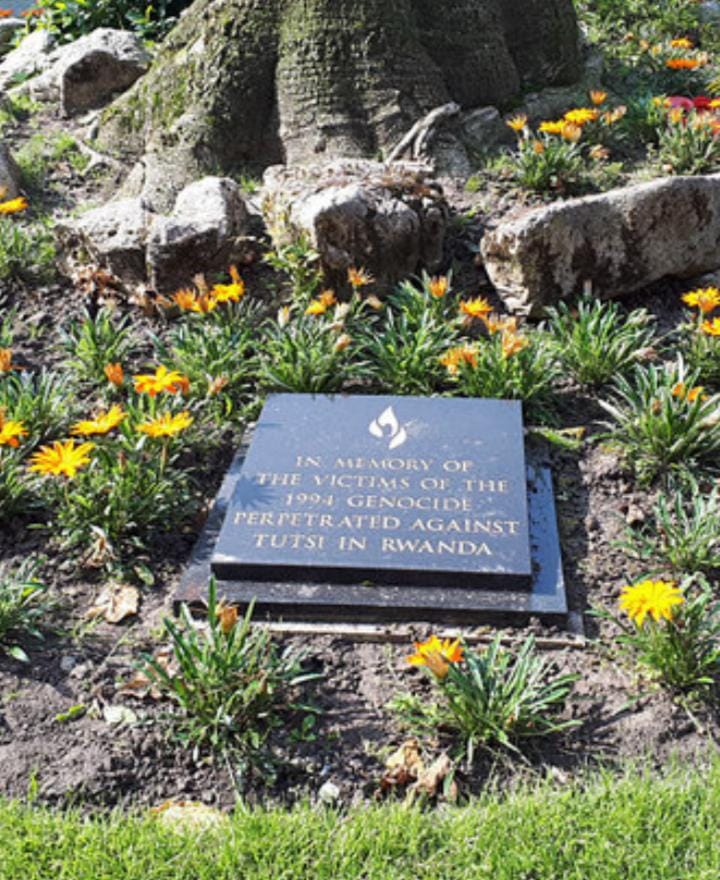
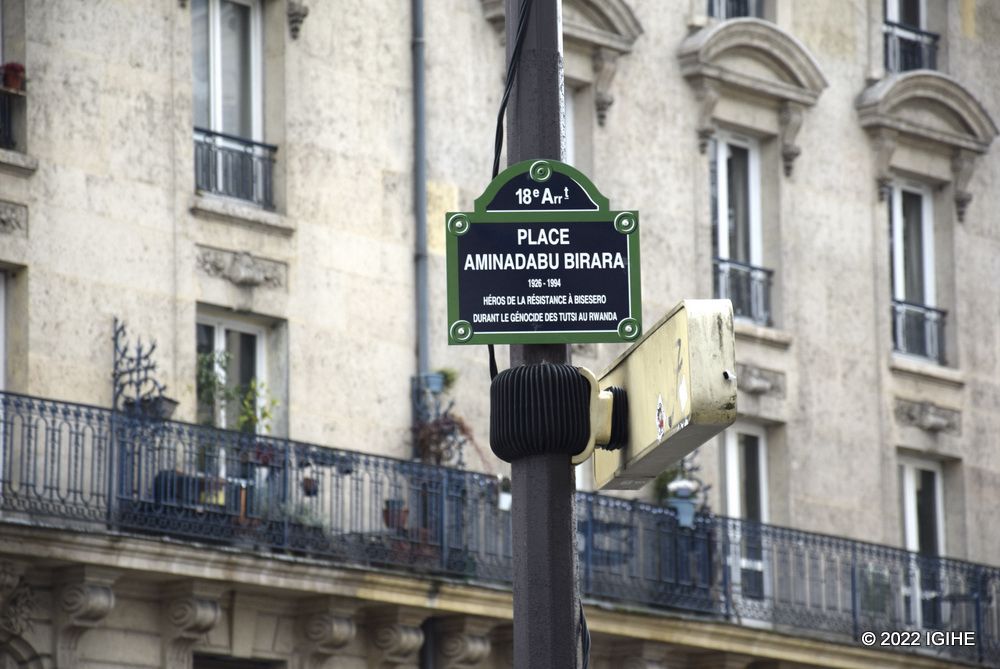
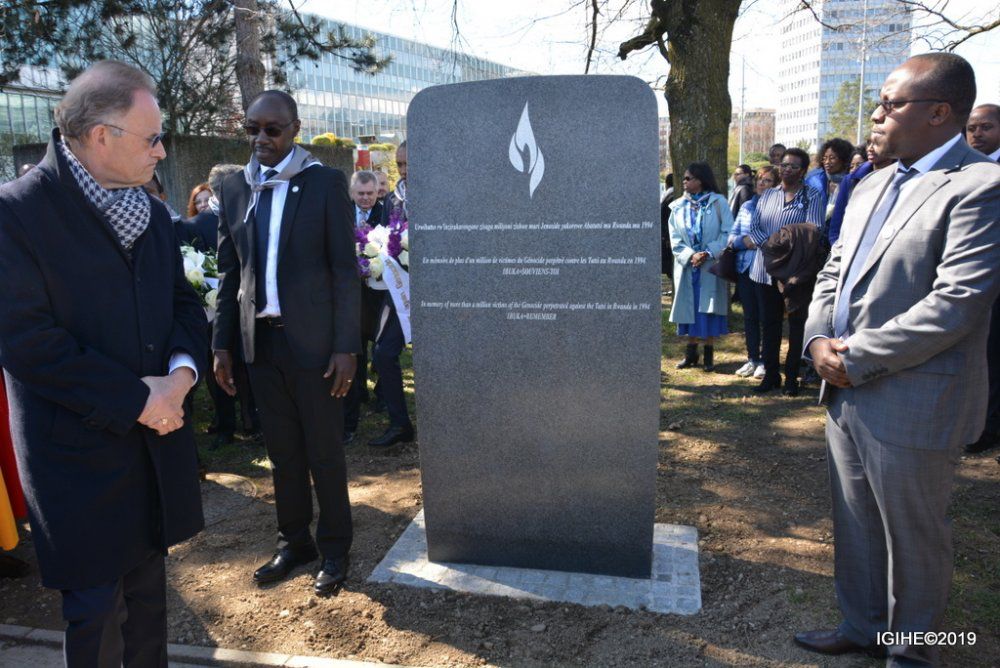
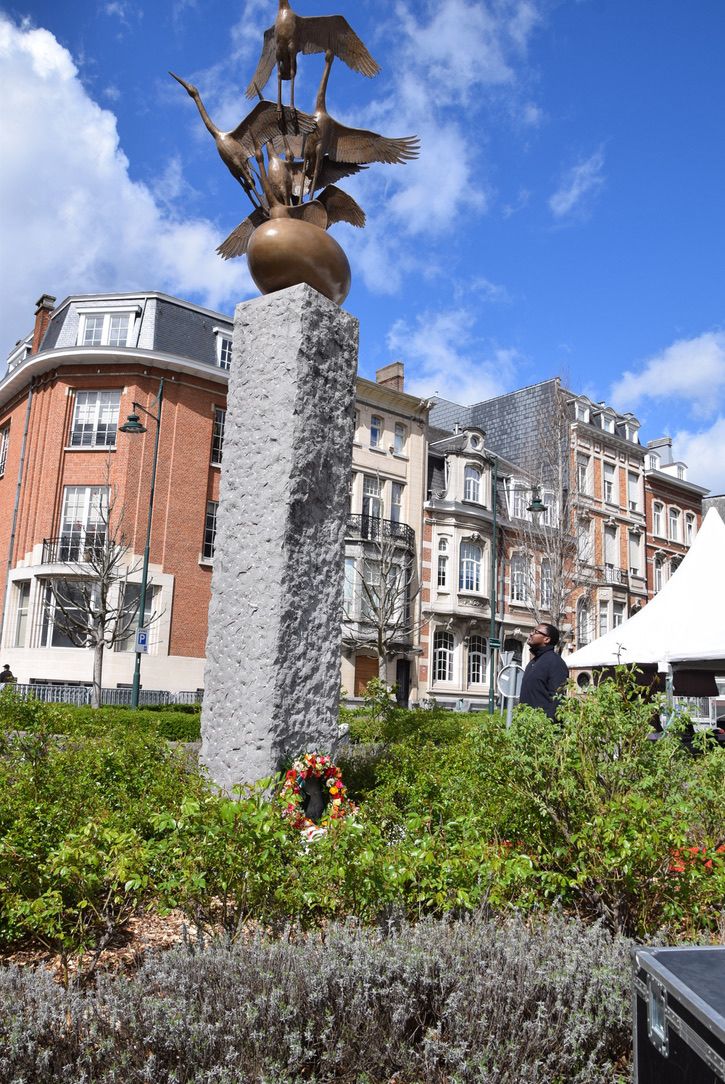
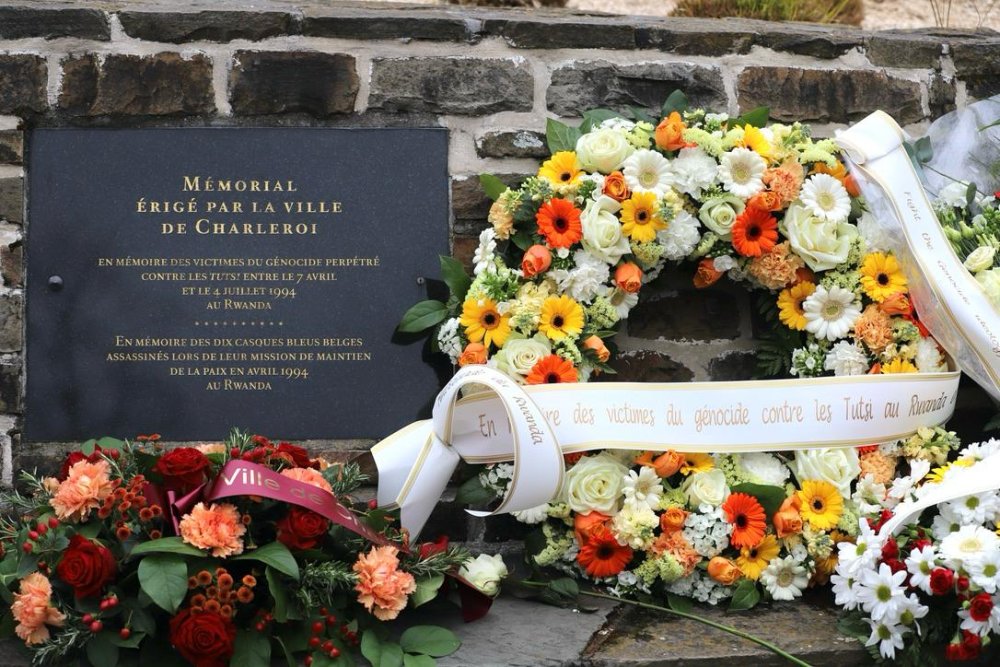
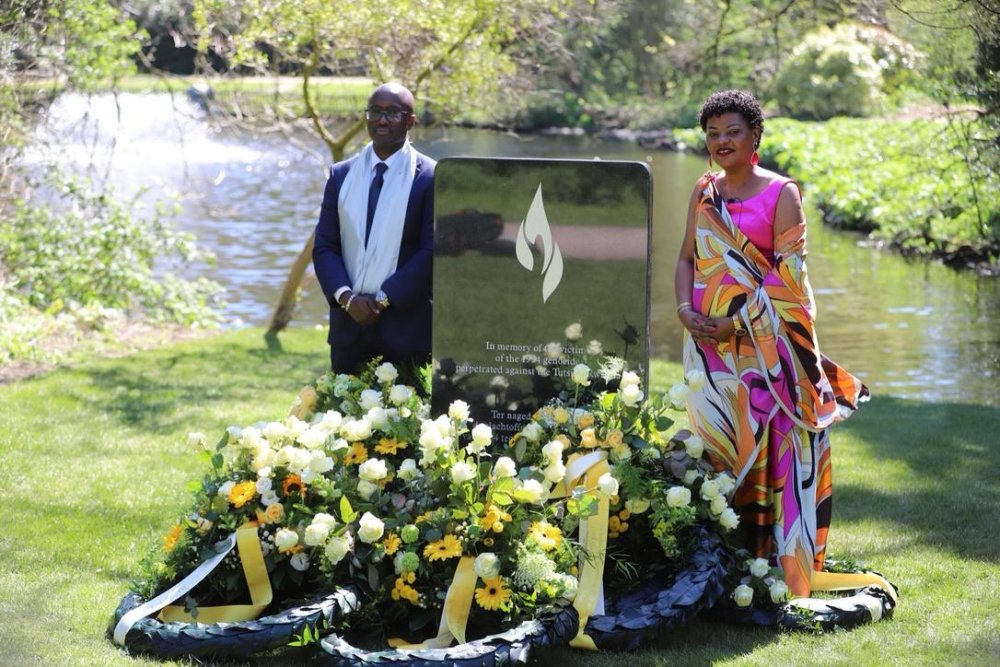
Beyond legal pursuits, Ibuka’s collaborative efforts with authorities, Rwandan Embassies, and city leaders have led to the erection of monuments in various European cities. These memorials serve as poignant reminders of the Genocide against the Tutsi, providing spaces for survivors and the public to reflect on the tragic events of 1994 and engage in discussions to prevent such atrocities from recurring.
In Belgium, monuments like “La Stèle Commémorative” in Brussels and the “Plaque commémorative” in Charleroi stand as enduring tributes. France boasts multiple monuments, including those in Cluny, Dieulefit, Bègles, and Paris’s “Jardin de la Mémoire.” Switzerland recently opened a commemorative site in Lausanne.
Italy contributes to the remembrance efforts with monuments like “Parco Nemorense” in Rome and one in Tradate’s Children’s Park. Turin’s “Piazza delle Vittime del Genocidio dei Tutsi” and Buttigliera d’Asti’s road further emphasize the global commitment to preserving memory.
In England, memorials in Plymouth and Liverpool, along with planned additions, demonstrate the international scope of remembrance efforts. Africa’s sole memorial is in Senegal, located at “La Place du Souvenir Africain.”
These endeavors underscore the ongoing commitment to uncovering the truth about the Genocide against the Tutsi. The collective efforts of Genocide survivors spanning European, African, and American continents continue to bear witness in courts and contribute to over 1000 documents demanding the arrest of Genocide suspects.
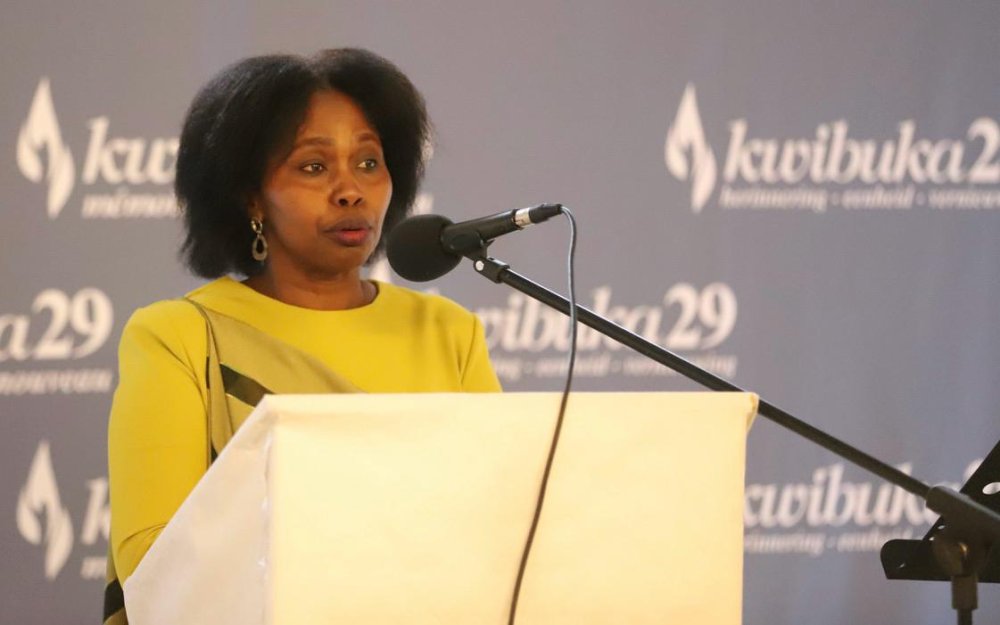
As Ibuka marks 29 years abroad, the question lingers: Will the unity forged in the face of adversity prevail in the next 30 years? Looking back, survivors who once endured the Genocide are now elders, using their strength to empower the younger generation. The journey towards lasting unity and remembrance remains a shared responsibility for the global community.
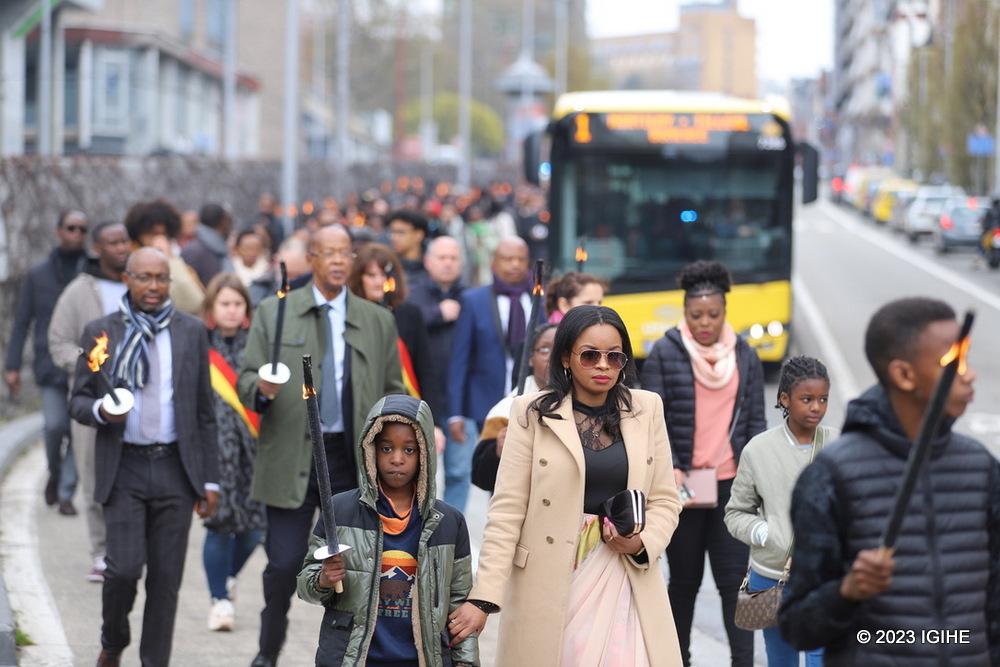
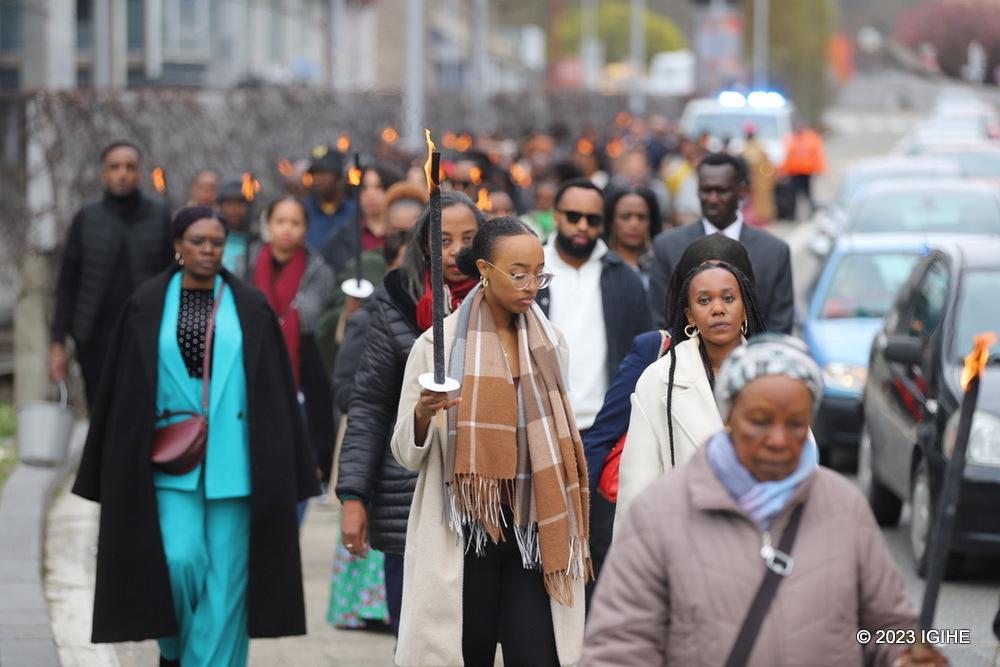
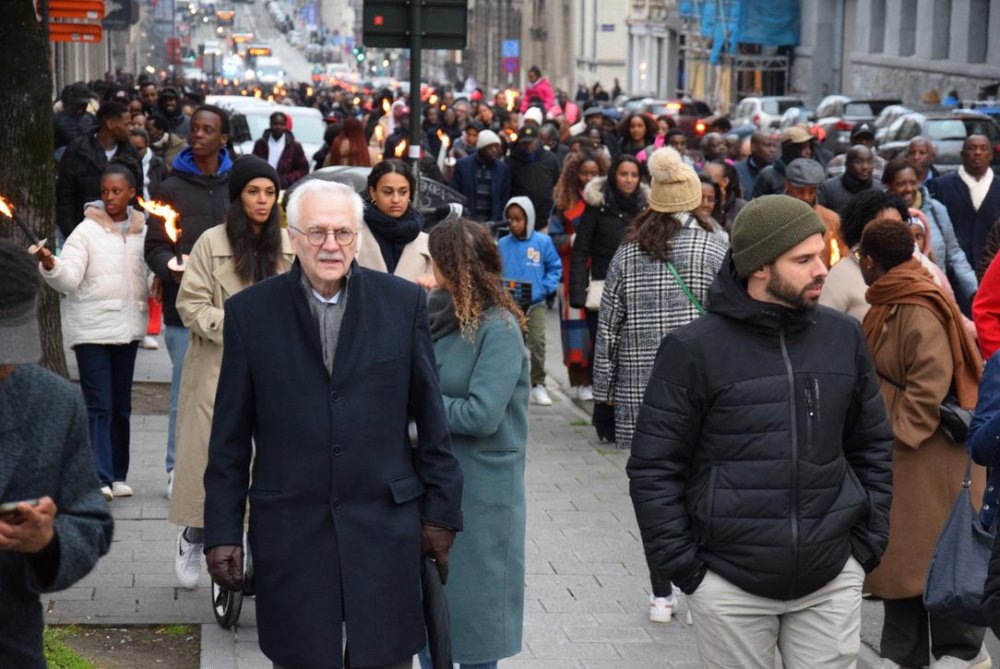
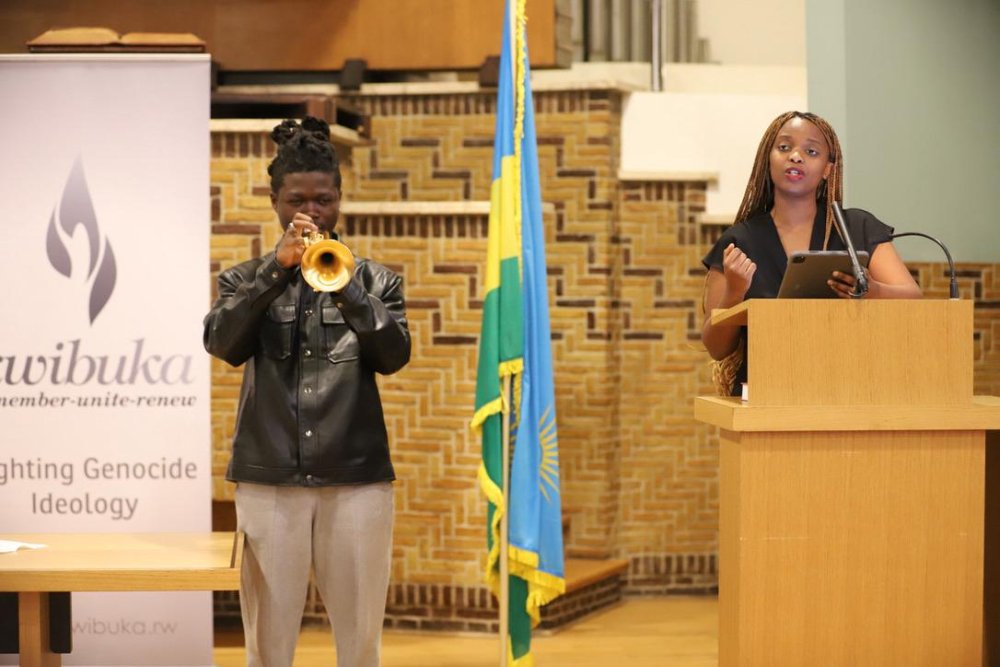
{{During commemoration events held in Belgium, survivors take the moment to share their testimonies.}}
On the morning of January 1, 2024, life in the City of Kigali continued its rhythmic pulse, with individuals resuming their daily pursuits. IGIHE embarked on a journey through diverse corners of Kigali, engaging with residents who, while expressing contentment about the new year, revealed their aspirations and goals for 2024.
Godiose Mukanizeyimana, a business owner in Kimisagara Market, shared his commitment to kickstart the year with work, driven by the belief that a diligent beginning sets the tone for success. Despite acknowledging the challenges of the past year, he remains optimistic, hoping for a positive turn of events in 2024.
In a similar vein, Paul, a motorcyclist, acknowledged the initial scarcity of customers on the first day but expressed a determination to break free from the shackles of rent by the year’s end.
Undeterred by the slow start, he envisioned a year of hard work and divine assistance to achieve his aspirations.
Adeline Musabwasoni, aiming to expand her economic horizons, declared a commitment to hard work and a hopeful outlook for 2024. Reflecting on the challenges of the previous year, she remains resilient, envisioning a future marked by diligence and tangible achievements.
Jean Imanakiza aspires to transform his life by relinquishing alcohol, recognizing its hindrance to personal progress. Focused on health, financial stability, and self-improvement, he intends to redirect the funds previously spent on alcohol towards constructive endeavors, such as home improvements.
The common thread woven through these diverse aspirations is the belief that the first day of the year serves as an auspicious moment to set goals in motion.
As Rwandans step into 2024, their dreams light the way forward, creating a tapestry of hope, resilience, and determination. The journey has begun, and the year ahead holds promises of growth, transformation, and the fulfillment of cherished aspirations.
Rwanda boasts a total of 15 banks, including 10 commercial banks and the Development Bank of Rwanda. These institutions not only facilitate savings but also provide essential loans for developmental endeavors, actively promoting economic growth.
Encouraged by a successful campaign urging citizens to use banks instead of unconventional methods to safeguard their money, the banking sector has emerged as one of the country’s fastest-growing segments. Statistics from the Central Bank of Rwanda reveal an 18.1% increase in the banking sector, attributed to rising capital and customer deposits.
As of June 2023, the assets of the 10 commercial banks stood at Rwf5,153 billion, soaring from Rwf4,445 billion in June 2022. By September 2023, the assets further escalated to Rwf5,364 billion, as reported by the Central Bank of Rwanda.
Tony Francis Ntore, CEO of the Rwanda Bankers’ Association (RBA), highlighted the sector’s robust development during a December 2023 meeting with Indian investors. He noted a substantial increase of over Rwf211 billion in the assets of the 10 commercial banks from June to September 2023.
Ntore emphasized the stability and strength of Rwandan banks, with a commendable capital adequacy ratio of 21%, exceeding the Central Bank’s stipulated 15%. This stability is reflected in the impressive financial performance, as all banks collectively earned Rwf96.9 billion in the first quarter of 2023, a 30.2% increase compared to the same period in 2022.
The Central Bank’s data revealed a remarkable 40% growth in the number of bank depositors and a 39% increase in borrowers from June 2022 to June 2023. In contrast, microfinance institutions and credit organizations experienced a 15% decrease in loan applicants during the same period.
Ntore pointed out the widespread presence of banks across the country, leveraging technology and collaborations with telecommunication companies. The adoption of digital banking channels is evident, with a 59% increase in mobile money transactions and a 191% surge in remittances through banking channels.
Internet banking also witnessed substantial growth, with a 67% increase in money sent and a significant rise in the number of transfers.
However, I am sure your answer would have changed if the word ‘books’ was replaced by ‘movies’. Does that hit the bell? Did I remind you of your favorite movie scene? While we’re still at it, how many movies have you watched ever since you got a laptop or smartphone? Not a number that you can remember, right?
If we all try to be honest, we can agree on the fact that watching a captivating movie is as sweet as melting a cold strawberry ice cream on a sunny Sunday. Reading a book, on the other hand, is boring, and requires strength and thinking. This is why most of us prefer holding a laptop and lazily watch a movie, than putting our minds into reading something.
Nevertheless, haven’t you ever thought that people who try to read are always a bit wiser? I mean they always have an idea about almost everything, right? According to Benjamin Franklin, “The person who deserves most pity is a lonesome one on a rainy day who doesn’t know how to read”.
Do you think that is based on the mere fact that reading is fun? If that was true, I am sure movies, and not books, would have been the best candidate. If we go into the depths, we will be able to learn about a hundred reasons why books are better than movies in almost every single aspect.
{{Reading improves memory}}
When reading a book, you’ve got a lot to do other than just sitting and painting your eyes on a paper. You have to recall a character, their description and everything about them whenever they are mentioned. This exercise given to our memory helps it to strengthen its capacity. This is why reading is believed to help people who have clinical symptoms related to recalling things.
{{Books form better mental images}}
Just imagine you’re reading a novel. By a simple description as “a tall brown guy with broad shoulders and a lithe body whose smell is evocative of the lavender flowers blooming gracefully on the river side”, the brain can create a more captivating character that is not as easy to depict in visual images. This is why reading is deemed as an active exercise while watching movies is just passive.
{{Expanded vocabulary and grammar}}
Movies can also help you improve your vocabulary, but when it comes to books, that is almost their specialty. Books expose us to new phrases and figures of speech that are almost impossible to notice in a movie. This is because while watching movies, one is attentive to the images in front of them while every word, punctuation and space counts while reading.
{{Sense of accomplishment}}
If you have read a book and ended it, you must understand my feelings on this. Watching your hands as you flip the last page of a book and reflecting on the long journey of reading gives a sense of accomplishment, success and pleasure that just watching a movie can never give.
Movies are, in their own way, appealing and fantastic. However, books are much better in terms of knowledge and experience. I am not telling you to stop watching your ride-or-die movies, because even I can’t, but it is almost time you started considering reading books too. If you give it a try, you’ll learn that books are just blessings in disguise!
Emphasizing the nation’s resilience in the face of criticism during end-of-year 2023 address, Kagame asserted the country’s ability to absorb any amount of unjustified critique.
Acknowledging regional insecurities, Kagame highlighted Rwanda’s dedication to assisting fellow Africans in restoring peace and security within the country’s means. Despite global challenges, the President sees adversity as an invitation to become more determined and to achieve more.
The year 2023 brought numerous reasons for satisfaction, with Rwanda hosting major international events, contributing to income, job creation, and the country’s progress.
Kagame pointed out the inauguration of the advanced surgery training center (IRCAD) and the state-of-the-art vaccine manufacturing facility (BioNTech), solidifying Rwanda’s status as an innovation hub for medicine and health.
Expressing gratitude for collective efforts, Kagame acknowledged challenges faced in 2023, including flooding and inflation. He stressed the nation’s proactive measures to address these issues and highlighted the importance of youth voices in shaping Rwanda’s future.
As Rwanda looks ahead, President Kagame extended heartfelt wishes for a joyful and prosperous New Year 2024, emphasizing the significance of hearing the voices of the young generation in charting the nation’s future course.
Just like that, the refrain of Imagine Dragon’s song plays in your ears, “Pain, you made me a believer”. And with a confused facial expression, you wonder how a person can really praise pain like that, regardless of all the scars it has left with your heart. “Is that just a metaphor? Or is pain some kind of blessing or something?” You wonder.
In this life that some describe as ‘a double edged sword’, pain is almost like a stone that none can dodge. It exists and lives with us. Pain has created billions of enemies around the world, because, who would not hate it? However, I just have a simple question. ‘Have you ever thought of how your life would be without pain?’ Just picture a life where you can’t feel burnt upon touching a hot saucepan. A life where you can’t feel the stab of a nail until you see your feet painted with blood. Isn’t that even scarier?
Pain is more than just what it feels like, it is the body’s way of communication to us. Pain tells us what is going on. It tells us that our body temperature has risen, something got into our eyes, or simply that something went wrong in our body. Pain is not just a bad thing, pain is a sign that something bad happened. If we look on a brighter side, pain is just a loyal messenger.
Even if it is a curse to almost everyone, pain is just a pipe dream to some. To people with CIPA, a condition in which one’s body has an inability to feel pain, pain is something they wish they could feel. These people can’t even know it when they accidentally sit on a hot stove. They will always stay in the shadows until their body gets all destroyed beyond repair. So, do you still think pain is a bad thing?
{{Pain warns us}}
Just a simple example. The body’s way to let you know that you might have been attacked by a certain bacteria or a virus, is by raising the body temperature, giving you a headache, feeling nauseous, etc. upon these painful symptoms, you consult a medical scientist who diagnoses the disease and treats it. Now imagine if you couldn’t know that you’re attacked? You would never get treated and in the end, you’d just die. Pain warns us that danger is approaching so that we can get ourselves out of it before it is already too late.
{{It makes us passionate}}
All that pain does is make us question everything before we throw ourselves into it. Pain is what makes a teen come to school a bit earlier today, because she was punished yesterday. It is what makes a hungry person work regardless of the weakness. The fear of feeling pain tomorrow makes us wake up and give meaning to whatever we do.
{{Pain helps us set priorities}}
A wise man called Nietzsche said, ‘what does not kill you makes you stronger’. Just like a muscle, in order to be built up, we need to experience some portions of pain. Going through something bad trains us both physically and mentally so that tomorrow, we can even endure the worst.
{{It makes us wise}}
According to Al Ben-Shahar, a lecturer at Harvard University, wisdom emerges from the experience of suffering. It is every human’s nature that, when things go as expected, we rarely ask questions.
In the presence of difficulties, however, our minds are forced to reflect on our experiences, make different choices and find preventive measures for the worst. In what Khenchen Könchog Gyaltshen, founder of several Buddhist centres worldwide, addresses as the benefits of suffering, wisdom hits the top.
The truth is, we’ll always face difficulties as long as we are still breathing. Pain will just inform us and force us to find answers to that. We’ll always hate pain because it makes us cry, hurt and worse, but more importantly, we’ll always listen when pain speaks. We’ll always pay attention, learn and improve, thanks to pain.
Beyond commonalities in leadership and ambition, both countries share a commitment to determination, self-discipline, unity, and diligence in fostering their identity for a prosperous future.
Emerging from the aftermath of the 1994 Genocide against the Tutsi, Rwandans unite with a shared destiny, gaining international recognition through consolidated efforts and homegrown solutions, mirroring the resilience of the Chinese people in overcoming historical adversities.
Furthermore, both nations’ similarities in development extend to significant strides in infrastructure, education, healthcare, agriculture, and social protection among others.
Rwanda’s initiatives like Vision 2020, EDPRS, and SDGs have shaped its development, with future plans like Vision 2050 and Agenda 2063 aligning with long-term aspirations. Notable reforms have improved living standards, increasing life expectancy from 51.2 in 2002 to 69.6 in 2022, while poverty rates have dropped from 60.4% in 2000 to 38.2% in 2017.
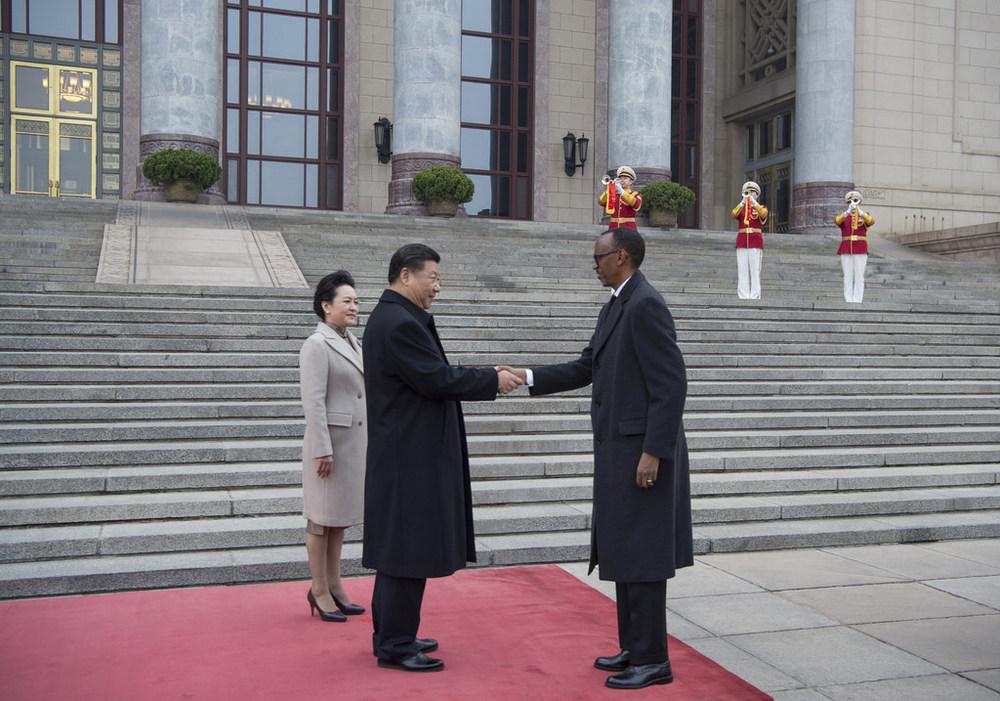
Under the leadership of the Communist Party of China (CPC), China’s GDP per capita has surged from $90 in the 1950s to over $12,000 today, with the effective eradication of absolute poverty nationwide. Diplomatic relations between China and Rwanda, established in 1971, underscore the leadership of Presidents Paul Kagame and Xi Jinping, setting both nations on similar development trajectories.
The bonds between RPF-Inkotanyi and the CPC highlight effective leadership, workmanship, determination, resilience, and discipline as common threads in China and Rwanda’s development.
Both nations reject foreign impositions, relying on unique homegrown solutions and a consensual model of democracy. Over 29 years, Rwanda has demonstrated the effectiveness of this approach, paralleling China’s historical trajectory.
China’s commitment to its political system has propelled it socially and economically, challenging Western preconceptions, with predictions of surpassing the United States in economic dominance.
This illustrates that democracy is not a one-size-fits-all concept, as exemplified by China and Rwanda’s homegrown approaches rooted in their unique histories.
Despite disparities, Rwanda and China share a profound commitment to their visions, showcasing the power of homegrown solutions and the adaptability of political systems.
Their distinctive paths challenge Western preconceptions, emphasizing the strength of leadership values embodied by Presidents Xi and Kagame.
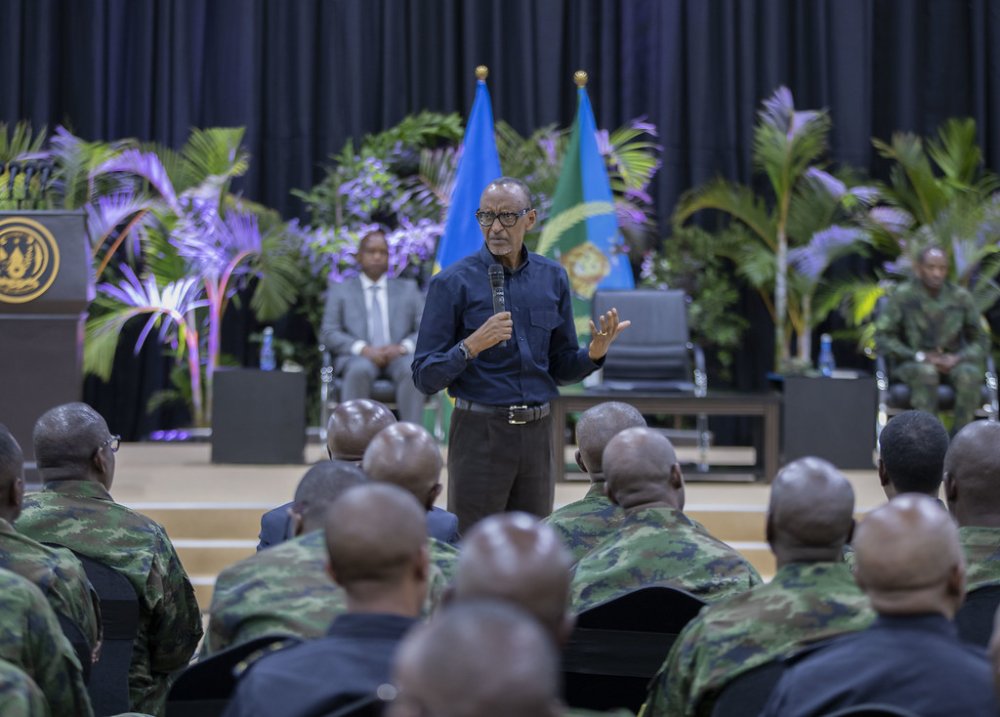
Acknowledging the sacrifice of those spending the holiday season away from loved ones, President Kagame emphasized the significance of reflection and renewal in the New Year, urging the forces to continue their crucial role in safeguarding the nation and contributing to its development.
Commending the discipline and hard work exhibited by the defence and security forces, President Kagame highlighted their pivotal role beyond national borders.
He underscored their contribution to peace and security on the African continent through active participation in United Nations Peacekeeping and bilateral missions.
The President lauded the forces for representing Rwanda’s values with excellence and professionalism, acknowledging the significant efforts invested in restoring peace in the region.
Expressing solidarity with the families who have lost loved ones in service, President Kagame paid tribute to their sacrifices, assuring them that the nation will always stand by them.
He described the duty of defending the country as an honor and urged the forces to fulfill this duty with courage and diligence.
I remember when I was a tween, there were loose-end pants that were really on trend. Almost every stylish girl would always put on that kind of pants, and I, on the other hand, would always be like “wow, that is one heck of a cool pair of pants!” But as time went on, I watched them evanescing like mist before the morning sun. Now, guess what every girl’s dream pant is. Loose-end pants, again!
Just like the face of fortune, fashion really changes over time. That stylish top you’re attending every gathering with, will eventually turn out to be the number one cheesy cloth in a few years yet to come. You’ll find yourself putting on wearables that you’ve never dreamt of buying. Something that you always deemed as outmoded will be the dashing one in your closet.
Yes, that’s how fashion, just like everything in life, changes. And like that, that’s how cold-shoulder style enjoyed its precious time and gave space to the off-shoulders and high-neck styles. Even though the change in styles is something that we all agree on, there is also a beautiful truth that some late styles will always find their way back in the future. Now, why don’t we stay diligent and explore the fashion trends that are making a comeback?
{{Ripped jeans}}
Let’s all be honest, aren’t these kinds of jeans all over the town? While the pair of jeans with the knees blown out was undeniably trending in the 70s, the style is already back with us. The only difference is that holes are not only on knees, but also on other parts, revealing too much of the skin.
{{Cargo pants}}
Maybe you have another name for this, but to make it simple, they are those loose-fitting trousers with patch pockets down each leg. Did this make you check your closet? Well, it’s true that these kinds of pants were a hit in the 90s, but now things are swinging back in our direction. These pants are more than just a hit. They are almost a favorite to every stylish person.
{{Palazzo pants}}
Also called wide-leg pants are a unisex trending style that has made a comeback after being popular in the 60s and 70s. Nowadays, not so many people are chasing tight trousers, they are more into those that almost never touch their body.
{{Chunky sneakers}}
These kinds of shoes are known for their huge undersurface. Take a look throughout your shoe rack. How many pairs of this kind did you see? Not one, right? Being almost every person’s preferable pair of shoes, this is how chunky sneakers bounced from the 80s to 2023.
{{High-Waisted/ high-rise jeans}}
Yes, you guessed it right! These are pants with a long seam between the crotch and waistband. They were more popular in the 80s, continued to be popular throughout the ages, and with their unique evolution, they are able to fit within the current fashion standards.
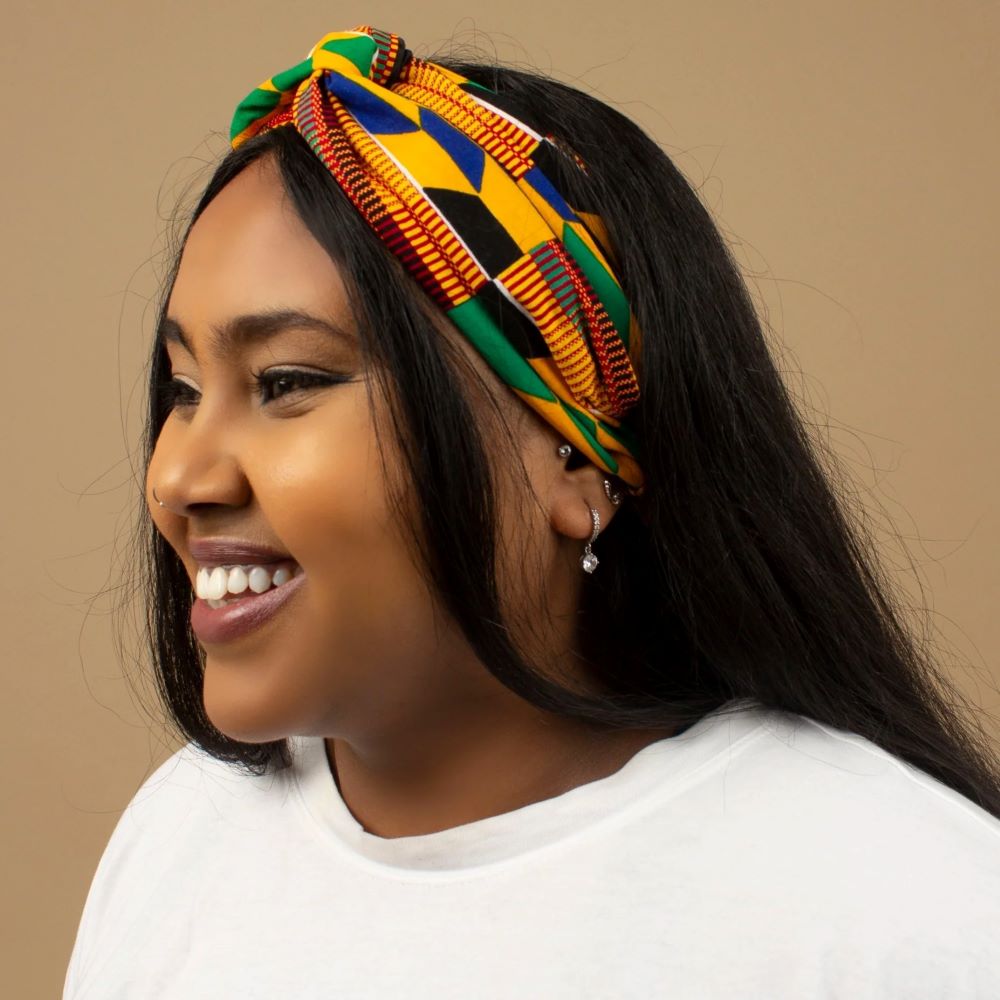
{{Headbands}}
Made famous by celebrities like Audrey Hepburn and Princess Diana, these accessories have found their way back to us from the late 60s and 80s. They are now more admirable to artists and other people who are more into fashion.
All these fashion trends and many others that we didn’t mention were once our parents’ or aunts’ styles, but now, they are our favorites. This is why they say ‘true styles never die”.