My journey followed the path of the Liangma River Cultural and Economic Belt, where water, culture, and daily life come together to reveal a calmer rhythm of the city.
It started at the river itself. I stepped off the bus and onto a boat, one of many that now glide along what used to be a royal site for washing horses. Today, the Liangma River has become a symbol of how old places can find new life.
As the boat moved gently under bridges and past gardens, our guide shared stories of the river. One bridge came alive with glowing images of dragons and phoenixes; another is said to bring good luck to couples who propose there. Listening to these stories while watching the water shimmer in the sunlight gave the whole ride a feeling of quiet wonder.
We soon arrived at Solana Blue Harbour, and walking into its cobbled paths felt like stepping into a small Mediterranean town. With its rooftops, peaceful plazas, and lakeside cafés, Blue Harbour is more than a shopping spot—it’s a place to relax, take photos, or simply enjoy the moment. Since teaming up with Ant Group in 2024, it’s also become easier for international visitors, thanks to multilingual staff and smooth mobile payments.
After a quick ride, I found myself at Pop Mart’s Pop Land, a place full of colour, music, and imagination. Pop Mart is known around the world for its designer toys and creative experiences, and this park brings all of that to life.
Everywhere I looked, families and young people were smiling, taking photos with their favourite characters, and exploring themed zones filled with games and surprises. It felt like a space where anyone could reconnect with their inner child or discover something new.
As the sun began to dip, my final stop brought me back in time: Prince Shuncheng Mansion, a Qing Dynasty home now restored beside Chaoyang Park. Compared to the lively energy of the day, this place was calm and grounded.
In the courtyard, soft music floated through the air. Women in traditional hanfu moved gracefully to the rhythm of ancient melodies. A tea master invited guests to taste freshly brewed tea known as oolong, among others, each step part of a quiet ritual. Once a royal residence, the mansion now serves as a space where visitors can step into history, not just read about it.
By the end of the day, I felt like I had walked through different chapters of Beijing, each with its own mood and meaning. In a place often described by traffic and technology, I found something else: a day of connection, reflection, and discovery. And maybe, somewhere along this river, there’s a piece of Beijing waiting for everyone.
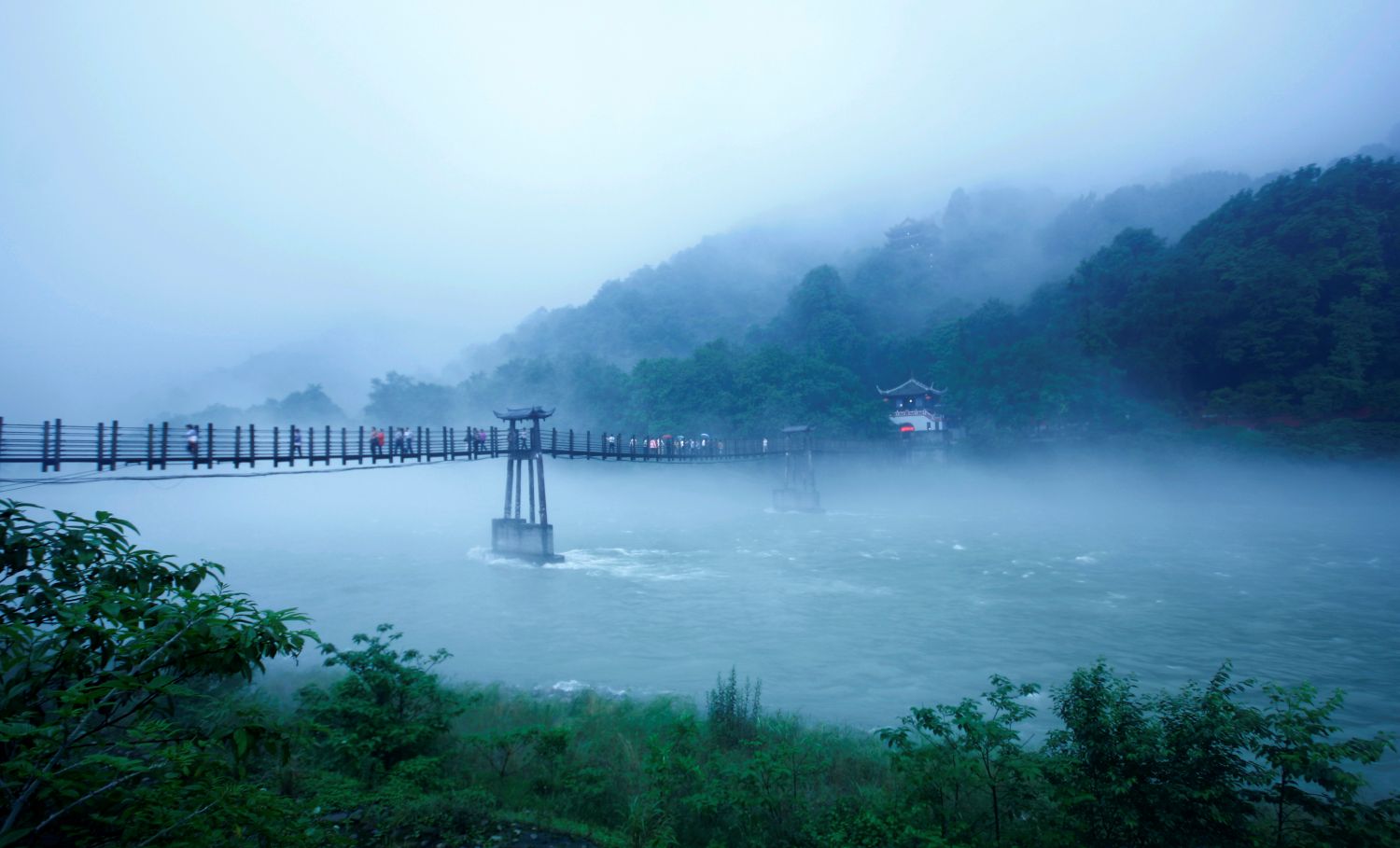
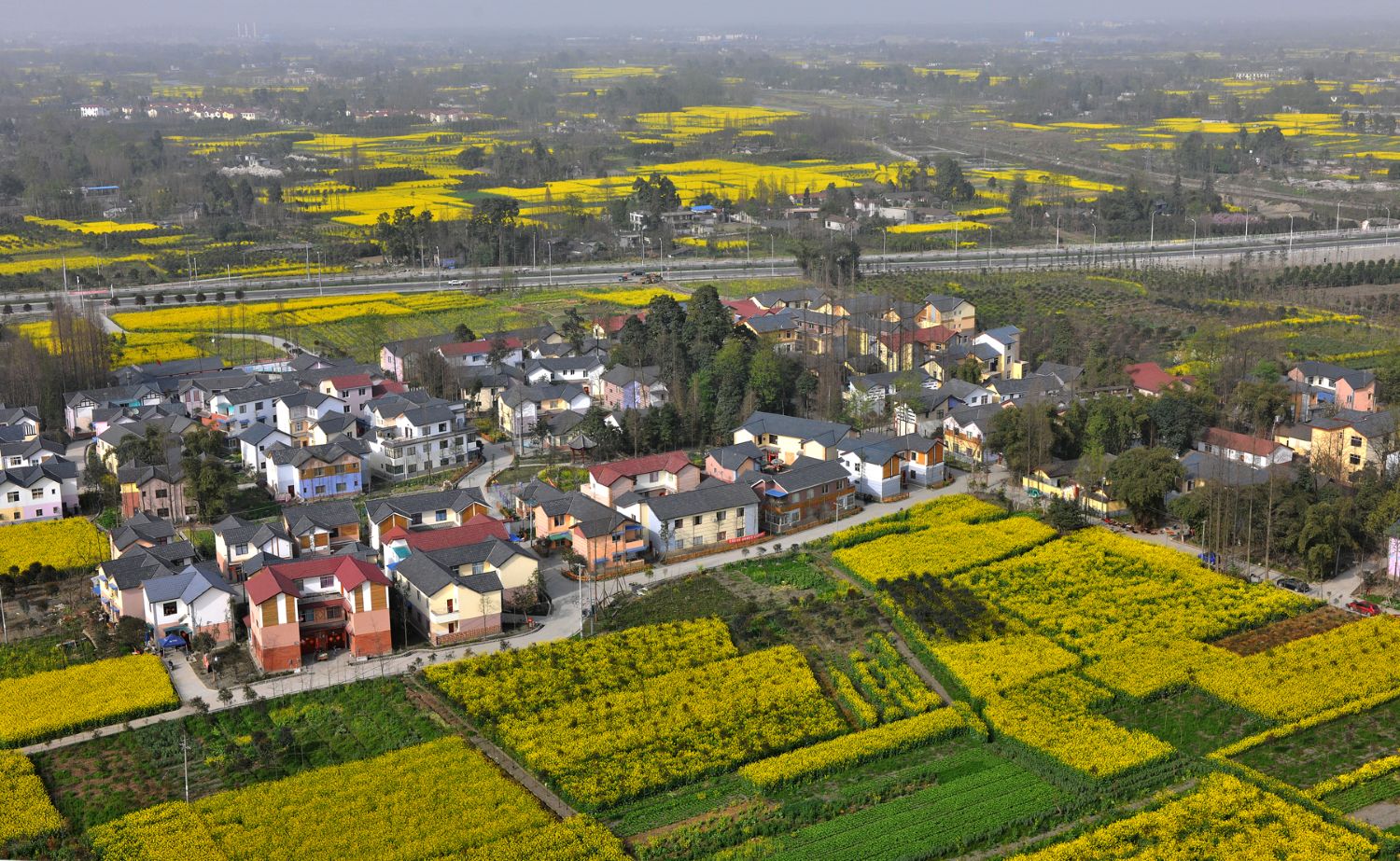
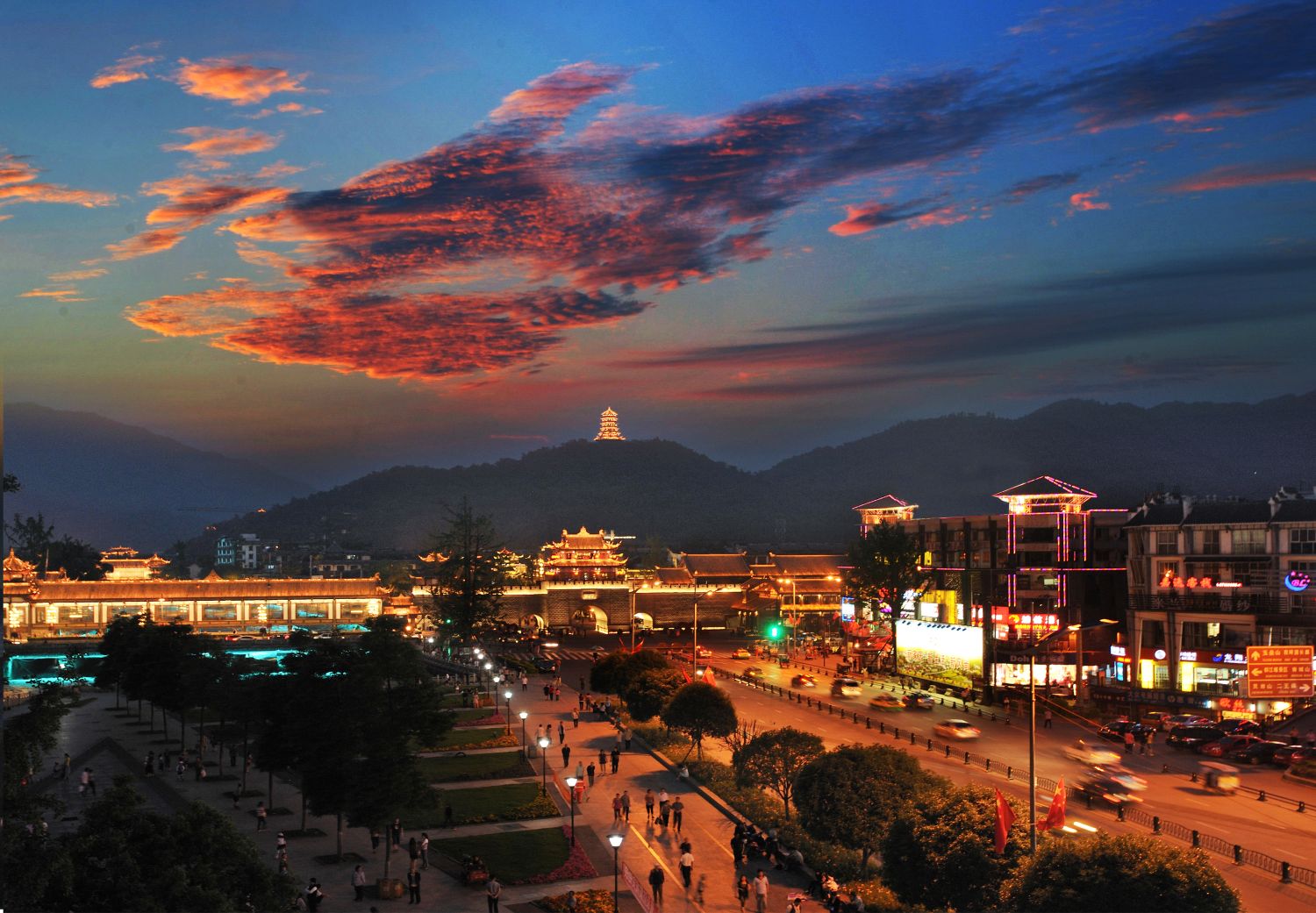
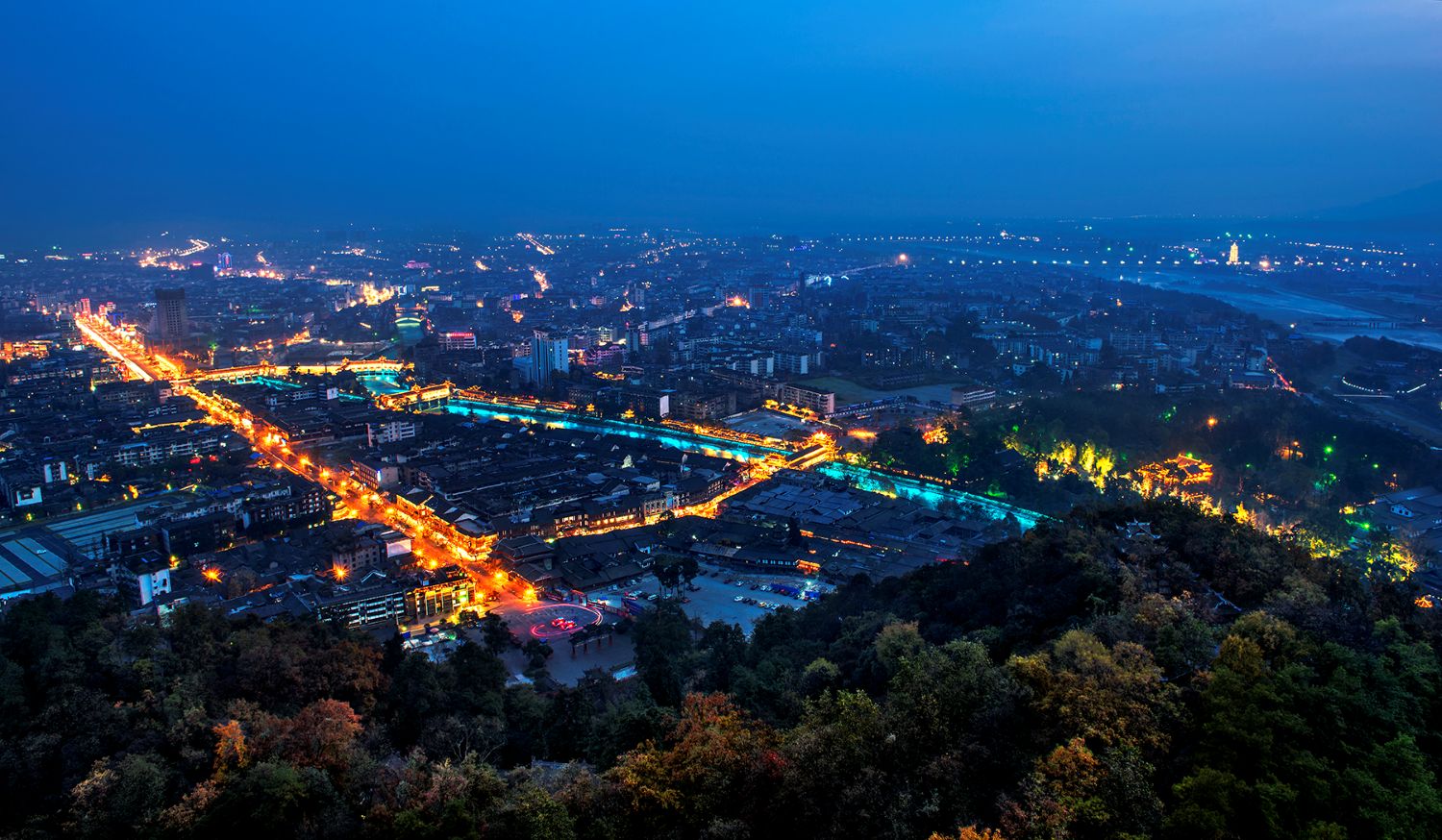
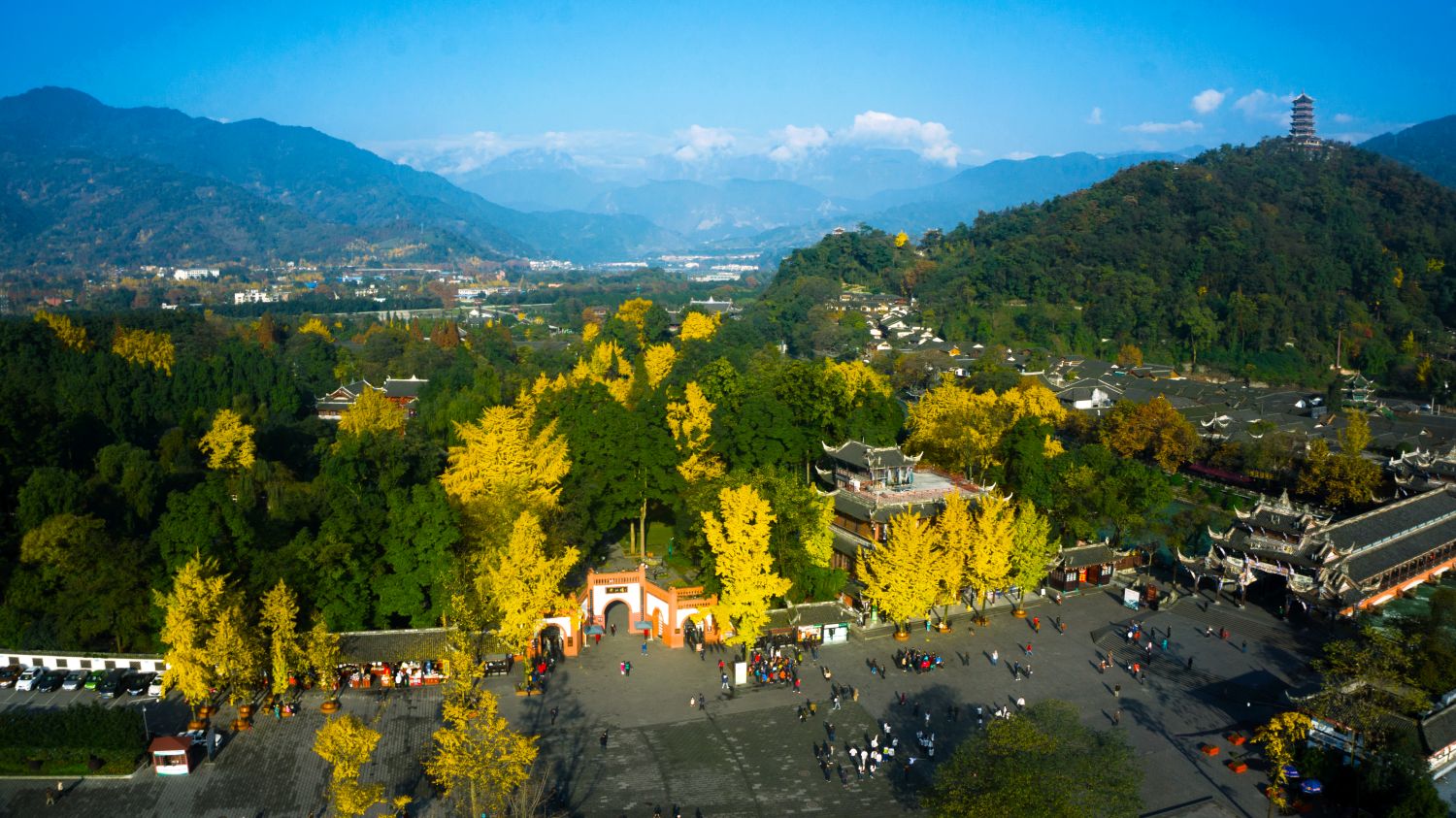
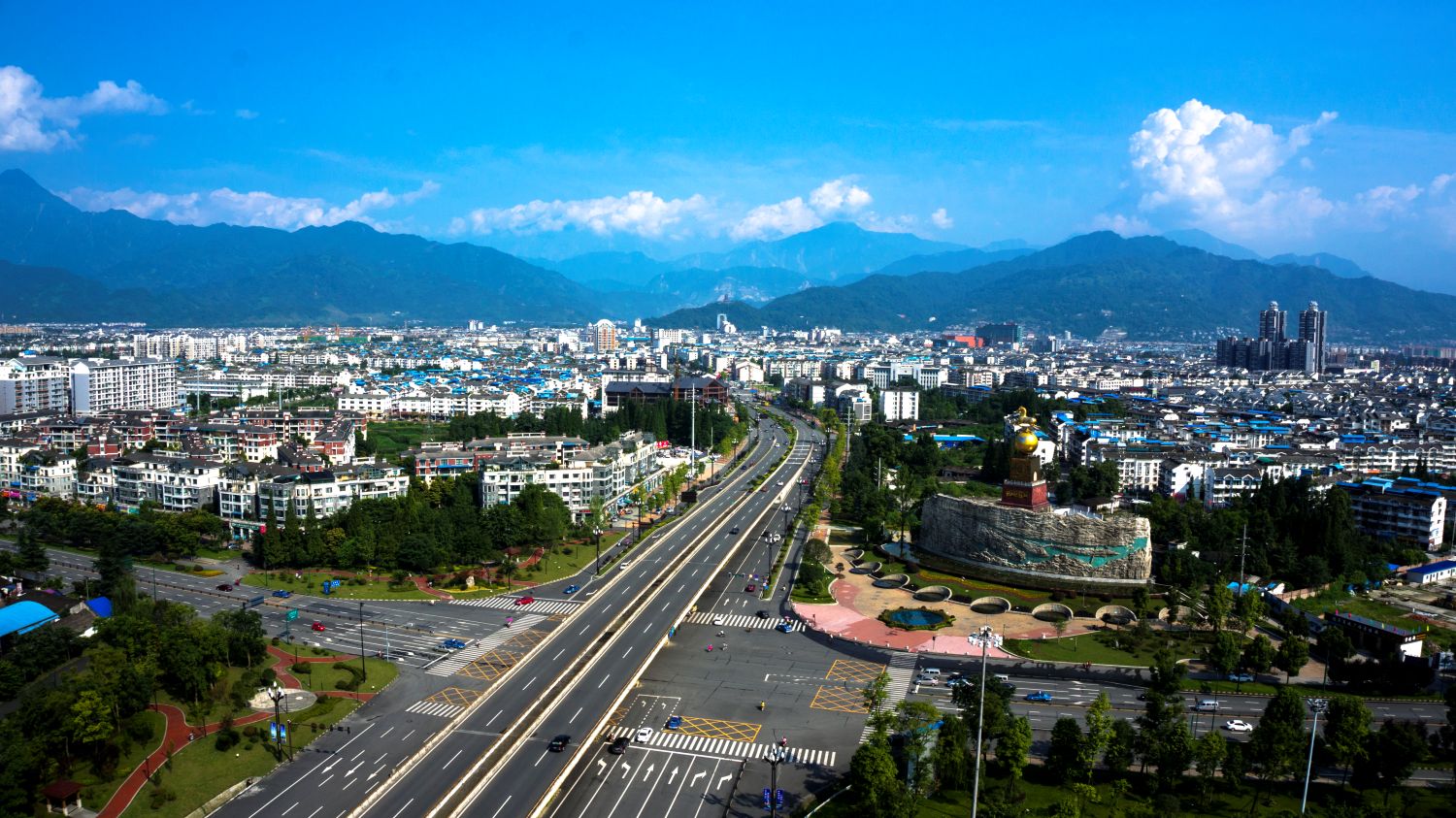
With a population of around 800,000 and covering over 1,200 square kilometers, Dujiangyan boasts clean air, lush forests, and a balance between tradition and modernity. During my visit, I found myself unexpectedly reminded of my hometown, Kigali, Rwanda. From its quiet, green environment to its peaceful energy, Dujiangyan felt like home.
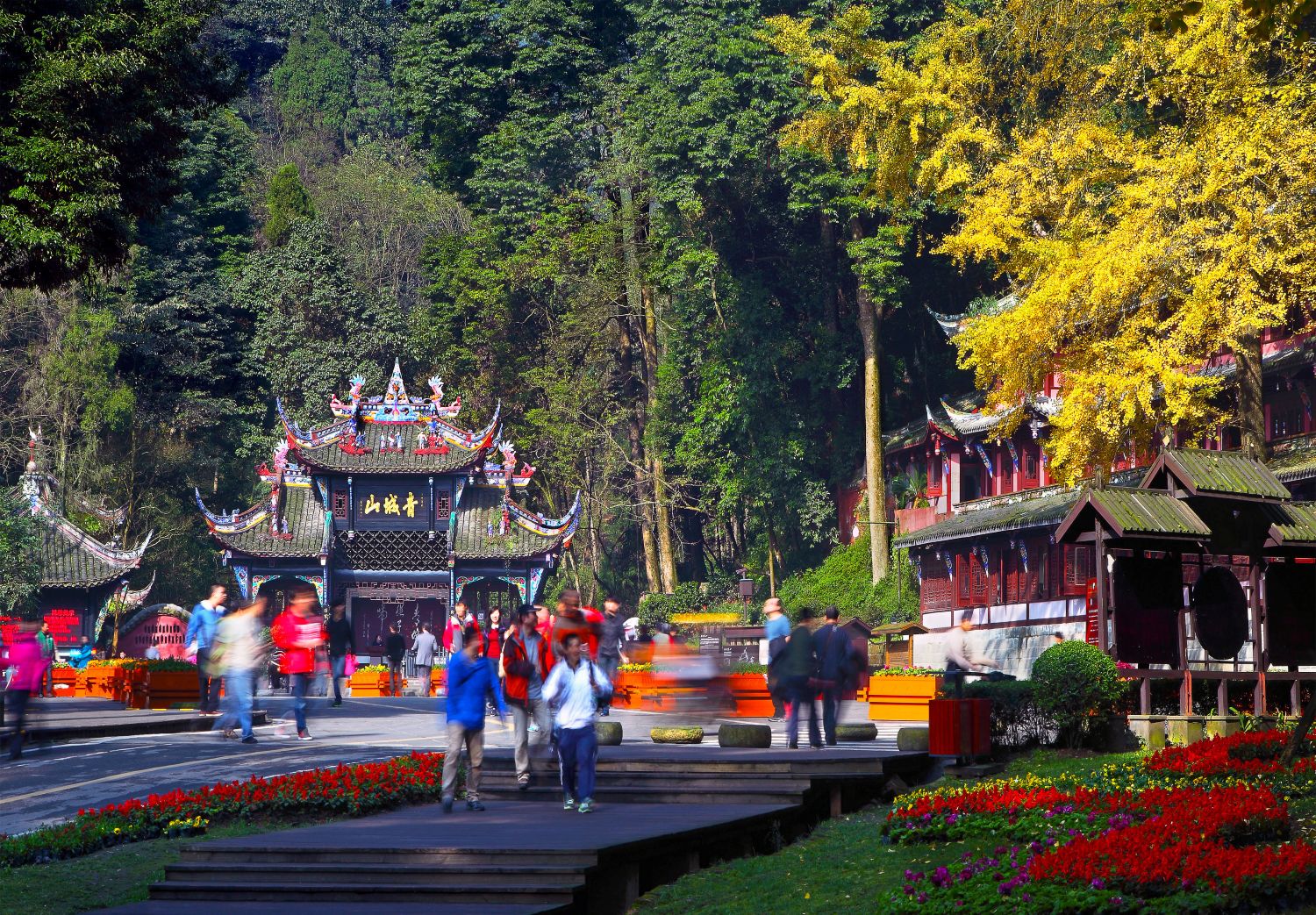
When I landed in Sichuan Province, something clicked almost instantly. The calm streets, the green scenery, and the fresh air made me feel like I had returned to Kigali. Within thirty minutes of arriving in Chengdu, I found myself breathing deeply and smiling without even realizing it. The streets weren’t crowded, and trees were everywhere. Nature seemed to take the lead here—just like back home.
Every street in Dujiangyan whispered stories of peace and connection. I saw how a city could hold onto its cultural soul while still welcoming the new. It’s that same harmony I’ve always loved about Kigali, and finding it in Dujiangyan was both surprising and heartwarming.
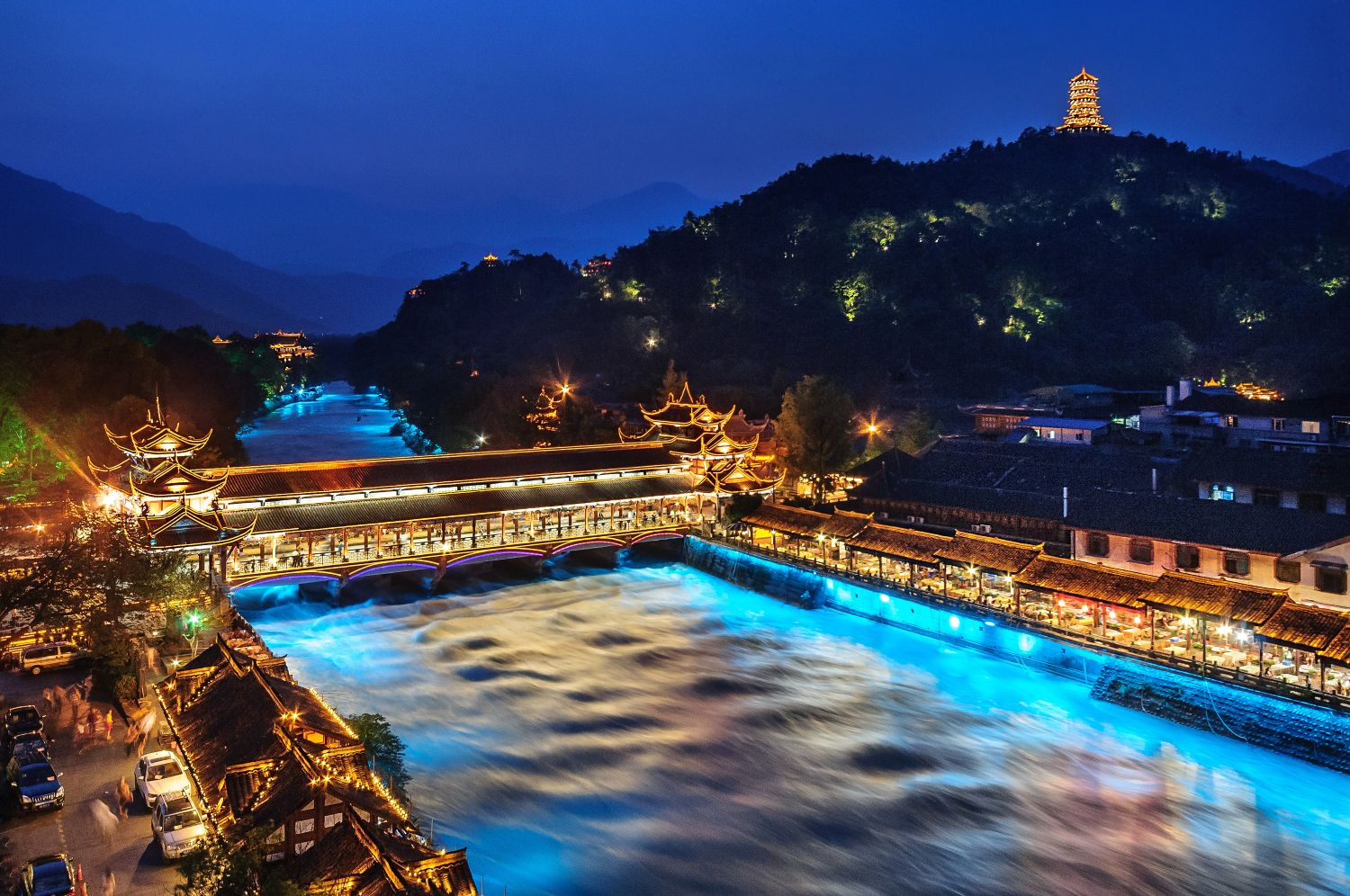
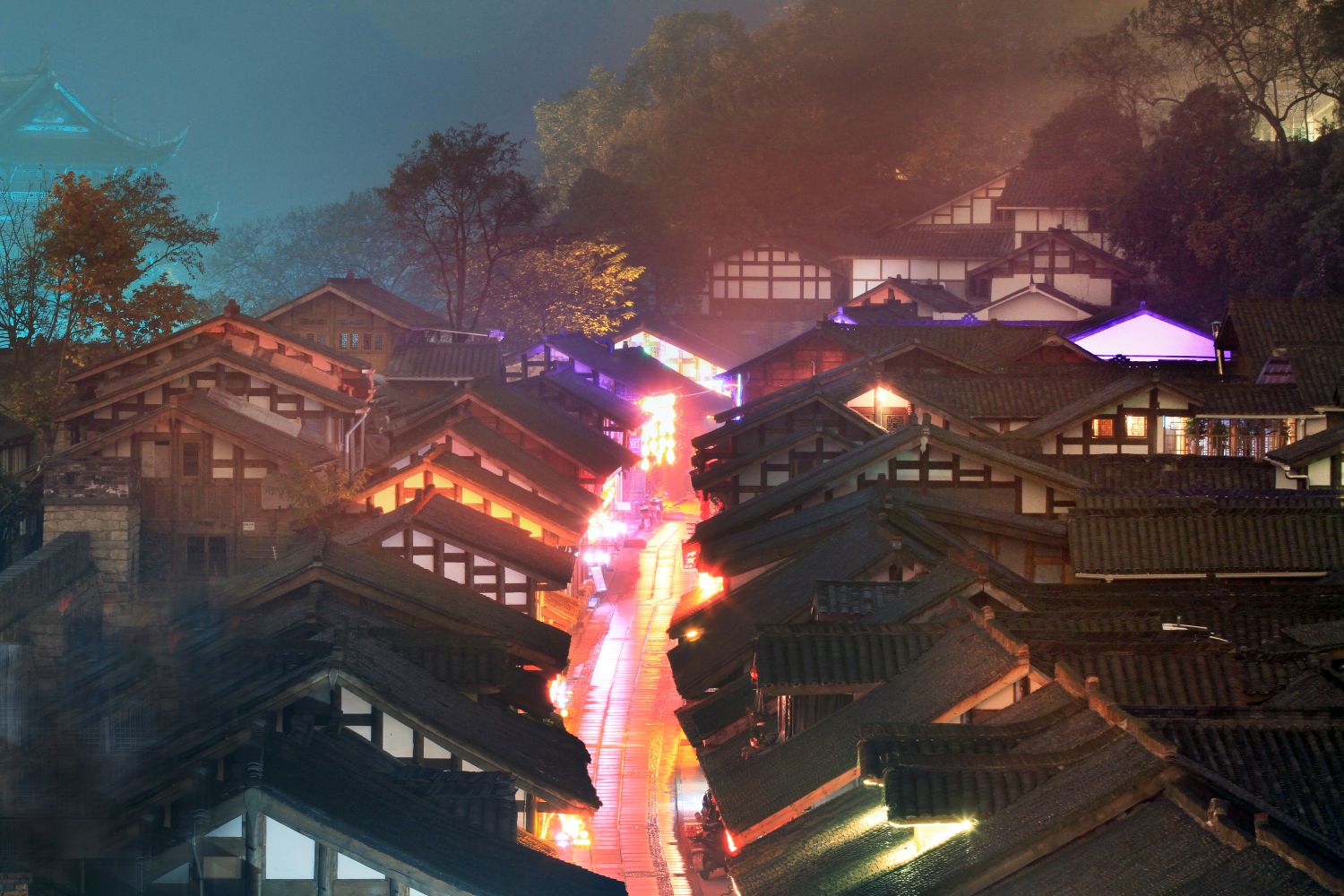
Dujiangyan’s ancient town is more than just a historic area—it’s a living symbol of China’s frontier trade history. Once a key stop on the ancient Tea Horse Road and the connection point between Chengdu and the Aba Autonomous Prefecture, this area was a thriving center for goods, travelers, and culture.
Centuries ago, it bustled with merchants and traders who built prosperous businesses such as teahouses, inns, cloth shops, and even money exchange shops. The commercial vibrancy of the town earned it the nickname “Small Chengdu.”
Today, the charm of that era lives on through its well-preserved architecture and winding stone streets, making it a must-see for anyone wanting to experience the soul of old China.
During my visit, I had the honour of listening to Li Huaqiang, Deputy Director of the Sichuan Foreign Affairs Office. In his speech, he highlighted how Dujiangyan has become not only a national ecological model and cultural treasure, but also an international partner.
“Chengdu stands alone as the world’s only megacity where skyscrapers share the horizon with 6,000-meter snow-capped peaks. For 15 consecutive years, it has topped the list of the Happiest Cities in China. It’s a city you won’t want to leave once you arrive—and one you’ll always want to return to,” Li said.
The city is part of 10 international organizations and has built friendly relations with 36 cities across countries such as France, Germany, Japan, and the U.S.
Li emphasized the city’s commitment to openness and sustainable growth, noting how Dujiangyan continues to be a bridge between cultures and a model for integrated development.
{{Technological progress
}}
Despite its deep roots in history, Chengdu—which administers Dujiangyan as a county-level city—is a symbol of technological progress. The city is home to several groundbreaking enterprises that reflect China’s rapid development and innovation.
One of the companies I visited was Sichuan Huati Lighting Technology Co., Ltd., established in 2004. It stands out as the first and only mainboard-listed company in the road lighting field in China. With designations such as National Industrial Design Center and Green Factory, Huati is helping lead the way in sustainable city lighting solutions.
Another major player in the city’s industrial rise is TGOOD, a firm founded by German and Chinese engineers. It specializes in power distribution solutions such as prefabricated substations and switchgear.
Also based in nearby Chengdu is China Southwest Architectural Design and Research Institute Co., Ltd. (CSWADI)—one of China’s largest architectural firms, known for its blend of historical preservation and futuristic design.
The Africa Report is a Paris-based, English-language quarterly magazine focusing on African politics and economics, founded by Patrick Smith two decades ago.
In its first ranking of African cities, the pan-African media platform recognized Kigali as Africa’s second most inviting, livable, and investment-friendly city.
South Africa’s Cape Town and Johannesburg claimed the first and third spots, followed by Morocco’s twin cities of Casablanca and Rabat. Nairobi, Kenya, ranked sixth.
Other cities in the top 10 include Alexandria, Cairo, Abidjan, and Accra. Additional rankings feature Lagos, Dakar, Gaborone, Addis Ababa, Tunis, Lusaka, Cotonou, Oran, Kampala, Abuja, Lomé, Algiers, Douala, Yaoundé, Luanda, Maputo, Harare, Kinshasa, Libreville, and Ouagadougou.
The report highlights progress made by urban centres while identifying areas for growth, using a comprehensive survey of readers and foreign direct investment data to provide insights into Africa’s evolving urban landscape.
Kigali has previously been recognized for its ease of doing business, driven by streamlined regulatory processes, transparent governance, and supportive policies for entrepreneurs and investors.
The city also boasts a clean, orderly environment thanks to initiatives like monthly Umuganda community cleanups and strict waste management systems, earning it a reputation as one of Africa’s cleanest capitals.
In addition, Kigali embraces innovation with tech hubs, smart city initiatives, and a growing startup ecosystem fostering creativity and modern solutions, making it an attractive destination for both business and living.
In July, Kigali was ranked among the top five favourite destinations for travellers visiting Africa and the Middle East. It moved up four spots from ninth place in the World’s Best Awards 2024, behind Marrakesh, Cape Town, Jerusalem, and Dubai, respectively.
The awards, organized by Travel + Leisure, a New York City-based travel magazine, consider traveler experiences to rank the world’s top cities based on parameters such as sights/landmarks, culture, food, friendliness, shopping, and value.
In the 2024 edition, voters described Kigali as a beautiful and well-organized hub with friendly and helpful residents.
“Amazingly clean and progressive city! I felt safe walking all over,” wrote one voter. “There is a wide variety of cuisine available and amazing coffee.”
In the [2024 rankings->https://www.visaopenness.org/] by the African Visa Openness Index (AVOI), Rwanda ties at the top position with Benin, Seychelles, and The Gambia, all offering visa-free access to all African travellers.
Rwanda introduced visa-free access for travellers from all African countries in January 2018.
The visa-free policy is part of the country’s efforts to promote Pan-Africanism, regional integration, and ease of movement across the continent. It allows citizens of African Union member states to enter Rwanda without requiring a visa.
Ghana ranks fifth, while Cape Verde and Nigeria share the sixth position. The three countries have mixed policies, offering visa-free access to some African nations and visa-on-arrival options for others.
Completing the top 10 are Guinea-Bissau, Mauritania, and Mauritius, each showcasing a blend of policies.
Other countries that made it into the top 20 include Burundi, Mozambique, Sierra Leone, Djibouti, Comoros, Senegal, Madagascar, Somalia, Ethiopia, and Tanzania.
Interestingly, Kenya’s introduction of new visa policies earlier this year, which the government claimed would simplify access, has instead made the country less accessible.
The East African economic powerhouse has dropped 17 places on the index and now ranks 46th out of 54 African countries.
Notably, the 2024 report highlights the disparities in visa policies among African countries and their impact on regional integration. It underscores how restrictive visa policies hinder free movement, contradicting the aspirations of the African Continental Free Trade Area (AfCFTA) and the AU Agenda 2063.
According to the report, lower-income nations are generally more open to liberal visa policies. In contrast, several higher-income countries continue to maintain restrictive visa regimes, possibly due to concerns that visa openness could incentivize inbound travel for purely economic reasons or create pathways for irregular migration.
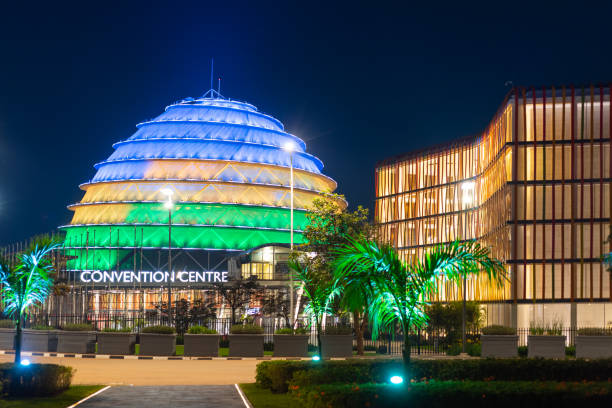
Thirty years ago, the city was in the spotlight for all the wrong reasons. The Genocide against the Tutsi plunged Rwanda into chaos and left Kigali in ruins. However, over the past three decades, Kigali has become the epicentre of a transformation hailed far and wide.
In July 2024, the city was ranked third among travellers’ favourite cities in Africa by Travel + Leisure, a New York-based travel magazine. The city was ranked behind Morocco’s Marrakech and South Africa’s Cape Town. The annual awards program evaluates cities globally based on traveller experiences, using criteria such as landmarks, culture, food, friendliness, shopping, and overall value.
Kigali has also earned recognition for its cleanliness and innovation. Known as Africa’s cleanest urban hub, the city’s success stems from the Rwandan government’s commitment to environmental management and community involvement.
In 2019, Kigali became the first city globally to win the Wellbeing City Award in the Public Health category, presented by NewCities, a Canadian non-profit coalition. The award honoured initiatives like the car-free day, which promotes public health and wellness.
Launched in 2016, the car-free day takes place on the first and third Sundays of each month, encouraging citizens to forego vehicles and engage in community sports and free medical check-ups.
Kigali’s Car-Free Zone, a street dedicated to pedestrians, offers space for social interactions and events, further enhancing the city’s reputation for innovation.
As a destination, Kigali has emerged as a hotspot for tourists, international conferences, and business meetings. Its ease of doing business attracts foreign investors, as noted by Muhammad Asif, a Pakistani IT expert who moved to Rwanda in 2019.
“Registering a business with the Rwanda Development Board is easy and straightforward, and getting a work permit is also hassle-free,” he remarked during a recent interview.
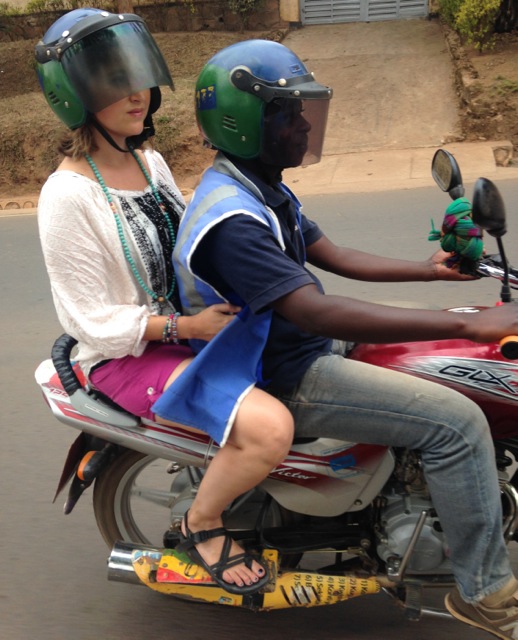
Motorcycle transport, locally known as Taxi Moto, has become a popular mode of transportation in Kigali, as in many parts of Africa, offering a quick solution for those looking to beat traffic. Electric bikes are gaining traction, with the government planning to phase out the importation of fuel-powered bikes by 2025 to promote sustainability.
Rwanda is among the few countries that have successfully regulated the taxi moto business, earning admiration from neighbouring countries and beyond. The government’s measures, which include mandatory helmet use and the restriction of carrying only one passenger per bike, have promoted discipline and order within the sector.
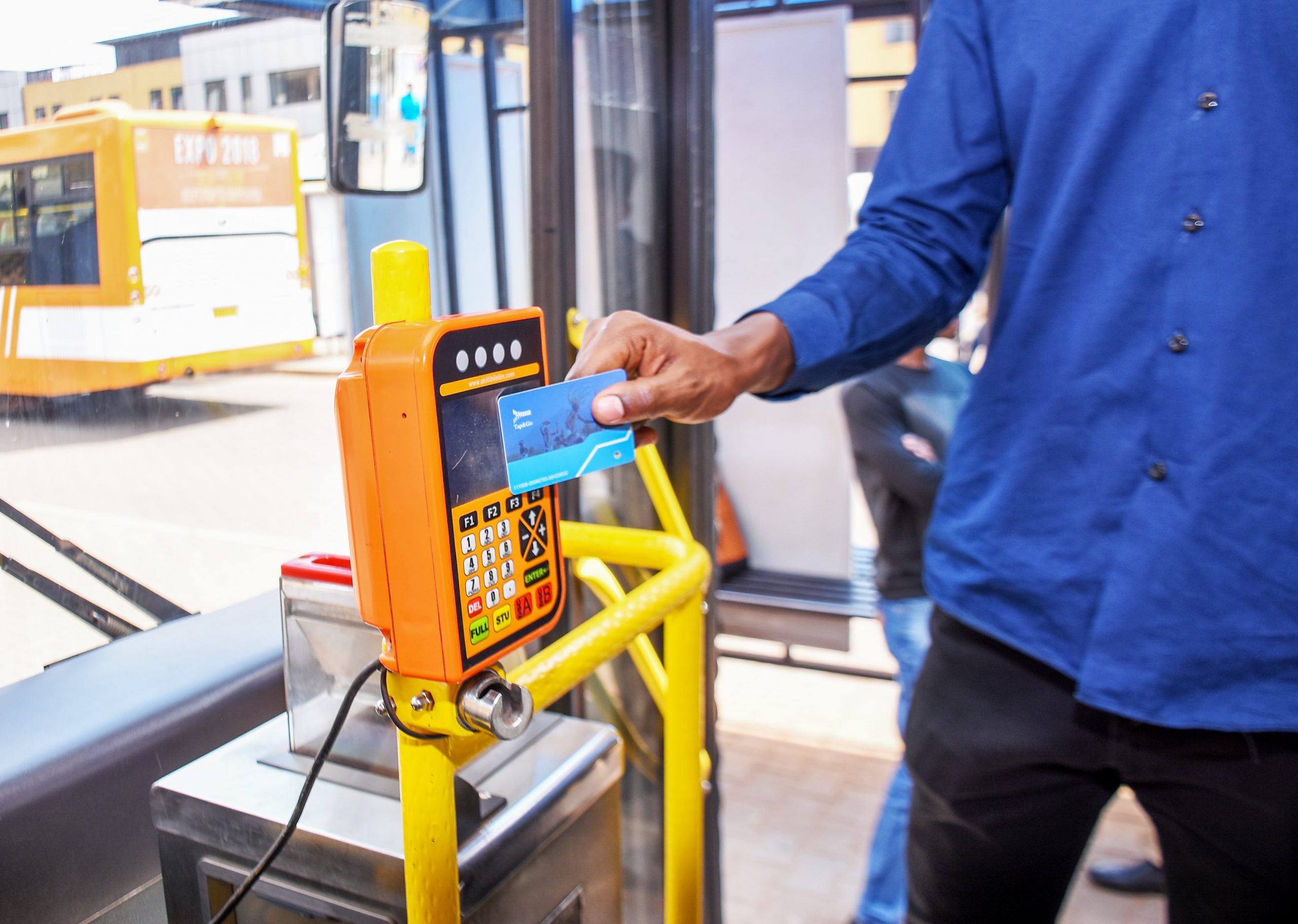
To enhance efficiency in Public Service Vehicles (PSVs), the city has adopted a modern transport payment system called Tap & Go. This system offers convenience for both commuters and transport operators, streamlining the payment process and improving overall service delivery.
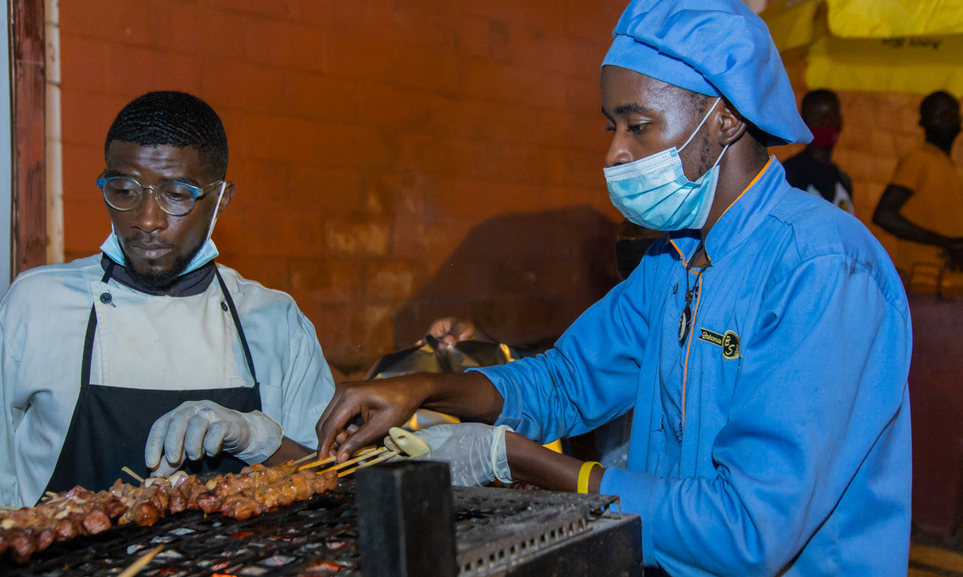
While street food is rare due to strict public health regulations, Kigali boasts a vibrant culinary scene. Restaurants and eateries offer diverse cuisines, with neighbourhoods like Nyamirambo standing out for their culinary charm. Biriyogo in Nyamirambo is a favourite for sampling local dishes such as pilau, brochettes, and traditional Rwandan staples like sweet potatoes, cassava, and hearty stews.
Parks and gardens scattered across the city provide serene escapes. Whether enjoying a coffee in the Car-Free Zone or strolling through lush green spaces, Kigali’s tranquillity offers a stark contrast to its bustling activity.
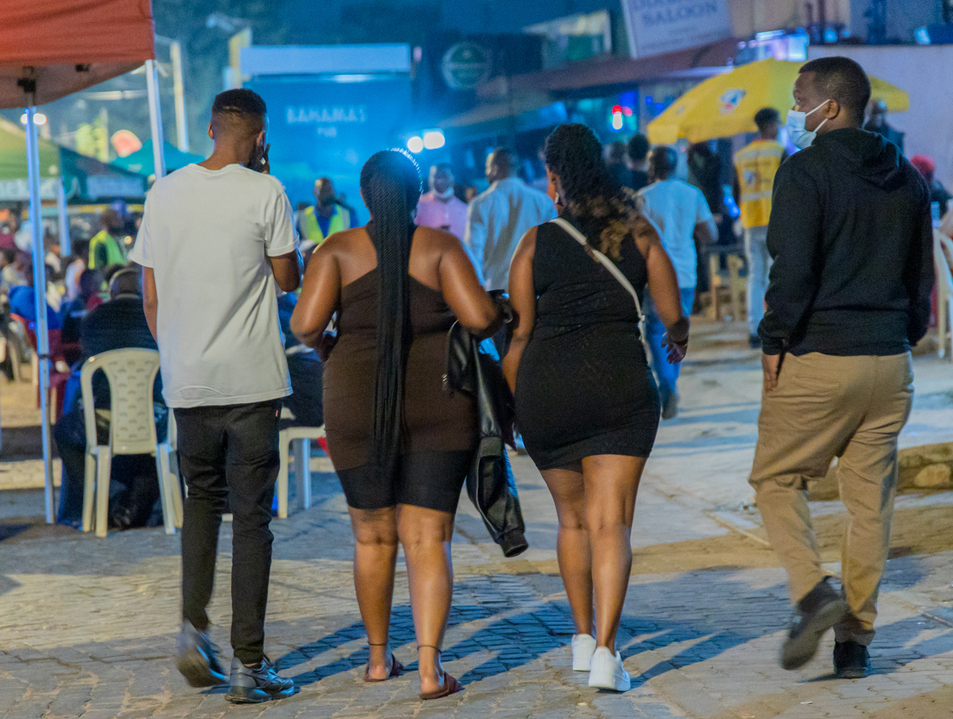
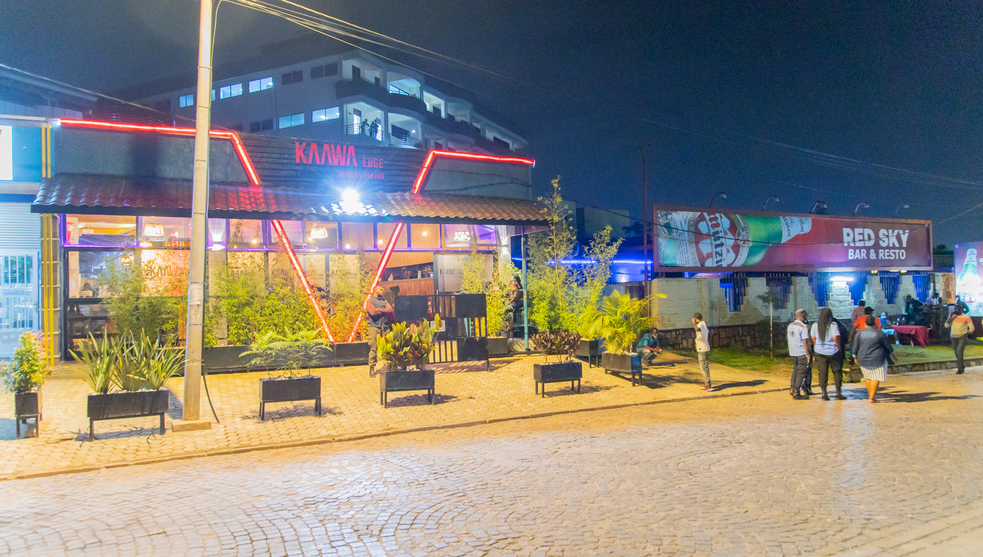
As night falls, Kigali transforms into a hub of vibrant entertainment. Nightclubs, bars, and live music venues come alive, offering a variety of experiences. Remera’s Kisimenti area is particularly popular, drawing crowds with its lively bars and restaurants.
Despite its vibrant nightlife, Kigali remains one of Africa’s safest cities. Well-lit streets, frequent police patrols, and a strong sense of community ensure residents and visitors feel secure, even late into the night.
The biennial summit, running from Monday, October 21, 2024, to Saturday, October 26, 2024, will address critical global issues such as climate change, economic cooperation, and sustainable development while also strengthening diplomatic ties among Commonwealth nations.
A host of world leaders, including President Kagame and Britain’s King Charles III and Queen Camilla, have already arrived in Samoa for the high-level forum.
This is the first CHOGM to be held in a Pacific Small Island Developing State.
As Samoa takes the spotlight, here are key facts that showcase its unique culture, history, and tourism potential:
{{1. Location and Population}}
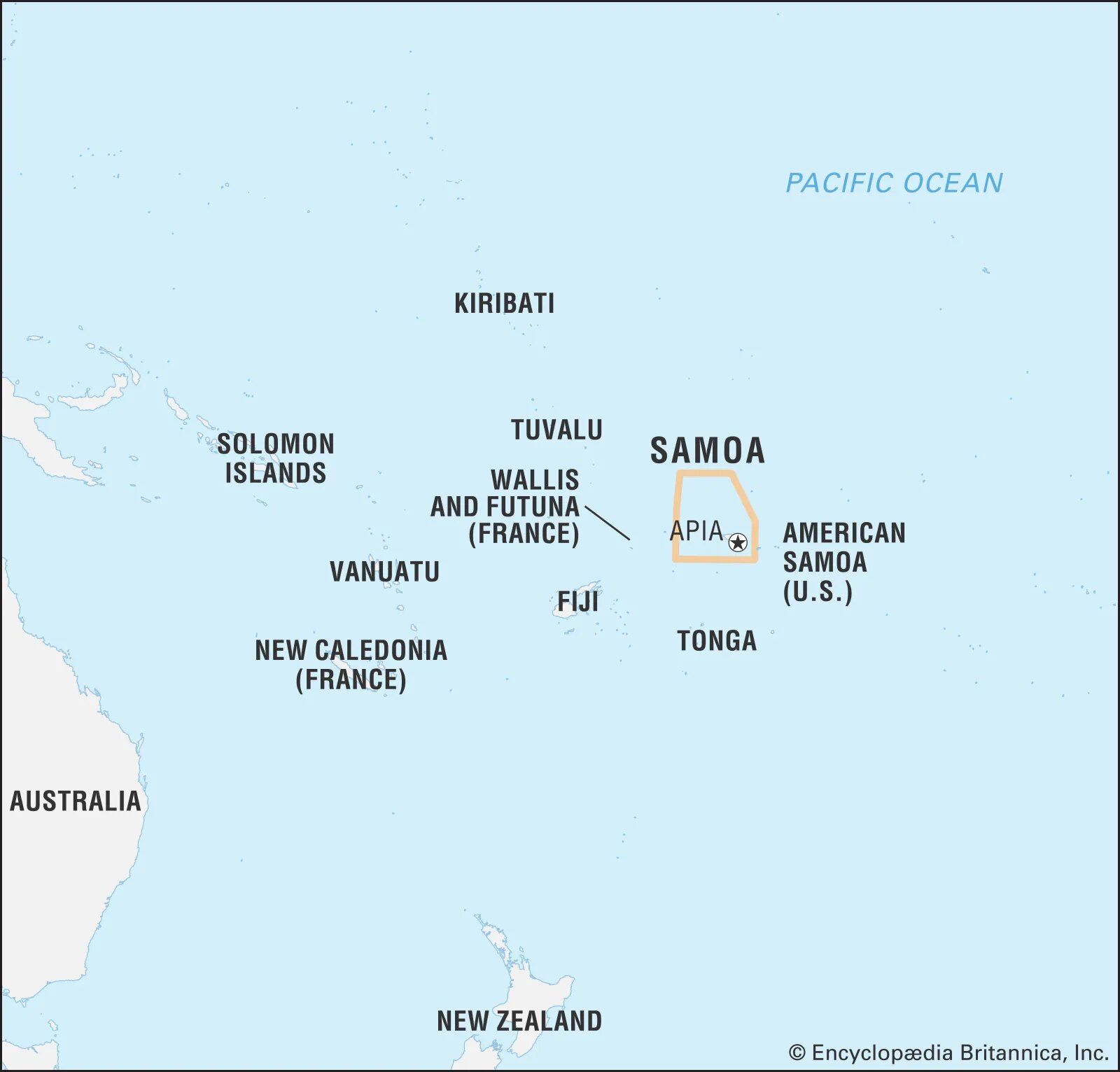
The Samoa Islands are located in the South Pacific, approximately 15,000 kilometers from Rwanda. The islands are positioned halfway between Hawaii and New Zealand. The country has a population of about 220,000 people.
{{2. Twin Islands}}
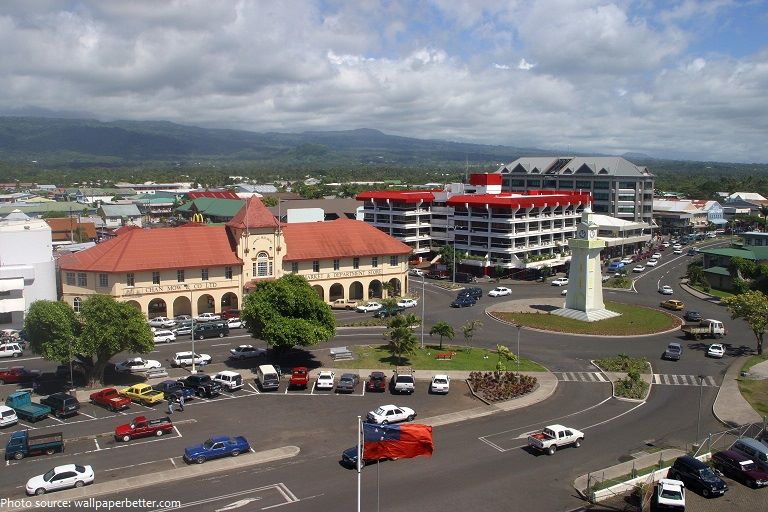
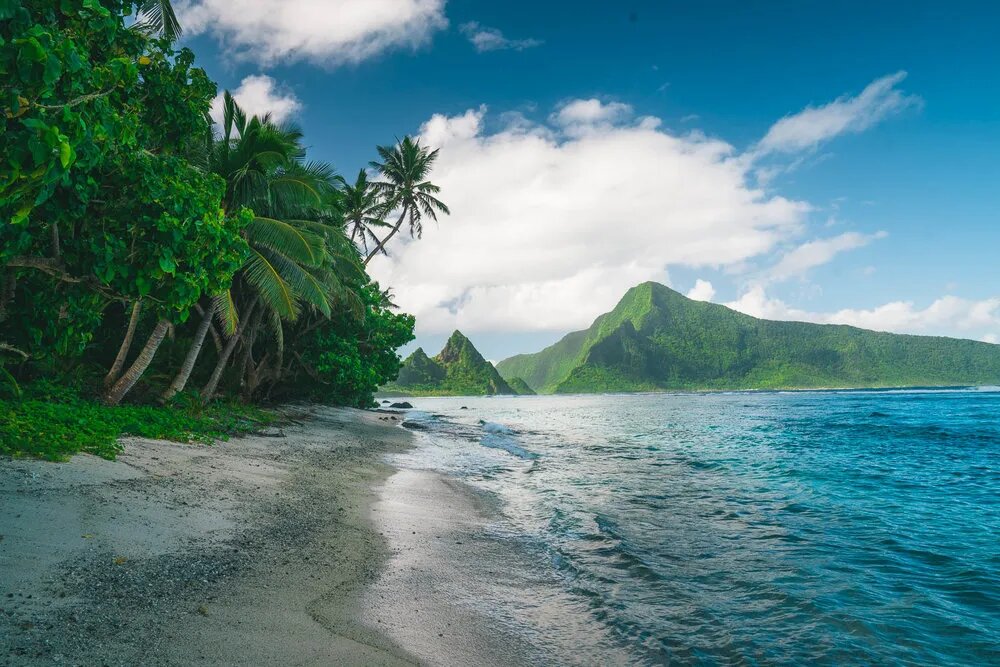
Samoa is made up of two main islands, Upolu and Savai’i, along with several smaller islets. The more populous of the two, Upolu is home to the capital city of Apia and offers a mix of urban and rural experiences. In contrast, Savai’i is known for its rugged landscapes, volcanic peaks, and pristine beaches, making it a popular destination for nature lovers and adventure seekers.
{{3. Political Entities}}
The Samoa Islands consist of two political entities: the Independent State of Samoa (formerly Western Samoa) and American Samoa, a U.S. territory.
{{4. Independence}}
Samoa was a German colony from 1899 to 1914 and was then administered by New Zealand until achieving independence in 1962. This marked a significant milestone for Samoa, allowing the country to chart its own course.
{{5. Date Line Shift}}
In 2011, Samoa shifted its position across the International Date Line, skipping an entire day to better align with its primary trading partners, New Zealand and Australia. In doing this, the country essentially moved its clocks forward by 25 hours.
{{6. Deepest Ocean Trench}}
The Tonga Trench, the world’s deepest ocean trench, lies just north of Samoa. It reaches a depth of over 10,000 meters (33,000 feet), making it the deepest point in the ocean. This trench is crucial for scientific research, providing insights into the Earth’s geological processes and marine life.
{{7. Mataafa Island}}
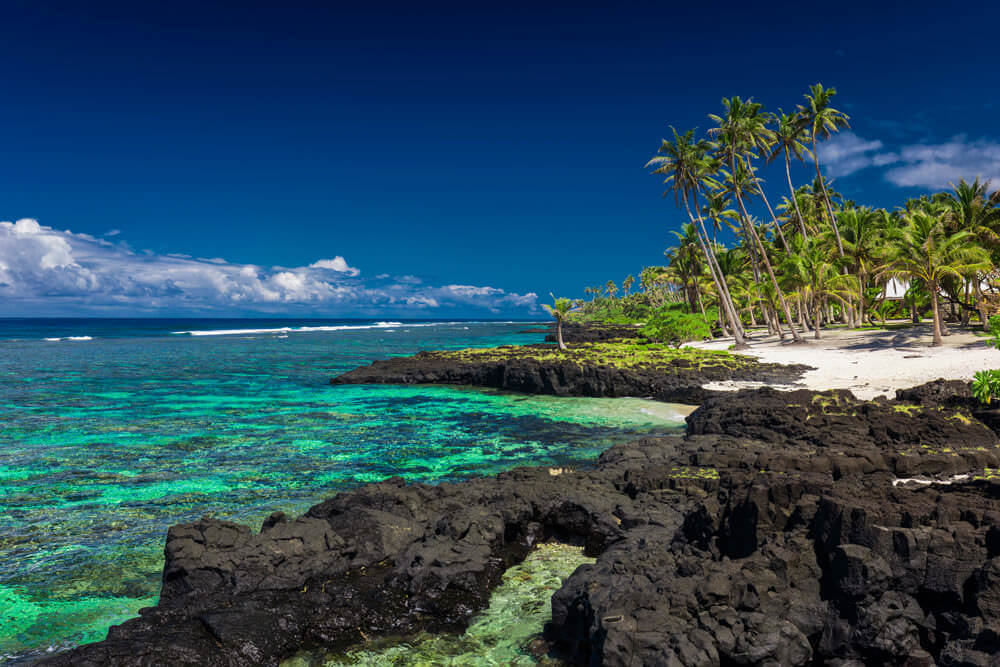
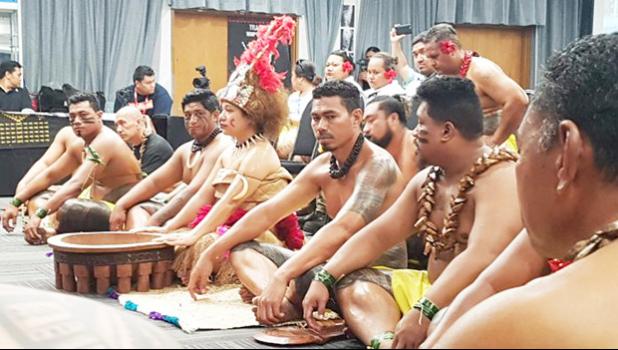
Samoa’s Mataafa Island is a popular tourist destination known for its pristine beaches, snorkeling, and cultural experiences. The stunning white-sand beaches and crystal-clear waters are ideal for swimming, snorkeling, and diving. Visitors can experience traditional Samoan culture, including village visits, fire-walking ceremonies, and kava ceremonies.
{{8. Traditional Tattooing (Tatau)}}
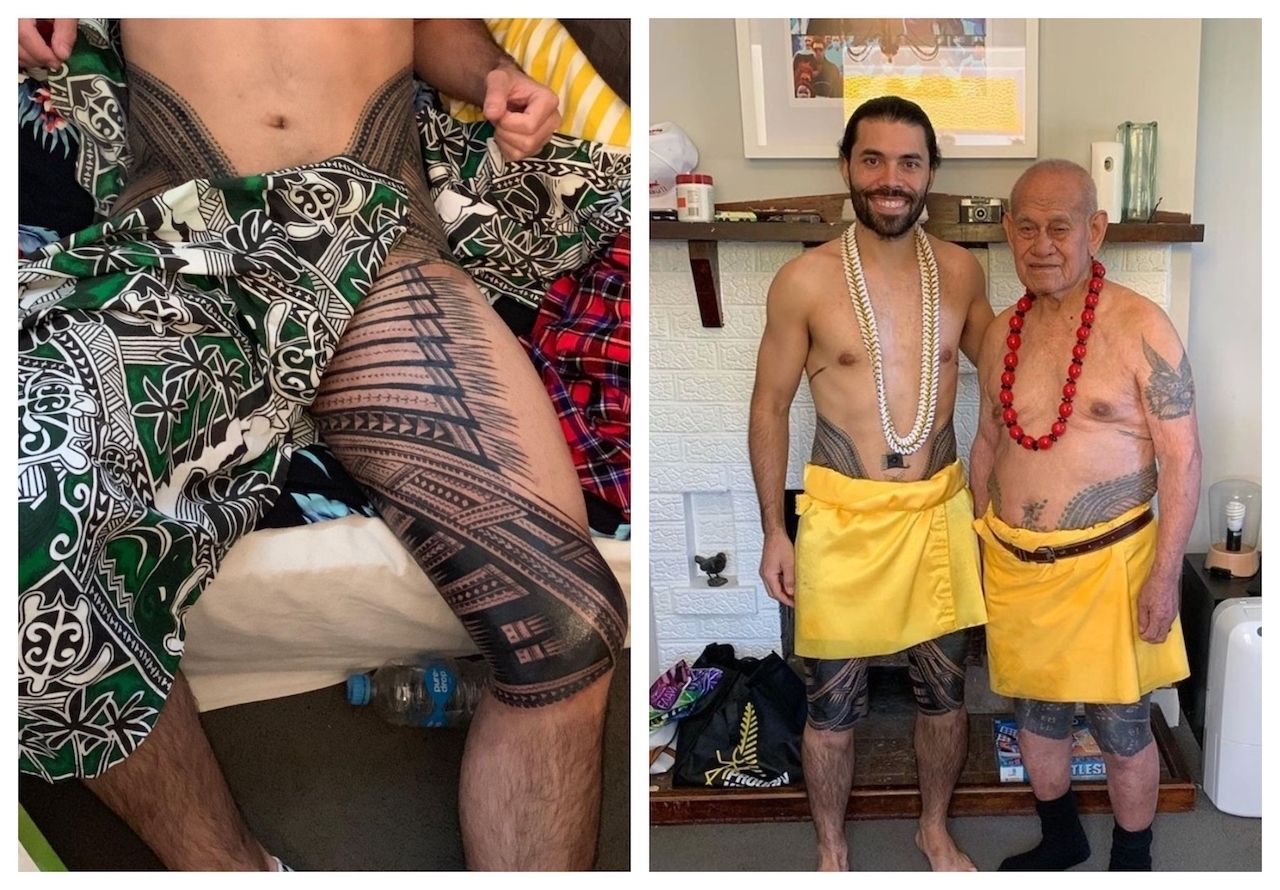
Samoa is famous for its traditional tattooing practice, known as “tatau,” which involves intricate patterns carved into the skin. The tattooing process is time-consuming and often takes multiple days to complete.
Tatau is more than just body art; it holds deep cultural significance, representing a person’s lineage, status, and personal journey.
{{9. Rugby Powerhouse}}
Samoa has consistently performed well in international rugby competitions, earning a reputation as a formidable team. In rugby sevens, Samoa has achieved notable success, including winning the World Rugby Sevens Series in 2009-2010 and competing regularly in the Rugby World Cup Sevens and the Commonwealth Games.
Samoan players are known for their physicality, speed, and flair, making the country a respected force in the sport.
{{10. Language Diversity}}
In Samoa, the Samoan language is divided into two primary dialects: High Samoan (T-Style) and Low Samoan (K-Style). Both dialects share a common linguistic foundation but differ in vocabulary, pronunciation, and grammar.
High Samoan is typically used in formal settings such as religious ceremonies, speeches, or official texts, while Low Samoan is more common in everyday conversation. The choice between these dialects may also vary regionally, with some areas favouring one over the other based on cultural and contextual factors.
{{11. Polynesian Culture}}
Samoa is often referred to as the “cradle of Polynesia,” with a rich cultural heritage known as “fa’a Samoa” that emphasizes community, family, and respect for elders.
{{12. Religion}}
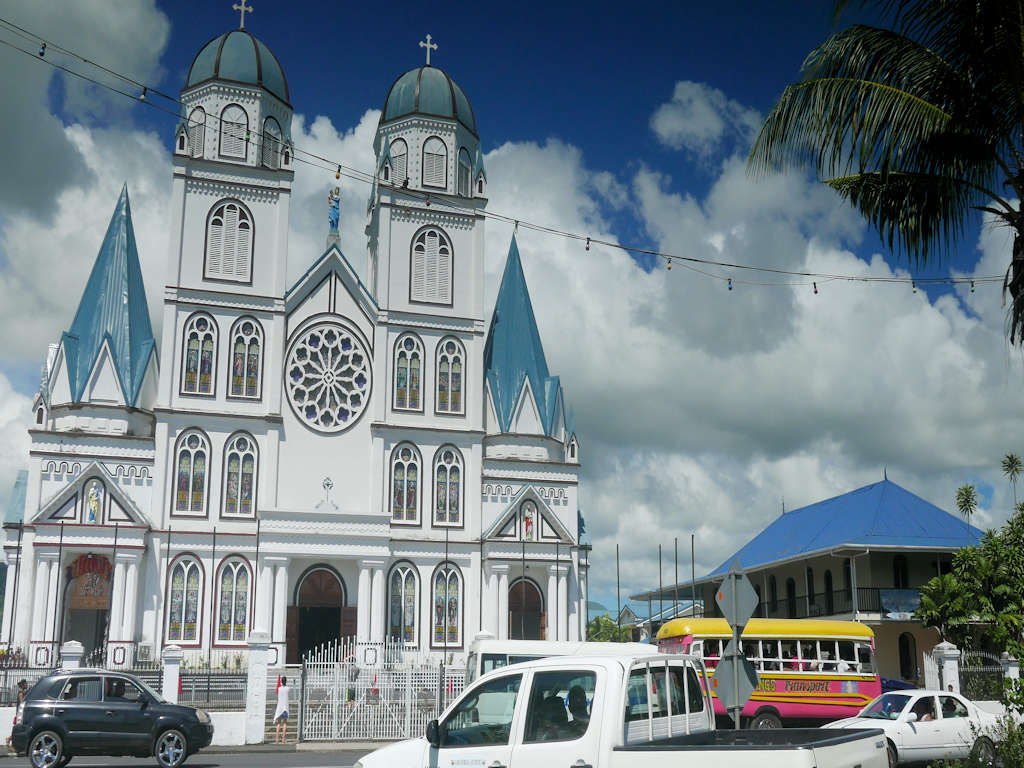
Samoa is a highly religious country, with over 98% of the population identifying as Christian. Attending church is a vital part of Samoan life.
{{13. Robert Louis Stevenson}}
The famous Scottish author Robert Louis Stevenson spent his final years in Samoa. His residence, Villa Vailima, is now a museum and a major tourist attraction.
{{14. Fa’afafine Tradition}}
Samoa recognizes a third gender known as “fa’afafine,” a respected identity that blends both male and female traits, playing an important role in Samoan culture.
{{15. Currency}}
Samoa’s currency is the Samoan tālā (WST), while American Samoa uses the US dollar (USD).
{{16. Fale}}
Fales are traditional Samoan homes characterized by their open-sided structures and thatched roofs, creating a cool and airy living environment. Beyond being residences, fales also serve as important community gathering places where people come together to socialize, share stories, and perform traditional dances, fostering a strong sense of community and cultural heritage.
{{17. Kava Ceremony}}
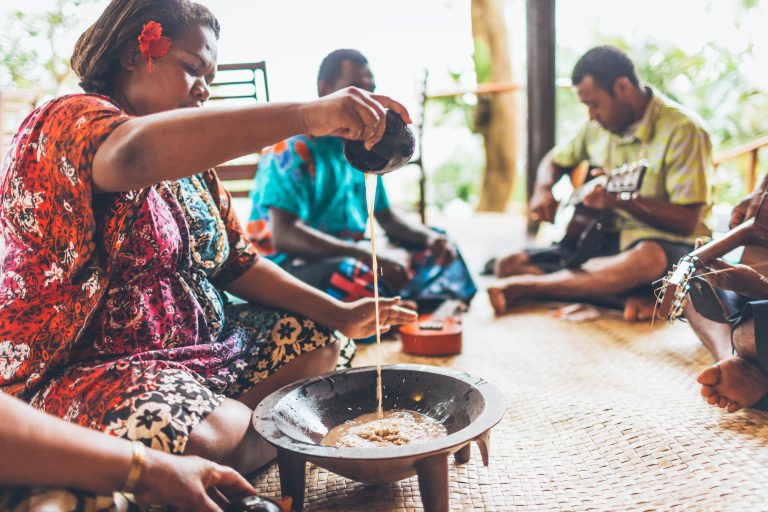
Kava is a traditional drink made from the roots of the kava plant, which are chewed and mixed with water to produce a frothy beverage.
The kava ceremony holds great significance in Samoan culture, serving as a social and ceremonial event that welcomes guests, resolves disputes, and celebrates special occasions, reinforcing community bonds and cultural traditions.
{{18. Samoan Fruit Bat (National Animal)}}
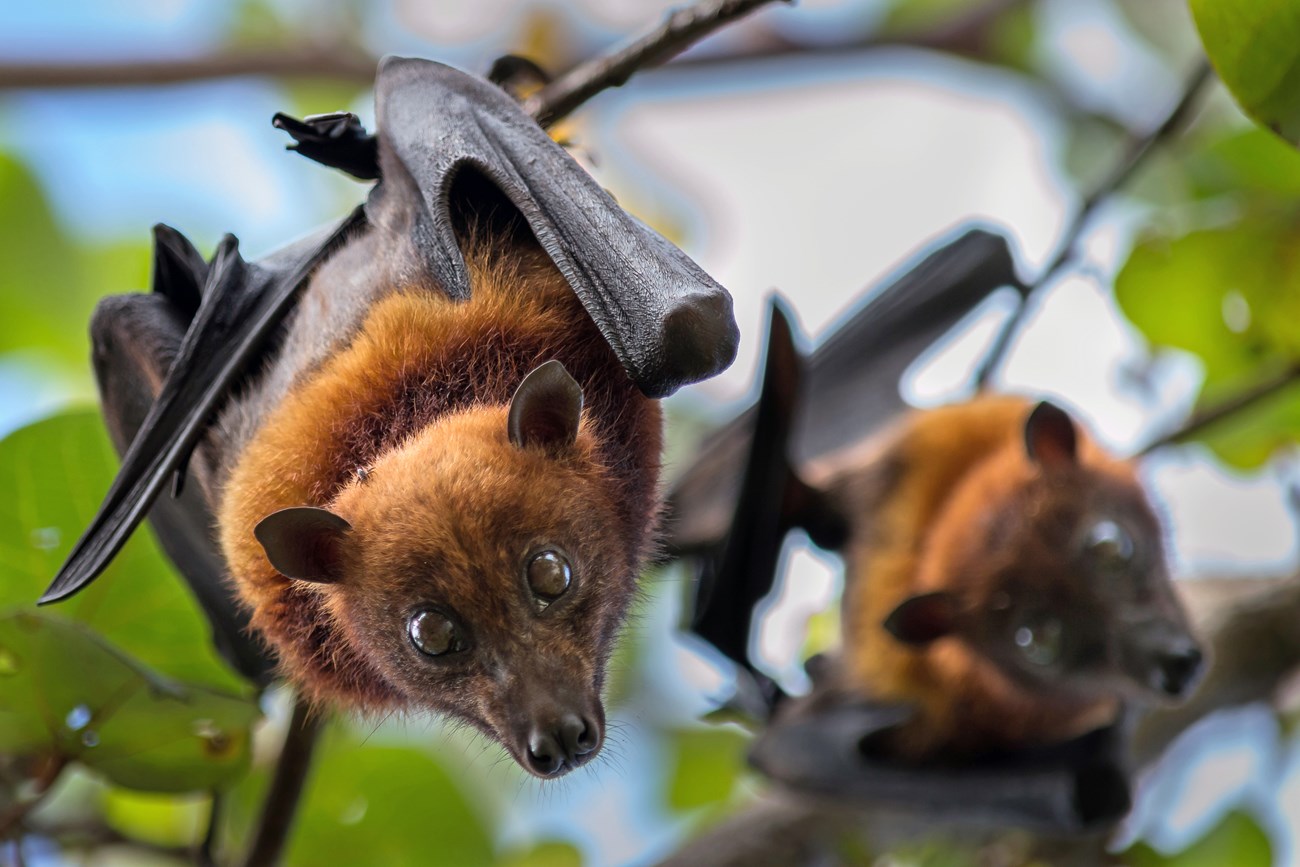
The Samoan fruit bat, known locally as pe’a, is the national animal of Samoa and is classified as an endangered species. It plays a crucial role in the ecosystem by pollinating plants and dispersing seeds.
Culturally, the fruit bat holds significant importance in Samoan society, making its protection a priority for conservation efforts. The preservation of this species reflects the broader commitment to safeguarding the unique biodiversity of Samoa.
{{19. National Park of American Samoa}}
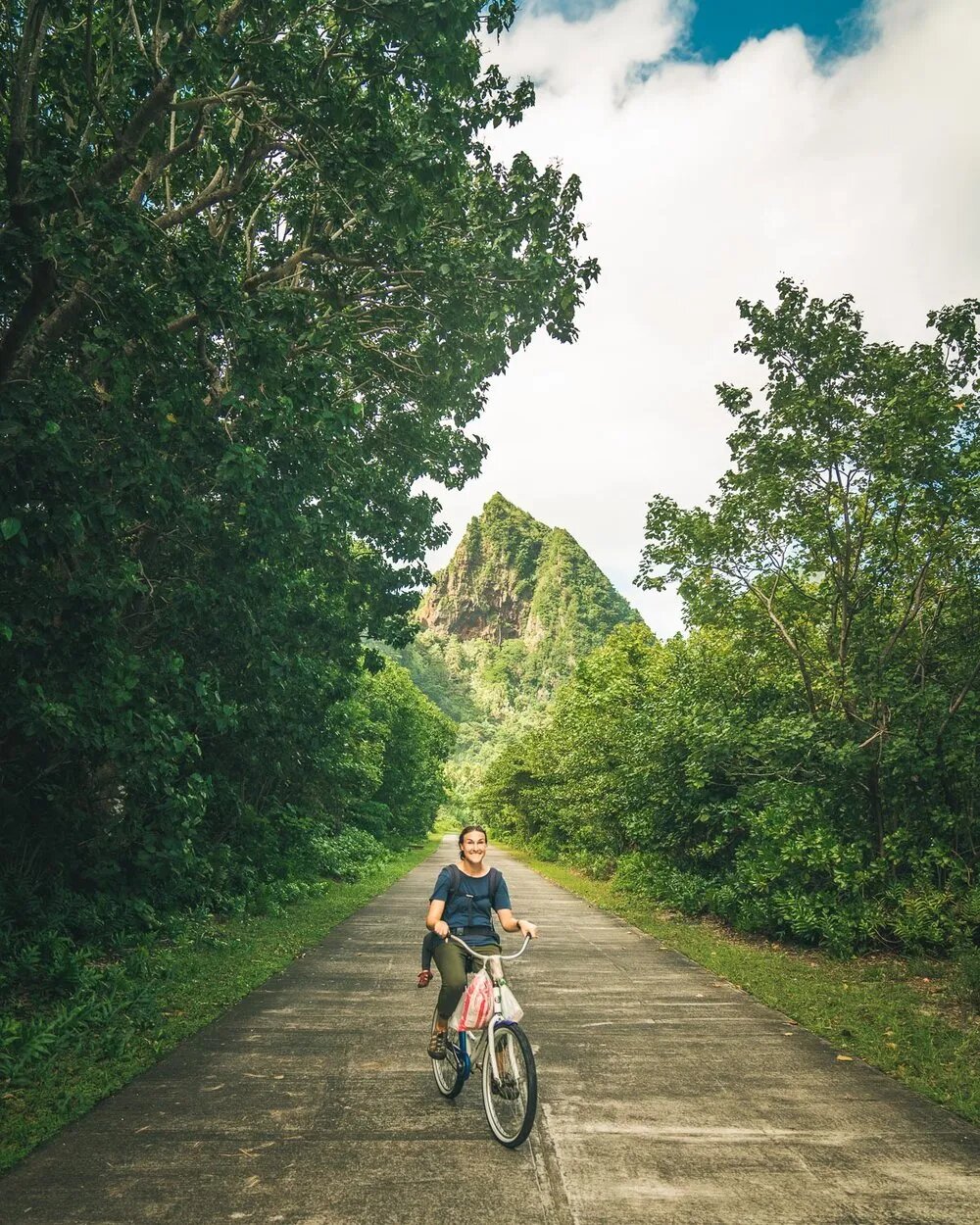
The National Park of American Samoa is the only U.S. national park located south of the equator. It features coral reefs, rainforests, and volcanic peaks, making it a popular destination for nature lovers.
{{20. Climate}}
Samoa enjoys a tropical climate, with warm temperatures year-round. The dry season runs from May to October, which is an ideal time for tourism. Cyclones can occur between November and April.
Samoa’s blend of natural beauty, rich culture, and modern conveniences makes it an exciting destination for CHOGM 2024 attendees and tourists alike. With its relaxed island lifestyle and deep-rooted traditions, Samoa promises to offer an unforgettable experience.
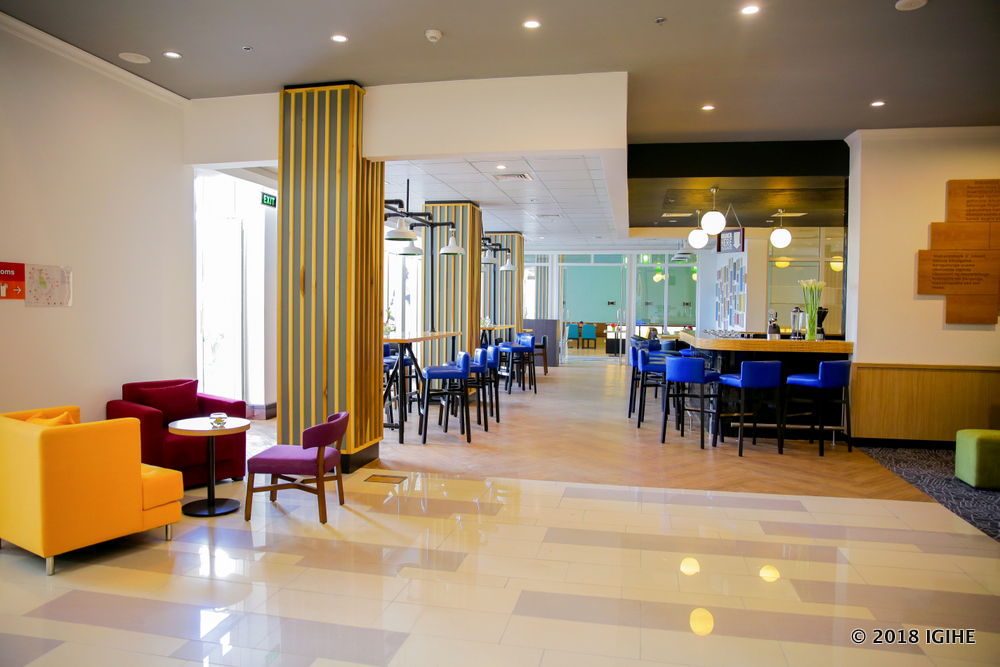
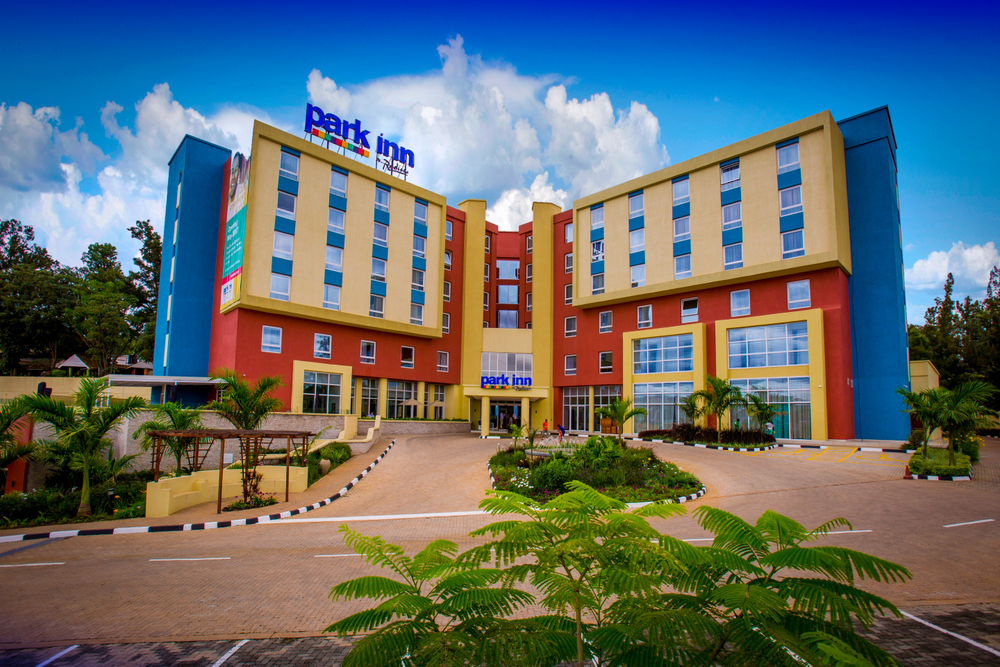
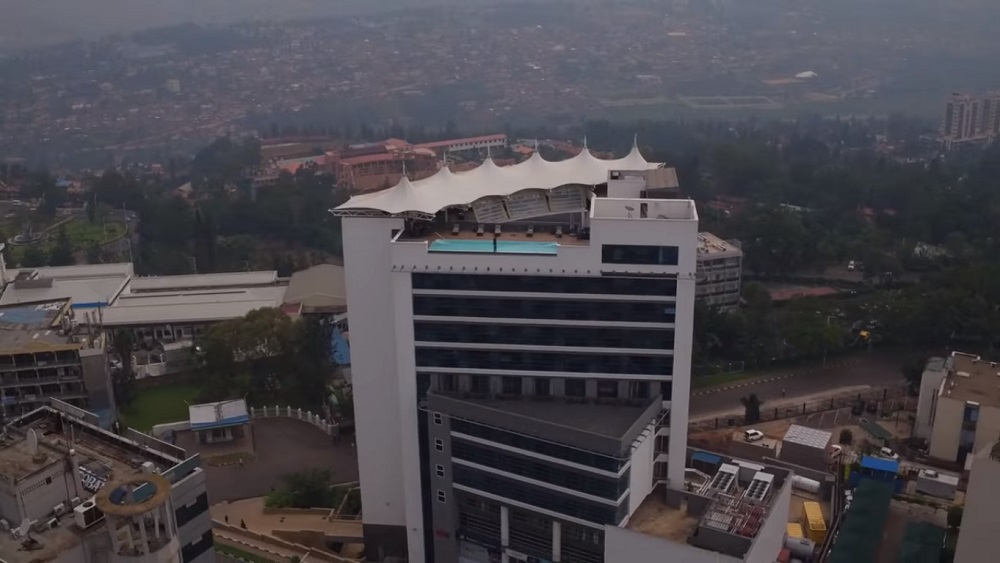
After what had been a very hectic long week, a restorative stay in a quiet place far from work, was called for. The four-star facility cocooned by high walls and located right in the heart of kigali, was a great choice for resting in the calmness and tranquility of Kiyovu.
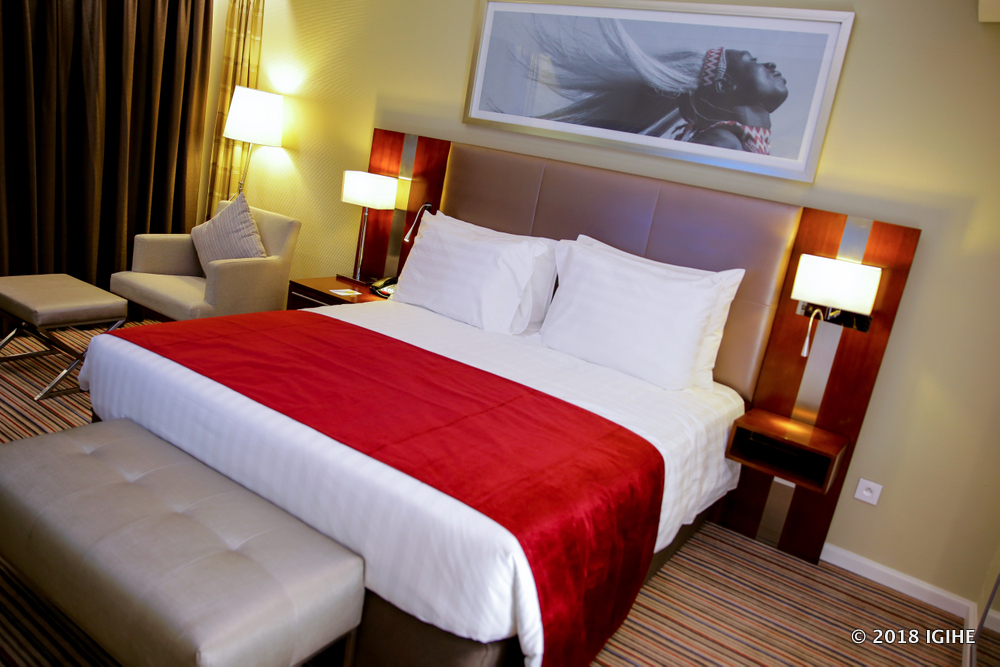
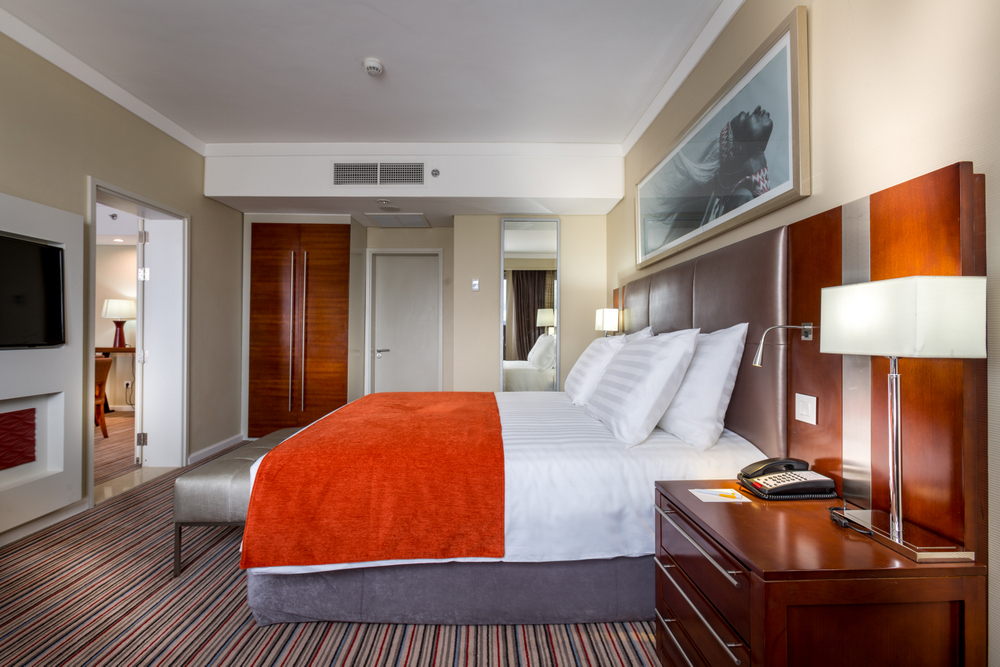
Park Inn Hotel is simply grand. Seated on the lush green of Kiyovu hill, it is adorned in such a nice, subtle way with furnishings ranging from vintage to purely playful.
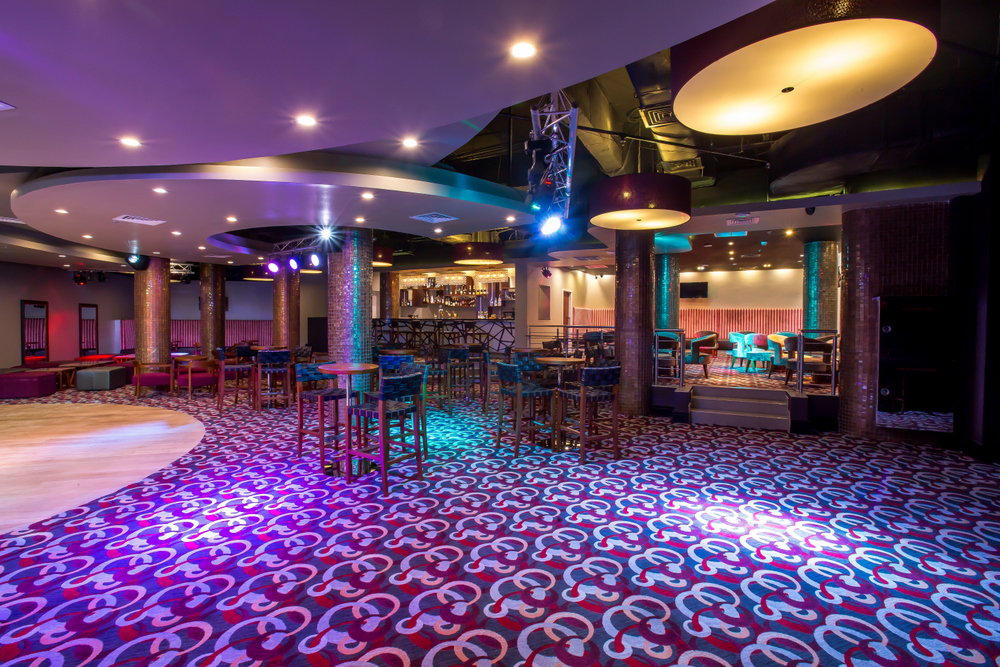
Our first impression, arriving after dark on a chilly Friday, was somewhat muted with a generic of polite staff welcoming us on arrival, showing us around to our rooms and advising on the hotel’s best features to luxuriate in; but we do remember peering into a lobby featuring huge chandeliers, designed with a funky offbeat edge that promised a stay full of discovery. And true enough, during our stay, we were constantly coming across clever little details.
We were treated to two standard rooms for our night which were very fancy and spacious, to say the least. The bedroom side of things was elegant and subtle, just like the whole hotel. Alas, the room service was somewhat slow, but John, the room-service attendant made sure to come by and apologize for the slowness, which was very nice of him.
But other than that slight problem, the room was perfect with a super-comfortable bed, a TV with a decent selection of channels.
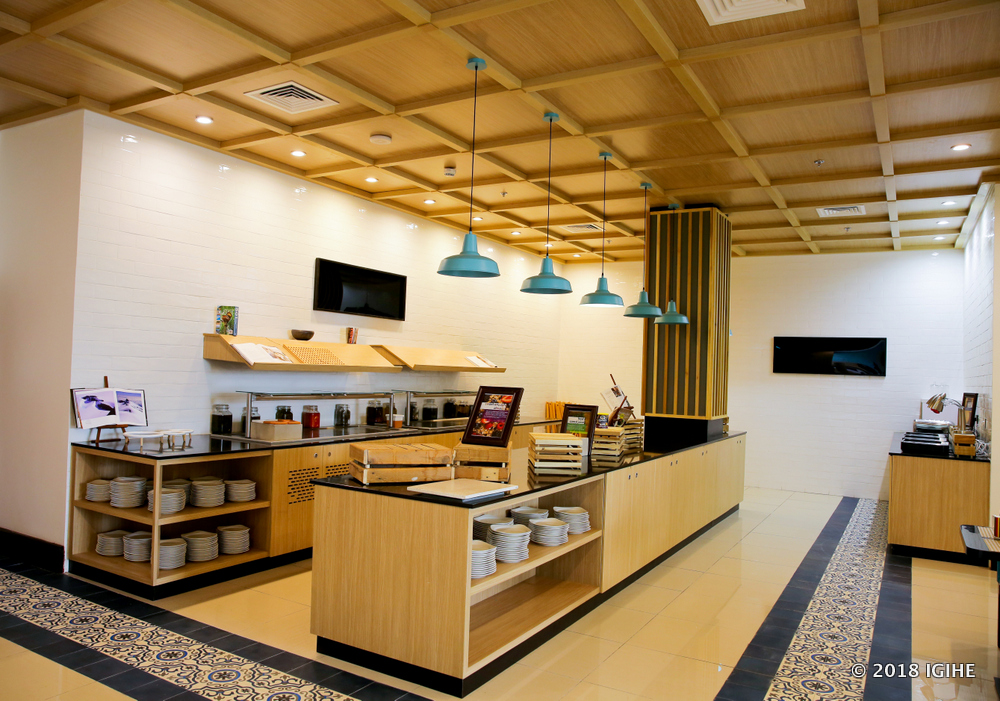
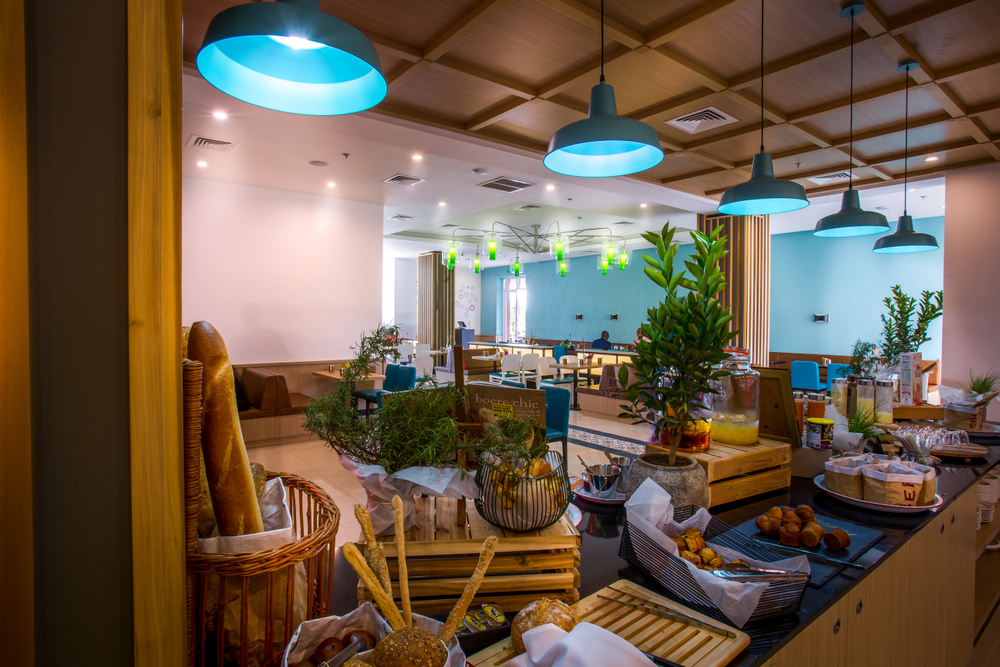
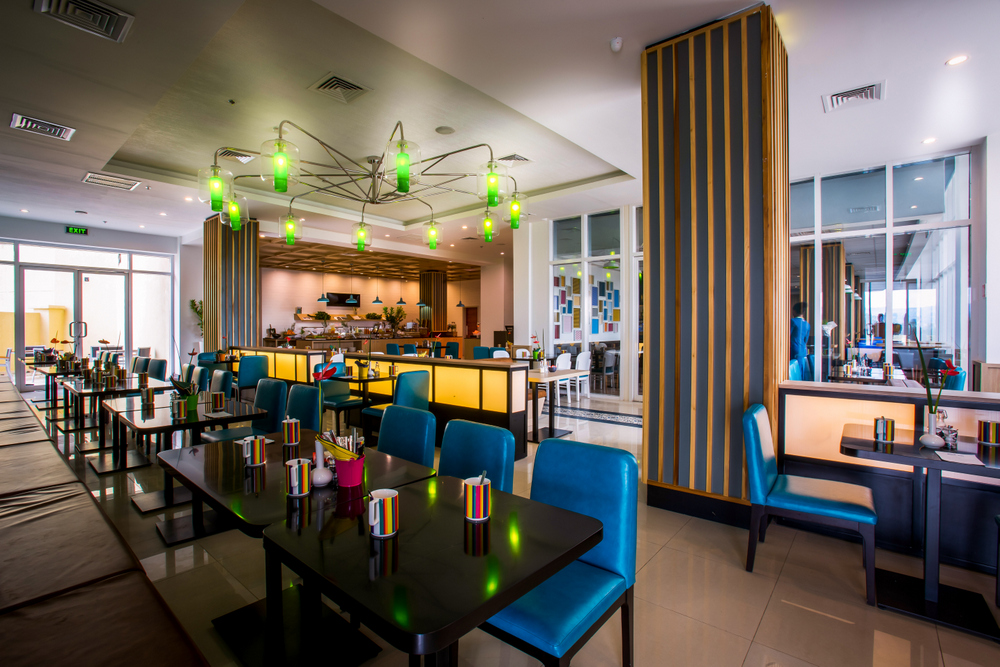
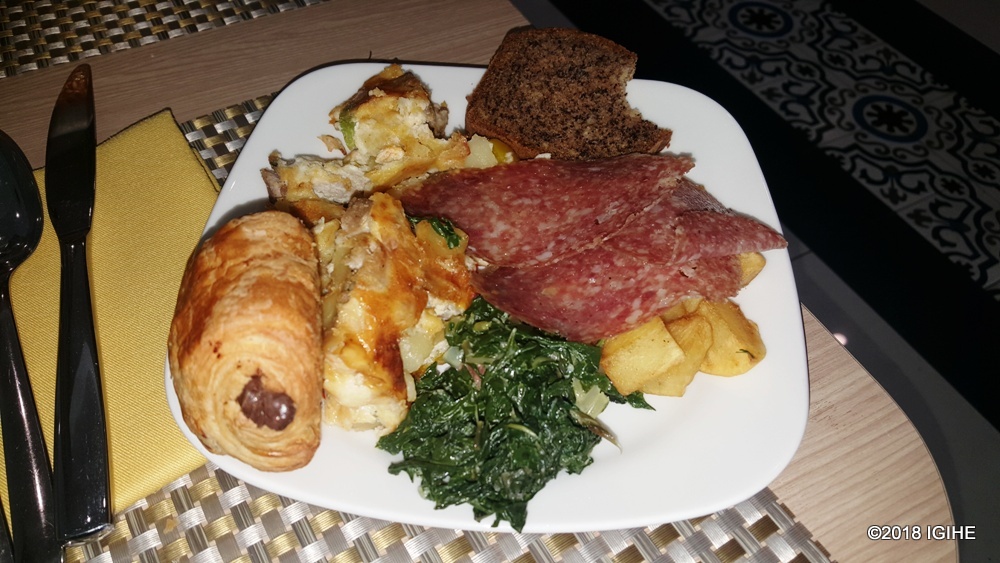
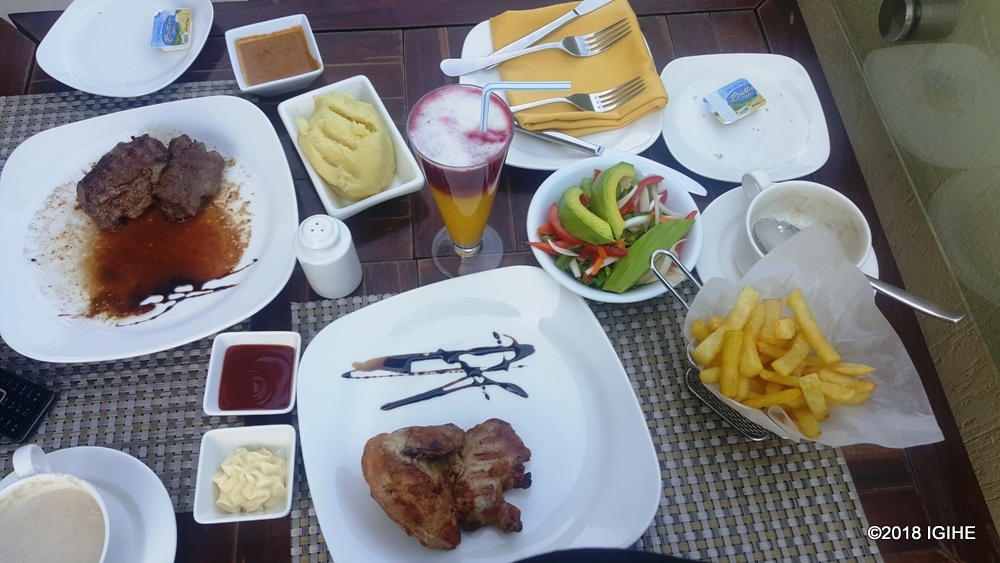
What about the food, you ask? Well, the food was a fusion of mouth-watering and jaw-dropping displays amid a scenic and sophisticated restaurant. And what is more, the genial waiter who did his possible to make sure that we were served on time, with the food we requested.
Overall, the experience is defined through design that leans on youthful nostalgia, locally-inspired food and drink and a buzzy feel-home sensation.
Indeed, Park Inn by Radisson Kigali is onto something and it shows in their way of working.
Albeit very brief, our journey in the Hotel was one of the most insightful trips we’ve ever had and wonder what we learnt? ‘You are only as old as you feel’. There is absolutely no reason why you would travel four hours to Gisenyi for a restorative stay while you can enjoy this affordable little piece of luxury.
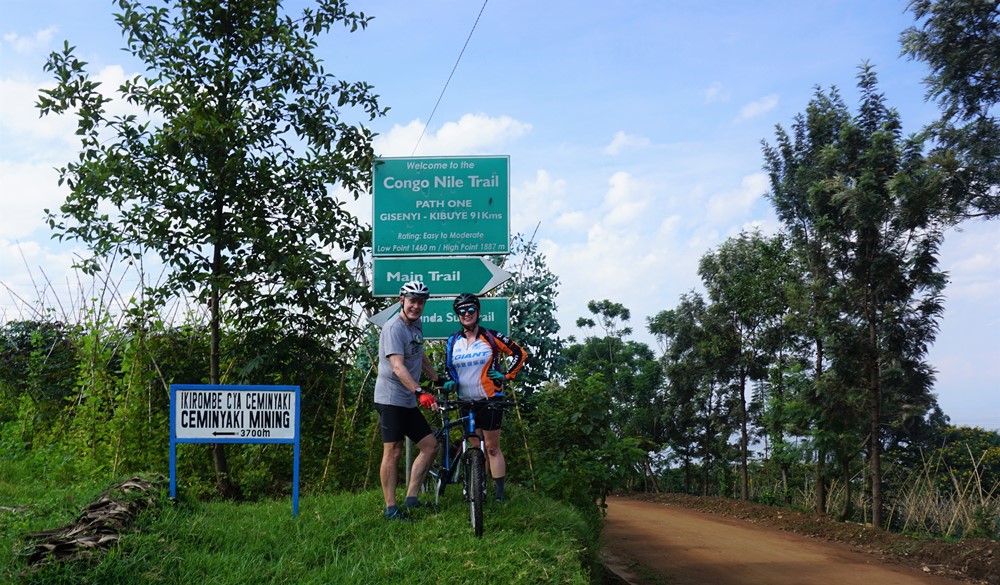
Tourists can now enjoy riding on 11 different trails across the country. The trails, which are a combined distance of 760 Km gives cyclists a chance to discover Rwanda anew. These are found in every province in the country. The diverse trails cater for all skill levels, whether beginners or professionals.
To give cyclist a rewarding experience, RDB has ensured the maintenance of the different cycling trails, by designing and mounting clearly understandable signposts along the trails to guide cyclists. In addition, the RDB office has trained specialized guides and bicycle mechanics to ensure that that the cycle experience is seamless as possible with as many secure campsites and other accommodation options as possible on cycling trails.
The famous Congo-Nile Trail, borders the scenic Lake Kivu, now attracts over 5,000 tourists annually.
Commenting on the launch of mountain biking across the country, the Chief Tourism Officer from Rwanda Development Board, Belise Kariza commended the new tourism experience, saying that visitors will be able to engage and delight in Rwanda’s beauties.
“Rwanda is the best destination for adventurers seeking memorable, sustainable tourism experiences in Africa. We are happy to unveil mountain biking, our new tourism experience. Visitors can now experience the vibrancy and beauty of our country in a fresh way. Visit Rwanda and discover just why our country is the new cycling mecca of Africa”. She said
Events such as the Tour du Rwanda, Rwanda Cycling Cup and the Mountain Bike Race are positioning the country on the cyclist map. The Union Cycliste International (UCI) recently announced that Tour du Rwanda would become a 2.1 grade race in 2019; this new classification is expected to attract renowned cyclists to the country.
In order to further the growth of cycling as both a sport and a tourism experience, the Government of Rwanda has announced a 25% tax waiver on the importation of mountain and racing bicycles.
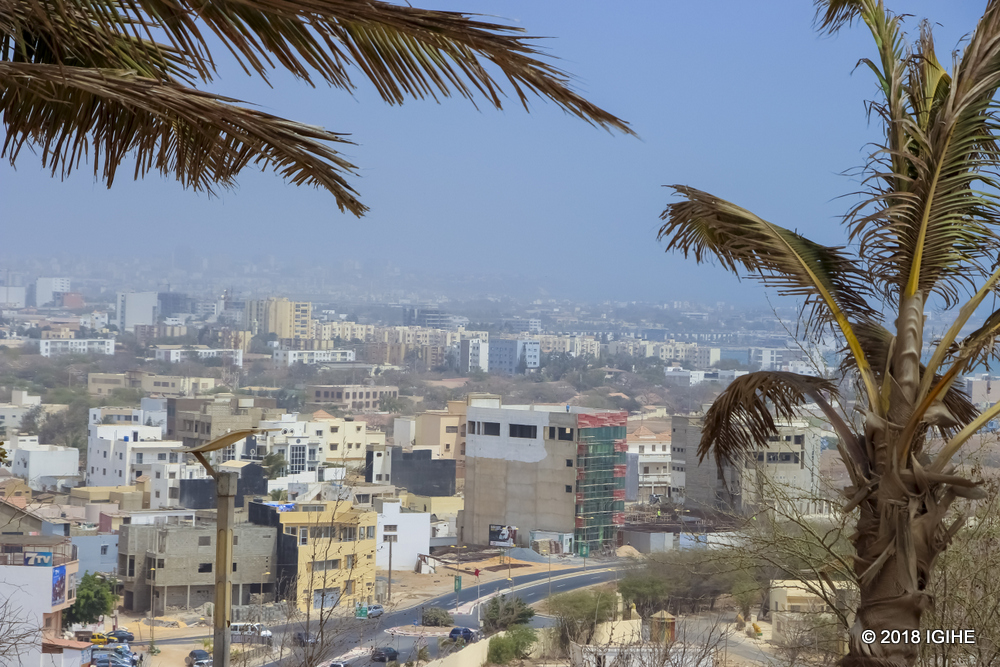
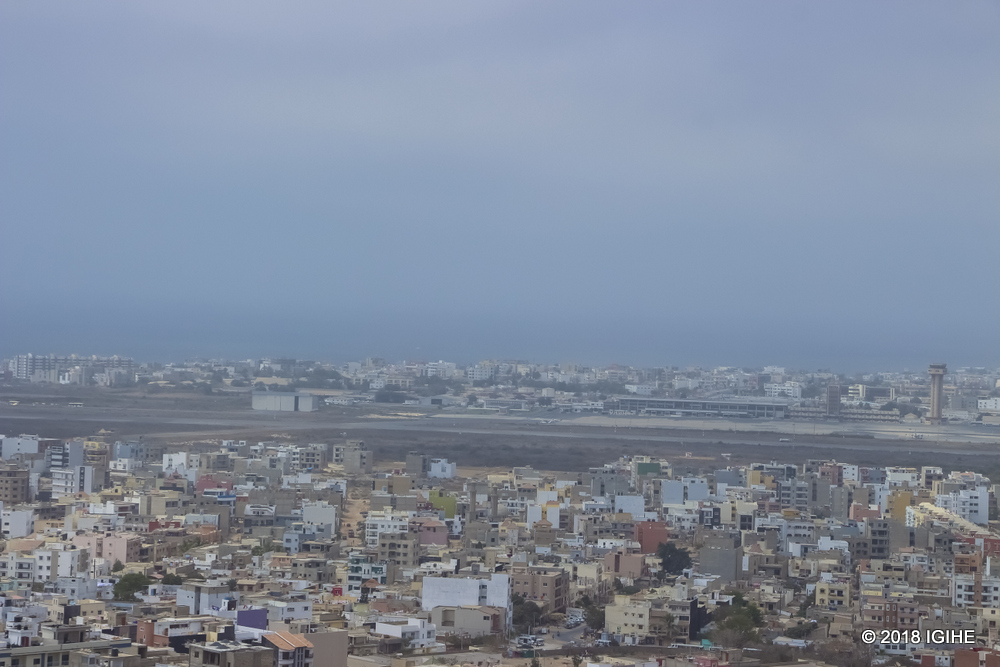
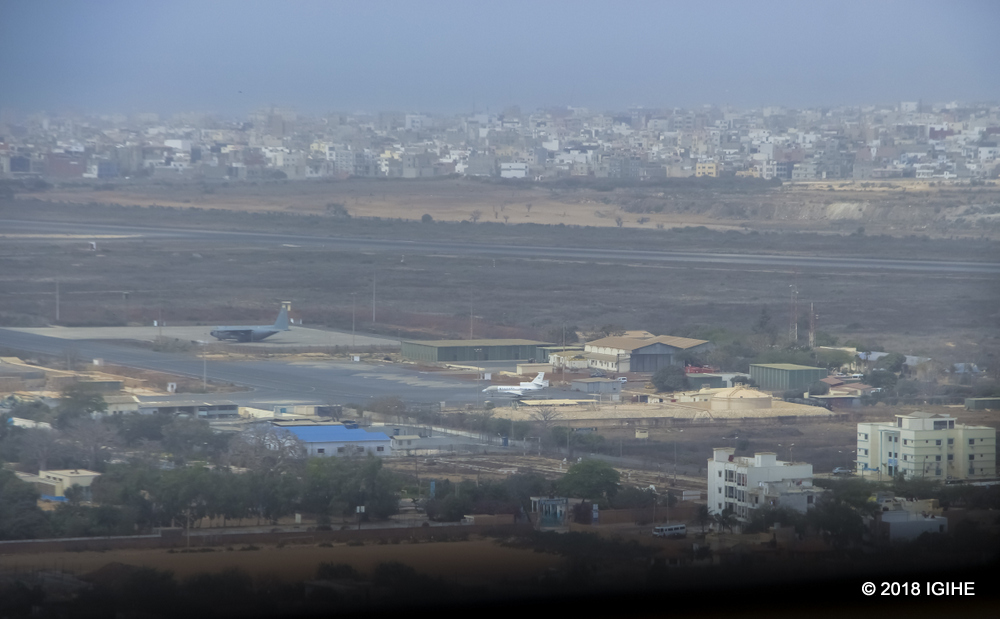
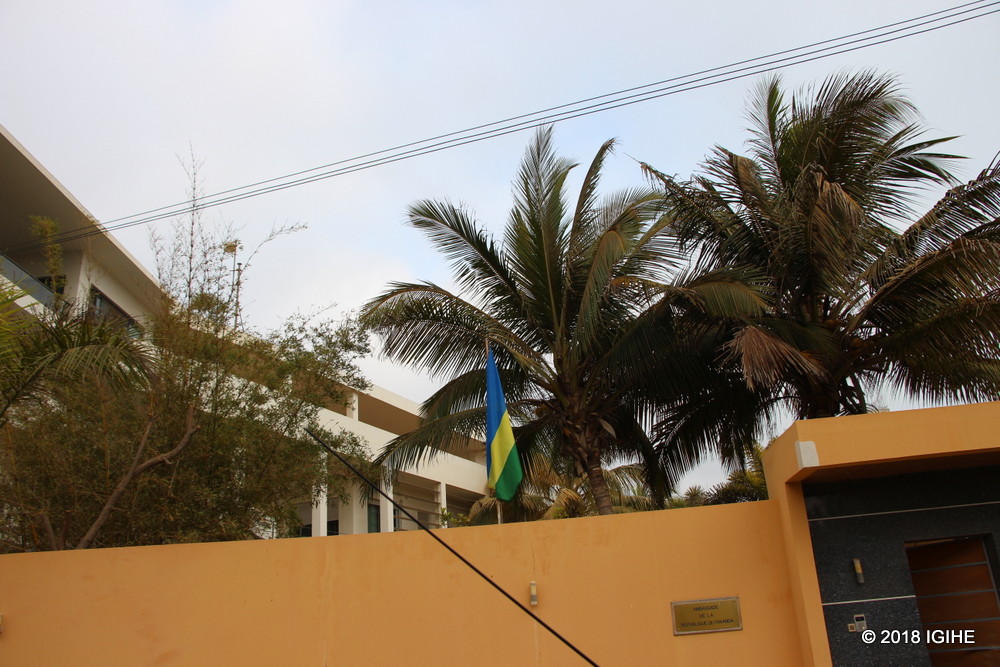
Sprawled across the Cap-Verde Peninsula, in the far west of Africa on the Atlantic Ocean, Dakar is the grand capital of Senegal also commonly known as “le Paris d’Afrique” due to the modernized changes the former French colonial city went through.
From Kigali on the RwandAir’s feel and experience touch, the travel proved relaxing and refreshing. The homey feeling I received from flight attendants made me feel like I was practically at my neighbor next door, with the sole difference being on a moving aircraft.
It was 13- hour entertaining flight as RwandAir flew from Cotonou-Bénin, Douala-Cameroon, Abidjan-Côte d’Ivoire to finally land in Dakar. You’d wonder why I said entertaining –well, Joseph, the waiter was ever so charming while making sure that I missed nothing, and I was no exception for he did so with everyone. From tea to water; everything I was given beheld Rwanda’s imprint, the only thing I may have not yet checked is the provenance of the tasteful fish I ate, although I would bet it was from Rubavu’s waters. A generous applause goes to RwandAir’s team.
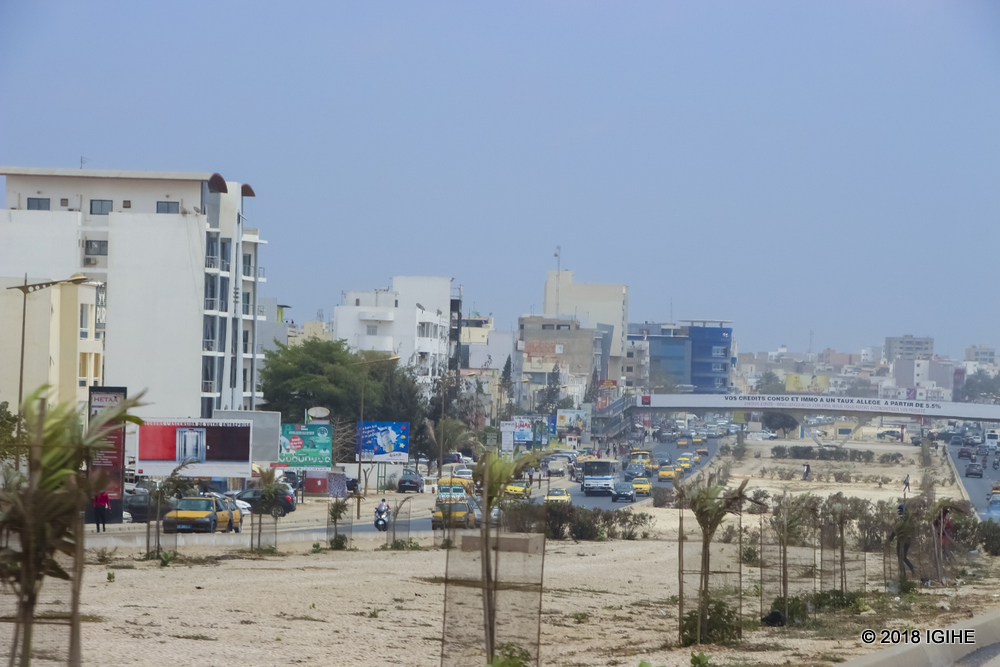
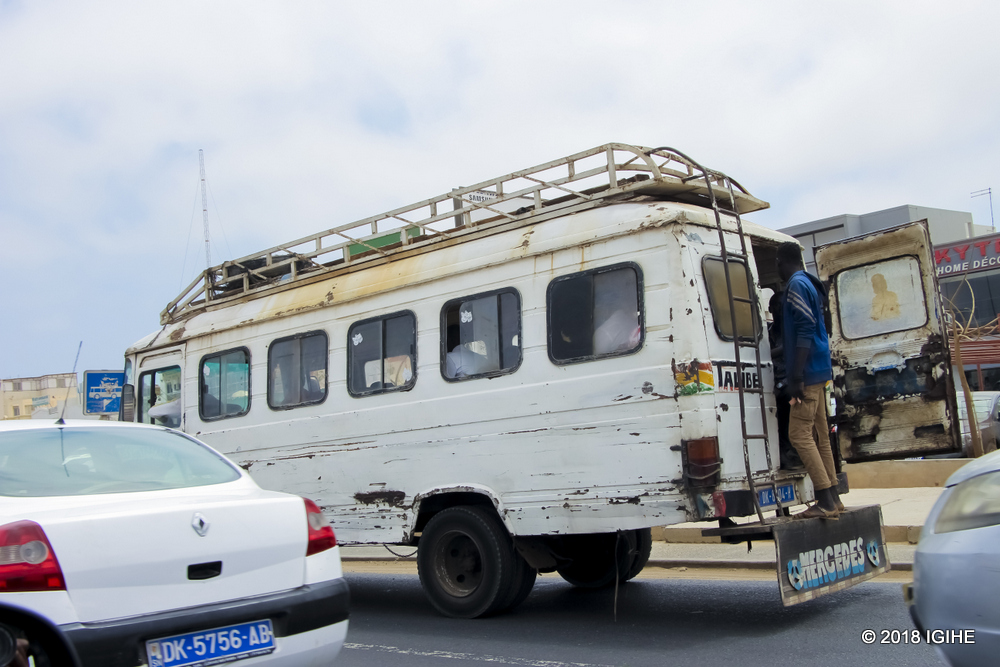
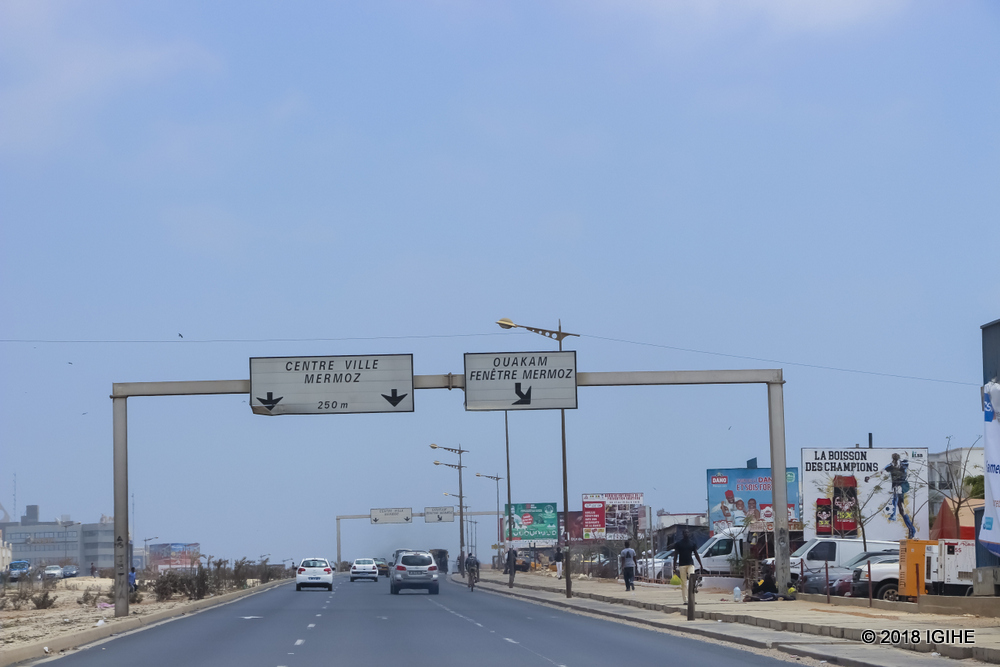
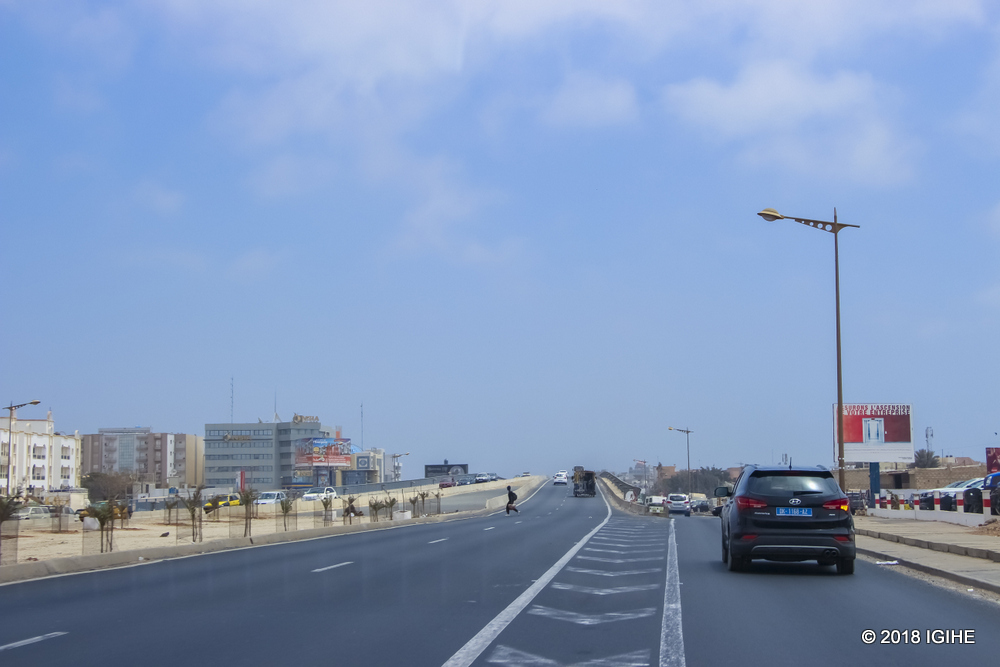
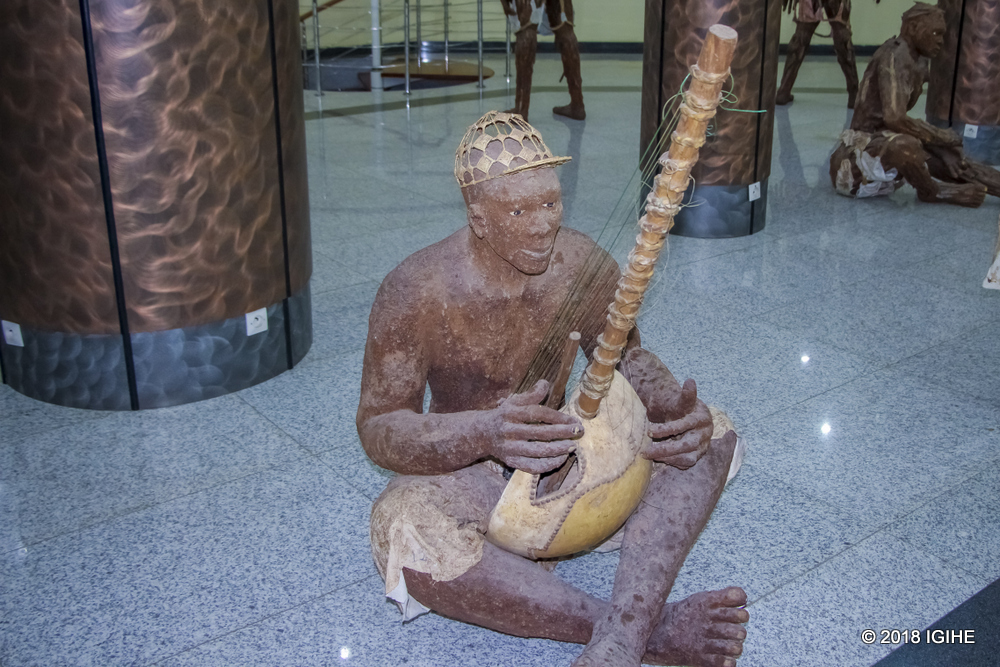
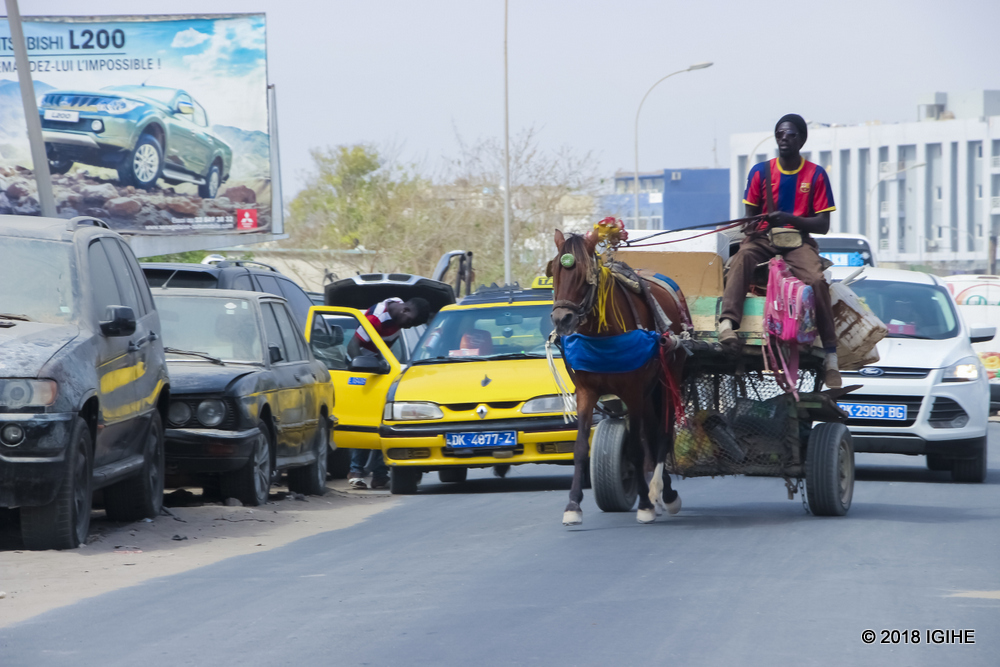
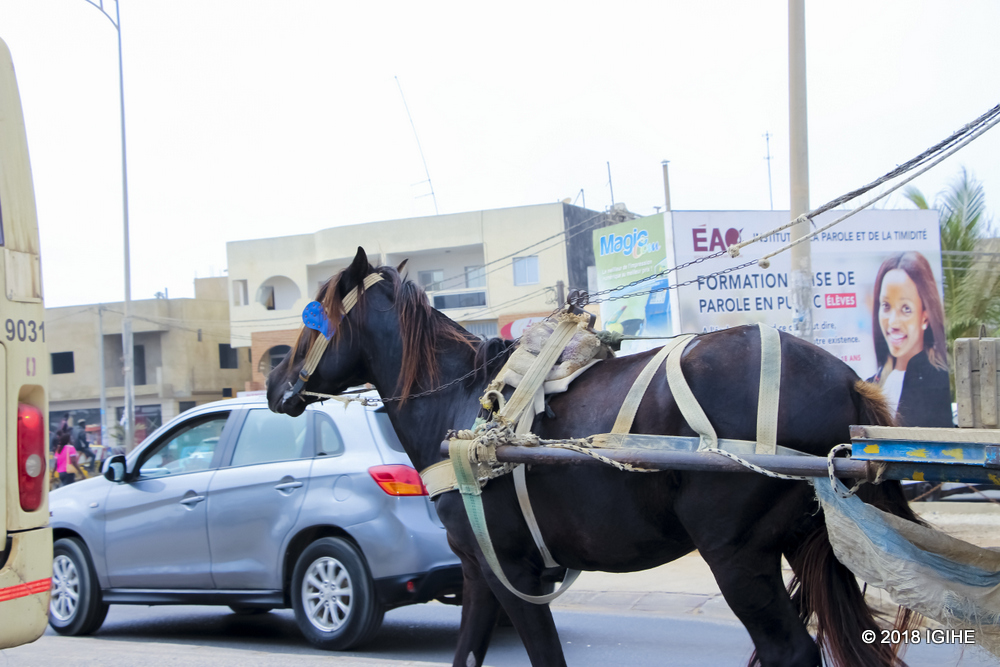
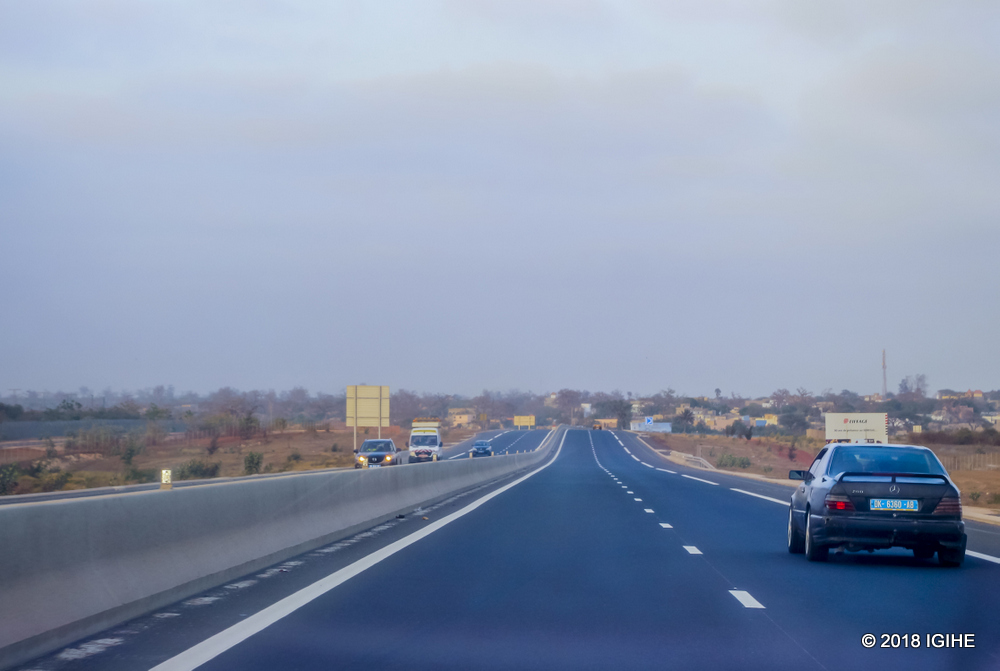
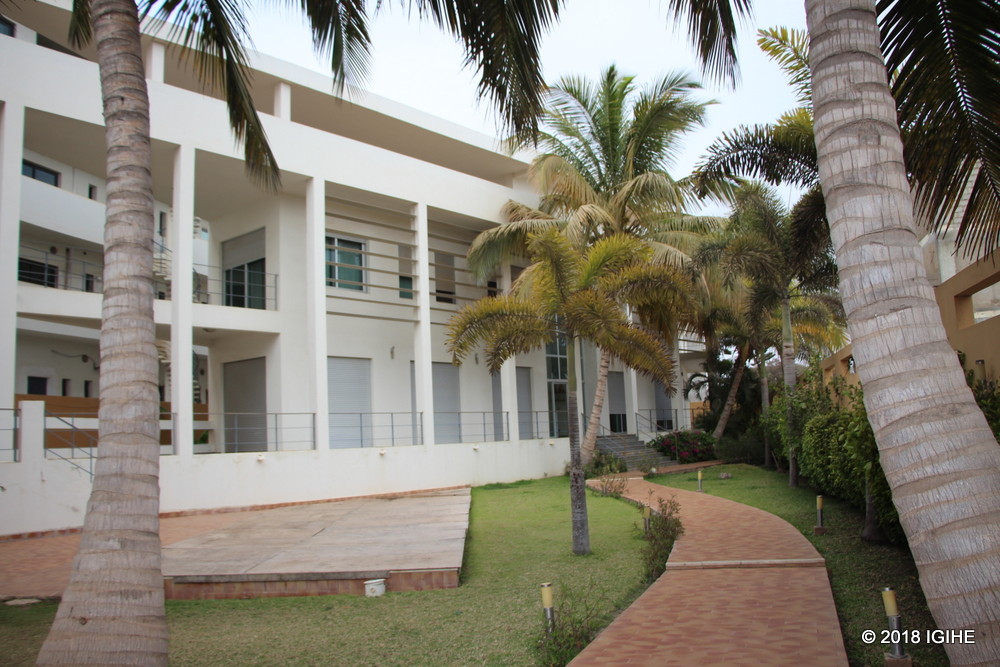
Arrived at my destination, I reveled at the beauty of the exotic capital of Senegal. The catching beauty was not really in its architecture nor the dusty streets or the roads collapsed by traffic: but rather in its atmosphere and cheerful people.
It is a friendly city with a very complex native language known as ‘Wolof’. I would even say that anyone would get a bit lost trying to understand this language. During my stay, I tried to learn some of it; like saying I’m good is ‘Maa ngi fi’ [Spelled as Mængiːfiː], saying Yes is ‘waaw’ [Spelled as Wæwu], Saying ‘My name is Philbert’ is ‘Maa ngi tudd Philbert’ [Spelled as Mængiːtudu].
As I toured the country, here are some of the places that make the nation so singular and that will definitely mark you if you ever decide to travel to Senegal.
{{La Maison des esclaves in Goree Island
}}
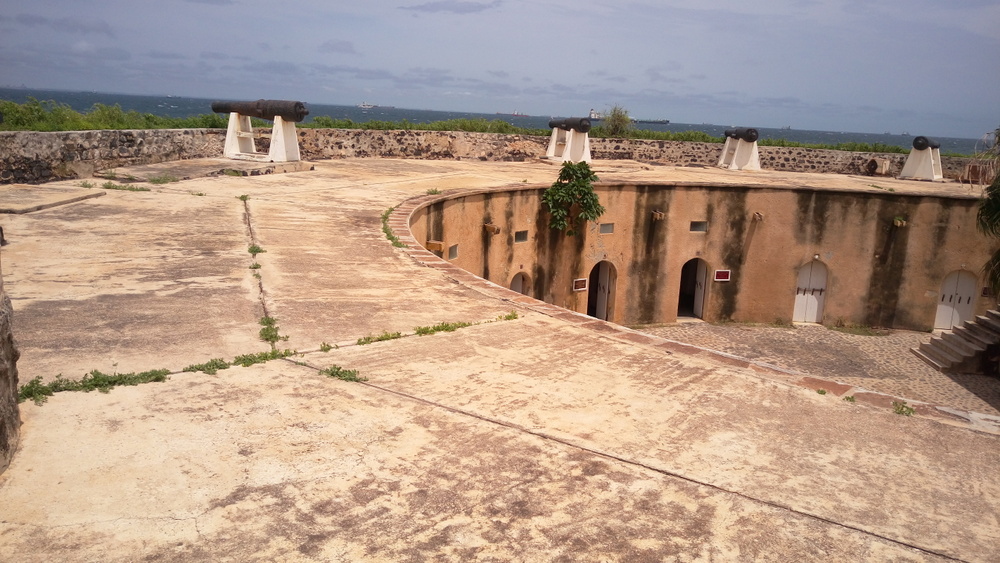
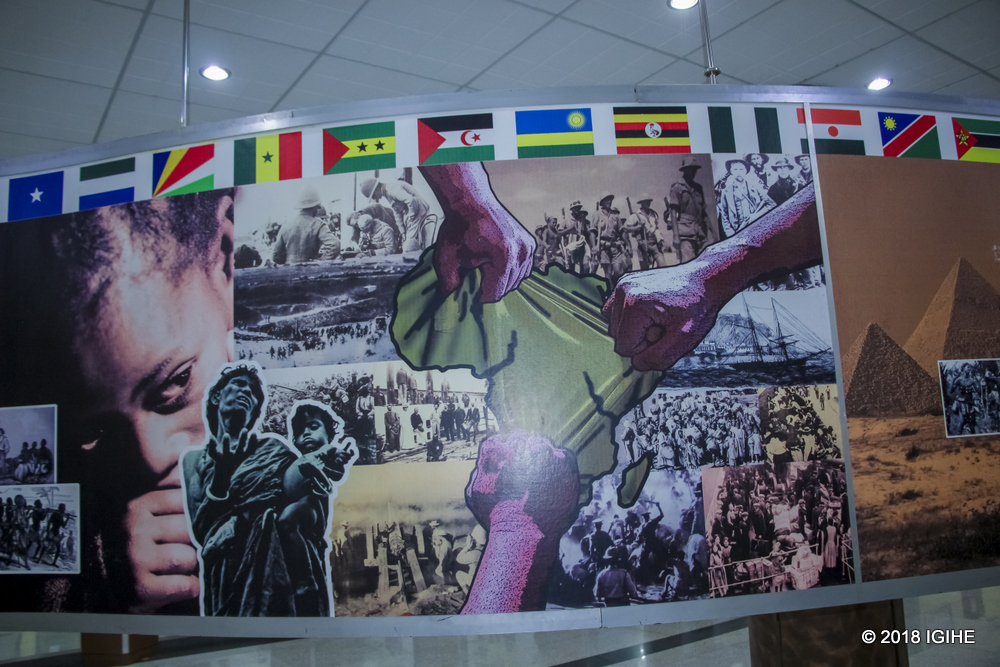
Goree Island is a small 45-acre island located off the coast of Senegal that is only three kilometers away from Dakar. This quiet and quaint island was a prominent place for the development of Atlantic slavery trade and served as a center for expanding slavery trade by the Europeans.
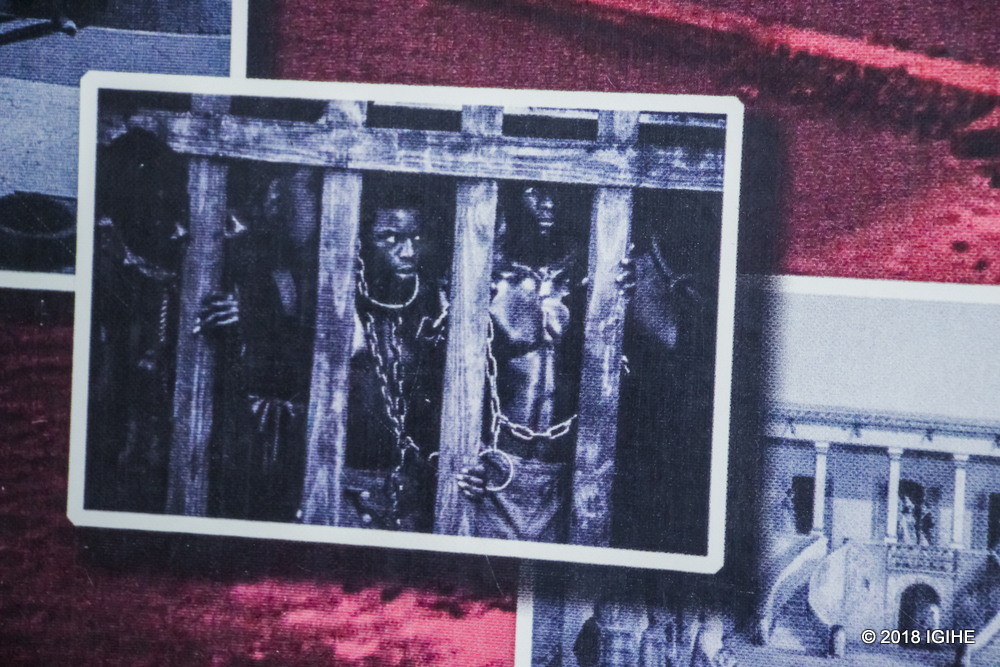
The island which is considered as a memorial to the African Diaspora had over 20 million African slaves passing through it between the mid-1500s and the mid-1800s. During the African slavery trade, Goree Island was a slave-holding warehouse where African men, women and children were jailed before being shipped to the Americas.
The slave house that was built to keep the slaves had a small door called the “door of no return” through which every man, woman and child walked to the slave boat to be taken to the ‘New World’. The slave house built in 1776 remains intact to this day with cells and shackles, and is a major tourist attraction of Goree Island.
Chosen to be a World Heritage Site by the United Nations Educational, Scientific Cultural Organization (UNESCO), Goree Island still retains and preserves all the traces of its terrible past and displays to the world the miserable life once led by their ancestors.
{{African Renaissance Monument
}}
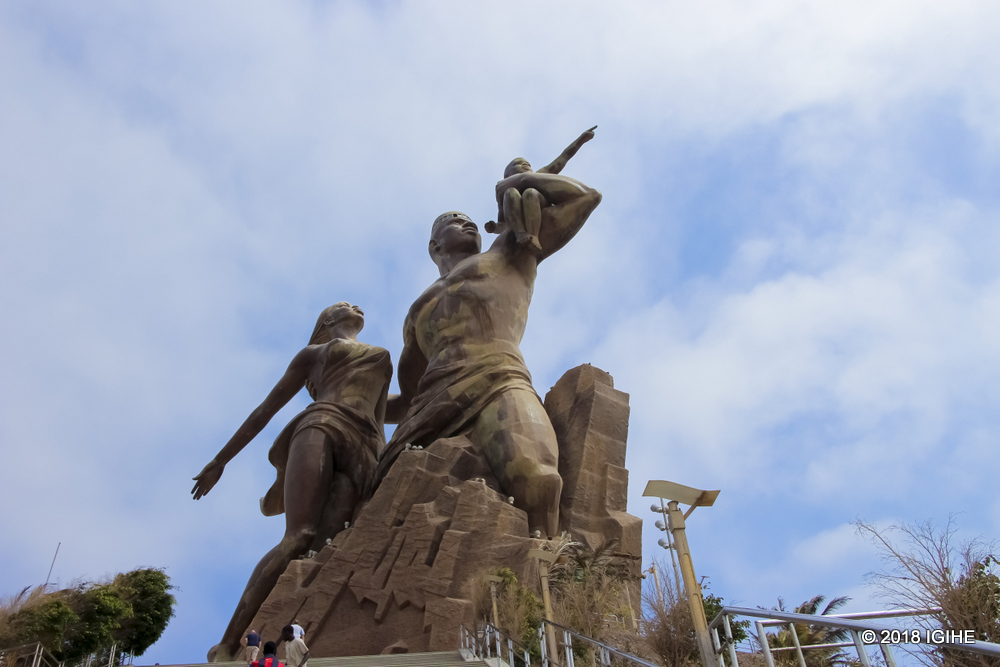
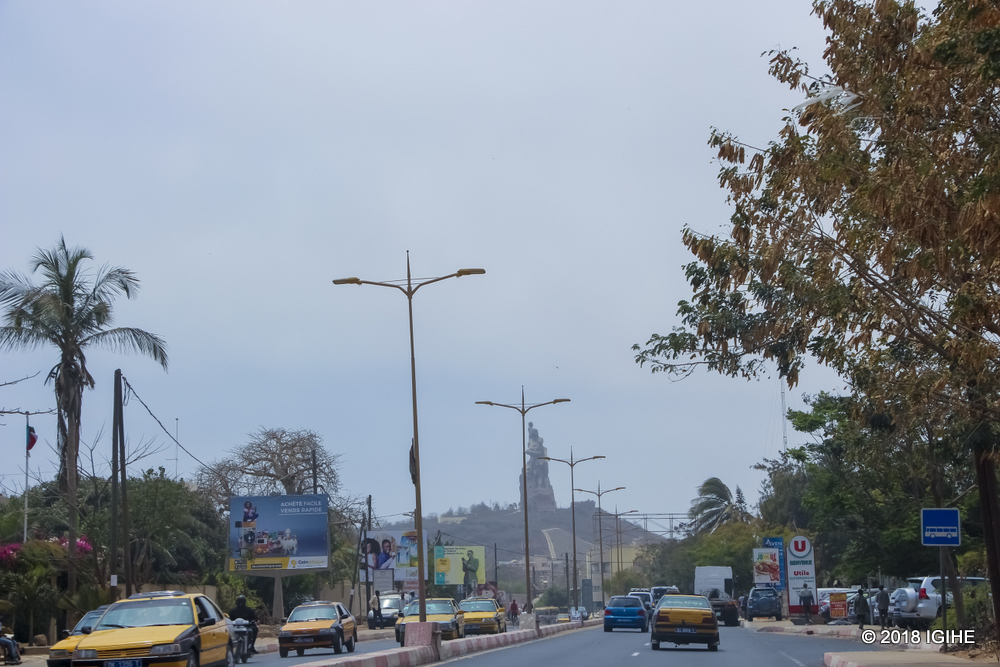
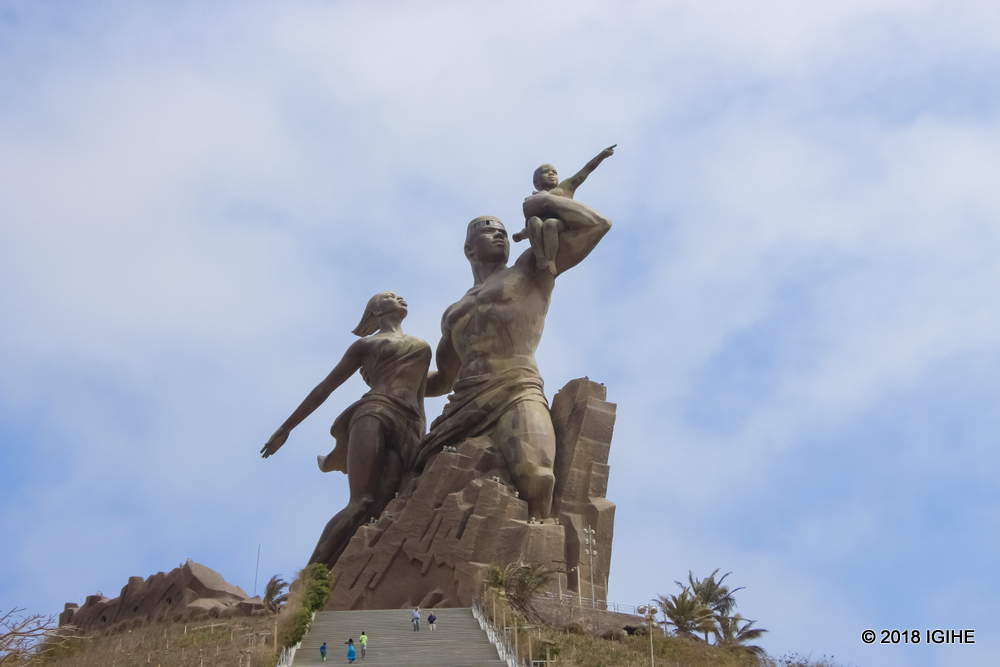
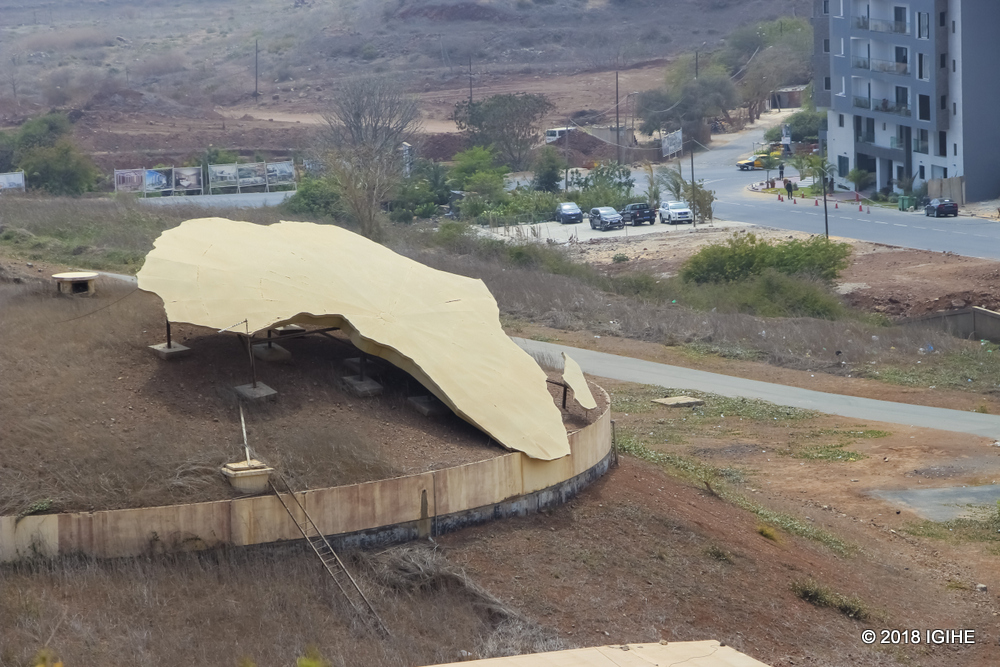
The African Renaissance Monument, also referred to as Monument to the African Renaissance, is a bronze statue perched on Mamelles hill in Dakar, Senegal. The representation of a man, woman and child emerging from a volcano stands erect against the skyline in Senegal at 164 feet high, taller than the Statue of Liberty in the U.S.A.
Visiting this place will only cost you 4000 CFA which is Rwf6500 and you are free to roam around and inside this monument.
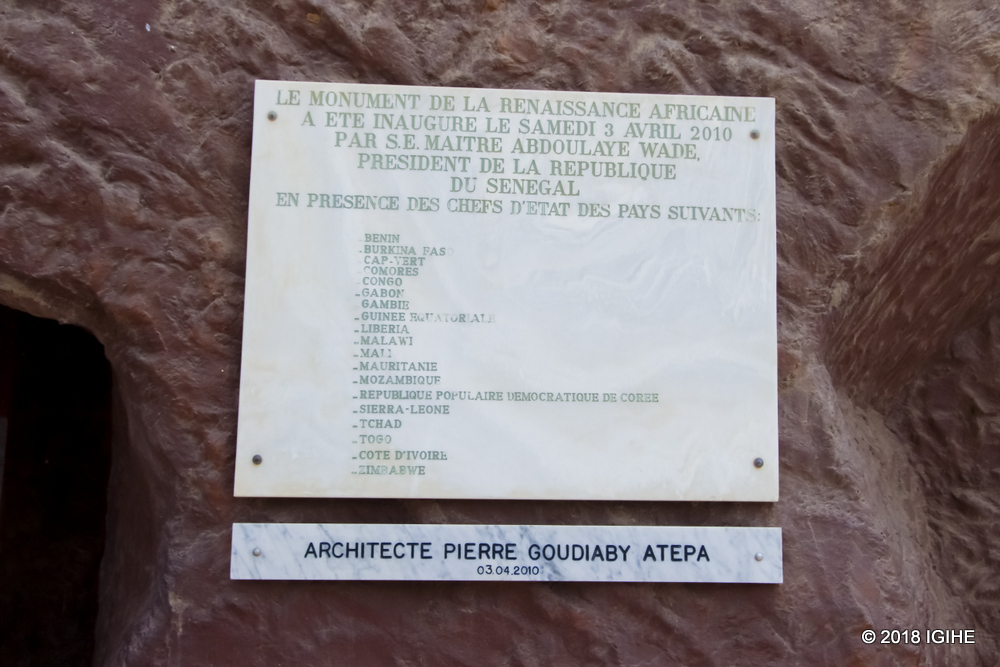
The monument that was built by the former president Abdoulaye Wade in 2010 is about the culture and future of the African continent. It’s represented by a man and his wife together holding the hand of the young one, which means the next century is better than the past. The whole monument encompasses all generations for the future of the continent.
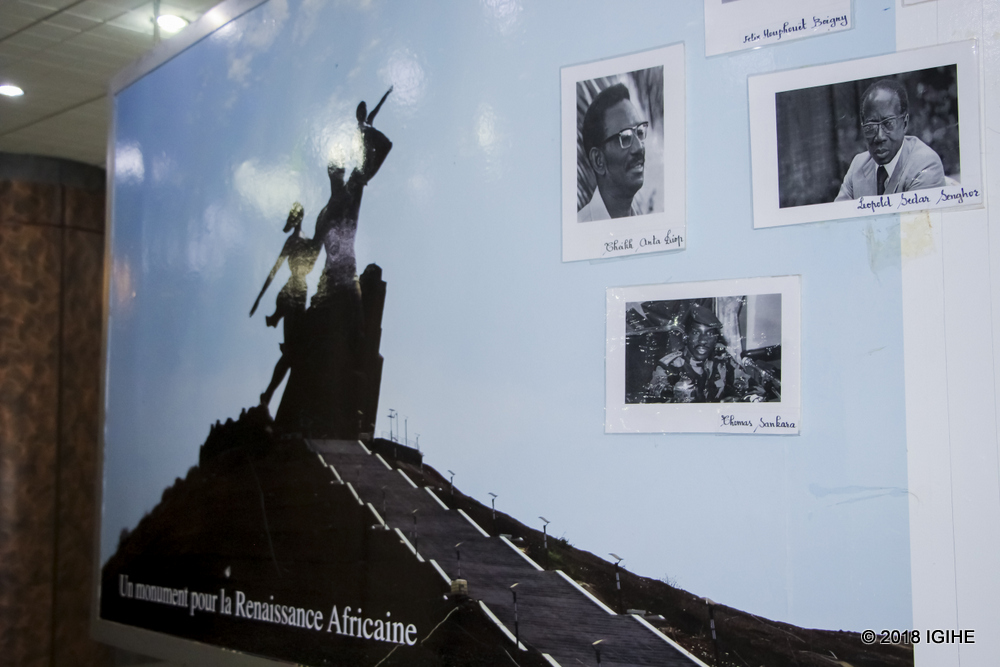
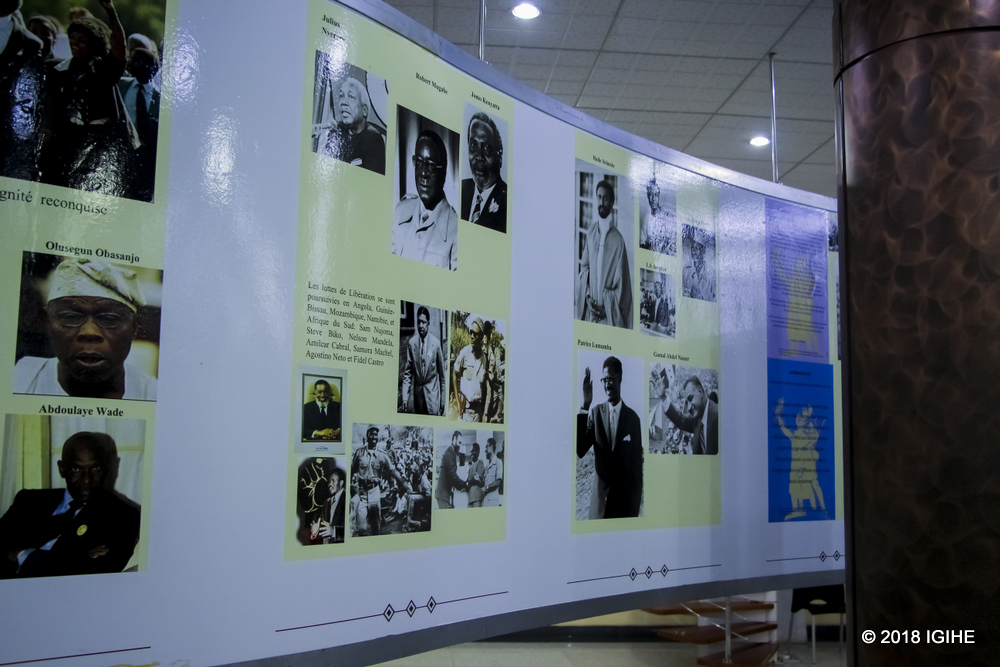
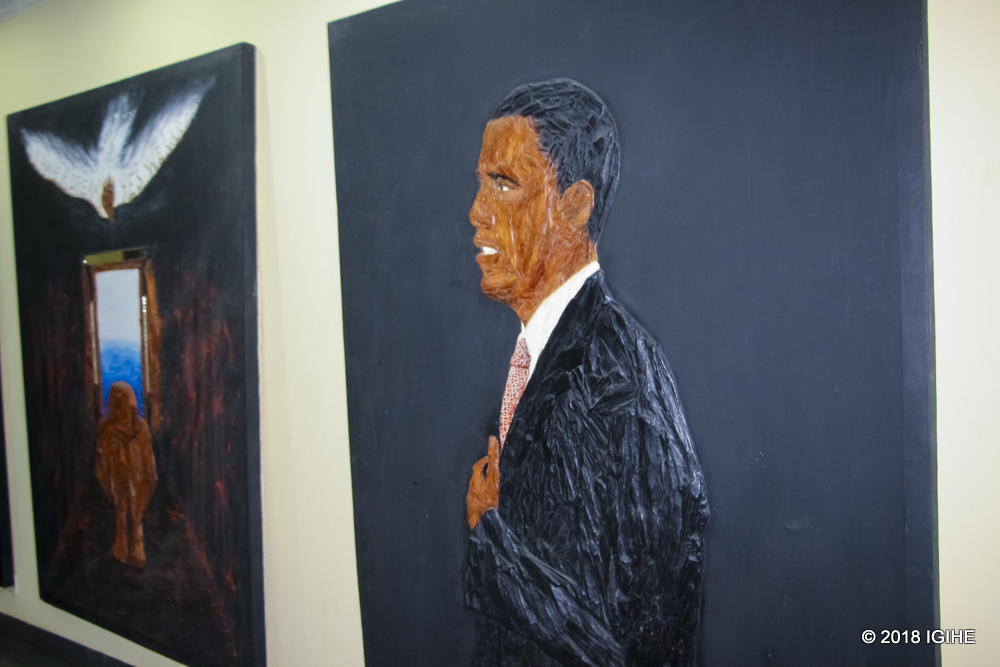
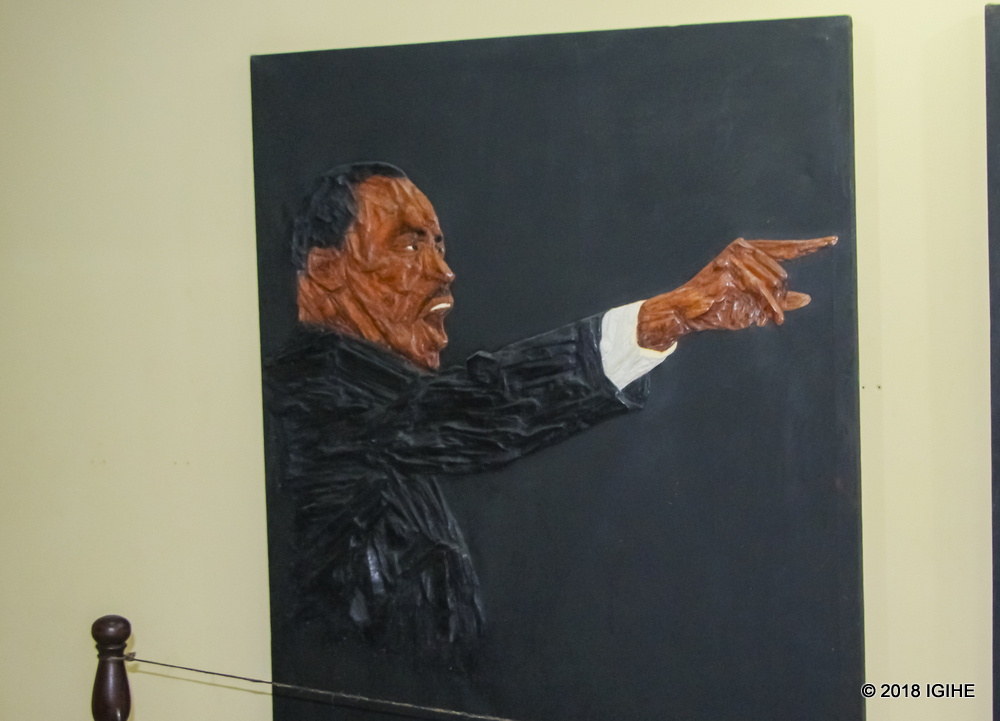
Upon entering, the “lobby” of the monument has a distinct presentation dealing with African, and African diaspora history, covering various renowned leaders such as Léopold Senghor or Toussaint Louverture and various historically important events such as the slavery trade or colonialism.
{{You cannot just leave without saying Hi to Saly…
}}
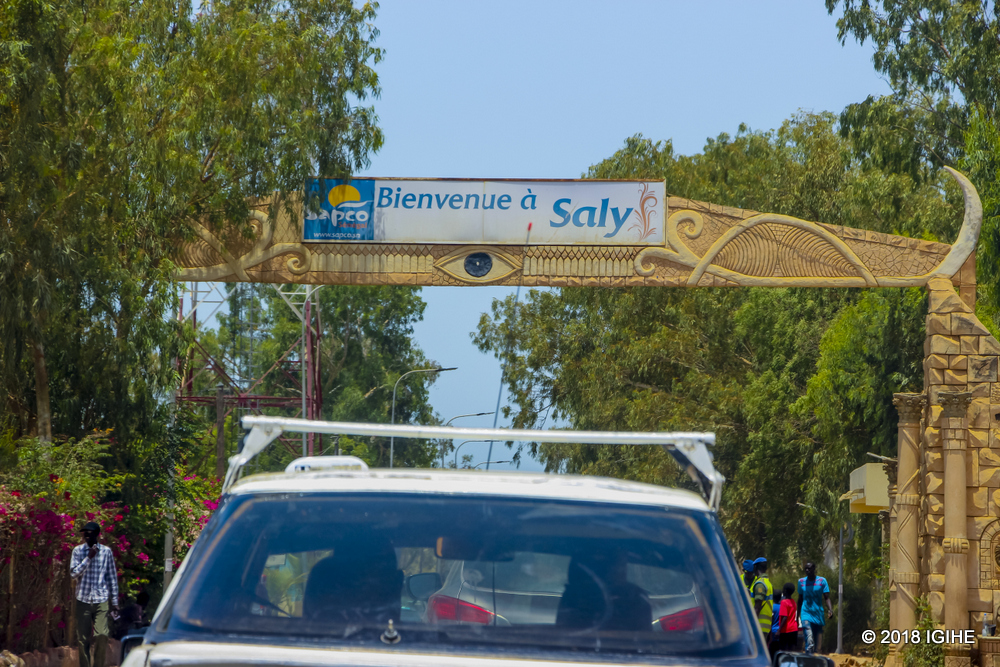
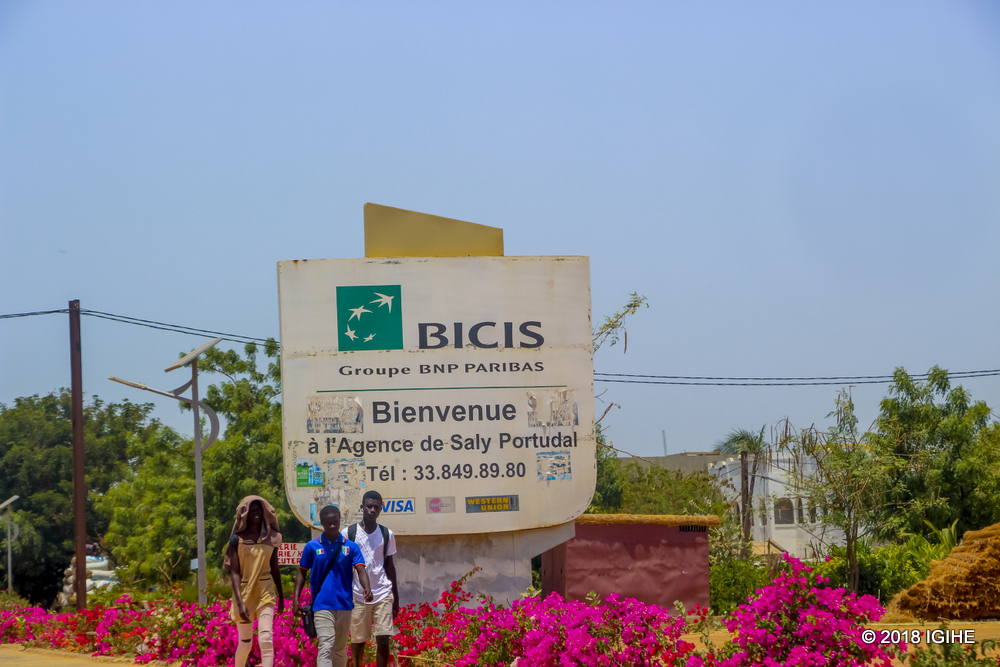
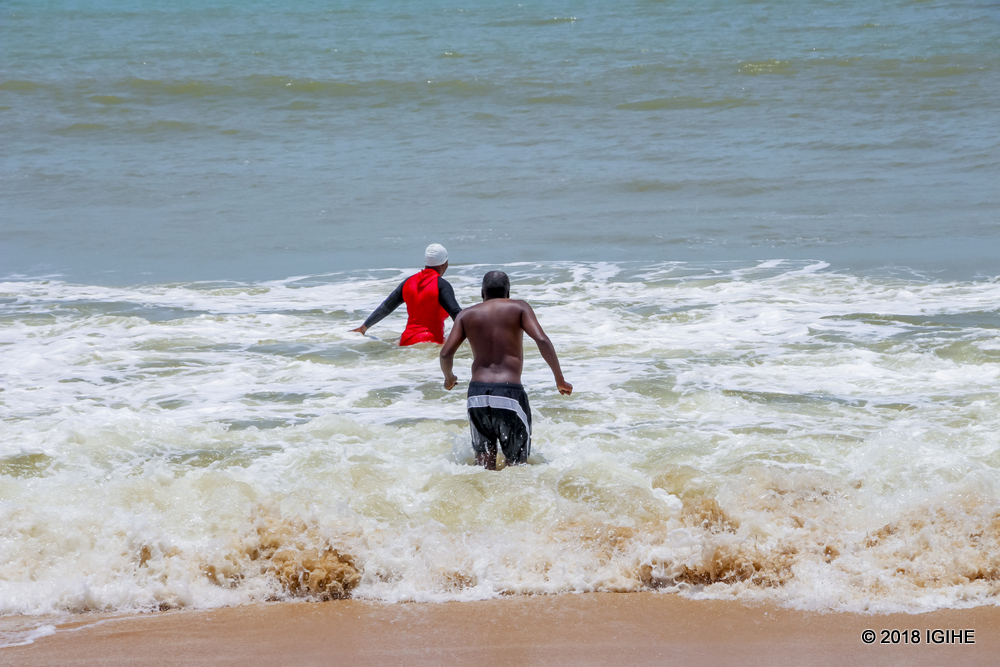
Saly is a beach resort area in the Petite Côte region of Senegal. A former Portuguese trading post, Saly Portugal village features restaurants and bars.
It is the “Rubavu” of Rwanda. It is one of the touristic resorts in Dakar and detains a much more relaxed energy than the center of the capital.
It is relatively clean and quiet. It is usually full of young people playing with street vendors and families.
A piece of advice would be that you stack some pants, since everyone in Senegal covers their legs pretty much. Also, the wind blows practically everything…dresses and skirts not spared.
To finish, le “Paris d’Afrique” may not be the most beautiful place on earth or a holiday destination for those seeking comfort but it has everything for a fascinating experience as a whole. You will be rendered speechless by the epic vistas of a gorgeously tropical and stunning natural beauty that is Africa.
A multiple Emmy-winning investigative reporter and producer, Peter Greenberg is one of America’s most recognized, honored and respected travel experts.
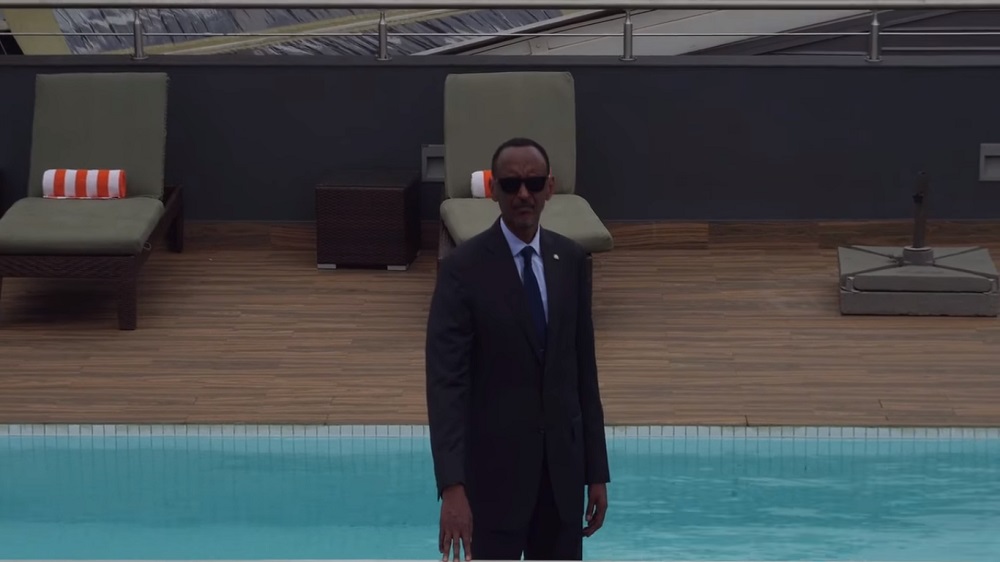
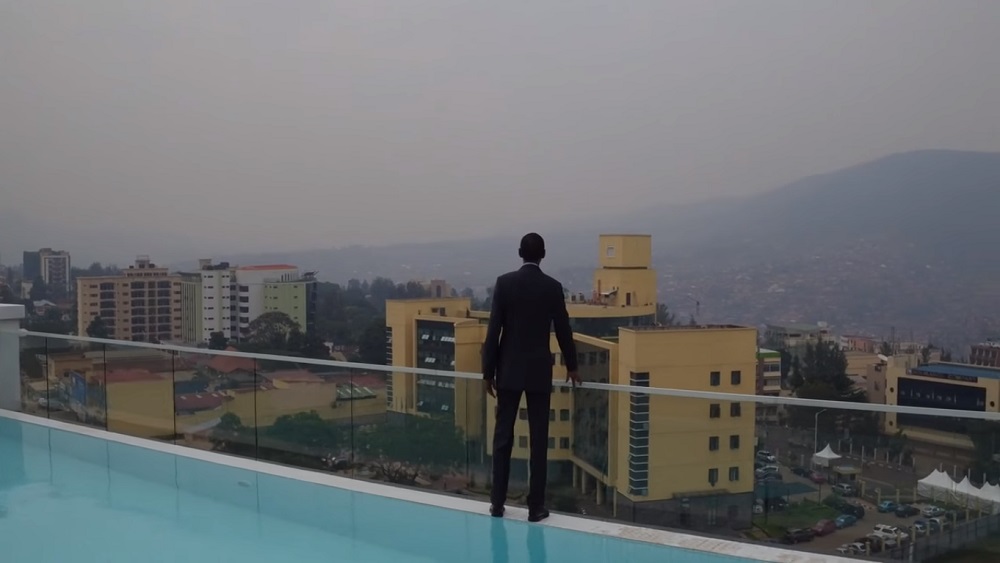
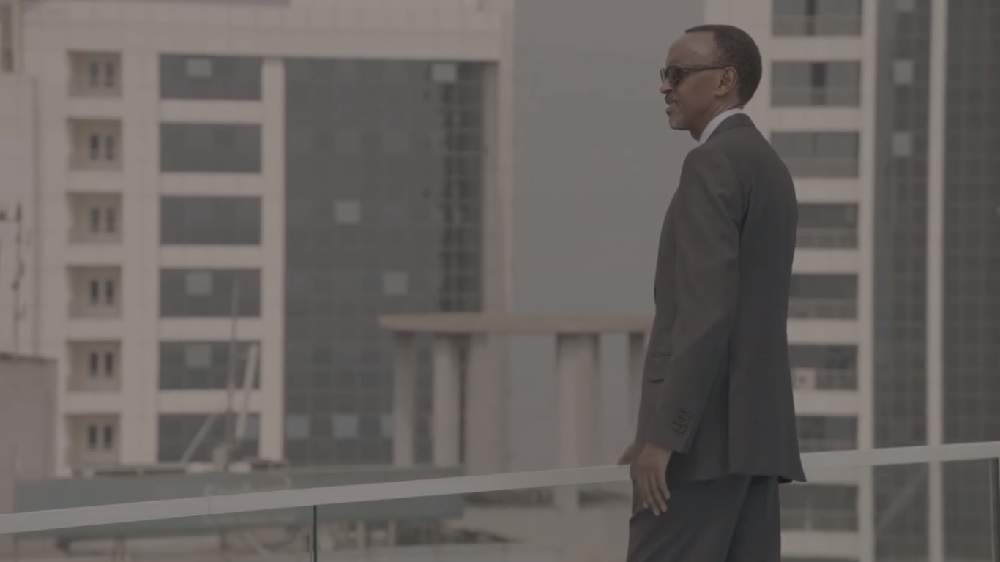
President Kagame became the ultimate guide, showcasing the visual gems that his country has to offer. Together, they went gorilla trekking through Volcanoes National Park, jet-skied in Lake Kivu, explored Nyungwe Forest National Park on an elevated canopy walkway and saw a variety of wildlife during on a safari through Akagera National Park.
This 1-hour documentary is the latest edition of the Royal Tour series, in which Peter journeys to a select country to offer audiences access to extraordinary locations, historic landmarks and cultural experiences, and gets guided by some of the most dynamic and powerful heads of state around the world.
The documentary will be officially launched on 26th April 2018, on PBS, a broadcasting Service from Arlington, in USA.
In a short trailer released on his blog, Peter Greenberg presents to the world, Rwanda’s colorful nature and its beautiful landscape which is endowed with a culture of great diversity.
Mr Peter Greenberg said that the documentary will display the prosperous spots of a country of a bustling city, once home to a cruel and hunting past but now peaceful and one of the most prosperous bright spots in Africa.
{{Other documentaries that features on the Royal Tour series
}}