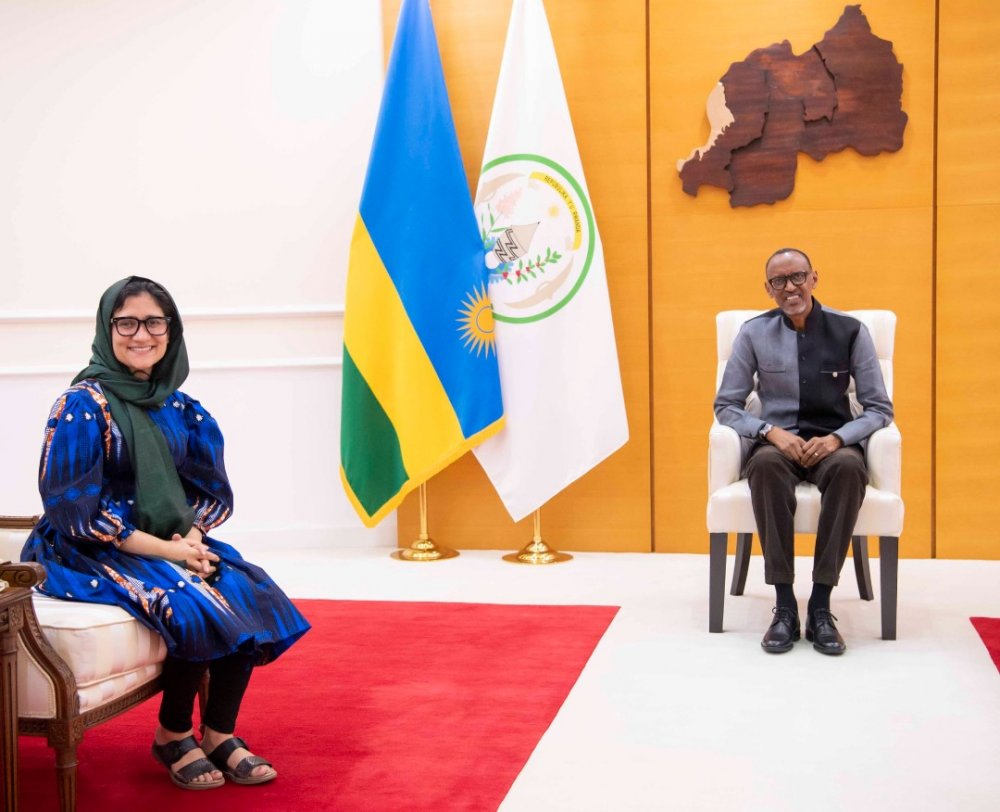
Shabana,31, comes to Rwanda two months after her school relocated to Rwanda due to political chaos that engulfed the country as Talibans took power.
A total of 250 girls from the school arrived in Rwanda on 24th August 2021 as they await the situation to normalize.
Their relocation was facilitated by different countries including Qatar, the United States of America (USA) and Rwanda as the host country.
Talibans regained control of Afghanistan on 15th August 2021, 20 years after they were removed from power in a US-led military invasion.
Since then, citizens started fleeing the country fearing likely violence that could arise from political instability.
At the time, Shabana reiterated commitment to keep striving for women’s rights in her country.
Born and raised in Kabul, the capital of Afghanistan; Shabana finished high school in the US through the State Department’s Youth Exchange Studies program. She attended Middlebury College in Vermont, graduating magna cum laude in International Studies and Women & Gender Studies in 2011. In 2016, Shabana was awarded an honorary doctorate from SOAS University of London.
While at Middlebury, Shabana was awarded a Davis Peace Prize, with which she built wells in the outskirts of Kabul—and was selected as one of Glamour Magazine’s Top 10 College Women of 2010. She also received the Vermont Campus Compact 2011 Madeleine Kunin Public Service Award for outstanding leadership and service to others.
While still in college, Shabana co-founded School of Leadership, Afghanistan (SOLA), whose mission is to provide access to quality education for girls from across Afghanistan. SOLA is the only all-girls boarding school in the country.
Shabana has also served as the National Gender Mainstreaming Advisor at the Ministry of Rural Rehabilitation and Development’s National Solidarity Program in Kabul, but left the position in 2012 to focus on SOLA full time.
In addition to leading SOLA, Shabana is a global ambassador for Girl Rising, a call to action seeking investment in girls’ education worldwide. Among others, she was named one of National Geographic’s 2014 Emerging Explorers, and one of CNN International’s Leading Women of 2014.
In 2018, Afghan President Ashraf Ghani and First Lady Rula Ghani awarded Shabana the Malalai Medal, one of Afghanistan’s highest national honors, for her work in promoting girls’ access to education.
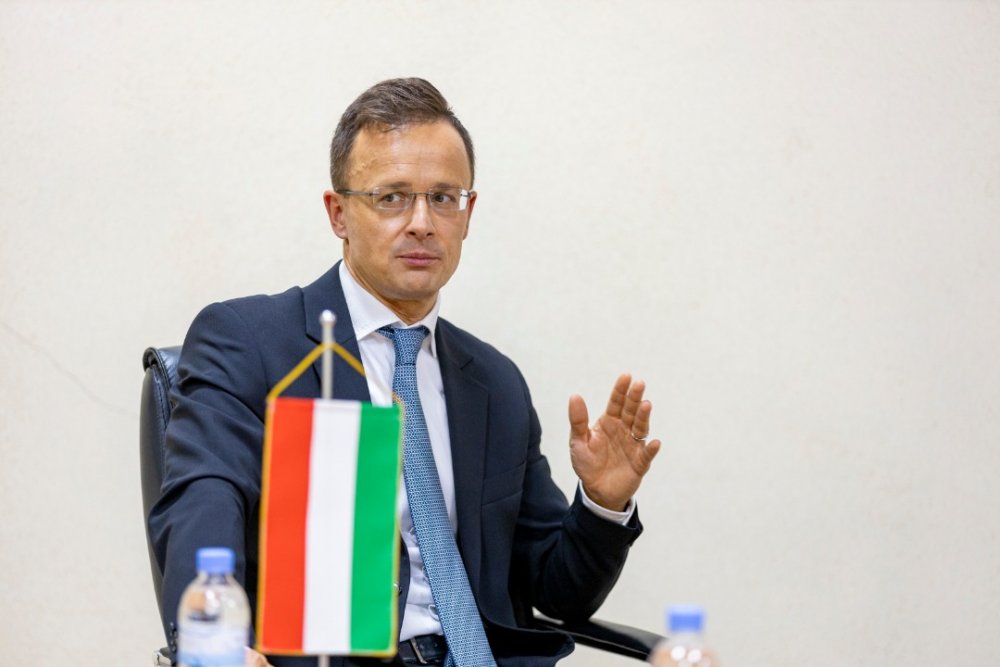
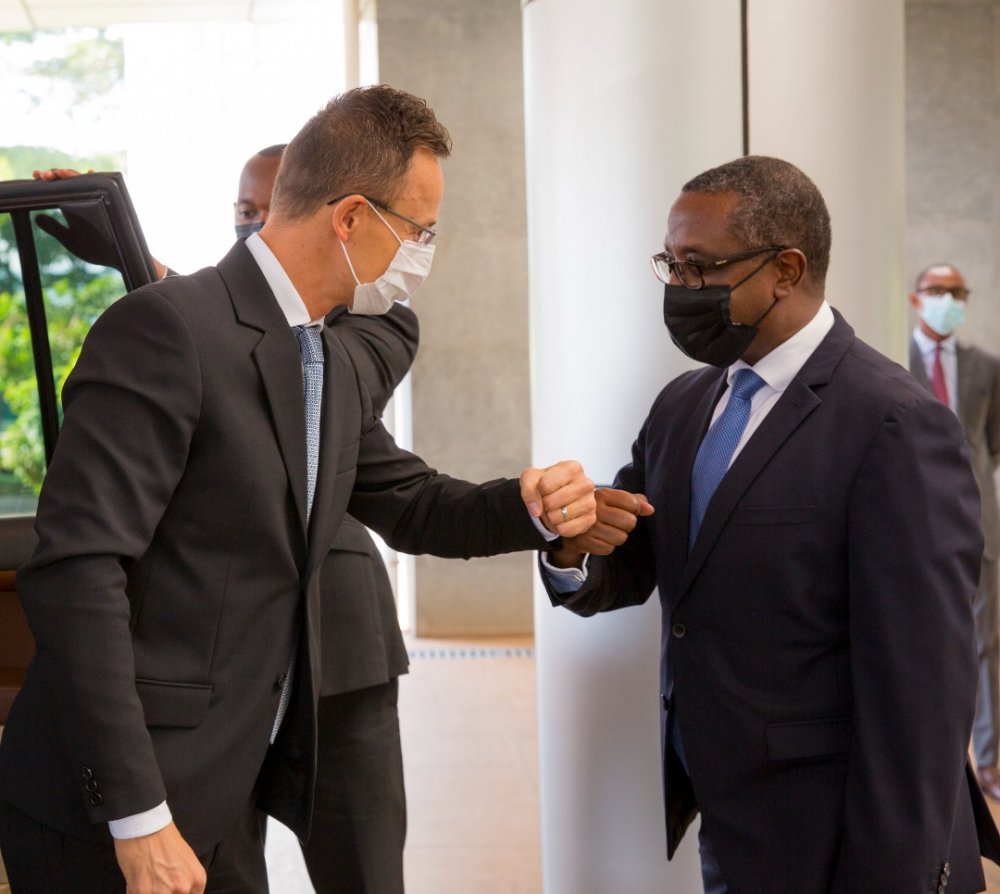
The agreement was signed on Wednesday 10th November 2021 during a ceremony held in Kigali City. Rwanda was represented by the Minister of Foreign Affairs, Dr. Vincent Biruta while Hungary was represented by the visiting Minister of Foreign Affairs and Trade, Péter Szijjártó.
The funds will be utilized to expand and increase the production capacity of Karenge Water Treatment plant located in Rwamagana District.
In addition to increased production, it is expected that the credit line will also be utilized to build six-kilometer water supply network while Hungarian companies will contribute to the implementation of the project.
These companies will intervene in budget planning, supervision and digitization among others.
According to Szijjártó, the agreement also opens doors for Hungarian technology in the expansion of water supply networks to one of developing African nations noting that Hungary is ready to explore investment opportunities in Africa.
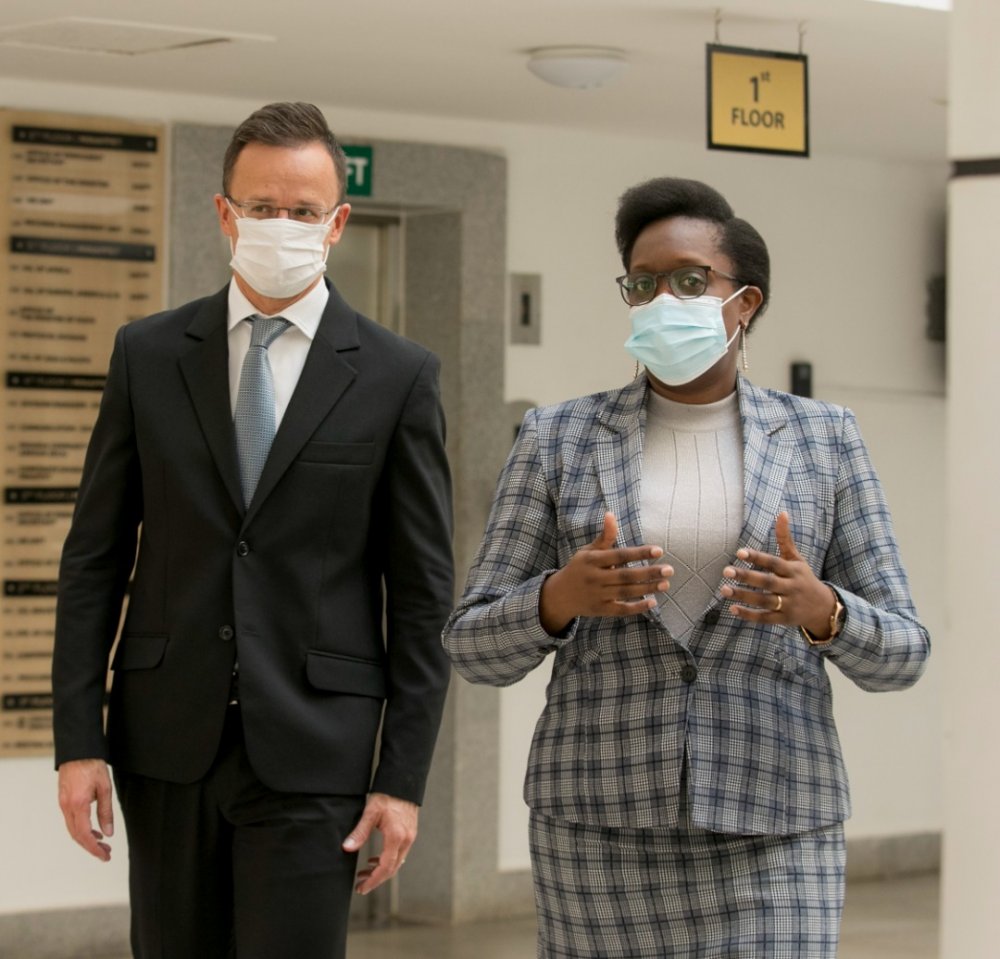
During his stay in Rwanda, he also met with officials from different ministries with whom they discussed ways to deepen both countries’ cooperation.
The Minister also had time to attend the press conference, in which he revealed more projects that are still under the pipeline, as both countries look for ways to benefits from each other’s expertise.
Addressing members of the press recently, Szijjártó responded to different questions and shed light on more projects under pipeline as both countries seek to share expertise and strengthen cooperation based on mutual respect.
{{Excerpts:}}
{{What are the terms of agreements for this loan and how will it be utilized?}}
Hungary has very highly developed water management and water industry technologies. These technologies can be offered very bravely to Rwanda to improve the level of standard here when it comes to supply of drinkable water.
That’s why we agreed on this credit program, which is the biggest of Hungary in Africa. The US$52 million will be used to modernize and extend the capacities of the water treatment plant of Kigali from 15 000 to 36 000 cubic meters on a daily basis.
Hungarian companies are ready to provide the engineering and planning functions, the technical support. Products and technologies which are going to be applied here, will be developed in Hungary.
The Minister of Infrastructure here informed us that the bid is going to be announced in Rwanda, and then followed by an announcement in Budapest, Hungary. So, we count on one and half to two years long execution phase, after which the drinkable water supplied in Kigali will be to a much higher level of standard.
{{Can we expect more Hungarian investment in other sectors in Rwanda?}}
Yes, we are already negotiating with your Ministry of Finance about the involvement of Hungarian companies in the framework of reconstructing a hospital in the Western part of your country. These are companies, especially interested in coming to invest in Rwanda in field of IT, manufacturing of medicines and alternative energy generation.
So, these companies will take advantage of another loan program offered by Exim Bank Hungary, US$46 million credit loan has been open for these companies to invest on market-bases here in Rwanda.
{{How about Rwanda’s investment in Hungary?}}
Definitely, we would like to welcome the presence of Rwandan companies and Rwandan economy in Central part of Europe. In order to achieve that, we signed the agreement on the cooperation on civic aviation that the first air connection between Rwanda and Central European region could be launched between Rwanda and Hungary. This is a very important pre-condition.
We have agreed also on exchanging diplomats in order to make well here among the young people and among the population as it is. We have also offered 20 scholarships to Rwandan students on an annual basis in Hungarian universities, fully financed by the Hungarian state, and there is a growing demand for that.
This year, we received 319 applications for those 20 spots, this shows that Rwandan young people would like to come to know Hungary, which is a great news for us.
{{Why did it take to establish relationship relations between both countries?}}
Before 2010, the current opposition party was in power, they just concentrated on the Western side of Europe and on the Trans-Atlantic relationship in their foreign policy strategy.
Since we have been in power, we have introduced two strategies: Eastern opening and Southern opening, and in the framework of Southern opening, we put much emphasis on African countries. And we understand that big development program should take place in Africa in order to avoid big outflow of people from this region.
You know Hungary and the whole European Union has been faced with tremendous challenges of massive illegal migration, and we know that in order to avoid further waves, we have to bring development programs to these countries, which are the basis resources of migration. That’s why we are happy that [we have partnerships] with Rwanda, Seychelles, Egypt, Morocco, Cape Verde, we have a wide range of programs for economic development.
Although we could have come earlier but now we are speeding the process, trying to make up some time.
{{What’s the secret for Hungarian development?}}
The key for our economic success has been the application of the low tax rates. The lowest tax rate of Europe has to be paid in Hungary. This helps investors to come and this helps new jobs to be created.
In our economic policy, we concentrate on job creation, because we know that when you provide jobs to the people, you can provide long term foreseeable perspective in the future. If you give aid to the people that put them in a different position. So, ensuring the job creation to be successful, ensuring opportunities more and more investors to come and create jobs, I think that’s the best way an economy can be developed.
This is what we have been doing in the last 11 years and it’s proven to be successful. 11 years ago, Hungarian economy was at the edge of falling down. Since then, because of low tax rate, because of flat tax, because of encouraging investors to come, we are among the countries with high growth rate in Europe and the globally also.
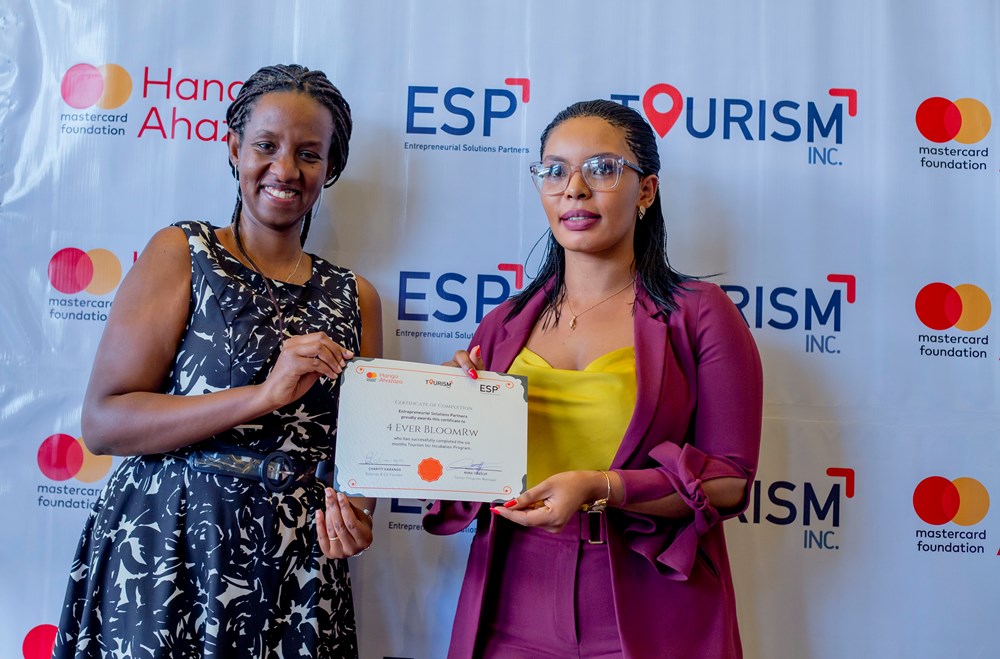
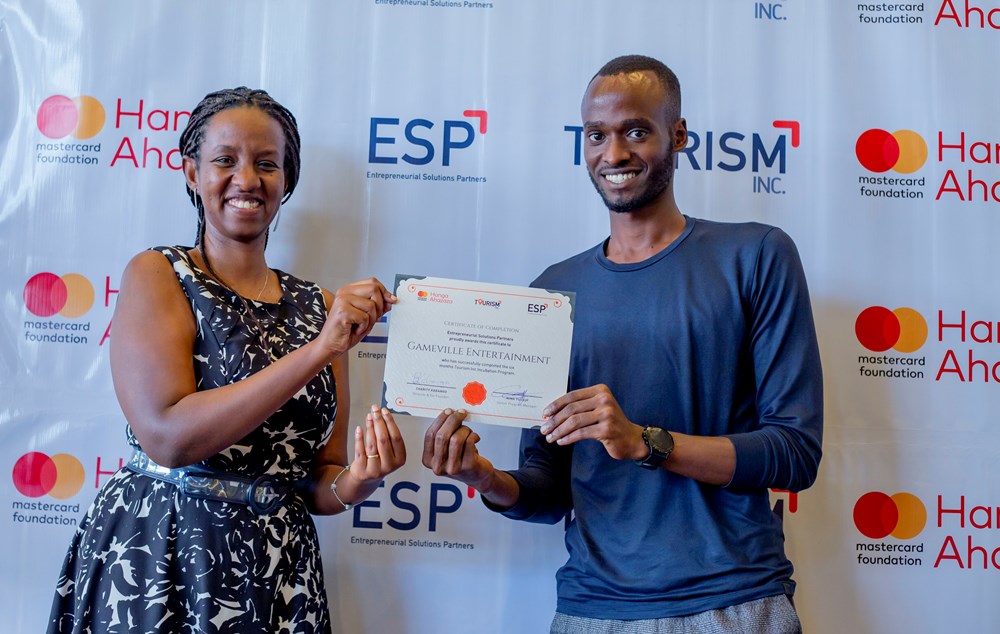
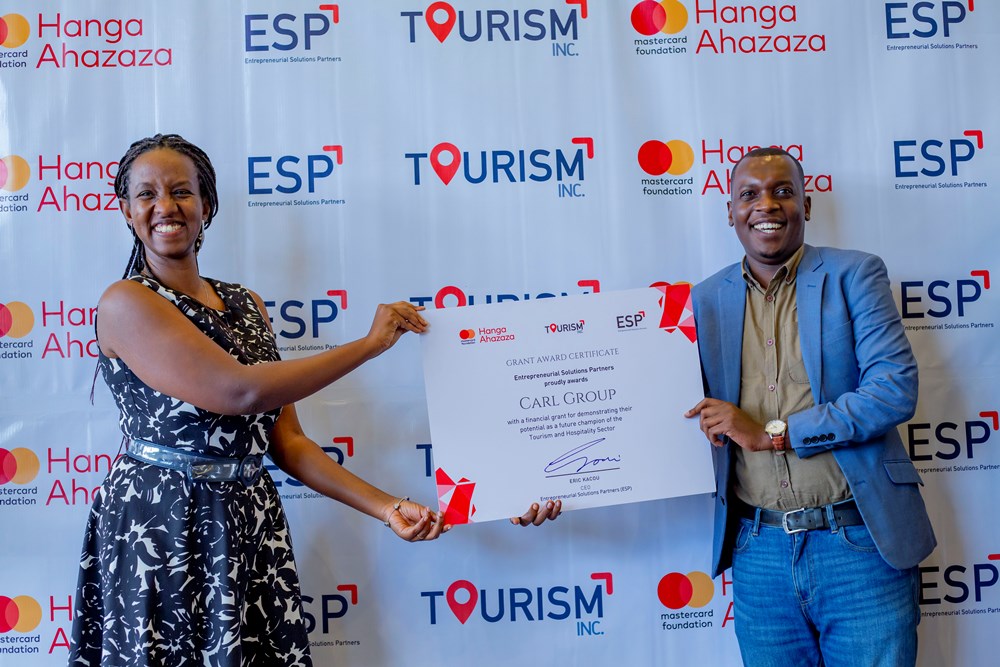
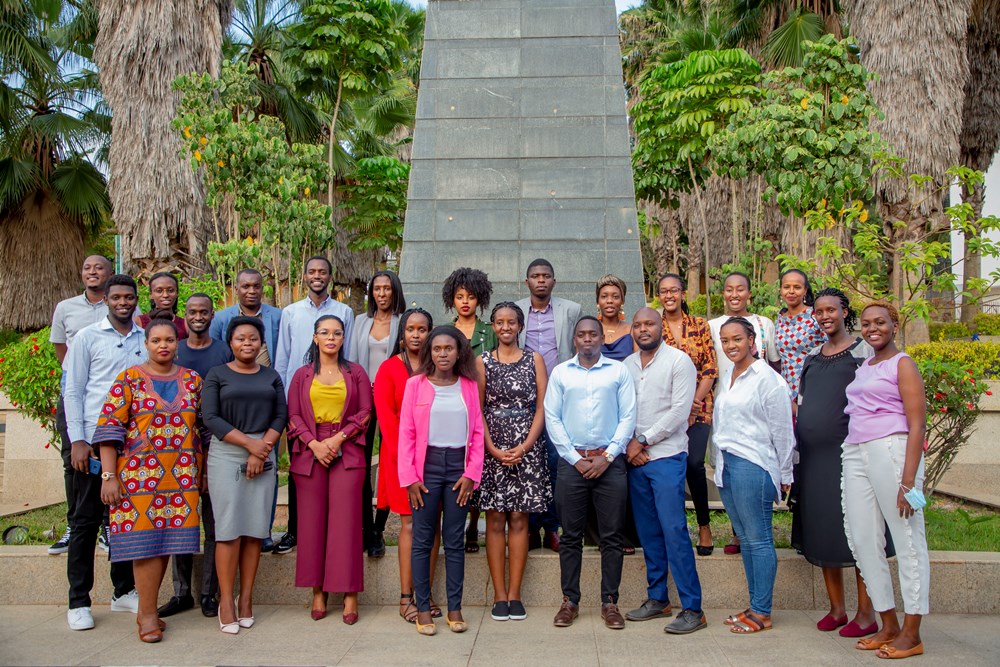
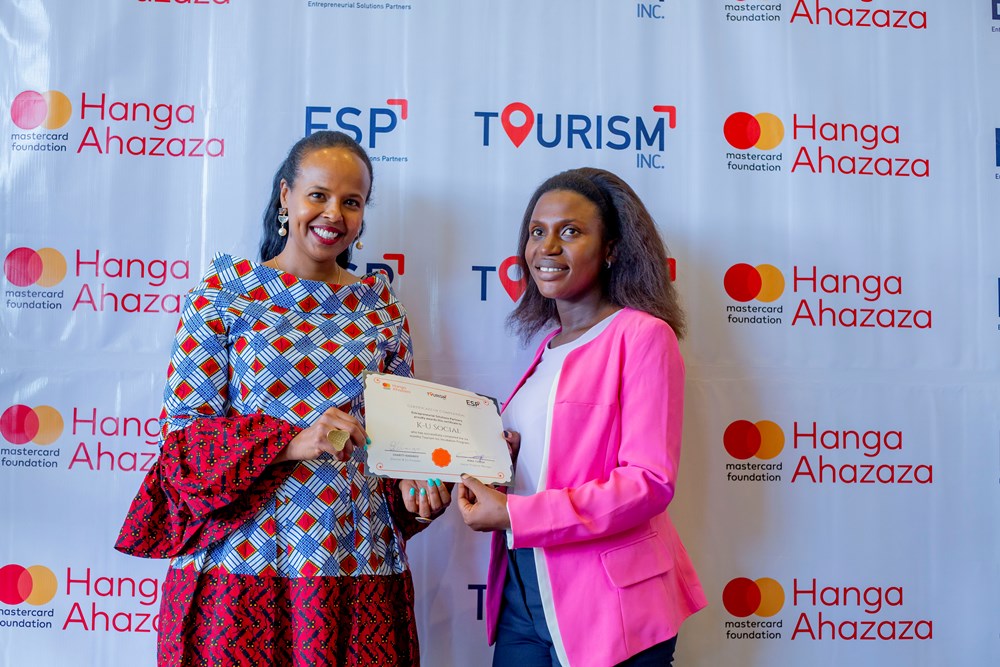
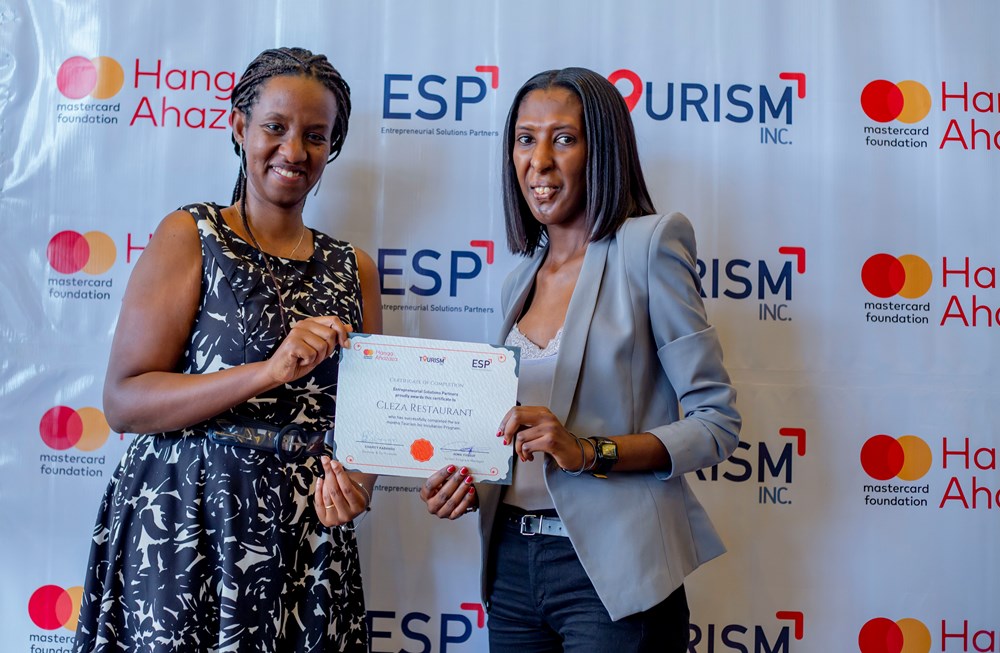
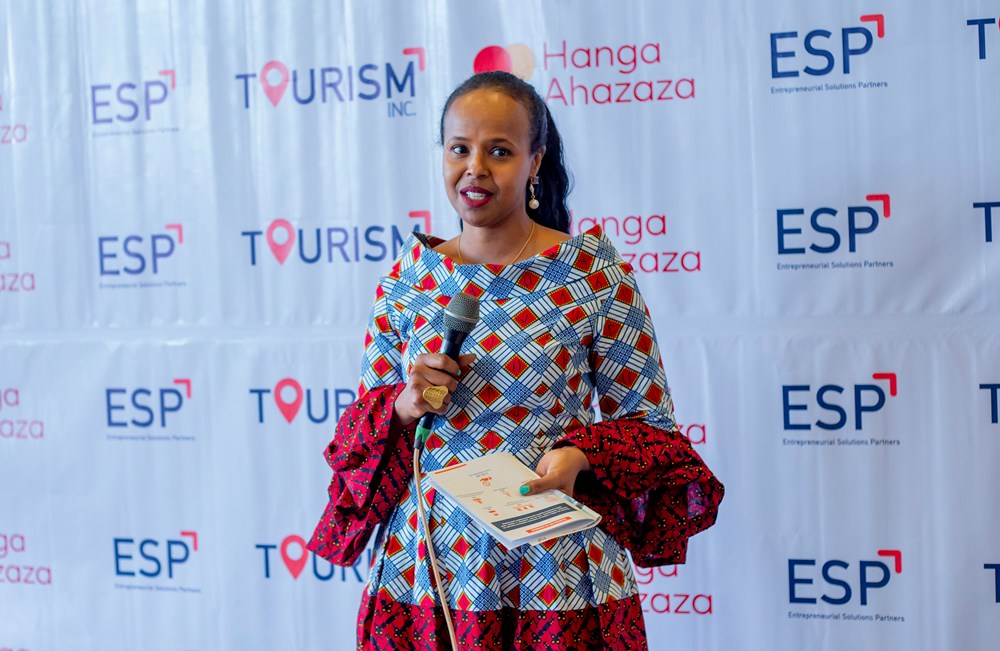
Each of the start-ups walked away with US$10,000 seed funding during a graduation ceremony of 24 entrepreneurs who completed Tourism Inc training program organized by Entrepreneurial Solutions Partners (ESP), a global management consulting firm in partnership with Mastercard Foundation.
Tourism Inc is an incubator for youth-led start-ups in the Tourism and Hospitality sector.
Graduates in the fourth cohort were trained on marketing, human resources management, financial management and benefited from consultancy services among others.
Marie Christelle Ishimwe, the co-owner of a company dubbed Nish making children’s garments is among awardees. She explained that the training helped them to reshape their project and pledged to efficiently utilize received funds.
“I have been excited to emerge among award winners who walked away with US$10,000 each. I will use the funds to market my products and improve the visibility of the company to attract more customers,” he said.
Samuel Karangwa, is another graduate who owns a company dubbed Punda Group Ltd which links mason helpers to engineers.
He revealed that received money will help the company to digitalize operations.
“The award has great significance to our company. It came by surprise because there were 24 participating entrepreneurs all with promising projects. The funds will help us to improve efficiency. We did not integrate technology into our operations before the training. People seeking our services used to be assisted via phone call. We are planning to stick to technology and create an application facilitating people to access our services,” he said.
So far, a total of 110 entrepreneurs of whom 67 percent are women have received training under Tourism Inc since 2019. The have created 168 new jobs.
{{Plan to create 30,000 jobs}}
The Country Head of Mastercard Foundation in Rwanda, Rica Rwigamba has explained that Tourism Inc falls under the organization’s Hanga Ahazaza initiative launched in 2018 to help the youth create 30,000 new jobs by 2023.
“Tourism Inc is among our projects implemented by Entrepreneurial Solutions Partners. The project is only designed to work with entrepreneurs from tourism and hospitality industry. We have been running this program for almost two years. Over 100 have benefitted from the program which will continue supporting them for the next two years,” she said.
Rwigamba revealed that Mastercard Foundation has 13 partners helping the foundation to implement different youth empowerment projects with special attention to girls and women.
The Senior Project Manager at ESP, Nima Yusuf has explained that they expend possible efforts to train as many as possible women where the incubation program has started yielding big.
“Recently, one of our graduates won funding from Google. He was not the first one to receive the funding. Besides, Tourism Inc has opened doors for new opportunities and other connections,” he said.
Apart from funding the incubation program,. Mastercard Foundation also plans to create 30 million jobs by 2030 through ‘Young Africa Works’ initiative.
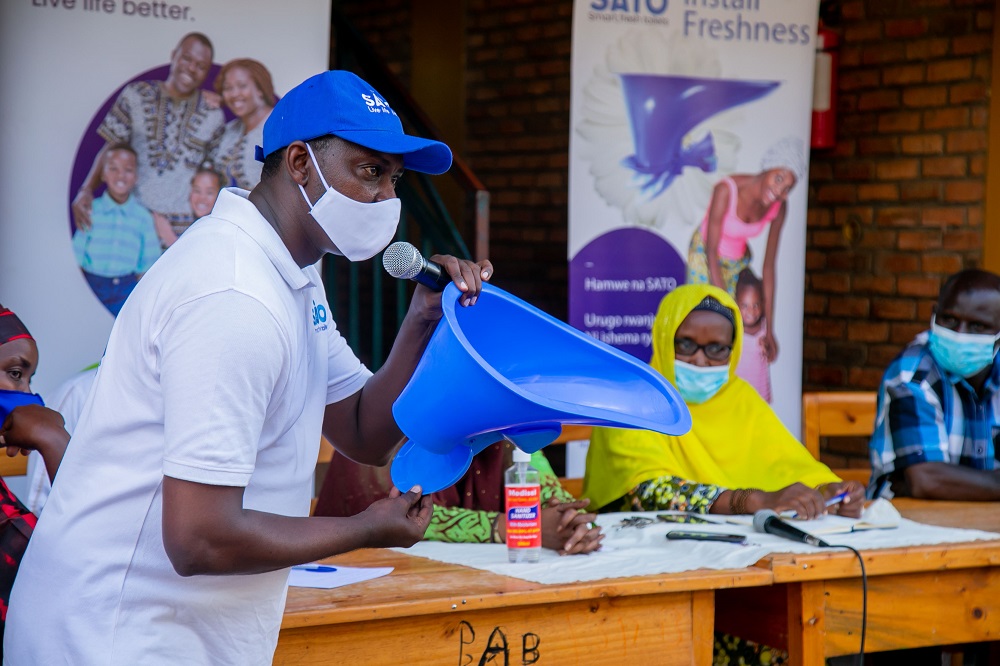
Created in 2012 with the purpose to tackle the global sanitation challenge, SATO is an award-winning social business which aims to empower underserved communities so they can live safer and more confident lives. SATO Toilets offers innovative, aspirational yet affordable sanitation and hygiene solutions for a better toilet experience.
The company’s products have been developed based customers’ needs. They range from SATO toilet and connection systems to SATO taps for hand washing.
SATO’s solutions are associated with durability and are easy to clean and easy to install.
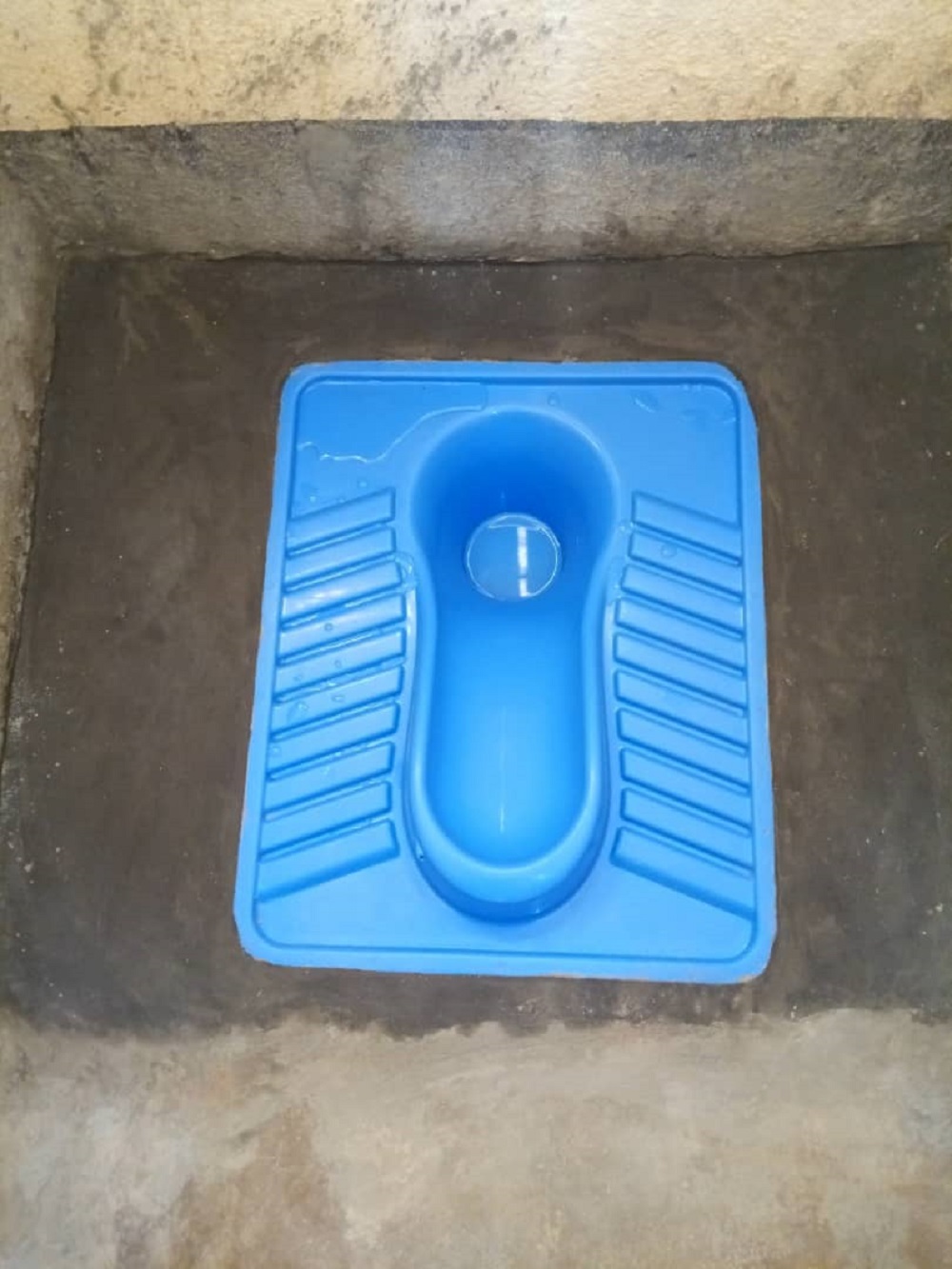
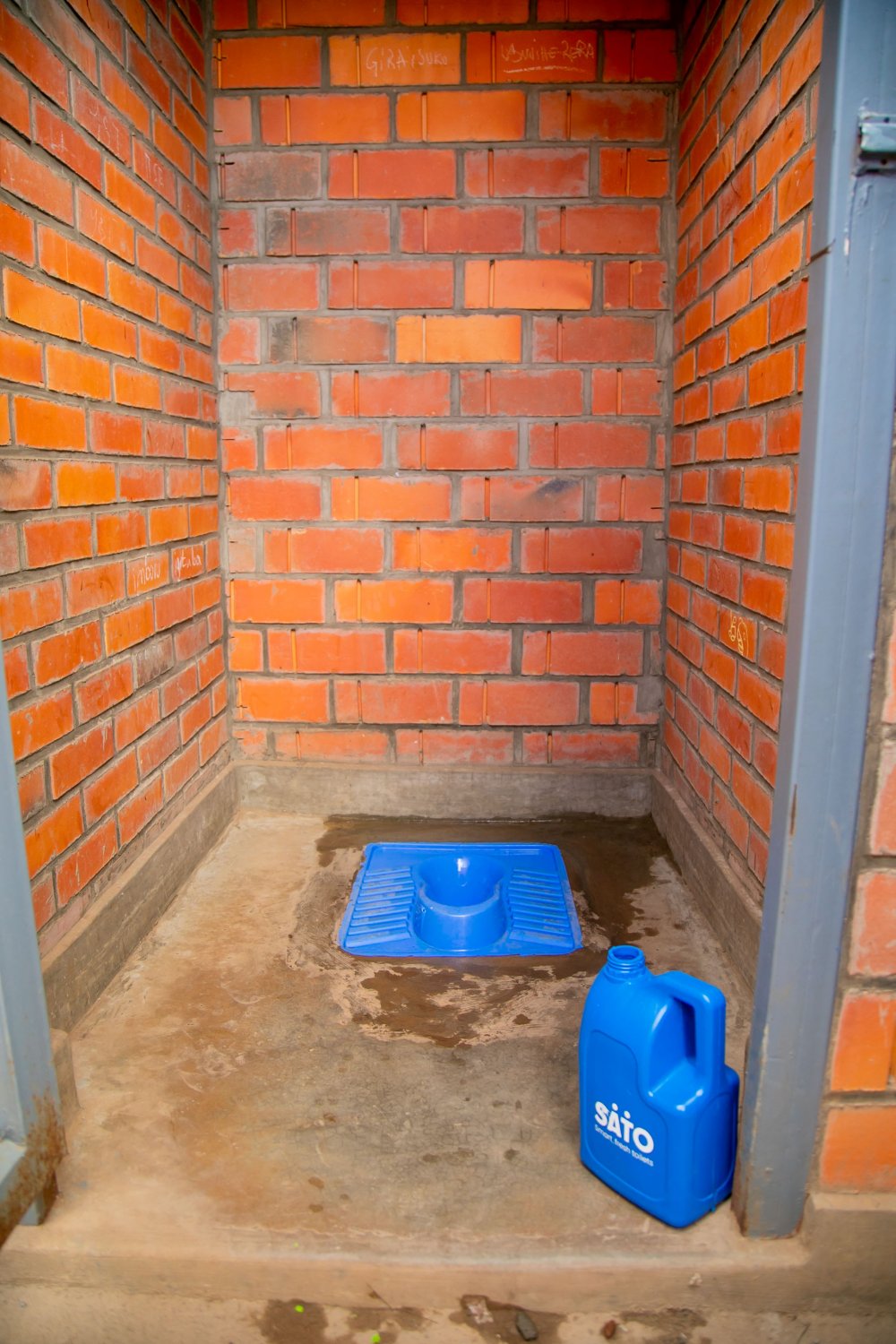
SATO’s toilets are made of plastics and placed directly over pits.
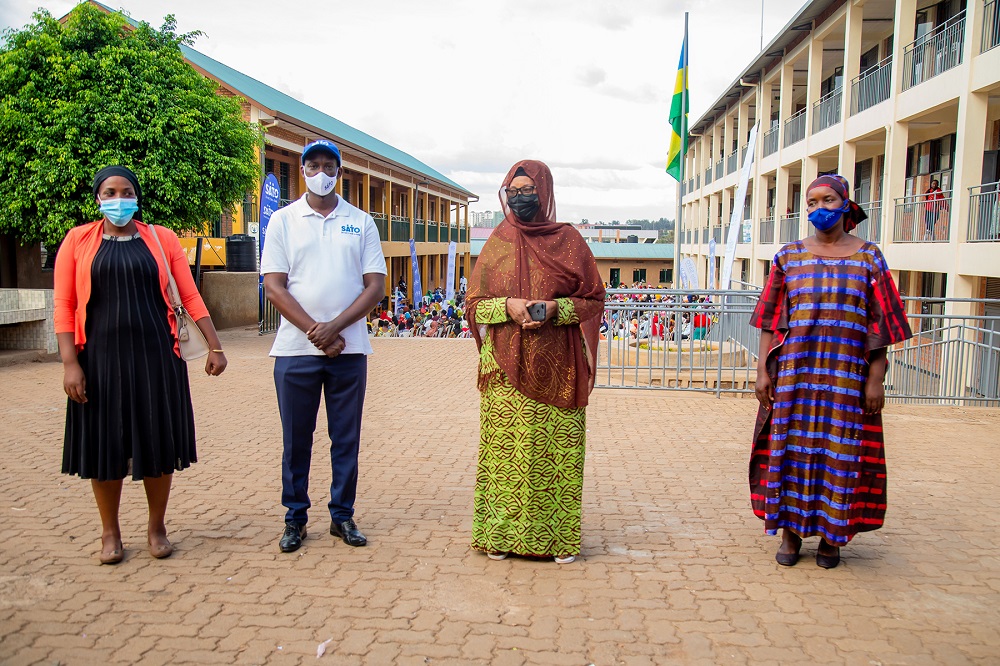
The SATO leader in Rwanda, Cyrus Ntaganira has said that the unique design of SATO toilets allays fears for children using them and help to prevent poor hygiene and sanitation related diseases.
“These toilets will promote hygiene among students and prevent diseases emanating from poor hygiene because they are easy to clean helping to eliminate bad odors and keep away flies. The school accommodates many students some of whom feared to use pit latrines lest they fall in holes. Our toilets are safe for children and user friendly” he said.
Ntaganira explained that the company plans to mobilize every Rwandan household to own SATO toilets to maintain hygiene and prevent diseases resulting from poor sanitation.
Doreen Kobusingye, a student in primary 3 has told IGIHE that hygiene standards have improved since they started using SATO toilets.
“Previously used open pit toilets attracted flies and produced bad odour that using them was not safe. We are however grateful that new toilets upgraded with SATO are always clean enough. It would be better if we could also have similar toilets at home to improve hygiene and sanitation,” she said.
The representative of parents with children at the school, Marie Claire Umumararungu has said that she will mobilize her colleagues to install and own SATO toilets at home.
“Improved Hygiene and sanitation is the source of good health and helps children to concentrate on studies. We are not only thankful that the company has donated these SATO toilets for free, but also we want to make possible efforts to help students maintain hygiene at home by using similar toilets,” she noted.
With footprints in different countries, SATO has been operating in Rwanda since 2017.
It has three types of SATO toilets which all of them have uniqueness of a trap door that automatically opens and closes itself with a water seal mechanism which all eliminates bad smell, Flies and other insects that would spread germs. They are also safe for kids, easy to clean and can be installed at any toilet slab be on mud , wooden or concrete slab which makes SATO a toilet for everyone everywhere.
Another note was on SATO stool which is Much user-friendly for elderly people who have difficulties to squat and are also easy to use by differently abled people.
This year, SATO Rwanda also donated SATO toilets to Gahanga II Primary School located in Gahanga sector, Kicukiro district and GS Remera Catholique.
SATO toilets are affordable and available in hardware shops across the country.
Wholesale businesses can find SATO products at Ecomem Co LTD located in Gisozi-Kigali.
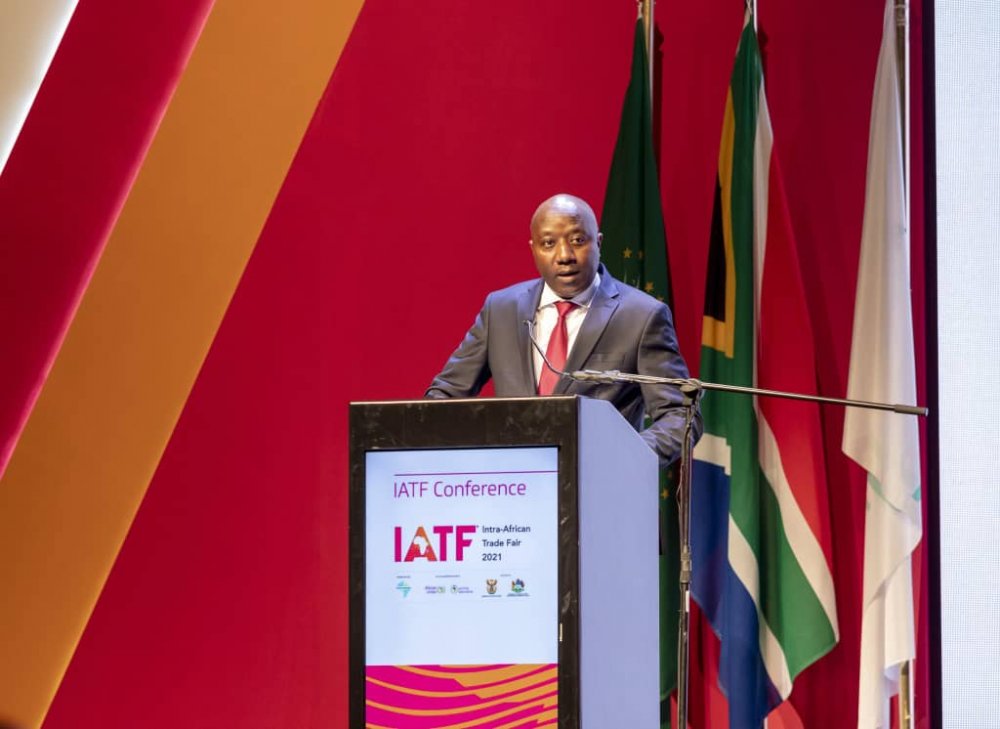
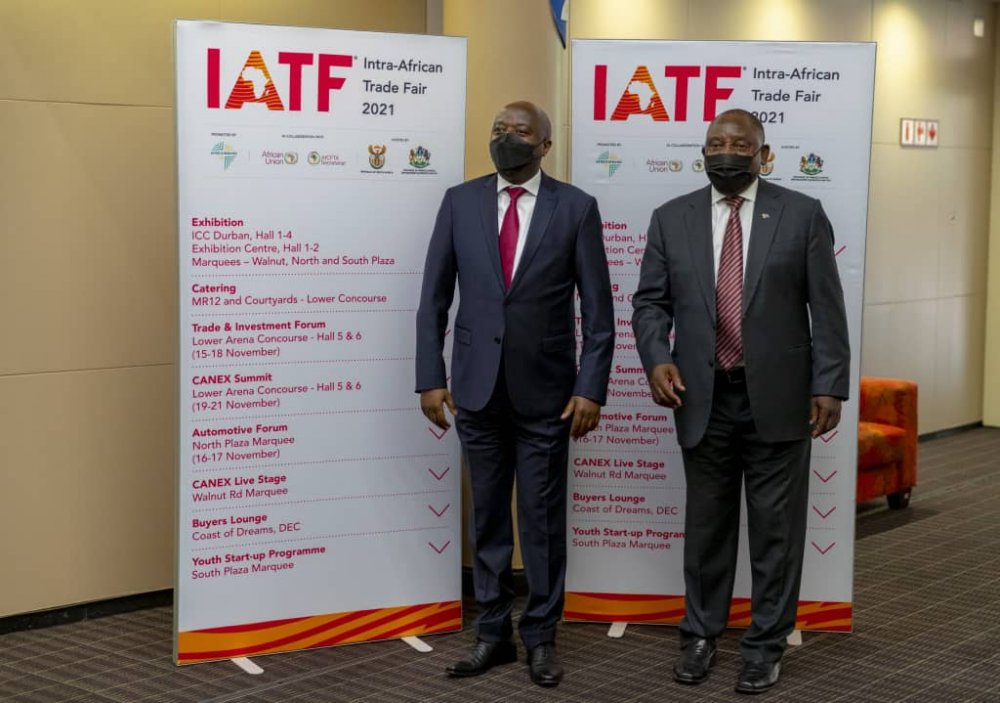
The premier was speaking at the opening of the Intra-African Trade Fair-IATF running from 15th to 21st November 2021 in South Africa.
The trade fair has brought together over 10,000 delegates and more than 1000 exhibitors from across the continent.
The opening ceremony was graced by South African President, Cyril Ramaphosa; former Nigerian President and chairperson of the IATF 2021 Advisory Council, Olusegun Obasanjo and other dignitaries including heads of state an governments.
Held for the second time, the exhibition was organized by Afreximbank, African Union (AU) and African Continental Free Trade Area (AfCFTA) Secretariat.
Minister Ngirente who represented President Paul Kagame at the ceremony said that the exhibition takes place in the right time.
“It comes as a good opportunity to build on successes of the first Intra-Africa Trade Fair, which took place in Egypt in 2018, where African businesses registered trade and investment deals worth over US$ 32 billion,” he said.
One of the key flagship projects of Africa’s Agenda 2063 is the establishment of the African Continental Free Trade Area (AfCFTA) to accelerate intra-African trade and boost Africa’s trading position in the global market place.
The theme of this year’s Trade Fair focuses on a new African Continental Free Trade Agreement (AfCFTA) as a key player to boosting Intra-African trade and investment.
Premier Ngirente stressed that COVID-19 pandemic has further illustrated the value of integration.
“It showed us the fragility of reliance on external supplies, the areas to improve in our systems, and the importance of ensuring that integration is key in our countries’ broader development agendas. Improving economic resilience and growth outcomes during this period will therefore require African countries to deepen their collaboration as embedded in the intra-Africa supply chains,” he said.
Statistics show that Africa’s economy is expected to rebound from a contraction of 2.1% recorded in 2020 to 3.4% growth in 2021 and 4.6% in 2022.
“Despite this projected positive recovery in 2021, other figures indicate that Africa still lags behind other continents. And lowering trade costs for deeper integration of markets is one of the key strategic responses to bridge this gap. Therefore, there has never been a better time for supporting Intra-African trade than today,” said Premier Ngirente.
He explained that Rwanda has expended much effort in different areas which is expected to foster innovation, research, infrastructure development and make the country the best investment destination.
Premier Ngirente said that Rwanda in collaboration with other partners, is in the final stages of establishing a vaccine manufacturing facility to contribute to the fight against COVID-19 and other diseases.
As he arrived in South Africa, he was received by President Ramaphosa.
As he delivered remarks, President Cyril Ramaphosa said that trade is built on a bedrock of investment and stressed the need to find ways of attracting more investment into African economies and encourage African businesses to invest in each other’s countries.
“This is the time for action. As countries let us work with speed to resolve any outstanding issues around the AfCFTA, let those countries who have not already ratified it do so and let us take the necessary steps towards domestication. South Africa stands ready to work closely with all African countries to forge more balanced, equitable and fair trade relations among African nations,” he noted.
Olusegun Obasanjo also said that the Intra-African Trade Fair (IATF) will foster Africa’s 2063 agenda to transform the continent into a global powerhouse.
He also said the trade fair was an opportunity to glamourise the African trade market to attract stakeholders for business investments.
“The IATF is the largest and go-to trade and investment firm of the African continent,” Obasanjo said.
“The trade fair is also one of the key initiatives in support of the implementation of the African Continental Free Trade Area.
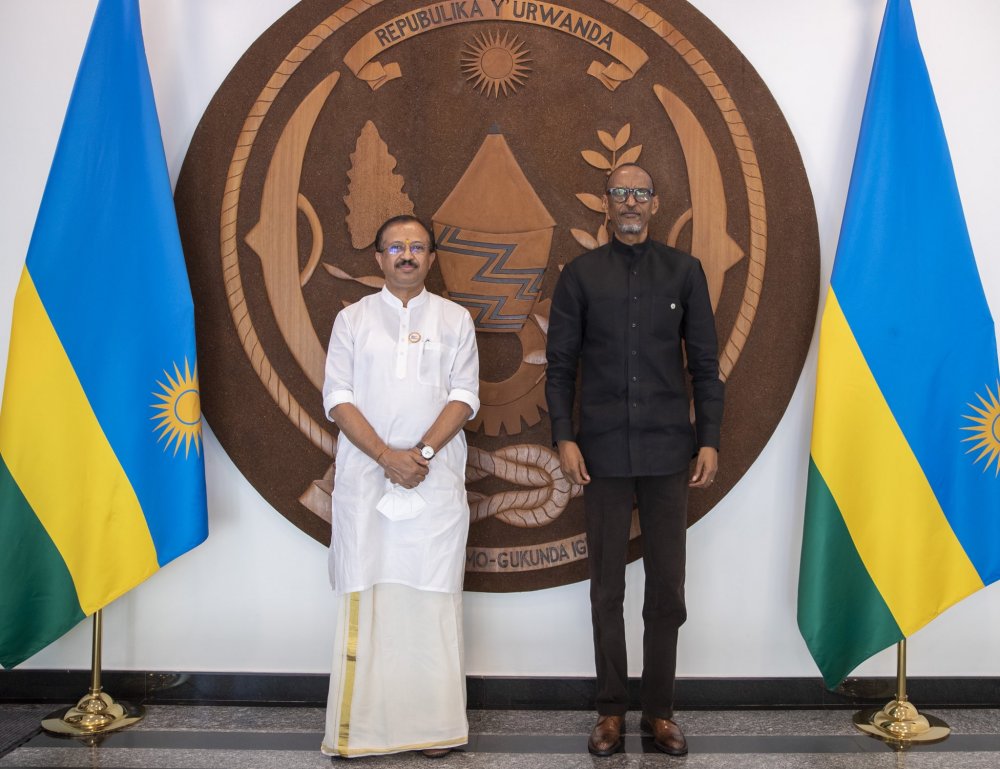
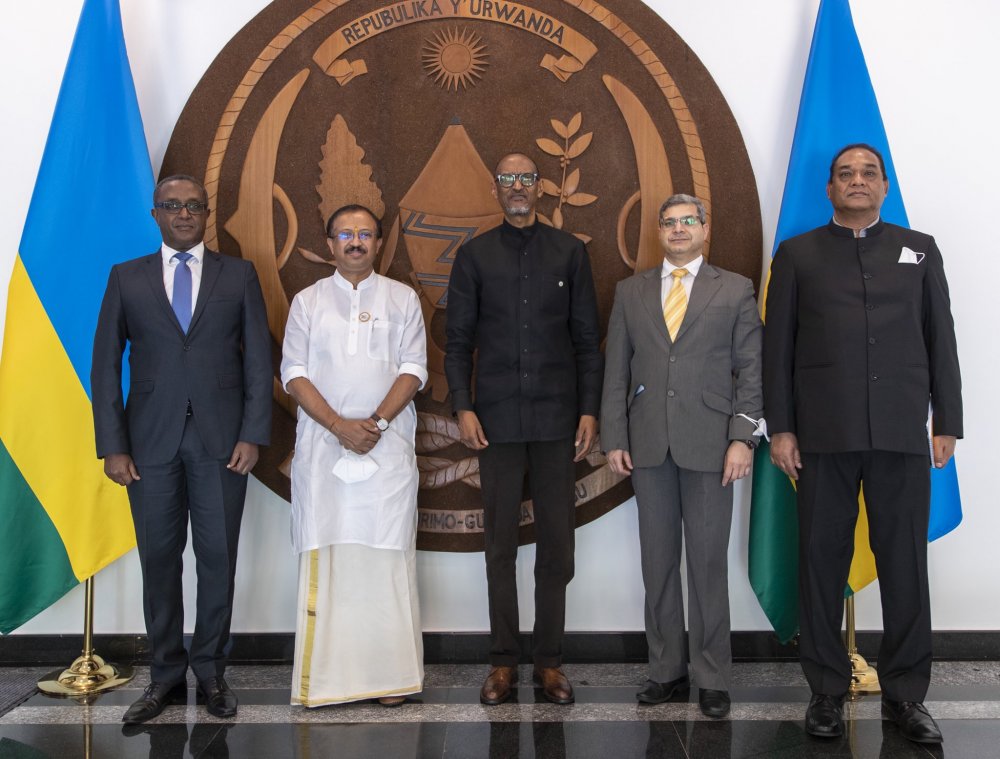
Before meeting with Kagame , Muraleedharan and his delegation held talks with Rwanda’s Minister of Foreign Affairs, Dr. Vincent Biruta aimed at fostering bilateral relations and cooperation.
The two sides committed to take their relations to new heights both at bilateral and multilateral levels.
Rwanda and India enjoy existing cooperation in the areas of agroculture, health and energy.
Connect Rwanda challenge (online campaign) was initially launched by MTN in partnership with the Ministry of ICT and Innovation in December 2019 urging more institutions and individuals to join the race to connect Rwandans.
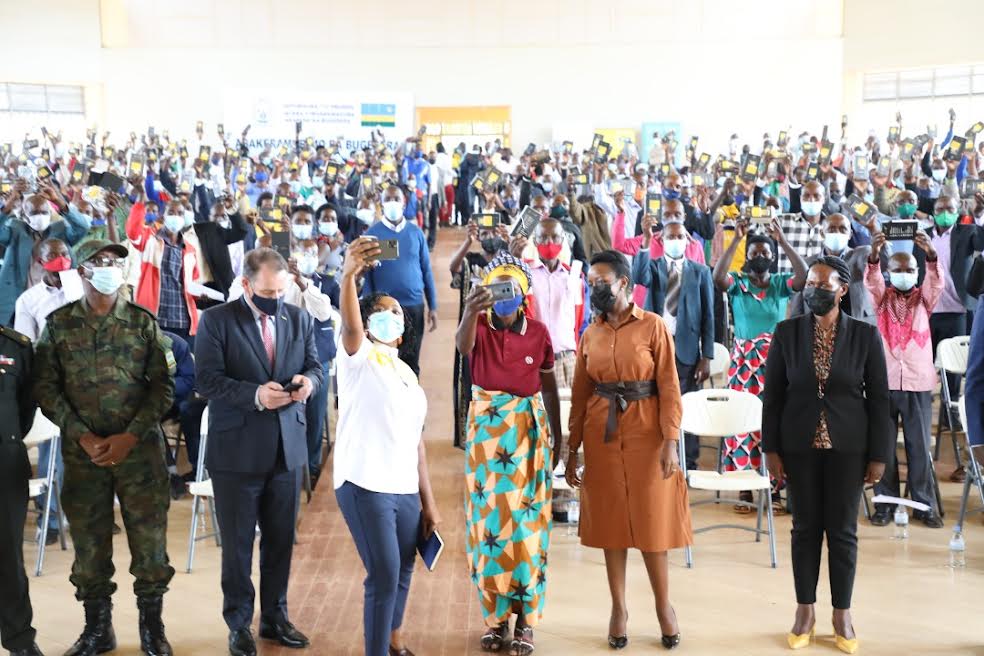
From 15th November to 3rd December 2021, MINICT and MTN Rwanda will be distributing 16,250 smartphones across all thirty districts in the country. one smartphone to one household per village amounting to a total of
This will commence with Gicumbi, Bugesera, Gatsibo, Nyabihu, Ngororero, Gisagara and Huye districts.
During the handover ceremony in Bugesera District, Mitwa Ng’ambi, MTN Rwanda Chief Executive Officer said: “Distributing one smartphone to one household in every village across the country in partnership with MINICT, brings us a step closer to achieving our ambitious goal of closing the digital divide in Rwanda. We are happy to see more pledges coming in, which goes to show that what started out as an idea has now grown into a movement.”
“I would like to thank all our partners that have journeyed with us thus far. We will continue with #ConnectRwanda 2.0, through which we will be collaborating with different players in the ICT sector, financing institutions and other device retailers and distributors to introduce sustainable financing models that will facilitate citizens to acquire smartphones,” said. Paula Ingabire, the Minister of ICT and Innovation.
#ConnectRwanda phase 1 was launched to create awareness across the country regarding the importance of smartphone ownership and curated a pledge program that saw a national multi-industry participation where over 44,000 smartphones were pledged and 24,973 were honoured. Out of these, 7,670 have been distributed to date.
Smartphones are playing a key role in covid-19 response in Rwanda, providing easy access to information of the pandemic, dissemination of directives and Covid-19 guidelines, among others.
Since inception, the program has majorly focused on different segments of the population; the unconnected, female farmers, Persons with disabilities, individuals in category 1 and 2 of ubudehe, and remote dwellers among others.
In Rwanda, smartphone ownership has been majorly hindered by device and internet costs on the local market. Therefore, to enable consumers, devices were powered with internet through working with Telecommunication companies to provide sufficient internet bundles. And #ConnectRwanda 2.0 will focus on sustainable device financing models.
Additionally, to address digital skills gap, the recipients are equipped with basic digital skills to utilize the smart phones and benefit from digital service through the Digital Ambassadors program. This effort also only succeeds with relevant useful content to the citizens, and as such, several Apps relevant to the different target groups such as healthcare workers were identified and pre-loaded on these devices, for efficient service access.
People who would like to contribute to #ConnectRwanda can do so by making a pledge on https://new.connectrwanda.rw/. The pledge can be honoured by physical delivery of smartphones at any of the MTN Rwanda Service Centres listed, or by payment via bank transfer or using MoMoPay code: 100100.
{{About Ministry of ICT and Innovation (MINICT)}}
MINICT’s mission is to address national priorities relating to economic growth and poverty reduction through development and coordination of national policies and programs related to information, technology, communication and innovation as well as citizen’s empowerment.
{{About MTN Rwanda}}
MTN Rwandacell PLC (MTN Rwanda) is the market leader in mobile telecommunications in Rwanda. Since 1998, we have continuously invested in expanding and modernising our footprint and are the country’s No 1 network. MTN Rwanda offers various innovative services to consumers and enterprises, including personalised voice, data, home and fixed connectivity solutions. The company is also the front runner in Mobile Financial Services in Rwanda delivered through its FinTech subsidiary, Mobile Money Rwanda Ltd.
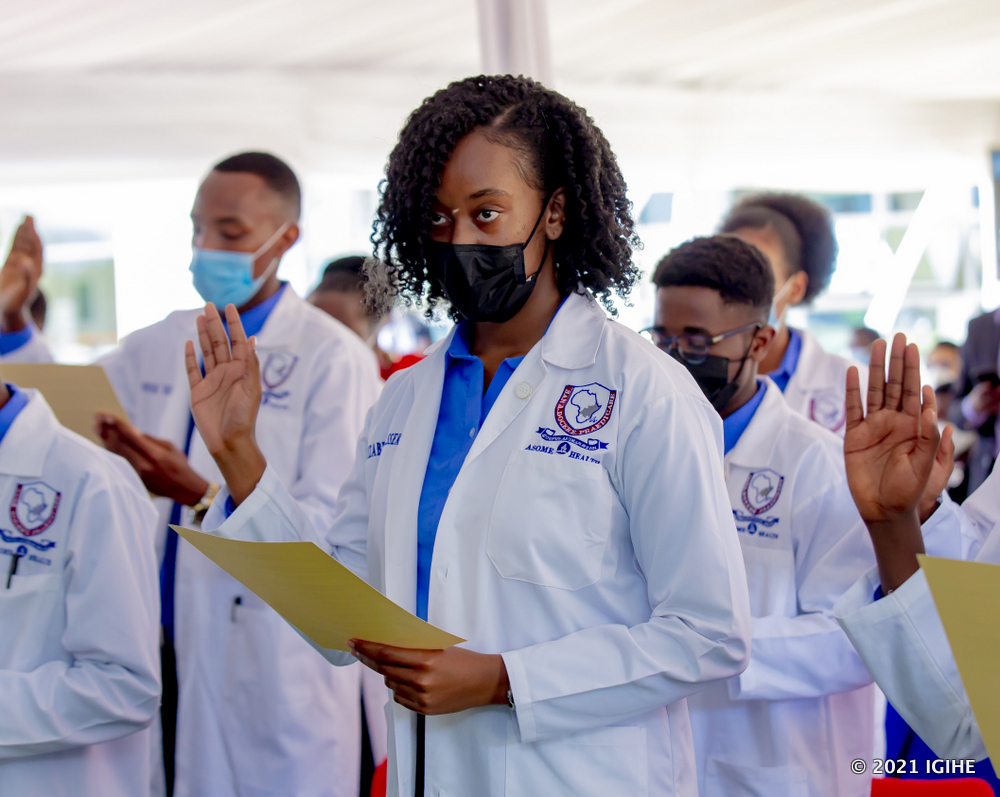
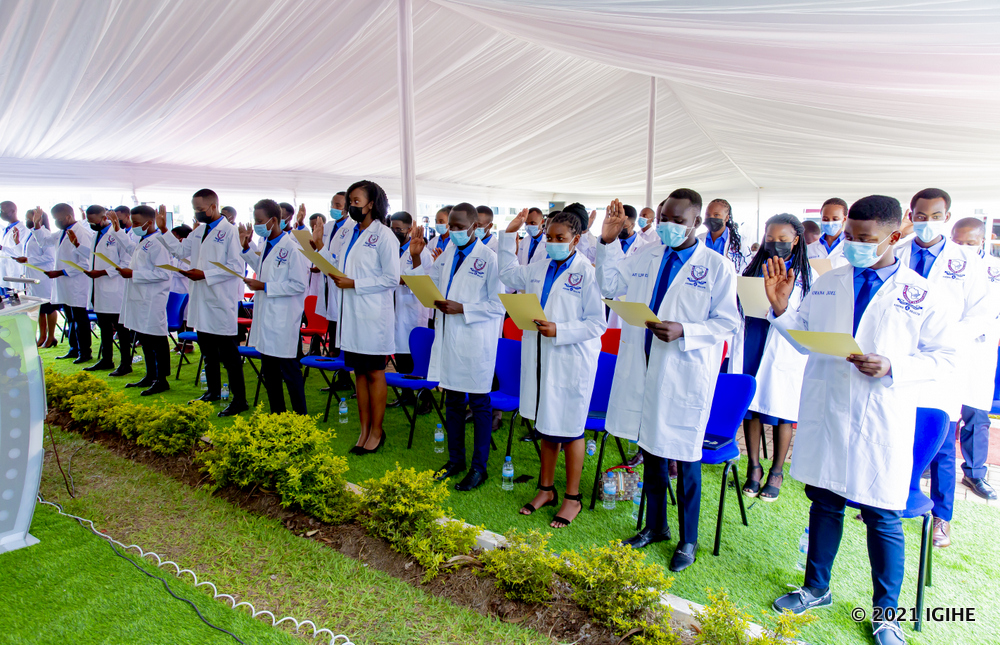
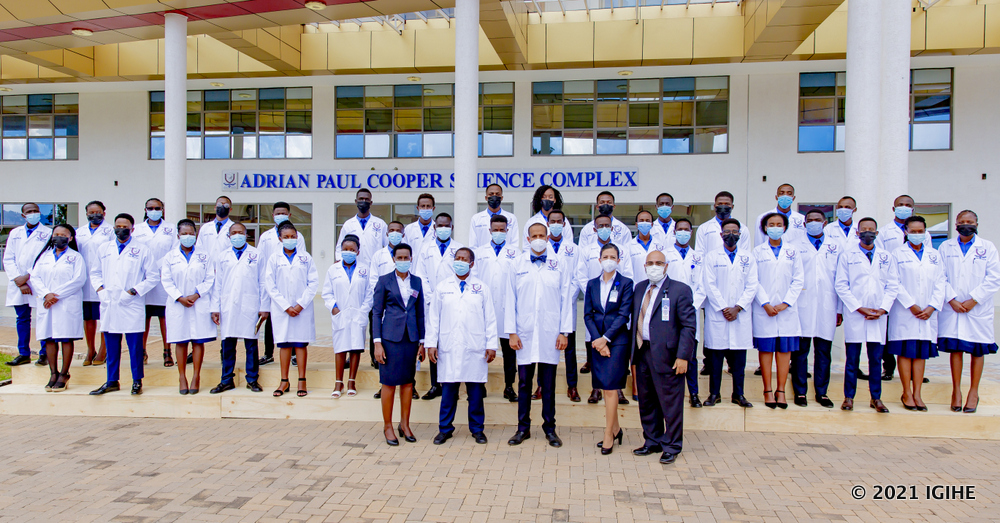
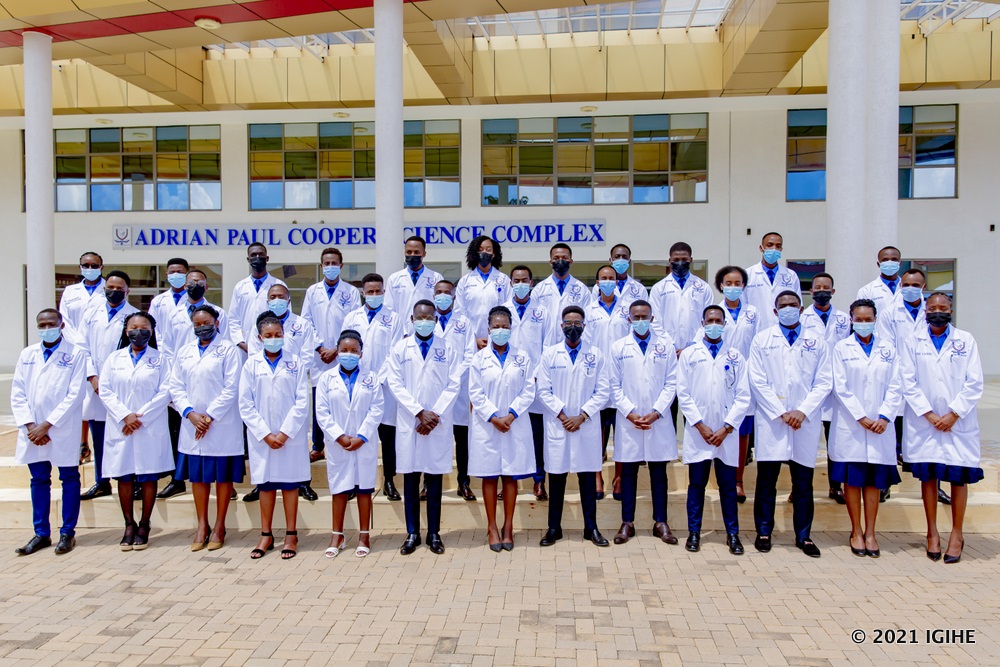
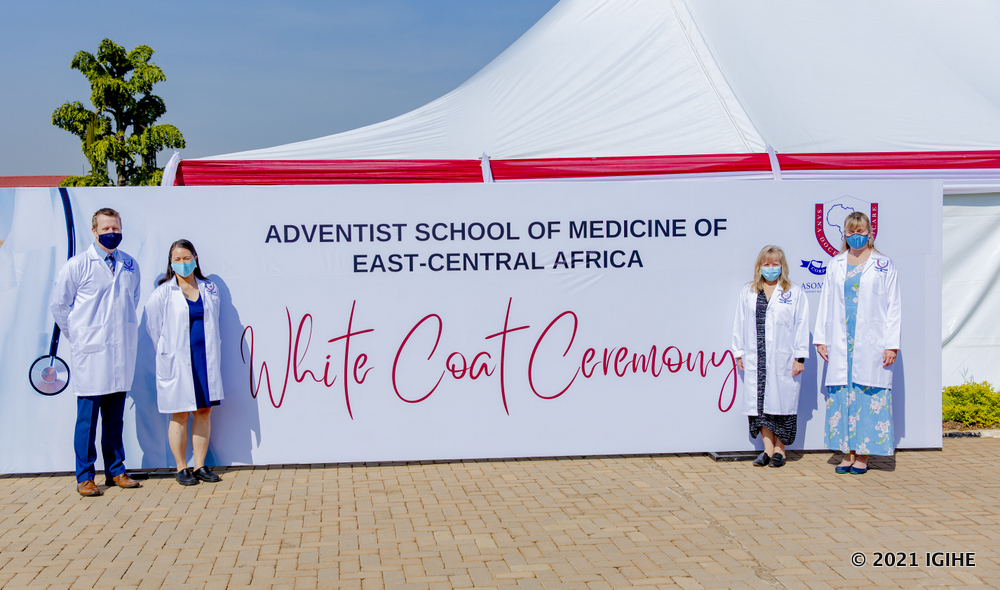
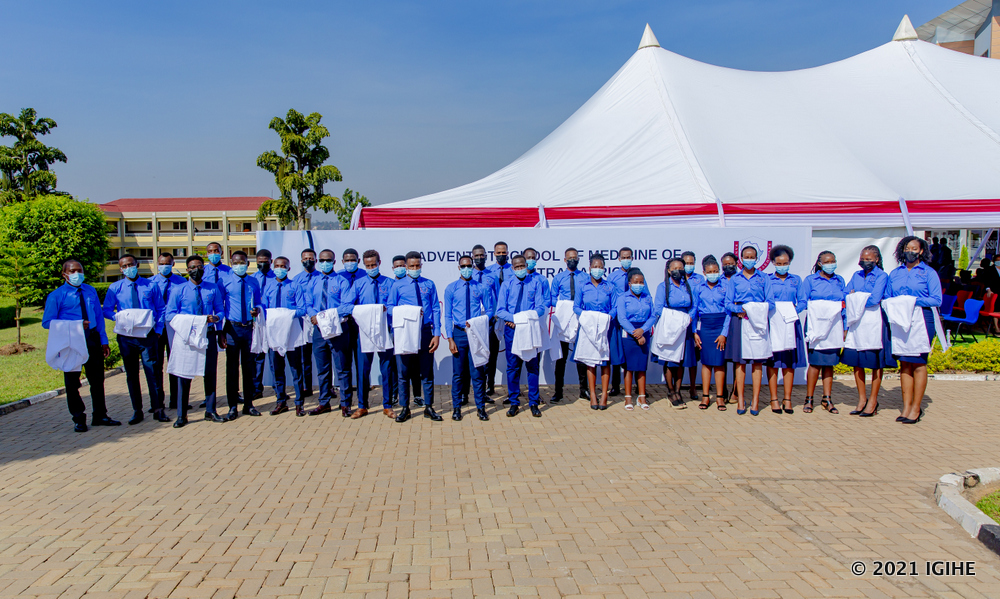
The ‘White Coat Ceremony took place on Friday 12th November 2021 at the school’s headquarters in Masoro, bringing together parents, the management, and other representatives from the health sector.
The ceremony was introduced in 1993 by Arnold P. Gold Foundation mu 1993.
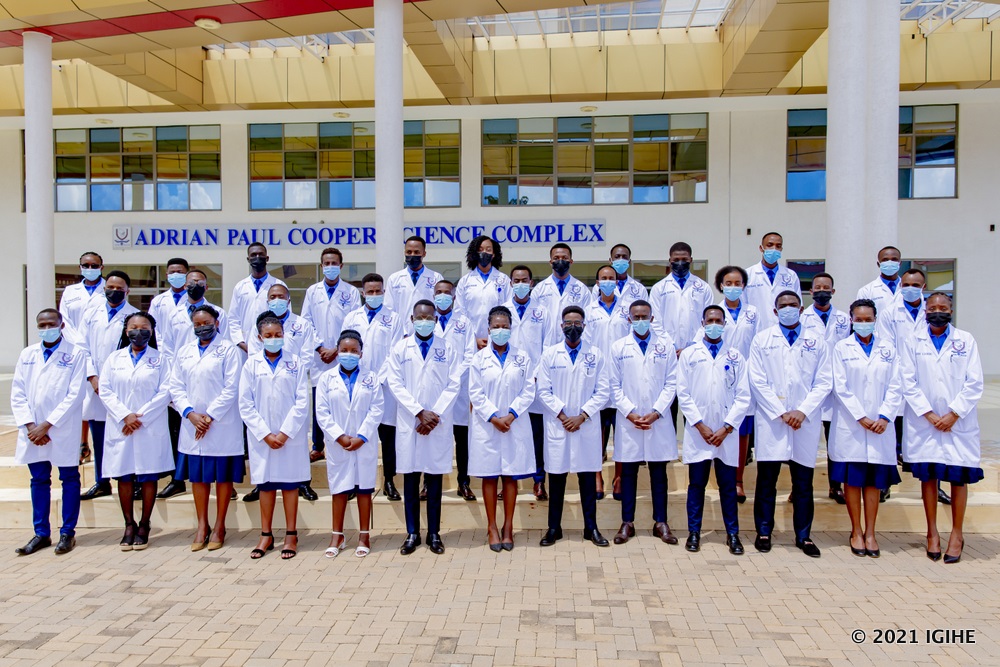
During similar events, students are donned with white coats and take oaths to join the medical profession.
The Chancellor of ASOME, Dr. Blasious Ruguri has urged students to concentrate on their studies and pursue the medical profession as a passion, not primarily for the sake of money.
“This profession is a calling from God. You should work assiduously to save people’s lives, not putting forward the thirst for money. Dressing you in this white coat is a step forward, but it should always remind you to take care of patients,” he said.
Dr. Patrick Ndimubanzi, the Executive Secretary of Rwanda Human Resources for Health, has also requested these students to embrace humility and remain devoted to their profession.
“This serves as the beginning of a new journey that requires patience because you are taking a step further towards becoming doctors. It is not only a job but also a calling. You are soon starting courses. So, you need to be prepared mentally, physically, and stay focused,” he said.
“You are set to learn how to take care of patients, those who are in pain and dying. You will learn to listen to your patients, look at them, examine them, and see them with the new eyes of doctors. When patients see you donned with a white coat, they will expect your assistance. So, take care of them with full attention,” he said.
Students have revealed that the white coat is a testament that their dreams are coming true. they pledged to concentrate on studying to contribute as much as possible to the development health sector.
“I am overwhelmed with joy for being donned with the white coat. I have had great ambitions to become a doctor since my childhood. This step is a great success and steps towards realizing my dreams,” said Orla Akariza Rwiyamirira, Vice President of the Student Association.
Alafi Samuel Jino Pere from Sudan, the president of the Student Association, expressed delight for the milestone, highlighting that it has laid the foundation for his future career.
Parents also expressed gratitude for the quality education students are getting from the school.
“I am honored to have brought my child at this university transferred from Makerere. This day has been special to witness how students are imparted with medical skills combined with Godly values. Their skills and trust in God will help them to save patients’ lives,” said Dr. Magaret Ssekidde from Uganda.
Students who received the white coat are from the 2020-2027 intake.
Launched in 2019, with a base in Kigali, ASOME is designed to become a center of excellence in the region, serving eleven countries, including Rwanda, Kenya, Ethiopia, Tanzania, Uganda, Somalia, Eritrea, South Sudan, Democratic Republic of Congo, and Djibouti.
The program has been ongoing since 2012, following an agreement signed between Rwanda and Israel’s AgroStudies Center and Kinneret Academic College. It is part of a larger program done by Mashav, the Israel’s Agency for International Cooperation, in 25 countries worldwide.
The young graduates sent on Monday 15th November 2021, will be equipped with hands-on skills in different areas including greenhouse farming, aquaculture (fishery), poultry, breeding and production, poultry vaccination and dairy farms.
According to the Ambassador of Israel in Rwanda, Dr. Ron Adam; the program is part of the many Mashav initiatives.
“Capacity building has always been key in our development cooperation around the world. We hope that the hands-on skills that these graduates are going to gain in Israel will benefit them, and Rwanda, by bringing and implementing the modern agricultural practices. They are the future agents of change for the agriculture transformation in Rwanda,” he said.
As it has been the case for the last two years, the Embassy of Israel in Rwanda will strive to work together with the Ministry of Agriculture and Animal Resources and RDB to facilitate the first steps of the alumni, which include facilitating them to form cooperatives and establish small and medium-sized businesses in modern agriculture.
Commenting on the training program, Jean Claude Musabyimana, the Permanent Secretary in the Ministry of Agriculture and Animal Resources said that its benefits are evident.
“We thank the State of Israel for this opportunity given to Rwandan graduates. Over the years, this program has yielded positive results in our agriculture sector. Many of those who attended the training have opened-up businesses here in horticulture and fishing among others. These businesses are playing an important role in increasing the quality of our produce, and hence boosting our agricultural exports,” he affirmed.
Since 2012, more than 1,200 Rwandan graduates have benefitted from this capacity-building program.
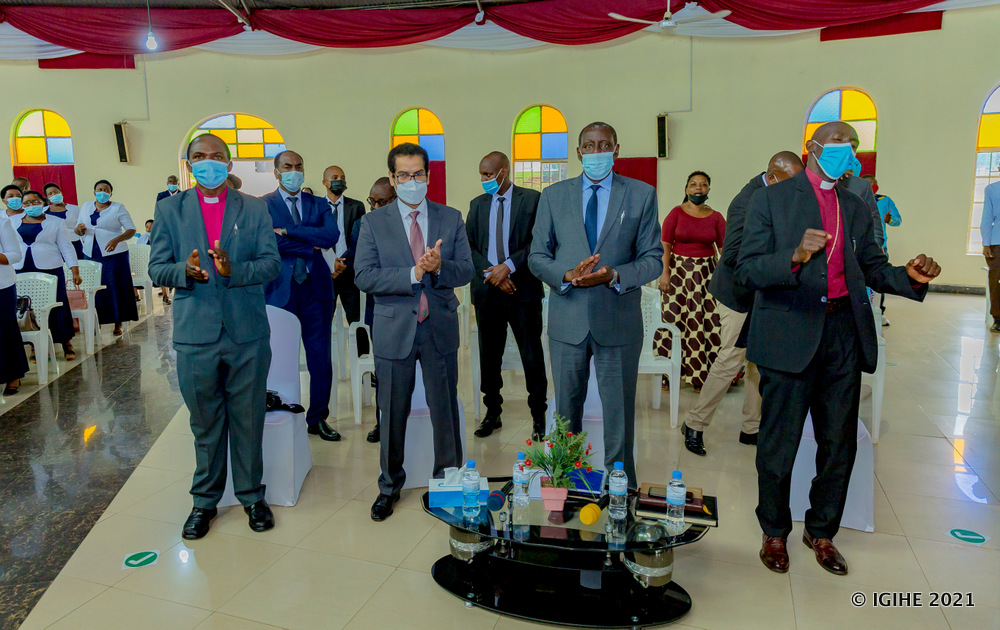
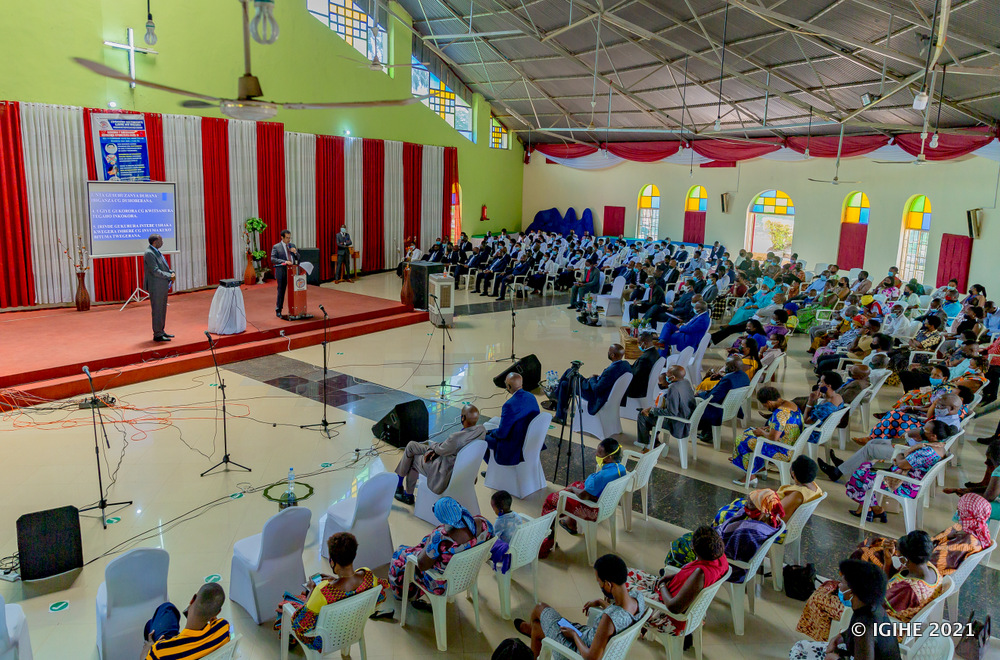
He conveyed the message on Sunday as he attended a Church Service at the Free Methodist Cathedral in Kigali.
As he addressed congregants, the ambassador highlighted that religious diversity should not spark misunderstandings but rather a bridge uniting people to live in harmony.
He referred to his country’s case where it accommodates over 200 nationalities living in harmony and co-existence with every major religious denomination represented.
Despite the fact that Islam dominates in his country, AlQahtani explained that other religious denominations are granted freedom they deserve noting that such culture should spread across the world.
He also reminisced on the historical visit of Pope Francis on February 4th, 2019 to Abu Dhabi, the capital of UAE becoming the first pontiff ever to visit the Arabian Peninsula.
The ambassador highlighted that it is a great milestone to overcoming barriers hindering co-existence and striving for a peaceful world.
During his momentous visit, Pope Francis met with the Grand Imam Sheikh of al-Azhar Dr. Ahmed al-Tayyib. The two religious leaders signed the Document on Human Fraternity for World Peace and Living Together at the Founder’s Memorial in Abu Dhabi.
The Document of Human Fraternity calls for an end to the use of religion as justification for war, violence and harm and opposes extremism in all forms.
This historic document presents a series of guidelines which denounce violence in the name of religion and urge the adoption of a culture of dialogue and mutual cooperation as a code of conduct and reciprocal understanding.
Amb. AlQahtani said that the Abrahamic religions including; Judaism, Christianity and Islam are united by the belief in one God and all three share in a history connected to the patriarch Abraham.
He stressed the need to promote dialogue and shared his country’s efforts to support the cause.
Amb. AlQahtani revealed that UAE has proposed a dedicated space for inter-faith dialogue.
“The UAE unveiled plans for the Abrahamic House of Fraternity on September 20th 2019 in New York alongside the UN General Assembly. The Abrahamic Family House will be an interfaith complex currently in development in Abu Dhabi, a representation of the Document of Human Fraternity which will feature a church, a mosque, a synagogue and a secular welcome center on one shared site. Currently, in development, the project’s anticipated completion date has been set for the year 2022,” he said.
Amb. AlQahtani further revealed that the Abrahamic House of Fraternity, each of the three houses of faith, a mosque, a church and a synagogue, will stand at the same height to symbolize equality. The design will highlight the often overlooked similarities between the three faiths and their corresponding architectural traditions.
It will act as a place for religious worship as well as a space for exhibitions, programs, conferences and inter-faith dialogue initiatives.
The aim is to be in support of global and regional stability, increased collaborative opportunities of all kinds, expanded economic prosperity, strengthened international relations, and countering violent extremism in all forms, promoting cross-cultural education and promoting peace.
Pastor Benjamin Kayumba heading the Free Methodist Cathedral commended the ambassador’s visit considering it a great step towards uniting people from diverse religious denominations. He also called on Christians to live in harmony with members of the society irrespective of their differences.
In November last year, the ambassador also attended church service led by Cardinal Antoine Kambanda at Regina Pacis Parish where he called for peaceful co-existence.