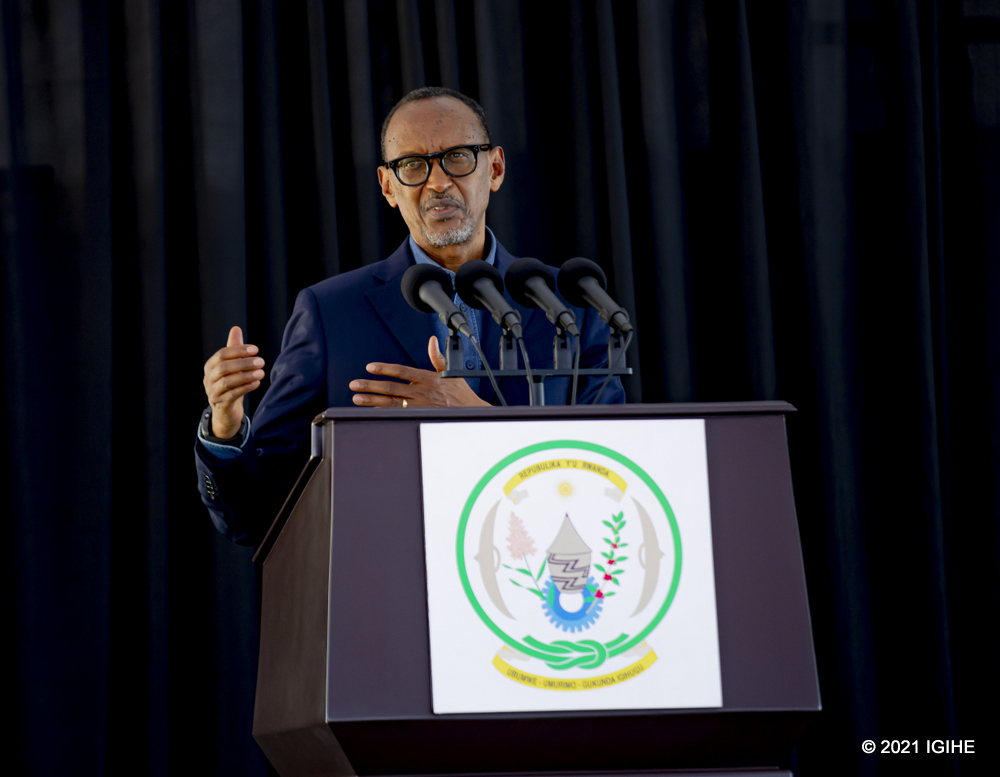
Kagame was addressing newly elected local government leaders during the closing ceremony of their one-week induction at Police Training School (PTS) in Gishari, Rwamagana district.
The President reminded the local leaders on important responsibilities that await them highlighting that they are not only for leaders at the central levels but also leaders at all levels from the top to the bottom of the country’s leadership.
He said that their duties should be exercised with vigilance to ensure whatever they do helps Rwanda to move forward in development and urged them to walk the talk.
“Our commitments cannot just be in words. Our aim is for our actions to always reflect our promises. Our goal should be to do what moves our country forward towards the Rwanda we want,” he advised.
The President stressed that the induction training was important for local leaders to reflect on the road ahead, discuss the lessons learnt from past mistakes, and re-commit to putting more efforts in solving the challenges that the country faces.
He further reminded leaders of attributes that should characterize them on duty.
“You are gathered here, not to represent your own interests as individuals, but because you represent the citizens who elected you. Leadership is not about us as individuals, it goes beyond that, it’s about the people we lead. You are entrusted with the important responsibility of representing and working to uplift the lives of those who elected you,” Kagame said.
“You will be doing things as an individual, but you should always bear in mind that you are doing it in the name of Rwandans who put their trust in you,” he added.
The Head of State said that leaders who think about themselves only are the reason some countries end up lagging behind on their development journey highlighting that ‘putting citizens first in everything you do makes a huge difference’.
“When leaders don’t talk to and complement each other, they cannot achieve anything. Leaders’ achievements reflect their way of working. When there are no results or limited results, it means that there were not enough efforts invested,” he said.
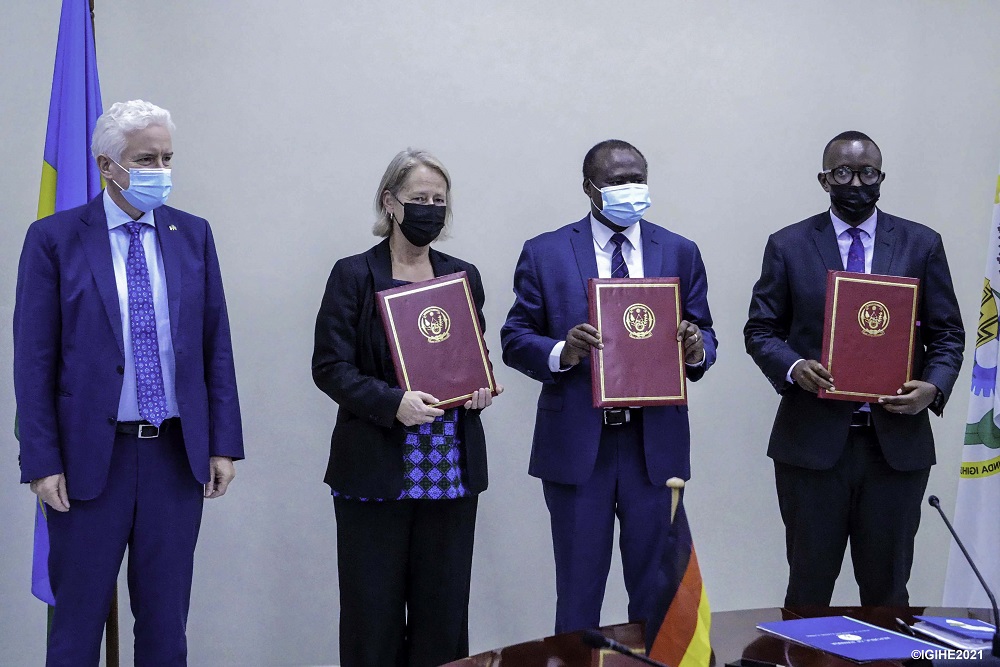
The signing of the agreements is a result of the successful inter-governmental negotiations between the two Countries that were concluded in November last year.
A sector budget support for Social Protection of € 36.0 million will support the Government of Rwanda in the implementation of significant sector reforms around Rwanda’s Vision Umurenge Program (VUP).
The program aims at improving the coverage and effectiveness of Rwanda’s social protection system through expansion of VUP Programme and to respond to the Covid-19 pandemic effects on Rwanda’s population.
Additionally, support to Small and Medium-sized Enterprises through a COVID 19 Emergency Program at BRD was also agreed upon. Rwandan SMEs in the exporting sector will benefit from additional € 8.66 million in the Export Growth Fund managed by BRD. Germany had previously supported the fund with € 13.5 million.
Speaking after the signing event, Minister Ndagijimana said: “Protecting and supporting vulnerable households and small and medium enterprises overcome the impact of COVID-19 especially on their livelihoods is critical for an inclusive economic recovery. This support will complement Government efforts to ensure that as the economy turns around, no one is left behind.”
The German Ambassador Dr. Thomas Kurz highlighted the strong commitment and successful management by the Rwandan government to address the pandemic. He expressed his appreciation for the cooperation projects to move towards implementation, operationalizing German support to COVID-response and the Rwandan development agenda as a whole.
The Regional Manager of KfW, Ms. Bettina Tewinkel, highlighted the immediate and efficient response of the Rwandan Government to the current pandemic. KfW continues to work hand in hand with the Rwandan partners in the social and economic recovery.
In addition to these contracts related to commitments from the 2020 intergovernmental negotiations, two further agreements for) an ICT Facility at RISA (€ 12.5 million) and b) an additional phase of the Public Financial Management Basket Fund at MINECOFIN (€ 4.0 million) were also signed between MINECOFIN and KfW.
The German delegation and Rwandan partners will continue the intergovernmental consultations with meetings on climate action, governance and decentralization and sustainable economic development including site visits in Kigali and Gicumbi this week.
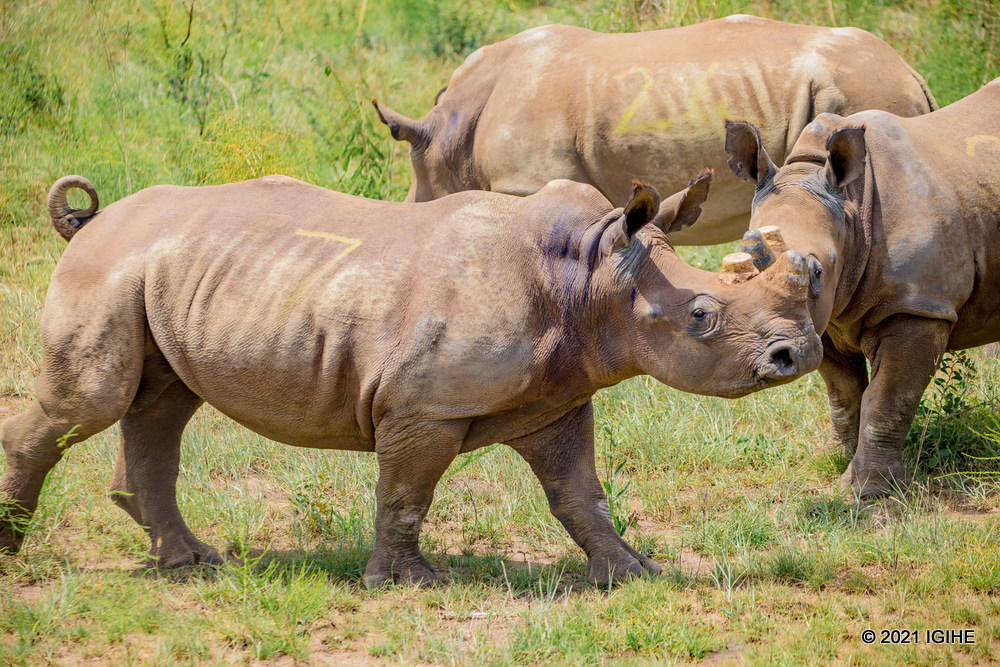
This historic initiative aims to extend the white rhino range and create a secure new breeding stronghold in Rwanda, supporting population growth to ensure the long-term survival of the species in the wild as high-levels of poaching continue to exert unsustainable pressure on current populations. The translocation will also help to enhance Akagera’s contribution to Rwanda’s wildlife economy, ensuring that the conservation of their outstanding natural landscapes generates long-term benefits for local communities and all Rwandans.
Ariella Kageruka, RDB Acting Chief Tourism Officer has said that the translocation is an opportunity for Rwanda to substantially advance its contribution to rhino conservation, with Akagera poised to become a globally important sanctuary for black and now white rhinoceros.
“This is timely for the conservation of these incredibly threatened species. We’re extremely proud of our conservation partnerships and our national parks, which are playing a pivotal role in meeting biodiversity targets and in driving sustainable, transformative, equitable socio-economic growth,” she noted.
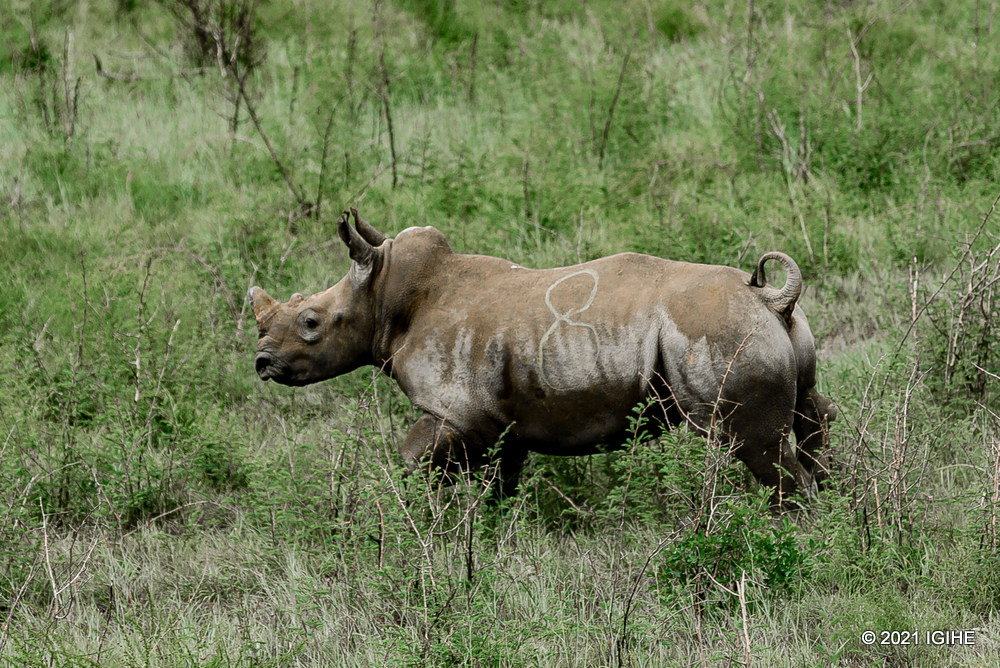
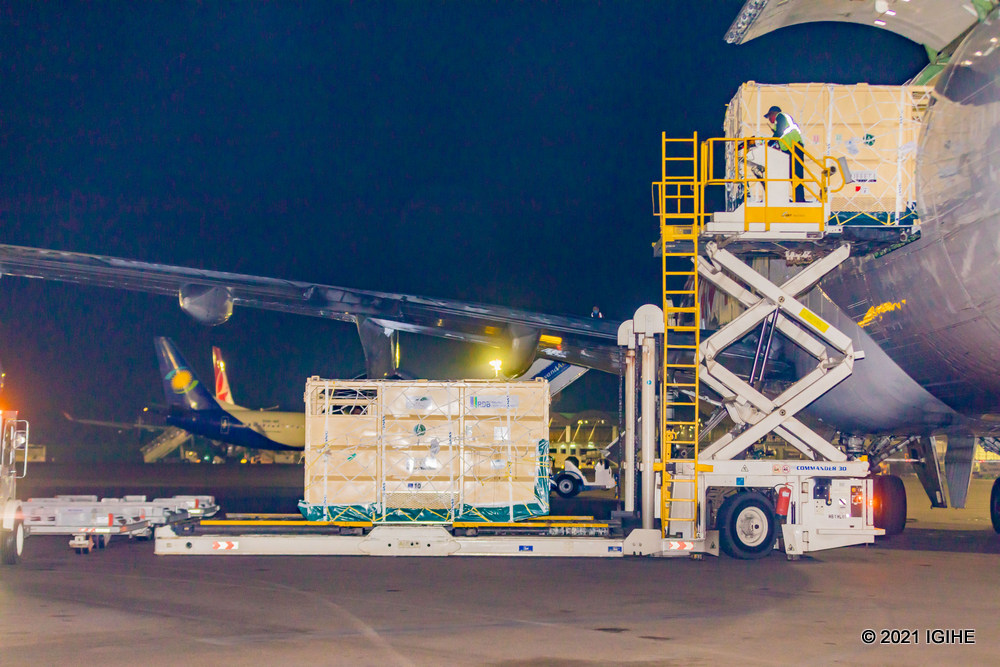
Sourced from andBeyond Phinda Private Game Reserve, set within the Mun-Ya-Wana Conservancy in South Africa, 30 rhinos were flown to Rwanda and transported to Akagera National Park on November 27th.
Their journey covered a total distance of over 3,400 kilometers and forms the largest single rhino translocation in history. The rhinos will be monitored daily in Akagera by a dedicated team and a specialist veterinarian who will be overseeing their acclimation.
“Introductions to safe, intact wild landscapes are vital for the future of vulnerable species like white rhino, which are under considerable human-induced pressures,” said African Parks’ CEO Peter Fearnhead.
“We’re grateful to our partners for making this historic translocation possible – the Rwandan Government for their forward-thinking conservation leadership, and the Howard G. Buffett Foundation and andBeyond for their integral support. Successes in parks like Akagera in Rwanda and Phinda in South Africa demonstrate how preventing the decline of nature propels prosperity and development,” she added.
White rhinos are classified as near threatened with numbers declining across existing strongholds, largely due to poaching driven by demand for their horns. The introduction of southern white rhinos to Akagera expands their range to offer more safe area for the species. The successful conservation management of Phinda in South Africa makes the reserve a valuable source for important new rhino subpopulations.
“We have meticulously managed and grown the rhino population at Phinda over 30 years,” says Simon Naylor, andBeyond Phinda Conservation Manager.
“This has been recognized in many ways, including being selected as the first private reserve to receive animals as part of the WWF Black Rhino Range Expansion Project in 2004. We are dedicated to ensuring the survival of the species throughout Africa and are proud to have provided healthy rhino, as well as volunteered our translocation skills, to help boost the creation of a new breeding cluster in Akagera.”
In 2010, the Rwanda Development Board and African Parks partnered to manage Akagera, transforming the park into one of the most coveted wildlife destinations in Africa and a sustainable revenue source for the region’s communities.
Law enforcement was overhauled and robust community programs put in place, allowing for wildlife to increase and for key reintroductions to occur, such as lions in 2015 and black rhinos in 2017 and 2019. To ensure that this new population of white rhinos also flourishes, each rhino has been fitted with a transmitter to enable constant monitoring by dedicated tracking teams; a canine anti-poaching unit and helicopter surveillance are also in place to provide further support for their long-term protection.
“Our Foundation is pleased to continue to invest in Akagera’s remarkable transformation into a critical national park for Rwanda and an example of responsible conservation for the African continent and the world. While our funding is an important contributor to that success story, none of this would be possible without the leadership of the Government of Rwanda and the dedicated efforts of African Parks,” said Howard G. Buffett, Chairman and CEO of the Howard G. Buffett Foundation.
“It was deeply personal for me to support the first black rhino reintroduction to Akagera in 2017 and it’s incredible that we have the opportunity to support this historic translocation today. Akagera is now positioned to become a key rhino stronghold for the continent, demonstrating what is possible in conservation when public and private partners collaborate.”
{{About the Rwanda Development Board}}
The Rwanda Development Board (RDB) is a government agency in Rwanda with a vision to transform Rwanda into a dynamic global hub for business, investment, and innovation. Its mission is to fast-track economic development in Rwanda by enabling private sector growth. For more information visit www.rdb.rw
About African Parks: African Parks is a non-profit conservation organisation that takes on the complete responsibility for the rehabilitation and long-term management of national parks in partnership with governments and local communities. African Parks manages 19 national parks and protected areas in 11 countries covering over 14.7 million hectares in Angola, Benin, Central African Republic, Chad, the Democratic Republic of Congo, the Republic of Congo, Malawi, Mozambique, Rwanda, Zambia and Zimbabwe. For more information visit www.africanparks.org, Twitter, Instagram and Facebook
{{About andBeyond}}
andBeyond designs personalised high-end tours in 13 countries in Africa, five in Asia and four in South America, offering discerning travellers a rare and exclusive experience of the world as it should be. We own and operate 29 extraordinary lodges and camps in iconic safari, scenic and island destinations in Africa and South America. This enables us to positively impact more than 9 million acres of wildlife land and 3 000 kilometres of coastline. Established in 1991, andBeyond strives to leave our world a better place than we found it through our care of the land, wildlife and people, and the delivery of extraordinary guest experiences. For more information visit andBeyond.com, Twitter, Instagram and Facebook.
{{About the Howard G. Buffett Foundation}}
The Howard G. Buffett Foundation seeks to catalyse transformational change, particularly for the world’s most impoverished and marginalised populations. The Foundation views its resources as rare risk capital that can improve conditions and create change in the most difficult circumstances and geographies. The Foundation has been partnering with the Republic of Rwanda to make nearly USD$430 million in philanthropic investments to address food security, mitigate conflict, and support conservation since 1999. For more information visit www.thehowardgbuffettfoundation.org/
The incident took place on Sunday 28th November 2021 in Sunzu village, Nkenke cell of Kinoni sector in Burera district, Northern Province.
Before they went to swim, the three students were along with colleagues at a nearby football pitch where their school participated in inter-schools’ football competition.
The executive secretary of Kinoni sector, Marie Nyirasafari has said that their bodies have been retrieved and taken to Ruhengeri Hospital for postmortem.
He appealed on residents to avoid swimming in the lake noting as more people have drowned in it due to its structure.
“We want schools to alert local leaders and security officials in case they are organizing similar events to prevent such incidences,” he said.
The deceased include a 18-year old male student from Musanze district who was studying Construction in senior four, 21-year old girl hailing from Rubavu district who studied in senior six, the same option and another young man aged 19 from Nyabihu who was studying Tourism in senior five.
IGIHE has learnt, by press time, that the head teacher and prefect of discipline who had escorted students to the match have been arrested.
Their strengthened partnership will promote social inclusion and improve economic outcomes for human development contributing to the socio-economic transformation of Rwanda.
The partnership will strive to achieve the SDGs in Rwanda through a public private partnership for achieving the SDGs and supporting Rwanda’s transition as an emerging Middle-Income Country. It will harness innovative partnerships, investments, and financing to accelerate the SDGs for poverty alleviation, and minimizing reliance on aid for transformation of the lives and livelihoods of the Rwandan people.
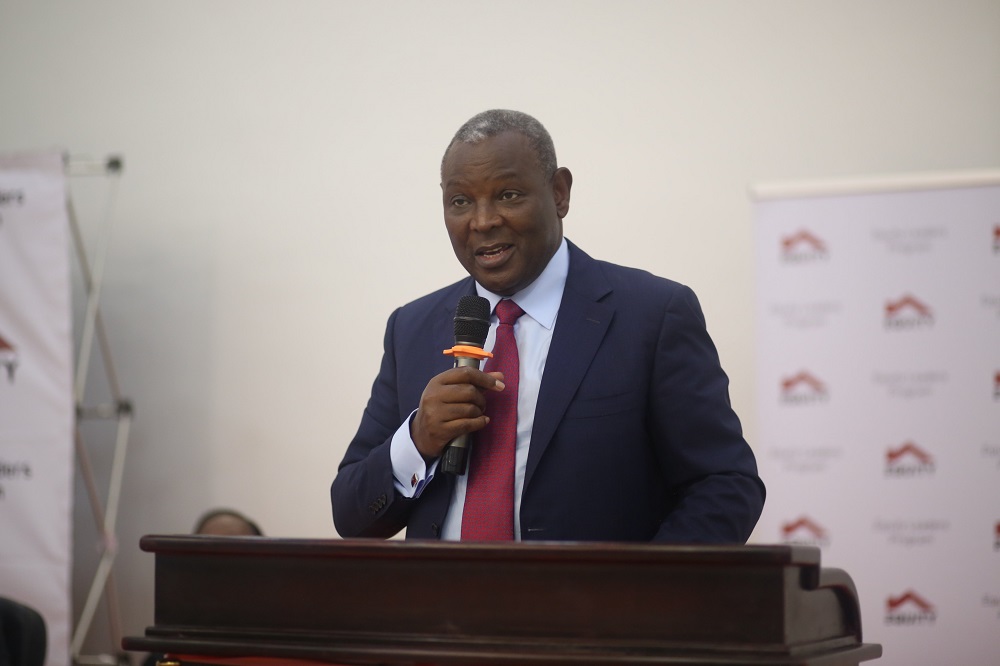
Collaboration discussions between the partners have been underway for several month during which areas of collective activities have been determined and laid out in detail. The enhanced framework for partnership was culminated with a signing and exchange of expressions of intent letters between the organizations in Kigali, Rwanda between Dr. James Mwangi, Equity Group Holdings MD and CEO, also Executive Chairman of the Equity Group Foundation (EGF), and Mr. Fodé Ndiaye, the United Nations Resident Coordinator in Rwanda.
Speaking at the signing ceremony, Dr. Mwangi said that existing partnerships with UN agencies, including systemwide agreements in both Kenya and Uganda have proven to be mutually beneficial to the ‘our common objectives of socio-economic development through the transformation of lives and livelihoods’.
“For instance, alongside UN agencies and Government in our Social Protection work we have supported 3.3 million refugee and vulnerable beneficiaries and provided US$ 852 million, as well as capacity building to advance their financial inclusion,” he said.
Through the enhanced partnership, Equity will work together with the UN Resident Coordinators Office and its various agencies with operations in Rwanda through the activities of a public private partnership that will strive to achieve and implement Equity Group’s `Africa Recovery and Resilience Plan’ in line with the Rwandan National Development Plan, Vision 2050 with a focus on 7 Key Areas:
{{1.Youth Education:}} beginning with the launch of our Equity Leaders Program which took place on November 27.
{{2.Job Creation:}} Equity Bank Rwanda and EGF will forge partnerships with the various UN and governmental Agencies to support economic inclusion.
{{3.Financial Inclusion:}} Utilize Equity’s de-risking education strategies to offer financial training to MSMES, particularly women and youth, in the sectors of Agriculture, Health, Education and Manufacturing in order create a more bankable population.
{{4.Agriculture Development and Support:}} Create partnerships in forming a youth-centered agri-business facility including tailored products for the youth in agribusiness to support them create and sustain new agribusiness startups.
{{5.Women’s Empowerment and Financing:}} Support women owned/led businesses with concessional financing to boost trade and other economic activities.
{{6.Health: }} Support the UN Rwanda `A Thousand Health Posts in the Land of a Thousand Hills: Promoting Universal Health Coverage’ by Catalyzing Investments in Financially and Environmentally Sustainable Primary Health Care and by enhancing Equity’s support for COVID 19 Recovery and Resiliency.
{{7.Energy and Environment:}} Strengthen market systems for a more inclusive, green, and diversified local economies through a combination of increased financing, policy, capacity development, MSMEs green competitiveness, sustainable value chains, green policies, ecopreneurship and strategic partnerships towards a more productive economy.
In addition to helping to develop and implement an impact finance strategy to drive the transition from SDG Funding to Financing for the SDGs in Rwanda, the partnership will support SMEs/MSMEs with training and catalytic investments to facilitate market access and cross border trade across diverse value chains especially for women and youth entrepreneurs. The two partners will also collaborate together on the development and implementation of Equity’s `Africa Plan for Resilience and Recovery’, in light of the impacts of COVID-19, aligned with the 2030 SDGs and the opportunity to build back better in a post COVID environment.
In warmly welcoming the new partnership, Mr. Fodé Ndiaye, UN Resident Coordinator in Rwanda, “Without the energies and expertise of the private sector, we will never reach the SDGs. This mutual framework for collaboration we have signed today strongly articulates and reflects our joint determination and the spirit of partnership that will help drive social and economic impacts at a crucial time for Rwanda in its recovery and growth efforts following the COVID-19 pandemic. And we are confident that this pioneering collaboration with Equity Bank will serve to inspire others to come forward.”
Equity has a unique position of co-designing evidence-based socio-economic interventions informed by insights from a customer base of 15 million clients and by leveraging on the Group’s bespoke implementation model which combines Equity’s ability to apply its commercial infrastructure and sunk capital to deliver efficient and impactful social impact programs, thus guaranteeing a high return on social impact investments.
“Equity Group Holdings Plc whose purpose is to transform lives, give dignity and expand opportunities for wealth creation, continues to play a leading role in contributing to the achievement of the 2030 Agenda on the Sustainable Development Goals. Through our regional banking subsidiaries, Equity is already collaborating with UN agencies in Rwanda, Uganda, and Kenya and in other footprint countries and aims to utilize this partnership to contribute to the acceleration of the achievement of the SDGs”, said Dr. Mwangi.
“As Equity Group we are committed to not only grow with our customers but also to empower them socially and economically by availing opportunities and solutions that cater for their diverse needs enabling them to transform their lives and livelihoods.”
{{About the UN in Rwanda}}
The United Nations system in Rwanda consists of 22 UN agencies, programmes, and funds, both resident and non-resident. Since the Genocide against the Tutsi in 1994, the UN system has been a fundamental partner in the reconstruction of Rwanda. Since 2008, they have been delivering as one: ‘One UN’. You can read more, here: https://rwanda.un.org/
{{About Equity Group Holdings}}
Equity Group Holdings (EGHL) is a Pan-African financial services holding company listed at the Nairobi Securities Exchange, Uganda Securities Exchange, and Rwanda Stock Exchange. The organization is Kenya’s first trillion-shilling balance sheet bank.
The Group has banking subsidiaries in Kenya, Rwanda, Uganda, South Sudan, Tanzania, and DRC and a representative office in Ethiopia. It has other subsidiaries in investment banking, insurance, telecom, fintech and social impact investments.
Equity Group has an asset base of over USD $10 billion. With 15 million customers, the Group is one of the largest banks by customer base in the region. Since 2008, the Group’s corporate foundation, Equity Group Foundation (EGF), has delivered social impact and development programs in Education and Leadership, Food and Agriculture, Social Protection, Health, Energy and the Environment, Enterprise Development and Financial Inclusion to millions of Africans. EGF has a networked health care provider, Equity Afia which has been supporting COVID-19 relief efforts. https://equitygroupholdings.com and https://equitygroupfoundation.com/
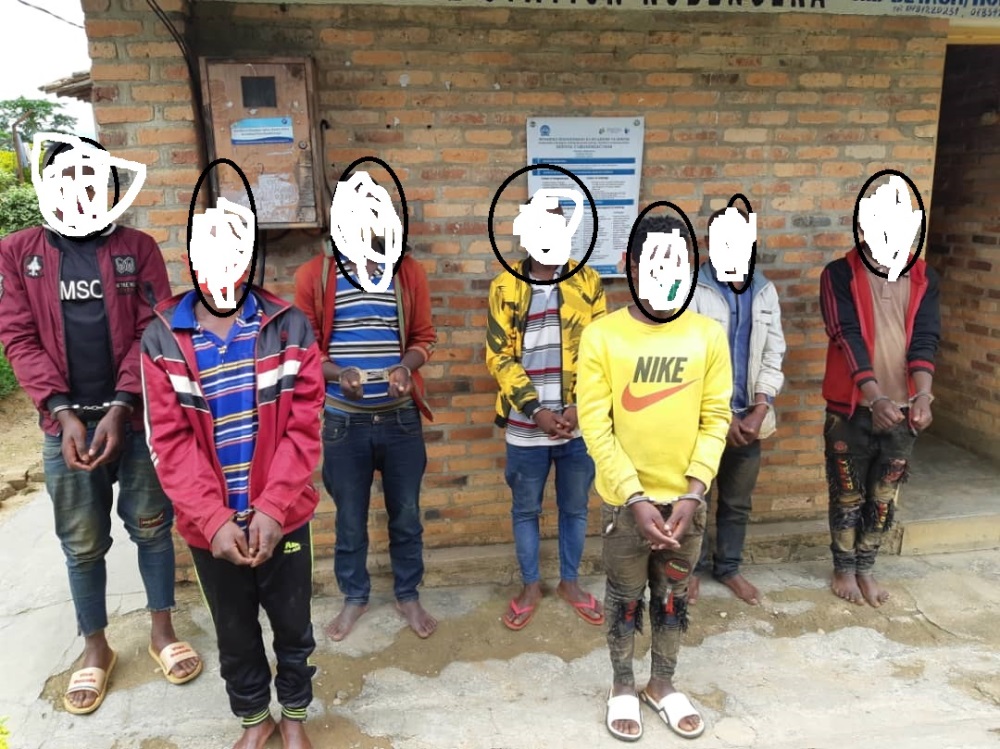
The suspects are identified as Eugene Bikorimana, 23, Innocent Bavugirije, 24, Nyandwi, 20, Gervais Hakizimana, 49, Theogene Nshimiyimana, 30, Eric Uwitonze, 18, and Nzabahimana, 24.
They allegedly assaulted the security guards as they attempted to prevent them from sneaking into the mining concession owned by of Ali Group Holding located in Kazizi Village, Kabuga Cell in Mukura Sector.
The Western region Police spokesperson, Chief Inspector of Police (CIP) Bonaventure Twizere Karekezi said that the group was attempting to sneak into the coltan concession in the night.
“At about 10pm on Saturday, Police received information from security guards of Ali Group Holding Mining Company, which is currently conducting a research on the concession, after they were beaten and injured by the group to force their way into the concession. Police swiftly conducted an operation and arrested all the seven people at the scene,” said CIP Karekezi.
CIP Karekezi warned against illegal mining activities and violent conduct.
The suspects were handed over to RIB at Rubengera station for further legal process while the victims were taken to Rubengera health center for medical treatment.
Article 54 of the law N° 58/2018 of 13/08/2018 on mining and quarry operations, states that; any person, who undertakes mineral or quarry exploration, exploitation, processing or trading without a licence commits an offence.
Upon conviction, the offender is liable to imprisonment for a term of between two and six months and a fine of not less than Rwf1 million and not more than Rwf5 million or only one of these penalties.
The court also orders confiscation of any seized minerals or quarry in storage, trading or processing without a license.
In article 121 of the law Nº68/2018 of 30/08/2018 determining offences and penalties in general; any person who, wilfully, injures, beats or commits any serious violence against another person, commits an offence.
Upon conviction, he/she is liable to imprisonment for a term of not less than three years and not more than five years and a fine of not less than Rwf500, 000 and not more than Rwf1 million.
The resolution follows the confirmation of a new serious variant of COVID-19 dubbed ‘Omicron’.
The World Health Organization (WHO) has declared the new coronavirus variant to be “of concern” noting that it has a large number of mutations, and early evidence suggested an increased reinfection risk.
The new variant was first confirmed in South Africa on 24th November 2021, and has also been identified in Botswana, Belgium, Hong Kong, Italy, Germany, the United Kingdom, the Netherlands and Israel.
Considering the severity of the new variant, different countries have banned to and from southern Africa.
In the Netherlands, 13 people were recently detected with the new variant after arriving in Amsterdam from South Africa.
The cabinet meeting held on Sunday ,chaired by President Paul Kagame discusssed Rwanda’s response to COVID-19 Omicron variant which has been reported a variant of concern.
Rwandans have been urged to exercise extra vigilance in the practice and enforcement of preventive measures.
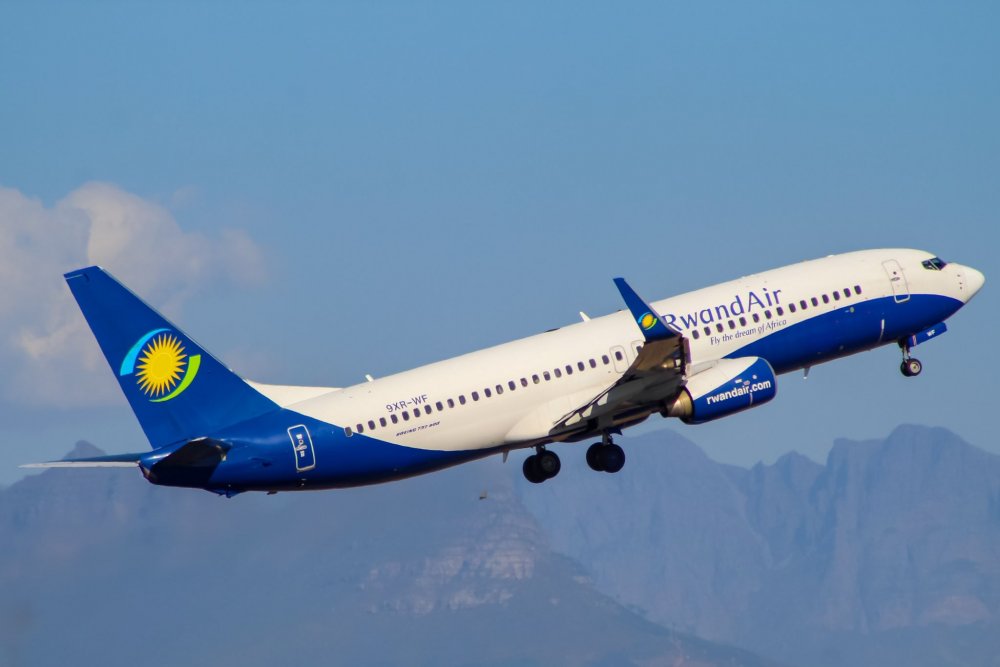
“Direct flights between Rwanda and southern Africa countries are temporarily suspended,” reads part of resolutions of the cabinet meeting.
Among others, all arriving and departing passengers at Kigali International Airport must present a negative COVID-19 PCR test taken in 72 hours prior to the departure.
The cabinet meeting has also resolved that all arriving passengers must quarantine for 24 hours at a designated hotel at their own cost.
However, a seven-day quarantine will be required for passengers travelling from , or those with a recent history of travel in , particularly affected countries.
The Ministry of Health will release the list of those countries following continuous assessment of global health conditions in collaboration with relevant international institutions.
People attending events including conferences, concerts, weddings, festivals, or exhibitions must be fully vaccinated and tested.
The statement reads that gatherings should take place outdoors or in well-ventilated spaces as much as possible.
Rwandans have been urged to get fully vaccinated, frequently tested and continue being vigilant in practicing COVID-19 preventive measures including physical distancing, properly wearing face masks, ensuring proper ventilation and hand hygiene.
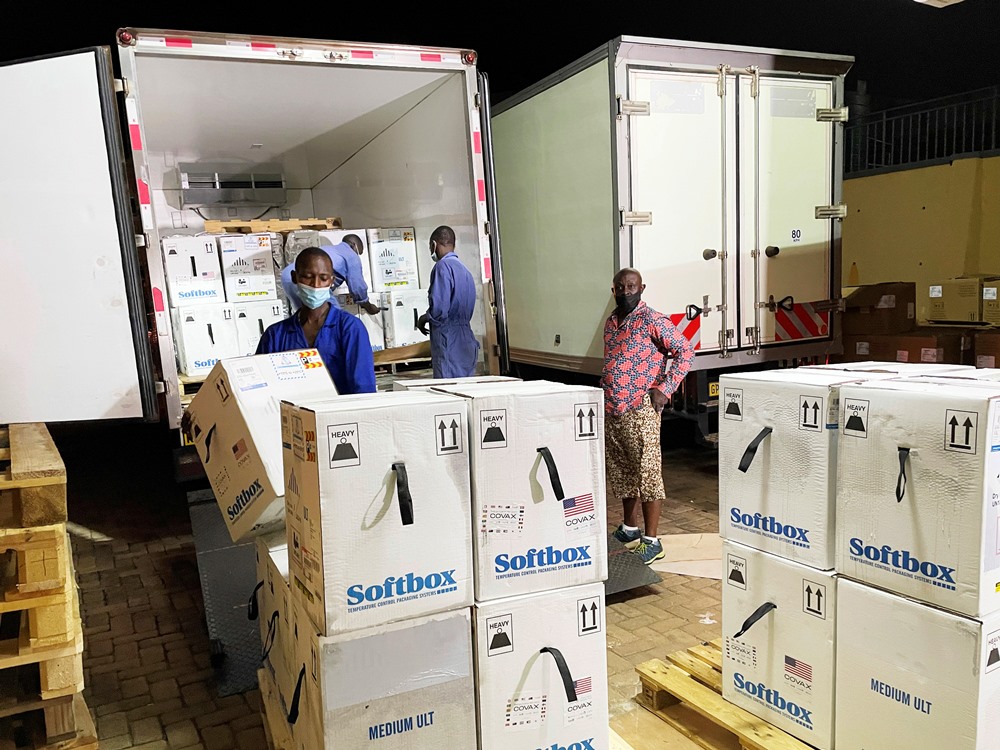
This brings the total current US donation of COVID-19 vaccines to Rwanda to 1,960,550 doses. These vaccine doses are accompanied by U.S. donated syringes and the United States provides 1,350,000 needed syringes to fill a critical gap.
The donation is considered a symbol of US commitment to work with the Government of Rwanda to protect the health of the Rwandan people.
Commenting on the development, Ambassador Vrooman said: “The United States has provided nearly 2 million vaccine doses to Rwanda, with another million of doses due to arrive via COVAX in December.”
To date, the United States has donated more than 240 million COVID-19 vaccine doses to more than 100 countries, a major step in ending the pandemic globally.
In Sub-Saharan Africa alone, the United States provided more than 65 million vaccine doses. And we are not done yet. Working together with COVAX, WHO, UNICEF, and partner countries, the United States is committed to donating 1.1 billion vaccine doses to where they are needed most to end the global pandemic.
“We also appreciate our partnership with Rwanda. In delivering donations of life-saving vaccines, personal protective equipment, training, and testing capabilities, Rwanda can be well on the way to ending this pandemic’s high toll on life, livelihoods, and secondary social and economic impacts,” reads part of the statement released by US Embassy in Rwanda.
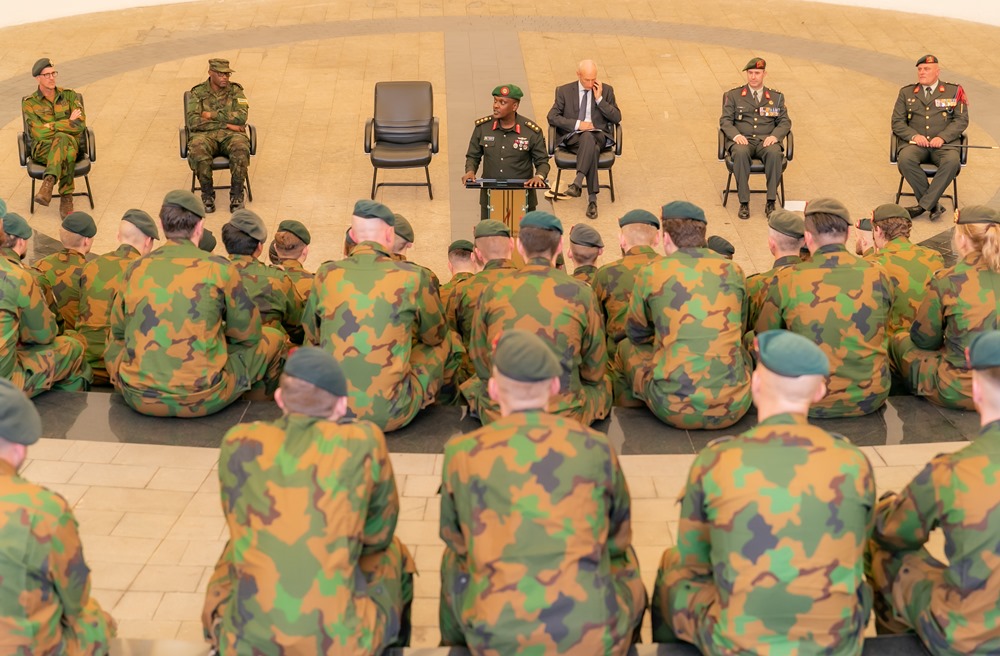
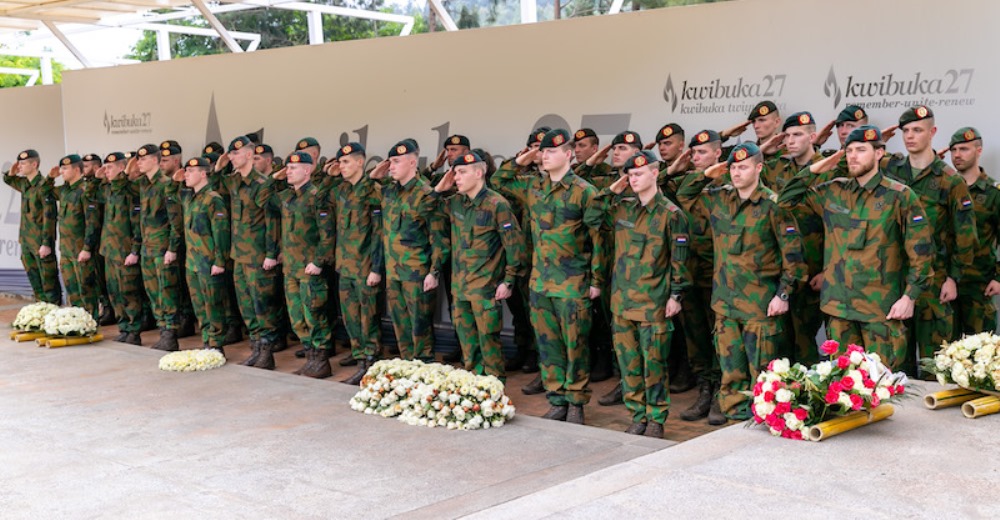
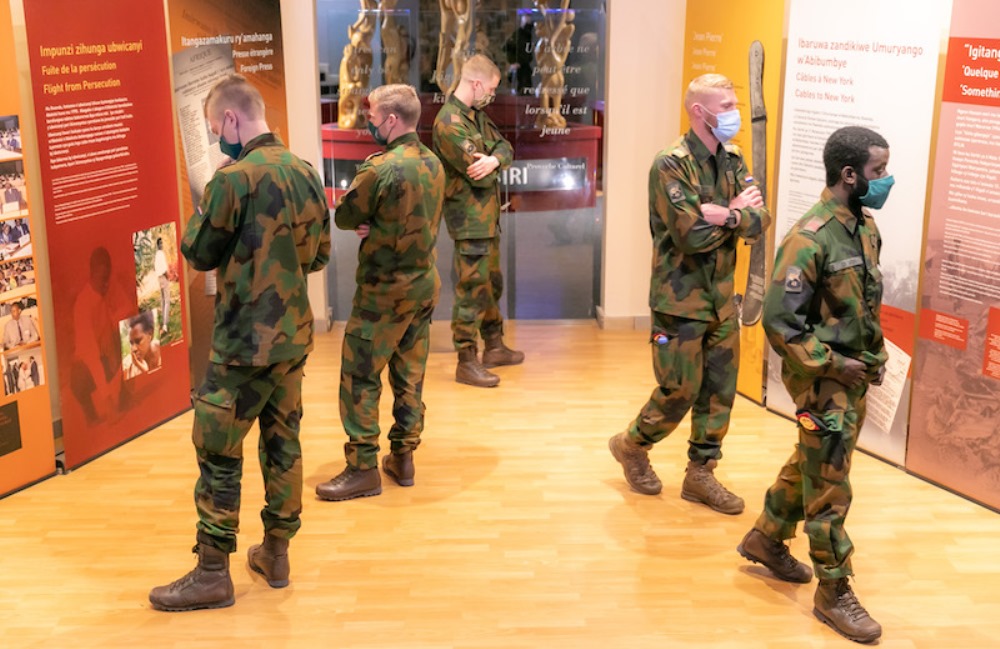
On Sunday, the contingent paid respect to the victims of 1994 Genocide against the Tutsi at Kigali Genocide Memorial located in Gisozi.
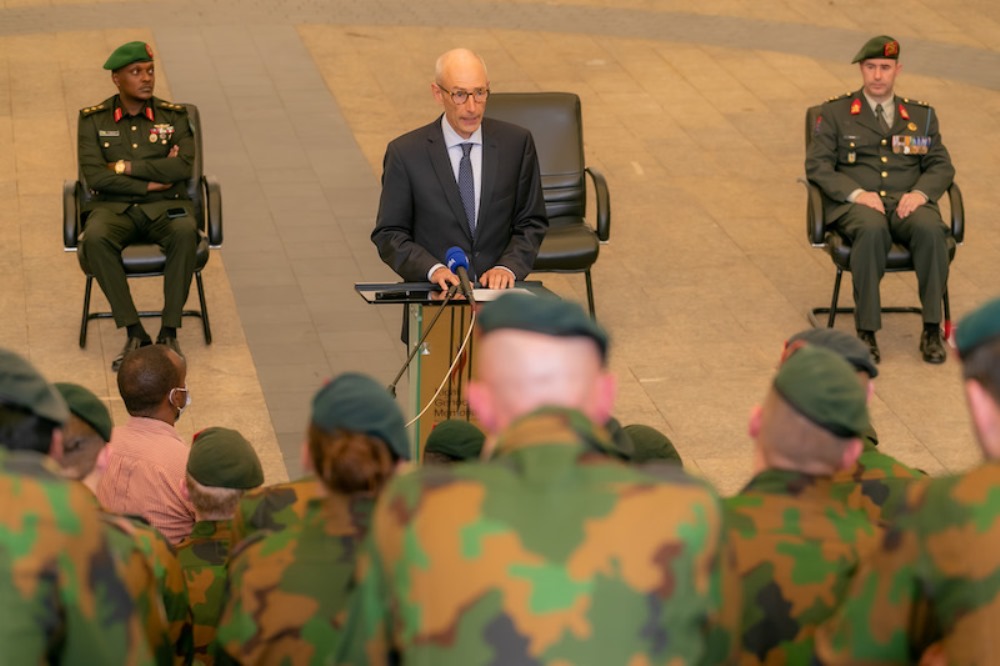
Speaking during the visit, the Royal Netherlands Ambassador to Rwanda, Matthijs Wolters said that the 1994 Genocide against the Tutsi has clearly shown the importance of value-based leadership in the armed forces for the protection of civilians, and regrettably the consequences of a lack thereof.
“Let these lessons not be forgotten,” he said.
Wolters thanked RDF for offering the opportunity for their contingent to train in Rwanda to build their skills and maintain their preparedness.
The RDF Spokesperson, Col Ronald Rwivanga commended the strong partnership between the Kingdom of the Netherlands and the Republic of Rwanda in different areas including training in justice and humanitarian law and law of armed conflict as well as support in logistics for RDF peacekeepers among others.
He said that the Field Exercise reflects the depth of the relationship between the two Defence Forces.
Rwanda and the Kingdom of the Netherlands maintain strong military relationship dating back from a Memorandum of Understanding on bilateral military cooperation between the Ministry of Defence of Rwanda and the Ministry of Defence of the Kingdom of the Netherlands signed on 14th June 2005.
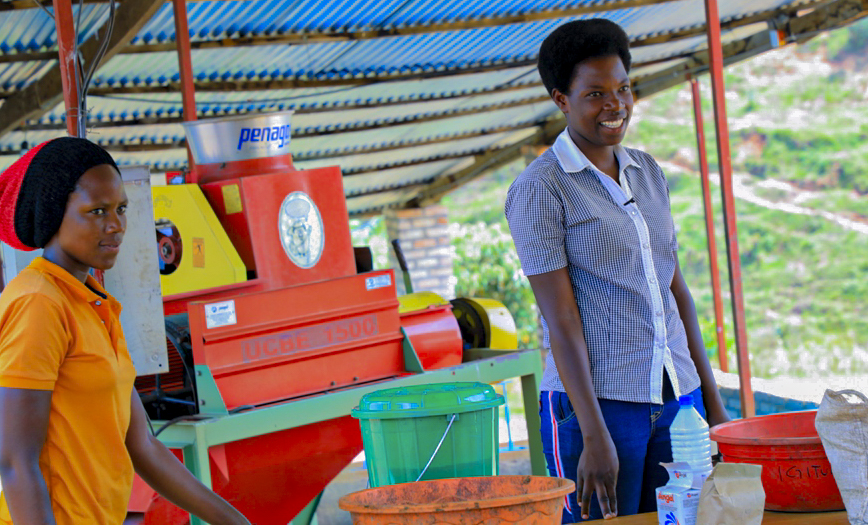
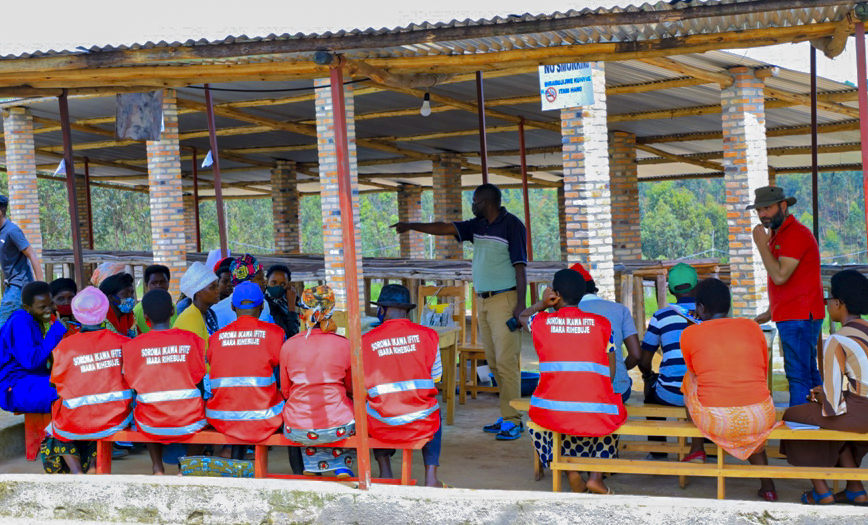
Beneficiaries of the training organized by Sustainable Growers Rwanda are from Nyampinga Cooperative comprised of 1163 members involved in coffee growing and processing based in Jari village, Bunge cell.
The cooperative is composed of different groups each with 15 members. The training started with farmer promoters who will also share acquired skills with all colleagues.
Farmer promoters are model farmers whose agricultural yields are comparatively higher owing to improved agricultural practices.
Such farmers facilitate the extension of best practices and skills to other farmers to improve yields.
Sustainable Growers is an organization committed to increase economic opportunities for women and their families through coffee farming.
Fabien Twahirwa, a coffee agronomist working with Sustainable Growers has told IGIHE that they have been helping women and families to grow their income with the latest training being part of other kinds of support extended to farmers.
“The training will help them address the shortage of organic fertilizers to increase agricultural yields,” he said.
“We are currently working with Nyampinga Cooperative which has 1163 members. These are women from different families who will share acquired skills with other members of the community to increase yields,“ added Twahirwa.
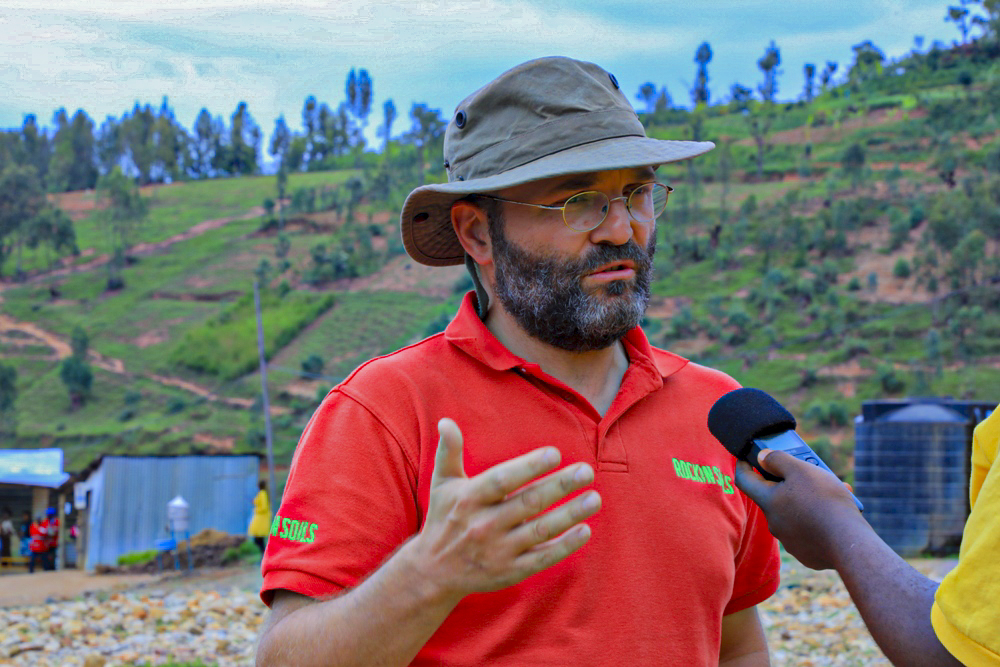
Ruben Borge, a Spanish trainer said that the coffee farmers were equipped with relevant skills to make compost and liquid fertilizer.
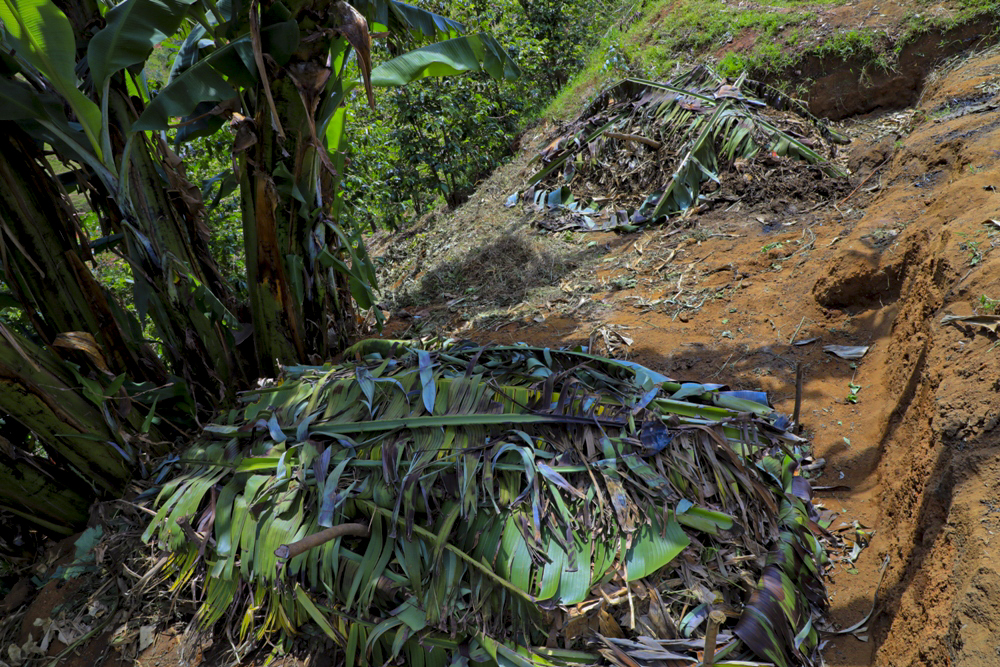
The compost manure is comprised of a mix of dry and fresh decomposable grasses, mixed with soil, coffee residues, charcoal, ash, and other catalysts including water, sugar or sugar cane leftovers.
The foliar spray fertilizer is composed of cow dung, water, milk, sugar blended with catalysts, ash, ground black stones and microbes.
“The compost makes the land more productive and helps to increase yields while the foliar plant spray ensures smooth growth of leaves. It also serves as a pesticide to destroy insects,” he said.
He told trainees that the two types also contribute a lot to coffee’s quality and great taste.
Trainees explained that acquired skills will help them turn their land more productive and increase yields.
“I am a farmer promoter among coffee growers but the produce is still low. I will train fellow farmers so that everyone will be able to make own compost to increase yields for coffee and other crops,” said Odette Mukakayiro.
“Farmers in my group harvest between two and three kilograms of coffee per tree. We are optimistic that the compost will help us to increase the produce to six or seven kilograms,” she added.
Epihanie Dusabe, another training beneficiary also emphasized that acquired skills will undoubtedly help farmers to improve yields.
Esther Mukangango, the president of Nyampinga Cooperative urged trainees to put acquired skills to good use.
“We need to remain consistent and put into practice what we have learnt to multiply coffee produce, improve its quality and become excellent growers,” she said.
The training held from 14th to 25th November 2021 was also extended to farmers in other districts covered by Sustainable Growers interventions.
At least 63 farmer promoters from cooperatives working with Sustainable Growers received the training.
They are expected to train more 5000 farmers working with the organization.
Other trainees include farmers from other agriculture related projects including Agriterra , Impexcol and Rwanda Agriculture Board (RAB).
Sustainable Growers works with six cooperatives of coffee farmers in six districts.
These include Nyampinga in Nyaruguru, Gashonga in Rusizi, KOAKAA in Nyamasheke, Twongere Umusaruro wa Kawa in Kayonza, Mayogi in Gicumbi and Abahingakawa in Gakenke district.
The training was organized by Sustainable Growers Rwanda in partnership with Bloomberg Philanthropies and Centre for the promotion of Imports from Developing countries (CBI) from the Netherlands.