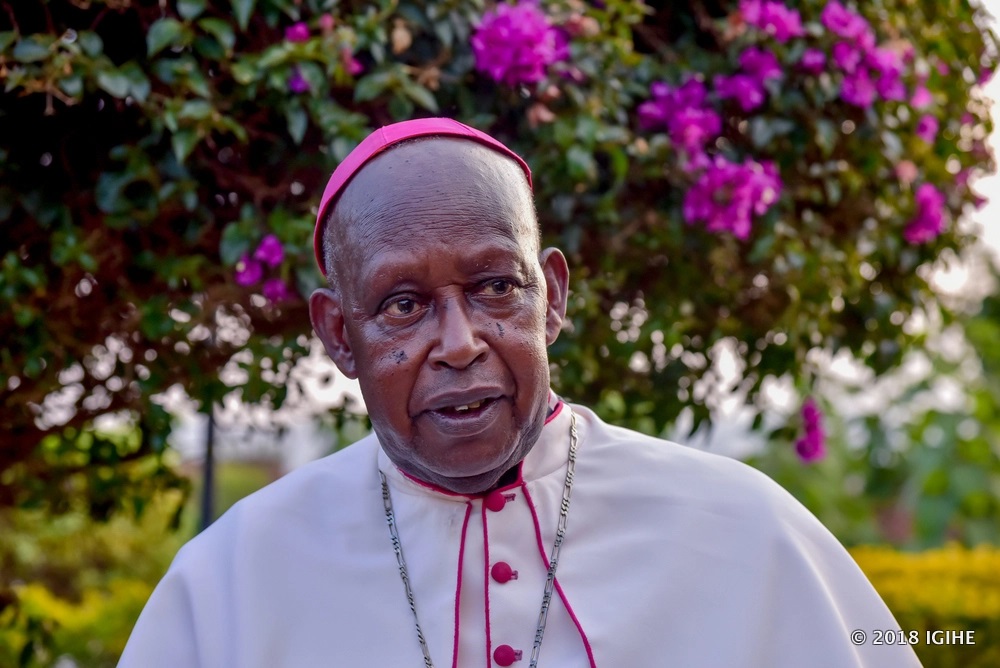
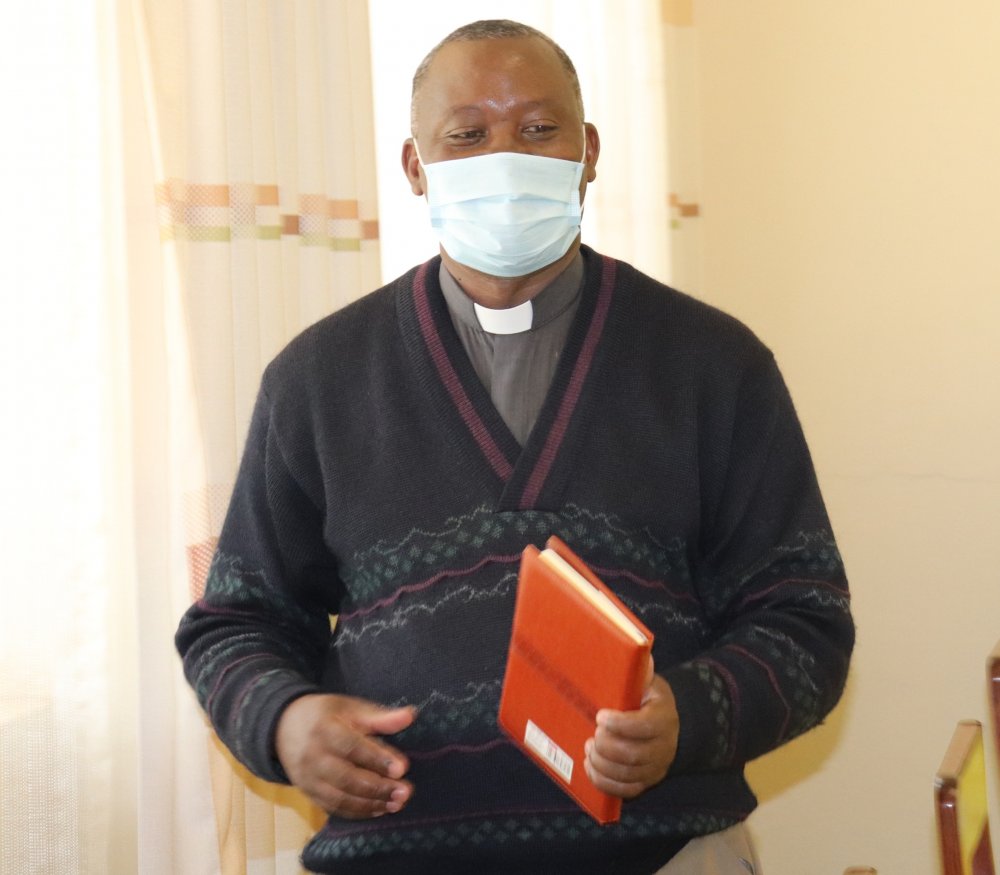
Nzakamwita,79, who served as the Bishop of Byumba Diocese was sent to retirement recently after Pope Francis appointed Papias Musengamana to replace him in February 2022.
The appointment was announced three years after Bishop Nzakamwita wrote to the Pope to grant him retirement which is reached at the age of 75.
Speaking to Radio Rwanda, Bishop Nzakamwita has revealed that he wants to spend his retirement time at Rwesero Junior Seminary.
“I chose the seminary when asked the preferred place where I was to be given an apartment for my retirement. The seminary is a home where we upbring future priests. All students educated there might not become priests but they become good leaders and well educated people. It has been observed that seminaries produce good leaders and parents who properly assume their parenting duties,” he said.
“So, I am set to join the seminary as their grandfather. I am going to educate children and grandchildren in collaboration with the seminary’s management so that we can nurture them and train them to be generous and strive for personal development to become useful children and aspiring future leaders of this country. It will also be a good pathway for dedicated priests to continue helping Christians along the journey of Christianity,” added Bishop Nzakamwita.
He joins other retiring Bishops including the former Bishop of Kibungo Diocese, Frederick Rubwejanga, Thadée Ntihinyurwa of Kigali, Alexis Habiyambere of Nyundo, Anastase Mutabazi of Kabgayi and Kizito Bahujimihigo of Kibungo.
The Archbishop of Kigali Diocese, Antoine Cardinal Kambanda recently told IGIHE that the Catholic Church has a great memory on activities of Bishop Nzakamwita.
He explained that Nzakamwita contributed a lot to reconciling Rwandans as he particularly led Christians with fresh wounds of the 1994 Genocide against Tutsi.
Cardinal Kambanda also revealed that Nzakamwita served the church as much as he could in his capacities in spreading the Gospel and contributed to family development through the resolution of disputes and promoting their wellbeing among others.
Bishop Nzakamwita was born on 20th April 1943 in former Commune Kiyombe of Byumba Prefecture in the current Nyagatare District.
From 1952 to 1957, he studied Primary School in Kabare, Rushaki and Rwaza, from where he continued studies at Rwesero Junior Seminary.
He joined the Nyakibanda Major Seminary in 1965 and ordained priest on 11th July 1971 in Rushaki Parish. He began apostolic duties at Ruhengeri Cathedral where he spent five years before moving to Janja Parish as Chief Priest.
In 1989, he went to I Lumen Vitae in Belgium for further studies and returned in 1991 to teach at Rutongo Major Seminary until 25th March 1996 when he was appointed Bishop of Byumba Diocese. He was installed Bishop on 2nd July 1996.
He is among protectors of friendship pact due to his contribution to unity and reconciliation among Rwandans after the 1994 Genocide against the Tutsi.
It is unique considering the extreme cruelty with which it was executed in comparison to other atrocities like the Holocaust Genocide.
We have below outlined some of unique aspects of the 1994 Genocide against the Tutsi that saw people killing neighbours and relatives pitilessly:
{{Killing a large number in short timespan}}
The Ministry of National Unity and Civic Engagement (MINUBUMWE) indicates that the 1994 Genocide against the Tutsi is among those committed in shortest time span taking lives of a large number of victims.
A total of 1,070,014 victims were killed during 100 days from April until July 1994 as per research conducted by the Ministry of Local Government (MINALOC) in 2002.
The figures show that nearly 10,000 Tutsis were killed every day, a number that might be equivalent to sector’s population.
As for the Holocaust Genocide, nearly 6 million Jews were killed in three years.
Figures released from MINALOC might even go up considering other remains of Genocide victims excavated from different parts of the country after the research.
{{Killing relatives }}
Killing someone is forbidden whether you have issues with them or not. However, perpetrators of the Genocide against the Tutsi turned savage that mothers would kill children or children would kill fathers on the basis of their identity.
This was among other unique aspects of Genocide against the Tutsi as some parents killed children they had sired together with Tutsi mothers of fathers.
Albert Nsengimana brought to light these circumstances through his book dubbed ‘Ma mère m’a tué’ translated as ‘My Mother Killed Me’ featuring his own testimonies of how his mother killed his siblings in collaboration with Interahamwe militiamen because they were born to a Tutsi father.
The tragedy also happened in other parts of the country where people killed intimate friends with whom their lived in the same village or had in-laws relationships.
{{Shared culture and language}}
Unlike the Holocaust Genocide where Nazi perpetrators had no relations with victims, the 1994 Genocide against the Tutsi saw Rwandans killing other Rwandans with whom they lived together, spoke one language, grew together, studied at same schools and share the same culture and lifestyle.
The perpetrators and victims had no reasons for segregation apart from hatred and genocide ideology instilled among people after dividing Rwandans through Hutu and Tutsi ethnic groups.
{{Use of traditional weapons }}
During the Holocaust Genocide, some people were shot dead while others were killed by the use of chemicals gradually.
In Rwanda, the majority of victims were killed with traditional arms to inflict extreme suffering on victims.
Perpetrators used traditional weapons like big sticks, small hoes and machetes among others used to torture and kill Tutsis.
{{Extreme cruelty }}
Everyone is subjected to death under normal circumstances. It is however heart-wrenching to see a human being dying with extreme suffering particularly inflicted by another. The heartless perpetrators did inflict much pain on victims where they killed them physically and morally as they forced them to dig holes in which they had to be dumped.
In churches like Ntarama in Bugesera District, children were killed of torture as perpetrators repeatedly hit them on walls until they die. In Southern Province, there are Tutsis whose hearts were devoured by perpetrators who would also suck their blood.
In other instances, Tutsis were raped and infected with HIV/AIDS among other inhumane acts beyond one’s understanding.
{{Conspiracy at all levels }}
The 1994 Genocide against the Tutsi was executed on collaboration between authorities at all levels, churches and different organizations.
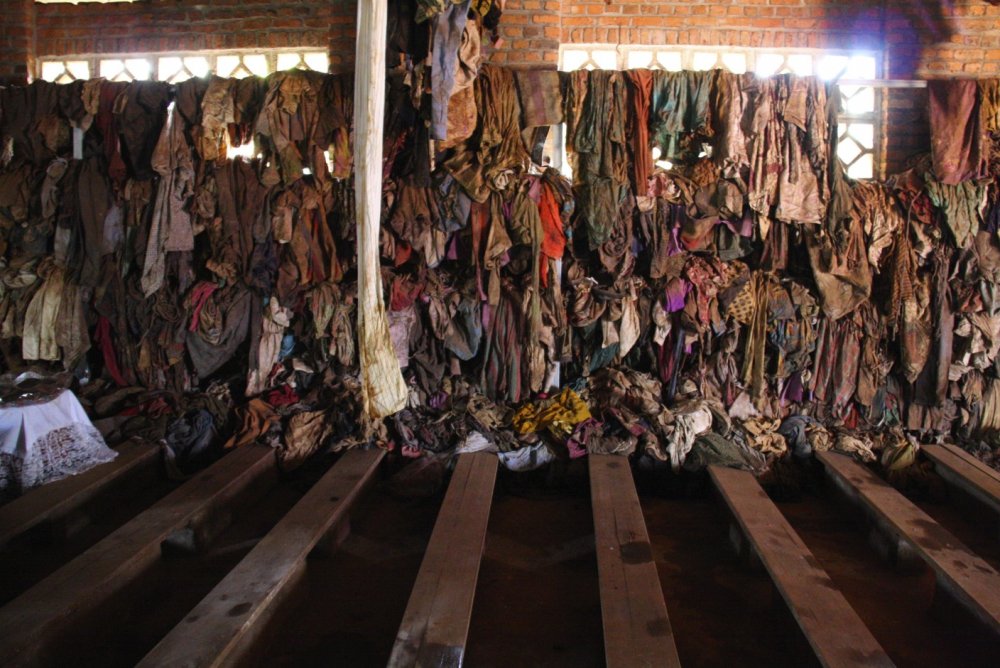
Only a few churches were not used as killing grounds for Tutsis as belongings of victims are still found in some places of worship that have been turned into Genocide memorials.
During Genocide against Tutsi, there was neither church nor organization which dared releasing a statement denouncing the crime against humanity but some religious leaders worked with authorities to execute the Genocide.
{{International community kept a deaf ear }}
The United Nations and other international organizations were represented in Rwanda during the 1994 Genocide against the Tutsi but kept a deaf ear to denounce and stop the atrocities until RPA Inkotanyi intervened to save the country from the devil’s hands.
The level of irresponsibility escalated further as Genocide began when UN troops abandoned Tutsis leaving them in the hands of perpetrators who wanted to exterminate all.
Nyanza-Kicukiro is distinctly known as one of the places where thousands of people were massacred a few days after the beginning of the 1994 genocide against the Tutsi.
When the genocide began on April 7, over 3000 Tutsi from Kicukiro sought refuge at a former technical school, Ecole Technique Officielle de Kicukiro (ETO), in the belief that they would be protected by the United Nations peacekeeping forces for Rwanda (MINUAR) that was based there.
MINUAR would however desert them a few days later, despite the tension that had built up as the Interahamwe militia and government soldiers had surrounded the school.
Following the departure of the UN troops, government soldiers and Interahamwe took control of ETO Kicukiro.
In the school, Tutsi were taken by government soldiers and Interahamwe to Sonatube to be murdered there but the then mayor of the city, Lt. Col. Tharcisse Renzaho, ordered that they instead be taken to Nyanza and killed from there because Sonatube was too visible along the road to the airport.
The Tutsi were then forced to march back, all the way to Nyanza, amid a heavy downpour. Many had not eaten for a couple of days. Those too weak to walk were killed on the way. When they arrived at Nyanza, the militia asked them to present their IDs to ensure that no Hutu were among the group.
Mass killings then began and many of them were killed using machetes. The next morning, as the killers attempted to finish off those who were still alive, the Rwandan Patriotic Army soldiers arrived and rescued the few who had survived the massacre.
These abandoned Tutsi were killed on 11th April 1994.
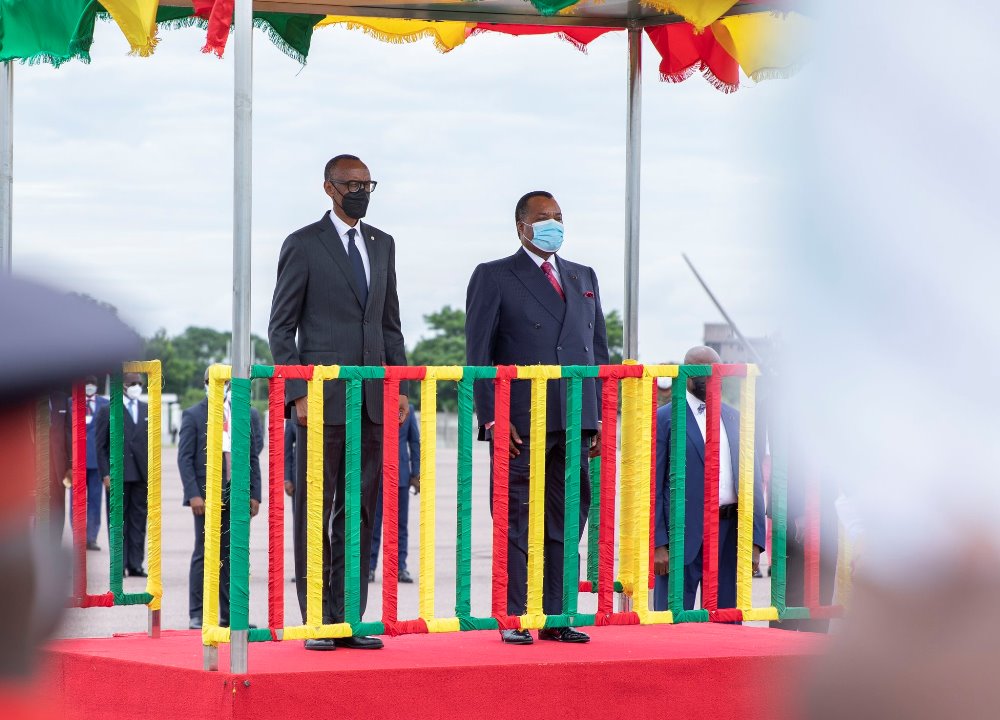
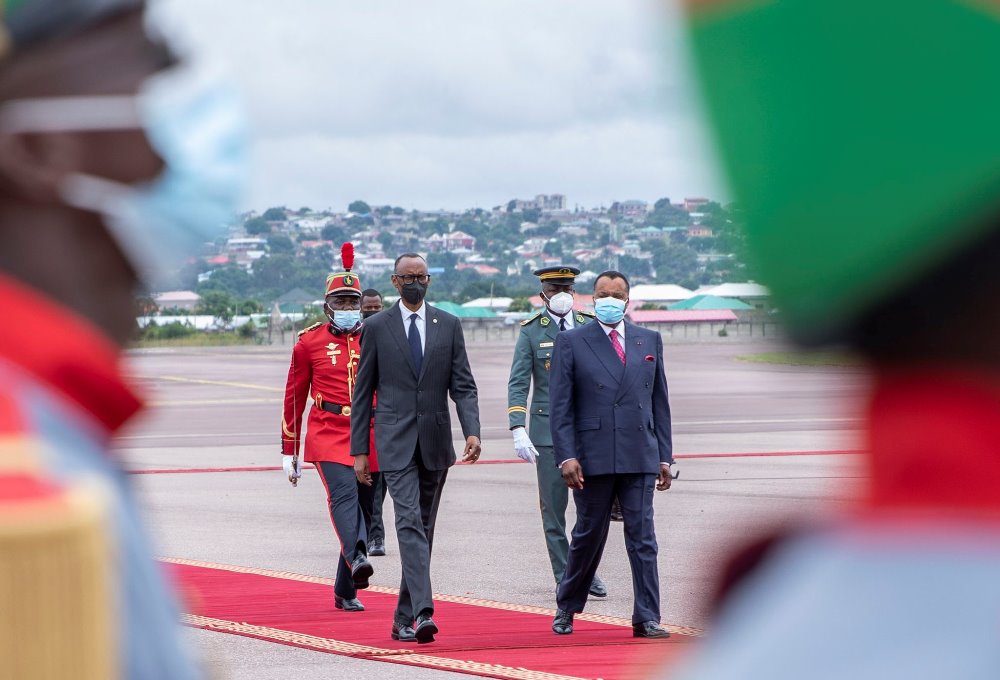
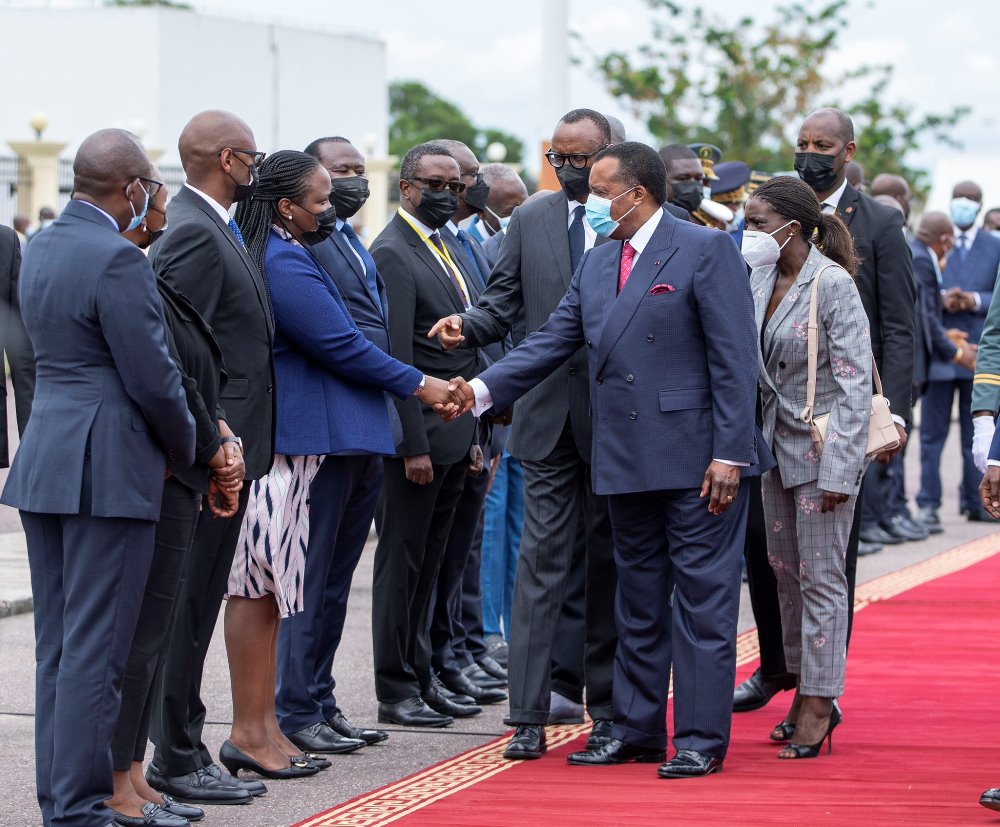
Rwanda’s Presidency has via Twitter handle revealed that President Kagame will also visit Oyo, a town in the Republic of Congo located in the Cuvette Region, more than 400 km from Brazzaville.
In 2010, the town had more than 5 000 inhabitants. It is connected by paved road to Brazzaville, the capital of the country.
President Kagame is accompanied by officials including the Minister of Foreign Affairs and International Cooperation, Dr. Vincent Biruta; the Minister of Finance and Economic Planning, Dr. Uzziel Ndagijimana and the CEO of Rwanda Development Board, Clare Akamanzi among others.
A statement released recently on 9th April 2022 by Florent Ntsiba, the Director of Congo Brazzaville Presidential Cabinet indicates that Kagame’s visit is a response to the invitation of his counterpart and seeks to deepen bilateral relations and cooperation.
Both Heads of State are also expected to proceed to a tête-à-tête discussions. The statement also reads that Kagame will address both chambers of parliament before witnessing the signing of cooperation agreements in different areas.
Rwanda and Brazzaville relations date back in August 1982. Since then, both countries have enjoyed cooperation in the areas of diplomacy, politics and trade among others.
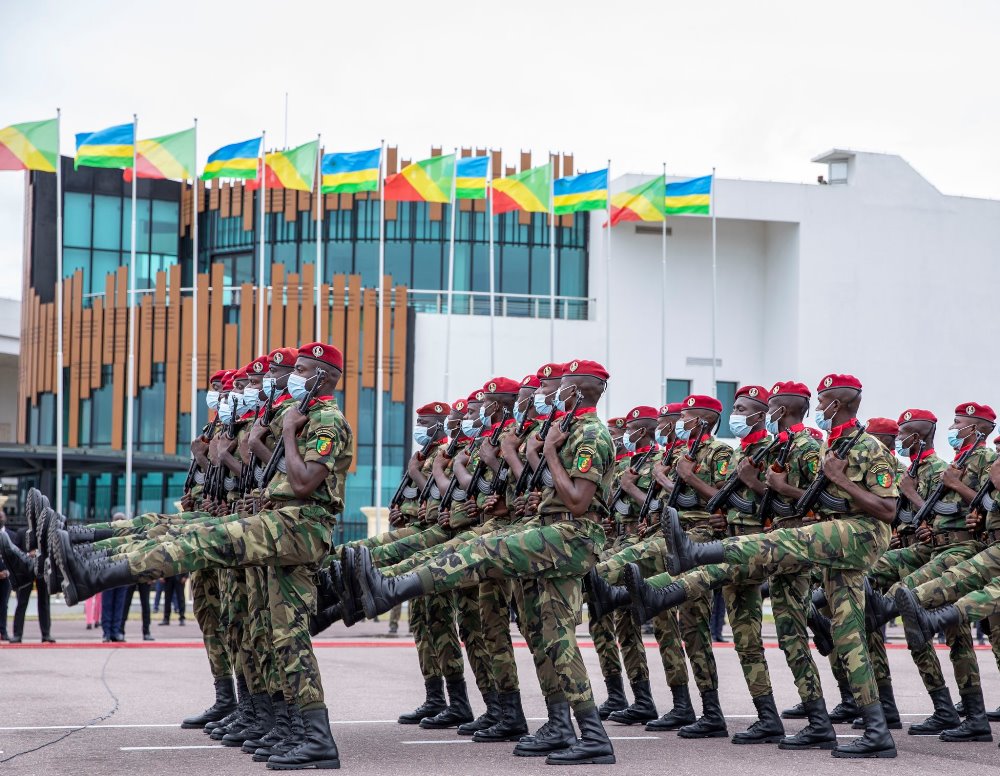
In November 2021, Rwanda and Brazzaville signed agreements in the areas of military cooperation, sustainable development, environmental preservation and trade promotion among others.
Following his appointment in February 2022, Byumba Diocese has announced that the ceremony will take place on 14th May 2022 at Gicumbi Stadium.
“During the ceremony, we will celebrate his 25-year Jubilee since he was orgained priest and bid farewell to the outgoing Bishop Servilien Nzakamwita,” reads part of the statement released by Byumba Diocese.
Bishop Nzakamwita is replaced three years after requesting Pope Francis to grant him retirement.
Musengamana, the new Bishop of Byumba Diocese was born on 21st August 1967 in Byimana, Ruhango District. He was ordained priest on 18th May 1997.
He holds PhD in Theology obtained from Germany in 2006.
{{[You can also read this article: Bishop Musengamana replaces Nzakamwita of Byumba Diocese->https://en.igihe.com/news/article/bishop-musengamana-replaces-nzakamwita-of-byumba-diocese]}}
The incident took place on Sunday 10th April 2022 at a time when Rwanda is commemorating Genocide against Tutsi.
The cow was stabbed from its shed in Nyabitare Village of Ruyenzi Cell.
IGIHE has learnt that Ruzindaza found his cow stabbed around 7a.m in the morning of Sunday after milking.
The executive secretary of Runda Sector , Rafiki Umwizerwa has told IGIHE that suspects have not yet identified noting that investigation into the case has been launched in collaboration with Rwanda Investigation Bureau (RIB).
“The hooligans have not yet been identified but we are treating the cow as efforts are underway to track suspects,” he said.
Umwizerwa appealed on residents to stand against such acts and Genocide ideology.
Despite self-evidencing facts of the heinous crime that saw victims brutally murdered 28 years ago, there are still people distorting the truth of what happened spreading propaganda to deny and undermine the 1994 Genocide against Tutsi.
As the world is called upon to join hands to fight genocide denial and trivialization through different platforms, some individuals have taken giant steps by writing books to tell the truth and preserve history.
There are many authors who wrote about the Genocide but we have selected five must-read books written by survivors who narrated their ordeal and how the Genocide was executed with extreme cruelty.
{{Letf to Tell}}
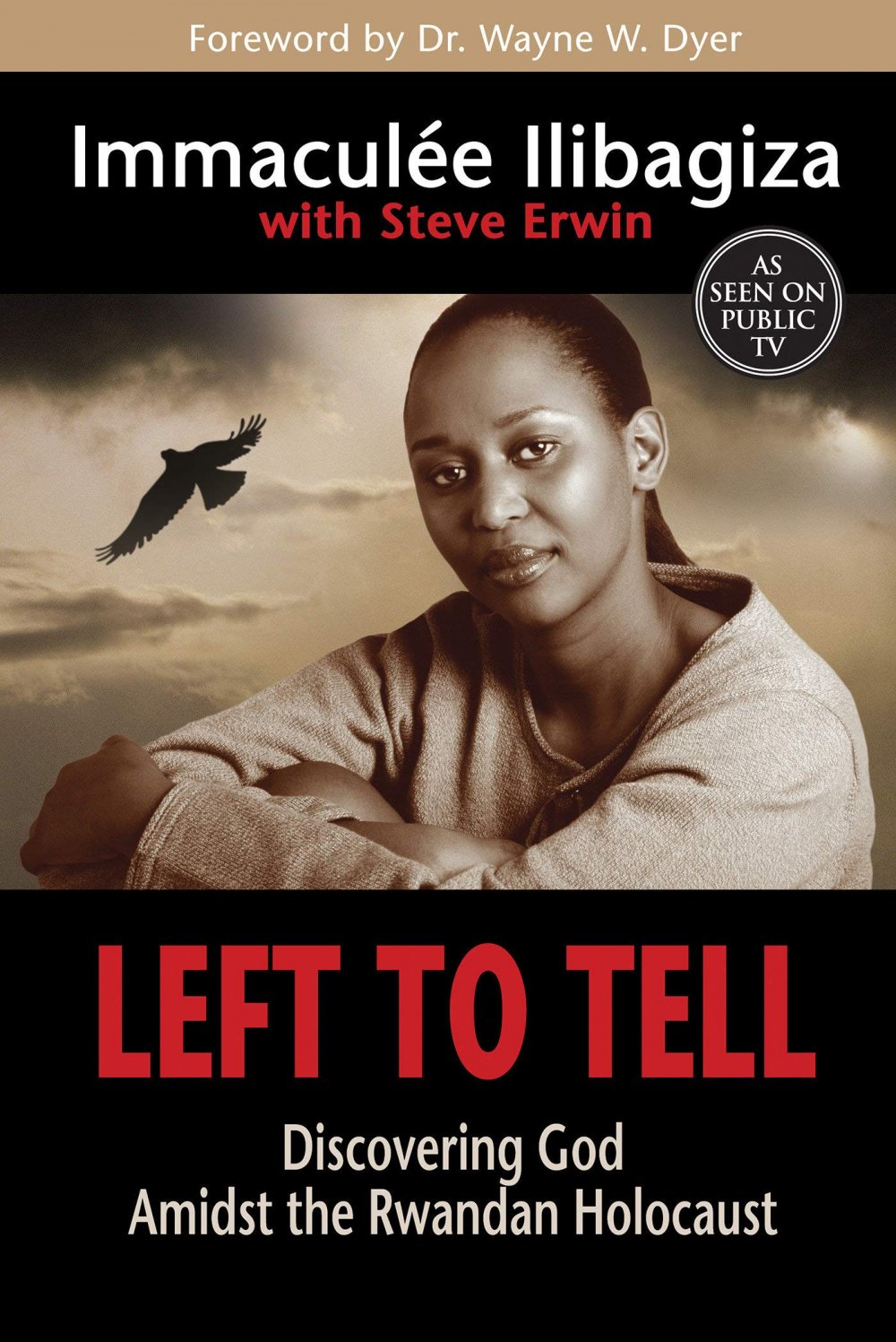
The book ‘Left To Tell Discovering God Amidst The Rwandan Holocaust’, was written by Immaculée Ilibagiza. It is about the author’s testimony narrating difficult times she went through during Genocide against Tutsi.
Ilibagiza talks about his path to survival hiding in a toilet of a neighbouring Hutu pastor where she spent 91 days.
As Ilibagiza narrates, she stayed there with seven more women and had neither food nor drinks. She spent all days and nights reciting the Rosary asking God to strengthen her during the trying times.
After the tragedy, she went out of the hiding place but all her relatives had been murdered except his brother who was studying abroad. Ilibagiza met face to face with the offender who killed her mother and siblings but got strength to forgive him.
The book ‘Left To Tell’ was translated into more than 17 languages where over 2 million copies have been bought.
In 2007, an American Leslie Lewis Sword and Edward Vilga used the book to produce a film dubbed ‘Miracle In Rwanda’ which has been showcased in different corners of the world.
Ilibagiza authored other books including ‘The Story Of Mary and Jesus in Kibeho: A Prophecy Fulfilled’, ‘The Station Of The Cross’ and ‘The Boy Who Met Jesus And Message For Humanity’ among others.
{{Moi, le dernier Tutsi}}
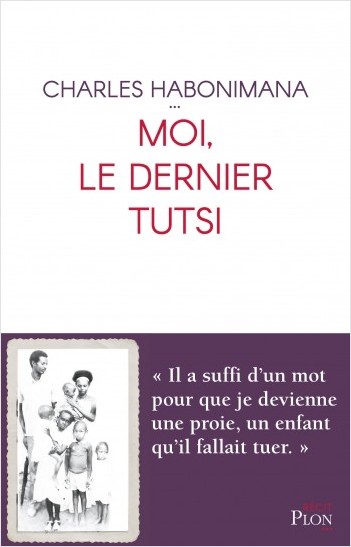
The book ‘Moi, le dernier Tutsi’ translated as ‘Me, the last Tutsi’ was written by Charles Habonimana in collaboration with French national Daniel Le Scornet.
It reflects bitter history he went through during the 1994 Genocide against Tutsi.
‘Moi, le dernier Tutsi’ is a 187-page book featuring the real story of the author’s life during the Genocide where he lost both parents, relatives and siblings.
Habonimana who was 12 years old at the time saw Interahamwe killing relatives with his own eyes but lived with them and accompanied them during different attacks to kill Tutsis.
The authors shows how Genocide unfolded in his parents’ village in the former Mayunzwe Sector, Commune Tambwe of Gitarama Prefecture in the current Ruhango District of Southern Province.
He listed names of victims killed on Nzaratsi hill that was named ‘Calvary’ following the tragic end of a man called Léonard Sebuyonde who was killed and crucified on cross like Jesus.
The fact that many Tutsis in the area were killed at the hill gave him inspiration to give the first part of his book the heading: ‘Calvaire’ (Calvary).
{{Ma mère m’a tué}}
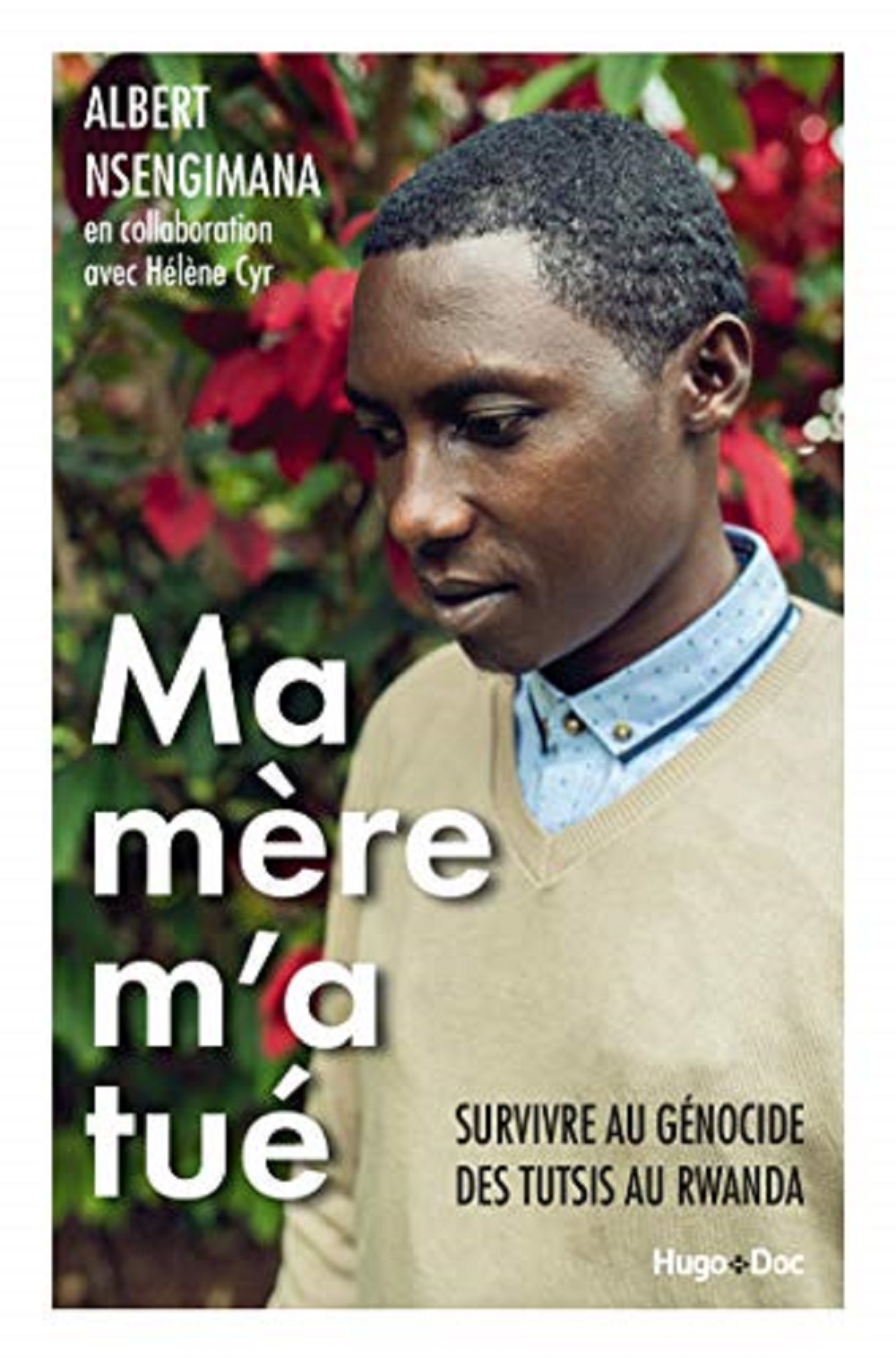
The book ‘Ma mère m’a tué’ translated as ‘My Mother Killed Me’ was written by Albert Nsengimana who was 7-year old during the 1994 Genocide against Tutsi.
It features testimonies of his horrendous experiences where his mother took part in the death of his siblings and attempted to kill him too.
Nsengimana was among nine siblings born to a Tutsi father and Hutu mother. They lived in the former Commune Kabarondo in the current Kayonza District.
In his book, Nsengimana wrote about shocking testimonies depicting how Genocide was prepared and executed with extreme cruelty until a mother kills own child pitilessly.
Nsengimana also narrated how his mother used to take his children to Interahamwe militiamen including his uncle to be killed.
{{Not My Time To Die}}
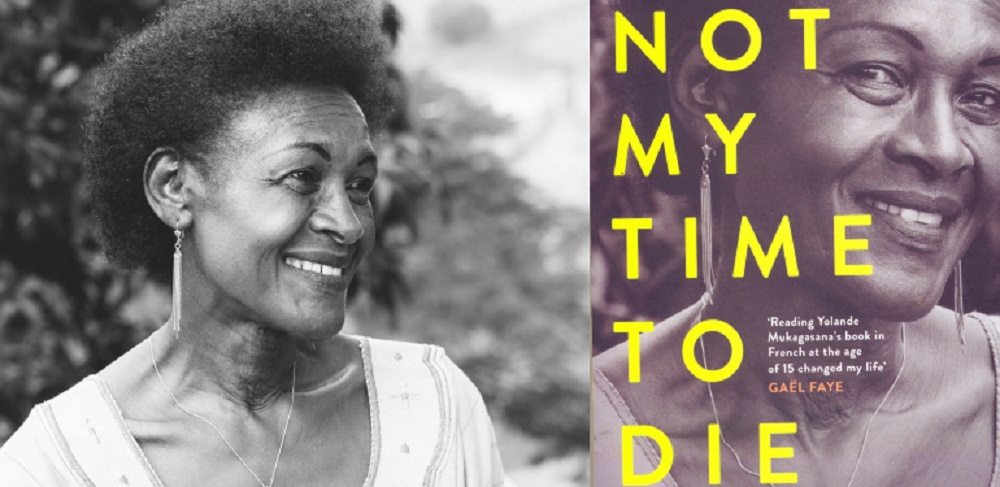
‘Not My Time To Die’ is a book written by Yolande Mukagasana, an activist renowned for initiatives to fight denial of the 1994 Genocide against Tutsi and trivialization.
‘Not My Time To Die’ is about testimony revolving around how her family was brutally murdered during the Genocide.
{{That Child is Me}}
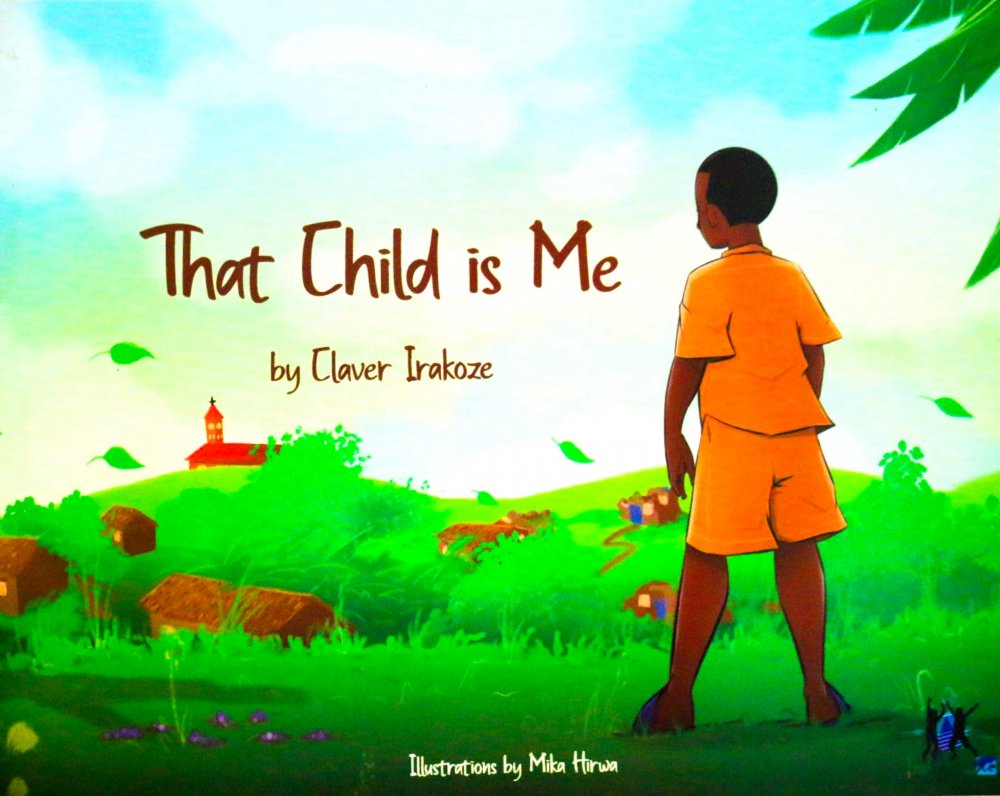
The book ‘That Child is Me’ was written by Claver Irakoze who was aged 11 during the Genocide against Tutsi. He wrote the book with a view to encourage people to teach children about history of the 1994 Genocide against Tutsi.
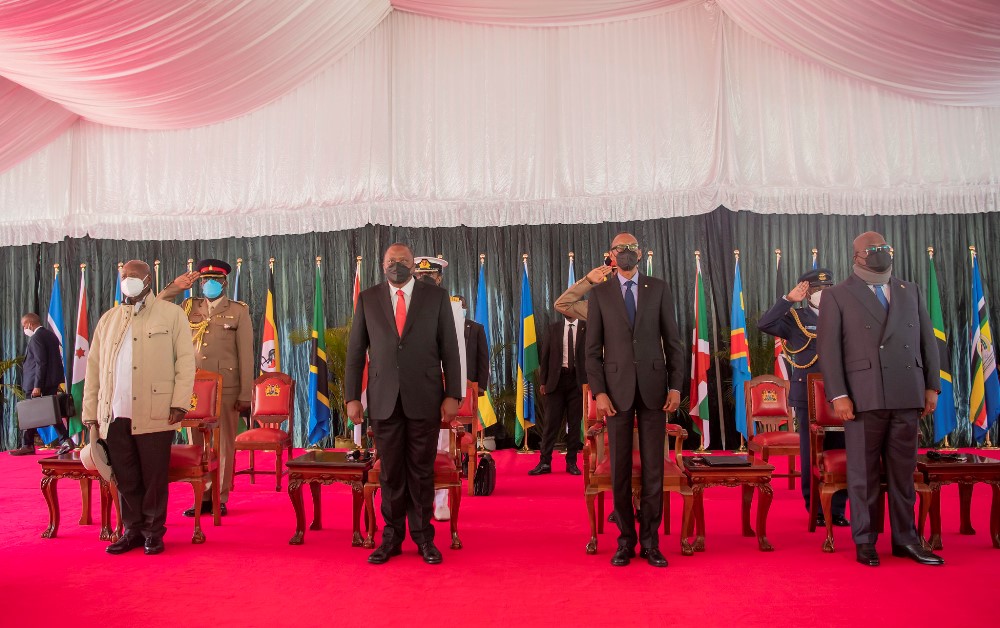
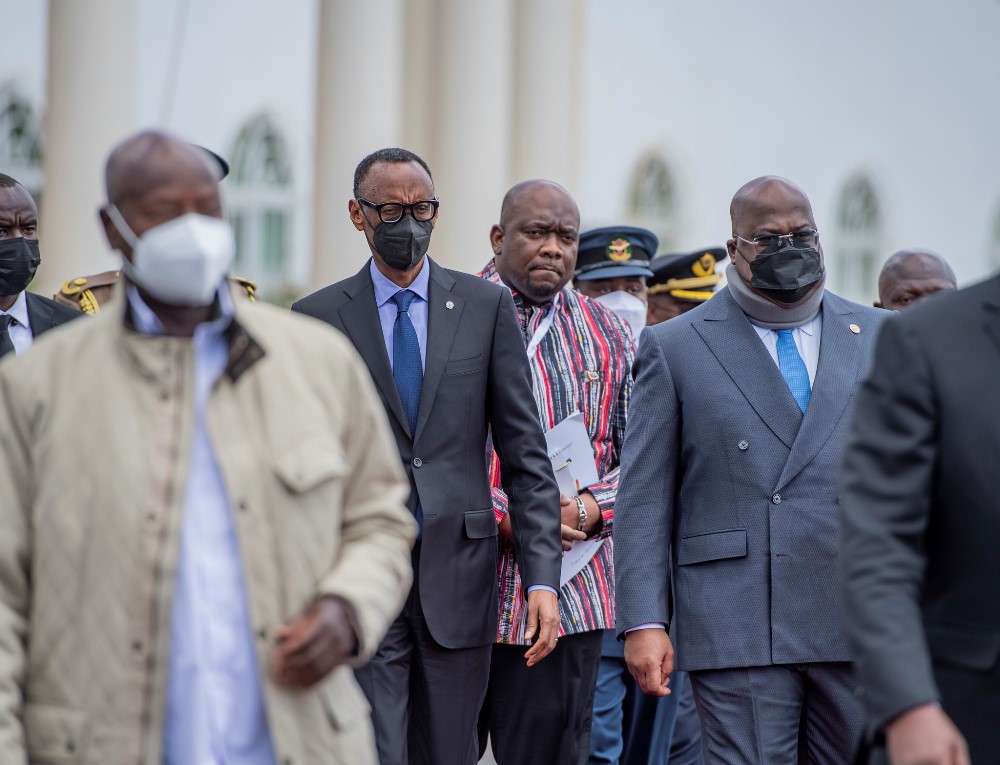
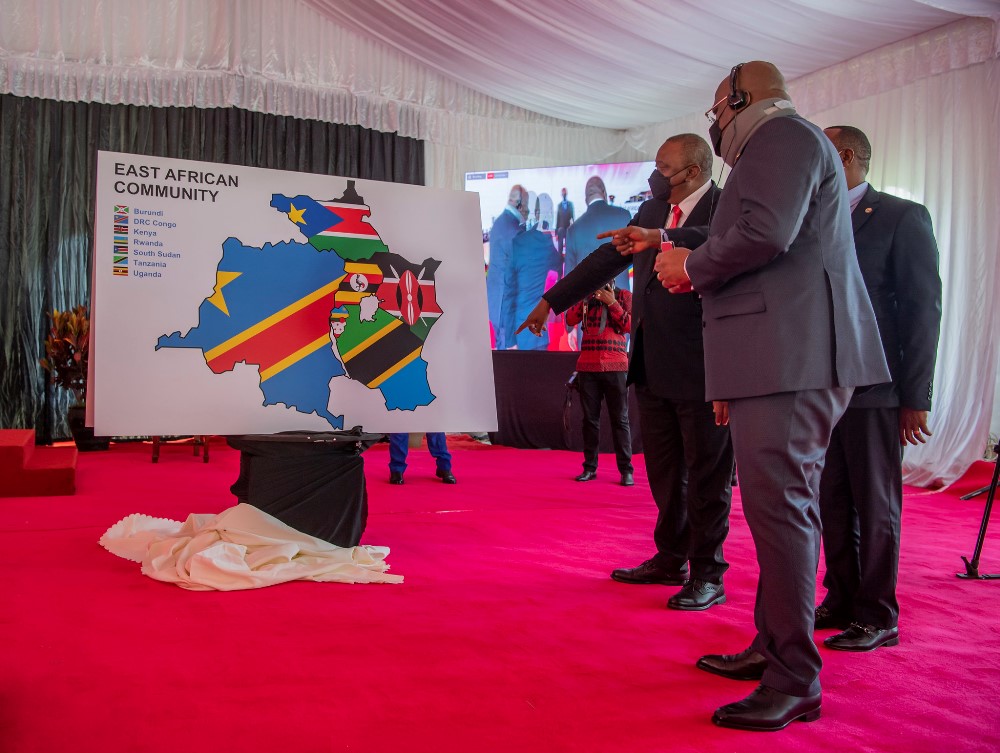
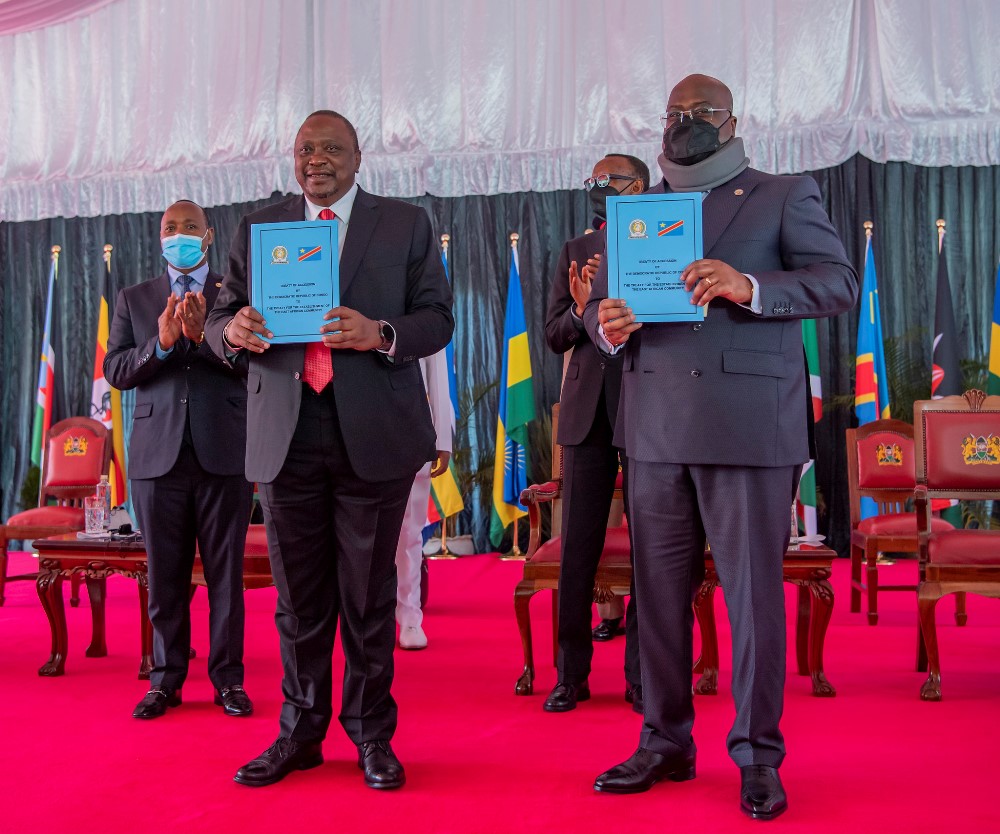
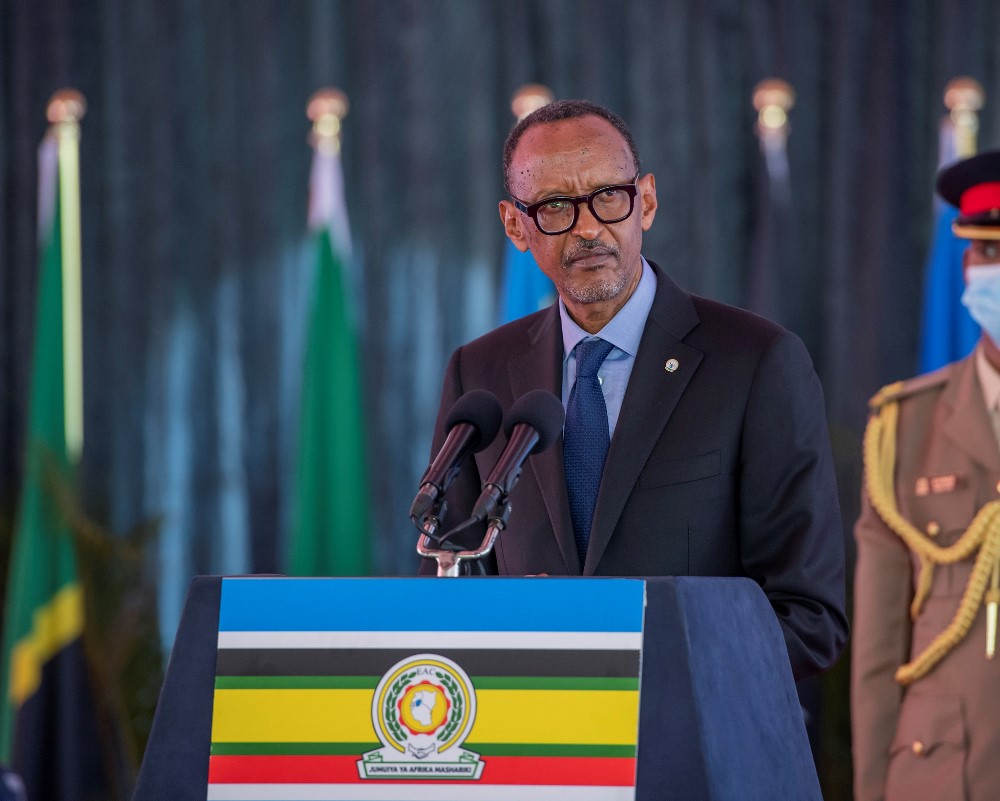
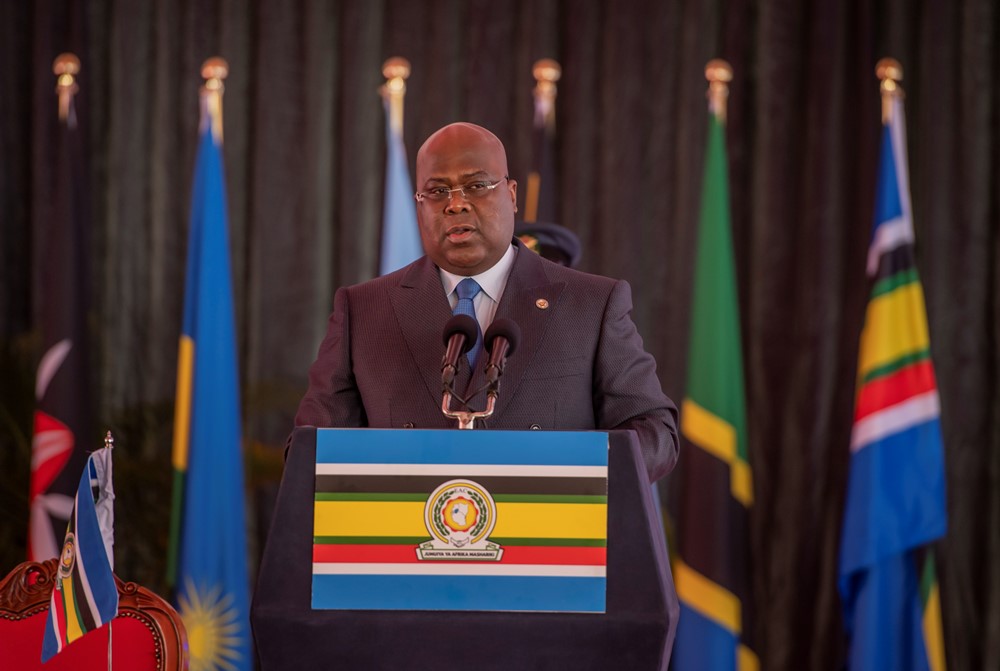
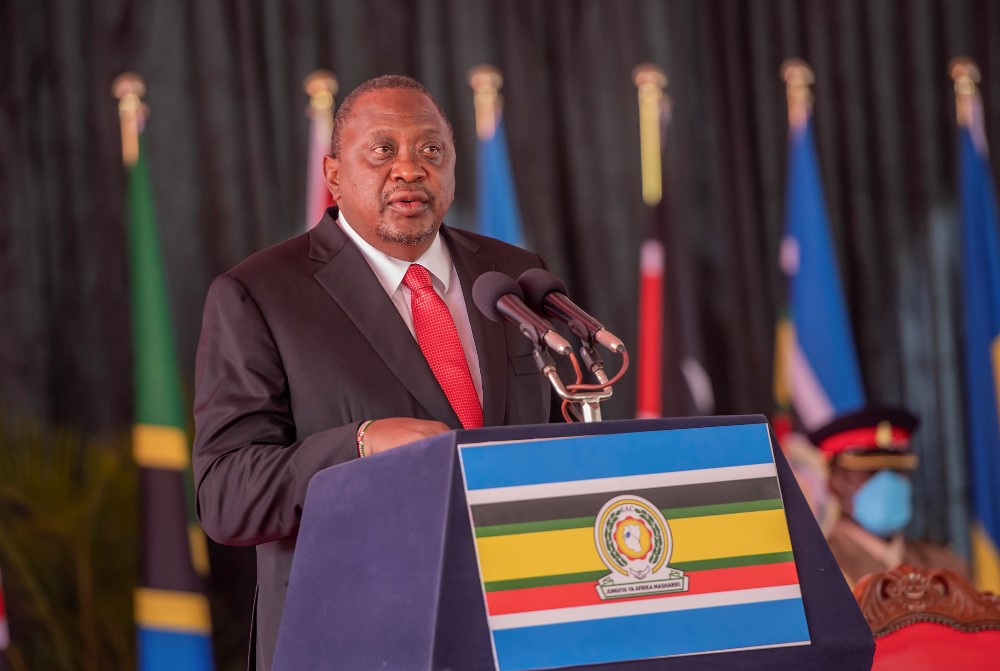
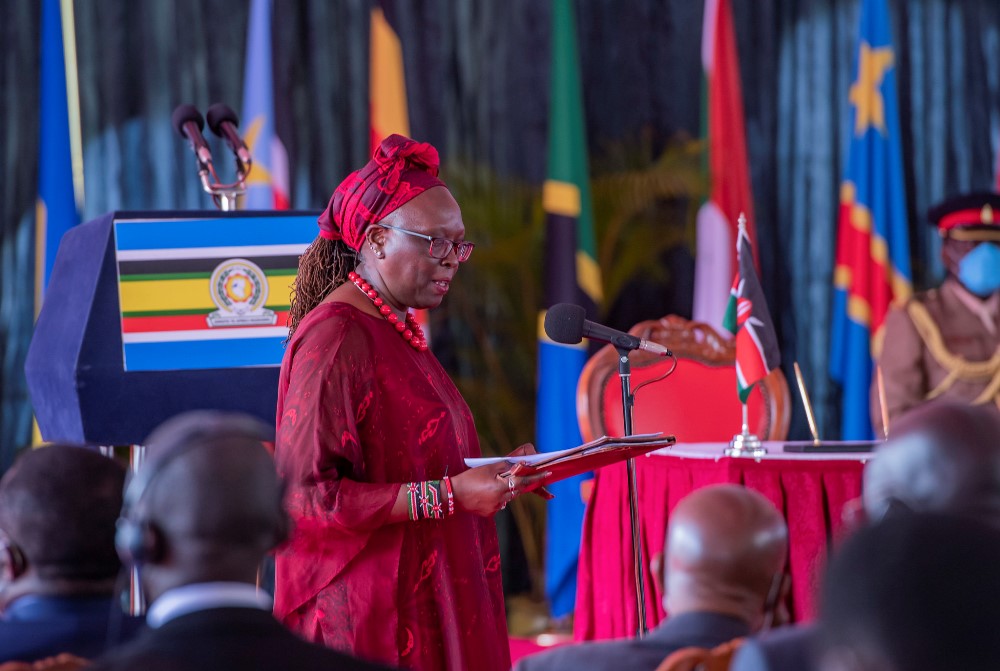
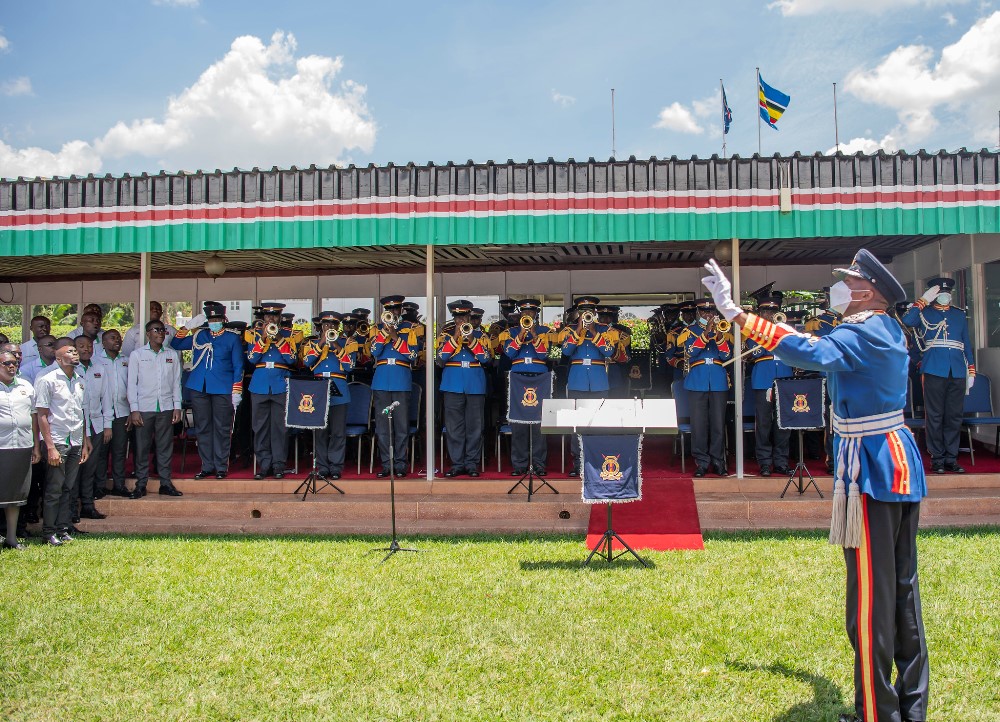
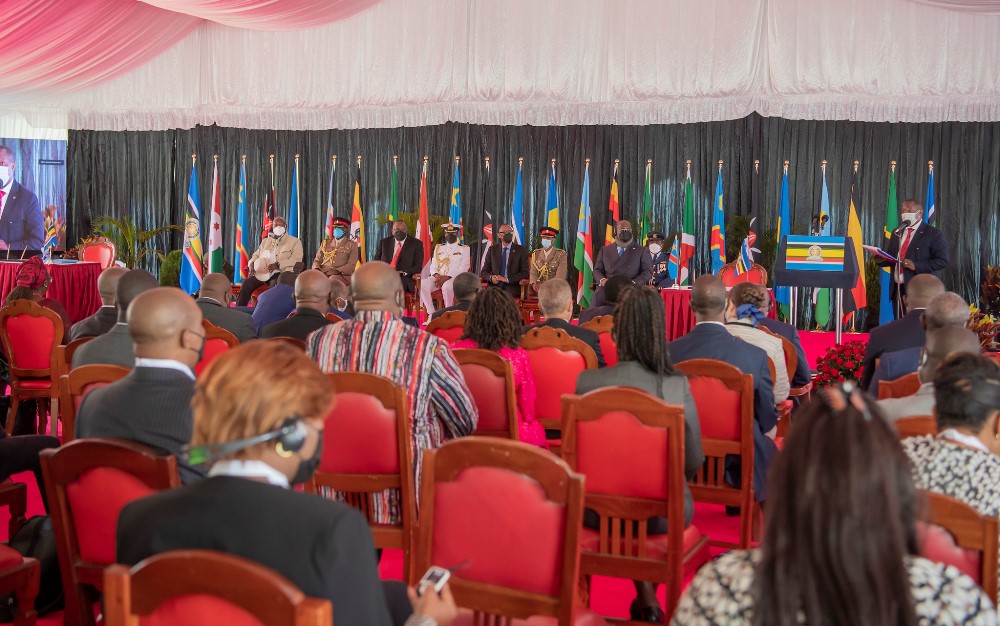
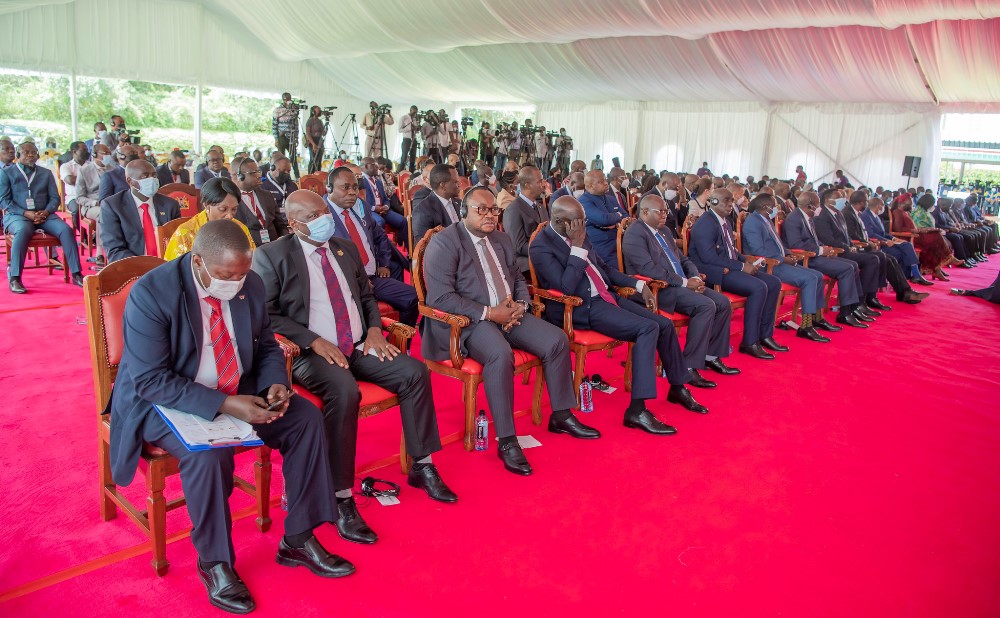
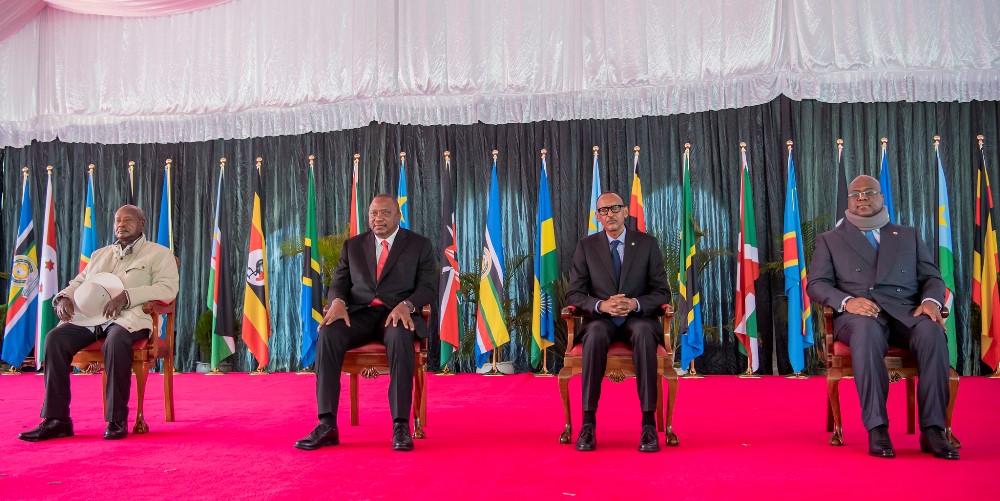
The ceremony took place at Kenya’s State House in Nairobi, one week after the country was admitted into the regional bloc becoming the seventh member state.
DRC was given the deadline of 14th April to have signed the accession treaty to formally join EAC and be added to the bloc’s map.
Rwandan President Paul Kagame and his counterpart of Uganda witnessed the signing ceremony between the President of DRC Felix Tshisekedi and Uhuru Kenyatta of Kenya who also serves as the current Chairperson of the African union.
Speaking after the ceremony, Kagame reiterated commitment to work with his counterparts to deepen the bloc’s integration.
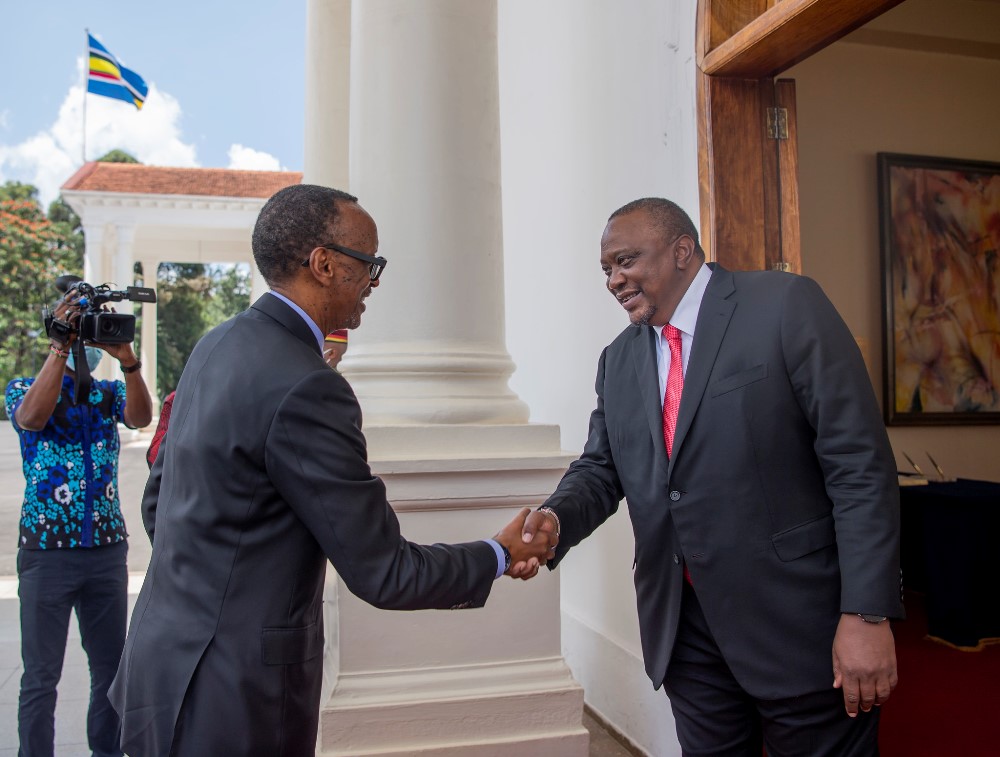
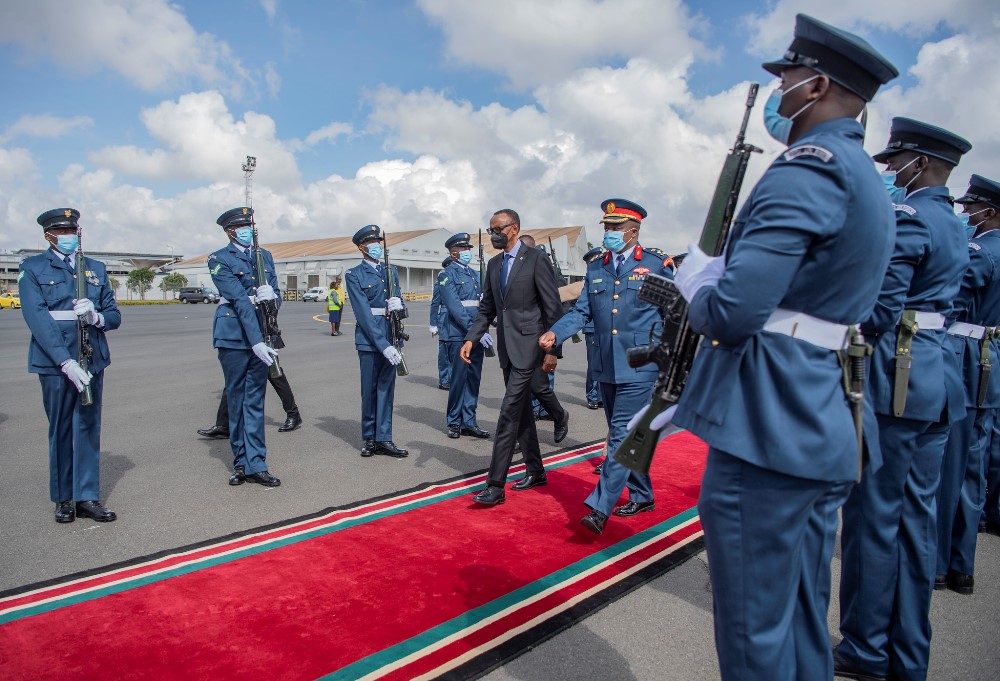
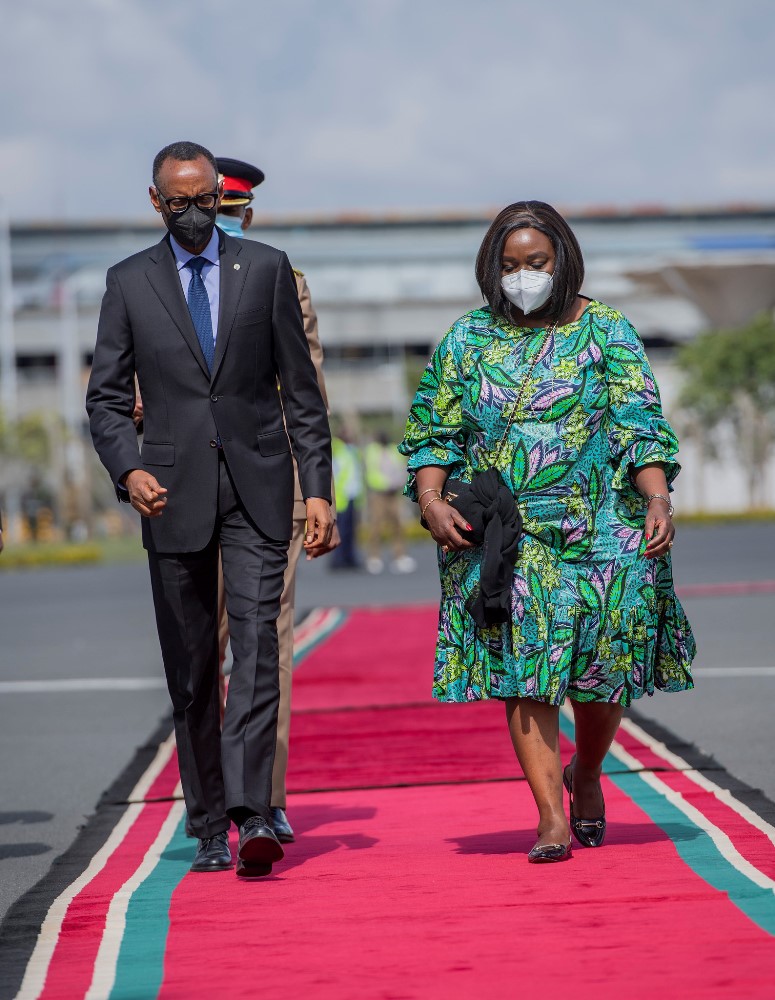
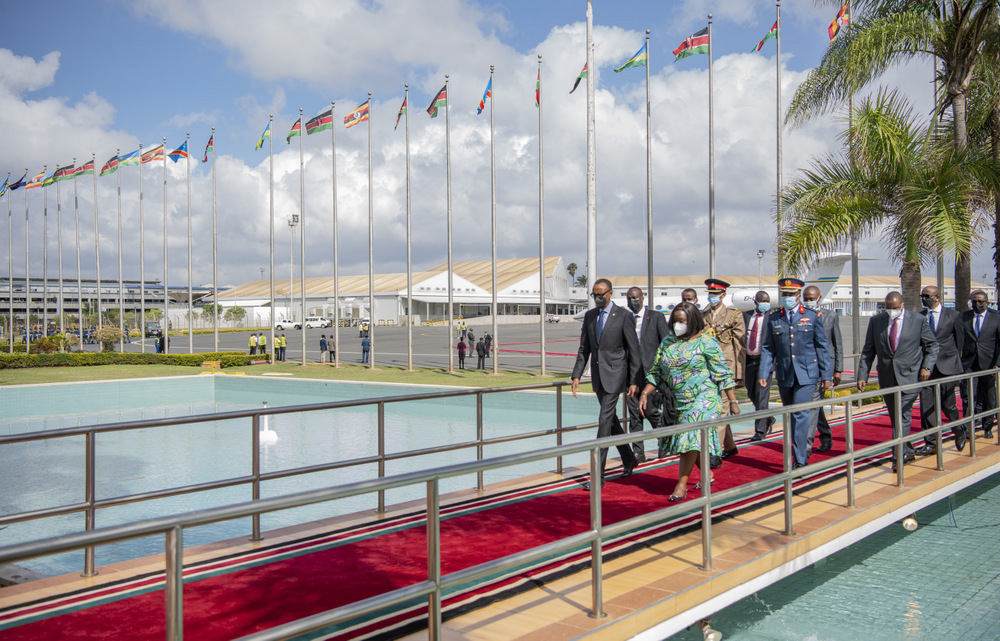
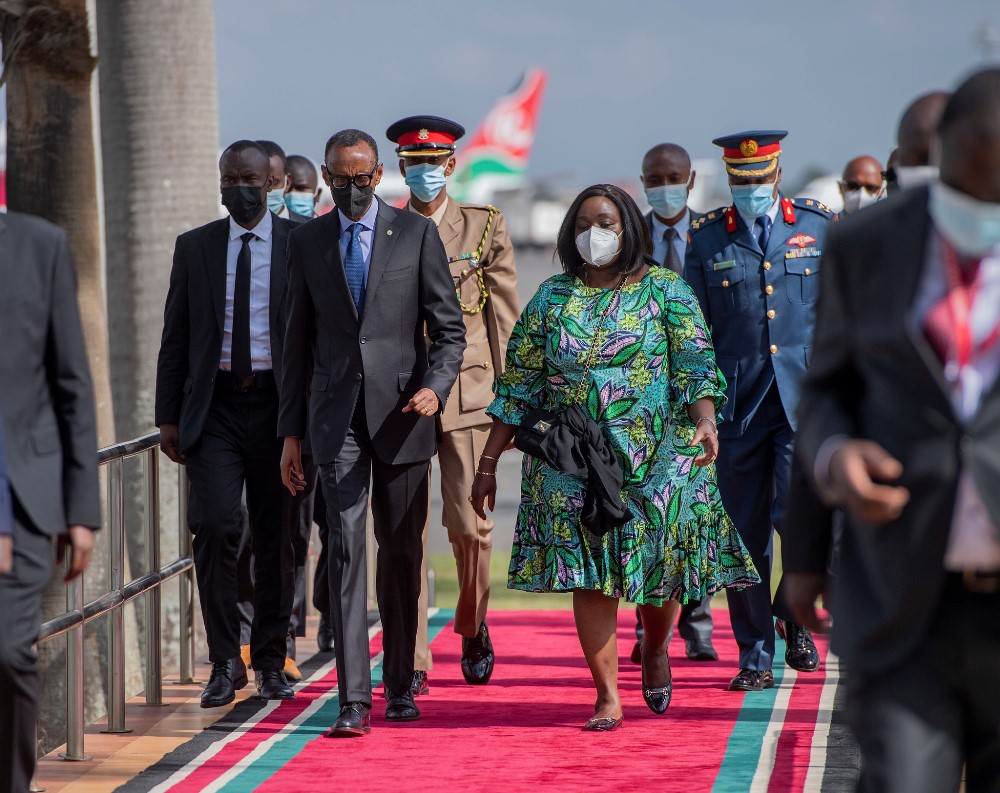
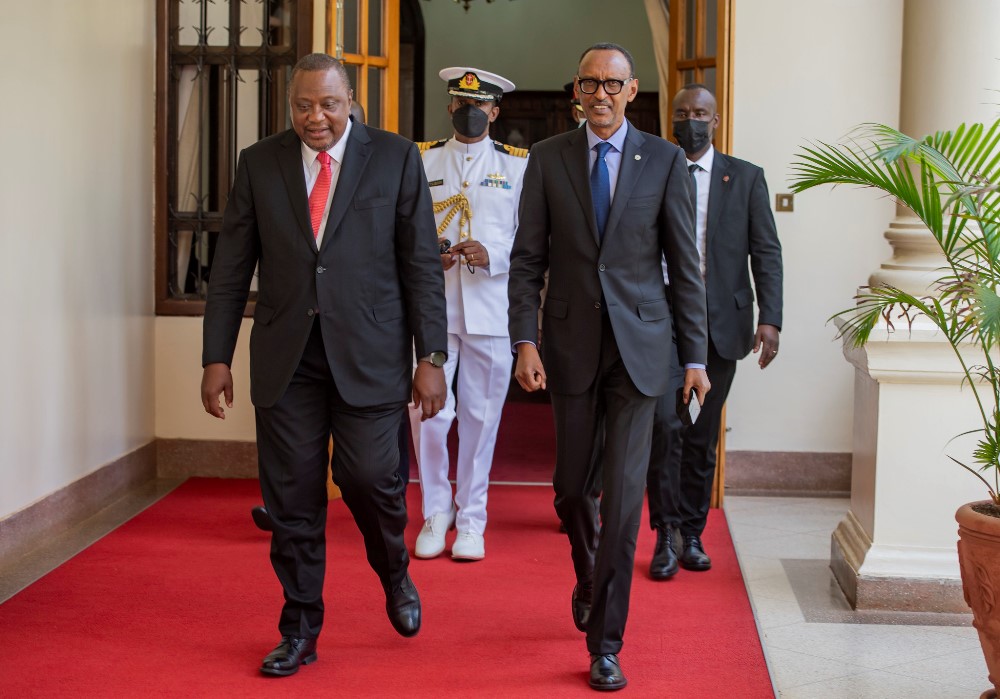
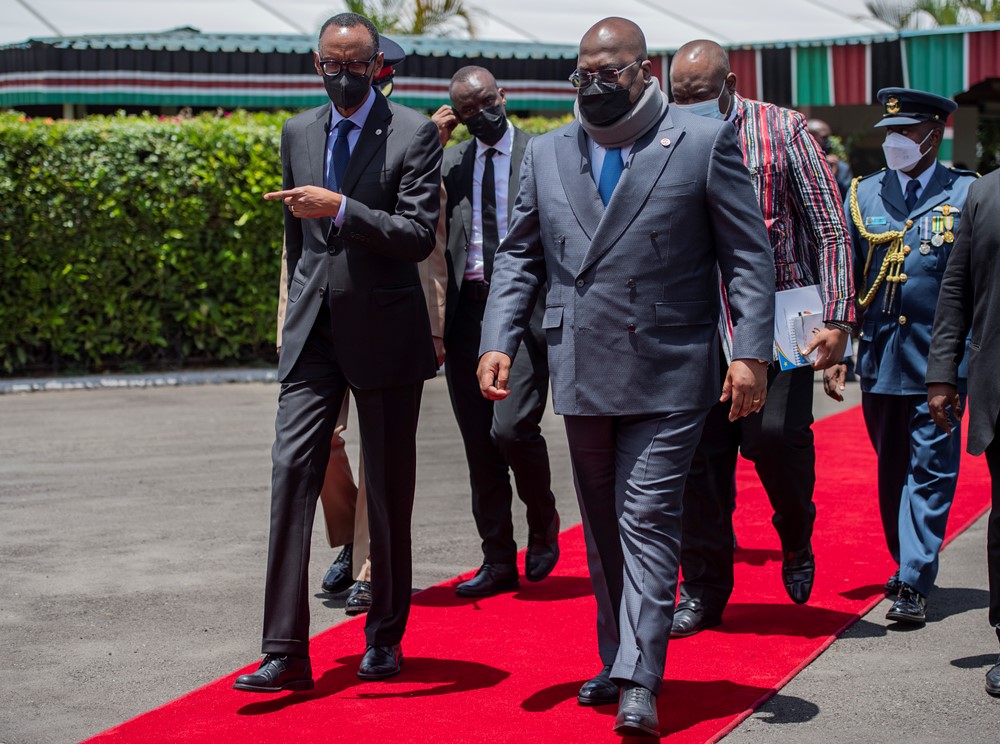
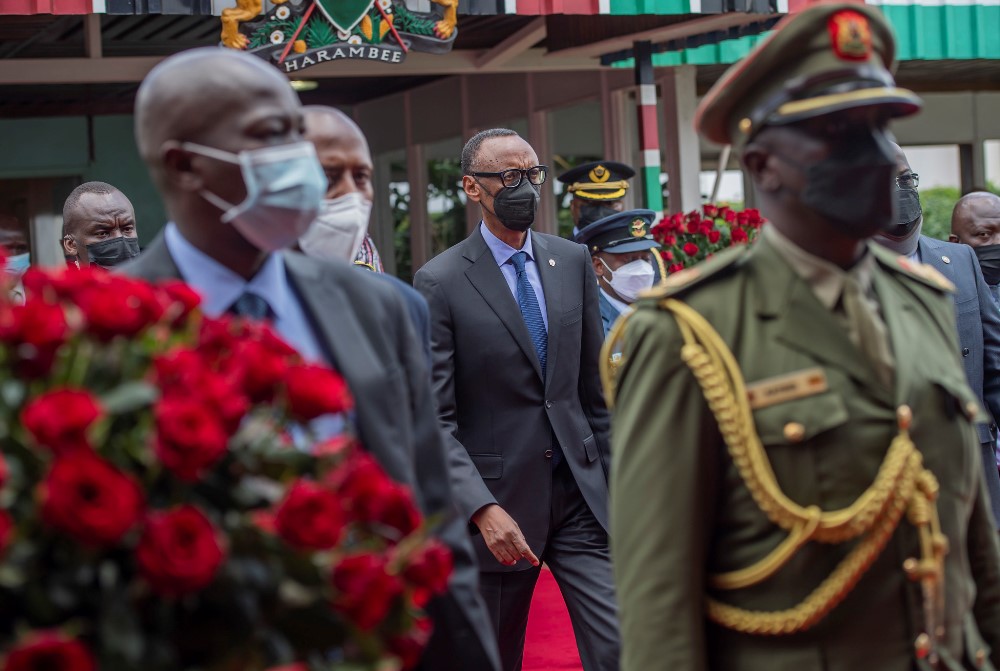
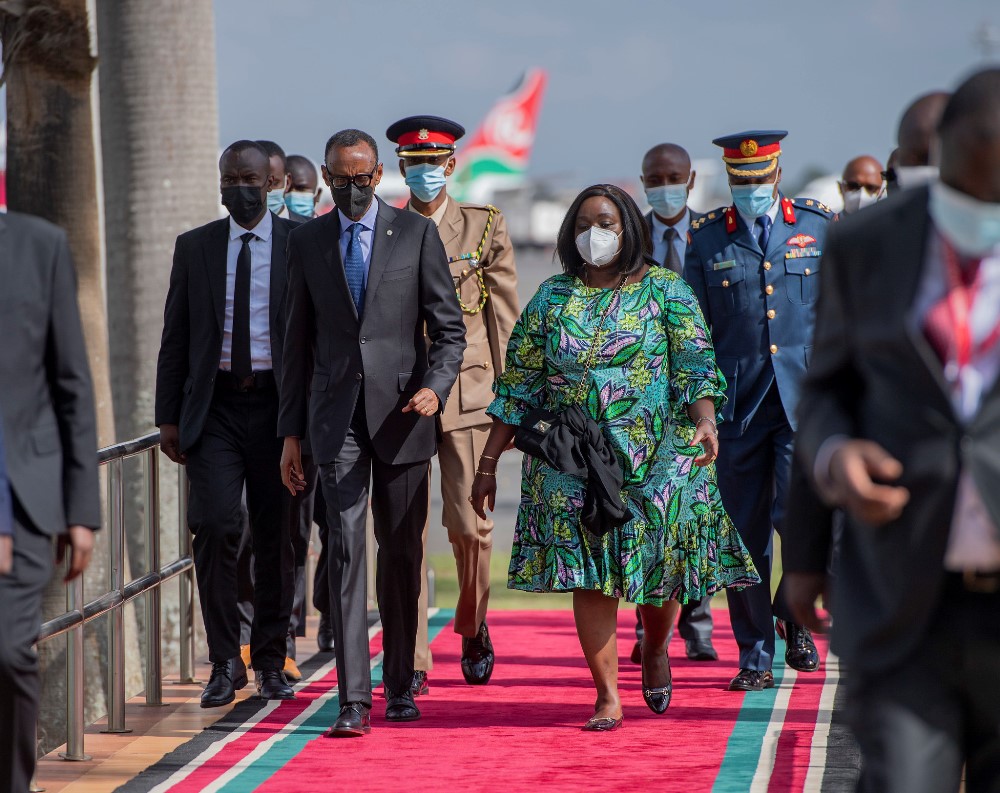
Below are pictures that marked the visit of President Kagame on his visit to Kenya to attend the ceremony.
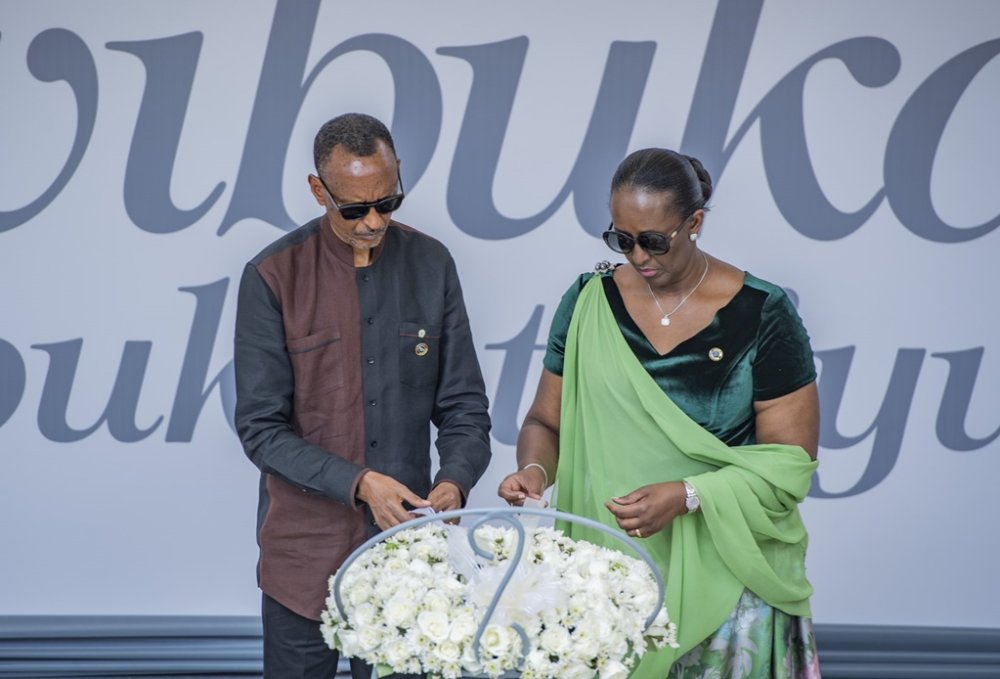
This year’s commemoration activities started on 7th April 2022 during an event presided over by President Paul Kagame and First Lady Jeannette Kagame who lit the flame of hope at Kigali Genocide Memorial.
In a message released via Twitter handle, the team revealed that it stands in solidarity with Rwandans during difficult times of remembering Genocide against Tutsi which claimed lives of more than 1 million victims killed for their innate personality.
“In this week of national mourning, in Rwanda, the PSG stand in solidarity with all Rwandans, and pays tribute to the victims of the Genocide perpetrated against the Tutsi in 1994. Remember, Unite, Renew,” reads the tweet.
The team signed partnership with Rwanda Development Board (RDB) three years ago to market Rwanda’s touristic attractions, creative culture and its openness to welcome business partnerships from France and across the world among others.
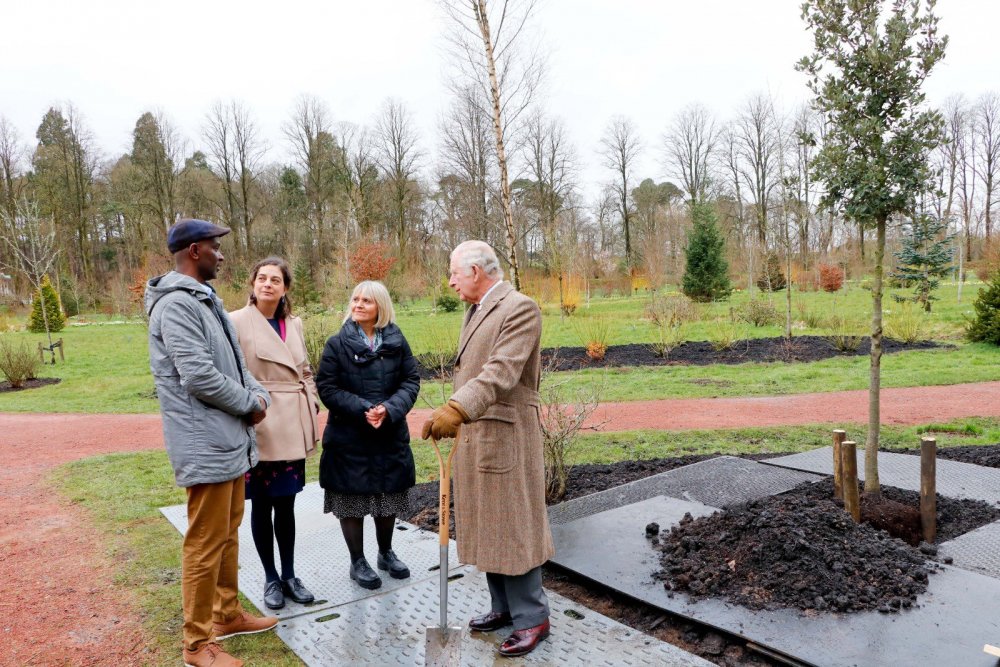
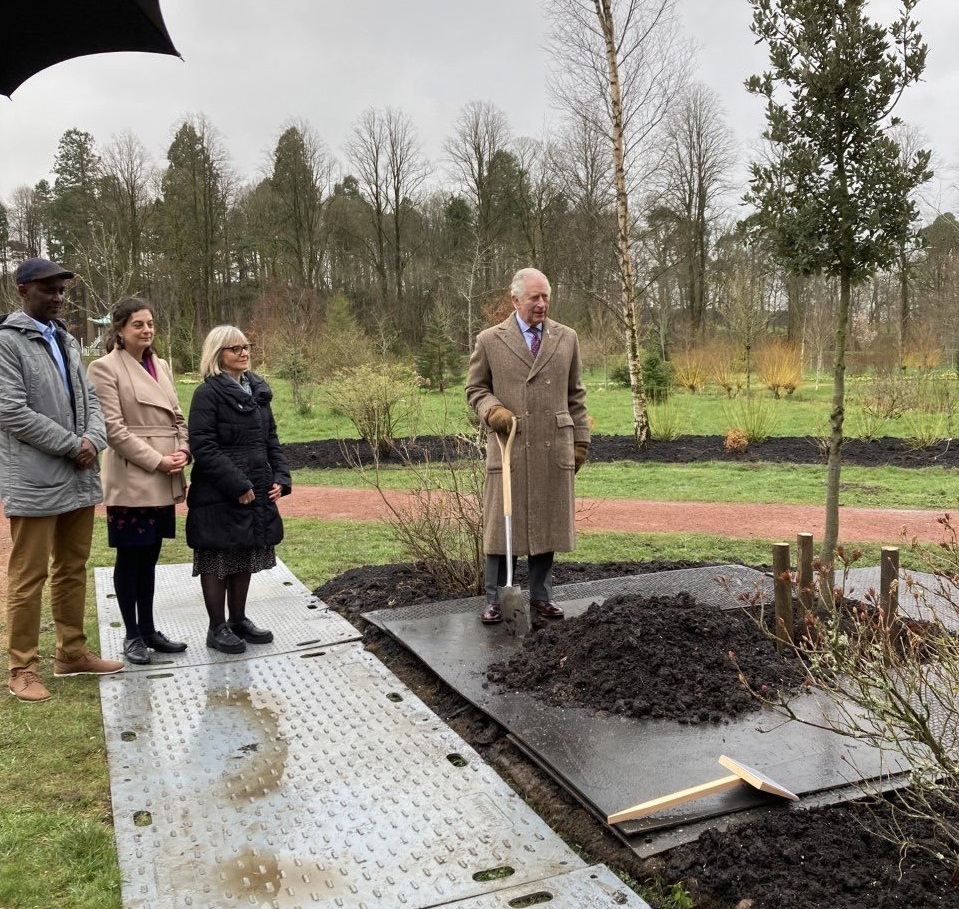
He paid homage to victims as Rwanda began the 28th commemoration of Genocide against Tutsi on 7th April 2022.
“Kwibuka means remember and Kwibuka 28 commemorates and reflects on the victims of the 1994 Genocide against the Tutsi that took place in Rwanda. Yesterday, The Prince of Wales planted a tree at Dumfries House in memory of those who were killed,” reads a message posted via Twitter handle of Charles.
The Prince was joined by people including former Rwandan international football player and Genocide survivor, Eric Murangwa Eugène.
In 2018, Eugène Murangwa was given an MBE award in Queen’s New Year’s Honours for raising awareness and education about the 1994 Genocide against the Tutsi in UK schools.
The Queen’s New Year’s Honours are traditionally given to individuals who have gone an extra mile to help others or for those who have achieved outstandingly in a particular field.
The MBE means Member of the Most Excellent Order of the British Empire.
An MBE is given for an “outstanding achievement or service to the community.
Prince Charles is among dignitaries expected to attend the Commonwealth Heads of Government Meeting (CHOGM) scheduled to take place in Kigali, Rwanda during the week of 20th June 2022.
Affected residents were immediately taken to Mushaka Health Center while four of them were transferred to Mibirizi Hospital.
The executive secretary of Nzahaha Sector, Jean de Dieu Rwango has comforted relatives and urged residents to prevent whatever that might put lives at risk.
“We assure to keep standing in solidarity with families whose relatives have been struck by lightning as we rushed to provide emergency assistance following the incident. We also request them to continue following measures aimed at preventing lighting,” he said.
Affected residents are in good state except one of them receiving intensive care.
Recently, lightning struck dead a student in the same area.