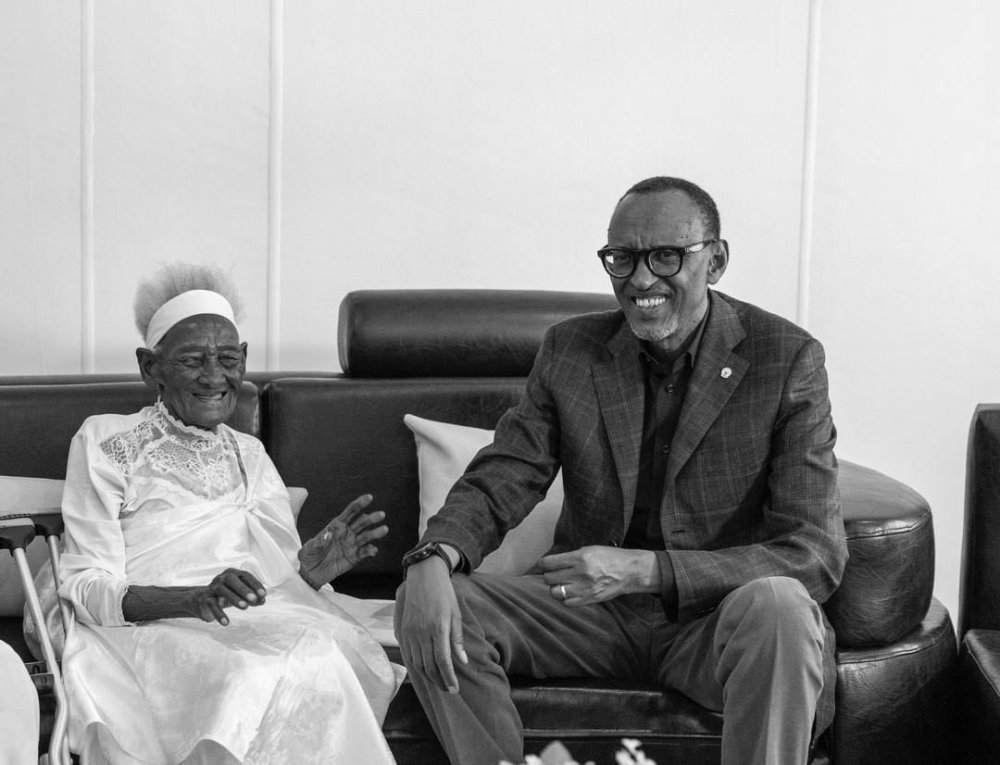
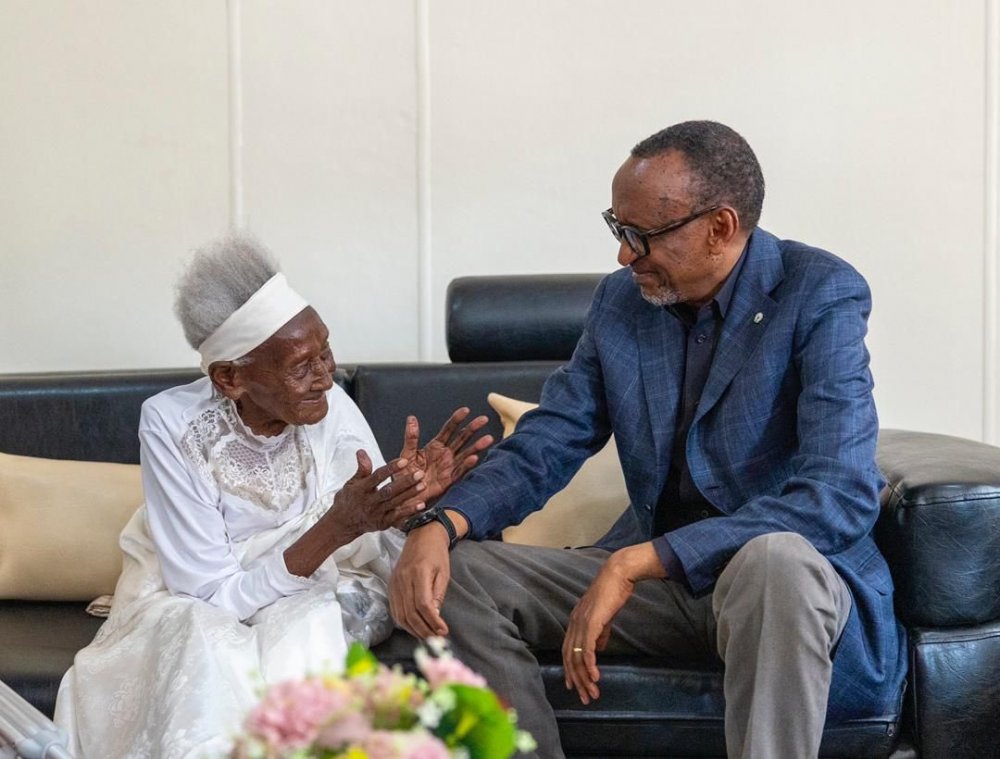
President Kagame held the visit in Nyamagabe District on the second-day of his citizen outreach in Southern and Western provinces.
President Kagame arrived at the home of Nyiramandwa on Friday 26th August 2022. It is located in Ngiryi Cell of Gasaka Sector in Nyamagabe District.
The old woman was heard at different times attesting that the head of state transformed her livelihoods and commended him for his generosity.
Nyiramadwa first met the President in 2010. Since then, the old woman met with Kagame at different times during citizen outreach visits.
Nyiramandwa recently told IGIHE that President Kagame transformed her life through cows donation and a decent shelter allowing her to retire in dignity.
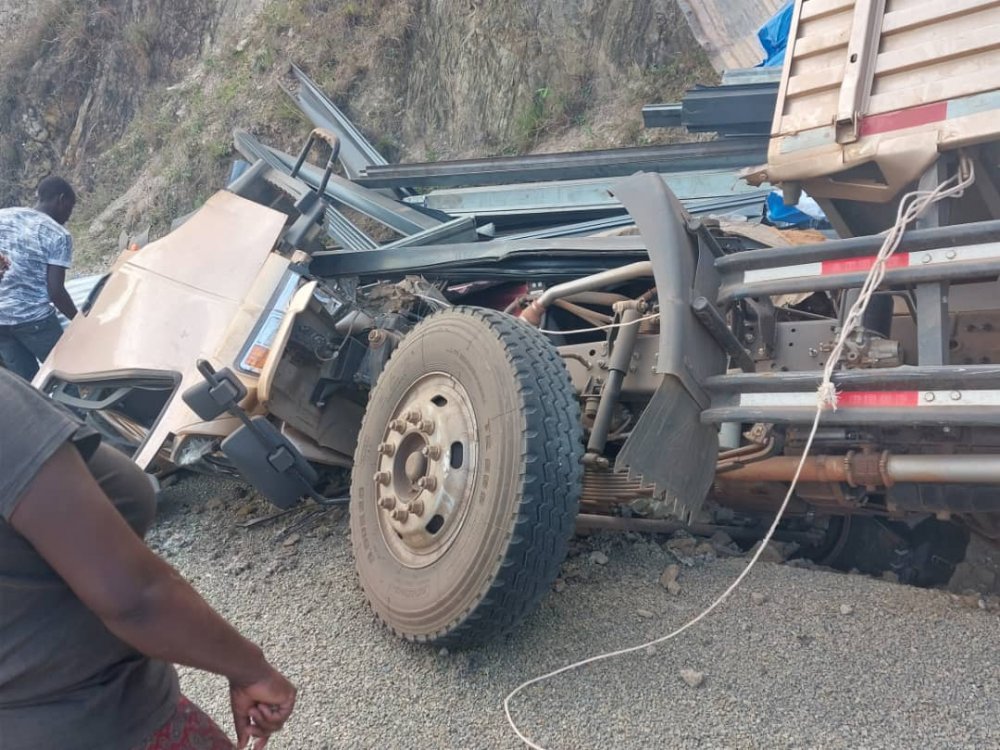
The incident occurred in Remera Village, Gacaca Cell of Rubengera Sector on Thursday 25th August 2022 around 4:30 p.m.
Senior Superintendent of Police (SSP) René Irere, the spokesperson of Rwanda National Police (RNP) Traffic and Road Safety department has told IGIHE that the truck carried construction materials from Kigali to Karongi District.
The truck fell down as the driver crossed the second road bend in Remera Village. The cabin was seriously damaged that the driver and conductor died on spot.
The Mayor of Karongi District, Vestine Mukarutesi has said that Police and residents rushed the rescue these people onboard but their efforts remained futile as the front part was seriously damaged.
Their bodies have been taken to the mortuary of Kibuye Hospital.
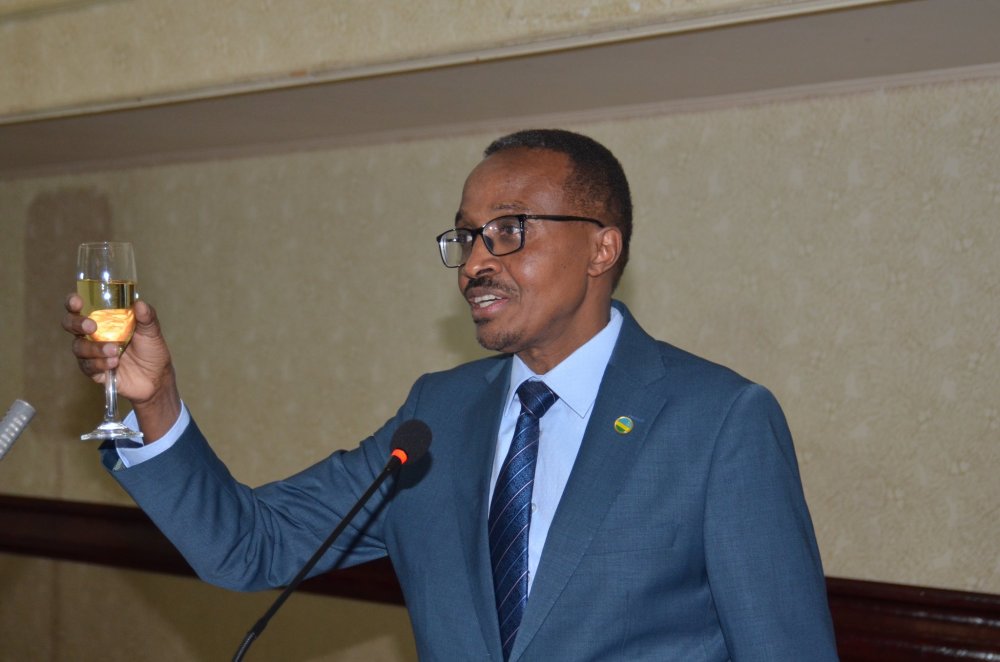
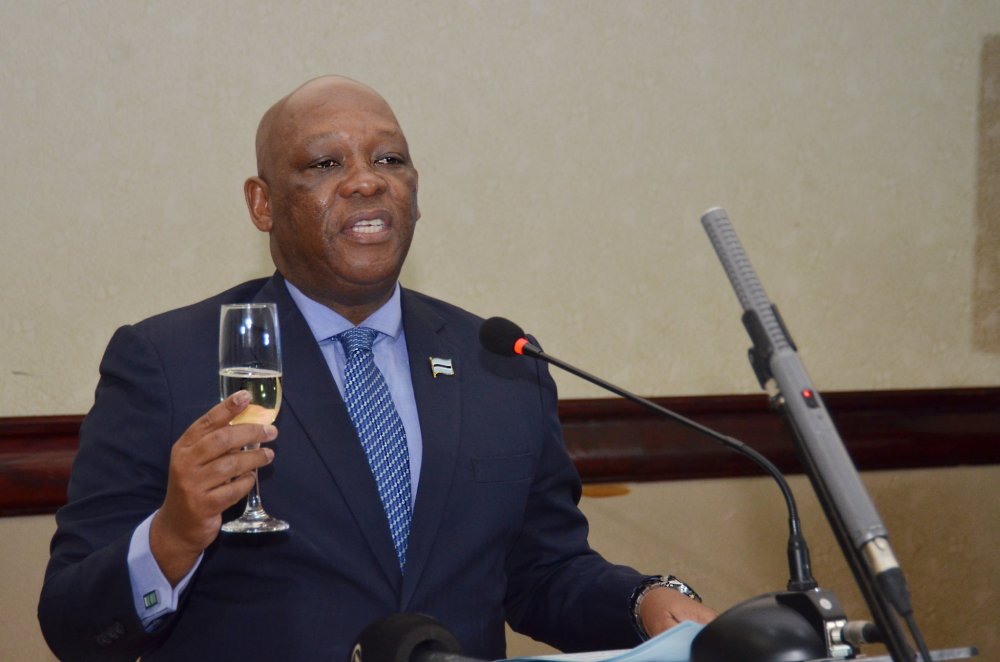
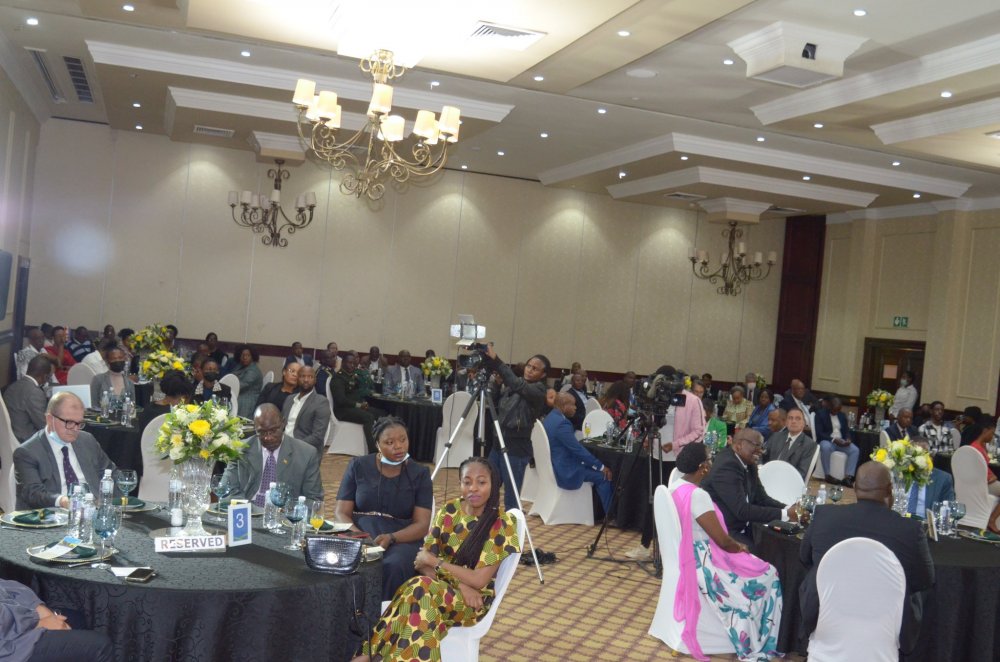
The celebrations which took place on 25th August 2022 brought together Rwandans living in Botswana and dignitaries including Rwanda’s Ambassador to the country, James Musoni and the Minister of Defence in Botswana,Thomas Kagiso Mmusi who was the guest of honour.
Rwanda’s Liberation Day is officially celebrated on 4th July every year.
Maj. Gen Murasira attended the ceremony as part of his three-day visit to the county which began on 24th August.
During his visit, both countries signed an agreement on defence cooperation.
In April 2022, Maj Gen Murasira also received his counterpart of Botswana, Thomas Kagiso Mmusi in Kigali.
At the time, their discussions focused on military cooperation between Botswana and Rwanda.
The Chinese team ranked first in its group, which also included Kazakhstan, Azerbaijan and Vietnam, during the semi-finals that concluded at the Alabino training ground in the Moscow region.
The Chinese team will compete with groups from Russia, Belarus and Uzbekistan in the final contest on Saturday.
The International Army Games, initiated by the Russian Defense Ministry, have served as an international platform for militaries to exchange experience and strengthen cooperation.
The first vehicle shipment arrived at the Indode Freight Station on the outskirts of Addis Ababa.
A special ceremony was held at the station to mark the arrival of the first shipment.
Abdi Zenebe, the chief executive officer (CEO) of Ethiopia-Djibouti Railway Share Company (EDR), lauded the move, emphasizing that it will help realize the major aspirations of the railway in terms of facilitating Ethiopia’s transportation system.
Noting the huge movement of imported commodities from ports in Djibouti to central Ethiopia and exported items from Ethiopia to the rest of the world via ports in Djibouti, Zenebe said the very first shipment of cars from Djibouti to Ethiopia signifies EDR’s commitment to diversify its transportation services.
“This is an indication that we are diversifying our business. We have multiple varieties of wagons, which includes hoppers, we have refrigerator wagons, we have a large number of wagons that we have not yet utilized,” Zenebe said. “This is one way of indicating and communicating to the world and to our customers that we have started to use these (railway) wagons, and this diversification and expansion of businesses will guarantee EDR’s progress in the future and will expand EDR’s service to the two countries and customers involved.”
The 752.7-km Ethiopia-Djibouti standard gauge railway, also known as the Addis Ababa-Djibouti railway, contracted by China Rail Engineering Corporation (CREC) and China Civil Engineering Construction Corporation (CCECC), is the first trans-boundary railway on the African continent.
As the Ethiopia-Djibouti electrified railway significantly improves the freight market, EDR said the railway is enriching its services toward realizing the two countries’ ambition of building an industrial and economic belt driving the economic and social development of the two countries.
Abdurahman Ibrahim, general manager of Nana Solutions, the company that partnered with EDR to import the first batch of 24 vehicles via the Ethiopia-Djibouti railway, said the railway offers various advantages to companies engaged in import and export sectors.
“We are very lucky to be the pioneers in this very good initiative. It offers various opportunities to us, including safety as using railway wagons is highly secured and safe until its final destination,” Ibrahim told Xinhua. “It is also very cost-wise as it reduces the cost by almost half as compared with car-carrier trucks. Its swift delivery is also another great advantage.”
Itaru Nakamura, commissioner general of the National Police Agency (NPA), made his announcement following the release of a review of security at the time Abe was fatally shot while delivering a street speech during an election campaign.
“The National Police Agency believes it is necessary to steadily implement measures based on the new security requirements under a new system to prevent such an incident from happening again,” Nakamura told a press conference.
“Today, I conveyed to the National Public Safety Commission my intention to resign, in an effort to revamp personnel affairs,” he said, with his resignation likely to be approved at a Cabinet meeting on Friday.
The results of the review in the wake of Abe’s assassination revealed the police’s failure to protect the former leader.
It detailed serious flaws in security plans, insufficient command and communication at the scene, and a failure to notice the gunman approaching Abe.
Abe delivered a stump speech in the western city of Nara on July 8 ahead of an upper house election. A lone assailant was able to approach Abe with a homemade gun and fire two shots from behind Abe with his security details unable to respond in time to prevent or limit the attack.
At the time of the shooting, one policeman from the Tokyo metropolitan police force and a few local police officers were close to Abe at the time of the shooting.
Numerous security experts here have attested the attack could have been prevented or at least not resulted in Abe being fatally wounded, had his security details acted in unison to both suppress the attacker whilst simultaneously shielding and moving Abe out of the line of fire.
According to the NPA, one of the biggest errors in security measures at the time of the shooting involved a police officer from Nara changing his position during Abe’s speech.
He moved from outside a small area of guardrails surrounding Abe where he was covering the former leader’s back, to inside the rails where the policeman then turned his back to the crowd, the agency said.
The local police officer did not inform his team leader or other officers of his movements, said the NPA.
On Thursday, the head of the Nara Prefectural Police, Tomoaki Onizuka, also announced his intention to step down.
More than 70 people died and over 82,000 houses were damaged over the past 24 hours in various rain-related incidents in parts of the country, according to the NDMA statistics.
As the country struggles to cope with the aftermath of torrential rains that triggered massive floods, Pakistan urged the international community to help with relief efforts.
Pakistan’s Minister for Climate Change Sherry Rehman said that the current climate catastrophe needs immediate International and national mobilization of humanitarian efforts, not just in the form of food, shelter and basic survival amenities, but also in rescue efforts.
“Given the scale of the disaster, there is no question of the provinces or even Islamabad being able to cope with this magnitude of climate catastrophe on their own. Lives are at risk, and thousands are homeless. It is important that international partners mobilize assistance,” the minister said.
The southern Sindh province remained one of the worst-hit regions, where 293 people died in different rain-related incidents and subsequent flooding, followed by 230 in the southwestern Balochistan province, said the NDMA.
The total fatalities also included 169 reported in the northwestern Khyber Pakhtunkhwa province, and 164 in the eastern Punjab province.
Floods have also damaged over 495,000 houses across Pakistan apart from washing away roads and damaging bridges since mid-June, according to the NDMA.
Considering the prediction of more rains in the country, Prime Minister Shahbaz Sharif on Wednesday directed the concerned authorities to expedite rescue and relief operations in flood-affected areas.
“The rehabilitation in the calamity-hit areas is a gigantic task … This is possible only through collective efforts,” Sharif said.
Meanwhile, local authorities along with the Pakistani army are continuing with rescue and relief activities, and sending food items, tents, medicines, and other essential items to almost all the flood-hit areas in the South Asian country.
Talking to Xinhua, Naseer Ibraheem, a volunteer for a local non-governmental organization in the southern Badin district, said that the recent spell of heavy rains has caused unprecedented destruction in the district and the government has declared it a calamity-hit area.
“I have never seen such damage caused by rains in the past. It has rained many folds more in Sindh. People are forced to live in makeshift camps and tents as they have lost their houses to heavy downpours and floods,” Ibraheem said.
“Our organization, like several others in the area, is providing food, tents and cash money to help stranded people … I cannot describe how unfortunate the situation is for them … they have lost almost everything they had to rains and floods. They need our help,” he added.
One of the suspects identified as Pascal Nsengiyumva, 28, was apprehended on Wednesday August 24, in Kanyamatembe Village, Terimbere Cell, of Nyundo Sector in Rubavu District with a bundle containing 8kgs of cannabis.
Two others; Aline Uwitonze, 18, and Kevine Iradukunda, 20, who had 1014 and 1003 pellets, respectively, were arrested Friday, August 25, in Ruhongore Village, Nyamitanzi Cell, Jomba Sector on Nyabihu District.
Chief Inspector of Police (CIP) Mucyo Rukundo, the Political and Civic Education Officer (RPCEO) for the Western region, said the separate operations followed credible information from residents.
“On Wednesday, Police received a phone-call from a vigilant resident of Kanyamatembe Village reporting Nsengiyumva, who was carrying a sack of suspicious goods. The resident suspected him to be trafficking cannabis,” CIP Rukundo said.
He added that when Police officers stopped him, they found that the sack contained cannabis weighing 8kgs, leading to his immediate arrest.
“Nsengiyumva was allegedly supplied by another major dealer in Busasamana Sector (still at large), also in Rubavu District, from where he was coming, and was at the time headed to Nyundo Sector to supply his retailing customers.
He added that Uwitonze and Iradukunda were arrested at a Police check-point along Rubavu-Musanze during a random search against smuggling and drug trafficking.
They were at the time traveling in a public vehicle and had wrapped the pellets of cannabis around their waist covered with the clothes they were wearing.
“The arrest of the trio is a result of strong Police cooperation and collaboration with the public through information sharing and increased operations targeting mainly suppliers,” CIP Rukundo said.
On Sunday, August 21, one Gilbert Twiringiyimana was arrested red-handed in Buhita Village, Bukwashuri Cell of Kivuye Sector in Burera District in possession of 10kgs of cannabis which he had trafficked into Rwanda from the neighbouring Uganda.
Early this month, three other dealers were also arrested in Busasamana Village, Byimana Cell of Ndego Sector Kayonza District with 10 kilogrammes of cannabis.
The Ministerial order No. 001/MoH/2019 of 04/03/2019 establishing the list of narcotic drugs and their categorization classifies cannabis in the category of “very severe narcotics.’’
Article 263 of law No 68/2018 of 30/08/2018 determining offenses and penalties in general states that any person, who unlawfully produces, transforms, transports, stores, gives to another or who sells narcotic drugs and psychotropic substances, commits an offence.
Upon conviction for “very severe narcotics,” the offender faces between 20 years and life imprisonment, and a fine of between Rwf20 million and Rwf30 million.
The citizen outreach visit which began on Thursday 25th will be concluded on 28th August 2022.
On the first day, the Head of State visited Ruhango District and interacted with residents at Kibingo ground where they have been given floor to raise concerns.
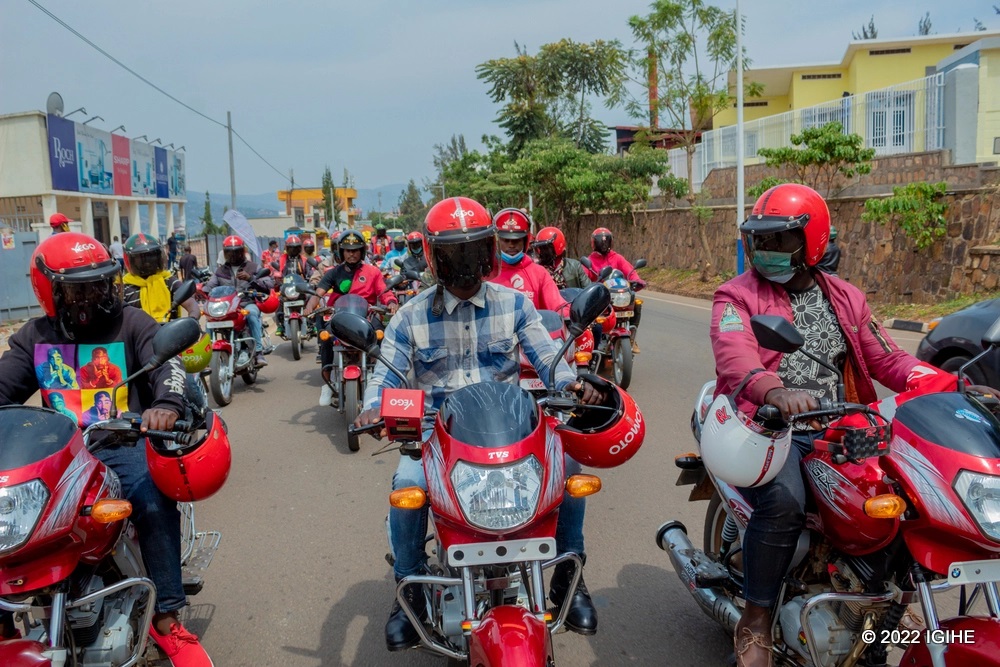
A motorcyclist identified as Pierre Bizimana has told the Head of State that commercial motorcyclists face serious issues affecting their business including hiked insurance premium.
The Minister of Infrastructure, Dr. Ernest Nsabimana has explained that there are efforts underway to solve the issue durably. He revealed that Rwanda Utilities Regulatory Authority (RURA), the National Bank of Rwanda (BNR) and the ministry he leads are working together to find a solution in two months.
Reacting to the issue, President Kagame promised a follow up to have the issue solved.
“I will also give it attention that it will have been solved,” he said.
On 13th March 2022, motorcyclists staged protests to demand action on issues affecting their business including high cost associated with using fare meters and hiked insurance premium.
These include poor cooperatives’ management and irrelevant contributions that do not generate returns, hiked insurance premium, difficulties in motorcycle ownership transfer and losses incurred by fare meter tariffs among others.
The insurance premium which taxi moto operators complained about, increased three folds.
For the past three years, motorbike insurance premium rose from Rwf45,000 to Rwf153,200 for a motorcycle that was manufactured five years ago or less.
The premium increased to more than Rwf180, 000 for those that were made more than 10 years ago.
Protesting motorcyclists demanded that the prices be revised and reduced to a reasonable amount.
Following the demonstrations, the Ministry of Infrastructure in collaboration with relevant stakeholders in transport sector in Kigali City released resolutions reassuring motorcyclists on issues affecting their business in the same month.
These include the cancellation of mandatory contributions to their cooperatives and transport fare increment for the first two kilometers for those using meters.
At the time, the Minister of Infrastructure, Dr. Nsabimana said that the resolutions made public on Friday 25th February 2022 were reached after assessing raised concerns.
Among others, motorcyclists’ cooperatives in Kigali were reduced from 41 to 5 where they had to operate differently from the previous ones. Else, some services that motorcyclists would receive from cooperatives were transferred to RURA.
Motorcyclists’ contributions to cooperatives were also annulled, operators paying tax in four months were exempted from late payment charges and penalties while fees paid to RURA were reduced.
However, Minister Nsabimana revealed that the issue of hiked insurance premium was being reviewed.
Insurers attribute the hike in motorbike insurance cost to heavy bills paid in compensations for injuries or deaths caused by taxi moto accidents.
Many insurance companies in the country do not provide insurance package for motorbikes due to incurred losses.
Rwanda registers over 44,000 motorcyclists across the country of whom more than 25,000 operate in Kigali City.
“The chairperson strongly calls for the immediate cessation of hostilities and urges the parties to resume talks to seek a peaceful solution,” the AU said in a statement issued Wednesday evening.
Faki reiterated the African Union’s continued commitment to working with the parties in support of a consensual political process in the interest of the country, the statement said.
Earlier on Wednesday, the Ethiopian government accused the rebel Tigray People’s Liberation Front (TPLF) of resuming fighting.
In a statement, the Ethiopian Government Communications Service said the rebel group started fresh attacks on different positions in the eastern front early Wednesday morning, particularly in Bisober, Zobil and Tekulesh.
It said the move by the rebel group demonstrates its stance against any potential peace process.
The TPLF, on the other hand, accused the federal government of starting the attack on its forces, an accusation rejected by the government, describing it as a pretext by the rebel group “to continue its warmongering behavior.”
Humanitarian aid flow only resumed recently to the Tigray region after the federal government and rebel forces agreed to a conditional cessation of hostilities and unhindered delivery of humanitarian aid into the region.
Ethiopia, Africa’s second most populous nation, has seen a devastating conflict between government troops and forces loyal to the rebel TPLF since November 2020, which left millions in urgent need of humanitarian assistance.