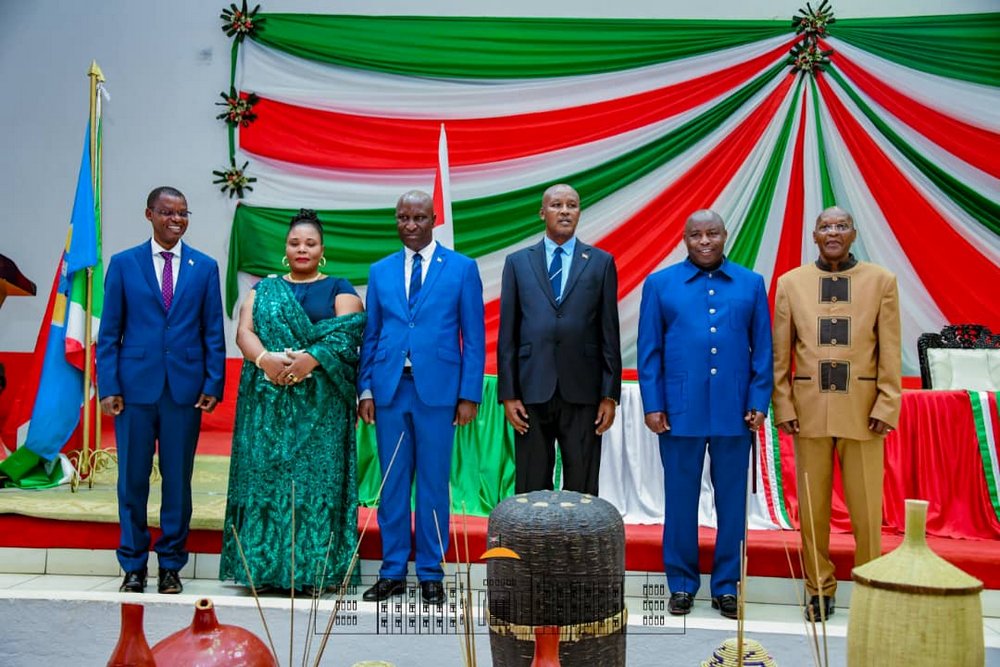
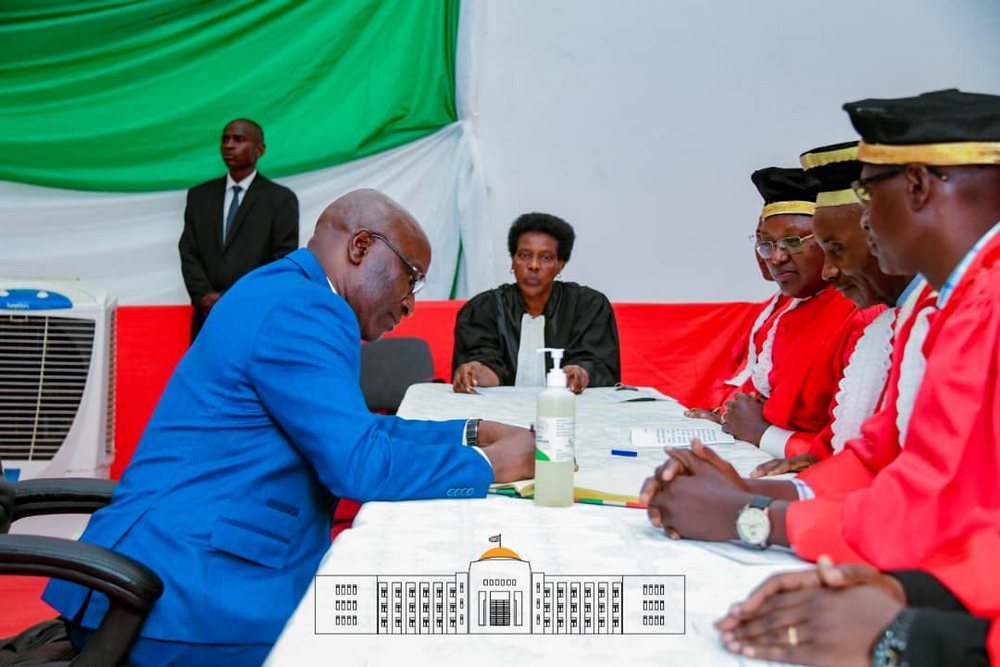
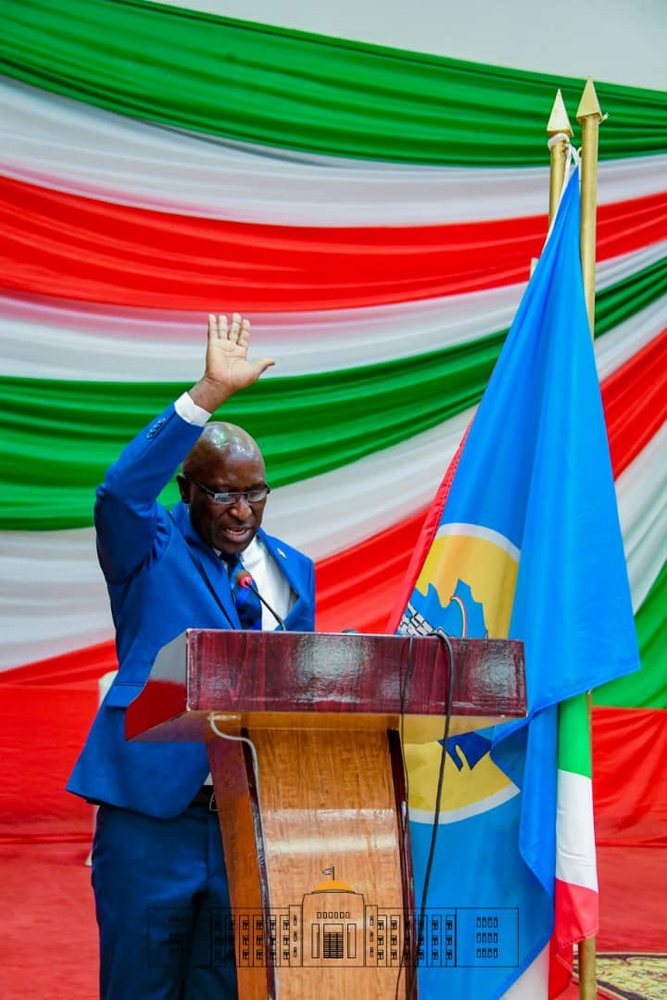
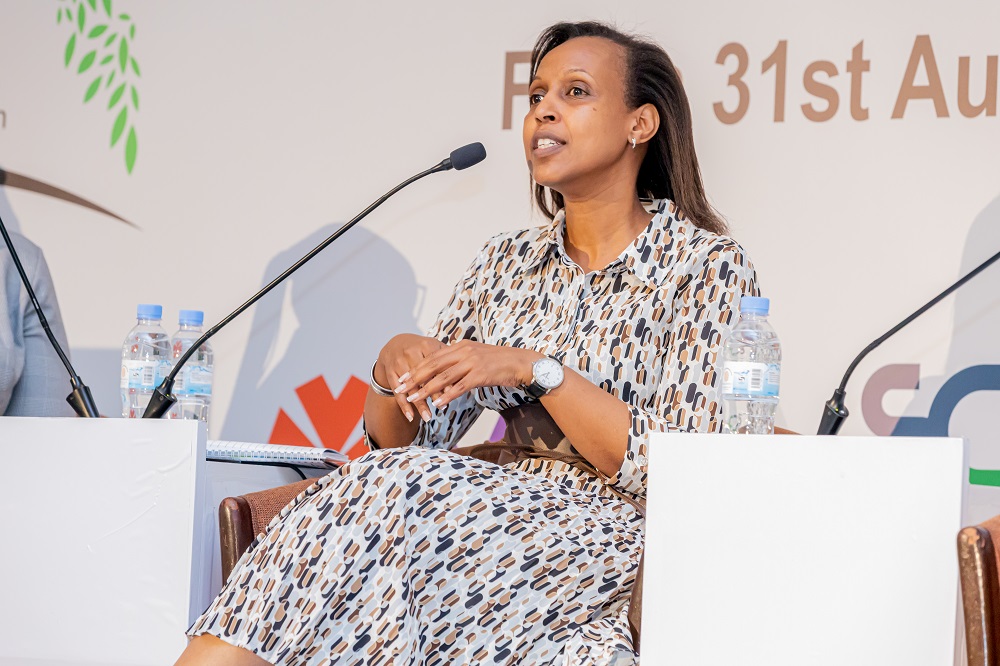
One hundred and thirteen deputies who attended the plenary session unanimously passed Ndirakobuca’s candidature which was a unique one.
The candidature of Gervais Ndirakobuca was sent by Burundian President Evariste Ndayishimiye who later in the day signed a decree appointing Gervais Ndirakobuca as the Prime Minister.
Before this, Gervais Ndirakobuca was the minister for Interior, Community Development and Public Security since June 2020.
He replaces Alain Guillaume Bunyoni who was accused of undermining the activities of the government.
Bunyoni was Burundi’s Prime Minister since June 2020.
“The Progress on the Sustainable Development Goals (SDG): The Gender Snapshot 2022” shows that global challenges, such as the COVID-19 pandemic and its aftermath, violent conflict, climate change, and the backlash against women’s sexual and reproductive health and rights “are further exacerbating gender disparities.”
The new report, launched by UN Women and the UN Department of Economic and Social Affairs (UN DESA), highlights that, at the current pace of progress, SDG 5 – achieving gender equality – will not be met by 2030.
Sima Bahous, UN Women Executive Director, said: “This is a tipping point for women’s rights and gender equality as we approach the half-way mark to 2030. It is critical that we rally now to invest in women and girls to reclaim and accelerate progress.”
“The data show undeniable regressions in their lives made worse by the global crises – in incomes, safety, education and health. The longer we take to reverse this trend, the more it will cost us all.”
“Cascading global crises are putting the achievement of the SDGs in jeopardy, with the world’s most vulnerable population groups disproportionately impacted, in particular women and girls,” said Maria-Francesca Spatolisano, Assistant Secretary-General for Policy Coordination and Inter-Agency Affairs of UN DESA.
“Gender equality is a foundation for achieving all SDGs and it should be at the heart of building back better,” she added.
Without swift action, according to the report, legal systems that do not ban violence against women, do not protect women’s rights in marriage and family, for instance denying women their right to pass on their nationality to their children, or to inherit, do not provide them with equal pay and benefits at work, do not guarantee their equal rights to own and control land, “may continue to exist for generations to come.”
At the current rate of progress, the report estimates that it will take up to 286 years to close gaps in legal protection and remove discriminatory laws, 140 years for women to be represented equally in positions of power and leadership in the workplace, and at least 40 years to achieve equal representation in national parliaments.
To eradicate child marriage by 2030, progress must be 17 times faster than progress of the last decade, with girls from the poorest rural households and in conflict-affected areas expected to suffer the most.
The report also points to a worrisome reversal on the reduction of poverty, and rising prices are likely to exacerbate this trend.
By the end of 2022, around 383 million women and girls will live in extreme poverty compared to 368 million men and boys. Many more will have insufficient income to meet basic needs such as food, clothing and adequate shelter in most parts of the world. If current trends continue, in sub-Saharan Africa, more women and girls will live in extreme poverty by 2030 than today.
On the Ukraine crisis, the report says that it is further worsening food insecurity and hunger, especially among women and children, limiting supplies of wheat, fertilizer and fuel, and propelling inflation.
In 2021, about 38 percent of female-headed households in crisis-affected areas experienced moderate or severe food insecurity, compared to 20 percent of male-headed households.
Further facts and figures highlighted in the report include:
In 2020, school and preschool closures required 672 billion hours of additional unpaid childcare globally. Assuming the gender divide in care work remained the same as before the pandemic, women would have shouldered 512 billion of those hours.
Globally, women lost an estimated 800 billion U.S. dollars in income in 2020 due to the pandemic, and despite a rebound, their participation in labor markets is projected to be lower in 2022 than it was pre-pandemic (50.8 percent, compared to 51.8 percent in 2019).
There are now more women and girls who are forcibly displaced than ever before: some 44 million women and girls by the end of 2021.
Today, over 1.2 billion women and girls of reproductive age (15-49) live in countries and areas with some restriction on access to safe abortion.
Ahead of the Transforming Education Summit taking place on the margins of the UN General Assembly, the report points out that achieving universal girls’ education, while not enough by itself, would improve such an outlook significantly. Each additional year of schooling can boost a girl’s earnings as an adult by up to 20 percent with further impacts on poverty reduction, better maternal health, lower child mortality, greater HIV prevention and reduced violence against women.
The report showcases that cooperation, partnerships and investments in the gender equality agenda, including through increased global and national funding, are essential to correct the course and place gender equality back on track.
The taikonauts — Chen Dong, Liu Yang and Cai Xuzhe, who are on a six-month stay in orbit, shared with the African youth their life and scientific work in the space station.
The main venue of the event, titled “Talk with Taikonauts,” was held at the headquarters of the African Union in Addis Ababa, while students from Algeria, Egypt, Ethiopia, Namibia, Nigeria, Senegal, Somalia and South Africa joined the dialogue at sub-venues.
Emily Nangacovie, a science student from Namibia, had an opportunity to ask questions as to what research they have conducted in their mission.
In response, Cai said that they have been “focusing on studying the impact of long-term exposure to zero-gravity on astronauts’ health and corresponding protection measures, looking at astronauts’ behaviour and capabilities and delving into the application of traditional medicine in space.”
“And (we) also do experiments on variable gravity science, life and ecology science, biotechnology science, physics of fluids and combustion science,” Cai added.
“These experimental research projects will provide support for astronauts to live a healthy life and work with a high efficiency in the space station and lay the groundwork for future exploration into deep space,” he explained.
Chen, another taikonaut, said they will “carry out extravehicular activities, on-orbit equipment maintenance, space application experiments, space medical experiments, and on-station lectures, among other tasks.”
Yang Jun, Charge d’affaires of the Chinese Embassy in Namibia, said China will help train Namibian technicians on space technology and will conduct space research jointly with Namibia.
Last year three Chinese taikonauts on a Shenzhou-12 spaceship carried a Namibian national flag into space, while two taikonauts, Cheng and Liu, visited Namibia in 2019.
“We can see how fruitful China-Namibia space cooperation is,” Yang said, adding that the task of developing space technology rests on the shoulders of the youth in the world.
Passant Sayed Khalil, an Egyptian youth who teaches Chinese at Cairo University, asked Liu about how challenging it was for her to become China’s first female astronaut and how she achieved her dream.
“In fact, in every walk of life, there are outstanding females dedicated to their positions. As long as we cherish our dreams, we will have power. As long as we aim high and work hard, we can unleash the potential of our intelligence and realize our dreams,” Liu replied, thanking her family for supporting her in achieving her dream.
Khalil, who has visited China three times, said she has been inspired by Liu who brings her hope that “women can accomplish a lot of things at the same time.”
“The talk is actually very impressive,” Khalil told Xinhua. “If we have a goal in our life, we have to do our best and work hard until we reach it.”
The event in Cairo showed presentation videos on China’s development in space and the efforts made by the China Manned Space Agency to achieve the current accomplishments.
Sherif Mohamed Sedky, CEO of the Egyptian Space Agency, hailed the advancement of China in the field of space and highlighted China’s contribution to Egypt’s progress in the area.
“We work together in designing and carrying out satellites and we prepare together special labs for testing and assembling satellites. So there is big cooperation between Egypt and China in the space field,” Sedky told Xinhua.
“Egypt benefits a lot from this cooperation, through the exchange of expertise and the large laboratories that are currently being established in Egypt in light of the Egyptian-Chinese cooperation,” he added, noting that such an event is an inspiring experience for Egyptian youth.
Zhang Tao, Charge d’affaires of the Embassy of China in Egypt, said that the event is not only a cultural exchange activity but also a scientific and technological exchange and experiment between China and Africa.
“Exploring space is a common dream of mankind. Egypt is an important African country and its youth are looking forward to more opportunities to explore the mysteries of space. I think this event will help Egyptian young people to further understand the development of China’s aerospace technology,” Zhang told Xinhua.
“China is willing to continue to work with Egypt to promote China-Africa space cooperation and make new positive contributions to deepen China-Egypt strategic cooperation,” Zhang said.
The money was recovered from two suspected thieves, who were also arrested separately on Tuesday, September 6.
One of the suspects identified as Jean Dieu Ngirabakunzi, 23, was arrested in Ruhore, Gashenyi Sector, Gakenke District with Rwf814,000, which is part of Rwf1.3 million he allegedly stole from his employer on Monday, in Remera Sector, Gasabo District. Ngirabakunzi was a house-help for the victim.
“The District Police Units of Gasabo, where the crime was committed, and Gakenke worked together with the public to locate and arrest Ngirabakunzi in Ruhore village, where he was hiding. At the time, he was found with only Rwf814, 000. He was handed over to RIB for further investigations,” Superintendent of Police (SP) Alex Ndayisenga, the Northern Region Political and Civic Education Officer (RPCEO), said.
Meanwhile, Dushimiyimana was arrested in Kigombe Cell, Muhoza Sector of Musanze District with Rwf326, 000, which he stole from a businessman in Musanze town.
“Dushimiyimana was given the money by his employer to pay for some goods, but he fled with it. Dushimiyimana was arrested with all the Rwf326, 000 he had allegedly stolen,” SP Ndayisenga explained.
Article 166 of law determining offences and penalties in general states that; any person convicted of theft is liable to imprisonment for a term of not less than one year and not more than two years and a fine of not less than Rwf1 million and not more than Rwf2 million, community service in a period of six months or only one of these penalties.
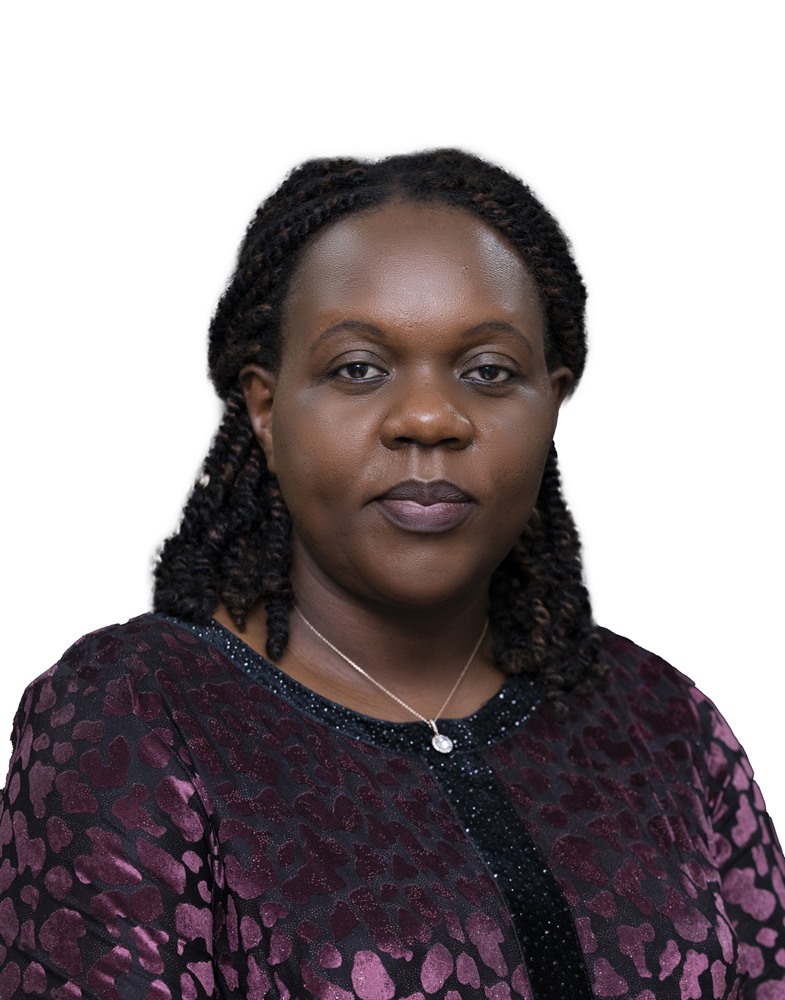
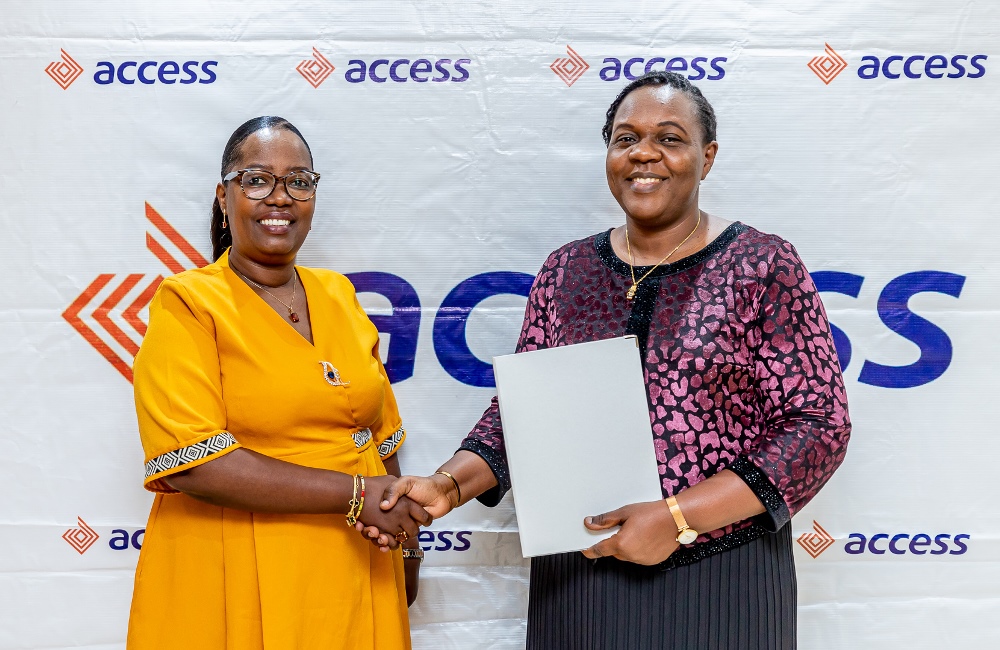
Ntamitondero has been an Independent Non-Executive Director of ABR since 2016 and the Board Audit Committee Chair.
She is a professional accountant, a member of the Association of Chartered Certified Accountant (ACCA), and a member of the Institute of Certified Public Accountants of Rwanda (ICPAR).
Among others, Ntamitondero has an extensive public finance management and consultancy experience through various held positions culminating in her role as Secretary General of the Auditor General’s Office. She is currently the CEO of Ultimate Developers Limited.
Following her appointment as Board Chair, Ntamitondero thanked the Directors for the confidence reposed on her, and committed to work together with the Board and Management to ensure the Bank achieves its strategic aspirations and its vision at large.
Ntamitondero takes over the role of Board Chair from Mrs. Chantal Mubarure who held the position since 2017. The outgone Board Chair expressed her gratitude for the support extended to her during her tenure, and pledged her continued support.
Commenting on the appointment, the Managing Director, Mr. Faustin Byishimo said: “I am confident about the prospects of the Bank under the leadership of Mrs. Ntamitondero, Alice. Access Bank Rwanda Management will greatly benefit from her wealth of knowledge, experience and guidance.
I was particularly pleased with the Directors’ decision to appoint Ms. Alice, and become one of the very few women to lead the Board of a financial institution in Rwanda.This is yet another testimony to our continuous commitment towards gender parity and ensuring women participation in all high decision-making bodies of the Bank.”
{{About Access Bank Rwanda Plc}}
Access Bank (Rwanda) Plc is a commercial bank and a subsidiary of Access Bank Plc, one of Africa’s largest retail banks by customer base.
Over the past years, Access Bank Rwanda has demonstrated consistent growth in its financial performance having built its strength in corporate banking. The Bank now aspires to be one of the leading Retail and Business Banking financial institution in Rwanda.
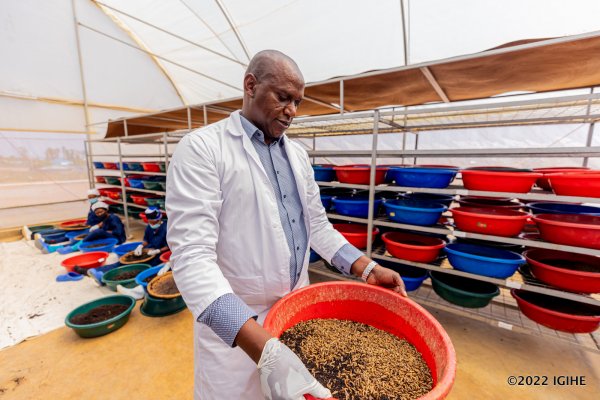
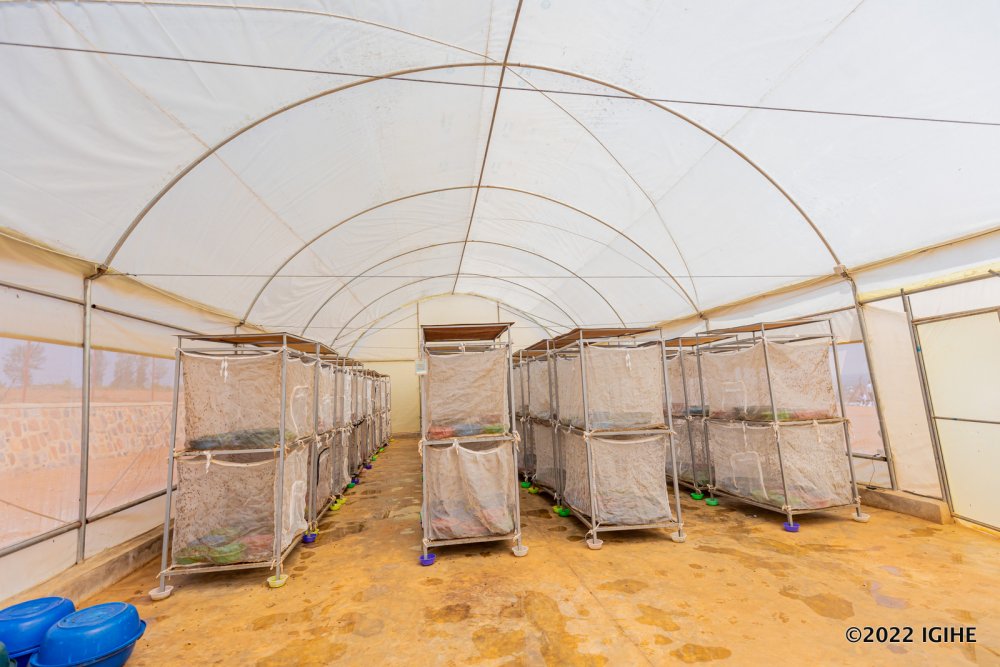
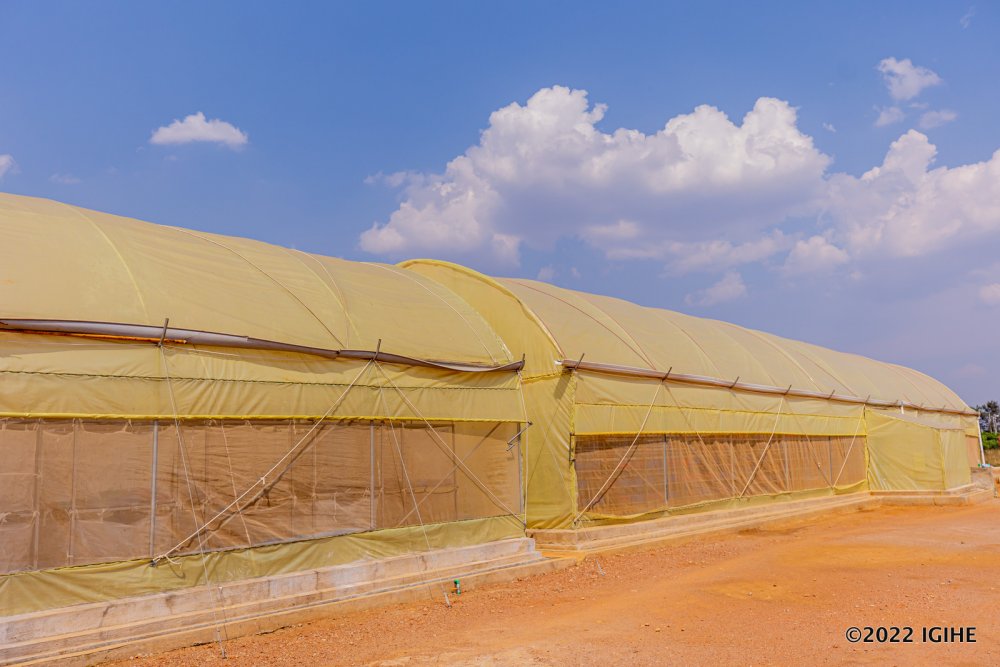
The latter runs a project to breed black soldier flies which is in the final stage of pilot phase.
The pilot phase is being conducted at SAFE For Health center.
Musabyimana is a livestock farmer who ventured into poultry. He currently owns over 100,000 chickens that produce over 70,000 eggs per day.
His project to breed black soldier flies began in January this year to address the high cost of animal feeds owing to the shortage of soy.
The research carried out by the Rwanda Agriculture and Animal Resources Development Board (RAB) indicated that black soldier flies can provide an alternative source of protein to replace soymeal used in the production of livestock feed as highlighted by Dr. Solange Uwituze, the Deputy Director General in charge of Animal Resources Research and Technology Transfer at RAB.
“Preliminary research outcomes show that black soldier flies can successfully serve as a replacement for soybean at the rate between 25% and 50%, which is good news for livestock farmers,” she said.
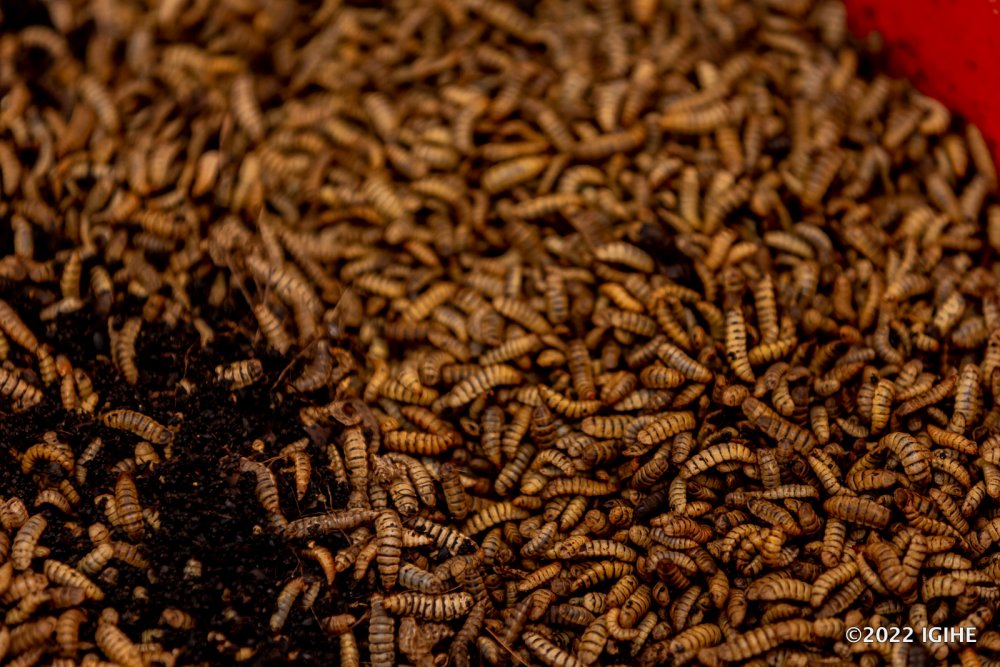
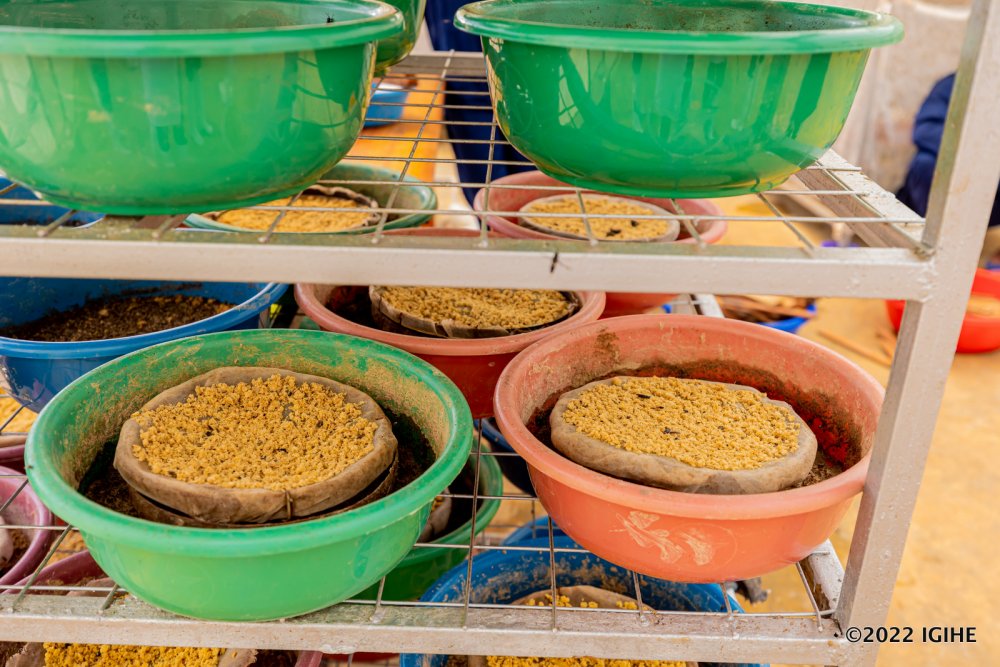
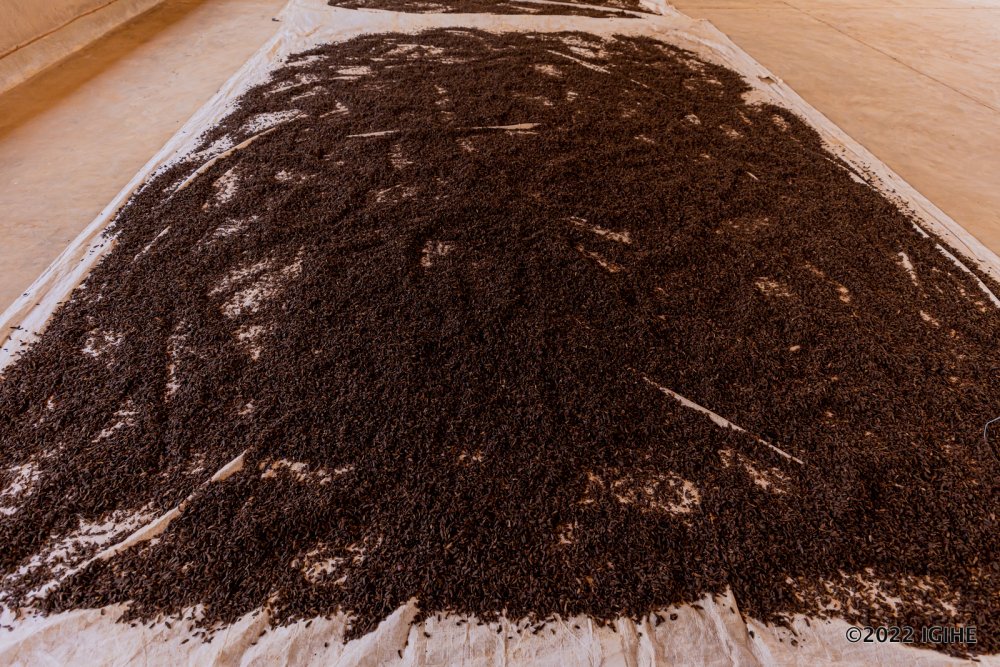
Musabyimana says that he has two sheds in which he breeds flies in different phases starting from eggs which develop into to larvae. The larvae develop into flies which are dried and ground into flour rich in proteins to be used while producing animal feeds.
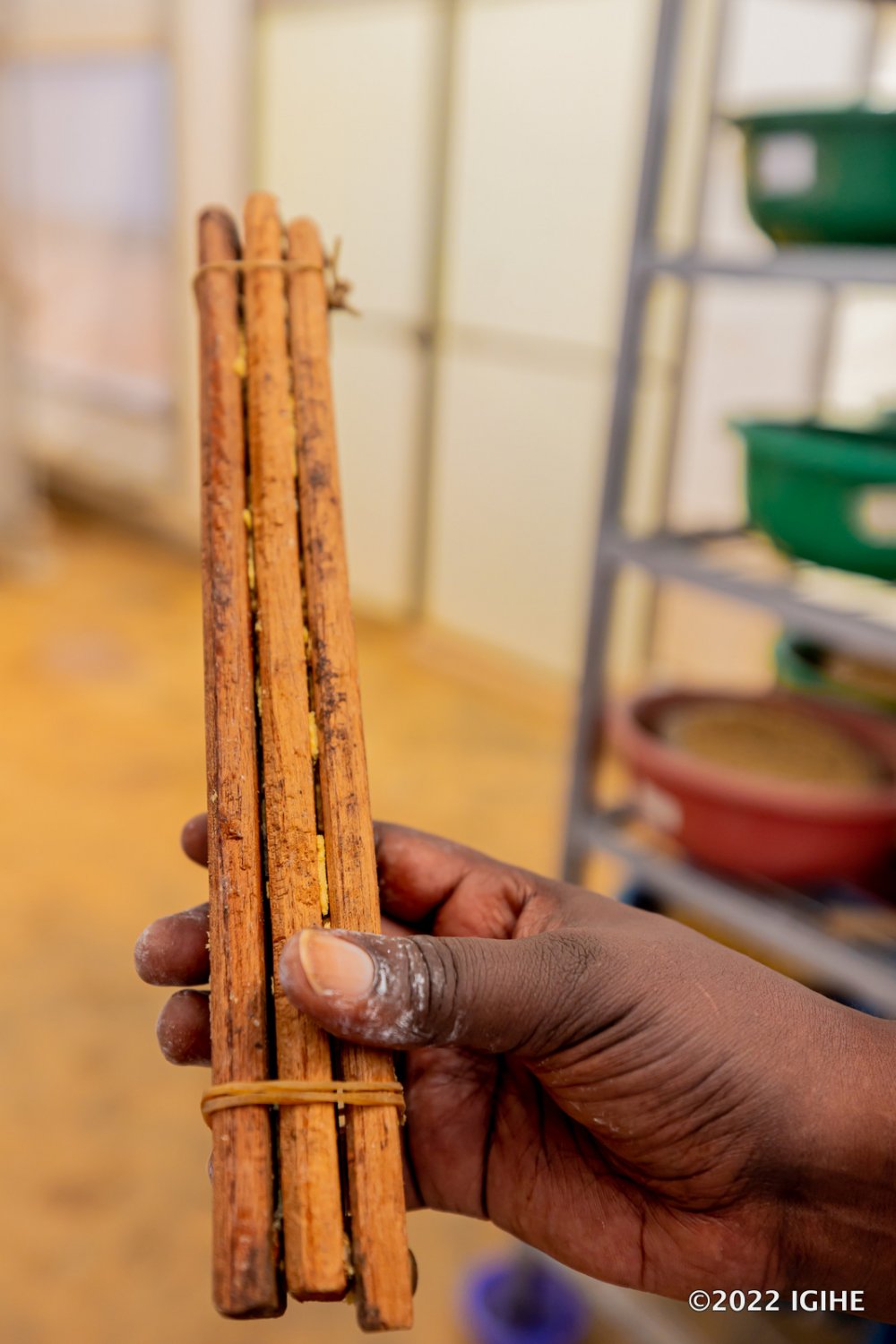
“We started seeking out designated black soldier flies, arranged hatcheries and hatched the eggs to produce larvae which are also nourished to grow. After 14 days, we take well developed larvae into cages where they spend six days and metamorphose into flies. Thereafter, the male and female mate to produce eggs,” he said.
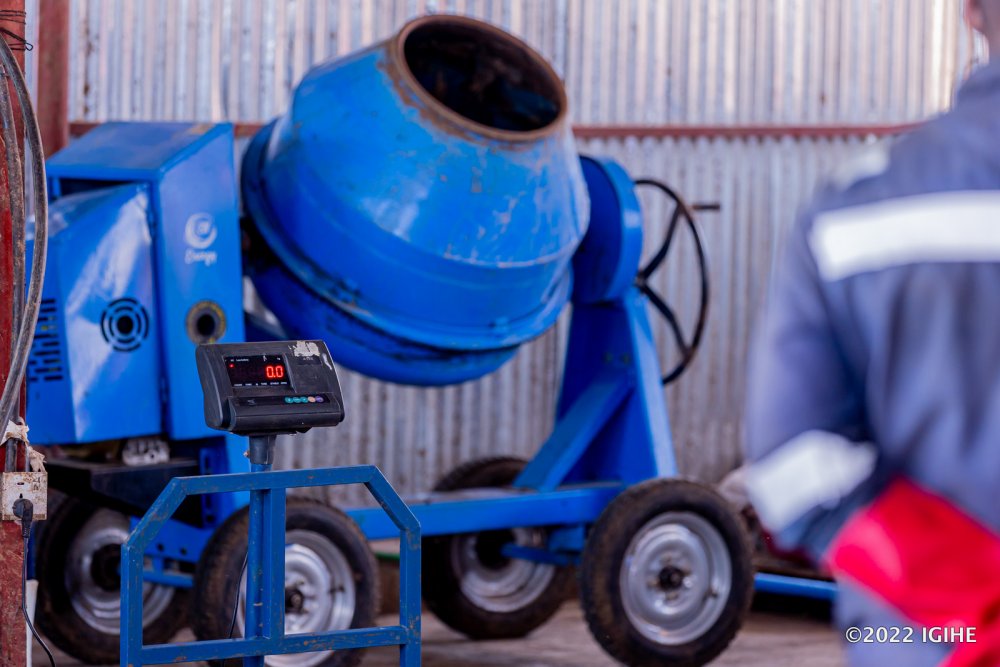
The flour used in the production of animal feeds constitutes flies at 80%. Some of the flies are dried and ground to produce flour while others are returned to cages for reproduction.
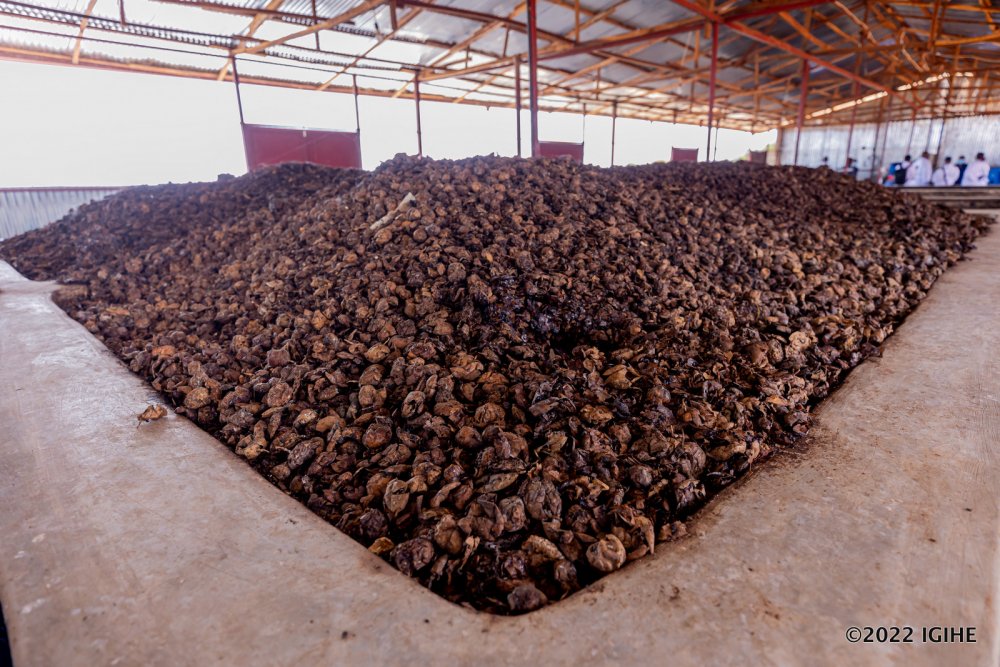
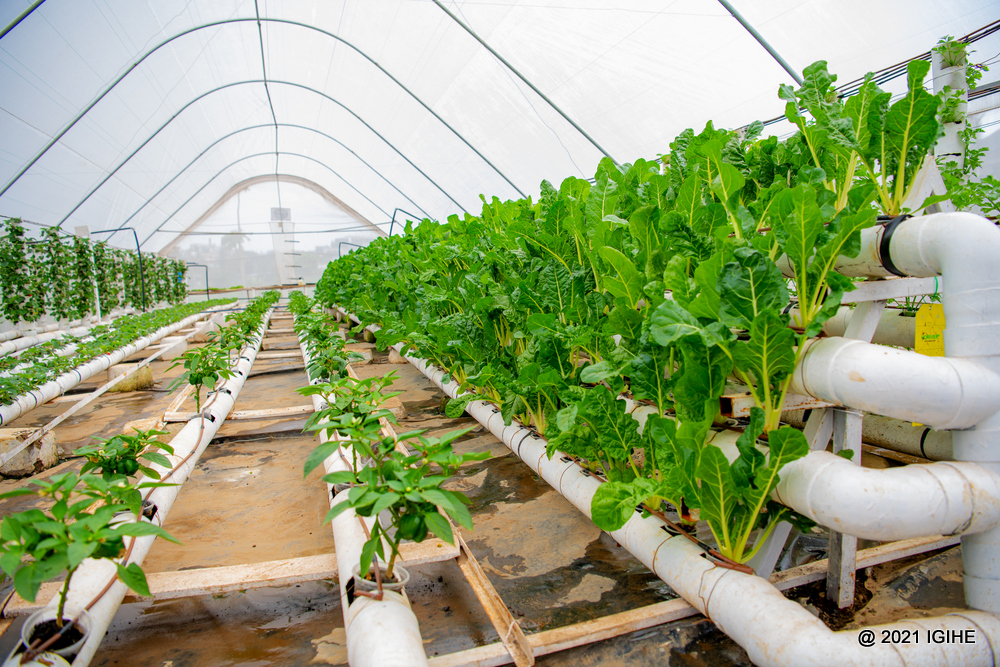
The larvae of black soldier flies are fed with residues of vegetables and fruits. They also serve as a source for compost.
From seven to ten days, a fly at SAFE For Health produces between 700 and 1000 eggs.
As of today, Musabyimana has injected over Rwf300 million into the research on black soldier flies.
After sending the sample flour from flies for experiments in Europe laboratory, Musabyimana is set to use them for production of chicken feed and fish foods later.
Addressing a Security Council meeting on the situation in the Zaporizhzhia nuclear power plant, the top UN official endorsed the recommendations made by the International Atomic Energy Agency (IAEA) Director-General Rafael Mariano Grossi, who inspected the occupied Zaporizhzhia plant last week and presented a report to the Security Council.
In the first instance, Guterres told the council that all military operations around the plant should cease.
“As a second step, an agreement on a demilitarized perimeter should be secured,” he said. “Specifically, this would include a commitment by the Russian military to withdraw military personnel and equipment from that perimeter, and a commitment by Ukrainian forces not to enter.”
“We are playing with fire and something very disastrous could happen. That is why in our report, we are proposing the establishment of a nuclear safety and security protection zone confined to the periphery and the plant,” Grossi told the council via video link.
The IAEA, UN’s nuclear watchdog, urged an immediate end to shelling around Europe’s largest nuclear power plant, according to the report.
“This requires agreement by all relevant parties to the establishment of a nuclear safety and security protection zone” around the plant, it said.
The IAEA mission, headed by Grossi, worked at the plant from Sept. 1-5, and Grossi told reporters on Friday that two of the agency’s experts would remain permanently at the nuclear power plant.
The Fairview fire started Monday afternoon near the city of Hemet in Riverside County amid a brutal heat wave that has scorched Southern California for days. It was only 5 percent contained to date and the evacuation order and warning remain in place, according to the Riverside County Fire Department.
The department said at least 7 structures had been destroyed and several more damaged. officials estimated that thousands of structures in the area remain threatened by the fire.
The two victims of the fire appeared to be attempting to flee before being overcome by the blaze, officials said in a media briefing Tuesday morning.
Due to the blaze, all schools in Hemet Unified School District will be closed on Tuesday.
School district officials said in a statement that the decision “was not made lightly.” After considering local authorities’ advisement and evacuation orders, transportation impacts, the current level of fire containment, and the possibility of power outages with anticipated high temperatures, they felt that closing schools on Tuesday is necessary to ensure the safety of students, staff, and families.
The 2022 Africa Agriculture Status Report by the Alliance for a Green Revolution in Africa (AGRA) was released at the ongoing Africa Green Revolution Forum (AGRF) summit being held under the theme “Accelerating African Food Systems Transformation.”
The report showed that Africa’s investment needs to trigger and sustain agro-food transformation range from 40 billion U.S. dollars to 77 billion U.S. dollars every year from the public sector, and up to 180 billion U.S. dollars in private sector funding.
“African governments need to assume a leadership role in food system transformation as a national security, poverty alleviation and rural development agenda that cuts across various institutions, while reducing reliance on donors who have been directing flows of international assistance,” the report said. “Accelerating agro-food transformation in a sustainable and inclusive way is an extremely complex task. It requires an integrated approach, which draws heavily on the cooperation of system actors, with African governments driving the process that facilitates the required change.
The report stressed that addressing the vulnerability of Africa’s food systems requires political will and leadership. It also emphasized the urgent need for inclusive, equitable, sustainable and resilient growth in the agricultural sector, while acknowledging the intensification of major drivers of recent food insecurity trends in Africa.
Agnes Kalibata, AGRA’s president, said that a combination of the after-effects of the pandemic and the Ukraine conflict has led to the elevation of food prices which have exacerbated food insecurity on the continent.
“The report reflects on key action areas required to tackle the most urgent and important areas in response to these challenges. There is an urgent need to repurpose food policies to address the emerging challenges affecting conditions, outcomes and behavior of our food systems, without compromising the economic, social and environmental fundamentals,” said Kalibata.
The AGRF summit is an annual gathering that brings together heads of state and government, agriculture ministers, members of the civil society, private sector leaders, scientists and farmers in discussions that define the future of Africa’s food systems.
This year’s summit is seeking to find catalytic solutions to grow the coordinated and large-scale action by stakeholders across multiple sectors, nourish innovations and cultivate country solutions that will translate the commitments made into actionable strategies.
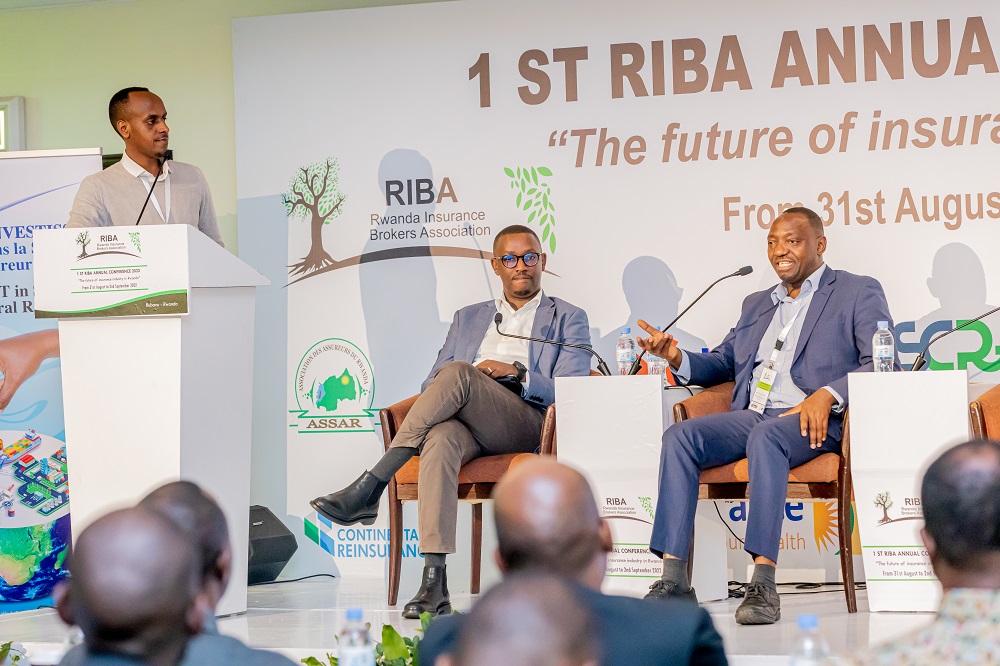
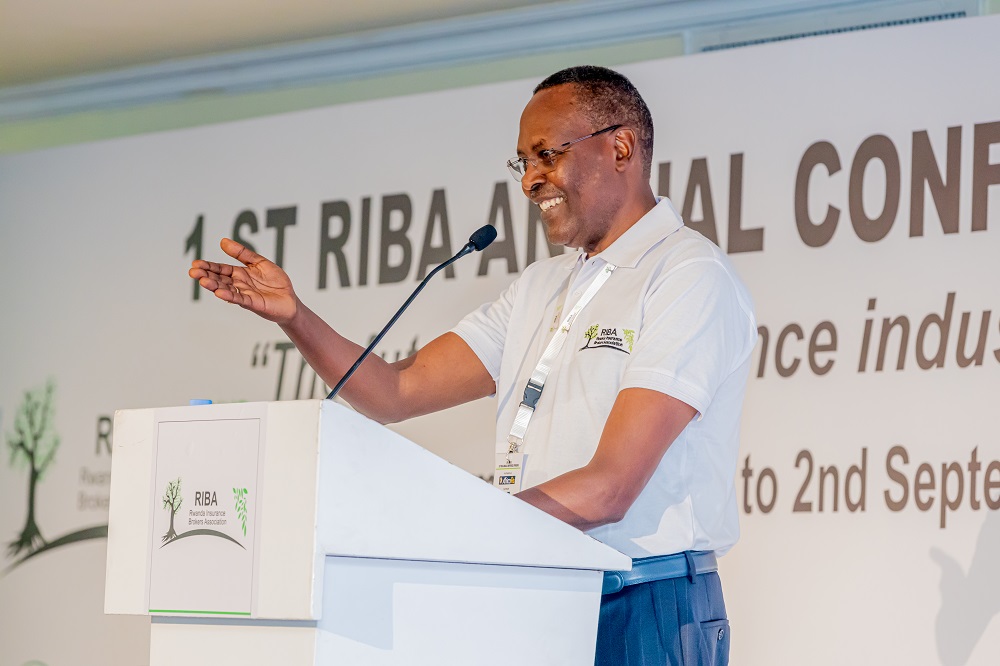
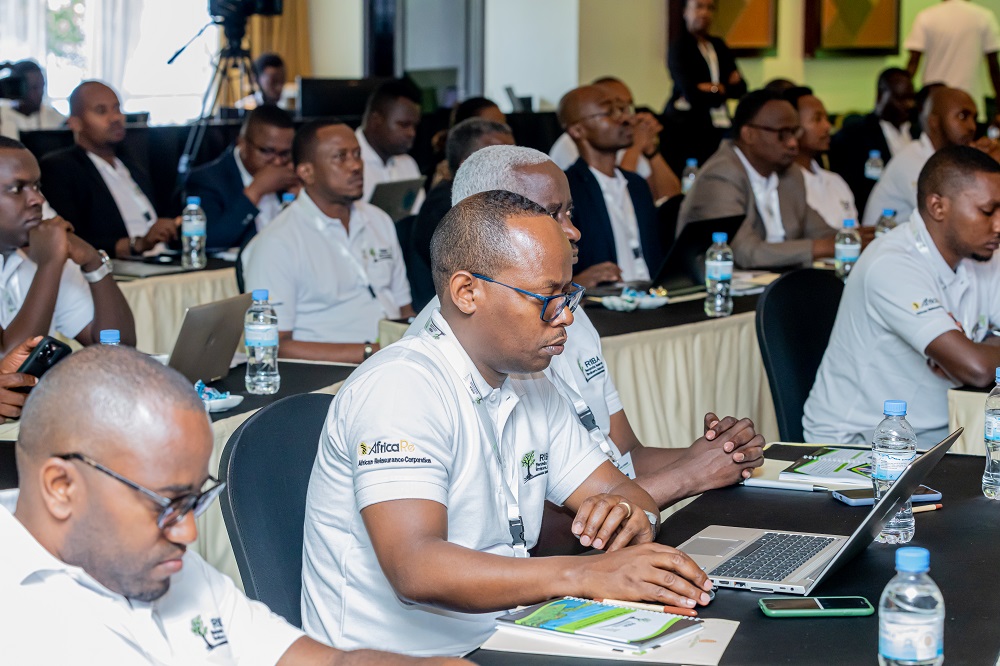
The message was delivered during a two-day meeting bringing together members of Rwanda Insurance Brokers Association and brokers from East Africa where participants pointed out a huge gap regarding efforts meant to encourage citizens to work with insurance companies.
Insurance brokers are defined as persons or companies providing advisory services on matters of insurance and arrange insurance cover with an insurer on behalf of a client.
The meeting held recently on 1st and 2nd September 2022, also discussed the future of insurance services in Rwanda, existing gap in the sector and needed measures to enhance Rwandans’ participation.
The Chairperson of Rwanda Brokers Association, Mubiligi K. Jean Pierre said that insurance brokers are much needed given the fact that some of the insured do not understand insurance in general.
It has been also noticed that most of the insured do not read contracts of the new insurance as well as the existing ones. This is one of the main causes of misunderstanding between the insurer and the insured.
“One of the responsibilities of the broker is to represent the client’s interest, we therefore understand and have to explain to the client the nature of the insurance cover they need which also helps us as brokers to have the same understanding with the insurer. The service of a broker continues even during the incident and the service do not require any extra cost from the insured,” noted Mubiligi .
He further disclosed that the association plans to introduce a digital platform linking clients to insurance companies to fast track services and give real time updates to concerned parties.
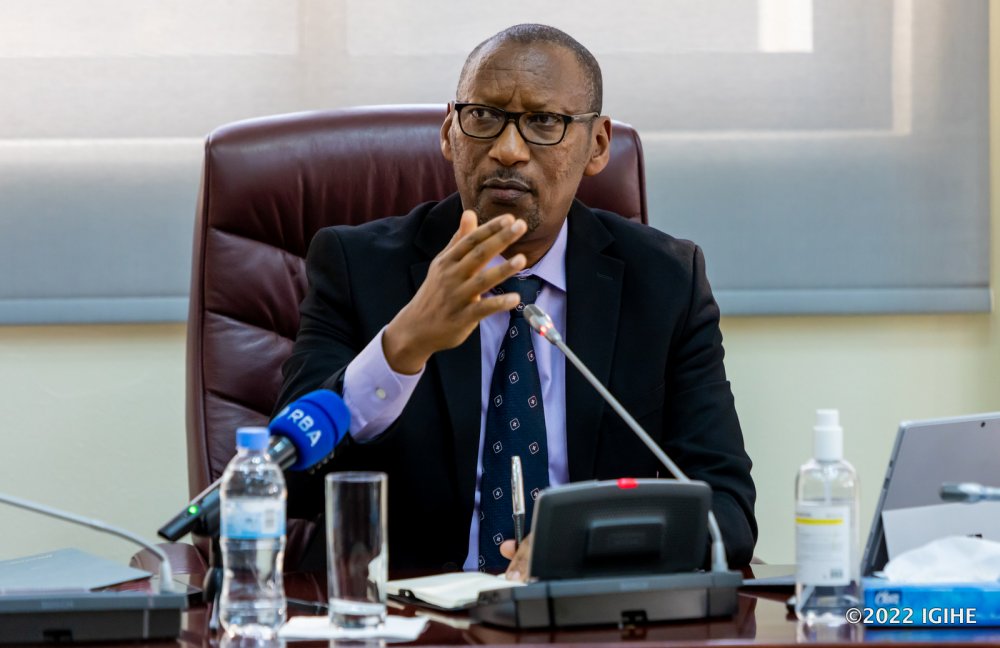
As he officiated the opening of the meeting; the Central Bank Governor, Rwangombwa requested insurance brokers to tap into available opportunities and take advantage of the latest technology to revolutionize services.
“You need to adjust to the latest technology. Taking advantage of mobile phones to expand insurance services to all Rwandans might be among possible avenues to meet the goal,” he noted.
Taking into account the adverse effects of COVID-19, Rwangombwa assured them of support and collaboration to take the insurance brokerage to greater heights.
“COVID-19 has affected trade but the government instituted strong economic recovery measures to facilitate trade. We remain committed to continue providing support to the insurance sector but you also need to work hard for your businesses to thrive,” he said.
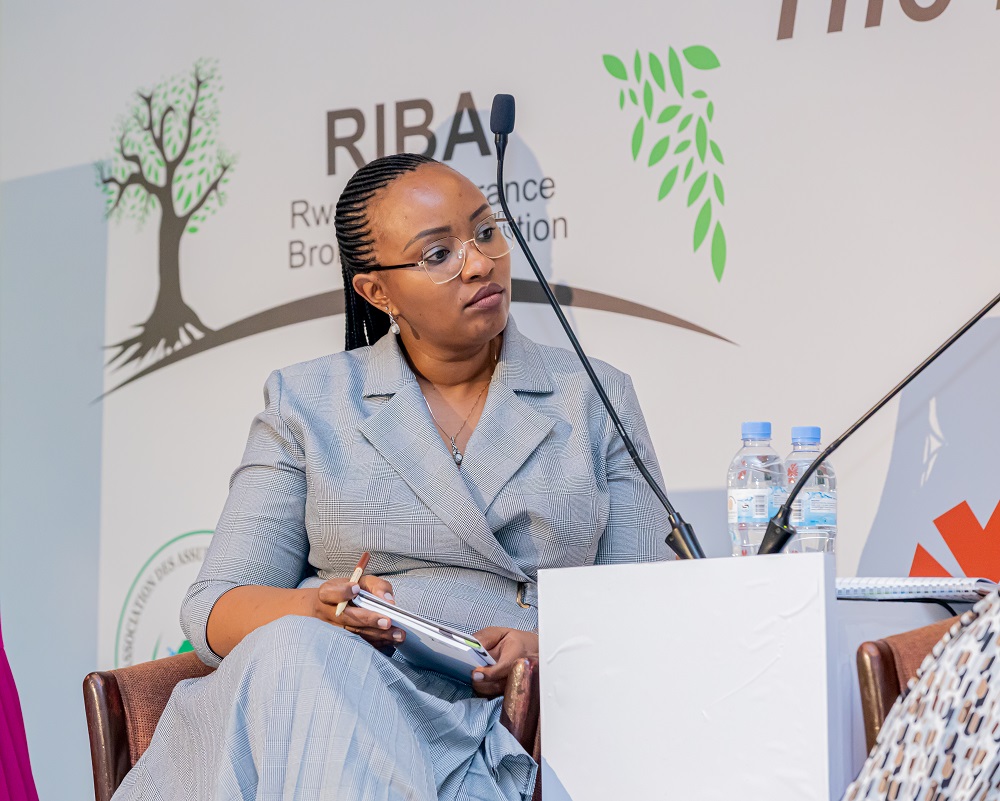
One of participants of the meeting, Regina Brigitte Uwamahoro underscored that mindsets and low sensitization efforts are among issues facing the sector.
She urged brokers to identify the needs of clients and facilitate smooth collaboration with insurance companies.
“Insurance services have not yet reached a desired extent because some people are still reluctant claiming that they are expensive. Besides, others are not aware of insurance packages. This is where the intervention of insurance brokers is highly needed because they easily get in touch with clients and represent them. We have observed that serving clients brought by brokers leads to a win-win cooperation,” affirmed Uwamahoro.
Adeline Umuhoza, another participant highlighted that sensitization is key to attract people’s attention to insurance services.