The situation in the country had worsened since October 2017 when armed extremists launched an insurgency in the Cabo Delgado Province of Mozambique.
Mozambique Defence Armed Forces battled the extremists but many civilians were killed and displaced by the fighting.
Before Rwandan troop’s intervention, terrorists had killed 3000 civilians while more than 800,000 were displaced. The insecurity had also put to halt all development projects in the area controlled by insurgents.
The joint operations between Rwandan and Mozambican troops yielded big where different regions were seized from rebels.
Rwandan Security Forces in Cabo Delgado are mainly renowned for bravery to quell terrorists but there many more areas in which they have intervened to ensure protected citizens have sound health.
In Rwanda, security forces are not only responsible for maintaining security and order but also involved in other areas of national development like health, education and construction among others.
This aspect was also considered during the deployment of troops in Cabo Delgado.
They were deployed along with colleagues from the medical regiment so that the Mozambicans in the war-torn areas, get medical care quickly.
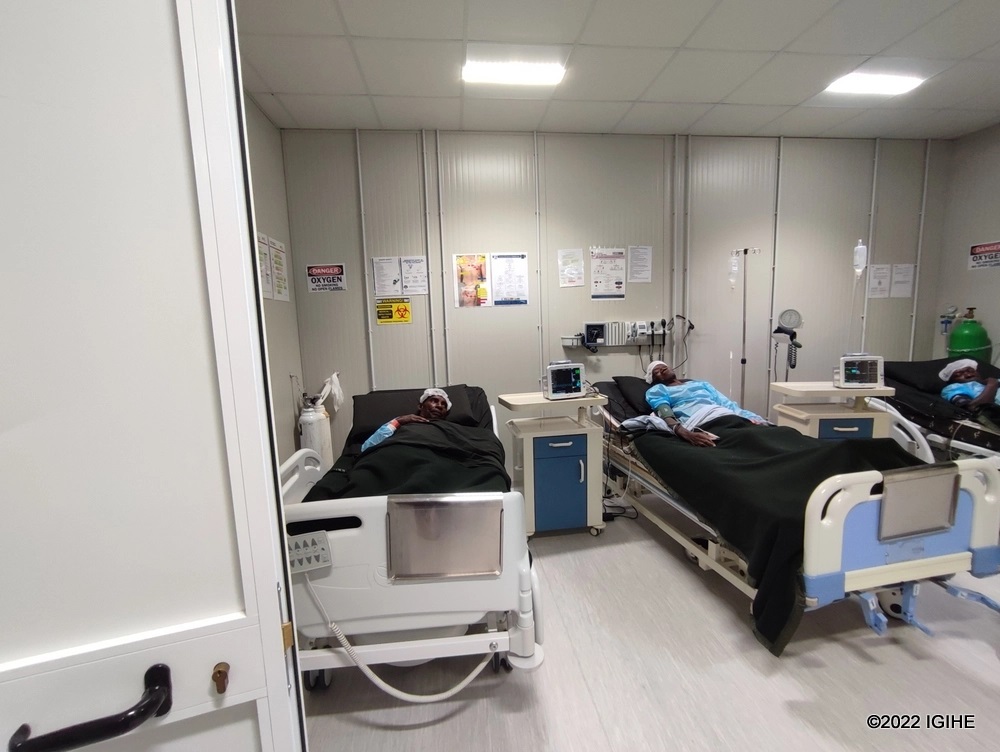
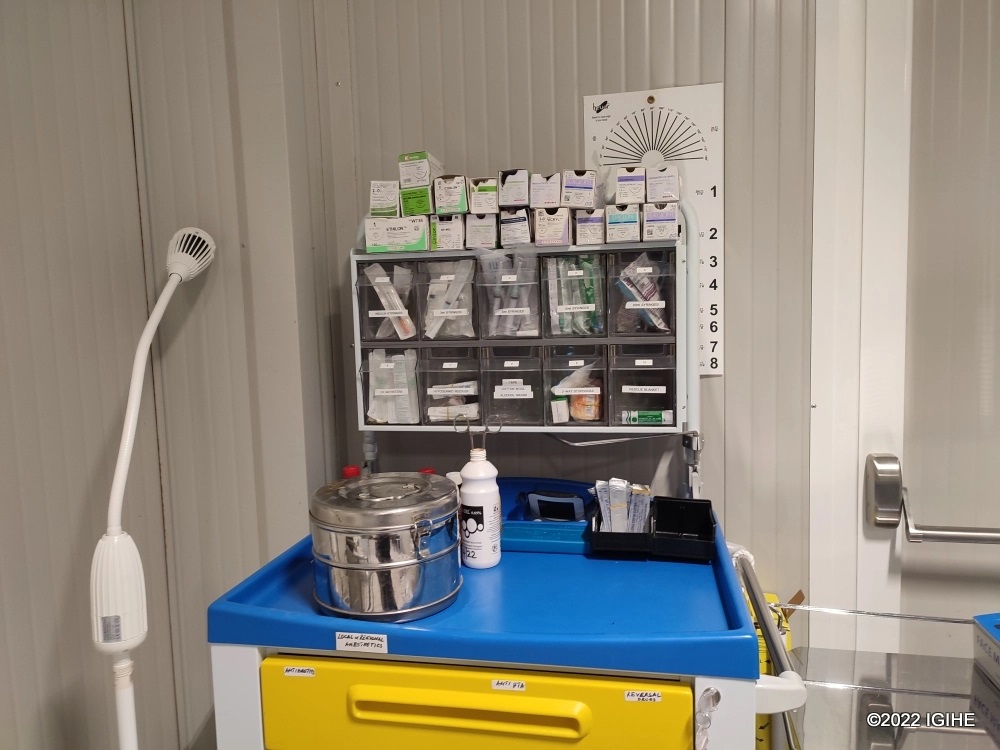
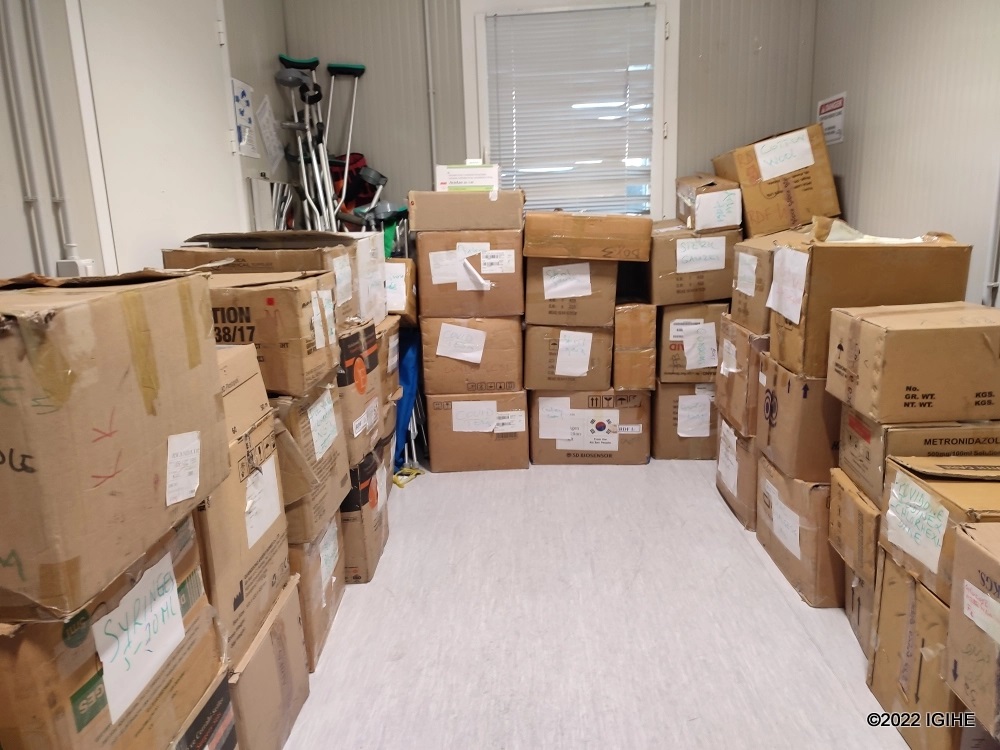
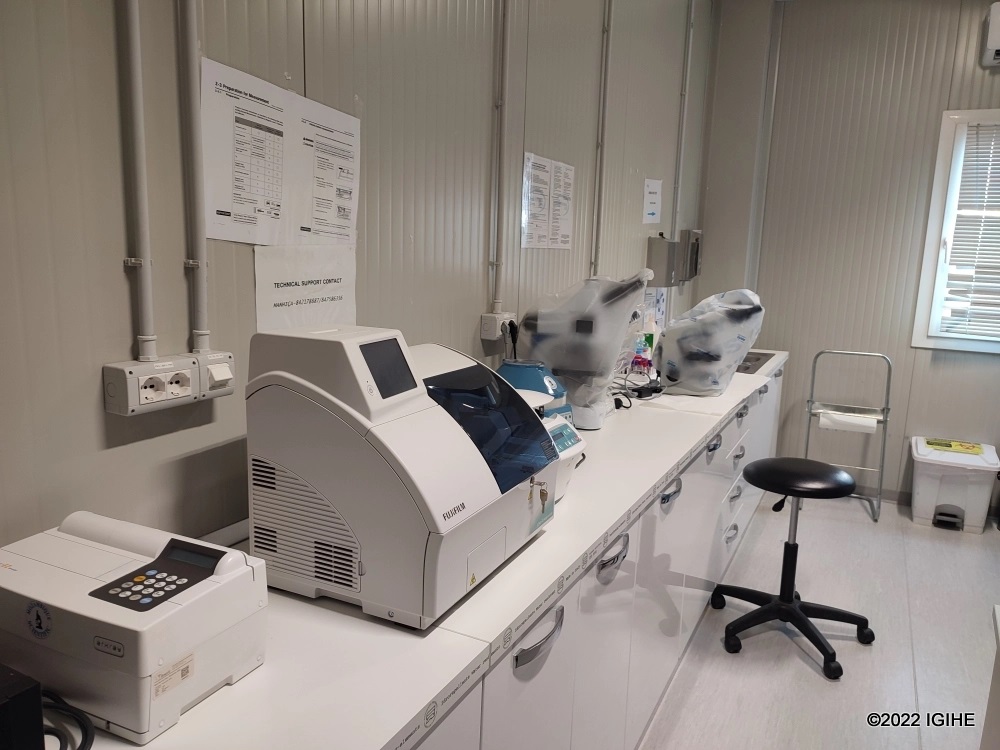
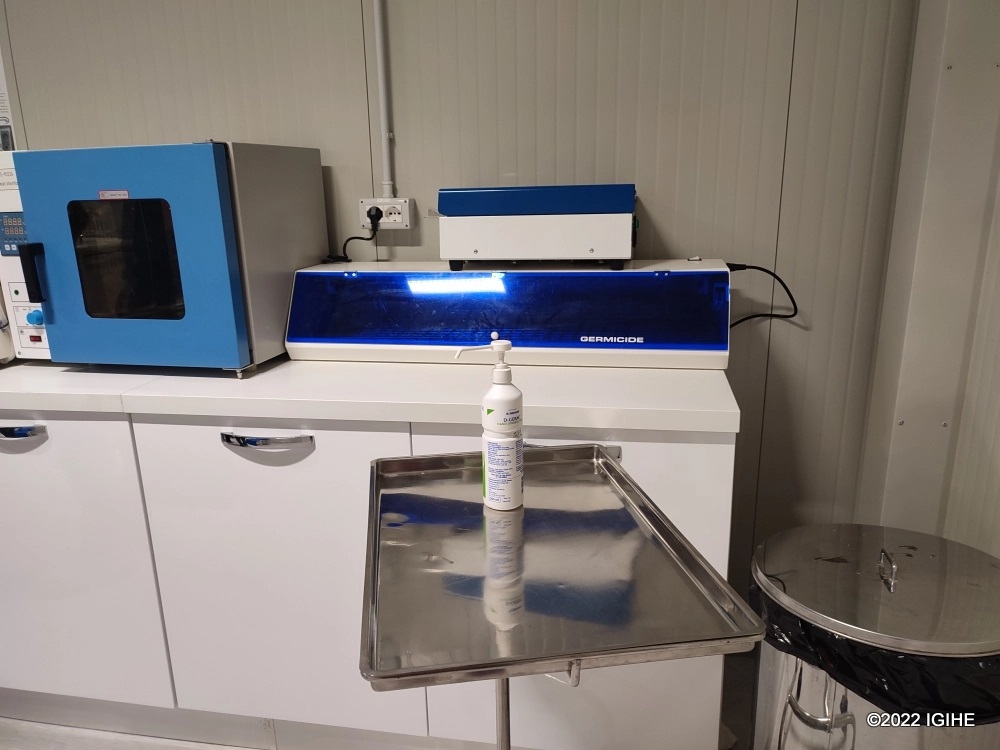
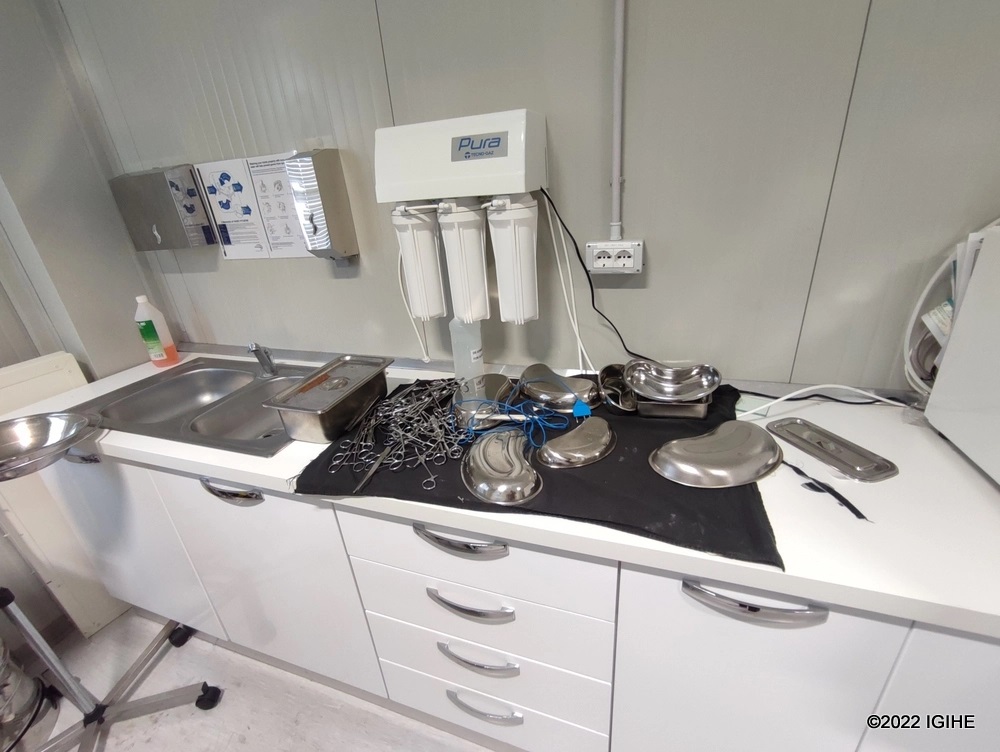
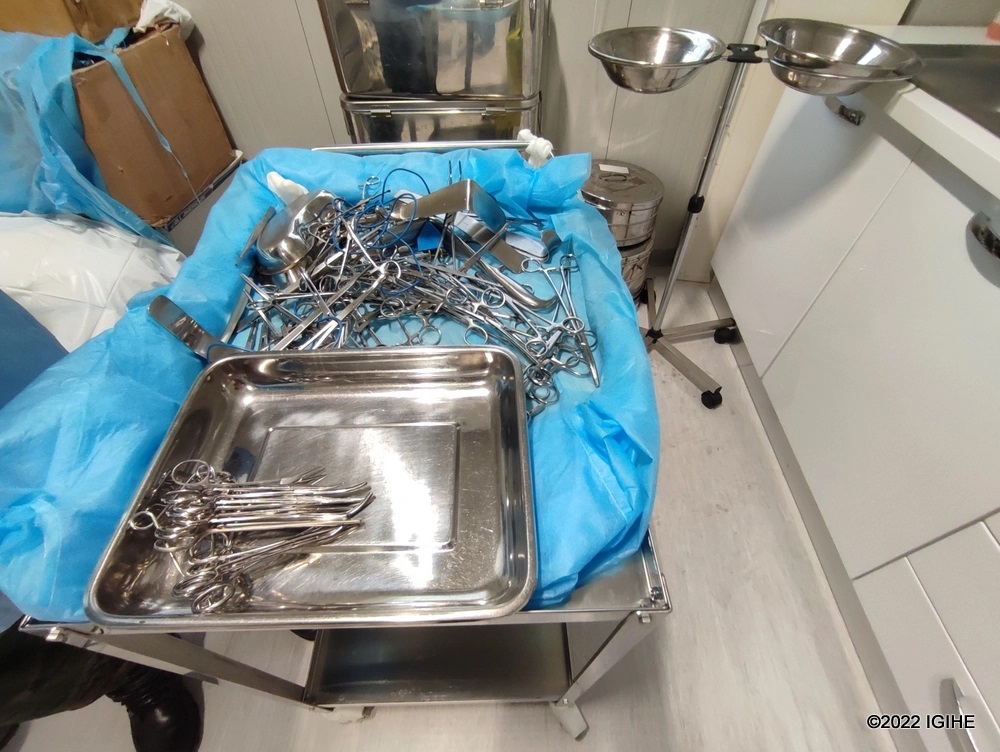
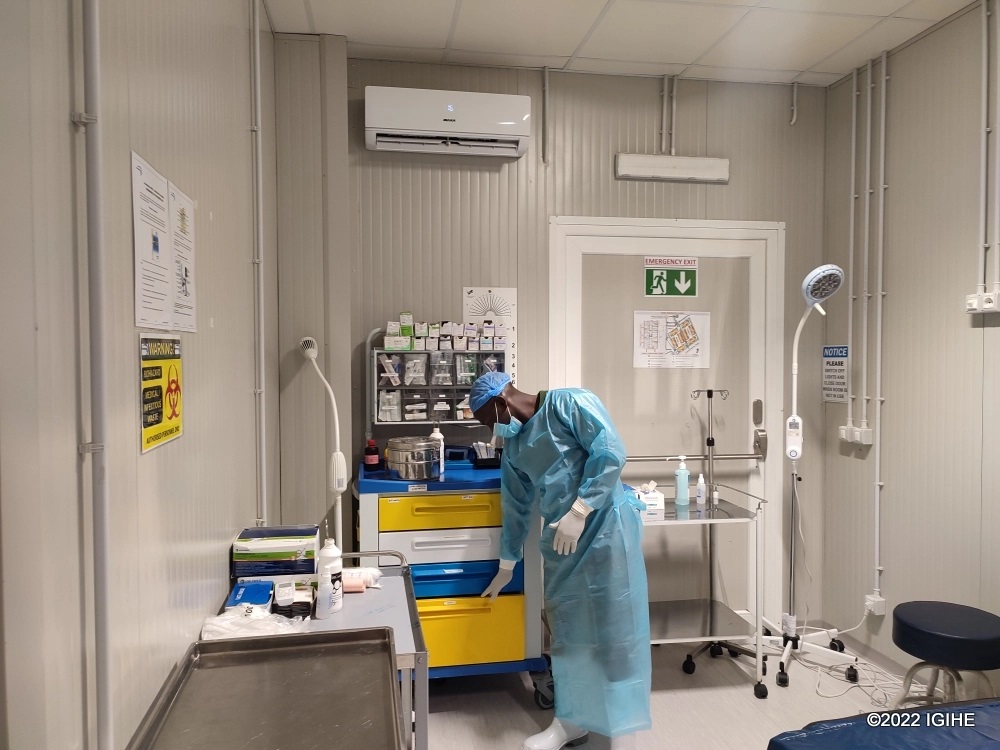
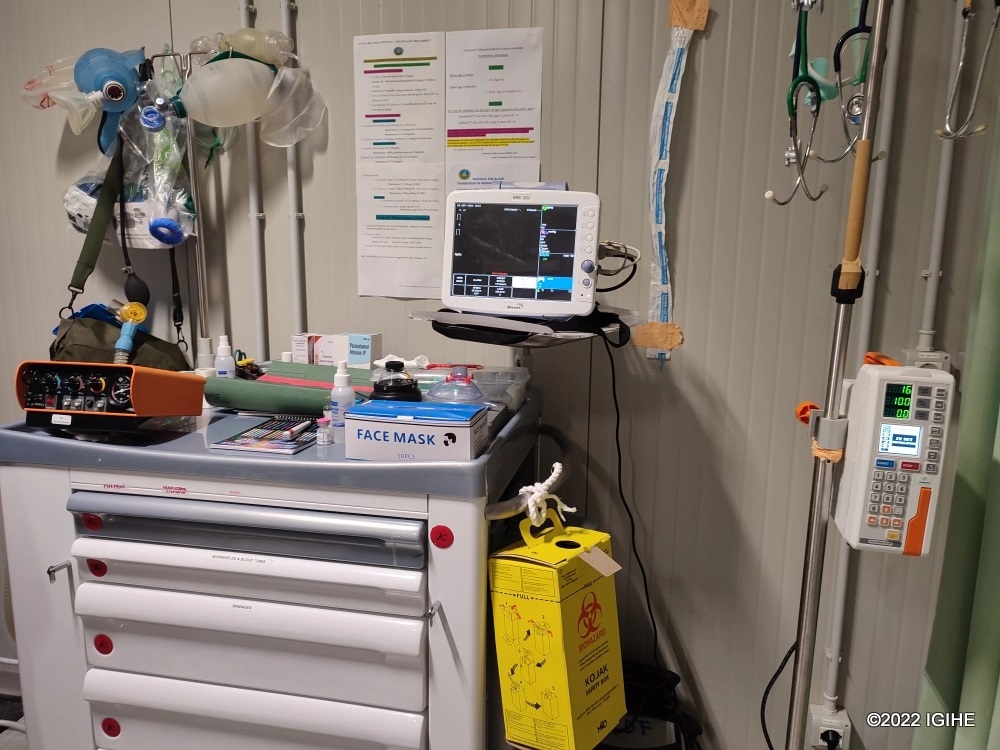
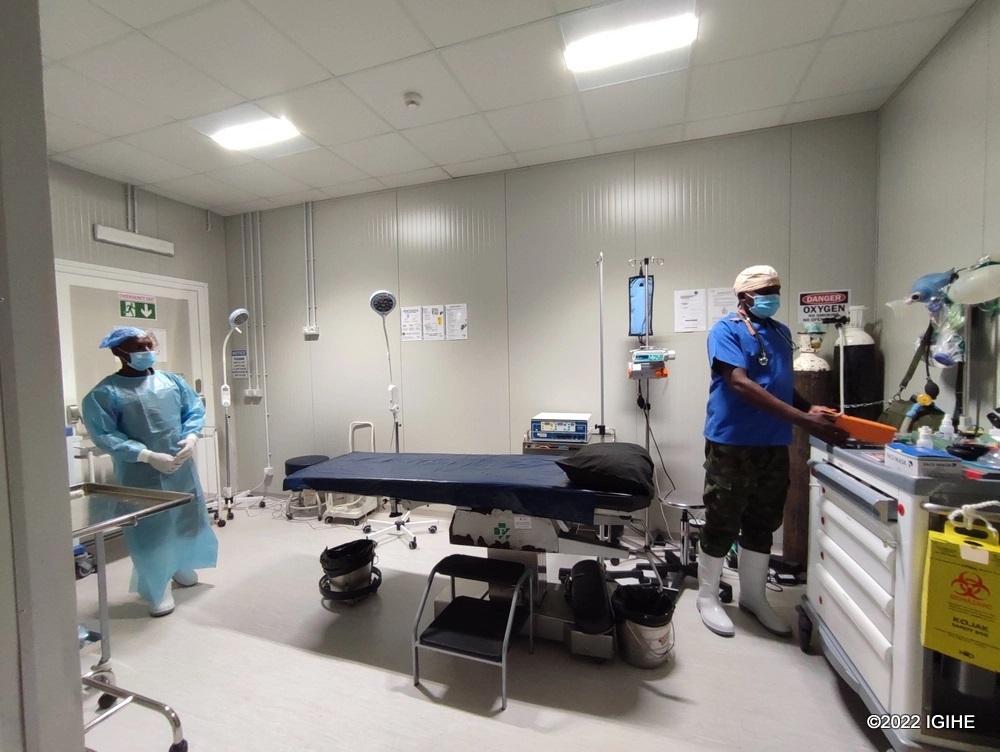
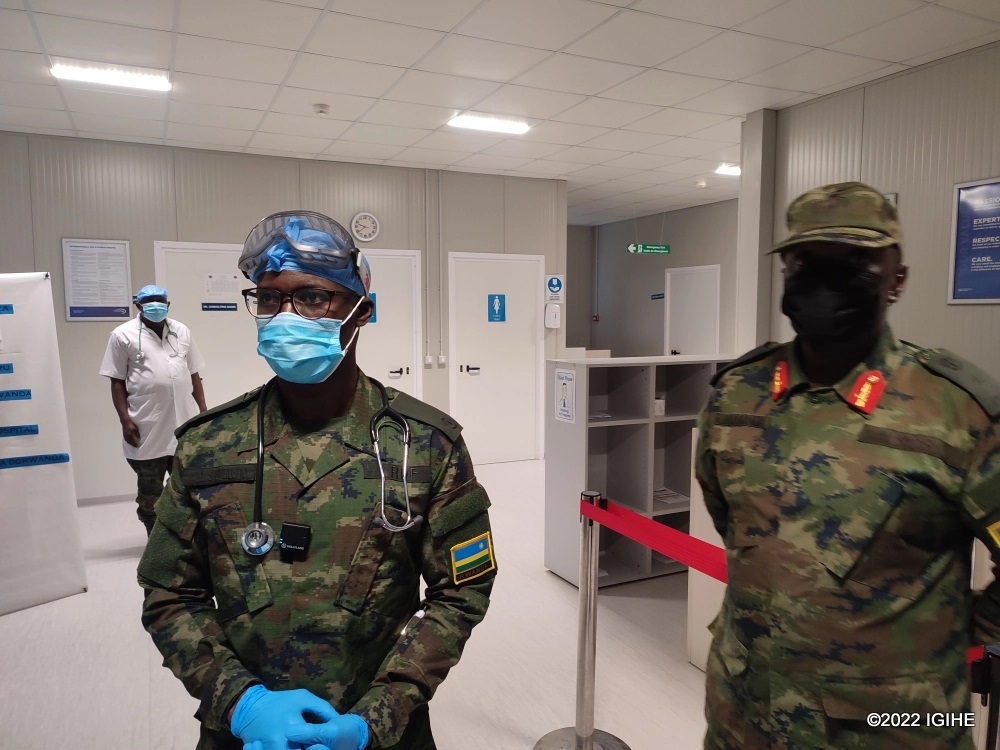
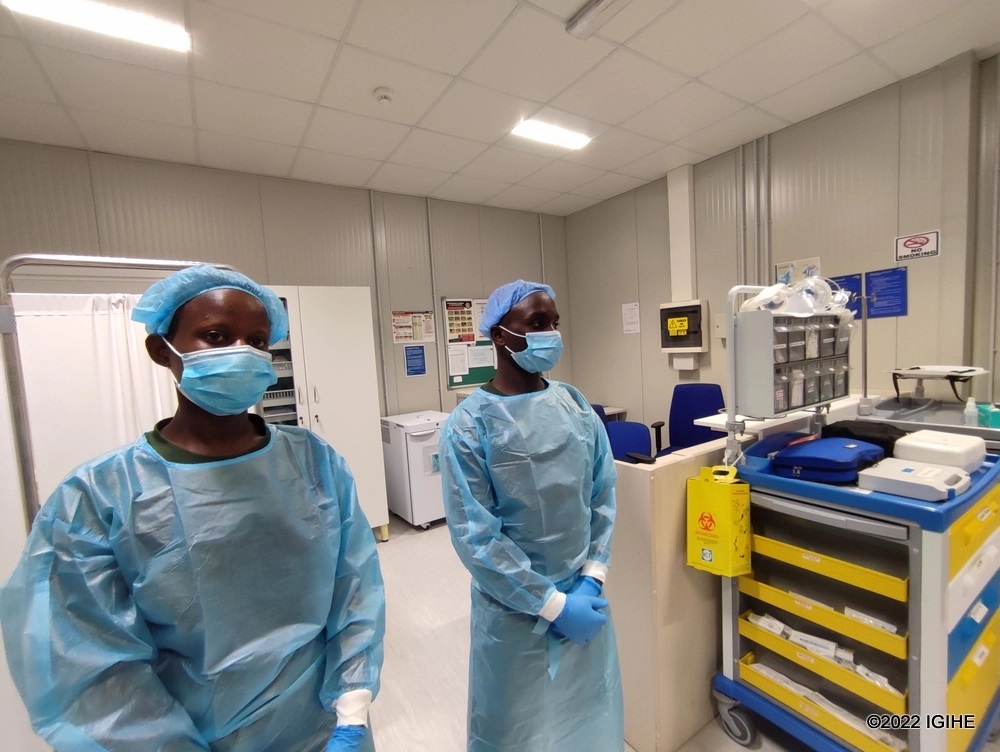
IGIHE recently visited the field hospital of Rwanda Security Forces in Cabo Delgado, which serves as the referral health facility in the area for Rwandan, Mozambican troops and civilians as well.
It offers all the services one would access at a Rwandan hospitals including examination, medication, surgery, laboratories, a sickbay and more.
Major Dr. Jean Paul Shumbusho, the Head of Medical Services in Rwanda Security Forces deployed in Cabo Delgado, spoke to IGIHE a day after they started providing medical care to residents living far from the hospital.
Dr. Shumbusho said that they frequently conduct medical outreach programs because Cabo Delgado is a large province with a limited number of health facilities.
“We draw special emphasis on areas where most of the population has already returned but are still far from the roads and towns where they cannot access healthcare easily.
Those are the ones we often target to reduce long and exhausting daily walks and provide basic care as much as we can. Those who have not been treated are facilitated to reach the main hospital so that they can be properly treated,” he noted.
The Rwandan Security Forces offer treatment for free while the Government of Rwanda caters for the cost of equipment and medicines.
“We treat the people for free from the time we receive them, give them medicines, feed and clothe them until they go home, all free of charge. The cost is high but not as much as a person’s life,” said Dr. Shumbusho.
The hospital receives between 250 and 400 patients per month, excluding those treated in medical outreach activities. Among those treated, at least 35 underwent surgery.
Dr. Shumbusho said that Malaria comes first among the diseases affecting the residents of Cabo Delgado.
It can be linked to the fact that it is a province of mostly tropical forests, with low land near the sea.
“Malaria is the first disease that we frequently treat here. It is severe malaria that kills some patients if they do not get treatment on time, especially young children and pregnant women. That is why we focus on providing them with medicine, and educate them on prevention,” revealed Dr. Shumbusho.
As a war-tone area for four years, malnutrition-related diseases especially among young children are among the most common ones. It also stems from the fact that there is not much sanitation infrastructure in place.
Dr. Shumbusho said war-related diseases including trauma, emotional and physical injuries are among major problems.
“There are still many injuries, there are still many incidents related to explosive remnants of war and many people without this protection,”
{{Men are affected by orchitis}}
Dr. Shumbusho said that the majority of patients getting surgery are men who are suffering from orchitis, due to the nature of the area where they live.
Orchitis is the leakage of fluid between the two skins that cover the testicles. When there is water between them, whether it is more or less, it is called orchitis.
“We mostly conduct surgery for male reproductive health related diseases because they live in an area with several water bodies. There are parasitic worms that enter people’s bodies and reside in the men’s private parts because they don’t wear shoes or other protections. Those are the ones that require surgery the most. About 50% of the men coming to this facility suffer from such conditions,” affirmed Dr. Shumbusho.
The healthcare services provided by the Rwandan Security Forces to the residents of Cabo Delgado have been extremely appreciated that some mothers requested that their children be given Rwandan names after delivery.
“There are children we gave Rwandan names at the request of their parents as an appreciation to medical assistance offered to them. These include Ntwali, Mahirwe and Nkotanyi among others,” revealed Dr. Shumbusho.
Apart from treating patients, Rwandan Security Forces also provide support to other health facilities with shortage of medicines in Cabo Delgado.
The day was a major breakthrough in the history of Rwanda and a major setback for the government of the then President Juvenal Habyarimana who had been stubborn, saying that the country is so full that it cannot find a place to settle its people who are in exile.
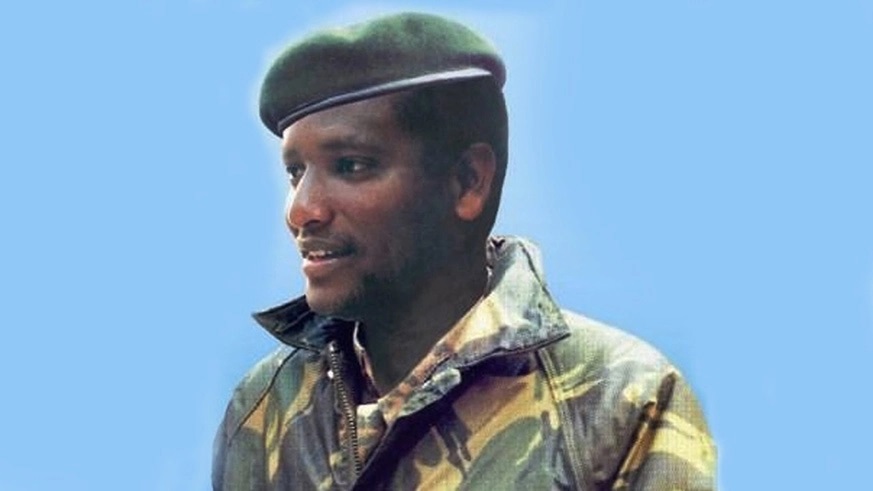
This date had been eagerly awaited by the young men and women, members of RPA Inkotanyi who had already observed that the process of negotiations was no longer possible where the remaining alternative was to wage a war.
In the history of RPA and Rwanda in general, the date of October 1 had no special meaning before 1990, although the RPF Inkotanyi and its forces did not accidentally choose it.
A journalist identified as Stephen Kinzer wrote a book titled ‘A Thousand Hills: Rwanda’s Rebirth and the Man Who Dreamed It’ in which he shows what choosing that date meant a lot at that time.
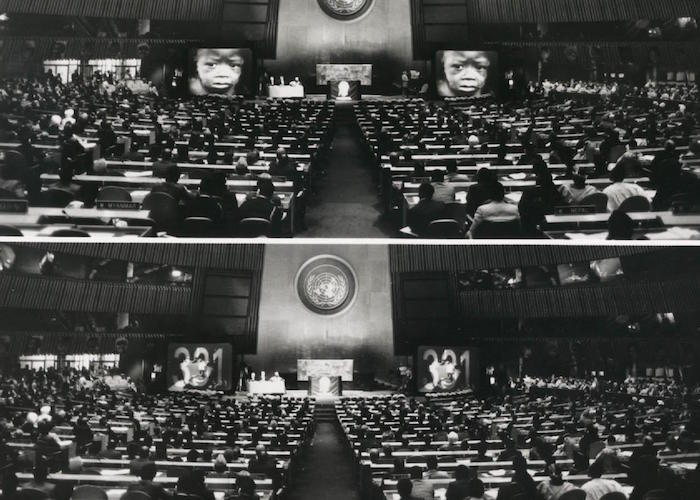
From Saturday 29th and Sunday 30th September 1990, a World Summit for Children was underway at the headquarters of the United Nations (UN) in New York in the United States of America.
President Habyarimana and Yoweri Museveni of Uganda were among the 71 heads of state and government who attended the conference.
The RPF Inkotanyi knew very well that both leaders would still be in YSA on October 1, 1990.
Kinzer says that it was difficult on the Rwandan side for the army to get enough instructions to fight the attackers, as it would happen when the President is in the country.
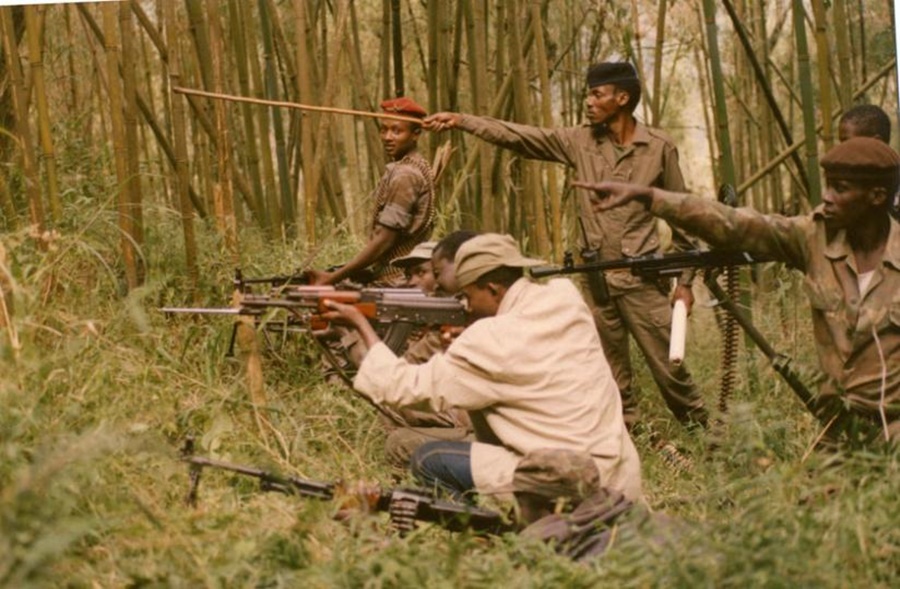
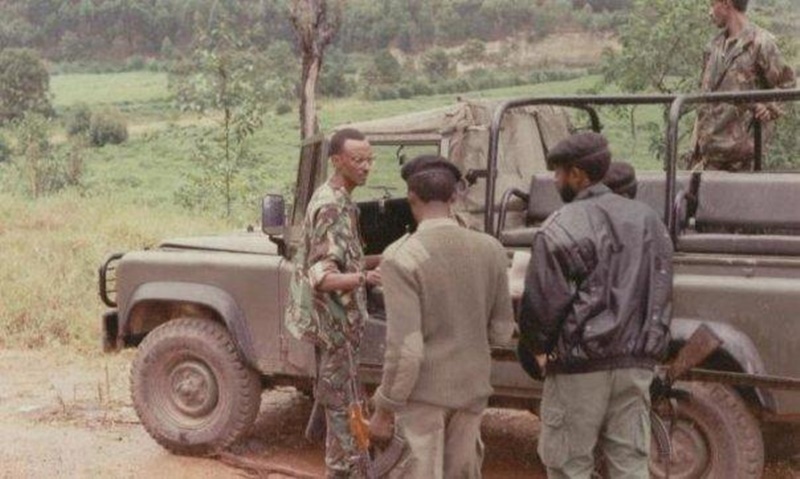
Most of the RPA troops who started the fight, were already enrolled in the Ugandan Army led by Major General Gisa Fred Rwigema. They were deployed in different parts of Uganda but had to come together to be able to plot an attack to Rwanda.
Rwigema, who was the Deputy Commander of the Ugandan Army, could not find any other way to move soldiers from one base to another, without taking advantage of Museveni’s foreign visit.
This was facilitated by the fact that Uganda celebrates Independence Day on October 9. This means, some soldiers had to be withdrawn from some of the camps early, to prepare for the Independence Day parade.
During those dates, it was easy for the commanders of the RPA forces to move with the forces hailing from Rwanda, who were able to gather together without being discovered by other commander in the Ugandan forces as it was done under the guise of Independence Day preparations.
Kinzer said that Maj Gen Fred Rwigema informed Museveni about the transfer of troops.
Since Museveni was in New York, Kinzer explained that no other soldier would dare to ask him how he brought together two thousand soldiers from Rwanda in one place.
Following the organization, Rwigema sent soldiers to areas near the border of Rwanda to prepare for battle.
Starting from September 30, trucks full of soldiers began moving to Ankole District in Southern Uganda, close to the border with Rwanda.
The soldiers came with a lot of weapons mainly those they had looted from the Ugandan weapons’ store.
At around 4:00 a.m. in on October 1, after making possible arrangements, the soldiers were ordered to cross Kagitumba border.
It didn’t take long to capture the area that was guarded by a few state soldiers.
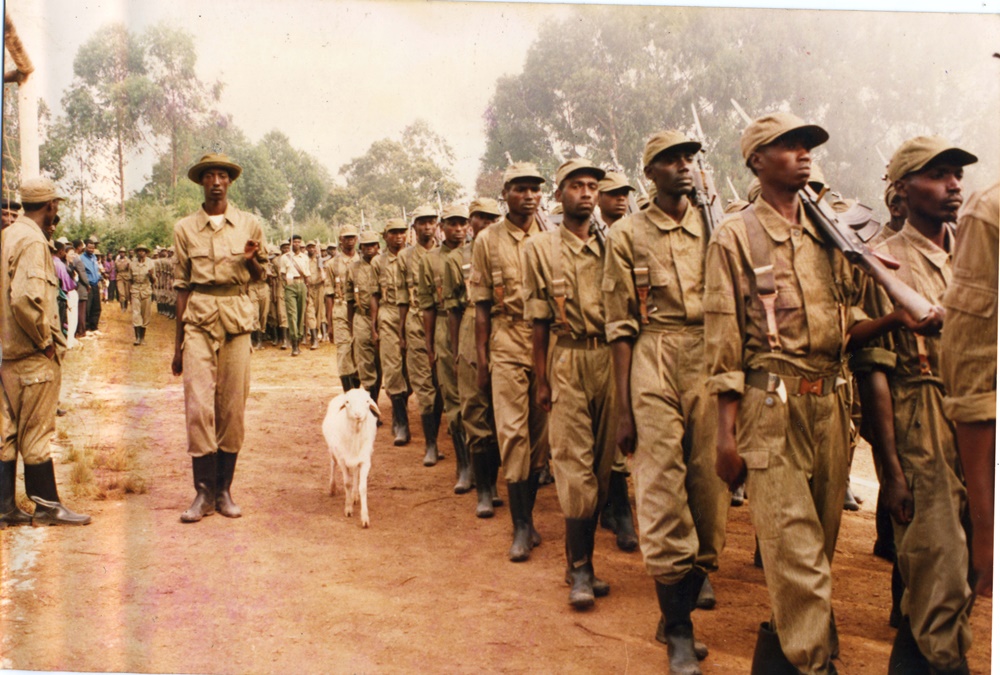
This date was the beginning of a four-year struggle, which stopped the 1994 Genocide against the Tutsi on July 4, 1994. At this time, the genocidaire government was defeated and the process of building a new Rwanda began.
FDLR is a terrorist group comprised of remnant masterminds of the 1994 Genocide against the Tutsi.
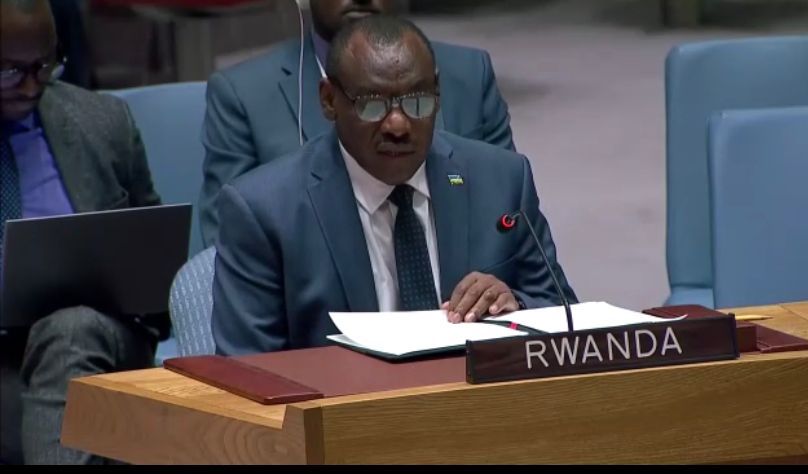
Amb. Gatete voiced the concern on Friday to the UN Security Council, after receiving a report on the activities of the United Nations Organization Stabilization Mission in the Democratic Republic of Congo (MONUSCO).
He said that one of the factors that continue to cause insecurity in Congo and the region, includes the FDLR and other groups affiliated to it.
Amb. Gatete added that the concern lies in the way the Congolese Army (FARDC) came to the fore cooperating with the FDLR instead of fighting.
He revealed that it is unfortunate to hear that the FARDC and its affiliates are working with the FARDC yet such situations often lead to groups regrouping, recruiting new fighters and launching cross-border attacks.
Amb. Gatete underscored that FARDC should stop cooperating with armed and sanctioned groups like the FDLR.
He said that the FDLR should not be considered as a simple group yet there are evidences of the attacks it plotted to Rwanda recently that have caused a lot of damage.
Amb. Gatete gave the example of three attacks that have taken place this year, with the help of the Congolese Army.
The fact that the FDLR is in DRC, he said, is not something that should be taken lightly.
Amb. Gatete expressed concerns that a group guided by Genocide ideology should not be judged by the number of its members, because it can attack Rwandan territory, cause damages and kill people regardless of the size.
Based on these attacks recently plotted attacks, he highlighted that FDLR and its affiliated groups are clearly a serious problem to Rwanda’s security.
The President of the DRC, Felix Tshisekedi, recently told the UN General Assembly that the FDLR is an excuse because it is made up of people struggling to find means of survival that they ‘cannot threaten the security of Rwanda’.
However, he said that the group killed the Italian Ambassador to Congo last year.
Amb Gatete also blamed speeches of some Congolese leaders, who drag Rwanda in the country’s problems to dodge their involvement.
He said that such acts fuel hate speeches against Kinyarwanda-speaking people and exacerbated the situation in eastern DRC.
Gatete also said that the way Congo externalize its problems is a serious concern noting that accepting its responsibility is one of the ways to find a solution.
He underscored that Rwanda will continue to do what it sees fit and protect its people and sovereignty.
Congo has been accusing Rwanda of contributing to the insecurity in the eastern part by supporting the M23 rebel group.
Rwanda has repeatedly rejected these accusations, saying that M23 problems that should be solved internally because the members of that group are Congolese, demanding rights in their country.
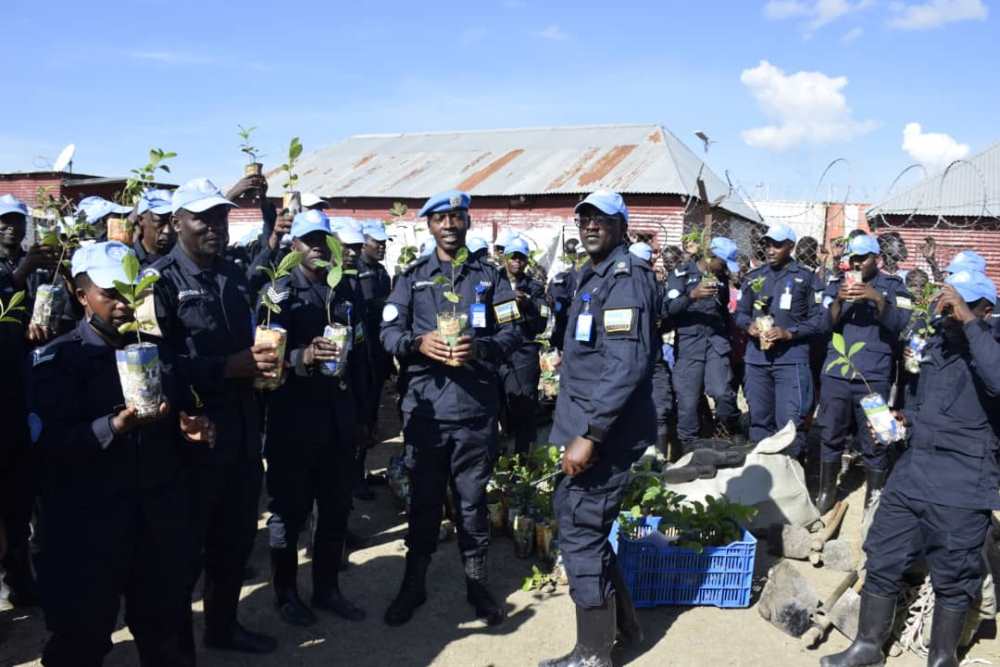
They also donated 100 gumboots to the local youth, who form the Community Watch Group.
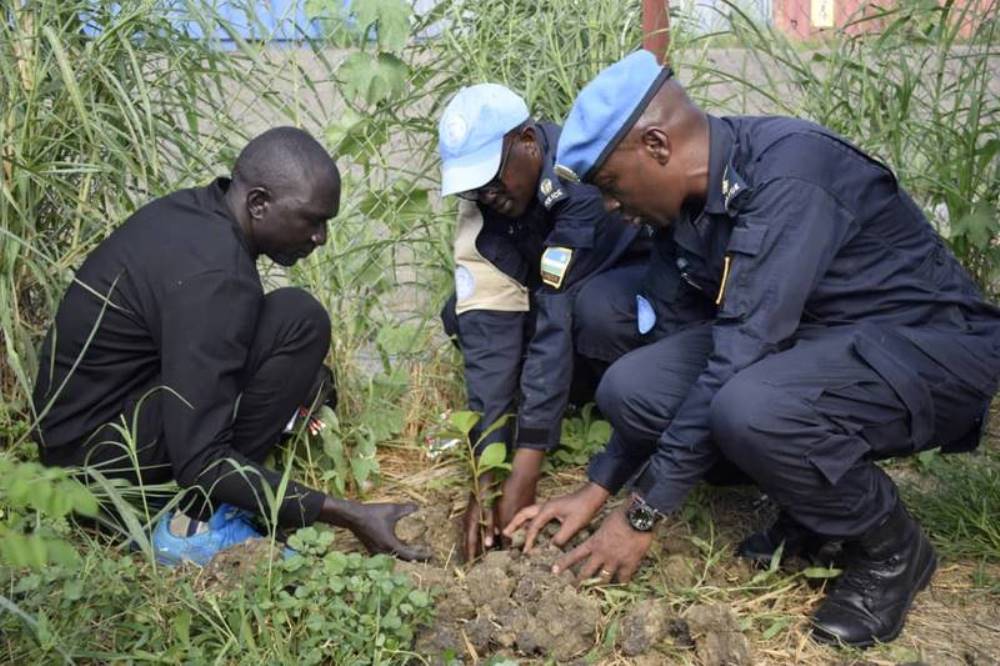
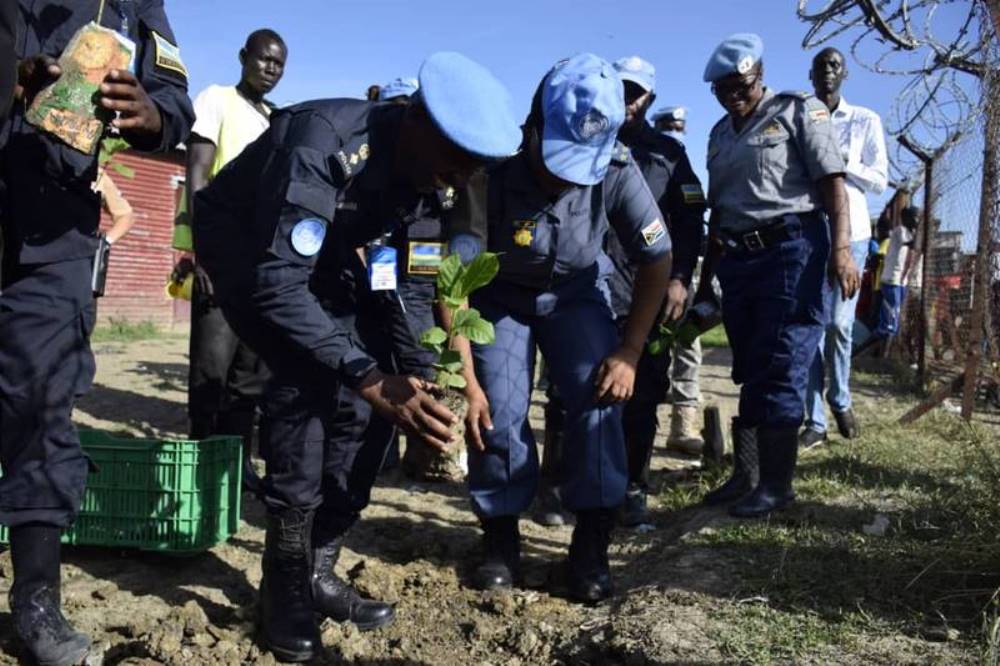
The peacekeepers include Rwanda Formed Police Unit (RWAFPU1-7) contingent of 240 officers, and Rwandan Individual Police Officers (IPO) deployed in Malakal. They were also joined by South Sudanese in the communal work.
The trees were planted around the Protection of Civilian (PoC) camp, which hosts over 59,000 internally displaced persons. The camp is under the protection of the Rwanda Formed Police Unit.
The exercise to plant trees aimed at encouraging the locals in environmental protection and community policing programmes.
The youth group works with the Rwandan peacekeepers inside the IDP camp to address the safety and security challenges.
Brig. Gen. Monica Sebili Monsekiang, the Protection of Civilian Coordinator (POCC) for Malakal, thanked the Rwandan peacekeepers for ensuring security of those displaced by violent conflicts, and for their efforts to support them through various initiatives.
“These people feel safe because you are here to ensure that day and night. You played a crucial part when this camp experienced an influx of over 15000 people displaced by conflicts.
More to that, such environmental protection and community policing initiatives add value to the work of the UN here in South Sudan,” Brig. Gen. Monsekiang said.
She urged the residents to protect the planted trees, plant more trees and to encourage others to protect the environment.
The RWAFPU1-7 contingent commander, Senior Superintendent of Police (SSP) Prudence Ngendahimana thanked the local residents for their support and partnership in security matters.
He particularly thanked the Community Watch Group for their proactive activities to work with the Rwandan peacekeepers to make the people safe.
The PoC chairman, Yoawnes Kimo Deng appreciated the Rwandan peacekeepers for introducing the tree planting initiative.
“This is the first time that trees have been planted around our camp, and it’s a lesson learnt that we will continue to engage in together with our young people, who help us in various matters, including solving conflicts,” Deng said.
He added that some of the trees planted will provide herbs for traditional medicine.
The coltan concession is owned by DUMAC mining company.
All the suspects are part of the group of illegal miners in Rubona, who were at the time found in the concession, according to Superintendent of Police (SP) Hamdun Twizeyimana, the Police spokesperson for the Eastern region.
“Security guards at the site called the Police after they saw the group entering the concession at about 6:30pm. Police arrested them at the scene with with 11.5kgs of coltan,” SP Twizeyimana said.
They were handed over to RIB at Rubona station for further investigations.
Article 54 of the law N° 58/2018 of 13/08/2018 on mining and quarry operations, states that; any person, who undertakes mineral or quarry exploration, exploitation, processing or trading without a licence, commits an offence.
Upon conviction, the offender is liable to imprisonment for a term of between two and six months and a fine of not less than Rwf1 million and not more than Rwf5 million or only one of these penalties.
The court also orders confiscation of any seized minerals or quarry in storage, trading or processing without a license
SP Twizeyimana warned against illegal mining activities adding that such practices, in some cases, lead to loss of lives.
“These people go into concessions especially at night, they have no protection gears and at times they hardly have any idea on the status of the concession. Some concessions were closed for security reasons and dangerous to go in. Again, these unlawful practices are not environmental friendly, cause landslides and loss of lives, ” SP Twizeyimana explained.
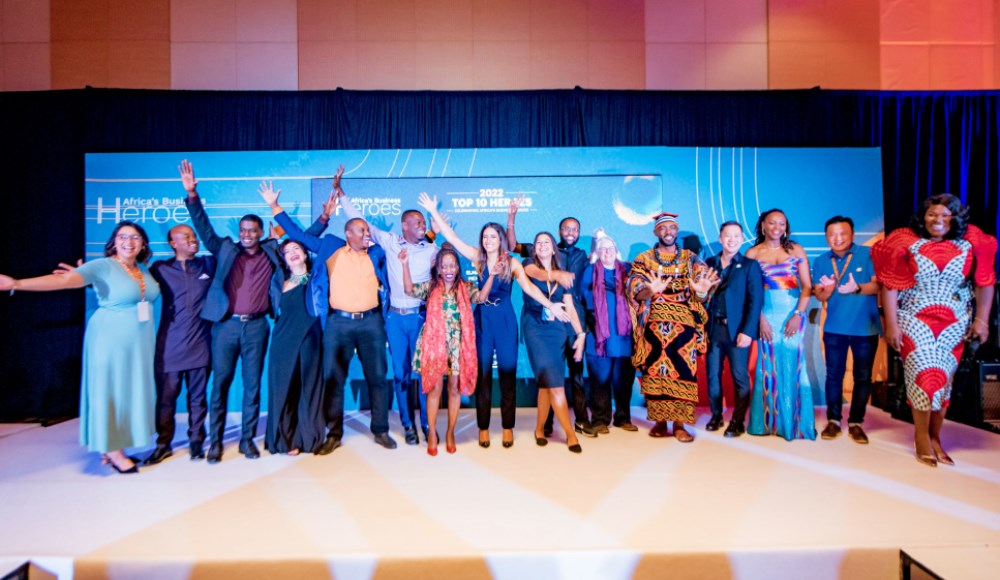
The top 10 finalists include Mr. Flavien Kouatcha Simo, Managing Partner of Save Our Agriculture Sarl (Cameroon); Ms. Amena Elsaie, Co-Founder of Helm Consulting (Egypt); Ms. Nadia Gamal El Din, Founder and CEO of Rahet Bally (Egypt); Mr. Amadou Daffe, CEO and Co-Founder of Gebeya Inc. (Ethiopia) and Mr. Prince Agbata, Co-Founder and CEO of Coliba Waste Management Services Limited (Ghana).
Others include Mr. Tesh Mbaabu, Co-Founder and CEO of Marketforce Technologies (Kenya); Rwandan Francine Munyaneza, Founder of Munyax Eco; Ms. Shona Mcdonald, Founder and Executive Director of Shonaquip Social Enterprise (South Africa); Ms. Elmarie Pereira, Chief Operations Executive, Co-Founder & Acting CEO of Memeza Shout (PTY) Ltd (South Africa) and Tanzanian Mr. Elia Timotheo, Founder and CEO of East Africa Fruits Co.
The result was announced at a Gala Dinner on October 1 to an audience of around 100 attendees from all over the African continent, consisting of current and past ABH participants, judges, investors and other key stakeholders in Africa’s entrepreneurial landscape.
These top 10 finalists will take the stage at the competition’s grand finale in November 2022 for their final pitch to win a share of a US$1.5 million prize pool. The winner of the first prize will walk home with a US$300,000 grant to fuel their further business growth.
The 10 entrepreneurs were selected through multiple stages of interviews and evaluation from over 21,000 applications across all 54 African nations. They hail from eight African countries including Cameron, Egypt, Ethiopia, Ghana, Kenya, Rwanda, South Africa and Tanzania. Their start-ups have been drawn from a wide variety of industries including agriculture, consulting, energy, environmental protection, healthcare, information & communication technology (ICT), and retail.
These outstanding entrepreneurs share a common trait of having a deep commitment to creating a positive impact on their communities, such as empowering disadvantaged groups, increasing access to digital commerce for businesses in Africa and leveraging technology to improve agricultural efficiency for small-holder farmers.
“ABH remains steadfast in its efforts to identify, support and shine a spotlight on African entrepreneurs that are driving positive growth for their communities. Now in the fourth year of the ABH competition, we are impressed with the increasing diversity of our participants and the impact they are making especially in supporting post-pandemic economic recovery. These top 10 finalists are sources of inspiration for other entrepreneurs in Africa,” says Jason Pau, Executive Director of International Programs, Jack Ma Foundation. “We wish all of them the very best of luck for the final pitch in November.”
“Entrepreneurship is a huge driver for social and economic development in Africa. The ABH Prize Competition provides a platform for outstanding start-ups to showcase targeted solutions that tackle problems in an impactful, competitive, sustainable and value-adding way. This year’s Heroes – as with other years – continued to demonstrate the resilience, passion, imagination, and traction that we need in our entrepreneurs here in Africa,” says Birame Sock, Founder and Chief Executive Officer of Kwely Inc, one of the judges in the semi-finale round.
Along with the unveiling of the top 10 finalists in this year’s competition, ABH has also announced its launch of a local team in Kigali to better serve and engage its growing African entrepreneur community of over 100,000 members.
“As ABH enters its fourth year, we are humbled by the incredible support from African entrepreneurs and key stakeholders which has made it possible for our ABH community to reach its current scale,” says Zahra Baitie-Boateng, Head of Partnerships & Programs at Africa’s Business Heroes Prize Competition.
“Now with our base in Kigali, a city brimming with vitality and innovation, we are closer than ever to the African entrepreneurs that we serve and better positioned to help create a cohesive local start-up community leveraging our global network and experience. We are particularly excited to be based at Norrsken House, which is home to a vibrant ecosystem of incubators, accelerators and start-ups. We believe being a part of Norrsken will help strengthen our efforts to collaborate with key stakeholders in Africa’s entrepreneurial ecosystem.”
The ABH Prize Competition aims to identify, support and empower entrepreneurial talent from across Africa. The official competition slogan “It’s African Time” is a bold call to action to all African entrepreneurs who are challenging stereotypes associated with “African time” – creating local impact and building a better, more inclusive future through their businesses.
{{About Africa’s Business Heroes}}
The Africa’s Business Heroes Prize Competition is a philanthropic initiative sponsored by the Jack Ma Foundation and Alibaba Philanthropy. It aims to support and inspire the next generation of African entrepreneurs across all sectors who are building a more sustainable and inclusive economy for the future of the continent.
Over a 10-year period, ABH will recognize 100 African entrepreneurs and commit to allocating grant funding, training programs, and support for the development of an entrepreneurial ecosystem.
Each year, the ABH Prize Competition and show feature 10 finalists as they pitch their business to win a share of US$1.5 million in grant money.
Jack Ma, founder of Alibaba Group and the Jack Ma Foundation, created the prize after he made his first trip to Africa in 2017 and was inspired by the energy and entrepreneurial potential of the young people he met with there.
{{Profile of top ten finalists}}
{{Flavien Kouatcha Simo, Managing Partner of Save Our Agriculture Sarl }}
{ {{Industry: Agriculture}} }
Kouatcha, a Cameroonian engineer by training, runs an agricultural company that designs and manufactures aquaponic units for individuals and professionals wishing to produce large-volume organic food as close as possible to sales areas.
Their system is a solution to climate change, the land challenge of young African farmers, and the increased use of agricultural chemicals.
{{Amena Elsaie, Co-Founder of Helm Consulting}}
{ {{Industry: Consulting}} }
Amena is a multiple award-winning entrepreneur. Created in 2014, Helm supports more than 4,000 persons with disabilities and promotes their social inclusion, serving more than 200 entities and working with top-notch experts from 16 countries.
In addition to sponsorships and grants, Helm is the first provider of localized and customized inclusion solutions in the region, awarded multiple times as innovative global best practices and successful business models by Zero project, JICA and Rise Egypt among others.
{{Nadia Gamal El Din, Founder and CEO of Rahet Bally}}
{ {{Industry: Healthcare}} }
Gamal studied finance at the American University in Cairo, after which she started her professional career as an assistant brand manager at Procter & Gamble.
She became a mother at the age of 24 and realized there was a huge market gap when it comes to supporting new moms. Consequently, in 2015, she founded Rahet Bally, an all-inclusive platform to support Egyptian mothers financially, physically, emotionally and intellectually, both online and in person, on top of Rahet Bally Discount App for Moms, Rahet Bally Mama Fitness Programs, the Cloud by Rahet Bally, and Mumerz.com.
{{Amadou Daffe, CEO and Co-Founder of Gebeya Inc.}}
{ {{Industry: ICT}} }
Gebeya.com is a Pan-African freelance talent marketplace that identifies the best of African talent and matches them with cutting-edge projects from selective customers with a goal of solving one of Africa’s biggest challenges: employment.
Their tech-driven marketplace connects remote African tech talent with employers globally. The continent needs to generate 12 million new jobs every year to keep unemployment at bay. Start-ups, SMBs and corporations in industries like telecommunications and transportation rely on Gebeya to be a one-stop shop for talent capable of building new products and services to scale up their businesses.
{{Prince Agbata, Co-Founder and CEO of Coliba Waste Management Services Limited}}
{ {{Industry: Environmental Protection}} }
Coliba is an award-winning and leading Ghanaian plastic waste recycling company operating in Ghana and Côte d’Ivoire. Prince co-founded Coliba to address the issue of plastic pollution and to promote environmental sustainability.
Plastic waste is a serious problem in West Africa, and Prince decided to tackle this issue after losing his best friend in a flood disaster caused by plastic pollution. Coliba collects, sorts and recycles plastic and metal garbage. This initiative employs over 110 workers.
{{Tesh Mbaabu, Co-Founder and CEO of Marketforce Technologies}}
Industry: Retail
Tesh is an African serial technology entrepreneur who lives to blend commerce and technology. MarketForce is a B2B commerce platform that empowers over 200,000 neighbourhood merchants across five African markets to source, order and pay for inventory, access financing and earn more by reselling financial services in their communities.
{{Francine Munyaneza, Founder of Munyax Eco }}
{{Industry: Energy}}
Growing up as a refugee, Francine had no access to electricity. She founded Munyax Eco to solve Africa’s recurring problem – lack of access to electricity – and Rwanda’s energy challenges in rural and urban areas by providing solar equipment adapted and tested for the African continent.
Francine is well known for her gender-oriented recruitment and sales strategy which is to bring women into the fight against climate change while empowering them economically. To date, over 10,000 people across Rwanda, DRC and Burundi have access to clean energy, thanks to Munyax Eco’s women-led and focused solutions.
{{Shona Mcdonald, Founder and Executive Director of Shonaquip Social Enterprise}}
{ {{Industry: Healthcare}} }
Shona founded her company to address the challenges of children with mobile disabilities living in peri-urban and rural areas of South Africa. Shonaquip’s range of tailor-made mobility products and health services can be assembled and maintained even in conditions with limited resources.
Their inclusive early childhood education training, social services, advocacy and research directly impacts nearly 20,000 individuals with disabilities and their families annually.
{{Elmarie Pereira, Chief Operations Executive, Co-Founder & Acting CEO of Memeza Shout (PTY) Ltd }}
{ {{Industry: ICT}} }
Elmarie is on a mission to make South Africa safer. Memeza is an ICT social enterprise providing affordable innovative safety technology and monitoring services to lower-income communities who do not have access to private security, as well as assisting government and corporates with specialized community-based project deployment services.
To date, Memeza has created over 2,700 income opportunities for youth, and reduced GBV by 67% in low-income communities focusing on solving social ills.
{{Elia Timotheo, Founder and CEO of East Africa Fruits Co.}}
{ {{Industry: Agriculture}} }
Elia has grown East Africa Fruits Co into the largest food distributor or aggregator in Tanzania by modernizing systems never implemented in East Africa before.
By distributing fresh produce directly from farms to Business to Business (B2B) customers, they ensure no brokerages and less waste.
The software resolves market inefficiencies by pairing crops with market demand, boosting efficiency, and yielding 60% more earnings for farmers as they tackle Africa’s 4-billion-dollar problem of post-harvest food wastage.
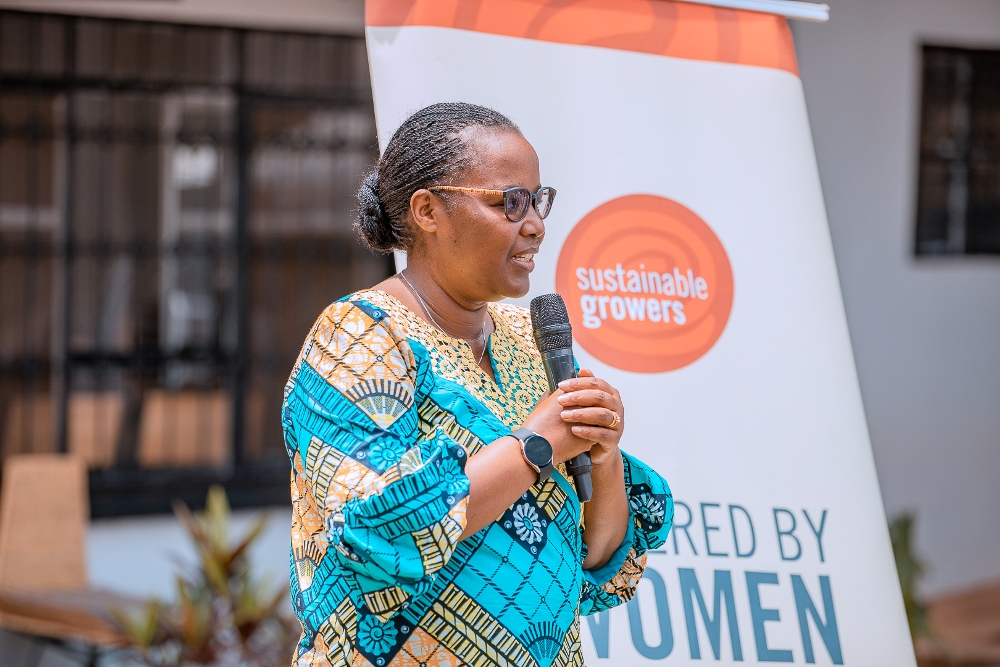
Sustainable Growers Rwanda (SG-R) is a local non-profit. The organization is offering training to low-income female coffee farmers to improve their livelihood.
SG-R equips the female farmers with mulching and timely application of fertilizers and pesticides.
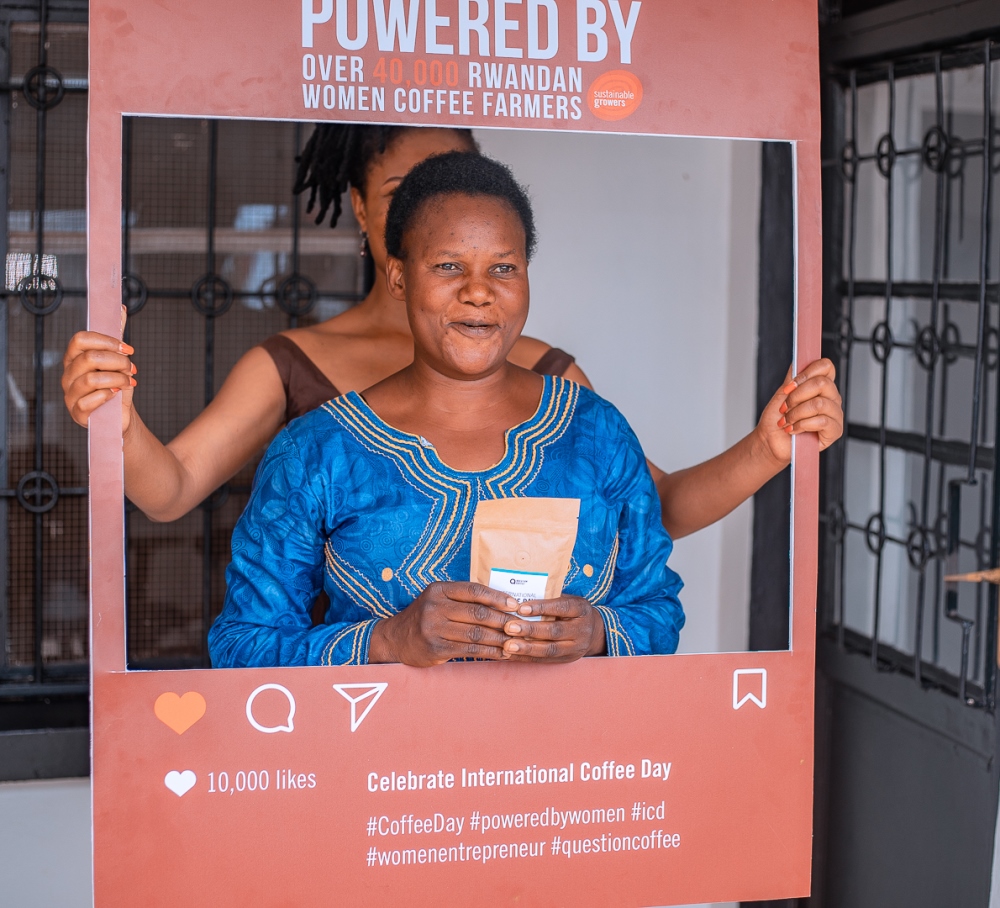
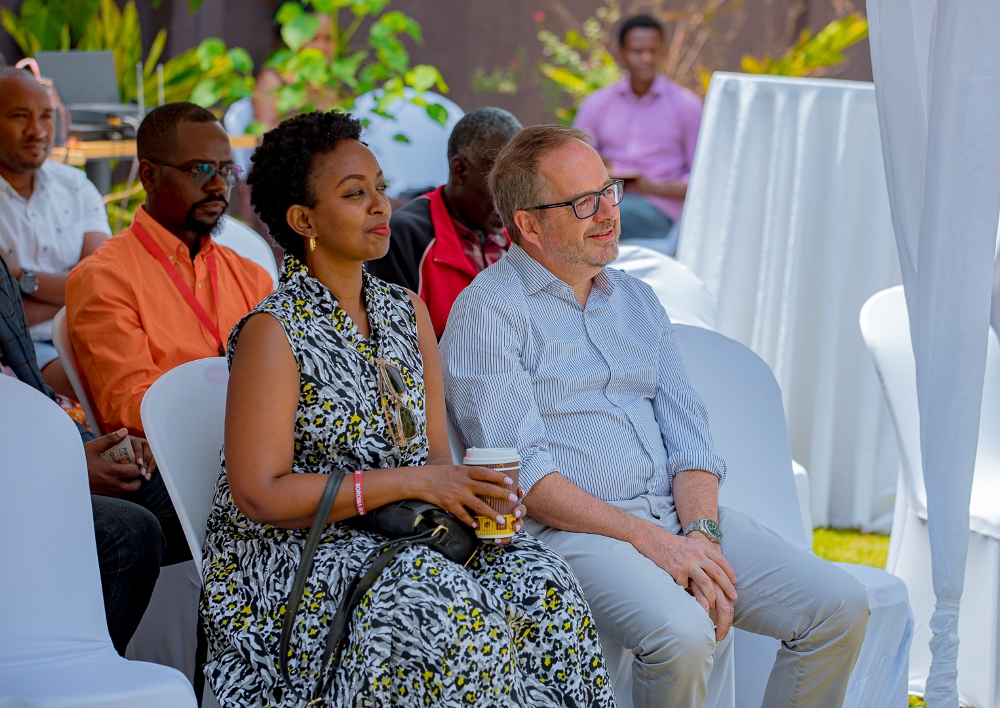
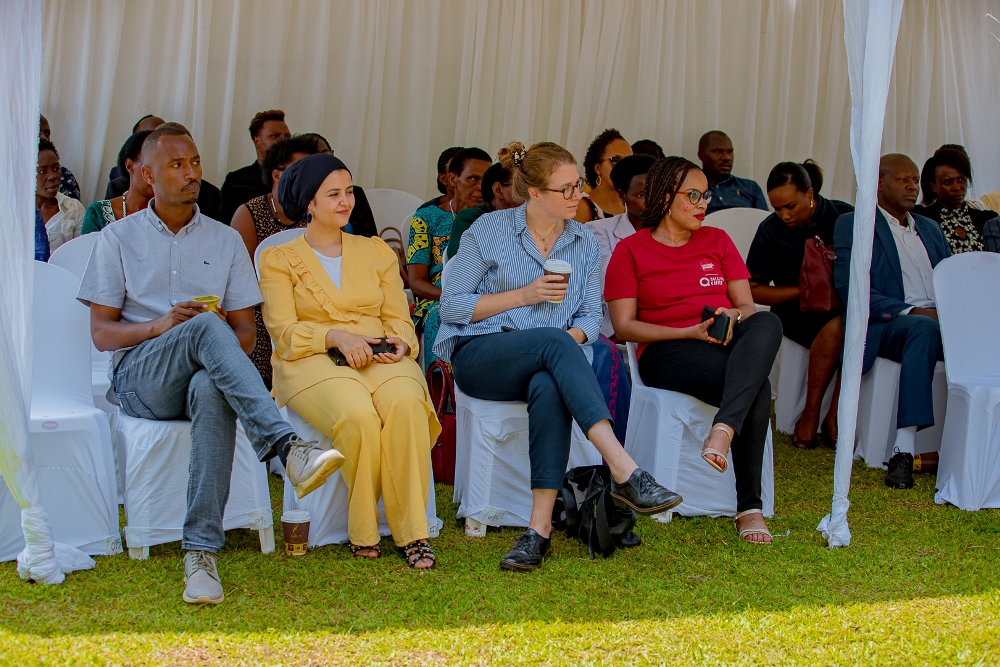
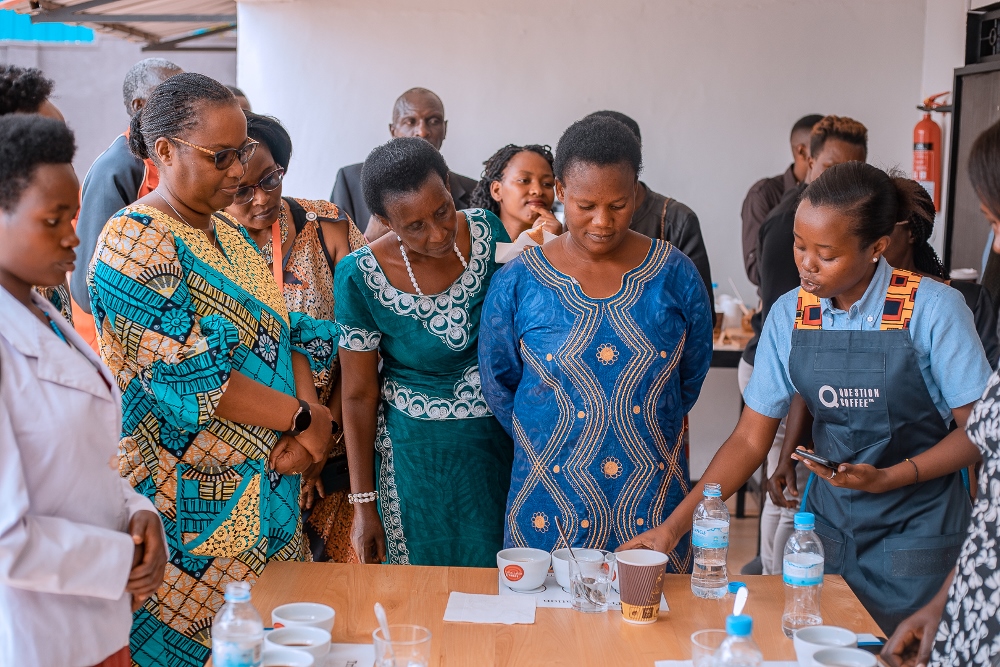
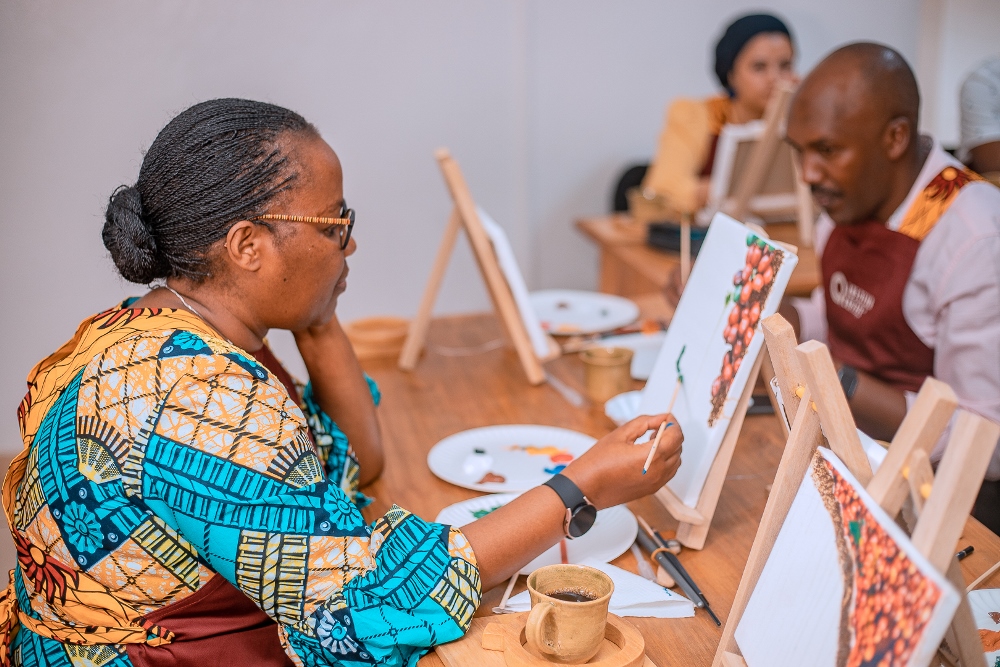
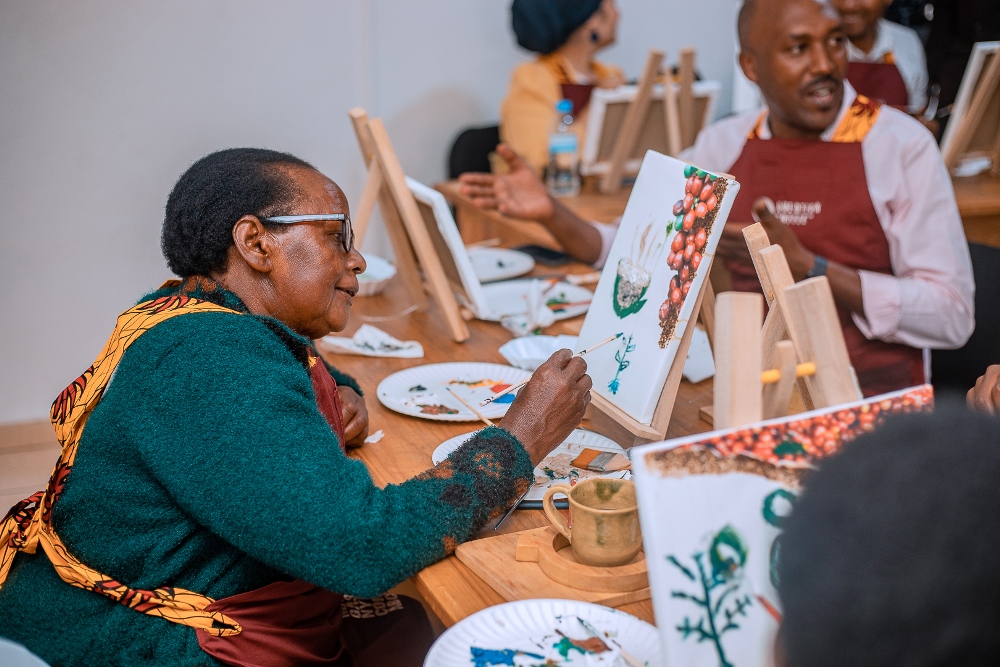
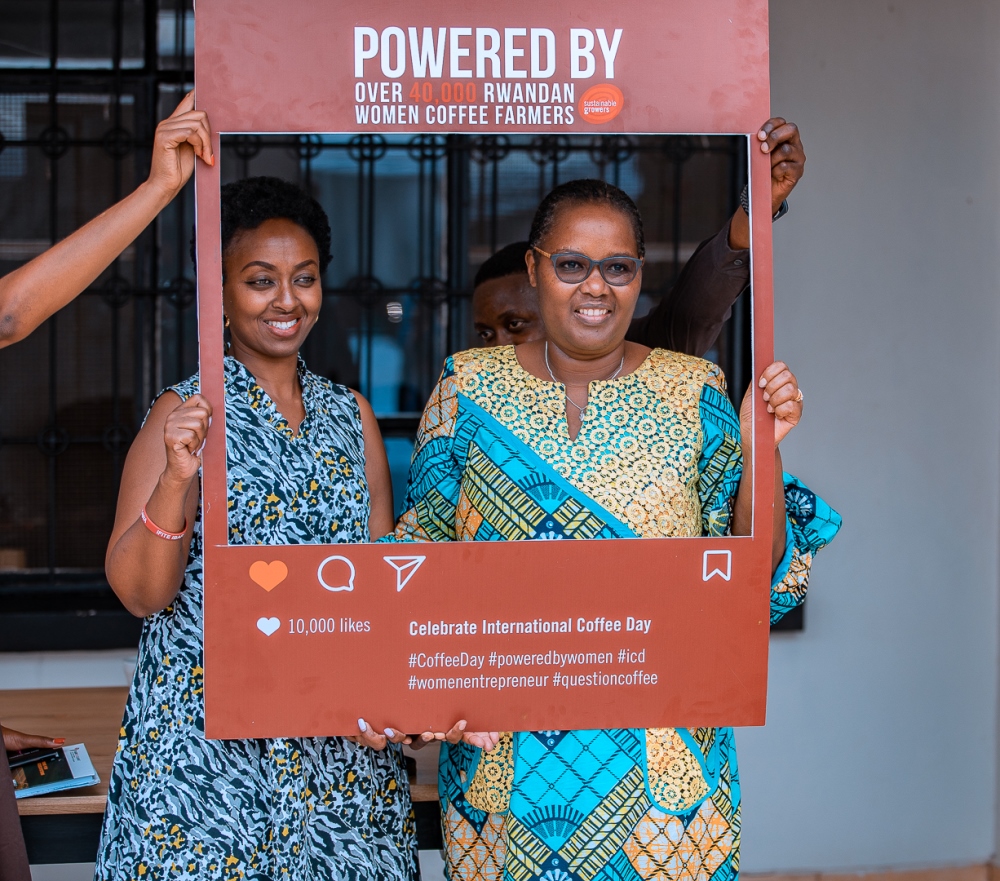
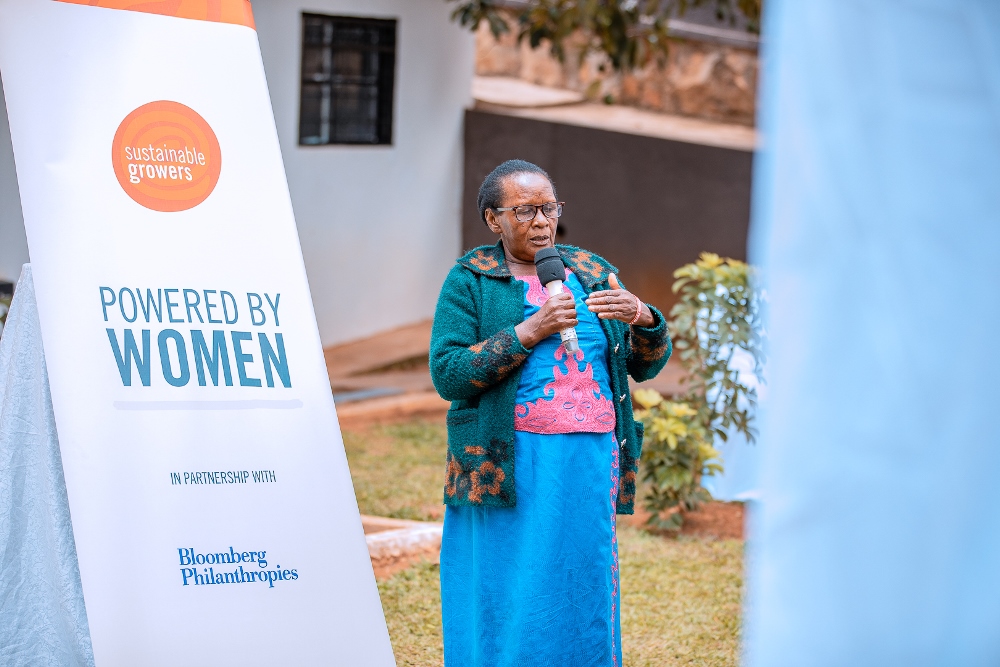
On 1st October 2022, SG-R joined the rest of the world to celebrate the International Coffee Day held at Question Coffee in Kiyovu Cell, Nyarugenge District.
The ceremony brought together stakeholders in the agribusiness sector, from across the continent and beyond as well as women growing coffee across the country.
Some of women growing coffee attest that they have been equipped with best farming techniques that have helped them improve quality, thanks to trainings offered by Sustainable Growers Rwanda.
Esther Mukangango from Rusenge Sector, Nyaruguru District is a member of Nyampinga Cooperative. She explained that livelihoods have improved remarkably following trainings offered by Sustainable Growers Rwanda.
“Our cooperative had ambitions to grow faster but could not materialize due to limited resources. The situation had not improved until Sustainable Growers Rwanda intervened and trained us on best coffee farming techniques that we have attained considerable progress,” she said.
Mukangango has revealed that Nyampinga’s coffee is currently supplied to different countries worldwide.
Dative Mukasine, the president of Gashonga Coffee Cooperative in Rusizi District said that Sustainable Growers has inspired them to drink coffee.
Sustainable Growers started operations in Rwanda in 2013. It has so far offered trainings to over 50,000 coffee farmers in Rwanda, the Democratic Republic of Congo (DRC) and Tanzania.
They were equipped with techniques for best farming, processing and commercialization of their produce.
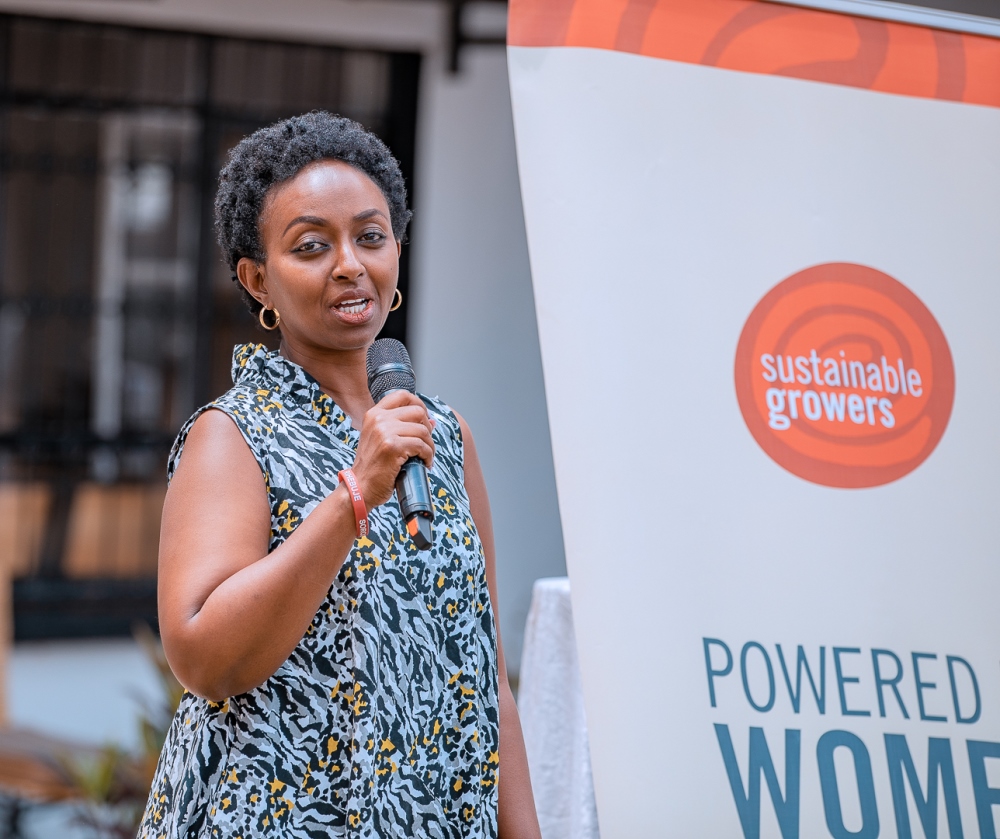
The Executive Director of Sustainable Growers Rwanda, Christine Condo said that the organization is committed to working with all partners to achieve development goals together through empowering women to play an active role in improving their families’ wellbeing and contribute to national economy at large.
Minister Mukeshimana commended the organization and farmers for their contribution to national development through coffee farming.
“Rwanda is among countries that gained repute for producing quality coffee. I thank this organization for continued efforts to uplift women in development,” she said.
Dr. Mukeshimana also revealed that Rwanda makes possible efforts to increase unit price gradually to improve farmers’ living standards.
The official also told participants that coffee is among commodities generating huge returns from exports.
Last week, Rwanda exported 434 tons of coffee which generated US$3,314,427. The main destinations for Rwanda’s coffee last week include Switzerland, the United Kingdom, the United States and New Zealand.
Sustainable Growers works with six coffee farming cooperatives from different districts including; Nyampinga from Nyaruguru, Gashonga from Rusizi, KOAKAA from Nyamasheke, Twongere Umusaruro wa Kawa from Kayonza, Mayogi from Gicumbi and Abahingakawa from Gakenke District.
With Bloomberg Philanthropies’ generous support, Sustainable Growers, home of Question Coffee, has provided agricultural training, coffee processing, and market-based skills to over 50,000 women farmers across Rwanda, the Democratic Republic of Congo, and Tanzania, bringing them up through the coffee value chain. Sustainable Growers’ effective training, trade, and public-private partnership model promoting the economic inclusion of women farmers and producers was recently selected by Expo 2020 Dubai among 50 Global Best Practice Programs that align with the advancement of the United Nations Sustainable Development Goals.
Further promoting the visibility and economic inclusion of women coffee farmers and producers, Sustainable Growers’ Question Coffee Café & Training Center in Kigali allows customers to learn from “Seed to Sip” and experience Question Coffee, the sustainably grown coffee produced enrollees of the training program. In addition, customers can further their Question Coffee experience by booking women-led coffee farm treks on TripAdvisor, where they can learn the “Seed to Sip” process from producers firsthand. To date, Question Coffee has expanded its market to corporate brands and hotels around the world including the Marriott Hotel, Serena Hotel, Singita Hotel, RwandAir, and Rwanda’s National Parks, thus boosting women’s coffee visibility and sales locally and internationally.
Mrs. Christine Condo, Executive Director of Sustainable Growers said: “Sustainable Growers is committed to working hand in hand with coffee stakeholders to achieve inclusive and sustainable development to unlock women coffee farmers’ potential and allow them to contribute to their families’ wellbeing and play a significant role in the country’s economy at large.”
On this International Coffee Day, Sustainable Growers recognizes coffee farmers and producers as well as supporters, partners, and customers’ contribution to the economic independence of women and their families. To learn more about Sustainable Growers, visit sustainablegrowers.org
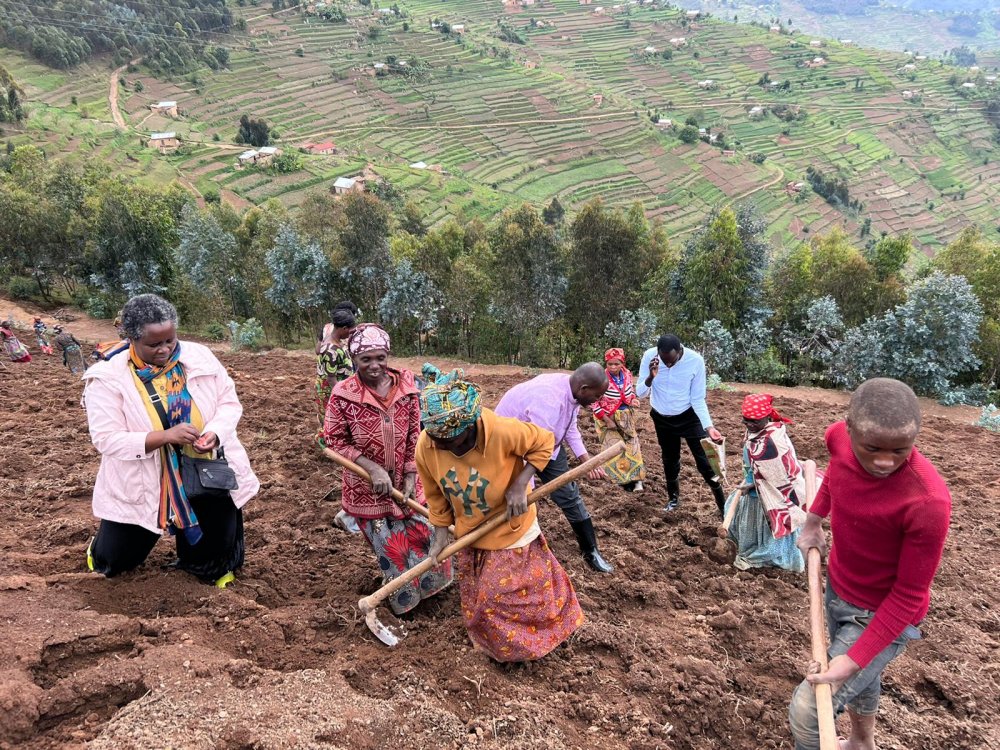
Today, there is a different story to tell. A case in point is the group of 25 families of historically marginalized people in Nyamiyaga Cell, Miyove Sector of Gicumbi District requesting their new status to be considered and be referred to as people on the development journey instead of historically marginalized people.
The progress testified to IGIHE journalist as he visited the families is attributed, in no small part, to the support of the Government of Rwanda and partners.
Their mindsets have changed, so is their wellbeing. They no longer depend on begging but have become hard working people with big aspirations for a brighter future.
Like other members of the society, they wake up every morning for different economic activities and apply acquired vocational skills to generate income.
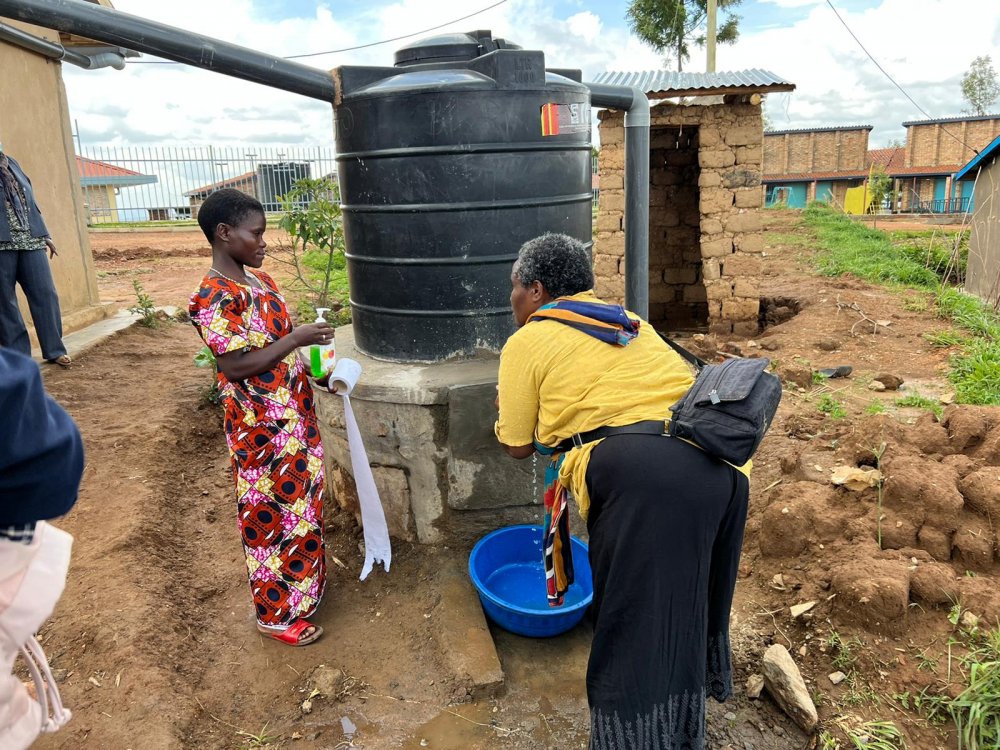
Children attend schools, stunting has reduced, they are no longer associated with poor hygiene and live in houses connected to electricity.
André Masurubu is among historically marginalized people whose living standards have significantly improved.
He currently serves as the head of village sub-unit (Isibo) in Nyamiyaga Village.
Masurubu says that their lives have been transformed that they should no longer be labelled as historically marginalized but rather be called people on the journey to development.
“We used to live in very small houses in poor conditions. Our legs would not fit in the house as we slept overnight putting us at risk of being devoured by stray animals. We have received decent shelters, we sleep in safe and comfortable places, we have access to electricity and our children can revise studies overnight,” he said.
Masurubu said that the transformations were mainly driven by change of mindsets, because they used to receive similar support and destroy houses to sell some materials or use doors as firewood.
The changes resulted from relentless joint efforts by the government and partners who stayed closer to historically marginalized people day to day.
NPO Think About Education in Rwanda (NPO TER), a non-profit organization from Japan which mainly provides educational opportunities is among partners who played a significant role to change the lives of historically marginalized people in Miyove.
Elisabeth Twizeyimana, a mentor from NPO TER says that the 25 families under their supervision no longer have issues related to poor hygiene and malnutrition.
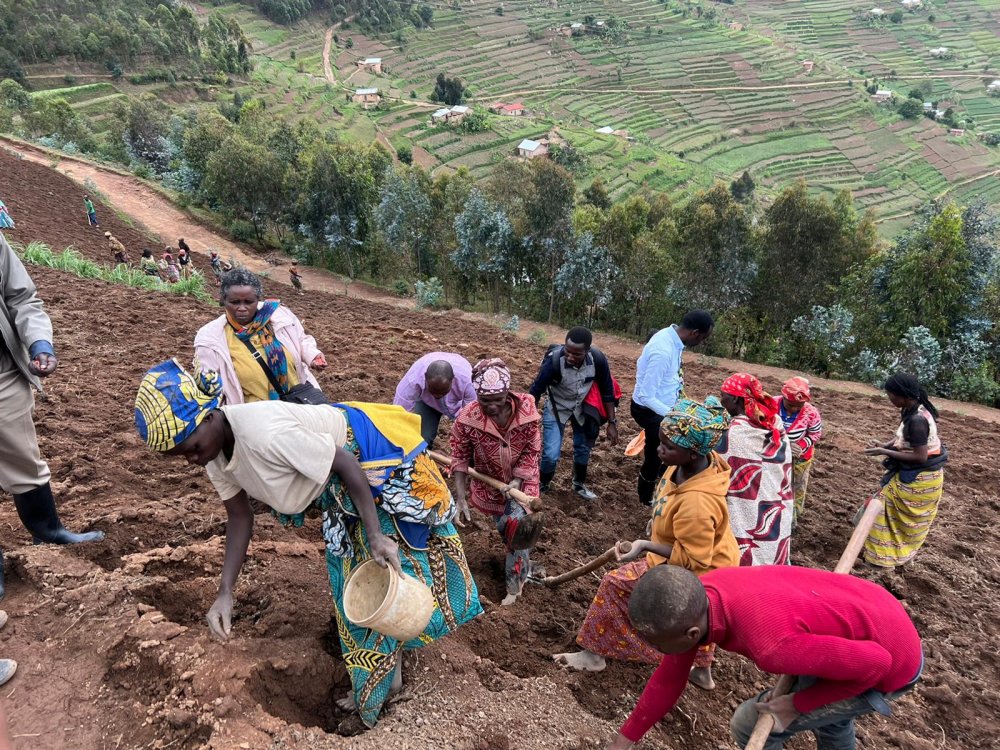
“It was a tiresome journey that required much effort to change their mindsets, and convince them to practice agriculture. Today, they have received land to cultivate and exploit them conveniently where they harvest and store seeds for the next agriculture season,” she noted.
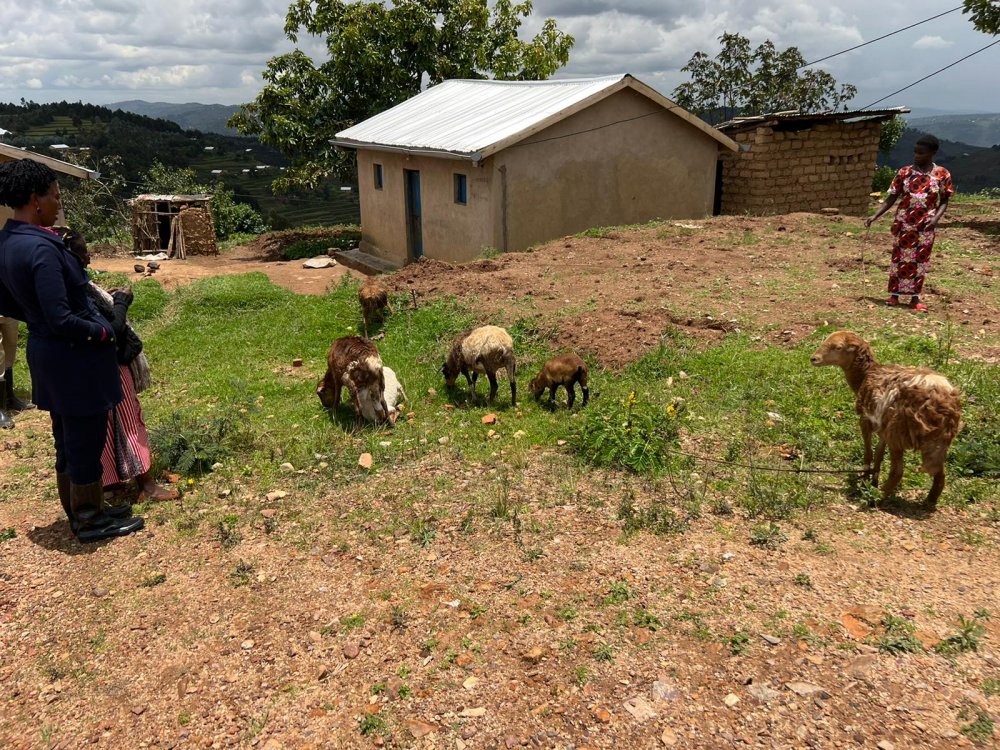
According to Twizeyimana, historically marginalized people have been enlightened on the benefits of working together in groups, where they have helped them to buy small livestock that also serve as a source of compost to fertilize their gardens.
The transformations are also highlighted by Marie Louise Towari, the founder and president of NPO TER.
Towari explained that she first arrived at the village of historically marginalized people six years ago where he was moved by a child she saw begging.
This inspired her to mobilize partners to give special attention to this segment of the population.
Towari linked up with Rotary Club and worked together to usher the historically marginalized people into prosperity.
“I liaised with Rotary Club to take care of them together. We mobilized funds which we used to support historically marginalized people in Miyove. We have stayed closer to them within six years and the transformations are self-evident. As you can see, they are clean in smart dresses and no longer have the habit of begging,” she said.
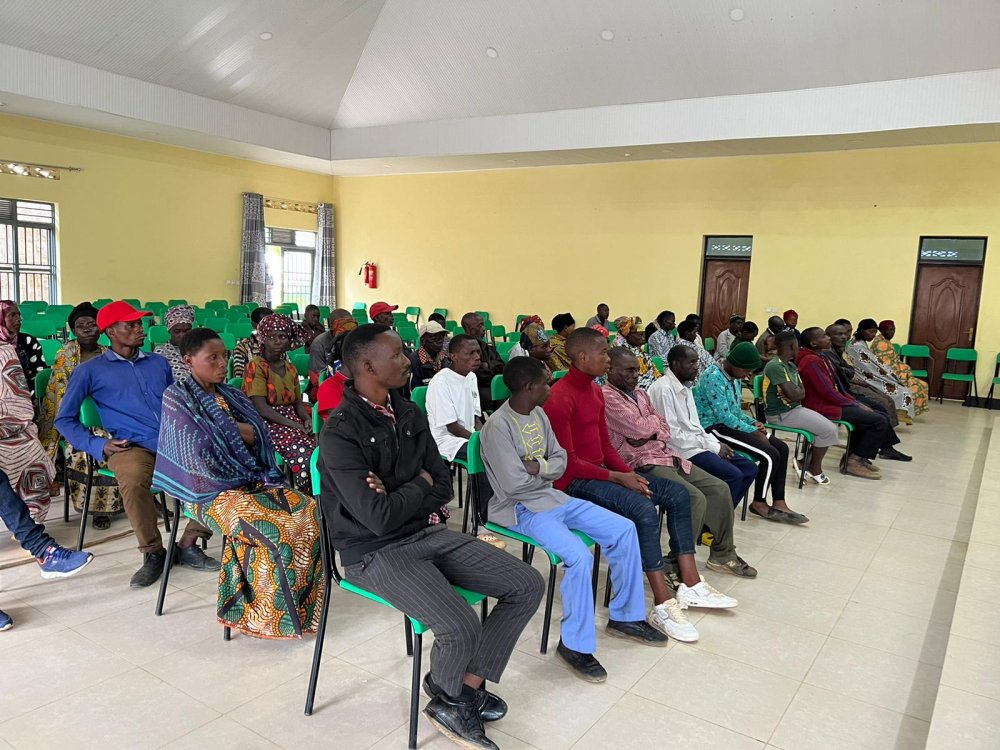
Amb. Zephyr Mutanguha who represented Rotary Club Kigali Virunga said that beneficiaries received arable fields and enlightened them on the relevance of being actively involved in their development journey to become self-reliant and stop begging.
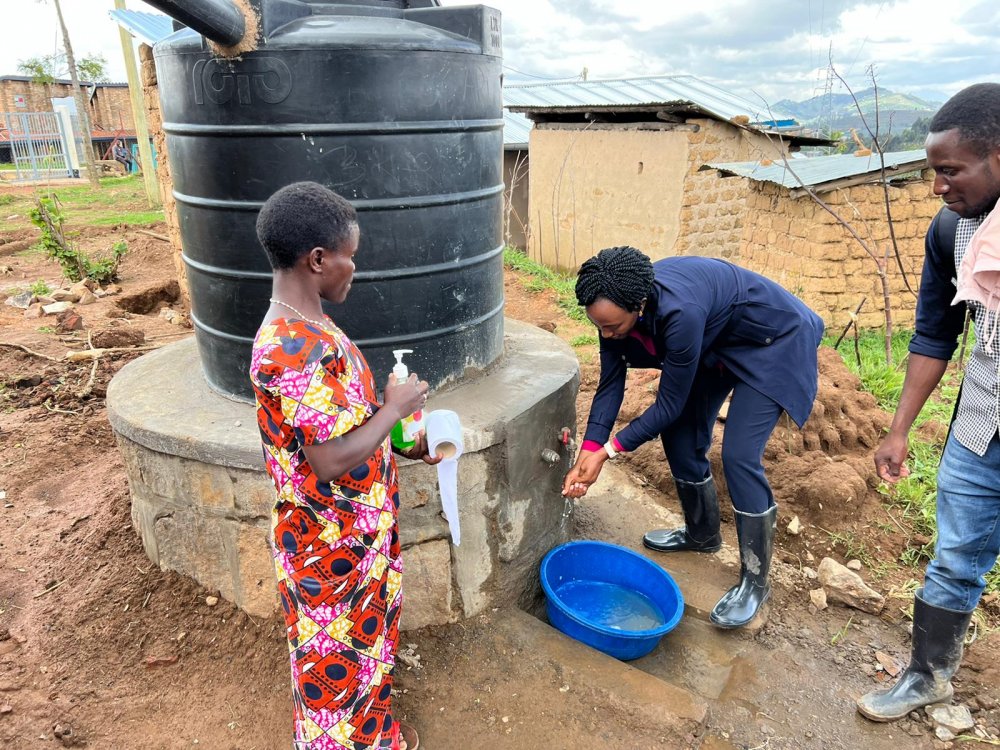
“Rotary Club conducts mobilization all over the world and provides support to vulnerable families. We are here to inspect water tanks given to them recently and inaugurate electricity infrastructures they had requested. This has a great influence on their mindsets as they rest assured that development is not a miracle to their families,” he affirmed.
Gicumbi Vice Mayor for Economic Affairs, Parfaite Uwera thanked partners for taking care of historically marginalized people in Miyove Sector noting that the remaining work is to consolidate gains and continue mobilizations to change their mindsets.
“We will stay closer to them because it is our daily responsibility to ensure they lead a decent life like other segments of the population,” she said.
The historically marginalized people in Miyove have been equipped with different vocational skills including sewing and making soaps. This helps them to wear smart clothes and maintain hygiene at home, among other things.