They also consider the situation as Genocide and estimate the number of civilians who lost lives throughout the 26 years of insecurity. Some of them estimate the number of victims to be between six and ten million.
The heated debate was triggered by the resurgence of M23 rebel group towards the end of 2021, which continues to capture different areas in DRC.
Opinion leaders in DR Congo rushed to accuse Rwanda of backing the rebel group, and took the advantage of it to blame the neighboring country for lives lost over the past years based on the fact that Rwanda is among countries that supported AFDL of Laurent Desire Kabila in 1996 to overthrow Mobutu Sese Seko.
Since then, Congolese have been blaming Rwanda for their country’s security problems claiming that it should be held accountable for the deaths of civilians in the country which is home to over 130 armed groups.
In June 2022, DRC’s Representative to the United Nations, Georges Nzongola Ntalaja told the UN Security Council that there is a US agency dubbed ‘Internal Rescue Committee’ which indicated that over six million Congolese died since 1998 due to Rwanda’s invasion.
The report pointed out by Nzongola, focused on civilians who died during conflicts that mired DRC from 1998 to 2007.
However, it did not indicate that the civilians were killed by Rwanda. As it was reported in 2020 by La Liberation, a news medium based in French, the figures were largely disputed over applied methodology.
{{Falsehoods on the numbers of civilians killed in RDC}}
It is no doubt that there is a large number of civilians who died since 1998 under what is considered as the second Congolese war. As of today, consequences of the chaos still lead to the deaths of many in eastern part of DRC through armed groups.
DR Congo registers more than 130 armed groups operating in eastern part of the country. They are either run by Congolese or foreigners and are responsible for killings of civilians in controlled areas.
Even though a large number of civilians lost lives during the unrest, claiming to know the exact number of deaths would be a mistake because DRC itself does not know the precise number of its population.
DR Congo which is among the largest African countries, conducted the latest population census in July 1984 during the leadership of Mobutu Sese Seko.
The figures are still considered today. They are reduced or increased depending on various reasons that do not depict the correct numbers of the country’s population.
The country currently indicates that it is populated by 100 million but does not have records of their particulars.
The country does not have a recognized identity card where people are only identified by voters’ cards which are not released in transparency as they are owned by people from different countries.
The only identity card Congolese have ever owned was issued at the leadership of Mobutu Sese Seko and expired and 1997.
The Congolese National Identification Agency (ONIP) also admits that Congolese do not have identity cards and considers it a serious problem.
It was highlighted in September 2021 by the Director General of ONIP, Ilunga Ntumba Richard who disclosed that it is time for nationals to own identity cards.
“As of today, over 100 million Congolese do not have identity cards […] When there are no organized civil registration processes, a person can mature and die without being noticed,” he said.
It is hard to announce the correct figures given that the country has no reliable records of its population, birth places, dates and parents.
The fact that there is no structured system to keep records of all citizens makes it difficult to establish genuine figures of births and deaths.
Grass root leaders in the country register births and deaths but it is important to note that infrastructures including hospitals are scarce. This reduces the number of women delivering at health facilities where new births can be recorded and puts at risk the lives of many who might die at home over lacking access to health services.
Another issue of concern is how DR Congo can confirm the exact number of civilians killed by over 130 armed groups yet most of them operate in forests and other areas out of government’s control?
In 2008, Belgian researchers, Louis Lohlé-Tart and André Lambert conducted a probe on the number of people who might have died in Congo between 1998 and 2004.
It was carried out on the funding of the European Union. At the time, the researchers reported that the number of civilians who lost lives during clashes does not exceed 200,000.
The incident occurred in the night of Tuesday leading to Wednesday this week. It is suspected that the man killed his sister over resisting his intention to sell a piece of land bequeathed to them by parents.
Sources indicate that the man and accomplices tilled the field in which the sister was buried to conceal evidences.
The executive secretary of Nyamyumba Sector, Eric Murindahabi has confirmed the incident noting that the deceased was aged 47.
“It is suspected that she was killed by her brother over resisting his decision to sell a piece of land inherited from parents,” he said.
It is said that the suspect committed the crime along with three men. They are detained at Nyamyumba Police Station pending further investigations and legal process.
Generally, Police Spokesperson, CP John Bosco Kabera has told IGIHE that Rwandans exhibited good conduct during celebrations of Christmas and New Year.
Of the drunk driving cases, 46 people were arrested on Christmas and Boxing Day while the remaining 41 were arrested on New Year and the following day.
“Four people died in three accidents that happened in the night of New Year’s feast and the following day while five more accidents left five people injured. On the other hand, there was nothing unusual on Christmas and the following day,” he said.
CP Kabera also disclosed that some people consumed substances that led to assault in in different parts of the country during festive seasons.
He however commended Rwandans in general for having celebrated end of year festivities in calm and urged them to continue abiding by laws in 2023.
The allegations are additional to others raised by DRC over the past months accusing Rwanda of supporting M23 rebel group, stealing minerals and chimpanzees among others.
During a recent security meeting in Northern Kivu Province led by the Military Governor Lt Gen Constant Ndima, participants raised concerns that Rwanda is manipulating Tutsis in Congo to flee their country.
The meeting held on 2nd January 2023, was also wrapped up with different resolutions.
As he read the resolutions, the region’s military spokesperson, L.Col Guillaume Ndjike Kaiko said: “The committee learned about mass fleeing of citizens to Rwanda, majority of whom being from Congolese Tutsi communities. It was observed that the latter is a result of Rwanda’s manipulation to have them accommodated in camps under the cover of violence by other ethnicities, to justify the presence of Rwandan troops on Congolese territory.”
Rwanda has repeatedly refuted the DR Congo’s allegations as false saying that the country does it to distract the world from its failure to restore peace.
Tutsi communities in DRC have been subjected to violence and killings on accusations of being allies of M23.
The violence was denounced by the United Nations which also warned of Genocide.
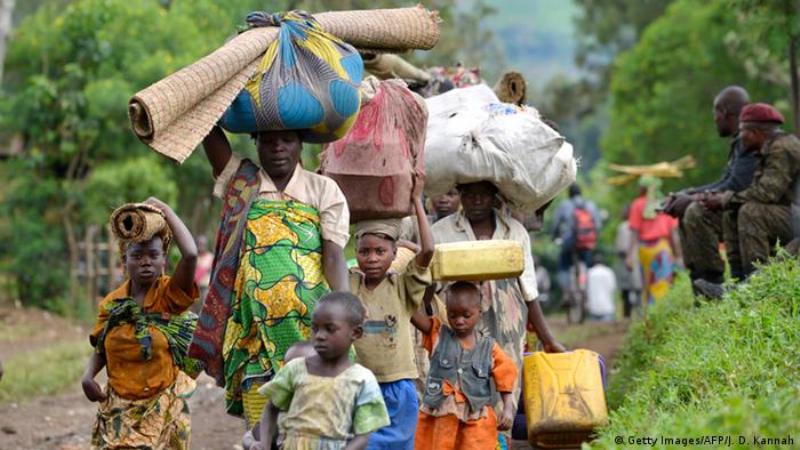
Rwanda accommodates over 70,000 Congolese refugees including those who arrived more than 26 years ago.
“This is an attempt to change the current historic and legal status of Al-Aqsa Mosque… a provocation to the feelings of Muslims and a clear violation of relative international resolutions,” the ministry said in a statement.
The ministry held Israel responsible for the “repercussions of the continuation of such daily violations on Jerusalem.”
“The ministry reiterates Libya’s position towards the justice of the Palestinian cause and calls on the international community to live up to its responsibilities and end those Israeli violations, which could fuel conflict, extremism, and instability in the region,” the statement added.
On Tuesday, Ben-Gvir made a visit to the flashpoint holy site of Al-Aqsa Mosque compound in East Jerusalem, triggering a furious backlash from the Muslim world in the Middle East.
The Al-Aqsa Mosque compound, known to Jews as the most sacred site, is regarded by Muslims as their third-holiest site.
The holy site has been administered by the Jerusalem Islamic Waqf, a Jordanian body, since 1948. Under a 1967 agreement between Israel and Jordan, non-Muslim worshippers can visit the compound but are prohibited from praying there.
Valens Hagenimana, 23, and Janvier Niyotwagira, 22, were arrested in Kirwa Village, Bugamba Cell in Kinyababa Sector with 35 metres of electricity cables, which they allegedly cut from different households.
The wires were connecting homes to the national grid.
Superintendent of Police (SP) Alex Ndayisenga, the Northern Region Political and Civic Education Officer (RPCEO), said that the acts caused power outage in some parts of Kirwa Village .
“Residents had complained about unknown people, who cut and steal electricity wires, especially at night, putting their homes in darkness; Hagenimana and Niyotwagira were the prime suspects.
Police officers went and searched their homes in Kirwa Village, where sacks containing electricity wires allegedly cut from homes, were found and the two suspects arrested,” SP Ndayisenga said.
The suspects, who were handed over to RIB at Butaro station for further investigations, were selling the wires as scraps.
SP Ndayisenga warned against vandalizing public infrastructure and urged the public to report those who destroy them.
Article 182 of the law determining offences and penalties states that any person who maliciously demolishes or damages in any way, in whole or in part of construction, building, bridge, dams, water pipes and their routes, railway rails or any other means of communication or electric power infrastructure, wells or any other constructions which do not belong to him/her, commits an offence.
Upon conviction, he/she is liable to imprisonment for a term of not less than three years and not more than five years with a fine of not less than Frw3 million and not more than Frw5 million.
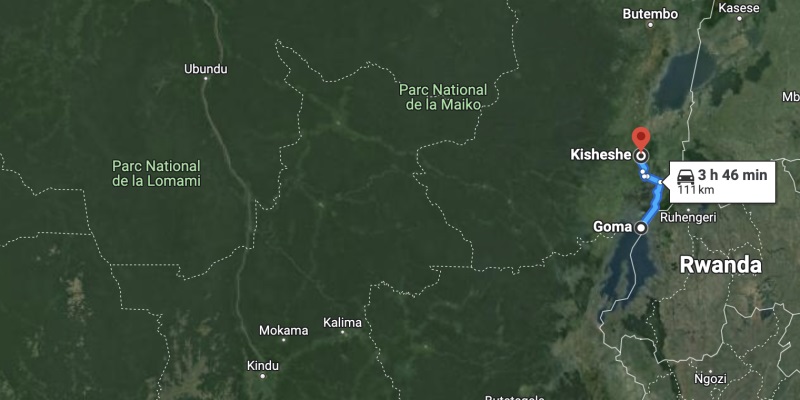
Today, the area is under the control of M23. During the recent armed confrontation on 29th November 2022, combatants and residents lost lives but contradictory reports that followed the incident sparked confusion.
The Government of Congo rushed to release contradictory reports on the number of citizens who lost lives during the clashes. Initially, the military spokesperson Maj. Gen. Sylvain Ekenge, disclosed on 1st December 2022, that 50 citizens died during the fighting.
On the next day, DRC government contradicted his figures and announced that the fighting took lives of 100 and declared three-day mourning.
Later on 5th December, the Minister of Industry, Julien Paluku and the Government Spokesperson, Patrick Muyaya convinced the world that over 300 people were brutally killed by M23. In fact, it seemed like every one published figures that randomly came their mind at random.
However, the series of contradictions did not end there. The United Nations Organization Stabilization Mission in the Democratic Republic of the Congo (MONUSCO) joined the race and confirmed that the clashes claimed lives of 131 people including women and children.
On 30th November 2022, Bintou Keita, the United Nations Special Representative in the Democratic Republic of the Congo and Head of the MONUSCO demanded the UN Security Council to condemn the killings and exert pressure on M23 to release captured residents.
The Congolese government took advantage of Kishishe clashes and sounded several alarms but it was latter established that neither the DRC nor MONUSCO published figures after conducting an investigation.
The situation prompted seasoned war correspondents like Marc Hoogsteyns and Adeline Umutoni to travel to the area along with human rights lawyer, Gatete Nyiringabo Ruhumuriza to dig deep what happened on 29th November 2022.
Their report made up of 29 pages features evidences and testimonies of residents who were present at the time. They also disclosed the names of killed relatives and showed graveyards in which they were buried.
To access the area, the journalists sought accreditation from M23 which controls the area. According to residents’ witnesses, their security is guaranteed under the control of M23.
{{Findings of the Kishishe report:}}
{{1. What happened on 29th November and previous seven days }}
The report shows that the clashes began on 21st November 2022 around 8:00 a.m. On this day, M23 combatants entered Bambo trade center located in 5 kilometers from Kishishe. At the time, M23 was fighting other armed groups alongside FARDC. These include FDLR, Nyatura and Mai-Mai.
After entering Bambo, FARDC and its allies fled to Kishishe. The fighting resumed the next day on 22nd November around 12:00 midday.
It is said that the fighting claimed the life of one civilian identified as Mama Kamuzungu’ after a rocket crushed his house.
Witnesses say that the rocket was propelled by FARDC forces from afar.
On the second day of the fighting, M23 quelled FARDC and affiliated rebel groups and occupied Kishishe.
The rebel group did not stay for long in Kishishe. It went to another area known as ‘Domaine’ in the outskirts Virunga National Park that was previously a stronghold for FDLR where it grew different crops and cannabis to be sold in towns of Northern Kivu Province.
Five days after restoring calm in the area, Mai Mai returned to Kishishe from its hideouts in Miliki, Kanyabayonga and Kibirizi.
A nurse identified as Limbana Victor from Kishishe is among witnesses who were on ground.
“We experienced two wars here in Kishishe. The first was on the 22nd November 2022, and the second was on the 29th of the same month. The first time M23 arrived, they chased FARDC. There was no killing, perhaps looting of shops,” she said.
Residents started fleeing to Bambo, Kibirizi and Virunga Park after witnessing the arrival of rebels.
Others stayed in their houses in Kishishe trade center while others fled to the church of the Seventh Adventist Day nearby the village where Mai Mai fighters had ambushed M23 combatants.
On 29th November 2022, M23 returned to Kishishe from Domaine. While on the way, they learnt that Mai Mai laid an ambush against them.
The fighting resumed as soon as M23 arrived in Kishishe around 10:00 a.m.
The report reads that calm was restored in the village in pone hour as Mai Mai fighters had been chased out.
{{2. Death toll }}
Following the fighting, M23 requested residents to get out of their hiding places and assess the number of those who lost lives during the fighting.
It was established that 19 civilians died during the fighting which is far different from the exaggerated figures released by DRC and MONUSCO.
Only eight people were identified as residents of Kishishe. A report was made and signed by residents before their burial.
M23 asserts that the residents were killed by stray bullets because the fighting took place in a densely populated village.
M23 identified the remaining 11 people as rebels even though residents testified against it. The deceased were killed in the areas of Kirama and Sukuma.
“I live in Nyabihanda, twenty houses from here (at the church). Following what happened in Kiwanja, we were briefed that once the enemy comes, we had to hide in houses. I stayed in Kishishe for around 3 days. While I was in the center, I saw around 25 Mai-Mai in civilian clothes with spears and firearms.
They were coming to avenge a Nande (Mai-Mai) who had reportedly been killed. They could not locate his body that night. Once they got information that the M23 were back from Domaine, some locals fled. Upon arrival, M23 rebels were ambushed by Mai-Mai. The two groups fought for a while, then after the fight ended, I discovered people who had been killed, including the pastor and his son. No one from Nyabihande was killed,” said Ndoriyobijya Rwamironko.
Uwihoreye Furaha, spouse to Hungu Faustin also said: “I was hiding in the church (Mu gisomo) when the fighting happened. We were forced to leave our houses and they took us to the church. We were together with about 12 men. I could not recognize the men who told us to lift our hands up, but all I know is that they are new to Kishishe.”
In 2020, DRC reported that massacres in Kipupu in Southern Kivu Province claimed lives of 220. However, MONUSCO investigated the case and confirmed 15 deaths only.
{{3. Identifications of the deceased}}
The report indicates that the eight deceased civilians include Fumbo Miss, Segatumberi James, Mumbere Dieu Aimé (the son of Shakwira), Serugendo Manishimwe alias Mushime (the son of Segatumberi James), Semutobe Kuhongera, Paluku Siwatura Letakamba André, Maman Kamuzungu and Mutampera.
The report also features the names of alleged combatants including Mushi (Baba Tumu), Nizeye (Baba Zawa), Baseme Karekezi, Bahati Sentama, Batahwa Ndaki-Joel, Semugaye (Baba Chatete), Muhawe Munyazikwiye, Kababa Ndamiyeho, Manyinya Deo, Sebuhoro Kajolite, Kinyoni Mweshi, Zaire Nzabonimpa and Rukenyera Ndimubanzi.
Even though M23 acknowledges the death of eight civilians, residents say that the confrontations left 19 civilians dead but they are not fully aware of the situation because the alleged combatants appeared in civilian clothes.
[Click here to read the report->https://gateteviews.rw/the-kishishe-report/]
Pastor Mahwera working with Red Cross said that he fled when M23 returned in Kishishe for the second time. He returned to bury killed victims whom he said were killed by M23.
“On the first battle in Kishishe, no one was killed. Killings happened on the second battle. I did not witness the killings because I had fled the center. I came back to identify the bodies and I attended the burial. Civilians were killed by M23. Blood was at that place where we found bodies, no blood was in the church as no one was killed inside,” he said.
Even though some of their names are known, residents agree that the 11 people that M23 claims they are combatants are not members of the village.
{{4. Mass grave}}
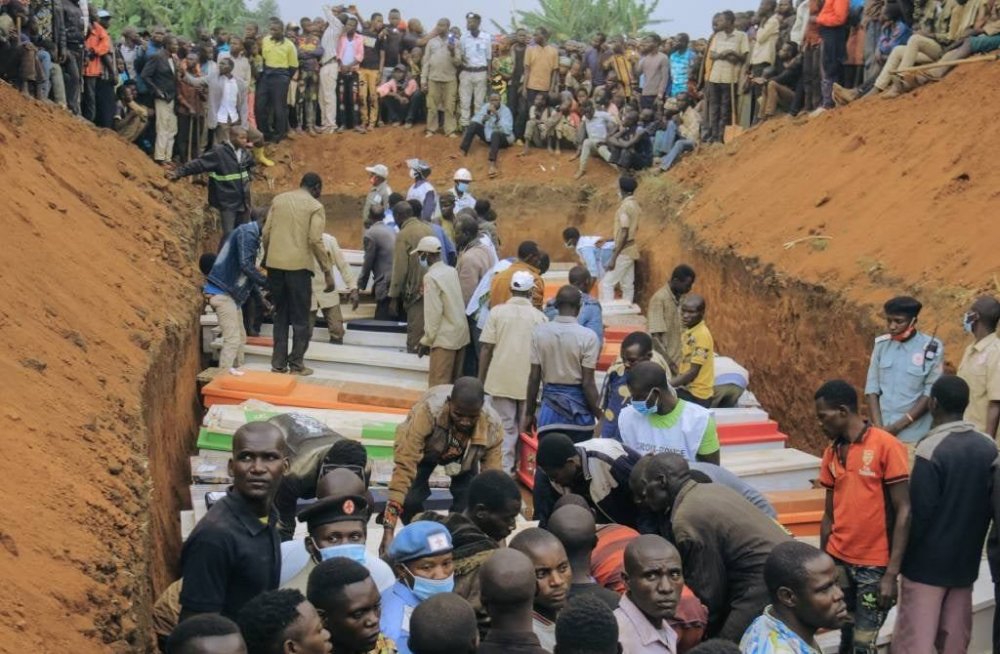
The report reads that the eight civilians were buried by their families while the alleged 11 combatants were buried in three mass graves.
The report also shows the pictures of graves in which the deceased were buried.
{{5. Findings on reported deaths of children and women}}
MONUSCO’s preliminary investigation conducted on 7th December indicated that 131 civilians killed by M23 include children and women.
Women and children are entitled to special protection under the International laws as vulnerable groups. Killing them is regarded as extreme cruelty and aggravates the severity of a crime.
However, the report indicates that no children, minors, or women were killed in Kishishe among the 19 individuals who died on 29th November 2022.
The woman highlighted in the report is identified as Mama Kamazungu who died on 22nd November succumbing to fragments of a rocket shelled by FARDC on his house.
{{6. Collaboration between FARDC, FDLR, Mai Mai, Nyatura and other armed groups in Kishishe}}
It has been reported that Congolese Army (FARDC) work with armed groups behind insecurity in Northern Kivu. The new report proves it. It was also pointed out by citizens who seem to be familiar with the situation given that FDLR and Mai Mai are responsible for tax collections in Kishishe.
For instance, rebels entered Bambo business center located in five kilometers from Kishishe on 21st November 2022 around 8:00 a.m. At the time they were fighting with FARDC’s allies including FDLR, Nyatura and Mai-Mai.
The report indicates that FARDC and the armed groups fled to Kishishe as soon as M23 arrived in Bambo. The fighting resumed around 12:00 midday on the next day but M23 defeated them.
On 28th November 2022, Mai Mai combatants returned to Kishishe from their hideouts in Miliki, Kanyabayonga and Kibirizi. The 19 victims were killed during confrontations that took place on the next day.
Residents themselves testify that they are aware of the collaboration between FARDC and armed groups in the area. They told the team that produced the report that FARDC never goes to the battle ground but stays from afar and shells rockets to reinforce the rebel groups working with them.
{{7. Truth on civilians allegedly captured by M23}}
DRC government said that M23 captured civilians found in Kishishe and Bambo and restrained them from fleeing lest they disclose its violence.
However, the new report features civilians’ testimonies disclosing that they were not forced to stay in Kishishe because it is their home.
{{8. MONUSCO’s stance}}
Few days after confrontations in Kishishe, MONUSCO released a statement confirming that 131 died during the fighting. The figures were released based on testimonies of those who fled the area without visiting the ground.
The team which released this report asked MONUSCO why it dared announcing the figures without visiting the area but replied that it considered testimonies of civilians who fled the area.
When asked why they declined to conduct a deep investigation on the request of M23, they replied that they will go to the ground by the time MONUSCO will have been given go ahead.
{{9. Rwanda’s stance}}
Witnesses in MONUSCO’s report said that they saw soldiers speaking English and suspected them to be Rwandans.
The Spokesperson of the Government of Rwanda said that Rwandan troops are not the only ones who can speak English in the region. She explained that the allegations are part of Congo’s agenda to put its problems on the shoulders of Rwanda.
“The fact is this incident has not been investigated by any credible organization and the conclusions drawn are just allegations with a clear agenda to continue blaming Rwanda. In any case, this would be a very tenuous link, as the RDF is not the only army in the region that speaks English, and it cannot be put forward as proof of the presence of the RDF,” she noted.
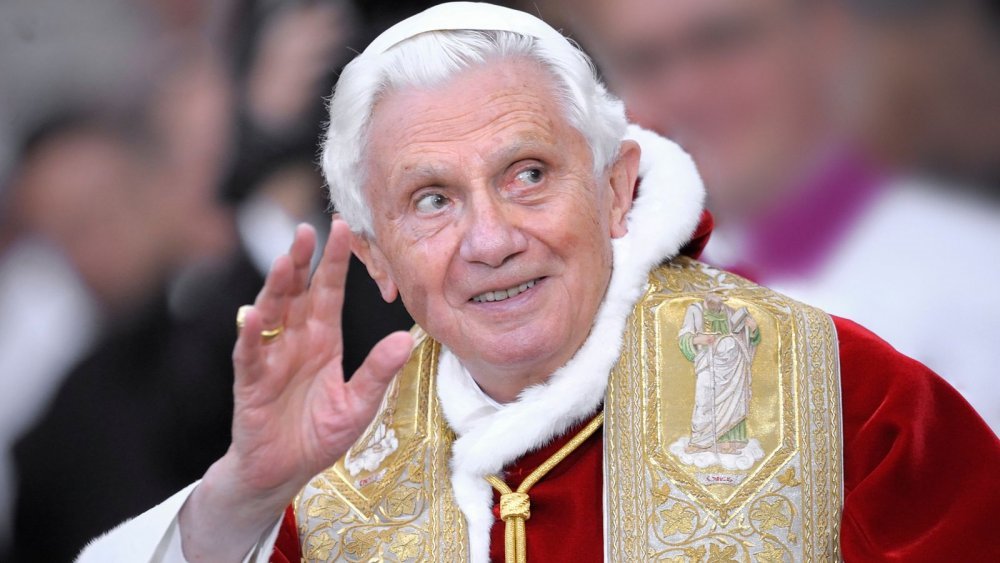
“With sorrow I inform you that the Pope Emeritus, Benedict XVI, passed away today at 9:34 in the Mater Ecclesiae Monastery in the Vatican. Further information will be provided as soon as possible,” the spokesman said in a written statement. The Vatican said his body will lie in state from Monday in St.Peter’s Basilica. The Vatican has painstakingly elaborate rituals for what happens after a reigning pope dies but no publicly known ones for a former pope.
Earlier this week, Pope Francis disclosed during his weekly general audience that his predecessor was “very sick”, and asked for people to pray for him. For nearly 25 years, as Cardinal Joseph Ratzinger, Benedict was the powerful head of the Vatican’s doctrinal office, then known as the Congregation for the Doctrine of the Faith (CDF).
Conservatives in the Church have looked to the former pope as their standard bearer and some ultra-traditionalists even refused to acknowledge Francis as a legitimate pontiff. They have criticised Francis for his more welcoming approach to members of the LGBTQ+ community and to Catholics who divorced and remarried outside the Church, saying both were undermining traditional values.
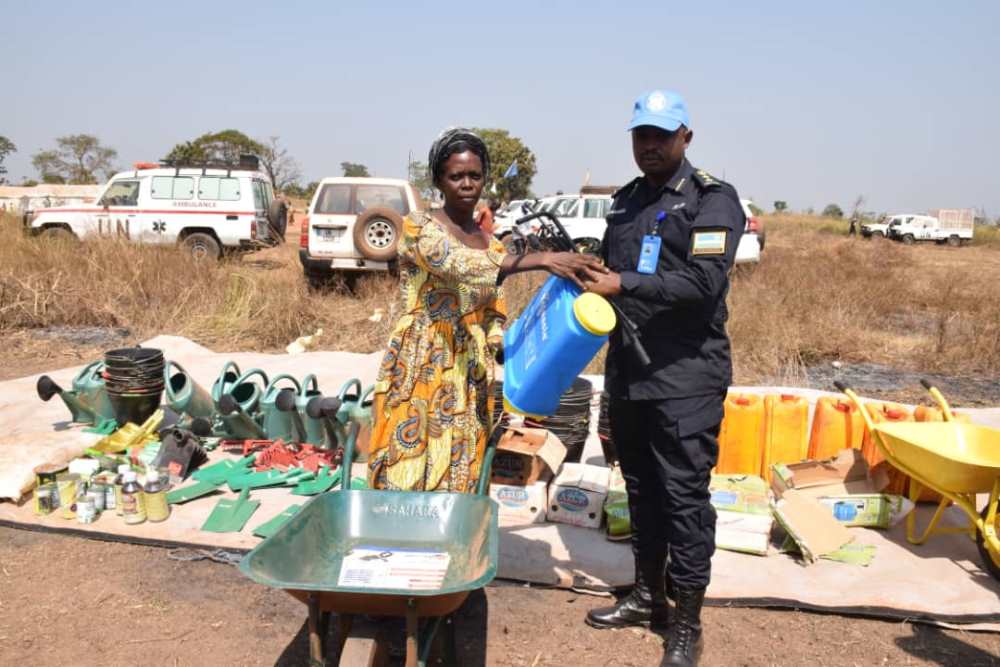
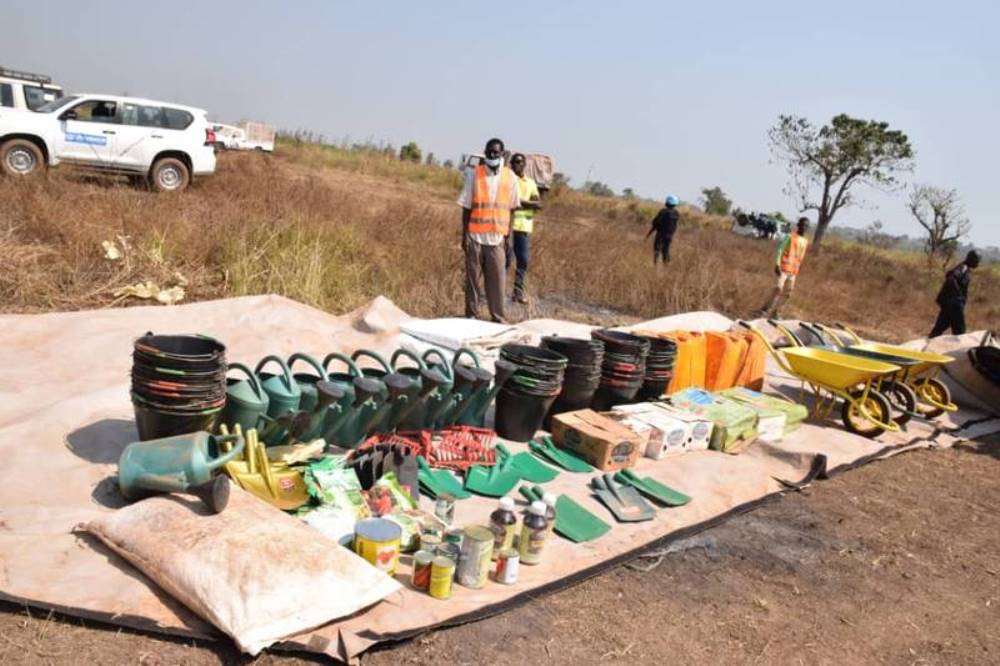
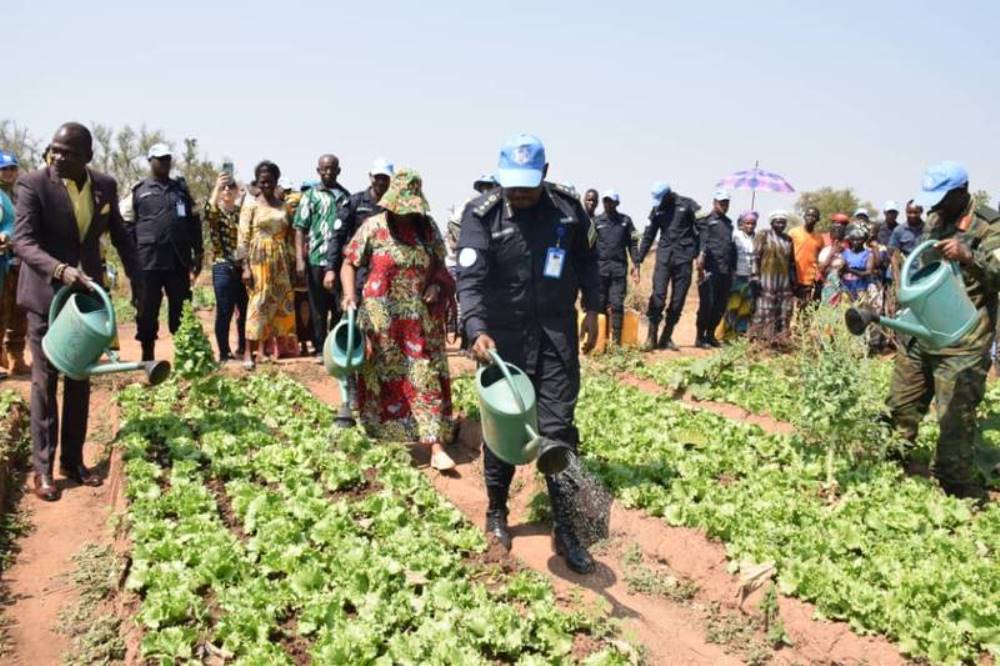
The humanitarian services also included the donation of agriculture equipment to three cooperatives formed by displaced persons.
The donated agriculture items include fertilizers, hoes, water pumps for irrigation, wheelbarrows,watering cans, spades, assorted seeds, jerrycans as well as hygiene items like soaps and buckets.
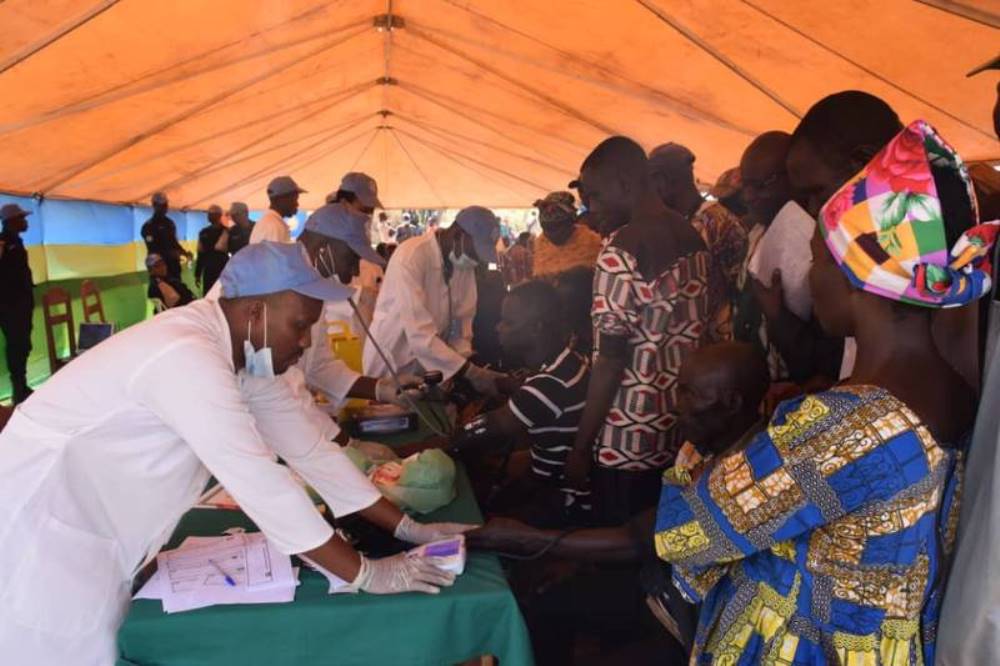
Medical services included giving deworming tablets to children, testing the elderly for diabetes and high blood pressure, among others.
“Even in this camp where life is not good, we strive to provide for ourselves. These agriculture equipment have come in handy. We thanked the Rwandan Police peacekeepers for reaching out to us to boost our agriculture and increased crop production… we are trying to break the poverty cycle,” said Brigitte Gbenou, the head of one of the cooperatives.
She thanked the Rwandan peacekeepers for the “humanity and care” beyond their mandated physical security duties, to providing means of ensuring their wellbeing.
Alvin Maussa Zavido, the chief of Kaga Bandoro commune, also thanked the Rwandan peacekeepers for being exemplary and valuing lives of those under their protection.
He lauded them for thinking about the wellbeing of the displaced persons and the existing cooperation with the local people.
Oulimata Diarra, who represented MINUSCA also commended the peacekeepers for humanitarian act to ensure the health of the people and providing them with means to ensure food security.
The Rwanda FPU-2 contingent commander, Chief Superintendent of Police (CSP) Hodali Rwanyindo said that ensuring the socio-economic wellbeing of the people is also part of their mandate.
“Giving hope, ensuring a healthy and purposeful life for those displaced by violent conflicts, is equally our responsibility and it completes the true meaning of security,” said CSP Hodali.
He urged the cooperatives to handle the agricultural items with care, use them to increase crop production and to be food secure.
The incident happened as it rained in the evening of Thursday 29th December 2022.
Speaking to IGIHE, the executive secretary of Gatenga Sector, Emmanuel Mugisha has confirmed the death.
“It is true that she died as it poured down in the evening but other family members in the same house are safe. The wall collapsed on her as she stepped out,” he said.
Her husband and their five children were in the same house when the incident occurred.
Mugisha urged residents to develop proactive measures against disasters to prevent similar deaths.