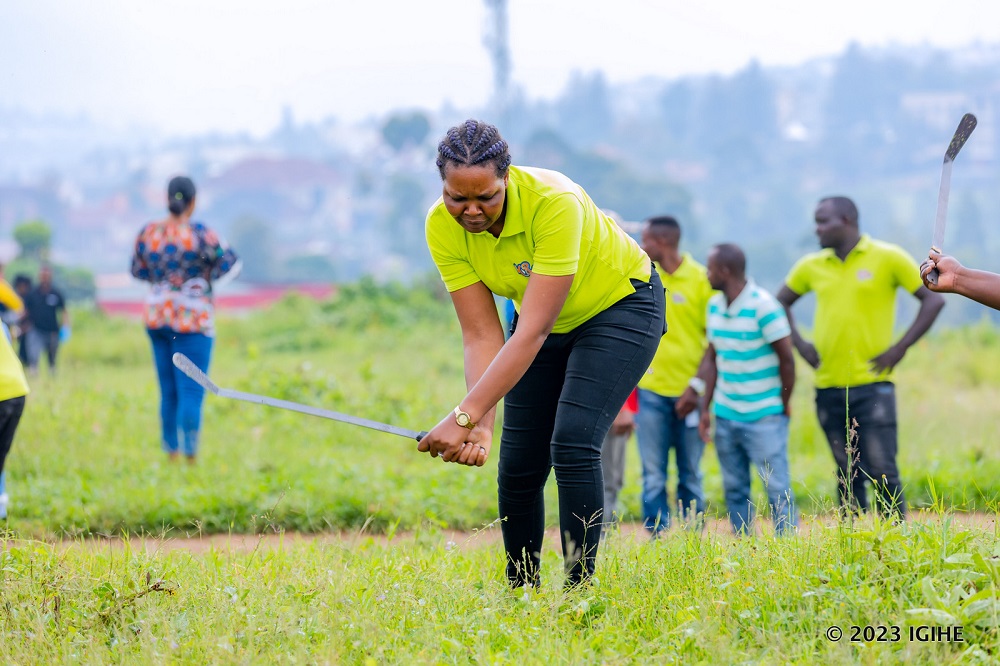
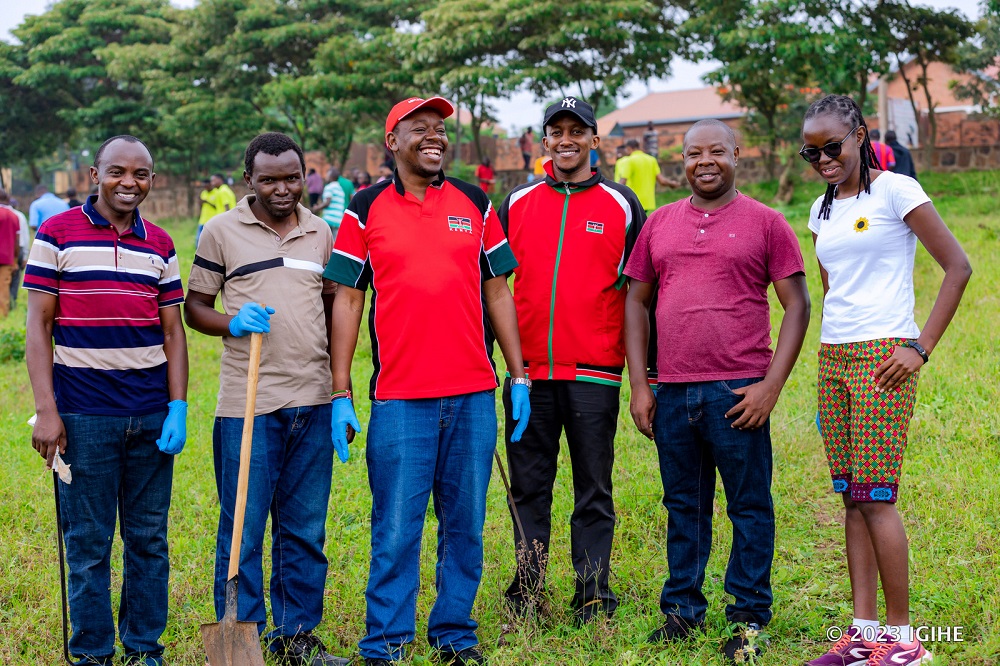
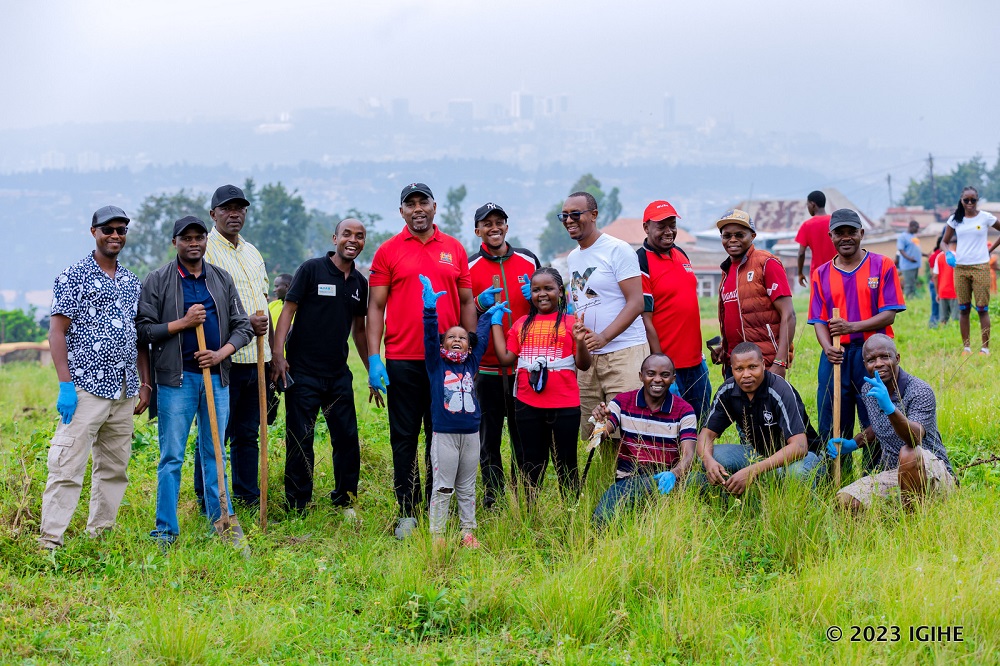
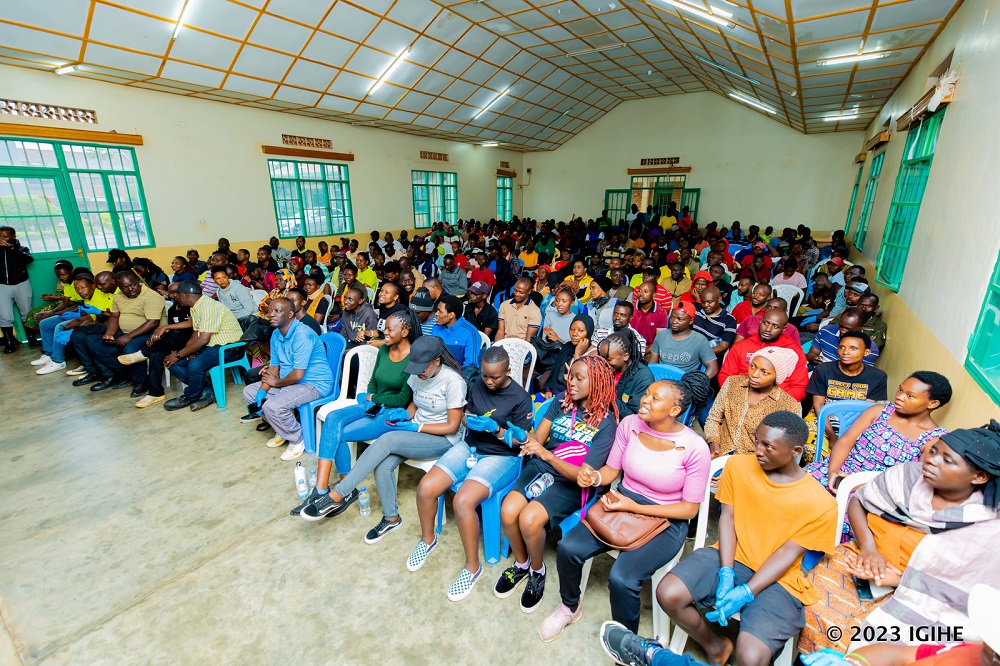
The event took place on April 30th, 2023, in Kagugu Cell, Kinyinya Sector of Gasabo District.
The community work involved clearing bushes nearby a road in the area and refurbishing damaged paths, among other activities.
Emmanuel Habanabakize who represented KBS employees at the exercise said that joining residents in the community work is the best way to cement their relationships to foster national development together.
“We have conducted usual community and engaged directly with citizens that we serve. They actually want our backing in daily life and we are convinced that it is our responsibility to stay closer to them in development activities,” he said.
Philip Mundia Githiora, Kenya’s Ag. High Commissioner to Rwanda, hailed the welcome they received to participate in the activity and the cordial relations and cooperation that continue to be deepened between the people of both countries.
He noted that the exercise further cements bonds of friendship between the two countries.
Kenyans living in Rwanda donated Rwf2 million to subscribe 500 Kinyinya residents for Mutuelle de Santé and pay school fees for 500 Primary School learners.
Boniface Nzioki Mutua, the president of the Kenyan diaspora in Rwanda, said that joining Rwandans during the community work and their contribution reflects their gratefulness for cordial relations between Rwanda and their country.
He reiterated their commitment to continue walking with Rwandans along the development journey.
The Executive Secretary of Kinyinya Sector, Havuguziga Charles, welcomed the donation, noting that it would be utilized to increase the number of residents subscribed for Mutuelle de Santé and support vulnerable learners.
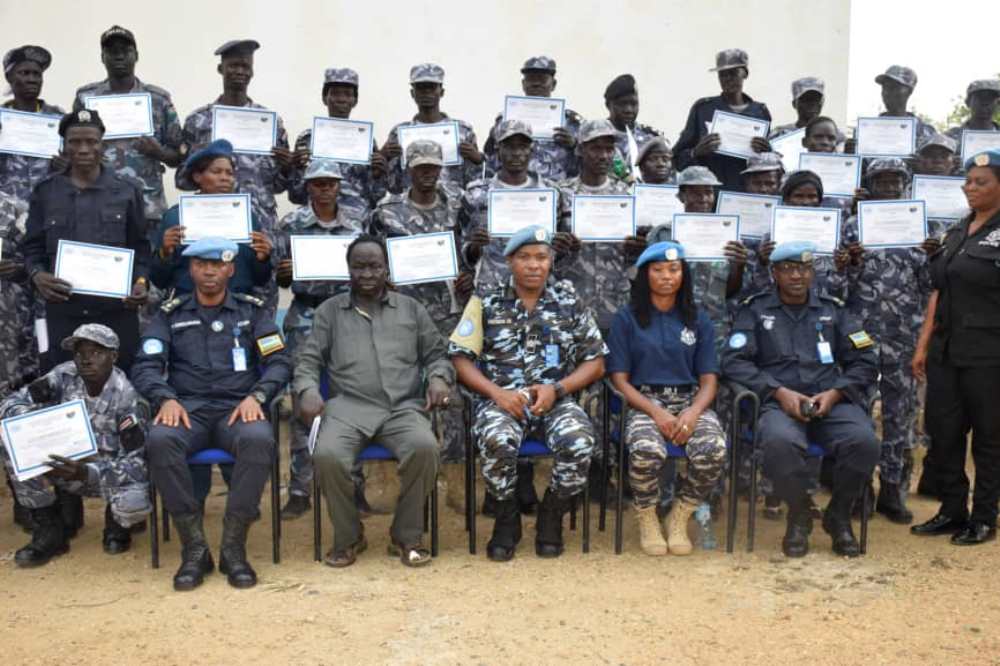
The training, which concluded on Saturday, April 29, was attended by 80 officers from various units of South Sudan National Police Service (SSNPS), deployed in Malakal.
The Rwandan peacekeepers trained their counterparts in crowd control, when to use force and provision of First Aid.
Crowd control looked at three aspects; peaceful, hostile and aggressive demonstrations.
The deputy Police commissioner for Malakal, Major General Chol Atem Jongeth, commended the “practical cooperation” between the Rwandan Police peacekeepers and the South Sudan Police.
“Rwanda and South Sudan Police institutions enjoy good working relations, especially in training. Here in Malakal, you have continued to preserve that good legacy to share with us your policing experience and skills,” Maj. Gen. Chol said.
He reminded the trained officers to put the acquired skills to good use and to share them with others.
The Rwanda FPU contingent commander, Senior Superintendent of Police (SSP) Prudence Ngendahimana reminded the trainees that training is continuous.
“Our primary responsibility as peacekeepers is to protect civilians and key UNMISS installations but also to support the local people in human security activities and capacity development for the South Sudan Police.
We work well with the South Sudan Police and always committed to share with you the knowledge and skills,” SSP Ngendahimana said.
One of the trainees, Second Lieutenant Jal Deng Chol, said that the course is crucial as it provided them with the required knowledge and skills to respond to common security issues.
“This is the second training that the Rwandan peacekeepers have conducted and we are gaining a lot to ensure law and order, community policing and Umuganda (communal work) to support community development and to give back to the people as our partners, environmental protection and fighting gender based violence,” Deng said.
Rwanda FPU-1 of 240 officers is the seventh rotation since the maiden contingent was deployed in Malakal in 2015.
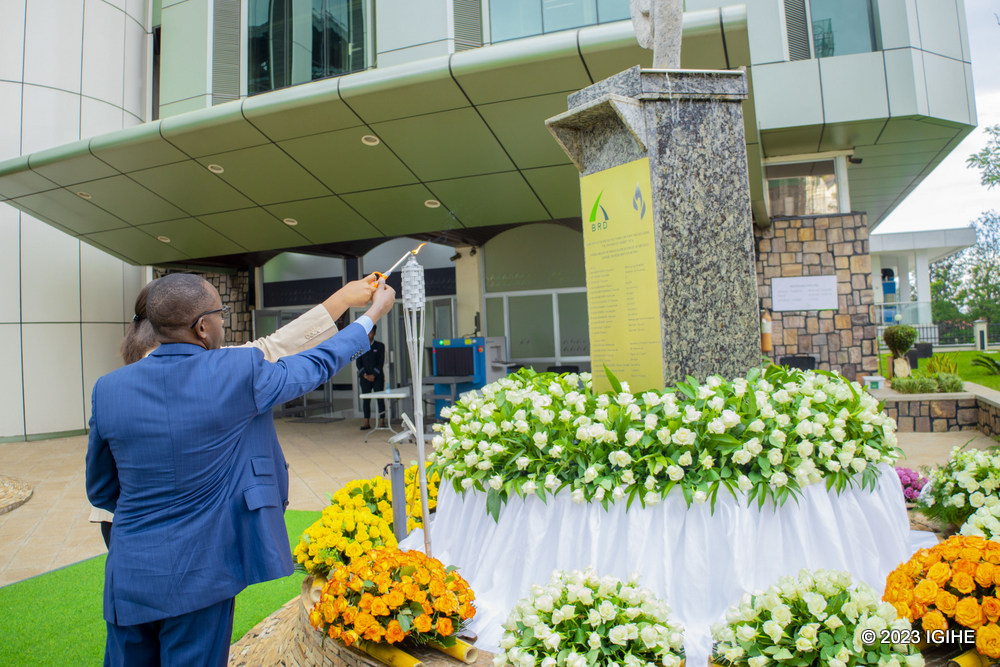
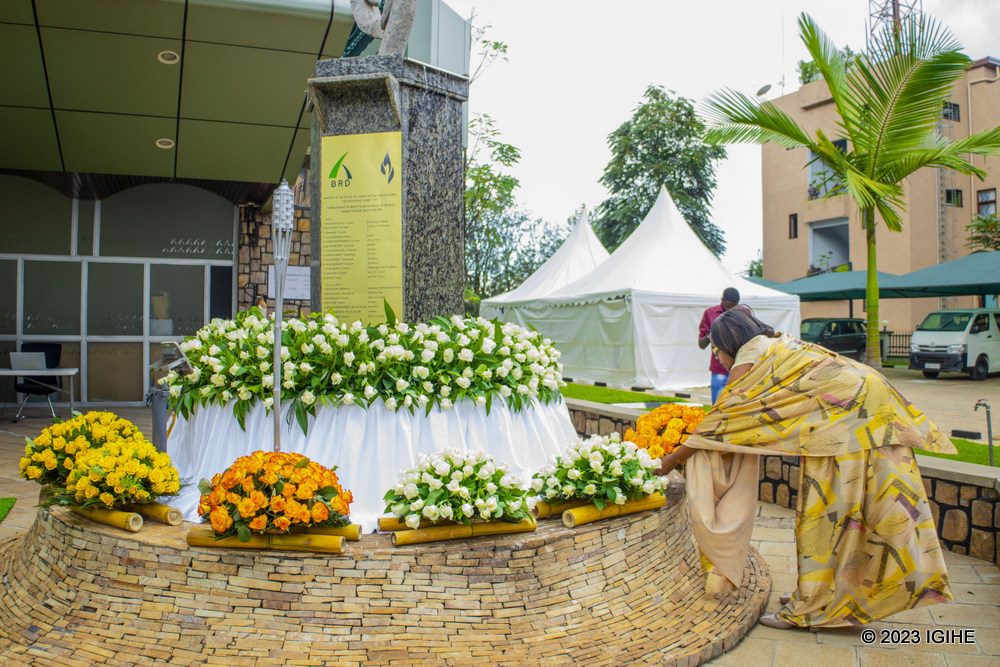
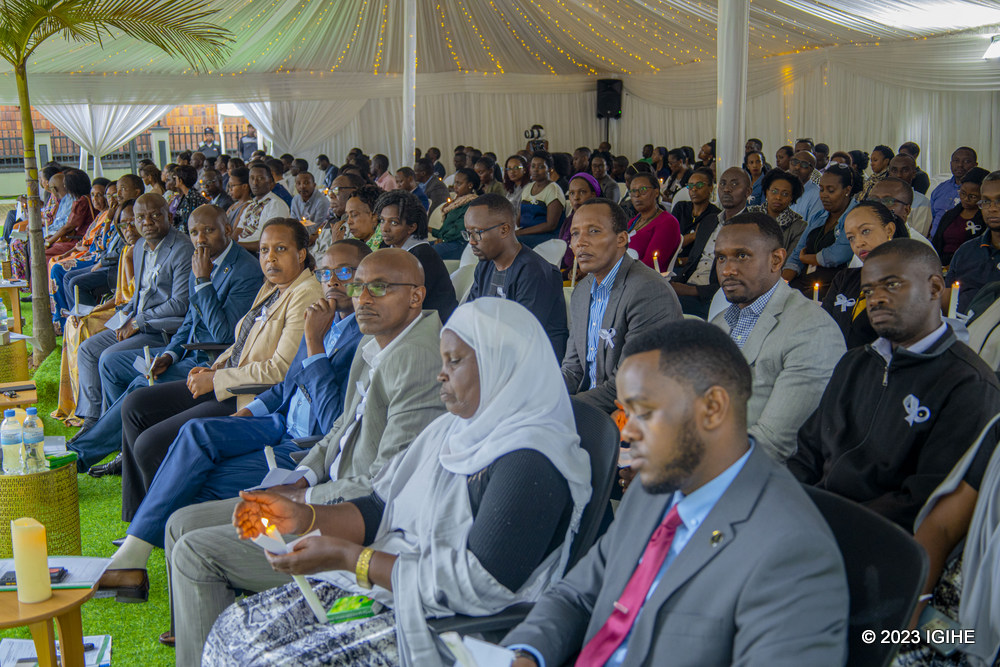
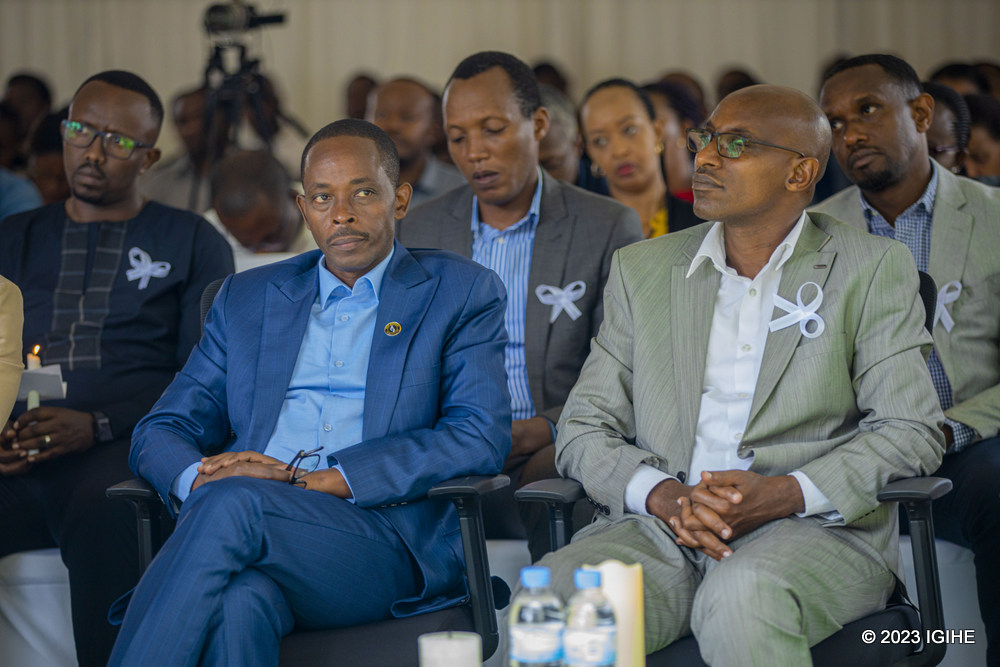
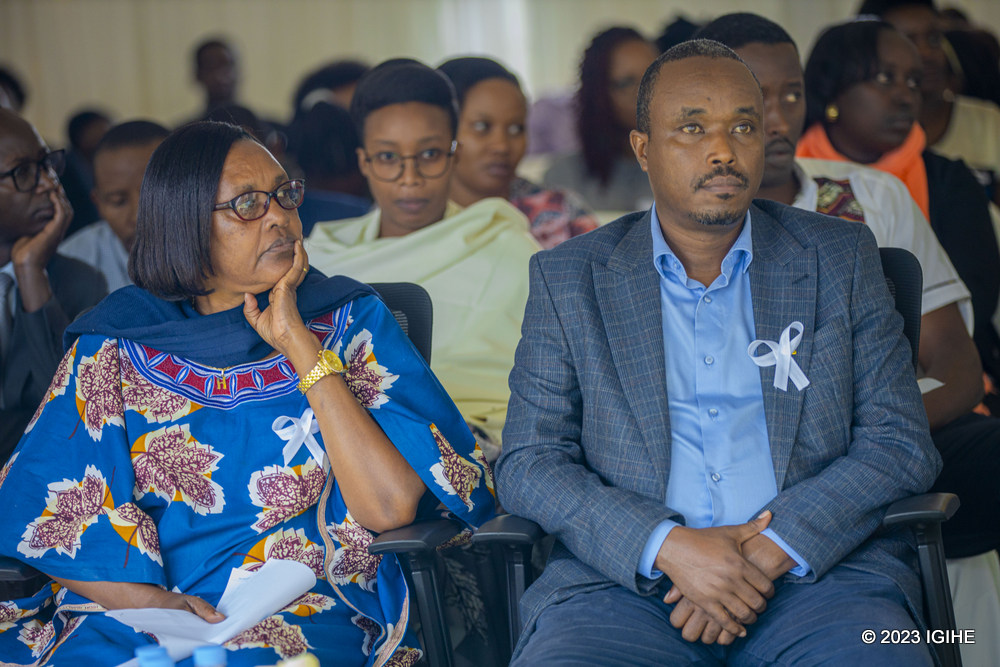
The request was made on 28th April 2023 as BRD remembered for the 29th time its former employees and others from the Caisse Hypothécaire du Rwanda (Mortgage Bank of Rwanda) killed during Genocide against the Tutsi.
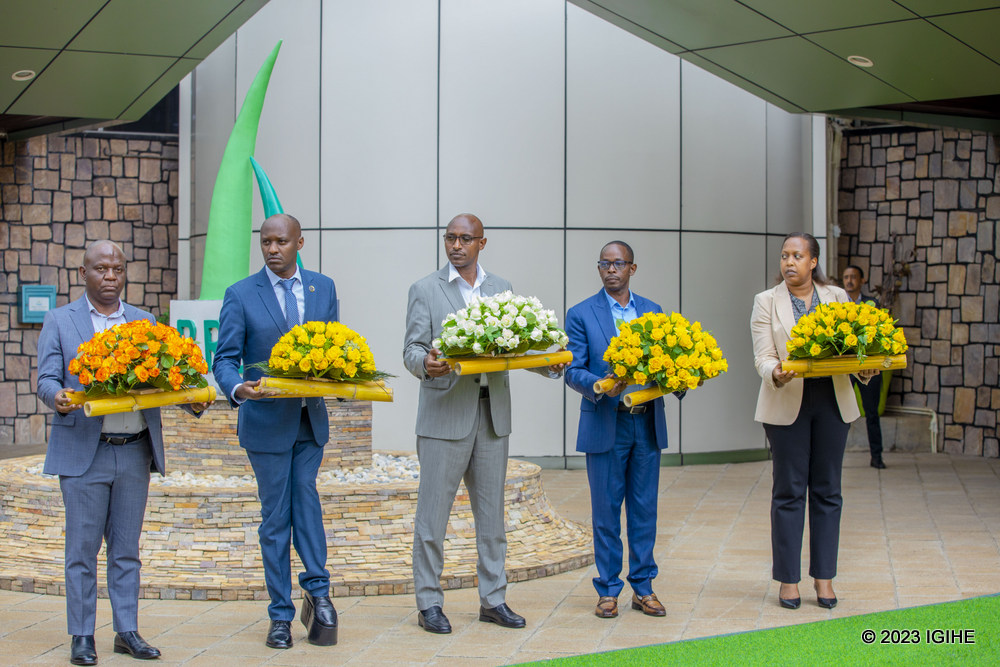
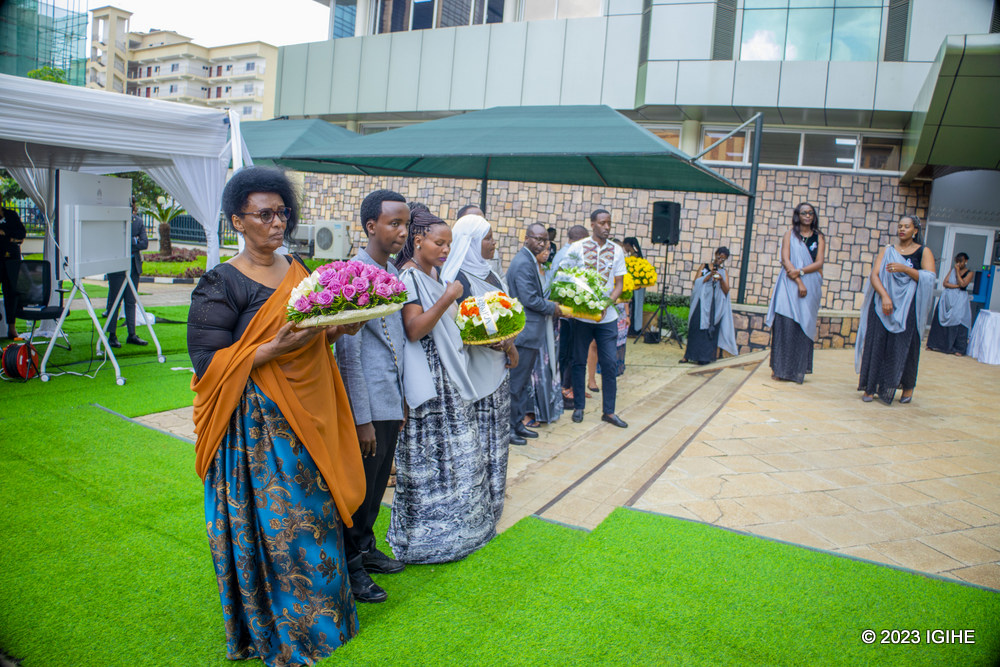
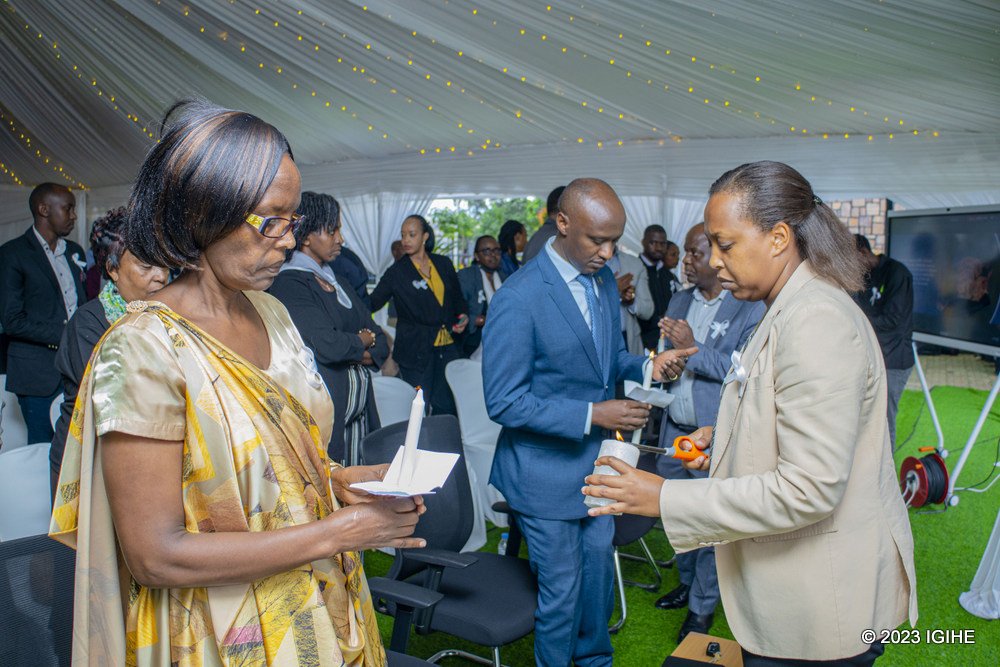
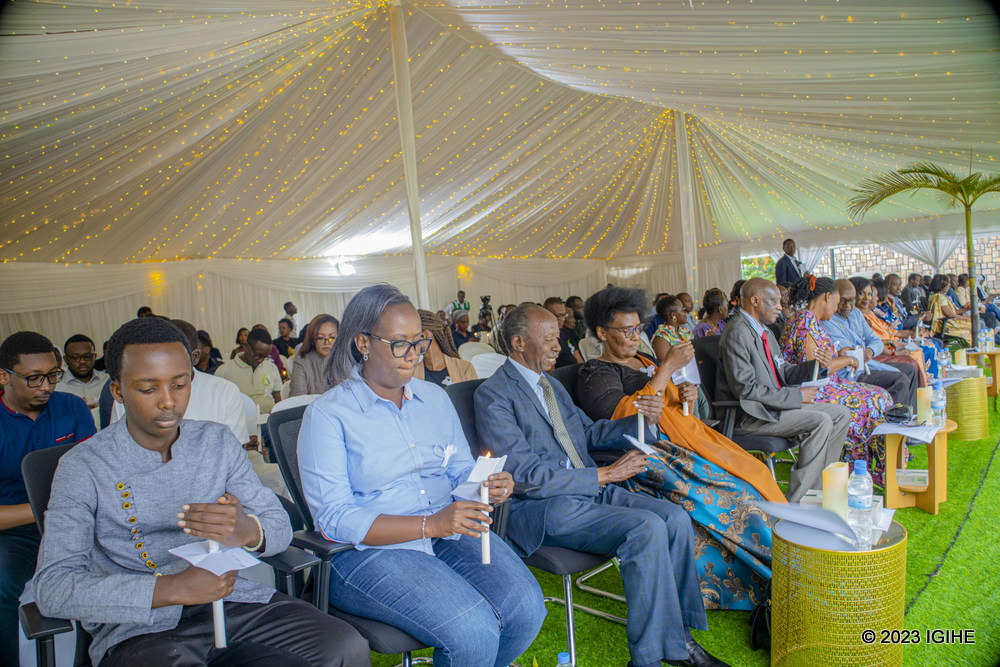
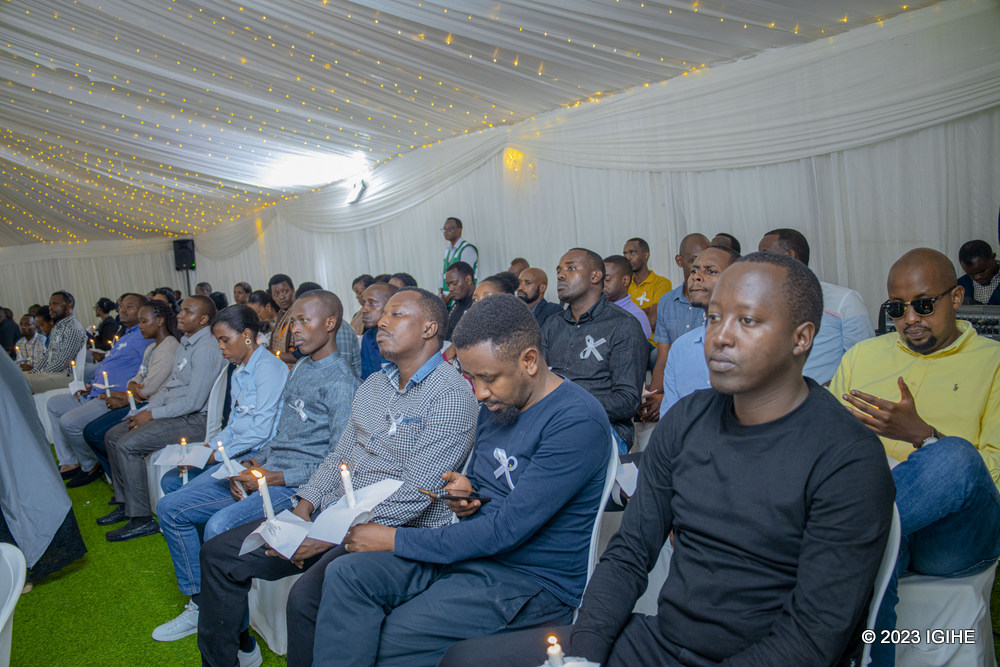
The event was characterized the laying of wreaths at the memorial monument, lighting the flame of hope , reading names of slain victims including former employees and clients of the two banks as well as testimonies.
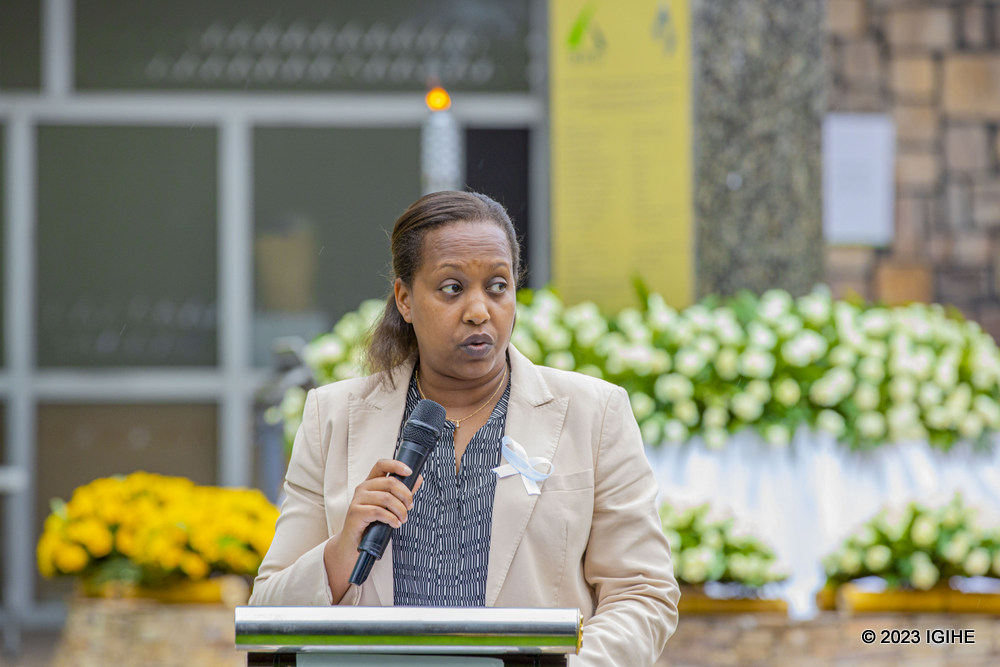
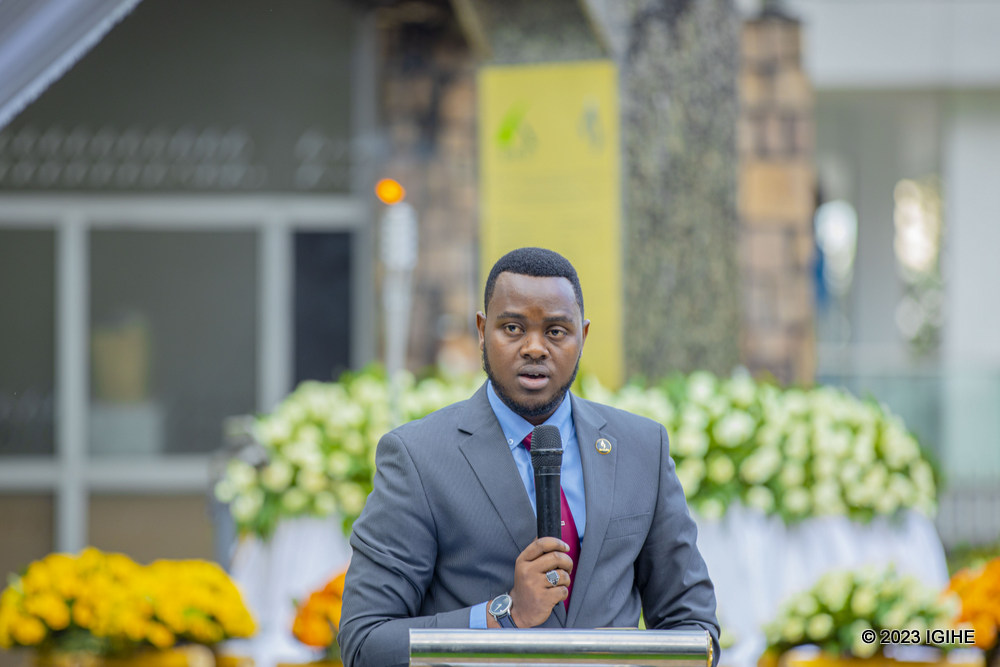
The CEO of BRD, Kampeta Sayinzoga said that commemoration is a moment to honour victims brutally killed over innate personality, stand in solidarity with Genocide survivors and strive to prevent reoccurrence.
“It is a moment to reflect on unity and reconciliation of Rwandans and national development as well. We lost employees and clients who contributed to national development. This event serves as an opportune occasion to comfort those who lost relatives and continue to walk together as we remember and rebuild ourselves,” she noted.
Kampeta assured BRD’s commitment to continue standing in solidarity with Genocide survivors and disclosed plans to provide them with green cooking stoves under ‘Tekera Aheza’ campaign.
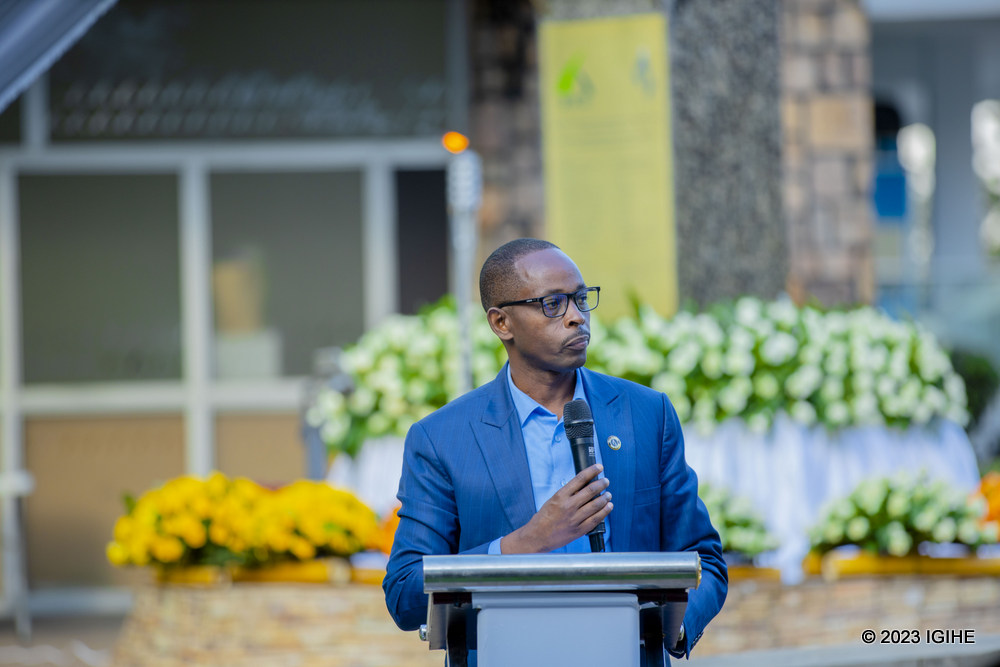
Faustin Mafeza, Research Analyst at MINUBUMWE requested BRD to lend a hand in writing history of Genocide against the Tutsi with a view to shun trivialization.
“Public, private institutions and banks need to take the leading step to write about history of Genocide against the Tutsi to shun misinterpretation, prevent denial and trivialization,” he said.
“Let us commit ourselves to have produced a book compiling history of Genocide against the Tutsi with a focus on BRD. It is possible,” added Mafeza.
Kalinda Ndabirora, a Commissioner for Justice at IBUKA, umbrella organization of Genocide survivors who delivered a talk at the event stressed the need to draw much attention on fighting propagandists denying and trivializing Genocide against the Tutsi.
“We need to devise strategies to fight them because they also change tricks overtime,” he advised.
Kalinda explained that reducing the number of slain victims, changing its appellation and undermining the essence of commemoration are among tools used by propagandists noting that fighting them is possible.
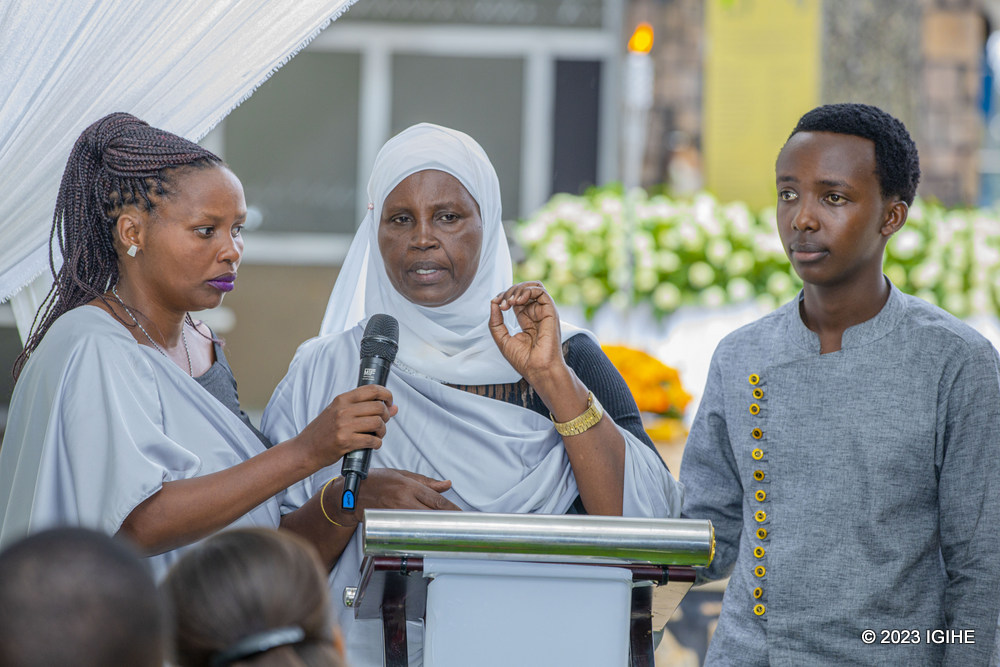
Maimuna Mukamana one of relatives of former BRD employees killed during Genocide against the Tutsi narrated her ordeal and journey to survival when RPA Inkotanyi soldiers stopped the Genocide.
Despite the bitter history, Mukamana disclosed that she has regained strength along with her children who survived and thanked BRD for having walked with her along the resilience journey.
Today, 13 former BRD employees, 7 employees of Caisse Hypothécaire du Rwanda and 15 clients have been identified among victims of Genocide against the Tutsi.
Members of the Trilateral Mechanism made the call in a joint statement along with the Quad on Sudan that brings together Saudi Arabia, the United Arab Emirates, the United Kingdom and the United States, according to a joint statement issued Friday.
“Members of the Trilateral Mechanism and the Quad welcome the announcement by the Sudanese Armed Forces and the Rapid Support Forces (RSF) to extend the current ceasefire for an additional 72 hours and call for its full implementation,” the statement reads.
They also welcomed the readiness of the two Sudanese warring factions to engage in dialogue toward establishing a more durable cessation of hostilities and ensuring unimpeded humanitarian access.
This initial phase of diplomacy to establish a process to achieve a permanent cessation of hostilities and humanitarian arrangements will contribute to action on the development of a de-escalation plan as outlined in the April 20 African Union communique, the statement says.
Since mid-April, Sudan has been mired in military clashes between the Sudanese army and the RSF following days of tension between the once-allied leaders of both sides.
The country has been suffering a political crisis since the Sudanese army commander Abdel Fattah Al-Burhan declared a state of emergency in October 2021 and dissolved the sovereign council as well as the government.
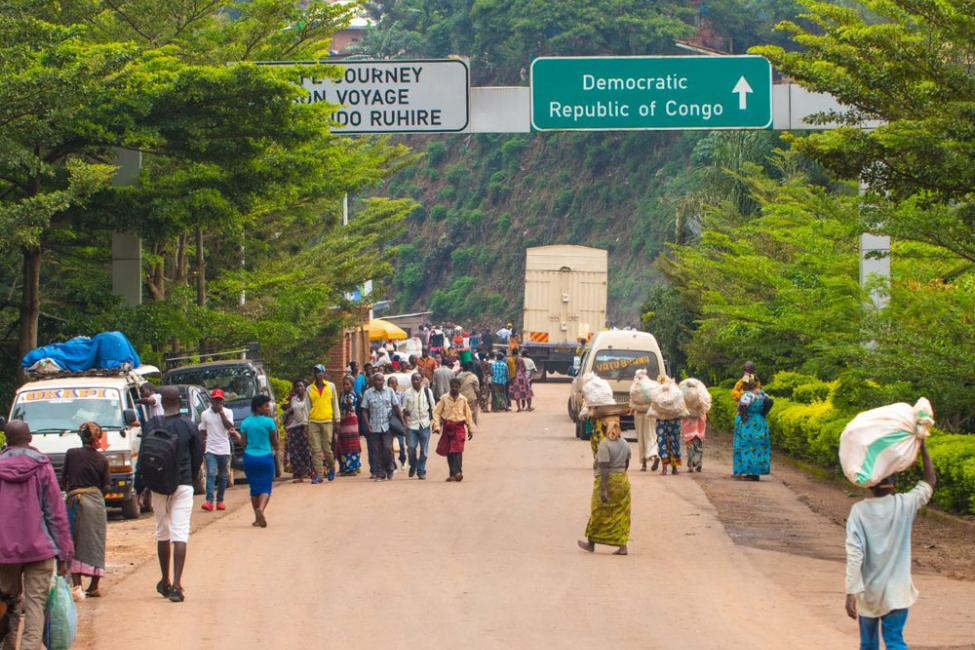
The UNECA said in a statement issued on Friday that informal cross-border trade in Africa is known to be large and an important contributor to the livelihoods of millions of Africans, but there are no agreed methods to measure it accurately.
“Understanding the scale, magnitude and characteristics of informal cross-border trade will be instrumental in accurately monitoring intra-African trade, as well as the development of appropriate economic policy,” a UNECA statement quoted Melaku Geboye Desta, coordinator of the African Trade Policy Center at the UNECA, as saying.
Desta noted that official trade statistics often capture formal trade and leave out informal trade, leading to an underestimation of the magnitude of intra-African trade.
He said the size of informal cross-border trade in Africa means that the level of intra-African trade is probably much higher than the figure that is often used by experts.
Acknowledging that there were some estimates of informal cross-border trade in Africa, Desta observed that the lack of an agreed definition of the phenomenon and common methodological tools used by different national statistical agencies have diminished the quality and utility of the resulting estimates.
According to the UNECA, there is no universally agreed definition of informal cross-border trade, as it has often been conflated with smuggling and other illegal practices.
It said informal cross-border trade has been broadly defined to include informal or unregistered traders and firms operating entirely outside the formal economy and the formal or registered firms, fully evading trade-related regulations and duties, for example, avoiding official border crossing posts.
The UNECA made the call during the first physical meeting of the task force on developing a harmonized methodology for informal cross-border trade data collection.
The task force was established by the African Union, in collaboration with the UNECA and the African Export-Import Bank, with a mandate to provide political and technical guidance to the process of developing the continental methodology for informal cross-border trade data collection and overseeing its implementation.
The ceremony was held at two Genocide Memorials in Kicukiro and Rubavu districts on Wednesday 26th April 2023.
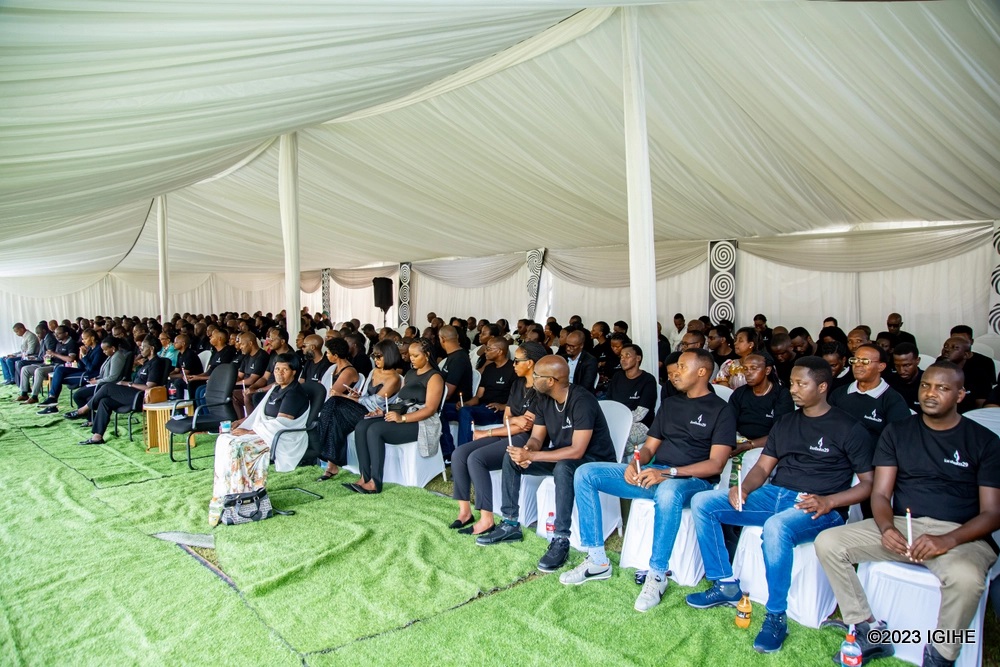
Attendees included Bralirwa employees, relatives of the deceased former employees, representatives from public institutions and IBUKA, the umbrella organization of Genocide survivors.
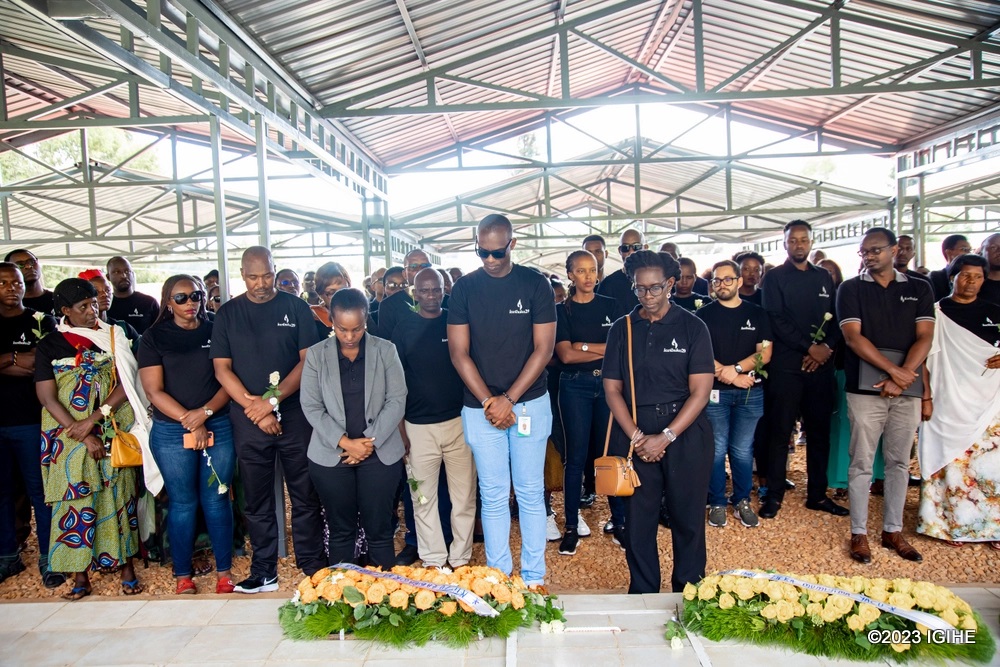
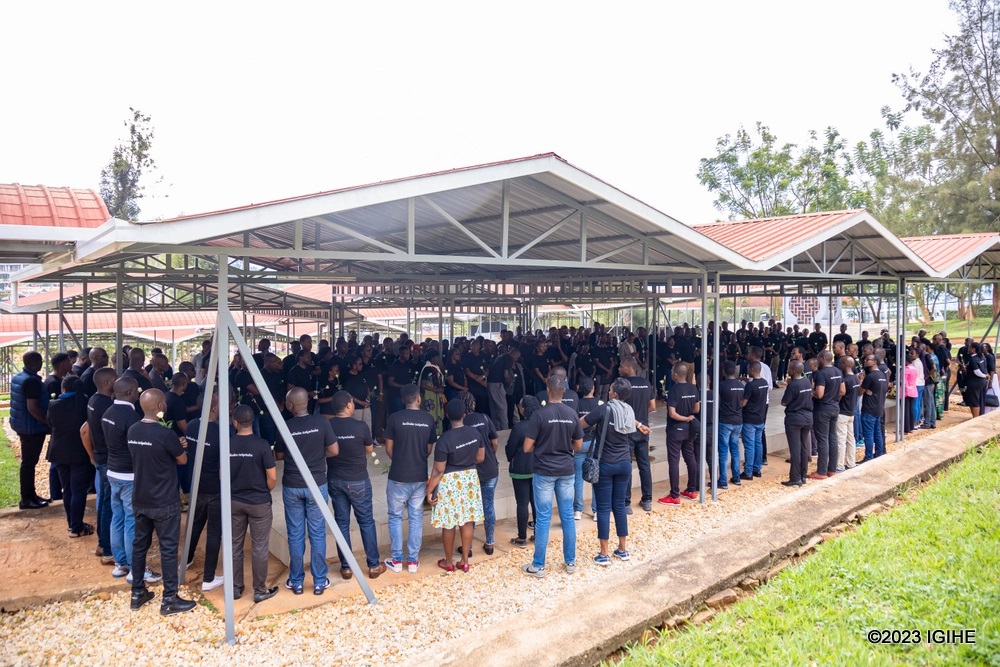
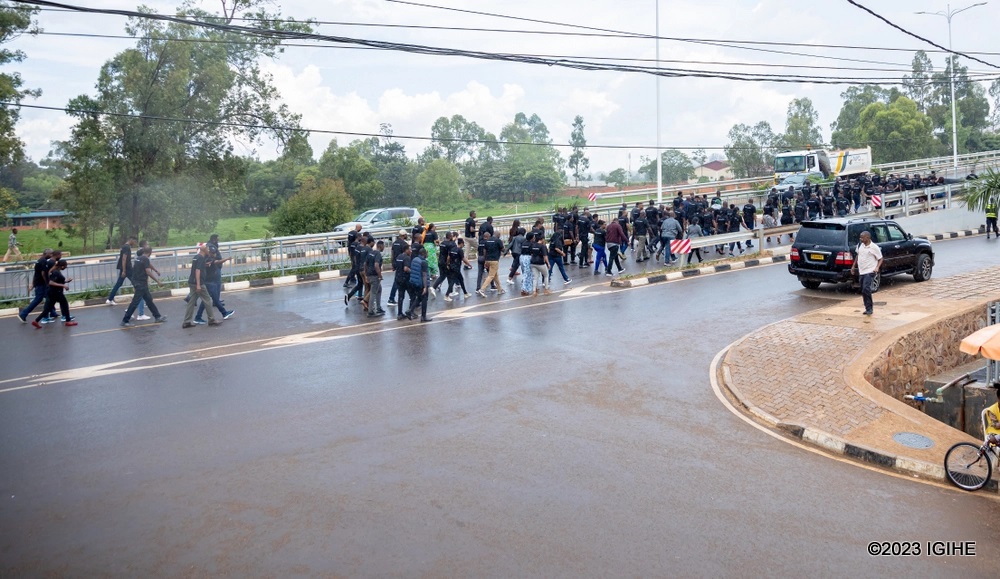
The commemoration event commenced with a reverent tribute to the victims characterized by the laying of wreaths at a memorial monument for the slain employees at Bralirwa’s plants in Kigali and Rubavu. Subsequently, Bralirwa employees held a walk to remember heading to Genocide memorials, where commemoration talks were delivered.
At the commemoration event held at Nyanza Memorial in Kicukiro, attendees were taken through the harrowing ordeal of the Tutsis, where 3000 victims were killed in the area for innate personnality.
Amb. François Xavier Ngarambe, who delivered a talk, reminded the gathered mourners that the Genocide was the culmination of a long-term plan of the former regime, which fomented ethnic divisionism. He further implored them to shun Genocide ideology.
Pelagie Mukandinda from Kicukiro and Mukarurema Shadia from Rubavu recounted their agonizing experiences of hiding day and night until the Genocide was halted.
They emphasized that commemoration should be maintained as a crucial tool for learning from the past and standing up against evil.
Gerard Mbarushimana, the President of IBUKA in Rubavu District, expressed gratitude to Bralirwa for their unflinching support to families of former employees, stating that continued remembrance of the fallen employees was a significant milestone towards sustaining resilience, unity, and reconciliation.
Laetitia Uwera, Human Resources Director at Bralirwa urged participants to take responsibility for educating children on the country’s history. She emphasized that commemoration helps to foster strength, pave the way for prosperity and contribute to national development.
The Managing Director of Bralirwa, Etienne Saada, affirmed that the company attaches great significance to remembering the victims of the Genocide against the Tutsi, and pledged continued support to families of former employees and Rwandans in general along their journey of resilience.
Rubavu District Vice Mayor in charge of Social Affairs, Pacifique Ishimwe, commended Bralirwa for their initiative to stand in solidarity with the families of the Genocide victims, calling for such initiatives to be emulated by other companies.
Paul Rukesha, the Director General of Communication and Partnership Cooperation at MINUBUMWE, called on Rwandans, especially the youth, to fight trivialization of Genocide against the Tutsi.
The donation is part of a 10-year partnership between Liquid, MINUBUMWE, and Imbuto Foundation aimed at preserving Genocide memorials in the country. The company has also pledged to donate $100,000 annually towards this initiative. The cheque was presented to MINUBUMWE at its head office in Kacyiru on April 28, 2023.
The funding provided by Liquid will be used to preserve Genocide memorials with a special focus on digitisation, enabling visitors to access evidence of the Genocide against the Tutsi in the particular area where the memorial is located.
Speaking at the ceremony on Friday 28th April 2023, Sam Nkusi, the Chairman of Liquid Intelligent Technologies Rwanda, emphasized that digitalising the history of the Genocide was crucial for preserving it and helping younger generations to remember and rebuild.
Nkusi also highlighted that Liquid’s initiative will facilitate collaboration on research and documentation related to the 1994 Genocide against the Tutsi and its history and consequences. This, in turn, will help implement programs focused on civic engagement and promote Rwandan cultural values among the youth.
During the signing ceremony, Minister Jean Damascene Bizimana praised Liquid Intelligent Technologies for its support and revealed that the digitalisation of Genocide memorials will begin at Nyange, Ntarama, and Murambi Genocide memorials.
As he said, the project aims to provide visitors with electronic access to all information through videos and audio, enabling them to visit the memorials without the need for a guide.
Bizimana explained that the data collection process had been ongoing since last year, with available information, including testimonies, pictures, and trial information, being gathered to ensure the project’s success.
Sandrine Umutoni, Director-General of Imbuto Foundation, said their partnership with Liquid aligns with their youth empowerment program aimed at equipping young Rwandans with the necessary information and tools to become productive and active citizens.
Umutoni added that the digitisation of Genocide memorials would make the preservation of memory more sustainable and enable young people to use technology to empower themselves with information.
Liquid Intelligent Technologies is a pan-African technology group with a presence across 14 countries, primarily in Sub-Saharan Africa, and operates state-of-the-art data centers in Johannesburg, Cape Town, Nairobi, Harare, and Kigali.
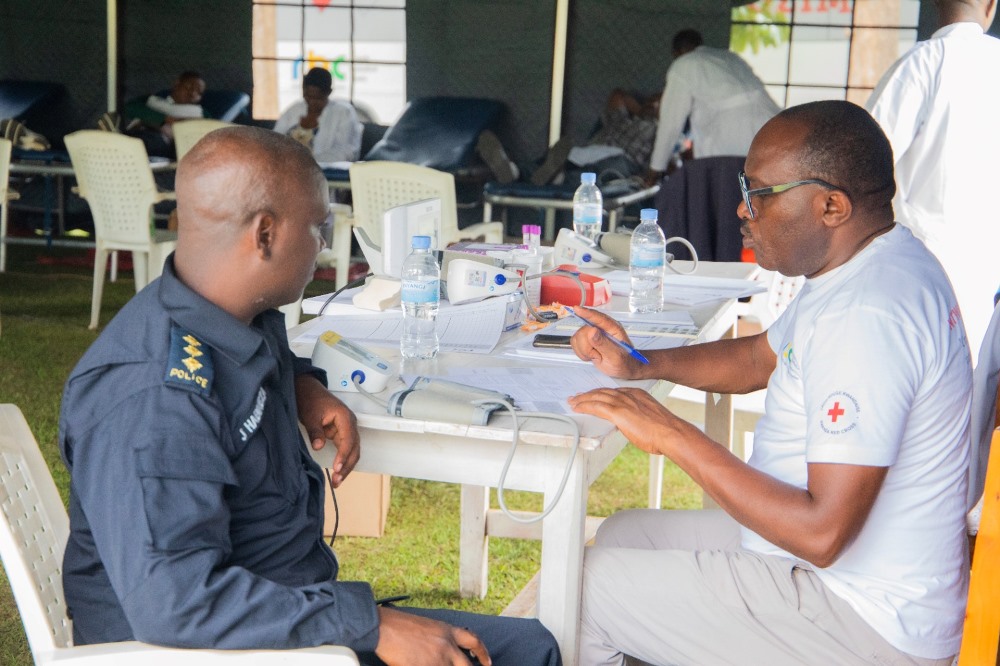
The voluntary human security exercise was supervised by the National Center for Blood Transfusion (NCBT).
It is in line with the agreement signed between the RNP and Rwanda Biomedical Centre (RBC) in March 2017, to partner in aspects of health and security related healthcare.
The RNP deputy spokesperson, Assistant Commissioner of Police (ACP) Boniface Rutikanga said that voluntary blood donation has become part of the RNP cultural values to save those in need.
“Beyond just policing, the health of the people is also part of security, and as guided by the agreement signed between the RNP and RBC (Rwanda Biomedical Centre), it has become a periodic exercise for Police officers across the country to donate blood to save lives,” ACP Rutikanga said.
The long-term partnership between the RNP and RBC also focuses on blood donation, fighting narcotic drugs especially among the youth; mental health interventions and fighting sexual and gender based violence.
“Voluntary blood donation is now part of the RNP human security activities, either here in Rwanda or in other countries where they are deployed in peacekeeping missions. It is an aspect of health security,”
Irène Uwamahoro from the National Center for Blood Transfusion, thanked Police officers for their continued humanitarian spirit to save those in need of blood.
“We work well with Rwanda National Police and the turn up of officers to donate blood voluntarily is always high, either here in Kigali or upcountry where they are deployed,” Uwamahoro said.
The inaugural GITEX Africa will make its historic debut from 31 May-2 June 2023, welcoming more than 900 exhibitors, start-ups, and visiting delegations from 95 countries for three days of intensive outcome-focused public-private sector collaborations in the world’s next biggest digital economy.
GITEX Africa is held under the High Patronage of King Mohammed VI of the Kingdom of Morocco, and hosted by the Digital Development Agency (ADD), the public entity leading the Moroccan government’s digital transformation agenda under the authority of the Moroccan Ministry of Digital Transition and Administration Reform.
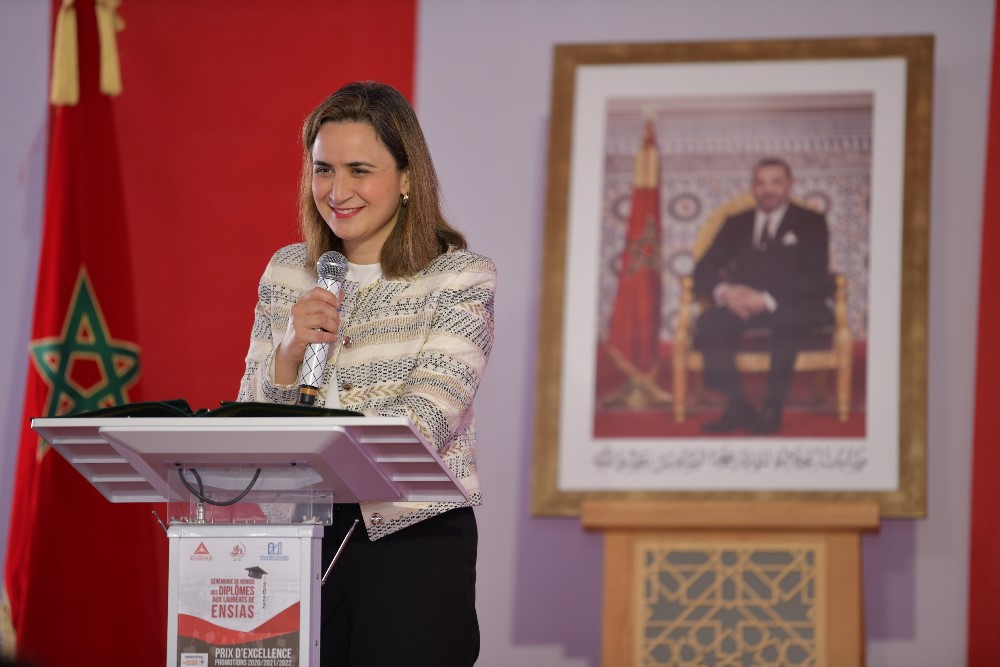
Commenting on the development, Dr Ghita Mezzour, Minister of the Moroccan Ministry of Digital Transition and Administration Reform, said: “The Kingdom of Morocco is honoured to host the 1st edition of GITEX Africa Morocco in 2023, an event which constitutes a real opportunity for our country to deepen the efforts made and the work carried out in recent years in the field of digital transition and technological innovation.
“It falls perfectly in line with the efforts of the Kingdom of Morocco to strengthen South-South cooperation in the digital field, and to contribute to the influence of the African continent on the international level. GITEX Africa Morocco will thus aim to promote multi-sector technological innovation and the digital transformation of the continent, pursuant to the Orientations of His Majesty King Mohammed VI, May God Assist Him.”
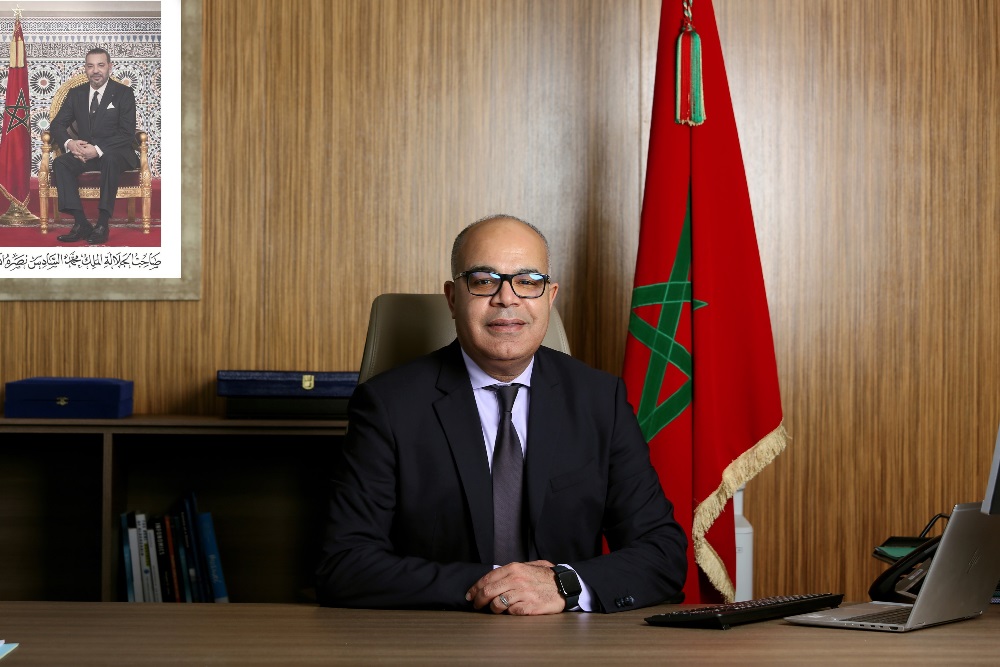
“The potential for tech on the continent of Africa is limitless and the time for action is now,” added Mohammed Drissi Melyani, General Director of the Digital Development Agency (ADD). “As the catalyst for Morocco’s digital transformation, ADD is involved to promote innovation in many sectors and to push all the involved partners of the ecosystem to ensure Smart digital transition.
“As the African continent is beginning to create an enabling environment for technology innovation to thrive, GITEX Africa Morocco is a real opportunity to gather the tech moguls and promote investments and we are deeply engaged to contribute to this first edition’s success.”
GITEX Africa 2023 is affiliated with GITEX GLOBAL, the world’s largest tech and start-up show hosted in Dubai. “Africa has a great story to share with the world in their digital cities evolution powered by a talented youth generation and future focused governments,” said Trixie LohMirmand, CEO of GITEX Africa’s organiser KAOUN International, who announced the event’s expansion plans during a Moroccan tour recently meeting key tech stakeholders, exhibitors, government entities and media.
“That GITEX Africa is so well received in its inaugural edition is a strong validation of the world’s confidence and optimism in the growth of the African digital economy. Every company with an internationalisation strategy must partake in the digital revolution of the world’s most watched continent.”
{{Converging transformational technologies at Africa’s showpiece tech event}}
With the African Union’s bold mission to unify the continent into a secure Digital Single Market by 2030, GITEX Africa exhibitors are rousing optimism about the proliferation of trends shaping the continent’s tech ecosystem, from increased internet connectivity and a rampant start-up scene, to the rise of artificial intelligence and a flourishing fintech sector.
IBM, a global technology and consulting company, will utilise GITEX Africa 2023 to amplify their commitment to the continent. Badrane Kaddour, Africa Partner Ecosystem Leader at IBM, said: “Our portfolio is built around hybrid cloud and AI, the two most transformational technologies of our time. Our go-to-market approach brings together the necessary software, consulting, and infrastructure that our clients require, from across our expanding ecosystem of partners.
“Attending the inaugural GITEX Africa is an opportunity for us to highlight our commitment to the continent, expand our presence and market reach through our ecosystem of partners as well as showcase our latest technological innovations that are helping our customers increase productivity, reduce costs and fuel growth.”
With an African presence spanning more than two decades, global cybersecurity heavyweight Kaspersky is another exhibitor investing in Africa’s vast potential. CEO Eugene Kaspersky commented: “For more than 20 years now we’ve been working to protect Africa’s businesses and ordinary users – securing the continent’s technologies and fast-growing economies.
“It’s important that we share expertise and exchange knowledge needed for protection against cyberthreats, which are constantly growing in both volume and sophistication. Today, we’re glad to be part of the first edition of GITEX Africa, the continent’s largest tech event – participation in which we deemed simply essential in helping to build a more secure digital world together.”
Major players from Morocco’s tech landscape have also signed on for this much-awaited business venture, in-line with the North African country’s unifying economic mission, where 60 percent of its foreign investment is directed towards Africa.
Maroc Data Center (MDC); MTDS, a leading cybersecurity and technological solutions provider; Ribatis, a provider of e-Gov platforms for African public administrations; and CASANET, a pioneer in the ICT industry, are among the Moroccan exhibitors with a joint mission to elevate Africa’s thriving tech revolution.
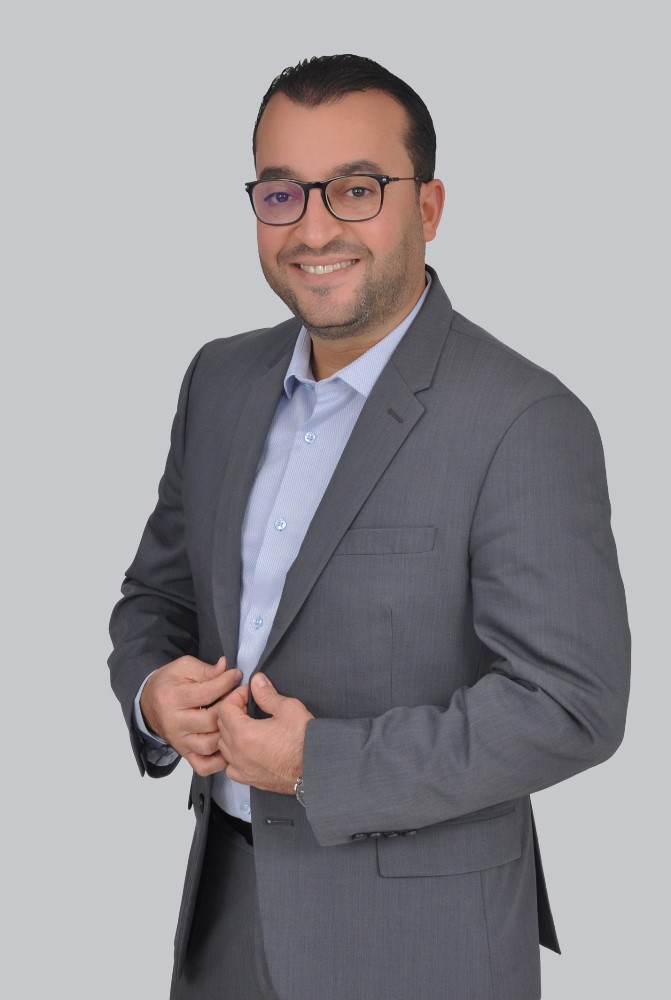
Yassir Lamrani, CEO at CASANET, said: “As one of the Moroccan tech pioneers, we would not miss this inaugural event that marks the start of a new era for Africa’s bold digital ambitions. The African tech ecosystem is one of the fastest growing in the world, and since GITEX Africa is the most sought-after tech event in the continent, we’re hoping to meet Africa’s brightest IT minds, and to connect with the African youth who hold the future of tech in Africa.”
{{GITEX Africa DIGITAL SUMMIT leads power-packed conference programme}}
Leadership dialogues and outcome focused meetings will meanwhile dominate at GITEX Africa via a power-packed multi-sectoral conference programme including The GITEX Africa DIGITAL SUMMIT and the GITEX AFRICA CEO Forum.
The GITEX Africa DIGITAL SUMMIT will unify 250-plus government and private sector leaders, policy makers, investors and academics, to steer Africa’s transformation into a single digital market. Critical themes covered at the world’s most influential forum for dialogues, exchanges and collaborative intentions, range from analysing the current state of play in the continent’s digital economy, to fast-tracking an integrated and inclusive digital public infrastructure.
Lacina Koné, the DG and CEO of Smart Africa – the pan-African organisation driving the continent’s digital transformation – is a headline speaker at the two-day summit.
Smart Africa is an alliance of 36 African countries tasked with Africa’s digital agenda, to accelerate sustainable socio-economic development on the continent and usher Africa into the knowledge economy through affordable access to broadband and the use of ICTs.
“I am pleased to see GITEX coming for the first time to Africa, the land of all digital opportunities,” said Kone, who will be part of a panel discussion titled: ‘Uniting Towards One African Market,’ adding that Smart Africa aims to achieve an inclusive multi-stakeholder approach that encourages innovation through data sharing and cross-border data flows while protecting individuals’ rights. “We look forward to promising insightful exchanges at GITEX Africa where businesses will meet and decisions will be made.”
{{North Star scales African imagination converging 400-plus start-ups}}
GITEX Africa 2023 has also partnered with North Star, the world’s largest start-up event, to deliver North Star Africa, converging more than 400 start-ups – including 100 Moroccan start-ups – from across the globe to extend engagements, build connections, and scale imaginations in an African tech ecosystem where investment reached US$6.5 billion in 2022.
Saudi-headquartered food tech company NOMU Group is among those looking to foster prosperous partnerships in Africa. “Africa’s start-up ecosystem has matured significantly with banks and governments creating mechanisms that support the start-up community,” said Shehab Mokhtar CEO & Co-Founder at Nomu Group, which operates the Jumlaty and Appetito e-grocery and food-tech start-ups in Saudi, Egypt, Tunisia, and Morocco.
“The African continent is emerging as a hotbed for foreign investment, due to the rise of mobile penetration, better internet infrastructure and a growing fintech start-up ecosystem. At GITEX Africa, Nomu Group looks forward to connecting with tech innovators, start-ups, investors and global innovation hubs, while at the same time collaborating, and exploring new ventures in the world’s rising tech continent.”
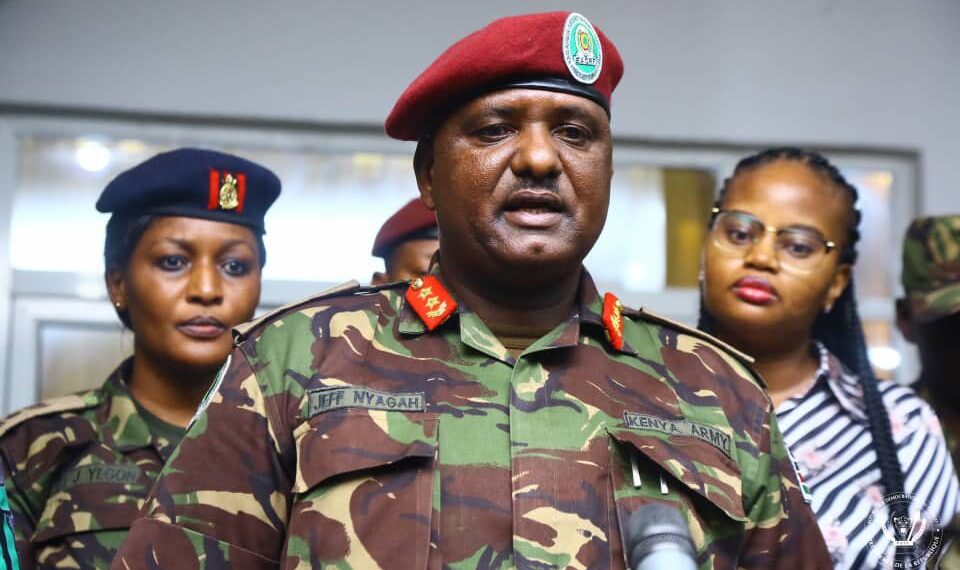
In a letter addressed to EAC Secretary General, Peter Mathuki, Maj Gen Nyagah explained the reasons which pushed him to leave, citing an “aggravated threat” against his security and a “systematic plan to thwart the efforts of the regional force” as the primary reasons.
Maj Gen Nyagah revealed that he was physically threatened by mercenaries and deplores having been subjected to political pressure.
He also cited an attempt to intimidate him in his former residence, stating that “foreign military contractors” whom he calls “mercenaries” placed surveillance devices, flew drones, and carried out physical surveillance of his residence in early January 2023, forcing him to move.
Among others, Maj Gen Nyagah pointed out that the DRC government failed to pay for administrative costs, including Force Headquarters offices, accommodation for staff officers, electricity, and salaries of the civilian personnel, in accordance with Article 9 (c) and (d) of the Status of Force Agreement (SOFA).
“This situation is also aggravated by the failure of the DRC government to pay for administrative costs, including Force Headquarters offices, accommodation for staff officers, electricity as well as the salaries of the civilian personnel, in accordance with Article 9 (c) and (d) of the Status of Force Agreement (SOFA),” he wrote.
Congolese President, Felix Tshisekedi recently announced that his country won’t engage in negotiations with M23 despite the rebel group’s withdrawal from previously occupied areas as recommended by regional mechanisms.
Instead of respecting the process of political negotiations, DRC has been mounting pressure to regional forces deployed in the country accusing them of failure to fight M23 rebel group which is against their mandate.