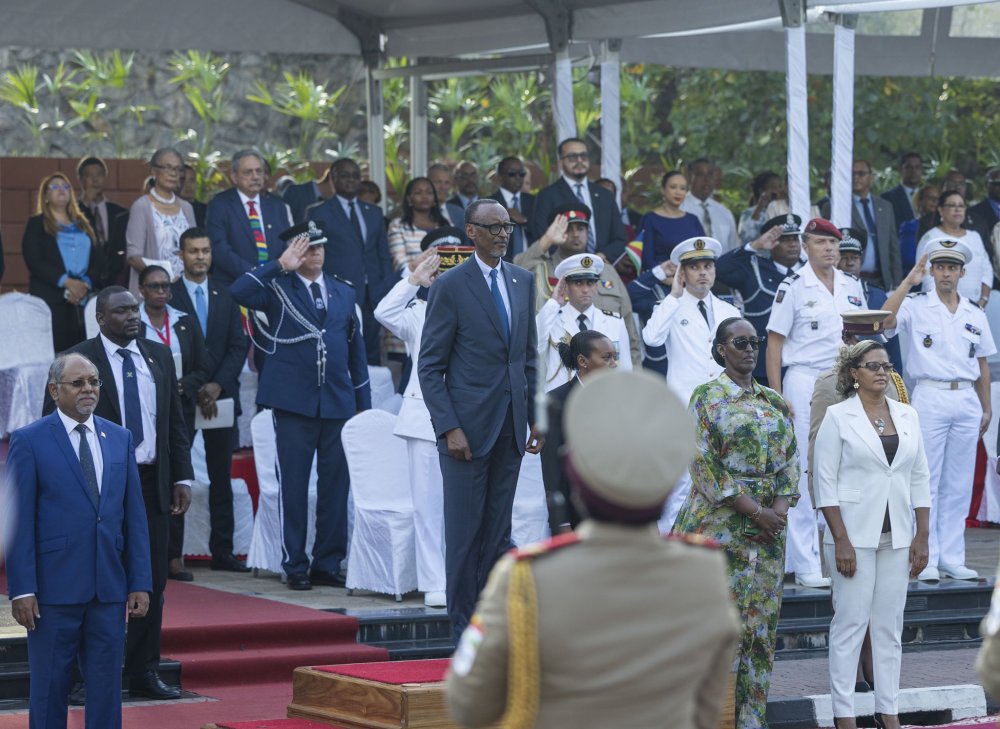
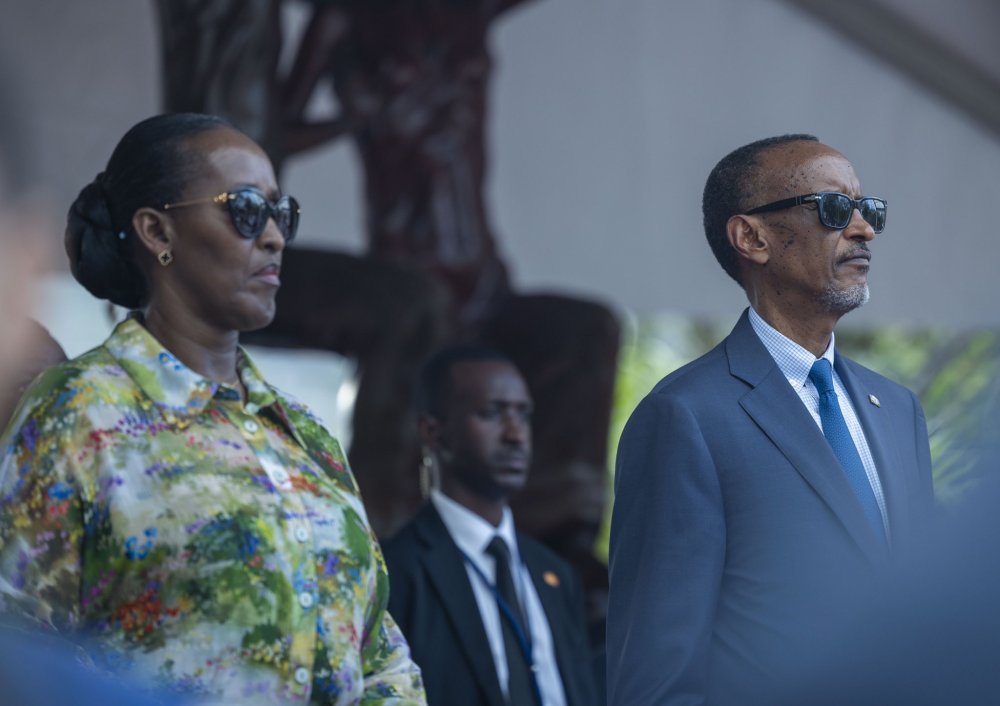
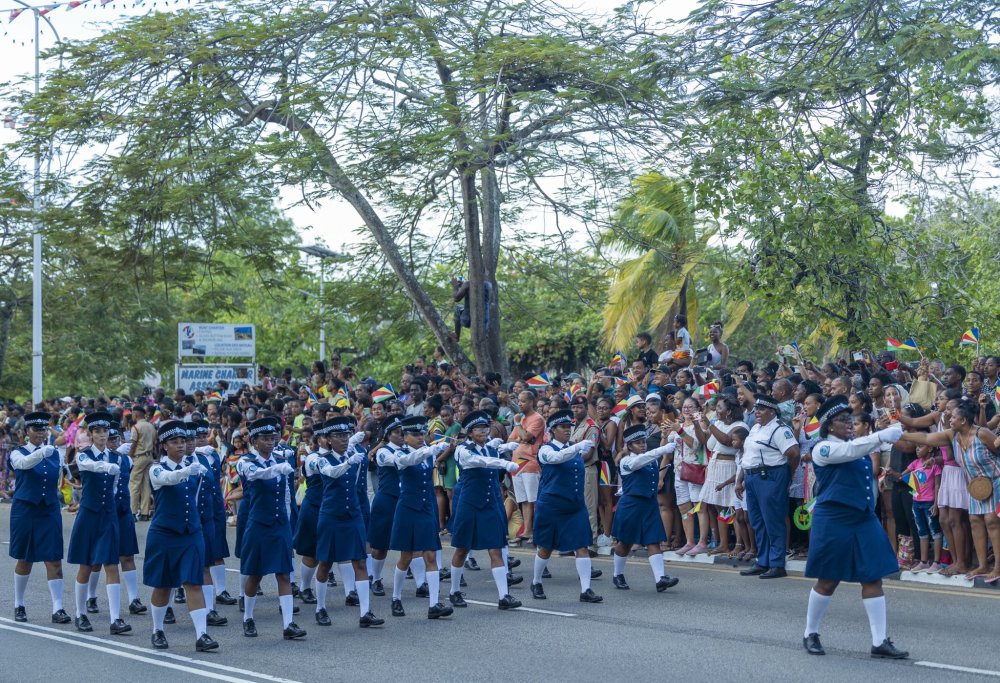
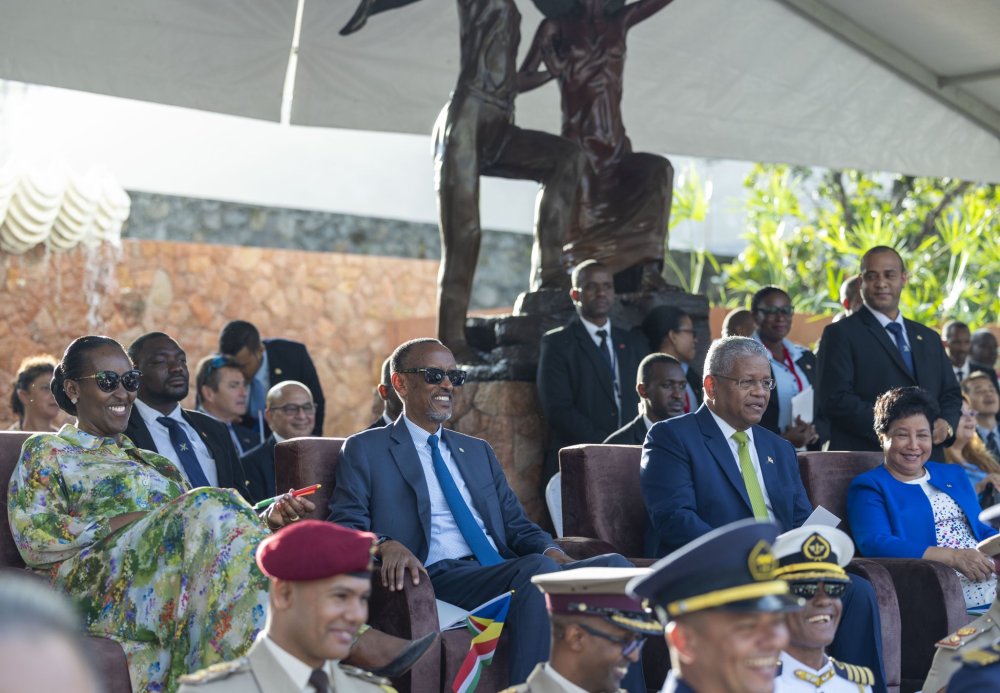
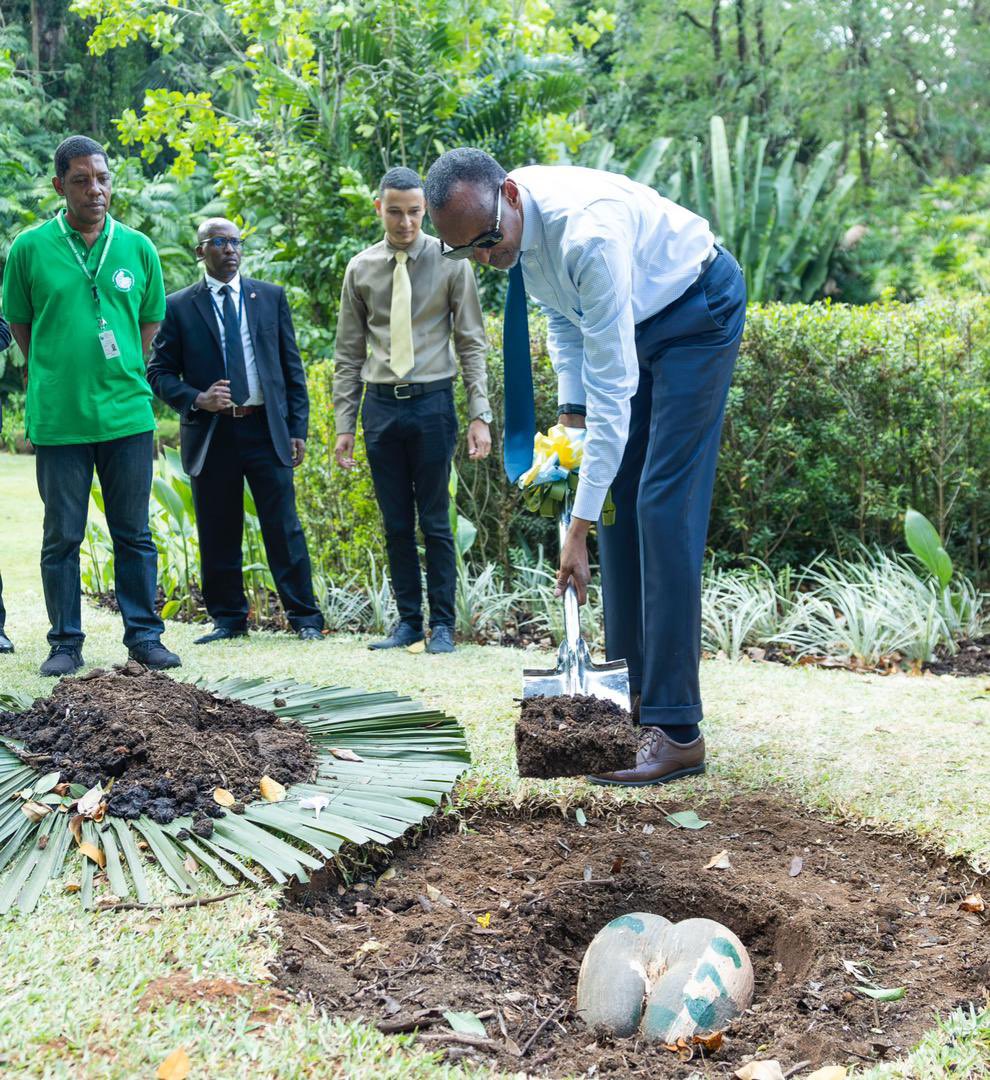
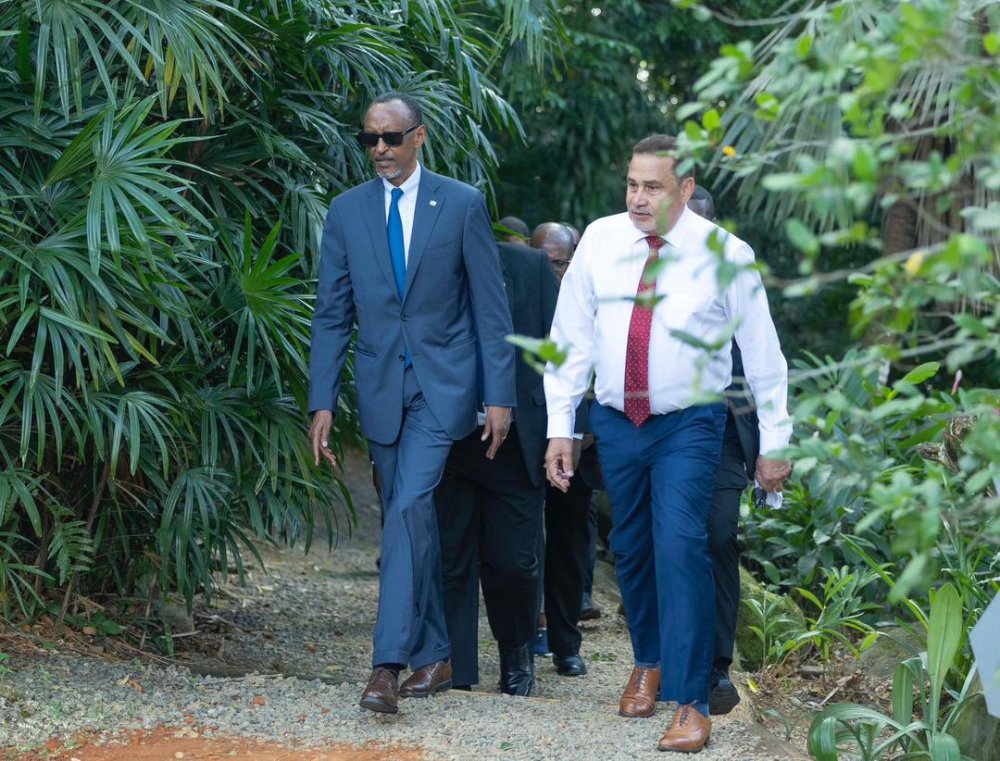
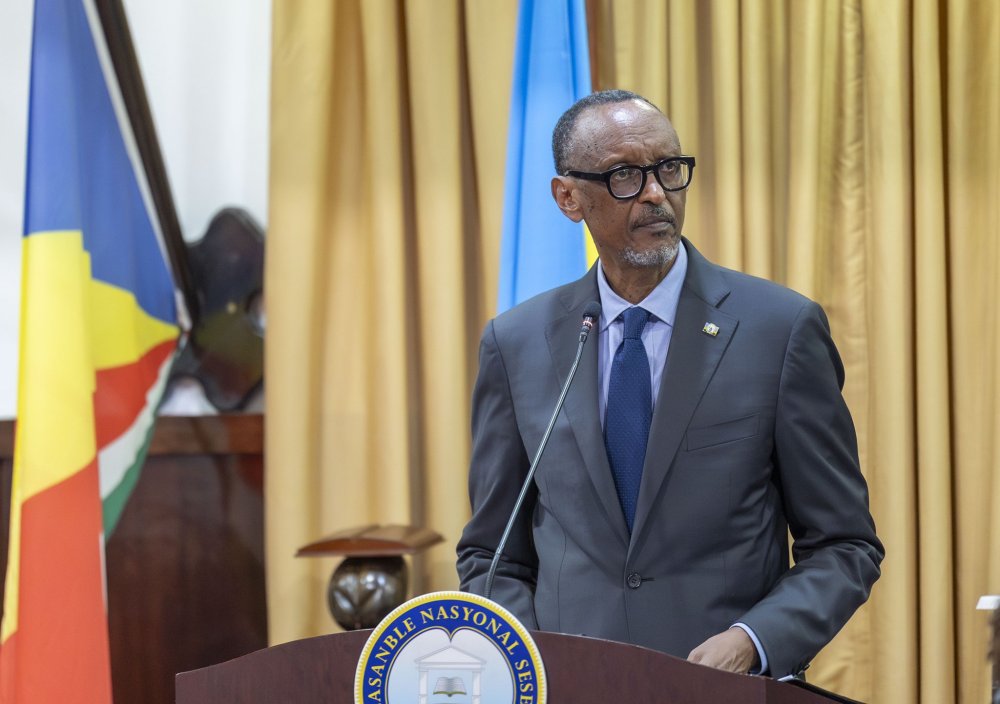
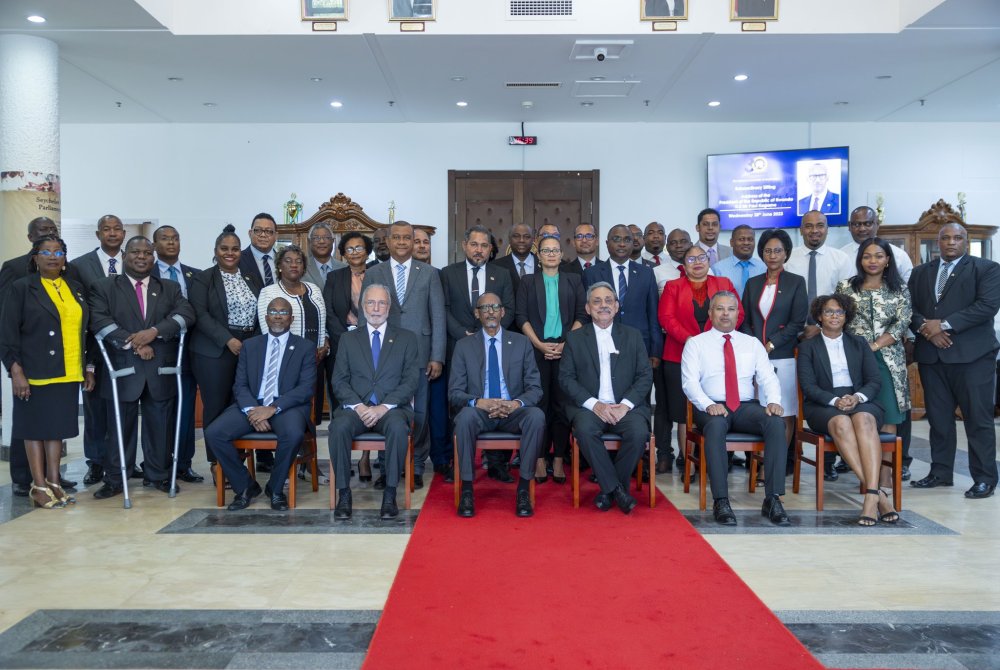
The Botanical Garden in Victoria is a renowned destination that houses 280 tree species and attracts many visitors to Seychelles. President Kagame and First Lady Jeannette Kagame were honored guests at the National Day event, which they attended following their arrival in the country on the 28th of June.
During their visit, both heads of state held a productive closed-door meeting and witnessed the signing of Memoranda of Understanding (MoUs) in various areas of mutual benefit, including tourism, security and defense, health, and agriculture.
One of the significant agreements reached was the signing of an MoU between the two countries, facilitating visa exemption for their citizens. President Ramkalawan commended President Kagame for his exemplary leadership, which he believes showcases the presence of great leaders in Africa.
Both leaders reiterated their commitment to continue working together, fostering stronger collaborations for the benefit of their respective countries. They emphasized their shared vision and highlighted their membership in major international organizations such as La Francophonie and the Commonwealth.
Seychelles’ National Day, also known as Independence Day, is observed as a public holiday on June 29th. This day marks the country’s independence from Britain in 1976. Previously, until 2015, the National Day was celebrated on Constitution Day, commemorating the adoption of the new constitution on June 18th, 1993.
The history of Seychelles dates back to Vasco da Gama’s charting of the islands in 1503, when he named them the Admiral Islands. Over the next 150 years, various European nations vied for control of the islands due to their strategic location in the Indian Ocean.
In 1754, at the beginning of the Seven Years’ War, the French established a colony on the main island, Mahé. However, in April 1811, the British took control of Seychelles after gaining control of other French colonies in the region. Despite becoming a British Crown Colony in 1903, Seychelles maintained its French identity in terms of language and culture.
The movement for independence gained momentum during the Second World War but reached its peak in the 1960s. After elections in 1974, during which both political parties campaigned for independence, Seychelles negotiated an agreement with the British.
This agreement led to Seychelles becoming an independent republic within the Commonwealth on June 29th, 1976. Every year, Independence Day serves as a significant milestone in the country’s history, commemorating its journey towards self-determination.
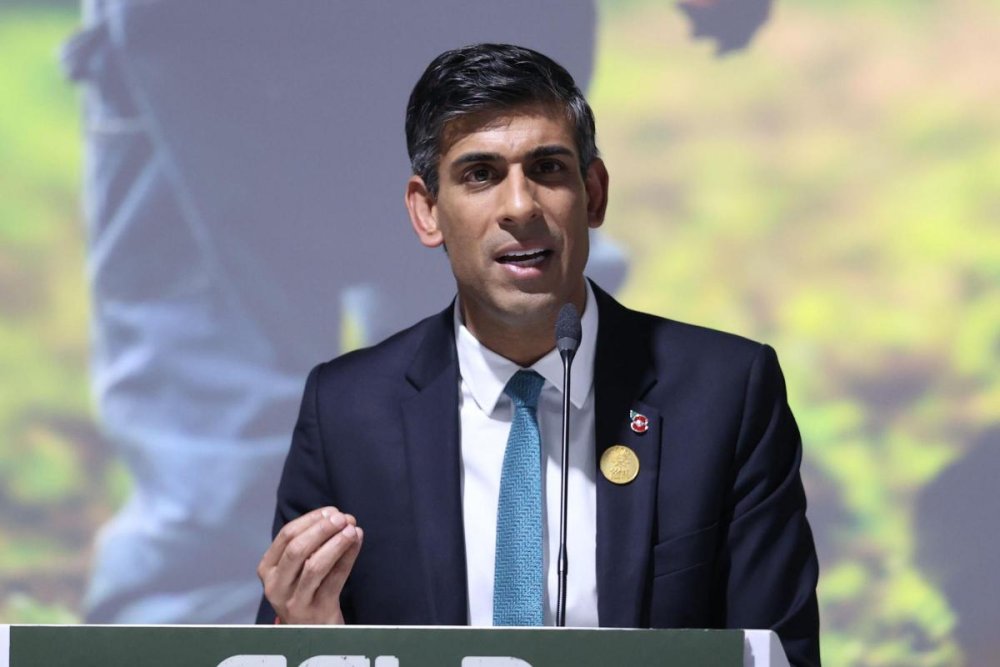
On Thursday, June 29, Sunak expressed his strong disagreement with the court’s decision, asserting that the Rwandan government has provided sufficient assurances to guarantee the safety of relocated asylum seekers.
He also emphasized that the High Court had previously deemed the deportation agreement lawful and that the United Nations High Commissioner for Refugees (UNHCR) has established a refugee scheme for Libyan refugees in Rwanda.
Sunak further announced the government’s intention to appeal the Court of Appeal’s ruling at the Supreme Court, stating that he will do whatever is necessary to ensure that the partnership with Rwanda proceeds as planned.
He argued that it is the responsibility of the UK government, not criminal organizations, to determine who enters the country. The original agreement was designed to facilitate the transfer of migrants and asylum seekers who are residing illegally in the UK to Rwanda.
The initiative was hailed as a groundbreaking effort aimed at promoting the dignity and empowerment of migrants.
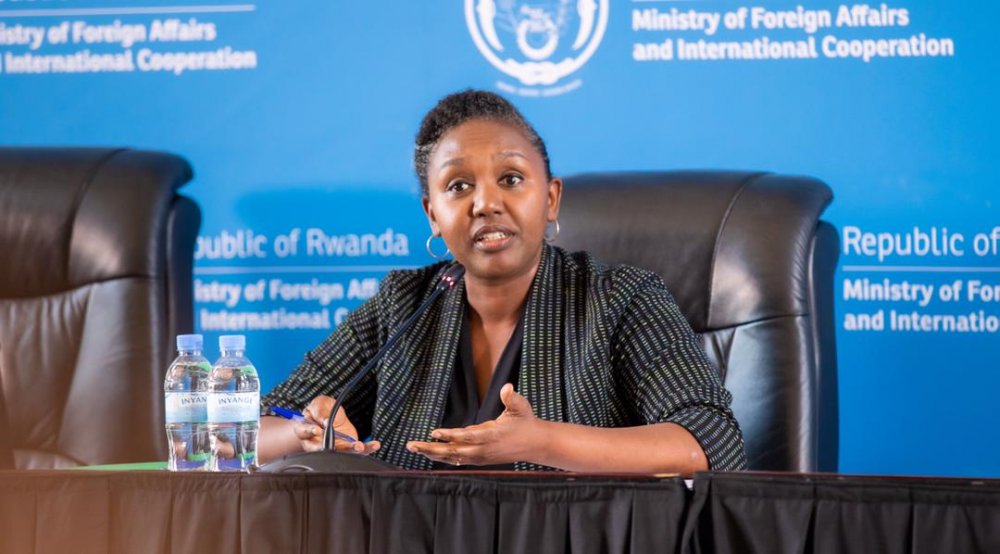
While acknowledging that the final decision rests with the UK’s judicial system, Yolande Makolo, a spokesperson for the Rwandan government, expressed dissatisfaction with the court’s ruling regarding Rwanda’s safety for asylum seekers and refugees.
Makolo emphasized that Rwanda has made significant contributions in addressing the global migration crisis and has created a secure and dignified environment for migrants and refugees, where they enjoy equal rights and opportunities. She reiterated Rwanda’s commitment to making the partnership work.
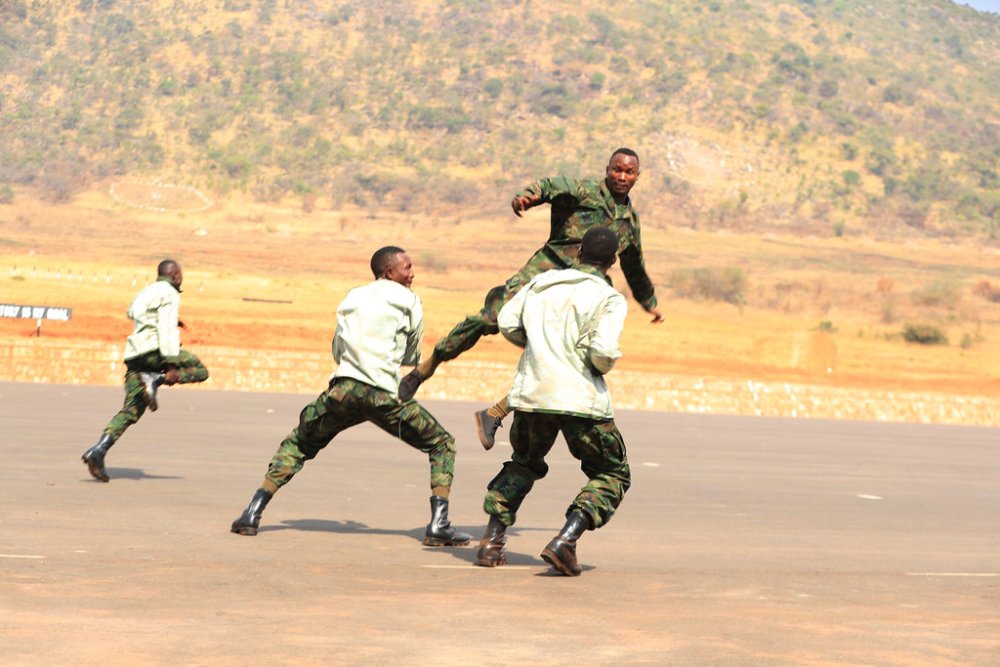
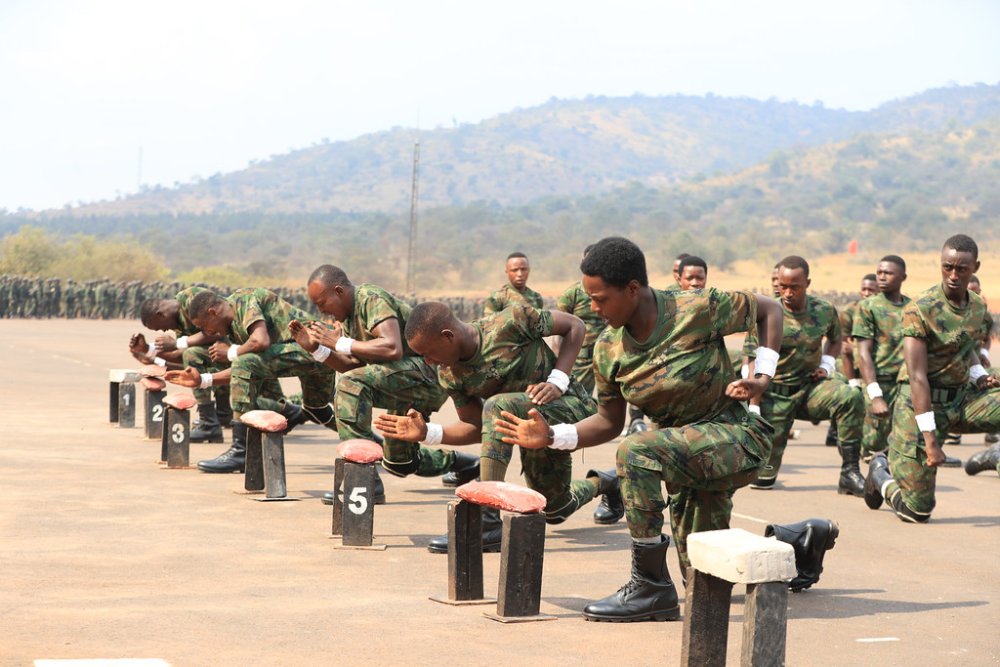
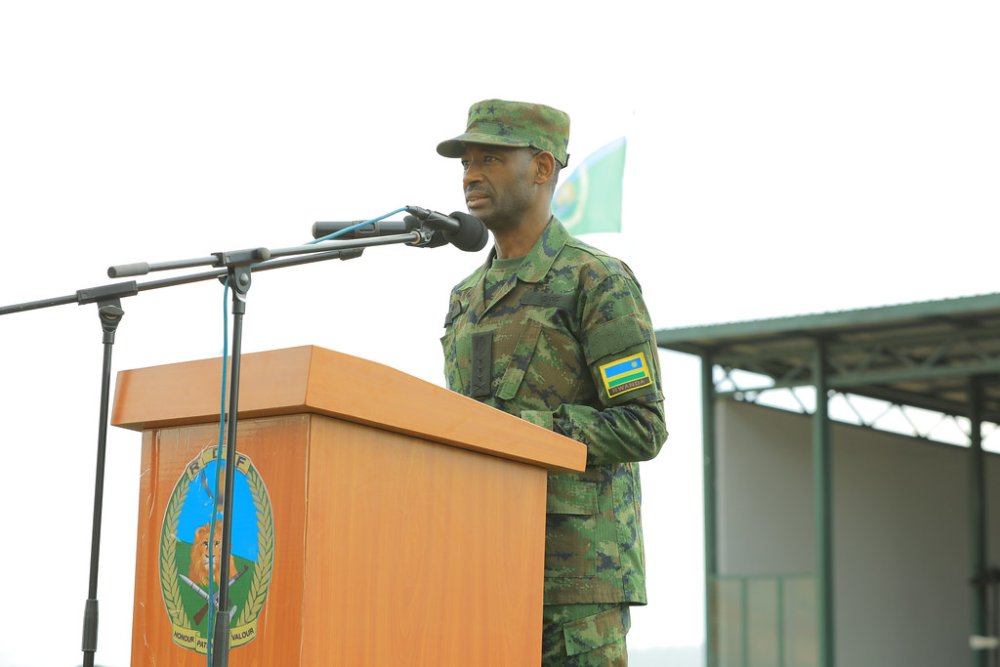
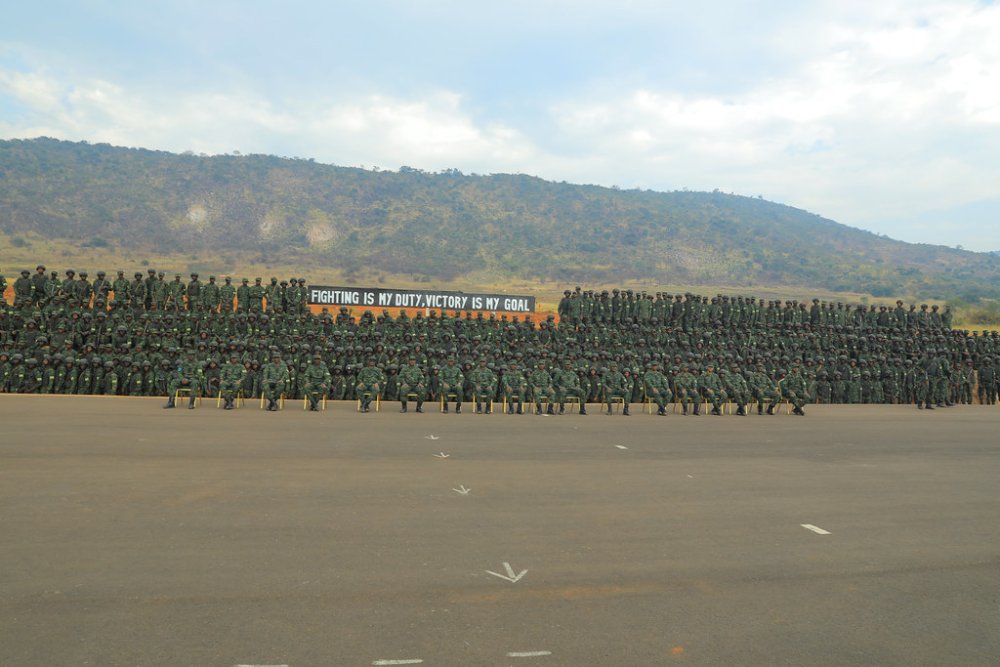
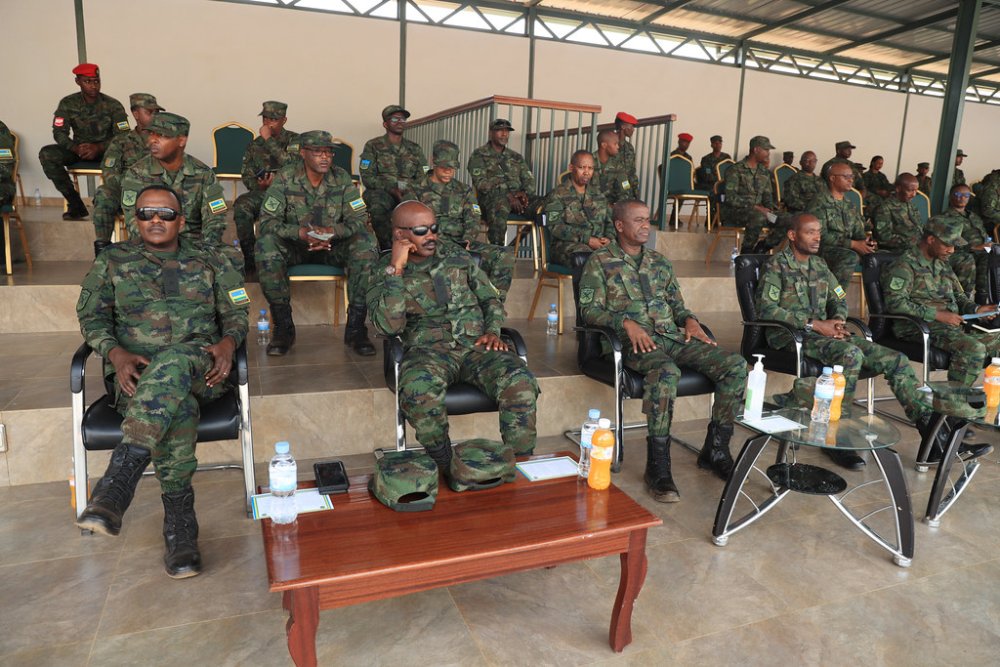
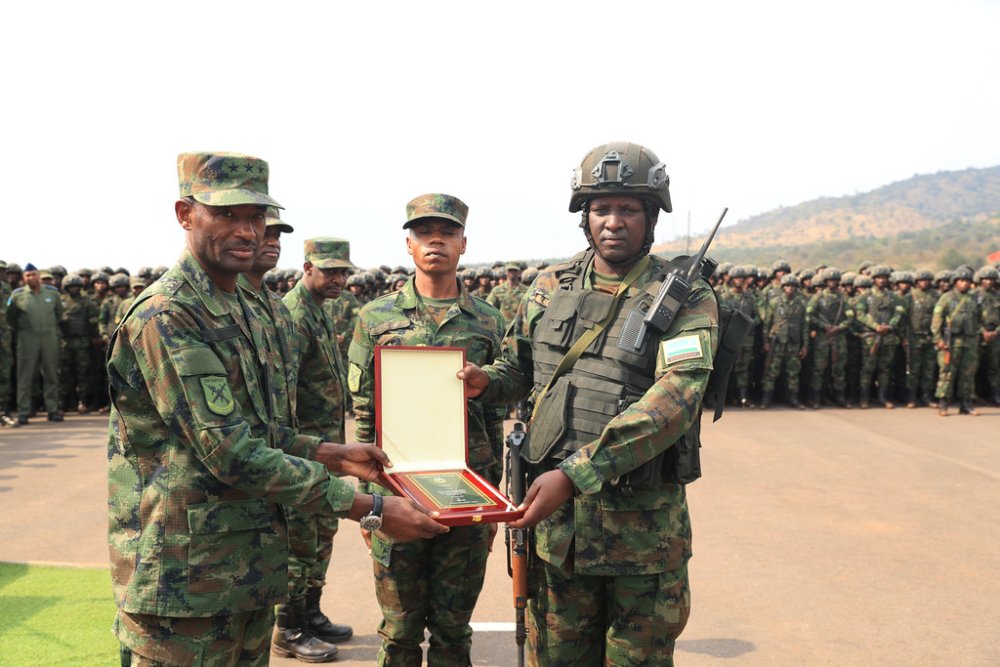
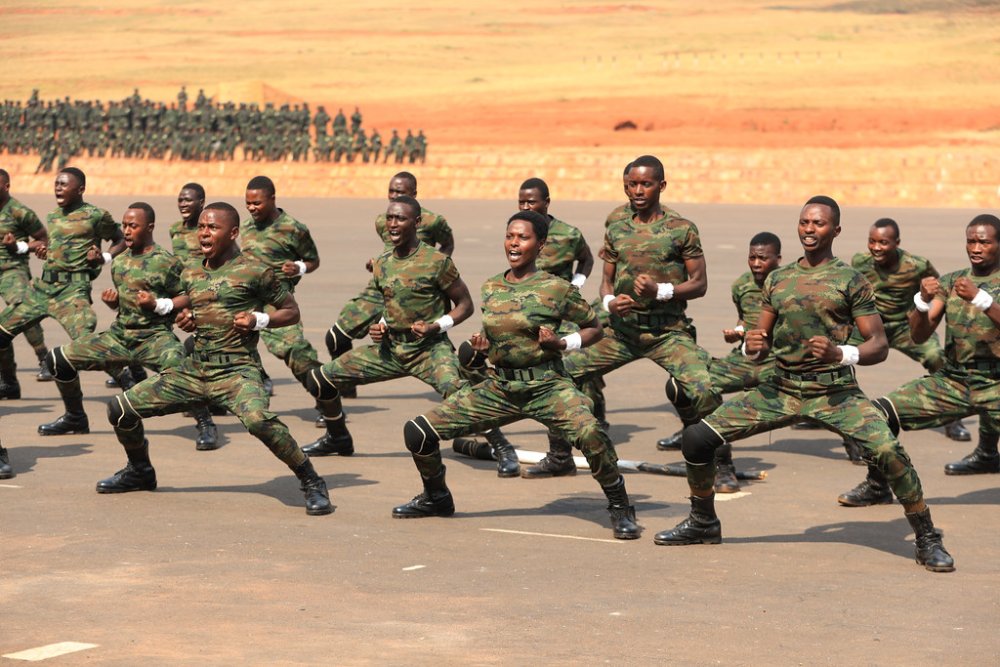
The graduation ceremony was presided over by the RDF Chief of Defence Staff (CDS), Lt Gen Mubarakh Muganga on behalf of the RDF Commander- in- Chief, President Paul Kagame.
In his remarks, the CDS commended the graduates for their important achievement, commitment and discipline and encouraged them to keep the spirit.
He also appreciated the leadership of the training centre including instructors who worked tirelessly to shape students’ skills and capabilities to produce effective leaders for the RDF and the country.
Maj Cyrile Cyubahiro the overall best student of the training said that the knowledge acquired will help them to fulfil their responsibilities in RDF and the country in general.
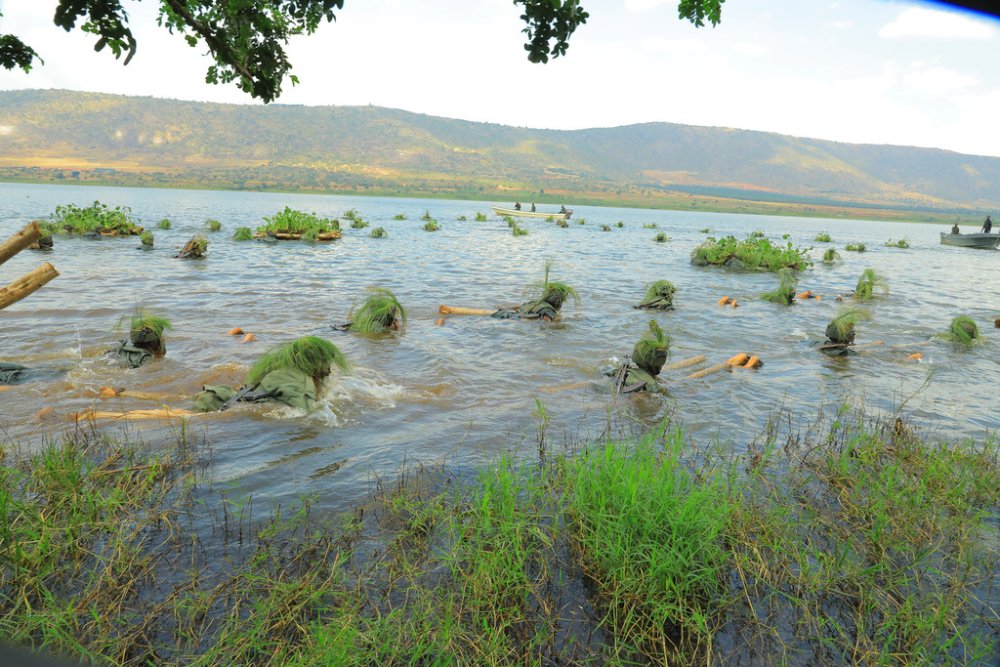
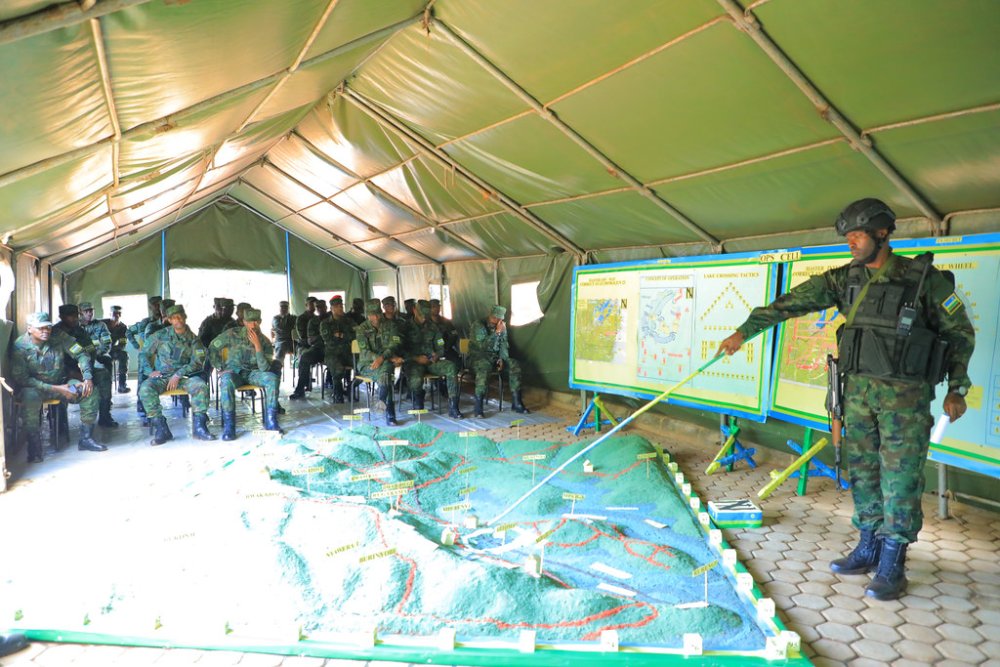
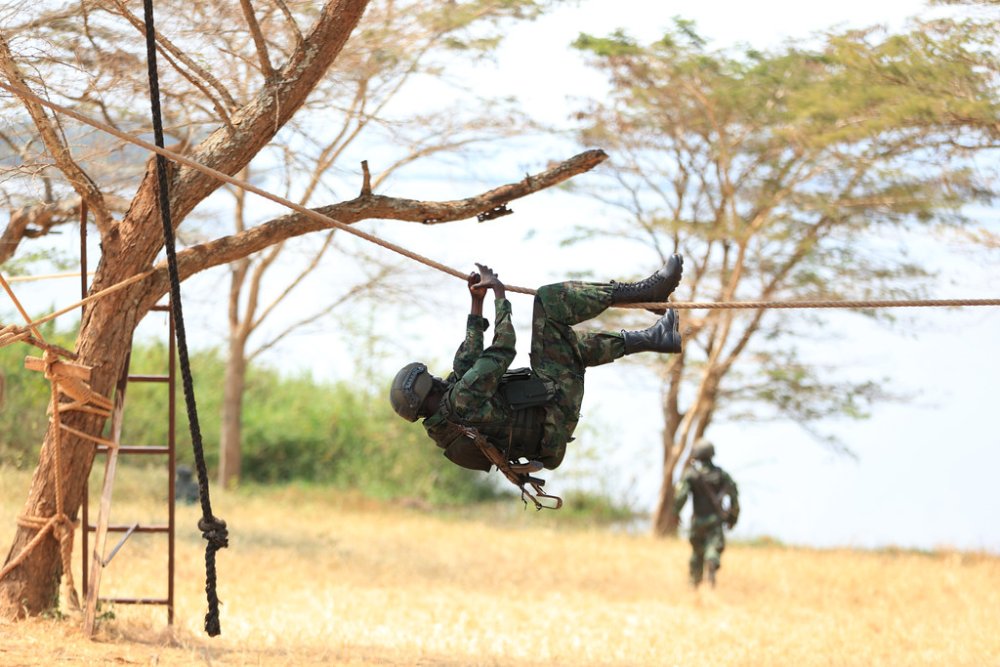
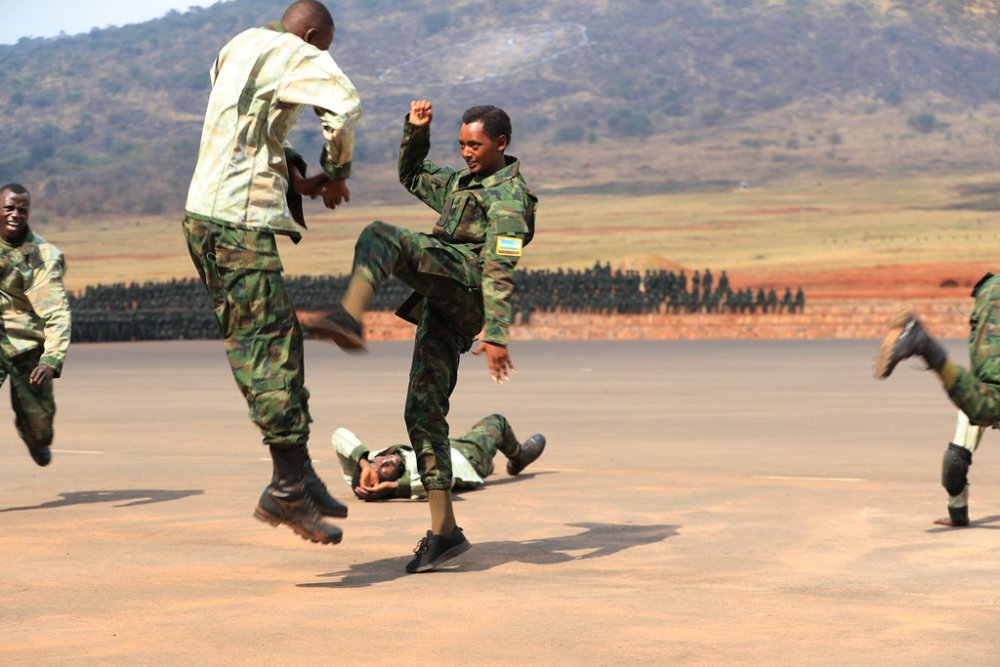
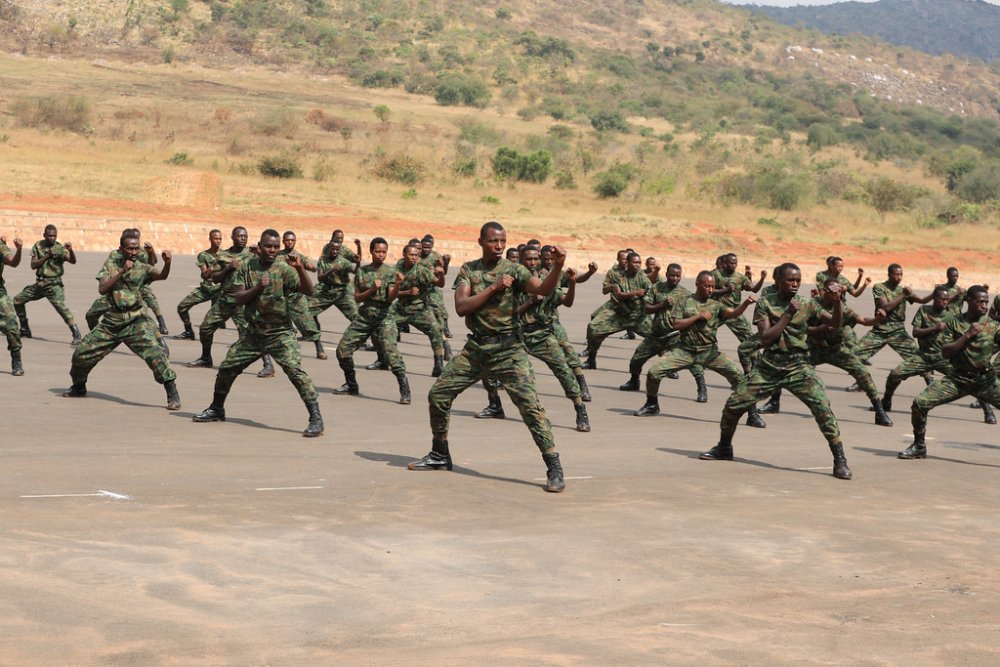
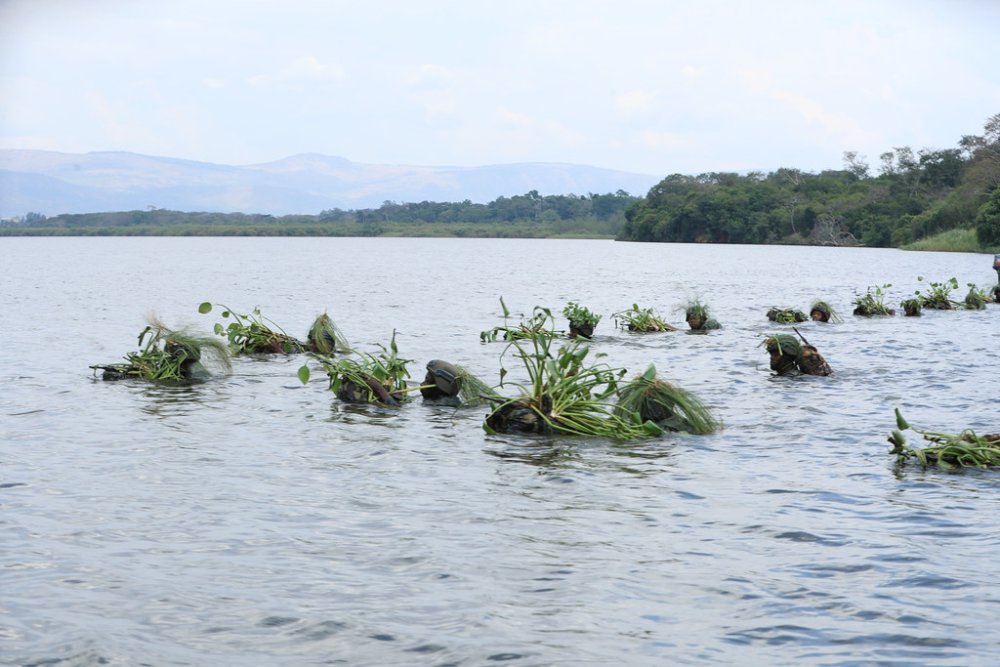
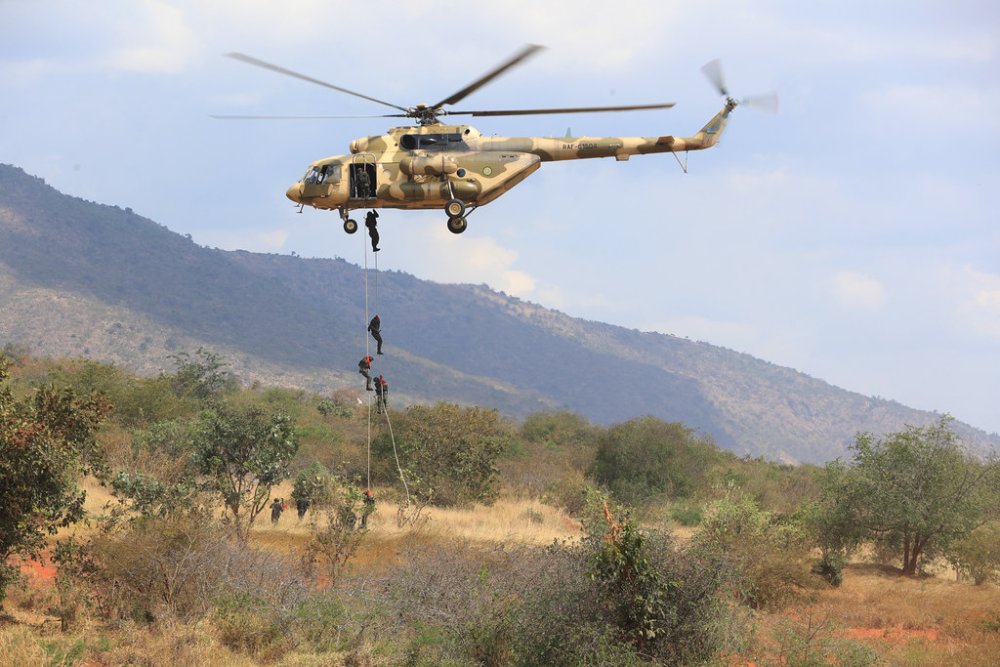
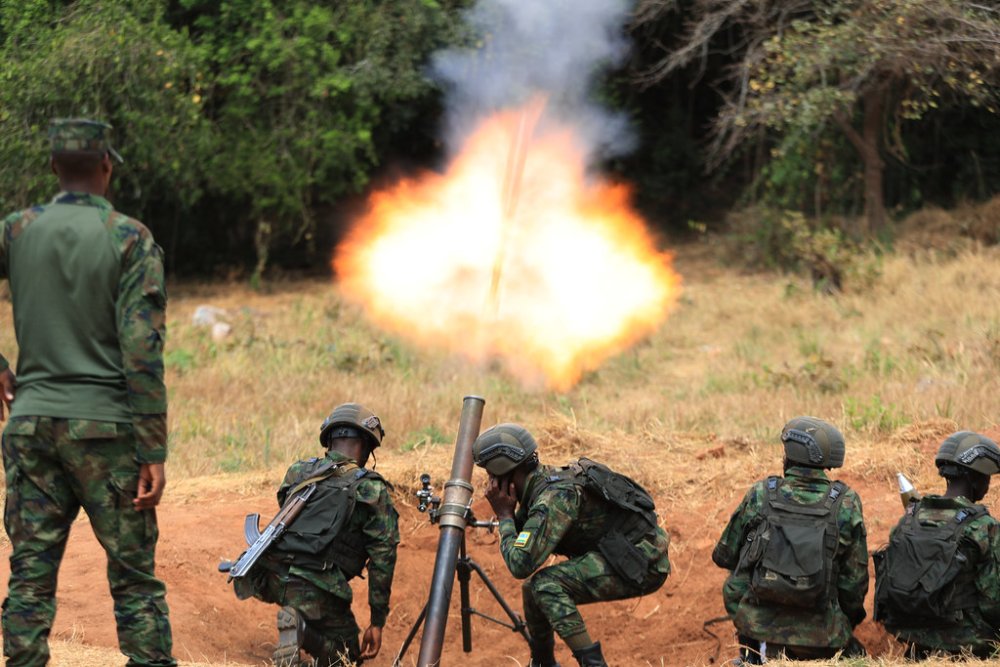
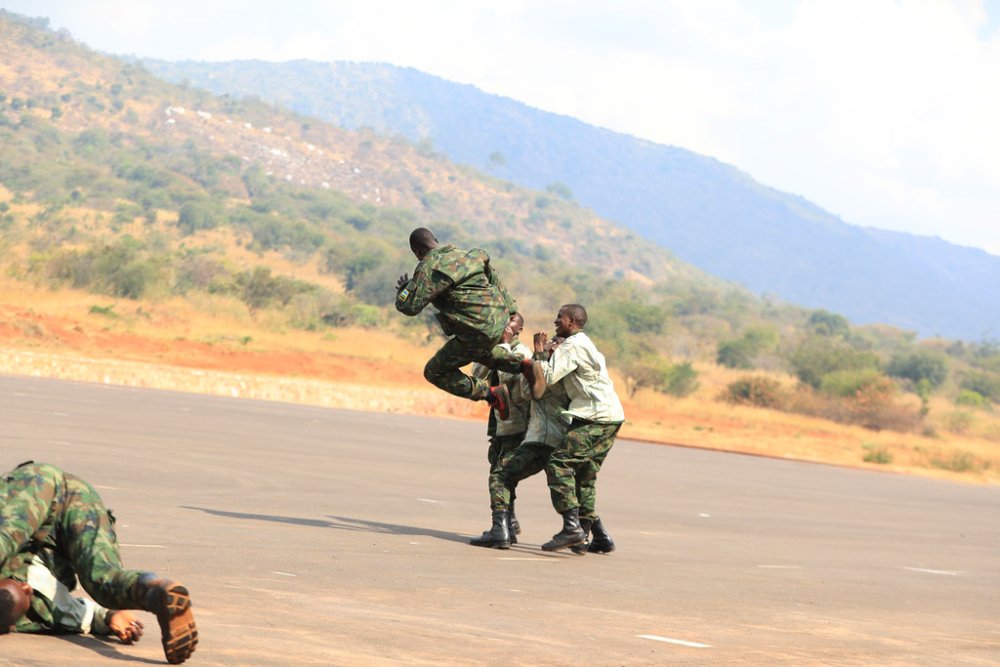
Advanced Infantry Training is designed to improve skills of ordinary infantry to enable them effectively perform infantry tasks while fulfilling RDF missions.
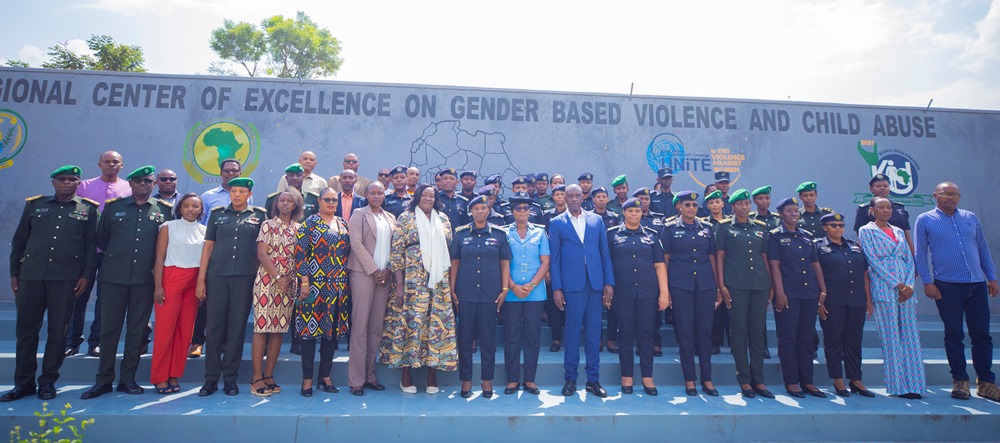
The workshop organized under the auspices of the Dallaire Institute, the African Centre of Excellence for Children, Peace and Security, and Rwanda National Police (RNP); was held at the Centre of Excellence on Gender-Based Violence and Child Abuse.
The objective of the workshop was to enhance the participants’ effectiveness in carrying out their duties, with a particular focus on the unique and essential roles they play in protecting and upholding the rights of children, especially those coerced into violence and atrocities as child soldiers.
The Deputy Inspector General of Police (DIGP) in charge of Administration and Personnel, Jeanne Chantal Ujeneza said that the workshop was important to prepare participants to play a critical role in preventing and addressing child rights violations and responding to the needs of survivors.
Reflecting on Rwanda’s experience, DIGP Ujeneza noted that the country has been at the forefront of championing both the Kigali Principles on the Protection of Civilians and the Vancouver Principles on UN peacekeeping, and the prevention of the recruitment and use of child soldiers in armed violence.
The Kigali Principles on Protection of Civilians comprise a non-binding set of eighteen pledges for the effective and thorough implementation of the protection of civilians in UN peacekeeping.
On the other hand, the Vancouver Principles consist of a set of political commitments in peacekeeping endorsed by member states regarding the prevention of recruitment and use of child soldiers by armed forces and armed groups.
“We are aware of how children and women are the most vulnerable in any situation of conflict. Therefore, as women in uniform and peacekeepers, we need to identify and understand the vulnerabilities of children and young people especially girls, to counteract any push factors that may expose them to any forms of violations such as human trafficking, sexual violence, child labour, child soldiers, indoctrination by terrorist groups and participation in transnational crimes and criminal gangs,” DIGP Ujeneza said.
She further urged female officers to be proactive in responding to calamities affecting children, emphasizing that protecting children is crucial for achieving sustainable peace and security in their countries.
“As conflict and wars persist, these create a window of opportunity for children to participate and become victims of these crimes. We can’t continue to sit and watch this happening. Counteracting this requires a holistic approach but it all starts with each one of us being aware of the issue and aiming to become a change-maker in their society, starting from our families and communities,” added DIGP Ujeneza.
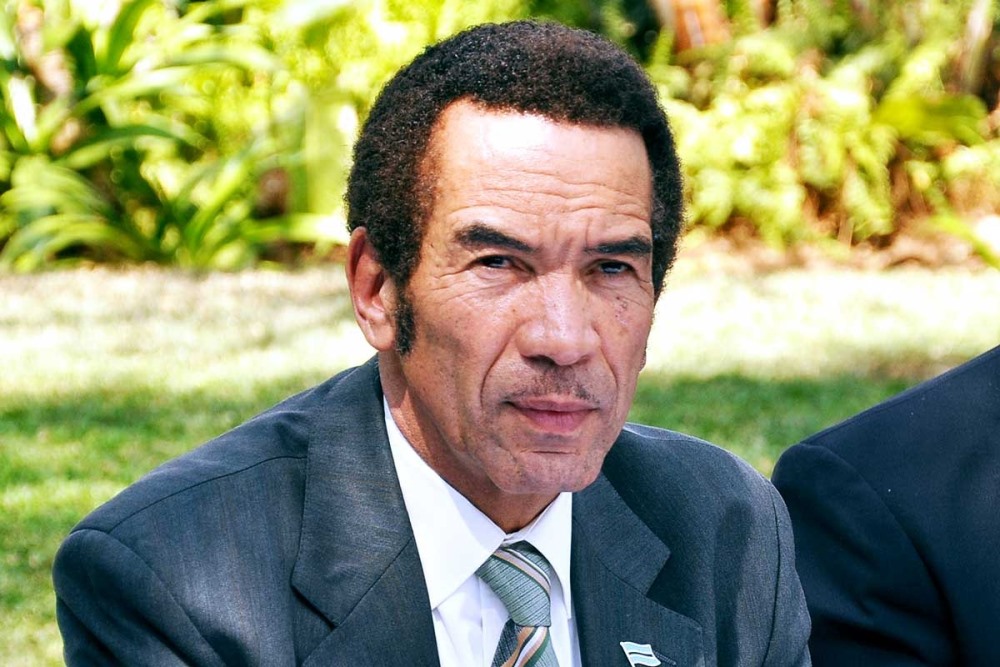
According to Botswana Minister for Presidential Affairs, Hon. Kabo Neal Sechele Morwaeng, government continues to provide presidential benefits to its estranged former leader.
This is contrary to recent claims by the self-exiled former leader Khama who accused the Botswana government of refusing to facilitate his retirement benefits.
Minister Morwaeng underscored that the government continues to take care of Khama, who is reportedly residing in South Africa.
“I can assure you that every time we follow our Constitution, we always do that where we need to assist,” he said.
“Our only delay is that if they write a letter on a Friday, and we have Saturday, Sunday, and we see it on Monday, to them, it’s a delay.
“We have instructed our officials to ensure that all former presidents’ benefits are facilitated without delay, including him. The law requires that we facilitate and always do,” added Minister Morwaeng.
Since 2018, the incumbent Botswana President, H.E Mogkweetsi Masisi, has been at loggerheads with his predecessor, with the government accusing Khama of trying to manipulate and influence the current administration’s direction.
Meanwhile, the disappointed Minister revealed that several ruling Botswana Democratic Party [BDP] leaders had tried to facilitate peace talks between Khama and the incumbent Mogkweetsi Masisi. However, the two leaders are still at loggerheads, with Khama accusing his successor of plotting to assassinate him.
At the start of May, Khama posted on social media that the government had “not acted” on a request to facilitate his travel to Europe for a democracy conference.
He had been invited to a Democracy Forum in Gdansk, Poland and had to confirm his attendance by May 31 2023, for the June 21 event.
“Delaying or refusing to facilitate the former President on his constitutional and retirement privileges by the government is a clear and deliberate violation of the constitution of the Republic of Botswana and deserves condemnation by all,” wrote Khama in a Facebook post on 2nd of May.
Surprisingly, last week, Khama attended the Democracy Forum funded by the same Botswana government he is accusing of failing him.
Botswana Government Communications and Information Systems’ Permanent Secretary, John Thomas Dipowe, stated that the benefits of former Presidents are covered under the green book in the Constitution of Botswana.
“He’s still entitled to all his benefits. Recently he travelled to London and Poland, and the government was paying for that trip as per the provisions of his retirement benefits.
“He still enjoys his retirement benefits. Nothing has changed about that,” Dipowe said.
However, this situation has changed as Rwandans have now mastered the culinary profession to such an extent that they can compete at the international level.
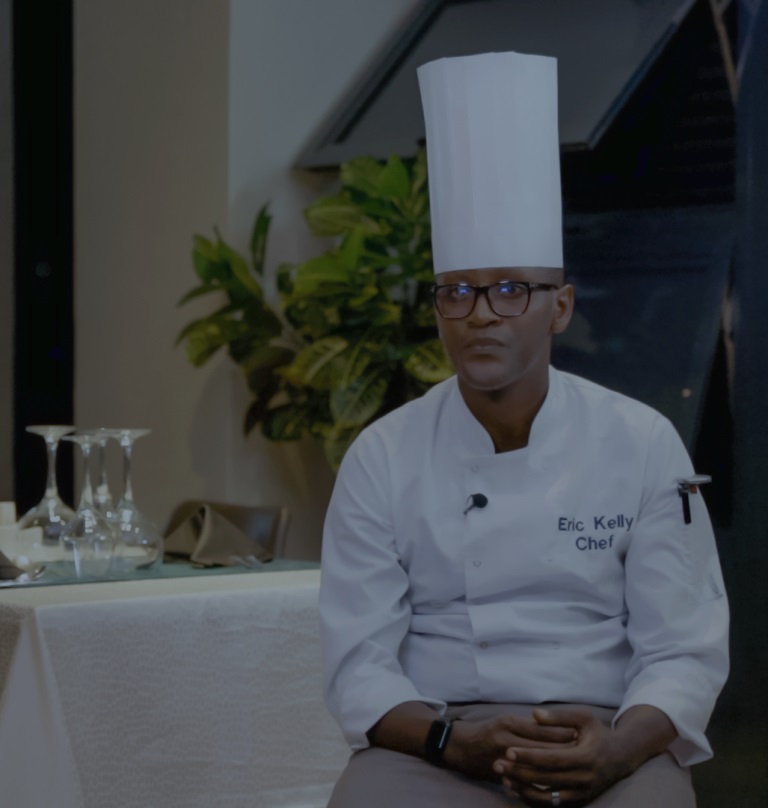
One outstanding Rwandan chef who has garnered extensive experience is Eric Kanyemera. With a background working in international hotels and completing various culinary courses, Kanyemera has been dedicated to his craft for the past ten years. His passion for cooking stemmed from his childhood, where he often found joy in preparing meals for his siblings as the eldest in the family.
Although Kanyemera loved cooking, he initially never envisioned it as a lifelong career. Like many children, he pursued his education with dreams of becoming a doctor or a pilot. When he was about to study technology at IPRC Tumba in 2013, he recognized the challenges of securing a stable career in that field. This realization prompted him to switch gears and pursue culinary studies at UTB, seeing it as a profession with promising prospects.
Consequently, he earned a second degree, which proved to be the gateway to his current success.
While starting his culinary courses, Kanyemera actively sought opportunities to immerse himself in the profession. In 2013, he joined the kitchen staff at Bourbon Coffee, later expanding his knowledge by working at Sports View Hotel and Kigali Serena Hotel. As Rwanda began attracting international investors in the hotel industry, Kanyemera saw this as an opportunity and went on to work at esteemed establishments such as Kigali Marriott Hotel, Radisson Blu, and Kigali Convention Centre as one of the chefs.
In 2018, Kanyemera’s expertise led him to become the head of the kitchen at Bisate Lodge. Within a year, he assumed the same position at Magashi Lodge.
His talent and dedication were further recognized when Rwanda hosted the Commonwealth Heads of Government Meeting (CHOGM). During this event, Kanyemera had the opportunity to showcase his skills at M Hotel, which eventually led to an invitation to Europe, providing him with a unique opportunity to fulfill his dream of gaining international exposure.
“I had that opportunity and I grabbed it,” Kanyemera has told IGIHE. “I went to the United Kingdom as the head chef of theThe Inn Hotel Jersey, and I also took the opportunity to pursue specialized culinary courses that were not readily available in Rwanda.”
His pursuit of knowledge led him to acquire certifications in vegan cooking, UK cooking gastronomy technician, and level 3 certificate of supervising food safety.
Despite the allure of international success, Kanyemera never forgot his roots. “I have my family here, and I feel it’s my responsibility to help and contribute to the growth of this industry in our country,” he says passionately. Eager to share his expertise and experiences with his fellow Rwandan chefs, Kanyemera returned to his homeland.
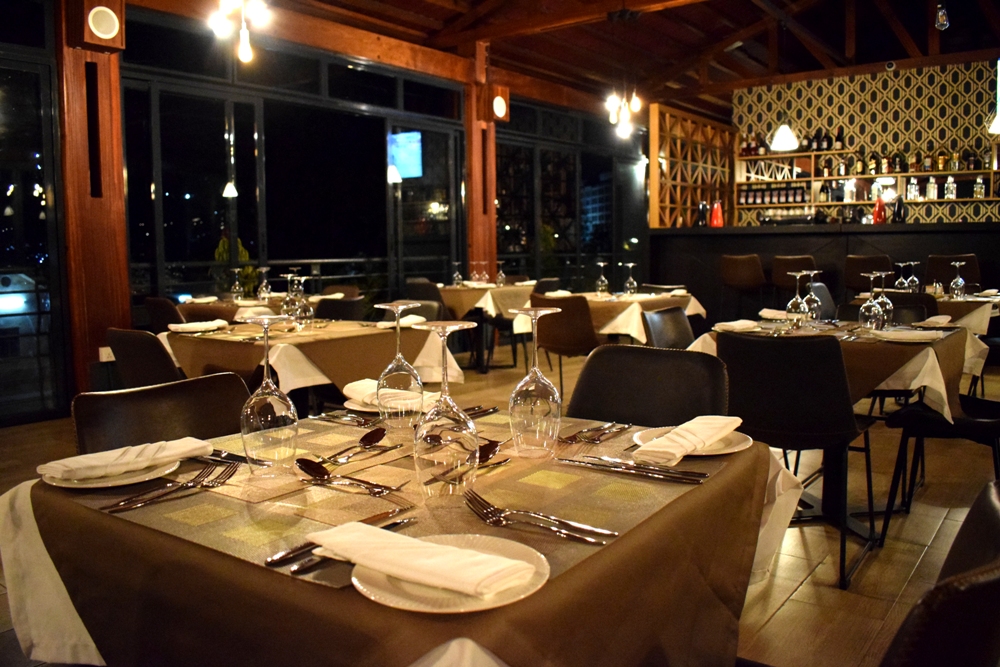
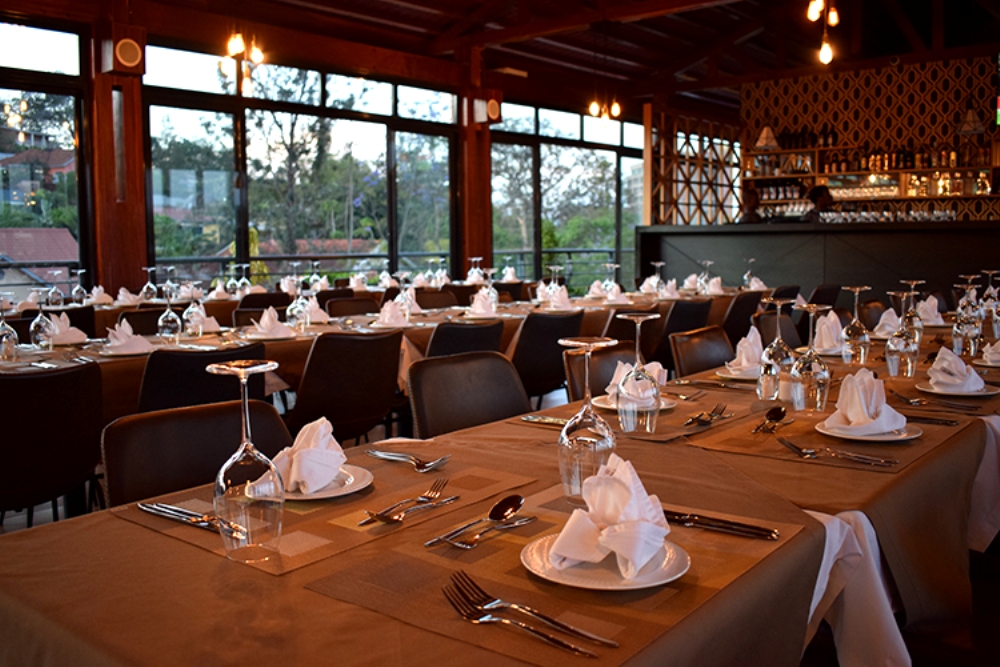
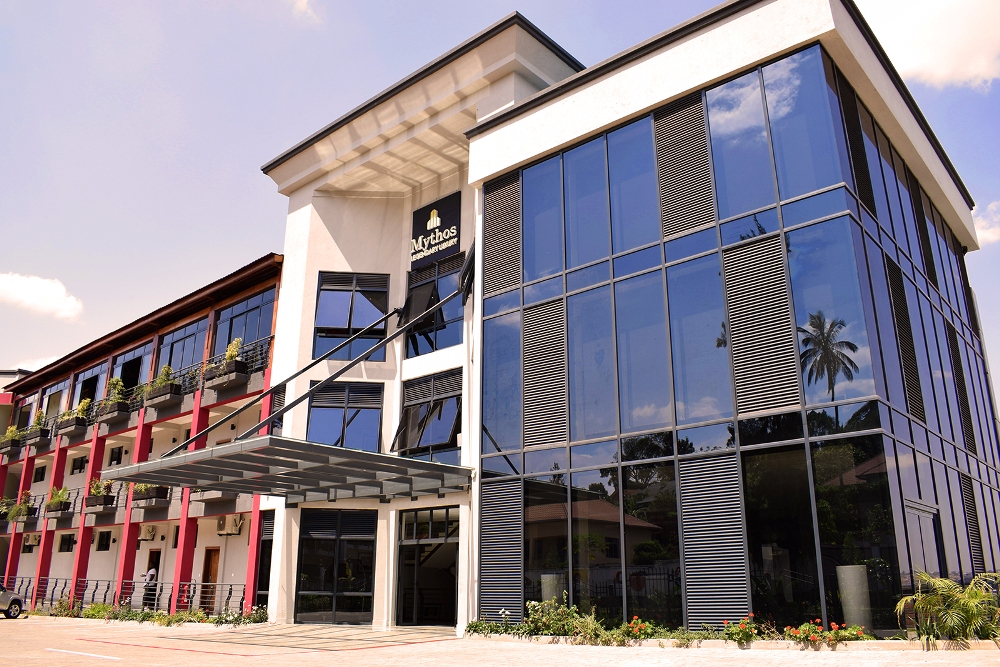
As he takes the helm as the executive chef at Mythos Boutique Hotel’s Atmosphere Restaurant , Kanyemera’s vision for the culinary experience is clear.
He aims to create a dining atmosphere that surpasses expectations and delights guests. “I always try to create something like a fusion,” he explains. “I prefer using local ingredients whenever possible to ensure authenticity and availability.”
Kanyemera’s commitment to innovation and guest satisfaction is reflected in his approach to menu creation. Understanding the importance of freshness and novelty, he plans to change the menu every few months, ensuring that guests always have something new and exciting to experience.
Besides, Kanyemera emphasizes the significance of teamwork and leadership in the culinary world. “You can’t be a great chef if you don’t have a great team,” he states firmly. Recognizing that the success of a kitchen lies not only in cooking skills but also in collaboration and communication, Kanyemera aims to foster an environment where his team can thrive.
Kanyemera’s dedication and passion for his craft have brought him incredible opportunities and recognition. He vividly recalls the moment when he had the privilege of cooking for the President of Rwanda during a visit to Akagera National Park. “It was one of the biggest achievements I ever had in this career,” he proudly states. “Hard work always pays off.”
As he continues to explore his culinary repertoire, Kanyemera has developed a particular affinity for Italian cuisine. “Italian dishes are one of my favorites,” he reveals. “I enjoy creating a fusion by incorporating local ingredients that can easily be found in Rwanda.”
With Kanyemera at the helm, Mythos Boutique Hotel can expect a culinary experience that combines passion, innovation, and the flavors of Rwanda. As a chef who has honed his skills both locally and internationally, Kanyemera is poised to elevate the dining experience and leave a lasting impression on guests.
In a statement released by the spokesperson, Yolande Makolo, the government expressed its concerns over the characterization of Rwanda as an unsafe country for asylum seekers.
The statement emphasized that Rwanda is one of the safest nations globally and has been recognized by the United Nations Refugee Agency (UNHCR) and other international institutions for its exemplary treatment of refugees.
The ruling by the Court of Appeal comes after a previous High Court decision in December 2022, which deemed the UK’s plan to send asylum seekers to Rwanda as lawful and in line with the refugee convention.
The plan, known as the “Migration and Economic Development Partnership,” was established in April 2022 to facilitate the transfer of migrants and asylum seekers who are illegally present in the UK to Rwanda.
The initial timeline for the first migrants to arrive in Rwanda was set for July 2022, but this was delayed due to a complaint filed by organizations advocating for migrants’ rights. The Court of Appeal reviewed the case and made the recent ruling.
The court’s decision contradicts the position of UK Prime Minister Rishi Sunak and Home Secretary Suella Braverman, who have consistently defended the deportation plan, highlighting Rwanda’s successful management of refugee and migrant crises. Rwanda’s government has reiterated its commitment to finding a solution to the global migration crisis, emphasizing its contribution in dealing with its impacts.
The statement from Rwanda emphasized that the country has created a safe, secure, and dignified environment where migrants and refugees have equal rights and opportunities. The government pledged to welcome and support migrants relocated to Rwanda under the partnership, stating that they will be provided with the necessary assistance to build new lives in the country.
Rwanda has expressed its commitment to making the partnership work despite the ruling, highlighting the failures of the global migration system and the detrimental impact it has on vulnerable individuals, while also empowering criminal smuggling gangs.
The government remains dedicated to protecting and supporting those in need, ensuring their rights and welfare are respected.
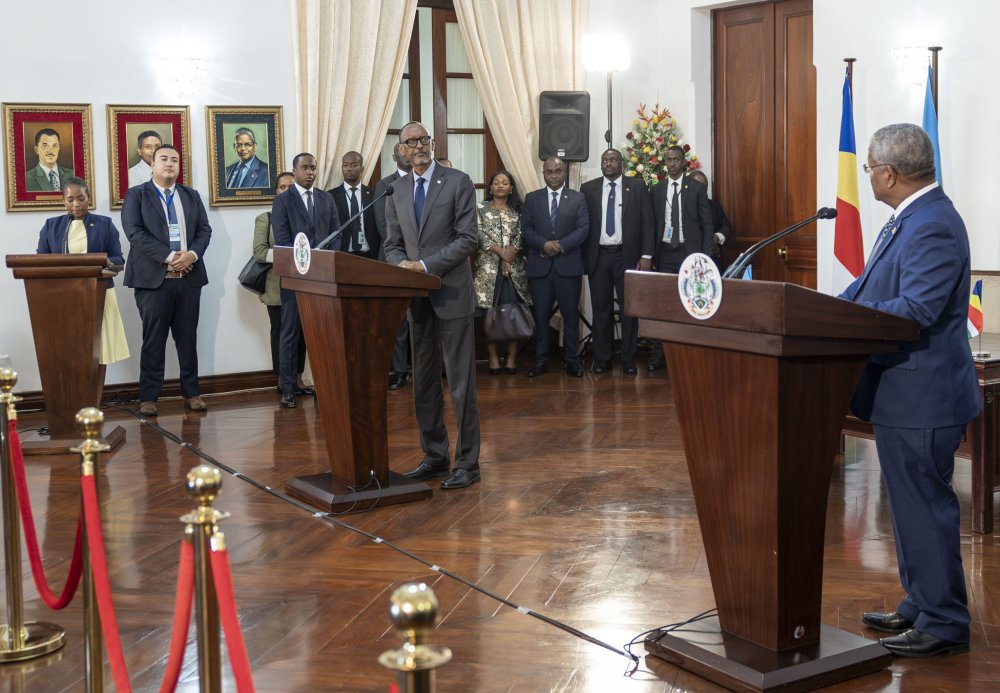
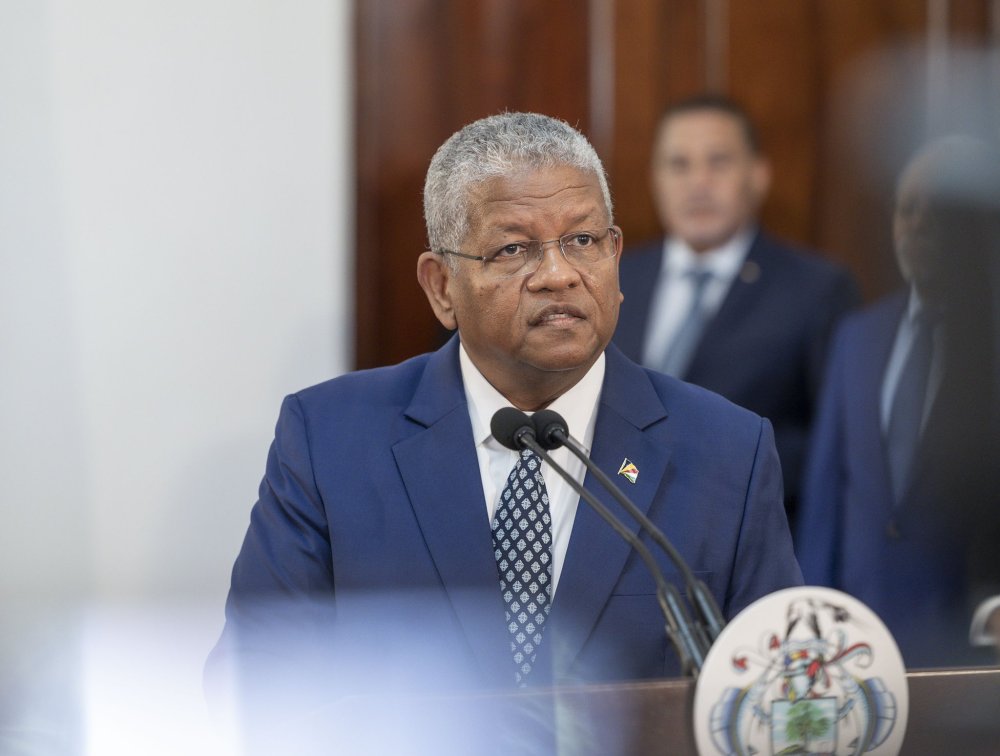
Ramkalawan extolled President Kagame on Wednesday as he began a two-day visit to Seychelles where he was invited as the guest of honour at the celebration of 47th National Day scheduled on 29th June 2023.
“I congratulate you personally for your leadership not only in Rwanda but also at the African Union level and as a world leader. You are an example to the whole world that Africa indeed has great leaders,” said Ramkalawan.
“You led your country through so many difficulties and today Rwanda is considered as one of the safest countries in the world. […] We want to emulate your example,” he added.
Ramkalawan went on to say that President Kagame gave hope to the continent when he was the chairperson of the African Union where he came forward with solid plans.
“Today, we are still reading through the pages of your vision. And it’s that vision that Africa truly needs, not only to sustain itself but to silence the guns as we keep saying but at the same time to keep working in environment protection, strengthening economy of various countries as well as in the field of health and education,” he noted.
Among others, Ramkalawan reminisced on the fact that Rwanda, will later this year see the opening of a factory that will manufacture vaccines and considered it another great step for ‘the continent that is marred by so many illnesses’.
He underscored that the initiative will not only be beneficial to Rwanda but also to Seychelles as well as the rest of Africa.
Rwanda and Seychelles are both members of the Commonwealth and the Organization Internationale de La Francophonie (OIF).
President Kagame assumed Chairmanship of the Commonwealth in June last year as Rwanda hosted the Commonwealth Heads of Government Meeting (CHOGM).
Ramkalawan also expressed gratitude to Kagame for the leadership he continued to show during his term expected to end next year.
“Earlier this year, at the coronation of King Charles III, we had a chance to discuss under your chairmanship the role of the youth. As this year is the Commonwealth year of the youth, we want to push our young people to greater heights,” he noted.
After holding discussions on the first day, Rwanda and Seychelles signed Memoranda of Understanding (MoUs) in different areas of mutual benefit including health, defence and security, tourism and agriculture among others.
Both countries also signed an MoU paving the way for visa exemption for their people.
Ramkalawan highlighted that his country will work closely with Rwanda, particularly mentioning that Rwanda has one of the best police academies which his country’s police forces will use at all levels.
He said that Seychelles wants to learn from Rwanda’s experiences in agriculture and hailed Rwandan troops intervention to fight terrorism in Mozambique.
“What we signed today marks the confirmation of the solid relations that we want to take forward,” noted Ramkalawan.
He highlighted that a delegation from Seychelles will visit Rwanda before the end of this year where contacts have been already established between various ministries.
As Ramkalawan said, the visit aims to explore other areas of cooperation and concretize what has been already signed.
“We look forward to continuing the friendship and sharing of our two peoples,” he noted.
On his part, President Kagame disclosed that he had very productive discussions with Ramkalawan noting that Seychelles and Rwanda are driven by common aspirations to improve the quality of life for their citizens working hand in hand with partners in the region and beyond.
Building on strong bilateral ties and bonds of friendship, Kagame said, both countries intend to deepen cooperation across strategic areas and areas of mutual benefit including health, defence and security, tourism and agriculture among others.
“For Seychelles and Rwanda, tourism is a key driver of economic growth. Collectively, there is a lot we can do to make the sector more sustainable and resilient.
Tourism creates enormous opportunities for our connectivity and commercial links , bringing businesses from Seychelles and Rwanda closer together,” he stated.
Kagame highlighted that Rwanda and Seychelles are united in their membership of international organizations where they had the opportunity to continue aligning priorities and views through these platforms.
The Head of State also expressed optimism for stronger collaborations between our two countries.
“In moments of uncertainty where the world is experiencing an overlapping crisis, we are even more determined to work together,” he stated.
President Kagame is visiting Seychelles for the second time. Meanwhile, his counterpart from the Seychelles, Ramkalawan, was in Rwanda for CHOGM last year.
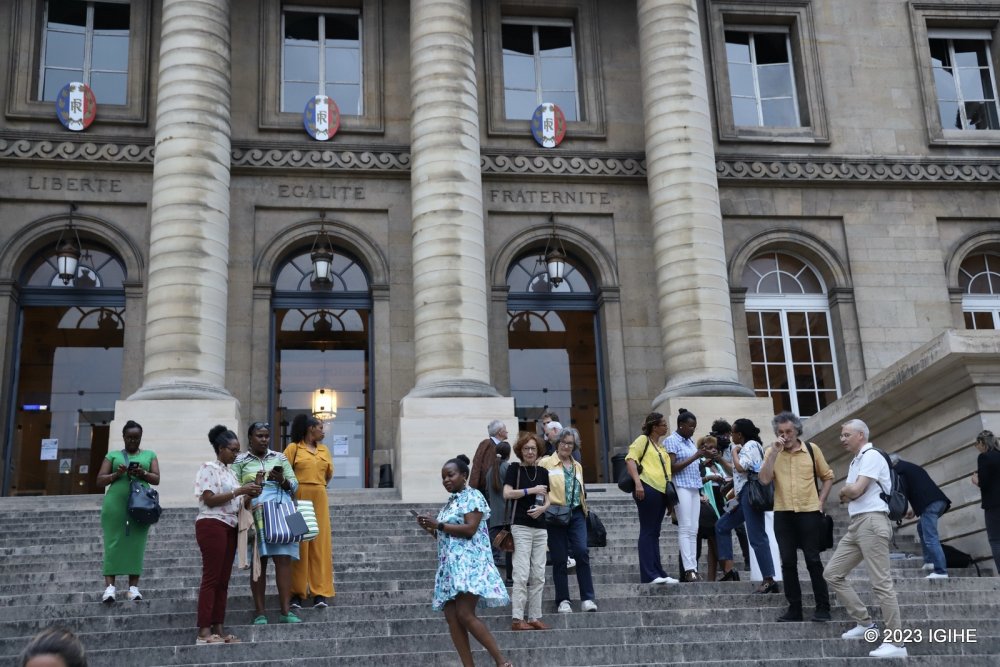
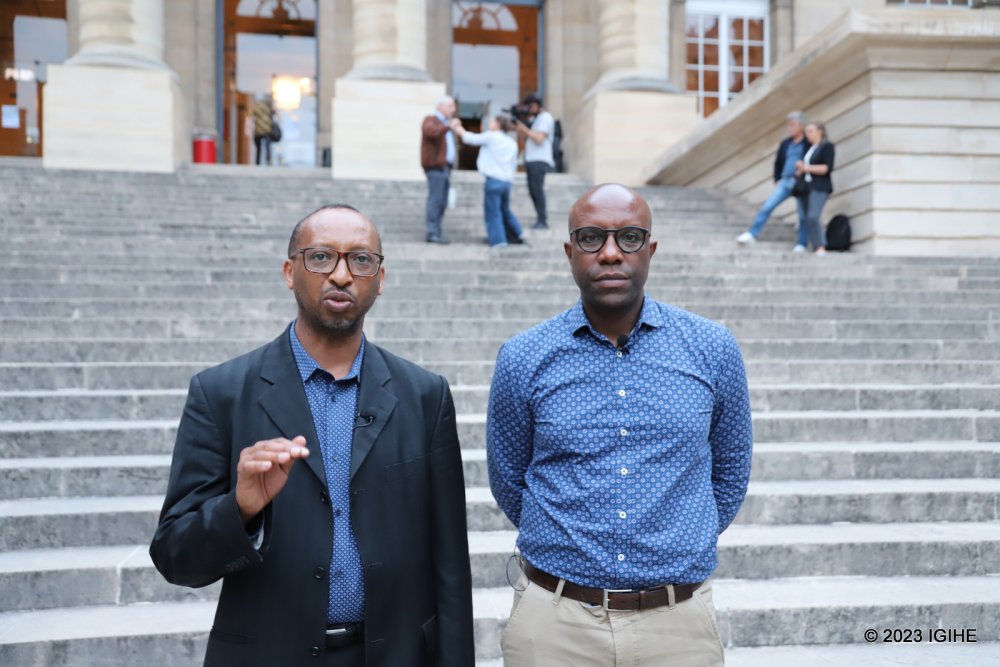
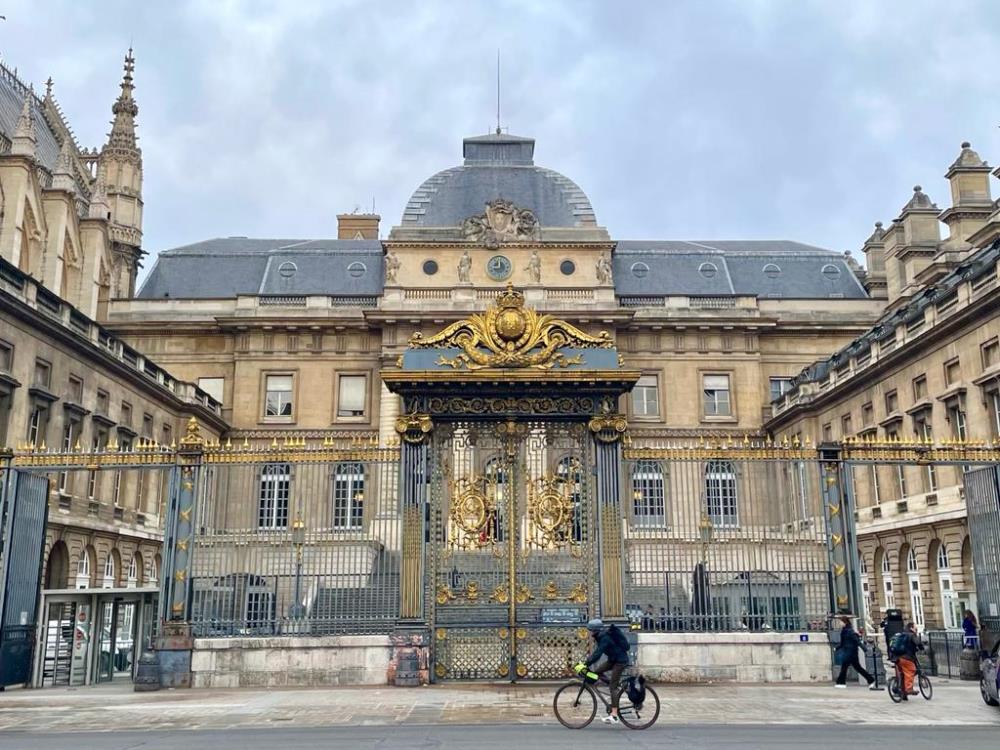
Following a two-month trial, Hategekimana was found guilty of committing genocide offenses during the 1994 Genocide against the Tutsi in various areas of the Nyanza district in the Southern Province. At the time, he served as an Adjutant Gendarme in the former government, which planned and executed the genocide.
Hategekimana was convicted of genocide crimes and crimes against humanity, including his involvement in massacres in Nyanza, Nyabubare, Nyamure, Ntyazo, and Isar Songa. Witnesses, including survivors of the genocide and fellow gendarmes, testified that Hategekimana either led gendarmes in firing upon Tutsi individuals or coordinated with both gendarmes and Interahamwe militias at roadblocks. Numerous witnesses reported seeing Hategekimana himself firing at Tutsi victims or making explicit threats to kill them in various locations.
The court also found Hategekimana responsible for the killings of Bourgmester Nyagasaza Narcisse, who was the mayor of the then Ntyazo commune, as well as police officer Pierre Nyakarashi and Musonera, also known as Sana Sana. Hategekimana was further held accountable for the killings that took place at the Rwesero, Mushirarungu, and Nyanza roadblocks.
Me Richard Gisagara, representing the civil parties, highlighted Hategekimana’s attitude throughout the trial among other contributing factors to the decision to impose a life sentence.
Gisagara said that he showed no remorse, consistently denied all accusations, and pretended not to recognize any of the witnesses.
Hategekimana,66, chose to remain silent towards the end of the trial, except for a statement proclaiming his innocence. His defense team, consisting of four lawyers, continued to present arguments on his behalf.
Hategekimana was arrested in Cameroon in 2018 and subsequently deported to France, where he had acquired citizenship under the false identity of Philippe Manier by deceiving the French authorities. The defense has ten days to file an appeal, but no party expressed an intention to do so on the day of the ruling.
This case marks the sixth genocide trial concluded in France thus far. Previous convictions include Pascal Simbikangwa, who received a 25-year sentence; Ngenzi Octavien and Tito Barahira, who were handed life imprisonment on appeal; Claude Muhayimana, sentenced to 14 years; and Laurent Bucyibaruta, who received a 20-year sentence.
Hategekimana’s trial began on 10th May 2023.
His life sentence represents the latest outcome in the pursuit of justice for the crimes committed during the 1994 Genocide against the Tutsi.
On Monday, June 26, the World marked the International Day against Drug Abuse and Illicit Trafficking, under the theme:”People first: stop stigma and discrimination, strengthen prevention.”
The day is marked every June 26, to raise awareness of the major problem that illicit drugs represent to society.
Over the years, Rwanda National Police (RNP) in partnership with other institutions and the citizenry, through community policing, has continued to make strides against narcotic drugs and psychotropic substances, which are considered one of the major setbacks for youth development in Rwanda.
In the operations conducted over the past weekend, Police and residents of Rubavu, Nyabihu, Burera, and Kayonza districts–some of the major transit routes for narcotics and illicit brews – seized 35 kilograms of cannabis from four suspected traffickers and distributors, who were also taken into custody.
Rwanda has emerged as a shining example of effective governance and socio-economic progress. Alongside its remarkable strides in economic development, the country through the National Strategy for Transformation (NST1), has set up strategies to fight against drug trafficking and abuse that are indeed gaining momentum.
This multi-faceted approach, rooted in preventive measures, rehabilitation programmes, and law enforcement efforts, exemplifies Rwanda’s commitment to fostering a drug-free society and safeguarding its citizens.
The national strategy to combat drug abuse begins with a strong emphasis on prevention – recognizing that addressing the root causes is crucial; it is against that backdrop that the government in partnership with stakeholders launched extensive awareness campaigns in communities, media outlets and in schools by championing the creation of anti-drug clubs.
Those initiatives aim to educate the public about the dangers of drug abuse and promote healthy lifestyle choices. By empowering individuals with knowledge, Rwanda is building a society equipped to resist the lure of substance abuse.
One can’t talk about the progress made in combating drug abuse and trafficking, and overlook the awareness and rehabilitation programmes.
The RNP, in the implementation of the national anti-drugs strategies, has pursued a multifaceted approaches that involve awareness to kills the market, mapping the trafficking routes and enforcement targeting mainly suppliers; creating 2000 anti-drugs clubs in schools and communities but also supporting reformed drug dealers and rehabilitated addicts with alternative small income generating activities.
In 2021, the RNP supported community development activities to a tune of close to Rwf1 billion as part of its 21st anniversary also known as ‘Police Month.’
At least six cooperatives in fishing, hog farming and poultry in Rubavu were given a financial support of over Rwf40 million. The are former drug dealers , addicts, smugglers and those who were formerly engaged in other illegal activities.
Last year, more Rwf2.5 billion were pumped into community development projects across the country as part of the RNP activities to mark its 22nd anniversary. This includes a financial facility amounting to over Rwf35 million to cooperatives.
Furthermore, with more than 730,000 youth volunteers across the country, they have been instrumental in raising awareness against the scourge.
The national rehabilitation centres of Iwawa, Gitagata and Nyamagabe ensure that those affected by drug abuse receive the necessary assistance through several activities that cost at least Rwf4 billion on annual basis, according to NRS figures.
The rehabilitation centres offer a holistic approach that includes counselling, therapy, vocational training, and reintegration support. By focusing on both physical and psychological healing, Rwanda is giving individuals a chance to rebuild their lives and reintegrate into society as productive citizens.
Efforts invested in fighting against drug trafficking and abuse would not be complete without good governance, effective institutions at the backdrop of community ownership and active engagement.
Police also work to dismantle drug trafficking networks, curb the flow of illicit substances across borders and disrupt supply chains in the main transit routes that include Kirehe, Nyagatare, Burera, Gicumbi, Rubavu, Rusizi and other districts on borderlines.
{{What the law says}}
Rwanda has strict laws regarding drug abuse and illicit trafficking. The country has implemented legislation to combat these issues and protect public health and safety.
For instance, Ministerial order No 001/MoH/2019 of 04/03/2019 establishing the list of narcotic drugs and their categorization classifies cannabis in the category of “very severe narcotics”
Article 263 of law No 68/2018 of 30/08/2018 determining offences and penalties in general states that any person, who unlawfully produces, transforms, transports, stores, gives to another or who sells narcotic drugs and psychotropic substances, commits an offence.
Cannabis, heroin, cocaine and other hard drugs are classified as very severe narcotic drugs in Rwanda.
Upon conviction for “very severe narcotics,” the offender faces between 20 years and life imprisonment, and a fine of between Rwf20 million and Rwf30 million.