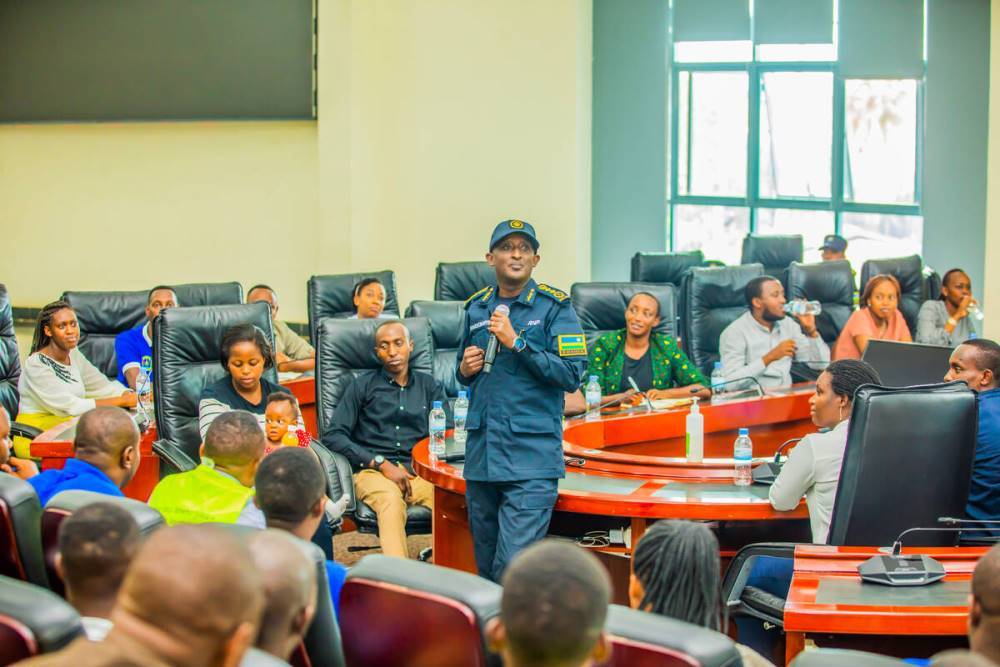
While addressing 532 leaders of Rwanda Youth Volunteers in Community Policing (RYVCP) from sectors, districts and national levels, and higher institutions of learning, in Kigali on Tuesday, June 27, IGP Namuhoranye said that safety and security is a shared responsibility.
The meeting focused on mainly two crucial aspects; crime prevention and increasing the number of RYVCP members.
The youth organisation created in 2013 by very few people, majority university students at the time, has since grown to more than 730,000 members.
“Ensuring security of our country is not the sole responsibility of security agencies but the role of everyone. Continue to play an active role in crime prevention programmes and seize the available youth development opportunities,” IGP Namuhoranye told the youth volunteers.
He reminded them that the government expects a lot from them, and to always share information on any suspected criminal acts or individuals engaged in crimes.
“What you do and the impact you create portrays a good image that even attracts other young people to join this family of youth volunteers. The increase in numbers of youth volunteers defines a big group that is not involved in crimes but rather a massive voice and helping hand in fighting criminality for a safer and crime-free environment required for sustainable development.”
“The culture of volunteering is demonstrated by the good deeds… love for your country, supporting and improving the welfare of the disadvantaged, fighting and preventing crimes, and other human security activities,” the Police Chief said.
The youth group has been credited for their volunteerism work valued in billions of money, including construction and renovation of houses for the disadvantaged families, roads, organic gardens, planting trees and supporting other human security and community development activities.
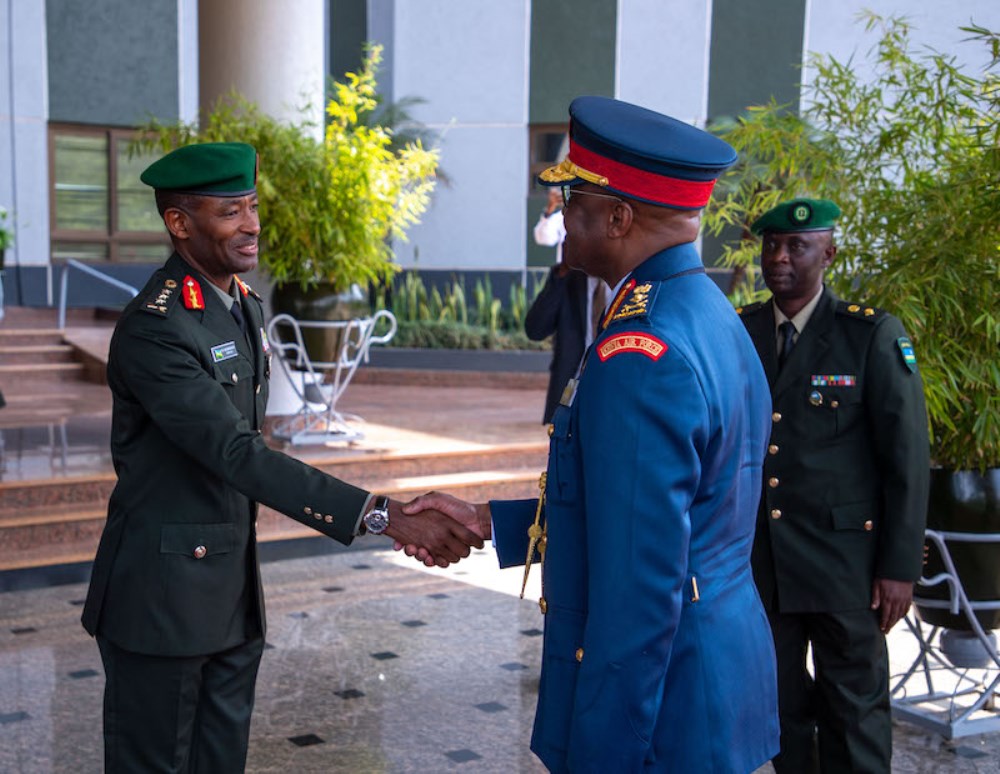
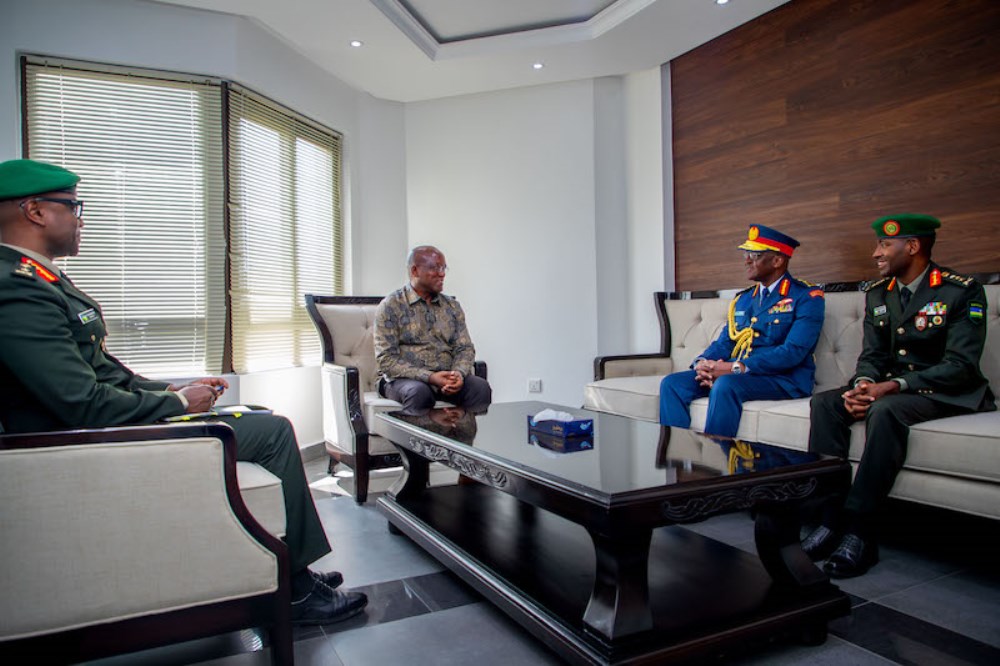
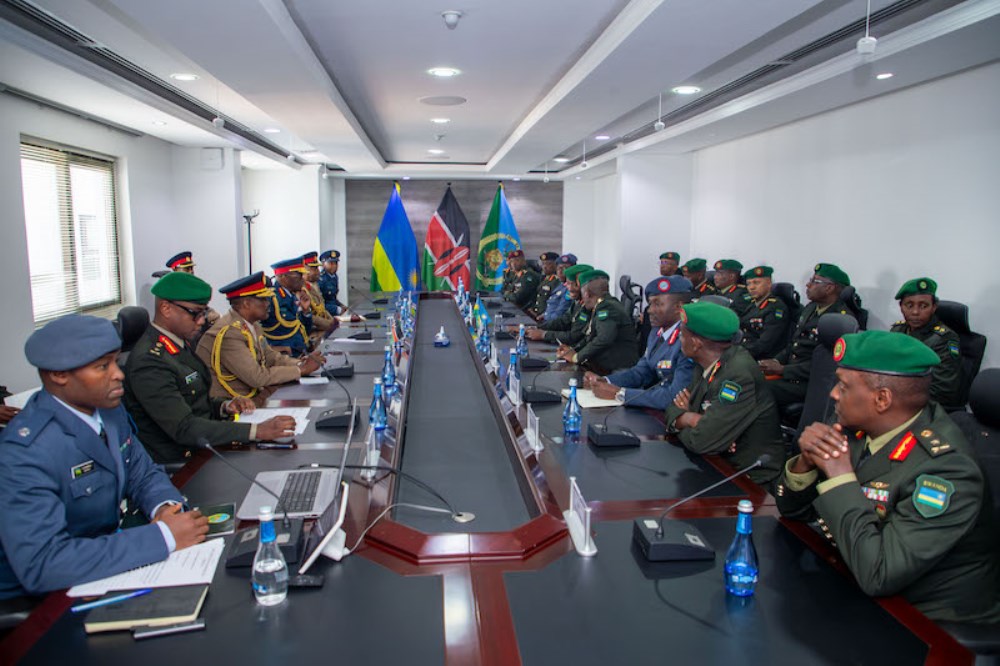
Gen F Ogolla also paid a courtesy call to the Minister of Defence, Juvénal Marizamunda.
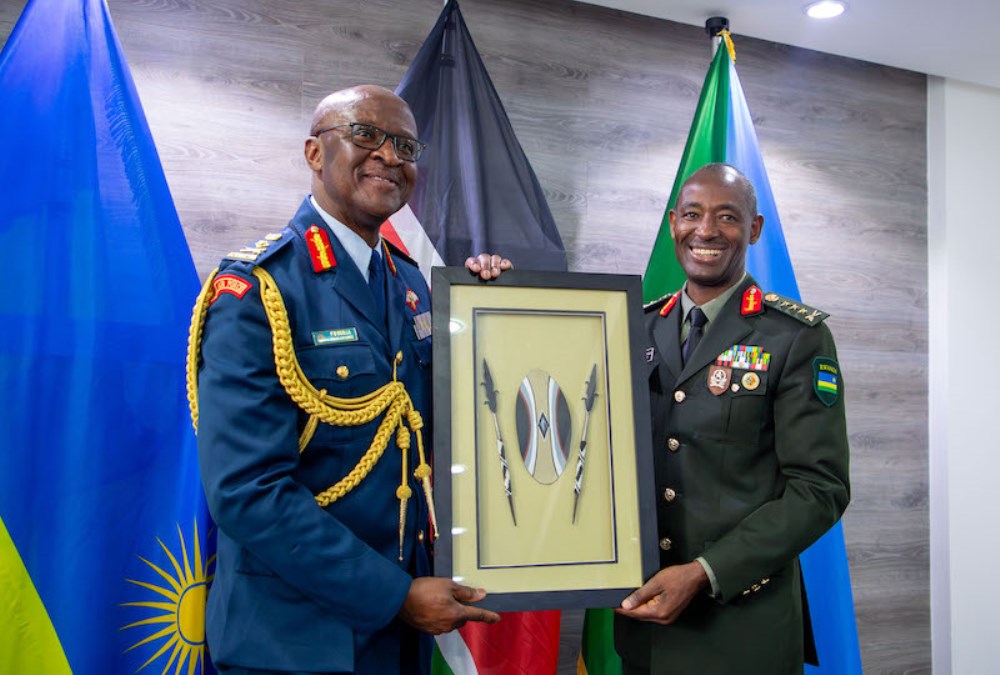
Speaking after the visit, Gen F Ogolla said that as he was in Rwanda for the just concluded EAC member states Armed Forces Command Post Exercise (CPX) “USHIRIKIANO IMARA” in Musanze, he found it necessary to hold bilateral talks with his Rwandan counterpart.
Rwanda Defence Force and Kenya Defence Forces have had long standing partnerships in training as well as different sector of security.
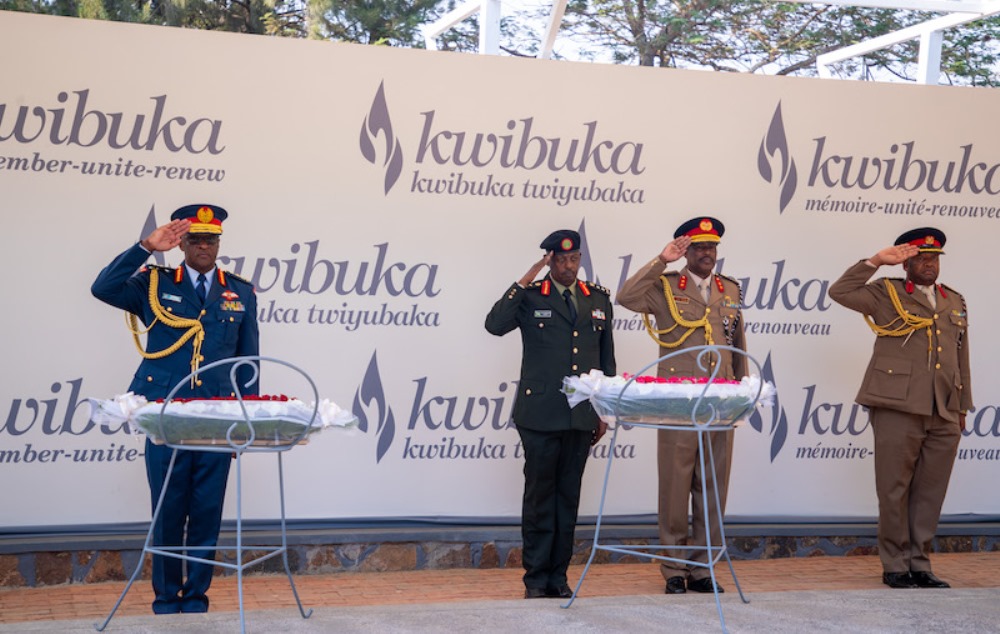
In the morning, the KDF Chief of Defence Forces paid respect to the victims of the 1994 Genocide against the Tutsi at the Kigali Genocide Memorial.
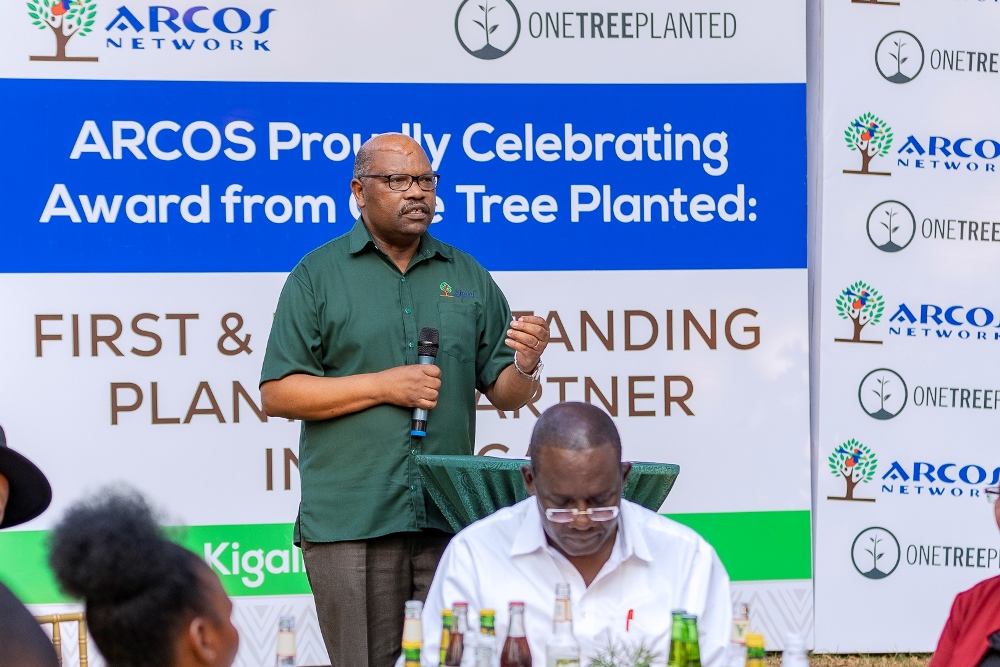
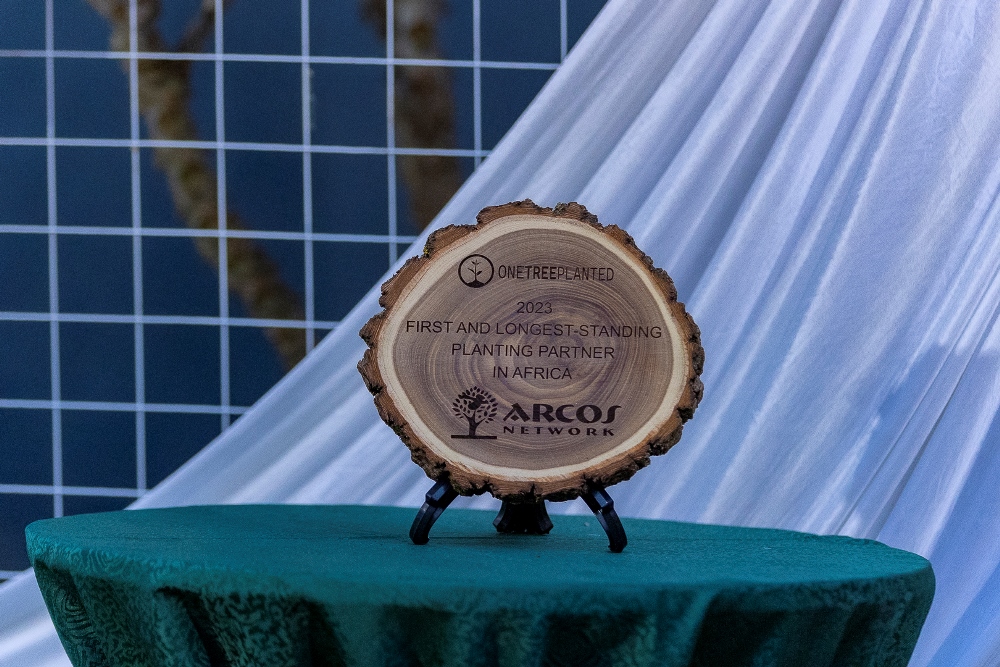
The award ceremony took place on Monday, June 26th, 2023, at ARCOS Head Office in Kigali.
ARCOS has emerged as a first and long-standing partner of OTP, a renowned environmental non-profit organization committed to global reforestation efforts. Together, ARCOS and OTP have spearheaded numerous initiatives focused on rehabilitating and restoring vital ecosystems in Rwanda. This collaborative effort has yielded remarkable results and contributed significantly to the preservation of natural habitats, the protection of endangered species, and the enhancement of local livelihoods.
Commenting on the development, Dr. Sam Kanyamibwa, Founder & CEO of ARCOS, expressed his gratitude for the recognition noting that the achievement reflects the tireless efforts of the organization’s dedicated team and the strong partnerships cultivated over the years.
“We remain steadfast in our mission to protect the unique biodiversity of the Albertine Rift, Africa Mountains and Great Lakes Ecosystems as well as promote sustainable development for the benefit of present and future generations,” he stated.
The impact of ARCOS’ landscape restoration initiatives has been far-reaching, with tangible environmental, social, and economic benefits.
With an annual capacity of planting and growing 5 million trees, ARCOS is restoring more than 40,000 hectares of arable land in the Albertine Rift region, primarily in Rwanda, thereby mitigating climate change and fostering the involvement of local communities in conservation efforts. With 50,000 smallholder farmers house engaged as champions of restoration, of which 60% are women, ARCOS is empowering these individuals to actively participate in the restoration of degraded landscapes.
Dr. Kanyamibwa has extended heartfelt gratitude to the government of Rwanda for support in facilitating these high-impact initiatives and commitment to environmental sustainability.
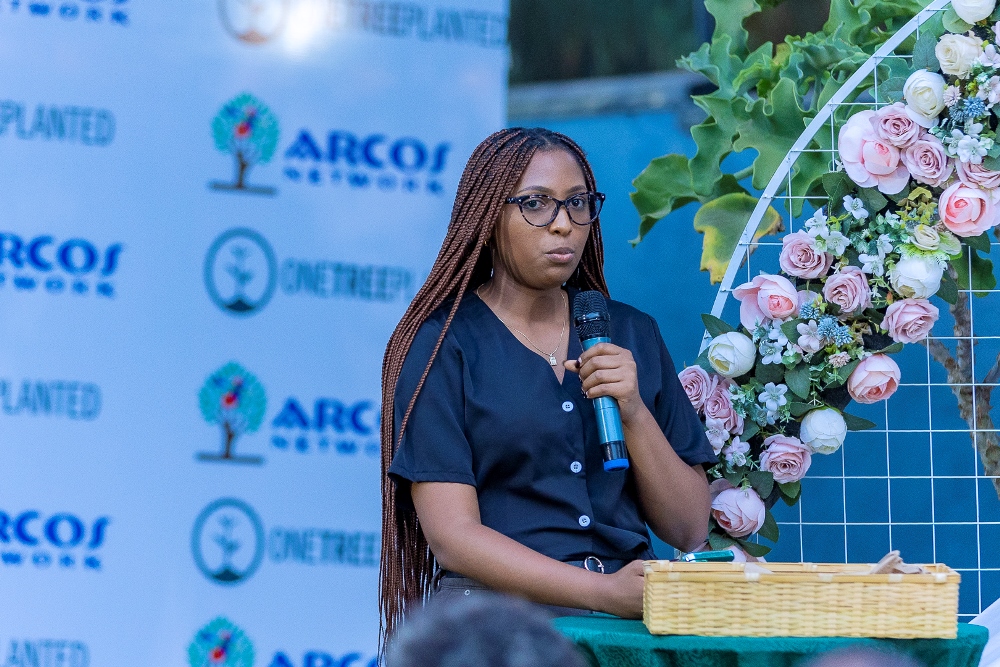
Speaking at the event; Ange Kalitanyi , OTP Country Representative highlighted that the award reflects the exceptional work carried out by ARCOS as it emerged as the worthy recipient of the esteemed recognition out of more than 80 planting partners spanning across 27 African countries.
One Tree Planted is a non-profit organization focusing on global reforestation efforts.
“ARCOS has undoubtedly set a high standard in engaging communities, diligently monitoring their work, and fostering an incredible partnership with us. Together, we have made a significant impact, not only in Rwanda but across the globe. Just last week, One Tree Planted celebrated the remarkable milestone of planting 100 million trees worldwide, and it brings me great joy to acknowledge that ARCOS played a pivotal role in achieving this monumental feat,” she remarked.
The award ceremony brought together prominent conservationists, government officials, and key stakeholders who share a common goal of preserving Africa’s natural heritage. It will serve as an opportunity to celebrate the achievements of ARCOS and One Tree Planted while inspiring others to join the global movement for landscape restoration and sustainable development.
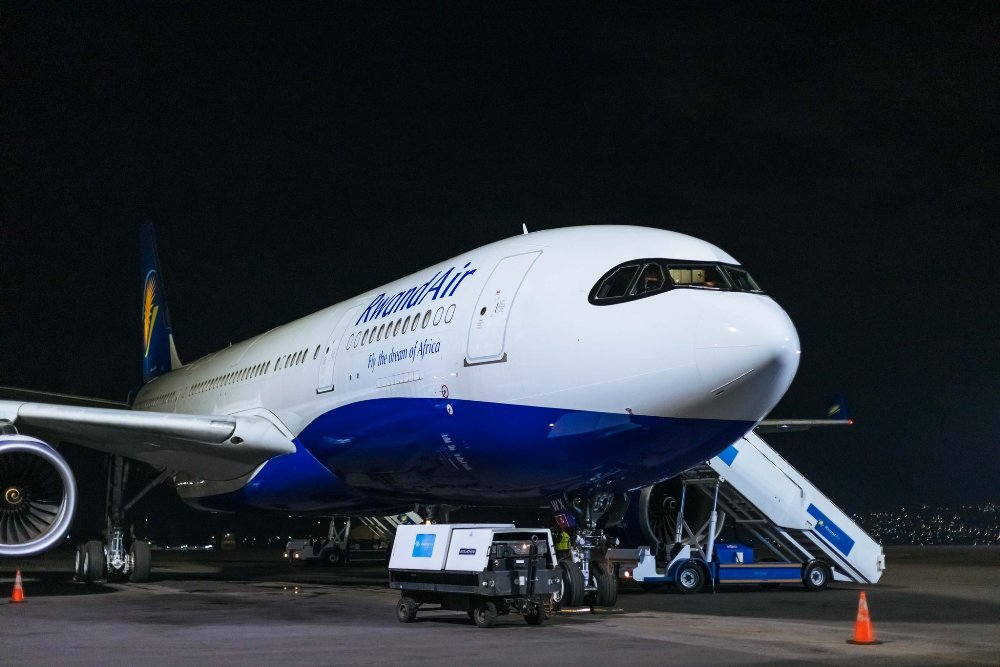
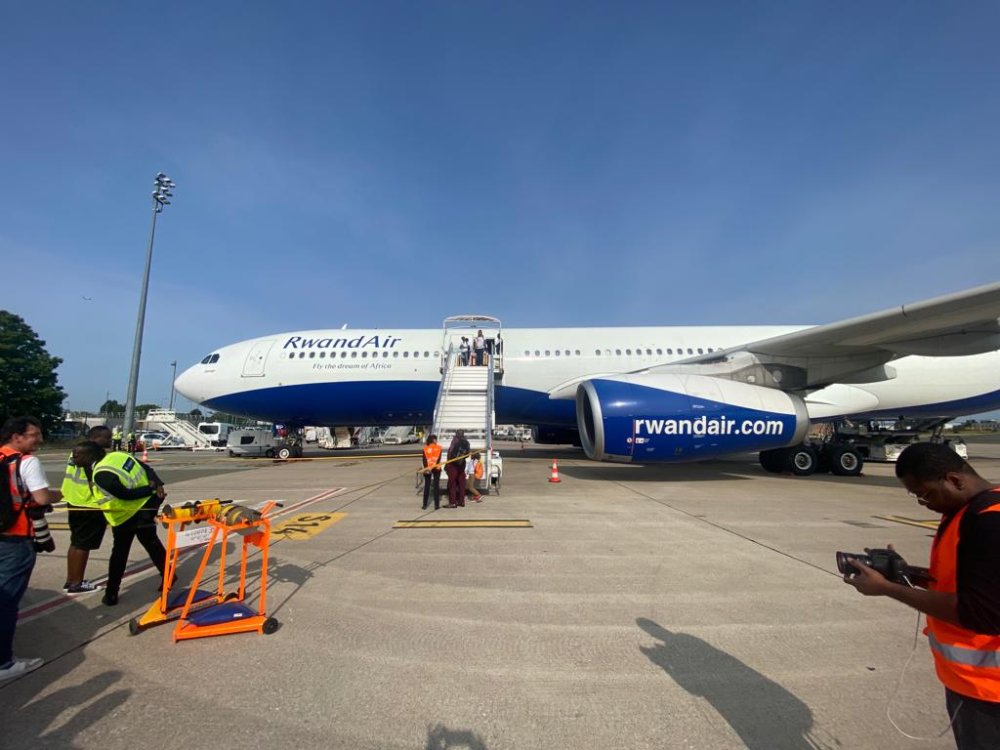
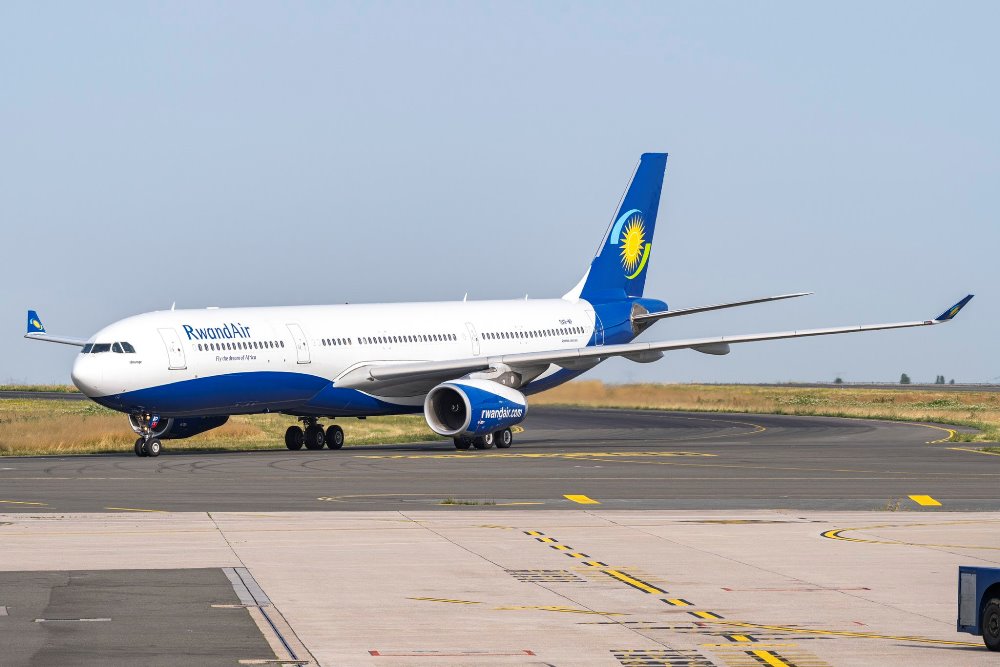
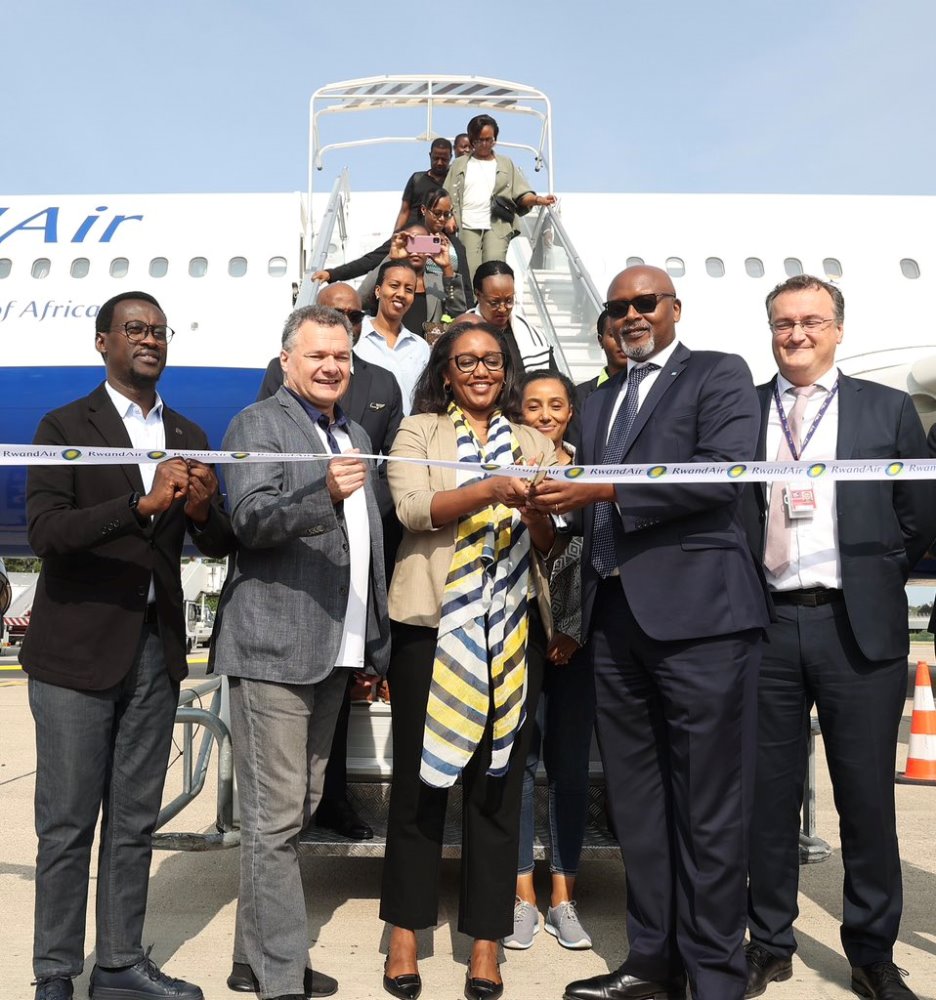
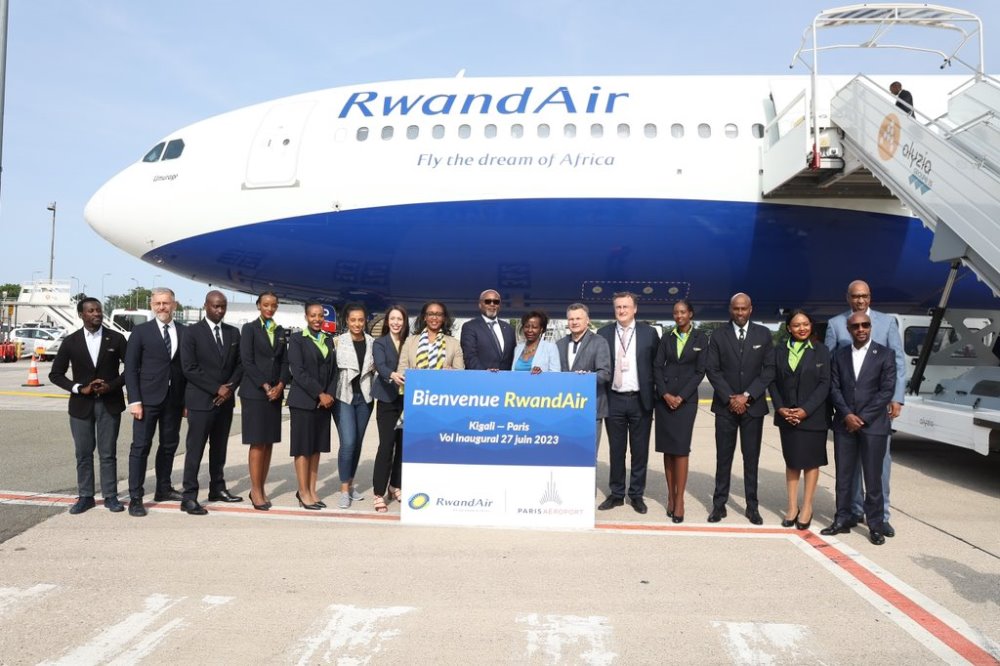
In its efforts to broaden its reach, RwandAir has today launched direct flights to Paris, the capital of France.
Following the successful inaugural flight, Yvonne Manzi Makolo, the CEO of RwandAir, told IGIHE that the airline is actively exploring new routes, with a focus on African destinations as well as considering opportunities in Europe.
Makolo emphasized the airline’s commitment to expanding its fleet by stating, “We are actively considering the purchase of an additional aircraft. We have an upcoming delivery of a Boeing 737 in July 2023. We are dedicated to augmenting our fleet size.”
RwandAir currently operates to a variety of destinations across East, Central, West, and Southern Africa, the Middle East, Europe, and Asia.
Once delivered, the new aircraft will become the 13th addition to RwandAir’s growing fleet, showcasing the airline’s determination to strengthen its operational capacity and enhance its service offerings.
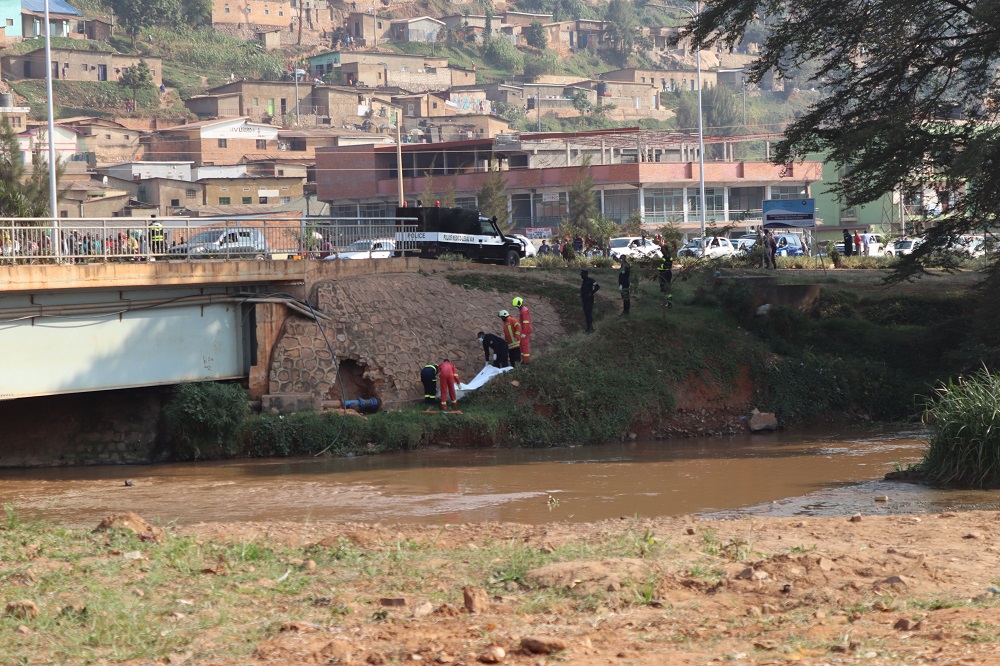
The body was seen hanging from the bridge in the morning of Tuesday 27th June 2023.
The executive secretary of Gatsata Sector, Alphonsine Murebwayire has told IGIHE that investigation is underway to establish the cause of his death.
“After receiving learning about the incident, local leaders swiftly responded and identified the deceased as Niyibizi, a 25-year-old individual from Cyahinda in Nyaruguru. However, we are still in the process of establishing his whereabouts and place of residence,” revealed Murebwayire.
The body has been taken to Kacyiru Hospital for postmortem.
On the same days, the return flight will depart Paris at 21:30, reaching Kigali at 06:00 the following day. The addition of Paris to RwandAir’s network of destinations is part of the airline’s broader mission to connect Africa with the rest of the world. Currently, the airline also operates flights to Brussels, Belgium, and London, United Kingdom.
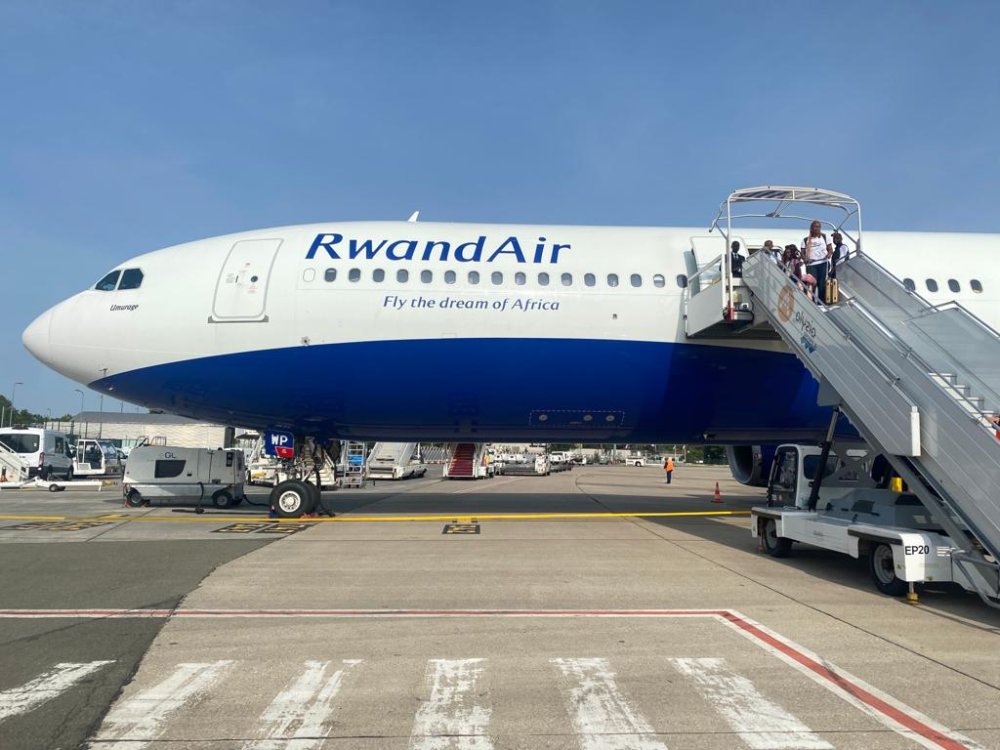
The Airbus used for this flight has a total of 274 seats, including 30 for Business Class, 21 for Premium Class, and 223 for Economy Class. The arrival of the plane in Paris was welcomed with excitement.
Distinguished individuals such as Rwanda’s Ambassador to France, François Nkurikiyimfura, and the Secretary-General of the International Organisation of La Francophonie (OIF), Louise Mushikiwabo, attended the ceremony to welcome the Airbus.
La Francophonie is an international organization bringing together countries and regions where a significant proportion of the population are French speakers, or where there is a notable affiliation with French culture.
Mushikiwabo expressed her enthusiasm via a message shared on her Twitter handle, stating, “I am delighted to witness the historic arrival of the RwandAir flight in France. The aircraft has just landed at Roissy Charles de Gaulle International Airport! As a regular RwandAir passenger, I extend a warm welcome to Umurage.”
The CEO of RwandAir, Yvonne Manzi Makolo, has emphasized the significance of the flight between Kigali and Paris as a major milestone in the airline’s expansion. In an interview with IGIHE, she stated that this particular route is part of a larger strategic plan, wherein RwandAir has collaborated with various partners to establish connections between Rwanda, Africa, and France.
Makolo expressed her positive outlook on the new destination, highlighting numerous advantages it offers. She believes that the flight will contribute to the growth of tourism and the economy, while also fostering increased exports and other beneficial outcomes for Rwanda.
By expanding its operations to Paris, RwandAir is further enhancing its commitment to providing convenient air travel options and promoting connectivity between Rwanda, Africa, and the global community.
Speaking at a forum in the Kenyan capital of Nairobi, the scientists acknowledged Africa’s growing hunger crisis, stressing that a durable solution hinged on transiting to climate-smart food production methods.
Yan Zhuang, the director of the International Cooperation Program at the Chinese Academy of Sciences, said combating the climate crisis and other ecological threats in Africa will place the continent on a path to long-term food security, adding that greater South-South cooperation is imperative to boost climate response in Africa and hasten the realization of UN 2030 Sustainable Development Goal 2 on eradicating hunger in the continent.
About 100 Chinese and African scientists are attending the third conference on climate, ecosystems, and livelihoods taking place in Nairobi to discuss innovative ways to enhance food and nutrition security in Africa.
Convened by the United Nations Environment Programme-International Ecosystem Management Program (UNEP-IEMP), a joint venture between the UNEP and the Chinese Academy of Sciences, the two-day forum will also discuss environmental sustainability as a building block for Africa’s ability to feed its citizens in the future.
Aggie Konde, vice president of Program Innovation & Deliver at the Nairobi-based Alliance for Green Revolution in Africa (AGRA), said there was an urgency to climate-proof agricultural systems in the continent, regenerate soil and boost crop yield at the smallholder level. Konde noted that 20 percent of Africa’s population, or 282 million people, are food insecure and undernourished, and stressed that scaling up climate adaptation finance and habitat restoration would be key to sustainable food production.
Speedy action on the triple planetary crises of climate change, biodiversity loss, and pollution will be a prerequisite to strengthening the resilience of Africa’s food systems, said Susan Gardner, the director of the UNEP’s Ecosystems Division.
According to Gardner, greater uptake of nature-positive farming methods will not only guarantee food security in Africa but also hasten the continent’s transition to a greener and more resilient future.
Clemens Breisinger, Kenya country program leader and senior research fellow at the Washington DC-based International Food Policy Research Institute (IFPRI), said establishing resilient agri-food systems in Africa in the face of climate change, pandemic disruptions, and conflicts should be anchored on policy reforms, improved governance and building the capacity of smallholder farmers.
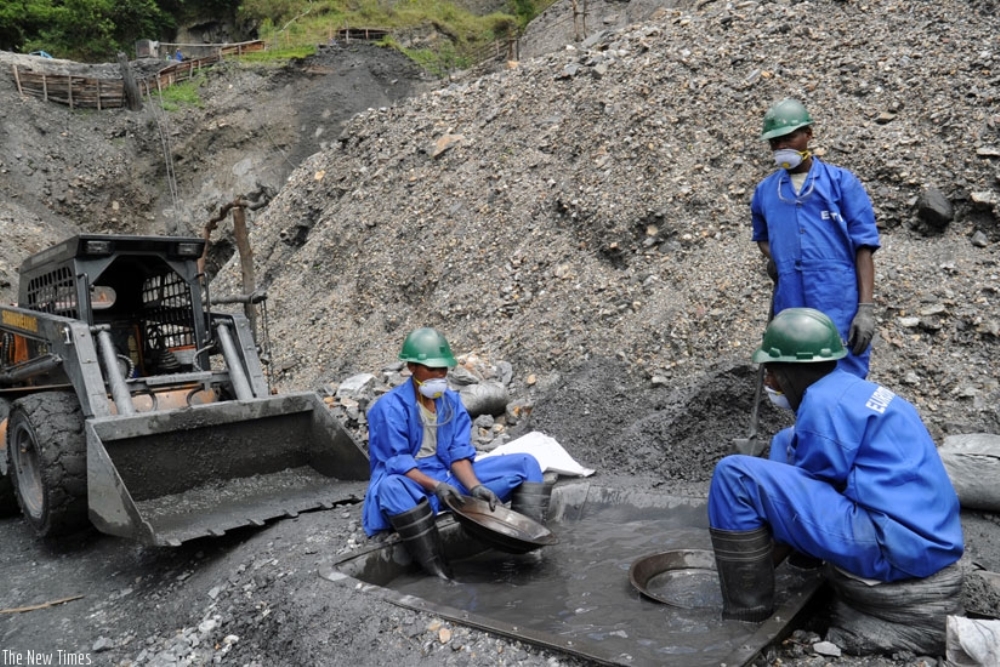
The project launch, officiated by EU Director-General for International Partnerships, Mr. Koen Doens; RMB CEO, Amb. Yamina Karitanyi and GIZ Rwanda Country Director, Mr. Martin Kraft on 26th June 2023 at the EU-Rwanda Business Forum in Kigali, signifies a significant milestone towards strengthening entrepreneurship, improving the business environment, and enhancing investment attractiveness in Rwanda’s mining sector.
The project is jointly funded by the European Union and the German Federal Ministry for Economic Cooperation and Development (BMZ) and will be implemented by GIZ in cooperation with RMB.
Aligned with the Sustainable Development Goals (SDGs), it aims to enhance compliance with international minerals sourcing standards, support sector digitalization, strengthen technical and vocational education and training (TVET) skills in the mining sector, and improve the application of international social and environmental protection standards.
“This partnership will support Rwanda’s commitment to sustainable and responsible practices in mining, enhance ongoing efforts towards the sector’s professionalisation, compliance and digitalization,” said Amb. Yamina Karitanyi, the Chief Executive Officer of Rwanda Mines, Petroleum and Gas Board.
Belen Calvo Uyarra, Ambassador of the European Union to Rwanda expressed delight to witness the launch of the project jointly funded by the European Union and the BMZ to support sustainable development of the mining sector in Rwanda.
She highlighted that the multi-donor action aims to strengthen the contribution of the mining sector to economic and social development through a holistic, complementary, and demand-oriented capacity development approach.
“The mining sector in Rwanda has outstanding growth potential. The EU-Rwanda Business Forum seeks to mobilise European investors for consolidating the artisanal mining sector and setting up modern value-additive processing and exploration. Team Europe is here to support Rwanda’s ambition to develop domestic industry into a regional hub for mineral services and promote scale and sustainability,” noted Amb. Uyarra.
The European Union has been actively engaged in Rwanda, advocating for sustainable development and supporting initiatives that promote economic growth and create opportunities for its citizens. GIZ, commissioned by BMZ, brings its expertise and experience to drive impactful interventions and foster sustainable practices. This collaborative effort between the EU, Germany, and RMB aims to bolster Rwanda’s contribution to the regional, continental and global mining industry.
Organized in partnership with the EU Delegation to Rwanda, the two-day event features plenary sessions on Rwanda’s business environment and investment opportunities with a focus on sectors with growth potential including agribusiness, mining, health and pharmaceuticals, financial and digital services, and the green economy.
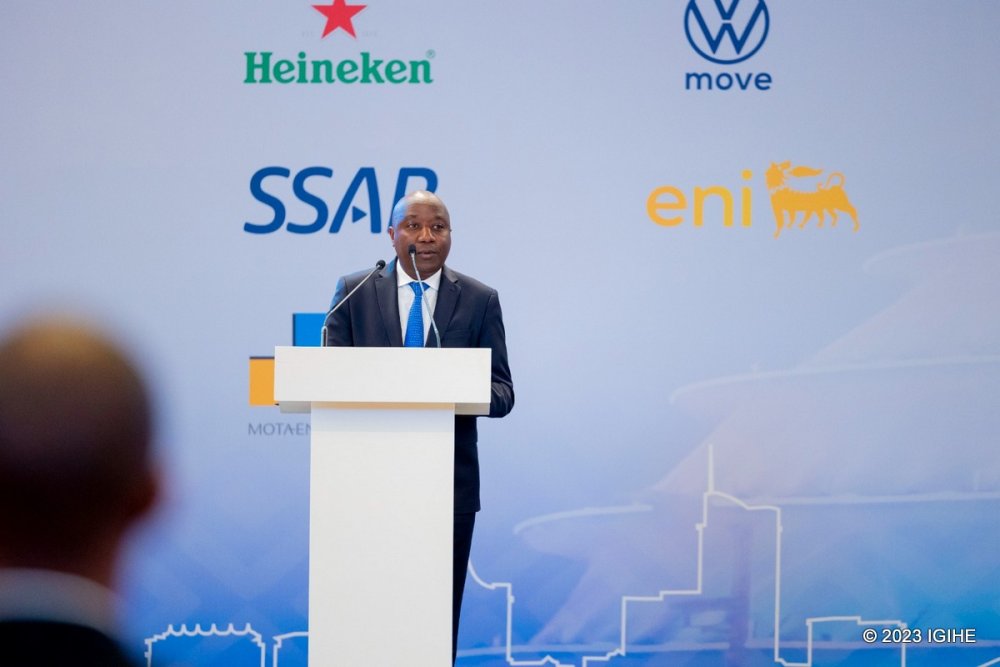
The forum was officially opened by Prime Minister of Rwanda, Dr. Édouard Ngirente who commended the impact of investments from Europe.
“Over the years, we have seen investments, with the EU as the largest source, yield tangible results in Rwanda. Between 2018 and 2022, investments worth over US$ 870 million were registered in Rwanda. These investments are transforming the lives of our people through job creation and empowering the private sector, which is a key driver of economic growth,” he said.
On his part, Koen Doens, EU Director General for International Partnerships said that the global supply chain is reliant on a limited number of countries, which makes it very fragile when challenges happen.
“This is why we are looking at diversification and see Africa presenting huge opportunities to address these challenges. Rwanda has put in place the right regulatory environment and is attracting investments. The Government has positioned itself on a number of critical issues as a regional hub and do hope that this forum creates the right dynamic to move forward as soon as possible,” he noted.
Clare Akamanzi, Chief Executive Officer, Rwanda Development Board underscored that the forum offers an important platform that allows policymakers, investors and partners to have meaningful and productive exchanges.
“We want to tell our story. A story of a country on the move. A country with a track record of beating the odds to create value for its people. A country that desires partnerships such as with the EU private sector for mutual benefit. A country that is truly open for business and means business,” she said.
The Ambassador of the EU Delegation in Rwanda, Belen Calvo Uyarra also remarked: “And a tip to the European Businesses here present: RDB is your entry point for investing in Rwanda, and we hope you will soon experience the same fruitful cooperation we maintain with them.”
The event also offers opportunities to set up structured B2B and B2G networking meetings.
In addition, development finance institutions are showcasing the opportunities linked to the European Fund for Sustainable Development (EFSD+), a financing tool of the EU’s Global Gateway investment mobilization framework for partner countries.
On the first day of the forum, I&M Bank Rwanda, the European Commission, the European Union Delegation and FMO signed a US$ 10 million NASIRA Risk Sharing Facility that will help to support the growth and development of micro, small and medium enterprises in Rwanda.
It is no brainer that this philosophy has inspired the Government of Rwanda to prioritize sports as a crucial element in fostering unity and achieving socio-economic development.
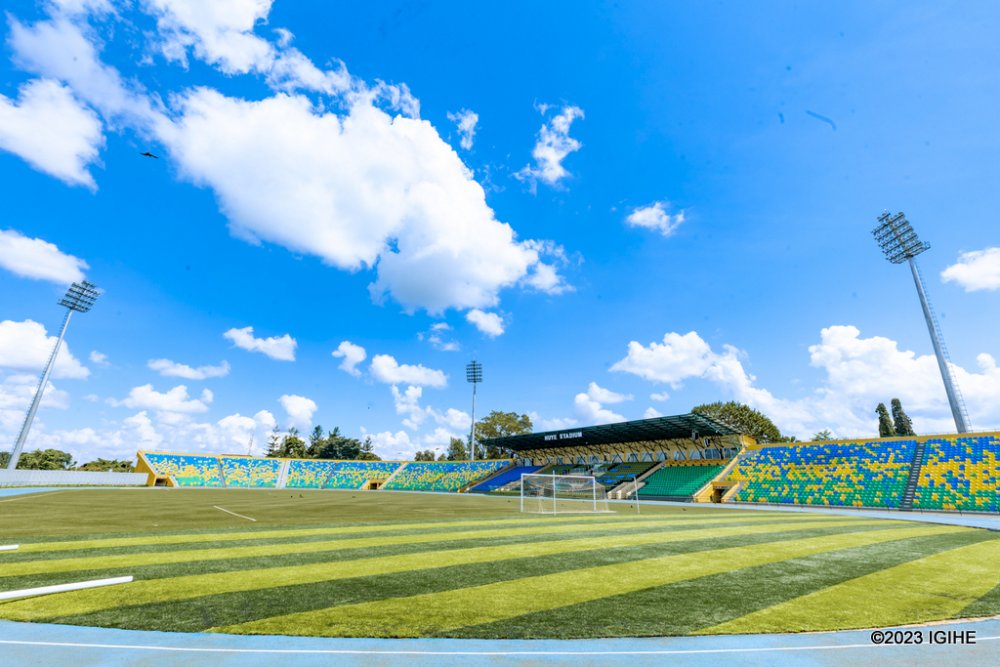
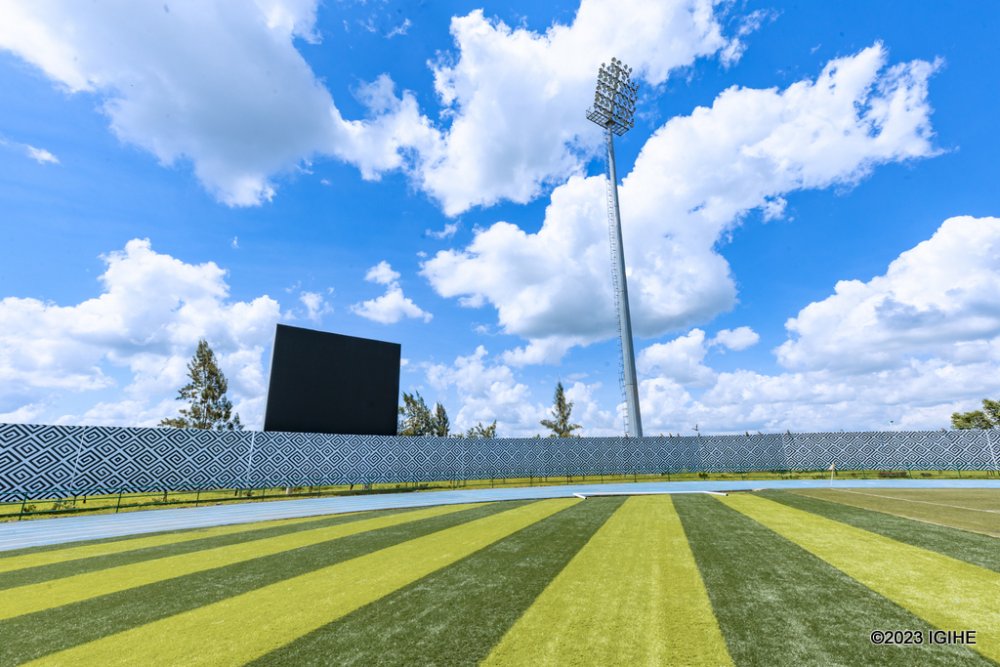
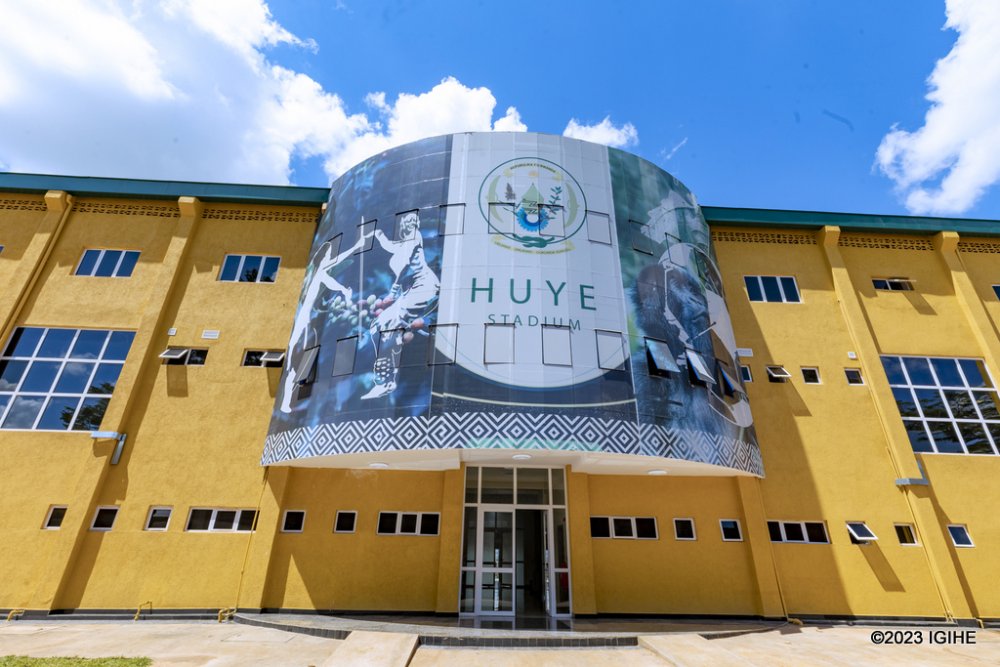
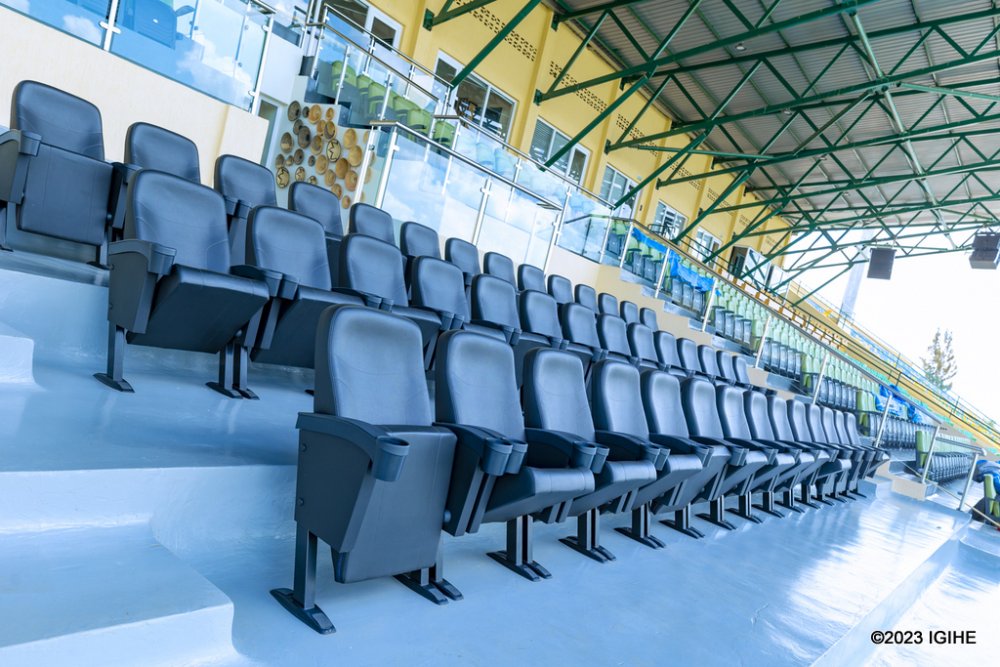
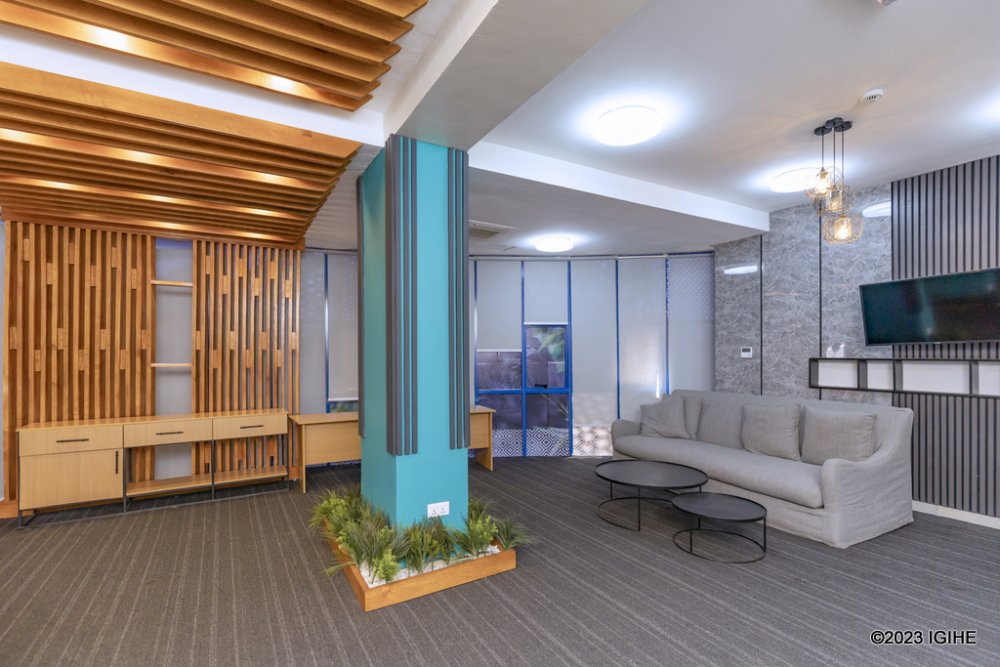
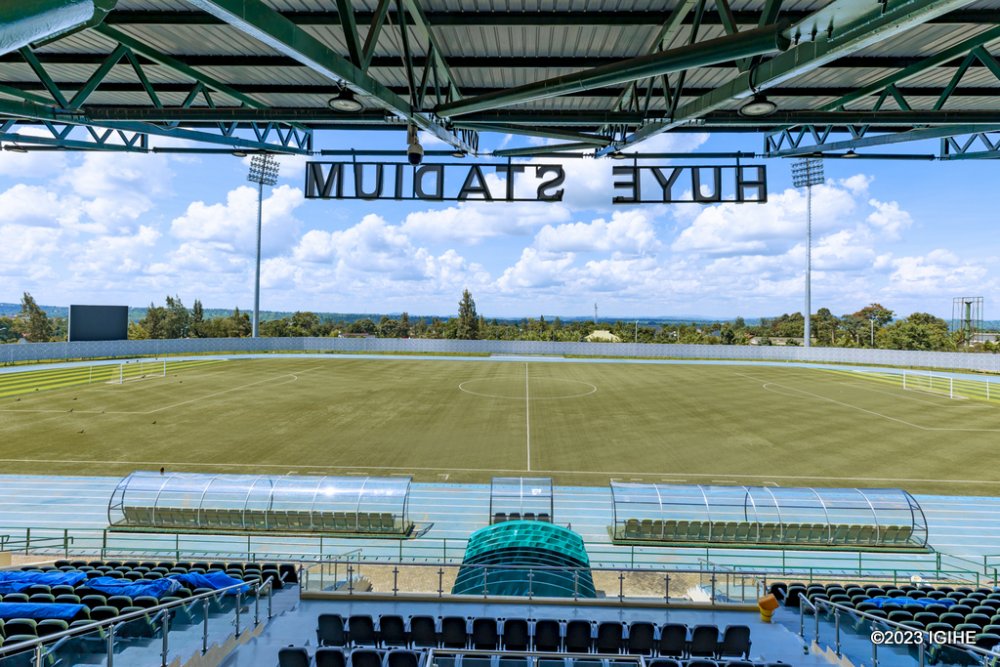
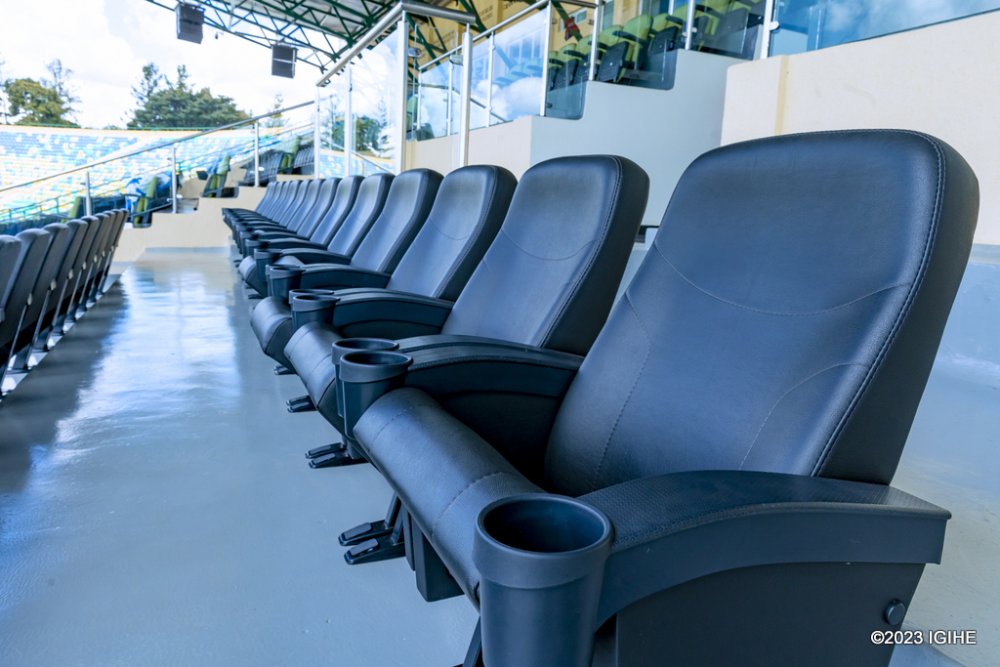
However, the realization of this vision is contingent upon the availability of proper sports infrastructure. Recognizing this, the government has allocated significant resources to develop state-of-the-art facilities, bringing joy to countless Rwandans, particularly those in Nyagatare, Ngoma, Bugesera, and Huye.
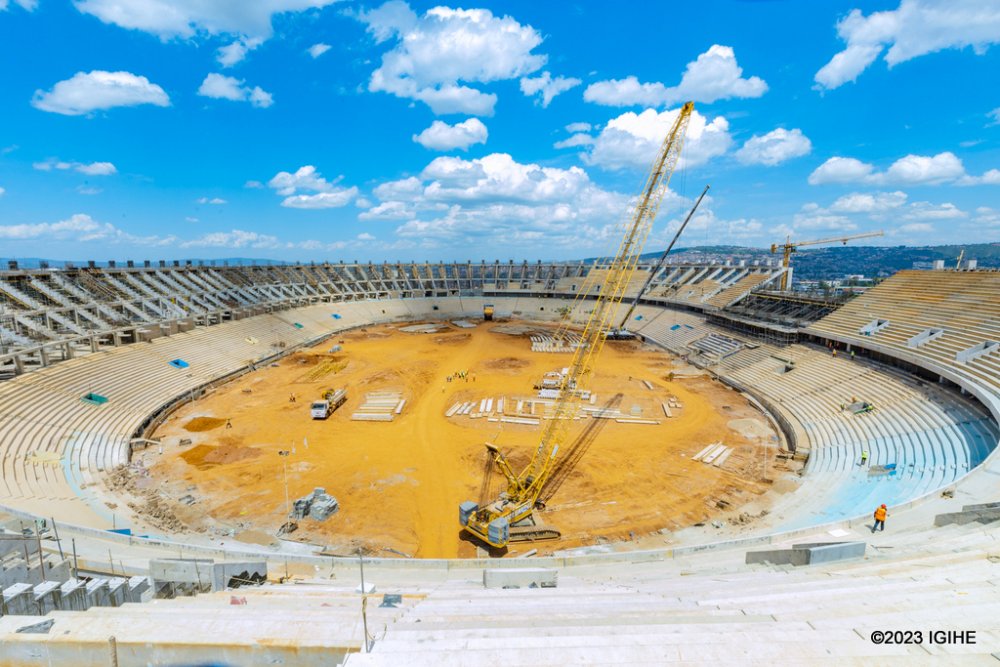
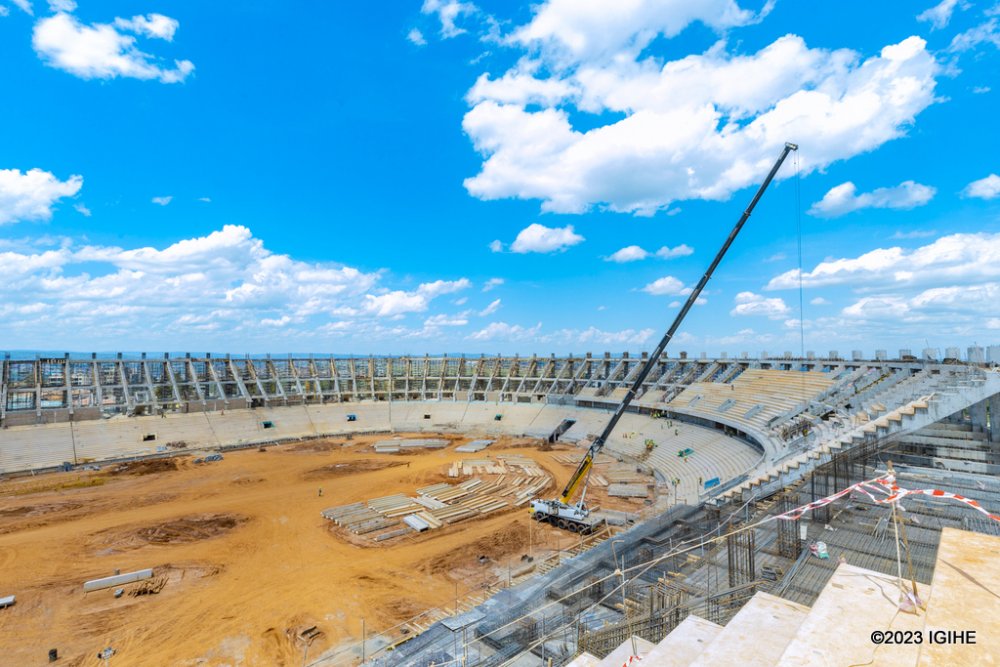
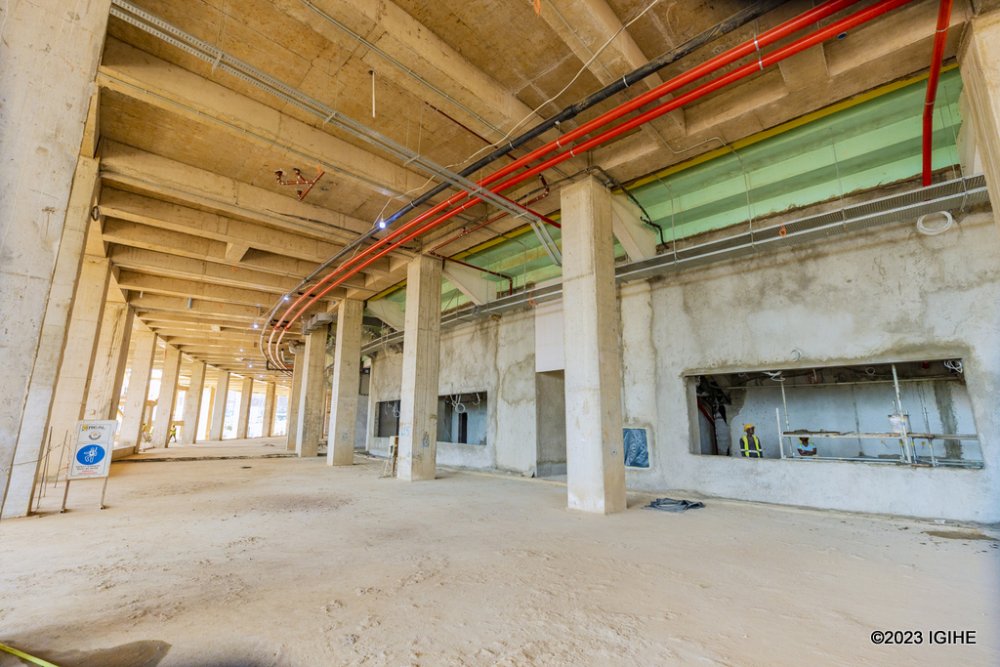
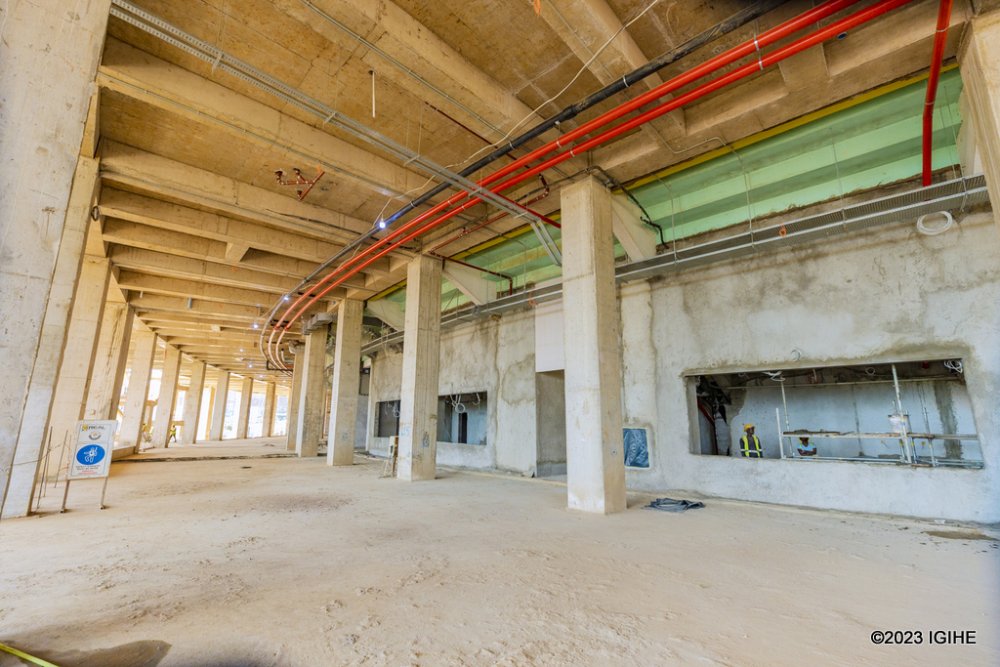
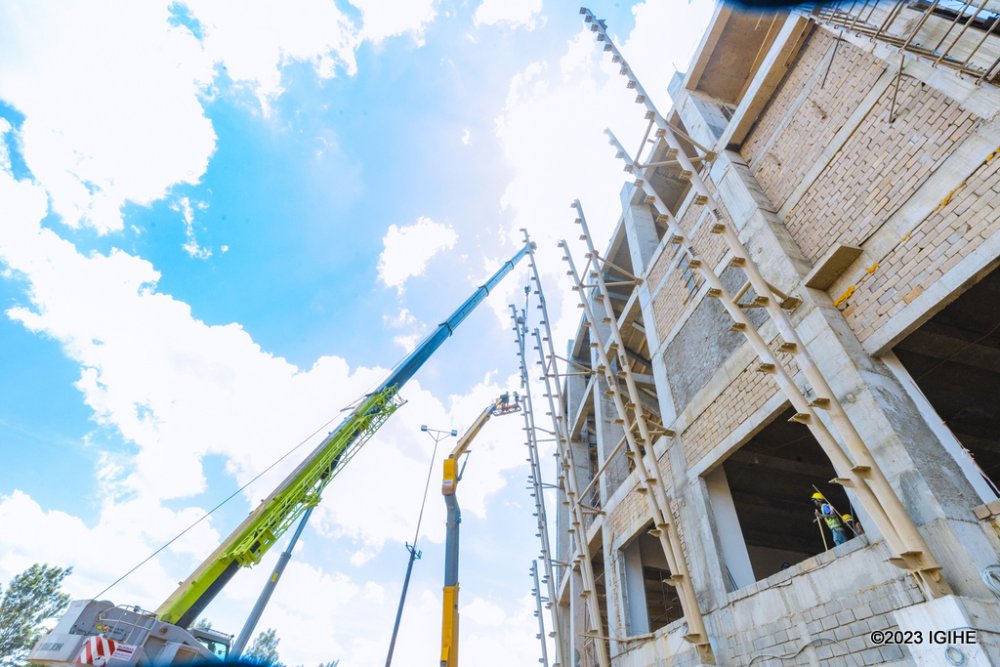
The government’s commitment to sports infrastructure development is exemplified by the ambitious expansion project of the Amahoro Stadium in Remera, Kigali City. With an expected completion date in 2024, this endeavor will require an investment exceeding Rwf160 billion.
Once finished, the stadium’s capacity will increase from 25,000 to 45,000 seats, making it the largest in the country. Moreover, the upgraded facility is designed to host not only international football matches but also concerts and public events.
The expansion of the Amahoro Stadium aims to significantly enhance the comfort and overall experience for spectators, contributing to the growth of sports and entertainment in the country. This investment in infrastructure underscores Rwanda’s commitment to providing world-class facilities for both its citizens and visitors.
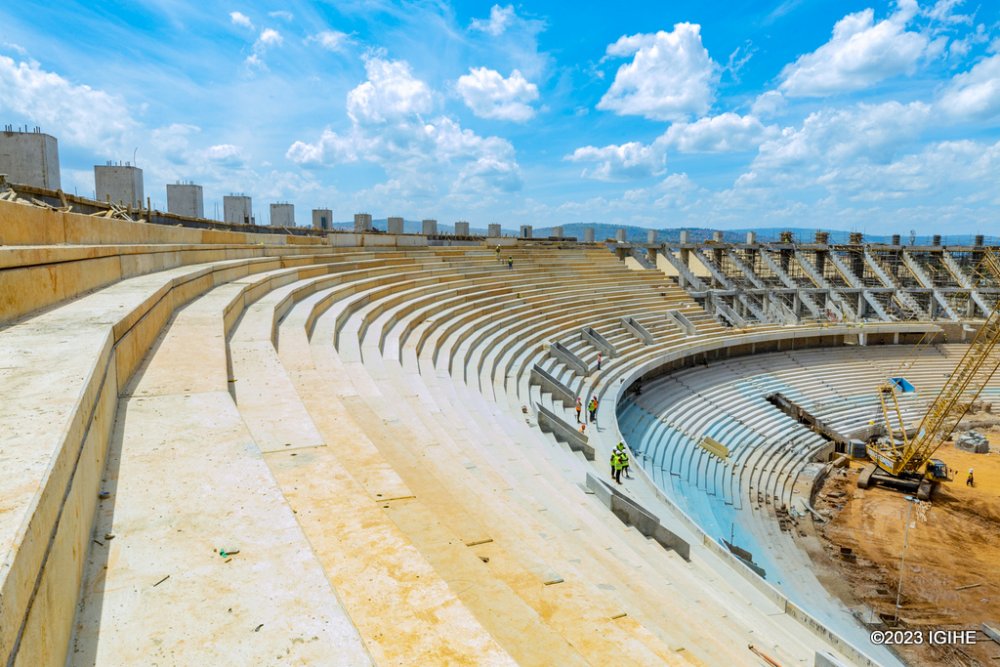
While the entire facility will be roofed, FIFA regulations stipulate that the playing field must remain open to sunlight to preserve the grass. Additionally, the stadium will be equipped to host rugby matches, further diversifying the range of sporting events it can accommodate.
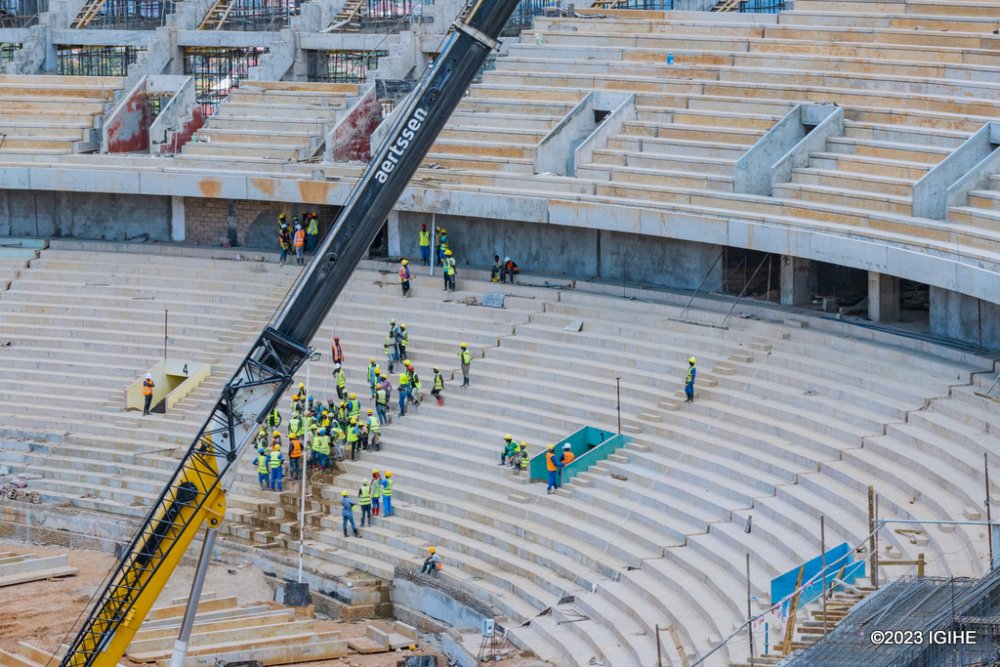
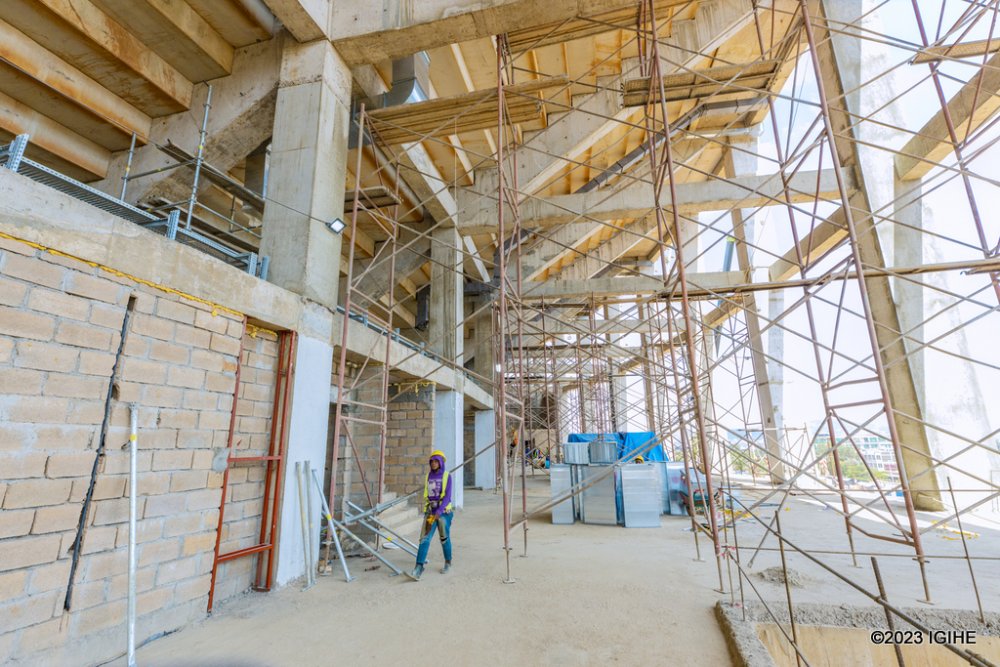
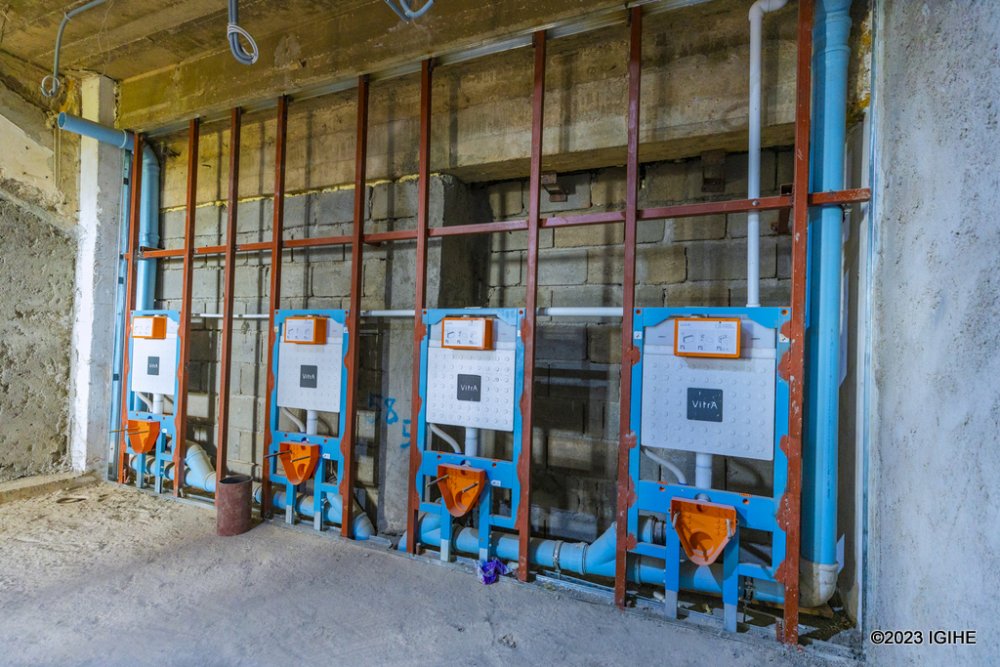
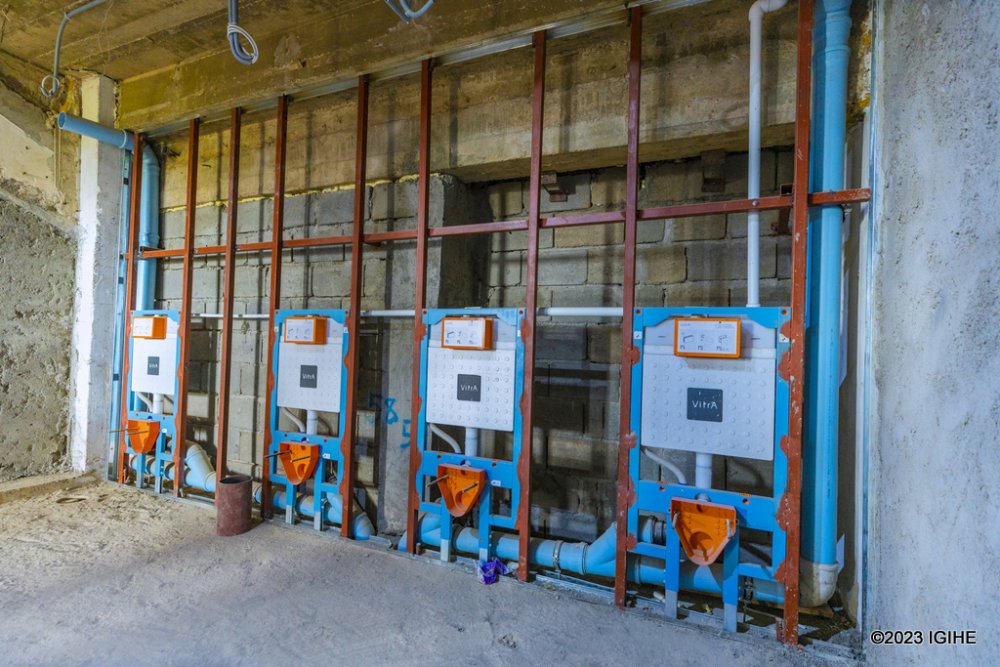
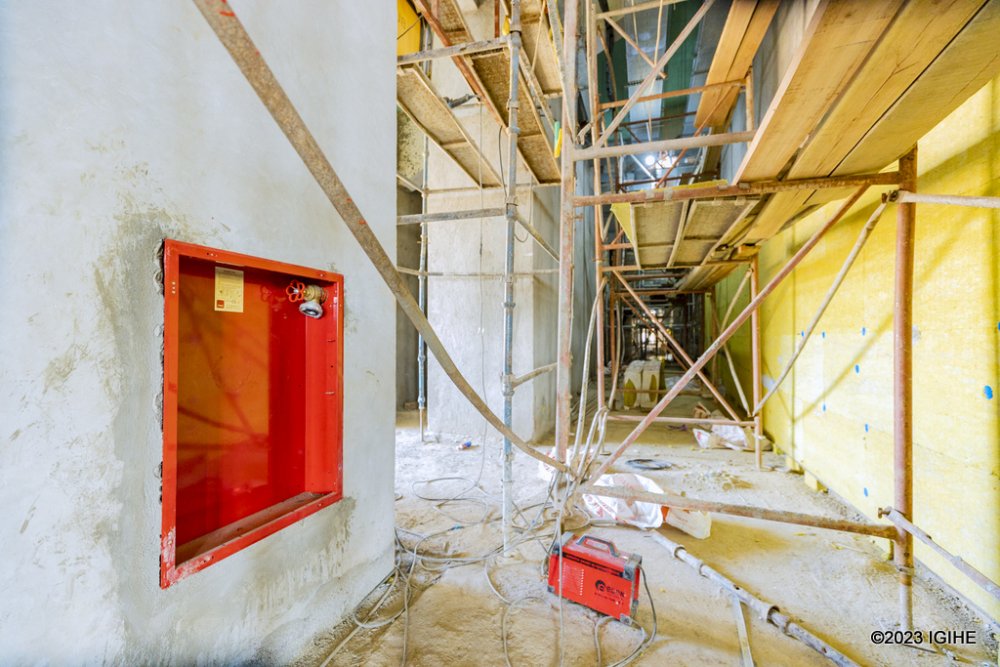
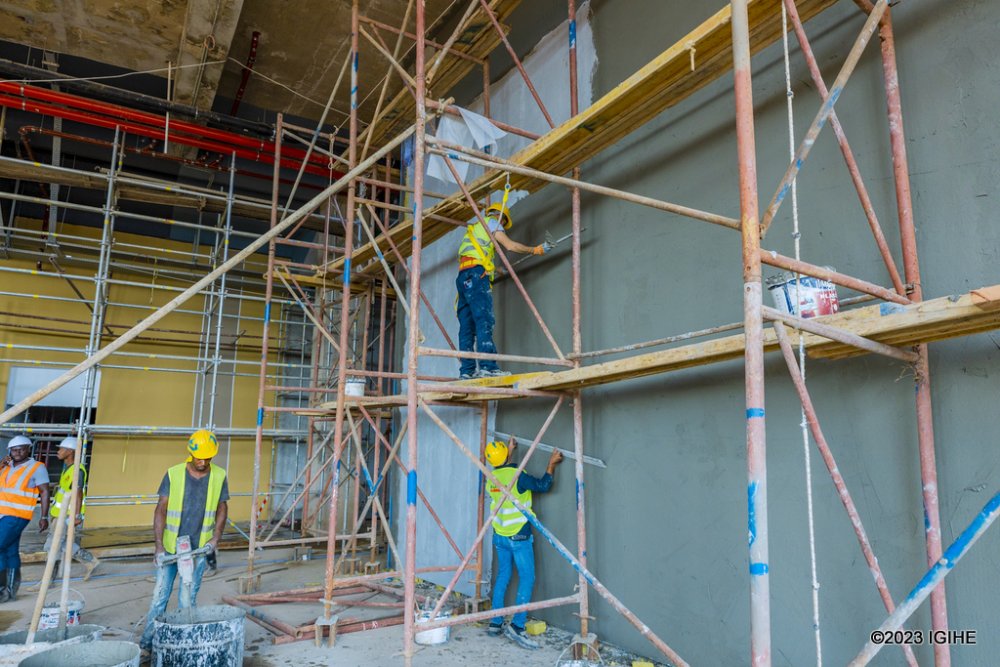
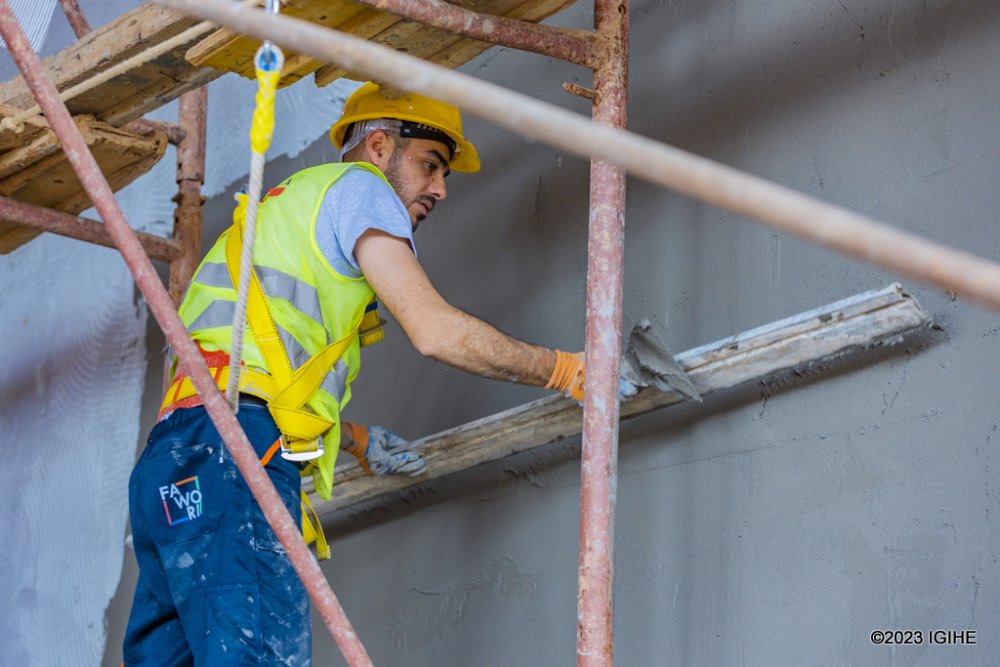
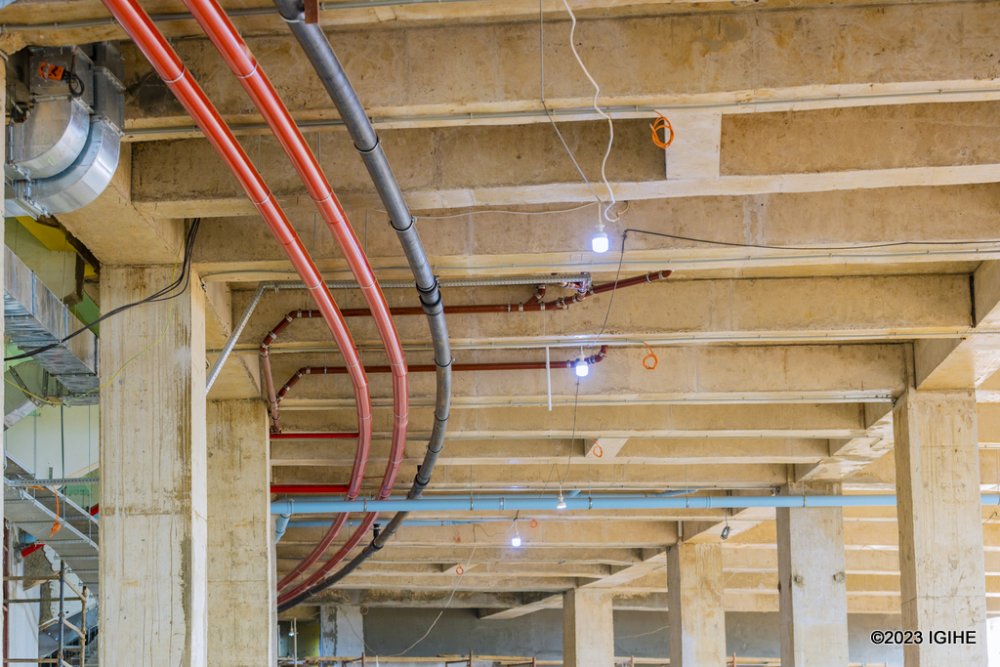
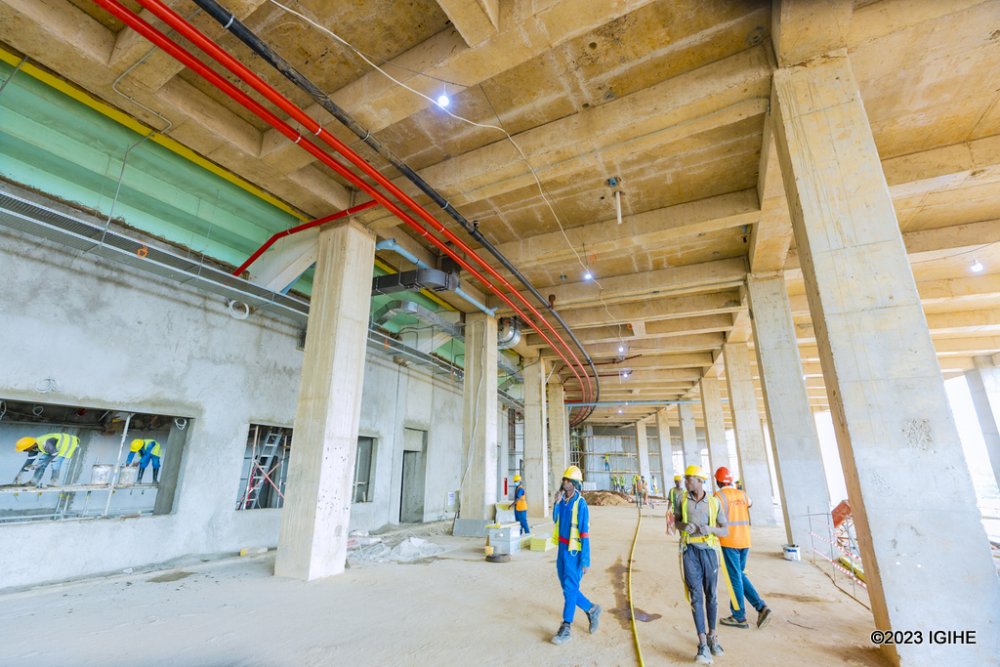
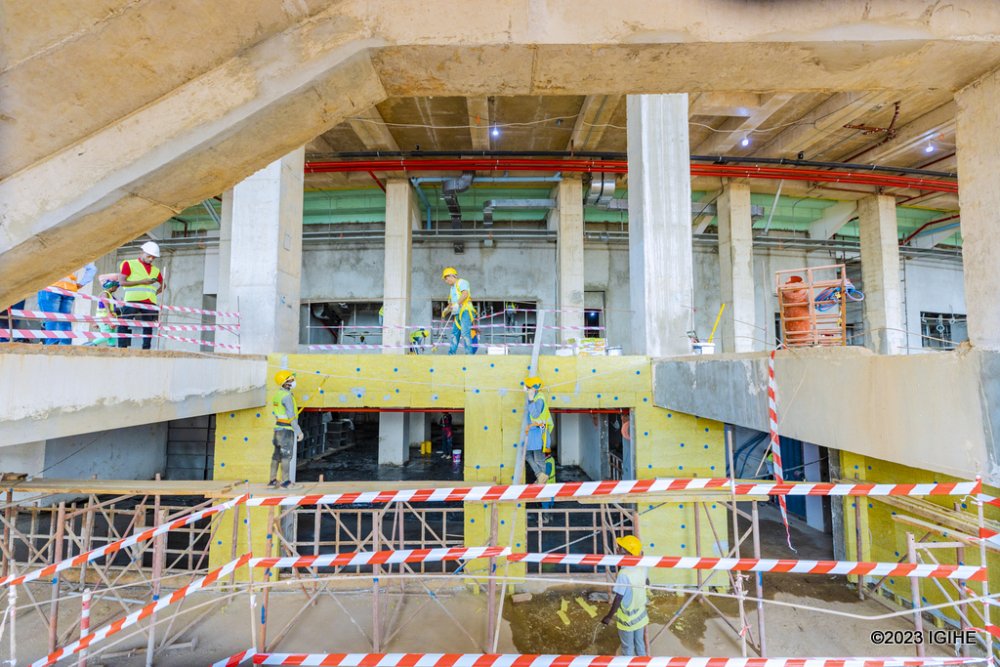
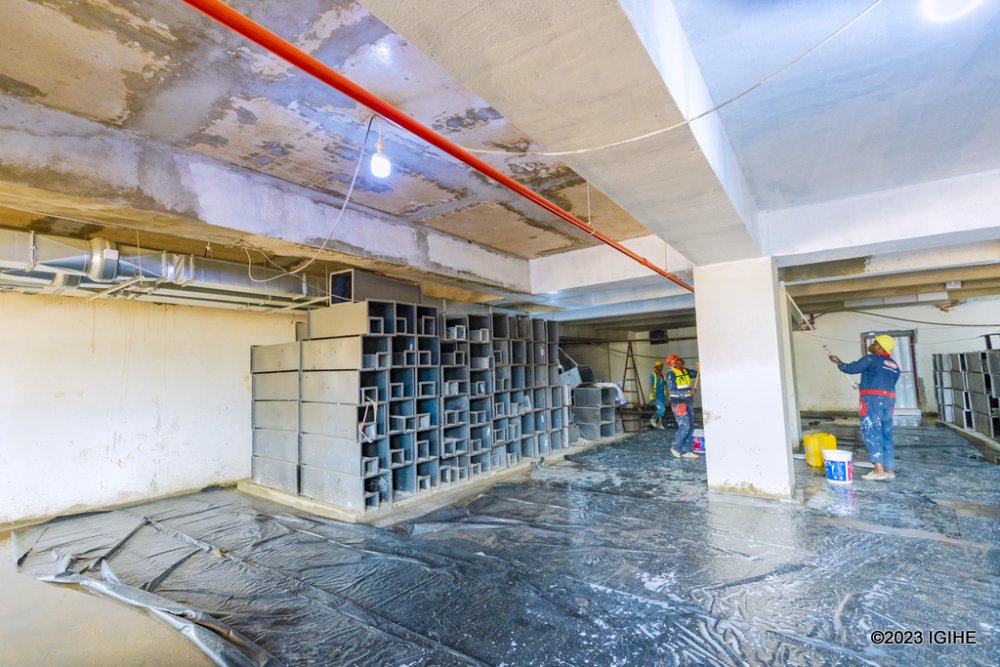
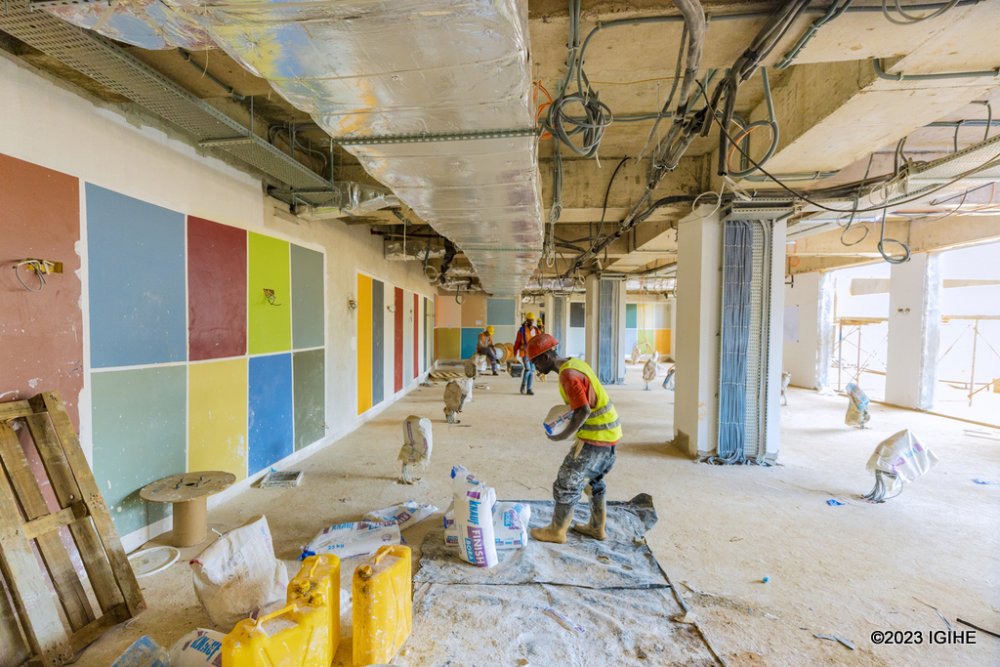
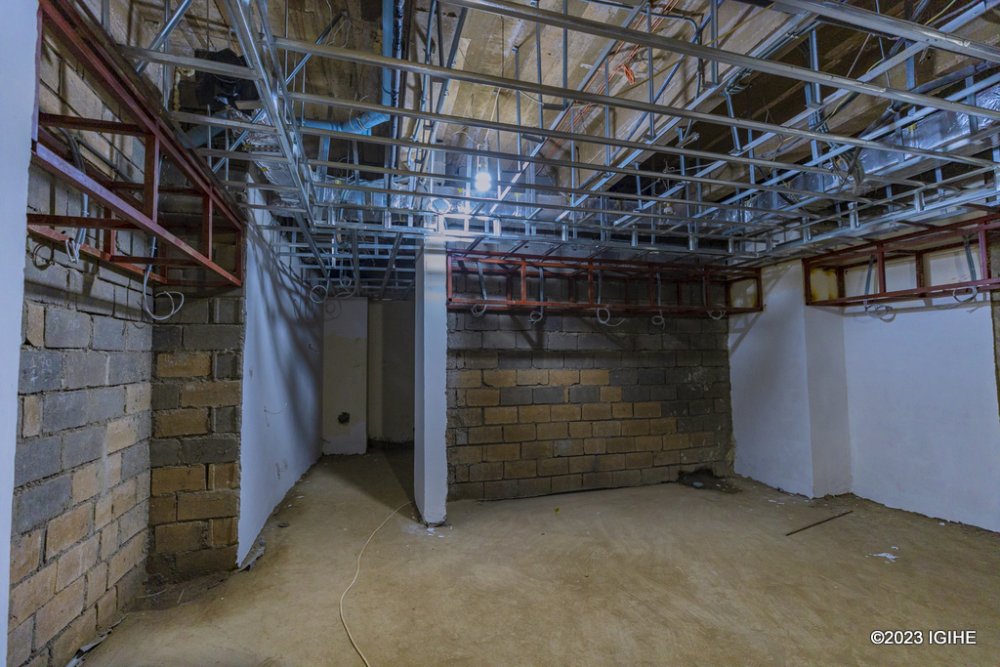
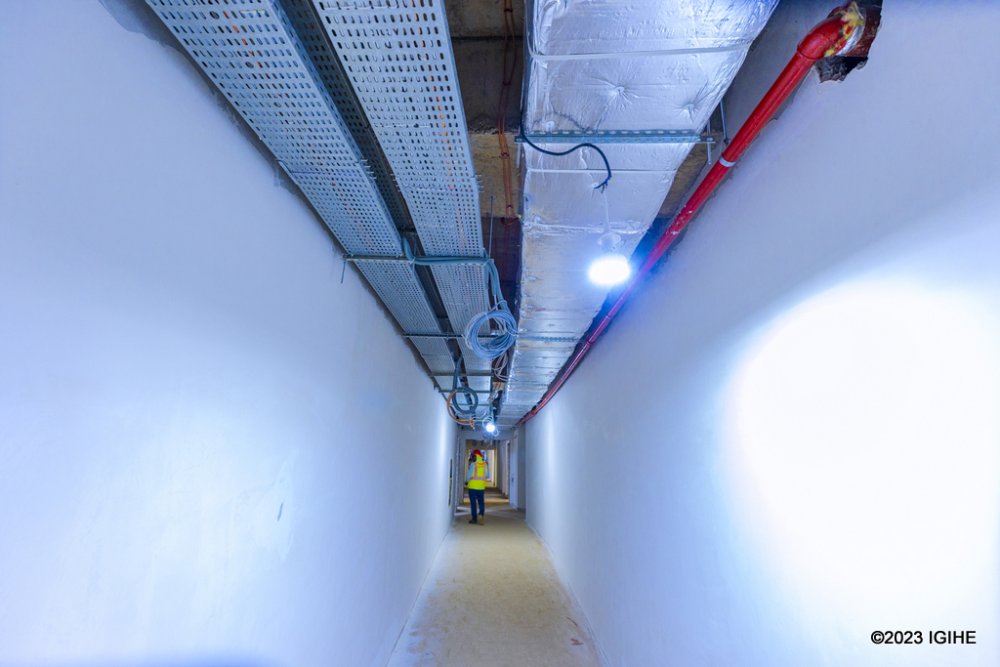
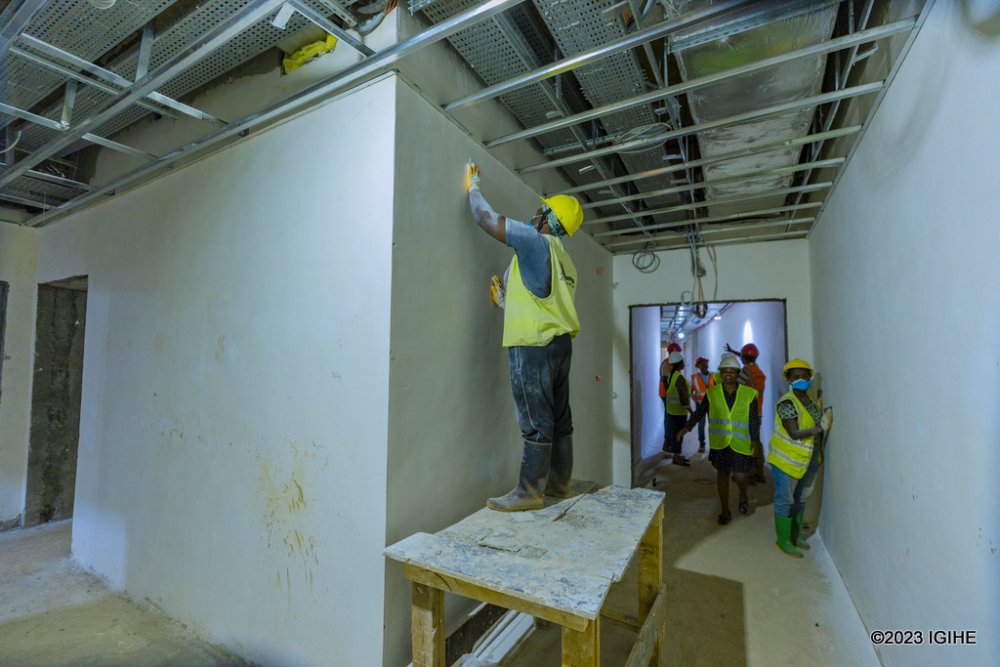
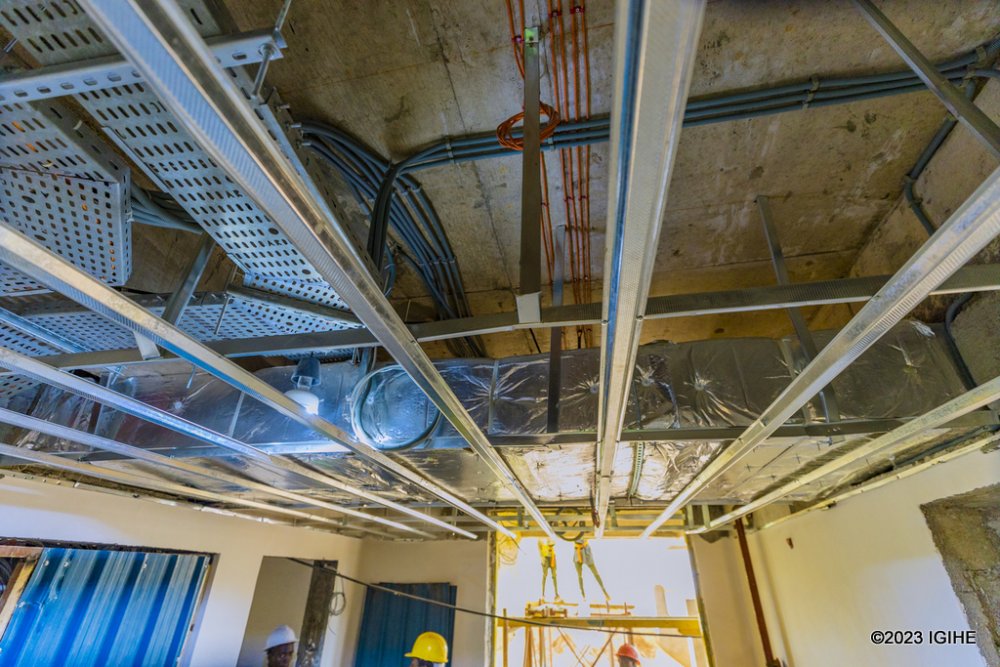
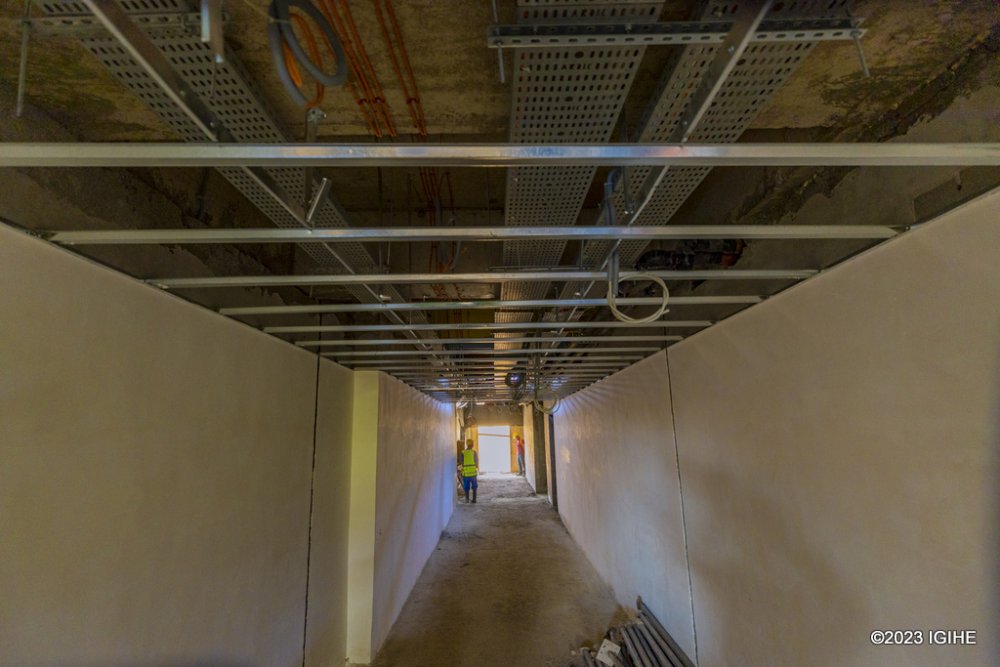
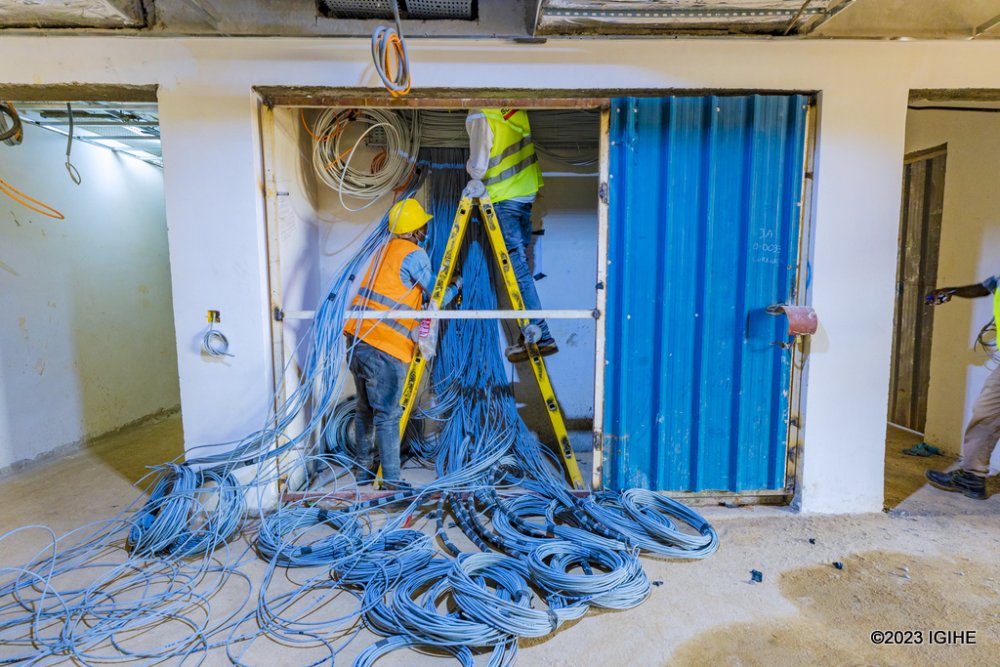
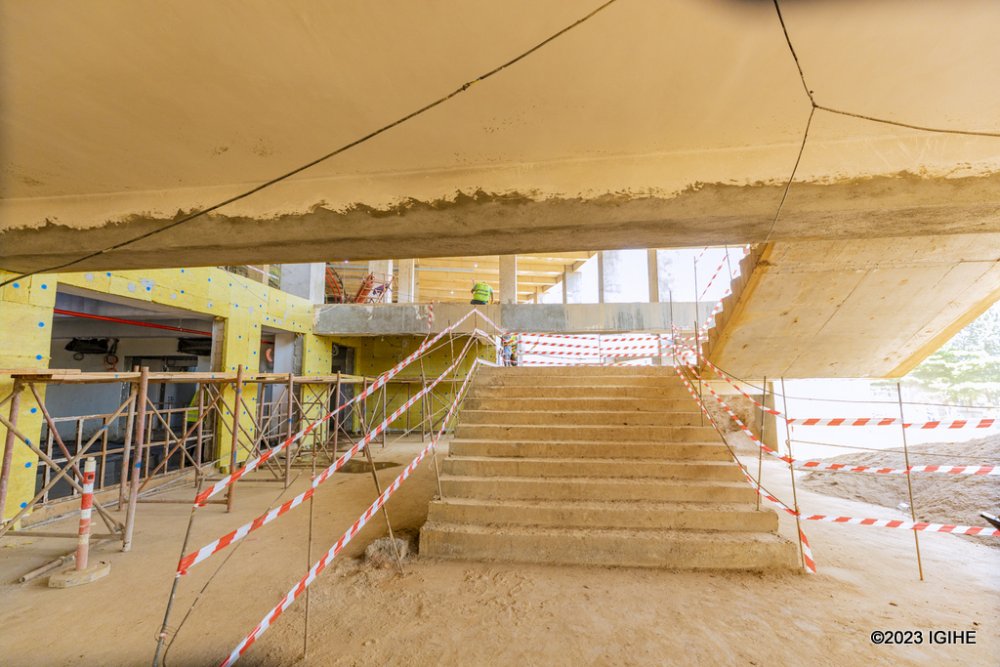
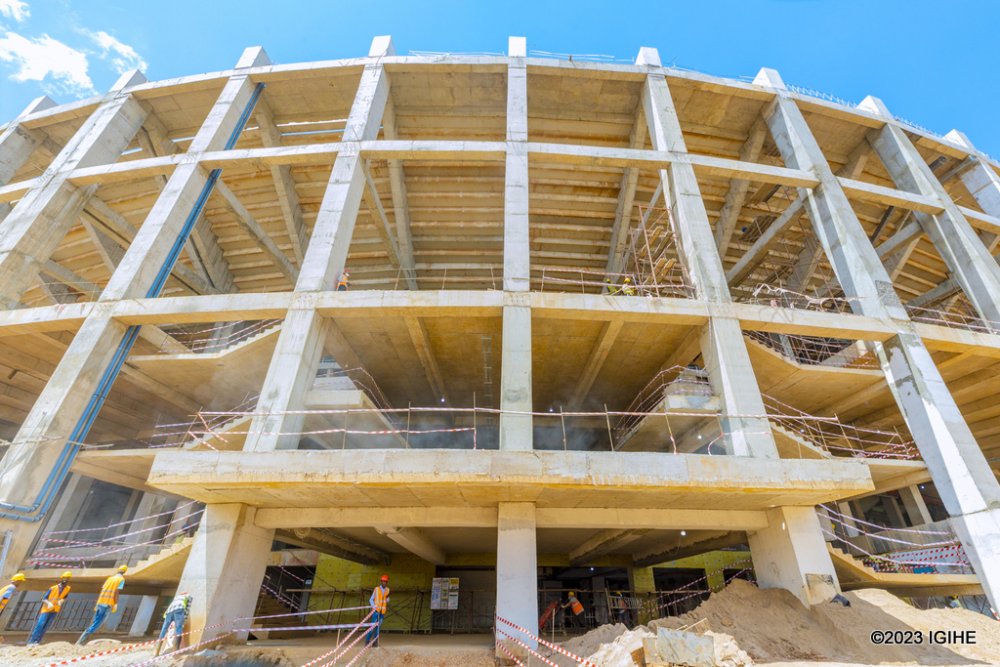
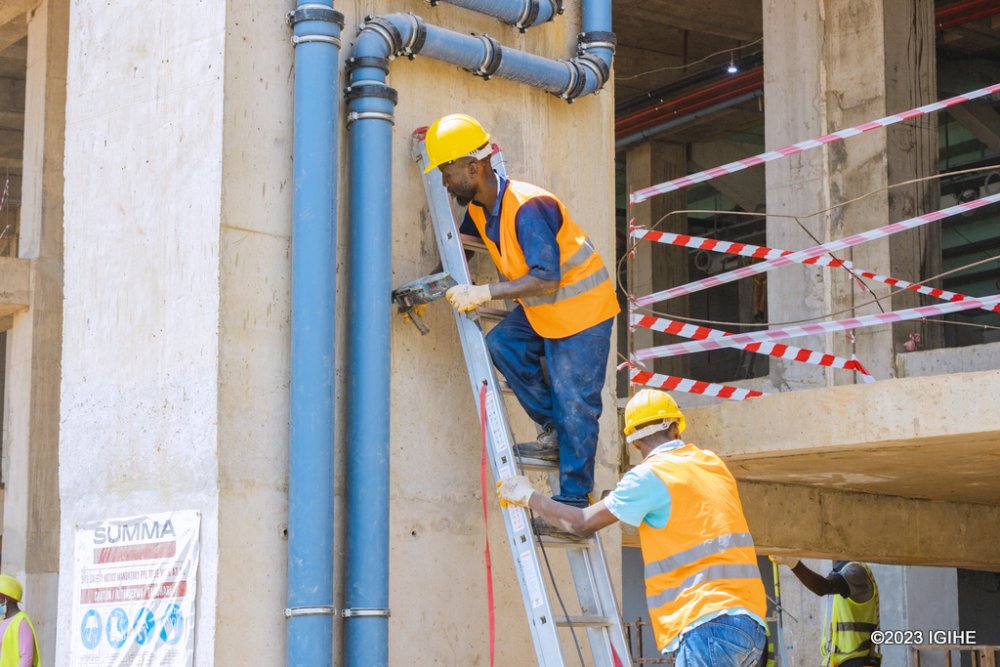
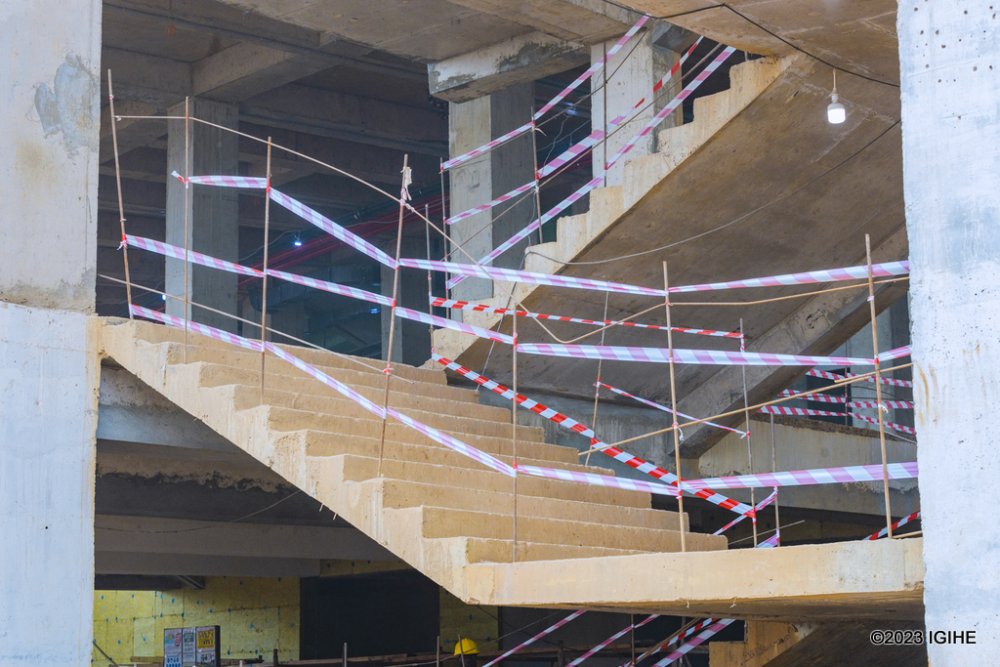
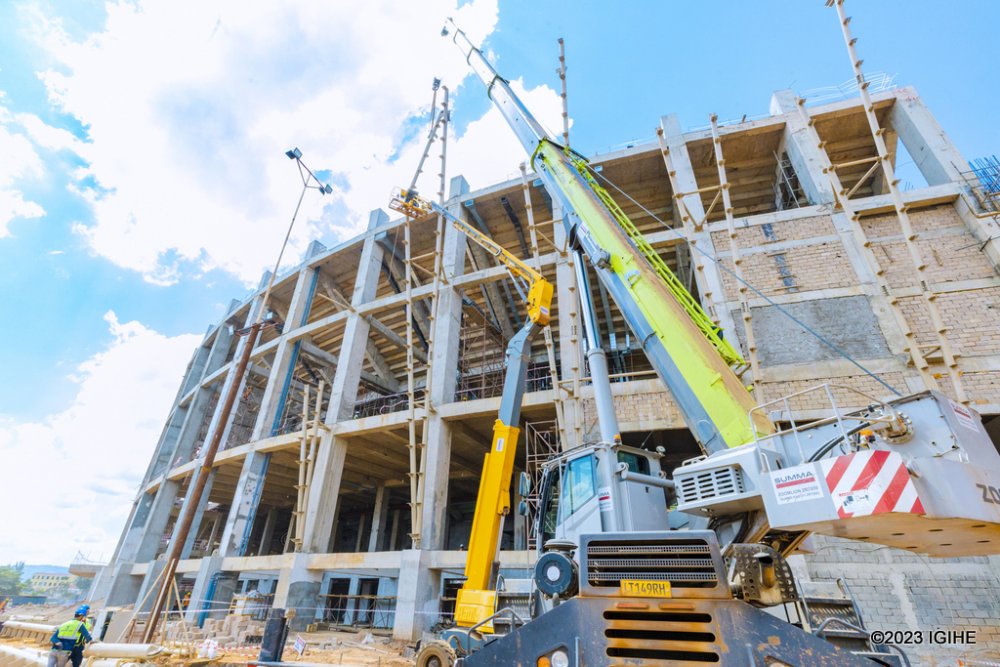
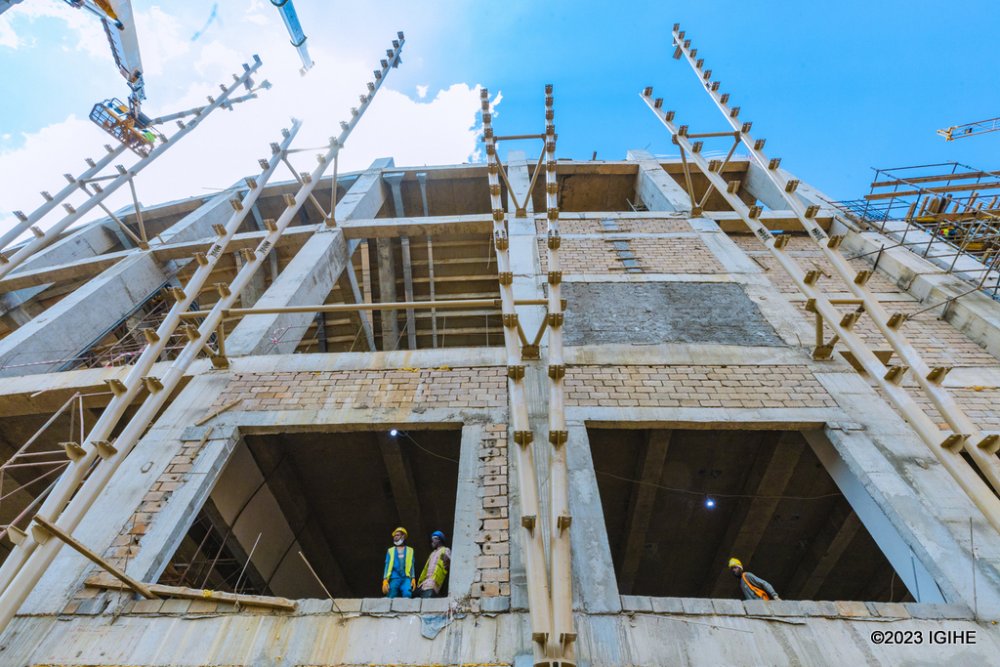
The Rwanda Housing Authority (RHA), responsible for the construction of public infrastructure, reports that the renovation of Amahoro Stadium has surpassed 27% completion, with an optimistic outlook for its timely conclusion next year.
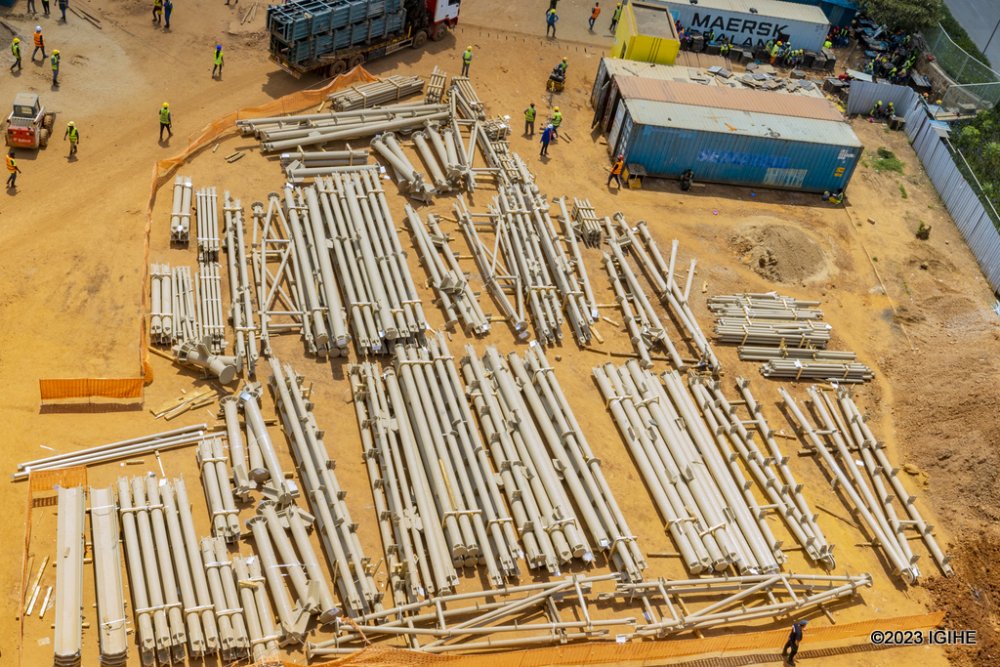
Notably, the raft foundation and assembly of steel structures have been completed, and the refurbishment of the spectator seating section is currently underway.
The RHA management assures that the project is progressing smoothly, stating, “As you have seen, we have started raising steel columns on the stadium’s peripheries. These columns will hold the ceiling, and related works are expected to commence soon.”
{{Citizens upbeat over modern stadiums }}
Citizens are enthusiastic about modern stadiums and recognize their positive impact on local development.
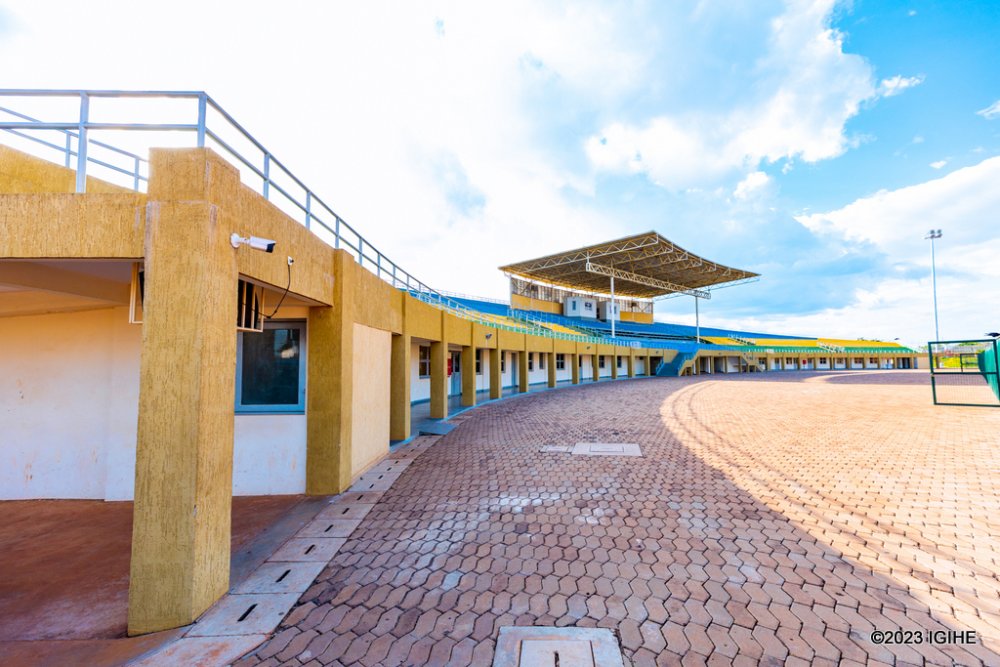
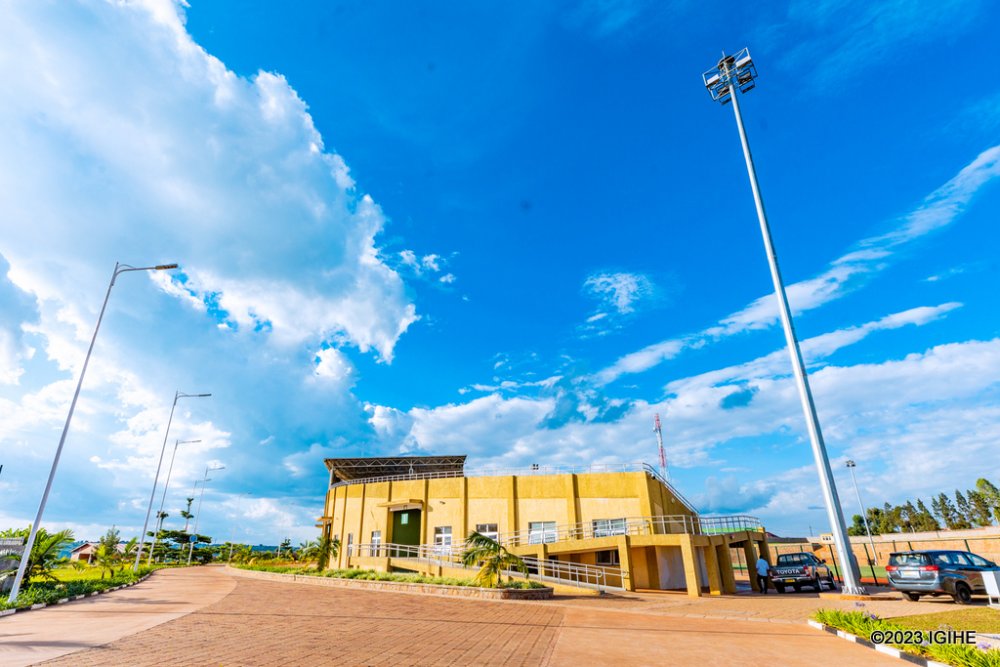
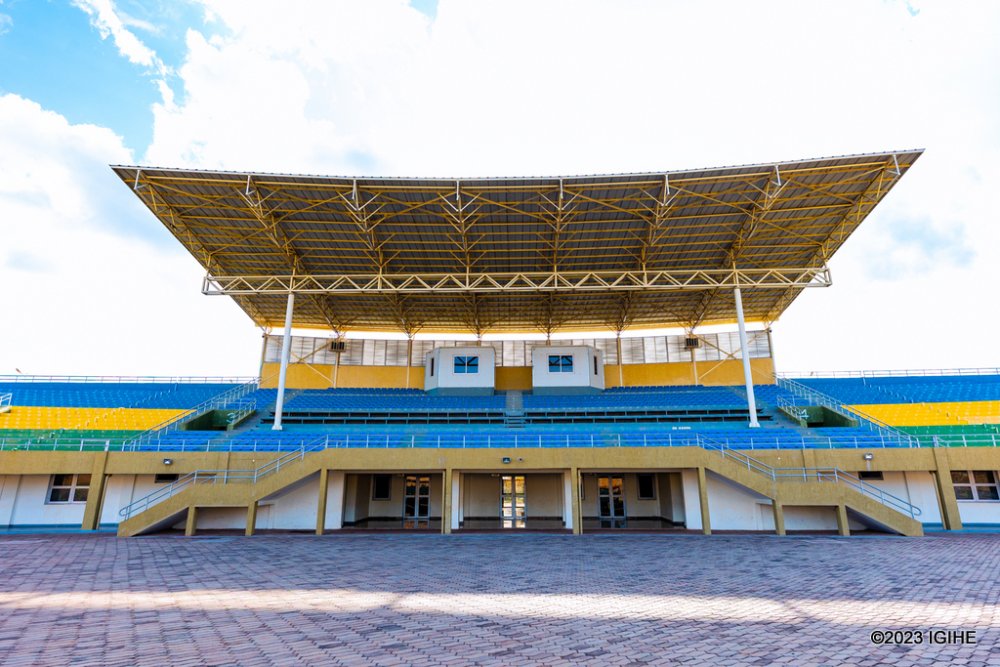
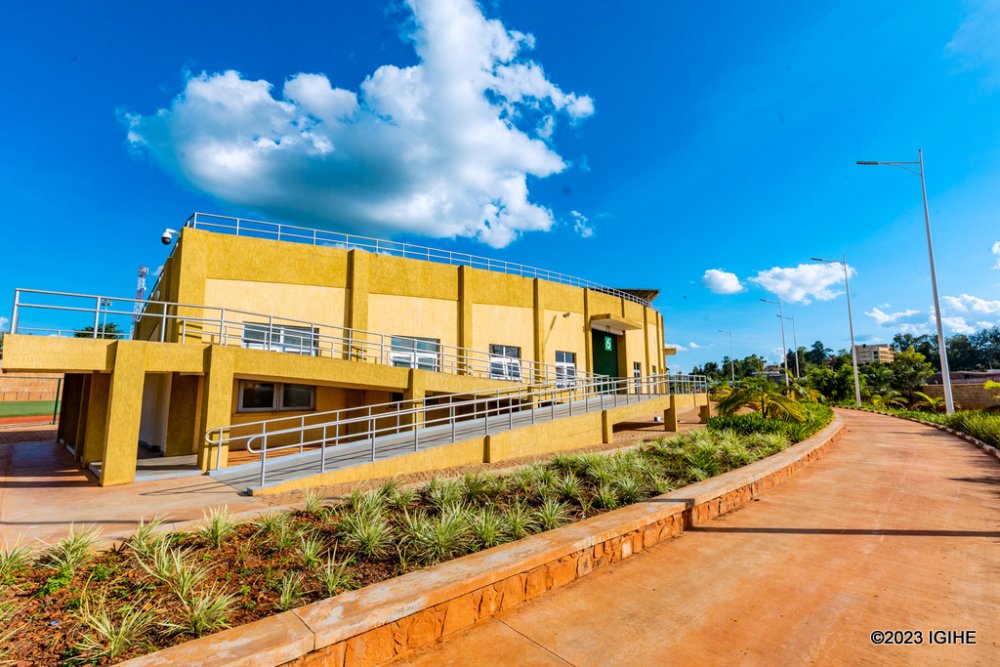
During the 2017 presidential campaigns, citizens across the country advocated for the construction of stadiums. Responding to their request, President Kagame approved the construction of stadiums in Nyagatare, Ngoma, and Bugesera, a project that commenced in 2018. These stadiums have been in use since 2020.
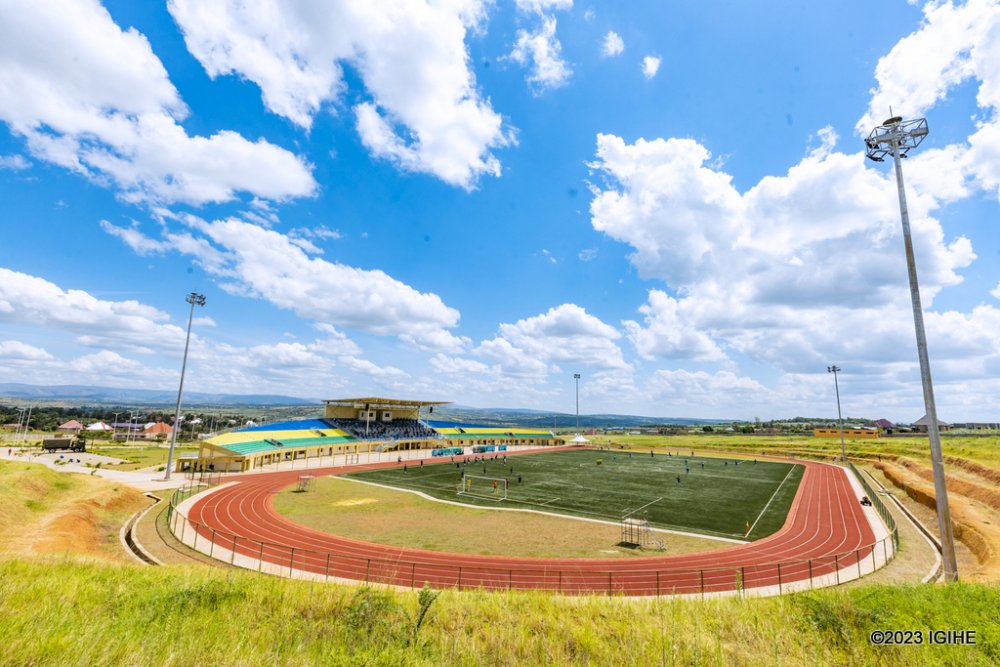
Nyagatare Stadium required an investment of Rwf9.5 billion, Ngoma Stadium cost Rwf9.3 billion, and Bugesera Stadium was built with an investment of Rwf9.5 billion.
Residents attest that these stadiums have had a profoundly positive effect on their communities, attracting a greater flow of people who engage in various activities.
Vestine Nyirakamana, a trader near Ngoma Stadium, emphasizes the facility’s role in boosting sporting and entertainment activities in the area.
She enthusiastically remarks, “The completion of this stadium has brought immense joy to the residents. As businesspeople, we have seen increased foot traffic, resulting in higher profits from food and beverage sales. Before the construction of the stadium, our businesses faced challenging times, but now we experience peak customer flows, particularly during matches involving top-tier teams. On such occasions, daily earnings can reach between Rwf50,000 and Rwf60,000, compared to the usual Rwf20,000.”
Another trader, Aisha Munganyinka, adds, “We observe a significant surge in customers, especially when professional teams play at the stadium. She further elaborates, “In such situations, we register a high influx of customers, especially when teams from the top division are playing.”
Eric Itangishaka ‘Dihno’, the Team Manager of Bugesera FC, grew up in Nyamata with a passion for football. He recalls playing on poor playgrounds during his childhood.
Reflecting on the impact of having a stadium, he says, “As someone who was born here, the memories of lawnless playgrounds come to mind when I think about the development of sports.
When there is a stadium like this, children as young as five years old come to play.
But without a stadium, it would be difficult as a parent to let your child play on a soil-covered playground. You worry about the risk of injury if there are stones on the pitch. Conversely, when you know they are playing in a stadium, you can let children play freely without such concerns.”
Farouk Sejuuko Ssentongo, also known as ‘Ruhinda Farouk,’ has been a player for Bugesera FC since 2017. He vividly remembers the challenges of playing on lawnless playgrounds and expresses gratitude to the Government of Rwanda for building the stadium.
Ssentongo appealed for similar infrastructure to be established in other districts, stating, “It was very difficult to play on lawnless playgrounds. We used to train on such fields and occasionally visited teams with turf-covered playgrounds. We thank the Government of Rwanda for constructing this stadium and request support to create similar infrastructure in other districts.
The stadium has had a tremendous impact on the development of our district and football in general. We can now play and entertain fans without the risk of injuries. Previously, we faced restrictions, including limitations on the types of shoes we could use while playing. But now, we can enjoy the game with greater comfort and freedom.”
{{Officials speak out }}
Government officials highlight the wider benefits of these stadiums beyond hosting matches.
They serve as versatile venues for campaigns, public meetings, religious gatherings, and other events, fostering economic and social development. Economists emphasize that such infrastructure plays a pivotal role in transforming the mindset of the local population.
Ange Sebutege, the Mayor of Huye District, acknowledges the significant impact of the stadium on the town’s development.
She remarks, “The stadium is one of the infrastructures that have accelerated the development of Huye town. It has created job opportunities for our people. We are grateful for this gift from the Head of State, as it brings joy to sports and propels us towards development.
Moreover, the stadium has garnered international recognition, hosting international matches. With the infrastructure in place, foreigners can easily access accommodations, witnessing that Rwanda’s development extends beyond the city of Kigali. Additionally, we have seen increased private sector investments in hotels. Undoubtedly, the stadium has stimulated investment in our district.”
Richard Mutabazi, the Mayor of Bugesera District, highlights several advantages resulting from improved access to infrastructure, including enhanced professionalism and the ability to attract visitors.
He explains, “One notable advantage is that we receive visitors. In the past, when planning matches with prominent teams, we would often face complaints when our stadium didn’t meet their requirements. There were instances when we were compelled to play in Kigali, despite being the host team. During the renovation of the Kigali Stadium, Bugesera hosted many matches, generating revenue for the district. Additionally, local businesses experienced an influx of customers during these events.”
The positive impact of stadiums extends to Nyagatare as well. In addition to the benefits enjoyed by the Sunrise FC team, the city of Nyagatare continues to reap the advantages of being in close proximity to the stadium. Recently, the stadium hosted a match between Kiyovu Sports and Sunrise FC, with Kiyovu emerging victorious with a score of 1-0.
In addition to hosting matches, the stadium has served as the venue for graduation ceremonies of over 10,000 graduates from the University of Rwanda and East African University Rwanda.
Mayor Stephen Gasana of Nyagatare District shares the significance of having a suitable venue, stating, “Out of those 13,000 graduates, approximately 2,000 may be from Nyagatare, while the remaining 10,000 come from different parts of the country. They chose to come here because we had a place where we could host them. Prior to their arrival, we held numerous meetings with traders and the private sector to prepare for their visit.”
“Although we didn’t tally the exact numbers, the stadium was packed during the match between Sunrise and Kiyovu Sports, with a substantial number of cars parked in the vicinity. When visitors come, they explore the town, make purchases, and contribute to the local economy,” he added.
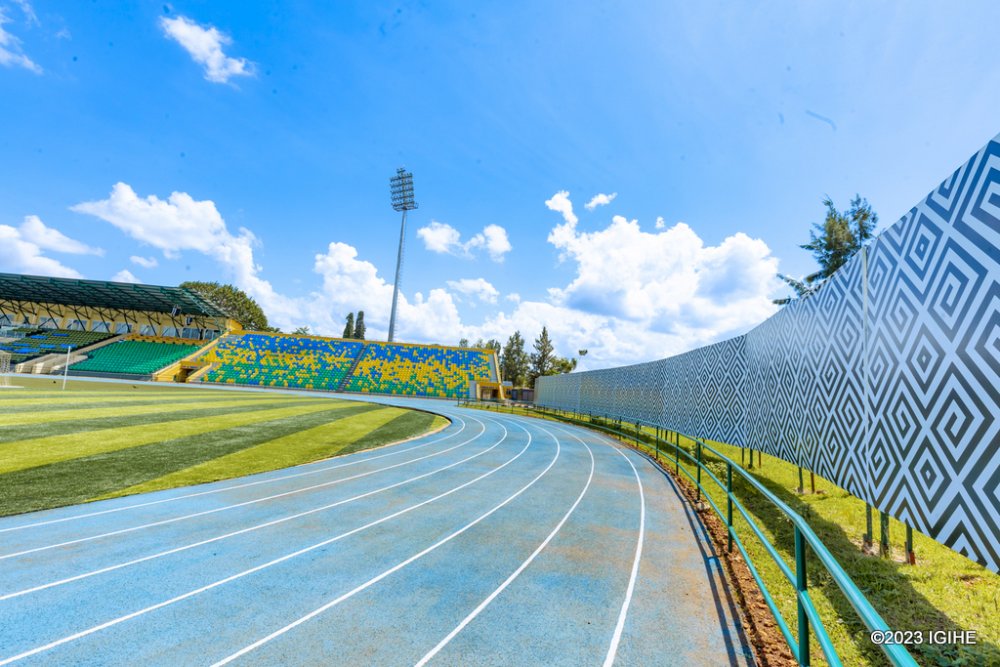
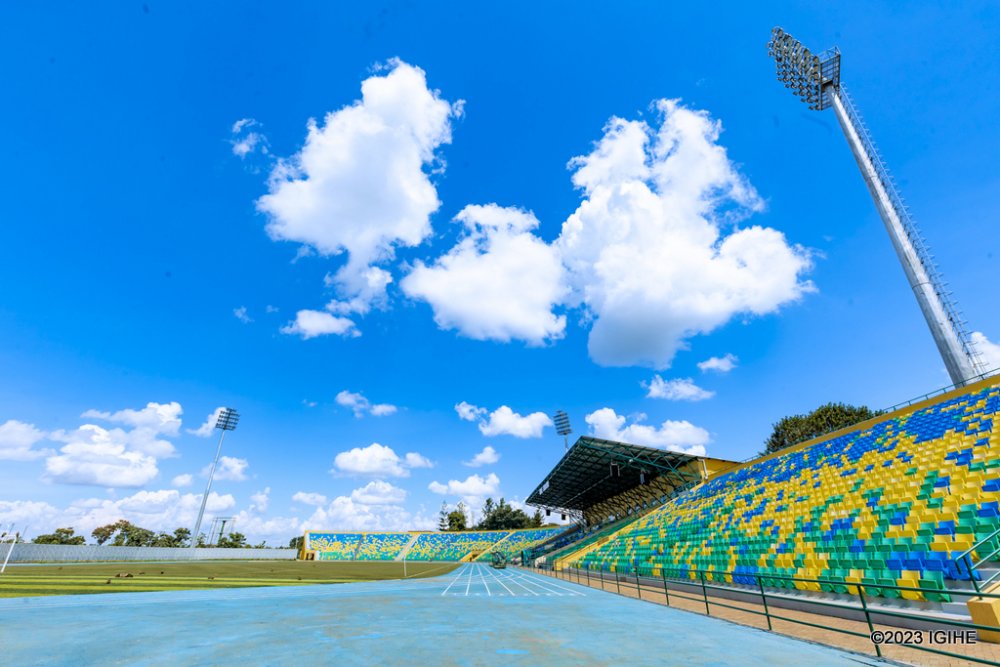
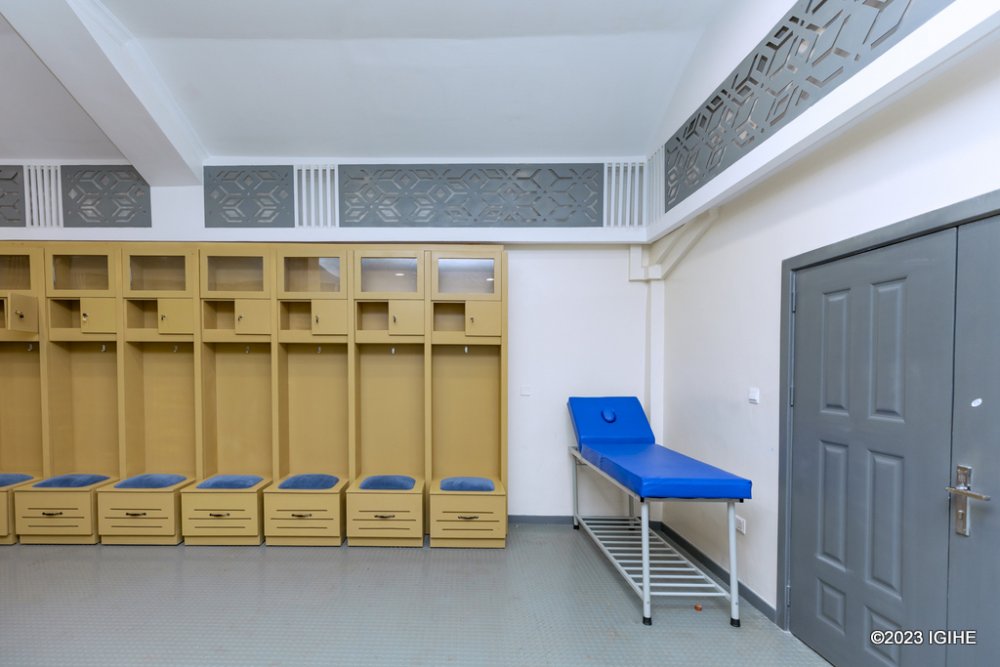
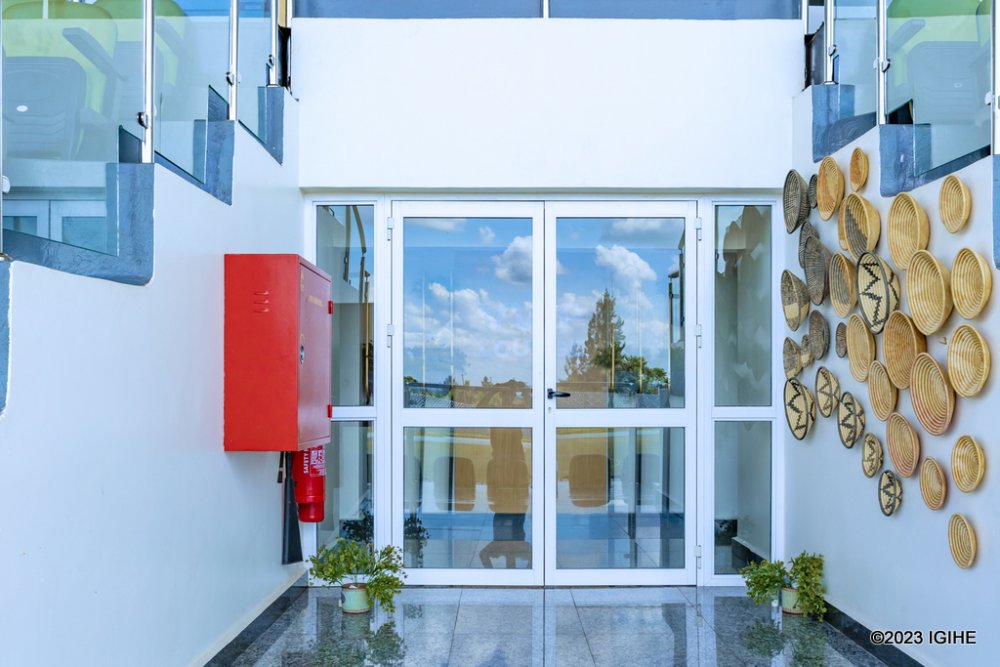
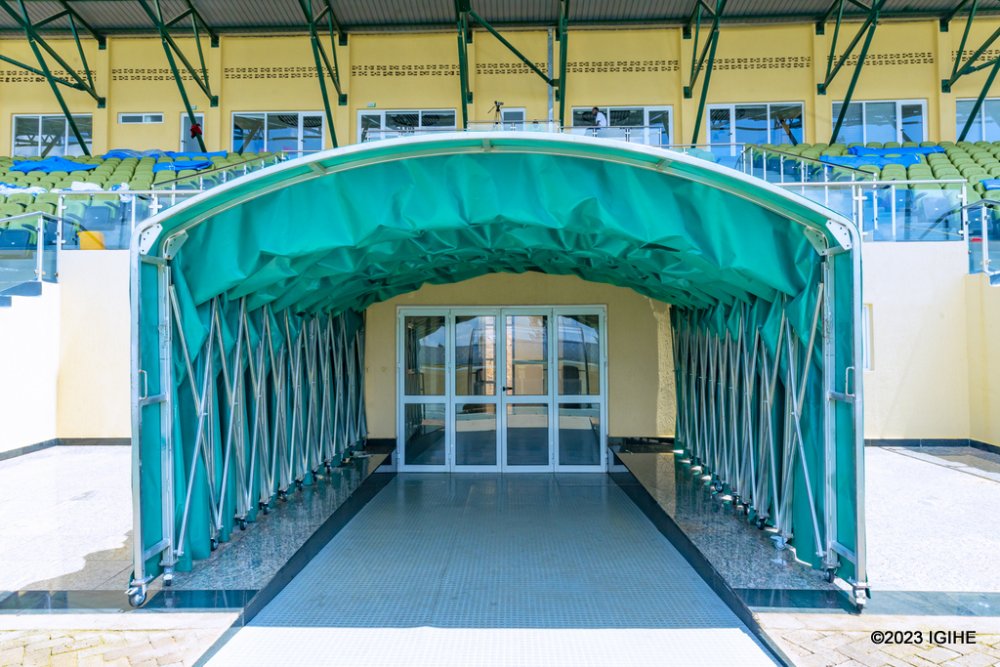
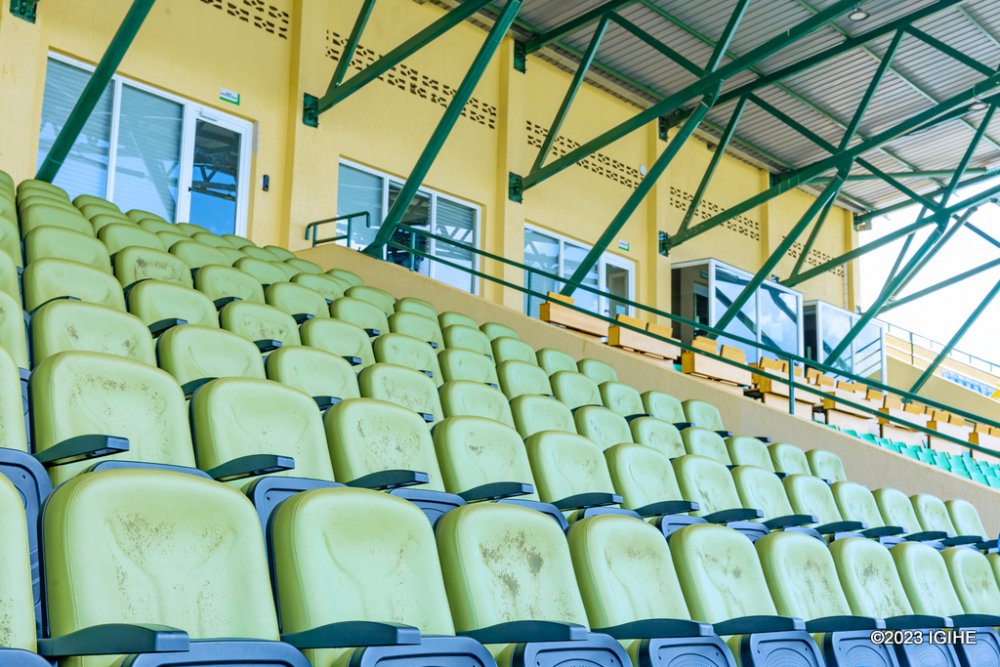
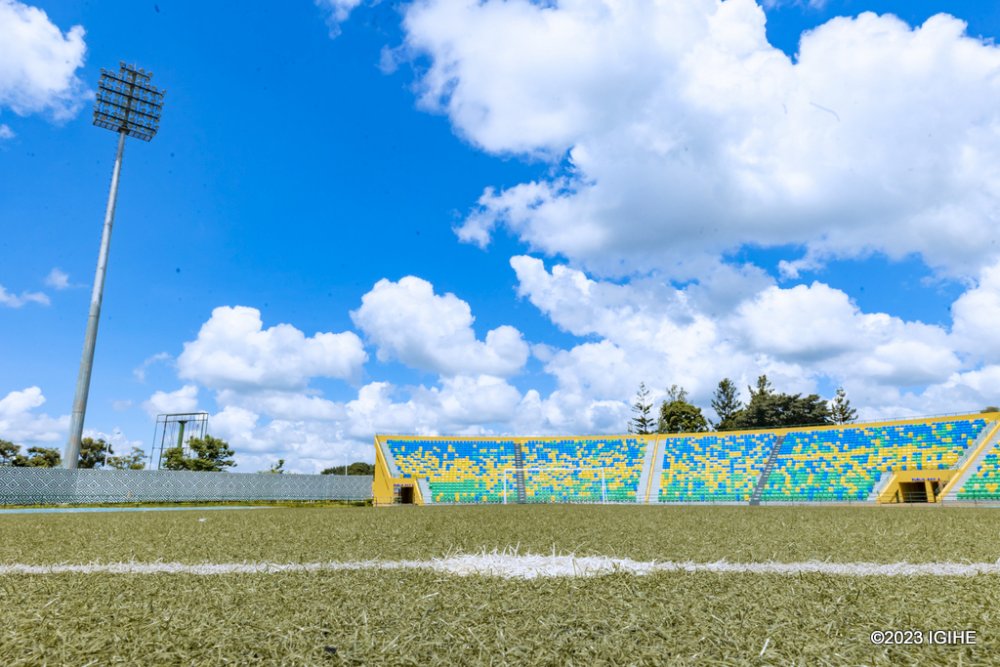
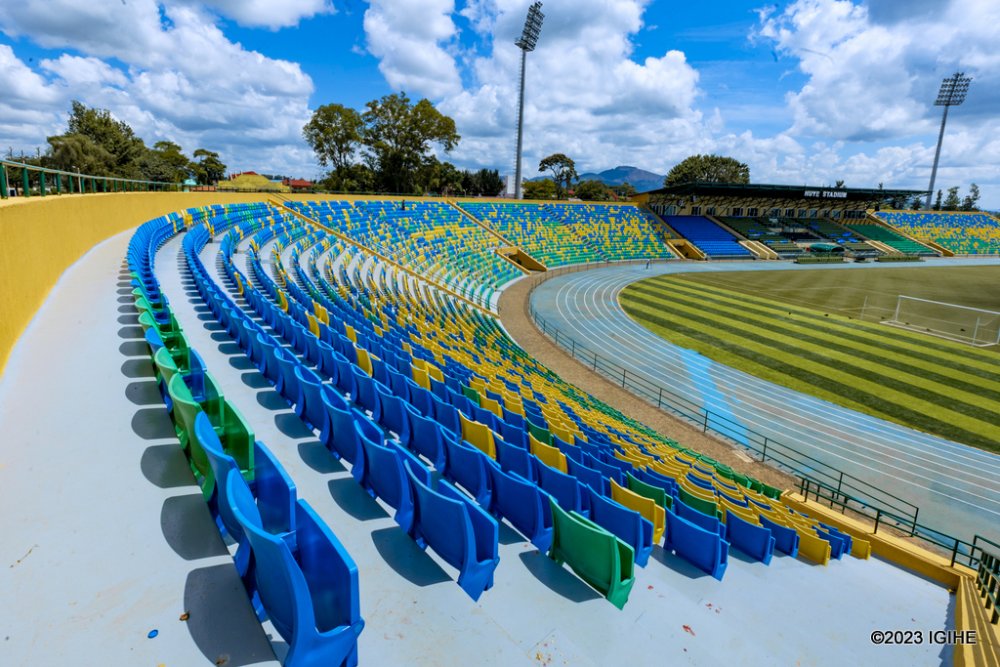
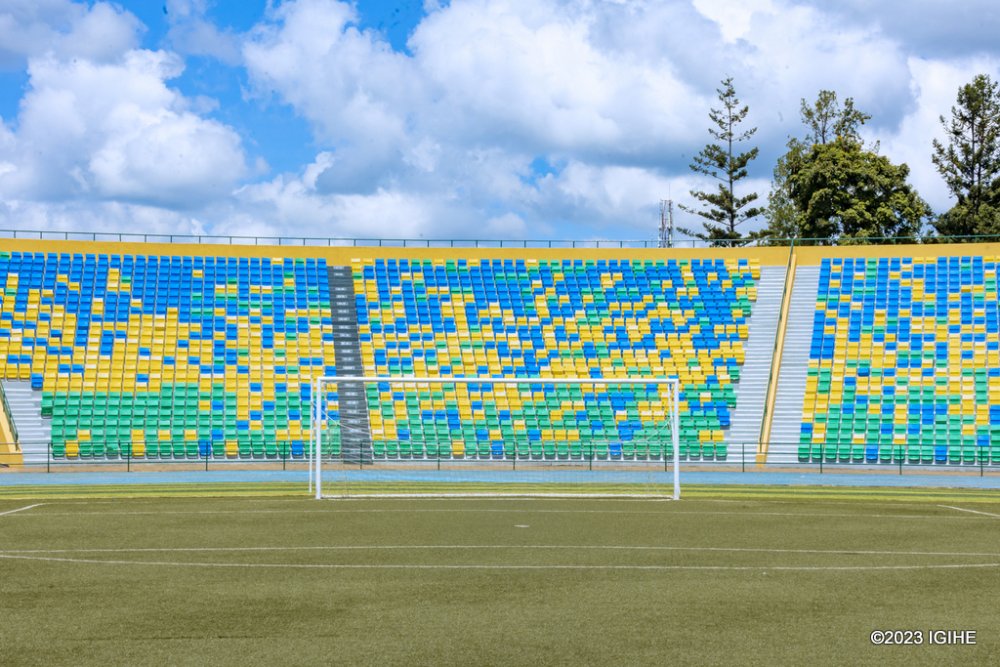
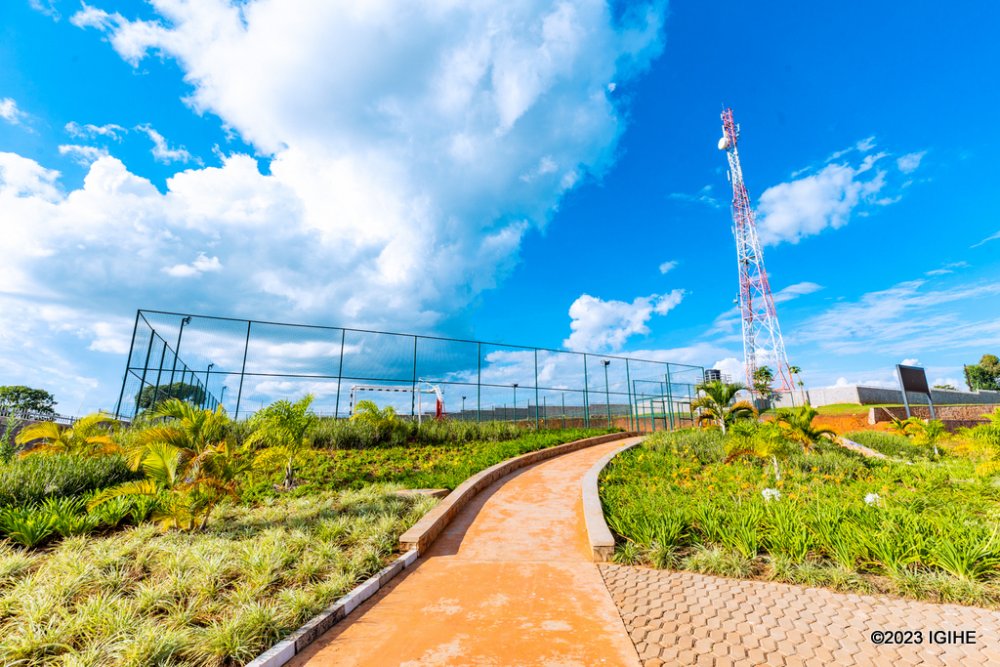
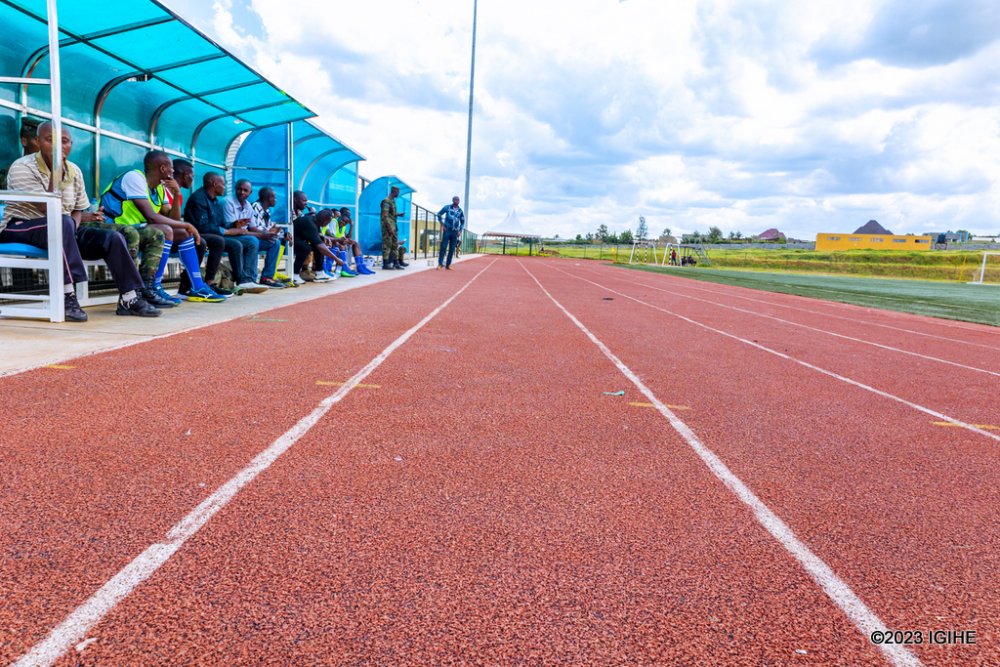
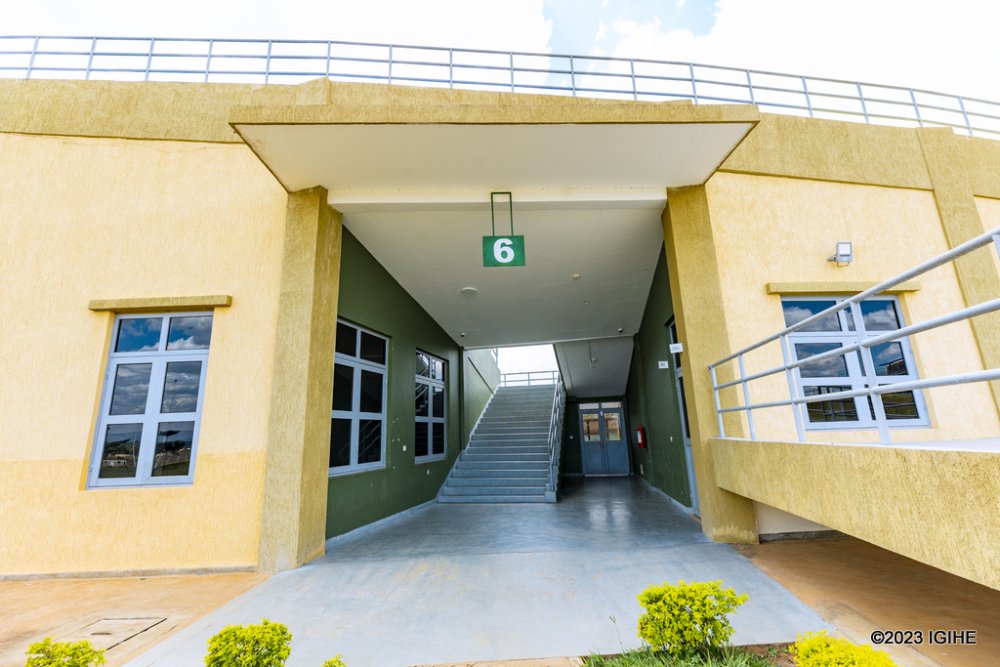
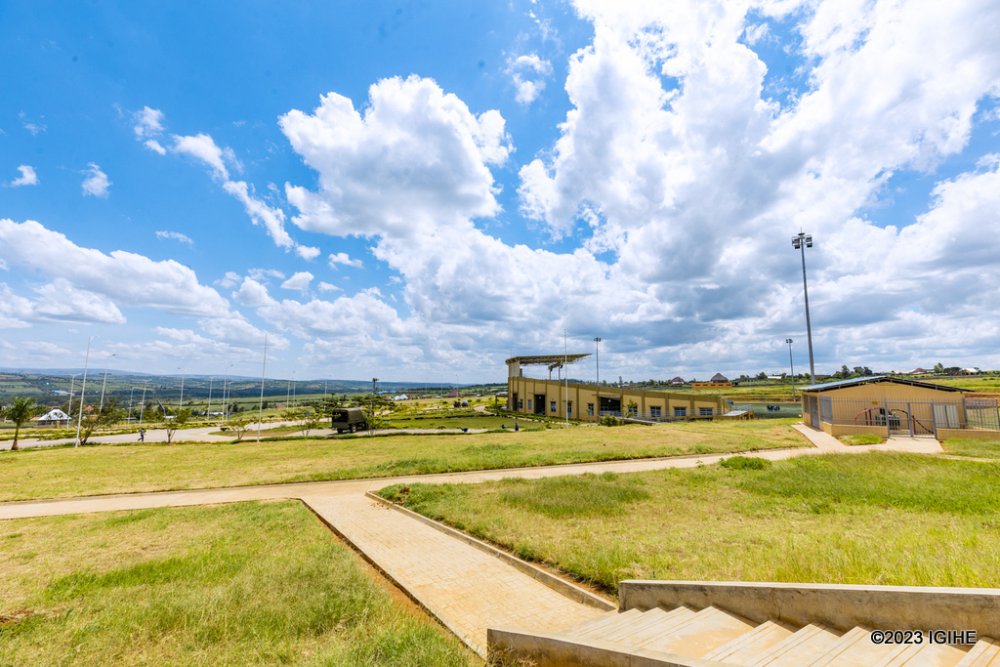
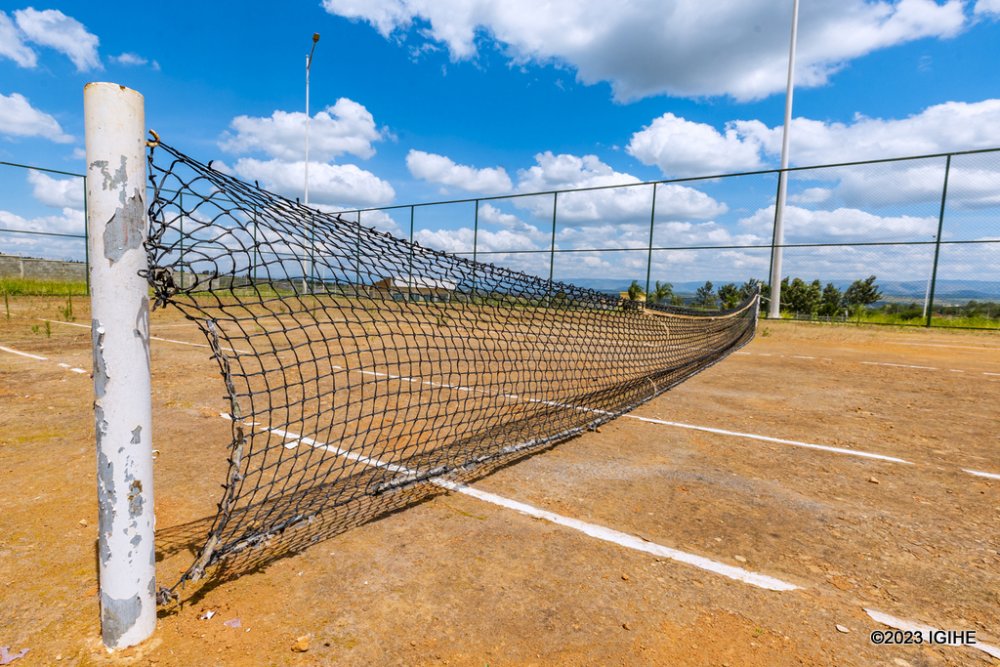
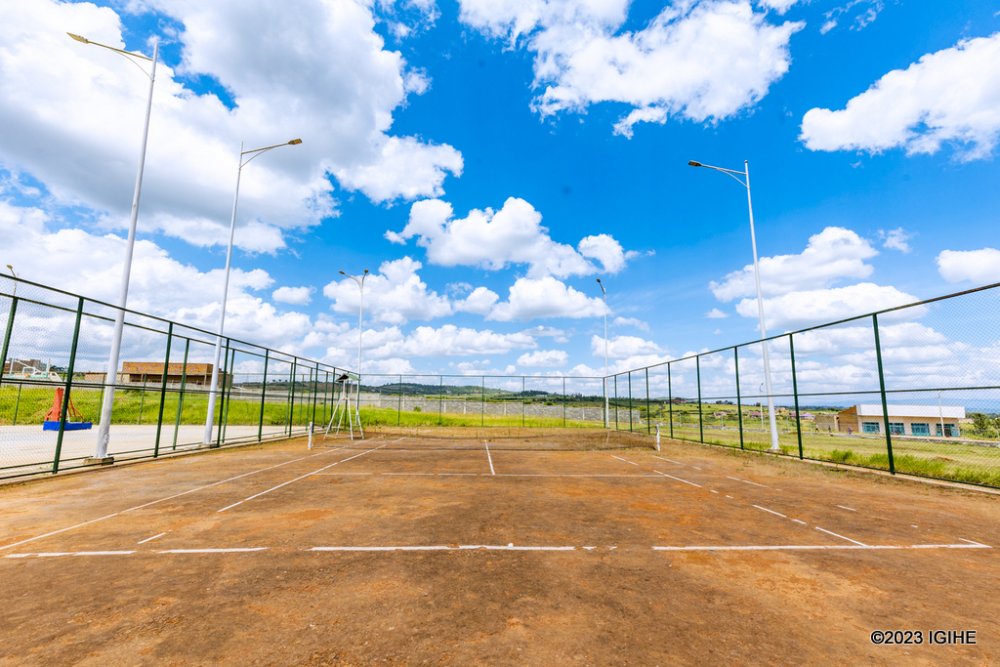
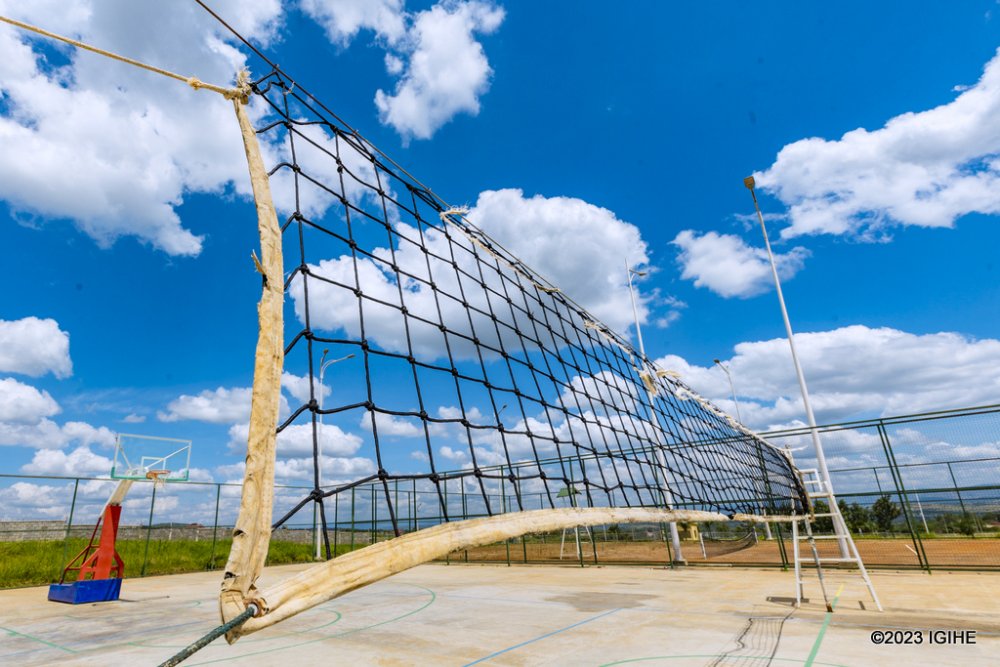
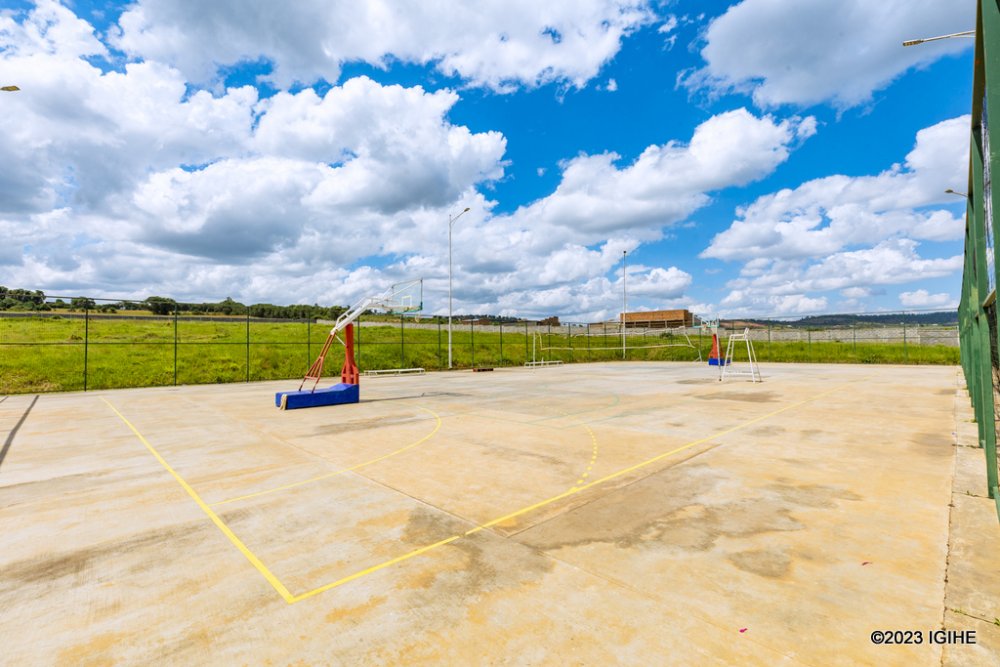
Decentralized stadiums, a promise fulfilled by President Kagame to citizens, have been built in Nyagatare, Bugesera, and Ngoma districts. Each stadium has a capacity to accommodate 4,000 people in both roofed and unroofed seating areas. The football playground of Nyagatare Stadium features a turf surface and includes additional facilities such as basketball, volleyball, and tennis courts. Furthermore, athletes can utilize the stadium’s running track for training and competitions.
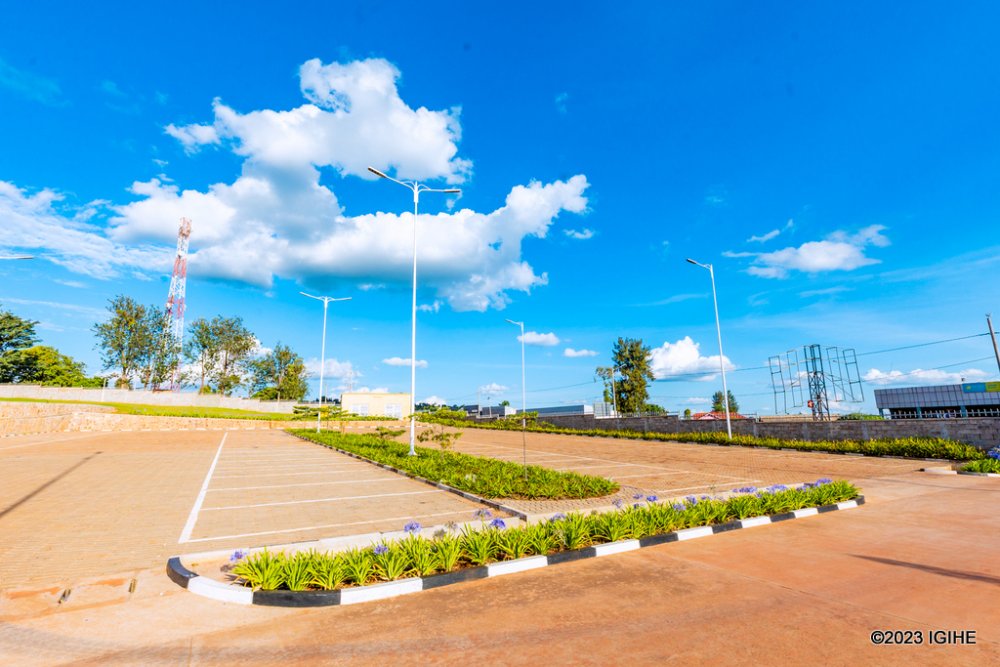
These stadiums are part of a larger development plan, which includes complementary projects such as hotels, roads, and electricity infrastructure. The construction of such facilities not only provides economic opportunities but also transforms the mindset of the local population. By investing in sports infrastructure, Rwanda aims to create a thriving environment that nurtures talent, fosters unity, and attracts visitors from both domestic and international spheres.
The journey towards comprehensive sports infrastructure continues in Rwanda, with the expansion of the Amahoro Stadium serving as a testament to the country’s dedication to providing world-class facilities. With the completion of these stadiums, Rwandans are empowered to pursue their sporting aspirations and embrace the transformative power of sports in their lives.
{{Amahoro Stadium is undergoing major renovation works}}