The duo, a man and woman, was apprehended this Wednesday, August 2, in Inyarurembo village, Kiyovu cell of Nyarugenge sector, with counterfeit dollars amounting to US$2800, approximately Rwf3,296,000.
They were at the time attempting to fleece a forex bureau in Kiyovu, according to Superintendent of Police (SP) Sylvestre Twajamahoro, the Police spokesperson for the City of Kigali.
“They were arrested at about 1p.m, at a forex bureau, where a teller noticed that all their 51 dollars notes, including 46 notes in the denominations of $50 and 3 in the denominations of $100, were fake.
Police was called in and the duo was apprehended at the scene,” SP Twajamahoro said.
The arrested woman claimed that the counterfeit money belong to her husband. The couple hail from Nyanza District, Busasamana sector.
The second suspect, a man, was allegedly helping her to exchange the counterfeit banknotes.
Article 269 of law No. 68/2018 determining offenses and penalties in general, states that any person, who fraudulently counterfeits, falsifies or alters coins or bank notes which are legal tender in Rwanda or abroad, notes issued by the Treasury with its stamp or brand, either banknotes or alike that have legal tender in Rwanda or abroad, or one who introduces or issues in Rwanda such effects or notes with knowledge that they are forged or falsified, commits an offence.
Upon conviction, he/she is liable to imprisonment for a term of not less than five years and not more than seven years.
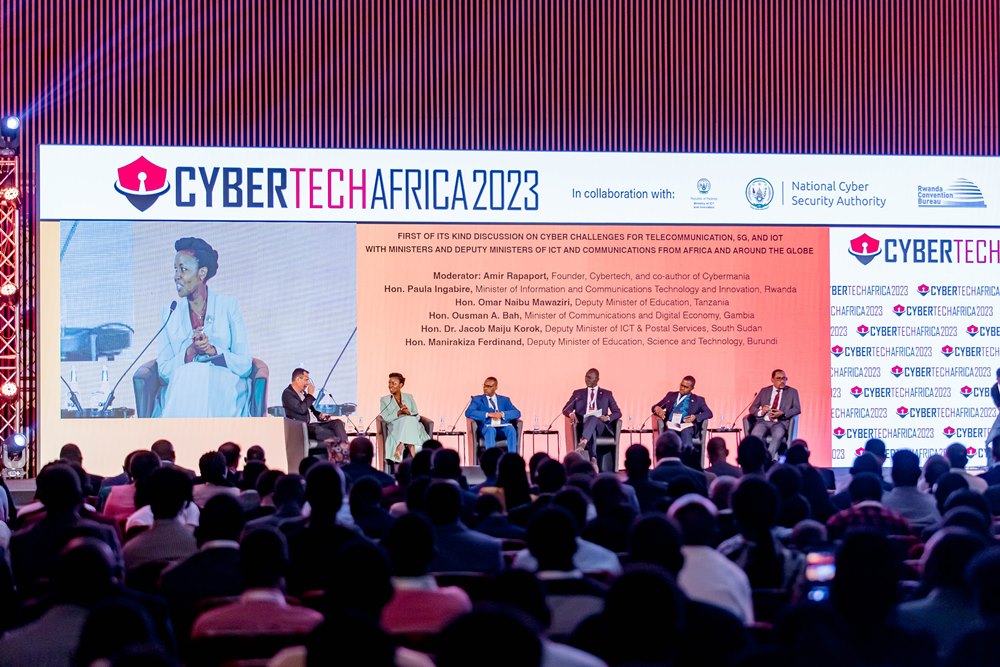
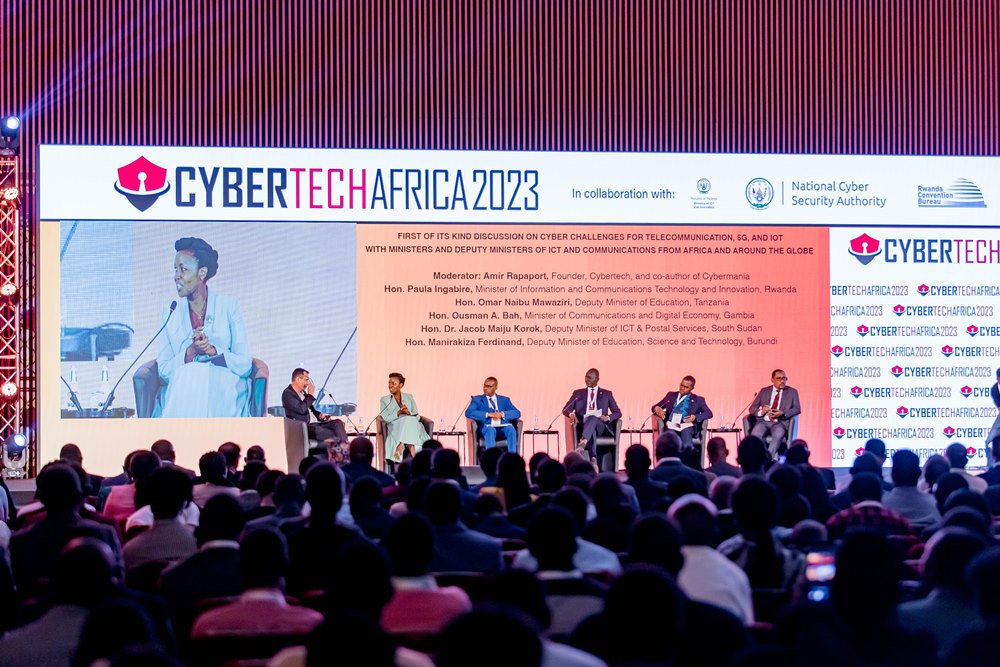
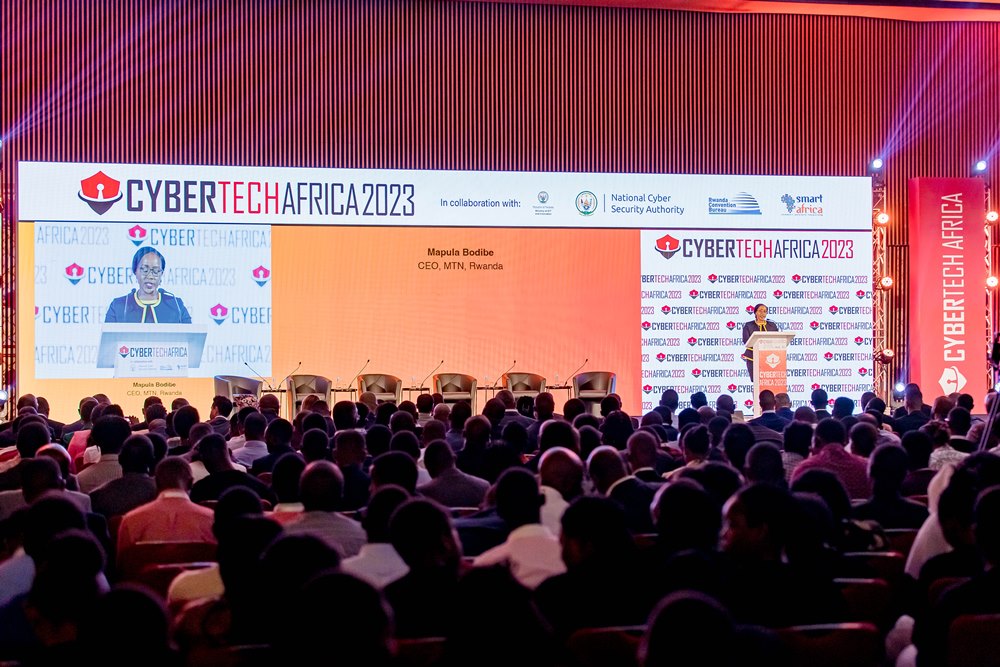
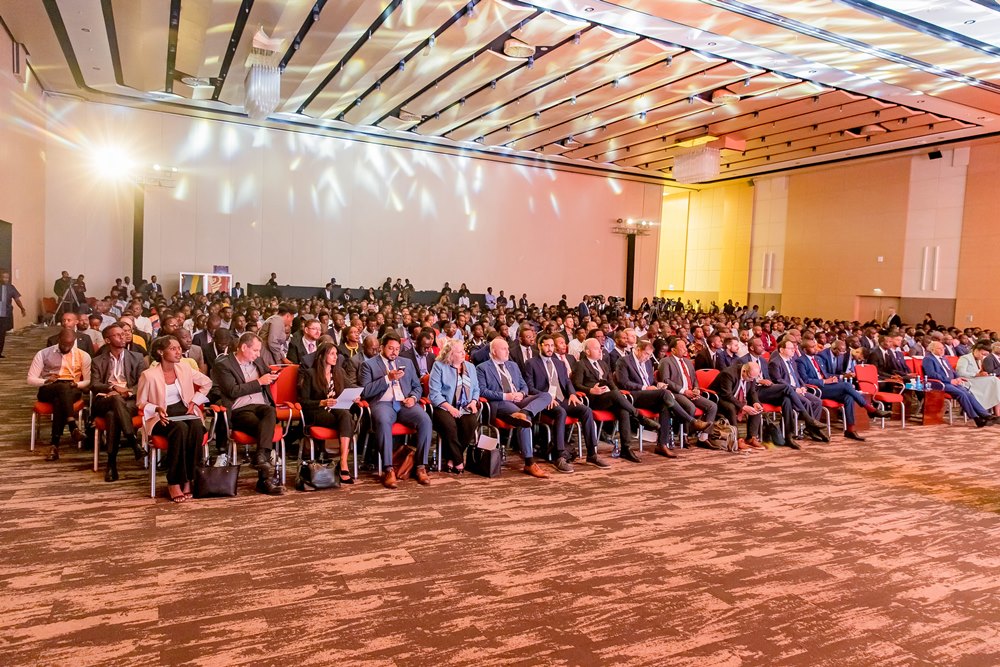
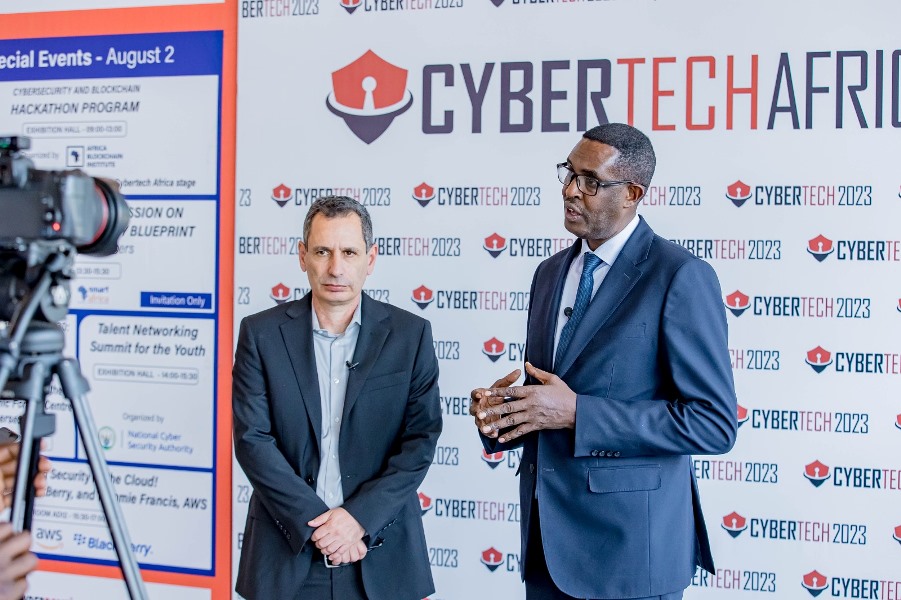
They were speaking at the opening ceremony of the conference, which has attracted more than 1,500 delegates from across Africa and beyond, including government officials, UN representatives, and cyber ecosystems experts.
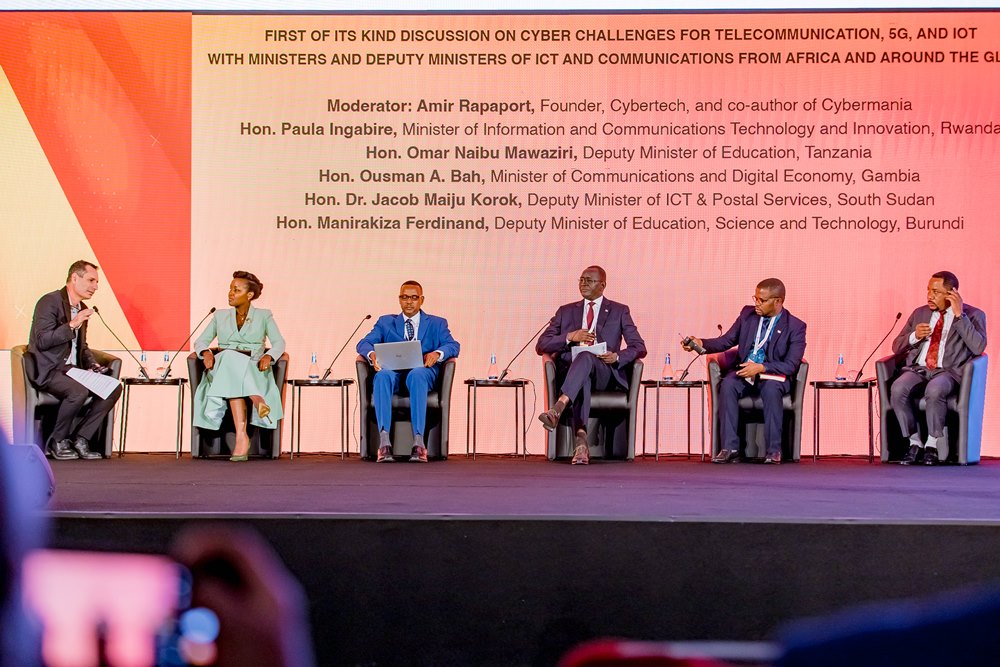
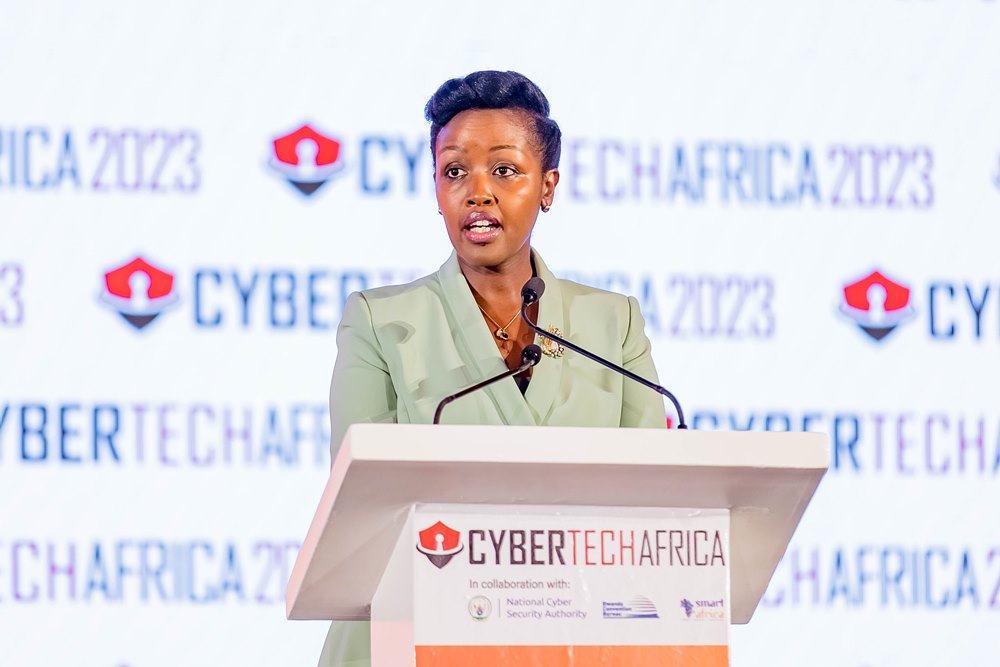
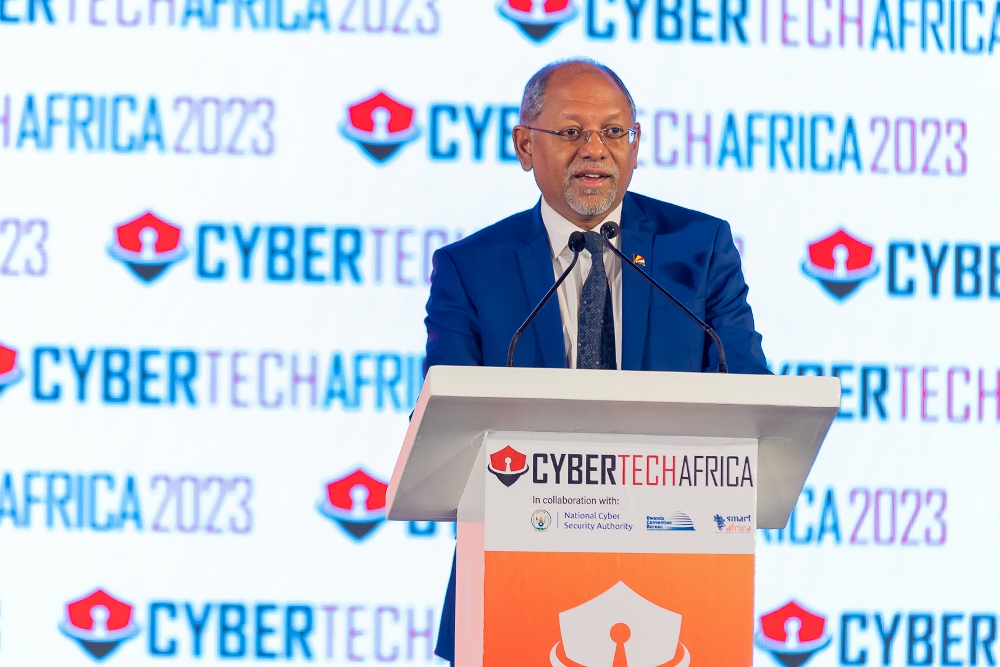
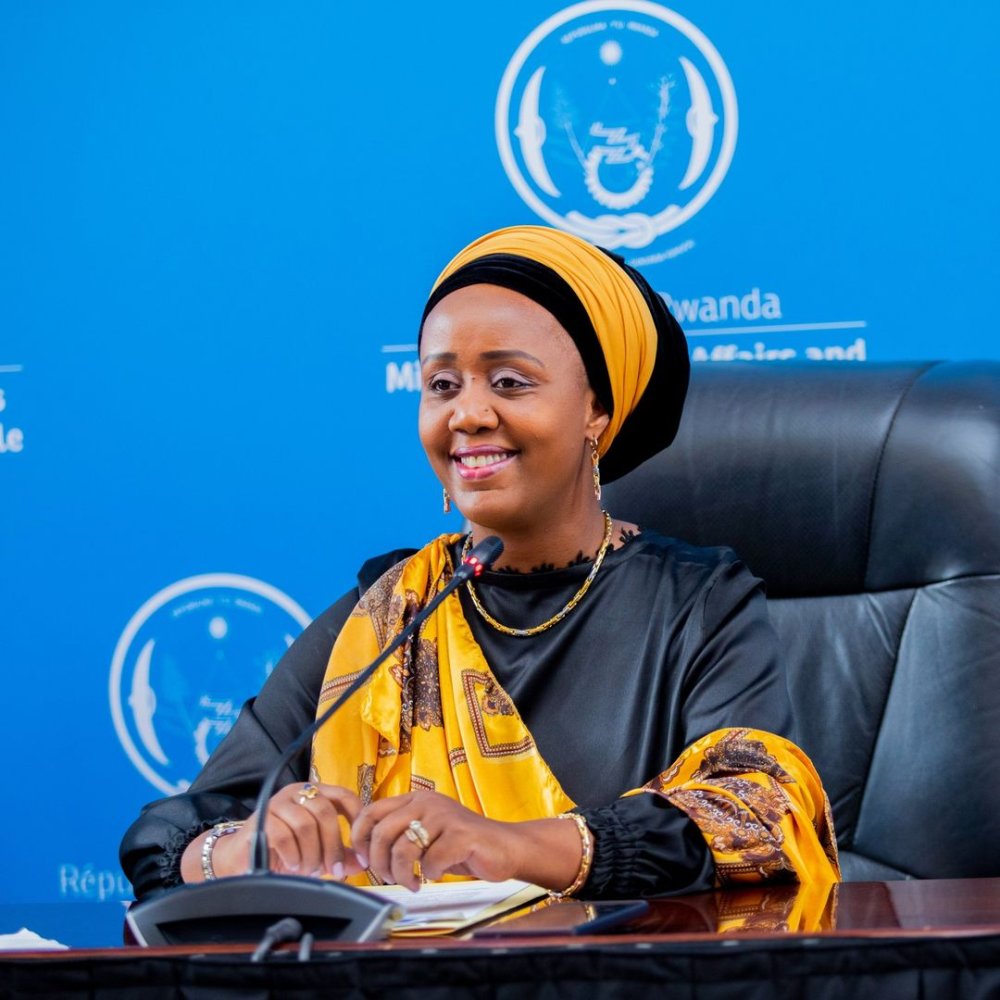
“As the world increasingly goes online, so do cybercriminals. There is a need for African countries to respond appropriately to safeguard the shared digital future,” said Paula Ingabire, Rwandan minister of ICT and Innovation, at the event.
She noted that coming together and sharing experiences are crucial for Africa to foster a collaborative approach to cyber governance.
“Cybersecurity is everyone’s responsibility. No one is immune to cyber-attacks, and the ability to share information is vital. There is an opportunity to drive economic growth and create wealth by building robust and secure digital infrastructure in Africa,” Ingabire emphasized.
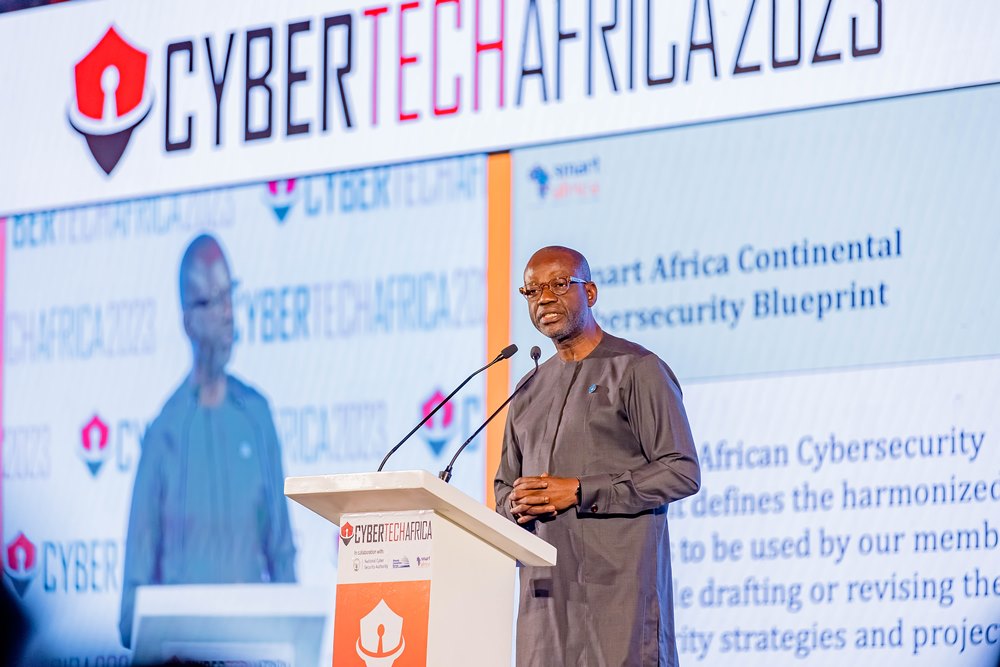
With the cyber threat landscape continuously evolving, it is crucial for Africa to establish and implement comprehensive cybersecurity measures to protect themselves and their citizens, said Lacina Kone, chief executive officer of Smart Africa.
He highlighted different Cybertech projects Smart Africa is implementing across the continent. “This year in April, we inaugurated our first cybersecurity innovation center in Abidjan, Cote d’Ivoire, where 60 young minds are undergoing six months of advanced training to become cyber geeks, and we intend to establish many more centers in all regions of Africa,” Kone added.
He emphasized the paramount importance of cybersecurity as a foundation for realizing a trusted African Continental Free Trade Area (AfCFTA), saying that it is a cornerstone of the continent’s vision to transform Africa into a single digital market.
Kone urged African nations and organizations to stay ahead of the evolving cyber threat landscape by implementing comprehensive measures to safeguard citizens, employees, and customers from potential cyberattacks.
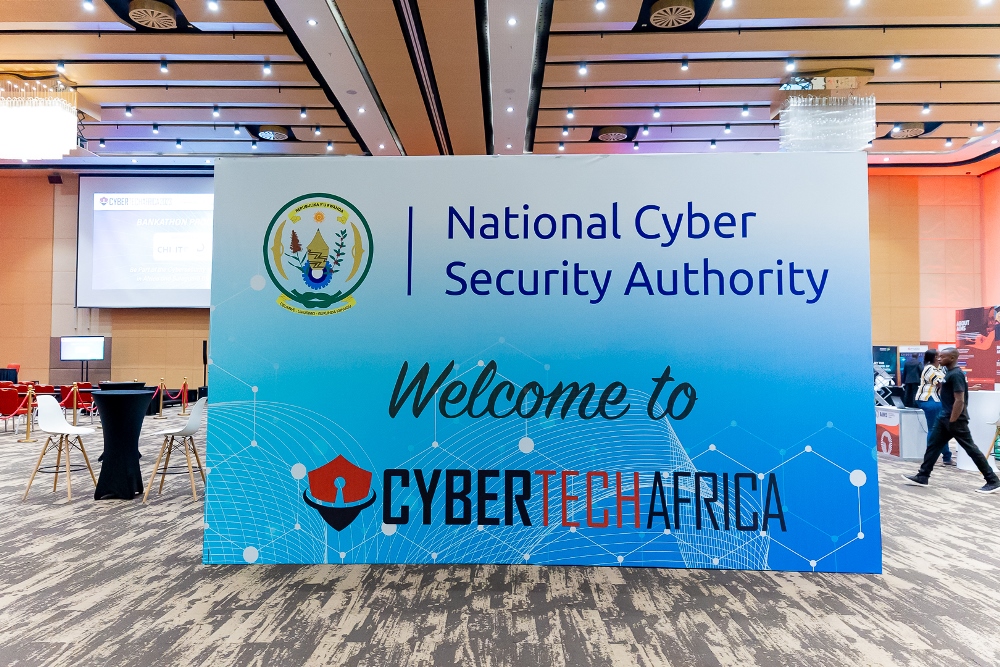
The event, which runs through Wednesday, was organized in partnership with Rwanda’s National Cyber Security Authority, Rwanda Convention Bureau, and Smart Africa.
The conference features fintech, IoT (Internet of Things) and 5G, AI (Artificial Intelligence), critical infrastructure, aviation and space cybersecurity, smart cities, capability building, and sustainability.
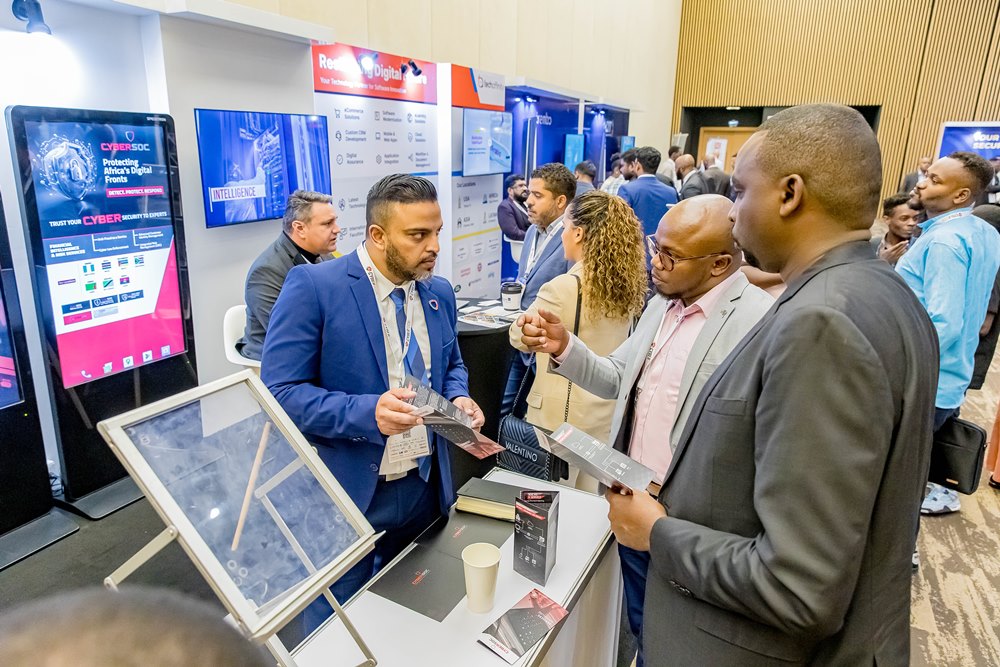
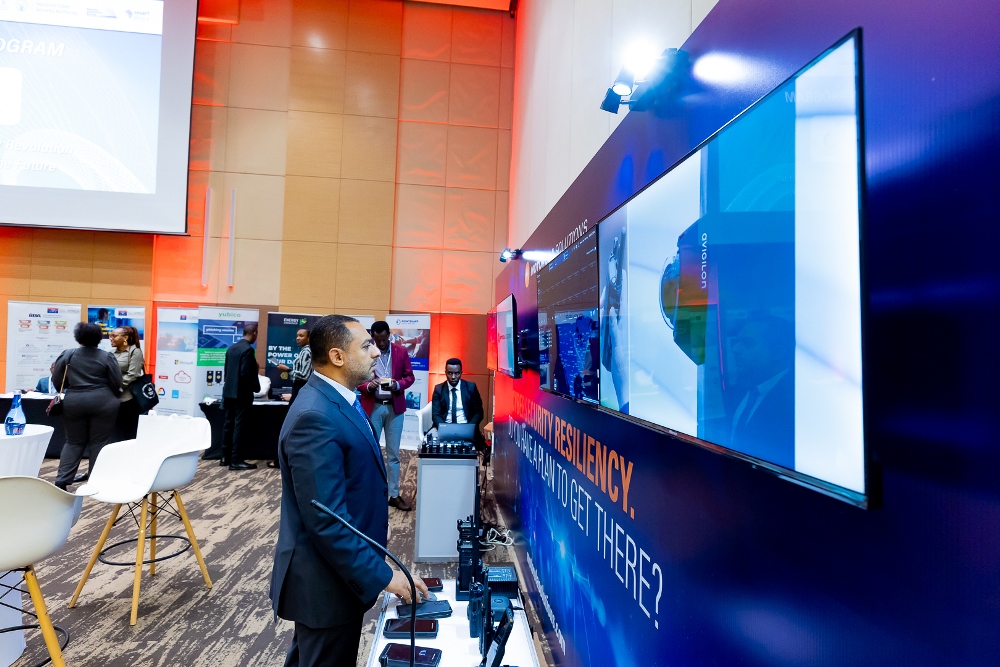
The conference also includes an exhibition of innovative cyber companies from various fields, increasing exposure to international and pan-African markets, industry executives, and thought leaders, and encouraging participation in a rapidly growing innovative ecosystem.
“The unfolding crisis, if not addressed, will exacerbate the deteriorating security situation in the region,” Leonardo Santos Simão, the UN secretary-general’s special representative for West Africa and the Sahel, told reporters at the UN headquarters in New York via video teleconference from Accra, Ghana.
It will also negatively impact the development and lives of the population in a country where 4.3 million people need humanitarian assistance, added the envoy, who also heads the UN Office for West Africa and the Sahel.
Simão underscored support for efforts by the Economic Community of West African States to restore democratic order in Niger, and warned that if measures are not taken, or the situation is not reversed, “it is very likely the spread of terrorism in the region can increase.”
Meanwhile, UN Secretary-General Antonio Guterres on Tuesday expressed deep concern over reports of the arrest of several members of Niger’s government.
Guterres urgently called for the strict adherence to Niger’s international human rights obligations and the prompt restoration of constitutional order, his deputy spokesman Farhan Haq told reporters.
Haq also said that the United Nations and humanitarian partners are committed to staying and continuing to provide vital aid to the most vulnerable segments of the population in Niger.
“To ensure the continuation of this crucial assistance, it is imperative that all parties foster a conducive operating environment,” he said.
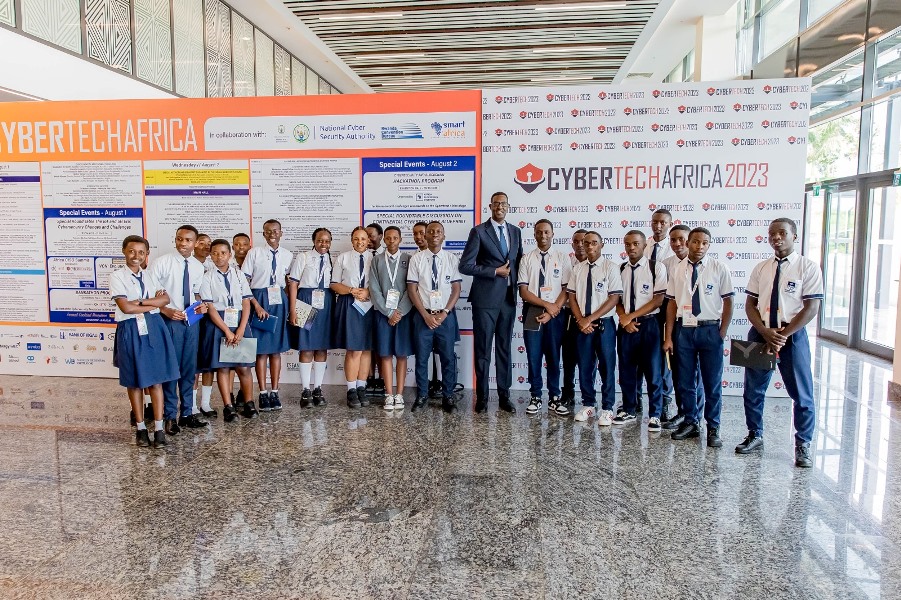
Cybertech has brought together experts and leaders from the industry to address cybersecurity challenges, both globally and specifically in Africa.
Esteemed guests in attendance include Ahmed Atif, the Vice President of Seychelles; Paula Ingabire, Rwanda’s Minister of ICT and Innovation; ambassadors and David Kanamugire, CEO of the National Cyber Security Authority Rwanda (NCSA) among others.
In line with the meeting’s spirit of opportunity, the Vice President of Seychelles, Ahmed, encouraged small entrepreneurs to present their ideas, as the summit presents various market and growth potential.
Minister Ingabire also highlighted that the digital revolution has ushered in new cybersecurity challenges, including cyber threats and data breaches, which have caused significant losses to communities.
Recent reports indicate a 67% increase in cyber threats in Africa compared to previous years, making it crucial for African nations to come together, share experiences, and adopt a collaborative approach to cyber governance.
Rwanda was recognized for taking proactive measures to protect its citizens and foster a secure digital environment through the implementation of privacy laws. Minister Ingabire emphasized the importance of learning from other countries present at the conference, as cyber technology forms the foundation of sustainable economies.
The first day of the summit featured numerous panels discussing cyber challenges in Africa, cybersecurity in finance and banking, blockchain and securing cryptocurrencies, and the role of women in cybersecurity.
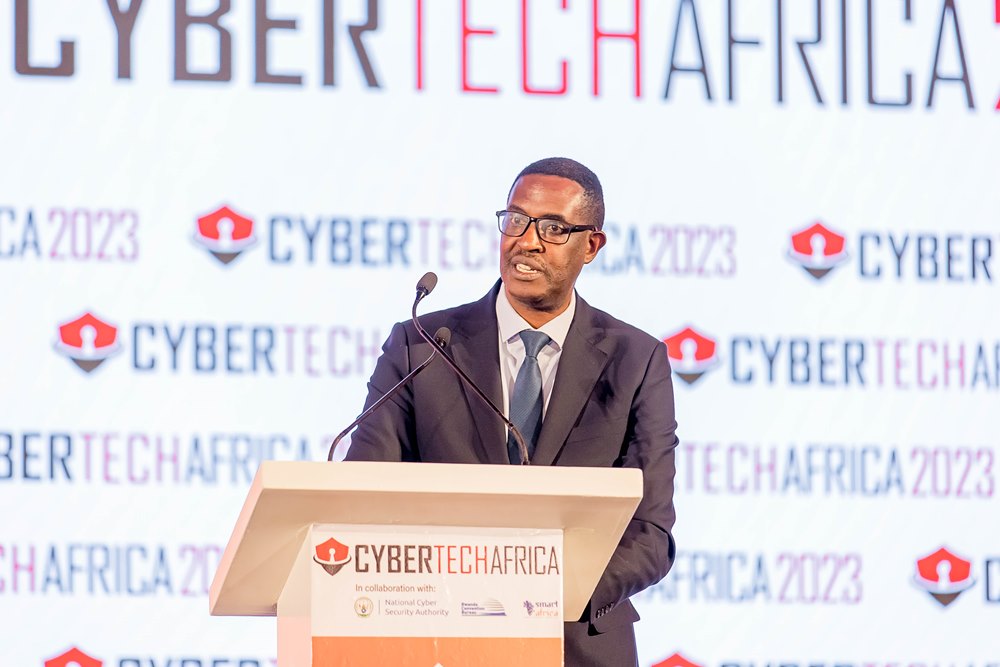
David Kanamugire, CEO of NCSA, warmly welcomed the attendees to this groundbreaking event in Kigali, emphasizing the summit’s significance in shaping the future of cybersecurity.
He highlighted how cutting-edge technologies like artificial intelligence, machine learning, and robotics are now a reality and underscored the importance of African youth’s active involvement in leveraging these transformative benefits for a more equitable and useful future.
Lacina Koné, the Director General of Smart Africa, emphasized the critical importance of establishing and implementing comprehensive cybersecurity measures across African nations and organizations. He stressed that cybersecurity is crucial for the realization of a secure and trusted Africa continental free trade area and plays a central role in transforming Africa into a single digital market by 2030.
Over the next two days, experts and industry leaders will discuss critical cybersecurity issues, with a specific focus on challenges facing Africa. The summit will feature sessions on the IoT and 5G era, cybersecurity in the banking and financial sector (a critical area for Africa’s development), as well as various side events.
An exhibition is also taking place on the sidelines of the conference, showcasing innovative cybersecurity solutions from companies around the world. Sponsoring companies such as Irembo, Bank of Kigali, MTN, Motorola, Blackberry, Elbit Dynamics, among others, are proudly exhibiting their cutting-edge cybersecurity solutions.
Cybertech Africa 2023 Summit promises to be a landmark event in the ongoing efforts to safeguard Africa’s digital landscape and build a resilient and secure cyber environment for its citizens and businesses.
-* Revenue increased by 17.5% driven by appropriate pricing to offset inflation in 2023. The volume decreased slightly by 2% due to slowdown of soft drinks growth in the first half of 2023.
Results from operating activities mainly driven by top line growth and other income partially offset by:
-* Increased cost of sales (18.4 % vs. LY) due to higher cost of inputs (raw and packaging materials) in line with global inflationary and commodity trends.
-* Higher selling and distribution costs (20.1 % vs LY) driven by higher cost of transportation, as well as higher commercial expenses to drive outlet visibility.
-* Higher administrative costs (12.5% vs LY) driven by staff recruitments and adjustment of staff salaries to mitigate inflation.
-* Net finance costs increased by 57.8 % mainly driven by foreign exchange cost following the Rwandan franc depreciation against the euro and dollar.
-* Income tax expense increased by 20.6 % mainly driven by high Profit Before Tax vs last Year.
-* Bralirwa’s operating result increased to Rwf 23 billion (HY1 2022: Rwf 20 billion) resulting from topline performance and effective cost management. Profit and total comprehensive income for the first half year of 2023 grew by 3.5 % to Rwf 12.9 billion (HY 2022: Rwf 12.5 billion).
Etienne Saada, Vice Chairman of the Board and Managing Director of Bralirwa Plc. commented:
Bralirwa’s operating result increased to Rwf 23 billion (HY1 2022: Rwf 20 billion) as a result of top-line growth and efficient cost management. Profit and total comprehensive income increased by 3.5% to Rwf 12.9 billion in the first half of 2023 (Rwf 12.5 billion in HY 2022).
{{Outlook 2023}}
In the coming year, African economies are projected to be impacted by ongoing uncertainty and resulting volatility in the global economy, particularly in input costs. Our goal for 2023 is to increase top-line, margin, and profit growth in order to consistently outperform in the Rwandan market as well as the larger African Region. This will be accomplished by planned growth in HY2 volume and value, as well as cost management. However, input costs continue to be a macroeconomic concern, with implications for the economy and our business.
{{About Bralirwa Plc.}}
Bralirwa Plc is a world-class sustainable beverage company in Rwanda. It is the market leader in premium and non-alcoholic brand manufacturing and distribution. Founded in 1957, Bralirwa Plc has been part of the HEINEKEN Group since 1971. Our values are what we stand for. Passion for consumers and customers, Courage to dream and pioneer, Care for people and planet and Enjoyment of life. With a portfolio of more than 17 international and local beers and beverages, we ignite the moments that bring people together and create unforgettable bonds. Bralirwa has been dedicated to making a positive difference in Rwanda for over 66 years. We recognize that we can only thrive if all our people, communities, and planet thrive as well. As a socially responsible company, we always support a wide range of projects, from the environment to stakeholder relationships, to name a few.
To remain a pioneer in the market, we strive for the highest quality while maintaining the trust of our customers and partners. Our goal is to shape the future of beer and win the hearts of consumers. We are committed to long-term brand investment, disciplined sales execution, and operational efficiencies.
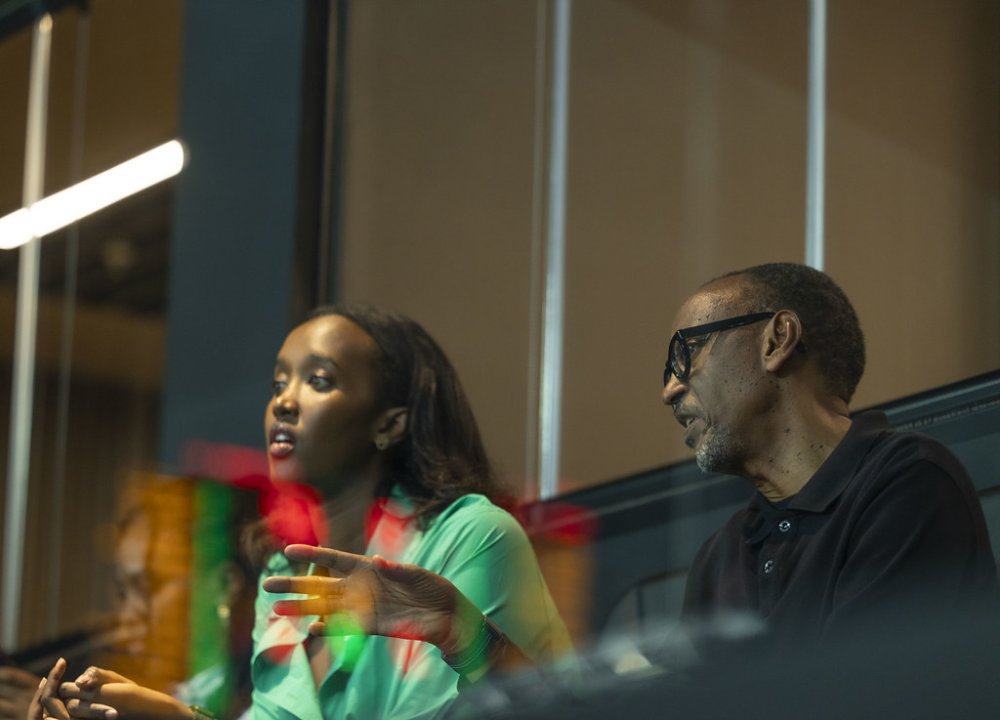
Notably, CG Dan Munyuza, the former Police Chief, has been appointed as Rwanda’s ambassador to Egypt. Additionally, Ange Kagame, daughter of President Paul Kagame, has been named the Deputy Executive Director of the Strategy and Policy Council at the Office of the Presidency (OTP).
CG Dan Munyuza, who served as the Inspector General of Rwanda National Police until four months ago, will now take on the vital responsibility of representing Rwanda in Egypt.
In addition to these two key appointments, the cabinet meeting resolved on other diplomatic postings as well. Maj Gen Charles Karamba will now serve as Rwanda’s ambassador to Ethiopia and Permanent Representative to the African Union.
Michel Sebera has been named ambassador to the Republic of Guinea, marking a historic moment as Rwanda establishes a dedicated ambassadorship to the country. Previously, Rwanda’s interests in Guinea were overseen by the country’s ambassador to Nigeria. Michel Sebera’s experience as Minister Counsellor in Rwanda’s Embassy in the Netherlands will undoubtedly prove invaluable in this new role.
Besides, Shakila Umutoni Kazimbaya, who previously served as the Director General of Africa at the Ministry of Foreign Affairs, will take on the role of Rwanda’s ambassador to Morocco.
It’s important to note that these appointments come as replacements for various individuals who have completed their tours of duty in their respective positions.
For instance, Maj Gen Karamba’s posting to Ethiopia follows the conclusion of his tour as Rwanda’s ambassador to Tanzania. Additionally, Shakila Umutoni Kazimbaya replaces the former ambassador to Morocco, Zaina Nyiramatama.
Other nominations saw the former Secretary General of Rwanda Patriotic Front (RPF-Inkotanyi), Francois Ngarambe, appointed the Chairman of Chancellery for Heroes, National Orders and Decorations of Honor (CHENO).
The development was confirmed through a statement released by IFAD on 31st July 2023.
“I am pleased to announce that after a very robust recruitment process, including an external panel review, I have appointed Ms Gérardine Mukeshimana, a national of Rwanda, as Vice-President,” said IFAD President Alvaro Lario, in the statement.
According to the statement, Dr. Mukeshimana will come on board (in IFAD) on August 28, 2023.
Dr. Mukeshimana served as the Minister for Agriculture and Animal Resources in Rwanda for the previous eight years from 2014 until March 2023. She was replaced by Dr. Ildephonse Musafiri.
Under her leadership, the agricultural sector was transformed into one of the best performing on the continent and farmers experienced a dramatic improvement of their livelihoods, according to the statement.
During her tenure, the statement added, Mukeshimana engaged with rural youth, attracted private sector interest in agri-business in Rwanda, and pioneered the use of climate funds for the agricultural sector.
Dr. Mukeshimana possesses a Bachelor’s Degree in Agriculture and Horticulture from the University of Rwanda, a Master’s Degree and a doctorate in Plant breeding and Genetics- Crop and Soil Sciences from Michigan State University (USA).
He brings to IFAD extensive knowledge and networks in the agricultural development domain, including with other multilateral development banks and climate funds, as well as her strong technical experience from her work and research at the International Livestock Research Institute (ILRI) and the Michigan State University.
{{About IFAD}}
IFAD is an international financial institution and specialised United Nations agency based in Rome, Italy, the UN’s food and agriculture hub. Since 1978, the fund said it has provided $23.2 billion in grants and low-interest loans.
It has 177 Member States composed of developing, middle and high-income countries from all regions of the world who are dedicated to eradicating poverty in rural areas.
IFAD works to address poverty and hunger in rural areas of developing countries.
It funds and sponsors initiatives that are intended to improve land and water management, develop rural infrastructure, educate farmers in more efficient technologies, build up resilience against climate change, enhance market accessibility, among others.
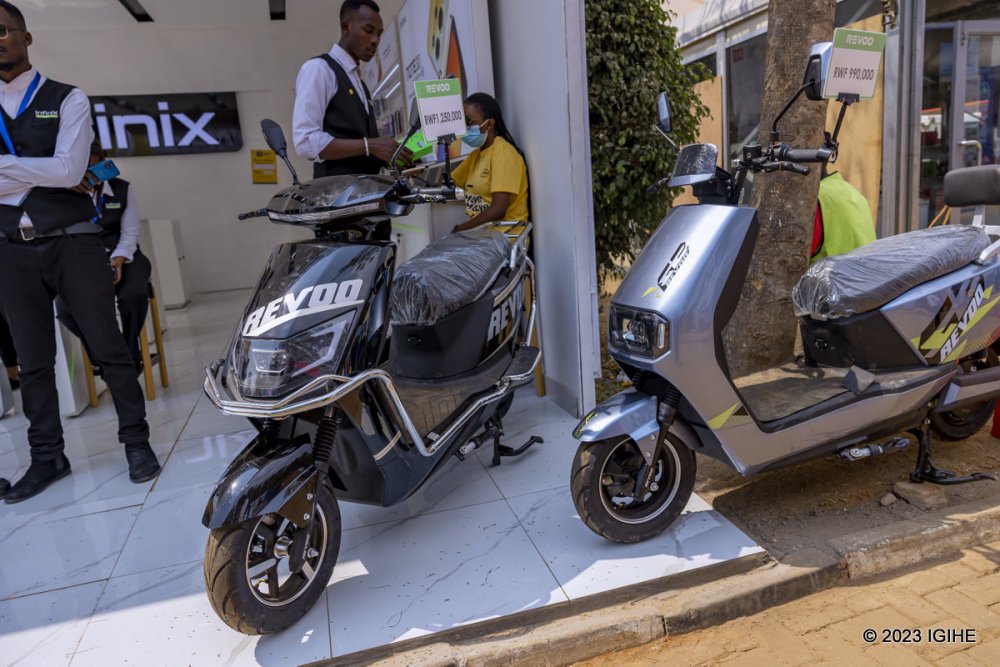
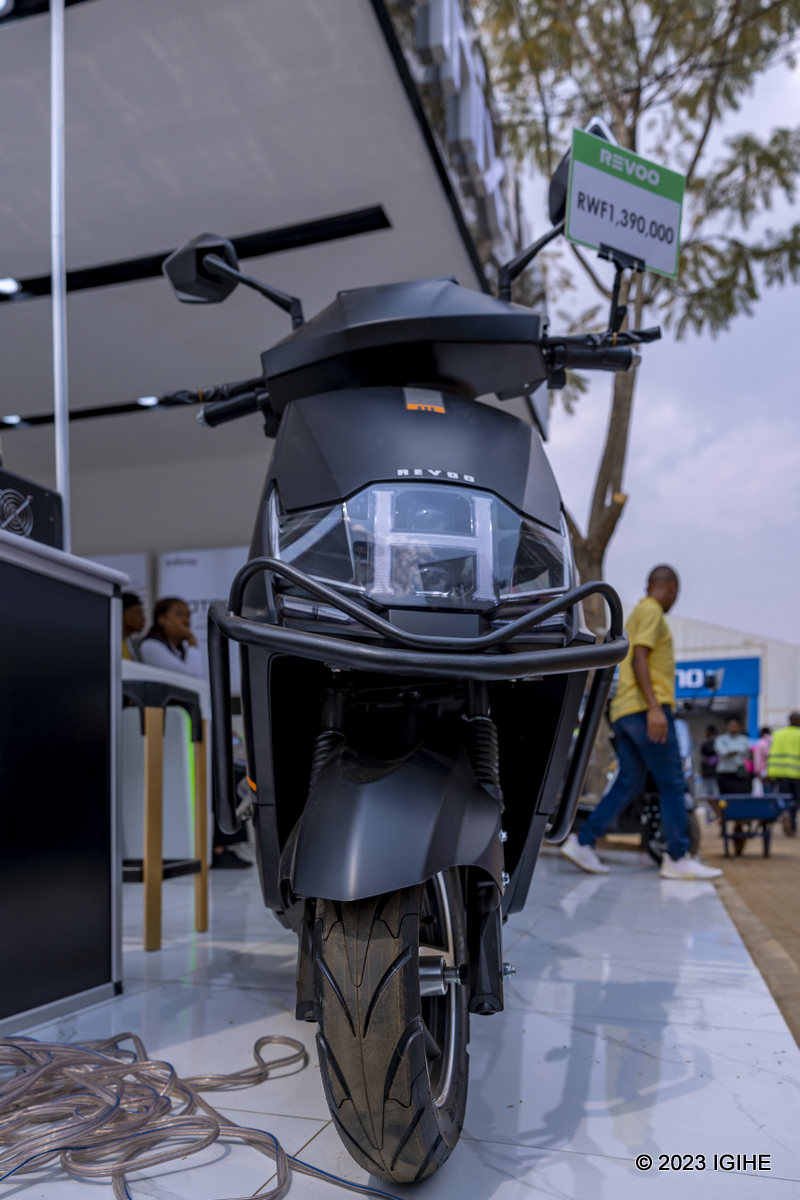
Revoo Company, a renowned name in the world of Chinese motorcycle manufacturers, has introduced these groundbreaking vehicles to the Rwandan market through its subsidiary based in Kigali.
This innovative approach has positioned Revoo as a standout exhibitor at the event, with its scooters presenting a fresh and practical solution to urban mobility by enabling hassle-free recharging anywhere through a standard plug.
One of the primary advantages of these electric scooters lies in their economic aspect. With just a Rwf100 charge using Cashpower, users can cover a distance of 10 km.
A fully charged scooter can travel up to 60 km before needing another recharge, offering an impressive range for various commuting needs. The inclusion of a portable charger further enhances the flexibility, making recharging on the go an easy task.
Gloria Ingabire, Sales Manager at Revoo has highlighted the significant savings potential with these scooters.
“You can spend up to Rwf200,000 per month on motorcycle taxi rides. On the other hand, using our scooters would allow you to make substantial savings over a year while covering just as many kilometers,” she explained.
Revoo offers three models of these revolutionary scooters, with prices ranging from Rwf990,000 to Rwf1.3 million, catering to various user preferences and budgets. Additionally, the company ensures customer satisfaction by providing repair services in case of any technical issues.
By introducing these electric scooters to the Rwandan market, Revoo takes a crucial step in transforming the country’s urban mobility landscape.
These sustainable, practical, and cost-effective vehicles are perfectly aligned with the needs of modern urban life. As the world embraces environmentally conscious solutions, Revoo’s rechargeable scooters offer a promising contribution towards a greener and more efficient future for urban transportation in Rwanda.
In a statement released yesterday, RIB disclosed that Twizerimana and his three work partners were taken into custody by RIB for their suspected involvement in using children in pornographic videos and sharing them on social media platforms, particularly YouTube.
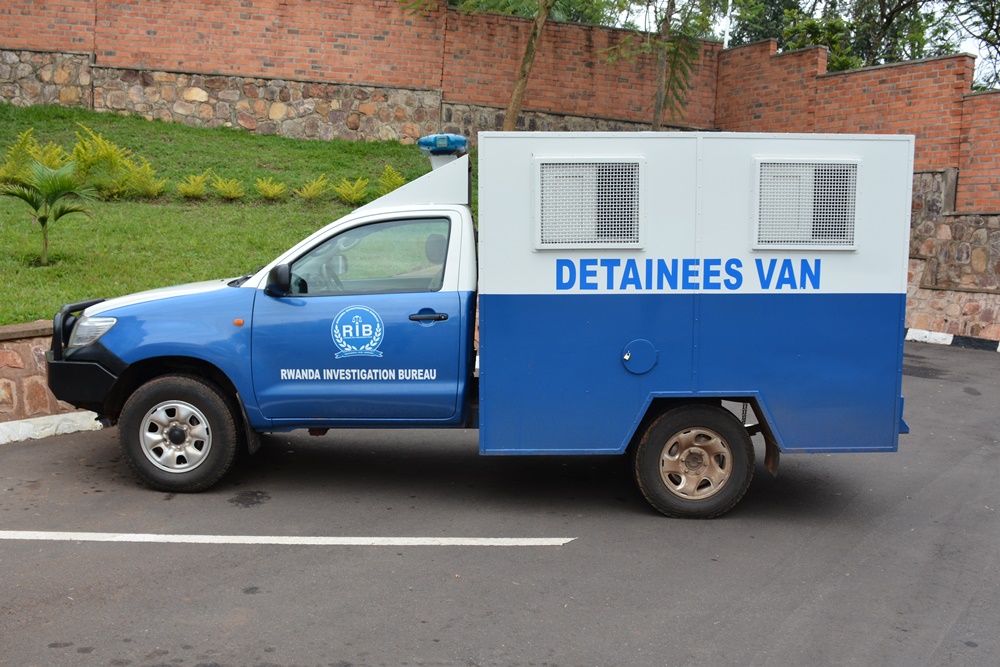
It further reads that the four individuals are currently being held at RIB’s stations located in Kacyiru, Kimironko, Kimihurura, and Remera as their files are being processed to be sent to the National Public Prosecution Authority (NPPA) for further legal action.
RIB has warned the general public against child pornography and other activities that put children into bad behaviour which waste their future.
The 2018 law relating to the protection of the child stipulated that a person who, by any means records a pornographic picture or voice of a child commits an offence.
Upon conviction, he/she is liable to imprisonment term of not less than five (5) years and not more than seven (7) years and a fine of not less than seven million Rwandan francs (Rwf7 million) and not more than ten million Rwandan francs (Rwf 10 million) as per Article 35 of the law.
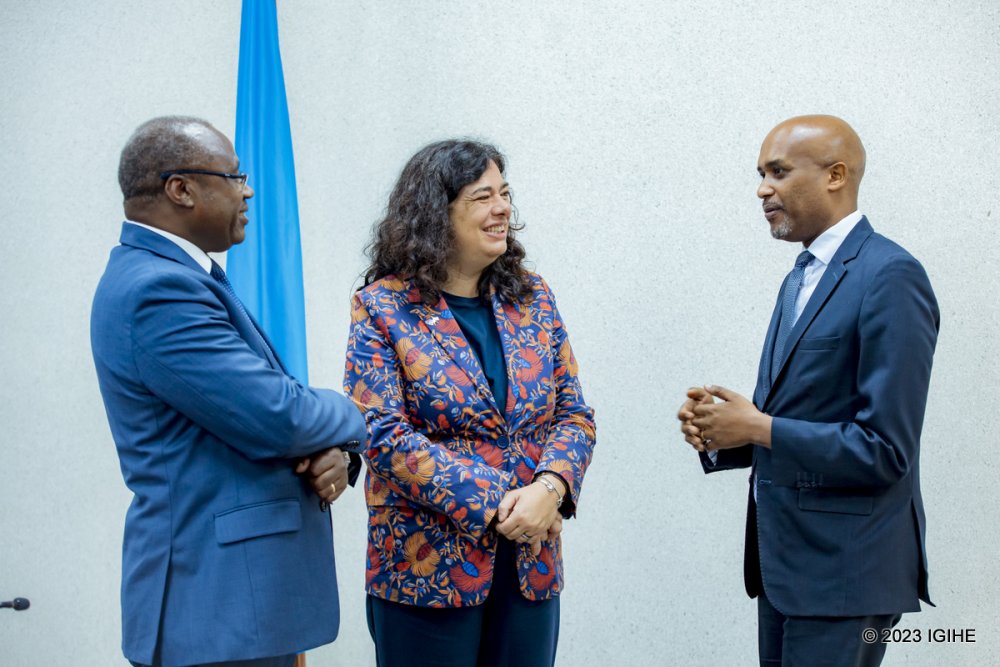
Minister Ugirashebuja made the call on Monday 31st July 2023 after attending the ceremony to sign a grant agreement of €19.5 million (approximately Rwf25 billion) between the European Union and Rwanda to strengthen the justice sector and propel reconciliation and human rights efforts in the country.
With over 1,100 extradition requests sent by Rwanda’s Prosecution to 33 countries globally, some nations have shown a willingness to cooperate, while others remain hesitant, according to Dr. Ugirashebuja.
He expressed confidence in the ongoing discussions and believes Rwandan justice has demonstrated its capacity to effectively try these criminals.
The majority (approximately 90%) of the fugitives are hiding in various African countries, while around a hundred are located in Europe, particularly in France, Belgium, the Netherlands, Norway, Sweden, Finland, Switzerland, Denmark and other European nations.
Belén Calvo Uyarra, European Union Ambassador to Rwanda emphasized the need for the 27 member states to intensify their efforts in prosecuting those accused of participating in the Genocide against the Tutsi.
She also expressed confidence in the collaborative efforts between Rwanda, Europe, and the United Nations to ensure that all accused individuals face justice.