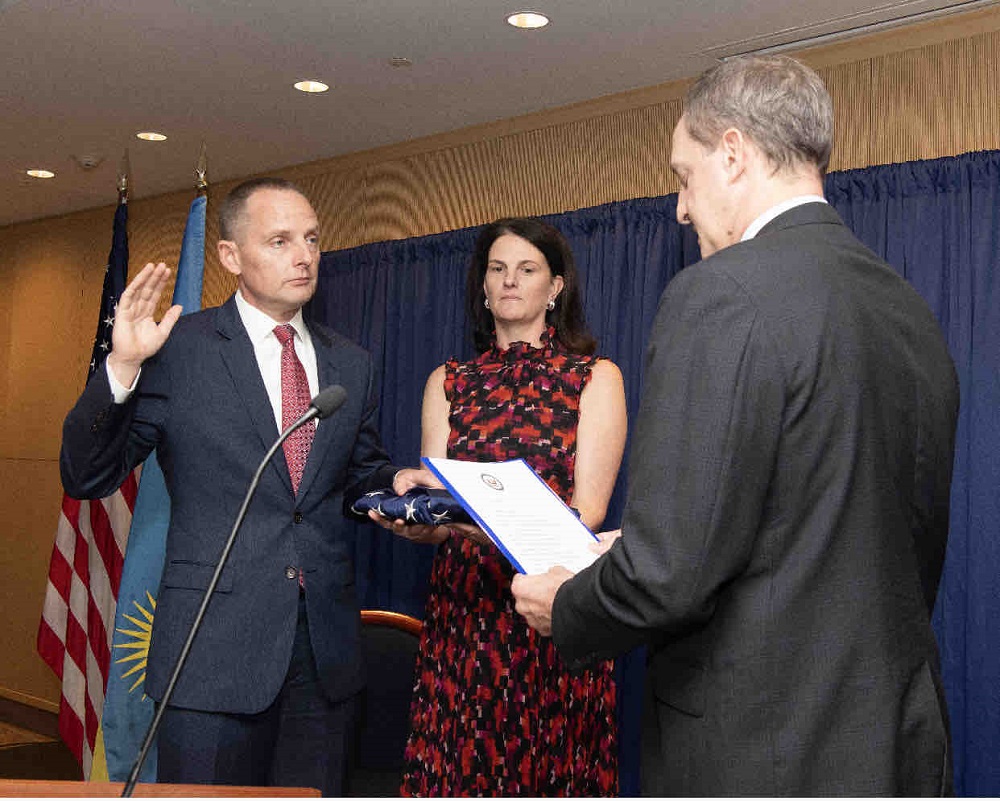
The development has been confirmed by the US Embassy in Kigali.
Appointed by President Joe Biden in August 2022, Kneedler will succeed Peter Vrooman, who was previously posted to Mozambique.
In March 2023, during an exchange with the U.S. Commission on Foreign Affairs, Kneedler had announced that upon his arrival in Rwanda, his top priority would be to champion freedom of expression.
He emphasized the importance of democracy, respect for human rights, and the rule of law in US policy towards Rwanda.
Kneedler is one of the most distinguished US diplomats. His most recent assignment was as the Deputy Chief of Mission at the US Embassy in Nairobi, Kenya where he also acted as Chargé d’Affaires, from 2021-2022.
Earlier, Kneedler was the Counselor for Political Affairs at the Embassy in Nairobi and before that he served in the same role at the US Embassy in Manila, Philippines.
Previously, he served as the Deputy Political Counselor at the US Embassy in Bangkok, Thailand and as a Political Officer at the US Embassy in Jakarta, Indonesia.
His demonstrated leadership ability as Deputy and Chargé d’Affaires in Nairobi, coupled with his over two decades of service as a career diplomat, make Kneedler a well-qualified candidate for Ambassador to Rwanda.
Among his other assignments, Kneedler was a Staff Assistant in the Bureau of European Affairs, a Senior Watch Officer in the State Department’s Operations Center, and he also held positions at the US Embassy in Port Louis, Mauritius and the US Consulate in Hong Kong.
Kneedler earned his Bachelor’s degree from Pomona College, and his Master’s degree from the Johns Hopkins School of Advanced International Studies. He is the recipient of numerous State Department performance awards. His foreign languages include Thai, Indonesian, French, Cantonese and Italian.
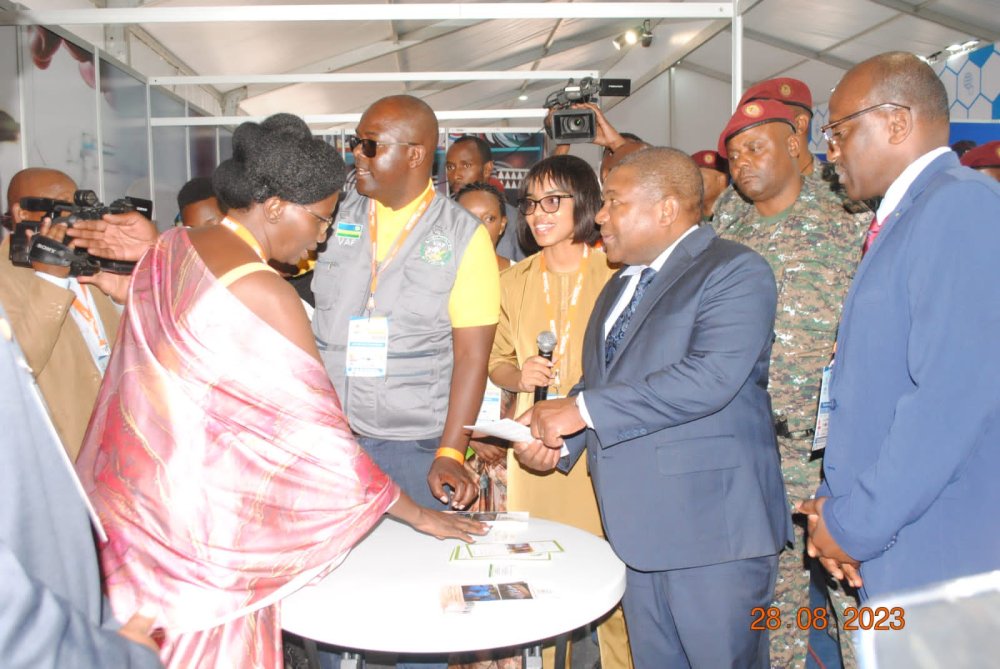
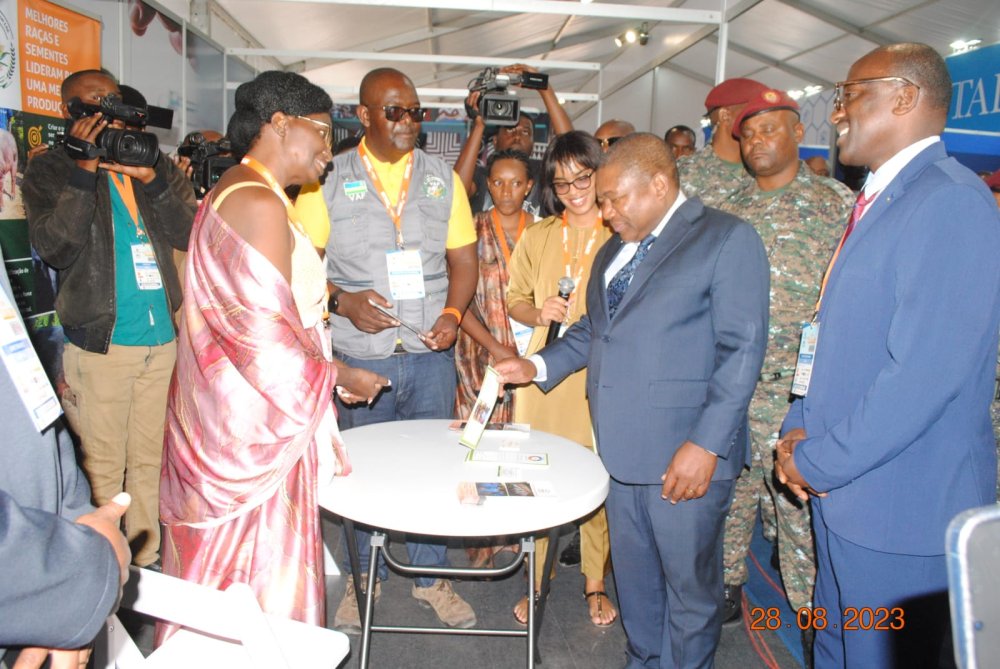
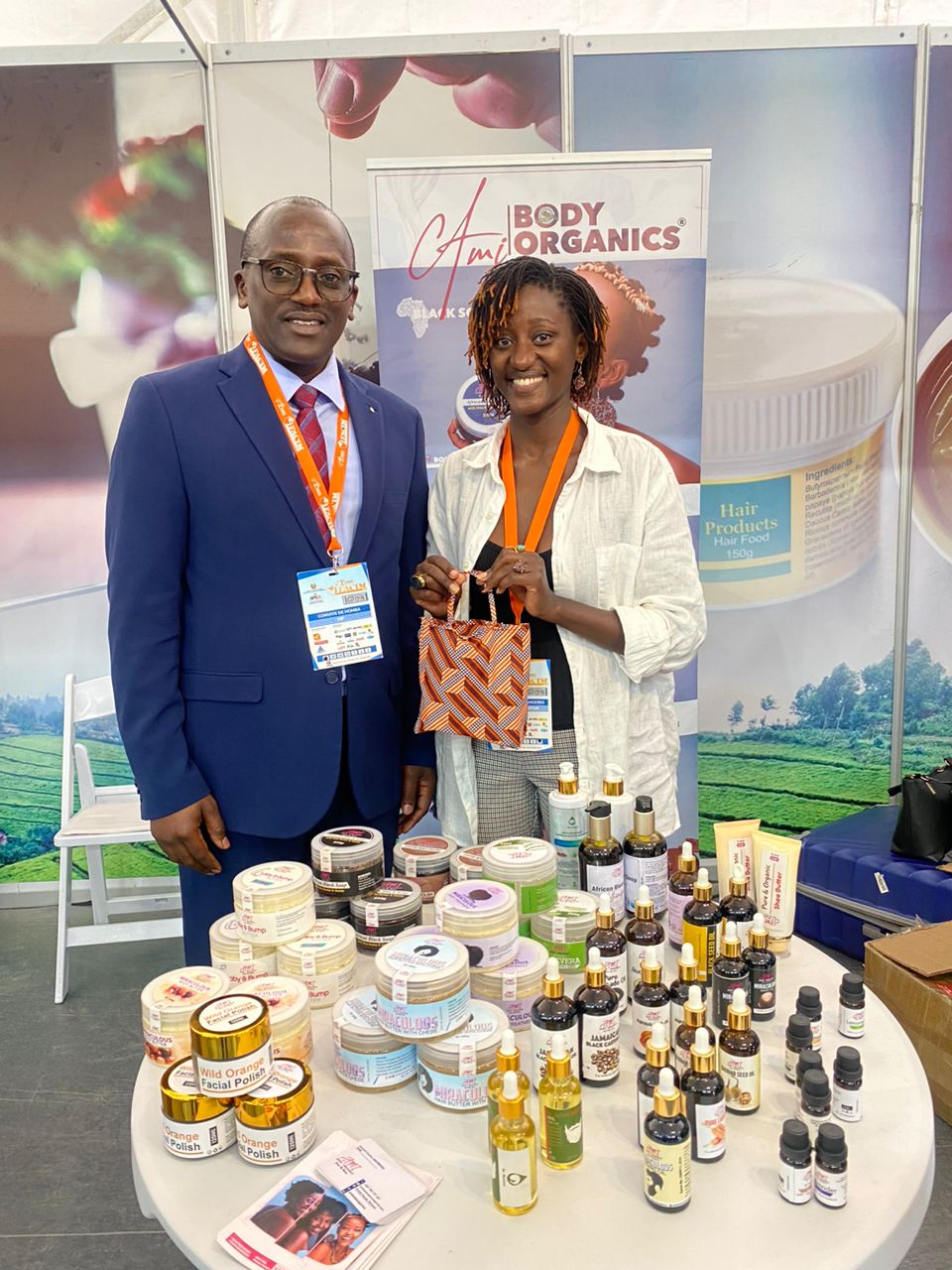
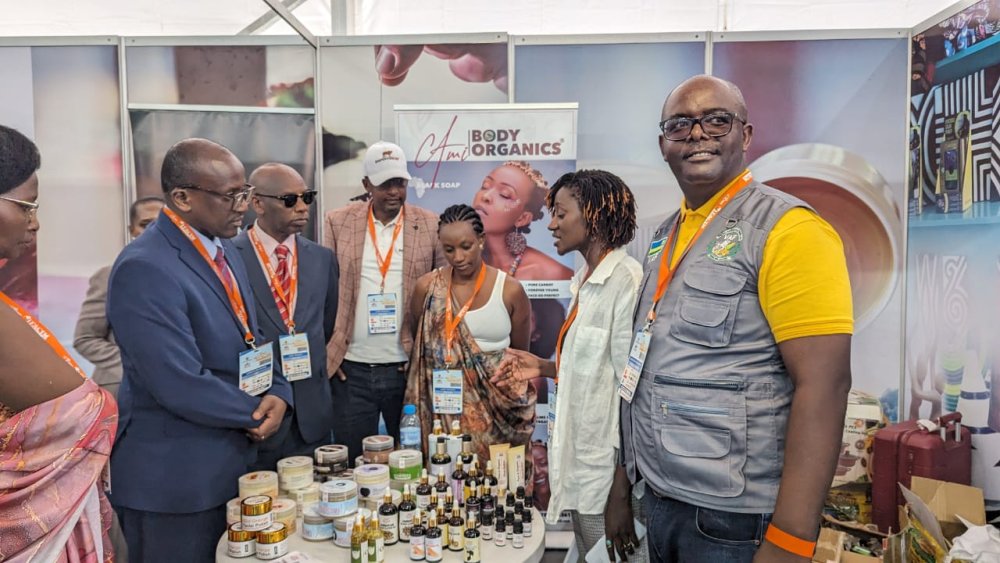
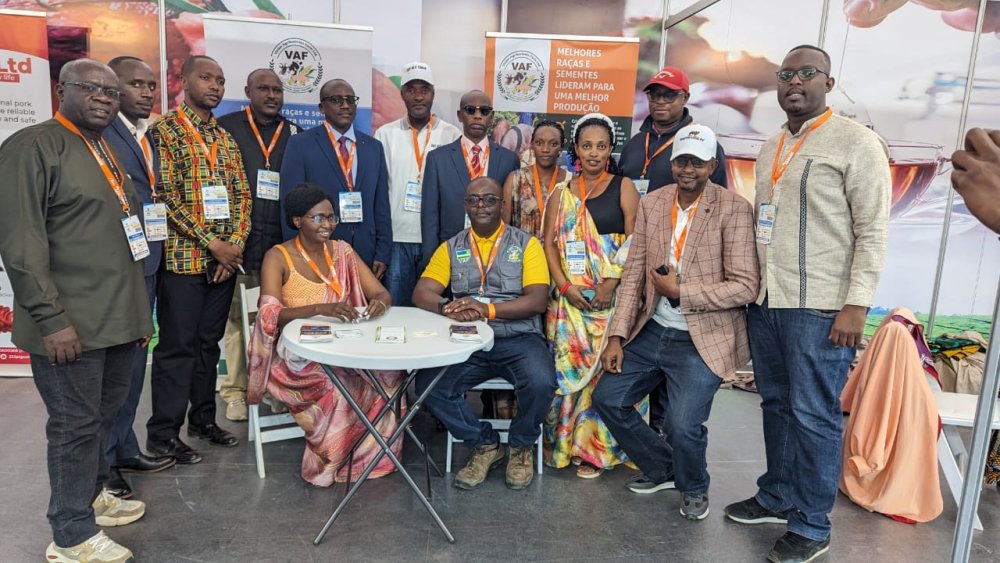
This commitment was made during his discussions with Rwandan entrepreneurs present at the 58th edition of the Maputo International Fair (FACIM).
This event, which commenced on August 28, 2023, and will conclude on September 3, 2023, in Marracuene, Maputo, was officially opened by the Mozambican President, Filipe Jacinto Nyusi.
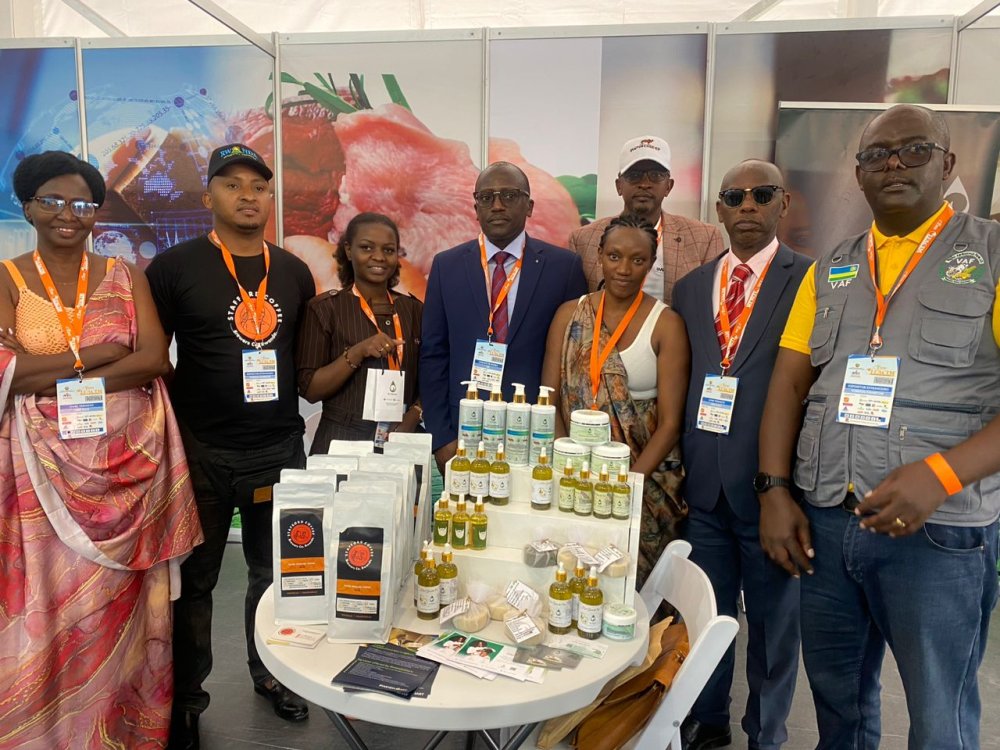
Rwanda was represented at the official opening ceremony by High Commissioner to Mozambique, Claude Nikobisanzwe. Nyusi, accompanied by various dignitaries, took the time to visit stands showcasing Rwandan products. He also engaged with Rwandan investors participating in the fair.
In total, 21 Rwandan entrepreneurs were present, operating in various sectors such as agri-food processing, coffee, fashion, technological services, beauty products, and meat processing. The Rwandan presence at FACIM aims to introduce and promote Rwandan products in the Mozambican market, thereby creating bilateral trade opportunities.
It’s worth noting that this is Rwanda’s second participation in this fair, with the first one taking place the previous year in August. Nyusi expressed his satisfaction with the Rwandan participation and reiterated his commitment to facilitating the processes for Rwandan companies wishing to establish a presence in Mozambique.
This year’s FACIM welcomed participants from 25 countries, including Rwanda, and featured 300 foreign companies as well as 1,950 local enterprises.
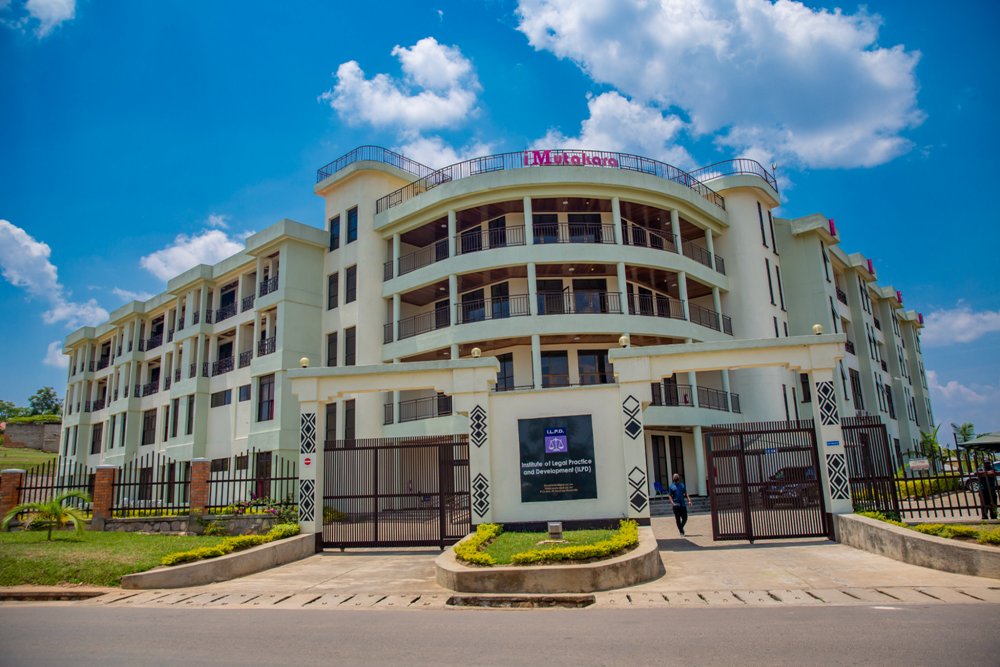
The legal sphere comprises two primary legal systems: civil law and common law. The Rwandan legal system has evolved beyond both civil and common law, resulting in a crosscutting curriculum. This distinct approach has enhanced the allure of ILPD, with the finalists attesting to their contentment in their testimonials.
Roselyne Nyaguthii Karogo, a Kenyan finalist of the DLP, expressed, “As a Kenyan trainee, this opportunity has been invaluable in enriching my legal knowledge, skills, and comprehension of the hybrid Rwandan legal system. ILPD has demonstrated itself as an exceptional institution dedicated to legal education and professional development. The program’s structure, faculty expertise, practical training prospects, and the nurturing learning environment have all substantially contributed to my advancement as a legal professional.”
Abdelkader Ngaro Alfred Ghislain, the inaugural student from Chad, stated, “If training reveals aptitude and practice unveils competence, enrolling at ILPD, which offers premier legal training and practice programs, unveils both (02). Joining ILPD has empowered me to acquire top-notch theoretical and practical training while concurrently gaining highly formative professional experience. It’s a favorable environment and an exceptional experience that has solidified my chosen path.”
Akana Friede Johnne from Cameroon conveyed, “If I were tasked with defining ILPD in a single sentence, it would be: ‘quality teaching in a human-sized structure’. The course’s richness is embedded in the program’s content, encompassing a diverse range of subjects in both the theoretical facet, facilitated by the variety of covered topics, and the practical facet through hands-on exercises and mock trials (MOOT COURT).
These aspects are crucial for cultivating a comprehensive lawyer’s education. Furthermore, the caliber of individuals involved, including judges, lawyers, prosecutors, investigators, and bailiffs, significantly contributes to this richness.”
Bendicto TONG BOL TONG, hailing from South Sudan, shared, “Despite holding both a Master’s and Bachelor’s in Law, embarking on legal practice studies at ILPD felt like the optimal choice. The Institute has bestowed upon me profound knowledge across various domains, and I will forever hold gratitude towards ILPD, particularly the educators and the entire administration. Every facet, from the lecturers to the swift visa processing, amenities, recreational areas, and a well-stocked library, met the standards that anyone would admire worldwide.”
ILPD commemorates its 15th anniversary, having welcomed thousands of lawyers, judges, and prosecutors to its programs. ILPD has now evolved into a focal point of interest for learners from diverse backgrounds.
Countries including Burundi, Cameroon, Kenya, Malawi, Sudan, South Sudan, Uganda, Zambia, Ghana, Gambia, Togo, Nigeria, Sierra Leone, Chad, and Rwanda itself are represented among the participants.
ARG is an international and interdisciplinary community of scholars with an interest in understanding the management, organizational, socio-economic, investment, innovation, and entrepreneurial issues related to Africa.
According to David Wangombe, the Vice Chancellor of UoK, the university is an intense knowledge-seeking institution focused on African issues. Being located in Rwanda, positions it as a knowledge custodian from the country’s perspective.
ARG was established in 2010 and has consistently focused on development in Africa, encompassing research in higher institutions and business aspects within universities.
The collaboration with UoK is fitting as it aligns with the five schools of the institute: business management, Information Technology (IT), and postgraduate portfolios.
Wangombe further stressed that the conference is an opportunity for UoK to learn straight from the researchers than reading papers in magazines and journals.
“Listening to the very people who produce the research talking to us about it, is a very useful
thing for any serious academic and it doesn’t compare to reading from books and journals,” he noted.
Run under the theme; ‘contemporary developments in the management of organizations in Africa:
tapping into indigenous knowledge and developing viable partnerships’, the three-day conference is bringing together diverse communities from around the world, providing a platform to share the latest research developments in various fields.
Professor Ken Kamoche, the research group’s director, stated that ARG aims to make research impactful. “We aim for impactful research, not just conducting studies and leaving them on paper,” he commented.
“Our goal is to conduct research at all levels – industry and policy levels – promoting industrial-academic progress. We seek to understand industry challenges, engage with governments and business managers,” added Kamoche.
With over 30 years of experience researching Africa alongside various scholars, Kamoche recognized the opportunities for research in Africa despite its challenges.
He mentioned the struggles organizations face in attracting and retaining the best personnel, performance management, work ethics, and employee motivation. Kamoche emphasized that research requires collaboration due to limited African researcher resources.
Rwanda is now the third African country to host the ARG conference, with previous events held in Kenya (Daystar University) in 2015 and Mauritius (University of Mauritius) in 2017.
Additional conferences took place at the University of Nottingham in Ningbo, China (2019), University of Manchester in 2013, University of Nottingham (2012), and Nottingham Trent University (2010).
ARG aims to achieve key objectives, including high-quality research through collaboration, informing and influencing investors, managers, and policymakers regarding African management and investment climate, and disseminating research through impactful publications and conferences.
It also seeks to enhance awareness of the African Diaspora’s role in economic/industrial rejuvenation and explore links with the Afro-Caribbean and other Diasporas.
This decision was made on August 28, 2023, as indicated in an official statement endorsed by Hategekimana Jules, president of the district’s advisory council.
Mukamasabo assumed the position of Nyamasheke District Mayor in 2019, succeeding Aimé Fabien Kamali following his resignation.
During that period, various regions across the country held elections in response to the wave of mayoral resignations. The specific grounds for Mukamasabo’s dismissal have not yet been publicly disclosed.
Additionally, on the same day, President Paul Kagame removed François Habitegeko from his role as the Governor of Western Province, to which the district belongs.
Habitegeko assumed the role of Western Province Governor in March 2021, following two terms as the mayor of Nyaruguru District.
Meanwhile, Espérance Mukamana, a seasoned lawyer, has been deeply involved in Rwanda’s land management for over two decades. Her contributions include pivotal roles in land use reforms.
She served as the deputy registrar of land titles in the Southern Province from 2006 to 2016, followed by a stint as the registrar of land titles in Kigali City from 2016 to 2017.
Mukamana’s professional journey encompasses a role as a legal practitioner with the non-governmental organization Haguruka from 2001 to 2004, along with service at the National Public Prosecution Authority (NPPA).
Among others, Mukamana once served in the prosecution of former Byumba Province. Notably, Mukamana also took on the position of Deputy Board Chairperson at the Rwanda Agriculture and Animal Resources Board (RAB) in 2018.
Having held the leadership of the NLA since 2017, Mukamana’s tenure came to an end prior to her recent dismissal. The specific reasons behind their removals remain undisclosed.
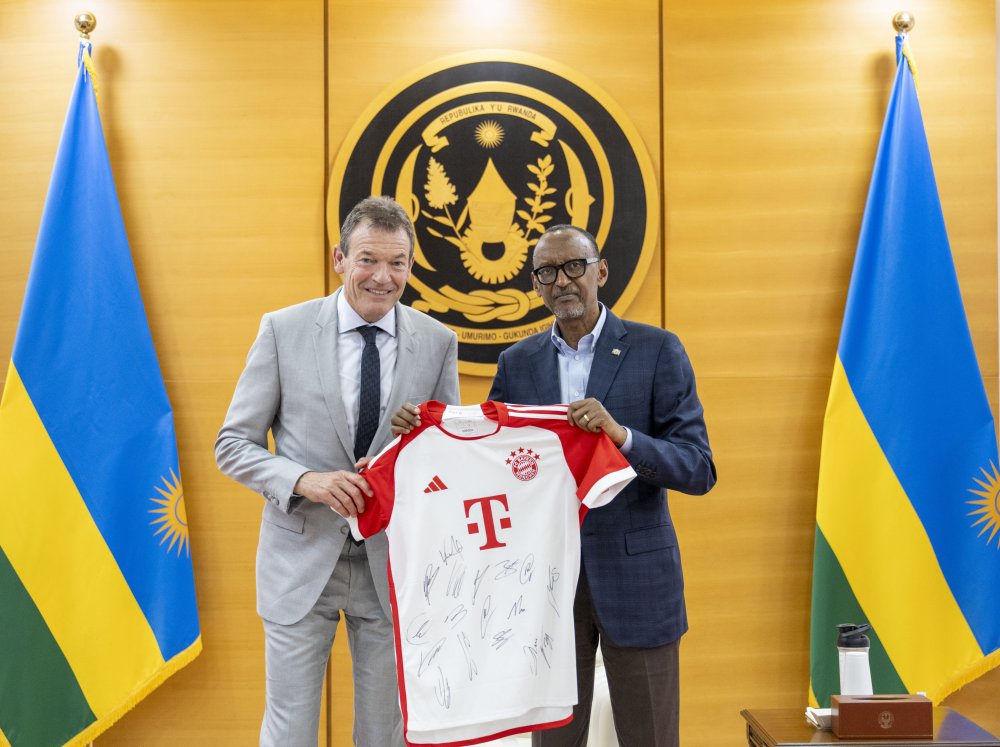
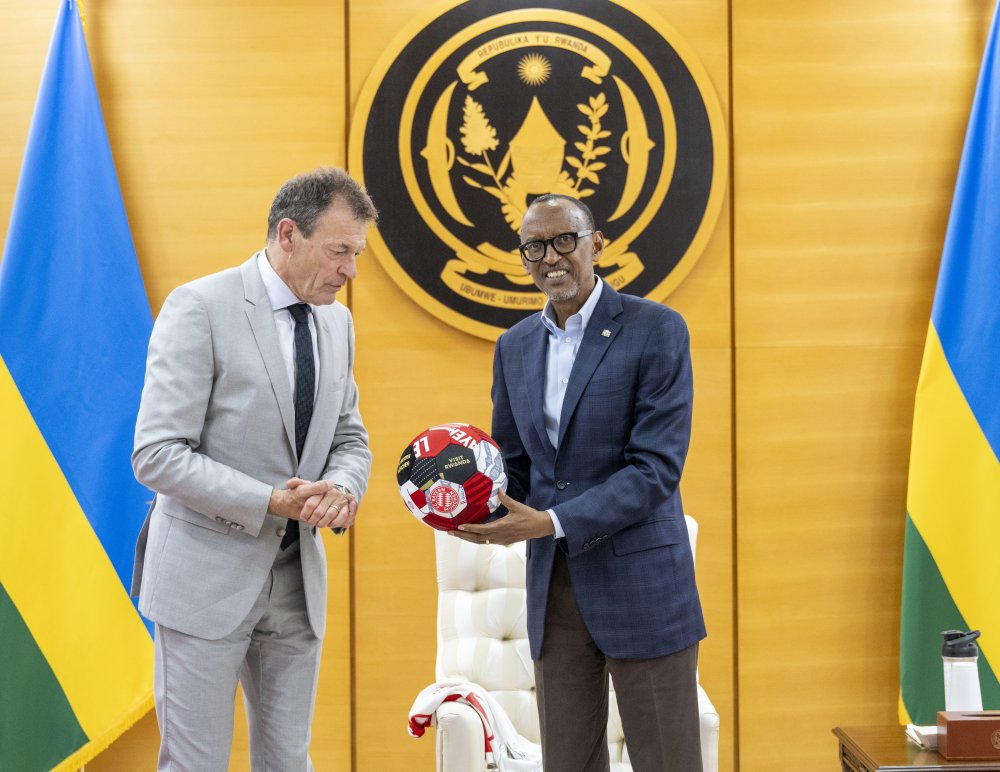
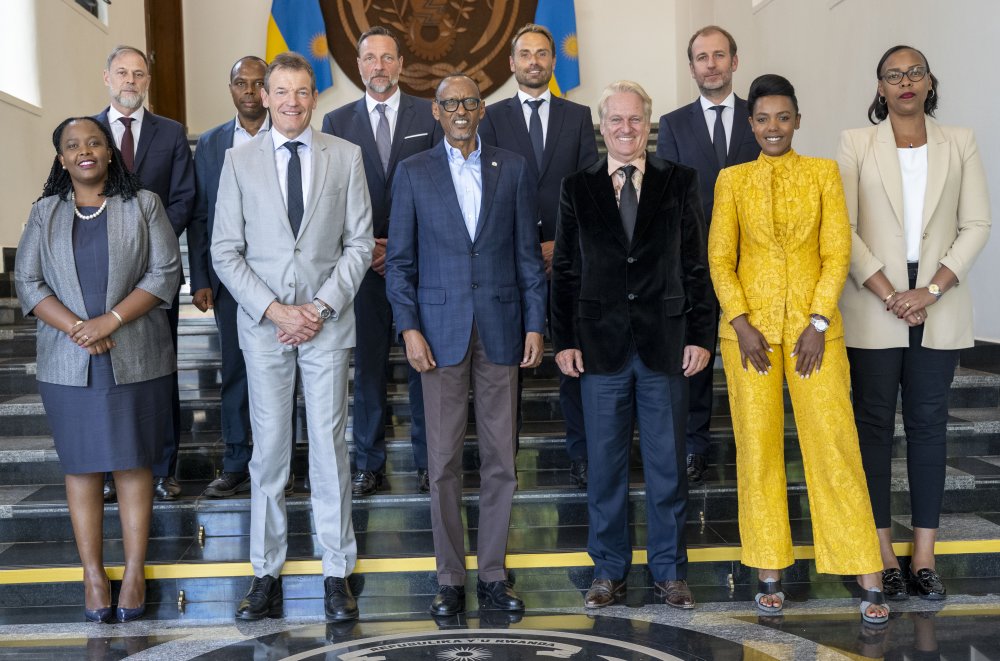
Leading the club’s delegation was led by Andreas Jung, Executive Board Member. Their visit marked a significant milestone as it closely followed the formalization of a dynamic five-year partnership between Visit Rwanda and Bayern Munich. This monumental partnership, publicly unveiled during FC Bayern’s inaugural home game of the season, promises to usher in a new era of collaboration between the two entities.
At the heart of this partnership lies the commitment to nurturing football talent and promoting its growth within Rwanda. An integral facet of this initiative involves close collaboration with Rwanda’s Ministry of Sports to establish a robust football academy. This academy, envisioned as a beacon of football excellence, is set to play a pivotal role in bolstering the country’s football development.
Beyond the confines of the football pitch, an exciting facet of this partnership is the visible presence of Visit Rwanda branding on matchday LED boards. With the club’s magnificent 75,000-seater Allianz Arena poised to showcase this branding, it presents an incredible opportunity to showcase Rwanda’s natural beauty and inviting tourism prospects to a global audience.
The partnership extends its reach even further by encompassing various meticulously planned activities aimed at propelling tourism and investment ventures within Rwanda. These initiatives will not only highlight the nation’s remarkable tourism offerings but also underscore its potential as a lucrative investment destination.
The strength of this partnership lies in its forward-looking nature and commitment to fostering mutual growth. The agreement is set to remain in effect until 2028, providing both parties ample time to evaluate its progress and decide upon its extension or conclusion. This long-term perspective underlines the dedication of both Visit Rwanda and Bayern Munich in nurturing a partnership that stands to create lasting positive impacts.
Central to this partnership is the shared commitment to nurturing youth football talent among boys and girls in Rwanda. An integral aspect of the agreement entails showcasing the Visit Rwanda branding on LED boards during matchdays at Bayern Munich’s impressive 75,000-seater Allianz Arena. Furthermore, a series of curated activities will be rolled out to spotlight Rwanda’s tourism potential and attract investment opportunities.
Speaking to RBA on Sunday, Minister of Sports, Aurore Mimosa Munyangaju, elucidated the multifaceted nature of the partnership, which can be delineated into two key domains. “This encompasses the promotion of Rwanda’s tourism through Visit Rwanda, as well as the pivotal emphasis on sports development,” she remarked.
Underlining the paramount importance of nurturing young football talent, she explained, “Our primary focus lies in fostering football development across diverse dimensions, with special attention to identifying and nurturing emerging football prodigies.”
Minister Munyangaju expounded upon the strategic role that Bayern Munich will play in talent scouting and subsequent training by the club’s seasoned coaches.
“Youth talent cultivation entails a comprehensive approach, encompassing activities such as organizing training camps for aspiring young footballers and handpicking a cohort of 20 players who will benefit from mentorship under a Bayern Munich coach,” she articulated.
Notably, this partnership will also extend its benefits to Rwandan coaches, equipping them with enhanced skills and knowledge.
Minister Munyangaju emphasized, “The preparation of coaches is an indispensable facet when it comes to honing the skills of young athletes and unearthing new talents. Thus, enhancing the capacities of our coaches remains an integral component of this partnership.”
A noteworthy feature of this collaboration is the active participation of Bayern Munich’s players and representatives in live training sessions with Rwandan counterparts. This interaction is envisaged to facilitate a knowledge exchange that contributes to the growth of both football cultures.
Furthermore, an ambitious venture within this partnership will see Bayern Munich collaborating closely with Rwanda’s Ministry of Sports to establish a football academy, aimed at fortifying football’s foundation in the nation.
“The establishment of the FC Bayern Academy, in coordination with Rwanda’s Ministry of Sports, will involve the deployment of two coaches from FC Bayern. This academy will identify and nurture 30 young and gifted footballers from across Rwanda,” Minister Munyangaju revealed.
The long-term impact of this alliance extends beyond the realm of sports, encompassing a comprehensive advancement of Rwanda’s sporting landscape. Notably, this collaboration mirrors the strides made by Arsenal, which has also dispatched coaches to Rwanda, and Paris Saint-Germain, having successfully established an academy in Huye District.
Rwanda’s partnership with Bayern Munich represents a pivotal juncture in the nation’s sporting and tourism narrative. This multifaceted alliance encapsulates the mutual commitment to nurturing youth talent, fortifying sports infrastructure, and spotlighting Rwanda’s tourism potential on the global stage.
As the nation continues to reap the benefits of these partnerships, the trajectory for Rwanda’s football and tourism sectors seems undeniably promising.
The partnership, unveiled during FC Bayern’s first home game of the season, will see the club work specifically with Rwanda’s Ministry of Sports to set up a football academy to strengthen the development of football in the country.
In addition, the club will display Visit Rwanda branding on matchday LED boards at the club’s 75,000-seater Allianz Arena and different activities will be organised to promote tourism and investment opportunities in Rwanda.
Commenting on the development, Jan-Christian Dreesen, Chief Executive Officer FC Bayern, said: “I am very pleased with this collaboration agreed upon until the summer of 2028. FC Bayern can become active on the African continent and gather important experiences.
The new platinum partnership is aligned with long-term goals. We will promote ‘Visit Rwanda’ and help Rwanda grow in sports with projects for youth football. These are challenging and responsible tasks. Africa is a continent of opportunities. For FC Bayern, this is the next important step in internationalization.”
Andreas Jung, Executive Board Member Marketing FC Bayern, said: “I am looking forward to this new, very exciting collaboration. We will support the Rwandan Ministry of Sports in developing youth football programs, including our FC Bayern Youth Cup. We want to spread “Visit Rwanda” as a tourism destination, and we also welcome the new partner to our business network.”
Aurore Mimosa Munyangaju, Rwandan Minister of Sports also expressed delight for the partnership. “We’re thrilled to partner with FC Bayern to support the development of youth football for boys and girls in Rwanda. We look forward to setting up the FC Bayern Academy where their expert coaches will share knowledge of the game with local coaches and players. The potential is there for Rwandans to excel in football and this partnership provides a great platform for Rwanda to strive for excellence in sports.”
Clare Akamanzi, CEO of the Rwanda Development Board, said the institution is pleased to welcome yet another strategic partner in FC Bayern Munich.
“It’s been five outstanding years since the Government of Rwanda announced the Visit Rwanda campaign and adding FC Bayern as another additional partner allows us to reach out to its millions of fans across the globe and tell them to visit Rwanda. Germany is among Rwanda’s top five tourism source markets and we aim to use this partnership to attract more tourists to Rwanda, showcase investment and business opportunities and encourage all to stay in Rwanda,” she noted.
Germany has good relations with Rwanda. For instance, Rhineland-Palatinate has maintained a partnership with Rwanda for 40 years.
The Goethe Institute and Friedrich Ebert Foundation have offices in Kigali. The Federal Ministry for Economic Cooperation and Development (BMZ) is engaging with Rwanda in the fields of climate, energy, internal and external peace, education, and employment. A “German Desk” in the capital city of Kigali is intended to support investments. Volkswagen and BioNTech are already in the market.
{{About Rwanda}}
Rwanda’s unique landscapes have earned it the name ‘the Land of a Thousand Hills’.
Over the past two decades, the country has experienced political and social stability supported by strong economic growth. Rwanda is recognized for the quality of its governance, a commitment to sustainability and the important role played by women in the life of the nation.
Rwanda recognizes sports as one of the pillars of social transformation and development. The country is promoting sports in all corners of society unbiased to gender, age, or physical capacity. Rwanda’s most popular sport is football, which is played in all corners of the country. Basketball, cycling and volleyball continue to grow in popularity.
{{About FC Bayern}}
FC Bayern Munich is the largest sports club in the world and one of the most successful soccer clubs in Europe. Founded on February 27, 1900, FC Bayern now has around 300,000 members and over 150 million followers on social networks.
With 33 German championships, the club is the German record champion, with 20 successes in the DFB Cup German record cup winner.
Internationally, FC Bayern has won the Champions League 6 times, as well as the FIFA Club World Cup and the World Cup 2 times each, among others. The club’s women’s soccer team and basketball team are also among the top teams nationally and internationally.
Over the decades, FC Bayern has succeeded in combining sporting and economic success. The club is now represented internationally with its own offices in New York City, Shanghai and Bangkok. The club headquarters and training grounds are located on Säbener Strasse in Munich. The club also operates its own youth training center. FC Bayern plays its home games in the club’s own Allianz Arena (75,000 spectators).
On the same day, the paramilitary Rapid Support Forces (RSF) Commander Mohamed Hamdan Dagalo presented a political vision for a comprehensive solution to the Sudanese crisis.
Dagalo called on the social media platform X, formerly known as Twitter, to reach a long-term ceasefire agreement combined with the principles of a comprehensive political solution that addresses the root causes of Sudan’s wars.
He further stressed the importance of forming a democratic, civil government based on fair and free elections at all levels to enable all Sudanese to actively and truly participate in determining their political destiny.
Meanwhile, the National Umma Party (NUP), a major party in the opposition coalition Forces of Freedom and Change Alliance, announced its support to stop the war and achieve peace.
“If Al-Burhan’s exit came with arrangements and understandings to stop the war, achieve peace and return to the democratic path, then we will support it in a manner that restores the seized rights of the Sudanese people and fulfills their aspirations for a decent life,” NUP leader Fadlallah Burma Nasir said on his Facebook page on Sunday.
In the meantime, the armed clashes between the two sides continued. The independent Sudan Tribune news portal reported on its website that the SAF on Sunday intensified its air and artillery strikes against the RSF posts in various areas of the capital Khartoum.
The SAF has repulsed three RSF attacks at the army’s armored corps camp in the Al-Shajara military area, south of Khartoum. The camp has been a major target for the RSF, where it had made several attempts to control it over last week.
The SAF warplanes also targeted the RSF positions around Khartoum International Airport and the army’s General Command in central Khartoum, an eyewitness told Xinhua.
The Eastern Nile Emergency Room, east of Khartoum, announced in a statement on Sunday that several citizens were injured at Al-Haj Yousif neighborhood due to the falling of shells.
Similarly, South Khartoum Emergency Room said in a statement that 7 citizens were killed when a shell fell in the vicinity of the central market in southern Khartoum.
Sudan has been witnessing deadly armed clashes between the SAF and the RSF in Khartoum and other areas since April 15, which left over 3,000 people killed and more than 6,000 injured, according to the Sudanese Health Ministry.
More than 4 million people have fled from their homes — 3.2 million people were displaced internally and close to 900,000 have crossed the border into Chad, Egypt, South Sudan and other countries, according to the latest UN estimates.