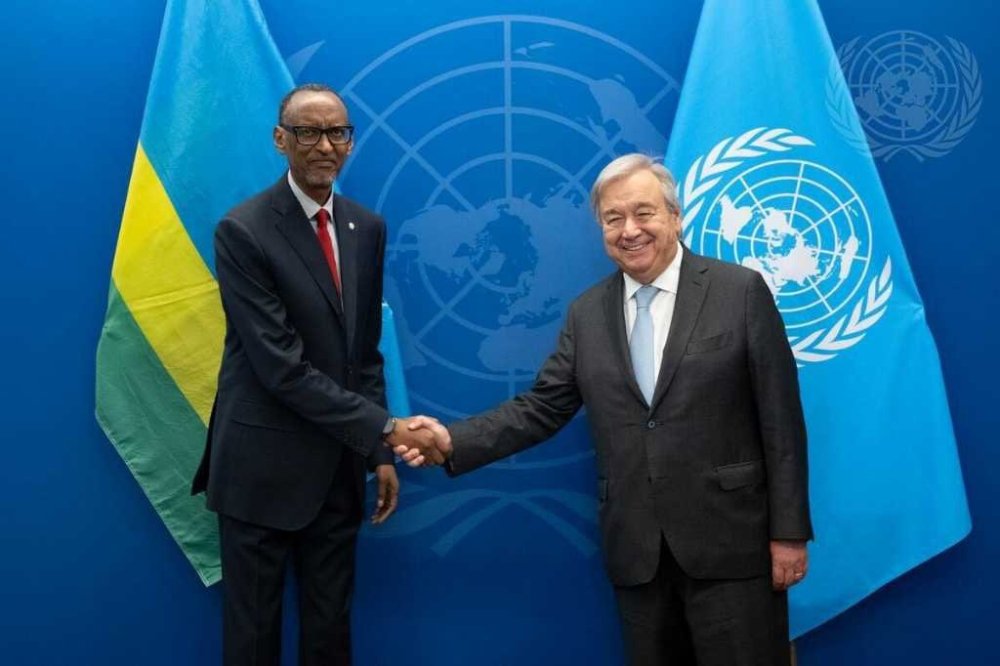
A brief statement posted on X (formerly Twitter) by Rwanda’s Presidency indicated that Kagame emphasized his view that the solution to the situation ‘is not a military one but a political one’.
During their discussion, President Kagame and UNSG António Guterres also discussed continued strong collaboration towards peace and stability in DRC through ongoing regional efforts.
On November 6, 2023, Kagame had a productive call with United States Secretary of State Antony Blinken, during which various topics were discussed, including the deteriorating security conditions in eastern DR Congo.
On the same day, the M23 rebels claimed to have retaken strategic positions in eastern DRC Congo that they had previously ceded to the East African Regional Force (EACRF) due to the worsening security situation in the region.
This development occurred several months after the rebels had vacated these positions as part of the Luanda peace agreement, which aimed to facilitate a negotiated resolution to the conflict in the volatile area.
Meanwhile, Dr. Vincent Biruta, the Minister of Foreign Affairs, expressed his disappointment and rejected the ongoing accusations made by representatives of the DR Congo government against Rwanda.
Dr. Biruta made these comments during a recent meeting of the Organisation Internationale de la Francophonie (OIF) held in Yaoundé, Cameroon. He took the opportunity to voice his objections to accusations leveled against Rwanda by a representative of the DR Congo government at the same forum.
The Congolese military is currently engaged in combat alongside a coalition of local militia groups within their collective entity known as Wazalendo, as well as the FDLR, a terrorist organization comprised of Rwandans responsible for the 1994 Genocide against the Tutsi.
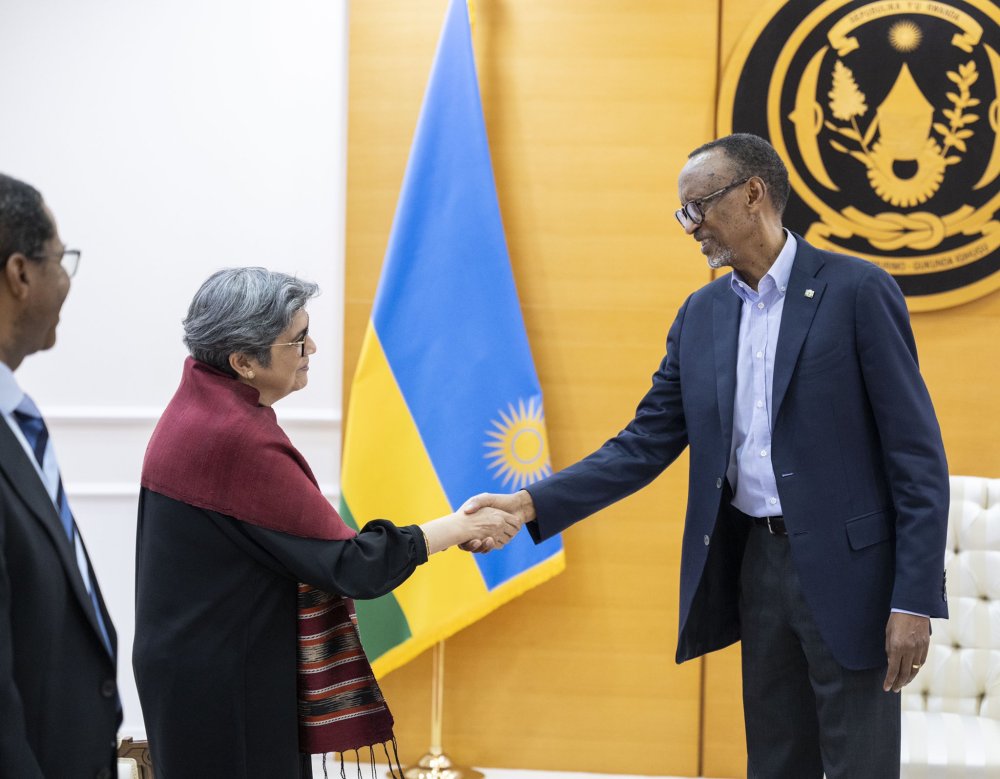
Rwanda’s Presidency, via an official account, disclosed that Kagame and Fatima engaged in discussions regarding the ongoing preparations for the 3rd United Nations Conference on Landlocked Developing Countries (LLDC), scheduled to take place in Kigali in June 2024.
This marks the first time the conference will be held on the African continent. The conference is scheduled to run from June 18th to 22nd, with a primary focus on fostering partnerships among member countries for development. It also aims to establish mechanisms to facilitate innovations aimed at addressing barriers that hinder the development of member countries.
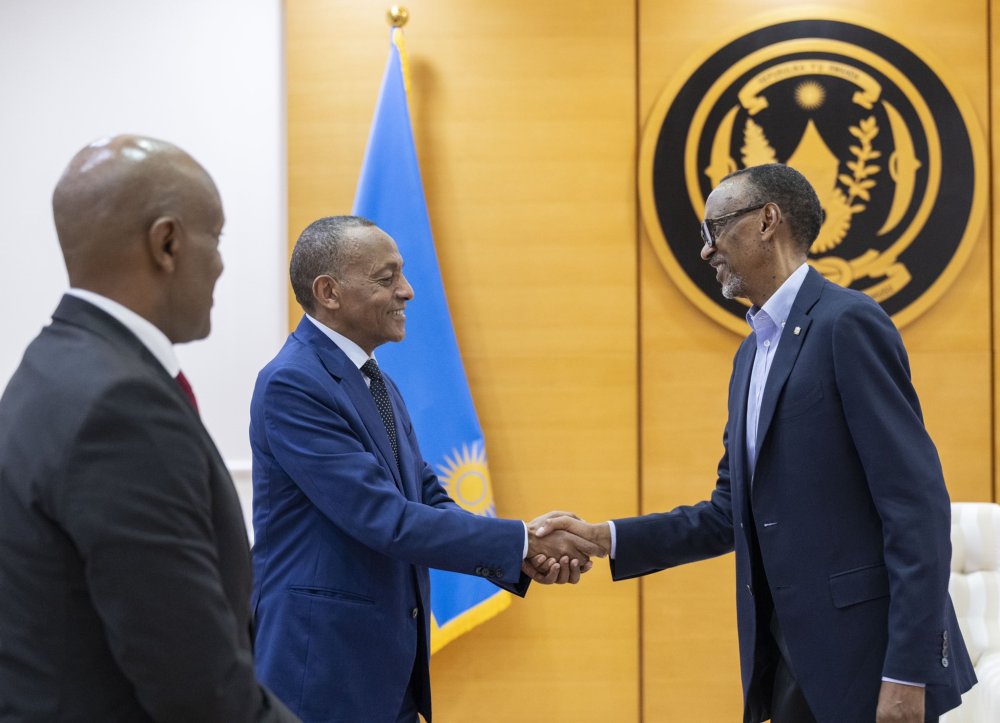
Meanwhile, Ambassador Girma, hosted by Kagame, conveyed a message on behalf of Prime Minister Abiy Ahmed Ali of Ethiopia. However, specific details about their discussions were not disclosed. Girma Birru Geda is a prominent figure in Ethiopian politics, having previously served as the country’s ambassador to the United States and held key positions as the Minister of Trade and Industry, as well as the Minister of Economic Development and Cooperation in his home country.
Prime Minister Abiy Ahmed Ali sent this envoy following his visit to Kigali in 2021, during which he held talks with President Kagame. In July, President Kagame also engaged in discussions with Ethiopia’s President, Sahle-Work Zewde.
Rwanda and Ethiopia maintain a strong and friendly relationship built on mutual respect and cooperation agreements designed to enhance the well-being of the people of both nations.
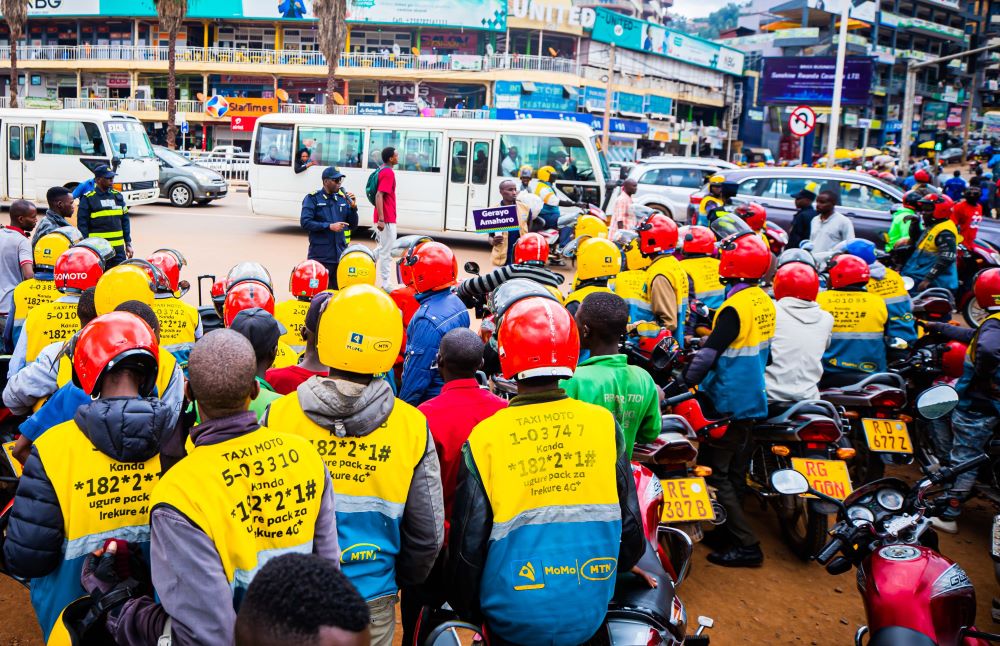
Police officers in different parts of the country engaged drivers of public vehicles, trucks, taxi-moto operators, as well as passengers and pedestrians, on road safety standards and behaviours.
The all-out campaign aims at driving road safety behaviours from abiding traffic rules as a law to making safety on the road a choice and ultimately a culture.
This time, the awareness is combined with operations against errant motorists.
At Nyabugogo bus terminal, ACP Boniface Rutikanga, the RNP spokesperson, reminded drivers to always exercise patience baring in mind that the road is shared by other motorists and pedestrians.
“Everyone, who uses the road should know that they are not using it alone, it is shared with others, so there should be ease between the drivers of big and small vehicles, and pedestrian rights should also be respected,” ACP Rutikanga told road users at Nyabugogo bus terminal, on Tuesday, November 7.
He added that this campaign combined with operations will continue to address the major causes of fatal accidents such as speeding, wrong overtaking, violating Zebra Crossing, use of phone, and drunk-driving, among other serious violations.
Previously, Umwalimu SACCO conducted meetings with its members at their respective schools during break hours. However, this approach proved inadequate for reaching a significant number of members simultaneously and providing a comprehensive understanding of the cooperative’s offerings. To ensure members grasp the benefits and requirements of Umwalimu SACCO’s services and, in turn, improve their livelihoods, a new strategy was required.
The sector-level outreach program serves as a dynamic platform for Umwalimu SACCO to directly interact with a large number of members, fostering discussions about the cooperative’s services, the challenges members face when accessing these services, and seeking their input on improving service delivery.
Ms. Laurence Uwambaje, the Director General of Umwalimu SACCO, explained the rationale behind this sector-level approach, stating, “We noticed that there is still a gap in the sensitization of schools and members on different products offered by Umwalimu SACCO. This outreach program at the sector level will help us reach a larger number of members and provide them with consistent information. Our primary goal is to enhance members’ financial literacy, particularly with regard to our new products.”
She added, “We will use this opportunity to provide financial education to members and encourage them to embrace the culture of savings, which is the foundation of their future financial stability.”
This year’s outreach campaign will span 10 districts, including Kirehe, Nyabihu, Ngororero, Gisagara, Bugesera, Gakenke, Muhanga, Rusizi, Gatsibo, and Huye Districts. Events will be held at two identified sites within each district, with an expected audience of at least 9,719 teachers across these districts.
The outreach campaign in these districts unfolds in four distinct rounds, each with its unique schedule.
The initial round, encompassing Kirehe, Nyabihu, and Ngororero districts, successfully took place on November 4th, 2023.
The second round, focusing on Gisagara, Bugesera, and Gakenke districts, is diligently planned for November 11th, 2023.
Moving forward, the third round is poised to cover Muhanga, Rusizi, and Gatsibo districts, and it is scheduled for November 18th, 2023.
Lastly, the fourth and final round, which centers on the Huye district, is eagerly anticipated and will come to fruition on December 2nd, 2023.
Umwalimu SACCO acknowledges the importance of placing its members at the center of its operations in today’s banking and financial services landscape. The member outreach program serves as a direct channel for the cooperative to understand and respond to the needs of its members while building strong relationships.
“We invite our members to provide us with feedback and suggestions, particularly on how we can better serve them. Our commitment lies in aligning with members’ expectations and ensuring their satisfaction,” noted Ms. Uwambaje.
Throughout this outreach program, Umwalimu SACCO is dedicated to accomplishing several vital goals. These include responding to members’ queries about the cooperative’s products and services, actively soliciting feedback and recommendations from teachers to enhance service quality, and providing education to members on the importance and advantages of adopting a savings culture.
Additionally, the program seeks to motivate members to consistently save a portion of their income from income-generating activities and deposit it into their Umwalimu SACCO accounts.
Furthermore, the outreach program is a platform for informing members about GIRA IWAWE mortgage loans and introducing them to the latest digital services, such as the E-Tax Payment system, Internet Banking, and Mobile App.
The primary contributors to this remarkable revenue included Cassiterite, which accounted for 294,717 kilograms, yielding $5,367,704 in July, 415,482 kilograms, with revenues of $6,906,567 in August, and 440,176 kilograms, resulting in $6,783,099 in September.
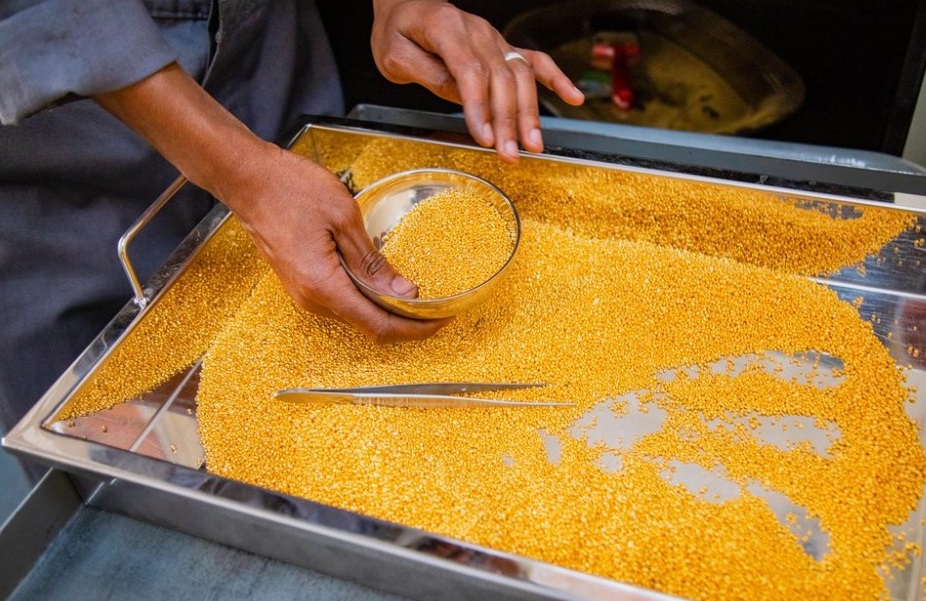
Gold, another significant player, generated 1,155 kilograms, bringing in $73,181,036 in July, 1,000 kilograms, producing $62,156,101 in August, and 845 kilograms, amassing $52,676,671 in September.
Coltan also shone, contributing 189,183 kilograms, valued at $8,145,587 in July, 141,658 kilograms, generating $5,827,562 in August, and 208,155 kilograms, with revenues of $9,313,654 in September. Wolfram, on the other hand, yielded 237,116 kilograms, worth $3,040,783 in July, 198,409 kilograms, with a value of $2,663,971 in August, and 218,802 kilograms, resulting in $2,711,206 in September.
Additionally, the report released today also shows that various other minerals collectively contributed 1,210,458 kilograms, worth $1,085,647 in July, 1,219,670 kilograms, producing $1,249,889 in August, and 739,711 kilograms, generating $713,714 in September.
In comparison to the same period in the previous year, the total mineral export volume for July to September 2023 reached 5,516,538 kilograms, marking an impressive 22.4% increase, while the value amounted to $241,823,194. In the corresponding period last year, metals accounted for 4,321,566 kilograms, with revenues totaling $197,496,029.
In an exclusive interview with IGIHE, Dr. Karimunda outlined his objectives, focusing on advancing the development of the legal field in the region and across Africa. He also emphasized the significance of expanding the institution’s infrastructure.
Dr. Karimunda underscored the central role of law in all aspects of a country’s life. He emphasized ILPD’s role in efficiently contributing to the training of professionals across various sectors, stating, “The law applies universally, and both government and private sectors adhere to it. Those responsible for upholding justice, such as the judiciary, the police, the attorney’s office, and the justice system, are instrumental in this process.”
Rwanda was recently ranked as the top country in Africa and 41st globally in terms of the rule of law in the 2023 annual report on the rule of law by the International Institute for the Rule of Law, World Justice Project Index. Dr. Karimunda credited this success to ILPD, recognizing the institution’s pivotal role in producing professionals who enforce the law.
Dr. Karimunda expressed his commitment to continuing the program aimed at enhancing the capabilities of legal practitioners, not only in Rwanda but throughout Africa. He emphasized the importance of continuous improvement and progress in achieving this goal.
Among other initiatives, Dr. Karimunda highlighted ILPD’s vision of making a lasting contribution to legal education in Africa. He acknowledged the positive impact of the institution on foreign students who benefit from the program and subsequently return to their home countries to make valuable contributions.
Dr. Karimunda also discussed plans for expanding ILPD’s infrastructure, including the construction of a conference hall and additional dormitories to accommodate both Rwandan and foreign students. He stressed the need for spacious facilities to meet the growing demand for legal education and professional development.
In terms of accommodation, he expressed the intention to increase capacity to ensure that all students have access to suitable living arrangements, reducing the need for students to reside in surrounding communities or inadequate housing.
Dr. Karimunda also emphasized the importance of developing recreational infrastructure, such as playgrounds, recognizing that ILPD’s primary audience is young people who would benefit from such amenities.
Dr. Aimé Muyoboke Karimunda, a former Supreme Court Judge, is now the fifth person to hold the role of ILPD Rector.
He officially assumed his role as Rector in October 2023.
Murungi, a highly accomplished individual recently appointed by the cabinet, brings a wealth of knowledge and expertise to this important position.
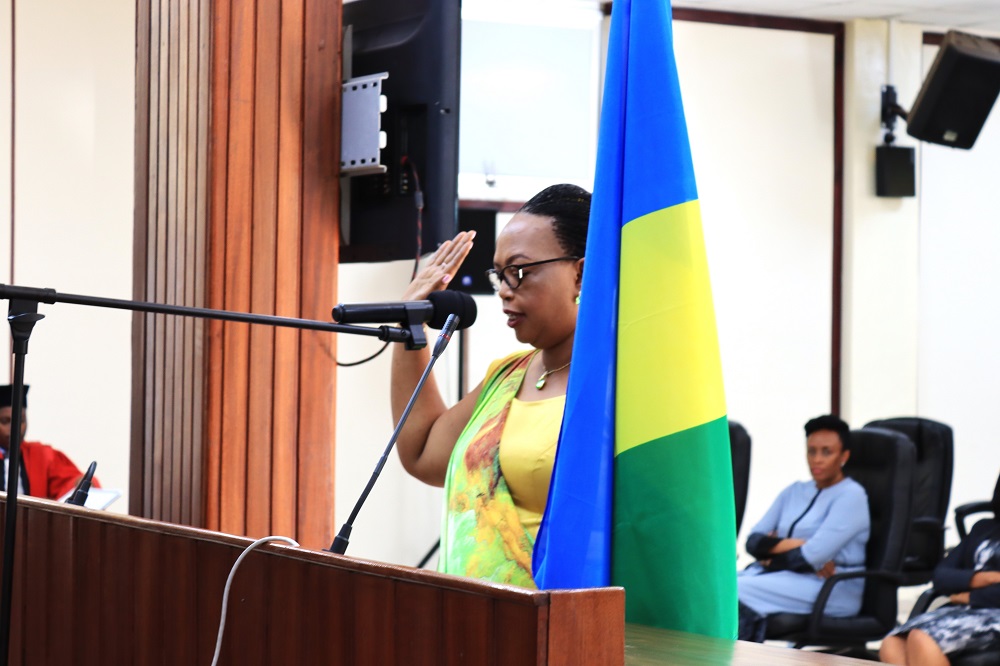
With a Master’s Degree in International Law from the University of Quebec in Canada and prior experience as an employee of the Ministry of Justice, he is well-prepared to take on the leadership of this vital institution. His commitment to upholding human rights principles with diligence and integrity was evident as he took the oath of office.
During his inauguration speech, Dr. Ntezilyayo underscored the pivotal role of the National Commission for Human Rights in safeguarding and advancing human rights within the nation. He emphasized, “The Human Rights Commission is entrusted with the overarching responsibility of promoting and safeguarding human rights. It plays a critical role in ensuring the respect of human rights.”
Murungi expressed her unwavering dedication to advancing human rights and stressed that it is the Commission’s responsibility to advocate for the protection of human rights and address any deficiencies in this regard. He further stated, “I am committed to ensuring that the level of respect for human rights in the country continues to progress. All these are within the purview of the Commission, and I will steadfastly follow this path.”
Rwanda has frequently faced criticism from international organizations, including Human Rights Watch, over alleged human rights violations. Murungi acknowledged these concerns and affirmed the Commission’s role in providing a comprehensive assessment of the human rights situation in the country. He pledged to diligently compile reports that provide an accurate depiction of the human rights landscape in Rwanda, dispelling any misperceptions held by the international community.
She pointed out, “When it comes to these international organizations, the Commission holds a unique perspective. In that context, we have the ability to offer a truly authentic account of the human rights situation. This is our shared responsibility, and we will continue to fulfill it.”
Murungi assumes the position formerly held by Marie Claire Mukasine, who has been appointed as Rwanda’s Ambassador to Japan. Mukasine’s predecessor, Ernest Rwamucyo, has been designated to represent Rwanda at the United Nations. With this change in leadership, the National Commission for Human Rights is well-positioned to carry on its vital mission of promoting and safeguarding human rights in Rwanda, collaborating closely with other justice system institutions to ensure the protection of human rights for all Rwandans.
This development was announced on Monday 6th November 2023, by the Minister of Trade and Industry, Dr. Jean Chrysostome Ngabitsinze, during a recent meeting that brought together 18 investors from the City of Dubai, represented by Dubai Chamber, and the Rwanda Private Sector Federation (PSF).
The meeting aimed to explore opportunities for further enhancing business collaborations between both countries.
Dubai Chamber, led by its President and CEO, Mohammad Ali Rashed Lootah, has been actively working to strengthen business relations with Rwanda as part of its New Horizons initiative.
This initiative seeks to boost Dubai’s foreign trade value to AED 2 trillion by 2026, aligning with the emirate’s five-year foreign trade plan. The trade mission to Rwanda is a testament to Dubai’s commitment to expanding its presence in the East African region.
Rwanda is emerging as a strategic springboard for exploring business opportunities in East Africa. The country has made impressive economic strides in recent years, focusing on innovation and technology-driven sectors.
Initiatives like Kigali Innovation City and Smart Africa are promoting digital transformation, entrepreneurship, and innovation. The progress in the ICT sector, in particular, has been notable.
{{Bilateral trade between Dubai and Rwanda}}
Bilateral trade between Dubai and Rwanda has been flourishing. In the past year, Dubai’s non-oil exports to Rwanda reached a value of US$ 143.8 million, while imports from Rwanda exceeded US$ 514.5 million. Key exports from Dubai to Rwanda include machinery, electronics, vehicles, man-made filaments, plastics, and iron and steel.
Meanwhile, Dubai’s main imports from Rwanda consist of precious stones and metals, fruits and nuts, coffee, tea, spices, oil seeds, and dairy products.
{{Dubai Chamber’s Commitment to the Region}}
Dubai Chamber, with approximately 19,000 African businesses under its umbrella, including 26 from Rwanda, has recognized the potential of Rwanda as a favorable investment destination. The unique aspects of Rwanda that have caught the attention of Dubai Chamber include its stability, diverse business opportunities, investment-friendly policies, and the emphasis on technological development and infrastructure.
{{Plans for Future Collaboration}}
The collaboration between Dubai Chamber and PSF aims to further increase the volume of goods exchanged between the two regions. Key areas of focus include construction materials, technology, and other equipment. Dubai Chamber is also considering investing in international business projects amounting to $543 billion by 2026, which would significantly benefit the Rwandan economy.
{{Rwanda as a Gateway to Africa}}
Rwanda’s strategic location within Africa, combined with its progressive business environment, makes it a prime gateway for Dubai to expand its presence in the continent. With approximately 25 ports in various parts of Africa, including Rwanda, Dubai is well-positioned to engage in stable trade relations.
The meeting between Dubai Chamber and PSF marks a crucial step in strengthening the spirit of friendly collaboration between Dubai and Rwanda. The shared commitment to enhancing bilateral trade and investment opportunities is a testament to the growing ties between the two regions.
As Dubai continues to explore new horizons and invest in international business projects, Rwanda’s role as a valuable partner in East Africa becomes even more evident.
The future holds exciting prospects for both sides, with the potential for increased trade and mutual success.
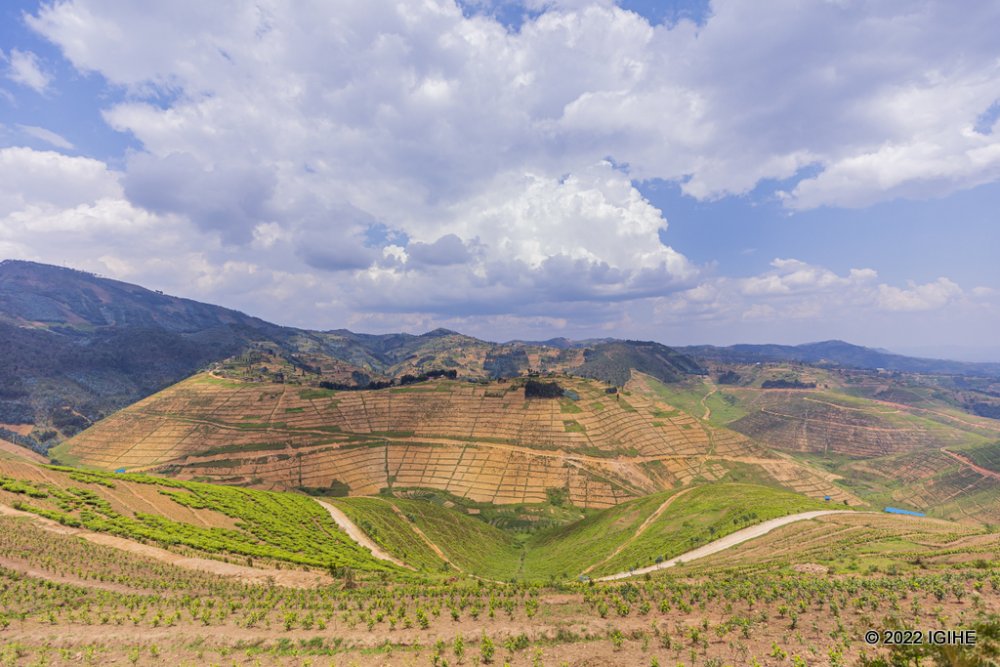
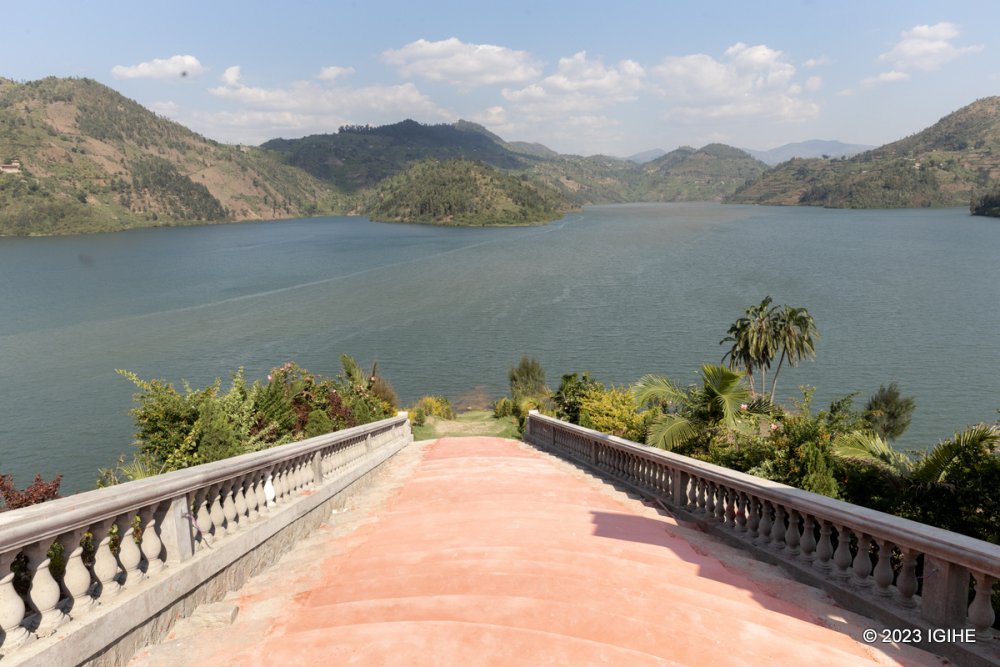
For those traveling from the bustling City of Kigali, a three-hour journey leads to Karongi town. Upon arrival, you’re greeted with a medley of attractions, including the Congo-Nile Divide, the outskirts of Lake Kivu, the Gas Methane Plant, Rwabugiri Farms, Nyungwe Park, Gisovu Tea Plantations, Muciro Green Forest, Ndaba Rock, and the Tree of Goddess of Women.
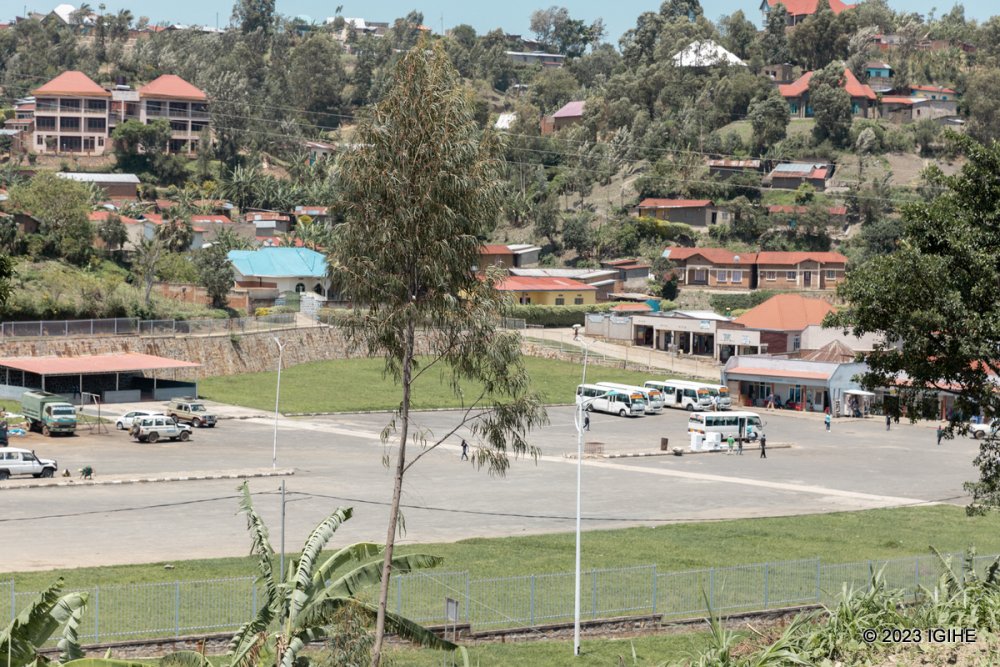
Karongi is a bustling town adorned with contemporary hotels that grace its streets. Residents are engaged in a wide array of occupations, which encompass commercial fishing. The local schools are brimming with students from all walks of life, and the weekends see an influx of tourists in substantial numbers.
On the outskirts of Karongi, you’ll find a unique accommodation option – the Mantis Kivu Queen Uburanga boat hotel built. This establishment offers a novel experience where you can sleep in Karongi and then easily move on to Rusizi or Rubavu.
Over the past 15 years, Karongi has seen significant development, with numerous infrastructure improvements such as roads, schools, and hotels. Local leaders proudly mention the construction of 14 luxurious hotels, most of which have sprung up in the last decade and a half. It’s not just the hotels; they come with complementary infrastructure like roads, electricity, water supply, clinics, and schools.
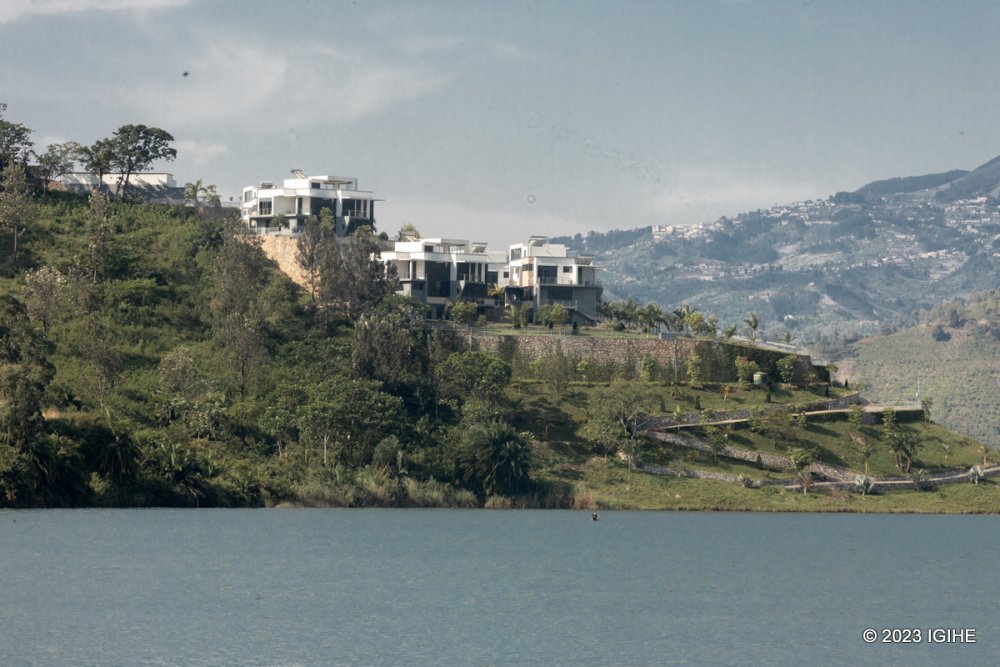
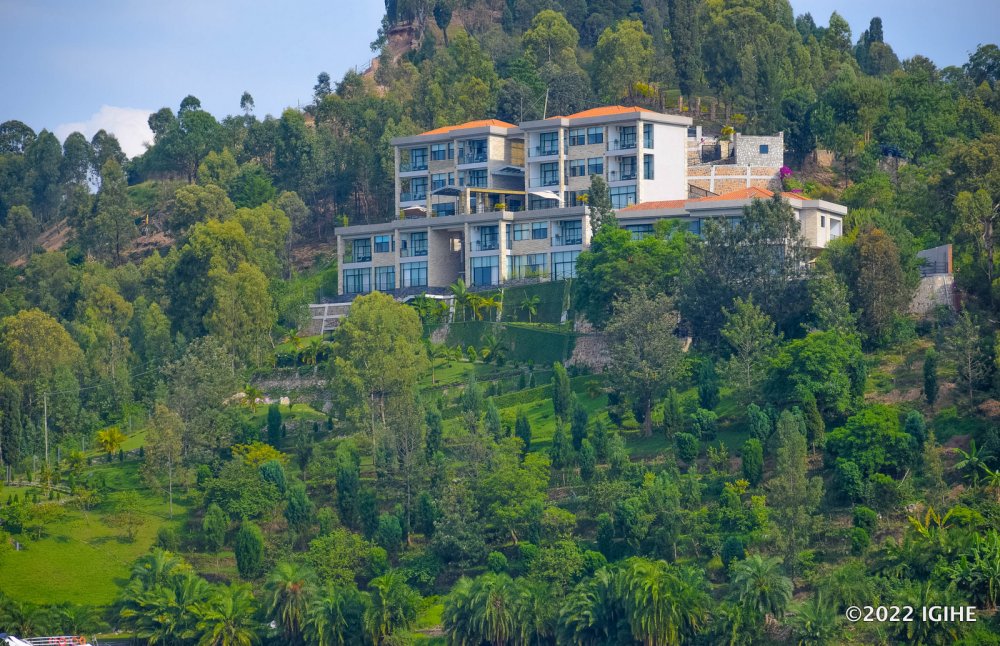
The development isn’t limited to infrastructure alone; it encompasses the hospitality sector as well. Karongi hosts a range of hospitality establishments, including Cleo Lake Kivu Hotel, Moriah Hill Resort, Kivu Lodge Hotel, Bethany Hotel, Golf Eden Rock Hotel, Delta Resort Hotel, Rwiza Village Resort, Home Saint Jean, and more. Almost all of these facilities are strategically located near the picturesque Lake Kivu and its captivating islands.
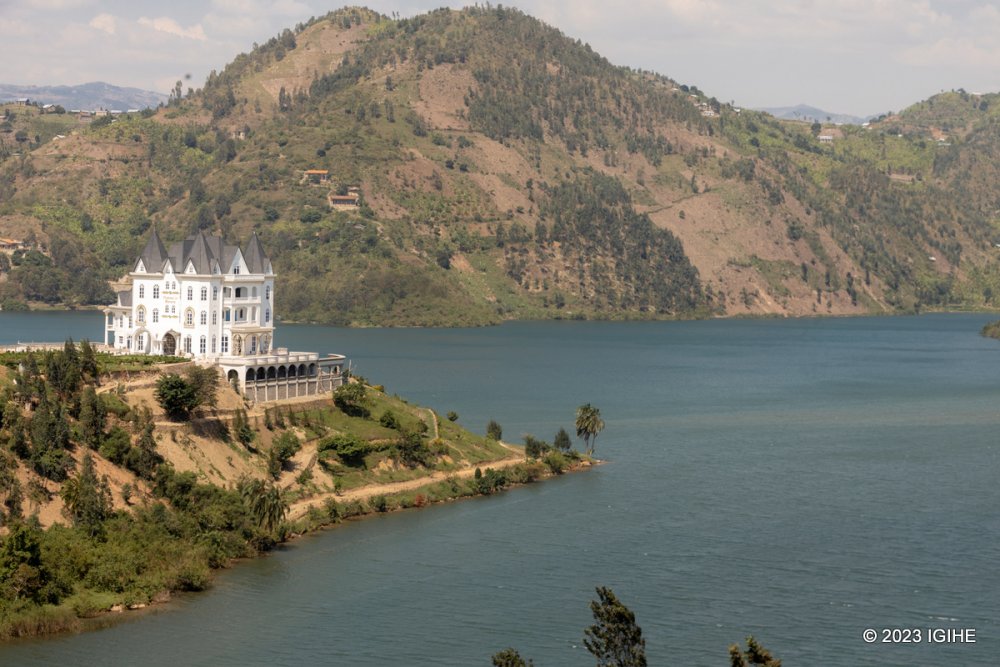
Among these establishments is the remarkable Château Le Marara, which has brought a touch of European elegance to Karongi, reshaping the city’s landscape. With tourism as a driving force, the livelihoods of most residents revolve around hospitality and hotel services.
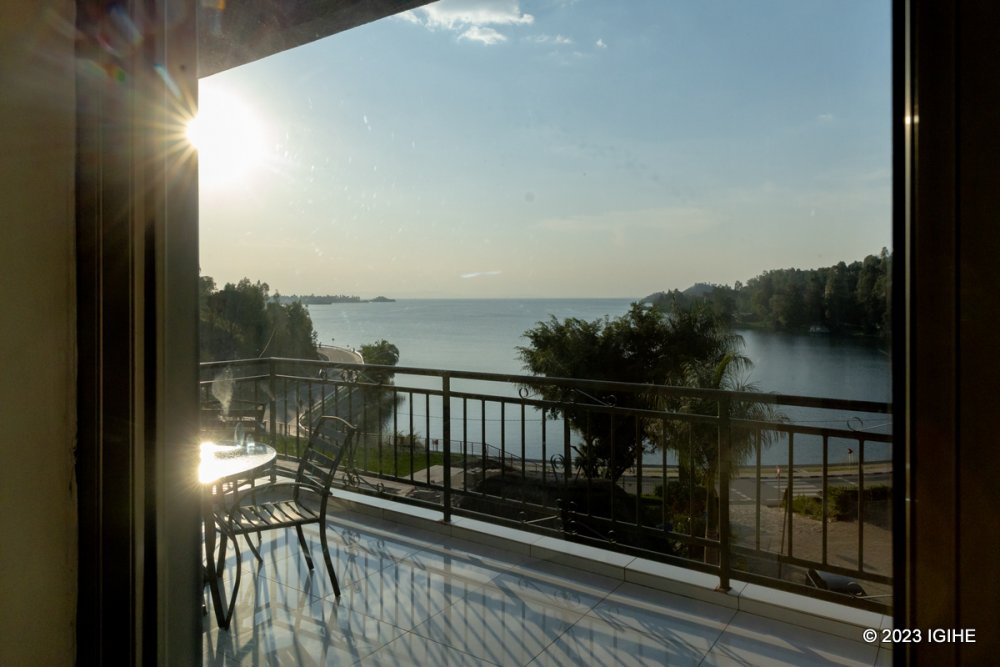
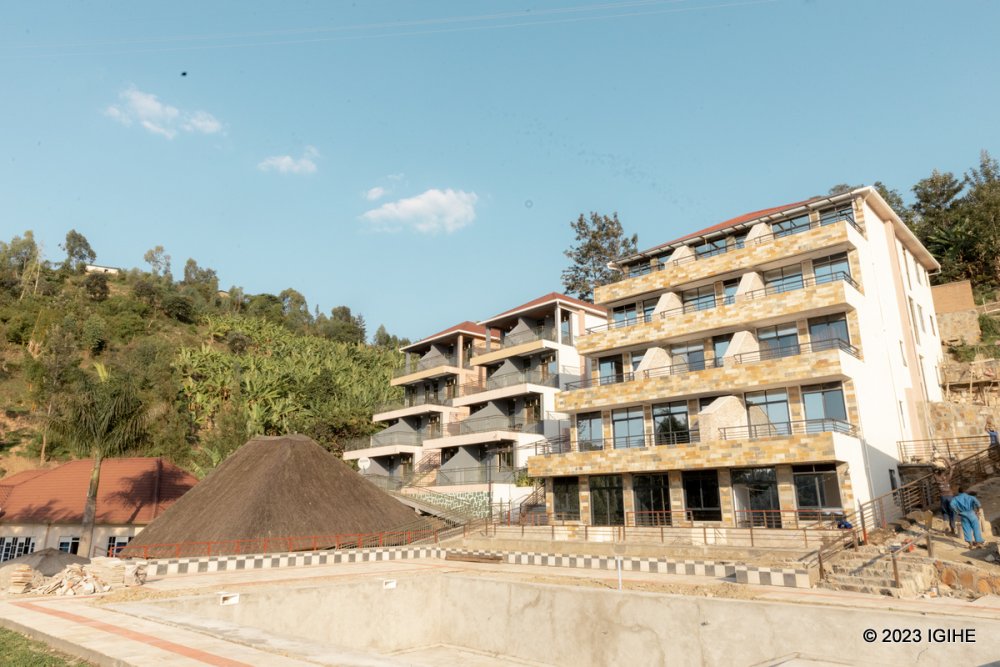
The Delta Resort Hotel, a three-star facility situated on the edge of Lake Kivu, offers accommodation services for those seeking relaxation or a one-night stay, along with various other amenities.
Rukundo Gad, the hotel’s manager, emphasizes the profound impact of these hotels on the local community, saying, “By fostering a symbiotic relationship with the local community, our hotels prioritize hiring from the immediate vicinity. When I consider this region, it becomes evident that our core mission revolves around hosting people, and our hotels thrive on the vibrant pulse of the populous area they call home.”
The vision is to transform Karongi into a sought-after tourist destination, a prospect that excites the locals as it promises development and improved livelihoods.
Jean Marie Ntabanganyimana conveys the sentiment that, “It fosters our communal growth, ensuring a sustained availability of employment opportunities. The presence of modern hotel developments holds significant value for our local community.”
Placidie Munyeshaka echoes the sentiment, highlighting the new opportunities for women, who previously felt left behind, but now have the chance to learn new skills and find employment in the burgeoning hospitality sector.
Dominique Ingabire, the Principal of the Integrated Polytechnic Regional College (IPRC) Karongi, underscores the significance of hotel management education.
He emphasizes that it not only provides students with internships but also opens doors to immediate employment opportunities, stating, “Since we teach about hotels and this town with tourism and many hotels, depending on our relationship with the existing hotels, those who need staff can see them or students who are still studying part-time courses, we welcome them to come, learn to cook, and then get a job cooking for these hotels.”
He underscores that it not only facilitates student internships but also opens doors to immediate employment opportunities. He explains, “Given that we educate students about hotels in a town driven by tourism and numerous hotels, our collaboration with these establishments allows those in need of staff to consider our students. Even those students currently pursuing part-time courses can take advantage of this opportunity to learn culinary skills and subsequently secure positions as chefs in these hotels.”
Reponse Ntirandekura, a first-year student studying horticulture production at IPRC Karongi, sees the impact on local agriculture. He notes that their knowledge benefits the community as they introduce new crops and practices, ultimately contributing to the thriving agriculture sector in Karongi.
The Governor of Western Province, Dushimimana Lambert, emphasizes their ongoing efforts to attract investors through Kivu Belt project to establish state-of-the-art hotels in Karongi. These establishments have the potential to significantly reshape the town’s landscape.
Karongi is positioned as one of Rwanda’s secondary cities, and it is projected that its population will experience substantial growth, expected to reach between 250,000 and 650,000 in the near future.
Karongi, in essence, stands as more than just a picturesque town; it serves as a testament to Rwanda’s unwavering dedication to sustainable development. This commitment ensures that both the environment and the local community reap the benefits of the thriving tourism industry.
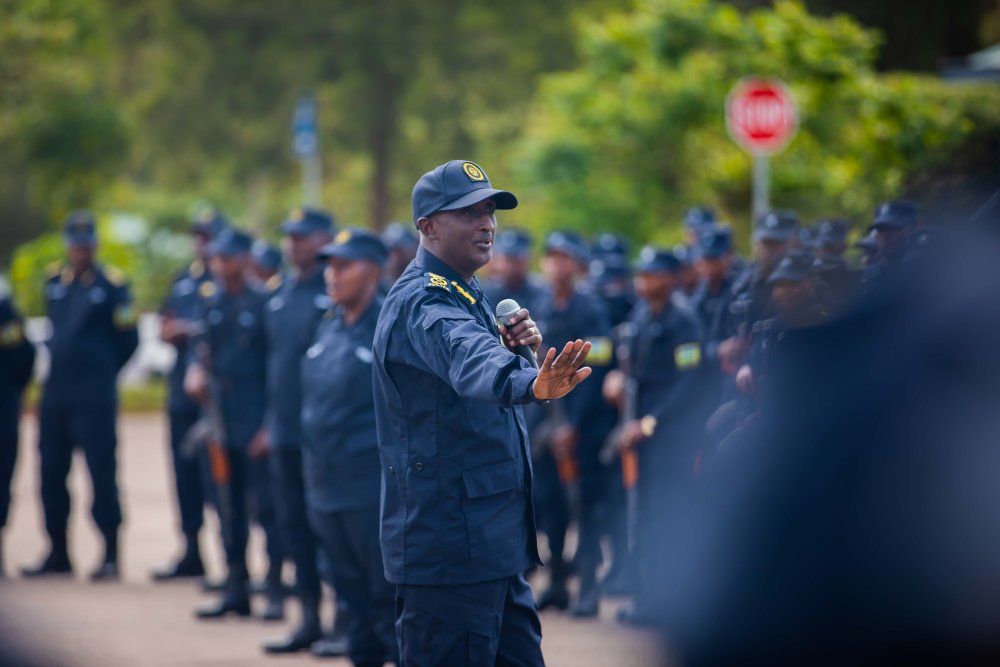
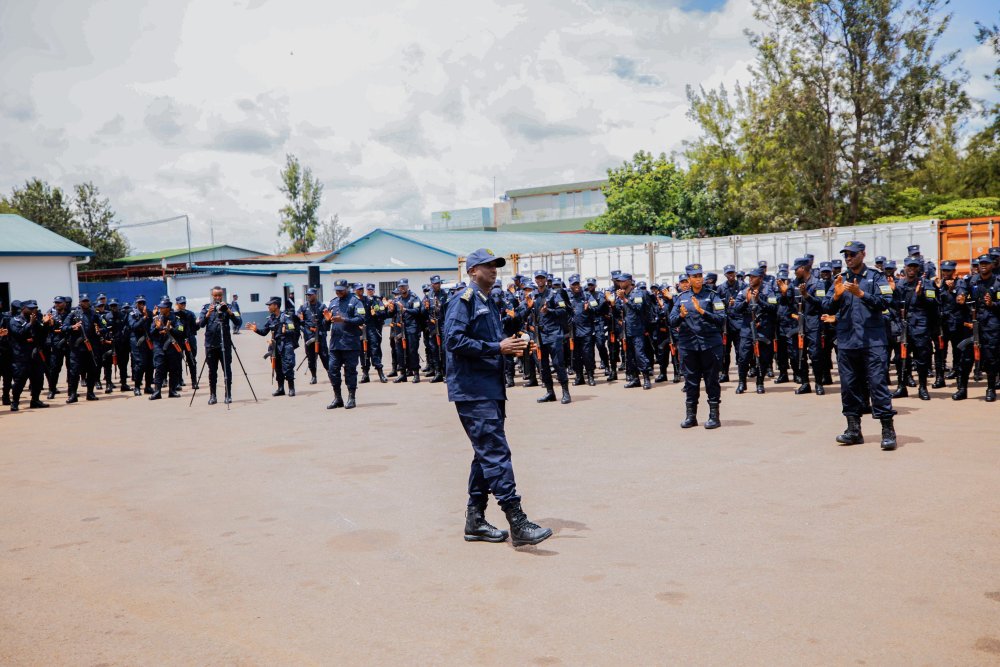
Rwanda FPU-4 of 180 officers, commanded by Chief Superintendent of Police (CSP) Methode Munyaneza, will be deployed in Bangassou under the UN Multidimensional Integrated Stabilization Mission in Central African Republic (MINUSCA).
Senior Superintendent of Police (SSP) Angelique Uwamariya will also head a female-dominated Rwanda FPU-3 contingent of 160 officers, to Juba under the UN Mission in South Sudan (UNMISS).
They will replace the same number deployed in November last year for a one-year tour-of-duty.
During the pre-deployment briefing, IGP Namuhoranye reminded them of their duty as peacekeepers to ensure the safety of civilians.
“Continue to raise the Rwandan flag high, and that goes with professionalism, discipline and always being ready to serve in any situation. The least you can do is to maintain the flag where it is,” IGP Namuhoranye said.
He added that you can not be professional when you’re indisciplined, drunk or not in the right place at the right time doing the right thing.
“Our units are defined by their cohesion… collectiveness and high level of commitment; don’t change that.
People under your protection should always feel safe. Residents of South Sudan and Central African Republic, should go about their errands feeling safe,” the Police Chief told the officers.
Their arrival in the mission area, he emphasized, should add value to peacekeeping. “Go with pride, contribute to international peace and security and come back with the same morale and pride after a successful tour-of-duty.”
He urged them to work as a team, respect their superiors, work with and support the local people, work with local security organs and other peacekeepers.
IGP Namuhoranye also reminded them to ensure hygiene and effective logistics management.
The first batch of 40 officers heading to South Sudan will depart tomorrow, November 7, with others expected to leave later this month.
Meanwhile, the contingent heading to CAR to leave on November 9.
Rwanda maintains four Police contingents in CAR and other two in South Sudan.