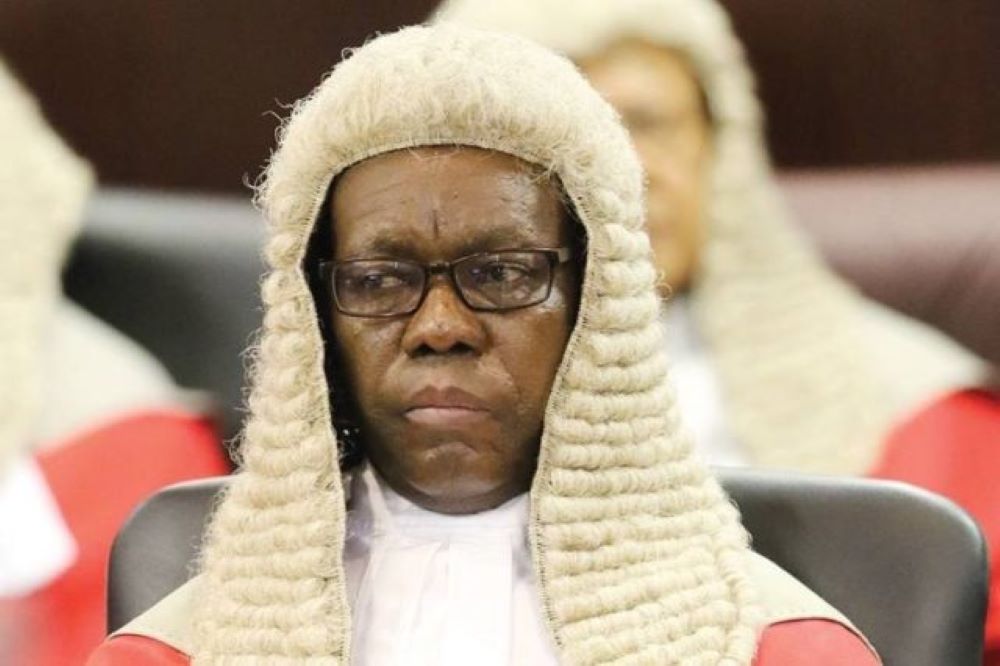
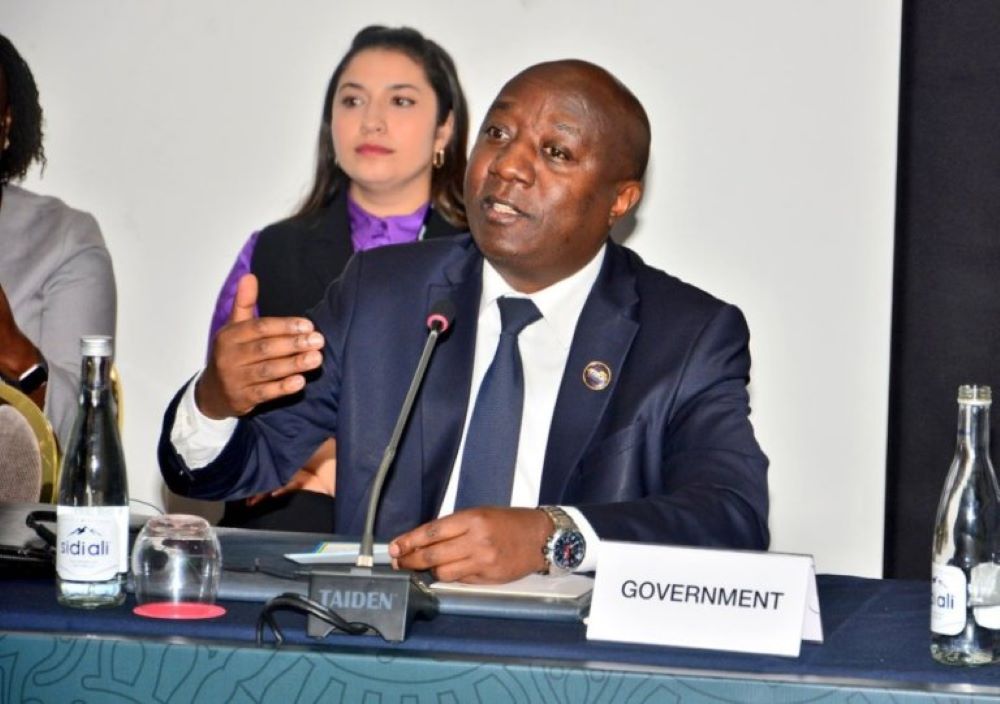
The decision came after Francistown High Court Judge Justice Gaolapelwe Ketlogetswe on Friday ordered the IEC to allow the opposition Umbrella for Democratic Change (UDC) to deploy two registration observers across the country to record names, identity card numbers, and serial numbers of registration books of voters for the duration of the general voter registration period.
In a statement issued on Friday, Siamisang said the suspension is based on the commission’s belief and conviction that, by law, political parties do not have the right to deploy their agents at polling stations during the registration process to observe and monitor the process and to record voters’ particulars and the serial numbers of registration books used.
The registration period, originally scheduled to run from Nov. 1 to Nov. 30, was rescheduled to start on Nov. 13 to allow the High Court to resolve a dispute between the UDC and the IEC. After the judge ruled in favor of the UDC, the IEC postponed the registration on Friday for the second time.
The IEC said it will wait for a complete discussion of the issues in court when the substantive matter is addressed on Wednesday, Nov. 15, at Francistown High Court.
Botswana will hold its next general elections in 2024.
Speaking at the event held in Kigali on Friday, Phillip Karenzi, the Director General at Rwanda’s Ministry of Foreign Affairs and International Cooperation, said the bilateral relations between Rwanda and China have grown stronger and become more dynamic.
He underscored that this relationship has been built on a very strong foundation of mutual respect.
“China has been a valuable partner in Rwanda’s development journey. And this has contributed significantly to trade, investment, and projects in health, education, agriculture, and technology, among others,” Karenzi said.
“The tangible outcomes of this cooperation are visible in the transformation of our economy and improvement of livelihoods of the Rwandan people,” he added.
Among others, Karenzi highlighted the positive effects of cultural exchanges between the two nations, fostering a deeper understanding of each other’s history and traditions.
“This cultural bridge has not only nurtured a sense of unity but also provided a platform for the exchange of ideas and innovations,” he noted.
Speaking at the ceremony, Chinese Ambassador to Rwanda Wang Xuekun underscored the mutual respect and dynamism characterizing the diplomatic ties between the two countries.
He said over the past 52 years, the relationship between China and Rwanda has developed and flourished like a robust tree growing from a seedling.
This partnership has successfully withstood the tests of time and weathered the challenges posed by the international landscape, emerging as a strategic cornerstone for both countries, Wang said. “Our relationship is real, tangible, and a testament to the strong leadership of our two countries. This big tree is bearing good fruits.”
Rwanda’s active participation in initiatives such as the Belt and Road Initiative and the Forum on China-Africa Cooperation has further consolidated bilateral relations in various fields, Wang added.
The event brought government officials, members of the private sector, businesses, academia, civil society organizations, and the Chinese community in Rwanda.
Rwanda’s President Paul Kagame and Masai Ujiri, President of the NBA’s Toronto Raptors and founder of the Giants of Africa foundation, were in attendance at the groundbreaking event for the construction of the 2.4-hectare Zaria Court.
This urban lifestyle hub will host a diverse range of recreational services, encompassing an 80-room hotel, food and beverage outlets, retail spaces, an outdoor amphitheatre, and an extensive sports complex.
Scheduled to open in the first quarter of 2025, the 4-star hotel will boast 80 rooms and suites, co-working areas, a members’ club, a restaurant, a rooftop bar, a sports bar, meeting rooms, and a state-of-the-art gym.
According to Trade Arabia, Aleph Hospitality is committed to managing the hotel through the application of sustainable practices and ensuring seamless service delivery by employing local teams.
Inspired by NBA Champion and global philanthropist Masai Ujiri, Zaria Court marks the inception of a series of urban hubs for sports, social, and cultural community gatherings across Africa. Expansion plans include locations in Nairobi, Dakar, Accra, Lagos, and Johannesburg over the next five years.
Masai Ujiri emphasized, “Sports infrastructure is critical for building vibrant economies. Zaria Court is a place where people will come together to convene, compete, and celebrate. This hotel is a core component of the site, and we look forward to collaborating with Aleph Hospitality to create a welcoming space for everyone.”
Bani Haddad, Founder and Managing Director, expressed excitement about being a project partner with Zaria Court, contributing to the coordinated focus on community, hospitality, sports, and culture in Rwanda, one of the fastest-developing countries in Africa.
This article explores the critical aspects of tobacco and vaping, including their impact on health and addiction.
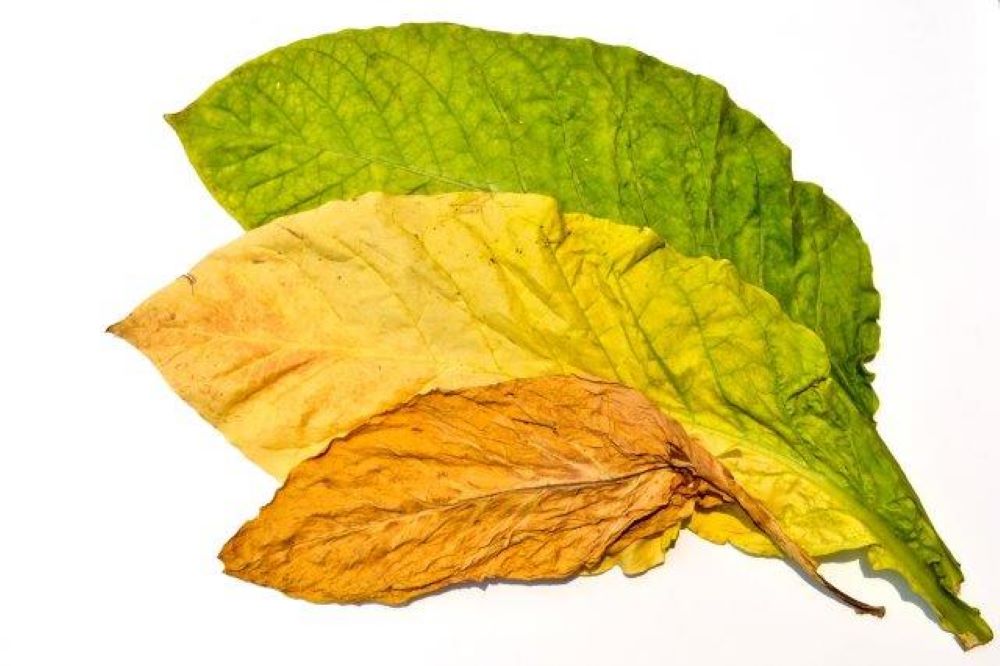
Tobacco is a plant cultivated for its leaves, which are dried and fermented to create various products. Nicotine, a highly addictive ingredient, is present in tobacco and contributes to the difficulty many users face when trying to quit. Moreover, tobacco contains several other harmful chemicals, some of which are produced when it is burned.
Tobacco can be consumed through smoking, chewing, or sniffing. Smoking products include cigarettes, cigars, bidis, and kreteks, while loose tobacco is also smoked in pipes and hookahs. Chewing tobacco, snuff, dip, and snus are forms of oral tobacco use. Additionally, snuff can be sniffed.
{{How Does Tobacco Affect the Brain? }}
When tobacco is used, nicotine is rapidly absorbed into the bloodstream, stimulating the release of adrenaline. This leads to increased blood pressure, heart rate, and breathing. Nicotine activates the brain’s reward circuits and elevates dopamine levels, reinforcing addictive behaviors. Some chemicals in tobacco smoke, like acetaldehyde, may intensify nicotine’s effects on the brain.
{{Other Health Effects of Tobacco Use }}
While nicotine addiction is a concern, the most severe health consequences of tobacco use are related to other harmful chemicals. Smoking tobacco can result in lung cancer, chronic bronchitis, emphysema, heart disease, stroke, and various cancers. Pregnant women who smoke risk complications, including low birth weight and learning and behavioral issues in their children. Secondhand smoke is harmful, causing lung cancer, heart disease, respiratory issues, and more.
{{Withdrawal Symptoms}}
When attempting to quit tobacco, individuals may experience withdrawal symptoms, including irritability, attention problems, sleep disturbances, increased appetite, and strong cravings for tobacco.
{{Treatment for Nicotine Addiction}}
Combining behavioral treatments and medications is the most effective approach to quitting smoking. This combination therapy helps individuals manage withdrawal symptoms and cravings.
A bigger number of smokers have been advised to use vapors in the belief that it is safer. Vaping devices are battery-operated and allow users to inhale an aerosol, often containing nicotine and flavorings. These devices come in various shapes and sizes, and there are hundreds of different brands on the market.
{{Health Effects of Vaping}}
Research suggests that vaping may be less harmful than smoking when used as a complete replacement for traditional cigarettes. However, nicotine in any form remains highly addictive and may predispose users to addiction to other substances. Vaping exposes the lungs to a range of chemicals, including potential carcinogens and toxic compounds. Some vaping oils have been linked to lung illnesses and deaths.
Understanding the risks associated with tobacco and vaping is essential for making informed decisions about their use. While vaping may be considered less harmful than traditional tobacco smoking for those trying to quit, it is not entirely risk-free. Both nicotine addiction and exposure to harmful chemicals remain concerns. Seeking assistance to quit tobacco or vaping is the best choice for overall health and well-being.
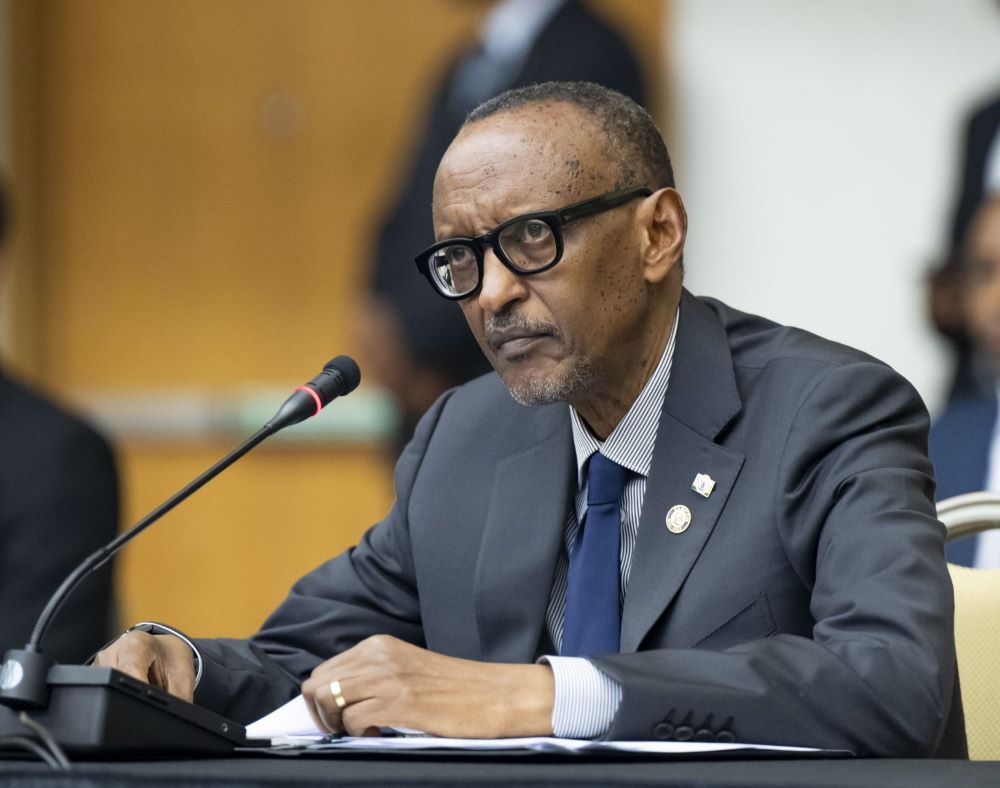
Kagame was speaking at the opening of the inaugural Saudi-African summit on 10th, November, 2023 at King Abdul-Aziz International Conference Centre in Riyadh, Saudi Arabia.
The head state also recognised the problems faced by the African continent which he said, despite their insurmountable state, there are solutions that can be found and applied since they’re a question of the mindset.
“We cannot remain stuck in the past, focused on grievances and difficulties, we must look forward and shape the future we want for our people,” remarked Kagame.
On the other hand, he thanked the leadership of the Prime Minister of Saudi Arabia as the Chair of the G20, for the support he’s rendering to Africa, notably, the affordable COVID vaccines and the recently signed ‘cooperation agreement’ between Rwanda and Saudi Arabia.
The Saudi-Africa Summit has been attended by African presidents including Samia Suluhu Hassan of Tanzania, William Ruto of Kenya, Bola Tinubu of Nigeria, Isaias Afwerki of Eritrea, Lazarus Chakwera of Malawi, and Prithvirajsing of Mauritania among others.
The summit’s purpose is to enhance political coordination, address regional security threats, promote economic transformation through research, and the local development of new energy solutions in addition to boosting investment cooperation.
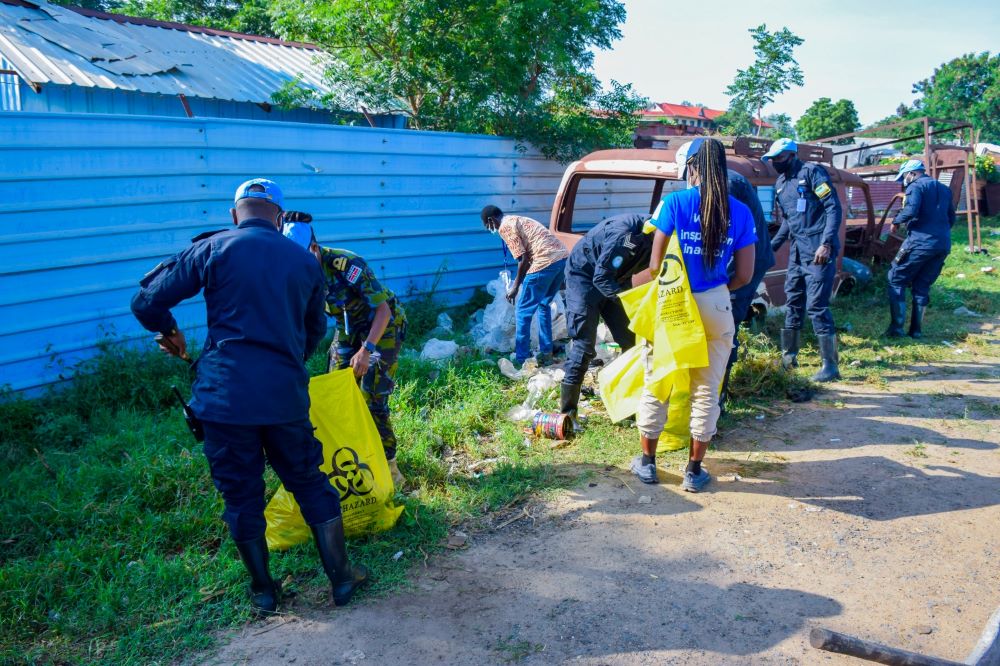
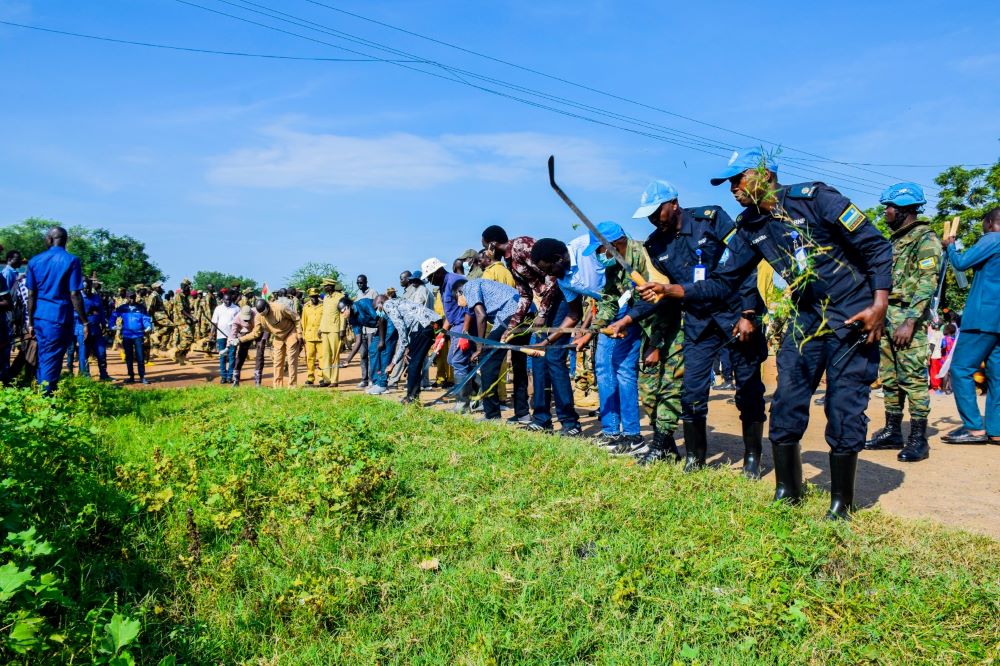
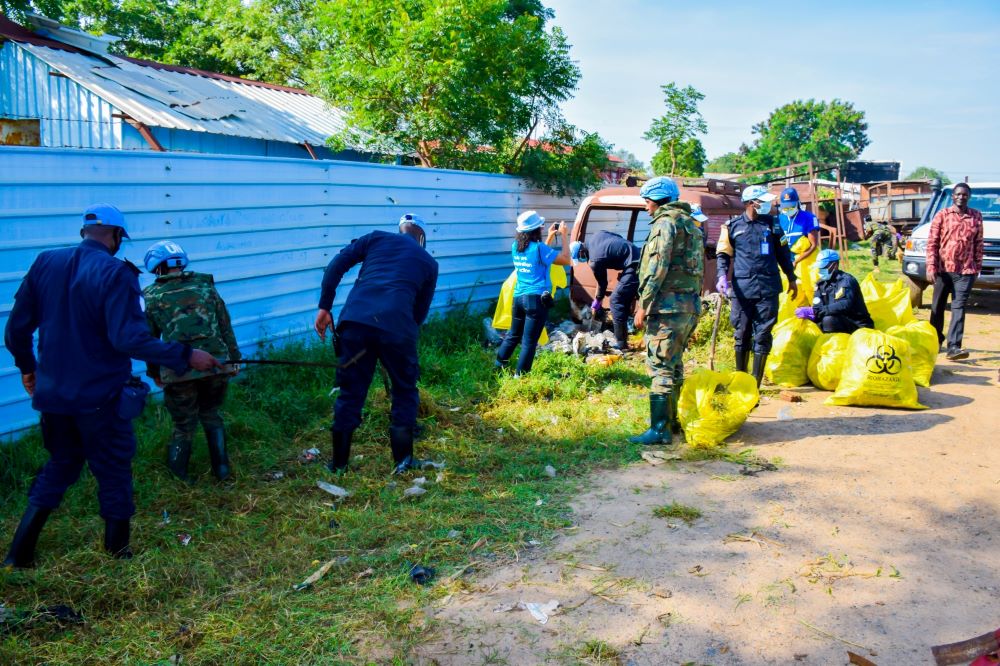
The launch of the campaign was presided over by the Governor of Upper Nile State, James Odok Oyai.
It was also attended by the UNMISS Head of Field Office (HoFo) for Malakal, Alfred Orono Orono, local military and police forces, peacekeeping components from other contributing countries, and Malakal residents.
The cleaning drive to influence behavioural change on hygiene, is part of the “Peace Starts with Me” campaign expected to be launched this Saturday in Malakal.
Governor Odok encouraged Malakal residents to always ensure sanitation and hygiene in their homes and surroundings, and to make it part of their culture.
“We are launching this cleaning campaign because we want Malakal town to be clean and green for the well-being of our communities and to protect the environment,” the Governor said.
The UNMISS Head of Malakal Field Office, Alfred Orono Orono told the residents to adopt the Rwandan culture of monthly communal work, Umuganda.
“Upper Nile State and South Sudan at large wants peace. We are here to clean Malakal town not just for one day; it’s a continuous process,” Orono said.
Officials thanked the Rwandan peacekeepers for incorporating the culture of togetherness and wellbeing of the local people in their peacekeeping mandate, through Umuganda and other human security activities.
The ‘Peace Begins With Me” campaign will be launched Saturday, November 11, at Malakal stadium with different entertainment activities including Rwandan traditional dance and music concert.
The campaign seeks to celebrate peace progress made by the government of South Sudan since signing of the revitalized agreement.
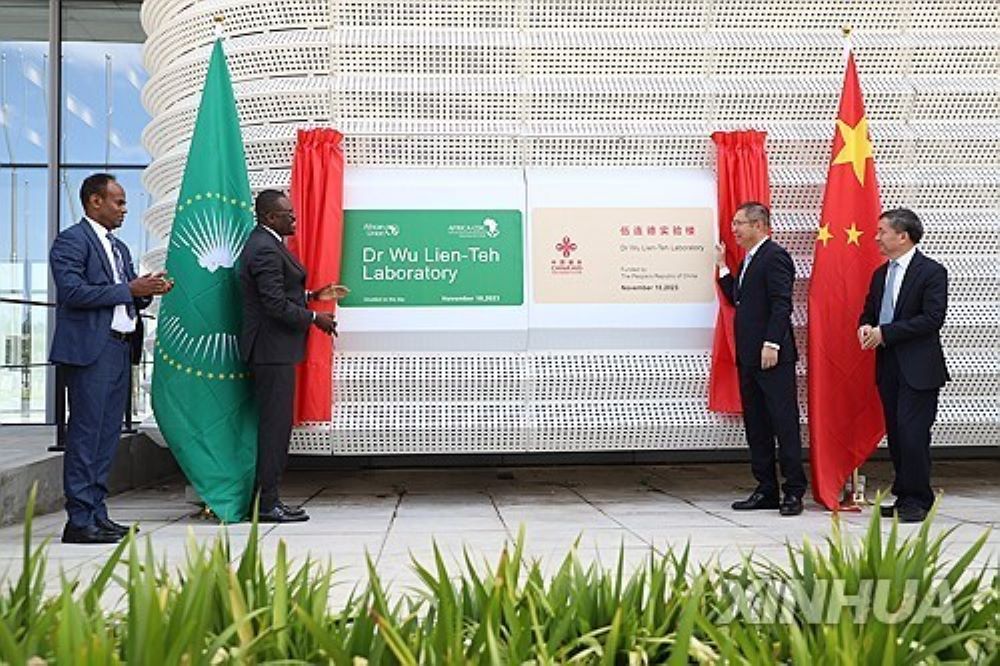
The Africa CDC said the completion of the laboratory marks a milestone in its pursuit of a strong continental public health institution that will support African Union (AU) members in improving disease diagnosis, surveillance and outbreak response.
Senior officials from the AU Commission and the Africa CDC, diplomats from the Chinese mission to the AU and high-level dignitaries witnessed the unveiling ceremony inside the premises of the Africa CDC headquarters in the southern suburb of Addis Ababa, the Ethiopian capital.
Jean Kaseya, the director-general of the Africa CDC, commended the Chinese government for its support of the realization of a new public health order and architecture in Africa that can prevent, detect and respond to any kind of public health threat in the continent.
“The reference laboratory that we are inaugurating will elevate the Africa CDC’s role in addressing multiple public health events timely and effectively. It will be one of our major outputs in terms of a new public health order that we are promoting to make Africa CDC a world-class organization,” the Africa CDC chief said.
“China is supporting the African agenda for public health,” Kaseya said.
The laboratory is fully equipped and will promote collaboration on capacity building of member states to have strong laboratory systems and networks to improve clinical care, support surveillance and outbreak response and facilitate technology transfer to African institutions.
The laboratory facility, equipped with two biosafety level (BSL)-I, four BSL-II, two specialized BSL-II (BSL-II plus) and two high containment laboratories (BSL-III), aims to address significant gaps in laboratory systems in Africa, the Africa CDC said.
Hu Changchun, head of the Chinese mission to the AU, said the inauguration of the Africa CDC new headquarters earlier this year and the unveiling of the new laboratory will open a new chapter in the public health cause in Africa, and inject new momentum into China-Africa health cooperation.
“The Africa CDC headquarters is a flagship project announced at the 2018 Beijing Summit of the Forum on China-Africa Cooperation. In just 25 months, the two sides have gone through tremendous challenges and successfully completed the project. This demonstrates our strong determination and action in solidarity to overcome difficulties together,” Hu said.
According to the Africa CDC, less than 5 percent of African laboratories can reliably diagnose priority diseases in their countries, transport specimens safely, and meet international standards.
Against this backdrop, expanding clinical and public health laboratory systems and networks in Africa is deemed to be one of Africa CDC’s top priorities for the 2023-2027 period. The agency said the China-aided laboratory will play a crucial role in achieving this goal by ensuring the expansion of laboratory services and in conducting pathogen research and epidemiology in Africa.
Shen Hongbing, vice administrator of the China National Administration of Disease Prevention and Control and director-general of the Chinese Center for Disease Control and Prevention (China CDC), said the Chinese government has always attached great importance to China-Africa cooperation. He reiterated that the China CDC, as a national public health institute, has been committed to promoting technical exchange and collaborations in public health between China and African countries.
According to Shen, since 2017, the China CDC has sent five experts to the Africa CDC to support its infectious disease surveillance, laboratory networking, information system strengthening and the design of its headquarters layout, among others.
“These collaborations at the institutional and expert level over the years are instrumental to the rapid development of public health capacity building in Africa and contribute to reinforcing the long-term China-Africa friendship,” Shen said.
As a center of excellence, the laboratory is expected to house antimicrobial susceptibility testing for surveillance of antimicrobial resistance across the continent, biochemical analysis, multiplex molecular diagnosis capacity, bio-banking, and advanced pathogen genomic sequencing including metagenomic sequencing capacity for identification of unknown pathogens.
It is also expected to serve as a training and quality assurance center and will provide support for evaluation and validation of diagnostic technologies and tools, facilitate research and development and play an important role in outbreak confirmation.
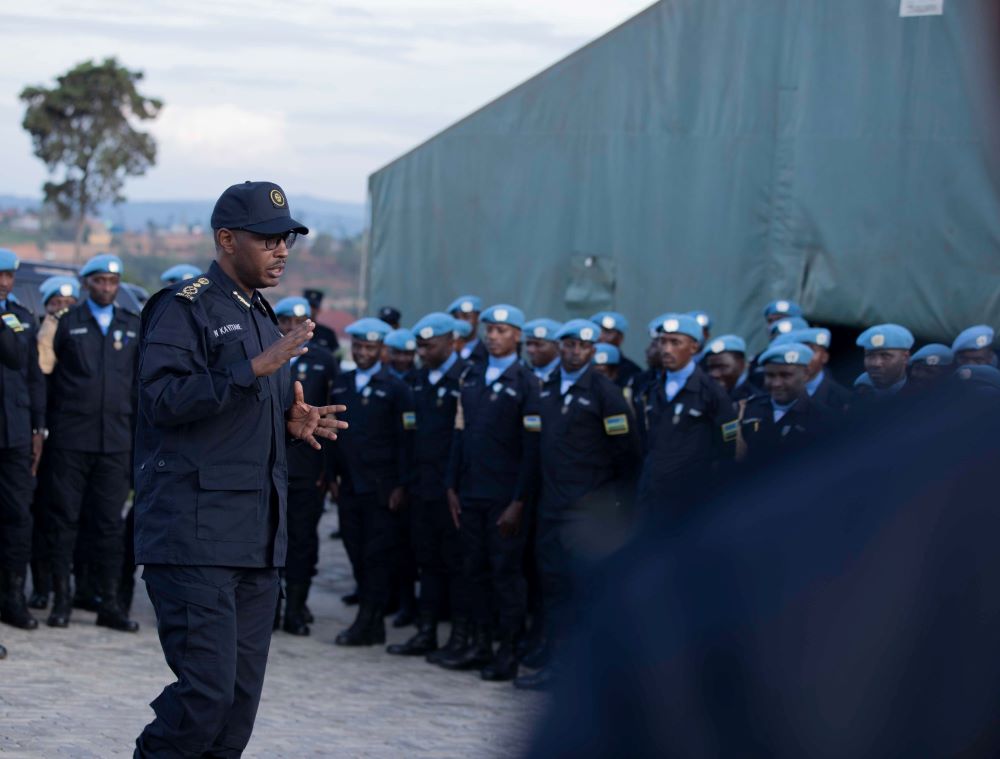
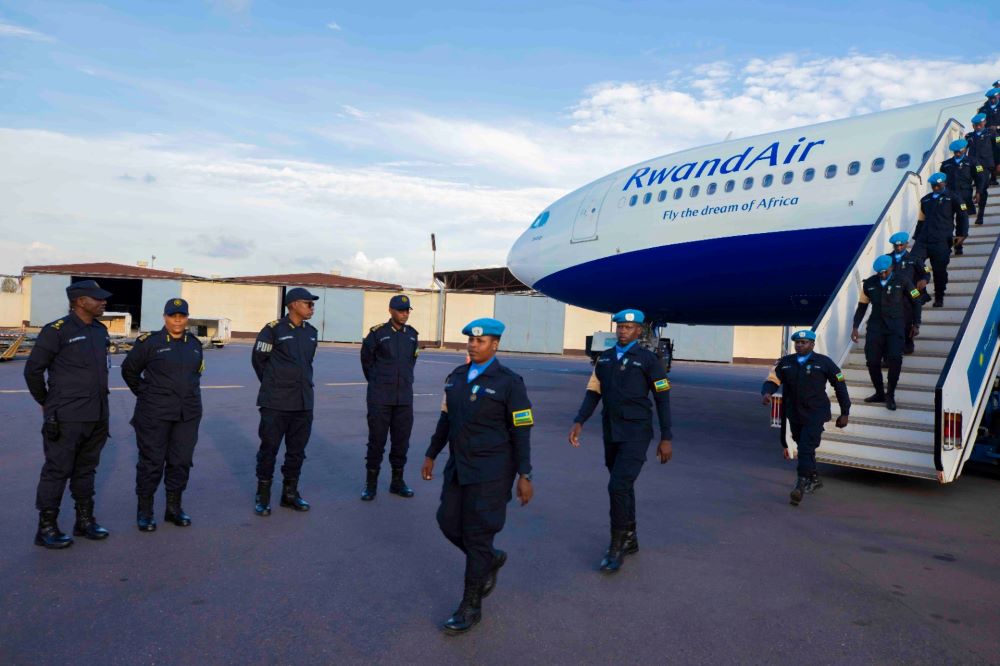
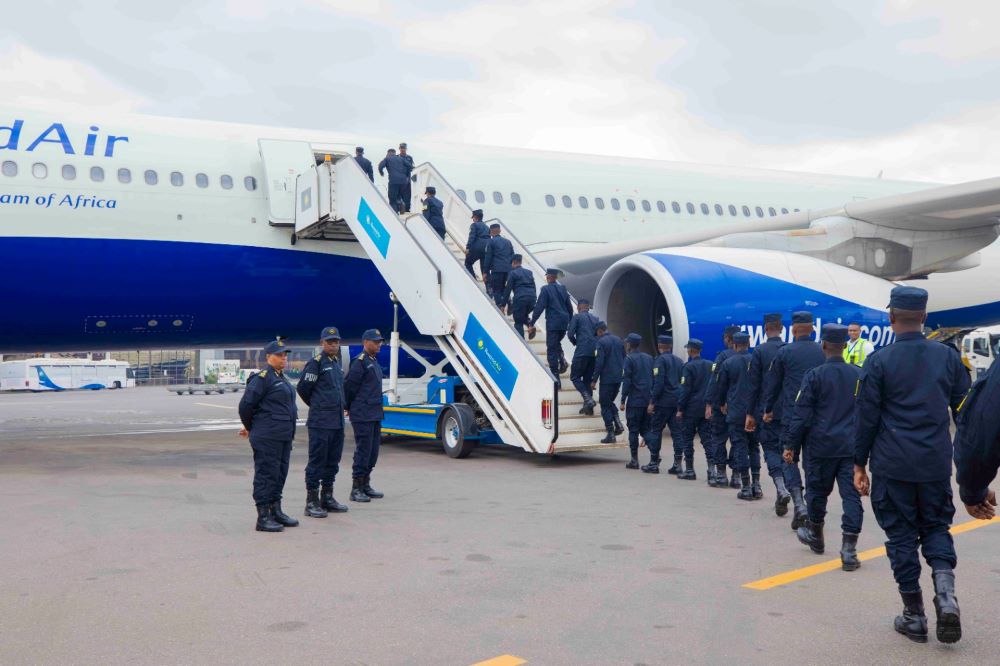
The maiden Rwanda FPU3-1 contingent of 180 officers deployed in November last year in Bangassou, about 725kms from the capital Bangui, arrived home Friday evening, under the command of Senior Superintendent of Police (SSP) Desire Kanyamagare, after a successful one year tour-of-duty.
It was replaced by Rwanda FPU3-2 commanded by Chief Superintendent of Police (CSP) Methode Munyaneza, which left earlier in the morning.
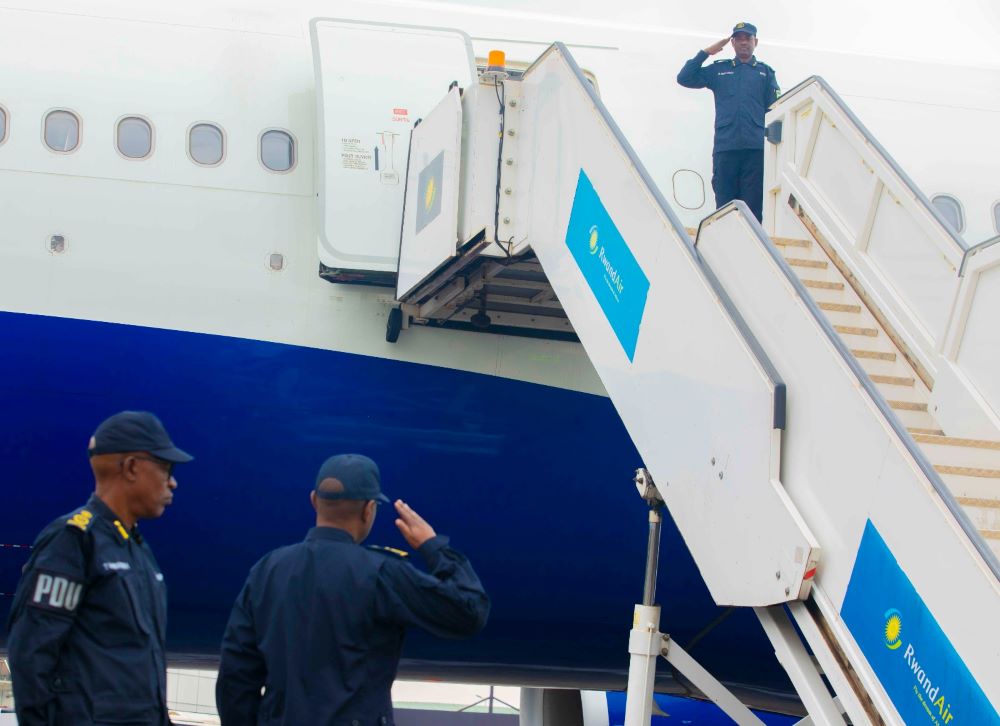
Commissioner of Police (CP) William Kayitare oversaw the rotation of the contingents on behalf of the RNP leadership, at Kigali International Airport.
While welcoming the replaced contingent, he thanked them for representing their country ably with pride, passion and professionalism.
SSP Kanyamagare said that their successful peace support operations were largely guided by the pre-deployment training, leadership guidance, discipline and the urge to maintain the Rwandan image.
“Besides the physical peacekeeping mandate to the people of Bangassou, we also engaged in human security activities such as Umuganda, planting trees to protect the environment, free medical outreach programmes, among others,” SSP Kanyamagare said.
Rwanda maintains four Police contingents in CAR; three FPUs and a Protection Support Unit (PSU) with the combined total strength of 640 officers.
Rwanda FPU-1 and PSU operates in Bangui while FPU-2 is deployed in Kaga-Bandoro, some 300kms out of the capital.
The PSU is largely charged with ensuring protection for high profile government and UN officials, including the Prime Minister, President of National Assembly, Minister of State in charge of Justice, and MINUSCA Head of Police component, among others.
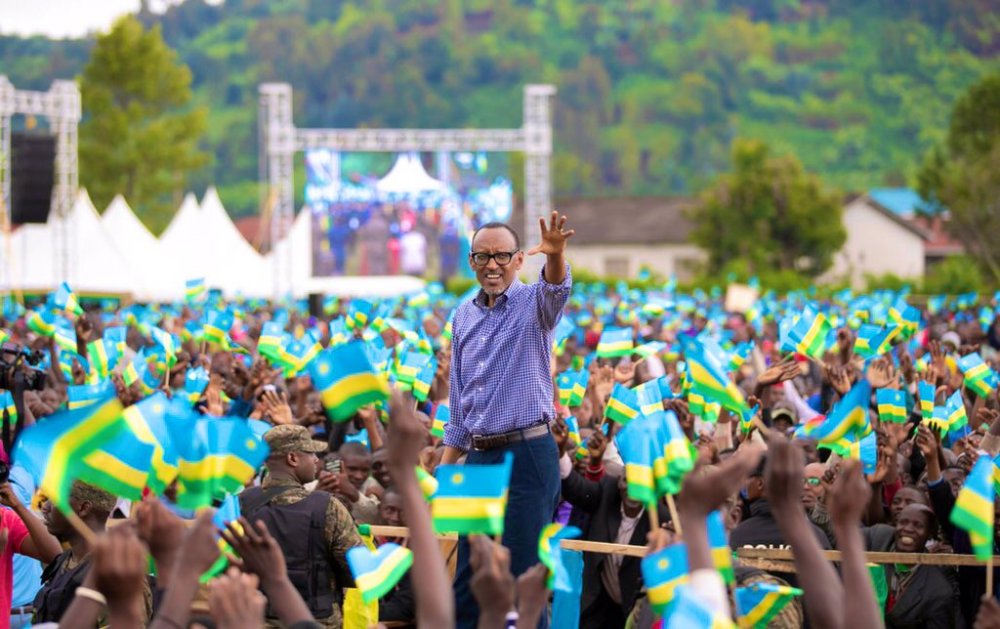
Kagame came to power in April 2000, succeeding Pasteur Bizimungu, who led the transitional government in 1994 after the Genocide against the Tutsi and unexpectedly resigned.
Two weeks after Bizimungu’s resignation, the Parliament and Cabinet elected Paul Kagame as the new President of the Republic of Rwanda, and a memorable inauguration ceremony took place within six days.
This political transition marked the beginning of Kagame’s visionary presidency. He was overwhelmingly elected in the August 2003 elections, securing the support of 95% of voters, a testament to his popularity and the trust Rwandans place in him.
Since 2000, Kagame has consistently worked to strengthen Rwandans’ unity, a mission that has borne fruit, increasing the national unity rate from 92.5% in 2017 to an impressive 94.7% today.
Rwanda is now a shining example of economic success in Africa, with an average annual growth rate of 7% since 2000. The annual GDP per capita has also seen a significant increase, rising from $374 in 1990 to $788 in 2018.
The national budget has been multiplied 14, and tax revenues have increased tenfold over the past two decades.
Kagame’s vision for Rwanda in 2034 was shared during an interview with the Chief Editor of Jeune Afrique, François Soudan and later published in a book entitled ‘Conversations with the President of Rwanda’.
He aspires to see a safe, prosperous, and independent Rwanda, where Rwandans enjoy a standard of living equivalent to that of developed countries. He envisions Rwanda becoming a donor country, contributing to the development of its African neighbors.
Kagame also expressed his desire to see Africa respected on the international stage, lamenting the persistent negative perception due to economic dependence and stereotypes. When asked if he believed these changes could occur in his lifetime, Kagame confidently replied that it is his hope, and that’s what he strives for.
Under Kagame’s ambitious vision, Rwanda continues its ascent towards a promising future, guided by principles of prosperity, security, and self-reliance.
He made the disclosure on November 9, 2023, at the Africa Investment Forum in Marrakech, Morocco as he chaired a session focused on investment opportunities in Rwanda.
This gathering brought together key stakeholders, including prominent investors and business leaders keen on exploring potential ventures in the country.
In his remarks, Dr. Ngirente illuminated the fiscal and non-fiscal incentives provided by the Rwandan government to attract investors. These include a 7-year Corporate Income Tax (CIT) holiday for investments surpassing $50 million, a 0% preferential CIT rate for international companies with regional headquarters in Rwanda, and an efficient online business and investment registration process completed within six hours.
The Prime Minister then unveiled significant investment opportunities across key sectors.
Notably, in agriculture, he discussed the ongoing Gabiro Agribusiness Hub Project, highlighting its role in transforming Rwanda’s agriculture
Gabiro Agribusiness Hub Ltd is a joint venture Company established between the Government of Rwanda through its Ministry of Agriculture and Animal Resources, boosting high-value crop exports, and ensuring food security. Currently in its second phase, this project aims to develop a vast area of 16,000 hectares in the Gabiro region of the Eastern Province.
Dr. Ngirente also mentioned the establishment of a medical services center in Masaka, Kicukiro District, designed to facilitate the transfer of modern technology and develop research and development programs for vaccines and medicines. The recently launched IRCAD Africa branch, affiliated with IRCAD France, focuses on human-assisted surgery.
The Prime Minister extended an invitation to interested investors to contribute to the development of decentralized healthcare. He also highlighted the mining sector as a viable investment opportunity. Currently employing over 60 thousand Rwandans, the Mining of Precious Stones sector earned the country over 290 billion Frw in the third quarter of 2023.
Dr. Ngirente encouraged investment in mining activities, from exploration and processing to value addition through manufacturing and marketing.
Minerals such as Coltan, Wolfram, Gold, and others are extracted in Rwanda, with the country ranking high globally in Coltan, Cassiterite, and Wolfram production.
Premier Ngirente reiterated Rwanda’s commitment to facilitating investors and prioritizing the private sector for economic development. He emphasized opportunities in the health sector, where Rwanda is establishing an advanced national medical hub to support technology transfer, research, and pharmaceutical and vaccine manufacturing.
In the mining sector, he underscored the potential for investment in mineral exploration, development/extraction, processing, and trading, leveraging Rwanda’s diverse mineral resources.
Dr. Ngirente highlighted Rwanda’s dedication to fostering strong partnerships between the public and private sectors, considering them crucial for successful transformation. He also urged investors and business leaders to view Rwanda as a prime destination, given its untapped potential and supportive investment climate.