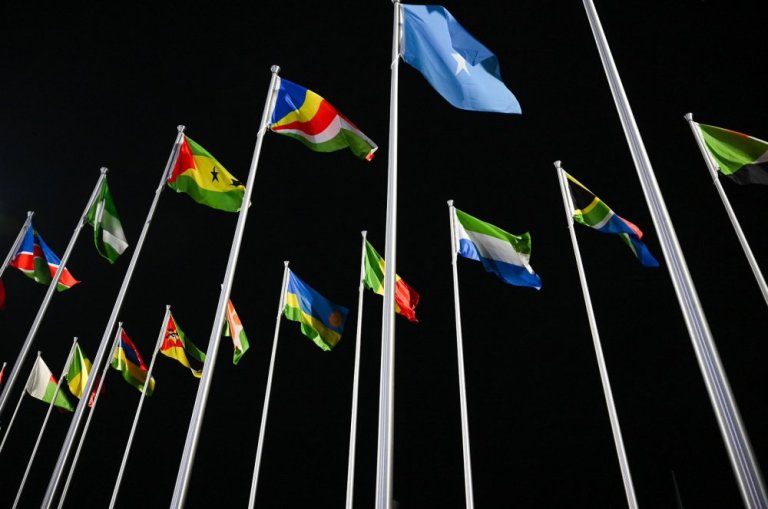
Ghazouani replaced the outgoing chairman, President of the Comoros Azali Assoumani, who assumed the chairmanship of the continental bloc in February last year at the 36th session of the AU assembly.
In his acceptance speech, the Mauritanian president underscored the need to realize the founding aspiration of the pan-African bloc, mainly Africa’s socio-economic independence, its unity and prosperity.
“I am honored by this choice and I understand the volume of responsibilities I have, particularly in the midst of this critical period,” he said.
Meanwhile, Assoumani highlighted key issues during his chairmanship, including ensuring Africa’s stability and development, boosting the role of the AU in particular and Africa in general in multilateral stages, as well as the reform of the 55-member organization.
The two-day summit is held under the AU’s theme for the year 2024: “Educate an African fit for the 21st Century: Building resilient education systems for increased access to inclusive, lifelong, quality and relevant learning in Africa.”
The Rwanda National Police (RNP) spokesperson, Assistant Commissioner of Police (ACP) Boniface Rutikanga said those arrested belong to chains of thieves, transporters, owners of meat shops, bars, restaurants and supermarkets where meat is sold.
“The majority 34 people were arrested in Muhanga District where cases of cattle theft are high; 19 in Nyagatare District while others were arrested in Kamonyi, Nyanza, Huye and Kicukiro districts,” said ACP Rutikanga.
“So far, 56 cows have been reported stolen over the past three months and during the operations, Police managed to impound about 900kgs of meat.
In most cases, thieves slaughter the stolen livestock including goats and pigs, and sell them in butchers, bars, hotels, restaurants and supermarkets,” he added.
He warned that operations are still ongoing to break these chains, to face justice.
“We have a list of other suspected members of these chains, majority operating meat stores, hospitality establishments and supermarkets that buy meat from livestock thieves, and largely influencing theft. There are also motorcyclists and drivers who transport meat from the bush where cows, goats and pigs are slaughtered.”
ACP Rutikanga thanked members of the public, who continue to support these successful operations with credible information on those involved.
Gaspard Simbarikure, in charge of Veterinary Hygiene and Quarantine Specialist at Rwanda Inspectorate, Competition and Consumer Protection Authority (RICA), said that 4 tonnes of uninspected meat have been impounded and disposed of since September last year.
Article 5 of the regulation n˚ DGO/REG/003 of 25/04/2022 governing meat businesses stipulates that “any business operator except meat transporters, who wishes to carry out the business regulated by this regulation, shall have to be licensed by the Regulatory Authority.
In article 30, meat intended for human consumption shall be accompanied by the veterinary meat inspection certificate issued by an authorized meat inspector of the slaughterhouse from which the meat is sourced.
Veterinary meat inspection certificates issued at the slaughterhouse are only those obtained from the Regulatory Authority.
“There are a lot of things involved in these criminal acts; there is theft, health risks involved especially when an uninspected and harmful meat is sold to consumers, and financial losses,” Simbarikure said.
The race will come to an end on February 25, after trekking 740km across the country.
The RNP spokesperson, Assistant Commissioner of Police (ACP) Boniface Rutikanga appealed to the general public to support responsibly so as not to obstruct the riders and causing accidents.
“The riders will be racing through towns, trading centres and rural areas in different parts of the country, and this will attract a big number of excited spectators on streets highways, on starting and finishing points.
Avoid crossing the road recklessly, follow Police instructions especially in restricted areas, do not get close to the road, don’t leave children near the road unattended,” ACP Rutikanga said.
Temporary closure of roads
The spokesperson also said that the race will affect traffic flow from time to time and urged motorists to bear with the partial interruptions.
“At some point, some roads will be temporary closed to facilitate riders. Motorists are advised to wait patiently until the roads are reopened or use the available alternative routes as they will be directed by Police officers, who are there to facilitate you, to ensure a safer and incident free cycling competition. ,” ACP Rutikanga said.
For further information, the public is urged to call the following lines, for assistance. 112, 113 (toll-free lines), 0788311216, 0788311012, 0788311502 and 0788311155.
There will also be daily updates on roads that will be affected, on the RNP social media platforms.
Conducted at the African Center of Excellence for Sustainable Cooling and Cold Chain (ACES), the project collaborates with the National Institute for Health Care, Rwanda Biomedical Center, and Circular and Crown Agents—an institute focused on tackling the impacts of climate change on health. The specialized computer software powering this research was developed with support from Circular and Crown Agents.
VaccMap is designed to monitor vaccine quality in Rwanda, thereby improving vaccine integrity for the Rwandan and broader African populations. The project utilizes the facilities of Rwamagana District Hospital and 16 health centers across the Eastern Province, engaging approximately 40 Ministry of Health staff members. Initiated in December 2023, the study is expected to conclude by March 2024.
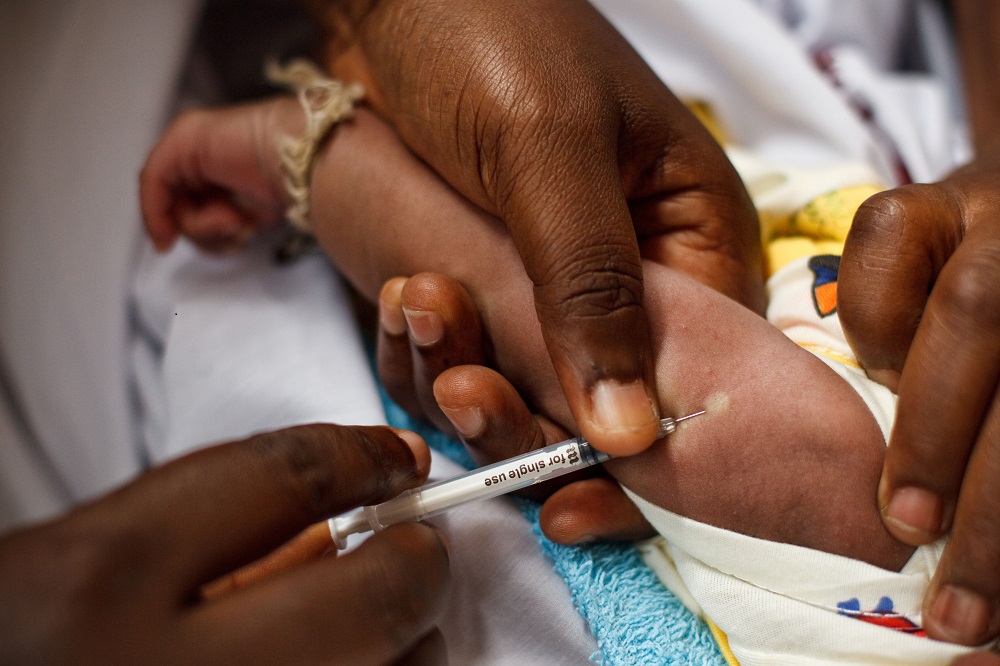
Given the critical role of vaccines in preventing infectious diseases, their efficacy heavily depends on proper monitoring during transit and storage, ideally within a temperature range of 2°C to 8°C. However, vaccine wastage is a significant issue, with an estimated 25%-30% of vaccines lost annually.
VaccMap employs technology embedded in small glass vaccine vials to offer real-time data on temperature and cold chain integrity to healthcare workers. This innovative approach ensures end-to-end tracking of vaccines, from production to administration, aiming to minimize waste and enhance vaccine quality.
The project enables medical staff to understand the dynamics of vaccine exposure to extreme temperatures, pinpointing the causes behind potential vaccine degradation. By identifying these factors, VaccMap seeks to improve public healthcare outcomes.
Additionally, the project will evaluate the status and quantity of perishable vaccines, focusing on both utilized and unopened vials. This assessment will help address the loss of potency issues, particularly with opened vials that are not fully used during administration.
Professor Toby Peters of the University of Birmingham highlights the crucial need for infrastructure development to preserve vaccine quality. He notes that a significant number of African children remain unvaccinated each year, leading to millions suffering from preventable diseases.
Under Prof. Peters’ leadership, the project aims to identify and address the degradation challenges of vaccines in Rwanda. The findings will guide strategies to mitigate these challenges, preventing future losses and ensuring the availability of high-quality vaccines for children.
Remarkably, the computer program used in this initiative, initially developed for battery materials in vehicles, was adapted by a team of doctors for vaccine delivery purposes. This adaptation underscores the innovative and impactful use of technology in solving critical healthcare challenges.
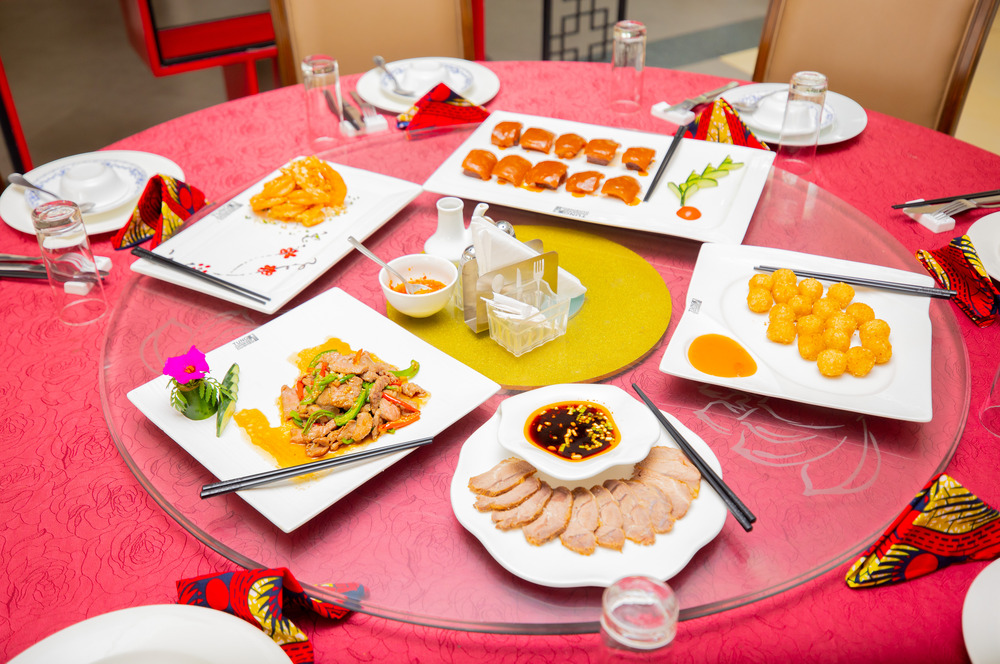
Among these, Tung Chinese Cuisine shines as a beacon of authentic Chinese dining. Nestled within the Century Park Hotel and Residences in Nyarutarama, Kigali, Tung Chinese Cuisine offers an immersive experience that transports guests to the heart of China without leaving the city.
With its carefully curated decor, extensive menu, and exceptional service, the restaurant ensures a genuine taste of Chinese culture.
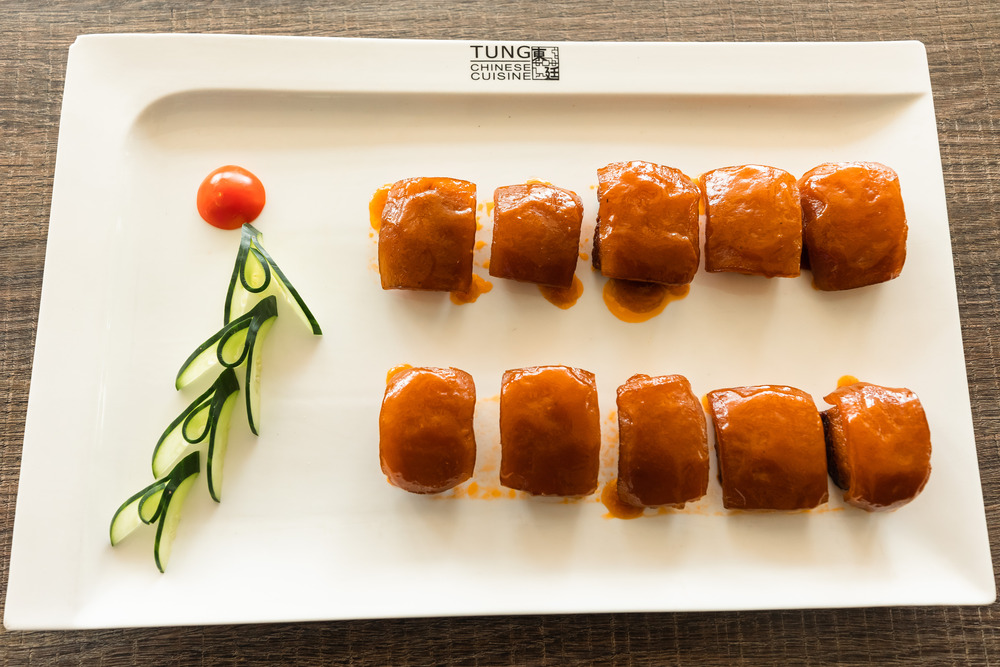
Tung Chinese Cuisine takes pride in broadening the Rwandan palate, introducing lesser-known yet captivating dishes such as Marinated Sliced Beef, Fried Prawns in Hot and Spicy Sauce, and Dongpo Cubed Pork.
In an interview with IGIHE, Cheung Yiu Tung Billy, Chairman and owner of Century Park Hotel and Residence, sheds light on the mission to deliver an authentic representation of Chinese cuisine.
He addresses common misconceptions while highlighting the diversity and regional variations within Chinese cooking. The restaurant not only caters to the Chinese community in Rwanda but also aims to acquaint a wider audience with the richness of Chinese culinary traditions.
Originating from Hong Kong, Cheung brings a wealth of expertise and a passion for gastronomy, promising a dining experience that is both varied and rich. He illustrates the versatility of Chinese cooking through the example of chicken preparation, which can vary immensely, showcasing over a hundred different cooking techniques.
Cheung extends an invitation to all to discover and savor the deep flavors of Chinese and other Asian cuisines at Tung Chinese Cuisine. He champions the idea of expanding culinary horizons through new and diverse foods, ensuring that the restaurant’s offerings are not only exceptional but also accessible.
With its recent menu expansions, including dishes like dim sum and sizzling plates, Tung Chinese Cuisine continues to enrich Kigali’s culinary scene, establishing itself as a must-visit destination for food enthusiasts.
The incident, which occurred around 6 a.m., saw the immediate response of local authorities and emergency services.
Murebwayire Alphonsine, the Executive Secretary of Gatsata Sector, has told IGIHE that the surviving family member, the wife and mother, was quickly transported to a nearby hospital for urgent care following the incident.
Describing the harrowing event, Alphonsine stated, “A slope unexpectedly gave way and collapsed onto a part of the family’s home where the husband and child were sleeping, tragically resulting in their instant deaths. The wife was promptly evacuated and rushed to the hospital by ambulance.”
In light of the tragedy, it was also revealed that approximately 1,300 families from the sector have been proactively relocated from areas deemed to be at high risk of similar disasters, underscoring the ongoing efforts to prevent future losses and enhance the safety of the community’s residents.
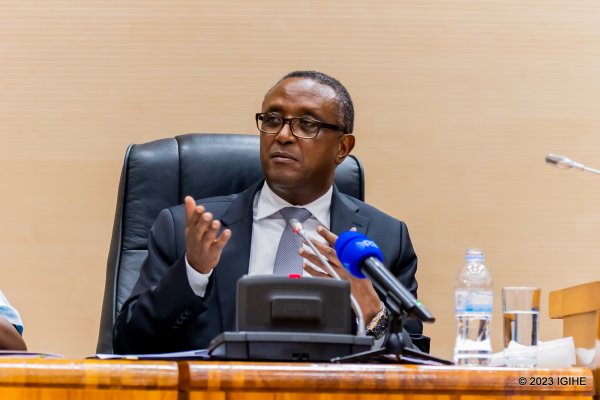
This apprehension was communicated in a document submitted by Rwanda’s Minister of Foreign Affairs and International Cooperation, Dr. Vincent Biruta, through Rwanda’s Permanent Mission to the United Nations to Carolyn Rodrigues-Birkett, the President of the United Nations Security Council, on February 13, 2024.
Dr. Biruta highlighted the alliance between SADC forces and the Democratic Republic of Congo (DRC), warning that such a partnership might escalate the conflict in the region and increase hostilities.
He emphasized the presence of over 260 armed groups within the DRC and accused the SADC forces of selectively supporting the DRC Armed Forces (FARDC) alongside Burundian Forces (FDNB), European mercenaries, Rwandan genocidal forces (FDLR and its splinter groups), and various ideologically and ethnically motivated local armed groups, known as wazalendo.
These groups, he noted, are committed to the ethnic cleansing of Congolese Tutsi, escalating the situation to levels reminiscent of the precursors to the 1994 Genocide against the Tutsi in Rwanda.
Dr. Biruta also addressed joint operations between the SADC-led mission in the DRC (SAMIDRC) and these “negative groups” against the M23 rebels, in defiance of recommendations from the East African Community (EAC)-led Nairobi Process and the Angola-led Luanda initiative.
He expressed concern over the public statements by the presidents of the DRC and Burundi to support a regime change in Rwanda and heightened ethnic tensions in the region.
The minister further criticized the hyper-militarization of eastern DRC and the potential support from the UN for the coalition driving the conflict escalation, despite the ongoing ethnic violence and aggressive rhetoric from regional leaders.
He relayed concerns about the United Nations Stabilization Mission in the Democratic Republic of Congo (MONUSCO) potentially supporting the SADC forces, Burundi, and the FDLR, which he argued could implicate the UN in acting on wrong premises by aligning with efforts perceived as targeting Congolese Tutsis and destabilizing Rwanda.
Dr. Biruta called out the international community for overlooking the fundamental causes of the conflict, including support for Rwandan genocidal forces in eastern DRC, the DRC government’s refusal to address the grievances of Congolese Rwandophones, particularly Tutsis, and the failure to repatriate Congolese refugees.
He argued that UN support for FARDC and its allies would further encourage a military approach over a peaceful resolution to the crisis.
Highlighting the risks of exacerbating the long-standing crisis in eastern DRC, including the potential for ethnic conflict and regional warfare, Dr. Biruta urged the UNSC to reconsider its stance on providing logistical and operational support to the FARDC-led coalition.
He advocated for a peaceful resolution through the Nairobi and Luanda processes and affirmed Rwanda’s commitment to contributing to peace in the eastern DRC.
Nonetheless, he warned that Rwanda will continue to take preventive and defensive measures against the declared intention of the presidents of DRC and Burundi to remove the Government of Rwanda and the threat posed by the Rwandan genocidal forces operating in the eastern DRC.
Ramaphosa argues the deployment aligns with Southern African Development Community (SADC) defense commitments to combat armed groups in the DRC, emphasizing such missions are prone to casualties.
Conversely, Malema criticizes the move, citing the South African military’s alleged lack of readiness and proper equipment, suggesting the African National Congress (ANC) has weakened the nation’s armed forces.
He also points to soldiers’ complaints about insufficient provisions, questioning the effectiveness of a hungry army in combat.
This military engagement, costing two billion rands, is a substantial financial and human investment, highlighting deep divisions within South African society and its political landscape over international military interventions.
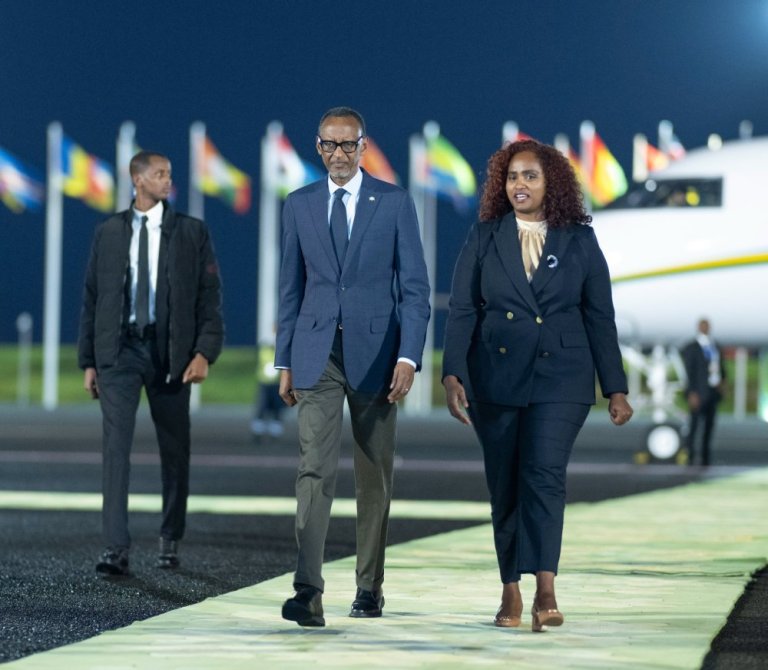
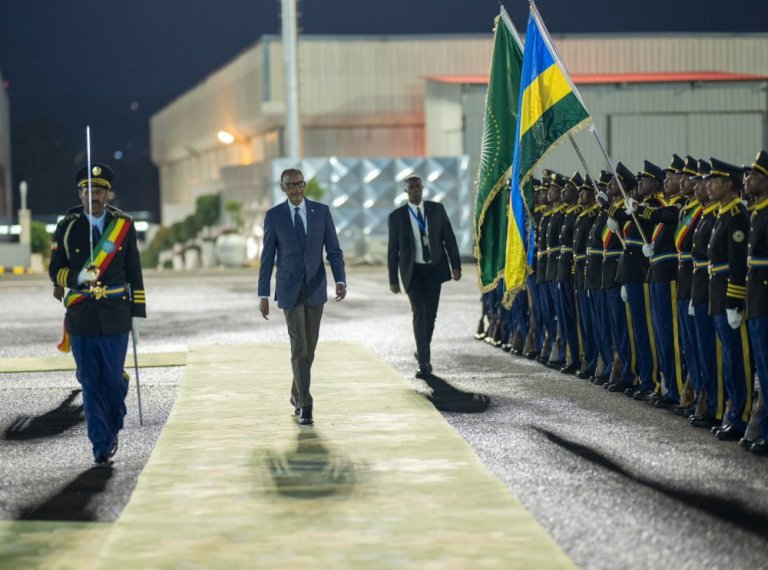
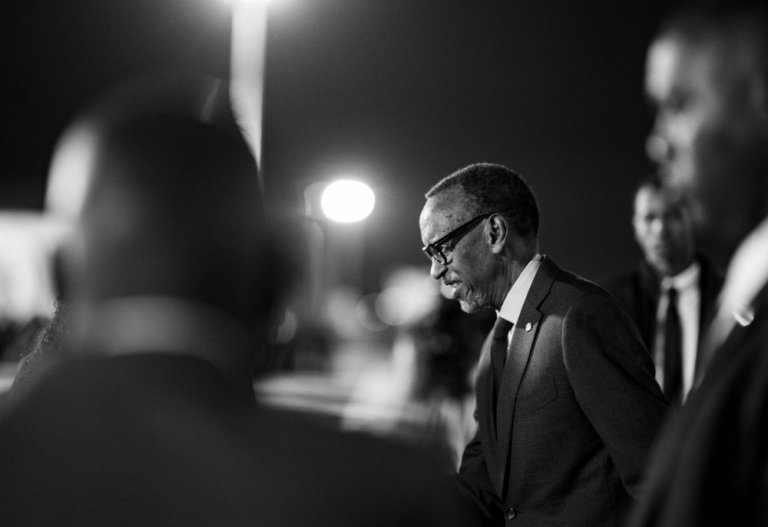
As the head of AU Institutional Reforms, President Kagame will present a report on the progress of these reforms, which have spanned eight years and resulted in the revitalization of the Peace Fund, now nearing $400 million.
Member states have largely fulfilled their financial contributions.
The focus of this year’s AU Summit is on the 2024 theme of education, following a global summit on Transforming Education led by the UN Secretary-General in September 2022.
The urgency arises from the worldwide education crisis and the insufficient progress toward Sustainable Development Goal 4.
Africa, in particular, faces significant challenges in achieving this goal. A closer look at the education sector in Africa reveals ongoing efforts to enhance access, completion, and quality of education, with a specific emphasis on reducing the number of out-of-school children and improving literacy rates.
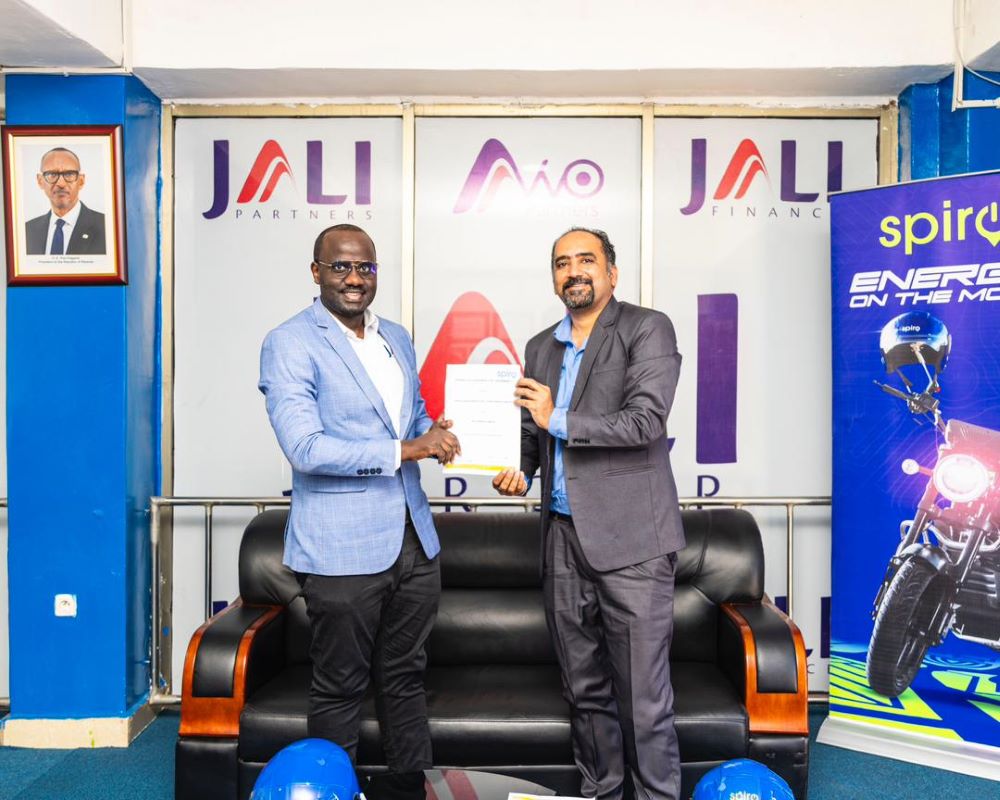
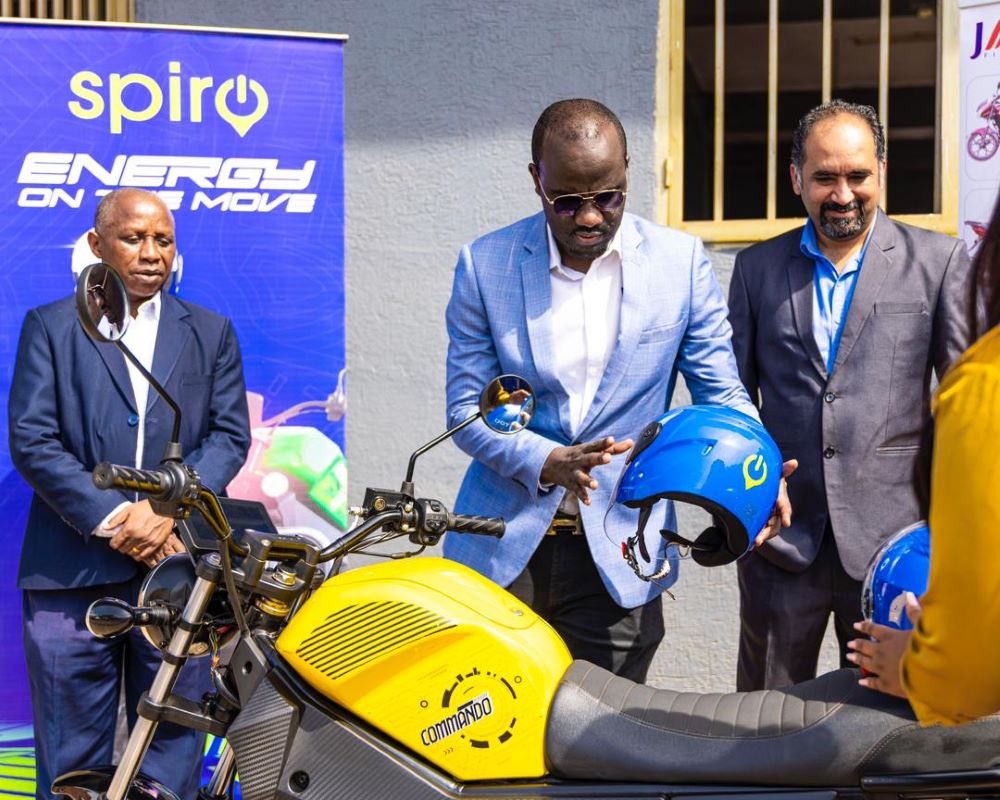
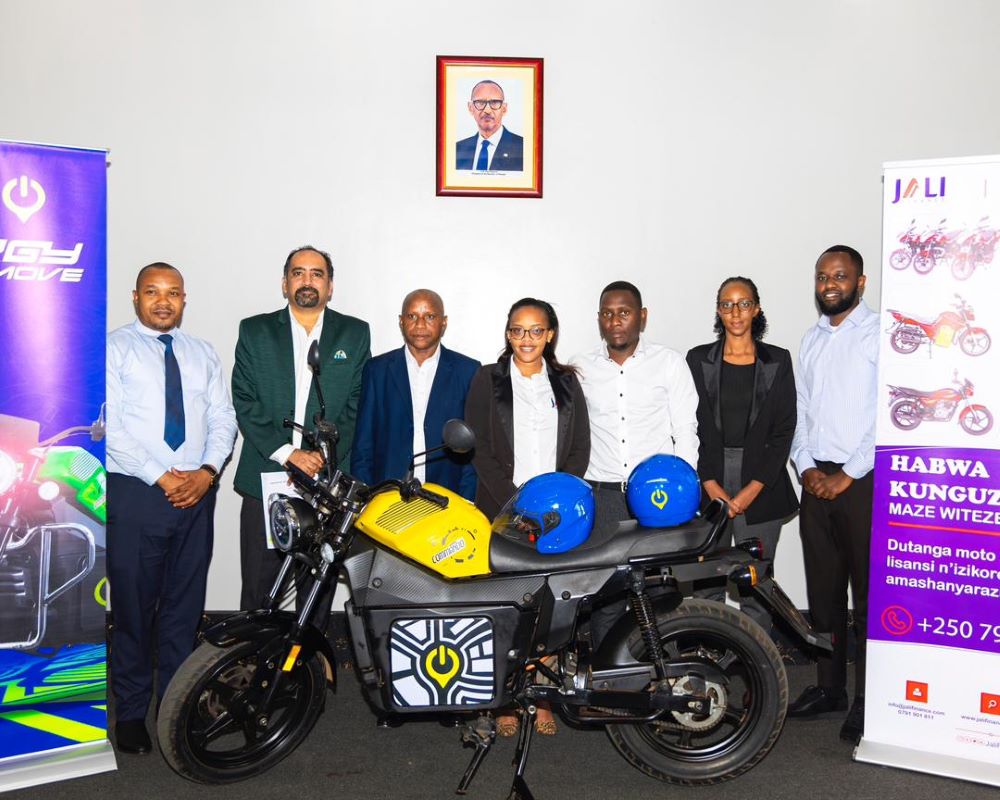
Building on previous collaborations with Bboxx in Rwanda, and following in the footsteps of recent successful partnerships with Mogo and Watu in Kenya, Spiro continues to weave a network of strategic alliances across the continent. These partnerships are pivotal in Spiro’s mission to enhance access to clean energy and sustainable transportation.
Arunkumar Bhandari, the Head of Spiro in Rwanda highlighted that Jali’s extensive experience and respected standing in Rwanda’s financial sector, combined with Spiro’s innovative EV solutions, promise to drive unprecedented growth in the country’s green mobility sector.
{{A Partnership for progress}}
The union with Jali, renowned for its robust asset financing solutions, signifies a leap forward in making EV technology accessible to a broader segment of the Rwandan population.
{{Extending the Ecosystem}}
This partnership aligns with Spiro’s overarching strategy to develop a comprehensive Pan-African smart energy ecosystem. By integrating cutting-edge technology with practical financial solutions, Spiro and its partners are setting new benchmarks for sustainability and innovation in Africa.
Spiro offers riders a cheaper, smarter, and cleaner way to travel by allowing them to swap batteries in under a minute before continuing with their journeys. There’s no waiting for batteries to charge up at home, and none of the noise and smell of an old ICE bike.
With 12,000 electric motorbikes in Benin,Togo, Rwanda and Kenya, Spiro is increasing its foothold across Africa, and recently celebrated its 7 millionth battery swap.
“We have 40,000 swapable batteries in operation, and Spiro’s in house State of Charge technology model ensures we understand the condition of each individual battery, at all times. It’s another example of Spiro’s relentless focus on safety of batteries which we continue to develop here in our dedicated tech team in Pune, India,” said Yogesh Dipankar – Spiro’s Head of IoT / Maps and Data Monetisation.
{{Technological milestones ahead}}
Looking forward, Spiro is set to introduce a series of technological innovations across Africa, developed in house by a dedicated tech team in Pune, India. March will see the launch of the first automatic swap stations in Rwanda, a development that promises to revolutionize the EV market by offering unparalleled convenience for EV users.
Additionally, the eagerly anticipated Spiro app, featuring multi-service integration, geolocation, and seamless payment options, is slated for release, marking a significant advancement in Spiro’s tech-driven approach to mobility.
According to Kaushik Burman, the CEO of Spiro, the company’s technology stack empowers financial leasing partners with the ability to make prudent decisions on the back of real-time asset performance, thereby reducing the risk of underwriting.
{{A future forged together}}
“Spiro’s journey is one of collaboration and innovation,” stated Kaushik Burman, CEO of Spiro. “Our partnership with Jali, building upon our engagements with Bboxx, Mogo, and Watu, exemplifies our commitment to crafting a sustainable future for Africa. Together, we are promoting electric mobility and pioneering a new era of environmental responsibility and technological empowerment.”
Jali Finance ltd’s CEO, Felix Nkudimana says, “We at Jali Finance are thrilled to have sealed a partnership with SPIRO, Africa’s foremost electric motorcycle supplier. This collaboration marks a significant step in our mission to eradicate unemployment in Rwanda with eco-friendly products. By utilising this partnership, we will empower additional thousands of individuals with sustainable transportation solutions while fostering economic growth.
Furthermore, the adoption of electric motorcycles not only enhances mobility but also champions environmental sustainability by reducing carbon emissions and promoting cleaner air quality. Together, we’re driving positive change, transforming lives, and safeguarding our planet for future generations.”
Commenting on the development, Felix Nkudimana, the CEO of Jali Finance ltd stated that by utilising this partnership, they will empower additional thousands of individuals with sustainable transportation solutions while fostering economic growth.
As Spiro gears up to launch its automatic swap stations and the Spiro app, the company invites all stakeholders to join in this exciting phase of growth. Through collaborative efforts and technological innovation, Spiro is not just envisioning a greener future for Africa but actively bringing it to fruition.