
[ Click the link below to watch the video->https://english.news.cn/20240228/36f25942db4b4cad96faf839b9b004a7/c.html]
Category: News
-

Xi holds talks with Sierra Leonean president
Since the establishment of diplomatic ties more than half a century ago, China and Sierra Leone have firmly supported each other on issues concerning each other’s core interests, carried out efficient cooperation in the field of economic and social development, and maintained close coordination on international affairs, a Chinese foreign ministry spokesperson has said.
It is believed that this visit will inject new impetus into the comprehensive and in-depth development of China-Sierra Leone ties, and push for more achievements in the friendly cooperation between the two countries.
-

Over 200 Burundian soldiers detained for refusing to fight M23 in Congo
The American news agency, Associated Press, reported on February 28, 2024, that these arrests took place in the provinces of Bururi, Rumonge, Ngozi, and Ruyigi for charges including “mutiny and refusal to follow battle orders.”
All of them have been interrogated by the prosecution.
The Bururi prison holds 21 soldiers, Rumonge has 103, the Ngozi detention center contains 84, while 34 are detained in Ruyigi.
Most of these soldiers were removed from the DRC and have been imprisoned since December 2023, based on an order from the military headquarters.
The Burundian forces began to join the DRC’s fight against M23 in October 2023, following a military agreement between the two countries signed in August of that year.
The coalition fighting on the side of the DRC government expanded to include forces from the Southern African Development Community (SADC), United Nations peacekeeping missions, mercenaries, and armed groups including those from Wazalendo and FDLR.
A Captain who deserted the Burundian military told the news agency that the conflict their colleagues are participating in in the DRC is baseless, as those sent do not understand what they are fighting for.
He stated, “For a soldier to go to battle, they should at least know why they are there. It’s also important to understand our strengths and weaknesses, as well as those of the enemy we face. But we were asked to fight blindly.”
A senior Burundian military officer confirmed that indeed many soldiers are imprisoned for refusing to fight M23, and some have been dismissed from the military for this reason, while others have been acquitted.
“Some have already been dismissed from the military, but there are also those who have been acquitted. There’s no secret, many soldiers are imprisoned for this reason,” he said.
President Evariste Ndayishimiye of Burundi, on December 29, 2023, confirmed that there are soldiers assisting the DRC government in fighting M23, denying the arrest of those who refused to fight.
The President explained that those detained were due to violations of military code of conduct, stating that it’s a common occurrence in the Burundian military and elsewhere in the world.
President Ndayishimiye also acknowledged the loss of soldiers in this war, emphasizing that no soldier goes to battle with the intention of dying.
-

Parliamentarians urge action on unfilled mining pits
This call to action followed the presentation of a detailed report by the Ombudsman’s Office, conducted by the Commission on Politics, Gender Equality Development during the Chamber’s plenary session.
The Commission’s findings shed light on persistent issues such as land disputes, the forced relocation of residents for public projects, and widespread dissatisfaction with judicial outcomes in related cases. A significant concern raised was the presence of unremediated pits and shafts from historical mining activities, identified during the Ombudsman’s Office inspection.
A resolution was proposed to the General Assembly, urging the Prime Minister to outline a strategy for filling these hazardous openings within an eight-month timeframe.
Rubagumya Furaha Emma, the Commission’s head, reported on discussions with relevant authorities, noting the acknowledged delays in addressing the issue. Authorities emphasized the need for a meticulous approach to the task, indicating the requirement for a specialized study and the ongoing search for necessary funding.
With over 170 known pits scattered primarily across the Southern and Western Provinces, and potentially more near residential zones posing threats to public safety, the urgency of the situation is clear. Rubagumya stressed the need for immediate action to mitigate these risks, including considering the relocation of affected communities.
This legislative initiative underscores the importance of remedying the environmental and safety hazards posed by these neglected mining sites, highlighting a commitment to addressing the remnants of colonial exploitation and ensuring the well-being of the nation’s citizens.

-

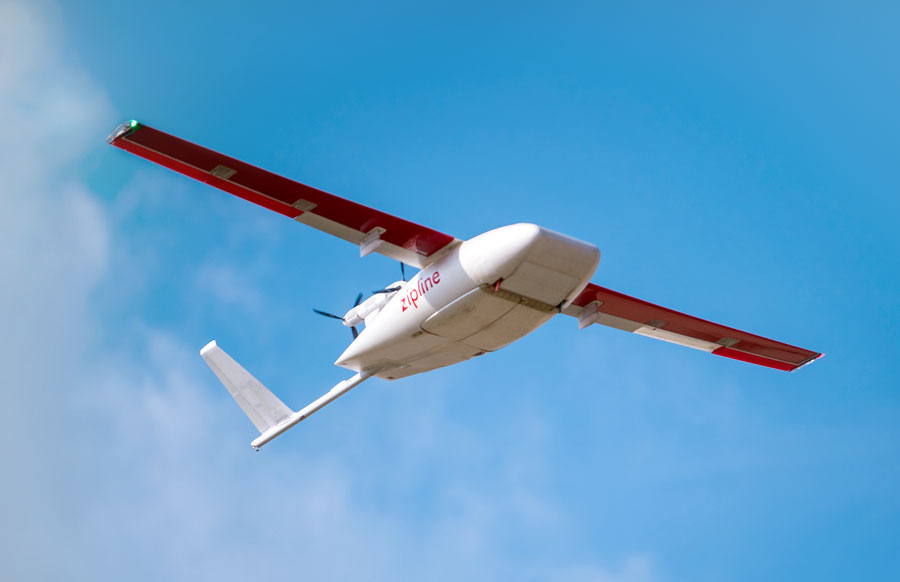
Zipline expands partnership in Rwanda to boost economic development, wildlife conservation
The new partnership will help fund conservation of crucial ecological resources in Rwanda. Twenty percent (20%) of the fee paid for every delivery completed by Zipline within Rwanda’s tourism sector will go towards the expansion of Volcanoes National Park, an initiative to expand the protected habitat of Rwanda’s mountain gorillas and other endangered species.
This initiative expands on Zipline’s long-standing collaboration with the Government of Rwanda.
Since 2016, Zipline has partnered with the Ministry of Health, the Rwanda Agricultural Board, the National Child Development Agency, the Rwanda Biomedical Center and other agencies to improve access to blood, animal health products, human vaccines, childhood nutrition products and medical supplies through 24/7, on-demand logistics.“We are elated to join forces with the Rwanda Development Board, broadening the horizons of our drone delivery services far beyond the realm of medical supplies,” says Pierre Kayitana, General Manager of Zipline Rwanda.
According to Kayitana, this initiative allows Zipline, in collaboration with handpicked ‘Made in Rwanda’ brands, to deliver local gifts directly to tourists even in the most remote corners of Rwanda.
“Made in Rwanda” products include fashion and souvenir items created by a vetted list of local business owners.
This initiative aims to boost local businesses, enhance the visibility of Rwandan products, and contribute to the growth of the nation’s creative economy. The delivery service will first be available to guests at high-end Wilderness resorts and the UMVA Muhazi Lodge.
Commenting on the development; Francis Gatare, CEO of the Rwanda Development Board said: “This partnership underscores our dedication to collaborating closely with private sector entities such as Zipline, to advance environmental conservation, stimulate economic development, and foster a culture of innovation.”
The partnership continues to position Rwanda as a global leader in embracing innovative solutions for the betterment of people and natural wildlife.
-

Rwanda enhances tax compliance with rewarding VAT system and voluntary disclosure incentives
This improvement is part of broader measures detailed in two ministerial orders aimed at increasing tax compliance and refining business operations within the country. These orders, ratified during a cabinet meeting on February 27, 2024, introduce rewards for consumers who actively participate in the VAT system and offer incentives for voluntary tax disclosure.
Under the new policy, consumers who obtain an EBM invoice upon purchase can receive a reward, which amounts to 10% of the VAT displayed on the invoice. Furthermore, if a request for an invoice is refused and the consumer reports this to the tax authorities, they could be entitled to a 50% share of any penalties levied against the offending business.
This initiative not only incentivizes the use of EBM invoices but also empowers consumers to contribute to tax compliance efforts.
Moreover, the legislation extends an olive branch to individuals and businesses willing to voluntarily disclose unpaid taxes to the Rwanda Revenue Authority (RRA) before any formal notification of tax discrepancies is issued.
These proactive disclosures will lead to the waiver of associated penalties and late payment interests, following a thorough evaluation by tax officials.
This approach is designed to encourage honesty among taxpayers and facilitate the easier resolution of outstanding tax obligations.
In a post-cabinet press conference, the Minister of Finance and Economic Planning, Dr. Uzziel Ndagijimana, together with Pascal Bizimana Ruganintwari, the Commissioner General of RRA, underscored the significance of these orders.
They highlighted how these initiatives are integral to Rwanda’s ongoing reforms aimed at expanding the tax base and alleviating taxpayer burdens.
Dr. Ndagijimana remarked on the country’s progress in tax collection and compliance, attributing it to rigorous reforms.
He emphasized the necessity for continued improvement to enhance tax collection efficiency, ultimately contributing to national economic growth.
These ministerial orders are set to take effect following their publication in the Official Gazette, marking a pivotal step towards fostering a more compliant and transparent tax environment in Rwanda.

-

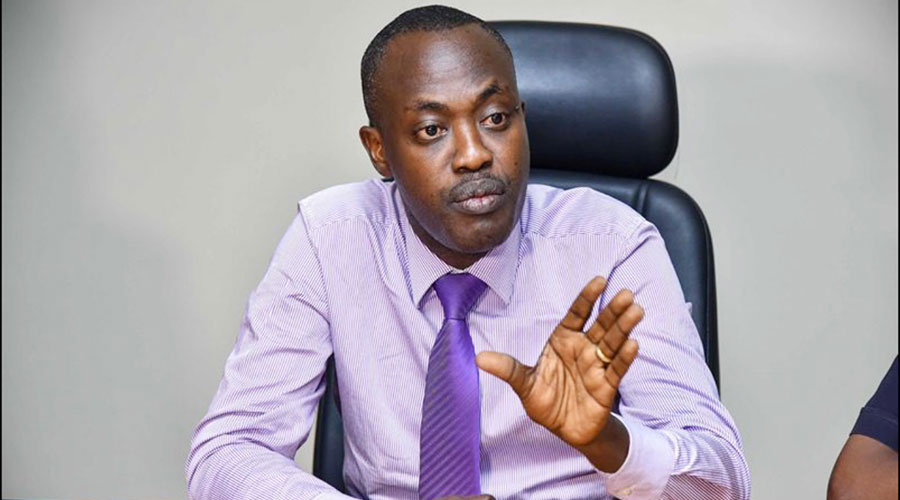
Burundi continues to show reluctance in prosecuting citizens accused of role in Genocide against the Tutsi
In the aftermath of the assassination of President Melchior Ndadaye in October 1993, Burundi plunged into violence, prompting many Burundians, particularly of Hutu ethnicity, to seek refuge in Rwanda.
These individuals, harboring resentment against Tutsis for perceived involvement in Ndadaye’s death, allied with the Interahamwe militia. They underwent training in camps near their homeland and engaged in the genocide, exploiting familial ties with Rwandan Hutus as a pretext for their involvement.
The brutality of these Burundian participants was marked by heinous acts, including the mutilation and consumption of their victims’ hearts, as recounted by Munyurangabo Evode, a genocide survivor. He emphasized the extreme violence perpetrated by Burundians and the urgent need for their prosecution.
The sentiments of grief and frustration are shared by Rwandan citizen Nzigiyimana Michel, who believes the survival rate of Tutsis would have been higher without the involvement of Burundians with the Interahamwe. He lamented the continued freedom of these perpetrators in Burundi.
As of February 27, 2024, the National Prosecution Authority’s spokesperson, Nkusi Faustin, disclosed that Rwanda has identified 1,148 individuals wanted for their role in the genocide, including 16 Burundians. Despite extradition requests, Burundi’s response has been notably absent.
Dr. Ngamije Daniel, speaking at the 28th commemoration of the genocide, underscored the ongoing issue of accountability for Burundians’ involvement. He called for investigative actions to ensure justice for the atrocities committed, particularly in areas adjacent to Burundi.
Alain Mukuralinda, the Deputy Spokesperson for the Rwandan Government, recently criticized Burundi’s failure to either extradite or prosecute the accused individuals, highlighting a missed opportunity for justice.
Even three decades after the genocide, which saw the loss of over a million lives, some countries continue to avoid taking action against known perpetrators, underscoring a persistent challenge in achieving full accountability and reconciliation.
-

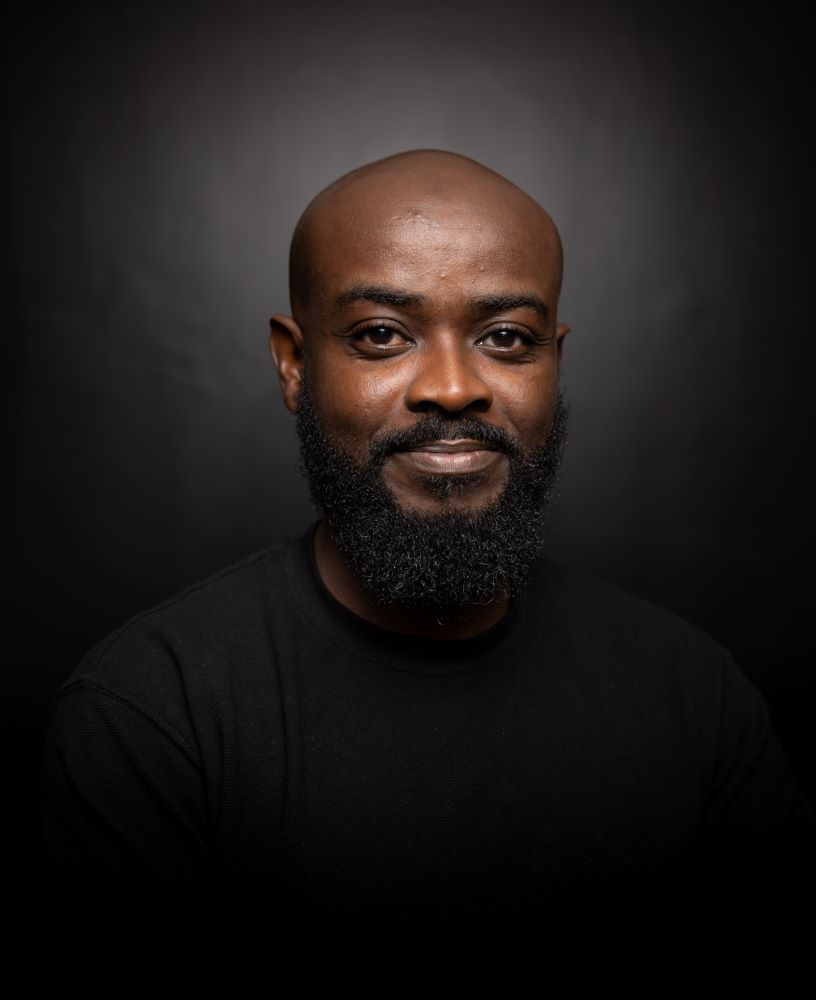
Elie Habimana appointed as new Managing Director for Norrsken East Africa
Habimana has been a key part of Norrsken’s successful journey to create and catalyze impact-focused tech entrepreneurship in Kigali and across East Africa. Elie led the Norrsken House Kigali construction and set up operations that serve our thriving community. Habimana will take the reins as Managing Director at Norrsken East Africa on the 1st of March, 2024.
Since its phase 1 opening in late 2021, Norrsken House Kigali has grown to become the biggest hub for startups in Africa. Today we are home to more than 1000 tech startup and SME entrepreneurs, investors, world-class talent and startup enablers from across the continent.
Commenting on the development; Sara Kappelmark, co-CEO at Norrsken Foundation said: “Elie was the clear and obvious choice as we concluded an extensive months-long search process. Our vision remains to contribute to making Rwanda a leading thriving ecosystem for impactful entrepreneurs, and we are committed to making Norrsken House Kigali the place to be for the most visionary founders and investors on the continent. We look forward to the next phase of inspired growth and ecosystem support through Norrsken House Kigali with Elie at the head of our stellar Kigali team.”
“Our mission remains unchanged. With our infrastructure in place, it’s time to double down our efforts in attracting capital, knowledge, and networks to support founders and startups addressing the most pressing challenges of our time. I look forward to continuing and deepening the collaboration with our existing and new partners to fulfill this commitment,” said Habimana.
He is expected to continue to lead Norrsken’s team and community in Kigali to perfect the platform created and tap into the pan-African and global network to attract capital and knowledge to help the most promising founders on the continent grow and scale.
Norrsken is a non-profit, non-partisan and non-religious impact ecosystem founded by Niklas Adalberth, co-founder of payment services unicorn Klarna.
It supports entrepreneurs and provide visionary founders with what they need to make saving the world their business.
Norrsken’s global ecosystem includes thriving tech hubs in Stockholm, Kigali and Barcelona as well as five venture capital funds that have collectively raised more than $500 million to back exceptional entrepreneurs who combine profit with positive global impact.
Two of those funds, Africa Seed Fund and Norrsken22 focus exclusively on finding and backing the best African early-stage to growth-stage startups.
-

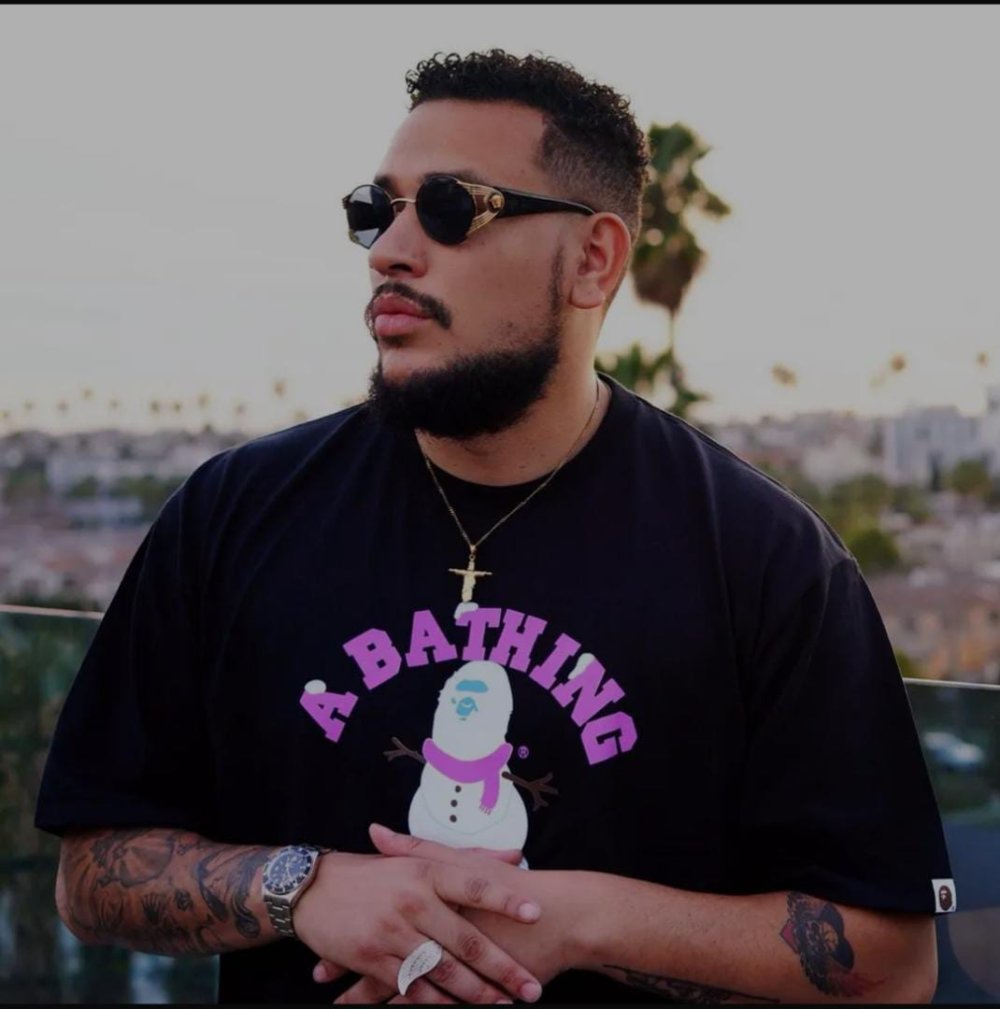
Seven suspects arrested in connection with AKA and Tibz murders
According to the BBC, the police disclosed that hitmen were hired to target AKA, though no motive has been disclosed yet. Lt Gen Nhlanhla Mkhwanazi, the KwaZulu-Natal provincial police commissioner, stated in a press briefing that it was evident AKA was under surveillance from the airport, and Tibz was an unintended victim in the attack.
The suspects, all under 36 years old, are set to appear in court on Thursday. Lt Gen Mkwananzi further stated that the accused individuals had varied roles in the plot to assassinate AKA. This includes two alleged gunmen, three spotters who trailed AKA from the airport, someone who provided firearms for the attack, and the alleged mastermind. Some of the suspects are also allegedly involved in unrelated murder cases.
Six suspects were arrested on Tuesday, with a seventh apprehended on Wednesday morning, according to police spokesperson Col Robert Netshiunda. The latter, a 30-year-old South African, is accused of acting as a spotter. The two alleged gunmen were found in Eswatini and are undergoing processes for extradition to face charges in South Africa.
Recovered exhibits from the arrests include vehicles, firearms linked to the murders, and empty cartridges. Police Minister Bheki Cele acknowledged the disturbance caused by the killings, expressing hope that the arrests would bring some solace to South Africans.
The motive for the murders is yet to be revealed, with Minister Cele suggesting it will emerge during court proceedings. AKA, known for his musical prowess both locally and internationally, began his career with the rap group Entity before achieving solo success. He received numerous awards and posthumous honors, including recognition at the BET Hip Hop Awards.
-

M23 condemns MONUSCO’s alleged complicity in DRC conflict
In a statement released on February 28, 2024, M23 highlighted that the ongoing partnership between MONUSCO and FARDC raises serious questions regarding the mission’s impartiality and effectiveness in the region.
According to M23, MONUSCO’s extensive support for FARDC, including logistical aid and physical alignment with FARDC on the battlefield alongside elements of the FDLR, mercenaries, militias, the Burundian National Defense Forces, and the Southern African Development Community forces, constitutes a flagrant violation of MONUSCO’s mandate.
The M23 asserts that this situation discredits the United Nations and effectively transforms MONUSCO into a belligerent actor in the conflict. The group challenges the motivations behind the persistence of chaos in the region, pointing accusatory fingers at the UN and its stakeholders.
They suggest that the ambiguity in conflict management serves the interests of those who benefit from instability in the Democratic Republic of the Congo.
The statement by the M23 underscores the challenges faced by MONUSCO in fulfilling its peacekeeping mission in conflict zones where the lines between peacekeeping, logistical support, and active participation in hostilities are blurred.
It calls for a thorough reflection on the strategies adopted by international actors in their pursuit of stabilization and peace in a region marked by prolonged tensions and conflicting interests.