The course held at the Regional Center of Excellence on GBV and Child Abuse at the Rwanda National Police (RNP) General Headquarters in Kacyiru, was designed to update the female Police trainers with the recent developments related to curriculum and training methodology and on the content of the new 4th edition of Dallaire Institute Handbook.
The handbook provide defense and security sector actors with a clear understanding of the recruitment and use of children by armed forces and armed groups in situations of armed conflict; their roles and responsibilities on the protection of children recruited and used by armed forces and armed groups in situations of armed conflict; practical guidance on preventing the recruitment and use of children in armed conflict; and resources for training and capacity building to protect children.
Maj Gen (rtd) Ferdinand Safari, the Director of Dallaire Institute for Children, Peace, and Security – African Centre of Excellence, said that the world today is confronted with the harsh reality that millions of children are still being exploited and forced into participating in armed conflicts.
The consequences of this exploitation, he added, are devastating not only for the children involved but for the communities and societies they belong to.
“The handbook serves as a source of knowledge and guidance, providing practical strategies and insights to effectively address this pressing issue. It represents a comprehensive resource for defense and security sector trainers dedicated to safeguarding the rights and futures of children worldwide,” Safari said.
The pilots started their training to fly F-16 jets in October last year in the U.S. city of Tucson, Arizona.
The second and the third groups of four Ukrainian pilots each are expected to complete their F-16 training by the end of August.
In July last year, Ukraine signed a memorandum with 11 countries to create a coalition for training Ukrainian pilots to fly F-16 fighters.
The Netherlands, Denmark, Norway and Belgium have pledged to transfer F-16s to Ukraine to help the country upgrade its combat aircraft fleet amid the conflict with Russia.
Ireme Invest is an Investment Facility that supports Rwanda’s private sector to access green finance and increase the private sector’s contribution to Rwanda’s response to climate change.
It stands out by offering a comprehensive suite of financial instruments, including grants, recoverable grants, and equity options, tailored to meet the diverse needs of the burgeoning green sector in Rwanda.
With funding up to Rwf125 million in grants, Rwf300 million in recoverable grants, and equity investments reaching Rwf300 million, the facility is poised to make a transformative impact on eligible businesses that demonstrate a commitment to clean energy, smart mobility, sustainable cities, climate-smart agriculture, and the waste & circular economy sectors.
The eligibility criteria for this groundbreaking opportunity are broad yet focused, welcoming all entrepreneurs and businesses that operate in or are transitioning to green solutions within Rwanda.
Ireme Invest is particularly keen on projects that show a strong potential for scalability, financial viability, and a positive economic and environmental impact. This holistic approach ensures that the selected ventures will not only contribute to Rwanda’s climate resilience but also promote sustainable economic growth.
Applications for this game-changing initiative are open until Friday, 15th March 2024, at 17:00 Central Africa Time (CAT), offering a window of opportunity for forward-thinking entrepreneurs and businesses to step forward.
To facilitate a smooth application process, Ireme Invest has set up a dedicated portal at www.iremeinvest.rw/apply, where interested parties can find all the necessary information and support.
Additionally, the program will host a series of webinars and info-sessions throughout the application period, providing a platform for applicants to gain insights and clarify any queries by reaching out to application@greenfund.rw.
For those looking to delve deeper into what Ireme Invest has to offer, further information can be accessed through the official website www.iremeinvest.rw or by contacting info@greenfund.rw.
Ireme Invest, by offering a blend of financial products and services through both the Project Preparatory Facility and the Credit Facility hosted at the Development Bank of Rwanda, is set to play a pivotal role in advancing Rwanda’s green agenda.
By facilitating access to green finance, Ireme Invest is not just funding businesses; it is investing in a sustainable future for Rwanda and setting a benchmark for green investment across the African continent.
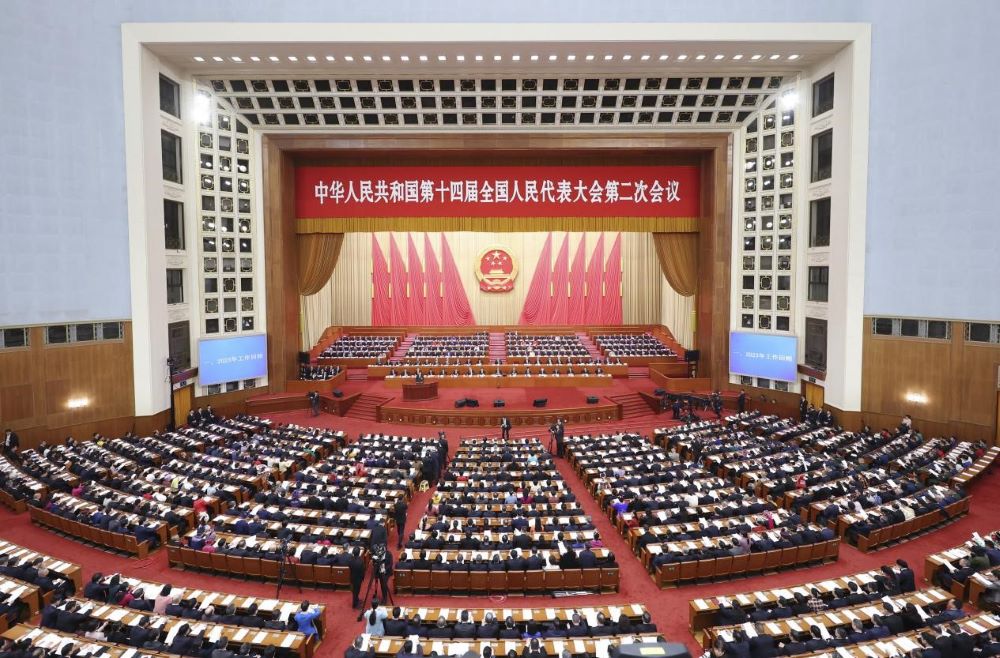
The concept of people-centered governance has long been a central tenet of Chinese culture. The original aspiration and founding mission of Chinese Communists is to seek happiness for the Chinese people and rejuvenation for the Chinese nation. Serving the people wholeheartedly has been the fundamental purpose of the century-old Communist Party of China (CPC).
In October 2015, Xi proposed the philosophy of people-centered development for the first time at a key meeting of the CPC. He later said it is a philosophy that should be followed in “everything we do in advancing economic and social development.”
Xi himself has always placed the people at the forefront of his heart. He treats the “little things,” such as warm accommodation, hot meals, fresh air, and even rural toilet facilities, not as trivialities but significant aspects of his state governance.
Under Xi’s leadership, China has successfully helped around 100 million people leave absolute poverty behind in less than a decade, winning the battle against absolute poverty in the country with 1.4 billion people. In doing so, the country has achieved the goal of building a moderately prosperous society in all respects.
In China, the average life expectancy of its people has reached 78.2 years, and over 1 billion people are connected to the internet. Furthermore, the country has established the world’s largest education system, social security system, and healthcare system.
“Our goal is both inspiring and simple. Ultimately, it is about delivering a better life for the people,” Xi said.
Xi made a significant judgment in 2017 that China’s economy had been transitioning from a phase of rapid growth to a stage of high-quality development.
He noted that China had reached a critical stage in transforming its growth model and was faced with prominent problems such as rising labor costs, growing constraints from resources and the environment, unsustainable models of extensive development, and impediments in the economic flows.
Since then, pursuing high-quality development has become a key requirement for Chinese authorities when formulating economic policies, leading to sweeping changes including rapid technological advancement, burgeoning green industries and wider market access for foreign investors.
In essence, high-quality development means a change from seeking growth to seeking better growth.
In Xi’s view, high-quality development is the kind of development that can meet the people’s ever-growing desire for a better life. It reflects the new development philosophy featuring innovative, coordinated, green, open and shared development.
During China’s annual central economic work conference last December, Xi said: “It is imperative to uphold high-quality development as the unyielding principle of the new era.”
A reception in honor of Captain Li Dayi was hosted on the evening of Tuesday, 20th February 2024, within the premises of the Chinese Embassy in Kigali.
During the ceremony, which was also attended by other Defence Attachés accredited to Rwanda, Captain Li Dayi articulated his readiness to employ his extensive military experience to further strengthen the already robust relations between the two nations.
“In recent years, cooperation between China and Rwanda in various fields has been fruitful. As an important part of bilateral relations, the Chinese and Rwandan military relations have maintained a sound development momentum in the spirit of mutual respect and mutual benefit, thus enhancing strategic mutual trust.
I am ready to do my utmost to promote pragmatic cooperation between the two militaries to a new level in the future, and to help the Sino-Rwandan friendship and cooperative partnership achieve new results,” he said.
Captain Li Dayi emphasized that China prioritizes global peace, a goal he is committed to pursuing continuously.
“Since the founding of the People’s Republic of China, we have always pursued a defensive national defence policy, have never initiated any war or conflict, and are the only nuclear-weapon state that has undertaken not to be the first to use nuclear weapons and not to use or threaten to use nuclear weapons against non-nuclear-weapon States or nuclear-weapon-free zones,” he noted.
Maj Gen John Baptist Ngiruwonsanga, the Commandant of the RDF General Headquarters, speaking on behalf of the Rwanda Defence Forces’ leadership at the event, noted the productive military collaboration between Rwanda and China.
He highlighted that this partnership has been beneficial, with the Chinese military offering diverse training programs to RDF personnel across various disciplines since 2017.
Maj Gen Ngiruwonsanga stated that over 300 RDF personnel, encompassing senior officers, have undergone military training in China.
In the academic year of 2023/2024, China extended training opportunities to 28 individuals in a variety of disciplines.
Presently, 15 RDF personnel are enrolled in military schools in China, with an additional nine slated to begin their training in March 2024.
Furthermore, the Chinese Ministry of Defense offers training in military parades to Rwandan soldiers.
Maj Gen Ngiruwonsanga underscored the significance of appointing a Defence Attaché at the Chinese Embassy in Rwanda as a major milestone in enhancing the bilateral relationship between the two nations.
He also stressed the importance of military cooperation, particularly in an era when global security challenges are prevalent.
“We believe that no single country can confront contemporary security challenges alone. It is paramount for us to build trust with each other through defence diplomacy and collectively contribute to global security,” Maj Gen Ngiruwonsanga said.
Maj Ngiruwonsanga welcomed Captain Li, assuring him of cooperation on behalf of the Rwandan military.
“I wish all the best to the new Chinese Defence Attache. Defence cooperation is and will continue to be an essential tool for creating peace and stability. Our region is faced with challenges. However, we firmly believe that we can overcome them through cooperation,” he noted.
The Chinese Ambassador to Rwanda, Wang Xuekun, remarked that Li’s extensive experience will contribute significantly to the already solid relationship between the two countries.
Li has spent a significant amount of time in the Chinese military, working for the Ministry of Defence of the Chinese People’s Liberation Army (PLA) and in the naval forces. He also served as the Deputy Defence Attaché at the Chinese embassy in Liberia and in Italy.
“Having worked in grass-roots troops for years, he mastered profound military knowledge. The working experience in the PLA headquarters has given him visions and insights on global and regional issues. Upon arrival in Kigali, he devoted himself to the work and established contact with officials from RDF and colleagues of the Defence attaché corps, which showcased his professionalism and competence,” Amb. Wang Xuekun said.
“The establishment of China’s Defence Attaché Office in Rwanda is a landmark event in China-Rwanda relations, which reflects that the friendly cooperative relations between the two countries is advancing to a new level,” he added.
The longstanding relations between Rwanda and China span 75 years, marked by substantial cooperation between the two nations. China stands as one of the primary sources of Rwanda’s imports, underlining the depth of both countries’ economic ties.
Despite an unsuccessful attempt in January 2023, a dedicated team of researchers embarked on a renewed mission, leading to the successful identification of the vessel.
Amb. Robert Masozera, Director General of the Rwanda Cultural Heritage Academy, shared insights into the discovery process with IGIHE, highlighting the critical moment of evidence emergence on Monday, which eventually led to the boat’s definitive pinpointing the following day.
In his message sent to IGIHE journalist on Tuesday, Amb. Masozera revealed, “Preliminary information received today confirms the boat’s location, though we are still compiling further details. A more detailed update will follow shortly.”
The backdrop of this discovery is the First World War, a four-year global conflict that, within Rwanda, spanned from 1914 to 1916, featuring clashes between German and Belgian forces, the latter based in the Democratic Republic of Congo.
The boat’s hiding spot, Musaho, lies in Kagugu village, within the Mushubati Sector of Rutsiro District, a site rich in historical narratives of the war’s aftermath, where defeated German forces concealed the vessel.
The successful recovery of the boat was facilitated by a blend of modern technologies, including underwater and subterranean metal detection tools and drones, showcasing a collaborative effort between the Rwandan Government and the Cultural Heritage Academy.
Given the boat’s lengthy submersion, Amb. Masozera previously speculated on the preservation challenges, suggesting an innovative approach to keep the boat submerged as a submerged exhibit for diving enthusiasts, thereby avoiding the potential degradation that could occur if removed from water.
Amb. Masozera recently told IGIHE that if the boat were found, it might not be removed from the water due to the risk of rapid deterioration after such a long time submerged.
He suggested that it could be preserved in the water for tourists to explore through diving.
This development came to light on the evening of Tuesday, February 20, 2024, when Lukonde submitted a letter to the country’s President, Félix Antoine Tshisekedi, explaining his decision to leave office.
It is reported he resigned to allow President Félix Tshisekedi, who was recently re-elected for a second term, to form a new cabinet.
Lukonde, who assumed the role of Prime Minister in 2021, took over from Sylvestre Ilunga Ilukamba.
Ilukamba’s tenure as Prime Minister ended following a loss of confidence from the Parliament, leading to his resignation.
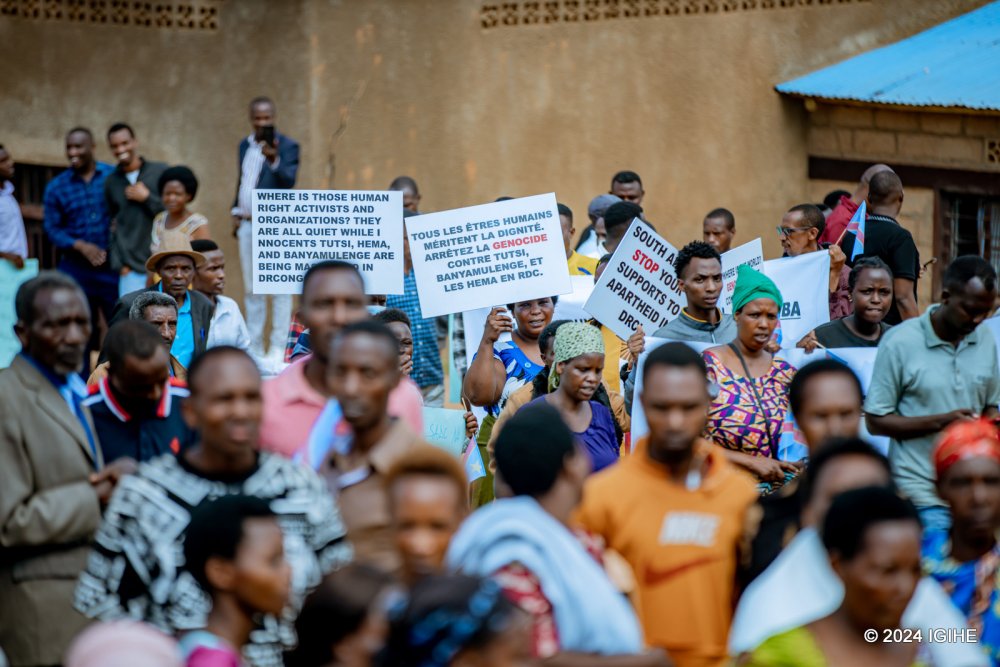
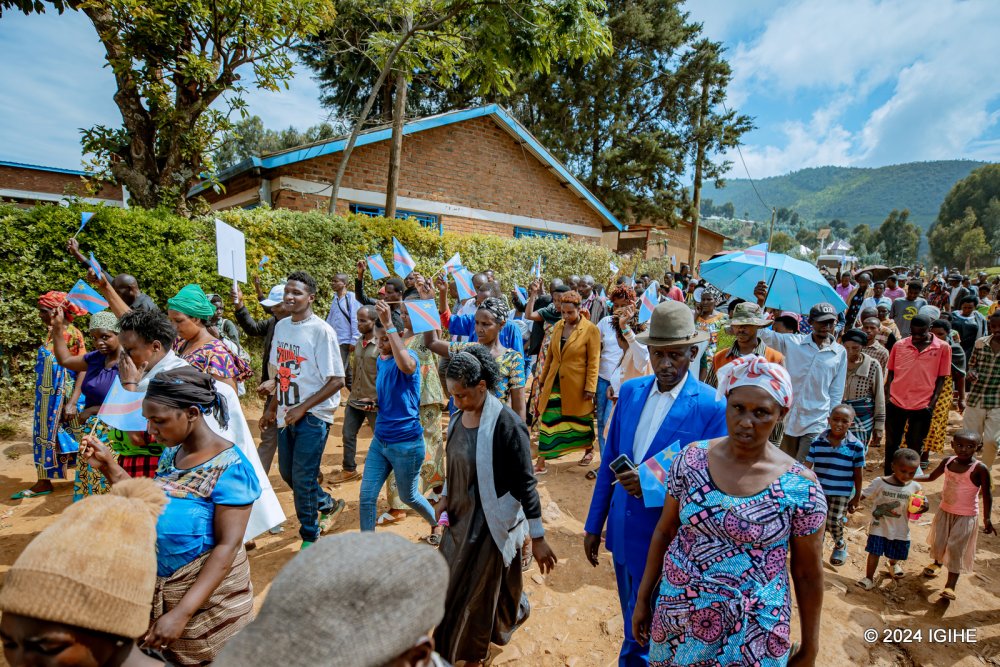
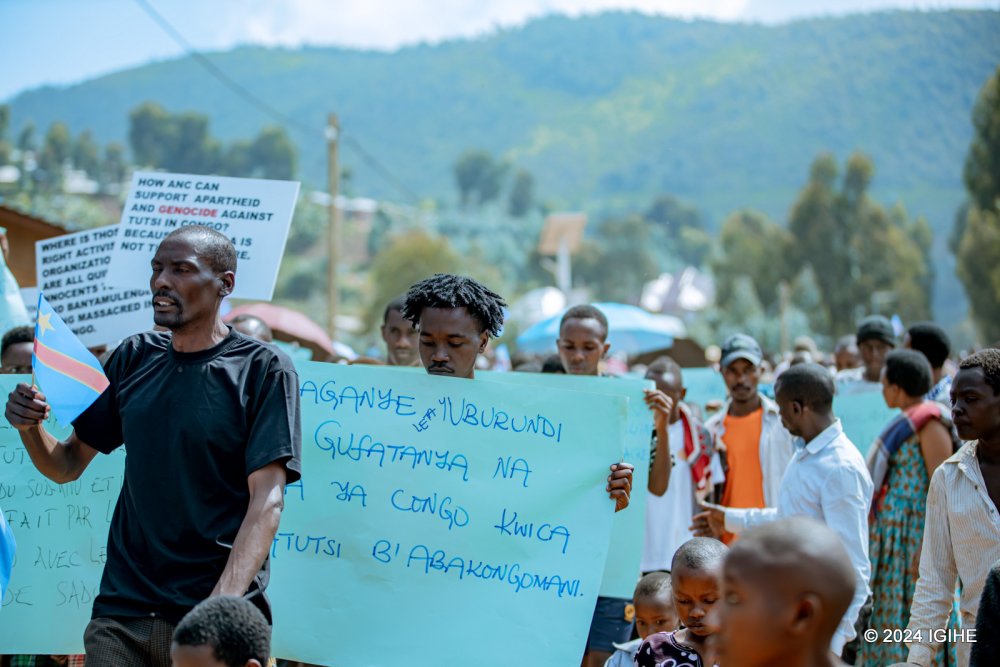
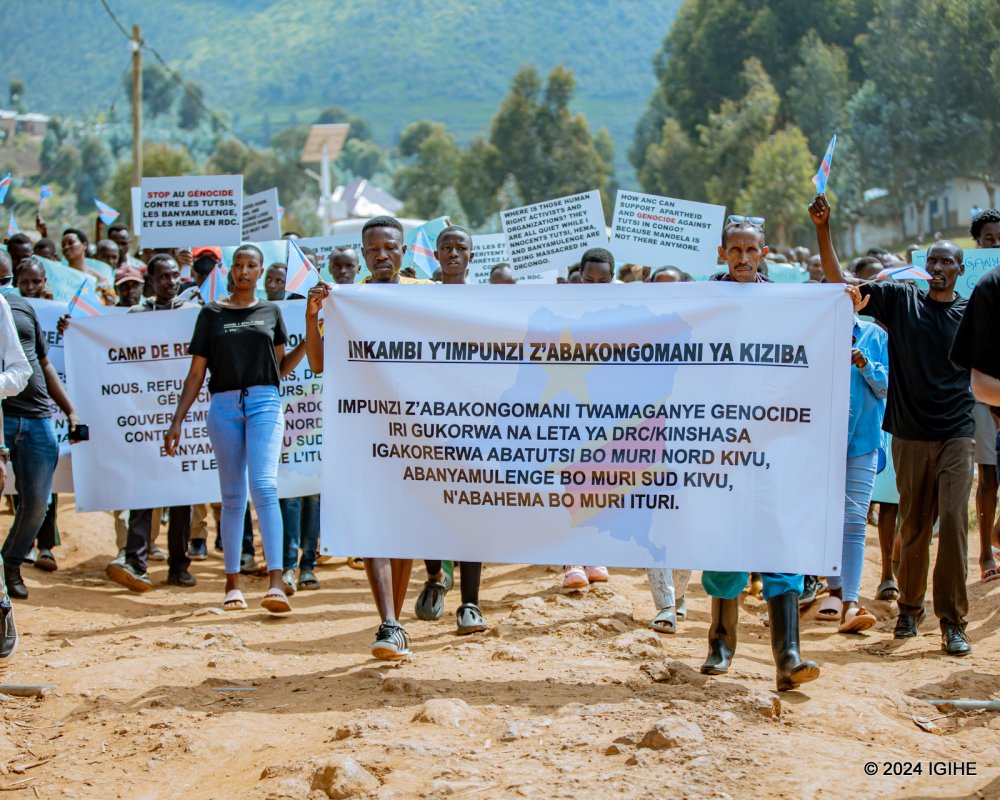
On Tuesday 20, France voiced its alarm regarding the persistent conflicts in Eastern Congo, notably near Goma and Sake.
In its communication, France appealed to the M23 to halt hostilities and relinquish control of territories in accordance with the Luanda agreements, designed to mediate the crisis in Eastern Congo.
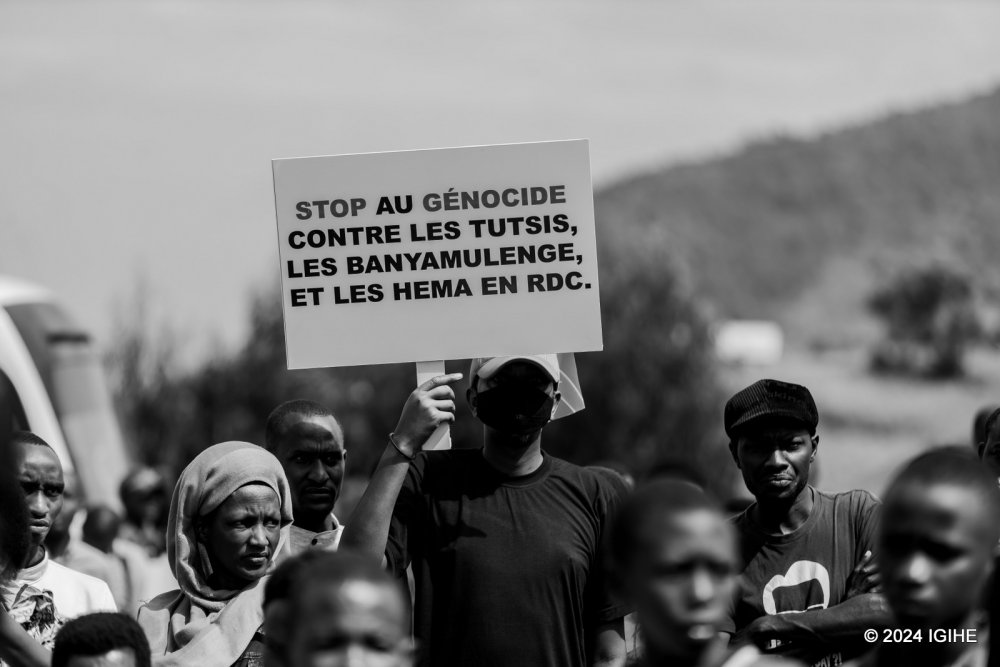
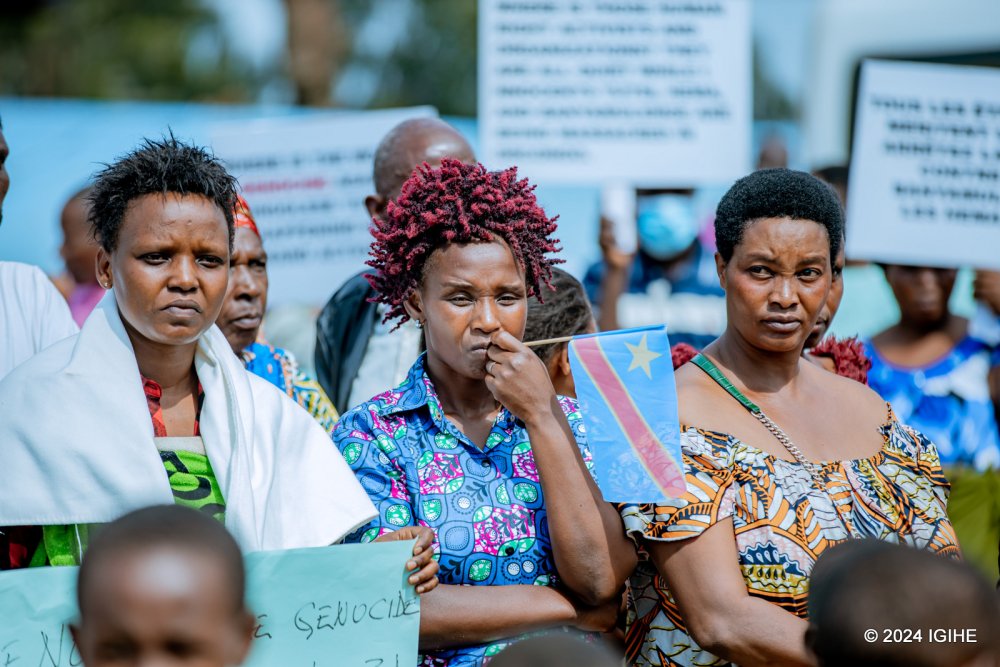
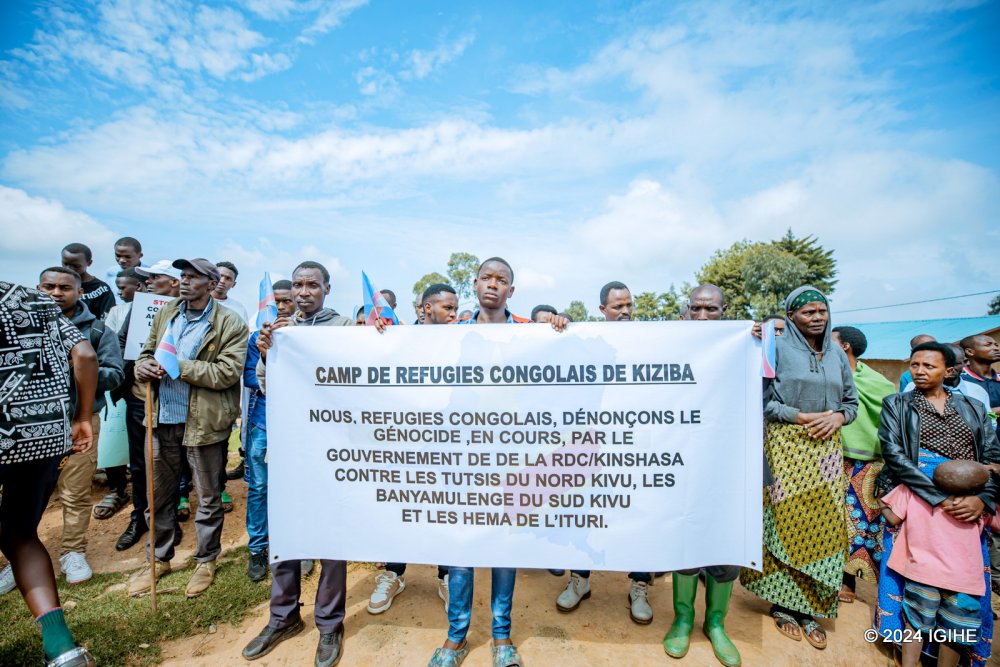
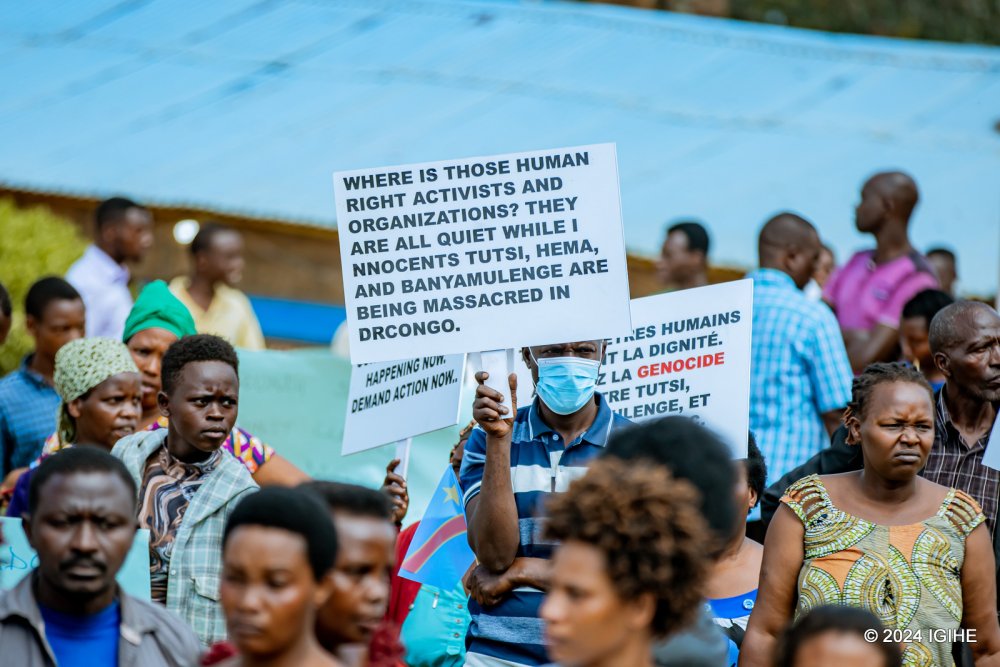
The announcement further urged all backers of M23 to discontinue their support and requested the Democratic Republic of the Congo (DRC) government to end its collaboration with the FDLR, a group established by individuals implicated in the 1994 Genocide against the Tutsi.
Yolande Makolo asserted that France has the deepest understanding of the issues in eastern Congo.
“No one knows more about the root causes and history of the conflict in eastern DRC than France. Additionally, the current head of UN Peacekeeping Operations is also very conversant with this history, as well as what is going on in eastern DRC, so there should be no confusion. If the real issues at the origin of the ongoing conflict were addressed, the problem would not exist,” she posted on X.
The head of UN Peacekeeping Operations mentioned by Makolo is Jean-Pierre Lacroix who assumed his role on April 1, 2017, succeeding Hervé Ladsous.
Lacroix is deeply familiar with the region’s history, having contributed to the establishment of “Opération Turquoise,” a mission that supported the leaders of the Habyarimana government and soldiers who fled to Congo’s forests after killing Tutsis in Rwanda.
Lacroix also served as an Advisor in the Office of the Prime Minister of France, Edouard Balladur.
Those who went into exile with the complicity of Operation Turquoise are the ones who have become members of FDLR.
Currently, the FDLR is an acknowledged component of the Congolese Military (FARDC), and its alliance with the DRC government has been validated by the UN and entities such as Human Rights Watch.
However, the United Nations Organization Stabilization Mission in the Democratic Republic of the Congo (MONUSCO) has maintained its silence, not addressing the matter publicly.
Makolo said that if the real issues at the origin of the ongoing conflict were addressed, the problem would not exist.
“During the night of Feb. 19-20, the French Multi-Mission Frigates detected multiple drone attacks from Yemen in their respective patrol zones in the Gulf of Aden and the southern Red Sea. Two drones were destroyed,” said the ministry in a statement.
The French navy’s operation contributed to the objective of the operation launched by the European Union, the statement added.
On Monday, Brussels announced that it launched a naval mission, codenamed “ASPIDES”, meaning shield in Greek, in the Red Sea and the Gulf regions to safeguard its commercial and security interests.
France has deployed the Alsace, a frigate with air defense capabilities, and the Languedoc, an anti-submarine frigate, in the zone, reported French media.
On Saturday, the Houthi military said it would continue launching missile attacks against Israel-linked commercial vessels and Israel-bound ships in the Red Sea and the Gulf of Aden, and would only stop if Israel halts its aggression on the Palestinian enclave of the Gaza Strip.