Exercise Justified Accord is an annual multinational exercise undertaken by the US Army Southern European Task Force Africa (SETAF-AF) and partner states to enhance readiness and interoperability.
Over the course of the exercise, participants are engaged in various activities intended to demonstrate their preparedness and readiness to respond to regional crises and conflicts on one hand and to undertake peacekeeping missions and humanitarian assistance on the other.
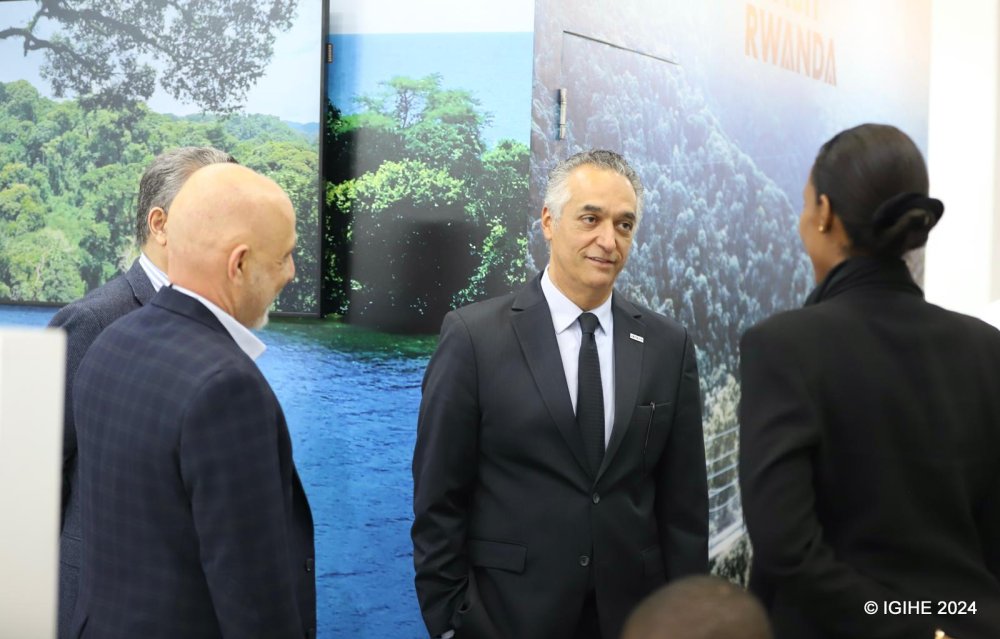
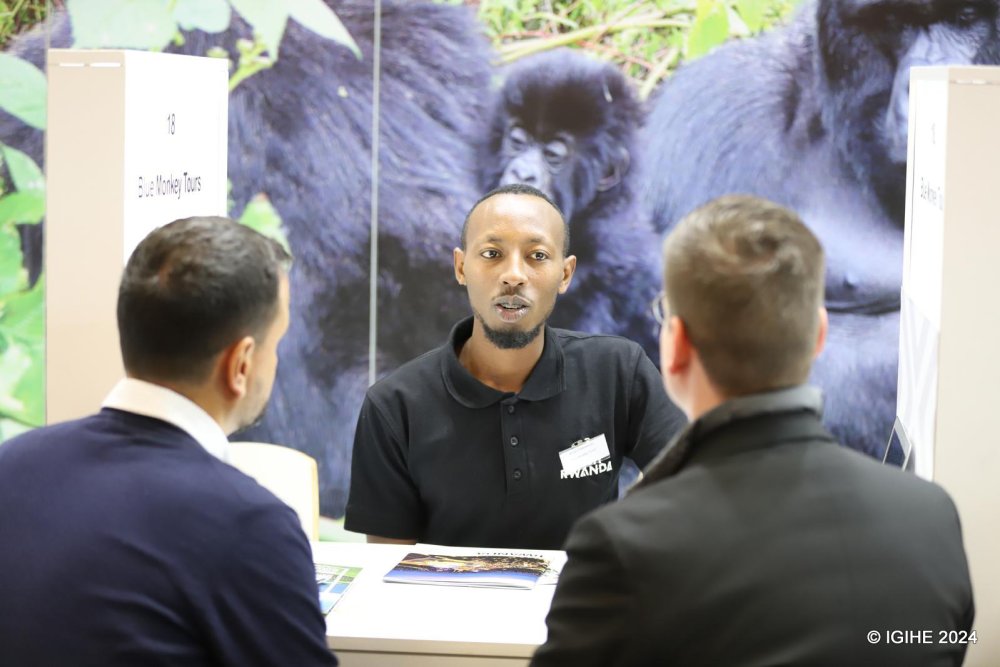
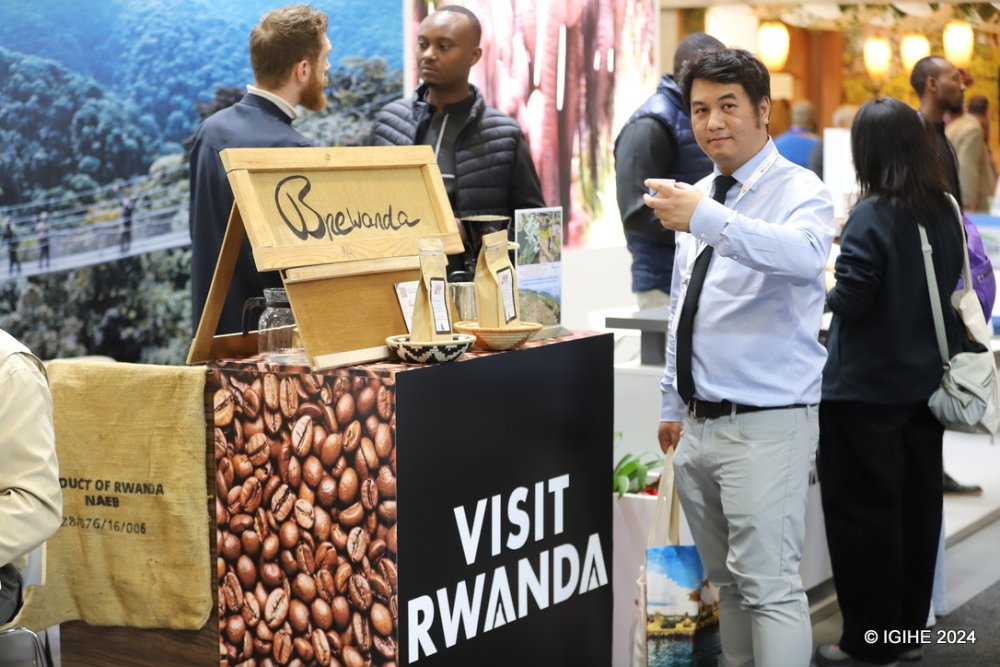
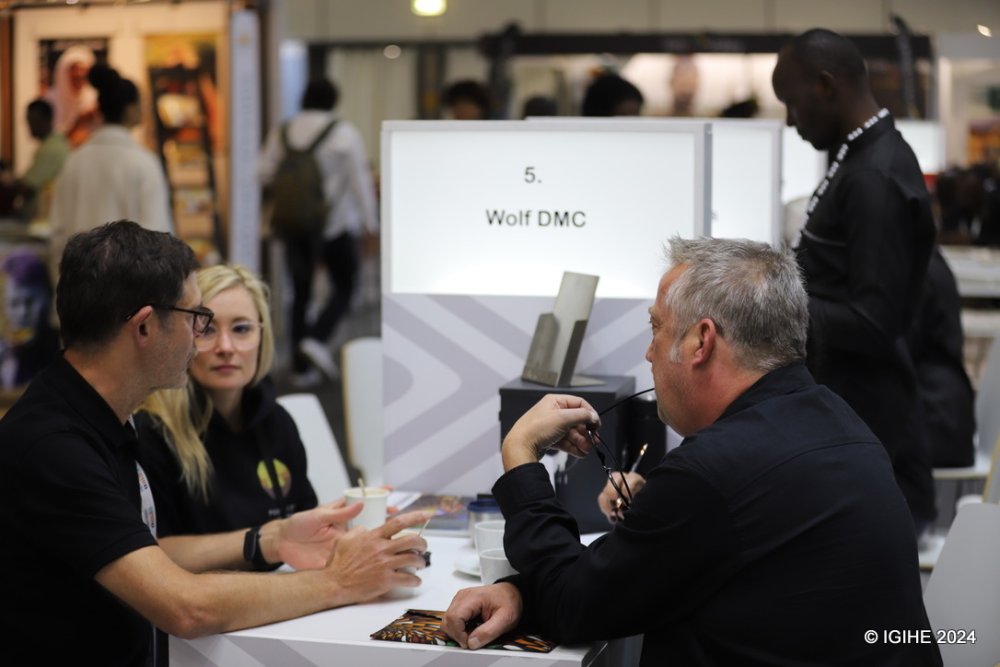
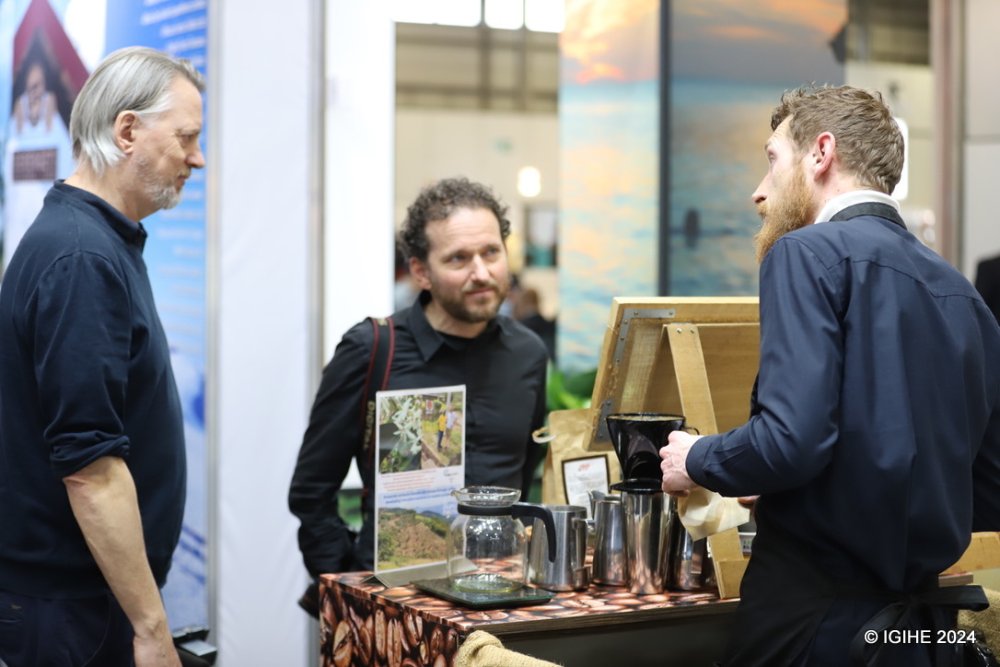
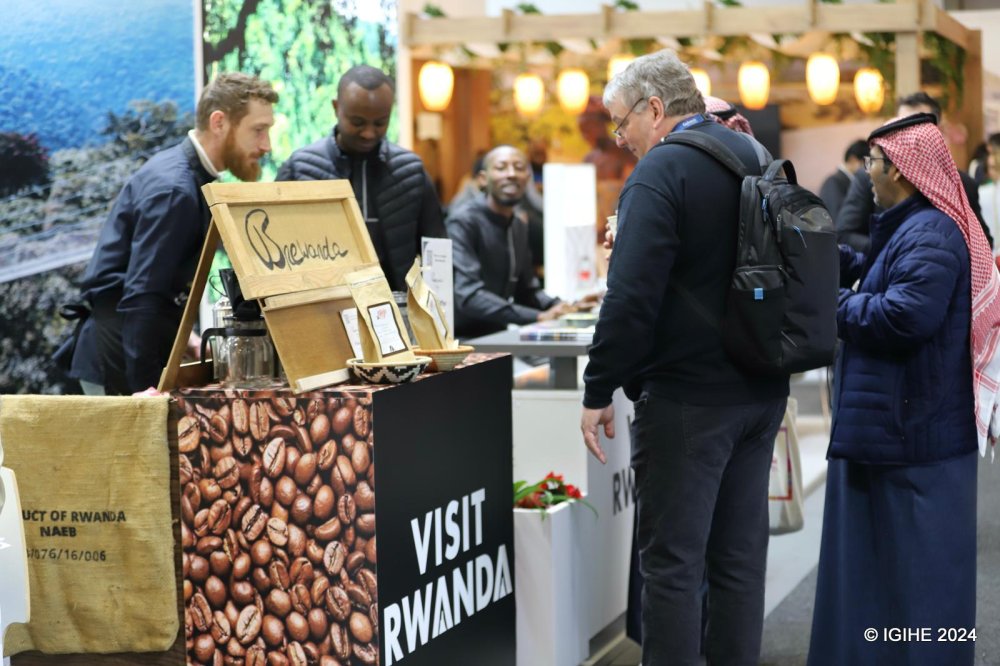
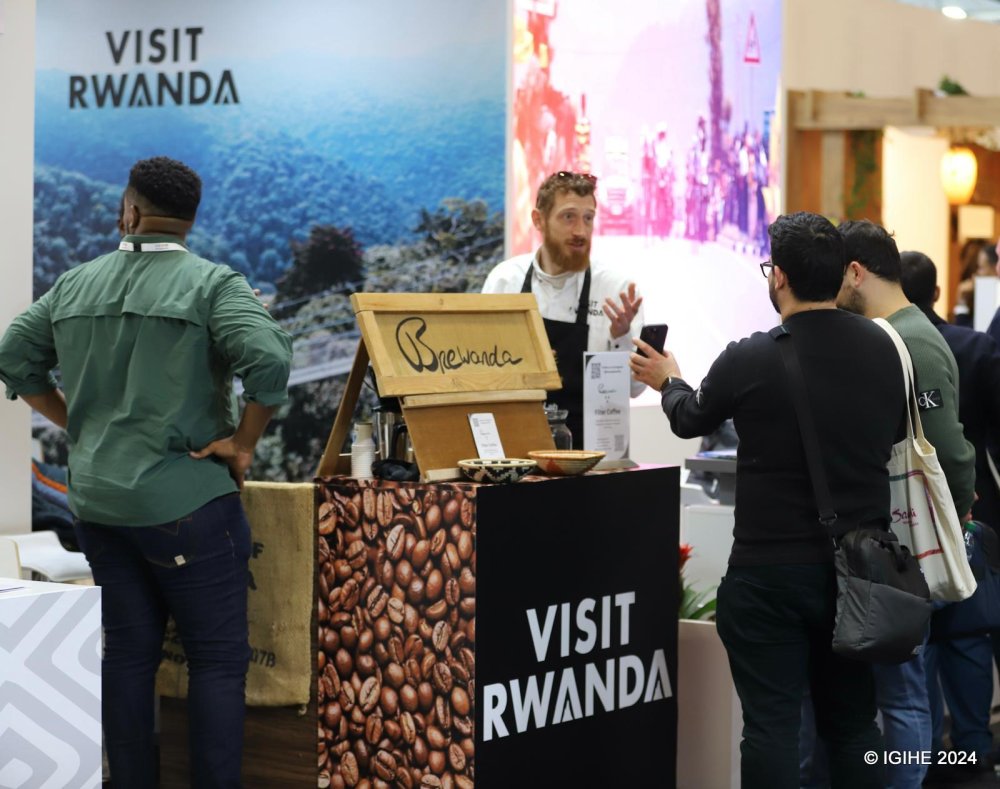
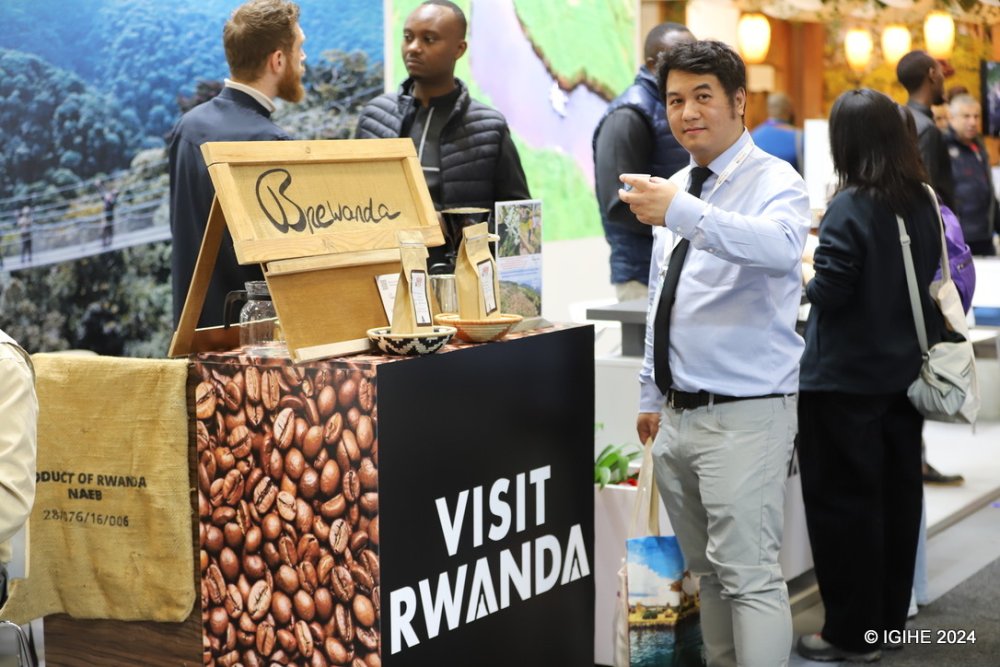
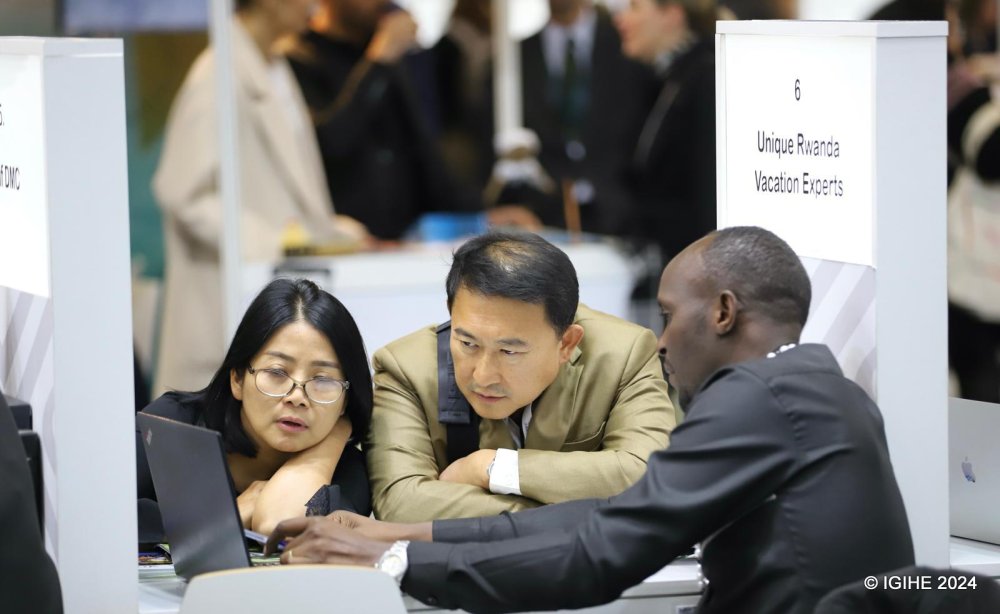
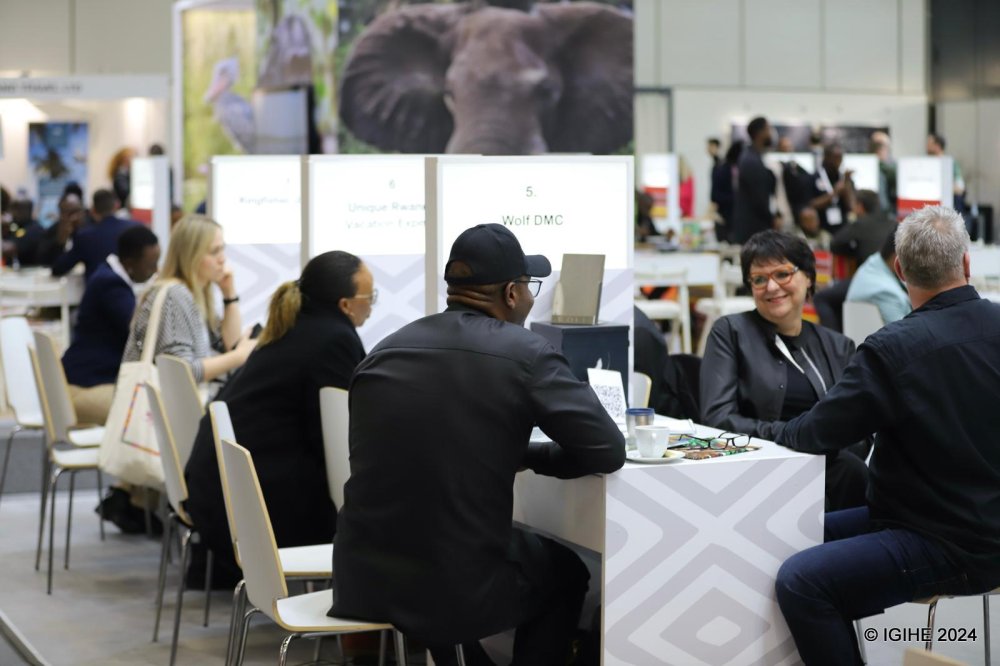
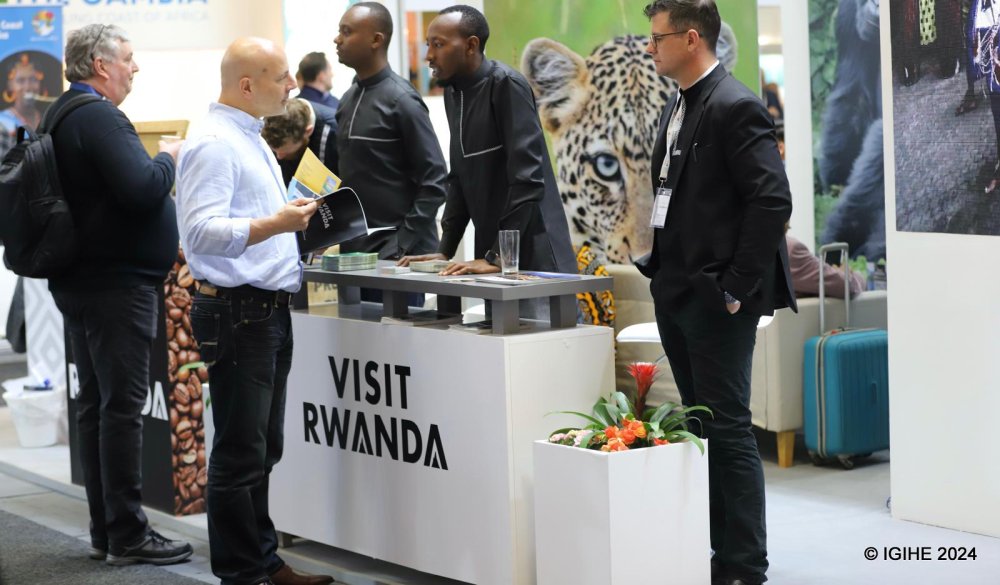
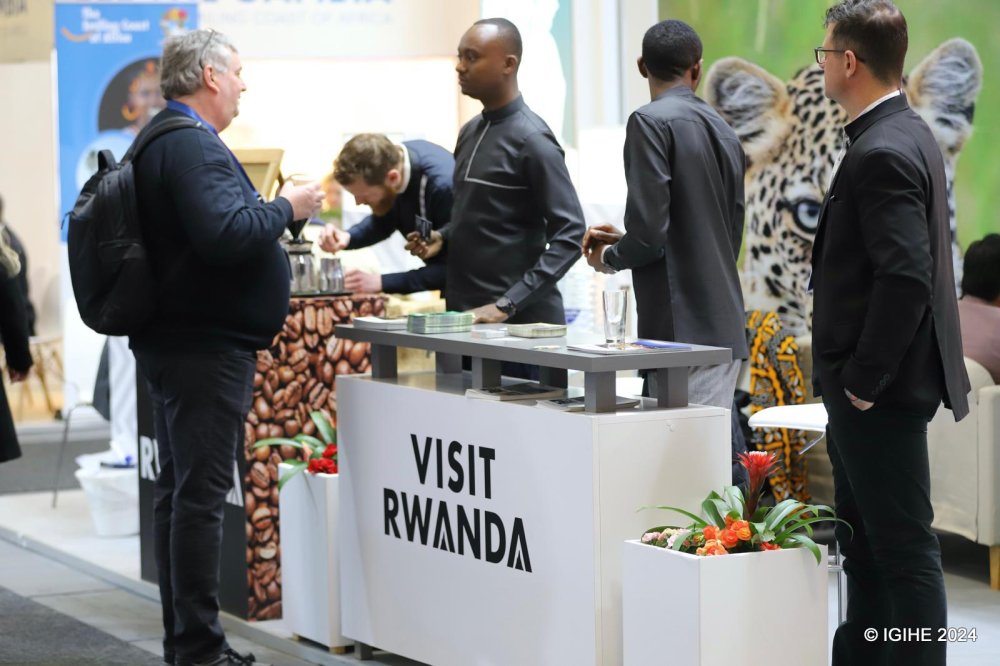
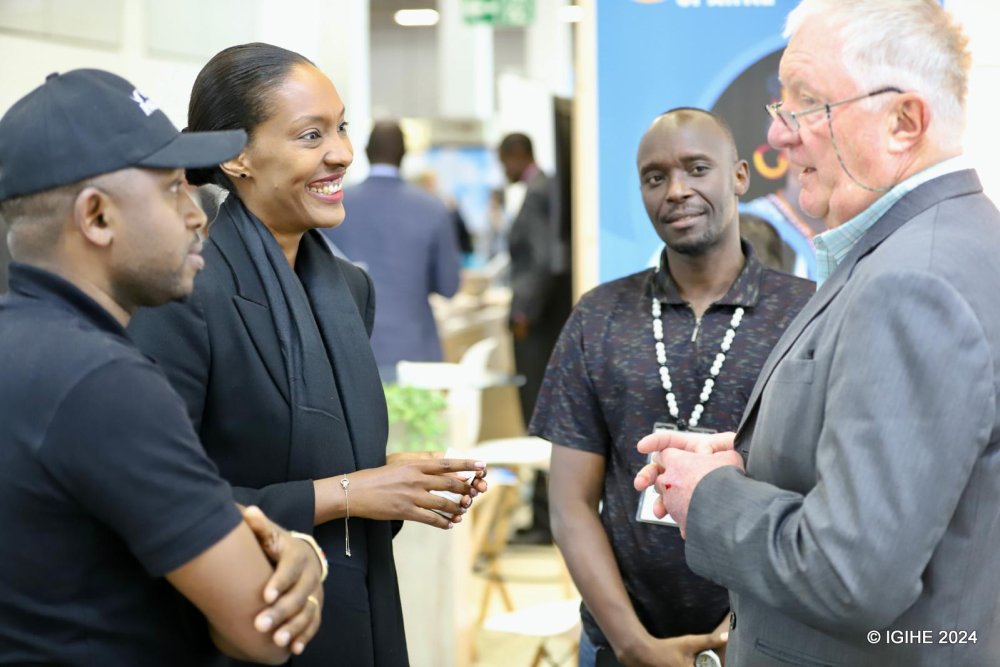
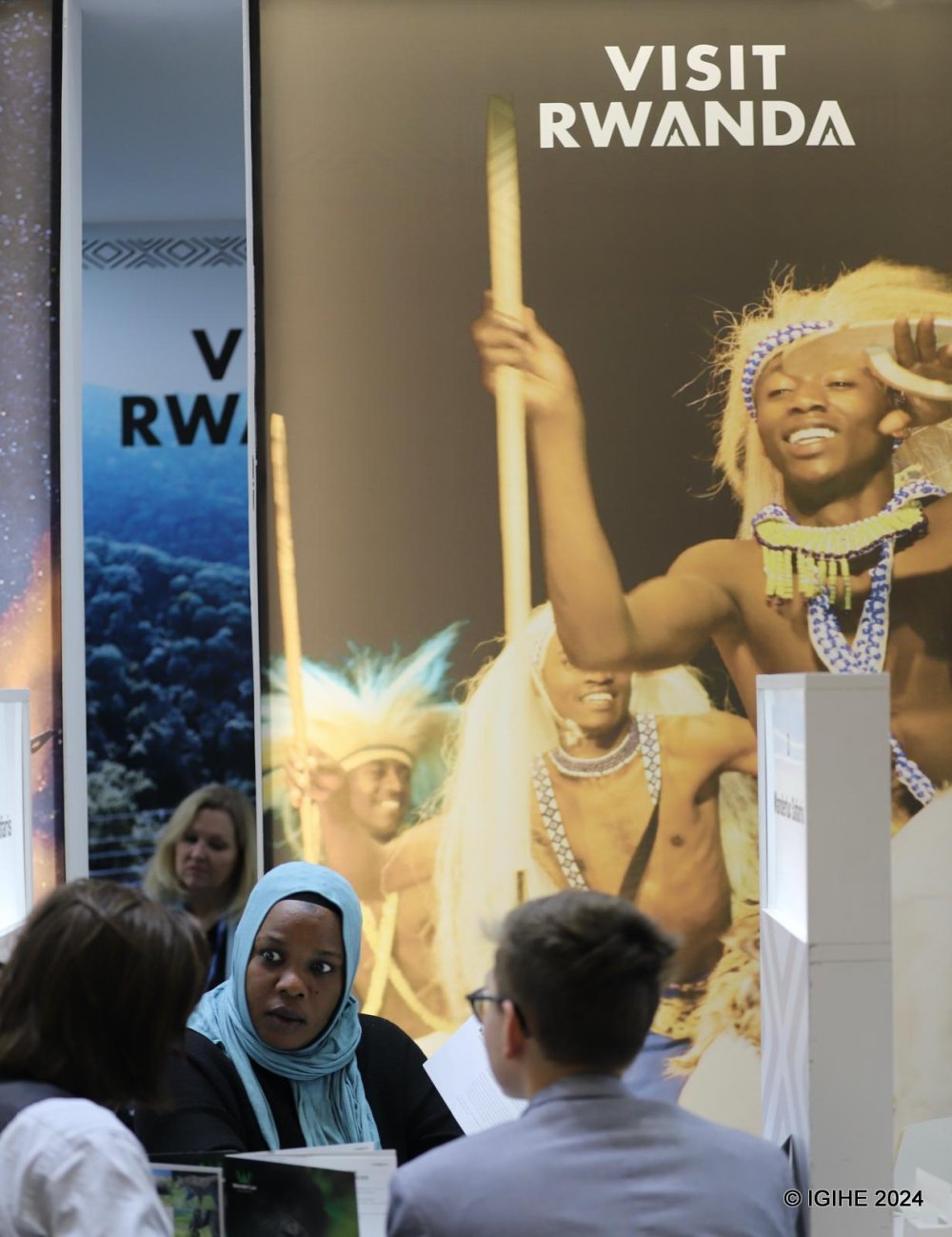
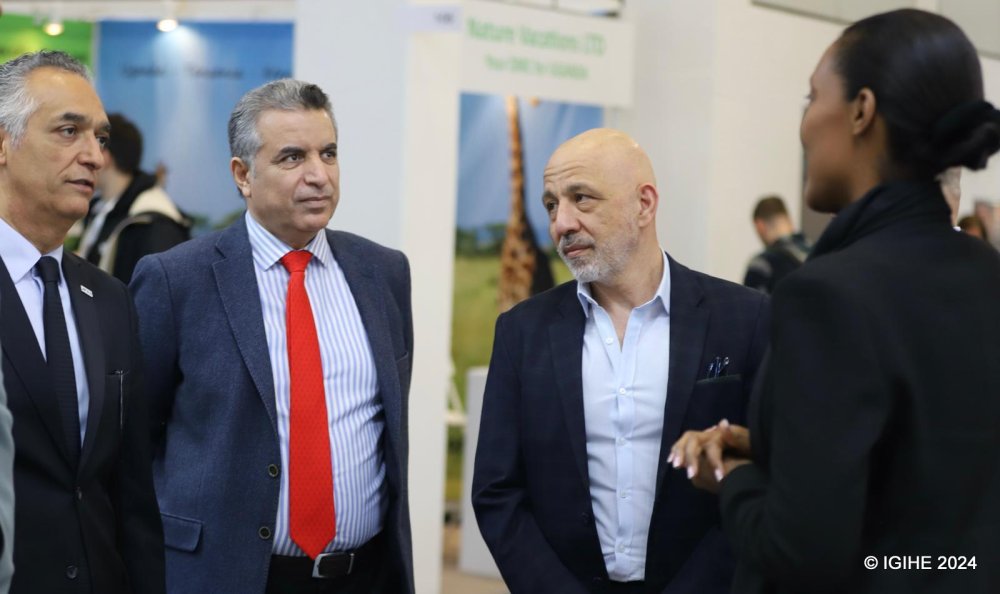
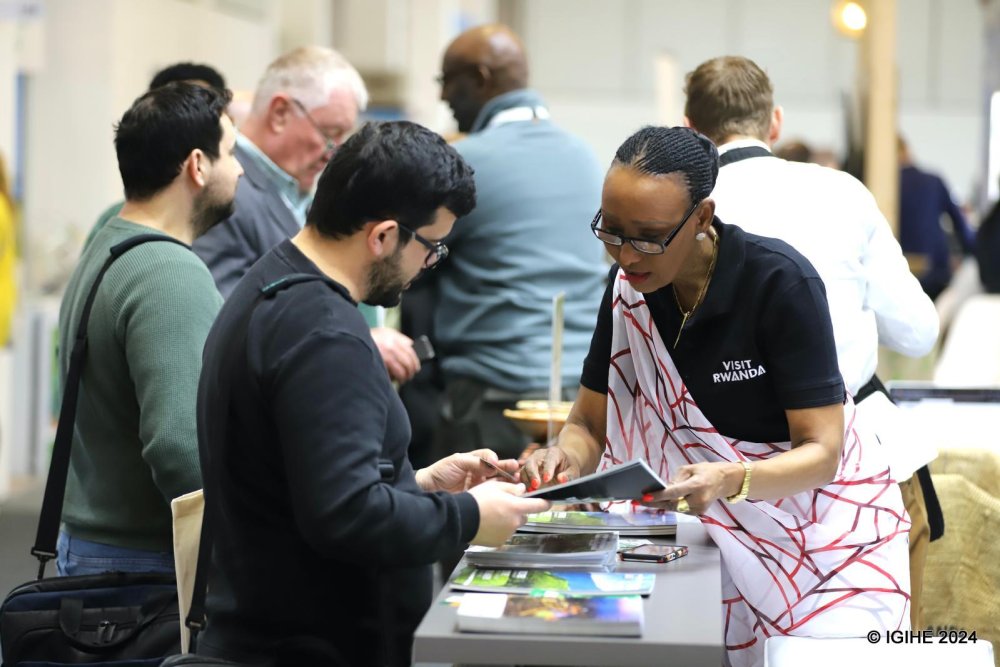
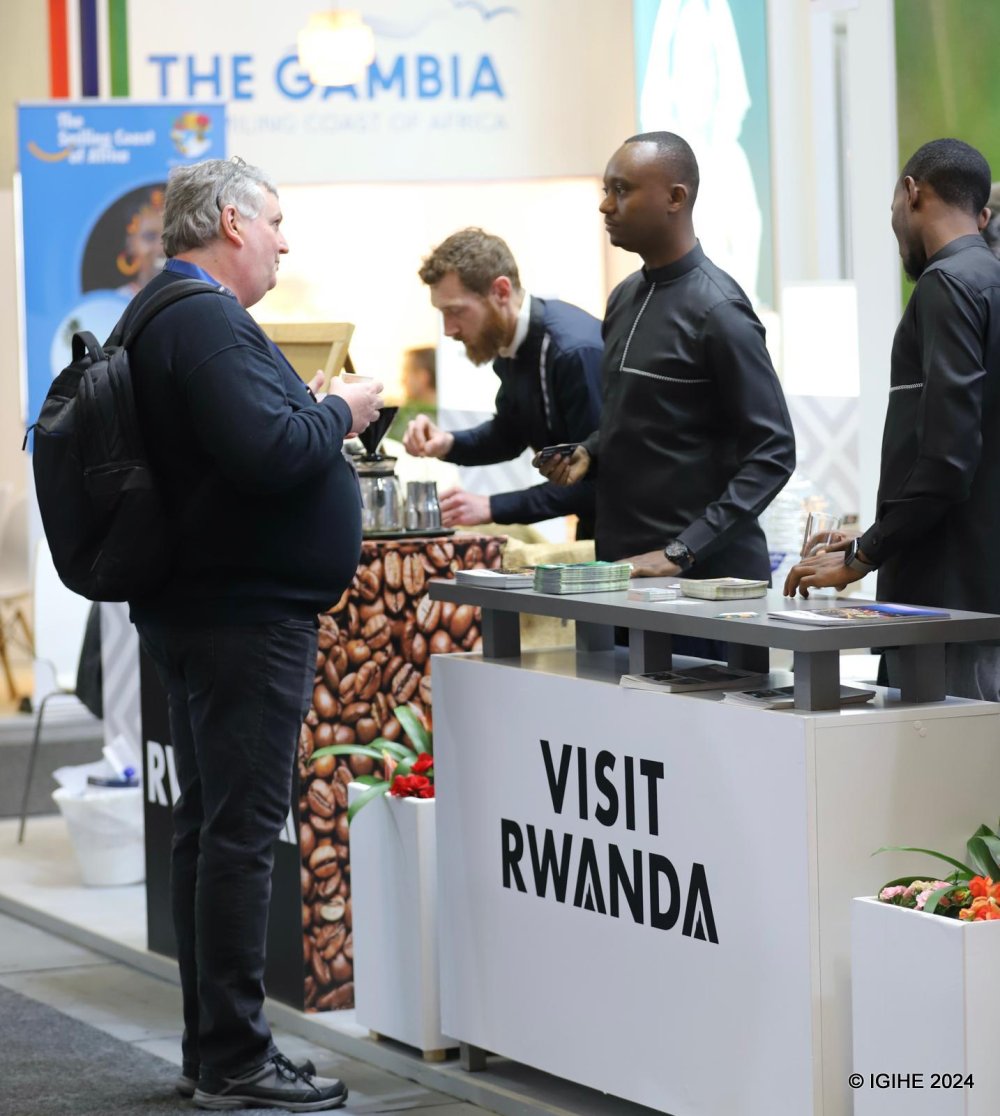
The exhibition commenced on Saturday, February 24, 2024. Uwimana Ummy, proprietor of the ‘Three and Farms’ trading company specializing in honey and bee-related products, conveyed to IGIHE his observations of heightened interest among foreigners in Rwandan products, particularly emphasizing the exceptional quality of Rwandan honey.
He remarked, “Foreign attendees are thrilled to explore our exhibition and appreciate our offerings. Our honey, featuring forest and eucalyptus tree varieties, has captivated their taste buds with its sweetness, leading them to make purchases.”
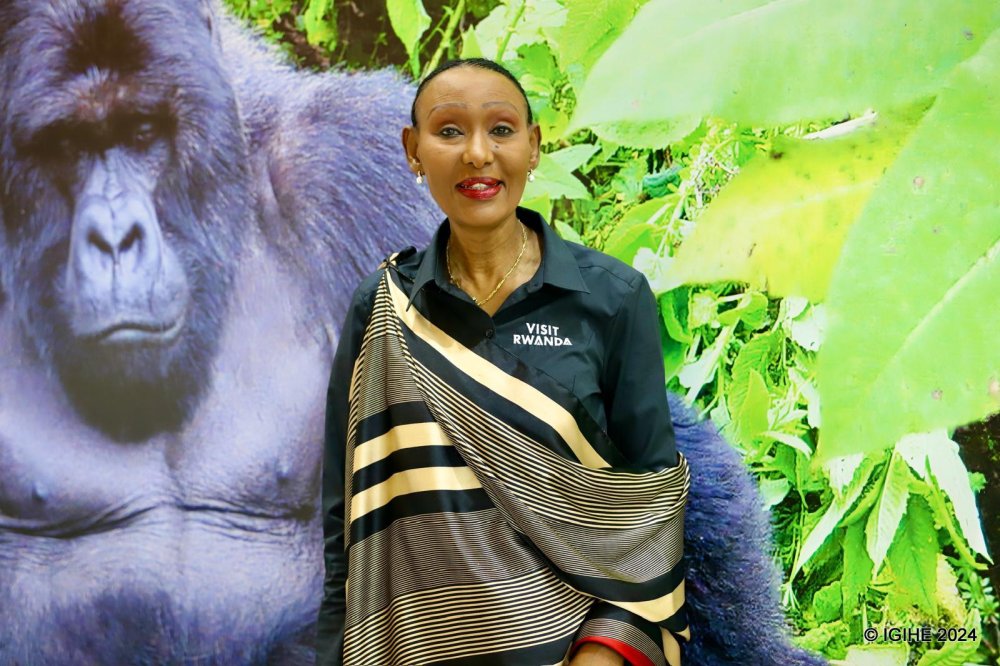
Niyondorera Gerishom, showcasing his premium honey and avocado and banana wine oil, expressed his aspiration to highlight not only Rwanda’s tourism and services but also its diverse array of promising products.
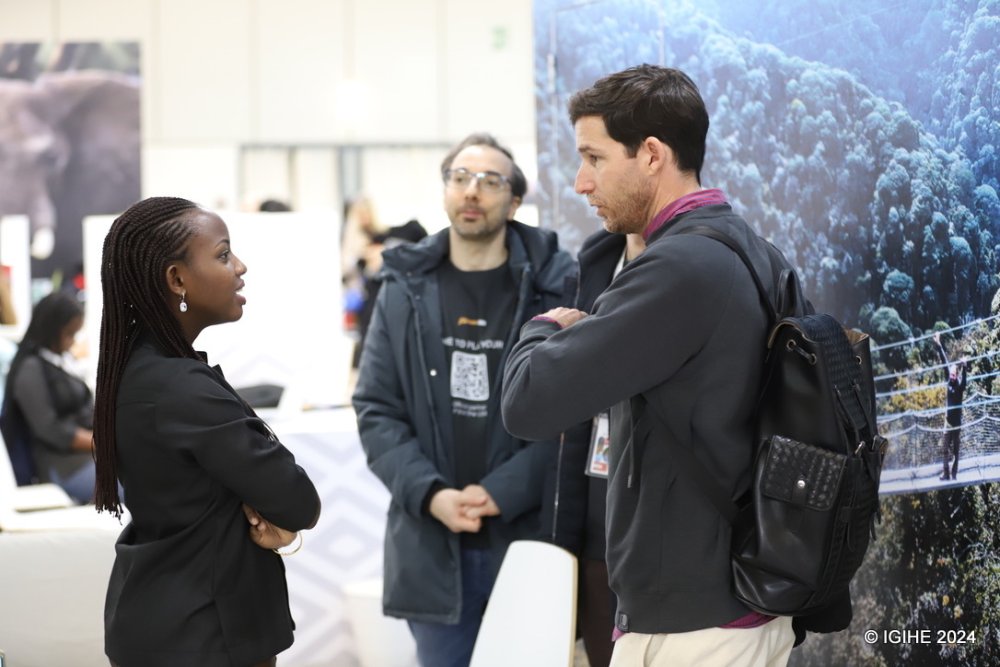
“We’re witnessing a surge in customer interest; they’re inquiring about various Rwandan products, eager to experience and assess their quality beyond our tourism sector. While Rwanda has been recognized for its tourism and services, we now boast numerous high-quality products, and we take great pride in them,” he articulated.
Uwimana further underscored the significance of Rwandan diaspora engagement in European exhibitions to bolster the promotion of Rwandan products and foster networking opportunities.
“Our earnest desire is for Rwandans abroad to extend substantial support to us. We yearn to see them actively participating and showcasing their products; their involvement would be immensely beneficial and supportive,” he emphasized.
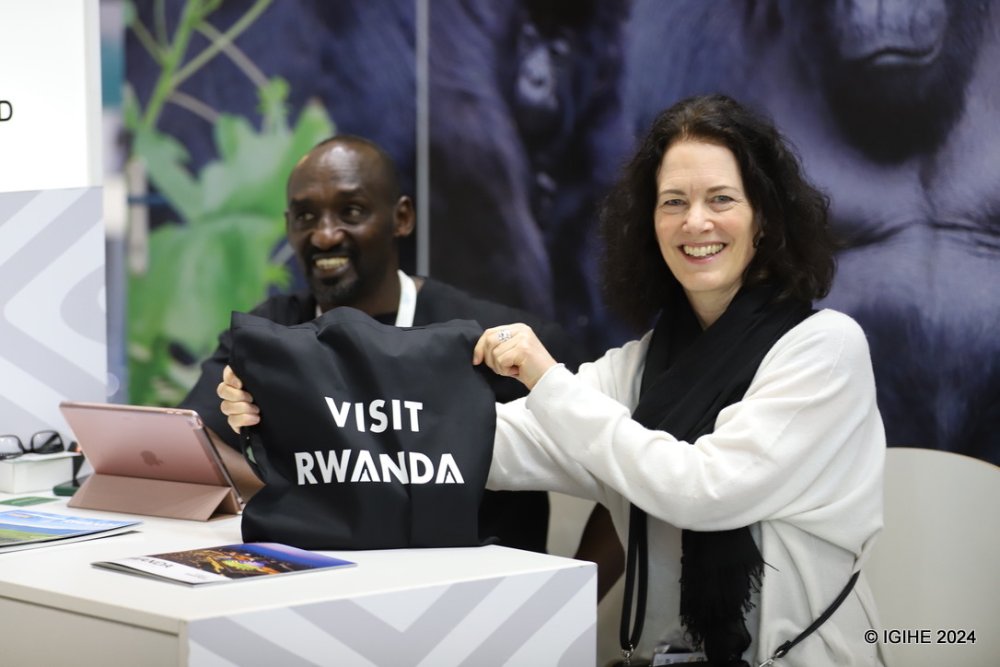
All participating traders conveyed their gratitude to the Rwanda Development Board (RDB), National Agricultural Export Development Board (NAEB), and the Rwandan Embassy in France for their assistance in facilitating their participation in such international events, which serve to enhance their knowledge and comprehension of requisite standards for the global market.
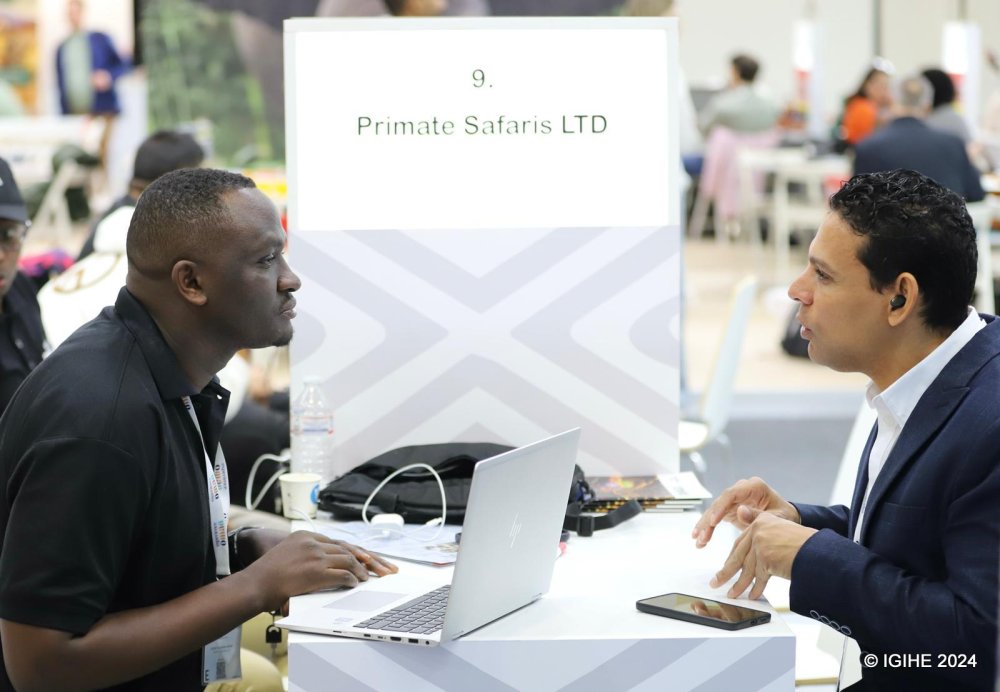
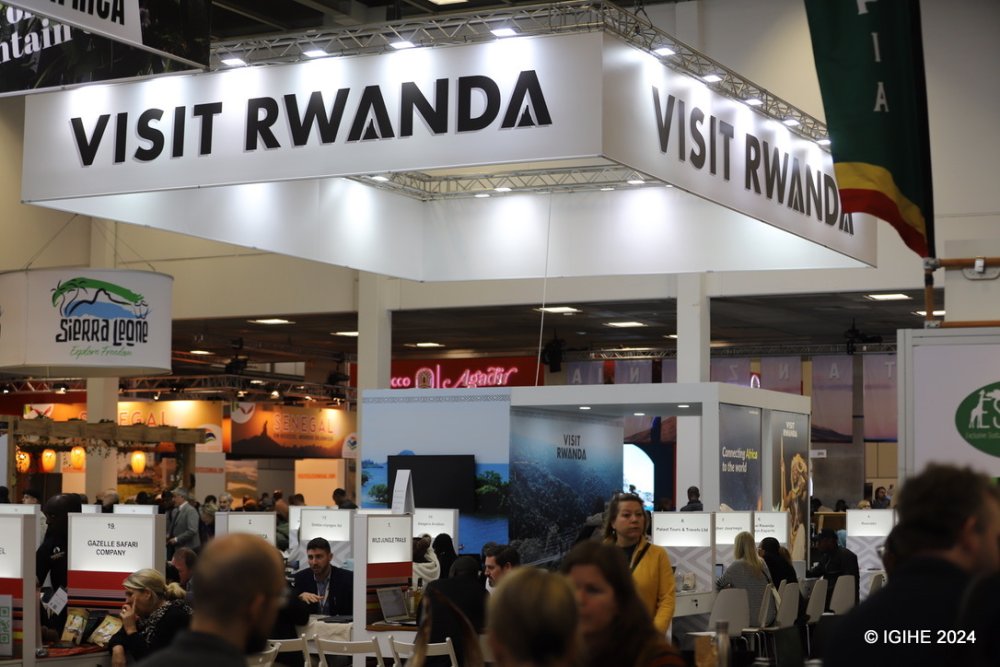
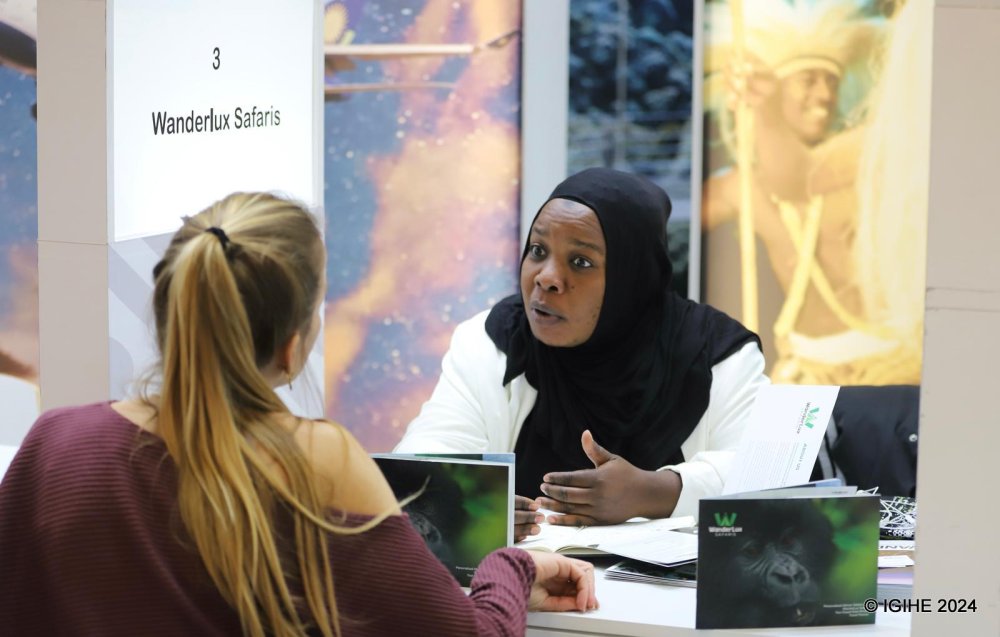
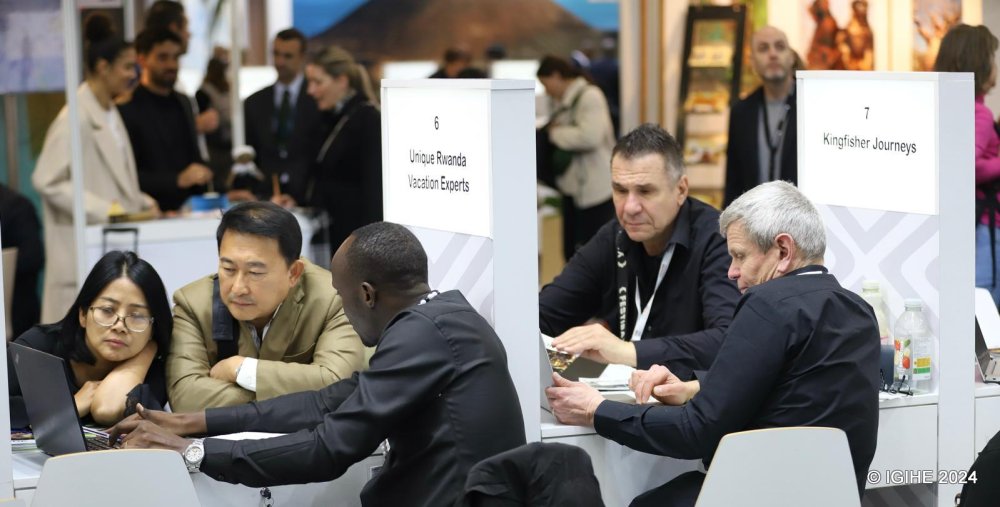
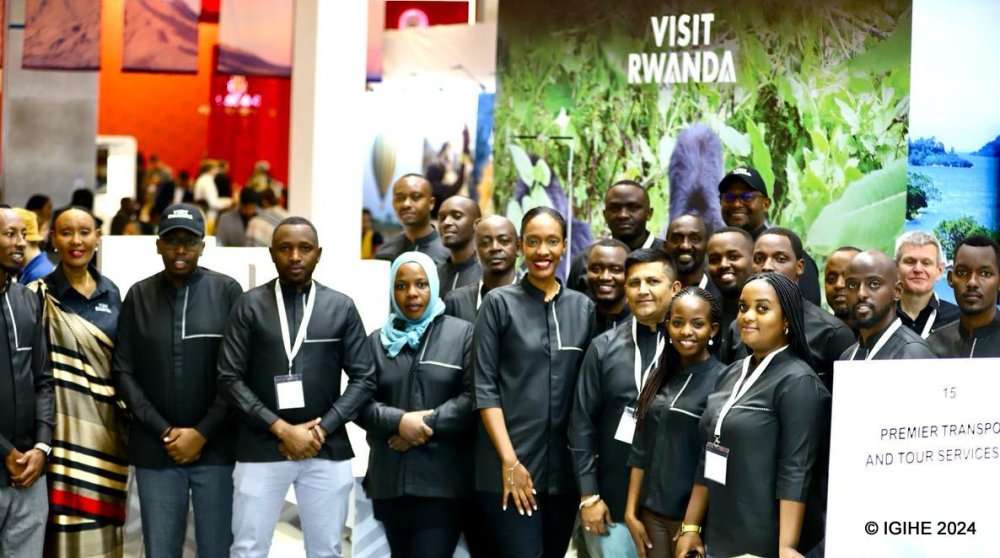
Among the 18 Rwandan exhibitors, nine participated for the second consecutive year.
François Nkulikiyimfura, the Rwandan Ambassador to France, emphasized the importance of knowledge and expertise, particularly in marketing and product quality.
“We have numerous lessons to glean, particularly regarding product quality and showing Rwandan entrepreneurs that they can meet French quality standards. To penetrate the French market, adherence to specific quality benchmarks, including hygiene and packaging standards, is imperative,” he elucidated.
The Paris International Agriculture Show, inaugurated in 1964, initially attracted approximately 300,000 farmers. By 1975, attendance had surged to 500,000, reaching three million in 2019, including online viewers. In 2018, attendance peaked at 672,568.
Following the Covid-19 pandemic, the exhibition, which resumed in 2022, drew approximately 502,000 attendees.
Dr. Jerome Kim, Director General of IVI, expressed his enthusiasm, stating, “We are thrilled to announce the decision to establish IVI’s Africa Regional Office in Rwanda.”
He emphasized the pivotal role this office will play in providing on-the-ground support, enhancing engagement with African stakeholders, and fostering partnerships for vaccine research and development. Dr. Kim also highlighted the significance of the collaboration with the Rwandan Ministry of Health and the University of Rwanda in realizing this vision.
Rwanda’s Minister of Health, Dr. Sabin Nsanzimana, echoed these sentiments, underlining the country’s commitment to bridging the vaccine equity gap on the continent. Hosting the IVI Africa regional office, he remarked, marks yet another stride towards building a resilient Africa in the face of public health emergencies.
The decision to establish the IVI Africa Regional Office follows a strategic recommendation by the IVI Global Council, emphasizing a continental approach to vaccine research and development. This move underscores IVI’s dedication to expanding its global health impact through international expansion.
As the administrative hub in the region, the office will serve as IVI’s representative in Africa, facilitating member engagement and collaboration. Moreover, it will actively contribute to the regional vaccine ecosystem by prioritizing clinical trial training and fostering collaborative research initiatives.
IVI’s expansion into Africa aligns with its overarching mission to discover, develop, and deliver safe, effective, and affordable vaccines for global health. With a diverse portfolio covering infectious diseases prevalent in low- and middle-income countries, including cholera, typhoid, and COVID-19, IVI has been at the forefront of vaccine innovation.
Established in 1997, IVI has garnered support from 39 countries and the World Health Organization (WHO). With state funding from governments including the Republic of Korea, Sweden, and India, IVI has emerged as a leading force in the quest for equitable vaccine access worldwide.

The opening of the IVI Africa Regional Office marks a significant milestone in the journey towards vaccine equity and resilience in Africa. With Rwanda at its helm, IVI is poised to drive impactful change, shaping the future of global health for generations to come.
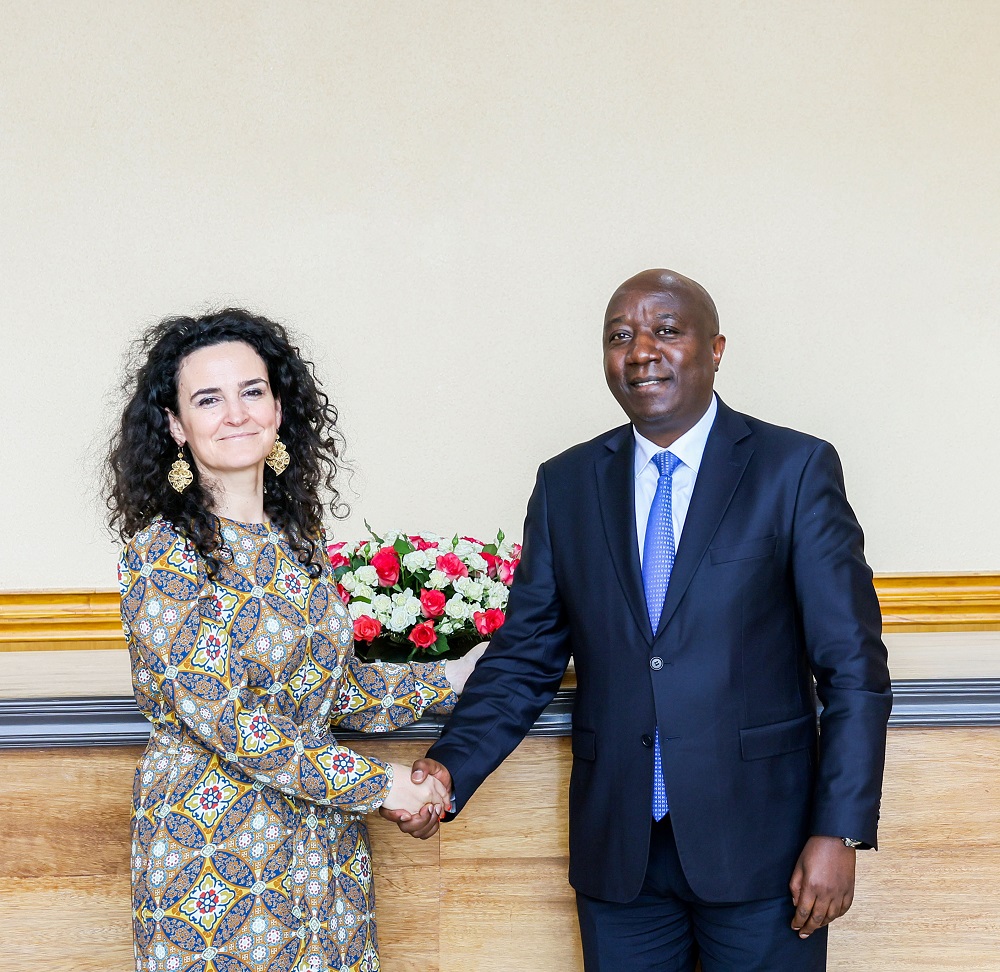
The agreement was signed on February 26, 2024, by the CEO of RISA, Colonel Francis Ngabo and POLSA President Prof. Grzegorz Wrochna.
Experts believe that this agreement marks a milestone in international cooperation in space technology.
These agreements are expected to utilize Poland’s experience in advancing cooperation in space-related projects, benefiting many countries and enhancing their capabilities in developmental programs.
The cooperation also aims at jointly building capacity and promoting technology transfer in space science, with a focus on advancing research and development initiatives.
Colonel Francis Ngabo, the CEO of RISA,, stated, “Rwanda is committed to leveraging space technology to support sustainable economic development. This partnership with the Polish Space Agency opens up opportunities for collaboration in space projects aimed at our collective progress.”
Prof. Grzegorz Wrochna, President of POLSA, emphasized that the cooperation between Rwanda and Poland demonstrates a commitment to address contemporary challenges through collaboration and innovation.
In 2019, Rwanda launched the RWASAT-1 satellite, contributing to agricultural development through data collection utilized by the Ministry of Agriculture and Animal Resources to enhance productivity.
During a three-day visit from March 6th to 8th, 2024, President Andrzej Duda of Poland engaged in discussions with Rwanda, including agreements covering technology transfer, adaptation to climate change, global knowledge exchange, and empowerment.
Rwanda and Poland have a strong partnership, particularly in the field of agriculture. Since 2016, a consortium of Rwandan entrepreneurs has collaborated with ten Polish institutions on projects related to agriculture, technology, forestry, and vocational training, benefiting from Rwandan development initiatives.
Many Rwandans pursue higher education in Poland. Between 2018 and 2020, over 1000 students enrolled in Polish universities, sponsored by both governments and private entities.
Poland is among the leading European countries in education quality. It offers a wide range of academic programs where the education sector contributes 1% of the country’s GDP.
The Minister of Justice and State Attorney General, Dr. Emmanuel Ugirashebuja, accompanied by the Permanent Secretary in the Ministry of Foreign Affairs and International Cooperation, Clementine Mukeka, made the revelation before the members of the Committee on Foreign Affairs, Cooperation in Lower House of Parliament.
This initiative originates from the treaty signed between Rwanda and Britain, which outlines the reception of refugees in Britain in accordance with established laws.
The court will be presided over by a chief judge who will collaborate with a counterpart from a Commonwealth country.
Additionally, judges will be selected from various nations, ensuring a diverse range of expertise in humanitarian issues and human rights.
Clementine Mukeka emphasized that the court, once operational, will be responsible for addressing all refugee and asylum seeker issues, irrespective of their origin.
She stressed, “Our intention is not to show favoritism towards refugees solely from Britain. We aim for a comprehensive and cautious approach to prevent any discrimination.”
Dr. Emmanuel Ugirashebuja, the Minister of Justice, highlighted Rwanda’s commitment to fulfilling all agreements since parting ways with Britain.
Dr. Ugirashebuja clarified that the Rwanda-Britain agreement does not affect other international protocols concerning refugees, urging stakeholders not to focus solely on criticizing Rwanda.
The Vice Chairperson of the Committee on Foreign Affairs and Cooperation in the Lower House of Parliament, Alice Muzana, affirmed that the initiatives being implemented provide assurance of the agreement’s practical implementation.
The agreement aims to repatriate asylum seekers who entered Britain through illegal means, as per the treaty ratified on October 5th, 2023, aiming to rectify misunderstandings arising from British Supreme Court.
The victim, a resident of the model village of Rugabano in Kivumu village, Mukimba cell, lived with his wife and children. His body was found in River Ruyove around 6:00 PM by children herding livestock nearby. Upon the discovery, they alerted security guards stationed at the nearby tea plantations, who then informed the authorities.
Niyonsaba Cyriaque, the Executive Secretary of Rugabano Sector, confirmed that an immediate investigation was launched by authorities to determine the cause of death. The body of the deceased who sustained himself by weaving and selling baskets and mats, was transferred to Kibuye Referral Hospital for a post-mortem examination before burial.
This summit took place in Windhoek, Namibia, on February 25, 2024, shortly after the attendance of these leaders at the funeral of President Hage Geingob of Namibia, who passed away on February 4. President Lazarus Chakwera of Malawi also participated in the discussions.
In response to the conflict, both South Africa and Malawi have deployed troops to the eastern region of the Democratic Republic of Congo (DRC) as part of the Southern African Development Community (SADC) mission aimed at countering the armed group M23. Additionally, Burundi has contributed troops under a bilateral agreement.
The office of the President of the DRC noted that a substantial delegation from the Congolese government, including officials and military personnel, accompanied President Tshisekedi to the meeting.
Similarly, the office of the President of Burundi reported that the heads of state deliberated on their respective roles in restoring peace and security in eastern DRC. They emphasized their shared commitment to this goal, particularly given their nations’ deployment of troops in the region.
Prior to this meeting, Tshisekedi, Ndayishimiye, and Ramaphosa had convened in Addis Ababa, Ethiopia, on February 18, 2024, where they also discussed their countries’ contributions to combating the M23 group.
Over 600 attendees joined the event, which served as a moment to honor Rwandan heroism and assess the nation’s progress.
High Commissioner Ngoga highlighted Rwanda’s significant strides and its esteemed global standing, crediting these accomplishments to the enduring spirit of heroism among Rwandans.
Despite these advancements, he emphasized Rwanda’s ongoing commitment to further development goals, stressing the importance of collective engagement to achieve them.
He underscored the need for ongoing heroism, individuals who demonstrate exceptional dedication across various sectors such as the economy, social welfare, and justice. These individuals, he noted, serve as beacons of excellence, driving Rwanda’s continued advancement.
Drawing parallels with the successful realization of Vision 2020, High Commissioner Ngoga called for unity in pursuit of Vision 2050. He emphasized that achieving this vision requires the collective efforts of all Rwandans, urging each citizen to contribute to the nation’s development.
Lt. Col Ngoga Ephraim, the Defence Attaché at Rwandan Embassy in Kenya, also spoke at the event, highlighting the bravery of Rwandan heroes throughout history.
He encouraged the youth to follow in their footsteps by fostering innovation to address contemporary challenges and contribute to Rwanda’s ongoing development efforts.
The National Electoral Commission (NEC) has announced that preparations for the Presidential elections scheduled for July 15, 2024, for residents in Rwanda are well underway.
This election will mark the first time it is held simultaneously, with a significantly increased turnout compared to previous years.
During the Dusangire Ijambo talk show broadcasted on February 25, 2024, Charles Munyaneza, the Executive Secretary of the National Electoral Commission, revealed that more than one million young individuals are set to cast their votes for the first time.
He stated, “The number has significantly increased, from just over 7.1 million voters in 2018, we now expect around 8.7 million voters. This is a large number that needs to be added to the voter list, but it also requires educating and training them as it will be their first time voting.”
{{The number of polling stations has increased}}
Munyaneza revealed plans for the upcoming elections, announcing an increase in the number of polling stations to 2,500 and polling rooms to 17,400, a significant rise from the previous count of approximately 16,000 rooms.
This expansion in polling rooms aims to reduce the number of voters per room, now capped at 500 individuals, down from the previous 700.
An important innovation is the introduction of polling stations in all hospitals, facilitating easy access to voting for patients and enabling caregivers to participate in the electoral process.
Furthermore, Munyaneza highlighted measures to support individuals with disabilities, including the visually impaired, who will have access to special voting papers. Additionally, those unable to vote independently due to disabilities can designate a proxy, even if they are not of voting age, to cast their ballot on their behalf, as permitted by law.
{{In the polling stations, what will the setting be like?}}
For Rwandans, elections are like a wedding. Each polling station is prepared according to the capacity of those working there, but there are essential elements that every room will have in common with another.
Munyaneza said that in January 2024, a trial of these elections was conducted in the Rutunga Sector of the Gasabo District, calling citizens to see if these elections could be conducted from seven in the morning to three in the afternoon, as was customary.
After this exercise, it was found that there should be an addition of one volunteer who will help citizens understand the equipment in the polling room and where to go.
He said, “We used to have four volunteers in the polling room, but we found we should have five, adding a person to guide the citizens in that room, showing them the ballot boxes; this is the ballot box for the President of the Republic, this is for the Deputies, to make these elections easy and to conclude on time.”
In each room, there will be three booths, with one specially designated for the election of the President of the Republic and another for the election of the Deputies.
Additionally, there will be two ballot boxes. The first one will be white with a white lid, intended for use in the presidential election. The second ballot box will have a white body and a black lid, designated for the deputy elections.
{{What will the ballots look like?}}
In places where combined elections are conducted, measures are taken to prevent confusion among citizens by using ballots of different colors.
Munyaneza explained that the ballot for the President of the Republic will be white on both sides, while the one for the Deputies will be beige.
He stated, “Our plan is to ensure that citizens are not handed both ballots simultaneously. They will first receive the white ballot for the President of the Republic. The individual distributing it will guide them, indicating, ‘please proceed to the designated booth for the President of the Republic.’
After casting their vote, they will then be directed to another volunteer who will provide them with the beige ballot for the Deputies. This volunteer will also direct them to the booth designated for voting for the Deputies, where they can deposit their ballot in the box with a black lid at the bottom.”
Financial crimes include embezzlement, funding terrorism, misappropriation of assets, corruption, and various internet-related crimes like stealing financial information, among others.
John Kaijuka, the Vice President of ICPAR, highlighted the significant impact of these crimes on the country’s development and stressed the importance of combating them. He pointed out that while there are challenges due to the evolving tactics and technologies used by criminals, Rwanda has made strides in addressing these issues by implementing various laws and regulations.
Furthermore, Ndahiro Steven, the Head of Compliance at BPR Bank Rwanda, stressed the need for financial institutions to adopt strong measures to counter financial crimes. This includes implementing self-regulation strategies, utilizing advanced technology for monitoring, and ensuring that customers are not engaged in sanctioned activities.
He also emphasized the importance of reporting suspicious activities to the Financial Intelligence Center (FIC) for investigation and prosecution.
Participants of the training, including Umwali Léa, expressed that the knowledge gained would enhance their ability to improve financial security within the country. Despite Rwanda’s current low level of exposure to such crimes, there is a recognition of the need for caution to prevent potential damage to the country’s economy.
The Judiciary reported that in the fiscal year 2021/2022, 1,520 cases related to economic crimes were adjudicated, a decrease from 1,716 cases in the previous year, indicating ongoing efforts to tackle financial crimes in Rwanda.