Neretse passed away in Liège on Tuesday, April 9, 2024. A funeral ceremony was held for him on Saturday, April 13, his family said.
The agricultural scientist was the first person tried by Belgian courts for his involvement in the Genocide against the Tutsi and sentenced to 25 years in prison in December 2019.
He was found guilty of 11 war crimes committed between April 6, 1994 to July 14, 1994.
“All of these facts established points that the accused committed the crime of genocide in Rwanda between 6 April to 14 July 1994 in Kigali, Ruhengeri and Gitarama,” Sophie Leclercq, President of the criminal court, ruled.
Neretse was arrested in France in 2011 where he had rebuilt a professional life as a refugee.
The prosecution had cited Neretse’s appearance at public rallies, where he is said to have incited fellow members of the Hutu ethnic group to slaughter the minority Tutsi community, resulting in the deaths of 13 people in Nyamirambo.
Some of the victims were shot dead by soldiers as they were preparing to flee their homes to join the United Nations Assistance Mission for Rwanda (UNAMIR) camp.
While convicting Neretse, the court said there was evidence that the accused created, sustained, and financed militia members of the Interahamwe, who were out to exterminate the Tutsi.
The accused had denied involvement in the atrocities during the trial, insisting and was an inactive party member and a friend to Tutsi.
“I will never stop insisting that I neither planned nor took part in the genocide,” he told the jury.
Neretse’s death comes as Rwanda marks the 30th commemoration of the Genocide against the Tutsi that claimed the lives of more than a million people.
This district, covering an area of 1,343.5 square kilometers and home to a population of 2.269 million, stands as a testament to Beijing’s strategic evolution from its historical roots to a beacon of modernity.
{{Historical significance and strategic position}}
Located in the northwest of Beijing, bordered by the Taihang Mountains to the west and the Yanshan Mountains to the north, Changping has always been pivotal in the capital’s defense and administration.
Known historically as the “place of strategic importance in the capital,” its role has evolved significantly. Today, Changping is not just about strategic location; it is about strategic development, transitioning into a vibrant, open, and inclusive city with a rich blend of cultural heritage and modern lifestyle.
{{Catalyst of scientific innovation and technology}}
At the heart of Changping’s transformation is its emergence as a leading science city. The district boasts 56 national, provincial, and ministerial key laboratories, alongside 210 engineering technology centers, creating a robust environment for research and development.
This scientific prowess is underscored by the presence of 37 listed enterprises and more than 2,000 high-tech companies, including 464 enterprises focusing on special and sophisticated technologies that produce novel products. Among these, 26 are recognized as unicorn and potential unicorn enterprises.
Changping’s role in global science is further cemented by the establishment of the first national laboratory in life sciences and a pioneering national laboratory in energy research.
The district has achieved notable scientific feats such as the development of cell scorching techniques and the creation of 4500-volt insulated-gate bipolar transistor (IGBT) chips.
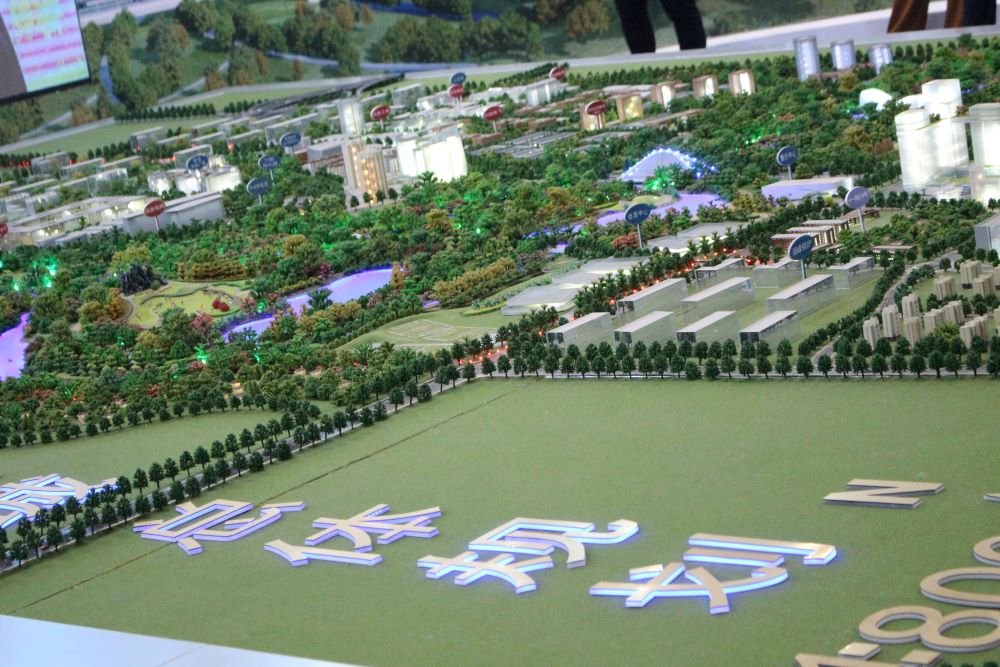
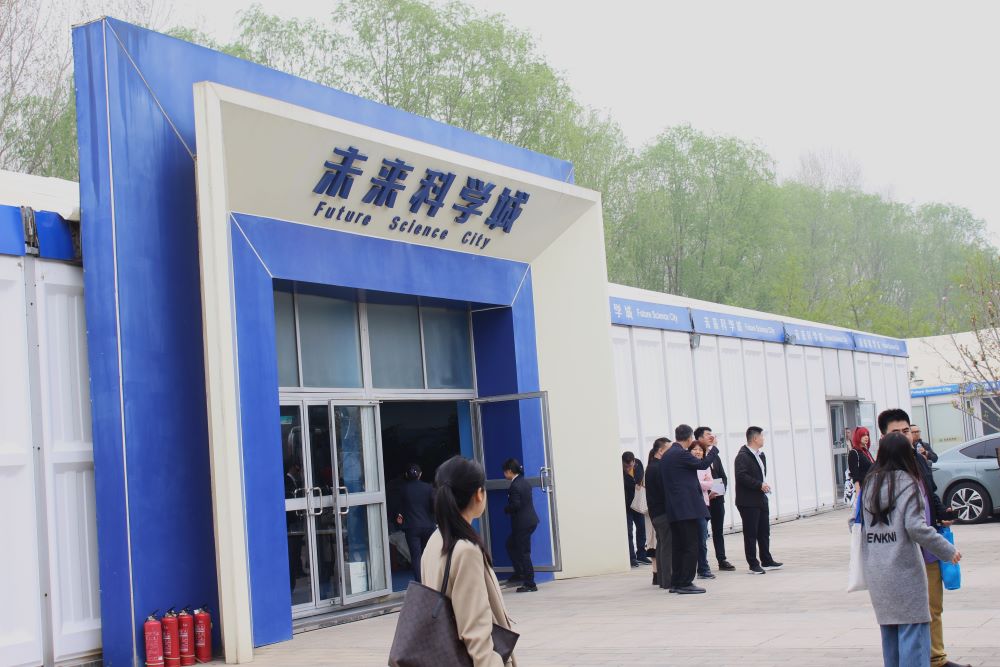
As part of the Beijing International Science and Technology Innovation Center, the Future Science City in Changping, with a planned area of 170.6 square kilometers, exemplifies an innovative “two valleys and one park” model consisting of Life Valley, Energy Valley, and Shahe Higher Education Park.
This strategic layout not only boosts Changping’s scientific credentials but also facilitates its vision to become a modernized urban area.
{{Academic excellence and educational hub}}
Changping’s commitment to education is evident in its status as a thriving university town. The district is home to 41 universities, including some of China’s top institutions such as Peking University and Tsinghua University, which collectively enroll about 148,000 students.
With 38 academicians and over 200 overseas high-level talents, along with more than 48,000 research personnel, the academic atmosphere in Changping is vibrant and dynamic.
A significant 44.4% of the district’s population holds a university degree, mirroring the education levels of developed countries. Recent initiatives, such as the three-year action plan integrating schools with the city, underscore the strategic emphasis on education in urban development. This integration has seen the establishment of the Tsinghua University State Key Laboratories Nankou Base and the Peking University Production, Teaching, and Research Integration Innovation Center, further enhancing the district’s educational landscape.
{{Championing eco-friendly development}}
As an eco-city, Changping demonstrates a commitment to sustainability. The district’s terrain, 60% mountainous with a 49% forest coverage rate, forms a significant ecological barrier to the northwest of Beijing. It is the birthplace of the Wenyu River—Beijing’s mother river—which significantly contributes to the city’s top air quality rankings.
Furthermore, Changping is unique in intersecting Beijing’s three cultural belts and is home to three world cultural heritages, including the Ming Tombs, Juyongguan Great Wall, and the Grand Canal, enhancing both its ecological and cultural value.
{{Economic growth and industrial innovation}}
Economically, Changping has seen substantial growth, following a modern industrial system development strategy known as “3+2+1” (continuous and connected cycle of strategy).
This strategy includes leading industries such as medicine and health, advanced energy, and advanced manufacturing, each contributing to a GDP that collectively exceeds 130 billion yuan (over US$18 billion).
The medical and health industry, in particular, has grown rapidly, focusing on cutting-edge technologies like CGT and AI+R&D, and establishing a comprehensive industrial chain that spans basic research to terminal medical care. In 2022, this sector alone generated nearly 80 billion yuan (over US$11 billion), representing a significant portion of the district’s economic output.
{{Creating a business-friendly environment}}
Changping’s innovative and inclusive policies have made it a hotspot for investment and development.
The district leverages the advantages of the “four zones” policies, which include the China (Beijing) Pilot Free Trade Zone and the Capital High-level Talent Highland Core Zone, among others.
This strategic policy framework, combined with a distinctive “1+1+N” industrial policy system, has cultivated a top-tier business environment that is attractive to both domestic and international enterprises.
The recent policy initiatives aimed at promoting sectors such as the beauty and health industry and the energy internet sector are poised to further boost economic development and enterprise growth.
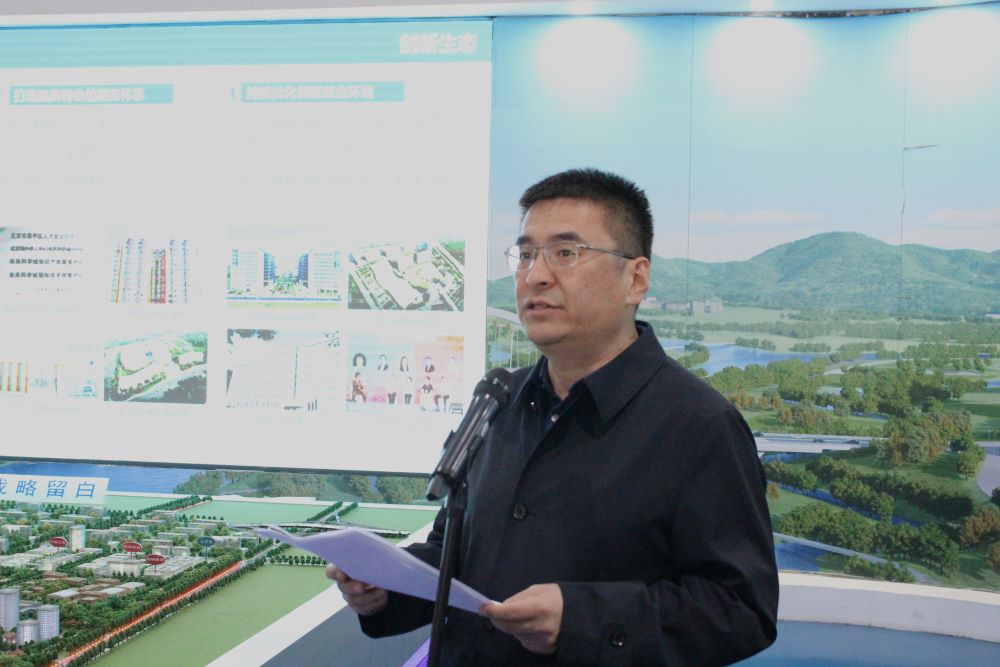
Speaking to foreign journalists recently; Liu Qiang, the deputy mayor of Changping District outlined significant plans for the district’s economic and cultural development.
Key initiatives include advancing synthetic biology manufacturing and enhancing the energy sector, notably through the development of the energy internet and new technologies like hydrogen energy and carbon capture.
The district expects to see substantial growth in advanced manufacturing, with a target output value surpassing 130 billion yuan in 2024, and aiming for 240 billion yuan by the end of the “Fourteenth Five-Year Plan” through new industrialization efforts.
Additionally, Changping is committed to creating an internationally friendly environment, demonstrated by innovative cultural events and improved public and government services aimed at attracting and supporting international talents and enterprises.
The UN Office for the Coordination of Humanitarian Affairs (OCHA) said that precarious conditions and escalating threats facing the displaced people in and around Goma raised concerns.
“More than 500,000 people currently live in displacement sites around the city after fleeing clashes between the Congolese army and armed groups in the Masisi and Rutshuru territories, in North-Kivu,” OCHA said. “Since early March, several incidents of shelling and accidental grenade explosions in and around displacement sites in Goma have killed eight people and wounded 34.”
The office said it is not entirely the proximity to the frontlines that are increasingly putting displaced people at risk but also the presence of weapons within the campsites.
The DRC government requested peacekeepers from the UN mission in the country, known as MONUSCO, to leave, complaining it was not protecting civilians from widespread violence in the easternmost provinces from several attacks on villagers.
The UN Security Council authorized a withdrawal, and the mission is complying. It already is in the stand-down process.
{The Government of Kenya has issued a warning regarding Tanzania’s practice of issuing permits to those seeking to hunt elephants for rewards, requesting that such activities not be conducted within at least 40 kilometers from the border with Tanzania.}
According to a report by Reuters on April 10, 2024, Tanzania, along with other African countries such as Zimbabwe, Namibia, Botswana, and South Africa, permits elephant hunting as a form of recreation or physical training aimed at awarding trophies such as medals and cups (Trophy hunting).
Reuters notes that in terms of costs, a person in Tanzania looking to hunt elephants for recreational trophies can expect to pay between $10,000 and $20,000 for a permit.
Kenya highlights that elephants from its parks, especially those with long tusks useful for protection, have been killed in Tanzania by licensed hunters. For instance, in September 2023, a Kenyan elephant with 50 kg tusks was killed by hunters authorized by Tanzania.
Kenyan authorities and wildlife conservationists have raised alarms over these activities conducted near the Kenya-Tanzania border, noting their detrimental impact on local elephants and on tourism in Kenya, as pointed out by Joseph Ole Lenku, Governor of Kajiado County in Kenya, a region heavily reliant on tourism.
He stated, “It is inappropriate to grant hunting licenses for elephants near the Kenya border.”
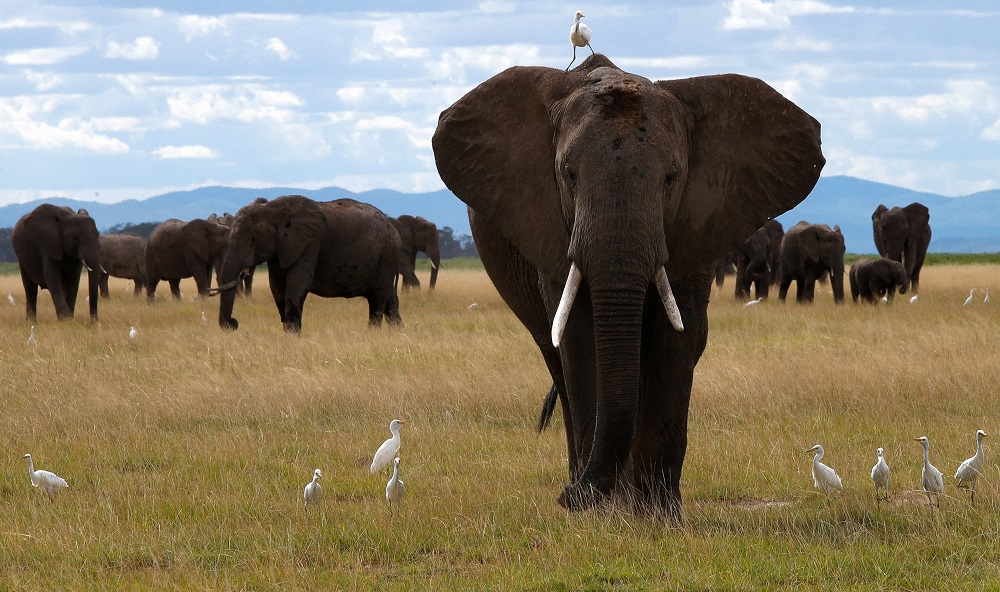
Amboseli Wildlife Park in Kenya, known for its significant elephant population, is located near the border with Tanzania, where the elephants can cross into Tanzania.
Since 1995, Kenya and Tanzania have had an unwritten agreement that no elephant from one country should be killed in the other, following incidents in 1994 where Kenyan elephants were killed in Tanzania. However, Kenya notes that despite this agreement, Tanzania often disregards it.
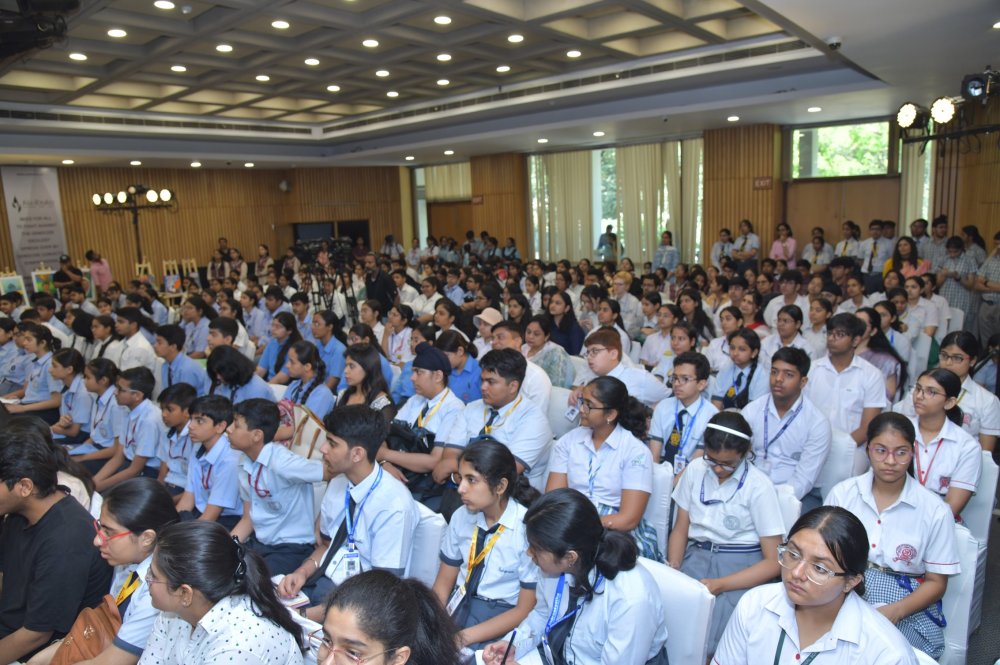
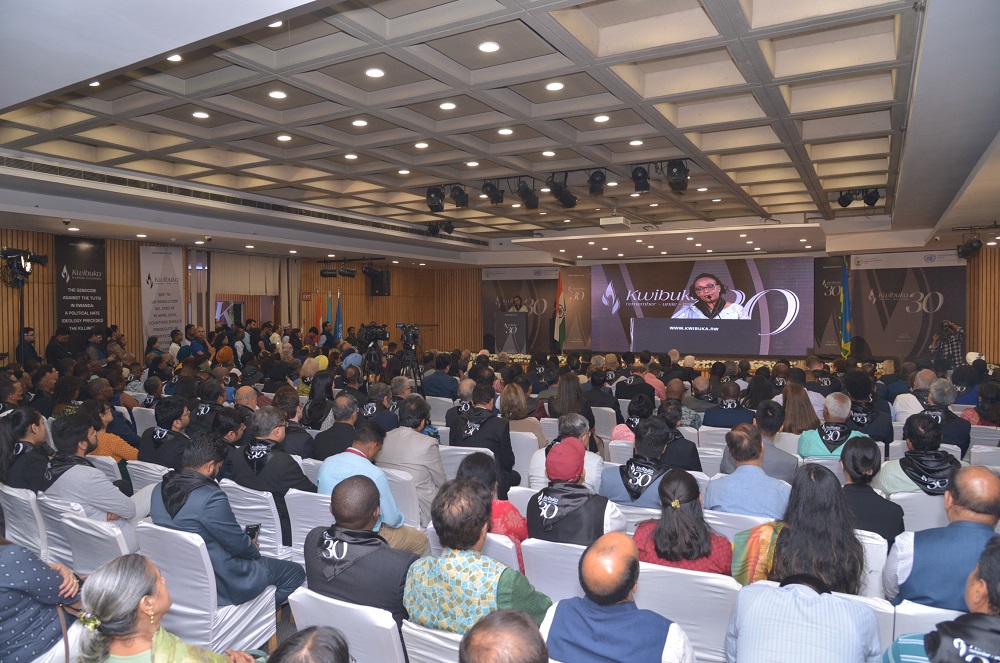
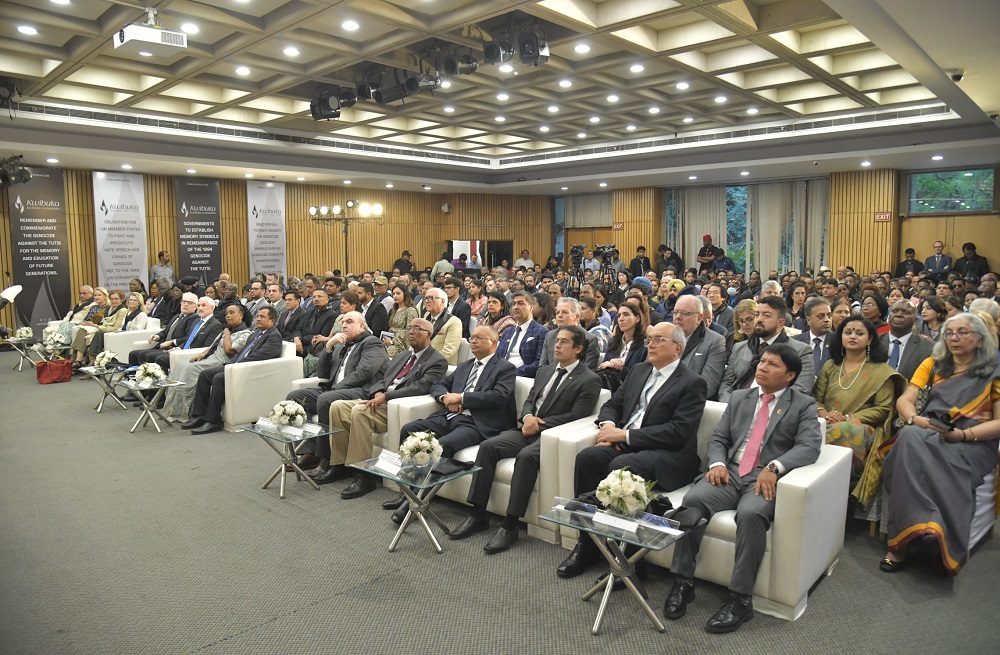
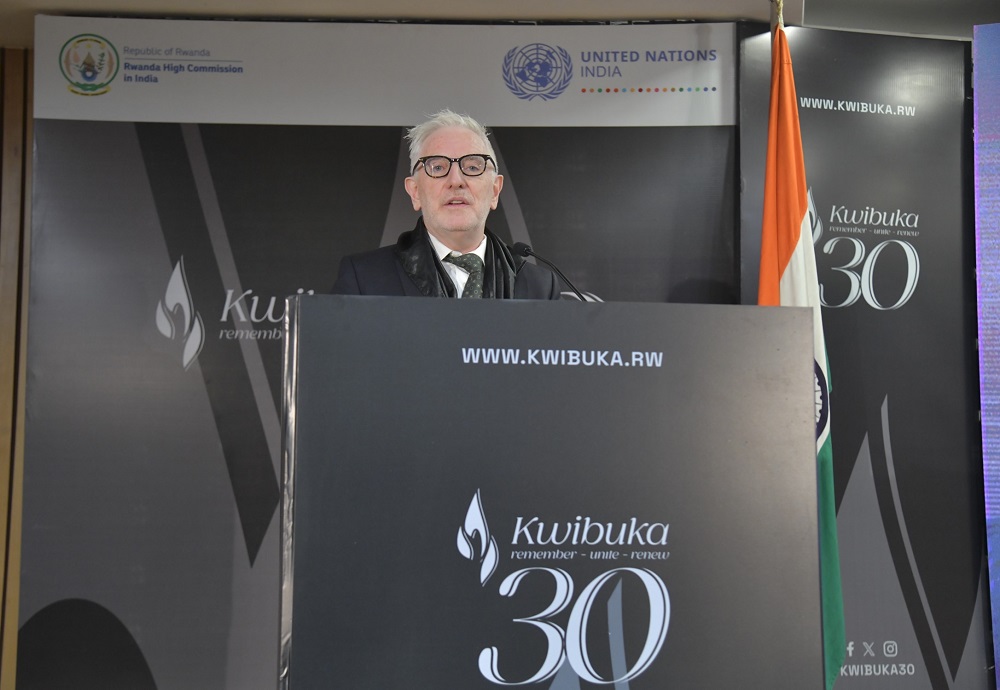
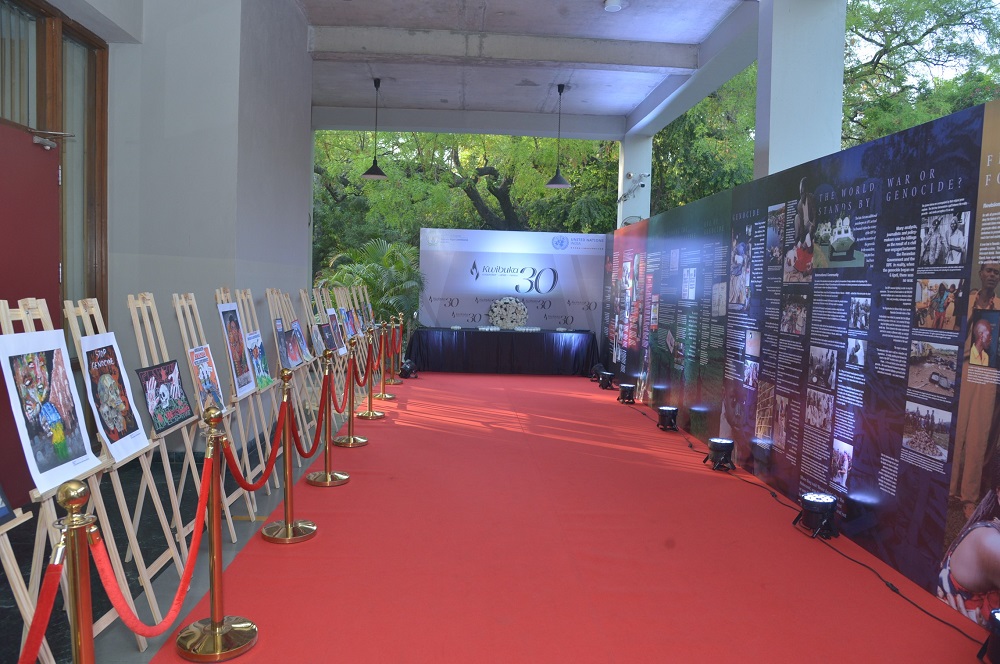
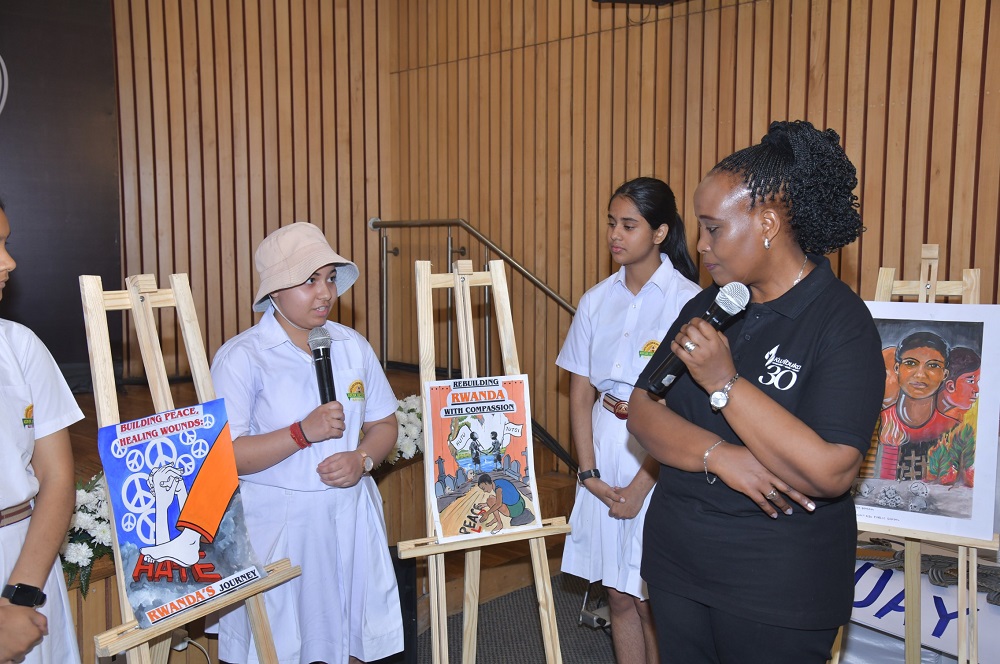
She specifically addressed this message to representatives from over 110 countries based in India, who attended the 30th commemoration of the Genocide against the Tutsi, organized by the Rwandan Embassy and the United Nations office in New Delhi.
Amb. Mukangira explained that commemorating the genocide is about honoring those who perished, appreciating the Rwandans who halted it, and reminding everyone of their role in preventing such atrocities from recurring.
Amb. Mukangira thanked all the countries that have supported Rwanda’s rebuilding efforts after the genocide, emphasizing a commitment to peace and human rights.
During the start of the 30th commemoration on April 7, 2024, the Indian government lit the Qutub Minar tower in the colors of the Rwandan flag. Amb. Mukangira expressed gratitude towards the Indian government for their solidarity with the Rwandan people.
While Amb. Mukangira called on countries to preserve the history of the genocide against the Tutsi, she also urged them to prevent genocide and other serious crimes, to prosecute and bring to justice those involved who are still evading justice.
She also asked countries to include lessons on the Genocide against the Tutsi in their educational curricula, to enact laws that punish genocide crimes, and to track those who spread its ideology.
The UN Coordinator in India, Shombi Sharp, emphasized that remembering the genocide against the Tutsi aims to honor the victims and remind everyone of their duty to prevent such events from happening again.
Sharp stated, “Commemorating this dark time in human history is an act of honoring the victims and a firm reminder of our duty to prevent tragedies like this from recurring, as well as acknowledging the bravery of the survivors.”
The commemoration event in New Delhi featured an exhibition of art and creative works about the Genocide against the Tutsi, attended by 300 students and teachers from India, and an evening of remembrance attended by more than 600 people.
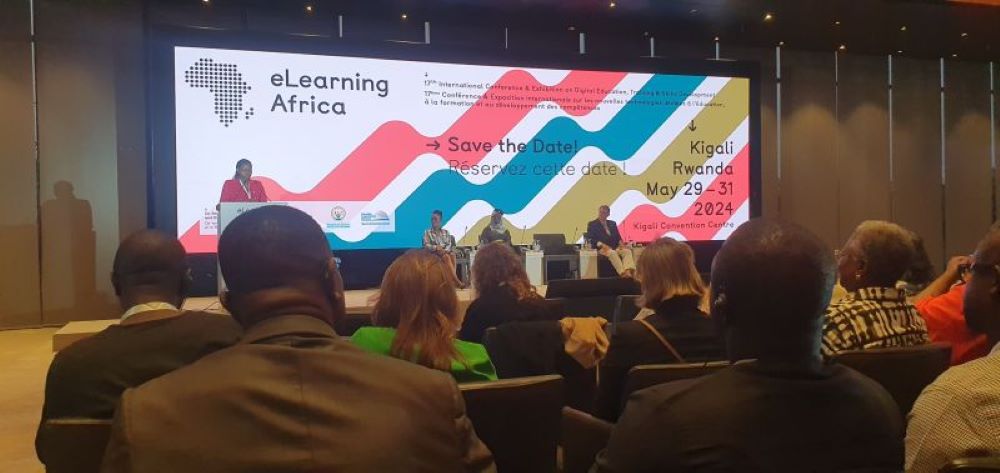
This year’s theme, “Education Fuels Innovation, Investment Amplifies Skills: Africa’s Vibrant Leap Forward,” highlights the critical interplay between education, investment, and innovation in steering Africa’s future.
With over 72 sessions and workshops, eLearning Africa 2024 provides a robust platform for knowledge exchange and collaboration across various sectors, including foundational and higher education, vocational training, workplace and lifelong learning, with a special emphasis on capacity building in vital areas such as 4IR, AI, TVET, tourism, health, agriculture, and other industries pivotal to Africa’s development.
Commenting on the event, the Minister of State for Education, Claudette Irere, stated: “Today, there is an increasing need to adopt a blended mode of learning to foster broader access to quality education and resiliency of the education systems, for all students to be prepared for the technological revolution of the 21st century, and beyond.”
The exhibition at eLearning Africa 2024 is the event’s networking hub, hosting leading international and African education, training, and technology companies and institutions. It showcases the full spectrum of innovation in EdTech, from gamified learning apps to online proctoring tools, industry-leading LMSs to augmented reality devices, content providers to explainer videos, and established publishing services to pioneering educational hardware.
This diverse and comprehensive mix caters to all academic, corporate, and public sector learning and training needs, making the exhibition a magnet for buyers, analysts, and investors in EdTech.
Elaborating on the significance of the event, Rebecca Stromeyer, CEO & Founder of eLearning Africa, remarked: “eLearning Africa 2024 reaffirms the continent’s commitment to embracing digital technologies for groundbreaking education and skills development. By fostering cross-sector collaborations, we aim to drive innovation in digital learning, empowering Africa’s youth to lead in the digital age.”
The conference will feature two extraordinary plenary sessions, streamlined to encapsulate the transformative impact of integrating technology with education. The opening session will explore how strategic investments in education can unlock innovation and skill development, contributing to the African Union’s Agenda 2063 and the Sustainable Development Goals.
The second plenary session will focus on transformative strategies for education, training, and skills development, highlighting the role of digital innovation in shaping the future workforce.
Keynote speakers include Minister of Education, Gaspard Twagirayezu (Rwanda), Dr. Laila Macharia (Aspen Institute’s Africa Initiative, Kenya), Frank van Cappelle (UNICEF), and Michael Onyango (Agenda Setter @ 4BM), among others.
With an expected record attendance from across Africa and the globe, eLearning Africa 2024 stands as a pivotal event, defining the trajectory of digital education on the continent.
The two-year waiver means that traders can export unlimited quantities of flowers to the UK at zero per cent tariff, even if the commodities were to be transported through third parties.
While the rest of the world is set to benefit from the waiver, the UK named the East African region—comprising other countries such as Kenya, Ethiopia, Tanzania, and Uganda —as the primary beneficiaries.
“The suspension of eight percent duty for cut flowers applies across the world but will be a big win for major flower growing regions in Kenya, Ethiopia, Rwanda, Tanzania, and Uganda. The duty suspension will remain in place for two years from 11 April 2024 to 30 June 2026,” the UK said in a statement.
UK noted that the waiver is also aimed at increasing and strengthening economic ties between the UK and the region.
“The UK’s relationship with East Africa is rooted in mutually beneficial trade. This additional flower power will allow trade to bloom. We go far when we go together… or in this case, we grow far when we grow together, further reinforcing the UK’s commitment to the expansion of trade in East Africa,” UK Trade Commissioner for Africa John Humphrey said.
“This is particularly important for East African flower growers who transport their blooms via third countries or auction houses before they arrive in the UK.”
According to the UK trade office, Kenya ranked as the fourth largest exporter of cut flowers globally in 2022, accounting for six percent of total global exports.
On the other hand, Ethiopia is the second-largest cut flower producer in Africa, accounting for 23 percent of sub-Saharan African exports.
In 2023, the UK imported cut flowers worth £12.6 million ($13.5 million) from Ethiopia, £727,000 ($780,736.36) from Rwanda, £839,000 ($901,138.12) from Tanzania, and £1.1 million ($1.18 million) from Uganda.
In a statement, Moderna said the demand in Africa for COVID-19 vaccines has declined and is insufficient to support the viability of the factory.
As a result, the firm said it had suffered $1 billion in losses and write-downs due to cancellation of previous orders.
“Moderna has not received any vaccine orders for Africa since 2022 and has faced the cancellation of previous orders, resulting in more than $1 billion in losses and write-downs,” Moderna stated.
Despite the setbacks, Moderna affirmed its commitment to ensuring equitable access and meeting the emerging demands from African nations for its COVID-19 vaccine using its global manufacturing network.
Moderna also noted that the suspension would allow the company to better align its infrastructure investments with the evolving healthcare needs and vaccine demand in Africa, including ongoing efforts to develop HIV and malaria vaccines.
“Moderna is actively working on the development of public health vaccines, including those for diseases that predominantly affect the African continent, such as HIV and malaria. These initiatives are part of our broader commitment to help address global health challenges through our innovative mRNA technology.
“However, these investigational vaccines are at an early development stage. Given this, and in alignment with our strategic planning, Moderna believes it is prudent to pause its efforts to build an mRNA manufacturing facility in Kenya,” Moderna stated.
The firm announced plans to invest about $500 million (Rwf640 billion) in the Kenyan facility in early 2022 and hoped to supply as many as 500 million doses of mRNA vaccines to the continent annually.
Moderna’s deal with the Kenyan government was expected to increase access to vaccines, aimed at addressing concerns about Africa lagging behind other regions in vaccinating its citizens throughout the pandemic.
“We all know the challenges that Kenya and the entire continent of Africa went through in the earlier stages of this pandemic that resulted in Africa being left behind. Not because of want but because of lack and Moderna has come to fill that space,” Kenya’s former President Uhuru Kenyatta said months before his retirement.
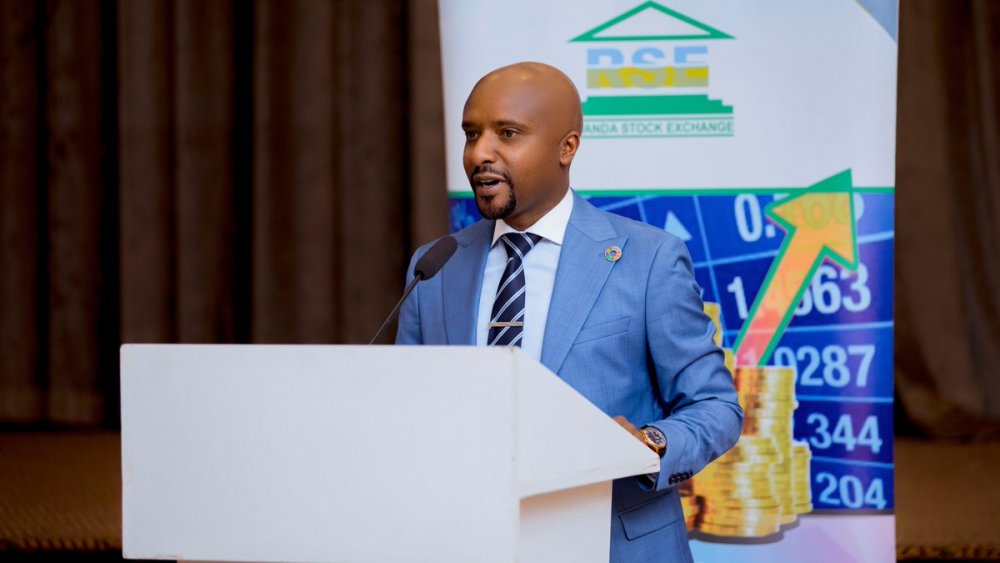
In a statement, Agnes Nafula, the Head of the Secretariat at ASEA, said Rwabukumba’s appointment follows the resignation of Thapelo Tsheole, who also served as the CEO of the Botswana Stock Exchange.
Rwabukakumba will assume his new role on May 1, 2024.
“Mr. Thapelo Tsheole, the Chief Executive Officer (CEO) of the Botswana Stock Exchange (BSE) resigned from his position as CEO effective 31st May 2024 and consequently as the President of the African Securities Exchanges Association (ASEA),” the statement reads in part.
“…Mr. Thapelo will be succeeded by Mr. Pierre Celestin Rwabukumba, the CEO of the Rwanda Stock Exchange effective 1st May 2024 for continuity.”
Thapelo served as the President of ASEA for 15 months, having been elected to the position in November 2022.
He is credited with spearheading pivotal initiatives during his stint at ASEA through collaboration with the African Union (AU), United Nations Economic Commission for Africa (UNECA), and the Pan-African Payment and Settlement System (PAPSS), securing funding for phase two of the African Exchanges Linkage Project (AELP) project.
Notably, AELP is a flagship project of ASEA and the African Development Bank (AfDB) aimed at facilitating cross-border trading of securities in Africa.
On the other hand, Rwabukumba joined the ASEA Executive Committee in November 2018 and was elected as Vice-President in November 2022.
“His appointment marks a new chapter for ASEA, promising continued growth and collaboration within the African Securities Exchanges landscape under his stewardship,” the secretariat added.
The Economics graduate of the University of Buffalo (UB) in New York, United States, also serves as a non-executive in several institutions across finance, business development, hospitality, and industry in Rwanda and beyond. These institutions include the Securities Industry Training Institute (SITI East Africa), where he serves as Chairman, and New Faces New Voices – Rwanda, among others.
He previously served as the chairman of Kigali Cement Company, a private company that produces, Markets and sells cement in Rwanda and neighboring countries.
A seasoned negotiator, Rwabukumba also worked at the Central Bank of Rwanda in 2004, where he helped start the Capital Market Development Project. He has also completed an international Post Graduate Advanced Management Program (AMP) for Executives at Strathmore Business School.
Through this agreement, over 1,400 private schools in the region will be enhanced with courses related to environmental conservation, technology in programming and the use of robots, as well as BTEC economics.
The signing ceremony took place on Saturday, April 6, 2024, at the BLIS headquarters, marking the conclusion of a visit by a delegation of 45 entrepreneurs in the education sector in Cameroon, organized with the aim of learning from this school.
The agreement was also signed by a representative from the Lycée Blaise Pascal in Paris, France, recognized for its experience in environmental protection and conservation activities, serving as a model for both BLIS and the schools in Cameroon.
Tsimi Lazare, the Secretary-General of the Department for Private Schools in the central region of Cameroon, who owns a primary and secondary school in the country, confirmed that the positive experiences gained in Rwanda will contribute to transforming the educational landscape in their home country.
He stated, “As long as these programs are implemented with a spirit of collaboration, we will undoubtedly achieve great things, and BLIS will play a significant role in enabling Cameroon to reach many of the milestones already achieved by Rwanda. There are schools that will start benefiting from this partnership next year.”
The implementation of this agreement will be based on the 17 Sustainable Development Goals (SDGs) and is initially set for a three-year period, with the possibility of extension if successful.
Jean Pierre Kibuye, the director of the Blue Lakes Group, which includes BLIS, highlighted the environmental conservation efforts that will be learned from the school he leads.
He said, “We have launched projects aimed at self-improvement that also protect the environment, such as chemical-free agriculture, and livestock farming of cows, pigs, rabbits, and chickens in an environmentally friendly manner.”
Through this agreement, the schools in Cameroon will receive essential equipment and the construction of laboratories for teaching ‘Coding’ and ‘Robotics’.
Initially, this equipment will be delivered to 45 schools represented in this visit, with others to follow.
Starting next year, from BLIS and other places in Rwanda, youths with sufficient knowledge in these technological fields will head to this West African country to provide comprehensive training to teachers and students in these subjects.
Kibuye affirmed, “I am confident they will learn a lot from Rwanda since we have Rwandan children who are already knowledgeable in robot technology, which will be beneficial for them in finding employment, and our students can also work there after completing their studies here.”
BLIS Global collaborates with schools in Burundi, Mozambique, Tanzania, Togo, Benin, and now includes Cameroon.
Forty-five schools will begin to reap the benefits of this collaboration, with others gradually achieving the same success.”