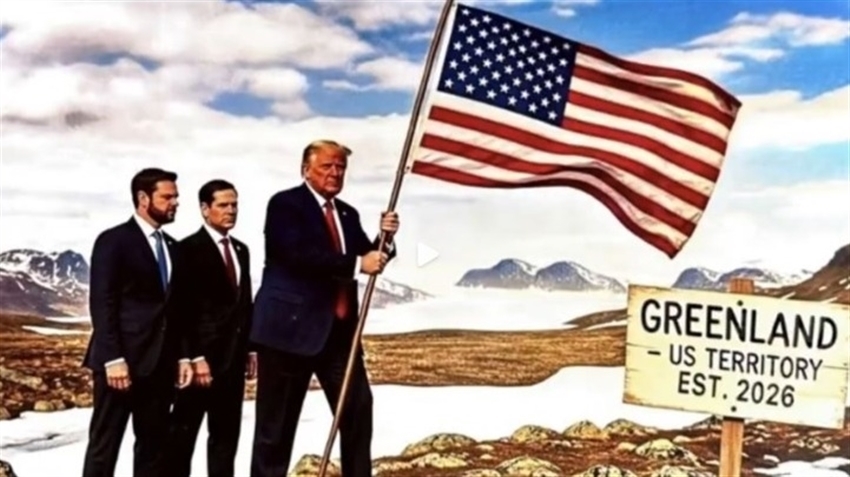
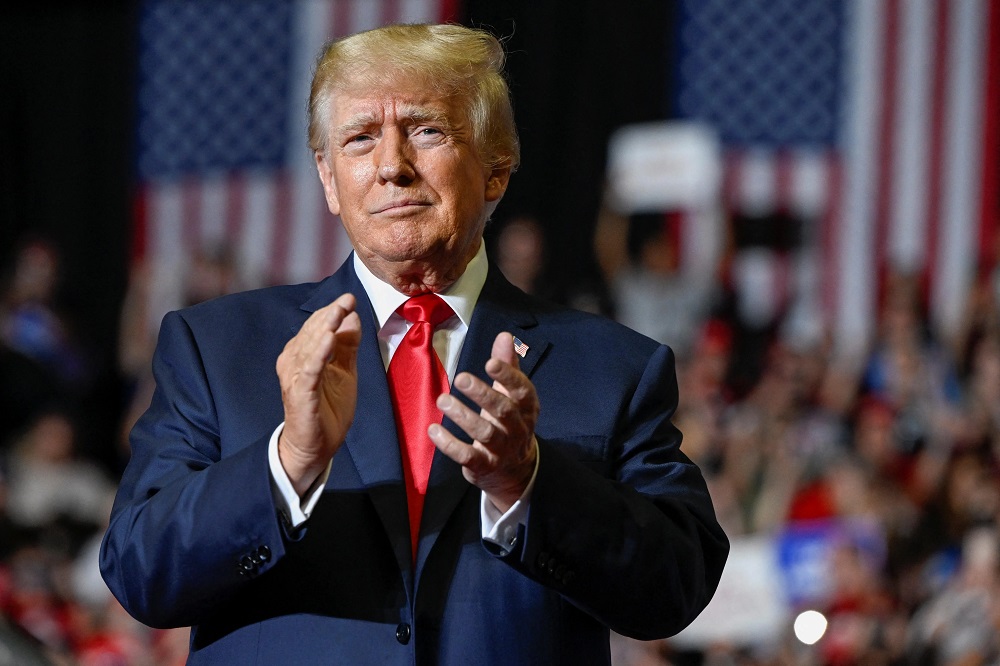
In the image, Trump is accompanied by U.S. Vice President JD Vance and Secretary of State Marco Rubio, with a sign nearby reading “GREENLAND – US TERRITORY EST. 2026.”
On the same day, Trump released another image: He met with European leaders in the Oval Office, with a map displayed behind him showing the United States, Canada, Greenland, and Venezuela under the American flag.
Trump said on Truth Social on Tuesday that he had a telephone call with Mark Rutte, the Secretary General of NATO, concerning Greenland.
“As I expressed to everyone, very plainly, Greenland is imperative for National and World Security. There can be no going back. On that, everyone agrees!” he wrote.
Against a backdrop of growing geopolitical complexity, deepening fragmentation and rapid technological transformation, the forum has called on the international community to bridge differences through dialogue, look to the future, and work together to address major global challenges.
{{Rising global risks
}}
The world is currently grappling with a convergence of risks that is placing unprecedented strain on global stability and development.
The WEF’s Global Risks Report 2026, one of its flagship publications released ahead of the annual meeting, points out that geopolitical and economic risks rise in a new age of competition.
The report identifies geoeconomic confrontation as the top risk for 2026, followed by interstate conflict, extreme weather, societal polarization, misinformation and disinformation. Economic risks, it notes, are rising at the fastest pace among all risk categories in the short term.
WEF Managing Director Saadia Zahidi said the age of competition compounds global risks ranging from geoeconomic confrontation, unchecked technology to rising debt, and changes the world’s collective capacity to address them.
According to the WEF’s latest Chief Economists’ Outlook, 53 percent of chief economists expect global economic conditions to weaken in the year ahead, with concerns over potential asset valuation declines, mounting debt and geoeconomic realignment, among other factors.
This was echoed by the United Nations in its latest World Economic Situation and Prospects 2026 report. The UN projects global economic growth at 2.7 percent in 2026, slightly below the estimated 2.8 percent in 2025, citing weak investment and tight fiscal space as key drags on economic activity.
The report warns that higher tariffs combined with rising macroeconomic uncertainty will have a more pronounced impact next year, with global trade growth expected to fall to 2.2 percent in 2026, down from 3.8 percent in 2025.
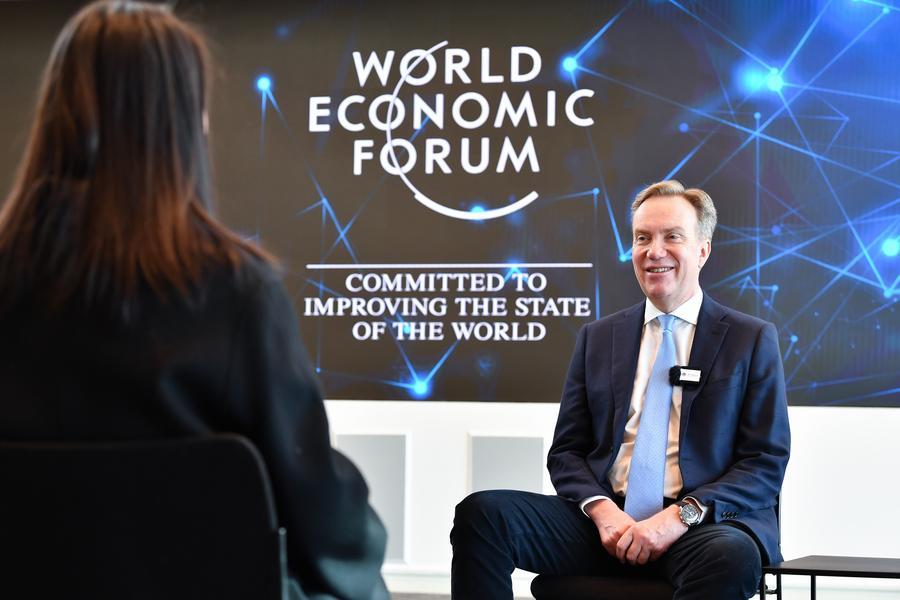
In a recent interview with Xinhua, WEF President and CEO Borge Brende said, “We are most worried about major escalations of wars. That can kill global growth.” He noted that if the world can avoid such escalations, global economic growth could reach over 3 percent in 2026.
A major focus of the annual meeting will be the technological paradigm shift — from artificial intelligence (AI) and quantum computing to next-generation biotechnology and energy systems. The WEF said that these new technologies are reshaping how people live and work while creating new growth engines.
The WEF warns that while the rapid advance of AI is driving productivity gains, it also brings new risks, including social fractures fueled by rising unemployment and weakening consumer confidence.
{{Dialogue urgently needed
}}
Days before the meeting opened, the WEF released its Global Cooperation Barometer, which finds that global cooperation has proved resilient despite strong headwinds confronting multilateralism. Yet the report cautions that existing levels of cooperation remain inadequate to meet pressing economic, security and environmental challenges.
The report stresses that in an increasingly complex and uncertain geopolitical environment, open and constructive dialogue is critical to identifying collaborative pathways that advance shared interests.
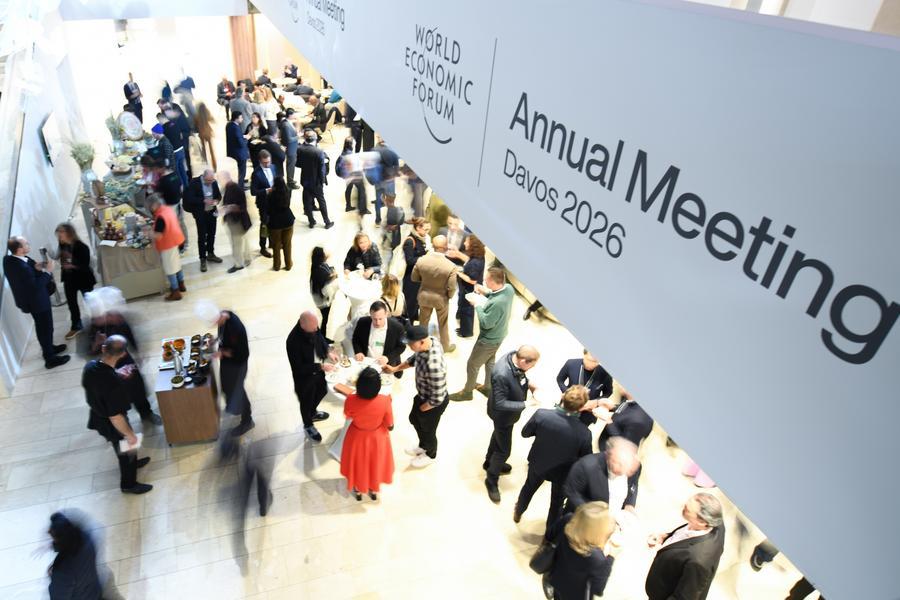
Under the theme “A Spirit of Dialogue,” this year’s meeting reflects that urgency. Key topics include how to cooperate in a more contested world, how to unlock new sources of growth, and how to deploy innovation at scale and responsibly.
“Dialogue is not a luxury in times of uncertainty; it is an urgent necessity,” said Brende.
During the interview, he viewed dialogue as critical as it is the start of a process that can ultimately yield results capable of moving the world forward.
More dialogue is needed to change today’s growing polarization and lack of win-win outcomes, Brende added.
Larry Fink, interim co-chair of the WEF, said the forum has brought together a record number of leaders from governments, businesses and non-governmental organizations at a moment when dialogue matters more than ever.
“Understanding different perspectives is essential to driving economic progress and ensuring prosperity is more broadly shared,” he said.
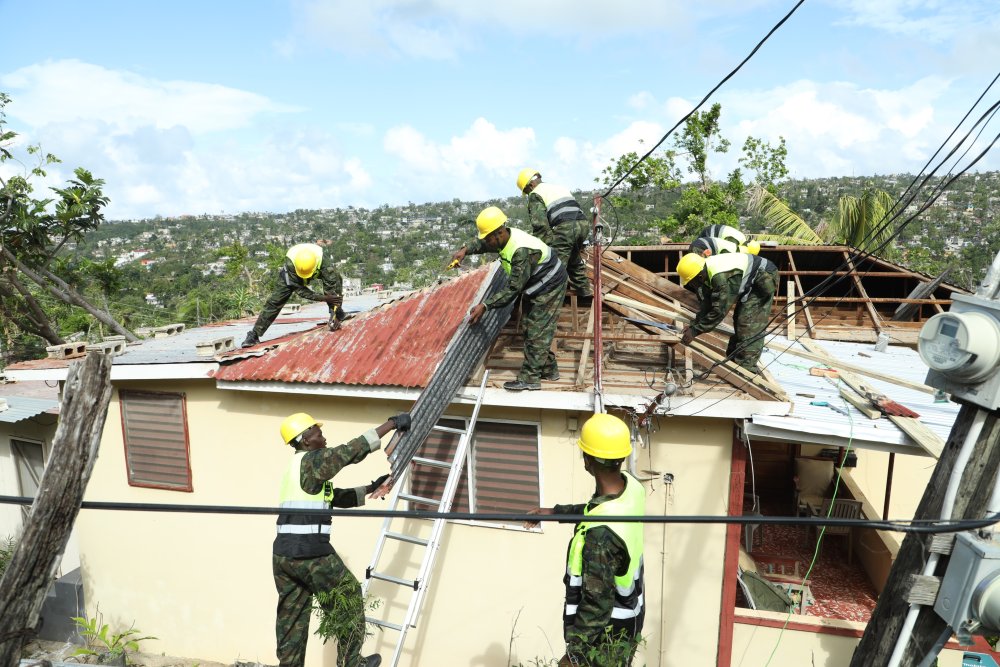
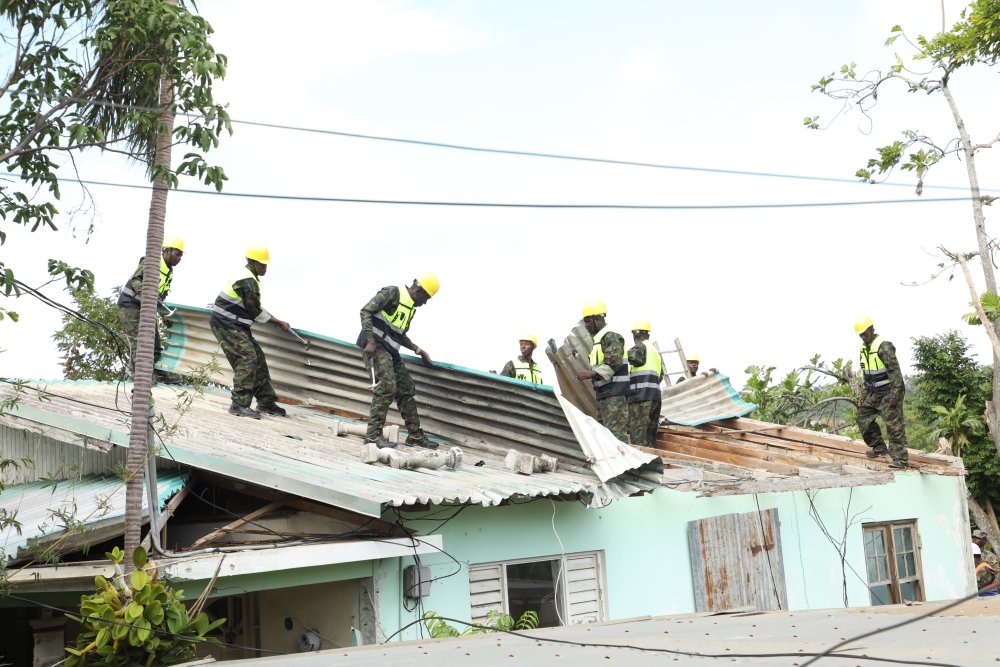
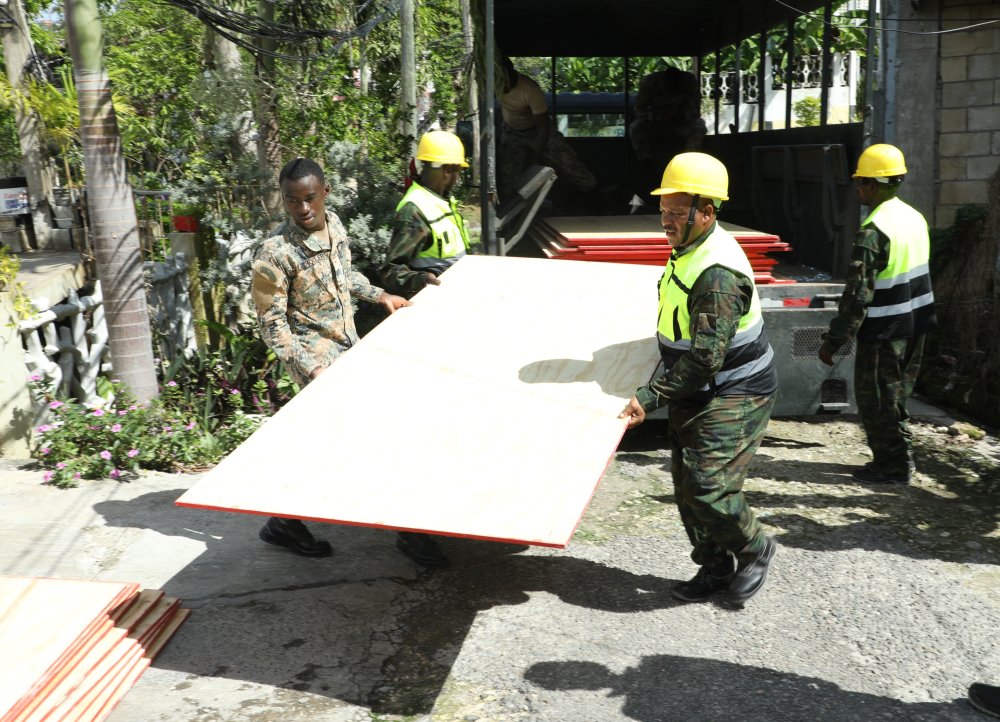
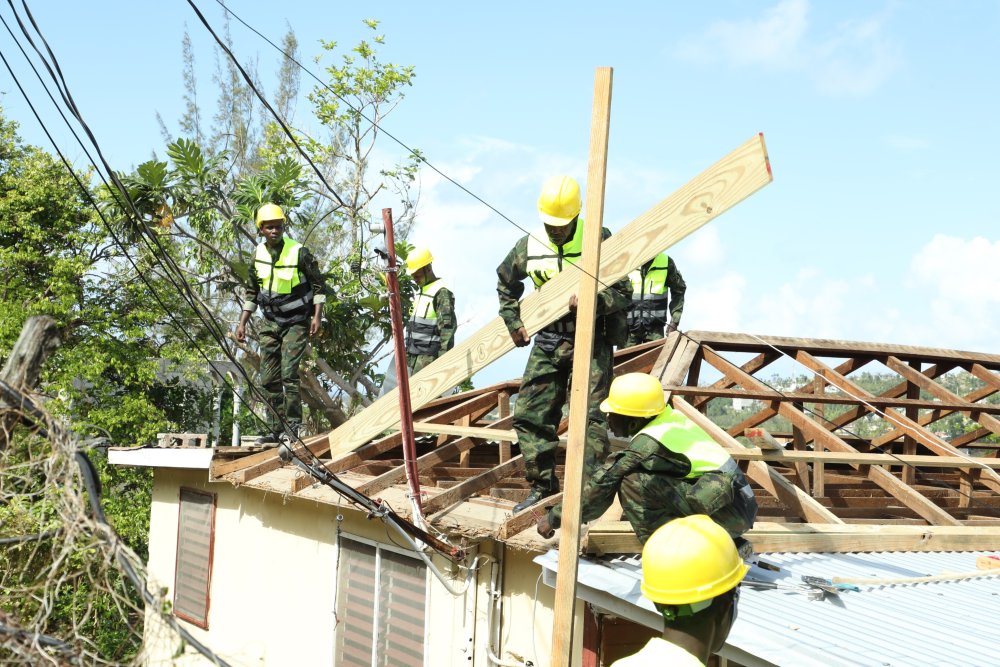
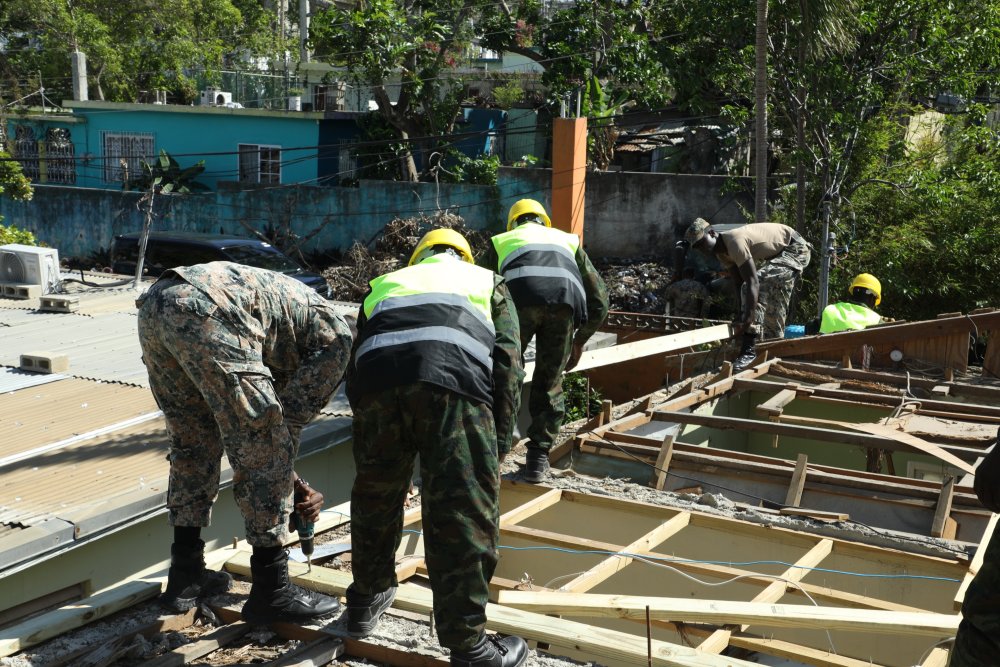
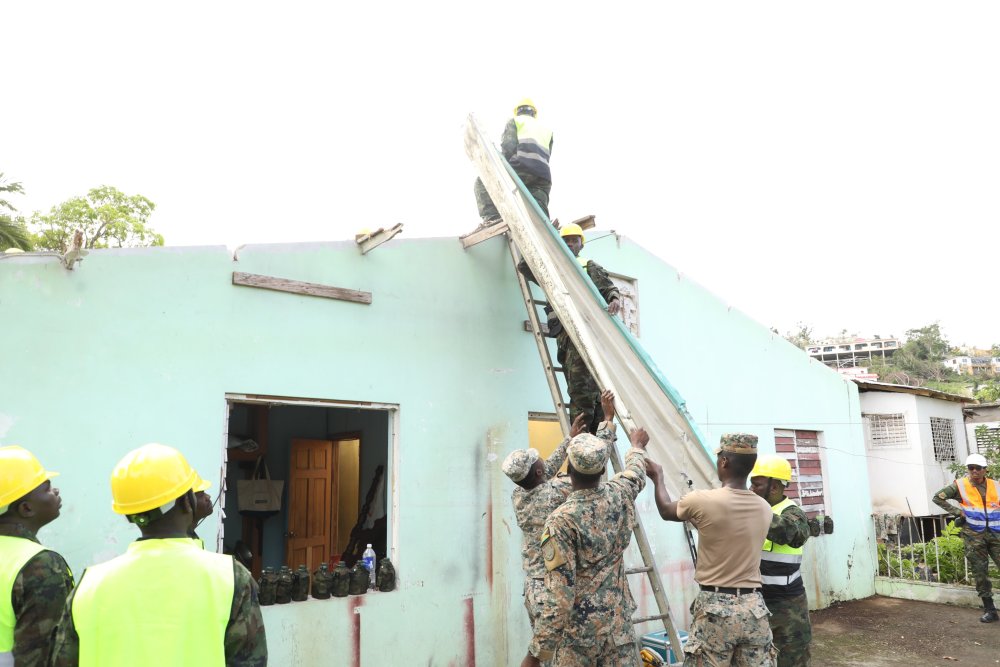
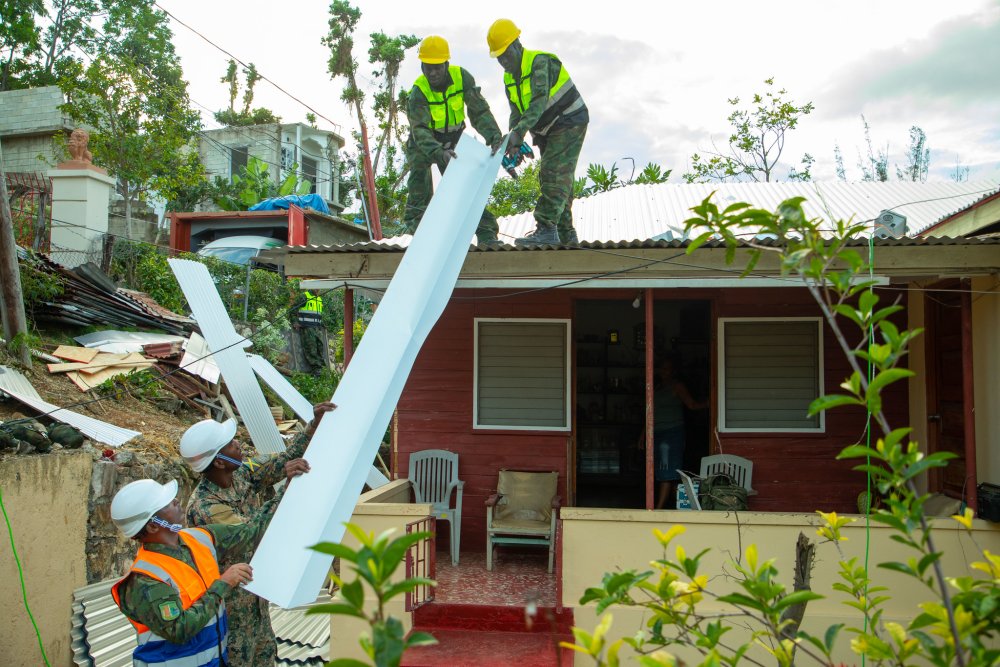
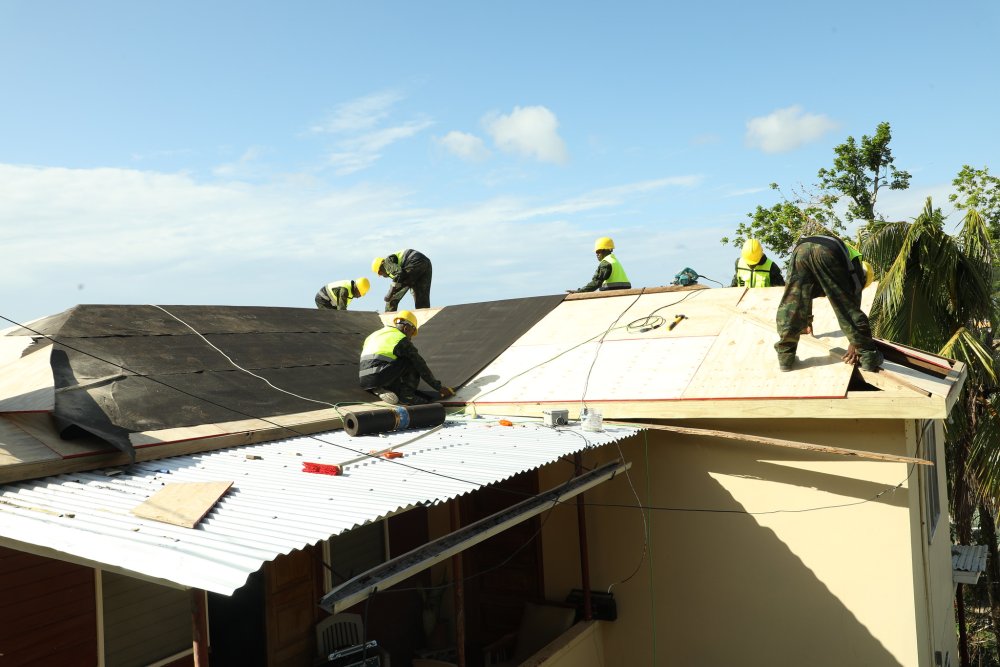
The activities commenced with the reconstruction of houses for local residents affected by Hurricane Melissa, marking the start of practical humanitarian and engineering support to impacted communities.
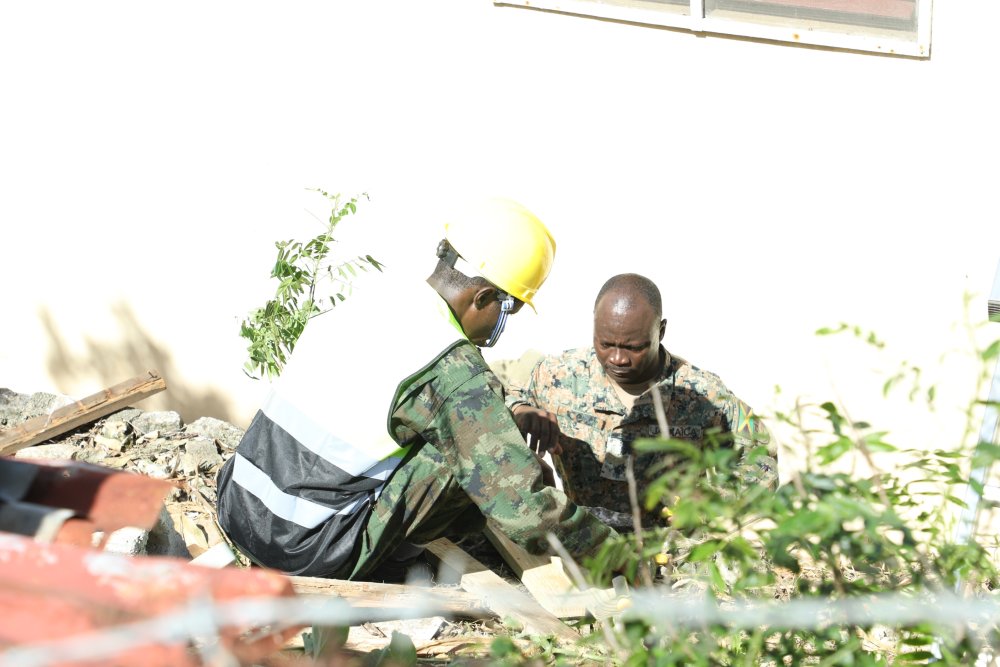
The joint effort reflects close coordination between the two defence forces in support of Jamaica’s recovery and rebuilding process.
Through combined technical expertise in construction, RDF and JDF engineers are restoring damaged houses’ structures to improve living conditions for affected families.
According to the RDF Engineer contingent Commander, Col Moses Kayigamba, the mission goes beyond infrastructure repair, highlighting the importance of solidarity with the people of Jamaica and contributing to long-term resilience.
He confirmed that the reconstruction works are carried out in support of Jamaican local authorities and JDF ensuring that the support provided aligns with Jamaican priorities and the national recovery process.
The deployment of the RDF Engineer Contingent to Jamaica underscores Rwanda’s commitment to international solidarity, cooperation, and humanitarian assistance in response to natural disasters.
Trump told Norway’s prime minister that after being passed over for the peace prize, he “no longer feels an obligation to think purely of peace,” effectively signaling a readiness to pursue more assertive measures regarding Greenland.
Greenland is a vast Arctic territory that is self‑governing but part of the Kingdom of Denmark. Trump’s interest in the island, which has rich natural resources and a key strategic location has drawn strong resistance from both Danish and Greenlandic officials, who have repeatedly said the territory is not for sale and should remain under Danish sovereignty.
Tensions have increased in recent days after Trump announced that the United States would impose a 10 percent import tariff starting next month on goods from eight European countries, including Norway and Denmark, which have supported Greenland’s position and opposed U.S. efforts to assert control.
European governments condemned the tariff threats as harmful to long‑standing alliances with Washington and harmful to economic cooperation.
The president’s comments linking his Greenland policy to the Nobel Prize snub were confirmed by the White House and were seen by many as an unusual personal rationale for foreign policy decisions. Trump posted a doctored image on social media claiming Greenland as a U.S. territory, a move that drew ridicule and alarm from critics and allied leaders.
The tariff threat has triggered a range of international reactions. Thousands of people in Greenland and Denmark protested against U.S. pressure, with demonstrators saying the island’s future should be decided by its own residents, not by outside powers.
In Copenhagen, protesters mocked Trump’s slogans with parody caps reading “Make America Go Away,” capturing both humor and serious resistance to U.S. interference.
British Prime Minister Keir Starmer also publicly rejected Trump’s tariff threats, calling them “completely wrong” and warning that a trade war among allies who are part of both NATO and shared security commitments would be damaging and unnecessary.
Starmer emphasized that the dispute over Greenland should be addressed through diplomacy and calm dialogue rather than economic coercion.
Touadera, who secured 77.90 percent of the vote, will serve a seven-year term, the Constitutional Council announced at an official ceremony in the capital, Bangui.
Other contenders in the presidential election were former prime ministers Anicet-Georges Dologuele and Henri-Marie Dondra, who came second and third respectively, according to provisional results released by the country’s electoral body, the National Elections Authority.
About 2.3 million voters were registered for the elections, according to the National Elections Authority. Observers said that the elections “were largely peaceful.”
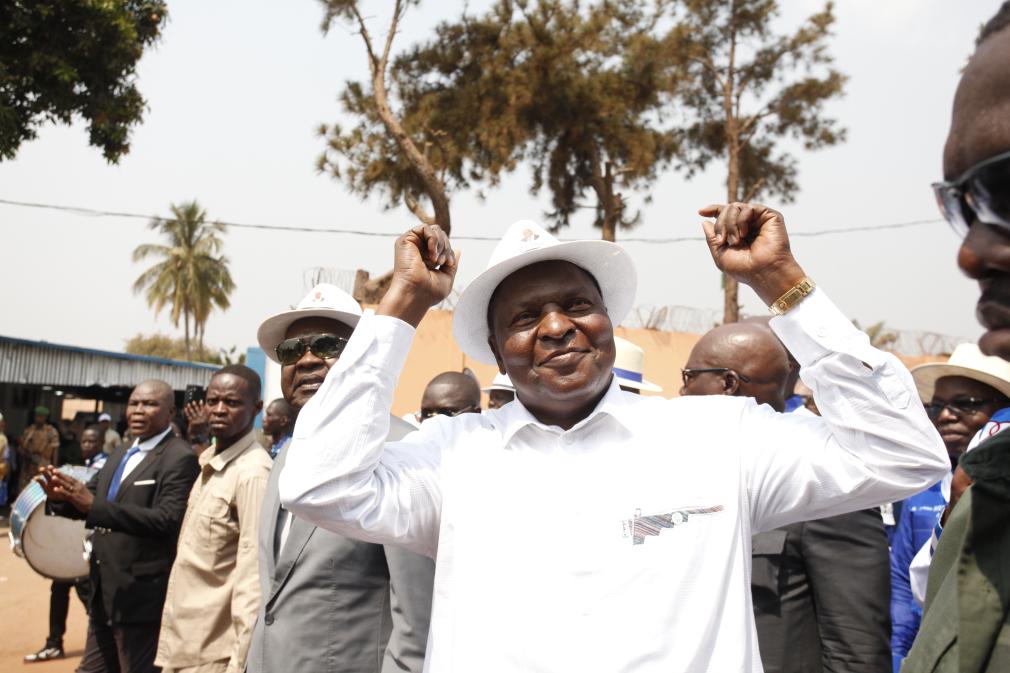
Touadera held a rally with his supporters in Bangui shortly after the final results were announced. He thanked his supporters, urging unity with the other candidates for the reconstruction of the country.
Touadera, 68, focused his campaign on restoring peace and enhancing national development. In the build-up to the election, he signed peace deals with some major rebel groups.
Touadera, who has been in office since 2016, will begin his third term as president following the victory.
Voters also cast their ballots in the Central African Republic’s legislative, regional, and municipal elections on Dec. 28, 2025.
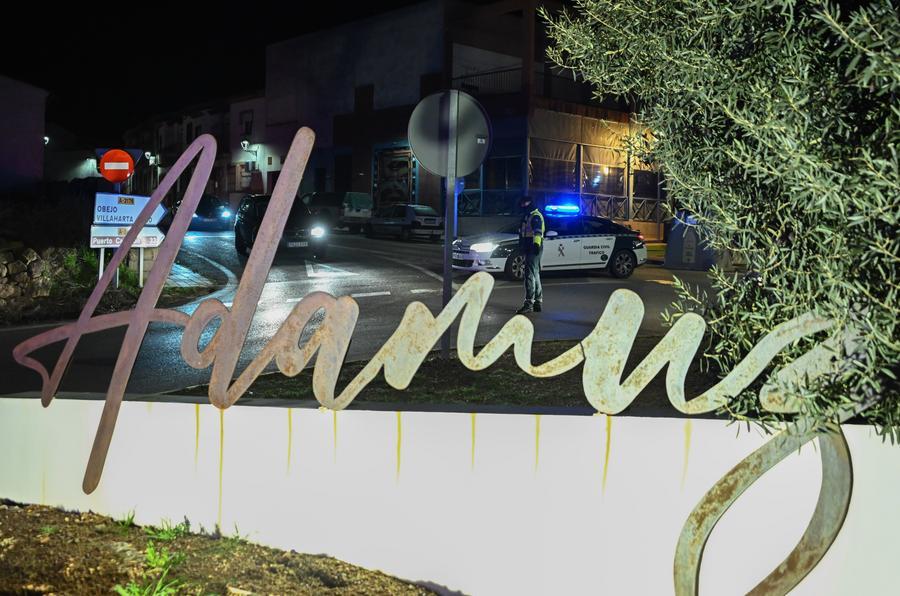
The accident occurred at around 7:45 p.m. local time (1845 GMT) on Sunday, when a train carrying 317 passengers on the Malaga-Madrid route derailed for reasons still unknown near Adamuz, about 20 km north of the city of Cordoba.
As of Monday, authorities had confirmed 40 fatalities, while 48 people remained hospitalized, many of them in intensive care.
Sanchez canceled his scheduled agenda and traveled to the crash site, where he addressed the media and announced that the national mourning period would begin at midnight on Monday. He pledged a full investigation into the cause of the accident, describing it as a “painful day” for the country.
“We will get to the truth, we will find the answers,” Sanchez said, adding that the government would keep the public fully informed “with complete transparency.”
Juanma Moreno, president of the Andalusian regional government, said the impact of the derailment was “extremely violent,” noting that some bodies had been found hundreds of meters from the crash site, suggesting that passengers had been thrown from the train.
He warned that more victims could be discovered once heavy machinery arrives to clear the wreckage.
Spain’s Transport Minister Oscar Puente said earlier that it was “strange” for such an accident to occur on a straight section of track that had only been laid in May 2025. He added that the Malaga-Madrid service, operated by private company Iryo, was using relatively new rolling stock built in 2022.
Alvaro Fernandez Heredia, president of Spain’s state-owned rail operator Renfe, told Spanish state radio network RNE that human error had “been practically ruled out,” suggesting the cause was more likely related to Iryo’s rolling stock or an infrastructure failure.
Spanish media also reported that in August 2025, the national train drivers’ union had raised concerns with infrastructure operator ADIF over defects on the same section of track, including surface damage, unevenness and problems with overhead power lines.
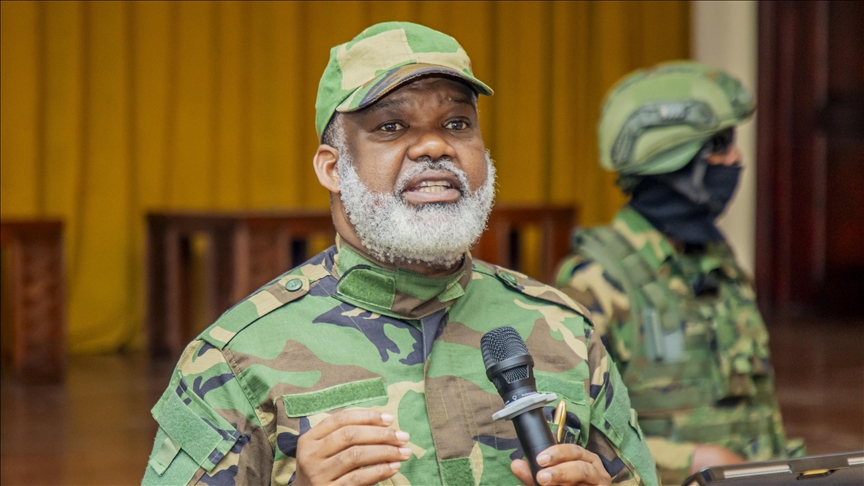
In a statement released on January 18, 2026, family representative Gabriel Bienvenu Baonoku Nangaa, currently exiled in Paris, said the repression against the family began in late 2023. This coincided with the creation of the AFC by the former head of the DRC electoral commission and its subsequent coalition with M23 rebel forces. Since then, Bienvenu revealed, family members have increasingly been targeted with arrests, detentions, and legal restrictions without due process.
“The arbitrary arrests, threats, and intimidation aimed at subjecting all members of the Nangaa family to fear and terror have become common,” the statement said.
The most recent case cited is that of Didier Ilaani Nangaa, who has been held for more than ten days in detention centers of the National Intelligence Agency (ANR) in Isiro, in Haut-Uele Province. According to the family, his detention is not supported by legally valid charges and has taken place outside any regular judicial framework.
The family says this incident is part of a broader pattern. In January 2024, it addressed an open letter to President Félix Antoine Tshisekedi Tshilombo to denounce what it described as persecution, repression, and the targeting of individuals without cause. Rather than improving, the family claims the situation has since worsened.
According to the communiqué, several members of the Nangaa family have been detained in prisons as well as in facilities run by the ANR and the military intelligence service, DEMIAP. The family alleges that four of its members have been sentenced to death since July 2024. Others are said to have been forced into exile, while some remain under movement restrictions, particularly in and around the city of Isiro.
The statement also describes repeated house searches, threats, and intimidation, alleging that security forces have carried out illegal and recurrent operations, including the invasion of family homes.
The accusations come against the backdrop of ongoing conflict and political instability in eastern DRC, where the AFC/M23 rebel alliance has seized large areas of territory, including the cities of Goma and Bukavu. The rebels say they are fighting against poor governance and for the rights of Kinyarwanda-speaking communities.
In its communiqué, the Nangaa family called on the international community, human rights organisations, and Congolese authorities to take urgent measures to end what it describes as persecution and to ensure the protection of its members’ fundamental rights.
The family is demanding the immediate and unconditional release of Didier Ilaani Nangaa and all other relatives, it says, who are being held arbitrarily.
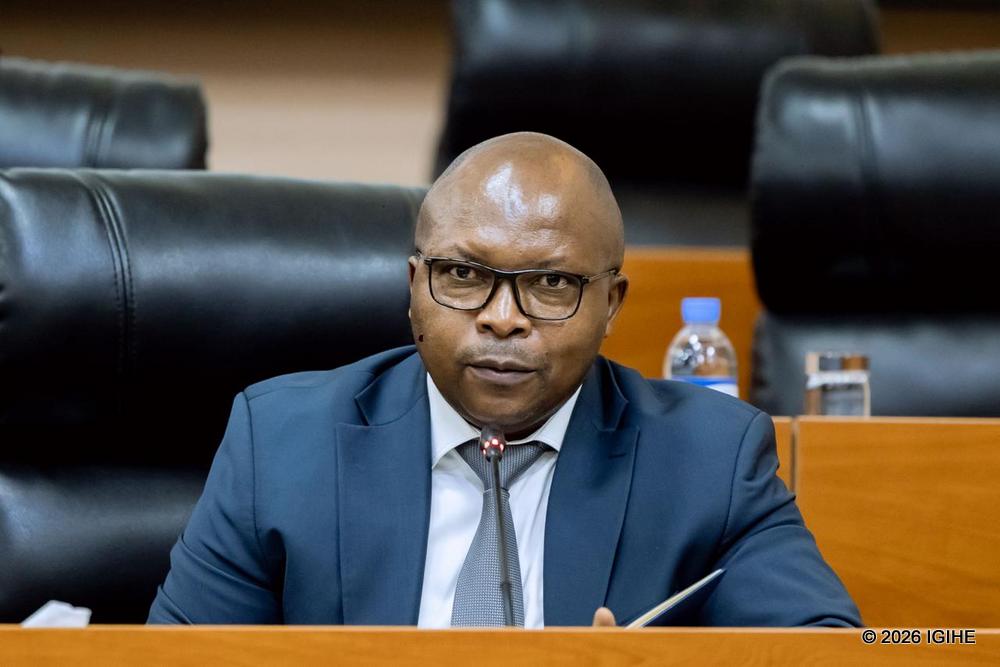
The minister made the remarks on January 19, 2026, during a discussion with senators on the progress of the livestock sector in Rwanda.
He said developing livestock farming requires increasing the volume of animal feed produced locally, which would help lower prices and reduce reliance on imports.
The government is continuing to invest in livestock development, including cattle, small livestock, and aquaculture, with the goal of increasing overall production.
Farmers are being supported to access improved breeds. In cattle farming, particular emphasis is being placed on increasing the number of improved breeds that produce higher milk yields and quality meat.
To accelerate the spread of improved breeds, the government plans to introduce advanced livestock technologies, including embryo transfer, which allows cattle to reproduce using transferred embryos.
Fish production is projected to rise from 52,000 tonnes in 2025 to 77,000 tonnes by 2029, while egg production is expected to increase from 17,000 tonnes in 2024 to 21,000 tonnes.
Dr. Ndabamenye stressed that growth in livestock numbers must go hand in hand with increased availability of affordable animal feed.
“Some of the inputs used in animal feed are sourced locally, but others are imported. To close this gap, we must strengthen local supply so that imports are reduced,” he said.
He noted that imported feed inputs often push prices up due to transport and other costs, making them unaffordable for many farmers.
Although Rwanda already has animal feed processing plants, the minister said many are operating far below capacity and need to be strengthened to meet national demand.
“Most of them operate at only between 32% and 60% of their capacity. That is not satisfactory if we want to ensure sufficient animal feed,” he said.
He added that while some raw materials may still need to be imported, the volumes can be significantly reduced. The government is pursuing two major strategies: increasing crop production—since agriculture must feed both people and livestock—and strengthening collaboration with the private sector to improve efficiency in feed production.
According to the minister, enabling feed factories to operate at 80% to 90% of their capacity would significantly boost output. He also pointed to the importance of establishing storage facilities across the country for raw materials destined for animal feed processing.
Industrial animal feed production largely relies on by-products from maize, soybean, sugarcane, and other agro-processing industries.
Rwanda aims to ensure these by-products are properly stored and sold domestically, instead of being exported and later re-imported in the form of expensive animal feed.
Figures from the Ministry of Agriculture and Animal Resources (MINAGRI) show that maize by-products amounted to 38,044 tonnes in 2024 and are expected to reach 70,560 tonnes by 2029.
Rice by-products are projected to rise from 859,516 tonnes to 1.3 million tonnes over the same period, while sugar industry by-products are expected to increase from 2,726 tonnes to 7,098 tonnes.
“We want a system that ensures farmers have access to sufficient animal feed,” Dr. Ndabamenye said. “We are working to improve investment frameworks and ensure that industrial by-products are channelled back into livestock farming, while strictly observing quality standards—because poor-quality feed leads to losses.”
Senator Pelagie Uwera and Senator Dr. Leatitia Nyinawamwiza highlighted that the quality of animal feed remains a major concern and called for stronger oversight to ensure standards are met.
With few restraints, Trump’s presidency has become an example of executive authority being pushed to its limits, reshaping government operations and asserting U.S. dominance on the global stage.
Since assuming office on January 20, 2025, Trump has pursued aggressive actions on a number of fronts. At home, he has enacted sweeping changes to the federal government, significantly reducing the federal workforce and pushing forward with the deportation of immigrants through executive orders.
His administration has also closed or scaled back several government agencies, a move that has been praised by his supporters but criticized by many who see it as weakening critical public services.
Trump’s domestic policies have included economic deregulation and the implementation of tax cuts that have stirred debates across the political spectrum.
His administration’s immigration policies, including aggressive border enforcement and the reduction of asylum seekers, have been a cornerstone of his second presidency. His handling of these issues has highlighted his determination to reshape American society according to his vision, despite strong opposition from many quarters.
On the international front, Trump has used his executive powers to make bold moves that have rattled U.S. allies and adversaries alike. One of the most controversial actions has been his renewed efforts to assert control over Greenland, a move that drew ire from Denmark and several European countries.
Trump’s foreign policy has been characterized by unilateral actions, including a military operation in Venezuela to capture President Nicolás Maduro, signaling a more aggressive stance in Latin America. These bold actions reflect Trump’s ongoing belief that the U.S. should assert its dominance, even at the cost of alienating traditional allies.
While Trump’s policies and executive orders have had substantial impact, they have not been without controversy. His approval rating has fluctuated, with recent polls showing a dip in support, as critics raise concerns over the erosion of checks and balances.
Trump has faced opposition from Democrats who argue that his actions threaten the balance of powers enshrined in the U.S. Constitution.
However, his loyal Republican base continues to back his strong use of executive authority, which has ensured little pushback from Congress, where the Republican Party remains in control.
Trump’s first year has also raised concerns about the future of U.S. democracy and the separation of powers. Critics argue that Trump’s expanding use of presidential powers from military decisions to trade policies and immigration reforms could set dangerous precedents for future administrations.
Trump’s critics in the U.S. House of Representatives have even hinted at possible impeachment should the Republicans lose control of Congress in the upcoming midterm elections.
Looking forward, President Trump’s second year in office will likely continue to push the boundaries of presidential power, as he faces growing challenges both domestically and abroad.
However, the question remains: will Congress, the courts, or the public find ways to rein in his authority, or will Trump’s executive reach continue to shape the U.S. for years to come?
The COEWG is a quadrennial forum that brings together Troop and Police Contributing Countries (TPCCs) and the UN Secretariat to deliberate on issues related to equipment and supply in UN field missions.
This year’s forum of the COE Working Group runs from January 19 through 30. It will also review and update the Contingent-Owned Equipment (COE) Manual, as well as equipment and personnel reimbursement rates.
In his statement during the opening session, the Defence and Military Adviser of Rwanda to the UN, Col Deo Mutabazi told delegates that the COEWG 2026 comes at a time when peacekeeping operations are at crossroads due to a serious liquidity crisis leading to personnel and COE cuts and less predictability for the future.
Col Mutabazi reminded the delegates that the fruitful COEWG reflects Member States’ renewed commitment to making peacekeeping more adaptive and responsive to existing challenges and emerging realities in the maintenance of international peace and security.
He emphasized that peacekeeping operations can only succeed when supported by predictable, adequate, and sustainable financing, as enshrined in the Pact for the Future.
Regarding expectations, Col Mutabazi underscored the need for practical solutions to pressing issues such as COE rotation, ammunition replenishment, and reimbursement rates for deployed capabilities, particularly in the context of high demand and a disrupted global supply chain.