Residents of Ngoma Village, Cyangungu Cell, Kamembe Sector, Rusizi District, are particularly grateful for the initiative.
They have expressed their appreciation to the local leadership, and assured that they will take excellent care of their new homes.
In July 2024, the newly built houses, constructed with fired bricks and cement, were finished and furnished with essential items before being handed over to the residents.
Alphonsine Muteteri is one of the beneficiaries who shared her joy: “On my first night in the new home, I slept so comfortably that I didn’t even notice that it was already morning. I no longer experience the cold and discomfort I was used to,” she said.
She added that the dilapidated structure she was accustomed to and the unconducive living conditions contributed negatively to her performance in her daily chores as a local farmer.
Jeanne Matagata, who lives with her husband and 3 children, also expressed her gratitude.
“I used to live in a house so poor that it felt like a pit. Now, thanks to the government for setting up good places for us to live. Our lives have improved significantly,” she said.
Anne Marie Dukuzumuremyi, the Deputy Mayor of Rusizi District in charge of social affairs, urged the new homeowners to maintain their new homes carefully and ensure hygiene at all times.
The prevalence of these disorders is on the rise, with the World Health Organization (WHO) indicating a 40% increase over the past 30 years globally.
Neurological disorders, which rank second in causing the highest number of deaths globally, include epilepsy, Alzheimer’s and Parkinson’s diseases, stroke, myopathies, paralysis, and many others.
WHO projects that by 2050, the prevalence of these disorders in Rwanda will have doubled.
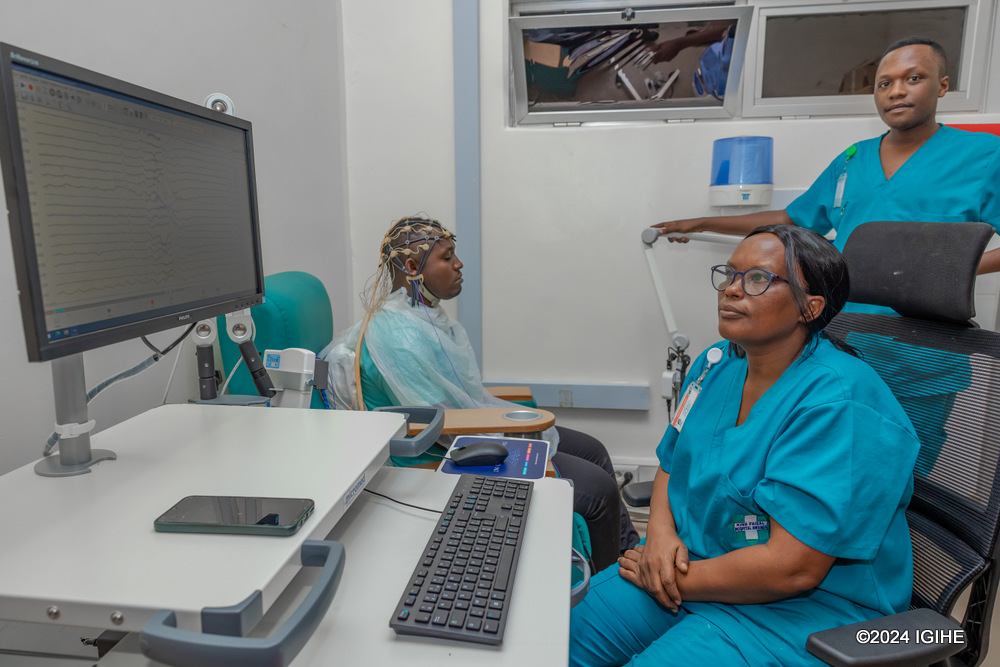
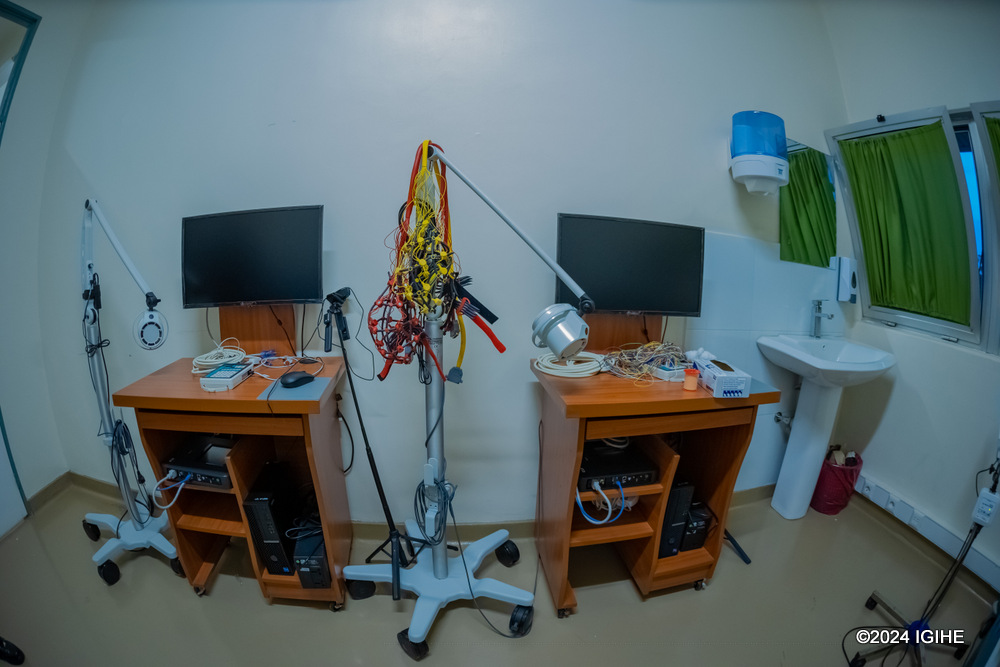
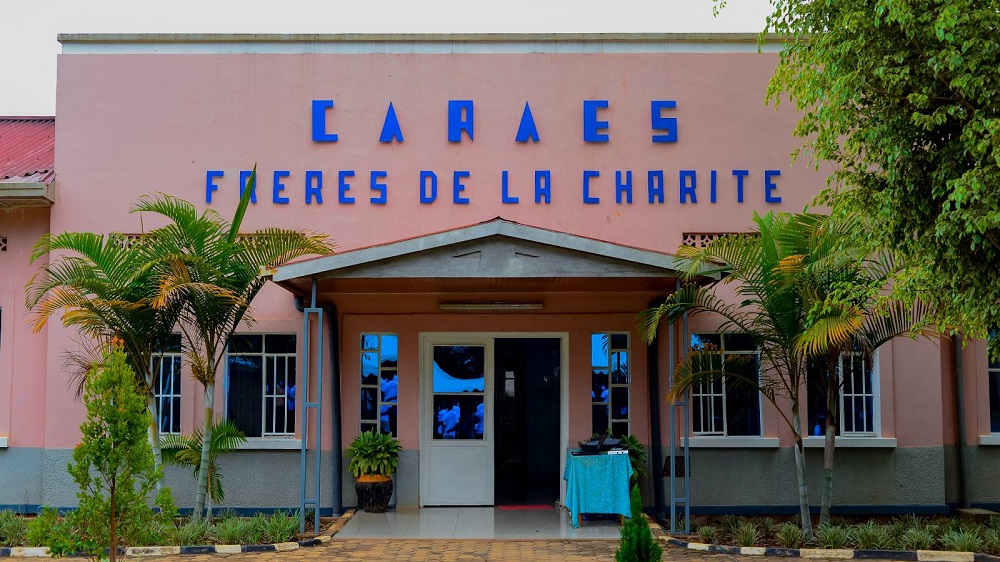
Professional attention to these conditions in Rwanda began less than 20 years ago with the first specialized department established at Caraes Ndera in 2006 and another one at King Faisal Hospital (KFH) in April 2024.
At Caraes Ndera, approximately 70% of patients suffer from neurological disorders, resulting in long wait times for appointments up to five months.
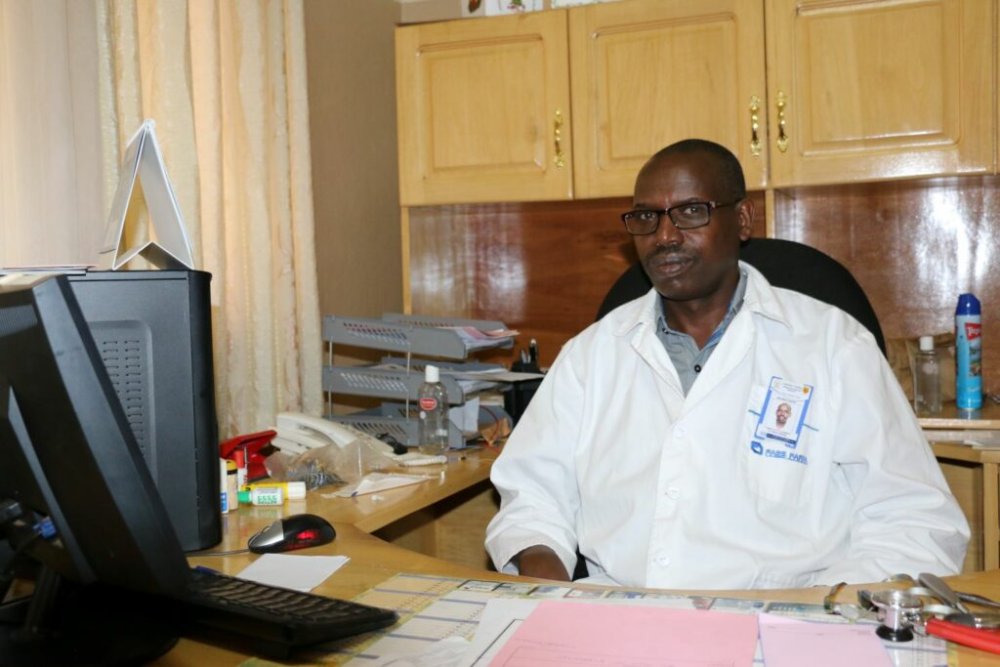
To gain deeper insight into these disorders, their treatment, and Rwanda’s progress in training more specialists, IGIHE engaged Dr. Fidele Sebera, regarded as the pioneer of neurological treatment in Rwanda.
Dr. Sebera, a specialist in treating neurological disorders, introduced this field in Rwanda after undergoing specialized training in Senegal. He studied medicine at the former National University of Rwanda and specialized in neurology in Senegal. For over a decade, Dr. Sebera was the sole specialist in neurological treatment in Rwanda.
“At that time, I started discussions with the Brothers of Charity here in Ndera, who connected me with doctors from Ghent University in Belgium and the medical company Union Chimique Belge (UCB),” he recalls.
Collaborating with them, he arranged for Rwandan doctors to train in Senegal, where he had studied, to increase the number of specialists. Today, there are five such trained doctors.
Considering the growing concerns caused by these disorders, Dr. Sebera planned to sustainably increase the number of specialists.
In partnership with experts from Ghent and UCB, he developed a curriculum for neurology, now taught at the University of Rwanda.
“Currently, we have 11 students. The first cohort is in their second year, with six in their first year and five in their second year. We plan to admit another seven to ten students in the upcoming academic year (September 2024),” he noted.
There is hope that admitting students annually will provide a sufficient human resource to treat these disorders properly and ultimately neurology studies will deepen roots in Rwanda.
In support of his initiatives, the Government extended a scholarship to Dr. Sebera to study at Ghent University, where he earned a Ph.D. in 2023.
Previously, he had received various medical training, including in brain cancer and the general functioning of the brain, from France and Belgium.
“These services are now available in Rwanda. I initiated them after establishing the neurology department at Ndera,” he says.
Dr. Sebera chose this field because, upon completing general medicine, he noticed a lack of specialized doctors in neurology despite the prevalence of such conditions globally.
His passion was partly driven by observations during internships at various hospitals, where he saw many Rwandans with these disorders being inadequately treated.
“Among my peers, none were interested in specializing in this field because they feared it. That’s when I decided to encourage Rwandans to pursue this field,” he explains.
Neurological disorders are often overlooked and confused with mental illnesses like madness, but Dr. Sebera explains that there is a difference.
He says that neurological disorders have specific causes, such as brain tumors, which can be detected through medical examinations.
“For instance, epilepsy can be diagnosed using radio imaging to identify the cause, unlike other mental illnesses which has no proven cause.
18 years down the road, Dr Sebera admits that patients can now receive proper diagnosis and treatment, with quantifiable improvements in their conditions.
Though the journey is still far from over due to the limited number of doctors, there is a beacon of hope since these disorders are now recognized and people know where to seek treatment.
Factors contributing to these disorders include hormonal imbalance, brain tumors, strokes, and poor eating habits.
Epilepsy, in particular, can be treated successfully if properly diagnosis is made in time, contrary to common myths that it’s as a result of witchcraft or demonic possession.
Dr. Sebera cautions on the abuse of illicit drugs, which significantly impact neurological health, preventing accidents as much as possible, and maintaining overall body health.
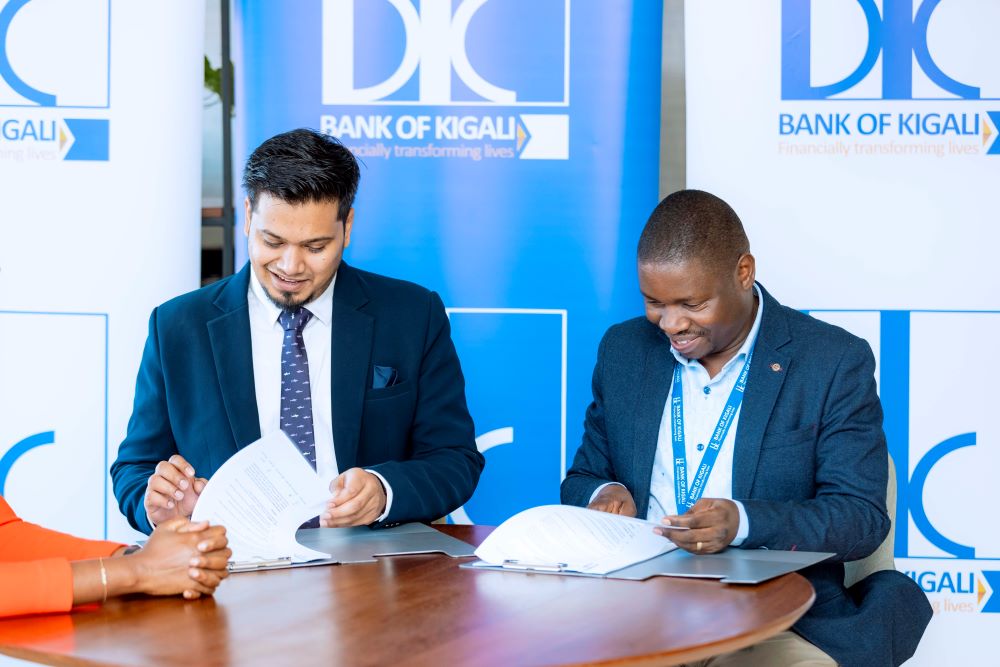
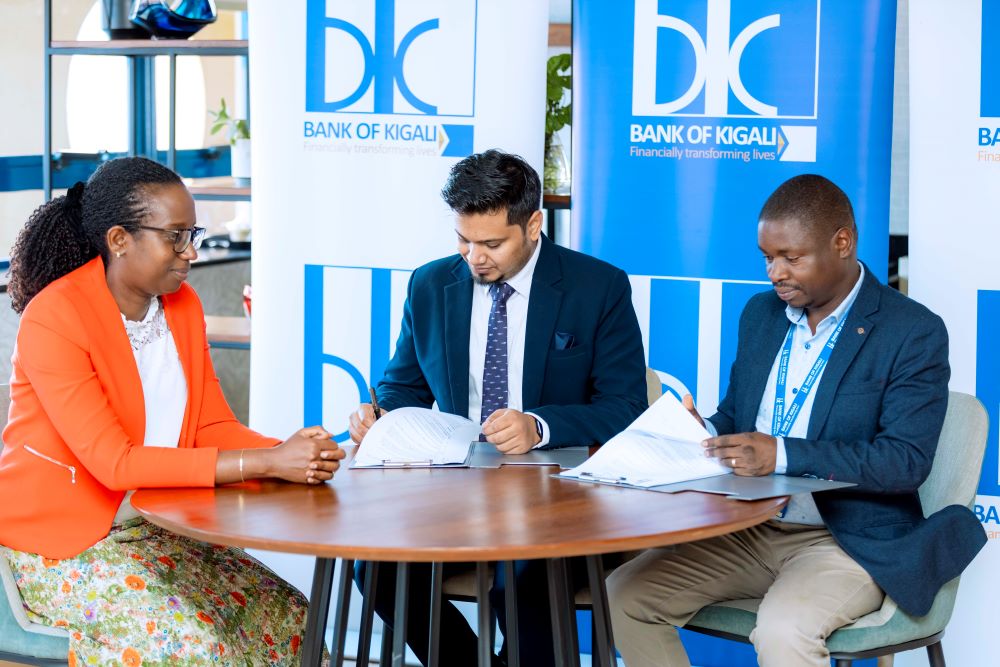
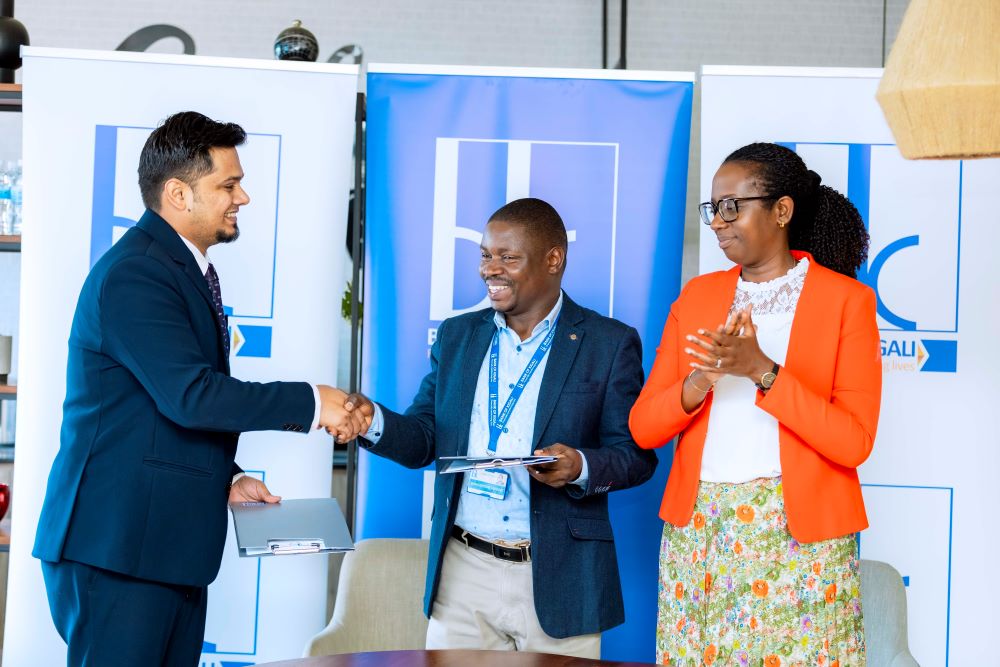
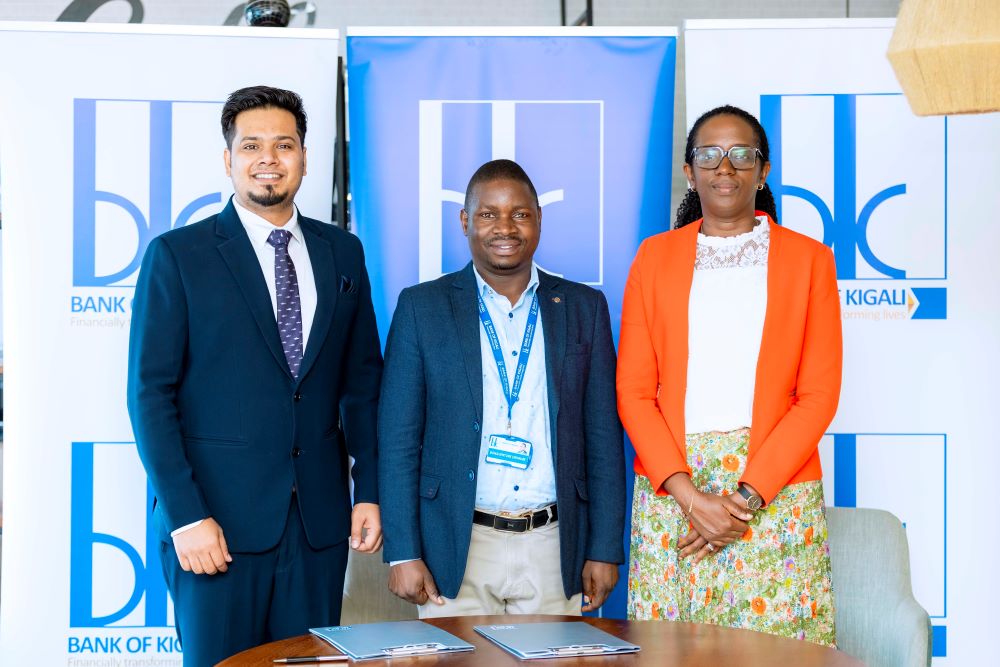
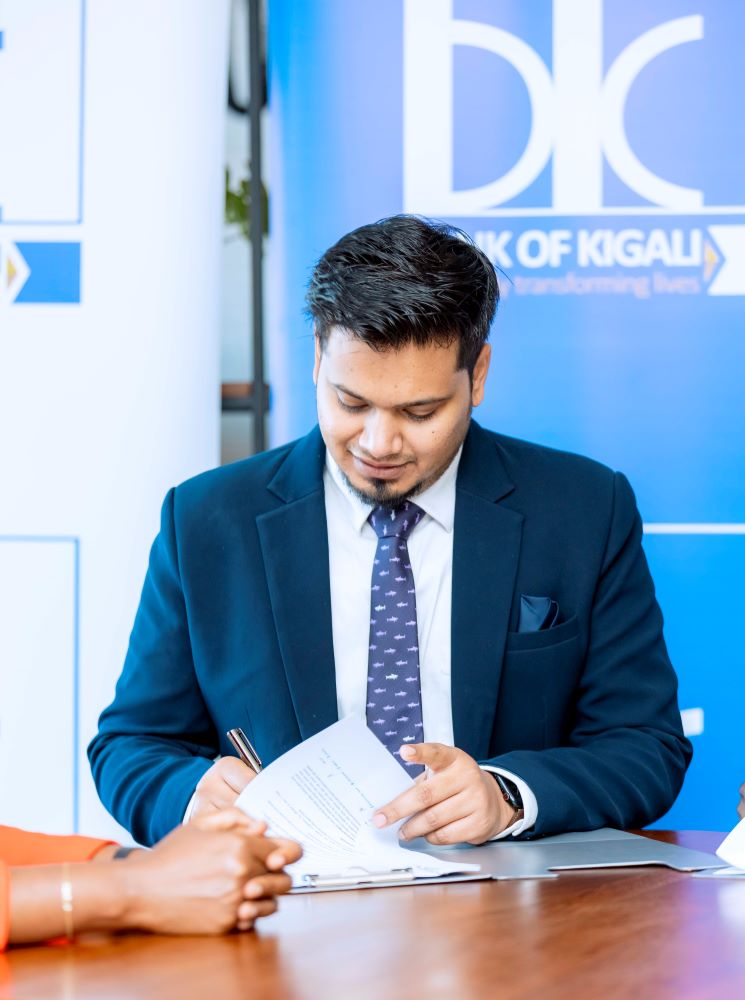
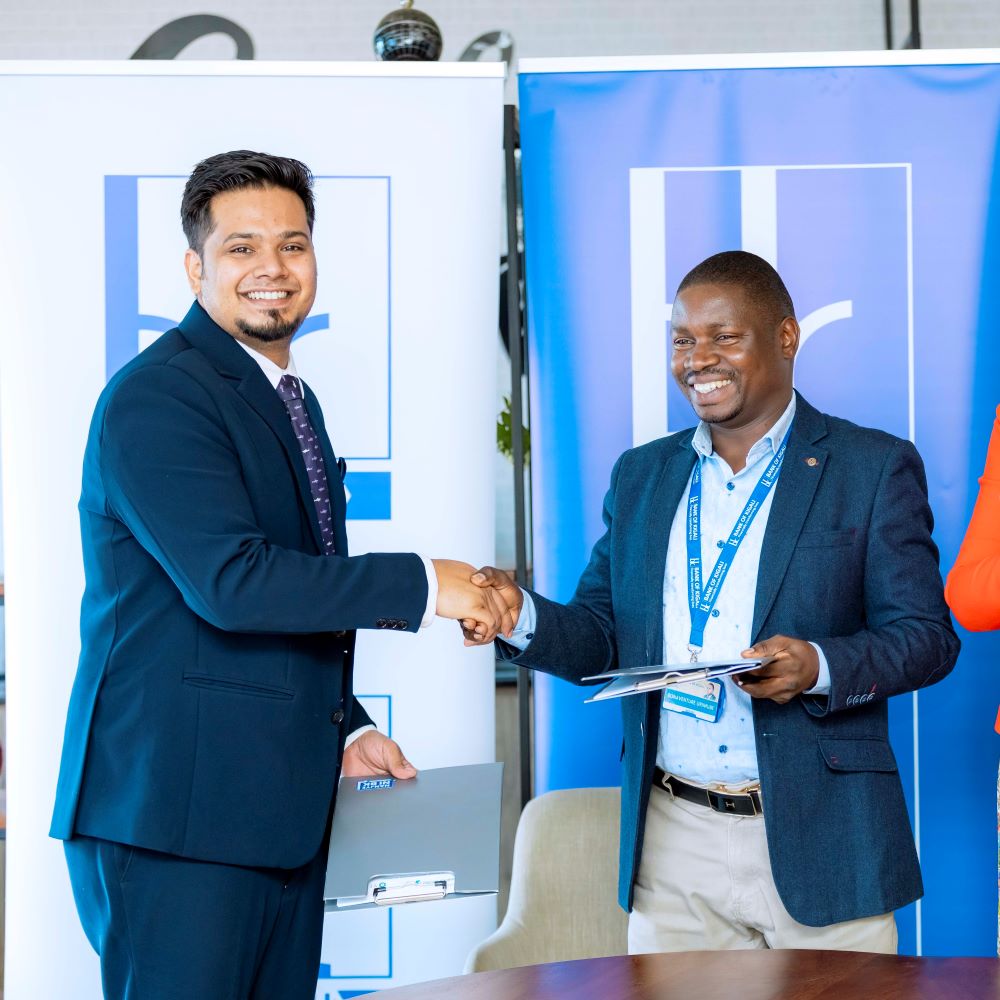
This partnership aims to drive full-scale digital transformation across Corporate, SME, Agribusiness, and Retail segments.
With this collaboration, Bank of Kigali will become the first financial institution in the country to offer a fully digital, hyper-personalized experience to its customers.
Veefin will empower Bank of Kigali with its flagship suite of comprehensive SCF and Digital Lending solutions.
This includes a self-on boarding module available across all channels, automated digital underwriting of loans via the Loan Origination Solution (LOS), and efficient transaction management through the Loan Management Solution (LMS), complemented by an advanced Debt Recovery System.
{{Leadership Insights}}
Dr. Diane Karusisi, CEO at Bank of Kigali explains that this is yet another milestone in the Bank’s digitization journey.
“The partnership with Veefin will help us boost efficiency and improve transparency in our loan processes. Our esteemed clients will be able to apply for any credit product using BK digital channels and will enjoy faster turnaround times,” she said.
Raja Debnath, Managing Director, Veefin Solutions said “Bank of Kigali’s decision to partner Veefin’s advanced SCF and Digital Lending solutions underscores their commitment to innovation.
Africa and especially Rwanda is at the epicentre of technological adaptation and innovation, multiple banks in the region have shown significant interest in implementing Veefin’s solution, reflecting a broader trend towards adopting cutting-edge financial technologies to efficiency. Our partnership with Bank of Kigali will set new benchmarks in the continent for other lenders to follow”
{{About Bank of Kigali Plc}}
Bank of Kigali, established in 1966, is Rwanda’s leading financial institution dedicated to driving the nation’s economic growth.
Through its wide range of banking services catering to individuals, small and medium enterprises (SMEs), agribusinesses and corporate customers, the bank has played a pivotal role in fostering economic resilience, innovation and community development.
To meet the evolving customer needs, the bank embarked on a digital transformation journey and has set an ambition to become a leader in innovation and financial inclusion.
Bank of Kigali has been frequently recognized as the best bank in Rwanda by Global Finance Magazine, Euromoney and The Banker.
These accolades reflect our unwavering commitment to customer centricity and excellence in the banking sector.
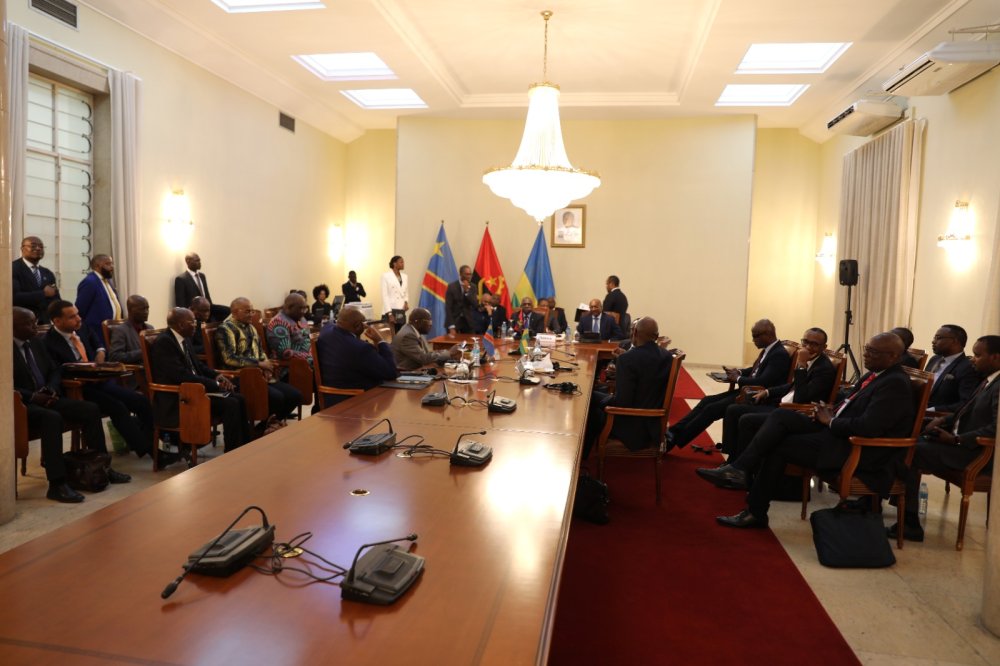
The delegations last convened in Angola in March 2024, where they reached several resolutions, including the cessation of hostilities between the DRC’s armed forces and the M23 rebel group, which has been central to these conflicts, in order to restore security in the North Kivu province.
A statement signed by the foreign ministers of both countries at the time, called for mutual trust and the sharing of intelligence information to prevent any security threats to Rwanda and the DRC.
The DRC delegation agreed to present a plan to dismantle the FDLR rebel group in a subsequent meeting that was scheduled for April 2024.
It was agreed that if the DRC follows through on its commitment to dismantle the FDLR, the Rwandan government would also take measures to ensure Rwanda’s security.
However, shortly after these talks, Christophe Lutundula, the DRC’s Minister of Foreign Affairs, told reporters in Kinshasa that he and his government officials were unaware of the FDLR’s exact location, casting doubt on their willingness to fulfill their commitment.
The FDLR, which Lutundula claimed could not be located, is reportedly collaborating with the DRC’s armed forces in the fight against the M23, as corroborated by a UN Group of Experts report containing evidence and testimonies from Congolese soldiers.
The planned talks for April 2024 did not take place. However, both parties continued to communicate with the mediator, Angola, regarding the implementation of resolutions made since the first Luanda summit in 2022.
Although not part of the Luanda talks, in early July 2024, Rwanda’s Minister of Foreign Affairs and Cooperation, Amb. Olivier Nduhungirehe, and State Secretary for East African Community Gen (Rtd) James Kabarebe met with DRC’s Deputy Minister of Foreign Affairs, Gracia Yamba Kazadi, in Zanzibar, Tanzania.
Amb. Nduhungirehe explained that during their meeting, held on the sidelines of an East African Community retreat, both parties agreed that resuming the Luanda talks promptly was essential to finding a lasting solution to the conflicts between both countries.
In March 2024, it was anticipated that the April talks would prepare for a meeting between Rwandan President Paul Kagame and DRC President Félix Tshisekedi, facilitated by Angola. Both presidents had agreed to meet face-to-face.
A statement released by the Prime Minister’s office on Sunday, July 28, indicated that the two leaders discussed their mutual commitment to addressing illegal migration.
“They acknowledged that illegal migration remains a pressing global challenge and emphasized the importance of dismantling the business model of criminal gangs profiting from human suffering,” the statement reads in part.
Illegal migration was a major challenge for the previous administration of Rishi Sunak and his predecessors in the Conservative Party. It remains a significant issue for the new administration as well.
Early this month, Starmer announced that he was terminating the UK-Rwanda Migration and Economic Development Partnership.
The agreement, signed in December 2023, stipulated that asylum seekers arriving illegally in the UK would be transferred to Rwanda, where their claims would be processed.
In response to the intention to terminate the deal, the Rwandan government highlighted its adherence to the agreement.
“Rwanda has fully upheld its side of the agreement, including with regard to finances, and remains committed to finding solutions to the global migration crisis,” said the office of the Government Spokesperson.
With the new leadership in the UK, the future of migration policies and international partnerships remains uncertain. However, the commitment demonstrated by both Starmer and Kagame to address global challenges collaboratively sets a hopeful tone for ongoing and future cooperation between the two nations.
Issues involved include some loan recipients complaining of being tasked to repay amounts higher than what they originally borrowed and others who have completed repayments but still appear on the debtors’ lists.
According authorities, some people have even been listed as debtors without ever having applied for a loan.
Wilson Rurangwa, the Head of the Education Department at BRD, told IGIHE that periodic audits have revealed that some employers continue deducting loan repayments from employees’ salaries without remitting these funds to BRD.
“There are cases where employers deduct loan repayments from employees’ salaries but keep the money instead of transferring it to BRD. This has been observed for several months in some instances,” he said.
Rurangwa implored individuals who still appear on debtors’ list s despite having repaid their loans to approach BRD for correction and possible refunds if overpayments are identified.
He pointed out that some institutions deduct repayments from employees’ salaries without notifying BRD, leading to discrepancies in records.
An audit conducted on of 28 companies operating in Rwanda indicates that none complied with regulations for loan repayment collections, which contributed to the errors in the system.
Initially managed by the Ministry of Education since 1980, the responsibility shifted in 2008 to the Students Financing Agency of Rwanda (SFAR).
In 2013, after merging institutions under the Ministry of Education, SFAR was integrated into the Rwanda Education Board (REB) as a department responsible for student loans.
Some of these disparities stem from loans granted over 20 years ago but BRD lacks detailed records on repayments because these transactions were handled by other entities without proper documenting.
Rurangwa says that BRD is actively compiling reports from these institutions to update records and clear debts where possible.
Based on the existing structures, students who have or intend to apply for loans from BRD are required to open accounts with BRD Minuza, a platform created to make student loan services easily accessible.
The accounts help individuals monitor deductions from their salaries and ensure accurate remittance to BRD.
In case excess detections are made, the extra amounts are refunded. So far, Rwf300 million has been refunded to individuals who were overcharged.
Individuals with concerns about their loan repayment processes are encouraged to contact BRD for further assistance by calling 3288.
Between 2016 and 2023, BRD has disbursed over Rwf370 billion in scholarships and loans to more than 96,000 students in universities and higher learning institutions.
The Rwandan government began providing direct student loans in 1980, and in 2016, BRD was selected as the channel through which the process would be sustained.
The institution was handed the responsibility to offer these loans and collect outstanding debts amounting to Rwf70.9 billion from previous recipients. BRD has since recovered over Rwf31 billion.
President Kagame won the presidential election held on July 14-15, 2024, with 99.18% of the vote, defeating Dr. Frank Habineza of the Green Party, who received 0.50%, and Philippe Mpayimana, who garnered 0.32%.
Following the election victory, Sheikh Mohamed joined other world leaders in extending his wishes for President Kagame’s continued success in advancing Rwanda’s development. He acknowledged Rwanda’s remarkable progress in lifting its citizens out of poverty over the past 30 years.
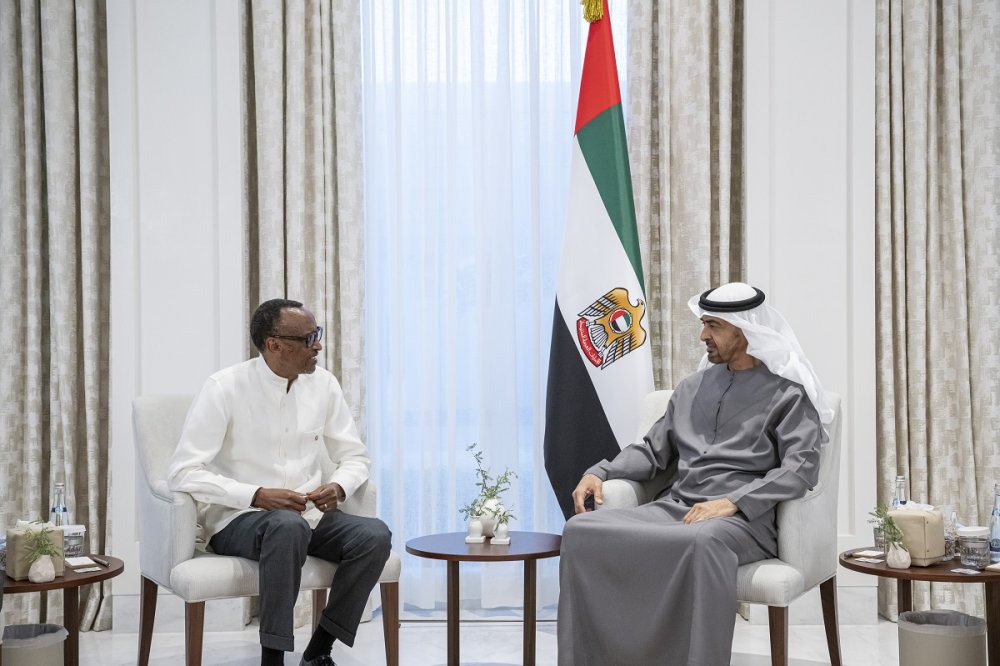
In a phone conversation, Sheikh Mohamed bin Zayed expressed his best wishes for President Paul Kagame’s success in leading his nation and “fulfilling the aspirations of his people for development and prosperity.”
He also underscored commitment to continue working with President Kagame in the coming period to strengthen UAE-Rwandan cooperation at various levels, benefiting both nations.
In response, President Kagame thanked Sheikh Mohamed bin Zayed Al Nahyan for his message and reaffirmed his commitment to further deepen the existing cooperation.
“It was an honor and a pleasure to receive a congratulatory call from my brother and friend President HH Sheikh Mohamed Bin Zayed and I thanked him for his very good wishes,” Kagame posted on his X handle.
“Rwanda remains committed to continue deepening the productive bilateral cooperation with the UAE, and I look forward to further strengthening key areas of partnership between our nations and our people,” he added.
The relationship between Rwanda and the UAE spans multiple sectors, including education, technology, trade, and agriculture. Bilateral trade between the two countries reached $1.1 billion in 2023, a significant contribution largely driven by Rwanda’s exports of vegetables and fruits.
Every week, Rwanda exports over 60 tons of vegetables and fruits to the UAE. In 2022, Rwanda exported goods worth $514.5 million to Dubai while importing goods valued at $143 million from the UAE.
This partnership has also facilitated the increase of exports to other Gulf countries, including Bahrain, Kuwait, Oman, Qatar, and Saudi Arabia.
In March 2024, 26 Rwandan companies were registered to do business in Dubai, and 100 Rwandan companies were offering services through Dubuy.com, a platform by Dubai Port (DP) World that helps deliver products like coffee and tea.
DP World, an Emirati company, manages the Kigali Logistics Platform in Masaka, Kicukiro District, a dry port that stores imported and exported goods before distribution across the region.
RwandAir operats three weekly flights between Kigali and Sharjah, the third-most populous city in the United Arab Emirates.
In 2022, a new initiative was launched to export Hass avocados via sea, strengthening the trade relationship between the two nations even further.
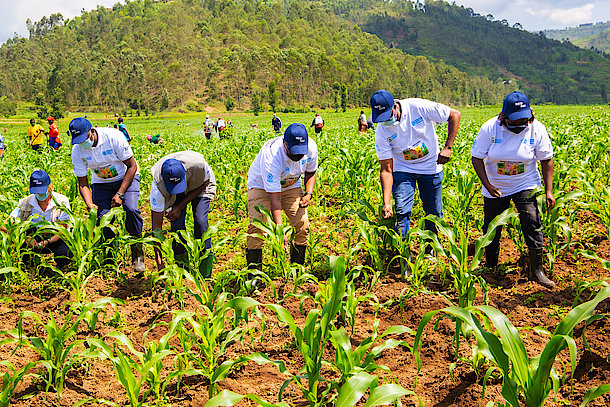
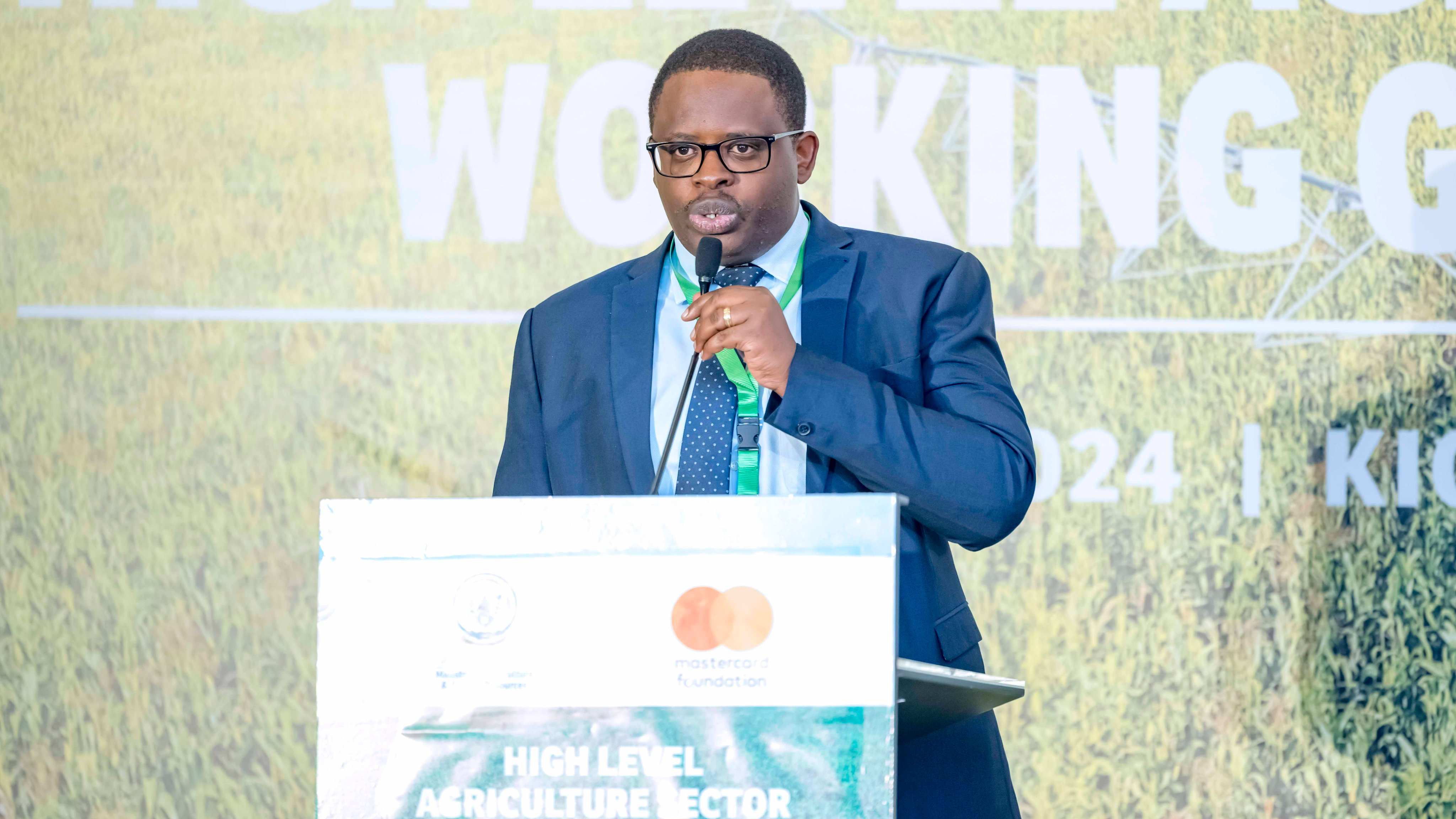
Under the theme “Building Resilient and Sustainable Food Systems,” the exposition serves as a platform for stakeholders to exchange knowledge, explore business opportunities, and foster partnerships that can contribute to the growth and development of Rwanda’s agriculture sector.
According to Dr Olivier Kamana, the Permanent Secretary at the Ministry of Agriculture, the show aims to showcase the latest advancements and technologies in the agricultural sector.
“It offers an unequalled opportunity to leverage the showcasing of agricultural technologies and innovations, access to financial and entrepreneurship opportunities to fast track agriculture sector transformation,” he said in a statement.
The Agrishow has become a flagship event in the agricultural sector, attracting farmers, agribusinesses, policymakers, researchers, and international exhibitors.
This year’s show promises to be bigger and better as it has already started attracting engaging discourse.
Elie Mugisha, a modern farming and communication enthusiast says that sustainable farming and conservation agriculture are some of the issues he is expecting to acquire more knowledge about.
“You will meet expertise in fish farming who are making it a big business nowadays. Do not plan to miss this one,” he said ahead of the event.
The organizers have already received an overwhelming response from exhibitors, with various participants registering for the event so far.
They expect a diverse group of participants from within the region and beyond highlighting the international interest and recognition of Rwanda’s agricultural potential.
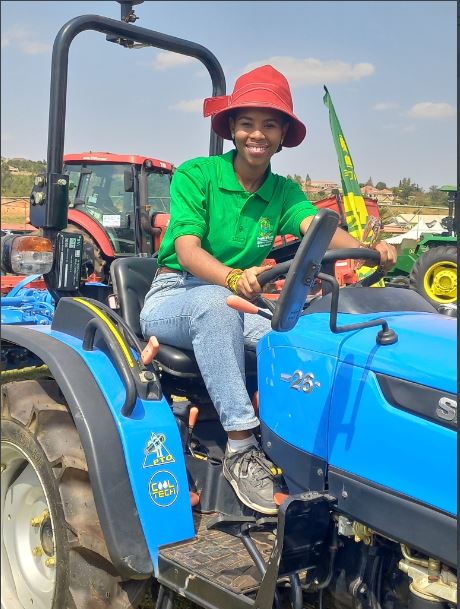
Visitors will expect a wide array of exhibits, including agricultural machinery, livestock, seeds, fertilizers, agro-processing technologies, and innovative solutions for sustainable farming practices.
The show will also feature live demonstrations, expert presentations, panel discussions, and networking opportunities, making it a comprehensive and interactive experience for all attendees.
Farmers, entrepreneurs, researchers, students, and anyone interested in the agricultural sector are encouraged to seize this opportunity to learn, connect, and explore the future of agriculture in Rwanda.
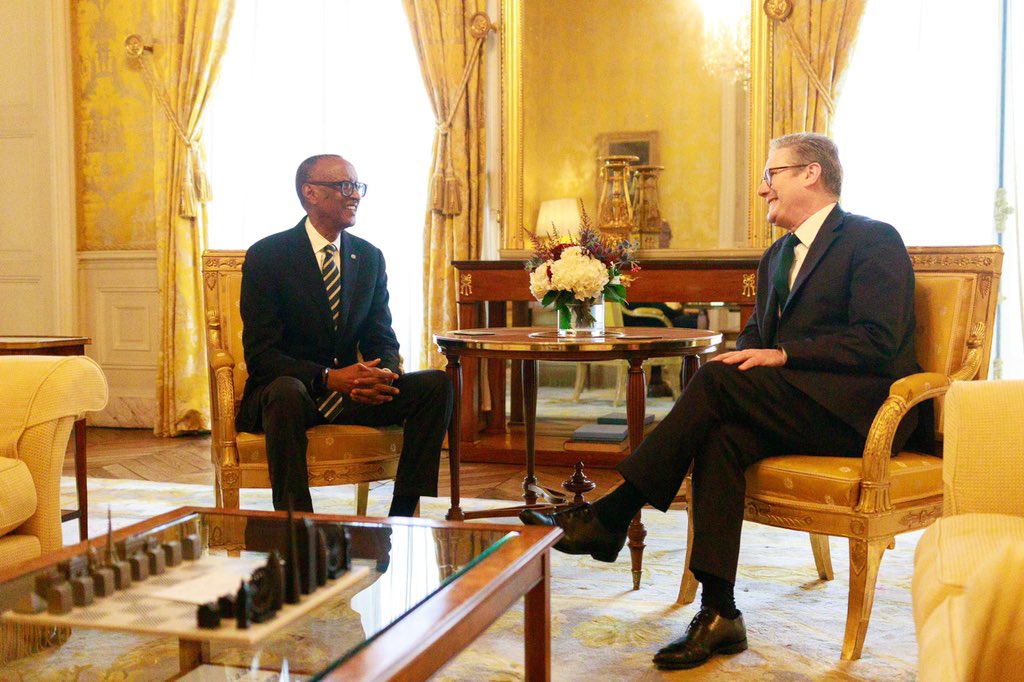
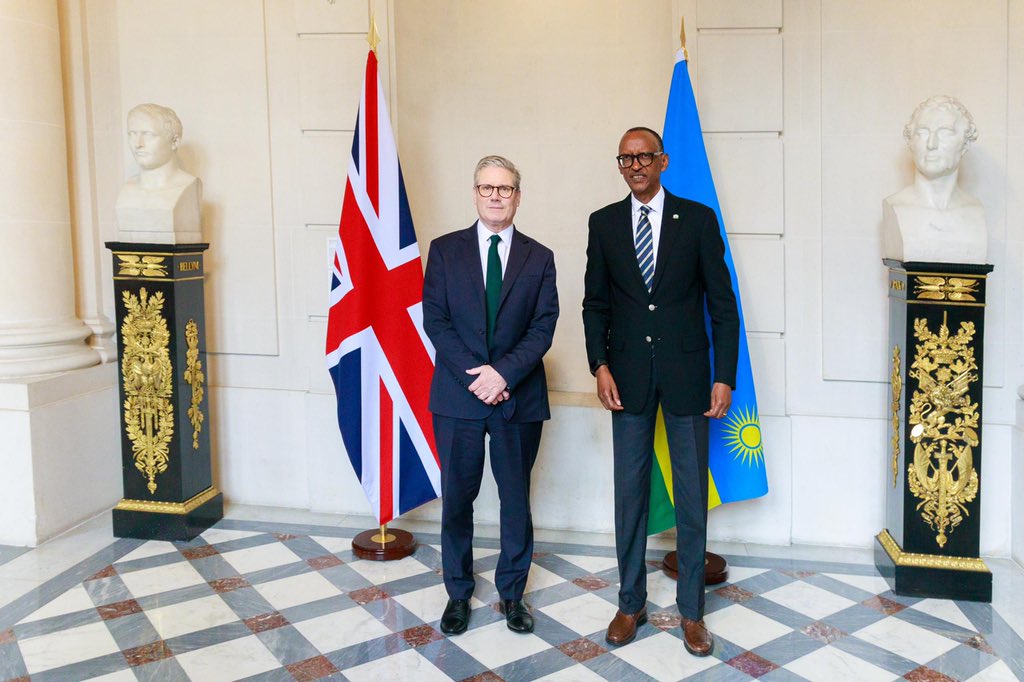
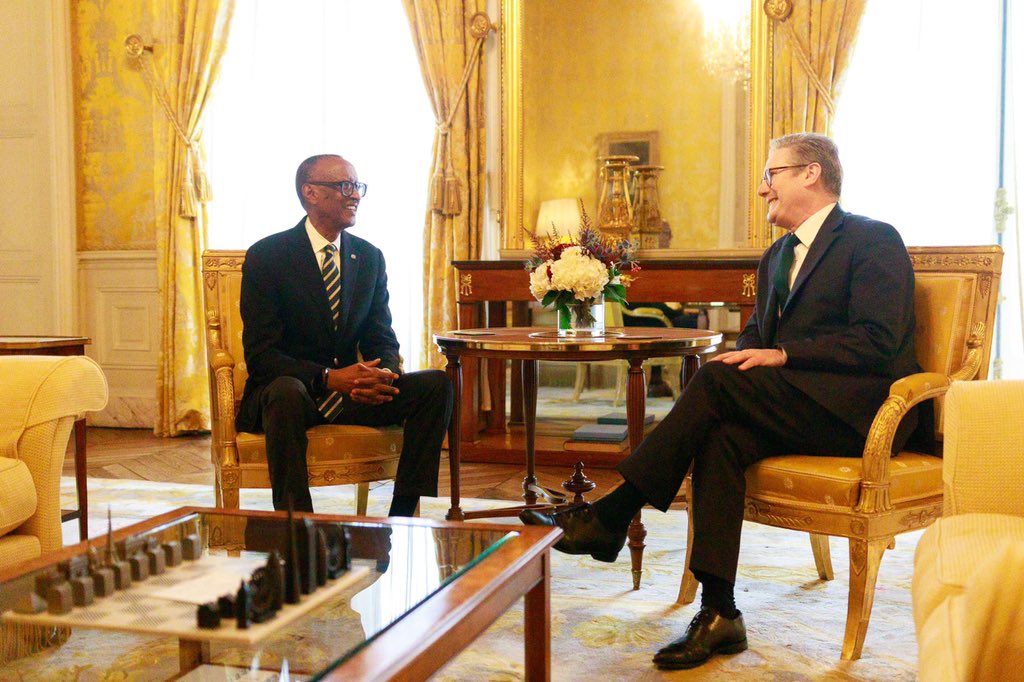
The two leaders met on the side lines of the ongoing Olympics in Paris, France, on Saturday.
In a brief statement, President Kagame said they discussed their shared commitment to fruitful bilateral cooperation, including strengthening partnerships in trade, sports, technology, and environmental protection.
The UK and Rwanda have been developing a strong commercial relationship in recent years, with growing interest in expanding trade volume.
The UK is a leading investor in Rwanda, particularly in the tea sector. More than 150 British companies are registered in Rwanda.
Additionally, the UK government is actively involved in supporting Rwanda’s business environment through initiatives like the Rwanda Investment Climate Reform Program.
{{First Meeting
}}
Saturday’s meeting was the first since Starmer’s Labour Party was voted into government earlier this month, ending the 14-year dominance of the Conservative Party.
Starmer’s ascent to the high office was, however, marked by controversy following his decision to scrap the UK-Rwanda migration deal introduced by the Conservative Party.
The UK-Rwanda Migration and Economic Development Partnership was signed in April 2022. The deal aimed to deter unauthorized immigration, especially people arriving by small boats, by referring the asylum seekers to Rwanda.
The migration scheme was set to kick off in July after a two-year delay occasioned by court battles and opposition from a section of Members of Parliament.
Starmer argued that the policy was neither a deterrent nor value for money. He has pledged to tackle the issue ‘upstream’ by getting rid of people-smuggling gangs behind the movements.
In response to the termination of the deal, Rwanda reaffirmed that it was committed to addressing the global migration crisis despite the setback.
“We remain committed to finding solutions to the global migration crisis, including providing safety, dignity and opportunity to refugees and migrants who come to our country,” the Government said.
Police alongside Uganda People Defence Forces (UPDF) and Joint Anti-Terrorism Taskforce (JATT) occupied Kampala streets starting on Sunday evening in anticipation of massive anti-corruption protests.
The heavy deployment followed days of mobilizing people mostly on X to participate in anti-corruption protests which had been dubbed #MarchToParliament. The forces perceived the anti-corruption protests to be a copycat of what is transpiring in Kenya where Generation Z has put President William Samoe Ruto’s government on tenterhooks.
The police spokesperson, Assistant Commissioner of Police Kituuma Rusoke has now given an update revealing that the first week of the protests expected to be held every Tuesday and Thursday like it is happening in Kenya led to the arrest of 104.
According to ACP Rusoke, between July 22 and July 25, demonstrators attempted to march to Parliament in Kampala, leading to significant police intervention. He said on July 22 nine individuals were arrested and charged with common nuisance and traffic regulation violations, all of whom were taken to court.
“One July 23, a total of 75 suspects were apprehended; 74 were subsequently taken to court, while one remains in police custody. On July 24, three individuals were arrested and charged with common nuisance offenses, all of whom were taken to court,” ACP Rusoke said.
Security has further explained that on July 25, sixteen people were arrested of which 13 were taken to court, and three are still in police security. “Overall, 104 individuals have been arrested during this period, with 100 already taken to court. Among those arrested, 13 had prior criminal charges,” ACP Rusoke said.
President Yoweri Museveni has since dubbed the anti-corruption protests as being bankrolled by foreigners with the intention to destabilize Uganda. He said if the anti-corruption protests were not having hidden intentions, he would have been informed and invited to participate as the chief walker.
According to Museveni, anti-corruption protesters are playing with fire as his regime and security agencies won’t allow anyone to throw the country into anarchy.
Police said mobilization placards that called upon Ugandans to occupy all streets in Kampala as part of their march to parliament was going to result in significant traffic congestion, disruption of trade, and disturbances to public order.
Among those arrested before the protests were Francis Zaake, Hassan Kirumira, and Charles Tebandeke from the opposition National Unity Platform (NUP), along with seven others.