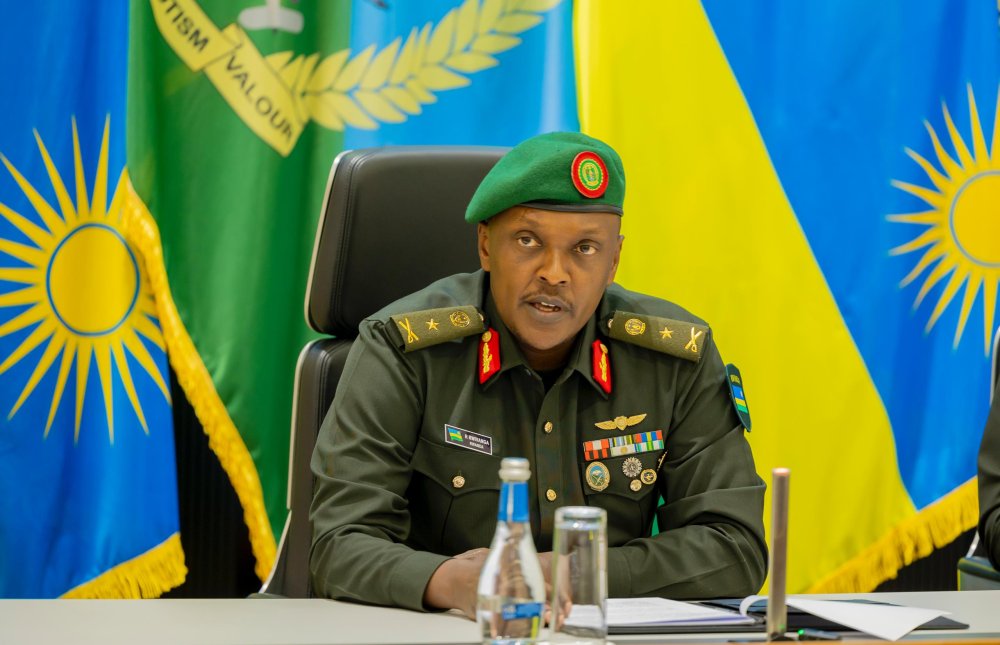
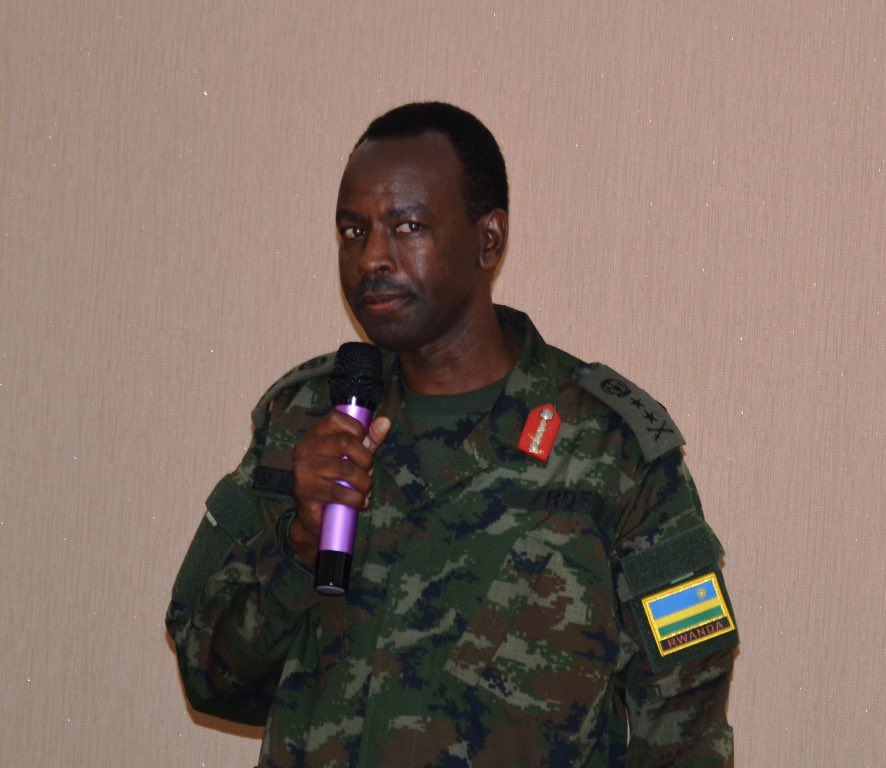
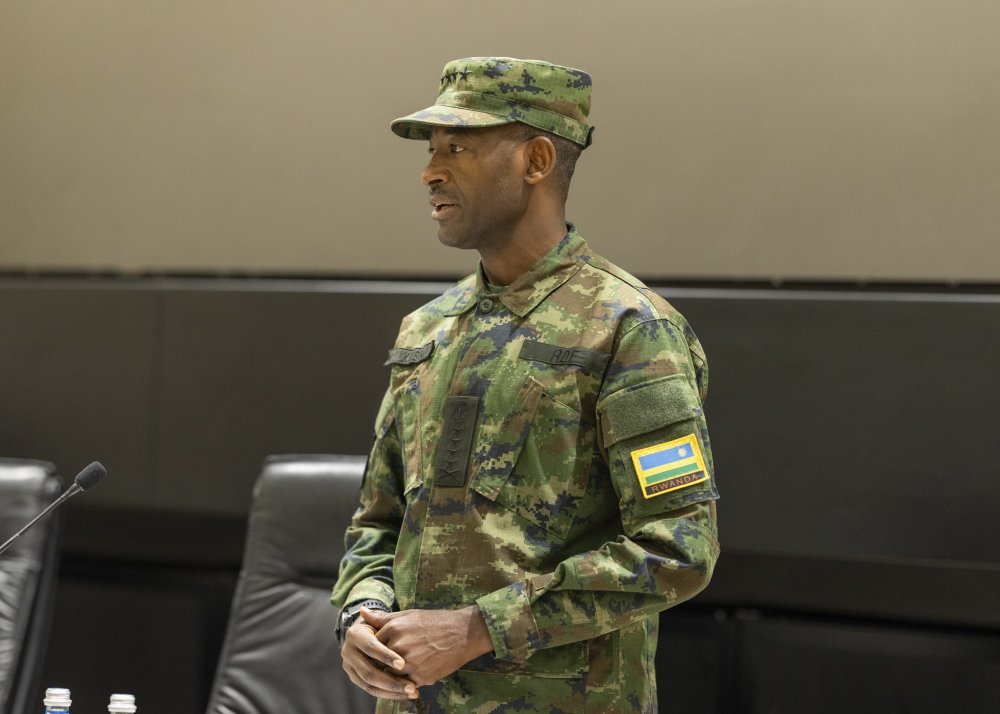
Major General Nzaramba was dismissed for corruption and the misappropriation of funds designated for soldiers’ welfare during his time as Commandant of the Basic Military Training Centre in Nasho.
Similarly, Colonel Dr. Etienne Uwimana was removed for gross misconduct and violating the core ethics and values of the RDF.
Brigadier General Ronald Rwivanga, the RDF spokesperson, underscored the gravity of these offenses, stating, “The RDF has zero tolerance for corruption, gross indiscipline, and misconduct. These dismissals reflect our unwavering commitment to upholding the highest standards within our ranks.”
A statement released by the Rwanda Defense Force early Friday morning indicates that the Head of State also authorized the dismissal and contract termination of 195 other military personnel of various ranks.
Maj Gen Martin Nzaramba was born in 1967 in Mpigi, Uganda, where his family had sought refuge. He once served as the Director of the Nasho Military School.
Col Dr. Etienne Uwimana was a doctor and had served for a long time at the Kanombe Military Hospital. In 2020, he was appointed the head of the department responsible for radiology services at the Kanombe Military Hospital.
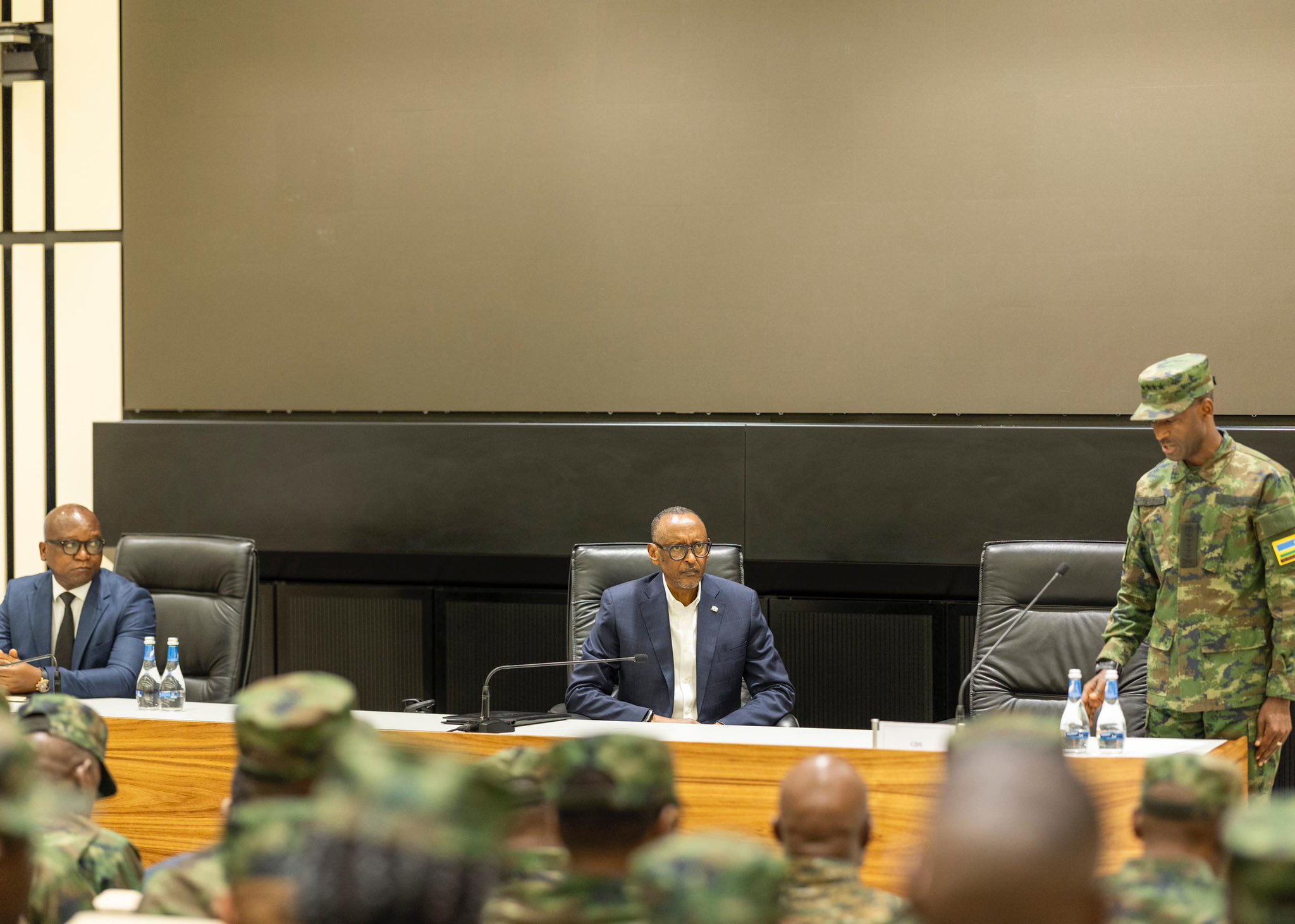
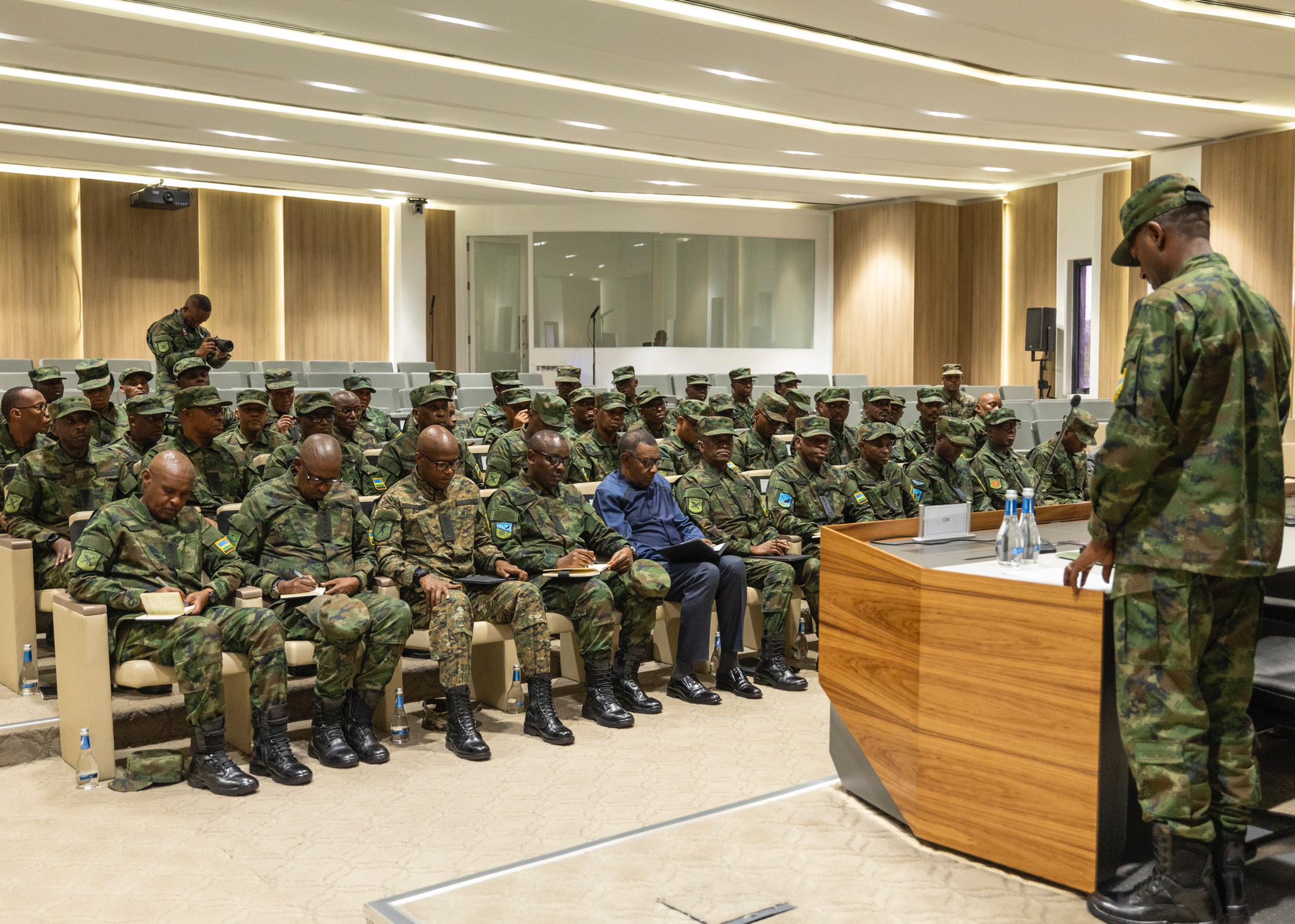
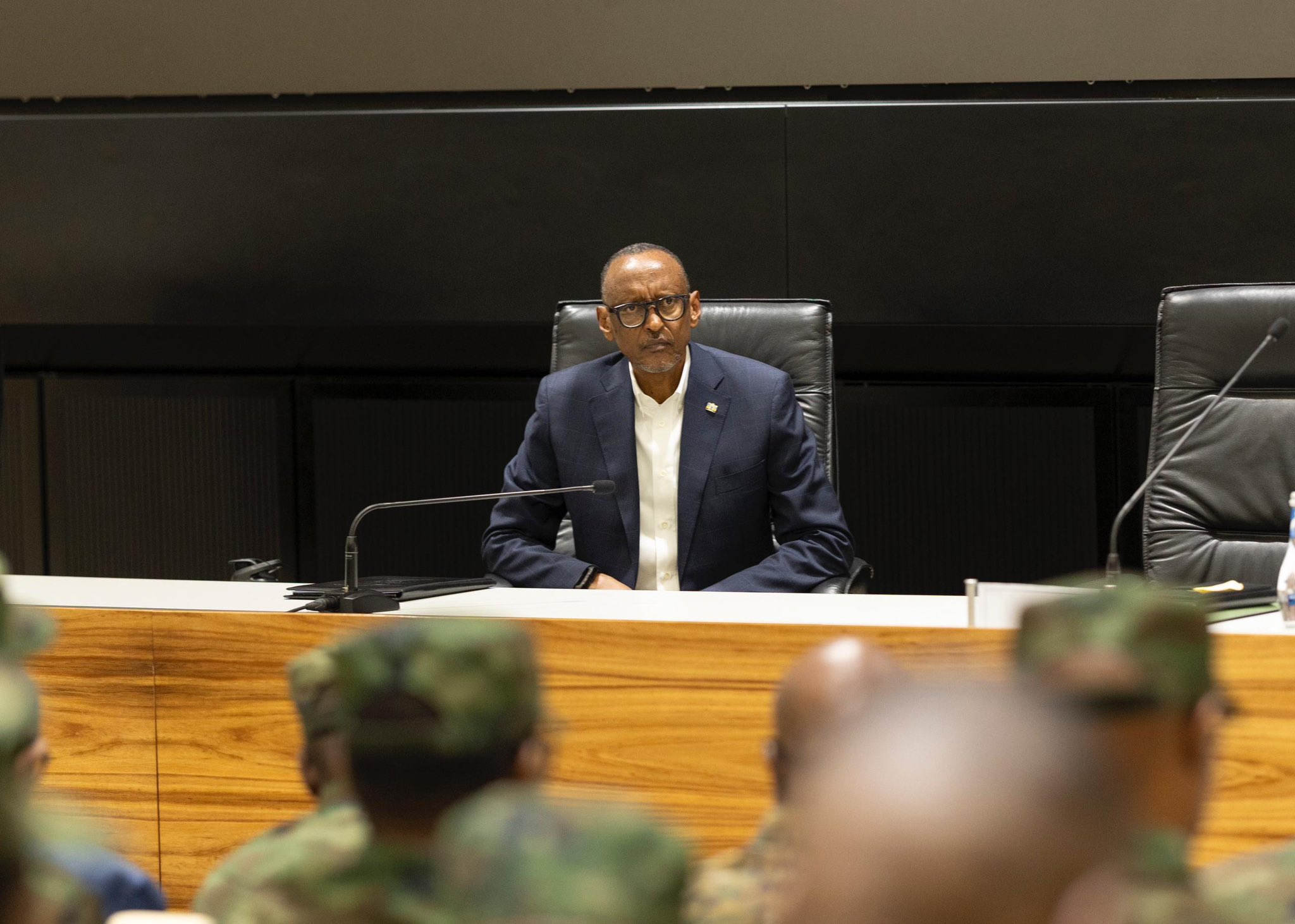
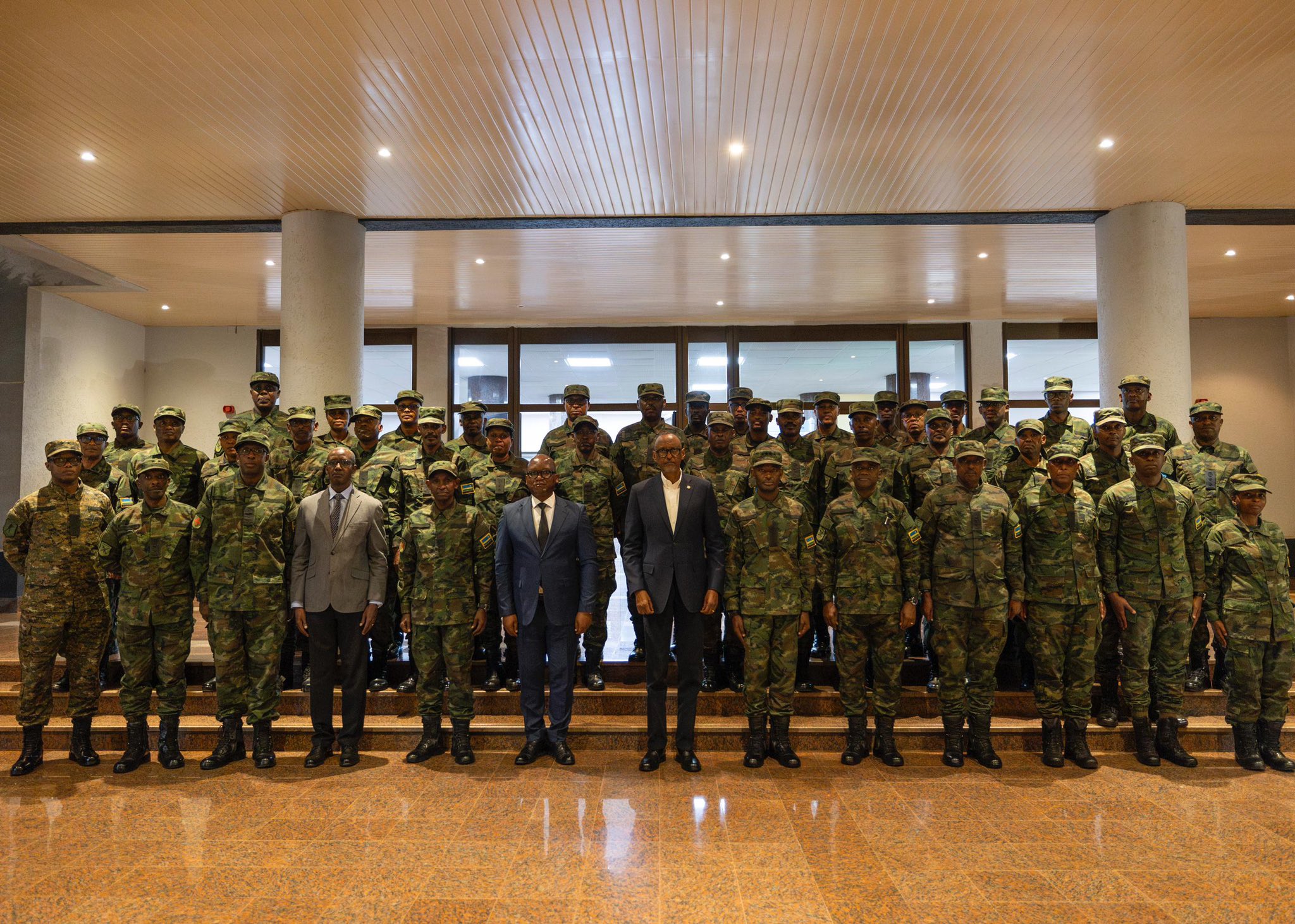
The dismissal came hours after President Kagame met with senior officers of the Rwandan army to [discuss the country’s peace and security priorities->https://en.igihe.com/news/article/president-kagame-meets-senior-rdf-officials-to-discuss-national-security].
The reasons for the dismissal of these senior officers were not disclosed. However, RDF regulations stipulate that any individual who engages in activities that undermine the integrity of the military profession, including extreme drunkenness or conduct that discredits the military and warrants prosecution in military courts—such as drug use, theft, and other offenses—can be dismissed.
Among the reasons that can lead to a soldier’s dismissal from the military are serious violations of military values.
These include failing to uphold the values that define the Rwanda Defense Force, such as respecting military authorities. A soldier found guilty of corruption, divisionism, intrigue, forming factions, or other misconduct may also be dismissed.
Contract termination in the military occurs when the employer determines that there is no reason to continue honouring the contract, especially due to improper behaviour.
President Kagame regularly meets with senior officers to address Rwanda’s security, as safeguarding the nation’s sovereignty is one of his key responsibilities. Thursday’s engagement involved RDF generals and other high-ranking officials in the Rwandan army.
Rwanda’s security is well-assured, although there have been attempts by certain individuals to destabilize it, efforts that have ultimately failed.
The eastern region of the Democratic Republic of Congo (DRC) poses a significant threat to Rwanda’s security, as it harbours the FDLR, a terrorist group composed of individuals who perpetrated the 1994 Genocide against the Tutsi in Rwanda.
This group is supported by the Congolese government, and President Felix Tshisekedi once hinted at launching an attack on Rwanda, underscoring the intentions of those who wish to disrupt Rwanda’s security, though they have not succeeded.
This region has also been exploited by those seeking to undermine Rwanda’s security, given that it is an area where the Congolese government lacks governance capacity, resulting in the formation of multiple criminal groups. These conditions have made it an attractive location for those wishing to form groups aimed at destabilizing Rwanda.
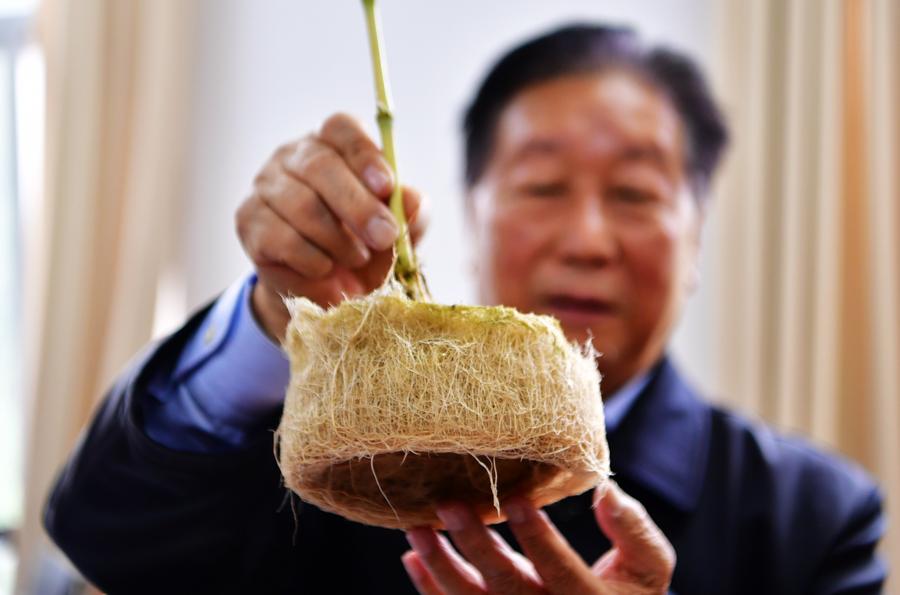
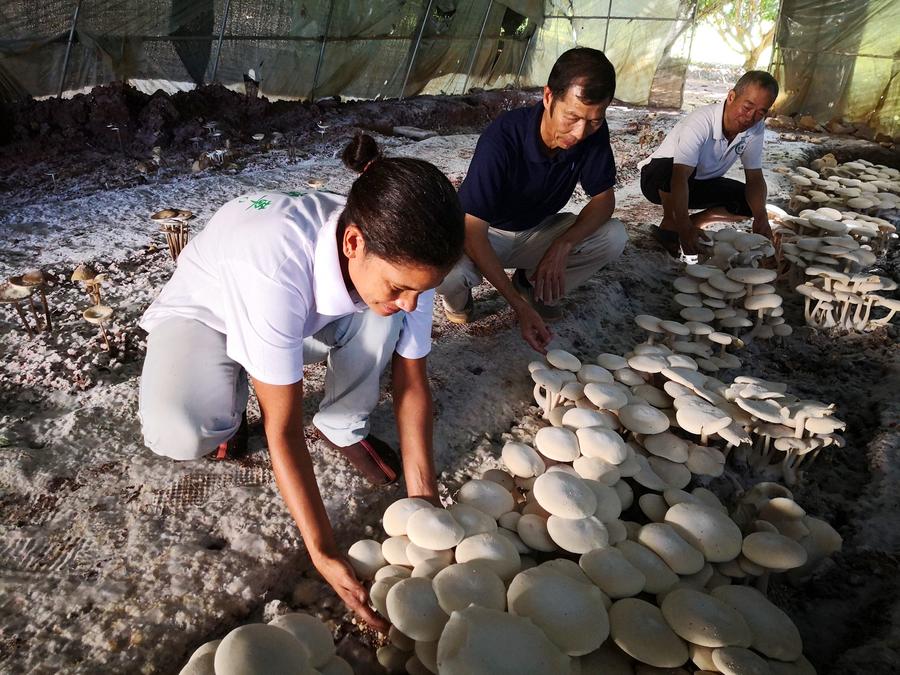
Joining the celebration was Professor Lin Zhanxi. Since the 1980s, the octogenarian scientist has led a research team on Juncao technology in China’s southeastern Fujian Province. The hybrid grass technology enables fungi to grow on grass-based substrates instead of felled trees, a solution to the mushroom industry’s threat to forests.
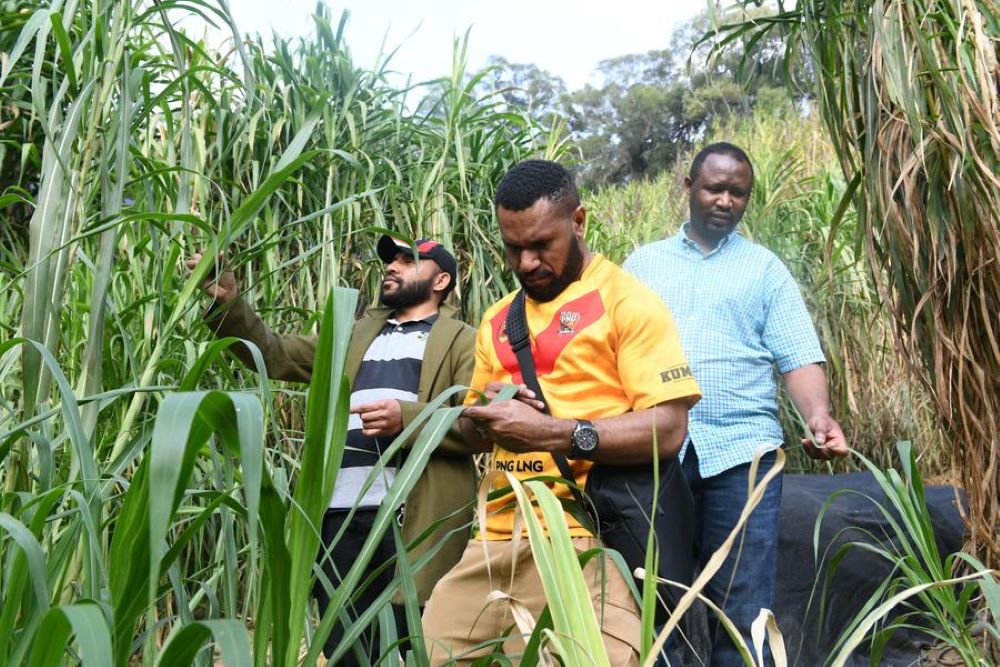
The plant’s name means “mushroom” and “grass” in Chinese. Its versatility is a key feature, allowing it to grow edible mushrooms, provide livestock feed and help battle desertification.
Thanks to the active and visionary promotion by Chinese President Xi Jinping, Juncao is thriving in and beyond China, improving livelihoods and fostering sustainable development in developing nations across the Asia-Pacific, Africa and Latin America.
{{A way out of poverty}}
Before known as “the father of Juncao,” Lin grew up in the impoverished rural mountains of Fujian. His personal experiences with poverty profoundly shaped his commitment to Juncao technology.
After decades of work, Lin and his team succeeded in selecting and breeding a type of high-yield, drought and salinity-resistant herbaceous plant that can be used as a substitute for wood to grow edible and medicinal mushrooms.
At the ninth Aid-for-Trade Global Review Conference held by the WTO in Geneva in June, Lin reflected on how Juncao technology began its global journey. It was back in 1992 when Lin first presented Juncao to widespread acclaim at an international exhibition on inventions, also in Geneva. There in Switzerland, Lin received many calls to learn more about the technology.
Lin recalled how Xi has passionately supported using scientific and technological means to combat poverty.
In 1997, Xi, then deputy secretary of the Communist Party of China Fujian Provincial Committee, listed Juncao technology as part of the province’s poverty reduction efforts with the northwestern Ningxia Hui Autonomous Region. Upon receiving the assignment, Lin immediately took his team, as well as grass and fungus seeds, to Xihaigu, a poverty-stricken region in Ningxia.
Today, Juncao technology is used in 31 provinces across China and has significantly contributed to ending poverty and revitalizing rural areas.
With Xi’s support, a pilot project to introduce Juncao technology in Papua New Guinea was launched in 2000, becoming one of the first applications of Juncao technology overseas.
Fuelled by their dedication and pioneering spirit, Lin and other Chinese researchers have since introduced the technology to 106 countries and regions across the globe.
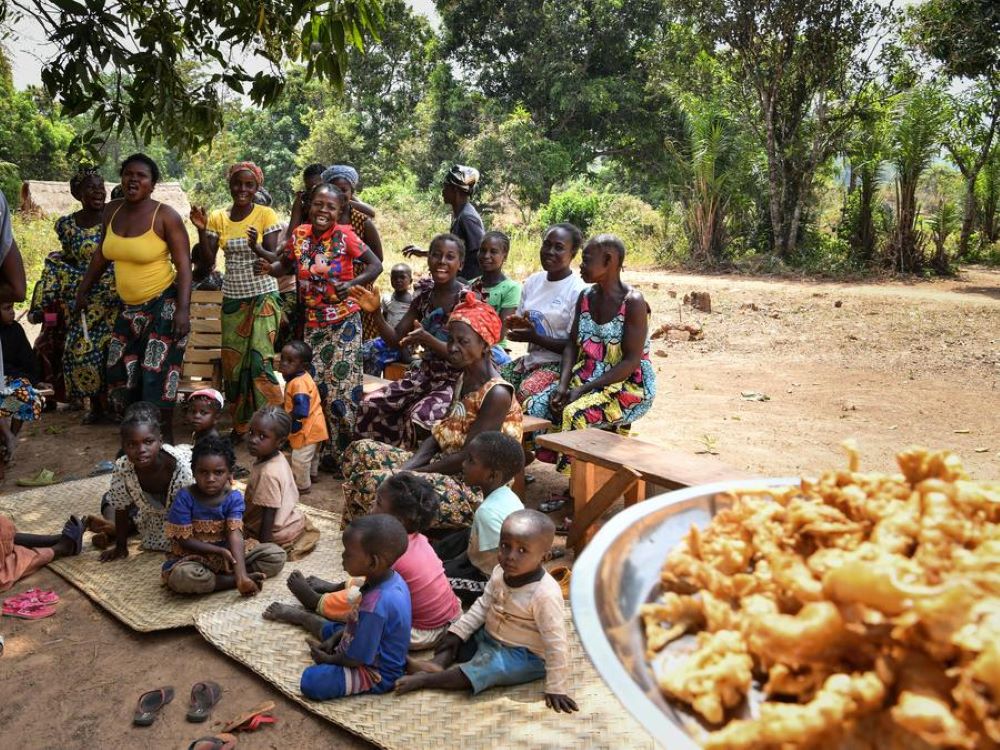
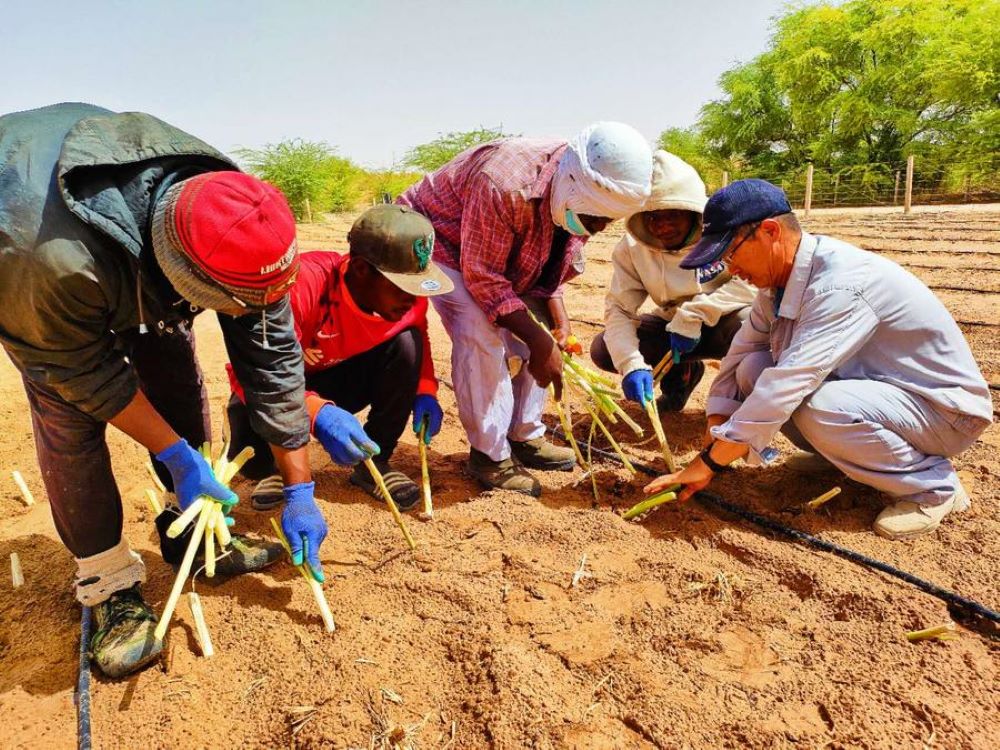
With a mission to end poverty around the world, Chinese scientists have applied Juncao technology to some challenging environments. In Papua New Guinea’s Eastern Highlands, they witnessed tribes still practicing slash-and-burn agriculture. In Rwanda, families without access to cattle or tractors labored in muddy fields using only hoes. In the Central African Republic, they observed the devastating impact of post-conflict famine.
Throughout these years, Lin has faced gunpoint robberies, malaria, altitude sickness and long periods in remote outposts without electricity or water. Witnessing extreme poverty in developing countries further strengthened Lin’s commitment to Juncao.
“We go to the poorest places with a genuine intent to help the people,” Lin stated.
{{A plant of prosperity}}
Agnes Ayinkamiye is the first coordinator of the Juncao project in Rwanda.
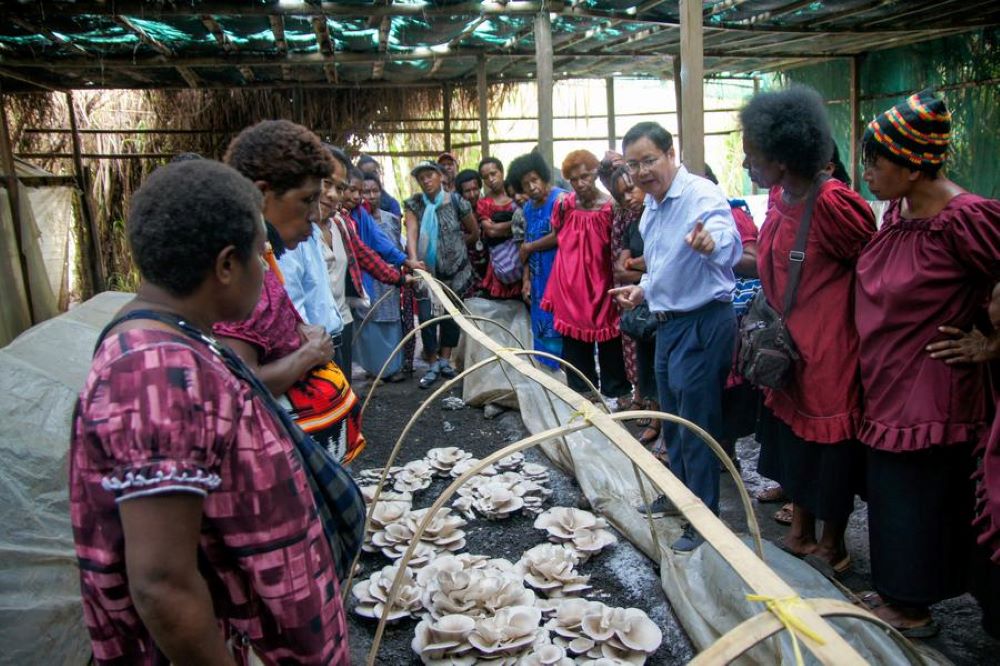
“One of the things that made me especially happy was how we helped people. The project was well-received, and we trained many people, particularly women’s cooperatives and youth groups,” she said. “I enjoyed my work immensely and was thrilled to collaborate with experts.”
“People can earn money through Juncao technology, and it’s become quite popular,” Ayinkamiye added.
Lin noted that around 4,000 Rwandan households have benefited from the technology, with some experiencing their incomes double or even triple over the years.
“Juncao technology is affordable … This technology is applied in such a way that makes it affordable for people at a very local level, which I believe is the key benefit,” said Earle Courtenay Rattray, chef de cabinet to the United Nations Secretary-General.
Seruwaia Kabukabu, an entrepreneur in Serea Village of Fiji’s Naitasiri Province, is one of the women trained at the Juncao demonstration center in Nadi, Fiji’s third-largest city.
“After the training, every one of us received mushroom substrate bags for free from the center. Under the guidance of technical experts, we began to harvest and sell mushrooms within 7-10 days, earning money for our family,” Kabukabu said.
The income from the Juncao project allowed her to improve her family’s living standards by purchasing essential appliances, building a concrete toilet and bathroom, and even contributing to a clean water project in her community.
“Fiji faces numerous problems ranging from geographical isolation, susceptibility to natural disasters due to climate change that hinders agricultural, and sustainable development and food security,” Kabukabu said.
Over the past decade, over 2,400 people in Fiji have received training on Juncao technology, with the Juncao cultivation area in Fiji exceeding 2,000 hectares.
“Simple to learn and effective to implement,” said Lin, emphasizing that Juncao technology should lower its technical application threshold abroad “so that even the poorest farmers can get involved.”
To date, nearly 350 international workshops have trained over 14,000 people in Juncao technology, with introductory papers now available in 18 languages for global use.
{{Never-ending expriment }}
Apart from cultivating mushrooms, Juncao technology has continued to innovate, expanding its production to include feed and fertilizer.
Since using Juncao as fodder, Tahiya Massawe, a farmer in Bumbwi Sudi, Tanzania, has observed improved milk density and nutrition and increased milk production.
“It has also saved money for me,” she told Xinhua, “because the budget I previously spent on other feed is now saved by using this grass.”
Farmers multiply Juncao and use it on their farms. Many testimonials show that farmers have accepted the technology simply because the feeds are rich, said Makame Kitwana, director of Planning, Policy and Research at Tanzania’s agriculture ministry.
“In a number of ways, scientifically, it has (been proven) that the protein content, as well as carbon content, is high, making cattle more satisfied when consuming Juncao grass compared to other grasses,” he said.
Juncao can also help with ecological management.
Soil erosion has been a serious problem in countries such as Rwanda. Rwandan officials used to worry that if the soil problem could not be resolved, Rwanda would have no land to cultivate. Lin always kept their concerns in mind.
He still remembers the experimental data in Rwanda during his visit over a decade ago. On one day the rainfall for two and a half hours reached 51.4 millimeters. All the rain was captured by the giant (Juncao) grass, and it was very effective in water conservation and soil retention.
In February in Fiji, Lin also worked on applying Juncao technology to saline soil management, aiming to seek additional solutions to combat climate change for developing countries, including Pacific island nations.
“The experimental results were very promising,” Lin said. “Juncao is the grass of happiness, a gift from China to all.”
This year’s FOCAC is the fourth to be held at the summit level, with leaders from China and African countries as well as representatives from regional and international organizations gathering to chart a course for the future of China-Africa relations.
{{So, what can we expect from this year’s FOCAC Summit?}}
{{Elevating China-Africa relations in the new era}}
As the world’s largest developing country and the continent with the highest concentration of developing nations, China and Africa are bound by similar historical experiences and a shared mission.
Chinese President Xi Jinping has said he attaches great importance to China-Africa relations. During his first overseas visit as president in 2013, he visited Africa, where he proposed pursuing relations based on the principles of sincerity, real results, amity and good faith, as well as acting together for the greater good and shared interests.
Under the guidance of head-of-state diplomacy, China-Africa relations have entered a new phase of building a high-level China-Africa community with a shared future. The 2024 FOCAC Summit offers an opportunity for partnerships to be strengthened, the spirit of friendship and cooperation to be carried forward, and the bonds of the China-Africa community in the new era to be further tightened.
{{Embracing closer economic, trade ties}}
China and African countries have developed increasingly close economic and trade ties, with an ever-growing trade volume and a diversification of commodities and services.
For the past 15 consecutive years, China has been Africa’s largest trading partner. According to data from China’s General Administration of Customs, China-Africa trade reached a record high of $282.1 billion in 2023, a year-on-year increase of 1.5 percent. Additionally, trade between China and Africa saw a 5.5 percent year-on-year increase, reaching 1.19 trillion yuan (approximately $166.6 billion), from January to July this year.
The Chinese economy and the economies of African countries are highly complementary as China possesses mature and applicable technologies, equipment and sufficient capital, while African countries have significant advantages in terms of manpower and natural resources. The 2024 FOCAC summit will be a crucial opportunity for China and African countries to deepen their economic and trade relationships, achieve mutual benefits and advance shared development goals.
{{Aligning with global climate goals}}
The Adama Wind Power Project, located in Ethiopia and built by Chinese companies, is a symbol of the growing green cooperation between China and Africa.
Since it began operating in 2015, the wind farm has powered approximately 600,000 households, created 2,100 local jobs and contributed to Ethiopia’s green energy goals. The collaboration has also fueled the growth of Adama city, with its population increasing from 324,000 in 2015 to over 480,000 in 2023, while improved infrastructure has enhanced the quality of life for nearby villagers.
In recent years, China has developed advanced technologies in areas such as renewable energy, waste management and water conservation. Sharing these technologies with African nations, coupled with training programs to build local expertise, could accelerate the continent’s green transition.
This would empower African countries to adopt sustainable practices and also innovate and develop their own solutions to environmental challenges. The 2024 FOCAC Summit is also a platform from which China and African countries can reaffirm their commitment to international climate agreements.
{{Paving the way for Africa’s modernization and a shared future}}
As African nations and their peoples forge ahead on the path of modernization, with China as a steadfast supporter and companion, the “Support for Africa’s Industrialization Initiative,” the “China-Africa Agricultural Modernization Plan” and the “China-Africa Talent Development Cooperation Program” will continue to be important drivers.
The initiatives address key areas essential to Africa’s modernization, showcasing China’s commitment to supporting the development of countries across the continent. Working together, China and African nations are poised to create a brighter future for their peoples and set an example in building a community with a shared future for mankind.
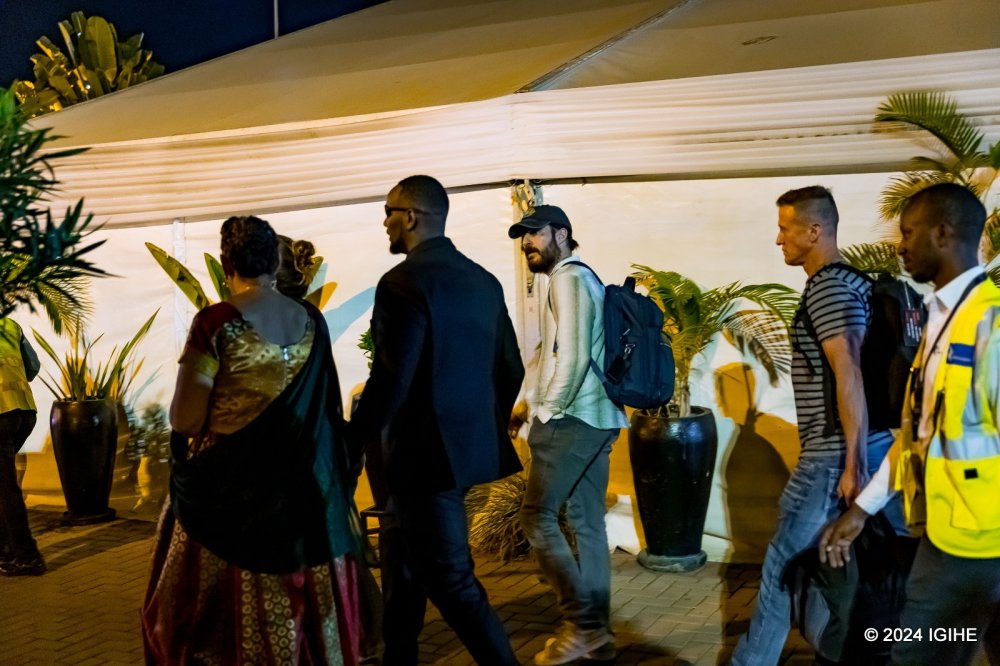
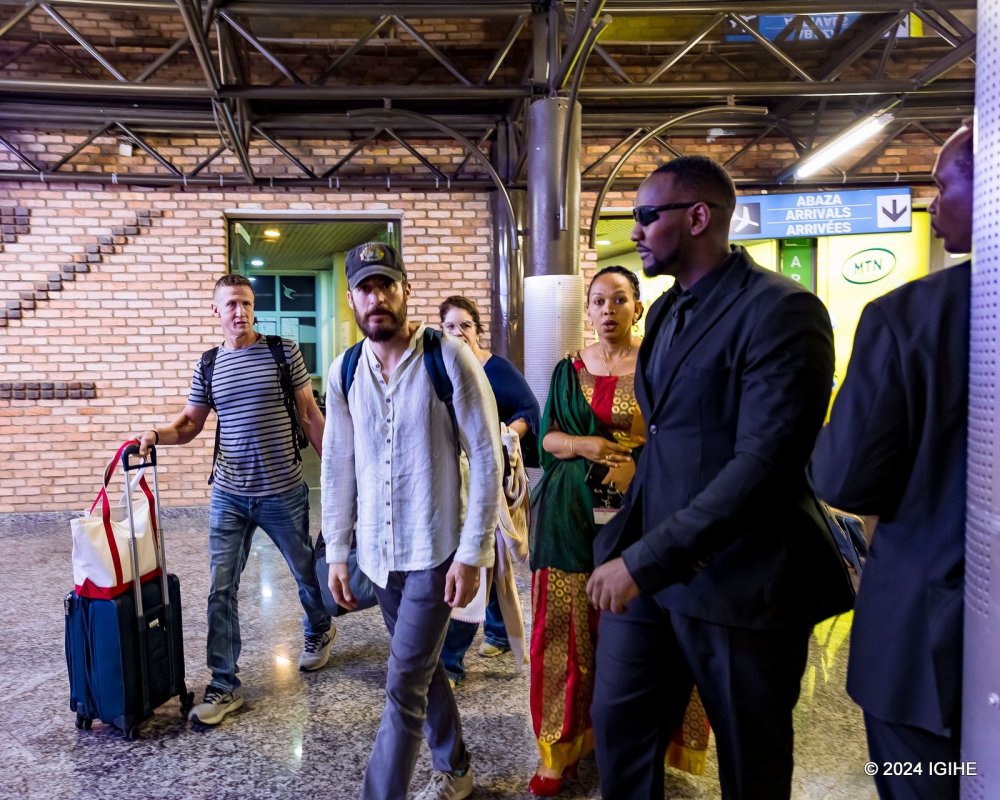
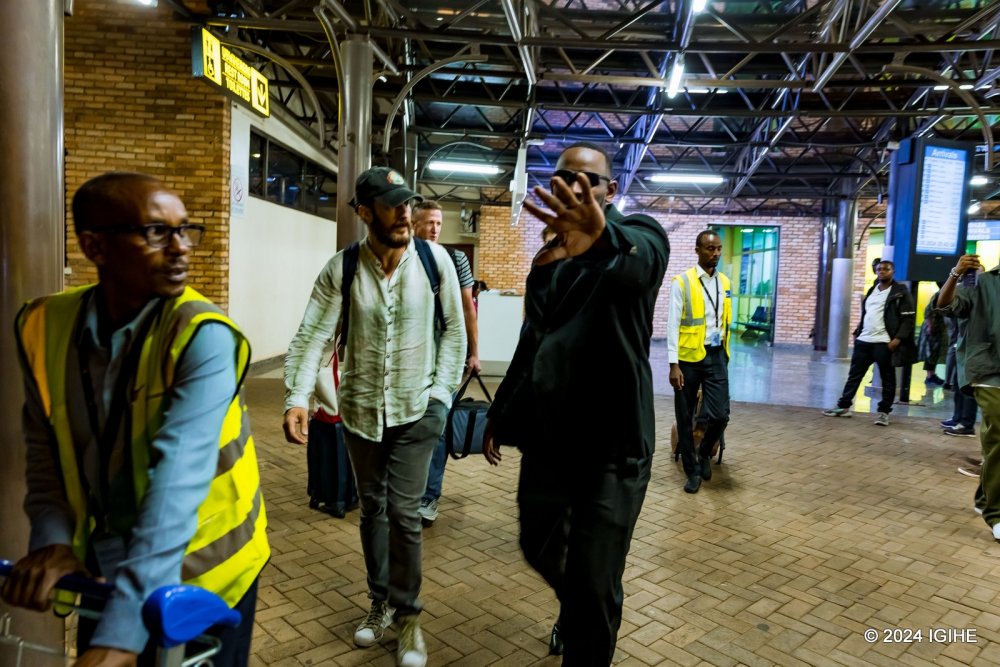
Upon arrival in Kigali on the night of August 28, 2024, he avoided speaking to the media and is said to have instructed his hosts to keep the visit out of the public eye. He also seemed uncomfortable with anyone trying to take photos or videos of him.
Roumie gained global fame through a crowd-funded television series about the life and ministry of Jesus of Nazareth. He has appeared in television shows such as The Good Wife, As the World Turns, and Castle.
He played the character of Christ for the first time in a touring multi-media project about the life of the Messiah. He is also a voice artist and a public speaker.
A first-generation American, Roumie’s father was born in Egypt and is of Syro-Lebanese descent and his mother is from Ireland. Roumie has stated that his great-grandparents on his father’s side were Armenian.
Born on July 1, 1974, Roumie also played a significant role in producing, directing, and starring in The Last Days: The Passion and Death of Jesus, a live-action play that depicted the life of Christ.
His voice has also been featured in popular video games like Evolve, Mafia II & III, and The Darkness II. His voice was also used for various characters in the MTV series Celebrity Death Match.
Beyond these, Roumie contributed as an assistant director in the production of the highly popular film Spider-Man. He was also involved in the production of National Treasure and I Am Legend.
At 50 years old, Roumie recently shared on his Instagram account that he has never been married or had children.
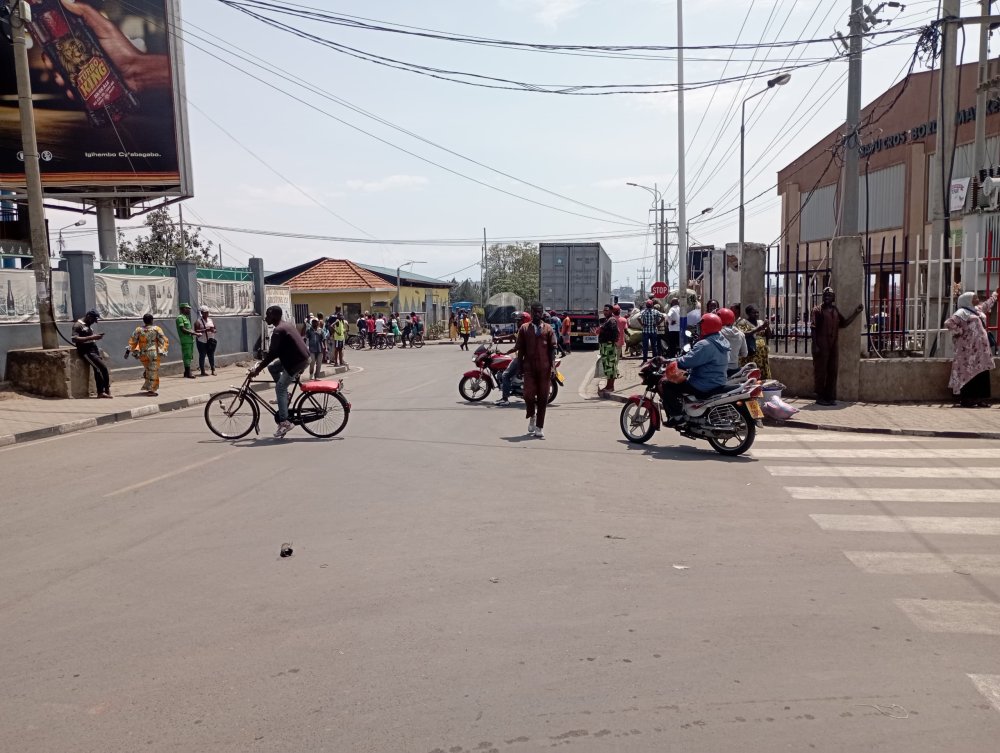
Witnesses reported that the suspected FARDC soldier fired shots while on the Congolese side of the border, known as Petite Barrière. Fortunately, no injuries were reported during the incident.
Daniel Rugomboka, a resident near the Petite Barrière border post, described the incident, stating that the soldier fired multiple shots, causing damage to a nearby house.
“That soldier came and fired many shots, hitting a neighbouring house. The windows were shattered, and the bullets damaged the fence and the walls,” he said.
Tensions between Rwanda and the Democratic Republic of the Congo have been rife in the recent past, including frequent provocations from the Congolese government. Among these incidents was a Congolese warplane that repeatedly violated Rwandan airspace and was fired upon in January 2023.
In March of the same year, a FARDC soldier was shot dead on Rwandan soil in Rubavu district after crossing the border and opening fire on Rwandan security forces guarding the area.
The Southern African country, known for its arid climate, is facing the worst drought conditions in 100 years, which have left nearly half of its 2.5 million population food insecure.
The United Nations (UN) revealed last week that 84 per cent of the country’s food reserves have been exhausted.
To deal with the food crisis, the Ministry of Environment, Forestry and Tourism announced in a statement that the government will contract professional hunters and safari outfitters to carry out culls in areas where game numbers are sustainable, including national parks.
“This exercise [is] necessary and is in line with our constitutional mandate where our natural resources are used for the benefit of Namibian citizens,” the environment ministry said.
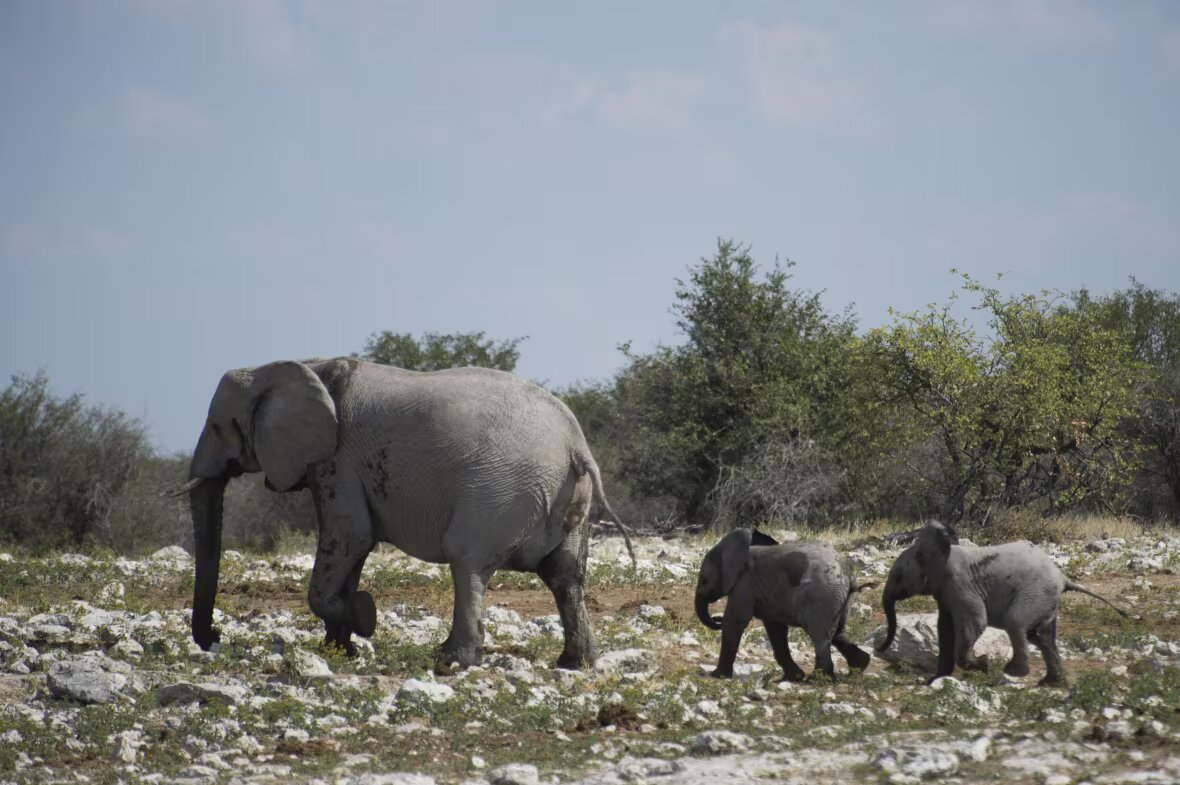
Among the animals to be killed are 83 elephants, 30 hippos, 60 buffalos, 50 impalas, 100 blue wildebeests, 300 zebras and 100 elands, the second-largest species of antelope.
Already, the government has contributed nearly 57,000 kilograms of game meat from 157 animals to the relief program.
“By reducing wildlife numbers in certain parks and communal areas where we believe the population exceeds the available grazing and water resources, we can better manage the current grazing pressure and water availability,” the ministry added.
The government indicated that the 83 elephants will be identified in conflict areas where human-wildlife interactions can include crop destruction, livestock loss and damage to homes and property, as well as causing injuries or death to people.
The ministry had warned in April 2023 of worsening human-animal conflicts exacerbated by recurring droughts, which have significantly impacted agriculture, livestock, and water resources.
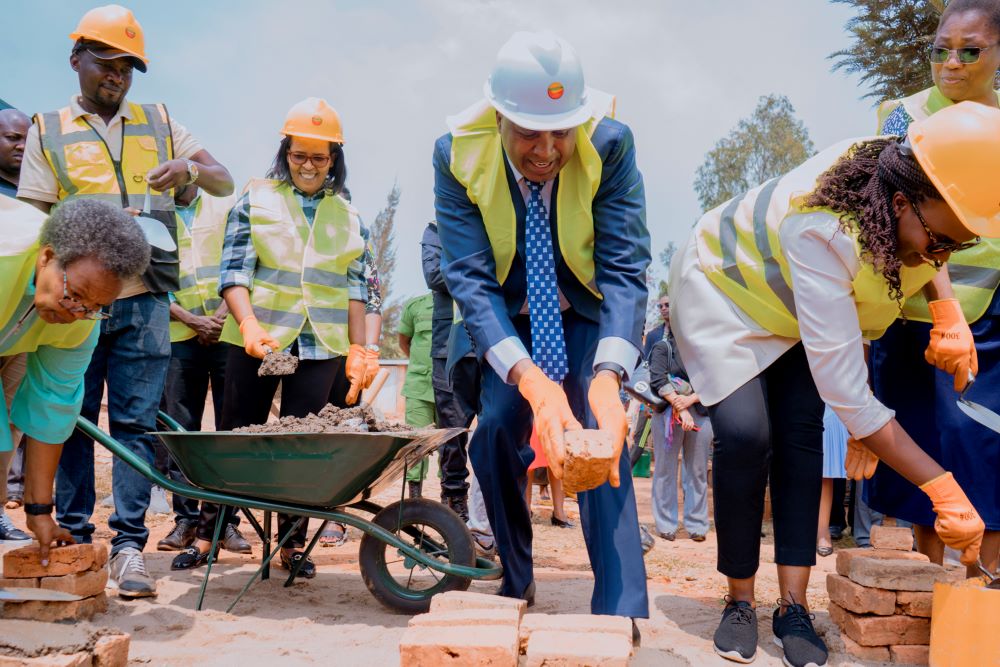
The groundbreaking ceremony took place on August 22, 2024.
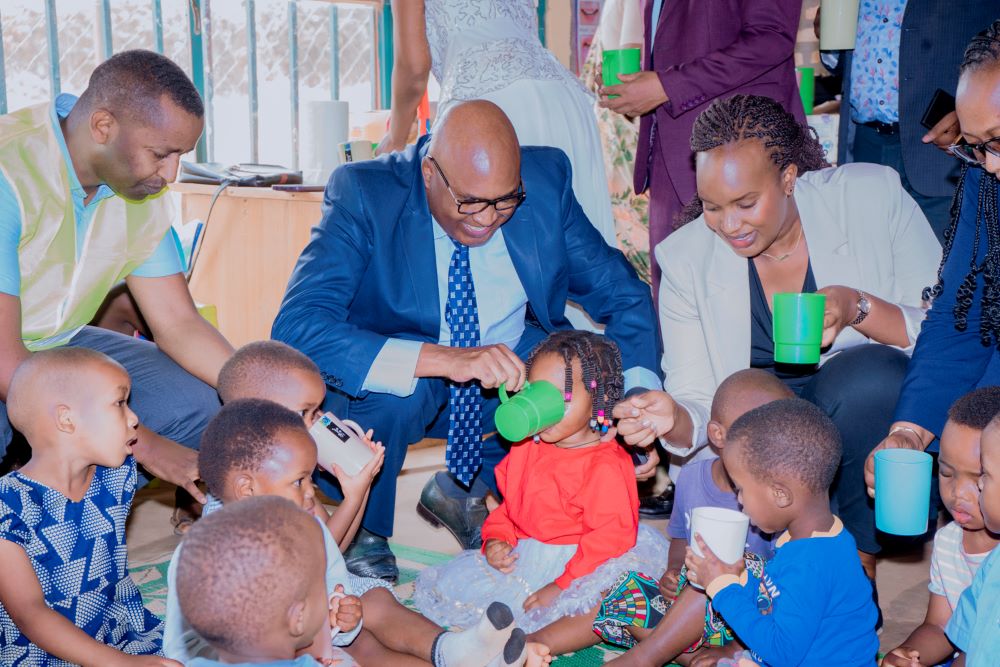
This center will play a crucial role in supporting the holistic development of children aged 0 to 6 years old. It will provide education, health, nutrition, hygiene, and child protection services, alongside a comprehensive parenting program to ensure a nurturing environment for children at home and in their communities.
Imbuto Foundation Director General Mrs. Elodie Shami, vowed that they will “continue the scale-up initiative of Model ECD Centers in the remaining 13 districts.”
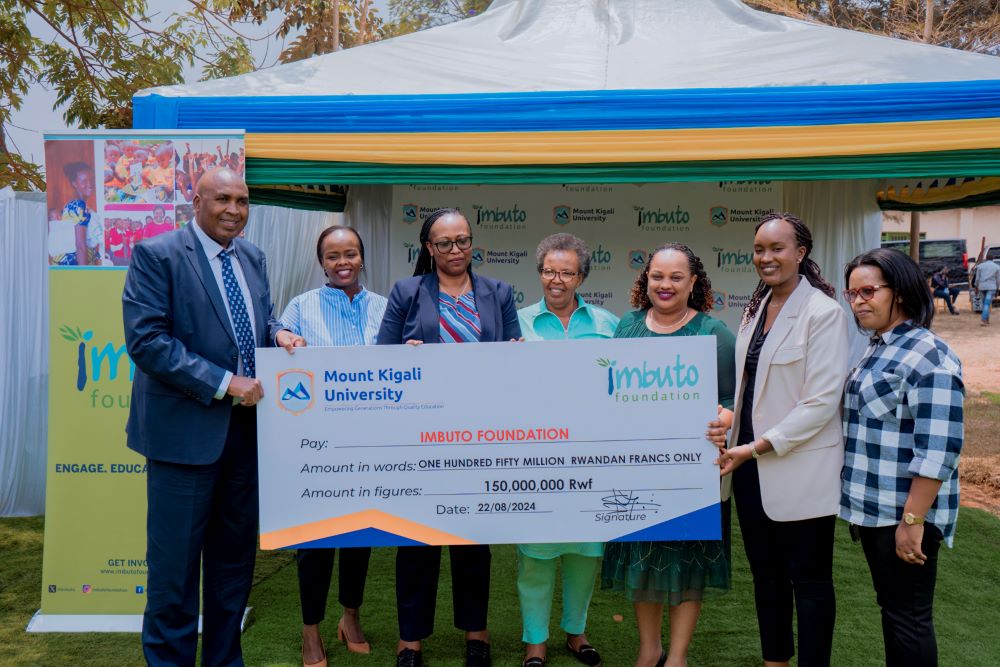
Mount Kigali University founder and chairman, Prof. Simon Gicharu, said the university is proud to contribute 150 million Rwandan francs towards this critical project.
Prof. Gicharu remarked that the partners were, in essence, “laying the foundation for a brighter future for children, communities, and the nation.”
He added: “In addition to providing education, Mount Kigali University actively engages in community-based outreach programmes to drive positive change through mutually beneficial partnerships. Like the roots of a tree that spread to protect it from disaster and support its growth, we follow a similar path by fostering community initiatives that are both extensive and transformative. Some of our projects include helping vulnerable children, youth, and families.”
The groundbreaking event was attended by Masaka sector officials and other government leaders who praised the project as a worthwhile venture that will benefit the community.
Deputy District Executive Administrator, Mrs. Monique Huss said the center is in line with the Government’s drive to develop the country’s people.
Mrs. Huss pointed out that human development is among the five pillars of Rwanda’s Vision 2050, the national strategy that seeks to promote economic growth, prosperity and high quality of life for Rwandans.
“This pillar has three priorities and universal access to high quality education is among them,” she said.
She expressed her belief that the ECD will play a fundamental role in the national quest to achieve that vision “through this kind of collaboration and partnership. We are grateful, for this achievement,” she added.
The Director General of the National Child Development Agency (NCDA) Mrs. Assumpta Ingabire said the new ECD facility will serve as a beacon of hope and opportunity for children in this community.
She added that it will “provide them with the tools and support they need to develop cognitively, emotionally, and socially, which are essential elements for their future success.”
While thanking all the partners involved in the initiative, Mrs. Ingabire said it is “a reminder of our responsibility to invest in the early years of a child’s life, because by doing so, we invest in the future of our nation.”
The Masaka District Model ECD&F Center is the latest in collaborative projects undertaken by Imbuto Foundation and Mount Kigali University to ostensibly unlock growth opportunities for Rwandan children.
The two institutions began collaborating in February 2018 when they signed a Memorandum of Understanding (MoU). Mount Kigali University which was by then known as Mount Kenya University Rwanda, pledged to contribute USD 150,000 to Imbuto Foundation over a five-year period.
The money went towards educating 100 vulnerable children in secondary school. Additionally, under this agreement, the university offered scholarships to five young girls who excelled in their studies.
The two partners renewed their agreement in February 2022 following the expiration of the initial one, with Mount Kigali University raising its annual contribution to $175,000.
Still on training, Prof. Gicharu said that the university closely works with Imbuto Foundation to identify young Rwandans who have completed high school and trained in short courses at Kigali Paramount Hotel.
During the groundbreaking ceremony, Prof. Gicharu announced that the university is about to open its hospitality training hotel, Kigali Paramount Hotel.
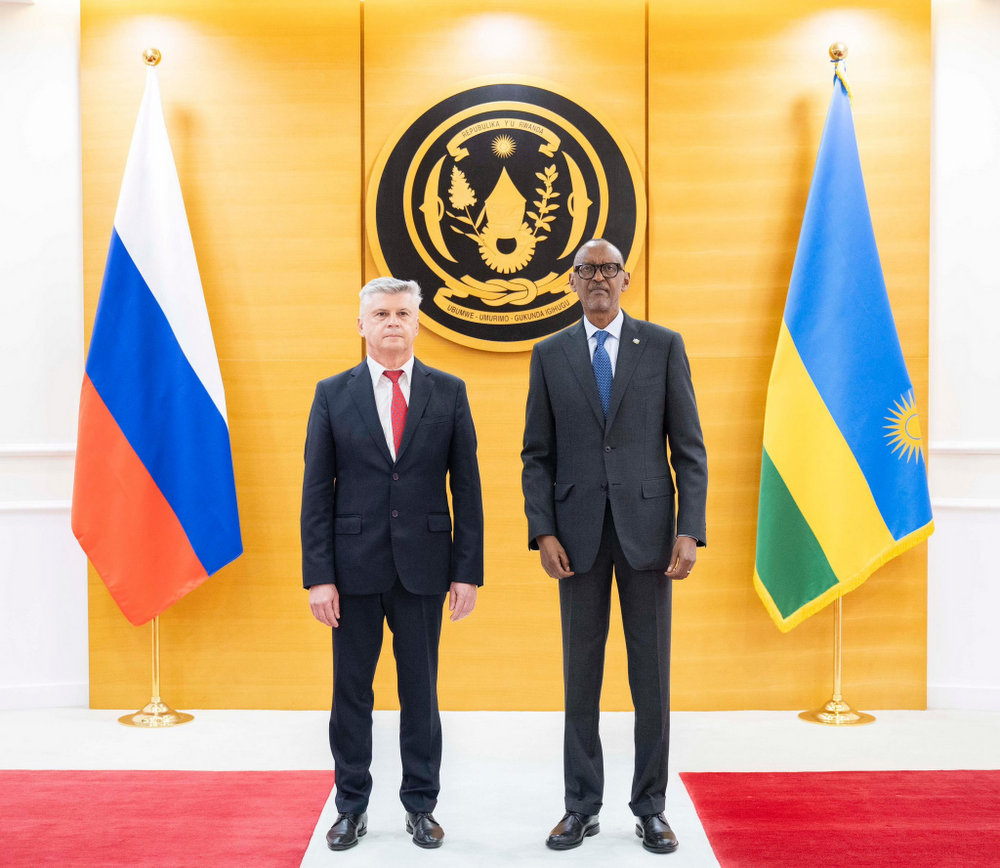
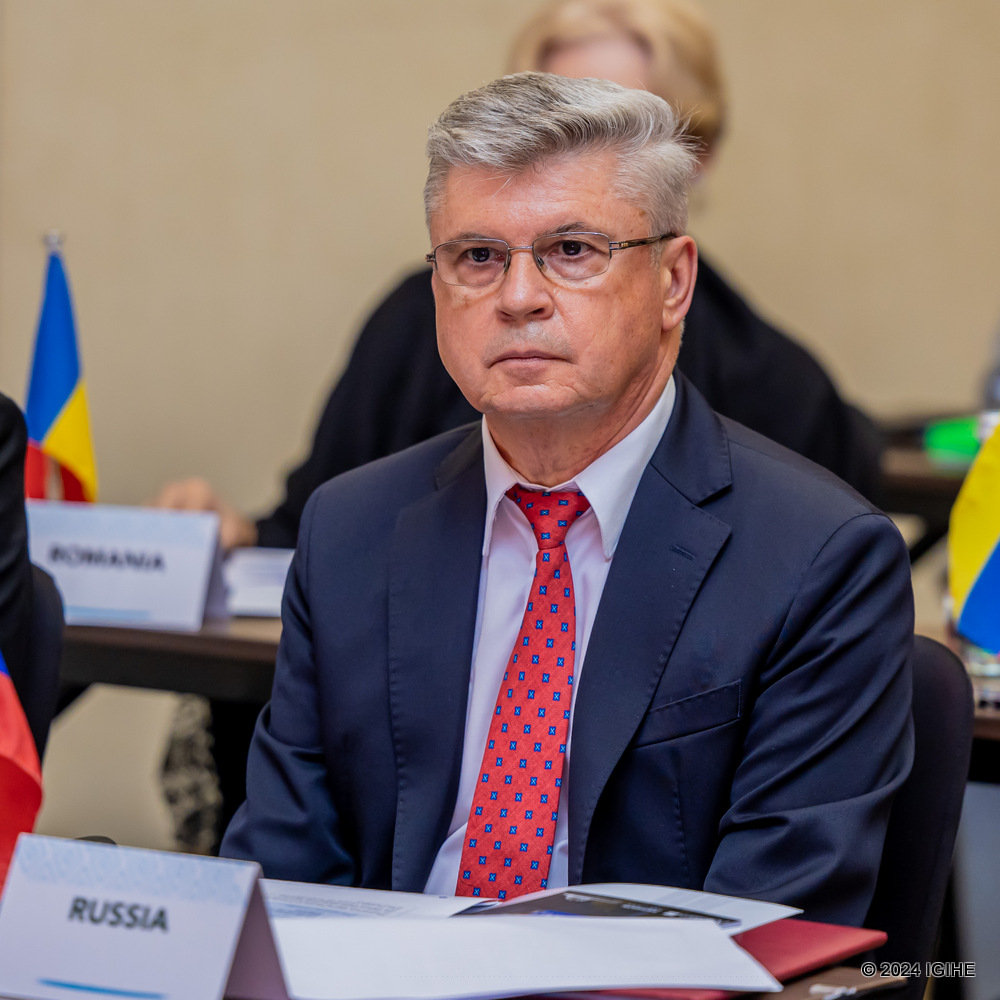
The new Russian Ambassador, Alexander Polyakov, was confirmed by the Cabinet Meeting on May 22, 2024, succeeding Karen Chalyan, who served in Rwanda from June 2018 until the end of his tour of duty in June 2024.
After presenting his credentials to the President on August 28, 2024, Amb. Polyakov expressed his commitment to strengthening the historical ties between Russia and Rwanda, benefiting the citizens of both nations.
Amb. Polyakov highlighted Russia’s commitment to ongoing projects with Rwanda, including a promising nuclear energy initiative, and the exploration of other areas for cooperation.
“My main task is to take massive efforts to develop existing possibilities of the Russia and Rwanda agenda including the most promising project in the field of nuclear energy as well as finding new possibilities and opportunities in different areas,” he noted.
“We are very much satisfied with relations in terms of military and technical and Russia continues to provide an increasing number of state-financed scholarships to the Rwandan students,” added Amb. Polyakov.
He also mentioned Russia’s recent proposal to establish an intergovernmental Russia-Rwanda commission on cooperation in trade, science, and technology, to alternate meetings between Kigali and Moscow to discuss practical issues and explore future opportunities.
He commended Rwanda’s warm welcome and sent wishes to Rwandans for success and prosperity for Rwandans all their way towards modernization.
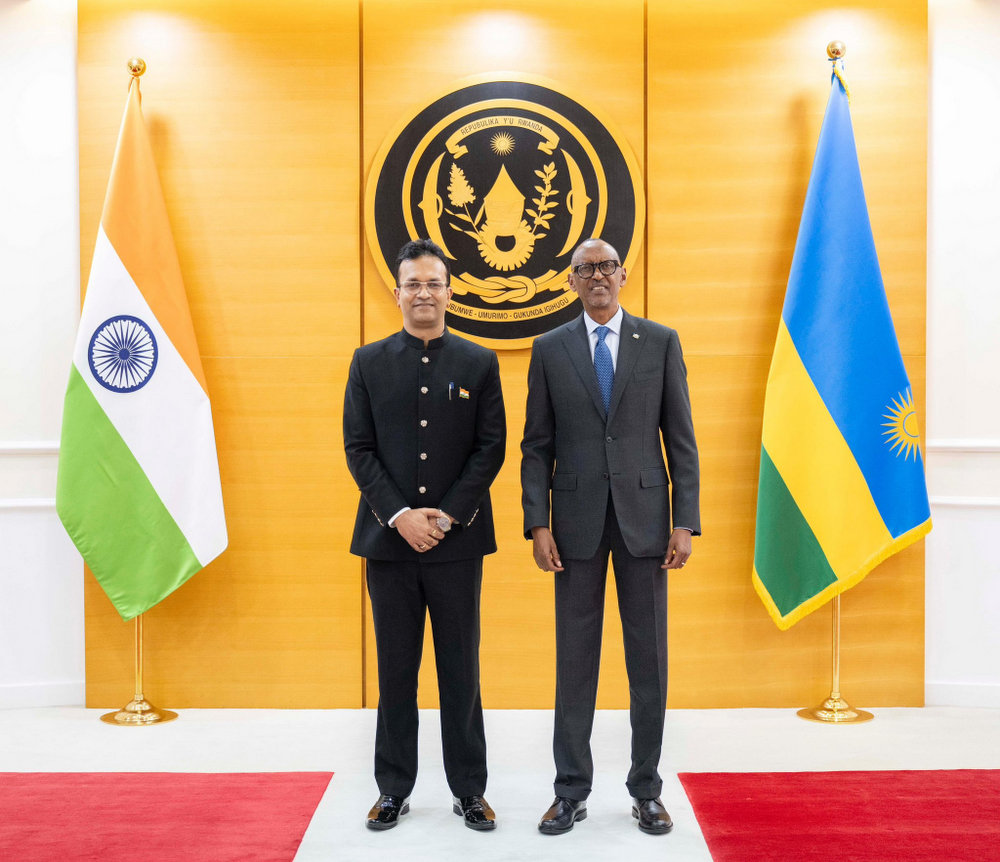
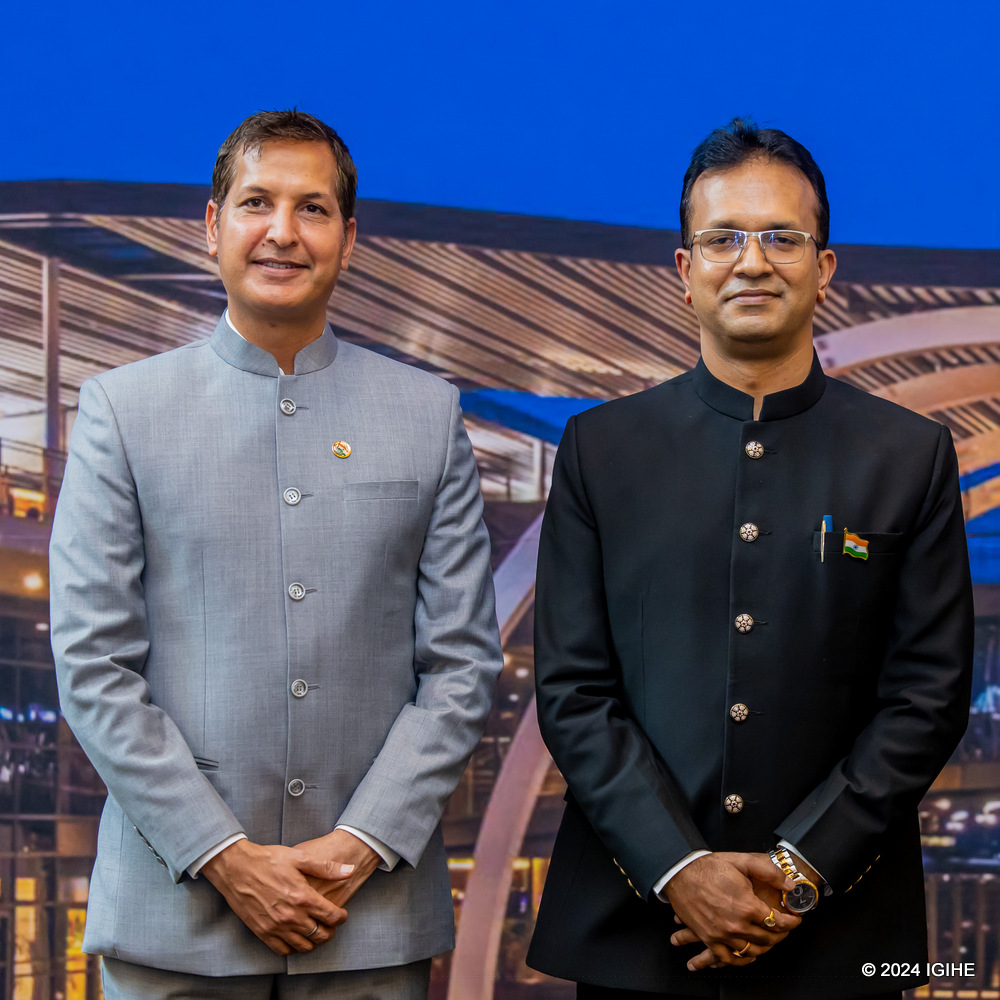
Meanwhile, the new Indian Ambassador to Rwanda, Shri Mridu Pawan Das, upon presenting his credentials, pledged to strengthen bilateral relations between Rwanda and India.
“I am delighted to be posted to this wonderful country. Both countries have friendly relations and it will be my endeavor to further strengthen existing friendly relations between India and Rwanda,” he noted.
Ambassador Shri Mridu is among the 12 ambassadors approved by the Cabinet on August 23, 2024, during a meeting chaired by President Paul Kagame.
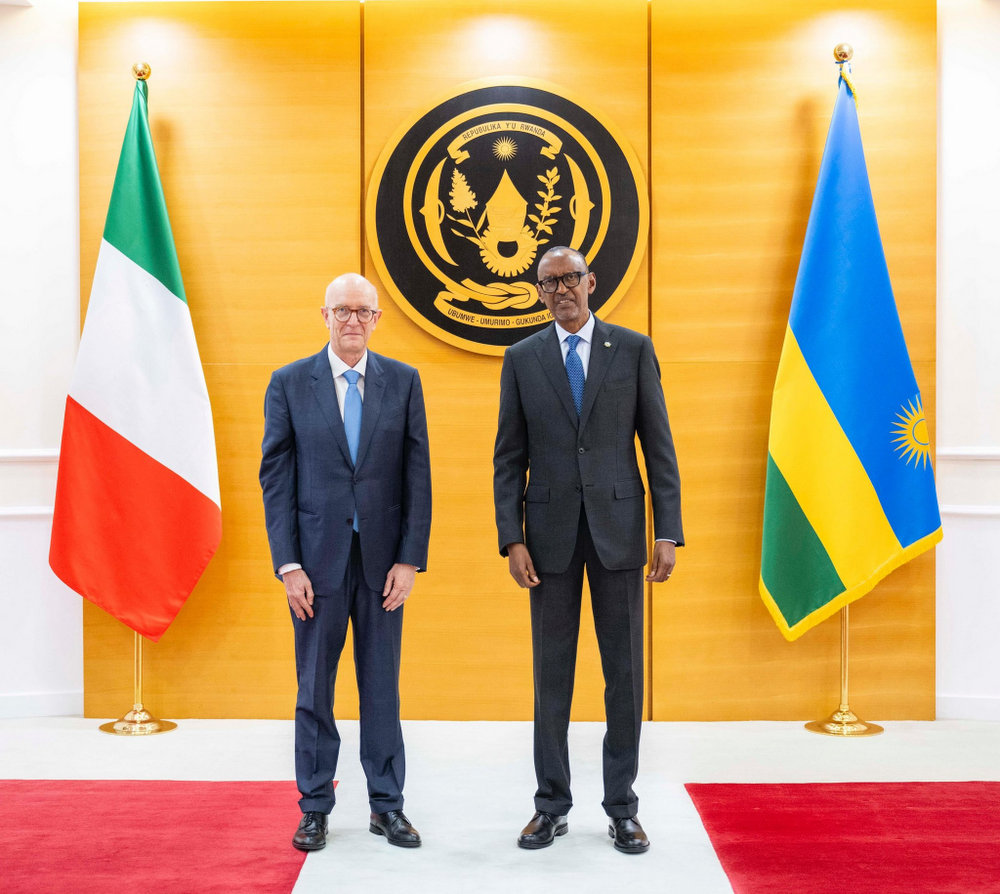
Italian Ambassador Mauro Massoni, who will have residence in Kampala, was confirmed by the Cabinet on November 29, 2023. He expressed his readiness to boost trade relations between Italy and Rwanda.
“I am here to improve existing relations between Italy and Rwanda. We already have a number of Italian companies here, and my duty will be trying to increase them,” Amb. Massoni said, emphasizing the potential for further economic collaboration.
He also mentioned Italy’s longstanding tradition of offering scholarships to Rwandan students and sees continued support in science and engineering education as a vital way to strengthen the ties between the two nations.
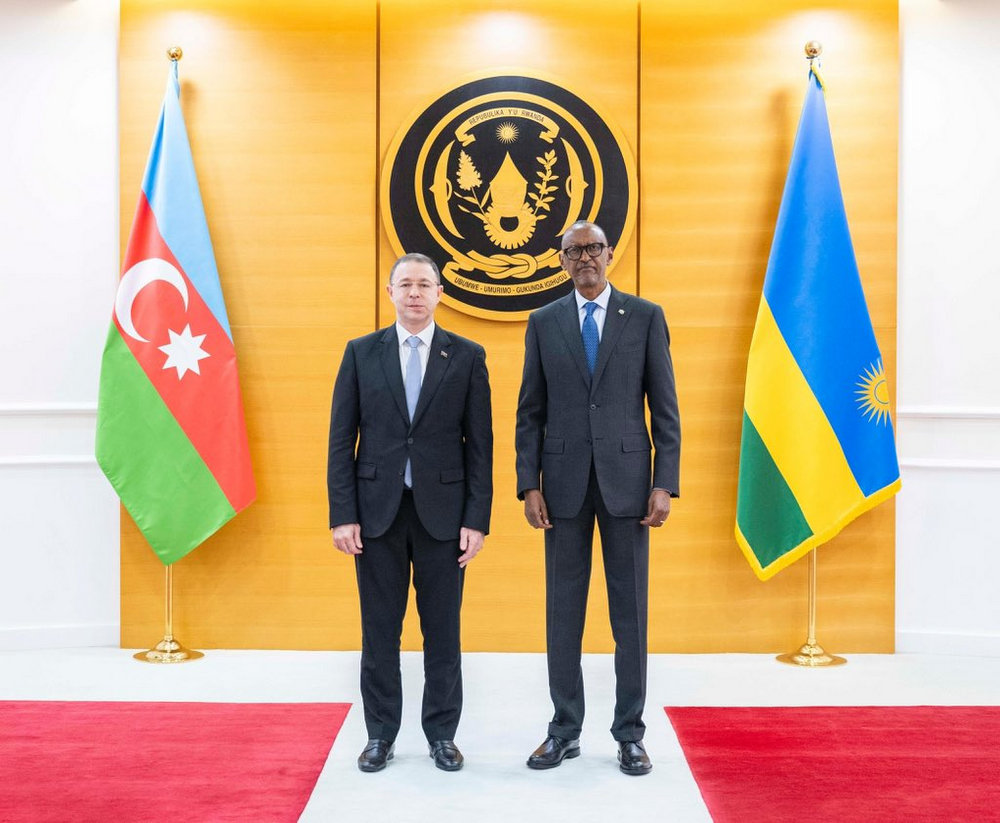
Azerbaijan’s new Ambassador, Ruslan Rafael oglu Nasibov, who will be based in Addis Ababa, Ethiopia, also presented his credentials to President Kagame.
He affirmed that the relationship between Rwanda and Azerbaijan has been steadily growing over the past 20 years and expressed optimism about the potential for economic cooperation.
Amb. Ruslan also highlighted that there are many opportunities in the economic field, public service delivery and expressed optimism to make concrete steps very soon.
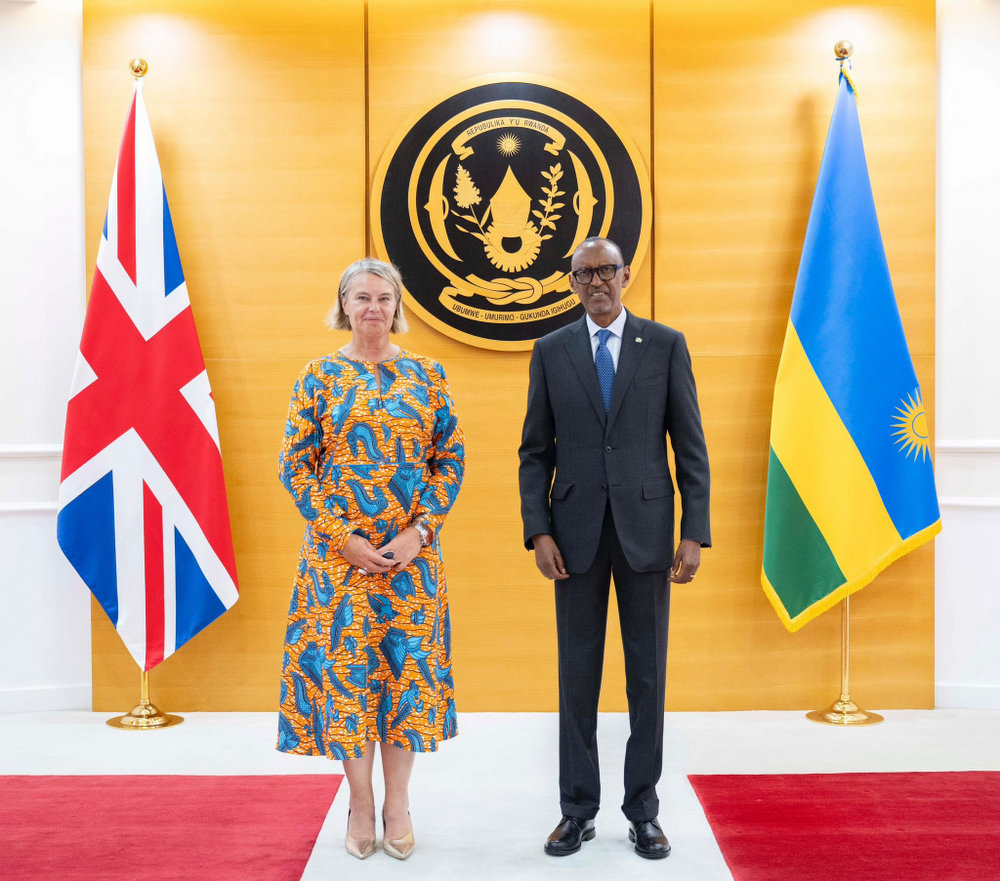
Other ambassadors who presented their credentials include the new UK High Commissioner, Alison Heather Thorpe, who succeeded Omar Daair after his tour of duty ended in July 2024.
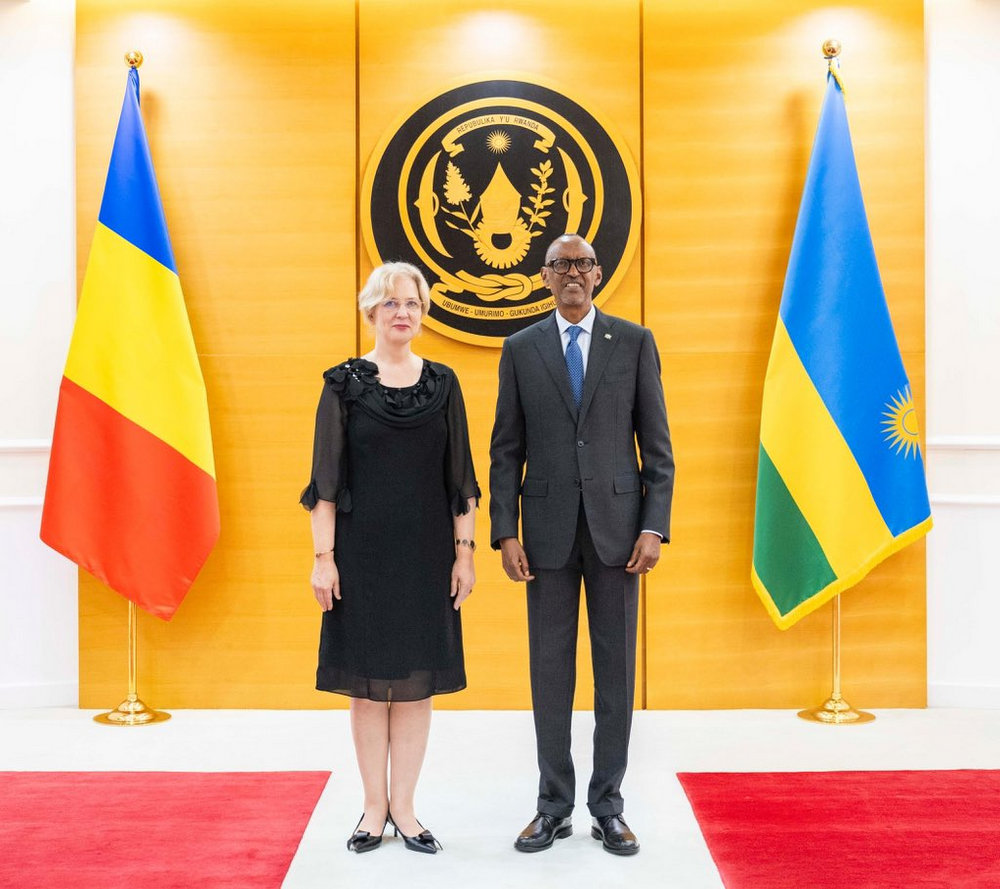
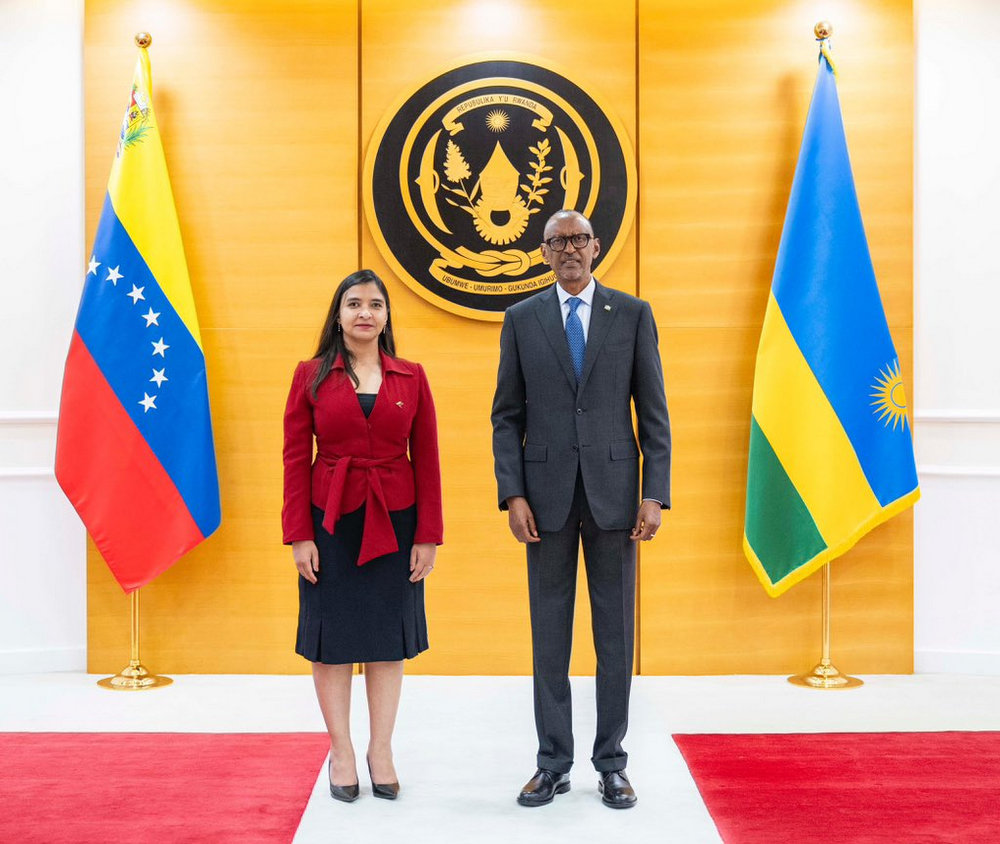
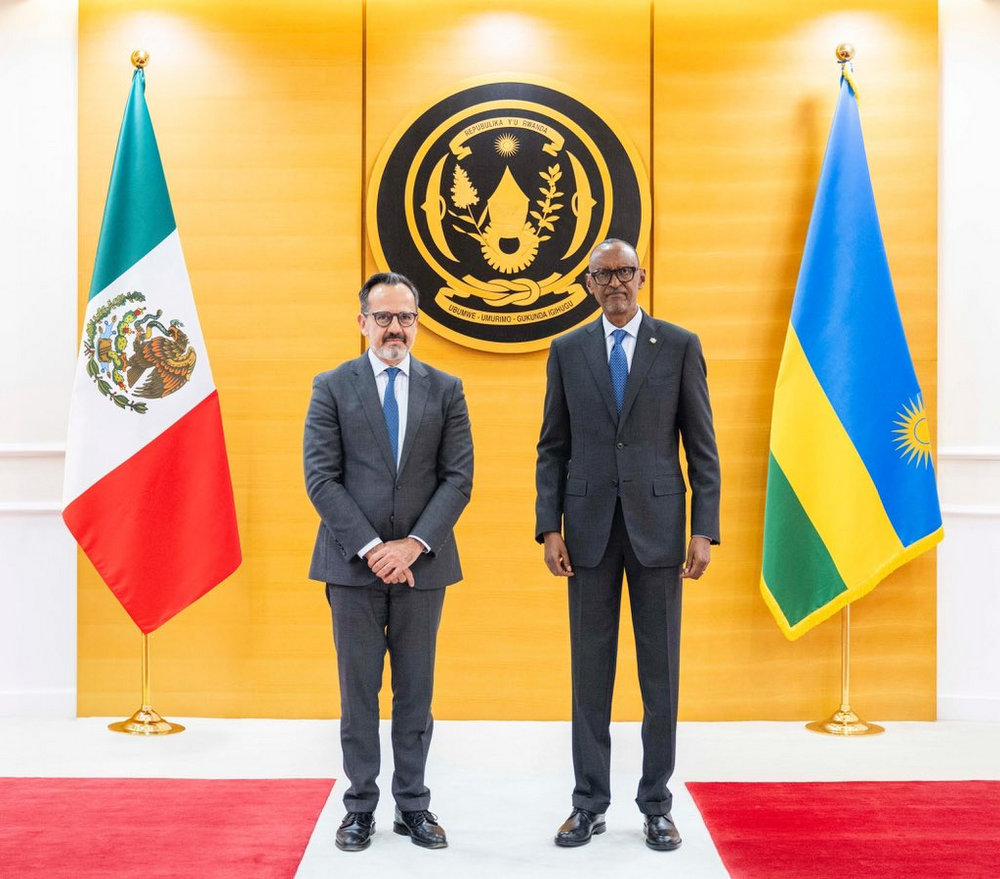
Also present were Ambassador Fátima Yesenia Fernandes Juaréz of Venezuela, who will be based in Kampala, Ambassador Enrique Javier Ochoa Martínez of Mexico, with residence in Nairobi, and Ambassador Genţiana Şerbu of Romania, also based in Nairobi.
Rwanda currently hosts resident ambassadors from 45 countries, while another 72 ambassadors are accredited to Rwanda but with residences in other countries.