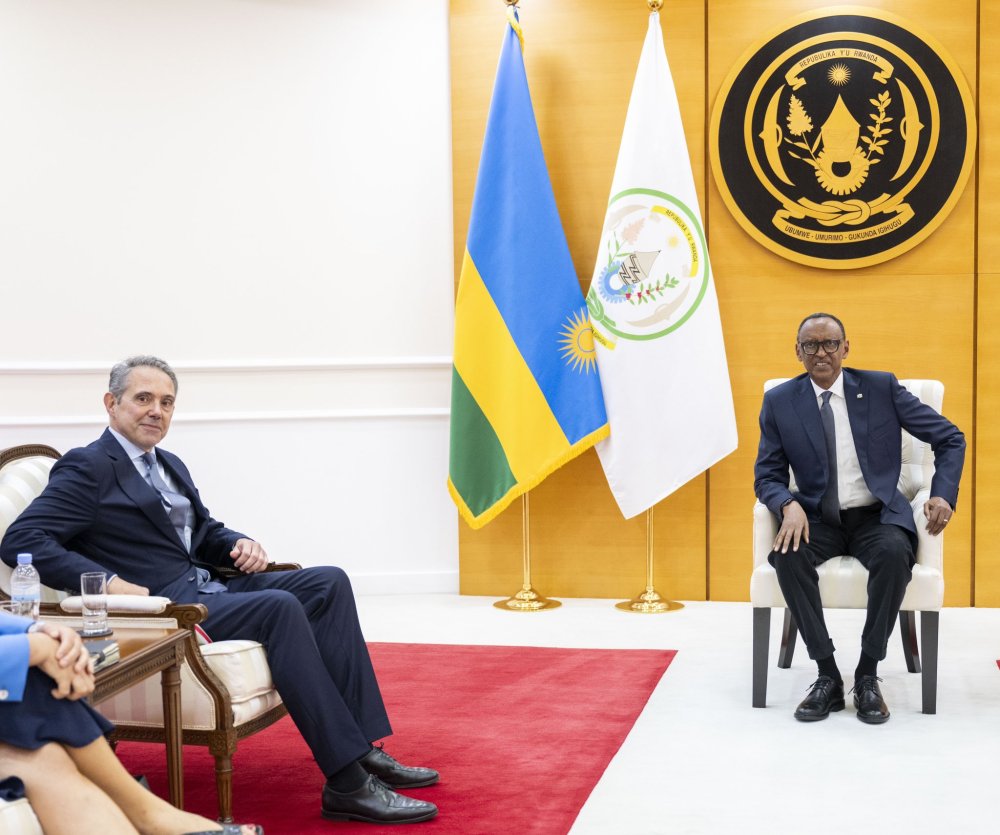
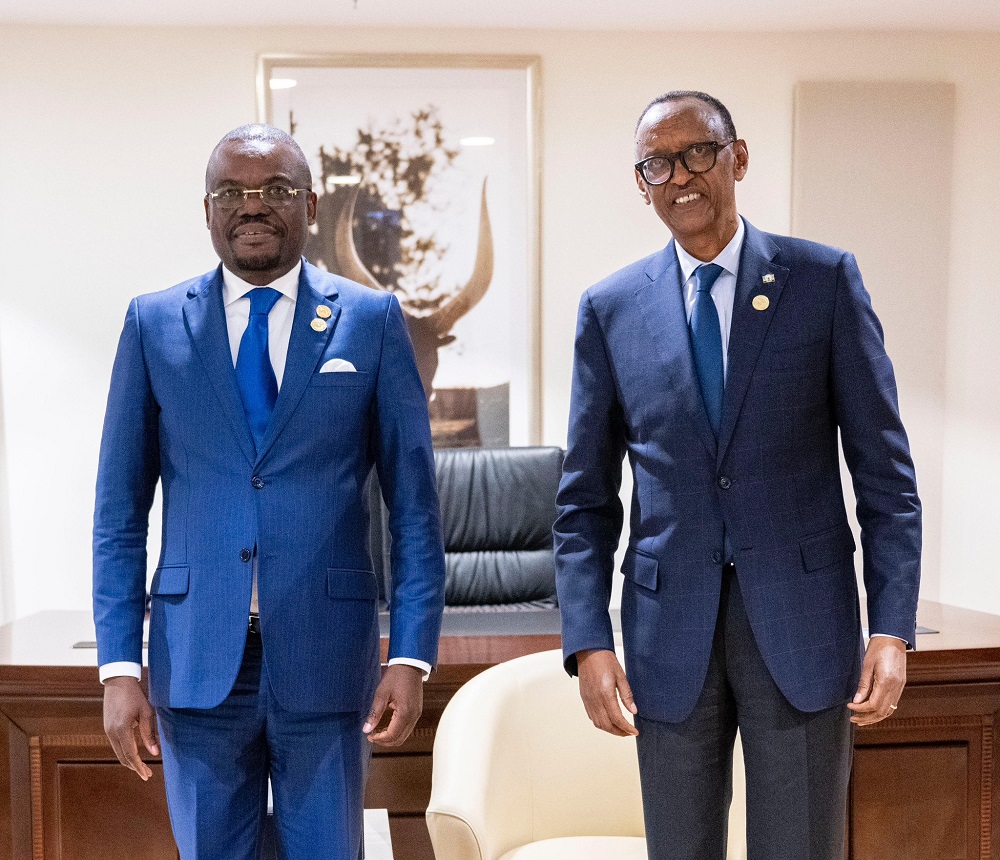
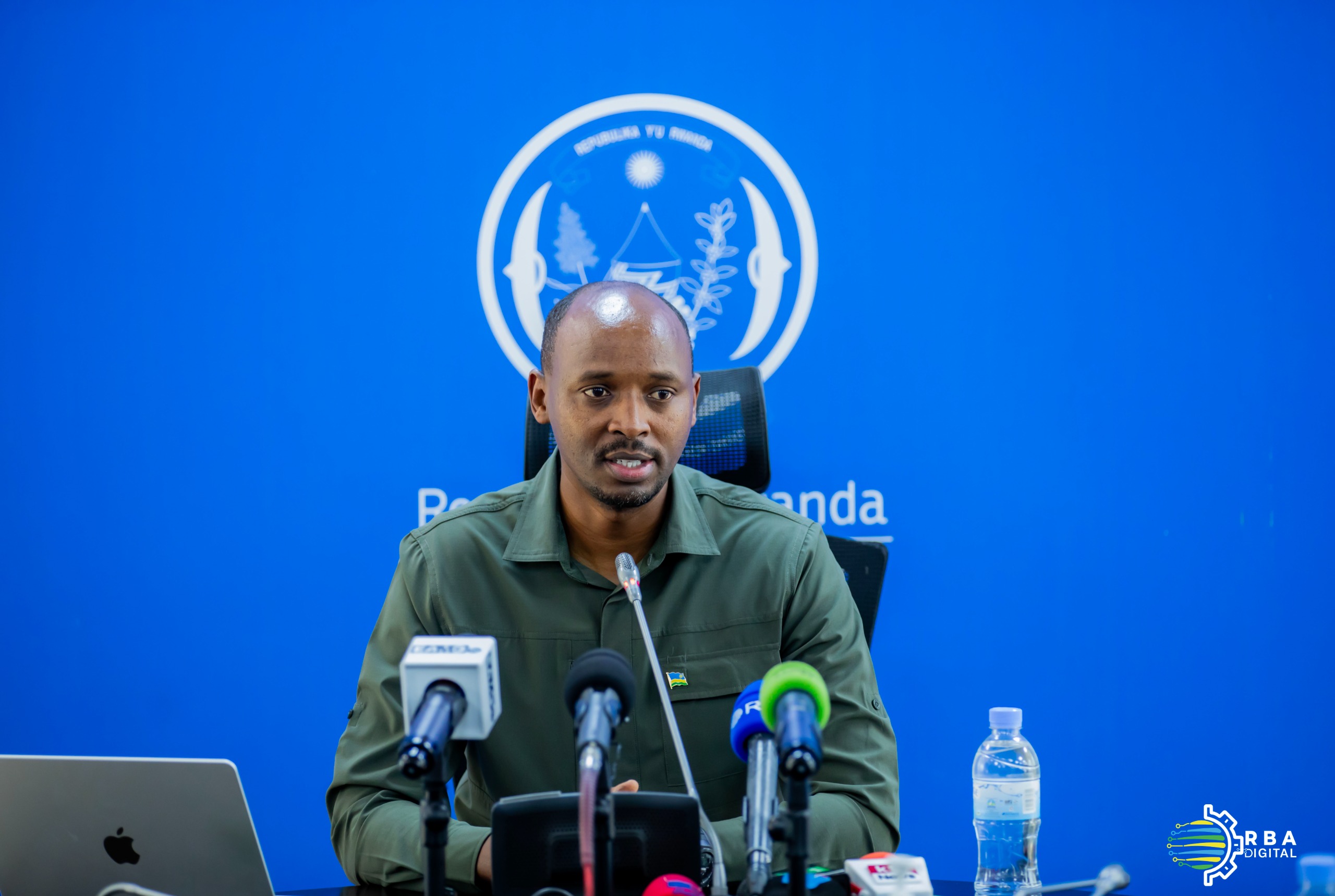
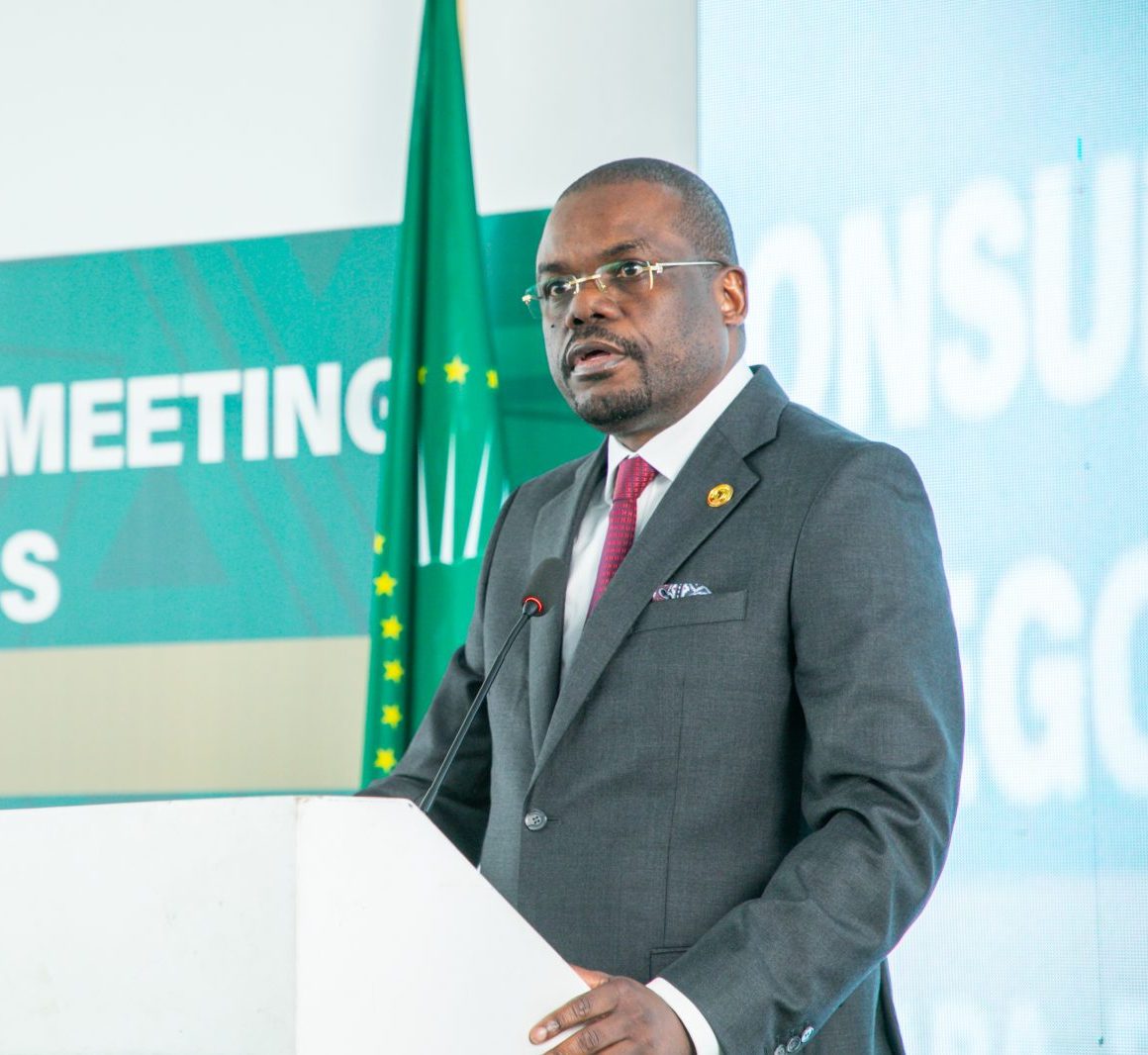
The meeting was announced through a post on Rwanda’s Presidency’s X account.
Borgstam, was appointed as the EU’s Special Envoy to the region in July 2024.
The idea to appoint an EU Special Envoy to the region stemmed from ongoing conflicts between countries in the area. The EU believes the envoy can contribute to resolving these issues.
A Swedish diplomat, Johan Borgstam previously served as the EU Ambassador to the Democratic Republic of Congo from 2008 to 2021 and to Ethiopia from 2017 to 2021.
In his current role, Borgstam assists Josep Borrell, the EU’s High Representative for Foreign Affairs and Security Policy, in implementing the union’s policies in the Great Lakes Region.
Compiled by Africa Practice, a strategic consulting firm, and Africa No Filter, an advocacy lobby, the study blames the stereotypical portrayal of the continent by Western media for eroding investors’ confidence and stunting growth.
Titled “The Cost of Media Stereotypes to Africa,” the study focuses on electoral processes in Kenya, Nigeria, South Africa and Egypt and the skewed coverage from giant media entities from the Global North.
“African countries receive more media attention during elections, but with a disproportionate focus on negative issues like violence and election fraud,” the study says.
It notes that non-African countries with similar risks during the electioneering period receive more favorable coverage from the Western media, adding that the continent could save up to 0.14 percent of its gross domestic product (GDP) annually, subject to positive media sentiment.
According to the study, the 4.2 billion dollars in losses occasioned by negative media coverage annually could fund the education of 12 million African children, and provide immunization to over 73 million children, higher than the combined populations of Angola and Mozambique.
In addition, the funds could help provide clean drinking water to two-thirds of the entire population of Nigeria, the most populous country on the continent estimated at 220 million people, says the study.
Negativity has dominated the discourse around African elections, with 88 percent of media articles about Kenya during polling being biased and sensational, compared to only 48 percent for Malaysia, the study observes.
Improved media sentiment, according to the study, could reduce borrowing rates on the continent by up to 1 percent, boosting macroeconomic stability and investors’ confidence.
Marcus Courage, chief executive officer of Africa Practice, said the study has underscored the urgency to challenge stereotypes about the continent advanced by Western media, rooted in racism and hegemonic attitudes.
Promoting fairer, unbiased and positive reporting about the continent will boost its credit rating and attract foreign direct investments in key sectors like tourism, manufacturing and financial services, Courage said.
Moky Makura, executive director of Africa No Filter, suggested that as the continent mulls establishing its own credit rating agency, governments should amplify positive narratives, including sustained growth, expanding democratic space, innovations and demographic dividend.
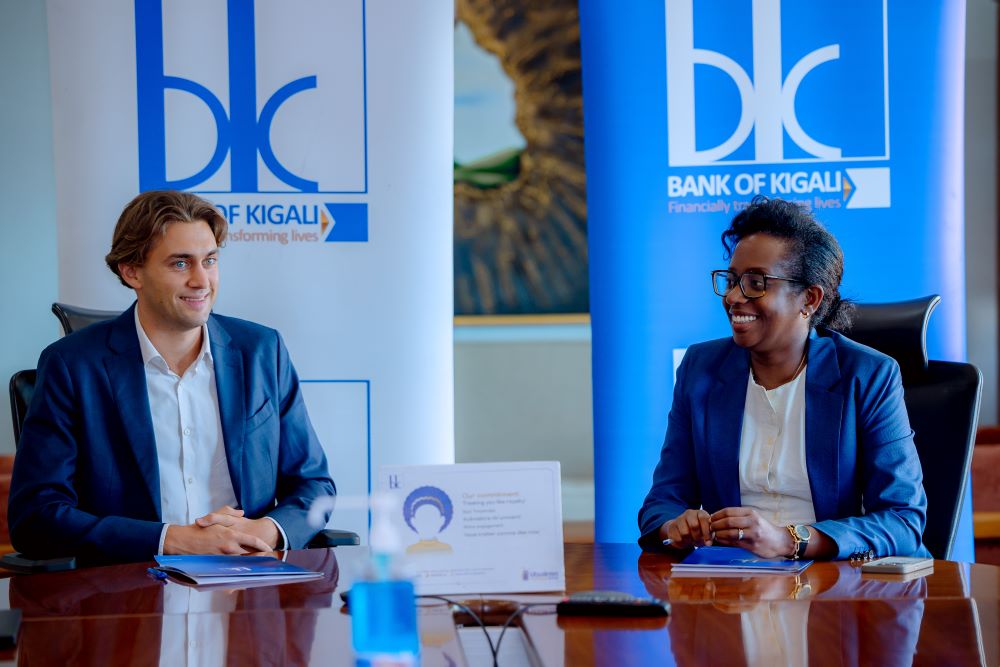
Agriculture remains the backbone of Rwanda’s economy, and the Bank of Kigali is playing a crucial role in supporting its modernization. By providing financing solutions to innovative enterprises like Kivu Choice, BK is helping to enhance food production and affordability.
The aquaculture sector, in particular, holds immense potential to provide sustainable, nutritious foods to Rwandans while creating jobs and supporting rural livelihoods. This partnership will enable Kivu Choice to expand its production capacity and make nutritious fish products more accessible to communities across the country.
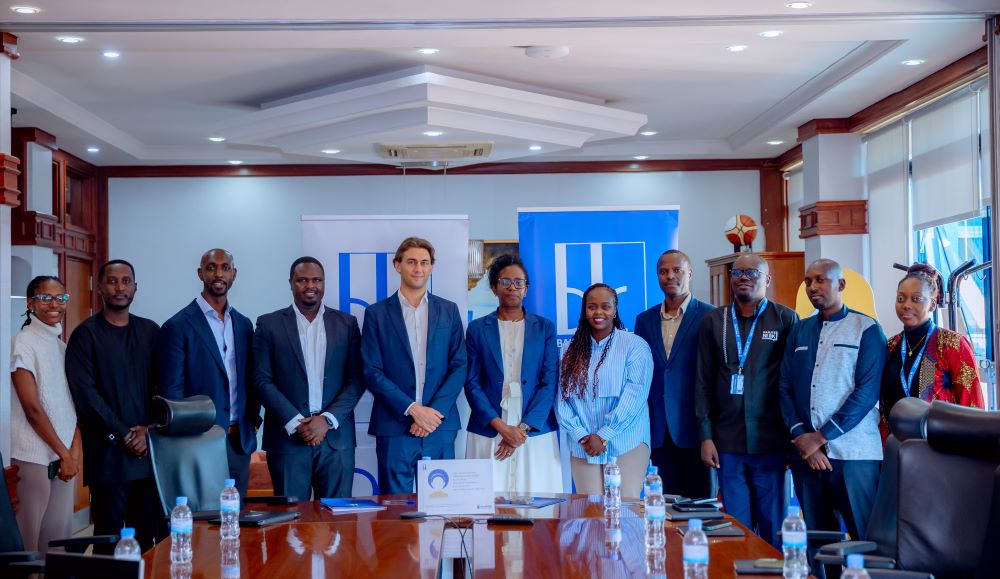
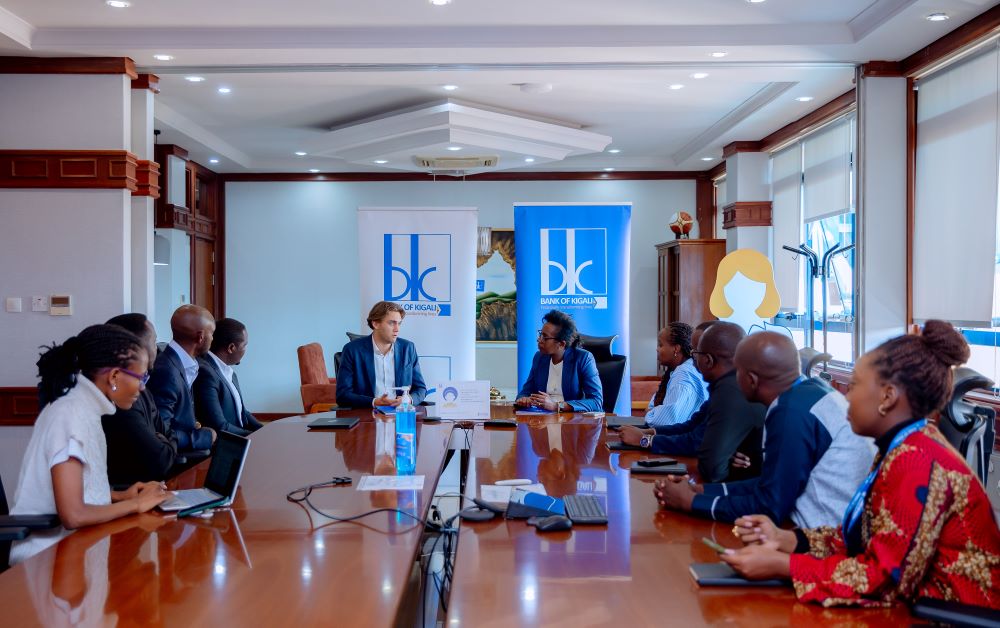
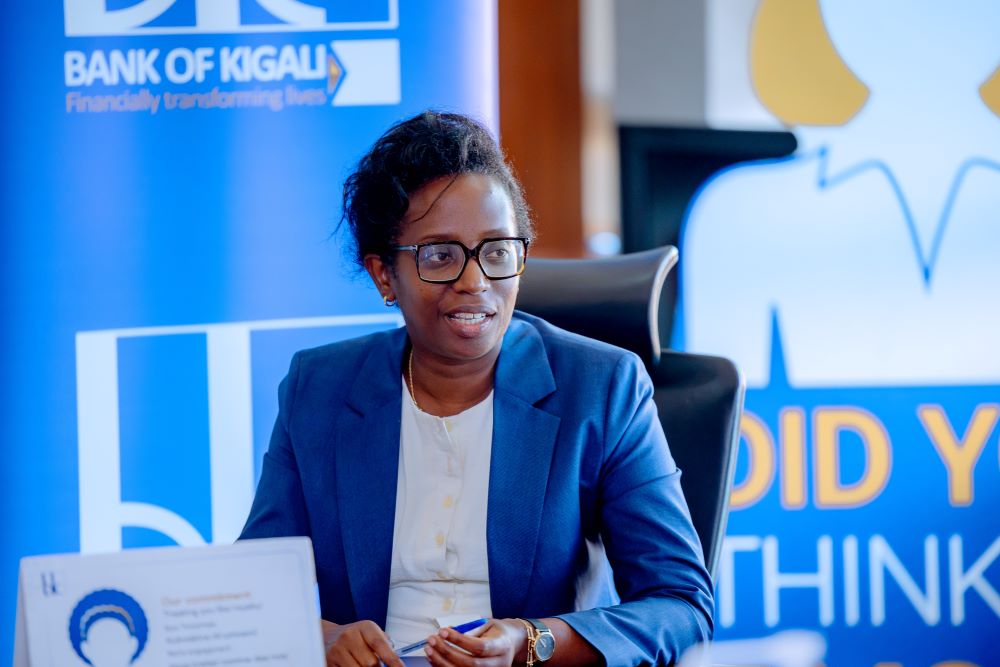
Speaking at the signing ceremony, Dr. Diane Karusisi, CEO of the Bank of Kigali described the partnership as a transformative step for Rwanda’s agricultural sector.
“By supporting innovative businesses in aquaculture, we are helping to ensure affordable, sustainable nutritious foods for our people while also driving rural development. At Bank of Kigali, we believe that investing in agriculture is not just about growing food—it’s about fostering inclusive economic growth and building resilience in the communities that depend on it,” she stated.
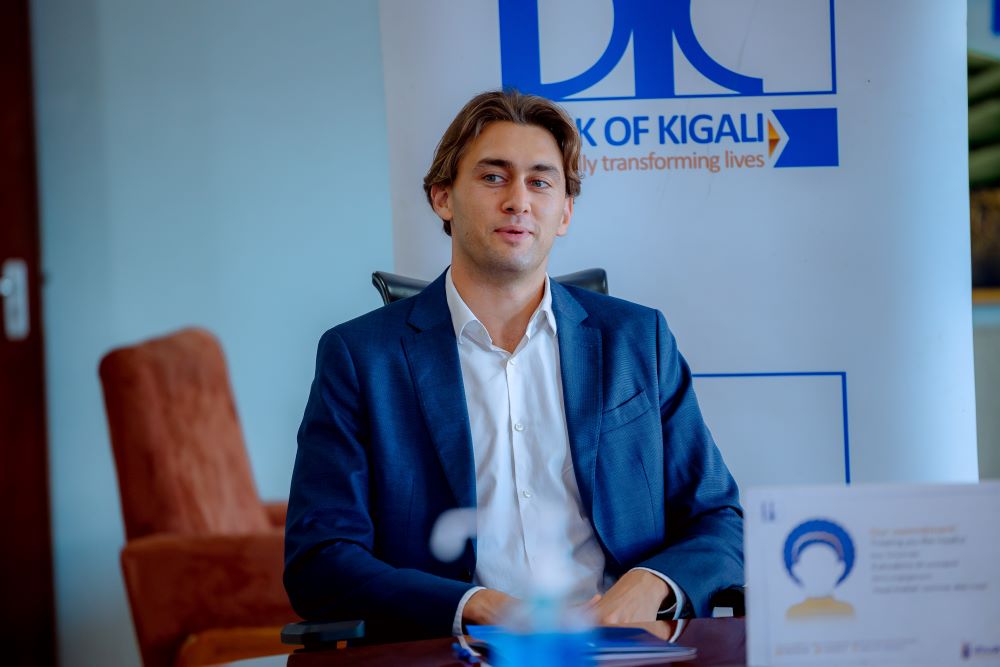
Kamran Ahmad, Founder and CEO of Kivu Choice, emphasized the importance of the partnership for their mission.
“Our partnership with BK will allow us to significantly expand our equipment and infrastructure capacity so that we can continue to scale at pace to serve more of the market. We’re grateful for the opportunity to work closely together to tackle food and nutrition security; this investment takes us one step closer to making our products accessible and affordable across the entire country,” he noted.
In addition to expanding production capacity for Kivu Choice, this partnership also aims at financing the whole value chain to ensure the wider aquaculture industry benefits from it.
With 350 employees growing to 1,200 in 3 years, over 200 suppliers, and 3000 traders, this partnership will also target supplier and trader financing.
As part of its strategic focus on agricultural financing, Bank of Kigali continues to develop tailored financial solutions that support the sector’s modernization and resilience. From providing accessible financing to agribusinesses to offering customized financial products for farmers, BK ensures that the agriculture industry receives the necessary support to thrive.
{{About Bank of Kigali Plc}}
Established in 1966, Bank of Kigali is Rwanda’s largest financial institution. As a leading commercial bank, it provides a wide range of services, including digital banking, to over 500,000 customers through an extensive branch network and digital platforms. BK is committed to fostering innovation and economic growth through targeted financial solutions for individuals, SMEs, and corporations.
{{About Kivu Choice Ltd}}
Kivu Choice is a vertically integrated Aquaculture company based in Rwanda with associated feed mill, hatchery, cage production, distribution, and sales outlets. Founded in 2021, and now producing over 500 thousand fish meals a month, the company is positioning itself as Africa’s fastest growing fish farm, with a mission to democratize access to animal protein by radically increasing affordability and supply across the region.
Mpox broke out in the Democratic Republic of the Congo (DRC) in May 2022, with several cases reported in neighbouring countries, including Burundi, Uganda, Kenya, the Central African Republic, and Rwanda in recent months. Rwanda also reported its first-ever Marburg outbreak late last month.
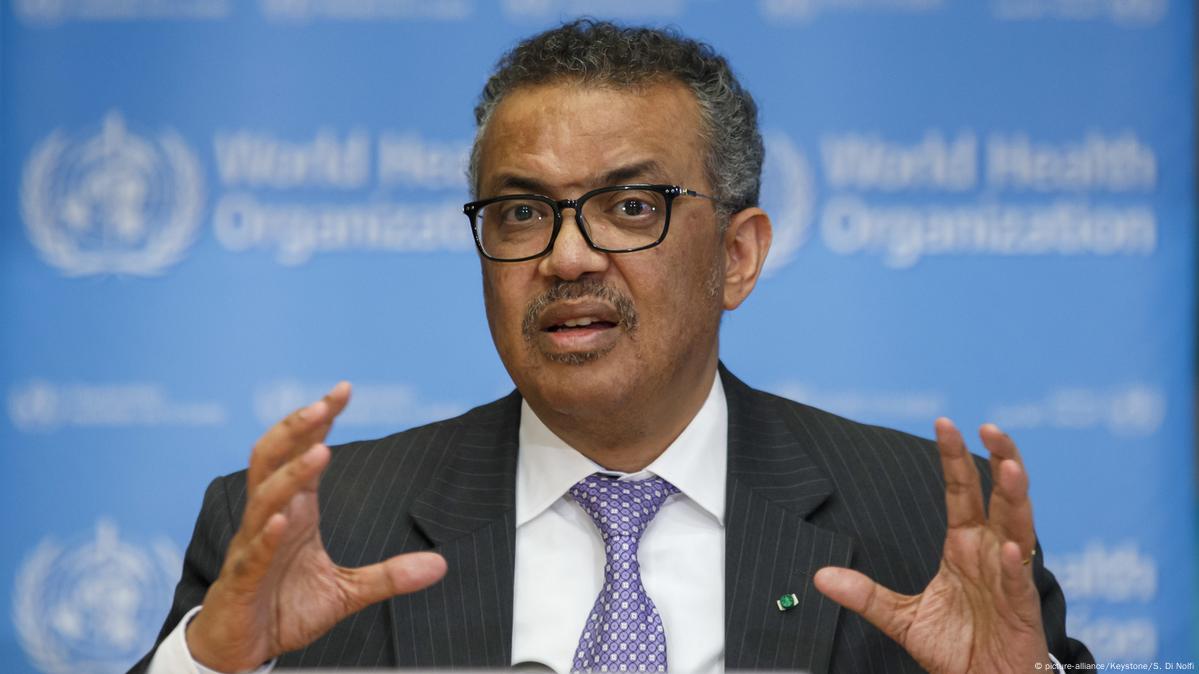
In a statement on Friday, October 11, 2024, WHO Director-General Dr. Tedros Adhanom Ghebreyesus noted that the organization had assessed the current Mpox and Marburg outbreaks and determined that no travel or trade restrictions are necessary.
According to WHO, priority should be given to public health measures and collaborative efforts to contain the outbreaks.
“Based on the current Mpox and Marburg outbreak risk assessments, WHO advises that no travel and trade restrictions are needed,” the organization stated.
WHO’s statement follows a condemnation from the Africa Centres for Disease Control and Prevention (Africa CDC) regarding a travel advisory issued by the United States government against Rwanda.
The Centers for Disease Control and Prevention (CDC), a national public health agency in the United States, issued a Level 3 travel advisory on Monday, October 7, 2024, urging its citizens to reconsider nonessential travel to Rwanda due to the Marburg outbreak.
During a virtual meeting attended by the Rwandan Health Minister and journalists on Thursday, October 10, 2024, Africa CDC Director General Dr. Jean Kaseya termed the advisory unfair. He emphasized that decisions during the ongoing outbreak must be guided by scientific facts to avoid causing panic.
“The decision taken by the US government was not fair, and we believe this is not the treatment that Rwanda and Africa deserve,” he stated.
“By issuing a Level 3 advisory, we are creating unnecessary panic—in Rwanda, in neighboring countries, and even globally,” he protested.
Dr. Kaseya noted that US authorities had committed to consulting the Africa CDC before making such decisions in the future.
“We think this is disrespectful to us. I conveyed this clear message to US senior officials. More importantly, we agreed on a way forward, and I believe I received their commitment that in the future, they will not make such decisions again without consulting us,” he added.
The Africa CDC Director praised the measures implemented by the Rwandan government, stating that the outbreak is under control and there is nearly zero risk of Rwanda spreading the disease to other countries.
“It’s almost zero risk. I say ‘almost’ because we cannot say 100% for sure, but I can say that there is a 95% certainty that there is zero risk for Rwanda spreading the disease out of Rwanda. The mechanisms they have put in place to monitor contacts mean no contact can fly out of Rwanda. This is remarkable because they are monitoring these contacts on a daily basis,” he stated.
Rwanda has so far confirmed 58 Marburg cases, 13 deaths, and 15 recoveries.
The Rwandan Presidency confirmed the development through its X account, noting that both leaders also “exchanged on various strategies to help enhance disease prevention as well as building increased capacity for manufacturing of vaccines and medical kits on the continent.”
Dr. Kaseya is in Rwanda where he is attending the African Continental Free Trade Area (AfCFTA) business forum, branded ‘Biashara Africa.’
During his visit, he reassured the nation of Africa CDC’s commitment to supporting Rwanda in its fight against the Marburg virus.
In addition to his meeting with President Kagame, Dr. Kaseya also held discussions with Rwanda’s Minister of Health, Dr. Sabin Nsanzimana, commending the government’s proactive approach to controlling the outbreak.
He expressed optimism that the virus would be contained soon, given the ongoing efforts.
Rwanda reported its first case of the Marburg virus on September 27, 2024. As of October 11, 58 people have been infected, with 15 having recovered. No new cases have been reported in the last two days.
Authorities have urged Rwandans to continue following preventive measures, such as avoiding close contact with symptomatic individuals and practicing proper hygiene.
In response to the outbreak, the government has also rolled out a vaccination program targeting high-risk individuals, with 346 doses administered so far.
The Marburg virus disease presents symptoms such as severe headaches, weakness, fever, watery diarrhea, and abdominal pain. Anyone experiencing these symptoms or observing them in others is encouraged to report to health authorities immediately.
Beyond addressing the current outbreak, Rwanda remains committed to long-term solutions for pandemic preparedness.
The BioNTech vaccine manufacturing plant, which began its first phase in Kigali in December 2023, is part of these efforts.
Once fully operational, the plant is expected to produce 50 million vaccine doses annually, significantly boosting the continent’s capacity for disease prevention.
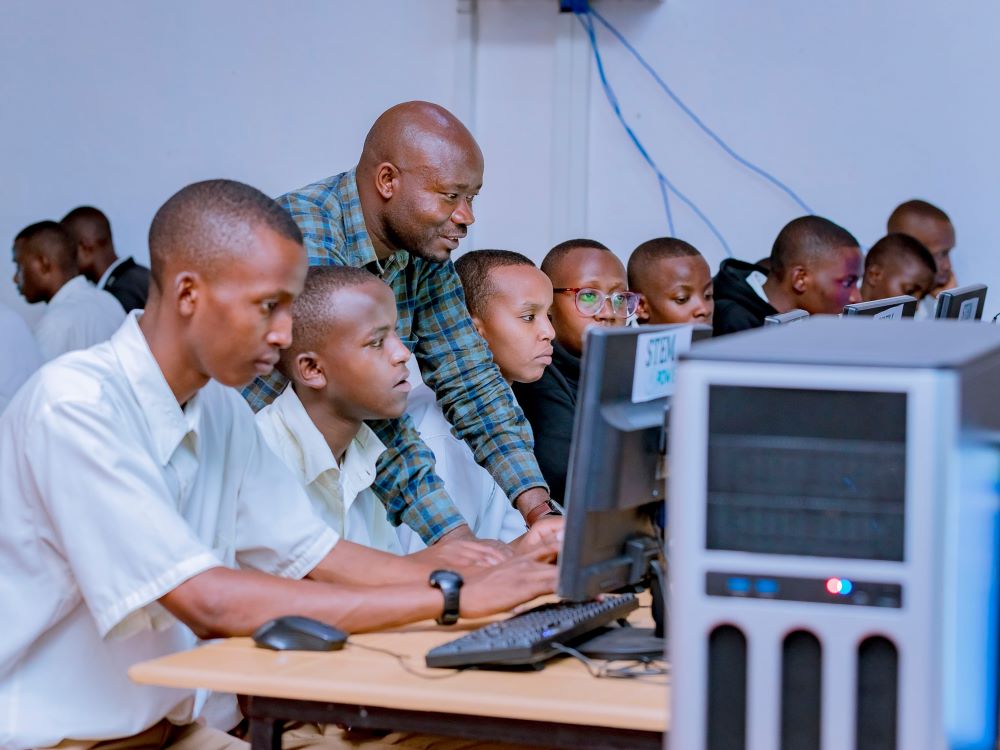
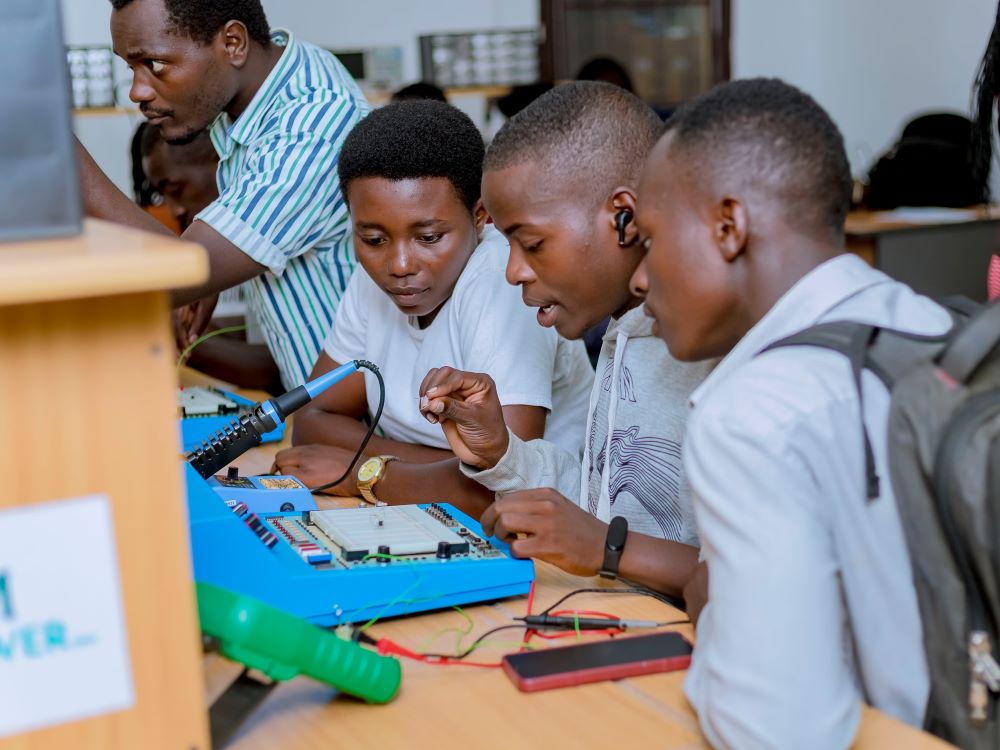
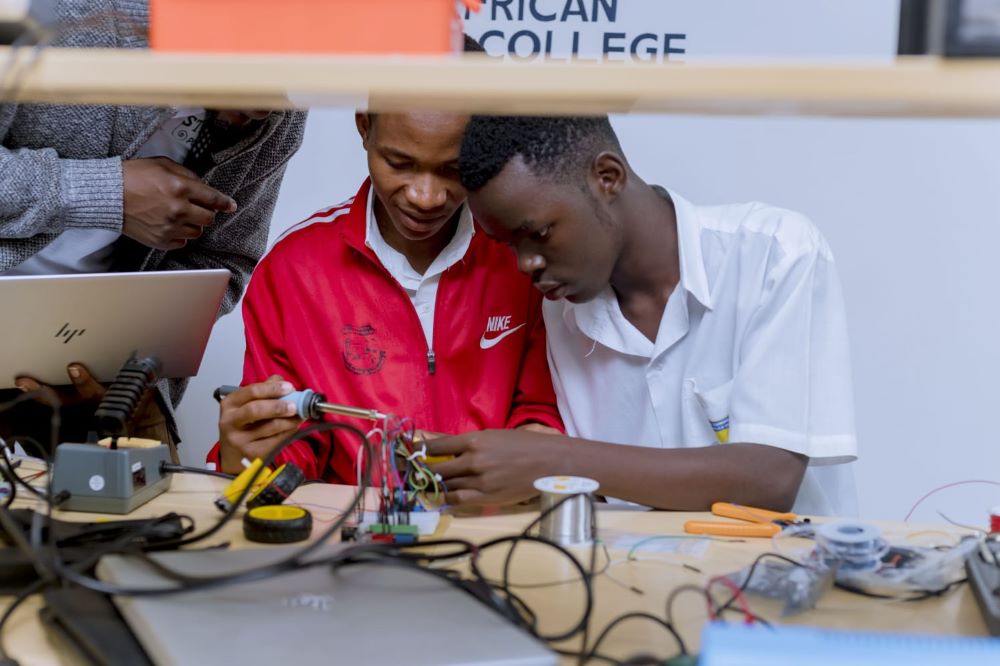
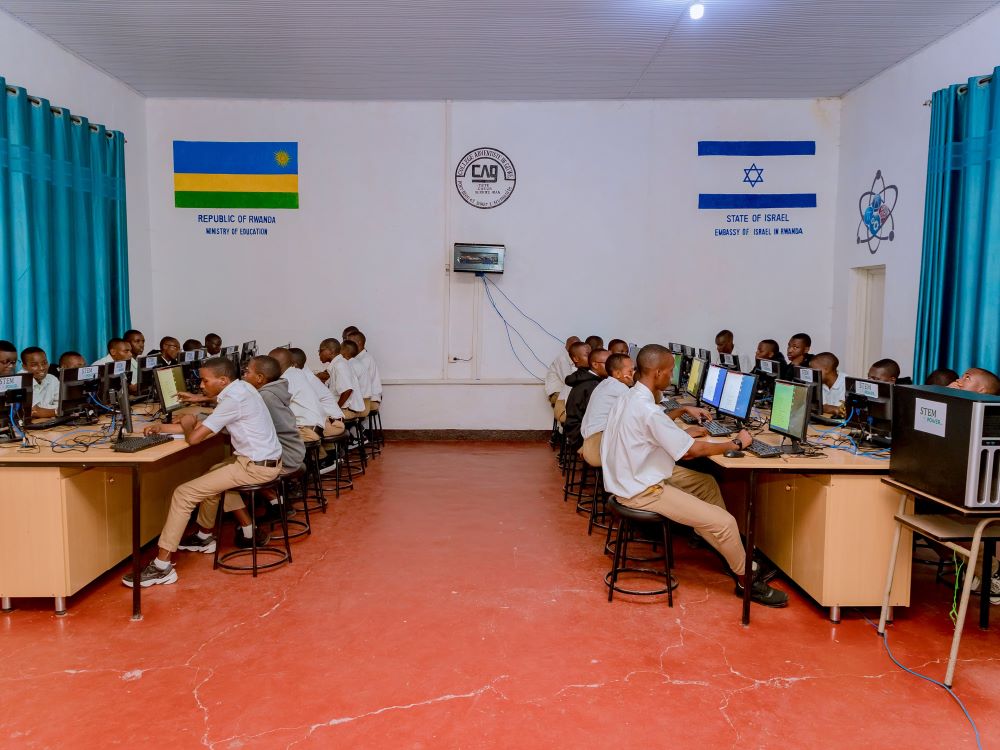
Every STEM center consists of a computer and electronics laboratory. By working closely with the higher education institutions that host these STEM centers, the organization guarantees that students obtain hands-on training to supplement their theoretical classroom learning.
So far, STEMpower’s presence in Rwanda is already bearing fruits, as many who have attended training sessions at the centers explain.
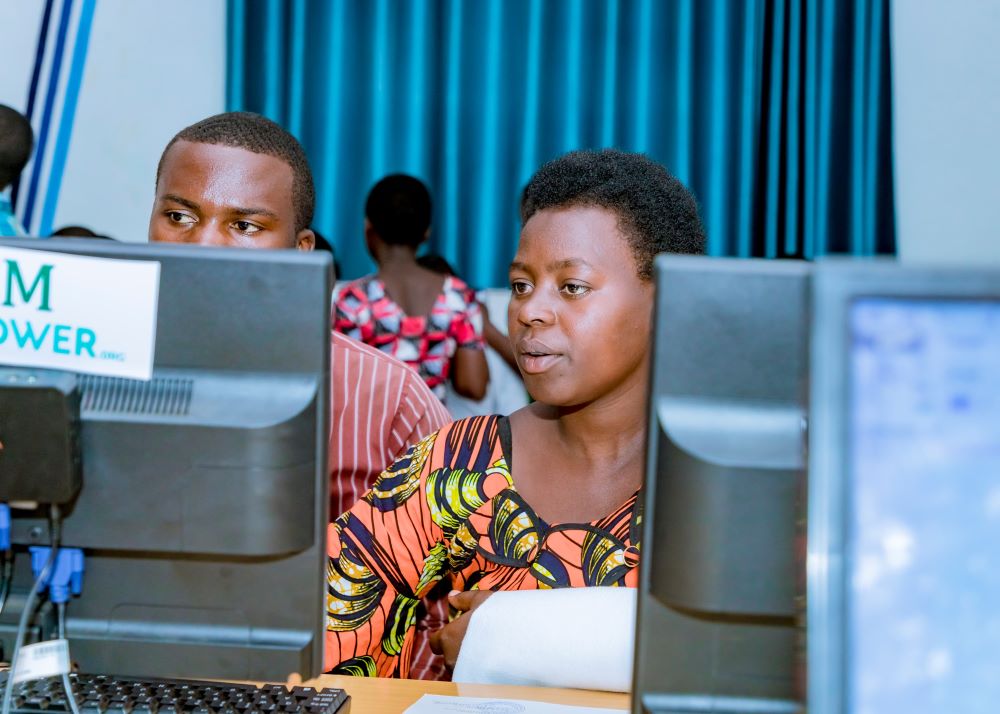
Victoire Irakoze, a 22-year-old mother, dropped out of school at an early age when she got pregnant, and would always find herself ill-equipped for the job market as a result.
However, STEMpower’s free computer literacy program at the Adventist College of Gitwe in Ruhango District has turned around her life after acquiring computer skills. She says that she is now better positioned for job opportunities.
“I literally didn’t know how to use a computer, and most of the job opportunities I came across required some basic skills on the same. After completing training at this center, I have the basic computer skills, and I am now more confident and optimistic to apply these skills on the labor market,” she explained.
Irakoze is one of the 131 students and community members who completed computer literacy training at College Adventist de Gitwe in the most recent cohort. Her story showcases the organization’s commitment to inclusive education and reviving of shattered dreams.
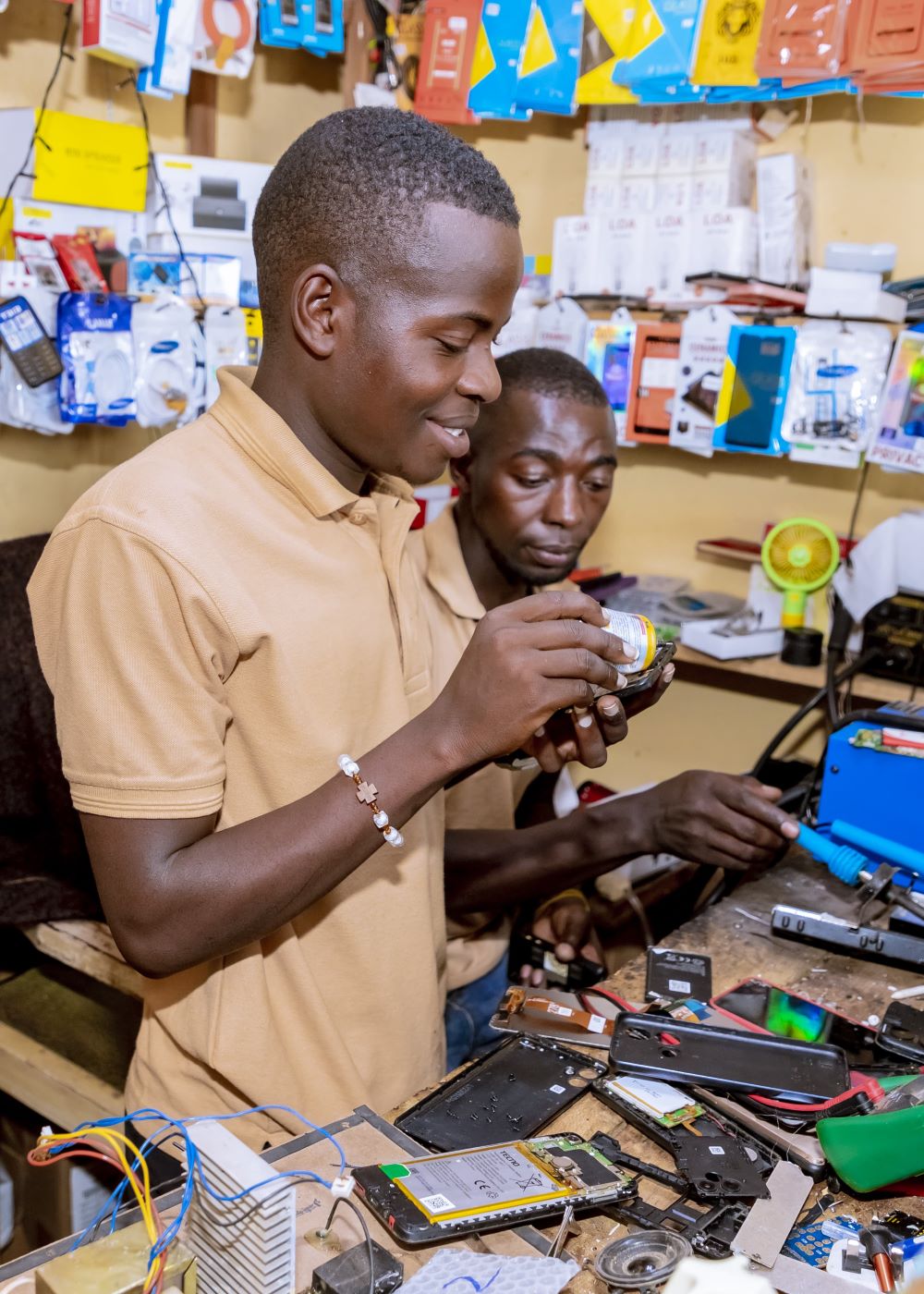
Emmanuel Tuyisenge is another beneficiary of STEMpower’s training programs whose testament further highlights the practical impact of the organization. The 22-year-old from Kanjongo Sector in Nyamasheke district, always dreamt of becoming an electronics technician, but lacked the financial means to pursue his dream.
In 2022, he heard about STEMpower and enrolled for its free-to-attend training program. After completing training, he opened ‘Emmy Shop of Electronics’, the only electronic repair shop in his village.
“I wanted to utilize the skills I acquired and then noticed there was no one in my area repairing electronic gadgets. My business is now running well, and I hope to expand it as time goes by,” he said.
{{Effective teaching methodology}}
Gervais Tuyizere, a high school student at Murama Secondary School in Ruhango district, also participated in a number of trainings by STEMpower. He says that they have helped him better understand what he was being taught in class.
“The hands-on teaching methodology helps me better understand what I am learning and it becomes easier to remember and apply it. I have since learnt how to install internet connection in my area, and how to do basic computer maintenance, thanks to this training,” he said.
Tuyizere says he envisions becoming an IT engineer and therefore believes the skills he has acquired will be of fundamental importance as he pursues his dream career.
STEMpower has established at least one STEM center in all four provinces of the country and in Kigali city, to reach as many beneficiaries as possible. The facilities are located at University of Rwanda- College of Science and Technology, Nyarugenge district, Ines Ruhengeri in Musanze district; Kibogora Polytechnic located in Nyamasheke district and at the University of Rwanda- College of Education in Kayonza district.
Other learning institutions hosting the centers are Gitwe Adventist College (Ruhango district), East African Christian College in Kicukiro district, Nyabiheke Refugee Camp (Gatsibo district) and University of Tourism, Technology and Business studies situated in Rubavu district.
These centers are not just for students but also serve members of the local community, providing vital skills and opportunities to those who might otherwise be left behind.
The non-profit organization will soon inaugurate a new STEM center at Rwanda Polytechnic College in Kigali as it expands its footprint in the country.
Besides Rwanda, STEMpower has presence in many other Africa’s Sub-Saharan countries such as Ethiopia, South Sudan, Mali, Congo-Brazzaville, Burundi, Uganda, and Kenya among many others.
In total, the organization has established 125 STEM centers which are helping students learn innovation, real-world problem-solving and creativity, thereby empowering them to lift their respective countries from poverty.
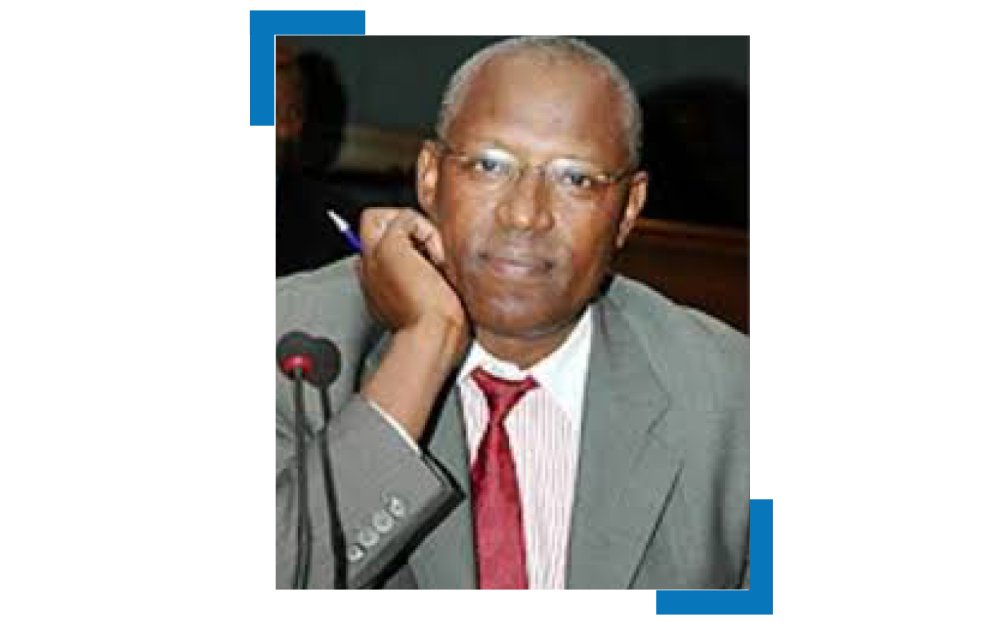
During the liberation war, Dr. Karemera was on the frontlines as a doctor, treating wounded soldiers.
His contributions continued post-war, as he became Rwanda’s first Minister of Health after the 1994 Genocide against the Tutsi.
In this role, he made bold decisions, including permanently banning doctors from practicing in Rwanda if they were found guilty of serious offenses. His tenure was marked by a steadfast commitment to restoring integrity and trust within the health sector.
A long-time member of the Rwandan Patriotic Front (RPF), Dr. Karemera spent 40 years in exile before returning to his homeland.
He frequently spoke about the driving forces behind the RPF’s victory, emphasizing their deep love for Rwanda and their determination to dismantle the oppressive regime.
Reflecting on the RPF’s success, he once stated, “Our strong will, commitment, and determination to uproot dictatorship in our country gave us strength to defeat the enemy.”
As Minister of Education, Dr. Karemera’s leadership was equally uncompromising. He focused on improving the quality of education and addressing issues of negligence by both teachers and students.
Under his watch, numerous school head teachers were dismissed for poor performance, and students involved in cheating faced severe disciplinary measures, including expulsion or suspension, some lasting up to three years.
In one of his most impactful decisions, Dr. Karemera ordered the annulment and recall of certain high school diplomas, citing irregularities in their issuance.
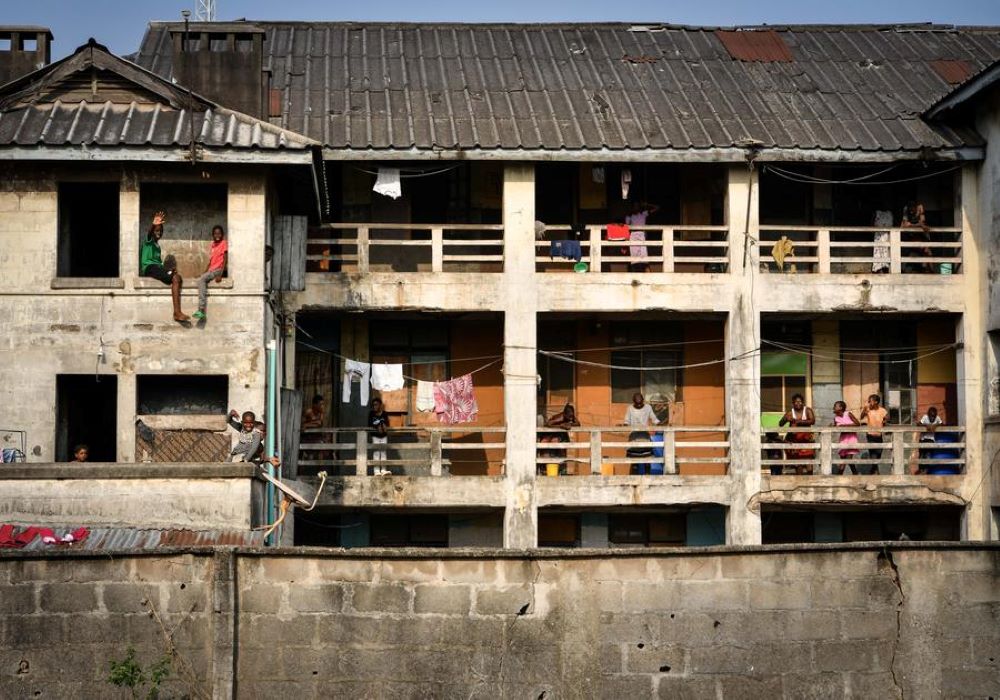
The burial of 11 identified bodies of Goma residents killed after the ferry “MV MERDI” capsized on Lake Kivu a week ago took place at the Makao cemetery. At least 87 people were killed last Thursday after the ferry capsized near the port of Kituku, according to a provincial government report that did not specify the number of people on board.
The ferry broke into three pieces and is currently at a depth of about 198 meters in Lake Kivu, said Jean Romuald Lipopo, vice-governor of the province, who was present at the funeral, noting that the methane gas in Lake Kivu has hampered search efforts.
The ferry, coming from Minova in the province of South Kivu, sank hundreds of meters from the port after failing to withstand the speed of a violent wave, according to sources at the port of Kituku. Local sources reported a “significant overload” of the ferry.
The land route between Goma and Minova has been cut off for months due to hostilities between armed groups and the DRC military. Cases of shipwrecks are frequently recorded on Lake Kivu due to strong winds and overloading.
Rwanda’s Health Minister, Dr. Sabin Nsanzimana, made the remarks during a virtual session with journalists attended by the Director-General of the Africa Centers for Disease Control and Prevention (Africa CDC), Dr. Jean Kaseya, on Thursday, October 10, 2024.
During the briefing, Minister Nsanzimana was asked about reports suggesting that Rwanda had initially concealed the discovery of individuals infected with the virus in the country. In response, the minister stated that the claims were unfounded.
“I would like to clarify that the information suggesting these tests were done earlier and not communicated is not true. The truth is that the tests were conducted on September 26, confirmed the same night, and announced publicly on the 27th. Everything happened within 24 hours, and the process followed international protocol guidelines. So, this is the fact and the truth, just as was done in previous outbreaks,” the minister explained.
He added that Rwanda is currently investigating the source of Rwanda’s first-ever Marburg outbreak which was confirmed on September 27, 2024.
“The process of tracing the origins of the first patient and the virus is still ongoing. In the next few days, we will complete this investigation, along with additional testing such as ELISA and serology. We are combining multiple efforts, including collaboration between One Health teams, epidemiologists, and veterinarians,” he said.
The minister also highlighted Rwanda’s significant progress in vaccination efforts and monitoring to prevent the further spread of the outbreak.
“So far, we’ve already vaccinated more than 200 people, and more are being vaccinated. We initially received 700 doses for the most at-risk groups. We expect this to protect those in treatment centers, as well as healthcare workers in the affected hospital departments, and contacts of confirmed positive cases, in a strategy known as ring vaccination,” he stated.
Dr. Nsanzimana further mentioned that, despite the outbreak, various activities, including meetings, will not be disrupted.
“There are ongoing meetings; for instance, yesterday, I was with the Director-General of Africa CDC at a major conference called Biashara Africa, as well as several other meetings. We are monitoring the outbreak as people come to Rwanda for these gatherings. Measures have been put in place to monitor individuals infected with the disease who are in two hospitals. We see no reason to avoid travel or suspend meetings,” he said.
Rwanda has so far confirmed 58 cases of Marburg, with 13 deaths and 12 recoveries.
The Centers for Disease Control and Prevention (CDC), a national public health agency of the United States, issued a Level 3 travel advisory on Monday, October 7, 2024, urging its citizens to reconsider nonessential travel to Rwanda due to the Marburg outbreak.
Speaking during a virtual meeting attended by the Rwandan Health Minister and journalists on Thursday, October 10, 2024, Dr. Kaseya said that decisions during the ongoing outbreak must be guided by scientific facts to avoid spreading panic.
“The decision taken by the US government was not fair, and we believe this is not the treatment that Rwanda and Africa deserve,” he stated, adding that Rwanda had implemented satisfactory measures to contain the spread of the disease.
“By issuing a Level 3 advisory, we are creating panic—an unnecessary panic—in Rwanda, in other regions, in neighbouring countries, and even globally,” he protested.
Dr. Kaseya noted that US authorities had committed to consulting the Africa CDC before taking such steps in the future.
“We think this is disrespectful to us. I conveyed this clear message to US senior officials. But more importantly, we agreed on a way forward. I believe I received their clear commitment that in the future they will not make such decisions again without consulting us,” he added.
Besides the Level 3 travel advisory, the US government also recently suspended in-person services at its embassy offices in Kigali, allowing its staff to work from home following the confirmation of Marburg cases in Rwanda. The suspended services include American Citizen Services and visa interviews.
In the Thursday briefing, Minister Dr. Sabin Nsanzimana stated that Rwanda is making significant progress in vaccination efforts and monitoring to prevent the further spread of the outbreak.
“So far, we’ve already vaccinated more than 200 people. Others are still being vaccinated. We initially received 700 doses for the most at-risk groups. We expect this to protect those in treatment centers, as well as departments in the hospitals most affected, particularly healthcare workers and contacts of confirmed positive cases, which is known as ring vaccination,” the minister stated.
As of Thursday, October 10, 2024, Rwanda has confirmed 58 cases, 13 deaths, and 12 recoveries.