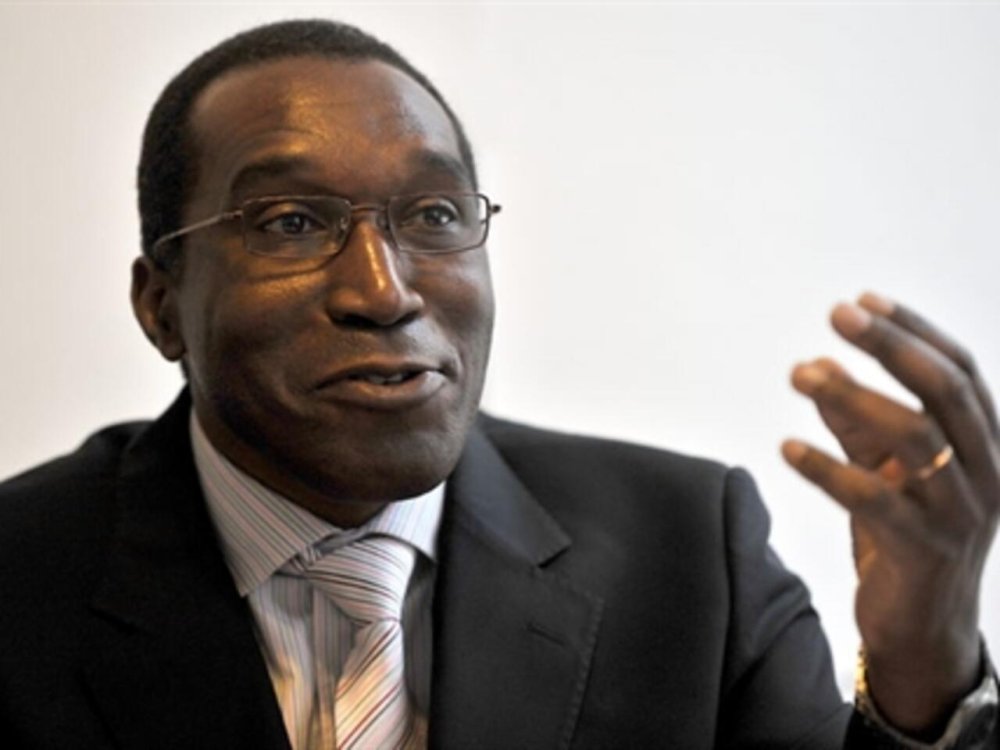
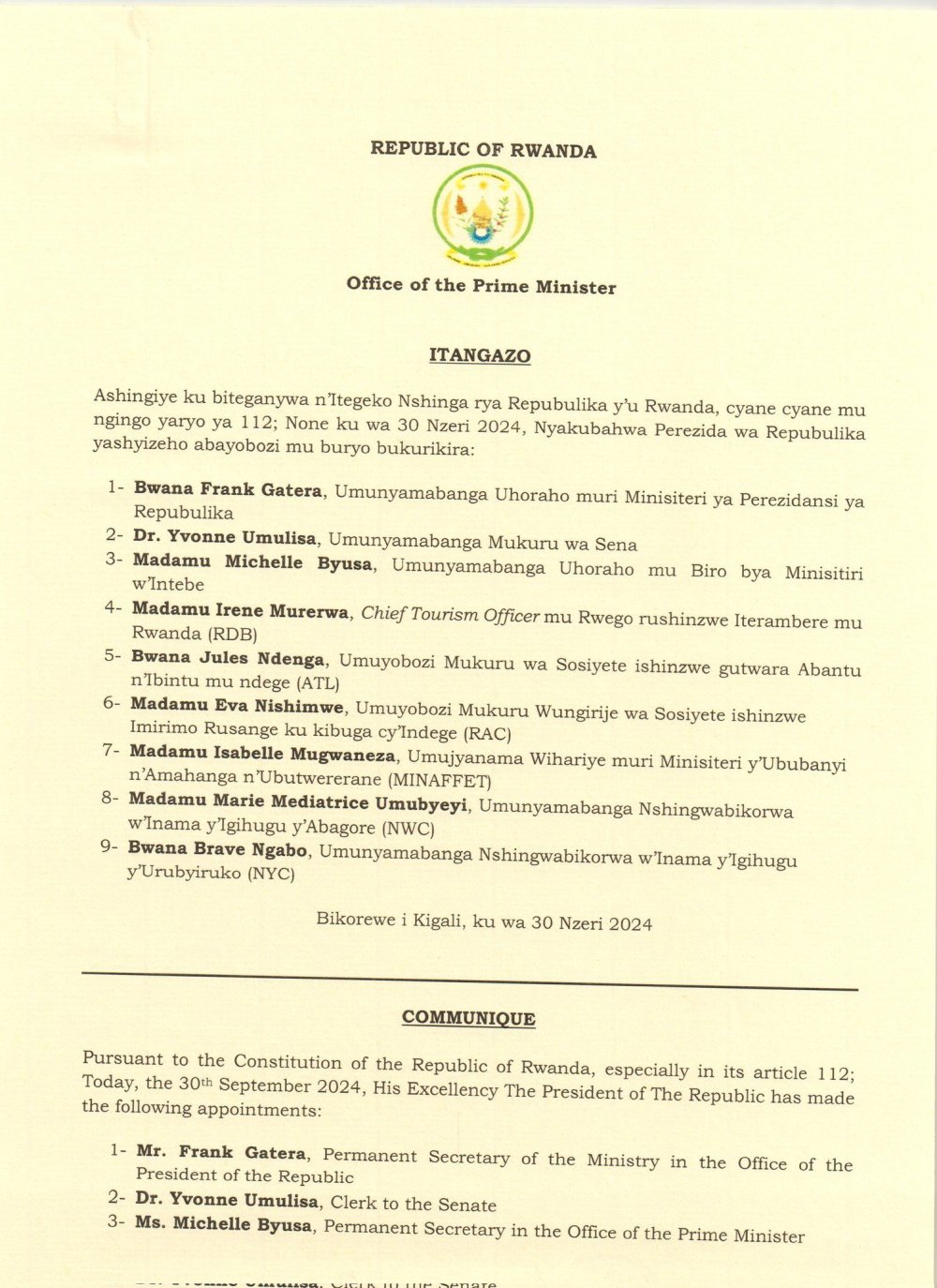
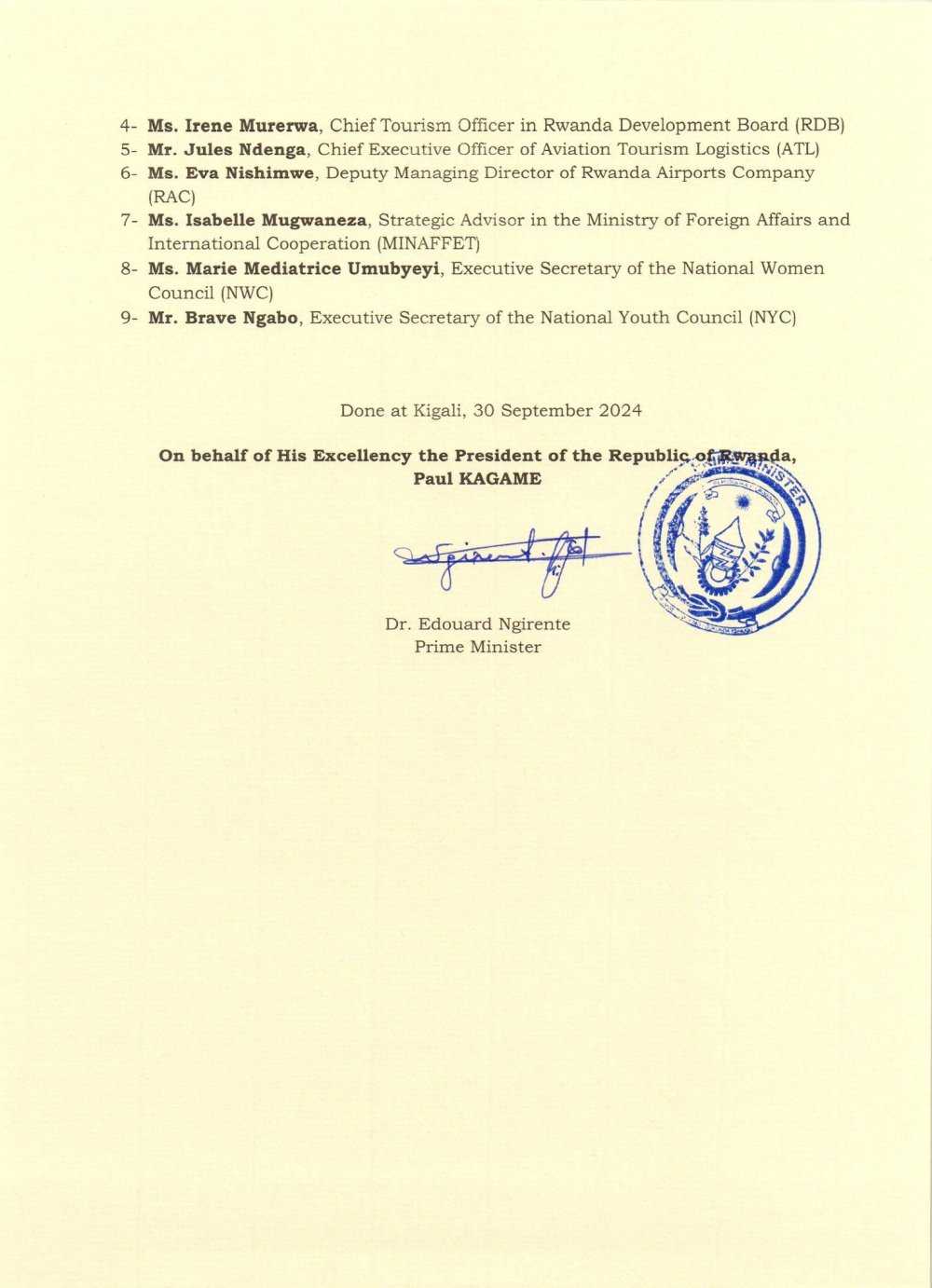
Nelly Mukazayire, Deputy CEO of the Rwanda Development Board was appointed Permanent Secretary in the Ministry of Sports replacing Zephanie Niyonkuru who was recently relieved of his duties.
Until his appointment to MINEDUC, Nsengimana served as Director at the Mastercard Foundation Centre for Innovative Teaching and Learning, a key initiative driving the innovative use of technology to improve access to quality education, particularly for underserved communities.
The Mastercard Foundation Centre collaborates with a wide range of actors, including innovation hubs, EdTech entrepreneurs, policymakers, researchers, educators, and learners, to support the integration of technology in education. This includes developing, deploying, and scaling up promising EdTech innovations that enhance learning and strengthen education systems.
Before joining the Mastercard Foundation, Nsengimana had an extensive career at Intel Corporation where he last served as Executive Director of Global Diversity and Inclusion (GDI) Policy, Strategy, and External Partnerships (PSEP). He was instrumental in helping Intel achieve full representation in its U.S. workforce two years ahead of schedule in 2018.
Nsengimana succeeds Twagirayezu, who has served as Minister of Education for one year, having been appointed in August 2023.
Before his appointment as Minister, Twagirayezu held the position of Minister of State in charge of Primary and Secondary Education at the Ministry of Education since February 2020.
Twagirayezu was among the ministers retained by President Kagame when he [named his new Cabinet in August 2024->https://en.igihe.com/politics-48/article/president-kagame-unveils-30-member-cabinet], following his re-election.
The groundbreaking ceremony was attended by various government officials, including the Minister of ICT and Innovation, Paula Ingabire Musoni, Minister of Infrastructure, Jimmy Gasore and the CEO of the Rwanda Development Board (RDB), Dr. Francis Gatare.
This project will be implemented by the Government of Rwanda through RDB in partnership with Africa50, an investment platform for infrastructure projects that generate benefits across Africa.
Covering 61 hectares, the project is expected to cost around $2 billion and will include buildings that will host international universities, technology companies, commercial facilities, and more.
The city will feature a large center with bases focusing on Artificial Intelligence and cybersecurity. Some buildings in Kigali Innovation City will have solar-powered roofs, and the vehicles used within the area will predominantly be electric, contributing to environmental sustainability.
The Minister of ICT and Innovation, Paula Ingabire Musoni, mentioned that the idea for this project has been in development for over 10 years. It was conceived to create a hub for various sectors, including education and technology. She stated that in the next 10 years, Rwanda expects this project to be a reality and play a significant role in technological development.
The buildings in this city will have unique construction designs, with some adorned with special Rwanda traditional decorative features. Kigali Innovation City will also feature wide roads, coffee shops, and restaurants with outdoor seating. Additionally, it will include high-end buildings for international tech companies, hotels, modern student accommodations, and residential areas.
Currently, some parts of the project are already under construction, including the African Leadership University and Carnegie Mellon University Africa.
Dr. Francis Gatare, CEO of RDB, highlighted that this is a major milestone for Rwanda in its quest to establish a knowledge-based and technology-driven economy.
“We are here to celebrate this achievement for our nation, its leadership, and the people of Rwanda, who are committed to building a knowledge-based economy that fosters innovation and sustainable development,” he said.
“Kigali Innovation City is one of Rwanda’s flagship projects and serves as a cornerstone of our strategy to develop a knowledge-based economy. This project reflects the power of collaboration between our people and leadership to transform our country and make innovation, education, and technology the foundation of our future,” he explained.
Once fully completed, the project is expected to generate $150 million annually from the technology developed there and attract $300 million in foreign investment.
Prime Minister Dr. Edouard Ngirente noted that this project will benefit not only Rwanda but also other Africans.
“We are laying the foundation for a bright future where every African can benefit from cutting-edge technology and innovative solutions. Kigali Innovation City is more than just infrastructure; it is a convergence that will drive innovation, attract talent, and bring investment from around the world.”
He urged both local and international investors to take advantage of the opportunities presented by Kigali Innovation City. This groundbreaking ceremony comes just days after the Government of Rwanda signed an agreement with Africa50, a platform that invests in infrastructure projects that benefit the African continent.
East African countries have been working on railway projects for some time, and Tanzania recently launched electric train services, with the first train in June 2024 carrying 1,400 passengers.
Tanzania, which lies to the east of Rwanda, is expected to be the route through which the railway leading to Rwanda will pass, and markers have already been placed along the proposed path.
Rwanda is required to invest over $1.5 billion, while Tanzania, which has a larger share of the project, needs to invest more than $2.5 billion.
On September 10, 2024, China’s Ambassador to Rwanda, Wang Xuekun, told the press that during the Forum on China-Africa Cooperation (FOCAC), the two countries agreed to continue cooperation in areas such as infrastructure, technology, education, and agriculture.
Gao Zhiqiang, the Economic Counselor at the Chinese Embassy in Rwanda, was asked if China plans to partner with Rwanda on the construction of a railway. He responded that the project is costly, considering Rwanda’s terrain and the route the railway would need to take to reach the country.
He explained that building a railway in landlocked countries, like Rwanda, requires a lot of resources, which is why they chose to focus on developing road networks connecting different parts of the country.
“It’s a massive project; it’s quite a challenge for landlocked countries like Rwanda. It requires a lot to implement this project in Rwanda, especially due to the country’s terrain, and it would cost a lot of money to build a railway from other regions into Rwanda and within the country itself.”
“As far as I know, we are focusing on collaborating with the Government of Rwanda in constructing road networks in various regions, both in Kigali and rural areas.”
Zhiqiang also mentioned that although China is not funding the railway project, that does not mean the Rwandan government has abandoned it. In fact, a Chinese company is working with the Ministry of Infrastructure in Rwanda and other partners to conduct feasibility studies on how Rwanda can build its own railway.
The railway project most frequently discussed is the one connecting Rwanda and Tanzania.
The agreement to build the 532-kilometer Isaka-Kigali railway was signed on March 9, 2018. The project was estimated to cost $3.6 billion.
On the Rwandan side, the proposed route shows that the railway will pass through Rusumo and reach Kigali [at Dubai Ports in Kicukiro], with an additional 18 kilometres extending to Bugesera International Airport.
The railway will cover 138 kilometres in Rwanda, while Tanzania’s portion will be 394 kilometres.
There is also a proposed 1,500-kilometer railway from Mombasa to Kigali via Uganda, although this project has stalled. Kenya had already completed the initial phase of this project from Mombasa to Nairobi.
Operations at Kenya’s Jomo Kenyatta International Airport (JKIA) were paralyzed on Wednesday, September 11, 2024, after workers went on strike to protest the planned leasing of the country’s main airport.
The strike began at 12:00 a.m. on Wednesday and caused flight delays and cancellations for both departing and arriving passengers, leaving many stranded.
Kenya’s national carrier, Kenya Airways (KQ), confirmed the flight disruptions, stating, “We continue to observe the situation and will provide updates on the affected flights.”
RwandAir was also impacted by the strike and had to cancel two flights on Wednesday morning. The airline, however, confirmed that affected passengers would be rebooked on the next available flights.
“Due to the ongoing strike by airport staff at Jomo Kenyatta International Airport, our flights WB452/WB453 KGL/NBO/KGL on 11 September 2024 are canceled. All affected passengers will be rebooked on the next available flights. We apologize for any inconvenience caused,” RwandAir said in a post on X.
Due to the ongoing strike by airport staff at Jomo Kenyatta International Airport, our flights WB452/WB453 KGL/NBO/KGL on 11 September 2024 are cancelled. All affected passengers will be rebooked on the next available flights. We apologize for any inconvenience caused.
The strike was organized by the Kenya Aviation Workers Union, which represents airport workers. The union argues that the proposed agreement to lease the airport to India’s Adani Group for 30 years would lead to job losses and the influx of non-Kenyan workers.
The Kenyan government announced plans to lease the airport in July, stating that it is operating above capacity and needs modernization. The government insists that the airport is not for sale.
The government suffered a setback on Tuesday when the High Court suspended the airport’s management takeover following a petition filed by the Law Society of Kenya and the Kenya Human Rights Commission.
The petitioners argued that the estimated $1.85 billion required to revamp the airport could be raised without resorting to a multi-decade leasing contract.
“The Adani proposal is unaffordable, threatens job losses, exposes the public disproportionately to fiscal risk, and offers no value for money to the taxpayer,” the organizations argued in their legal filing.
Dickson Ndiema, the ex-lover of the deceased Olympian, died at Moi Teaching and Referral Hospital in Eldoret on the night of Monday, September 10, 2024, according to local media reports.
Ndiema’s death comes barely a week after Cheptegei died at the same hospital on September 6 due to organ failure.
He had been receiving treatment at the hospital in western Kenya after also suffering burns when he doused Cheptegei with petrol.
Ndiema is reported to have attacked his lover on Sunday, September 1, while she was returning home, allegedly over unresolved land issues. He sustained burns covering more than 30 percent of his body during the attack, while Cheptegei suffered burns over 80 percent of her body.
The tragic incident occurred just weeks after the 33-year-old athlete had competed in the marathon at the Paris Olympics, where she finished 44th.
The attack was widely condemned, with the family of the Ugandan athlete and notable figures, including the Speaker of the Parliament of Uganda, Anita Among, and Ugandan Chief of Defence Forces, Muhoozi Kainerugaba, demanding justice for the Olympian.
The Kenyan government had expressed its commitment to ensuring justice for Ugandan athlete Rebecca Cheptegei.
In a statement, Sports Minister Kipchumba Murkomen described Cheptegei’s death as a tragic loss and condemned the rising cases of gender-based violence.
“This tragedy is a stark reminder that we must do more to combat gender-based violence in our society, which in recent years has reared its ugly head in elite sporting circles,” the minister stated.
“As a government, we remain committed to supporting justice for Rebecca. No one should have to go through such an ordeal. May her soul rest in peace,” he added.
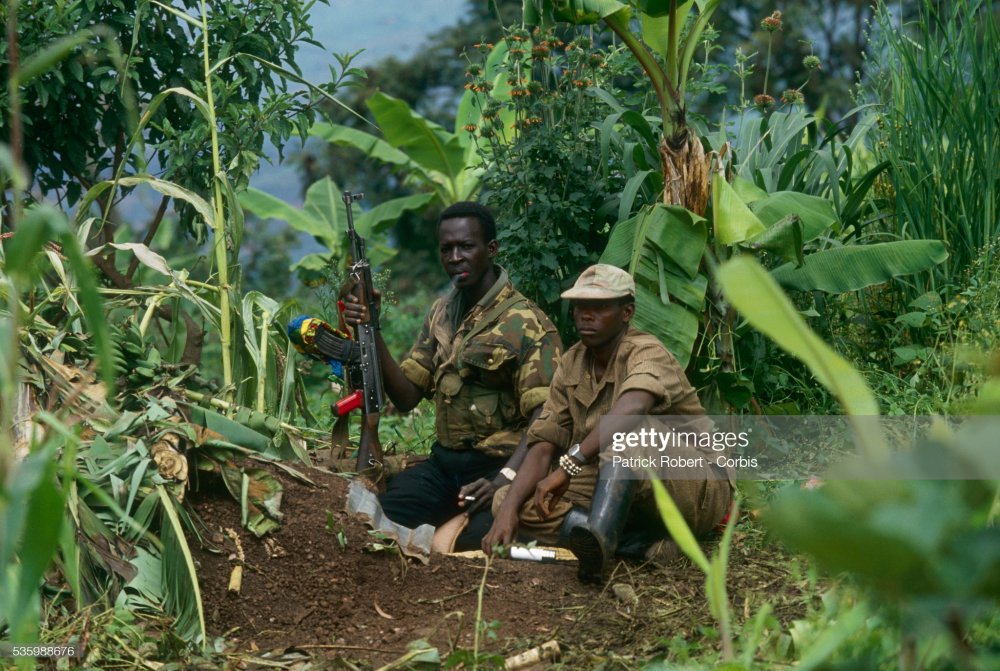
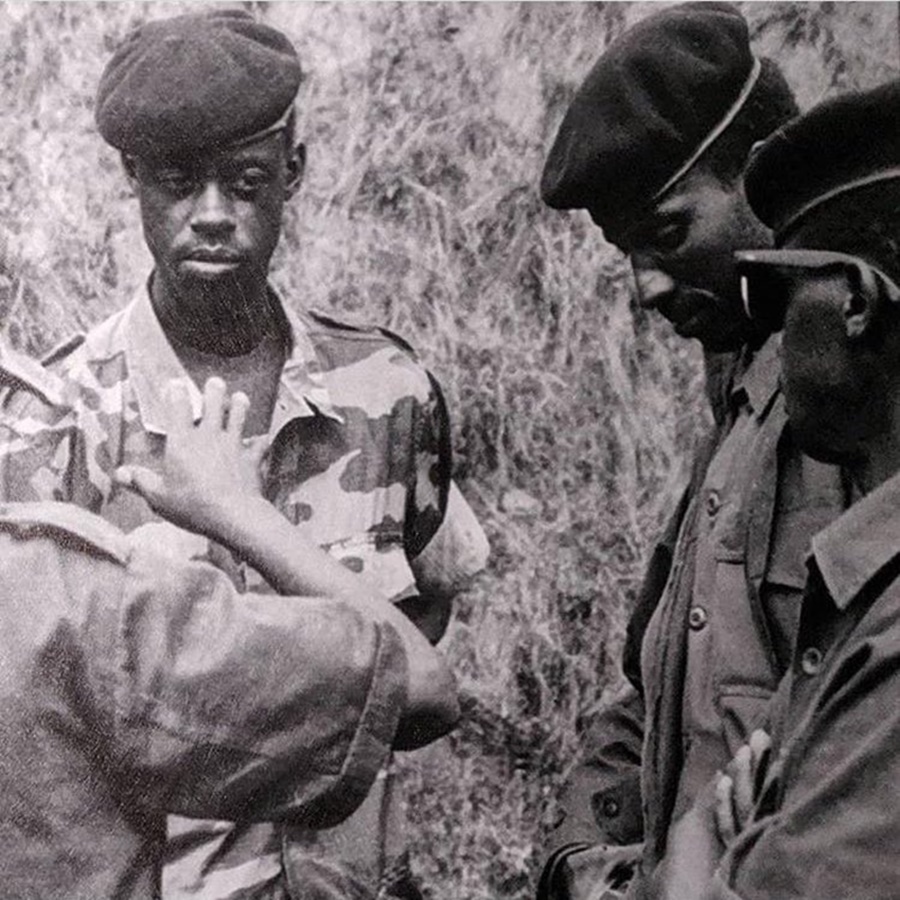
A few weeks before this meeting, starting on February 12, 2023, there were already reports of the movement of troops of the self-proclaimed rebel leader, William Amuri Yakutumba, who was sanctioned by the European Union in December 2022.
He moved his troops from Fizi to North Kivu, saying he wanted to fight the M23 and secure the Congolese-Rwandan border at Kamanyola.
General Ramazani Fundi, the Armed Forces of the Democratic Republic of the Congo (FARDC) operational commander in Uvira, had said the army was considering how to facilitate the movement of Yakutumba’s forces to the front.
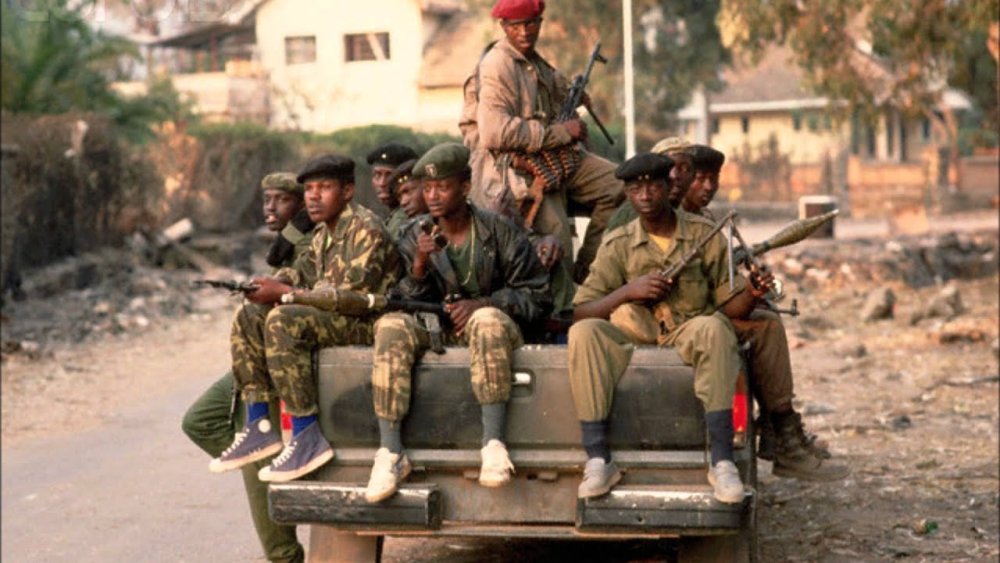
The active collaboration between the Mai-Mai groups collectively referred to this force as Wazalendo (“Indigenous Patriots”) and the support from FARDC was confirmed by the Minister of Higher and University Education, Muhindo Nzangi Butondo, during a press conference held in Goma on March 6, 2023.
He had specified that the government decision concerning the reserve forces was legalized as the Wazalendo.
“From next week, you will receive missions, will be equipped and will fight under the same supply conditions as the FARDC.”
For Minister Nzangi, this legalization means that the Wazalendo could no longer hide. He insisted: “From now on, you are no longer negative forces. You become reserve forces!”
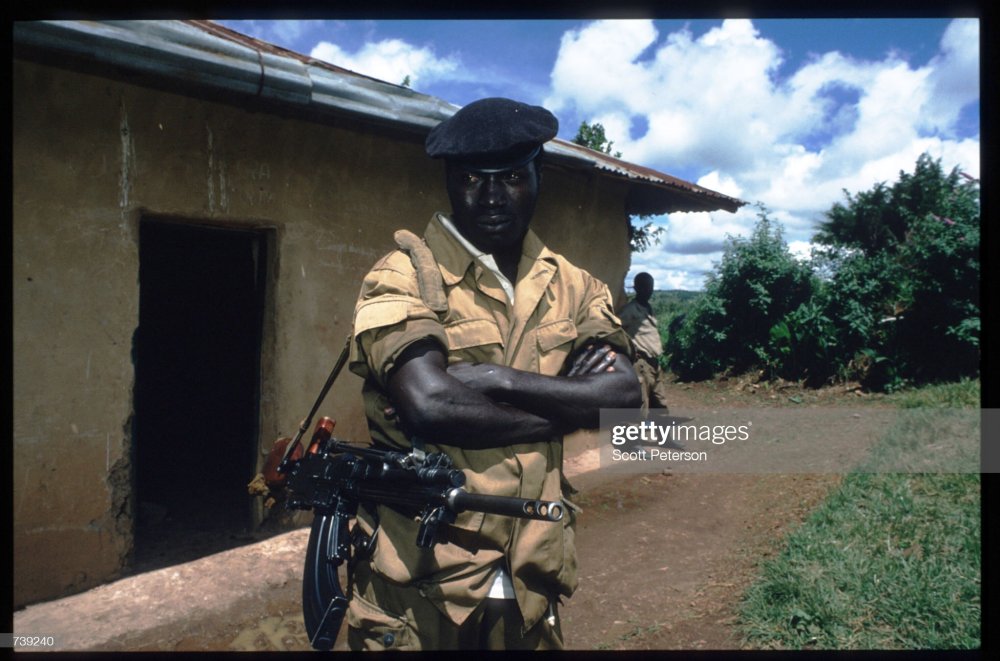
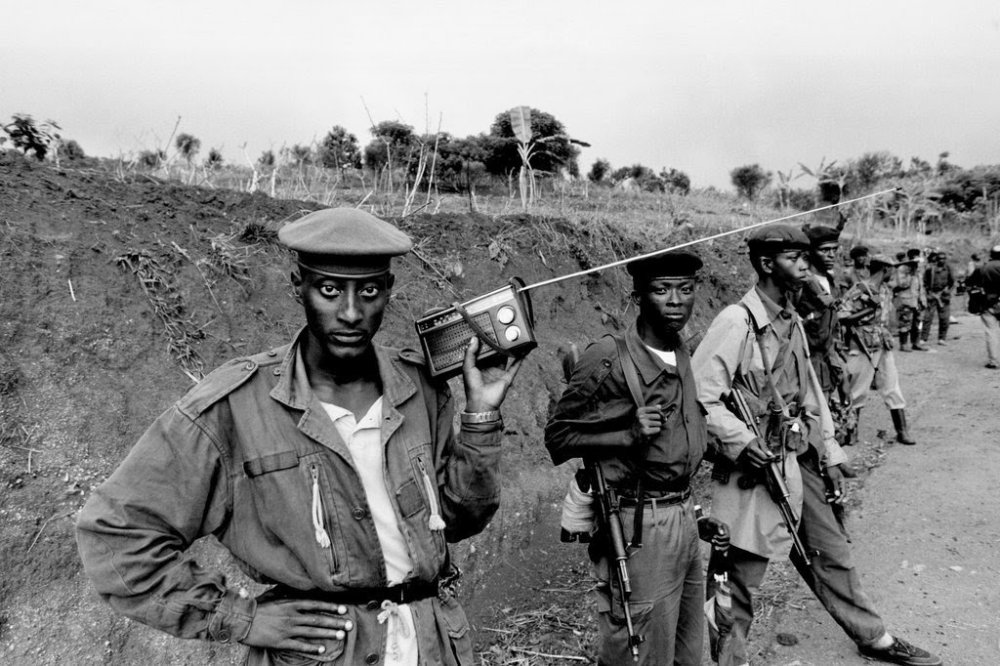
However today, in Eastern DRC, tensions are rising between Kinshasa and the Wazalendo militias, who are considered to support Congolese army in the fight against the AFC/M23. These groups have express growing frustration with the military authorities.
Despite the discretion of the Congolese authorities, it has been confirmed that between the end of 2023 and April 2024, they supplied large quantities of weapons and ammunition to Mai-Mai groups and other militias on the front line against the AFC/M23.
A document, seen by Africa Intelligence, a renowned media outlet that specializes in political and economic affairs in Africa indicates that nearly 2 million cartridges, 868 rockets, 284 bombs, 300 Kalashnikovs and 15 rocket launchers were delivered. This military support puts President Felix Tshisekedi in a delicate situation, as it could prepare the ground for future conflicts.
Frustration among the Wazalendo has intensified, particularly after a meeting in April 2024 with Tshisekedi. During this meeting, the leaders of the armed groups accused FARDC officers and provincial authorities of diverting part of the promised aid. Additionally, the assistance varies between groups: some receive ammunition, while others only receive food or small amounts of money.
On the ground, these militias, often isolated on the front lines, hope for recognition after the war, such as their integration into the national army. However, Kinshasa has so far only made vague promises, postponing discussions to a post-conflict period. Without concrete compensation, demobilization could become a major issue, and these fighters might take up arms again.
In the absence of coordination with the FARDC and without major offensives against the AFC/M23, the Wazalendo are often left on their own, which increases violence against civilians.
Faced with the rise of banditry in Goma and in the displaced persons’ camps around Goma, the military Commander Peter Cirimwami banned militiamen from moving around the city with their weapons in April 2024, without any progress so far.
RIB spokesperson, Dr. Murangira B. Thierry, stated that these individuals, aged between 20 and 35 years, were apprehended at different times.
The spokesperson said, the individuals used deceptive tactics, including SIM swaps, to steal from their victims. They worked in groups, collaborating with agents from various telecommunications companies who helped them quickly withdraw the stolen funds.
The suspected fraudsters, who referred to themselves as ‘Abameni,’ would first meet at a specific location to plan their day’s criminal activities before spreading out to different areas.
Before their arrest, thorough investigations were conducted to understand their methods, allowing the authorities to capture them all at once. They are now detained at various RIB stations.
They face five charges, including forming or joining a criminal gang, obtaining property through deceit, impersonation, failing to explain the source of their wealth, and money laundering. These crimes carry sentences ranging from two to ten years in prison.
Dr. Murangira said, “In the seven months leading up to July 2024, they had stolen 424,493,991 Rwandan Francs. It is the the victims who reported the crimes. The stolen money was often used for various activities, including buying houses for their parents, which is why some parents were reluctant to cooperate with us in apprehending them.”
In addition to Rusizi, arrests were also made in the districts of Gicumbi, Ruhango, Gasabo, Rubavu, Nyarugenge, Kirehe, and Muhanga.
Dr. Murangira explained that these crimes could be prevented, as scammers often prey on people’s emotions by impersonating officials or representatives from various organizations, luring victims into entering codes under the guise of offering services, only for the victims to lose their money.
He added, “For example, someone might call and say, ‘This is your child’s school, and we’re notifying you that they’ve been in an accident.’ Then they’ll hang up, and another person will call, claiming to be from a hospital, addressing you by name, and asking for money for your child’s treatment. In your panic, without thinking, you send the money, only to realize later that you’ve been scammed.”
Rwanda National Police spokesperson, ACP Boniface Rutikanga, revealed that the thieves impersonated various entities, including government agencies, private sector companies, and religious institutions.
He noted that while some victims were deceived, others contributed to their own losses by attempting to offer bribes for services they should have received for free.
For instance, at driving test centers, thieves would approach individuals who had failed the test, promising to help them retake a special exam. The conmen would then steal the victim’s phone number and send a fake message notifying them of a new test date, after which they would ask for money to provide the service. The victim, realizing too late, would discover that their money had been stolen.
ACP Rutikanga said, “When the victim arrives at the test center, they realize they were scammed. Such individuals won’t admit to being robbed, and even if you call them, they won’t show up because they know they were involved in offering a bribe.”
The Head of Technology at the Rwanda Utilities Regulatory Authority (RURA), Charles Gahungu stated that their investigations revealed that the thieves were aided by the use of unregistered SIM cards, which allowed them to operate anonymously.
He explained that authorities had identified loopholes exploited by the fraudsters, which led to the ban on registering SIM cards on the street.
“Today, global greenhouse gas emissions disproportionately impact Africa and small island developing states, but no country can afford to be complacent. All over the world, temperatures are rising at unprecedented rates, and the quality of the air we breathe is constantly declining, putting us all at risk,” he remarked.
The theme of this year’s conference is environmental justice. During the five-day event, members are expected to explore how environmental justice can be ensured for all individuals, providing equal access to a healthy and safe environment.
The conference will also provide a platform to examine the right to a healthy environment, protect vulnerable populations, promote sustainable development, and address systemic inequalities in environmental decision-making and resource allocation.
Kagame underscored the necessity of environmental laws in combating current challenges. “Indeed, enacting environmental laws and policies is essential if we want to build a clear and sustainable future. Even more important is having a strong and independent judiciary that enforces the law and puts the needs and interests of our people first.”
He pointed to Rwanda’s journey of judicial reform following the 1994 Genocide against the Tutsi as an example of how the rule of law can promote peace, security, and development. A key milestone in this process was Rwanda’s ban on plastic bags in 2008, which Kagame noted has had far-reaching benefits.
“One of the most consequential laws the country passed is the ban on plastic bags. The effect has been tremendous. Beyond the cleanliness of our streets and homes, this decision reinforced the importance of managing our resources without too much dependence on external solutions,” he stated.
Kagame also emphasized the importance of conservation efforts, particularly the protection of national parks, which serve as critical habitats for endangered species and a source of livelihood for local communities.
“All over the world, these parks are home to endangered species, who unfortunately continue to be the targets of criminal networks,” Kagame explained.
“For local communities, this rich biodiversity is a primary source of livelihood. Too often, wildlife crimes involve a wide spectrum of cross-border criminal activities that put our national security at risk.”
The president called for stronger cross-border collaboration in law enforcement to combat these threats and emphasized the role of an independent judiciary in upholding environmental justice.
“With independent and experienced judges, there is a lot that can be done to protect our environment and provide justice where it is due.”
President Kagame concluded by urging the delegates to extensively deliberate on the growing challenges of judicial corruption and case backlogs.
“Ultimately, the legitimacy of any justice system rests on the trust that citizens have in it. That is the basis of the courts’ ability to ensure respect for due process and respond swiftly and impartially to any disputes. Without this foundation, we cannot create a fairer and more peaceful world,” he concluded.
President Kagame is the current chairperson of the Commonwealth, an international association of 56 member states. He has held the position for the last two years since Rwanda hosted the Commonwealth Heads of Government Meeting (CHOGM). The next meeting will be held in October 2024 in Samoa, the first CHOGM to be held in a Pacific small island developing state (SIDS).
Maj Gen Kagame handed over command responsibility to Maj Gen Ruvusha on Saturday, September 7, 2024, in a ceremony attended by the incoming and outgoing Task Force Brigade Group Commanders, Police Component Commanders, NISS Coordinators, and other staff officers.
During the handover ceremony, Maj Gen Ruvusha thanked the outgoing JTFC for the impressive effort with which the force carried out its duties.
The new Rwandan troops arrived in Mozambique on August 20, 2024. Maj Gen Ruvusha was briefed and given a familiarization tour of the RSF area of responsibility, including Mocimboa da Praia, Chinda, Palma, Afungi, Pundanhar, Macomia, Ancuabe, and Pemba.
The security officer’s deployment is part of Rwanda’s ongoing commitment to supporting Mozambique in countering the insurgency that has plagued Cabo Delgado since October 2017, when armed extremists first launched a rebellion in the region.
In response to the escalating violence and widespread displacement, Rwanda began deploying its security forces to Mozambique on July 9, 2021. Initially consisting of 1,000 troops from both the Rwanda Defence Force and the Rwanda National Police, the contingent had grown to nearly 2,000 by the end of 2021.
By late 2022, it was announced that the number of Rwandan troops in Mozambique had increased to about 2,500, reflecting their expanded mandate to pursue and dislodge terrorists from their hideouts.
Mozambique has also received military support from the Southern African Development Community (SADC) since 2021. However, SADC forces began withdrawing in April this year as their mandate drew to a close.
Before the intervention of Rwandan troops in 2021, terrorists had claimed the lives of 3,000 civilians, and more than 800,000 people had been displaced. The insecurity also brought all development projects in the insurgent-controlled areas to a standstill.
Over the past three years, Rwandan security forces, in collaboration with Mozambique’s armed forces, have made significant strides in dismantling the Al Sunna wa Jama’a (ASWJ) terrorist group from their strongholds in Mocimboa da Praia and Palma. This has allowed a substantial number of internally displaced people to safely return to their homes.
While Nalumango reassured the public that the food provided was safe, conflicting reports have emerged, prompting an investigation into possible contamination. The deaths of 400 dogs were linked to aflatoxins, harmful toxins produced by fungi found in maize and other food products.
Health Minister Elijah Muchima, addressing concerns about the contamination, acknowledged Burundi’s donation, stating, “We appreciate the solidarity shown by Burundi through their food donations, but the health and safety of Zambians remain our utmost priority.”
He added, “As we investigate the aflatoxin issues, we are ensuring that all maize products, including those donated, adhere to safety standards to protect our citizens.”
Concerns persist across Zambia, and while the government has launched an inquiry, specific maize brands linked to the contamination have yet to be identified. The presence of aflatoxins has sparked widespread fear, as maize is a dietary staple for the majority of Zambians.
Known to cause serious health risks, including liver cancer, the discovery of aflatoxins has heightened public anxiety. Though no human fatalities have been reported, authorities have begun recalling affected products and are conducting additional tests to prevent further health risks.
Zambia, like several other Southern African nations, is reeling from a drought affecting 84 out of its 116 districts. In light of the ongoing crisis, donations from neighboring countries have been pivotal. Vice President Nalumango has consistently welcomed these contributions, acknowledging their immediate impact on hunger alleviation efforts.
In a similar show of regional solidarity, Rwanda recently donated 1,000 metric tonnes of maize to aid Zambia, reinforcing the collective effort to support those affected by the drought.