Rwanda reported its first case of Marburg virus on September 27, 2024, primarily affecting healthcare workers attending to patients. A total of 66 cases were recorded, with 51 recoveries and 15 fatalities.
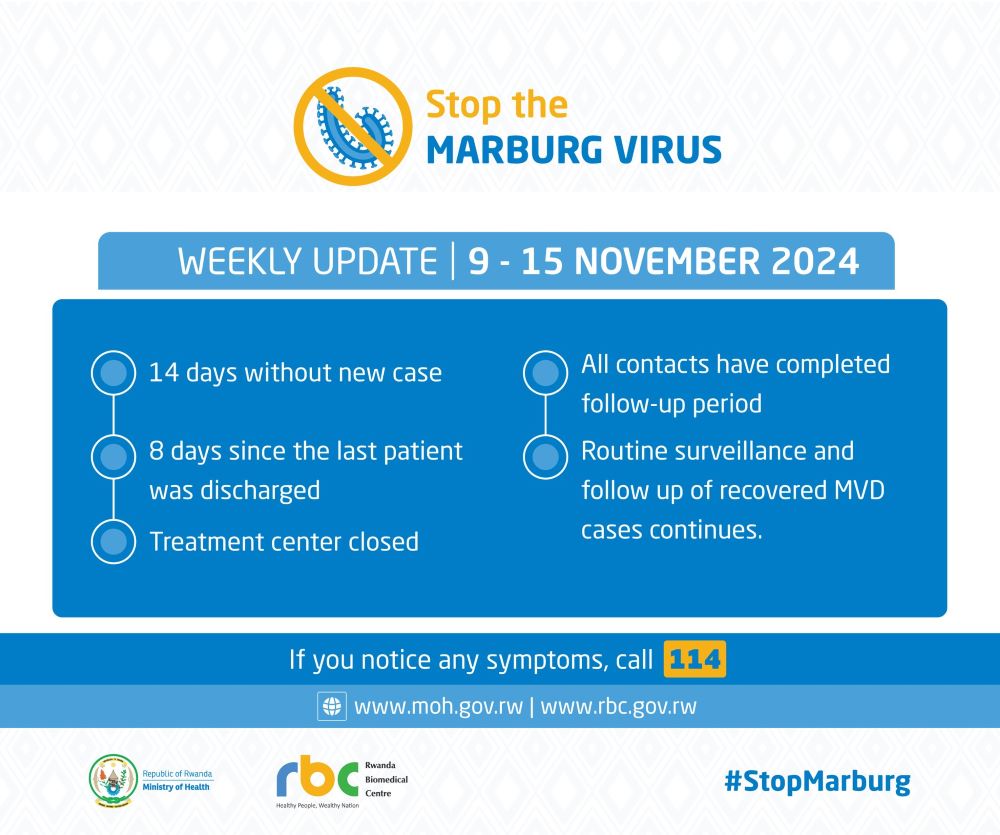
On November 15, the Ministry highlighted that 14 days had passed since the last new case was detected in the country, and it had been eight days since the final patient was discharged from the hospital.
Hospitals dedicated to treating Marburg cases have since been closed, and the Ministry confirmed that individuals who had been in contact with patients had completed their monitoring period.
Despite this milestone, authorities stressed that preventive measures remain active, with recovered patients still under medical observation to ensure public safety.
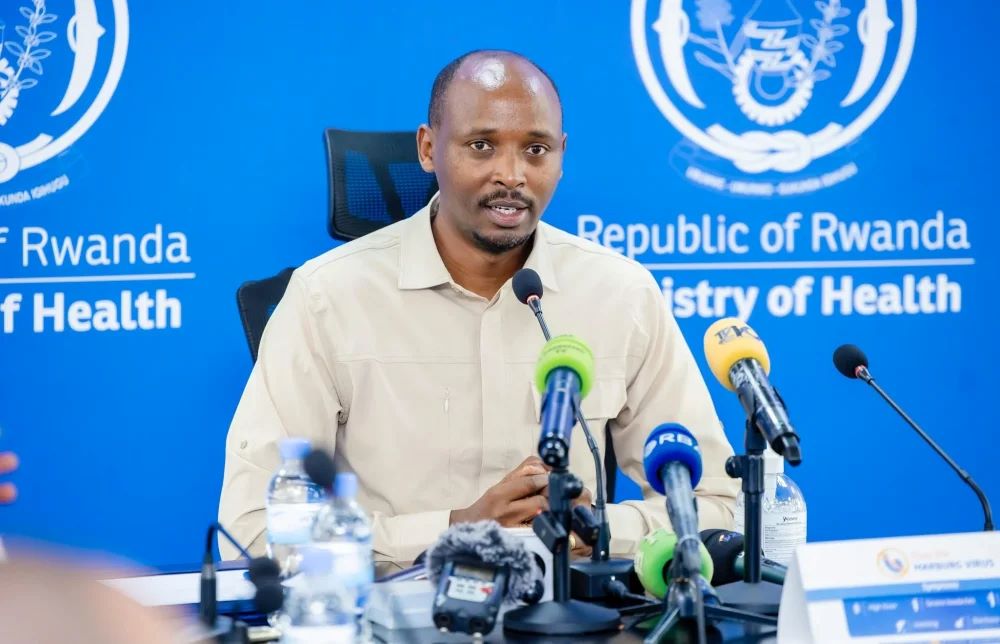
The Minister of Health, Dr. Sabin Nsanzimana recently announced that the Marburg outbreak in Rwanda is officially over.
However, he underlined the need for continued surveillance of bats identified as the virus’s source. He shared that the bats linked to the outbreak were located at a mining site near Kigali, and monitoring efforts have been extended to other caves nationwide.
Dr. Nsanzimana noted that advanced technologies are being employed to track these bats and prevent future outbreaks.
The World Health Organization (WHO) explained that an outbreak can only be declared officially over after a 42-day period without new cases, starting from the discharge of the last patient.
The Rwanda Biomedical Center (RBC) reported on November 16, 2024, that 33 days remain before Rwanda can confirm the virus is no longer present in the country.
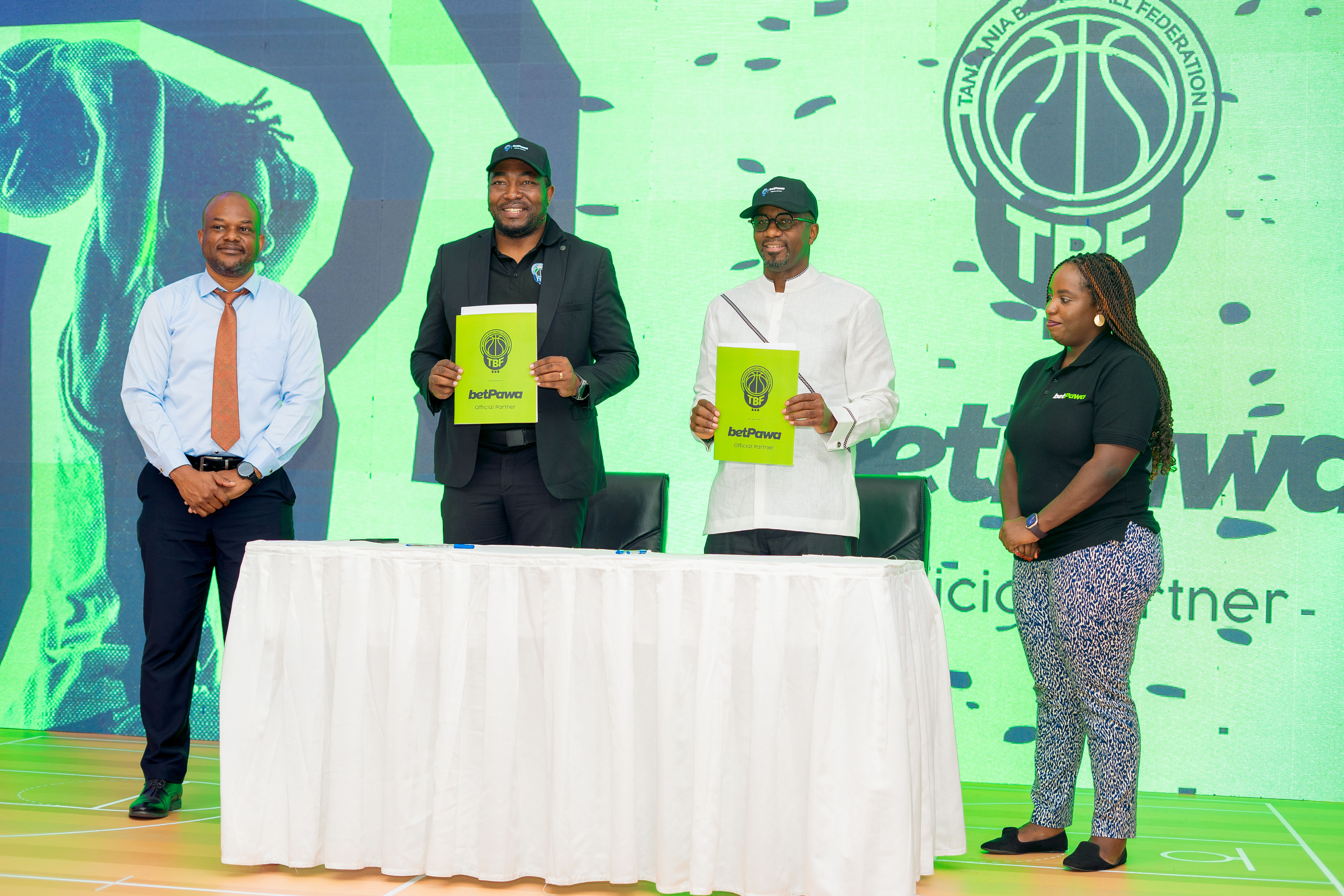
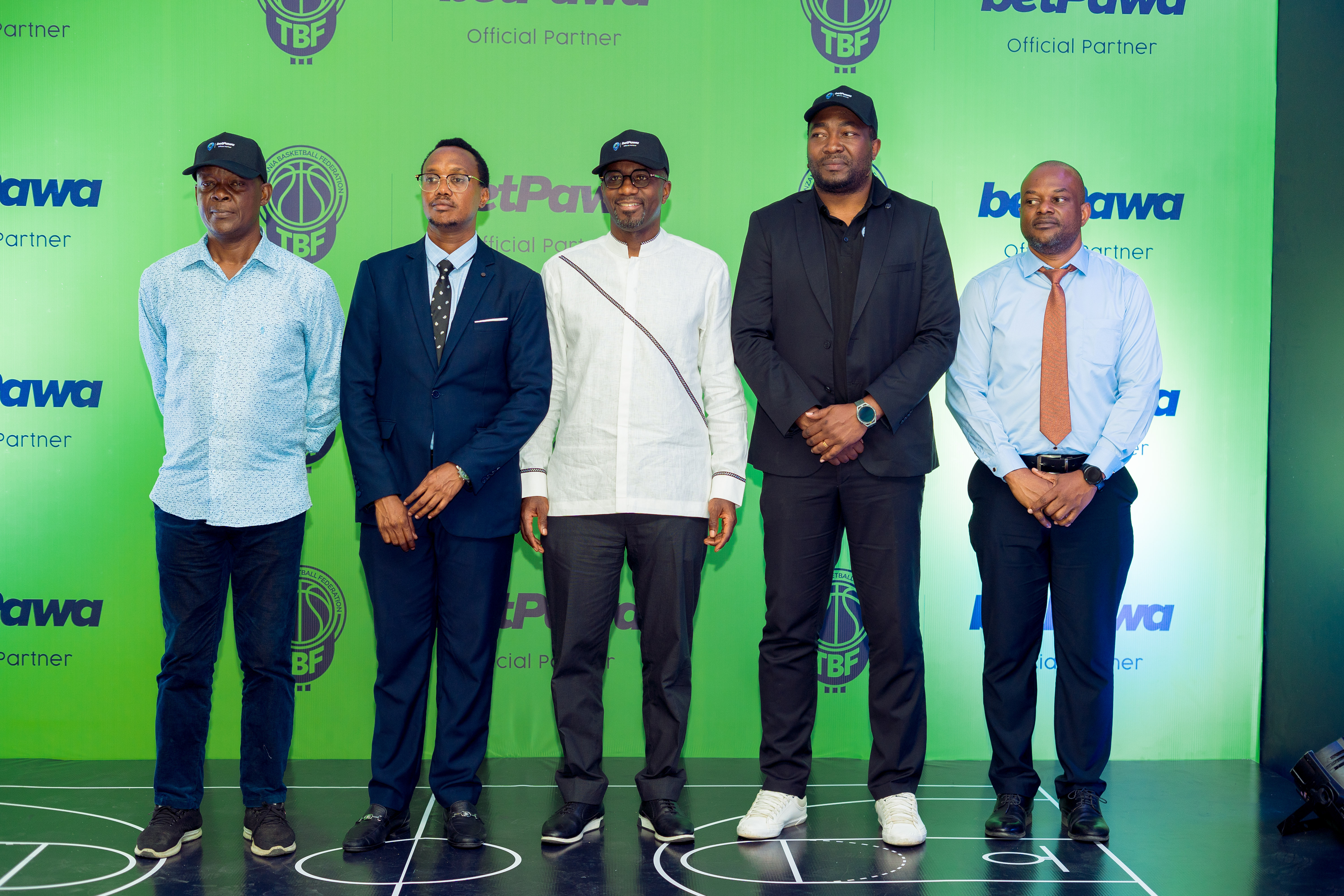
In a deal signed on November 14, 2024, in Dar es Salaam by BetPawa and the Tanzania Basketball Federation, 12 players of a team will be rewarded after each victorious match, provided they make the match day squad, as well as four technical staff members. This brings to four the number of countries that BetPawa has launched this initiative.
The other affiliated leagues where teams have benefitted from locker room bonuses are Rwanda’s Federation of Rwanda Basketball (FERWABA), the Federation of Uganda Football Associations (FUFA Drum, Futsal), the Federation of Uganda Basketball Associations (FUBA) and the Ghana Football Association.
The locker room bonus is a direct benefit to players that seeks to celebrate winners and further reward great performances that BetPawa has introduced across multiple African countries and sports.
“We’re delighted to bring our popular player appreciation bonus to Tanzania. This is a key step towards recognizing the hard work and dedication of the people who are at the heart of the game, the players,” said betPawa’s Chief Commercial Officer Ntoudi Mouyelo.
The money is paid directly to the players’ mobile money wallets immediately after winning a match and before the players and staff leave the stadium, hence the term locker room bonus.
So far nearly $300,000 has been paid out as locker room bonus in the four countries since its inception in Ghana in September 2022.
As part of the partnership, BetPawa became the Official Betting Sponsor of the National Basketball League.
“We seek to elevate the game of basketball in this region just as we have done in Rwanda, where we have a similar partnership with FERWABA,” added Mouyelo.
BetPawa is a technology-powered, friendly and entertaining betting brand built in Africa for Africans. It is known for sports promotion and responsible gaming as well as community support initiatives.
BetPawa operates in 17 countries on the continent through innovative partnerships aimed at elevating sports standards and contributing to the growth of local communities.
{{For more information please email press@betpawa.com}}
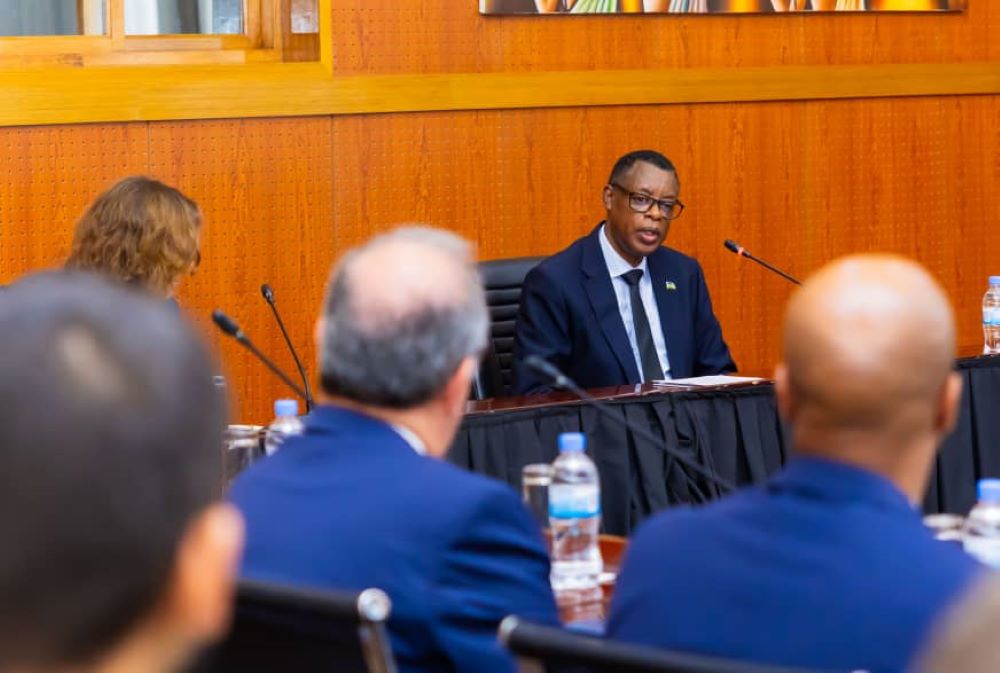
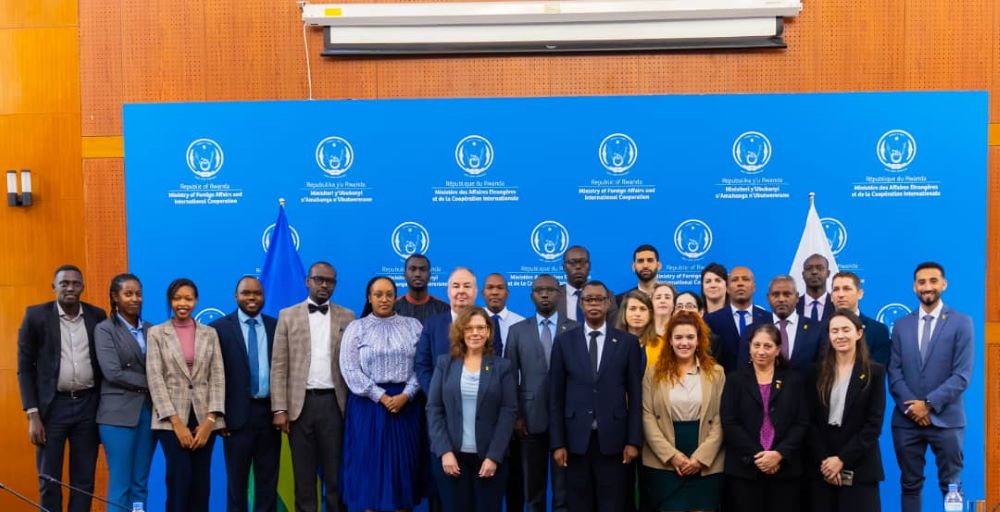
This conference is a significant step in strengthening diplomatic ties and expanding partnerships across the continent. This gathering and the choice of the venue in Africa underscores Israel’s commitment to growing its relationship and partnership with the African continent
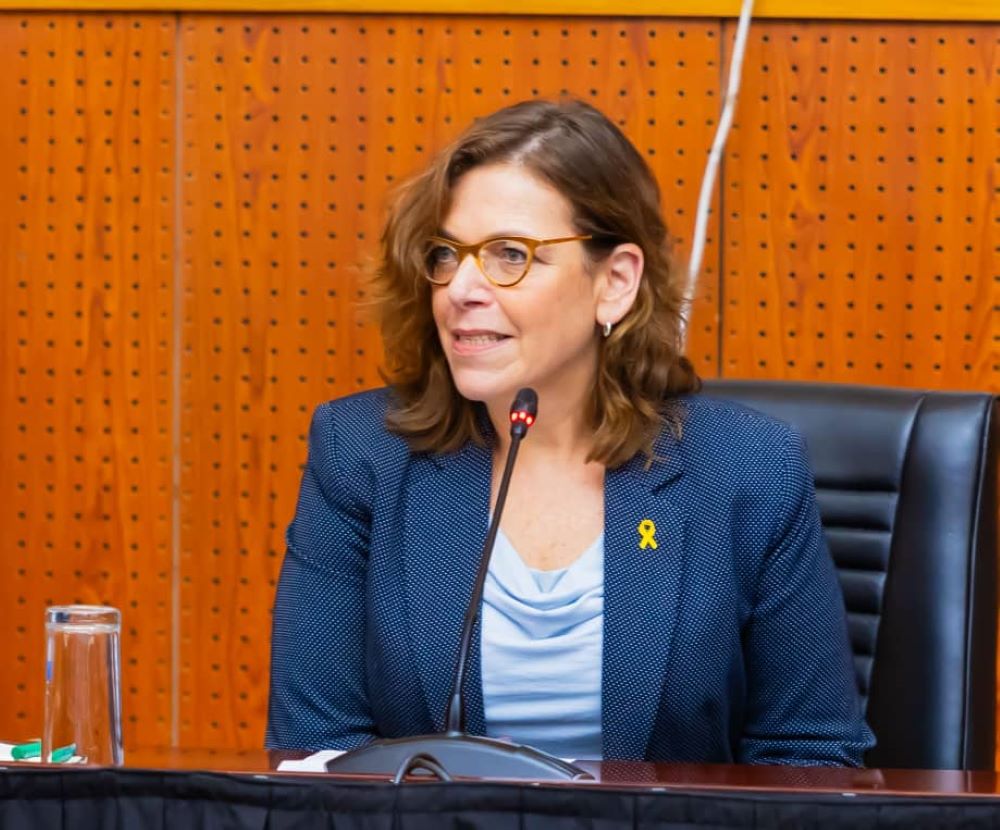
During their retreat in Kigali, the delegation visited among other areas, the Kigali Genocide Memorial to honor the victims of the Genocide against the Tutsi. The head of this delegation, who also is the Deputy Director General of the Africa Division Amb. Sharon Bar-Li expressed Israel’s solidarity with Rwanda that is built on shared history, longstanding friendship and partnership.
Speaking on the relevance and importance of the event, Einat Weiss, the Israel Ambassador to Rwanda was pleased that this conference happened for its first time in Rwanda.
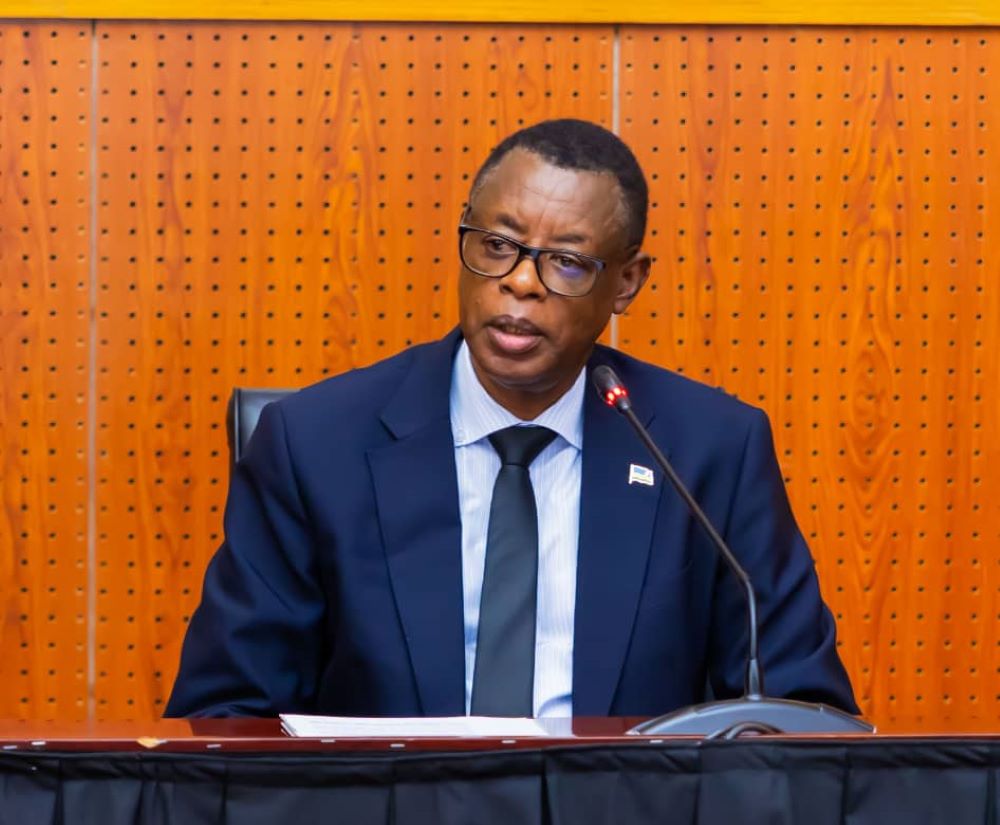
She also noted that this was a huge step in strengthening the already existing diplomatic relations and friendship as the group had the opportunity to meet the Minister of State in the Ministry of Foreign Affairs and International Cooperation, Gen. (Rtd.) James Kabarebe.
Israel has long been a partner to African nations, with decades of cooperation in areas like Agriculture, healthcare, ICT and innovation among others and this marks another chapter in the ongoing efforts to build a robust, multifaceted partnership that benefits both Israel and Africa.
This process not only incurred them high costs, with two withdrawals and transfer fees, but also required traveling long distances in some cases, just to find a nearby agent. Other challenges included the time-consuming process of transferring money between banks, which often involved long delays.
These inconveniences led to the creation of eKash, the Rwanda National Digital Payment System (RNDPS) hosted by RSwitch. eKash serves as a one-stop-shop for all your money movement needs. It eliminates the frustrations previously associated with money transfers.
Developed through a partnership between institutions like Access to Finance Rwanda, Ministry of Finance and Economic Planning, the Ministry of ICT and Innovation, Rwanda Information Society Authority, National Bank of Rwanda, AfricaNenda and financial service providers, eKash was designed to eliminate these inefficiencies.
Today, Rwandans can transfer money instantly across different financial service providers, whether using mobile apps, internet banking, or USSD codes, all in a faster and more secure way.
{{How does eKash work?}}
Powered by RSwitch, eKash operates through a network of partnerships with all commercial banks, major financial institutions, and mobile money operators in Rwanda. This allows seamless transfers between different banks and mobile wallets.
One of the standout features of eKash is its instant transfer capability. Whether moving money from one bank to another or from a bank to a mobile wallet, transactions are completed in seconds. eKash simplifies money transfers, eliminating the stress and delays previously experienced.
{{What’s new?}}
Significant improvements have been made to eKash based on valuable user feedback, simplifying the way people send money. Now, registration is no longer required to use eKash— users can transfer money across different providers seamlessly, with no extra steps.
Simply dial 182*1*2#, or use a bank’s USSD code, app, or internet banking platform, to transfer funds instantly without any signup or complex procedures. For those who value anonymity, eKash also offers a proxy feature.
This allows users to send money while keeping their personal information private, ensuring a secure and discreet transfer experience.
eKash has undergone complete rebranding. The rebrand is not just a fresh look but comes with a more streamlined user journey. The fresh new look will be visible across all platforms, including the website and social media.
“To drive financial inclusion and ensure access for everyone, we’ve fundamentally reimagined and streamlined the journey to accessing eKash. Our mission has always been to break down the barriers in Rwanda’s payment ecosystem, and this simplified journey reflects our commitment to serving all Rwandans” said Blaise Pascal Gasabira, CEO of RSwitch.
{{What’s coming?}}
RSwitch is getting ready to roll out the next phase of eKash: Person-to-Business (P2B) payments. This upcoming feature will streamline interactions between individuals and businesses, making it easier for users to send payments for everyday goods and services, and for businesses to receive payments efficiently.
Further updates will be shared as the launch approaches. Keep on the lookout and ears on the ground by following RSwitch and eKash on social media platforms.
As eKash continues to grow, RSwitch remains dedicated to financially connecting Rwandans. By breaking down the barriers that once stood in the way.
With a deep understanding that financial inclusion is key to Rwanda’s progress, RSwitch is committed to ensuring everyone has access to the tools and services they need to thrive, working tirelessly to create a more connected and empowered future for all.
To join millions of Rwandans using eKash. Dial *182*1*2#, or use your bank’s USSD code, mobile app, or internet banking platform.
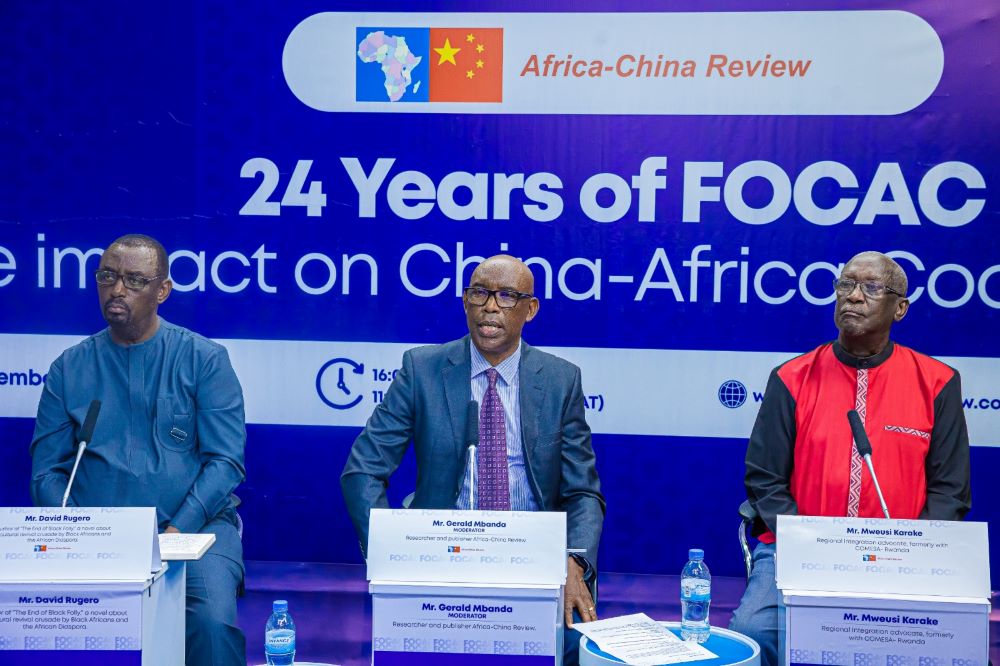
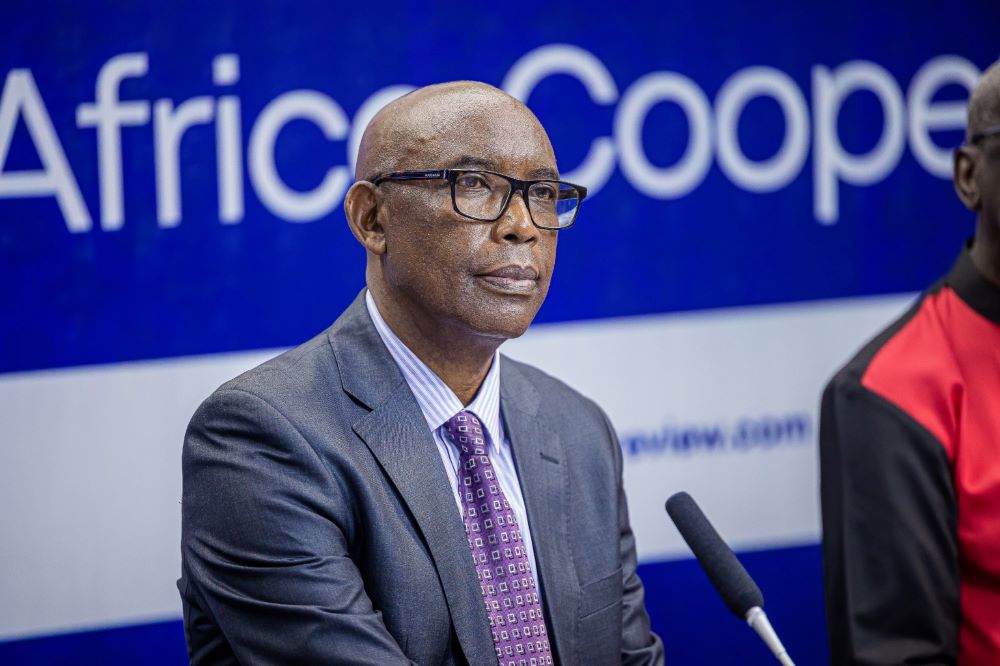
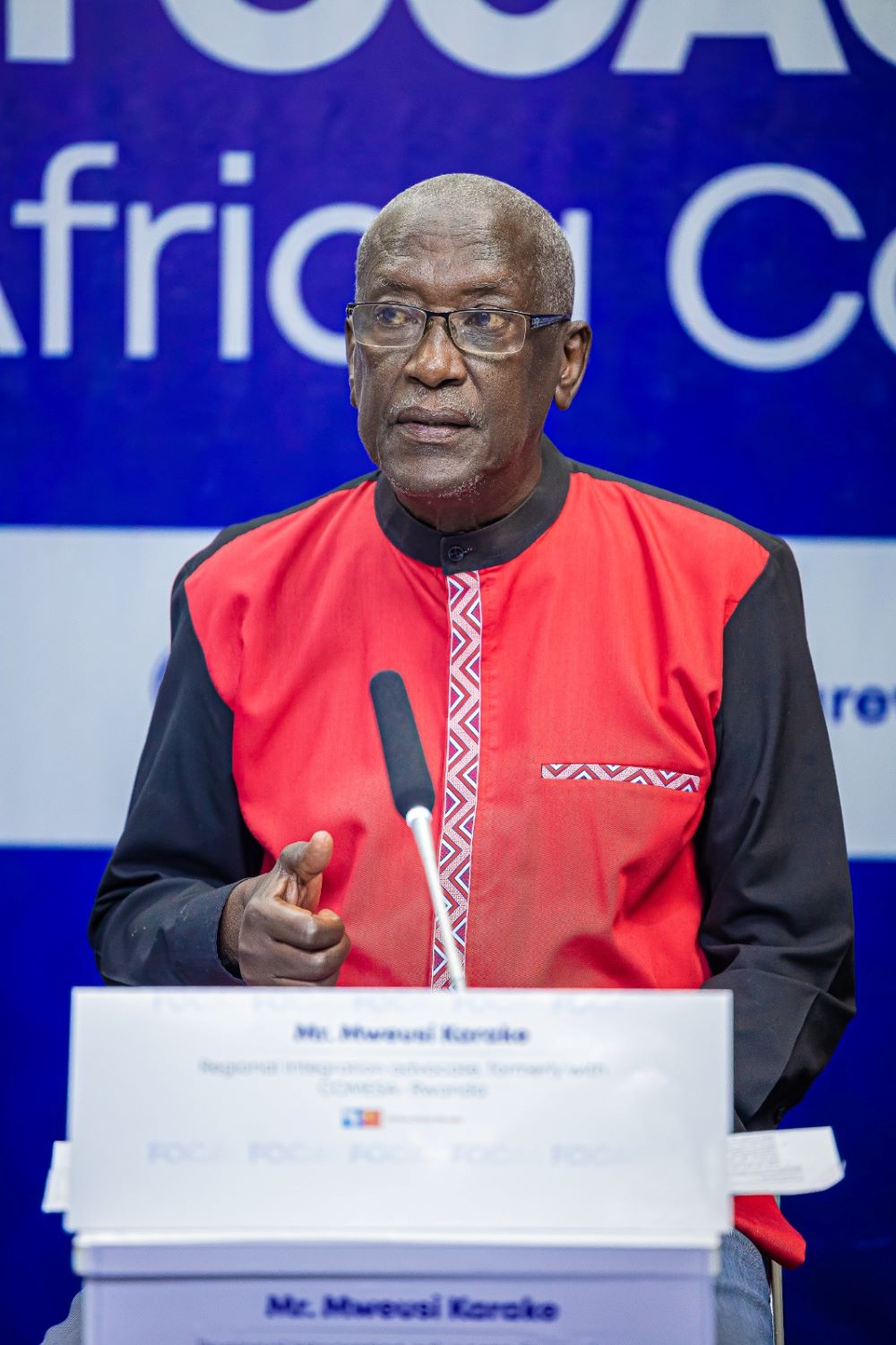
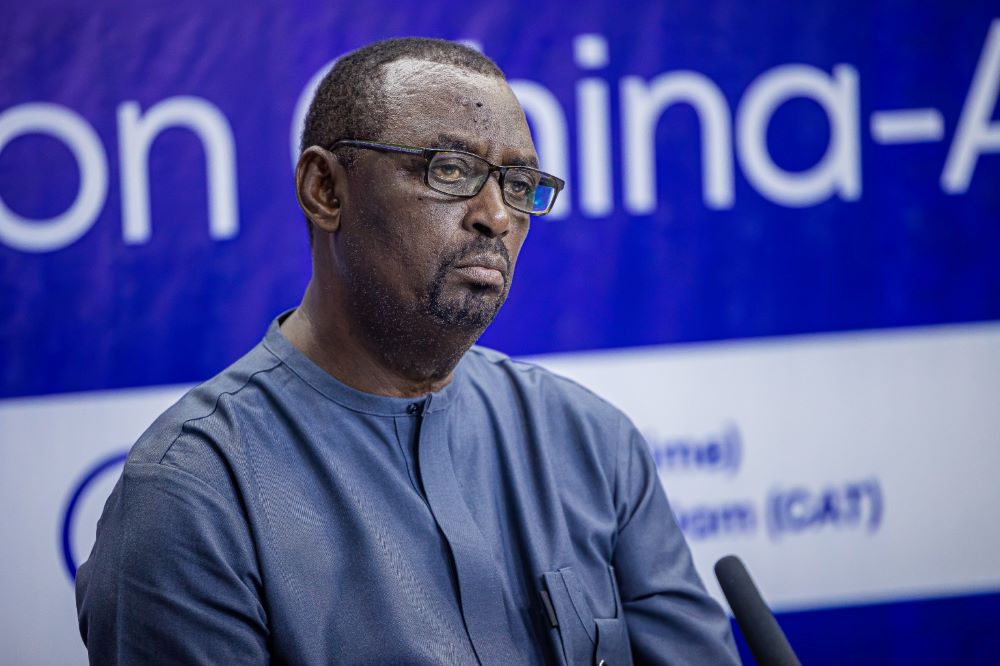
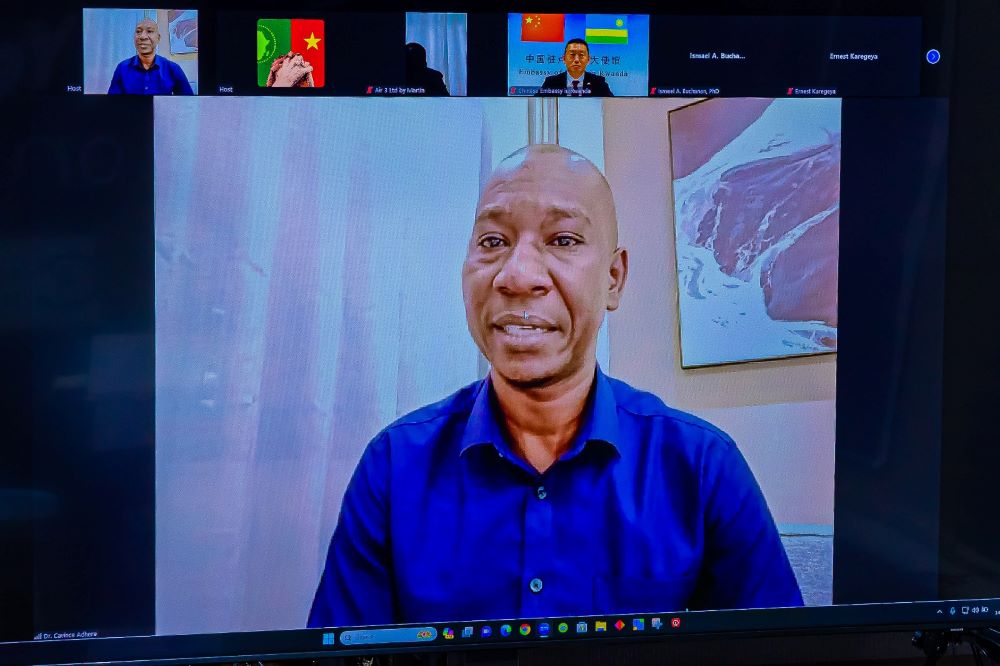
These insights emerged during a virtual seminar organized by the Africa-China Review publication, in collaboration with the Chinese Embassy in Rwanda.
The event, themed “24 Years of FOCAC: The Impact of China-Africa Cooperation,” was held on Thursday 14, November and explored the strategic achievements of the Forum on China-Africa Cooperation (FOCAC), highlighting its role as a model for South-South cooperation.
Since its inception in 2000, FOCAC has become a cornerstone in China-Africa relations, facilitating cooperation through summits held every three years, alternating between China and African nations.
China has remained Africa’s largest trading partner for 15 consecutive years, with bilateral trade reaching a record 282.1 billion U.S. dollars in 2023, and expected to surpass $300 billion in 2035.
The latest summit, held in Beijing in September 2023, marked another milestone, with leaders from over 50 African nations joining Chinese President Xi Jinping and United Nations Secretary-General António Guterres to strengthen this evolving partnership.
During the summit, Xi called for elevating China-Africa relations to the level of “all-weather” strategic partnerships, a concept aimed at building a long-term, collaborative future for both regions.
To further solidify this commitment, President Xi pledged RMB 360 billion (approximately USD 50.7 billion) in financial support for Africa over the next three years.
These funds will support the implementation of 10 partnership action plans, to be implemented in the next three years, covering areas of; mutual learning among civilizations, trade prosperity, industrial chain cooperation, connectivity, development cooperation, health, agriculture and livelihoods, people-to-people and cultural exchanges, green development and common security.
At the seminar, Chinese Ambassador to Rwanda Wang Xuekun affirmed China’s dedication to implementing FOCAC outcomes, expressing China’s commitment to “work with Rwanda and other African brothers and sisters to strengthen South-South cooperation.”
Amb. Wang emphasized China’s willingness to support Africa’s modernization efforts and the vision of a shared future.
Former Somalian Deputy Prime Minister currently serving as a parliamentarian, Mahdi Gulaid reflected on the transformative journey of FOCAC, noting that it represents a unique platform for inclusive growth.
He pointed out that, over the past 24 years, China’s involvement in Africa has spanned critical areas of development including infrastructure, healthcare, and agriculture.
Gulaid noted, “This journey is a testament to what can be achieved when regions work together towards shared aspirations.”
The event also addressed China’s development-oriented initiatives, such as the Belt and Road Initiative (BRI) and global security frameworks, which support Africa’s industrialization goals.
“China’s collaboration with Africa is rooted in mutual respect and has been instrumental in realizing Africa’s Agenda 2063,” Gulaid added. For instance, in Somalia, Chinese-built infrastructure, such as stadiums and hospitals, has contributed to local economic development.
Rwandan government representative Virgile Rwanyagatare, Director General for Asia, Pacific, and Middle East Affairs, characterized FOCAC as a platform for people-to-people collaboration across diplomacy, economy, and culture.
He commended the enduring partnership between Rwanda and China, which has fostered projects in healthcare, education, and infrastructure, supported by Chinese grants and concessional loans.
Since 2019, China’s investments in Rwanda have surpassed USD 1.2 billion, spanning key sectors like manufacturing, construction, and mining.
“Rwanda is committed to implementing FOCAC outcomes for the social and economic advancement of our people,” Rwanyagatare stated, emphasizing the importance of ongoing collaboration.
China’s contributions to Rwanda are further exemplified by projects like the upgrade of Masaka District Hospital, which will form part of the Kigali University Teaching Hospital (CHUK) and expand its capacity to 837 beds.
The two nations have also seen bilateral trade reach $ 550 million in 2023, with a notable 86.2% increase in Chinese imports from Rwanda.
Rwanyagatare expressed optimism about FOCAC’s role in strengthening Africa-China relations.
Mushahid Hussain, Chairman of the Pakistan-China Institute, remarked that the modernization journeys of China and Africa have become essential components of global progress.
He observed that China’s approach to development, devoid of conditionalities, is based on “peaceful development, win-win cooperation, and inclusivity.”
Hussain praised the BRI as “the most significant global initiative of the 21st century,” advocating for Africa’s continued partnership with China.
Adding to this perspective, Dr. Wang Wen, Executive Dean of the Chongyang Institute for Financial Studies, underscored the FOCAC summit’s impact on strengthening relations.
He highlighted China’s extensive infrastructure projects in Africa, where Chinese enterprises have constructed over 10,000 kilometers of railways, 100,000 kilometers of highways, and built or upgraded numerous ports, medical facilities, and schools.
Dr. Wang remarked, “The FOCAC platform promotes revolutionary development in history,” asserting that FOCAC and similar initiatives are catalysts for economic cooperation.
University of Rwanda lecturer Dr. Ismael Buchanan acknowledged that the China-Africa friendship is rooted in years of support and collaboration, recalling China’s assistance in critical times such as the post-independence era and during the COVID-19 pandemic.
He noted that China’s cooperation in human resources, education, and skill development has bridged the skills gap, benefiting more than 200 Rwandan students who have graduated from Chinese institutions.
“China’s support has been vital for Africa’s human resources development, and we are confident in this new chapter of our cooperation,” Buchanan said.
Mubarak Mugabo, a journalist working with Vision Group in Uganda, applauded the opportunities created through FOCAC, which have enabled many Africans, including himself, to pursue higher education in China. Mugabo completed his postgraduate studies at Peking University, an experience he described as transformative.
He further underscored China’s pivotal role in Uganda’s socio-economic development, particularly in addressing the country’s electricity challenges after independence. Through the construction of hydropower plants and the funding of various infrastructure projects, China has significantly boosted Uganda’s energy capacity.
“Uganda’s electricity generation capacity now stands at 2,000 megawatts, and half of this—1,000 megawatts—has been achieved with funding from China,” he explained. Mugabo also noted that Uganda exports electricity to neighboring countries, including the Democratic Republic of Congo (DRC) and Kenya, with plans underway to extend exports to South Sudan.
Nigerian scholar Charles Onunaiju, Director of the Center for China Studies, argued that cooperation between China and Africa is key to building a shared future for humanity.
He stressed the importance of strengthening Africa’s domestic capacity through China’s support in infrastructure, suggesting that African nations leverage these opportunities to address strategic vulnerabilities and promote sustainable development.
Kenyan international relations expert Dr. Adhere Cavince reinforced this sentiment, describing China-Africa relations as “the model of South-South cooperation.”
He urged African countries to seek a deeper understanding of China’s development model to replicate some of its successes. However, he also recommended that African nations harmonize their development strategies to expedite regional transformation with the support of development partners.
As China and Africa continue to strengthen their ties, both regions remain committed to supporting each other in achieving their modernization goals.
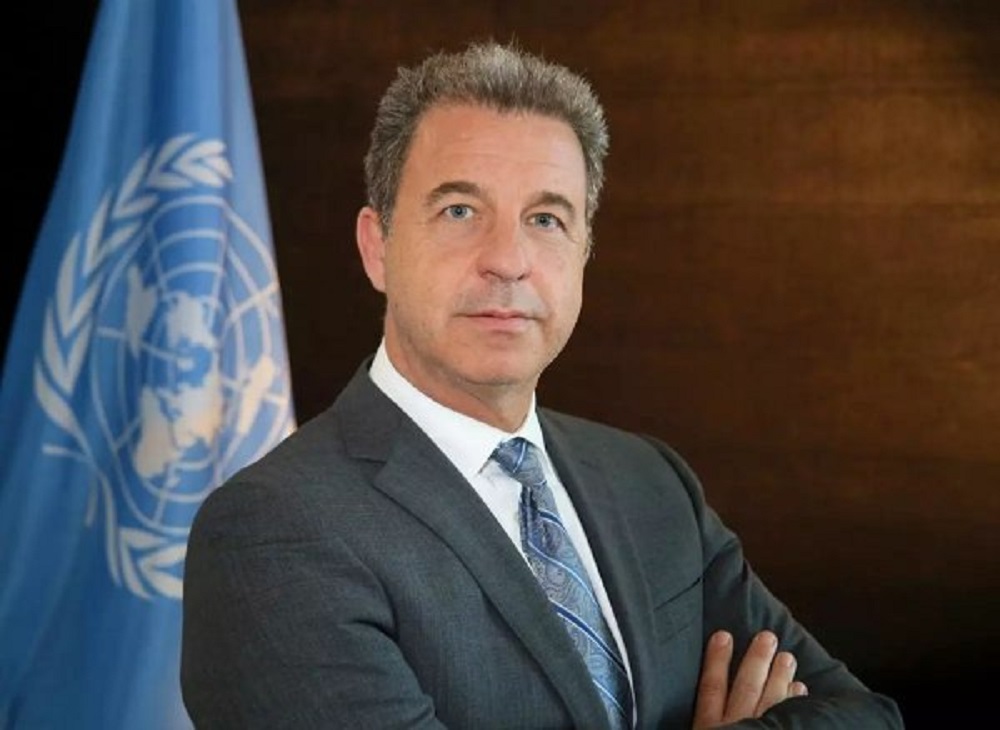
He made this appeal in a statement following the conclusion of his weeklong mission to Rwanda, which took place from November 4 to 9, 2024.
His visit forms part of preparations for his regular biannual report to the United Nations Security Council.
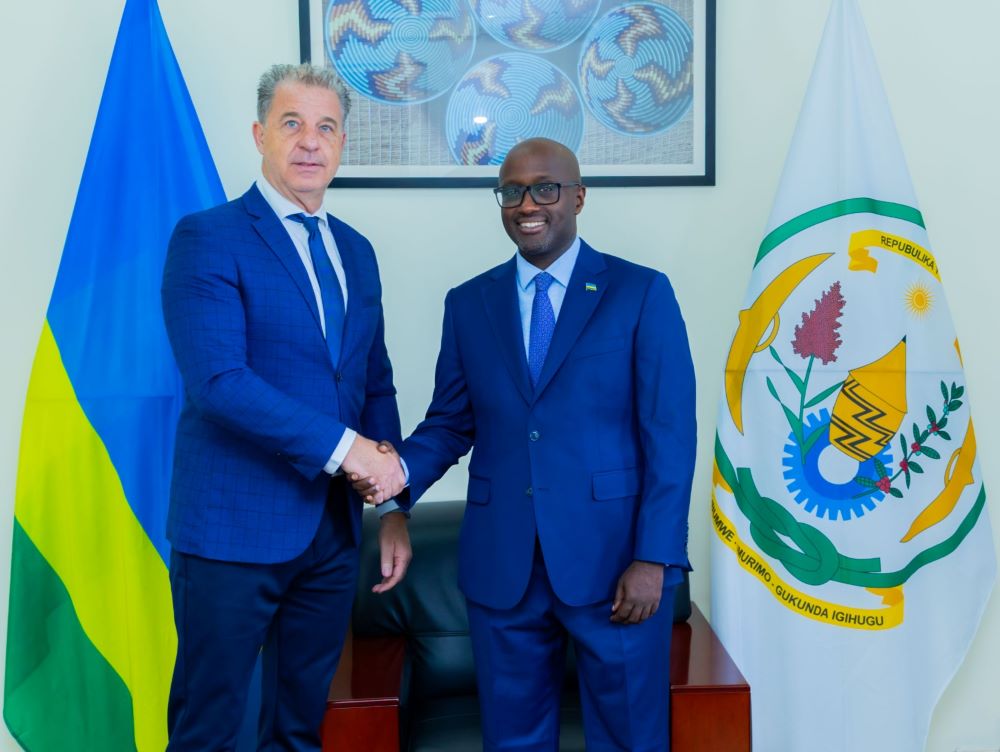
During his stay, Prosecutor Brammertz held high-level discussions with key Rwandan officials, including the Minister of Foreign Affairs, Amb. Olivier J.P. Nduhungirehe, the Secretary-General of the National Intelligence and Security Service, Mr. Aimable Havugiyaremye, and the Prosecutor General, Angélique Habyarimana.
These meetings focused on reinforcing collaboration in the ongoing pursuit of justice for the atrocities committed three decades ago.
In collaboration with the United Nations Special Adviser on the Prevention of Genocide, Ms. Alice Wairimu Nderitu, and Aegis Trust, Prosecutor Brammertz also spearheaded a series of high-level events in Kigali.
Aegis Trust is an international organization dedicated to preventing genocide, crimes against humanity, and mass atrocities across the globe.
These included a workshop for women community leaders, expert consultations on mediation for prevention, and an international conference on ethnicity and prevention. The initiatives aimed at developing actionable strategies to address challenges in genocide prevention globally.
{{Renewed call for Justice}}
Despite significant progress in holding perpetrators accountable, Prosecutor Brammertz emphasized the pressing need to bring fugitive génocidaires to justice.
“Many perpetrators have been punished for their crimes. But there is still much more work to be done. It is our responsibility to work together to ensure that fugitive génocidaires no longer enjoy safe haven and impunity,” he stated.
There are still over 1,000 fugitive génocidaires around the world. Mr. Brammertz highlighted his Office’s ongoing efforts to locate these individuals and support prosecutions in multiple countries.
“In the last year, my Office has provided legal, evidentiary, investigative, and strategic assistance in response to more than 30 separate requests, including concerning ongoing investigations and prosecutions in Rwanda, France, Norway, Switzerland, the United Kingdom, Canada, Denmark, and the United States of America.”
{{Deepening international collaboration}}
The Prosecutor underscored the importance of international cooperation, pointing to the increased collaboration between the Office of the Prosecutor, Rwandan authorities, and justice systems in other countries.
“In addition, my Office has deepened our engagement with these and other partners, including by briefing the Eurojust Genocide Network and convening a trilateral meeting with the Prosecutor General of Rwanda and the Head of the French National Anti-Terrorism Prosecution Office,” he said.
Reflecting on the renewed momentum in Rwanda and internationally, he remarked, “It is evident that in Rwanda and elsewhere, there is a renewed urgency and dedication to achieving more justice for more victims and survivors of the Genocide.”
Brammertz highlighted that his Office is determined to provide national partners with the support and assistance they need to be successful in the courtroom and bring more génocidaires to account.
Through these collective efforts, the IRMCT aims to close the chapter of impunity and honor the memory of those who perished by delivering justice for the survivors and victims of the Genocide.
Elias Sithole, the head of South Africa’s National Disaster Management Center, declared a national disaster in an official notice dated Tuesday, citing the impact of the “severe weather.”
Disruptive rains, floods, strong winds and hail from Oct. 22 to 29 caused a significant impact in the Eastern Cape, KwaZulu-Natal, Free State, Limpopo, North West, Gauteng and Mpumalanga provinces, Sithole said.
The severe weather resulted in the loss of life, damage to property, infrastructure and the environment as well as the disruption of basic services, he said.
The storms and floods killed at least 10 people and displaced hundreds more in the Eastern Cape alone, according to local media reports.
“After assessing the magnitude and the severity… I classify the impact caused by this severe weather system in the areas listed as a national disaster,” Sithole stated.
The declaration of a national disaster will allow the national government to release funds to the affected provinces, enabling them to address the damage caused by the floods.
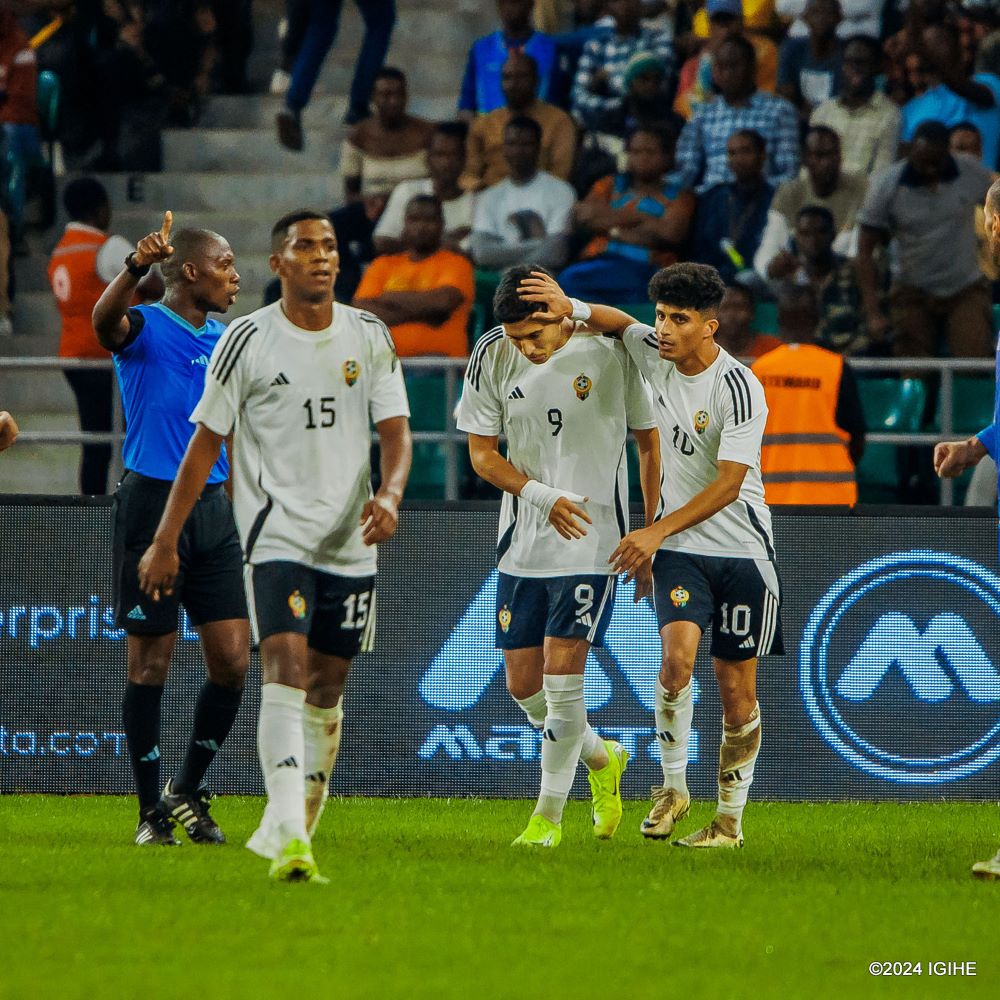
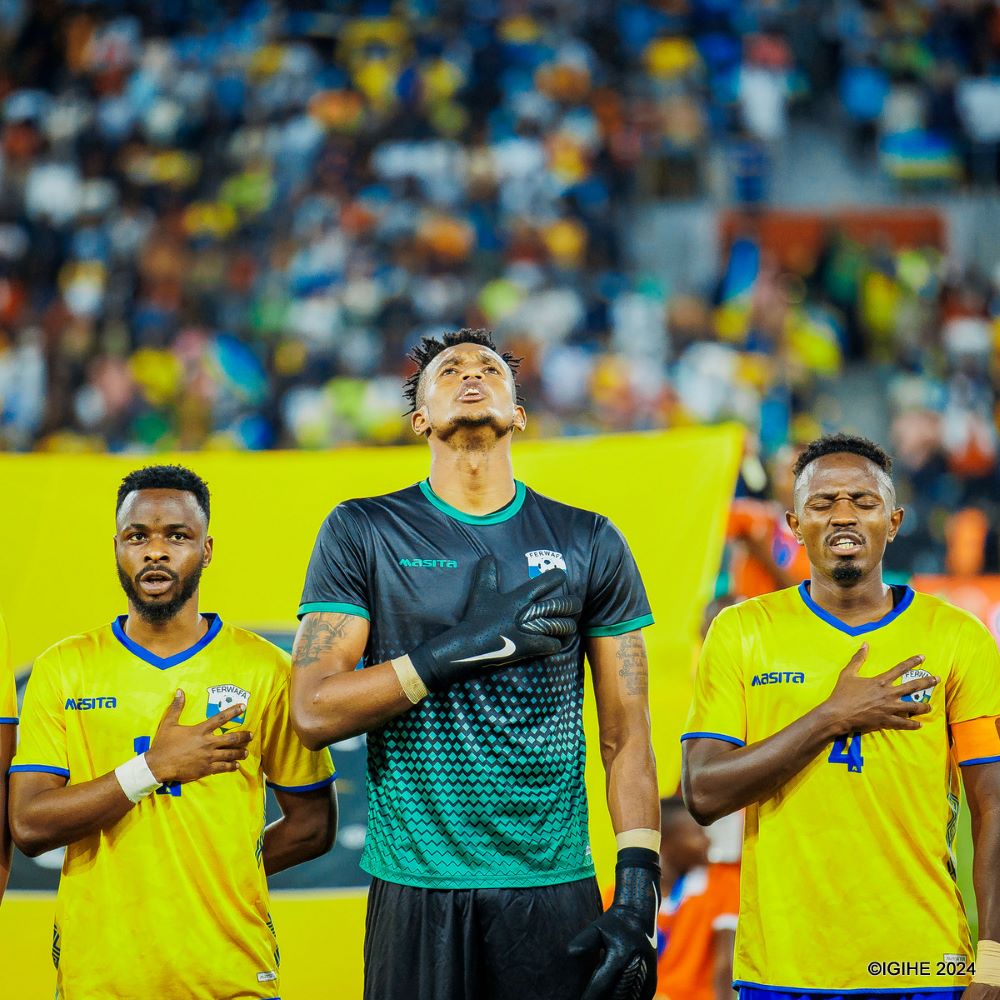
With their hopes hanging by a thread, Rwanda’s path to qualification now depends on a crucial victory over Nigeria on November 18, 2024 while hoping for a Libyan win over Benin.
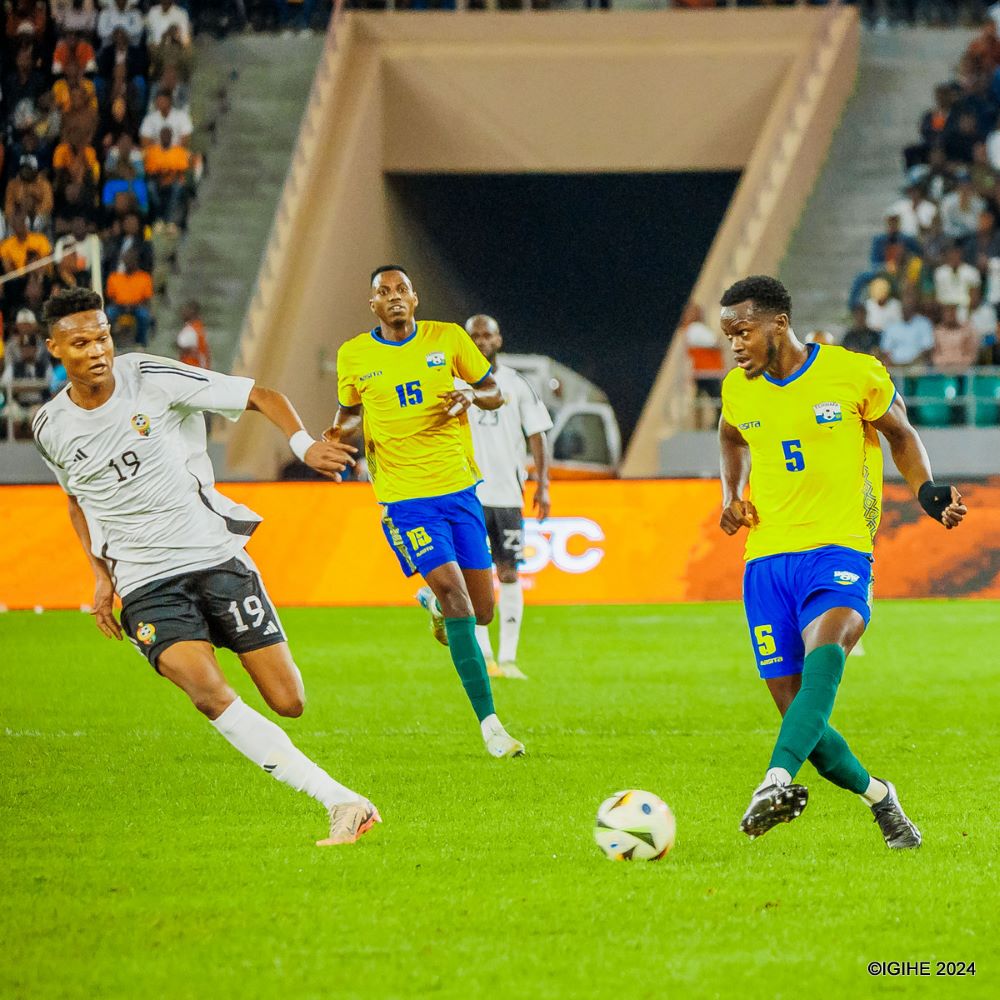
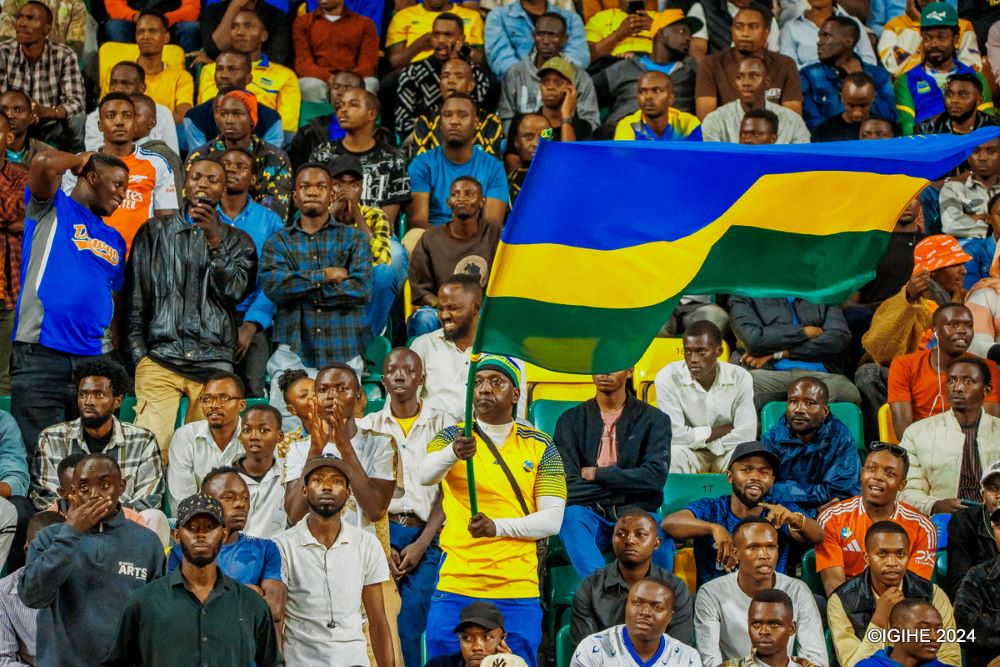
Amavubi’s match against Libya kicked off with high energy, as over 75,000 fans packed Amahoro Stadium to full capacity, eager to witness a decisive performance. From the start, Rwanda looked the stronger side, dominating possession and pressing Libya’s defense with aggressive play.
Within the first 15 minutes, Rwanda had five direct shots on goal, signaling their intent to seize the win. The first real attempt came in the 6th minute from Gilbert Mugisha, whose powerful shot forced a commendable save from Libya’s goalkeeper Aboubakar.
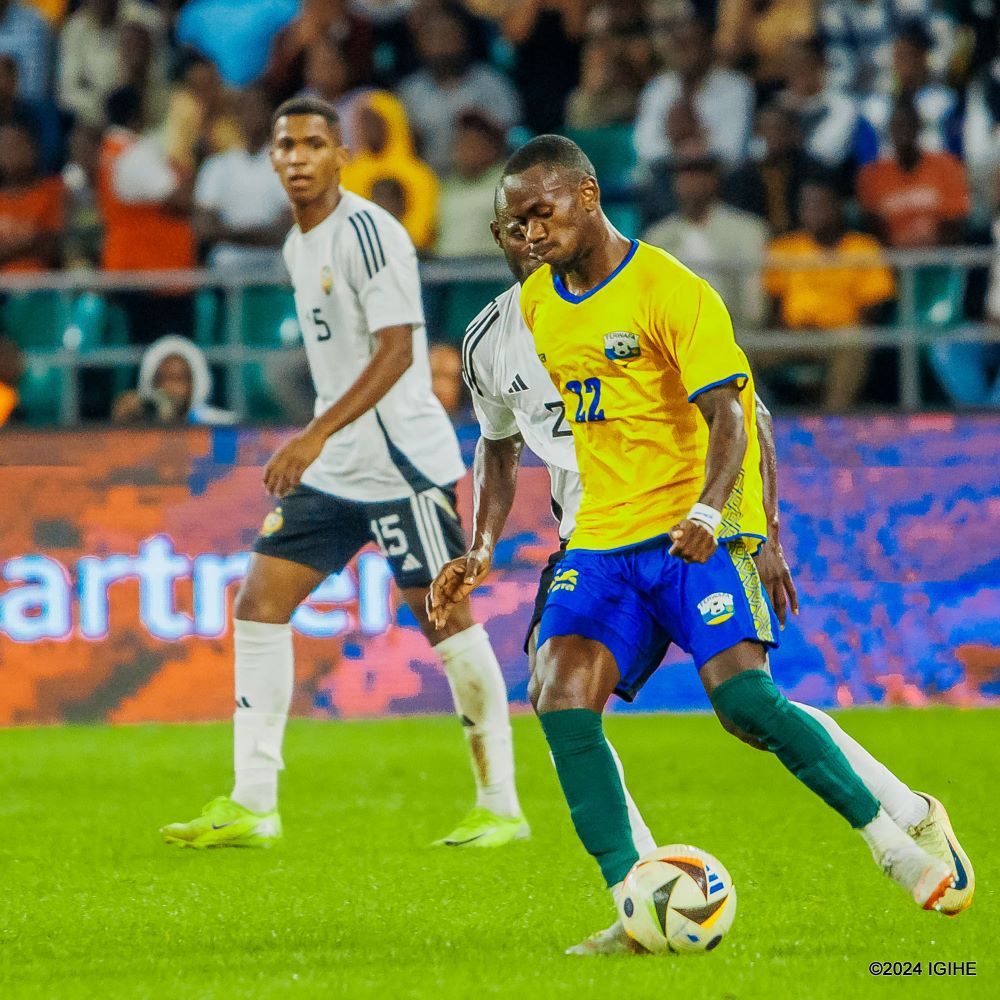
Rwanda’s midfield was anchored by Emmanuel Manishimwe, whose ball control and distribution were crucial in Amavubi’s early attacks, though he faced intense pressure from Libya’s defenders.
Amavubi displayed great teamwork and creativity, with Captain Djihad Bizimana leading the charge. Their pace and coordination unsettled Libya’s defense, and Rwanda looked poised to break the deadlock.
Libya, however, took a defensive stance, concentrating on containing Rwanda’s advances and occasionally testing Rwanda’s keeper, Ntwari Fiacre. In the 9th minute, Libya managed their first shot on target, a long-range attempt that went just wide, catching Fiacre by surprise.
By the 20th minute, Rwanda came close to scoring through Nshuti Innocent, who connected with a precise cross from Bizimana. His shot grazed the goal, sending the crowd into a brief roar, only for it to settle as the ball slipped wide.
Despite Libya’s defensive posture, Rwanda continued to control possession and create opportunities. Amavubi earned their first corner in the 26th minute, a chance they could not capitalize on, as Libya’s defense cleared it.
Just before halftime, Mutsinzi missed a close chance from another corner, as Libya’s defenders deflected the ball, maintaining the scoreline at 0-0 as the teams headed to the locker rooms.
The second half began with renewed energy and intensity from Rwanda, who pressed forward with urgency. Amavubi’s hunger was evident as they pushed Libya further back. Kevin Muhire came close in the 50th minute, firing a powerful shot that narrowly missed the target after a well-placed pass from Bizimana.
Two minutes later, Thierry Manzi missed a similar opportunity, frustrating the fans who felt Rwanda deserved a goal. Despite dominating possession and outplaying Libya tactically, Rwanda struggled to convert their chances into goals.
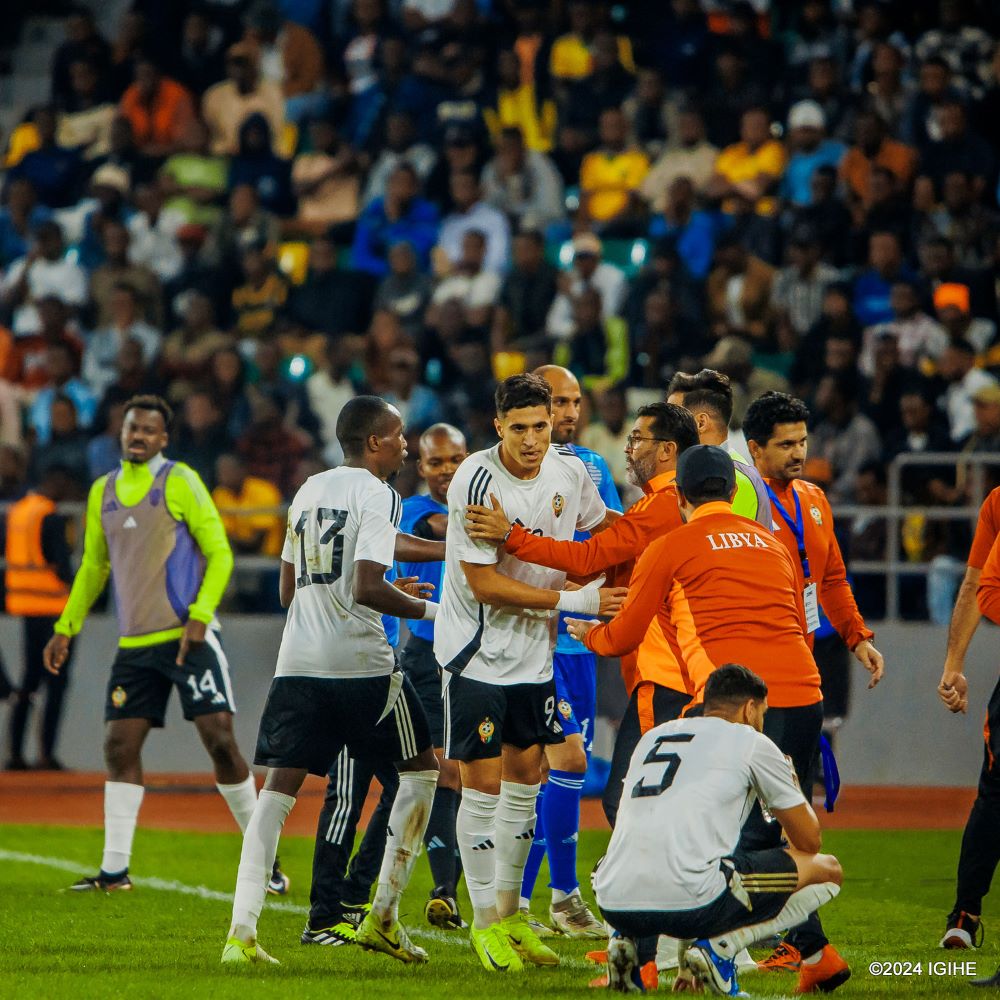
Libya’s defense held firm under Rwanda’s relentless attack, and as time passed, the match’s tension rose. Libya’s Saleh Ahmed was shown a yellow card in the 69th minute after a tough tackle on Manzi, and frustration began to show on both sides.
Rwanda was awarded a free kick about 28 yards from Libya’s goal, but the attempt did not yield a goal. Shortly after, Manzi earned a yellow card for a foul committed out of frustration.
In a final push, Rwanda’s coach Torsten Spittler introduced Hadji Iraguha in the 80th minute, hoping to break the deadlock. But in a devastating twist, Libya’s Fayid Mohamed capitalized on a rare opportunity in the 84th minute.
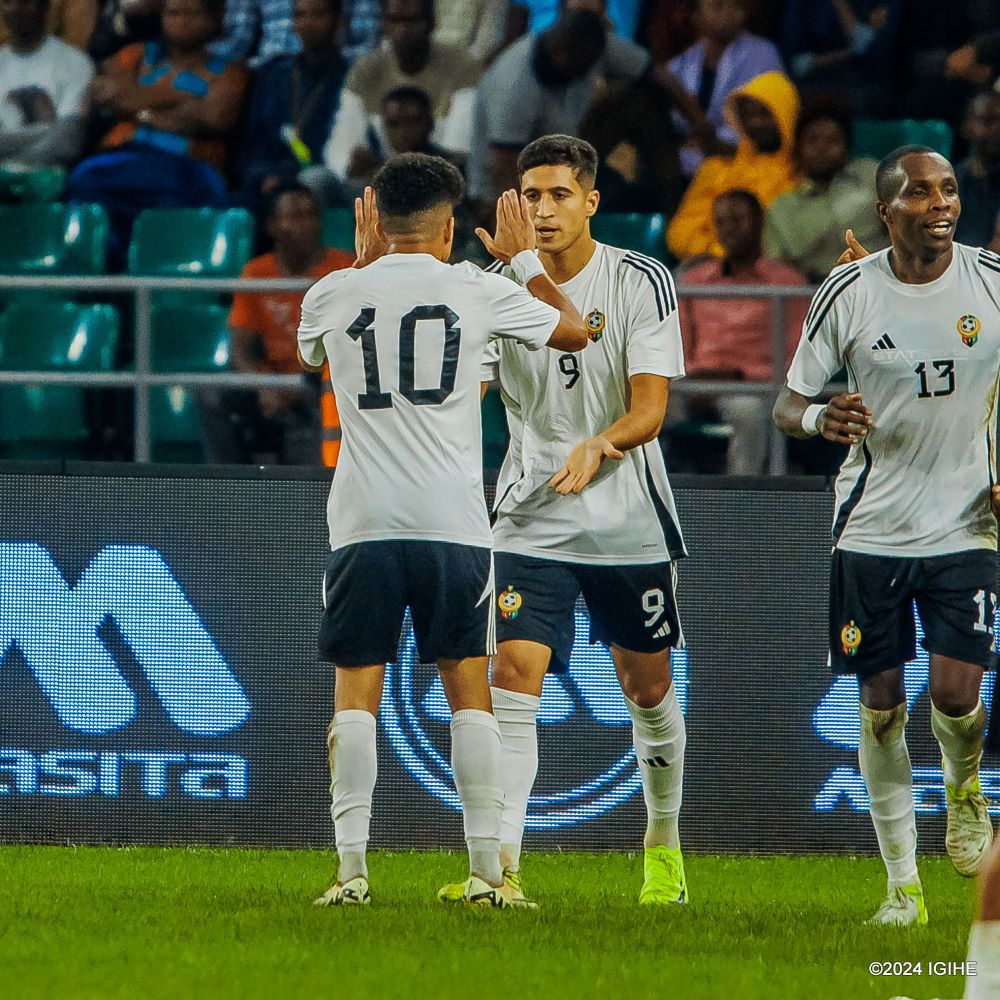
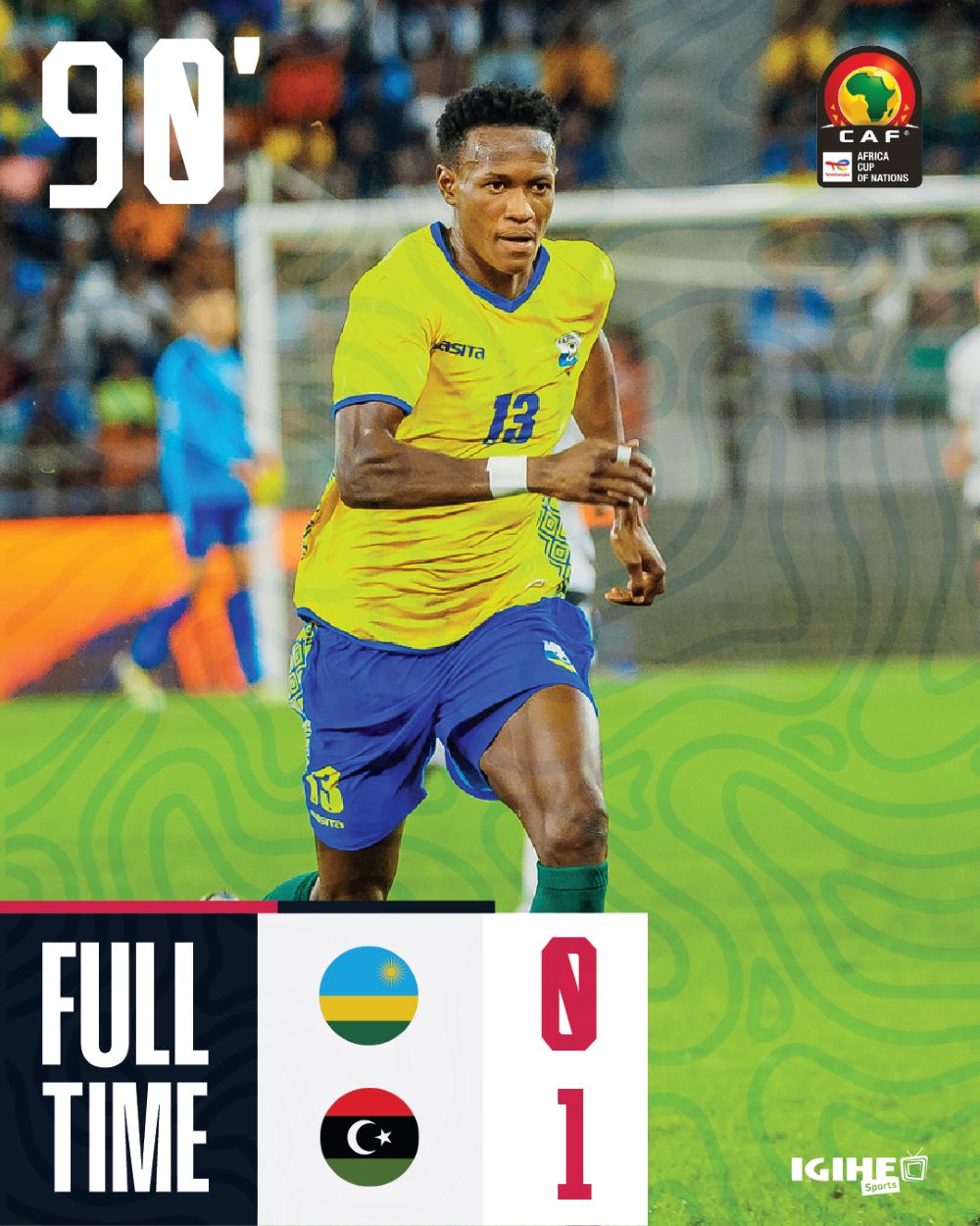
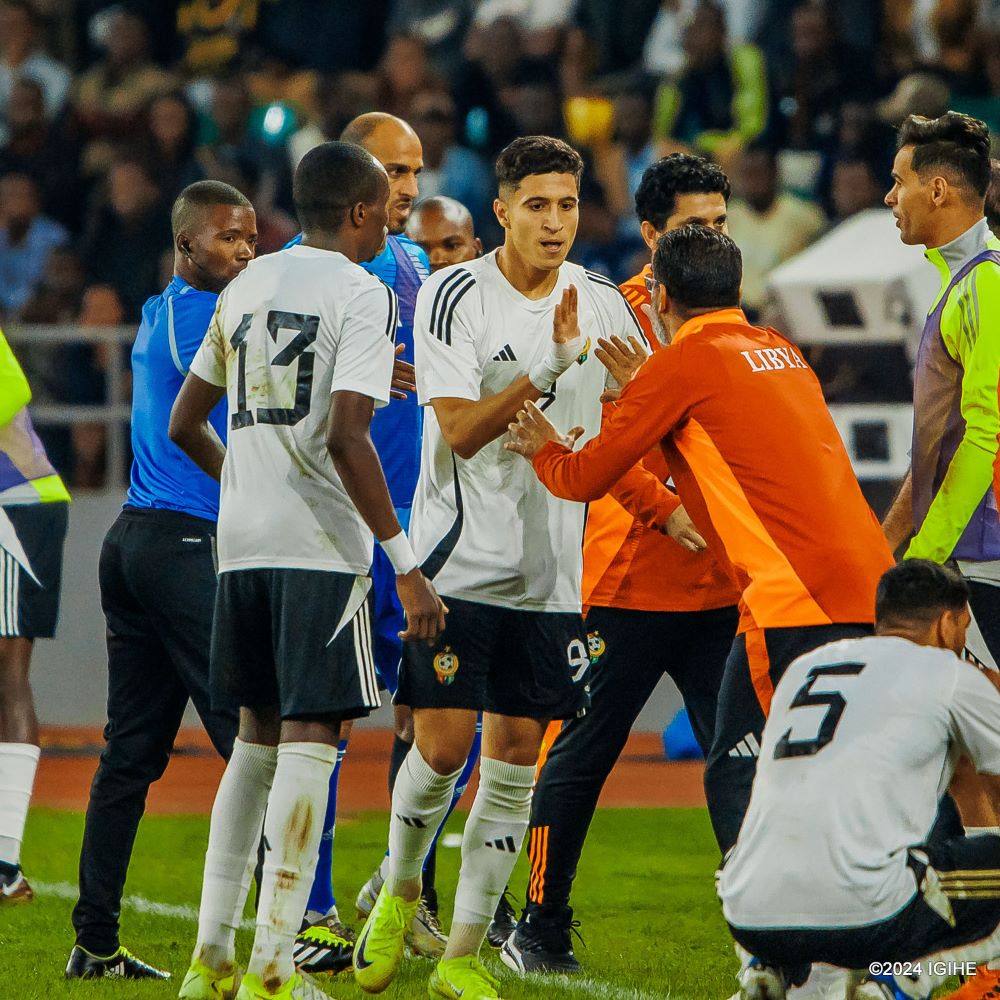
Mohamed struck a well-placed shot past Fiacre, silencing the stadium and stunning the Rwandan players. Libya’s single goal was enough to deflate Rwanda’s chances, and though Amavubi rallied in the closing minutes, the final whistle confirmed a 1-0 loss.
Later in the day, Benin’s draw with Nigeria took them to 7 points, placing them second behind Nigeria, who now leads the group with 11 points. Rwanda remains at 5 points, with their only path to qualification resting on a win against Nigeria in their final game, alongside a Libya win over Benin.
The result left Rwanda’s fans disheartened but still clinging to hope. Amavubi’s journey has been marked by promise and resilience, and despite this setback, they have one last opportunity to keep their AFCON dream alive.
A win against Nigeria, combined with a bit of luck, could potentially break Rwanda’s 20-year AFCON drought.
As Rwanda prepares for their final group match, the players know that only their best performance can salvage their AFCON hopes. With a supportive home crowd behind them, they’ll take to the field in the next few days away from home.
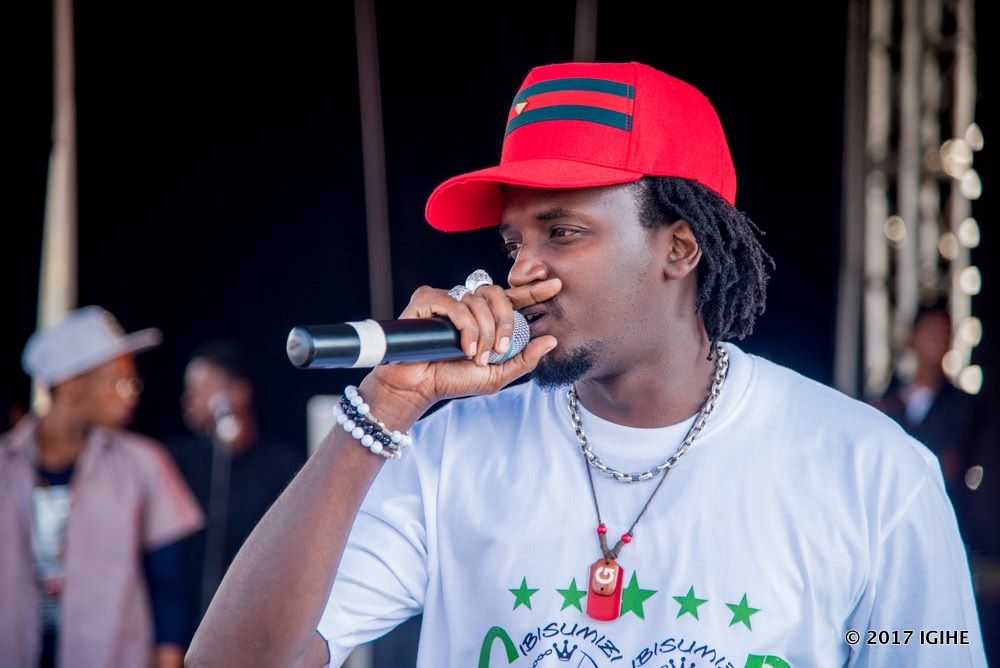
Hosted by the energetic duo Anita Pendo and Kate Gustave, this event will showcase Rwanda’s most celebrated hip-hop talent along with two surprise guest performers, making it a must-attend for fans and partygoers alike.
Doors open at 5:00 p.m., and for an entrance fee of only 5000 Rwf, attendees will kick off the evening with two free SKOL Malts, perfect for toasting to an epic lineup of Rwanda’s hottest artists.
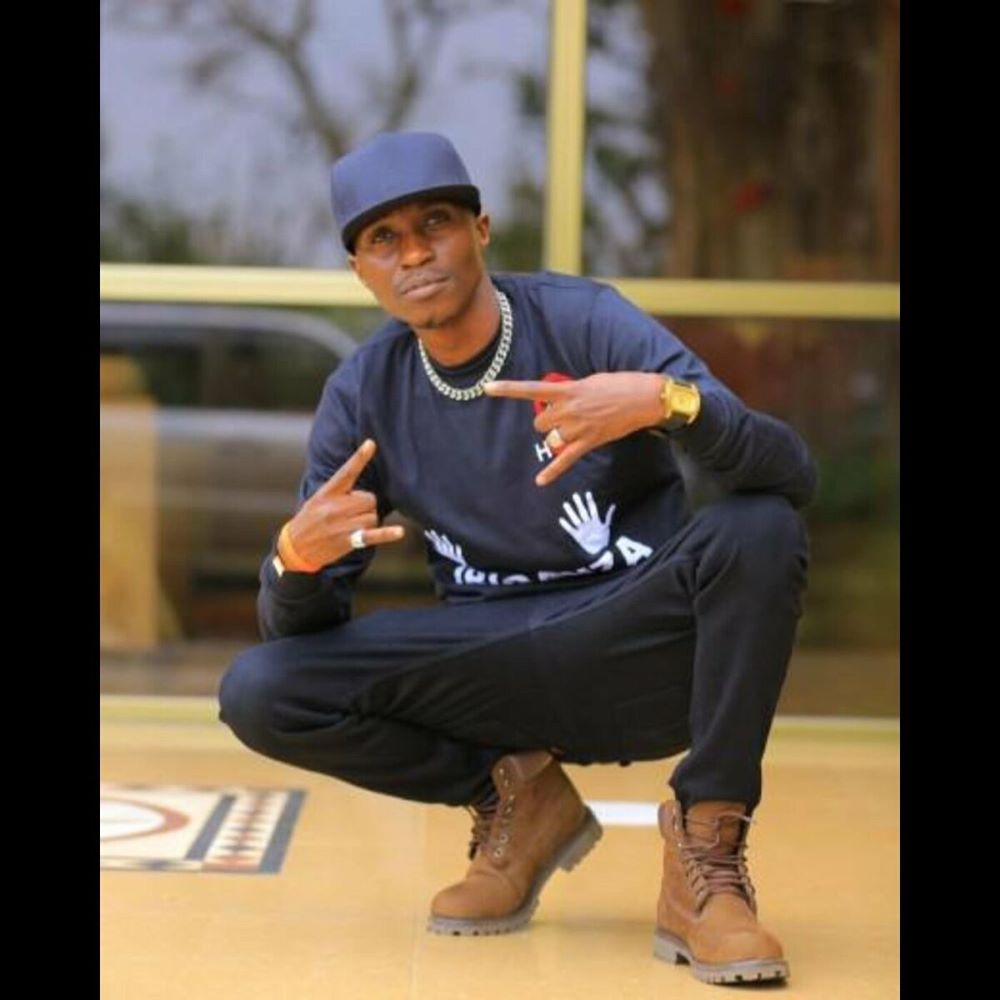
This impressive roster includes hip-hop heavyweights like Riderman and Bulldog, both known for their high-energy performances and lyrical prowess. They will bring the beats that have won over Rwanda’s music scene with captivating lyrics and powerful stage presence.
Fireman, Bushali and rising stars like Zeotrap, Nessa, B Trey, Be Attilla, Boy Chopper, Slum Drip and Papa Cyangwe will also brace the occasion.
The “Keep It 100% Concert” embodies the brand’s commitment to supporting and uplifting Rwandan music culture, especially hip-hop, a genre resonating with the nation’s entertainment landscape.
“For me it will not just be a concert. I love to witness and celebrate of Rwanda’s rising talent and the unique culture that fuels this powerful musical movement. SKOL is not only bringing the beats but also creating a platform for local artists to shine and connect with their fans in an electrifying atmosphere,” said Tony Mugume aka Big Tony, a celebrated radio host of the ‘Morning Switch’, a daily entertainment show at City Radio.
And for those who love a good surprise, or are a fan of Rwandan hip-hop or simply looking for a great time with top-tier live music, “Keep It 100% Concert” is the place to be for a night to remember.
Since then, Sudan has never been the same, as this devastating war has caused extensive damage. In 2023, the economy shrank by 40%, and it’s expected to further decline by 28% this year.
The government is also in crisis, with its revenues falling by 80%, and international trade dropping by 28%, while total damages exceed $200 billion.
Aside from economic losses, people have also faced severe impacts. Over 100,000 people have lost their lives, and more than 11 million, nearly 30% of the population, have been displaced internally.
Over three million have sought refuge outside Sudan, mainly in neighbouring countries, including Rwanda.
In total, about 4,000 Sudanese live in Rwanda, including refugees. Among them are around 1,400 students and investors whose investments in Rwanda amount to $10 million (over RWF 13 billion).
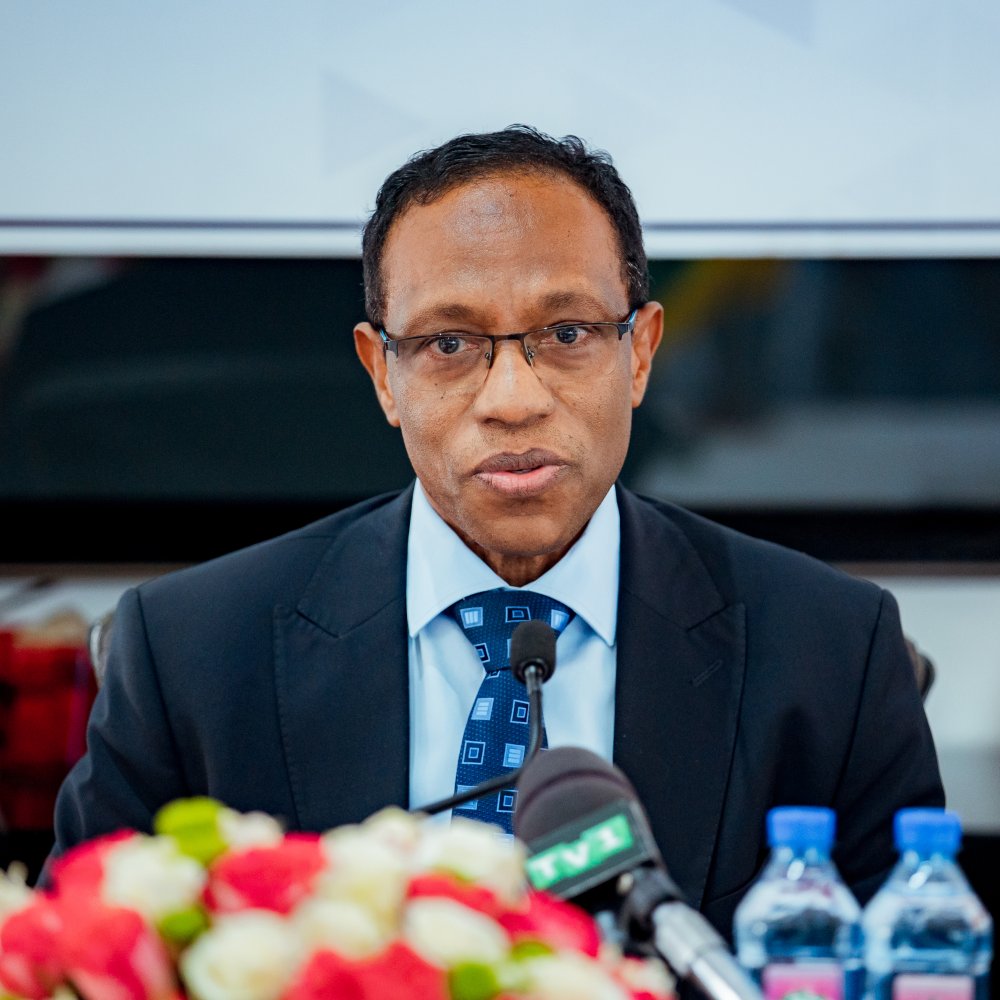
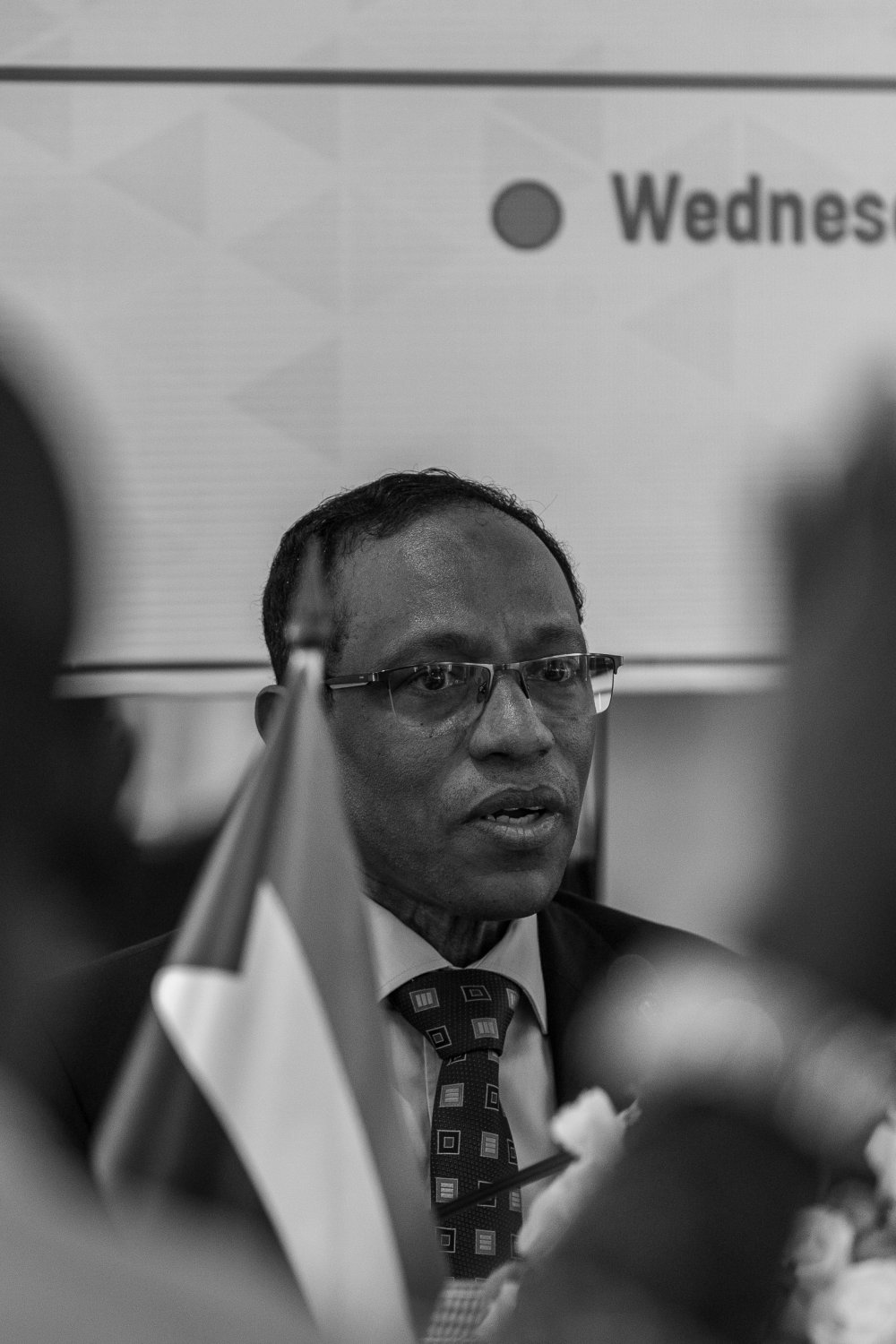
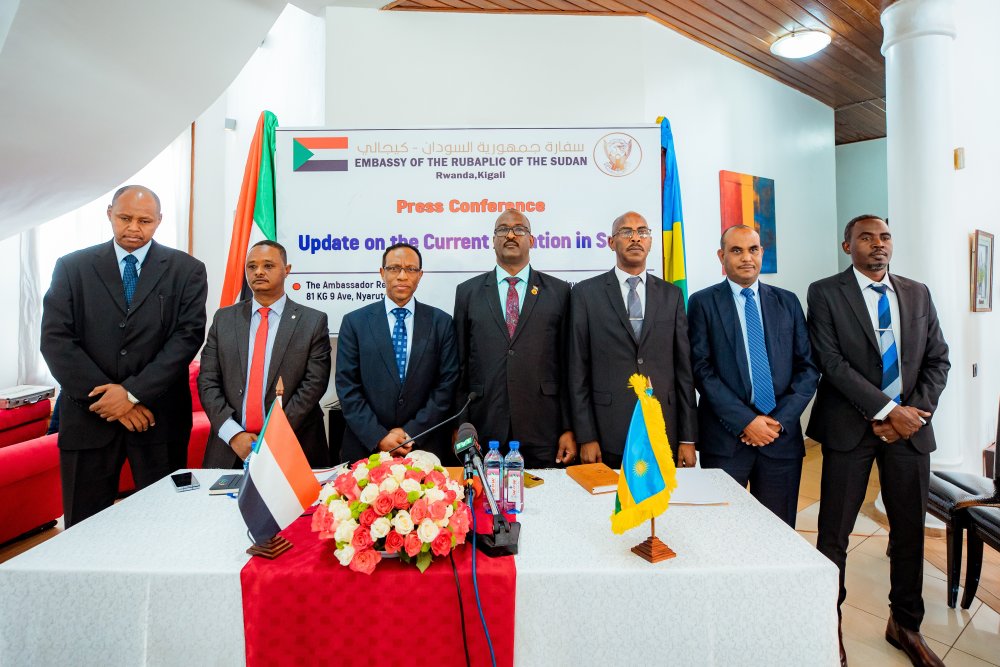
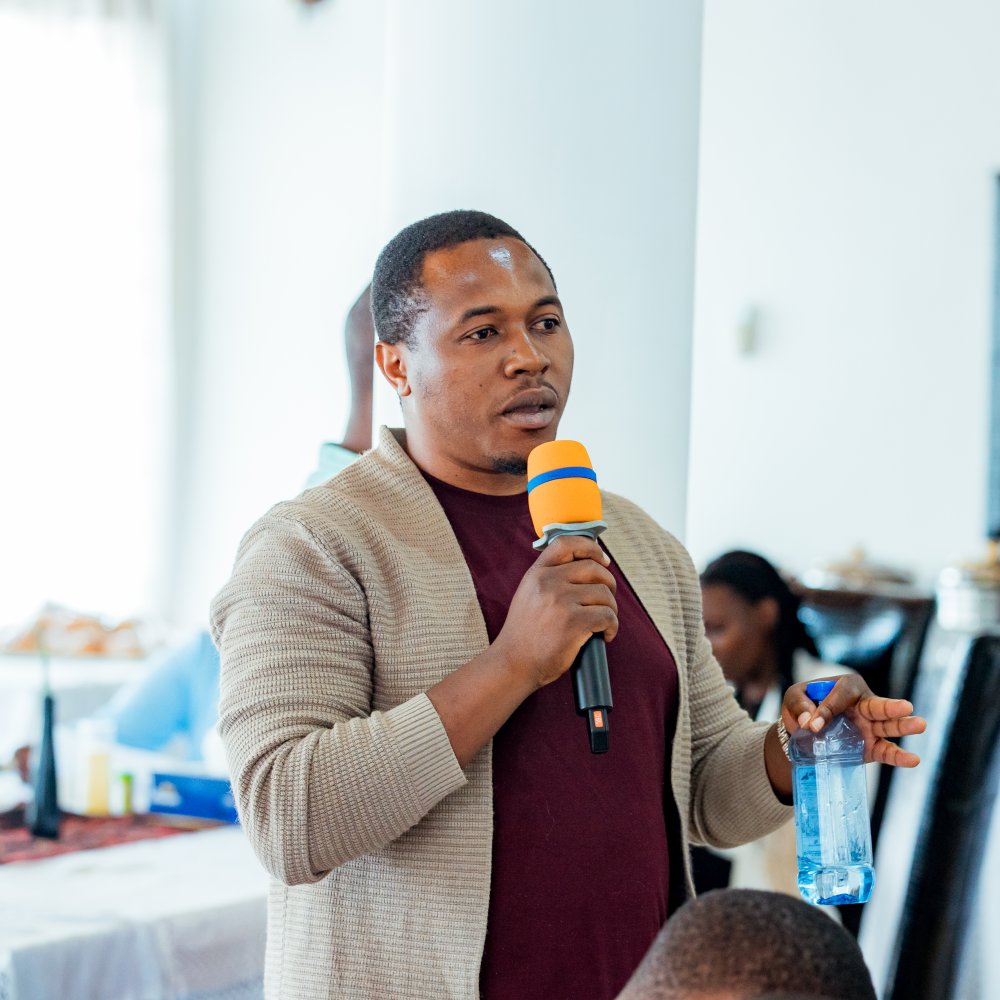
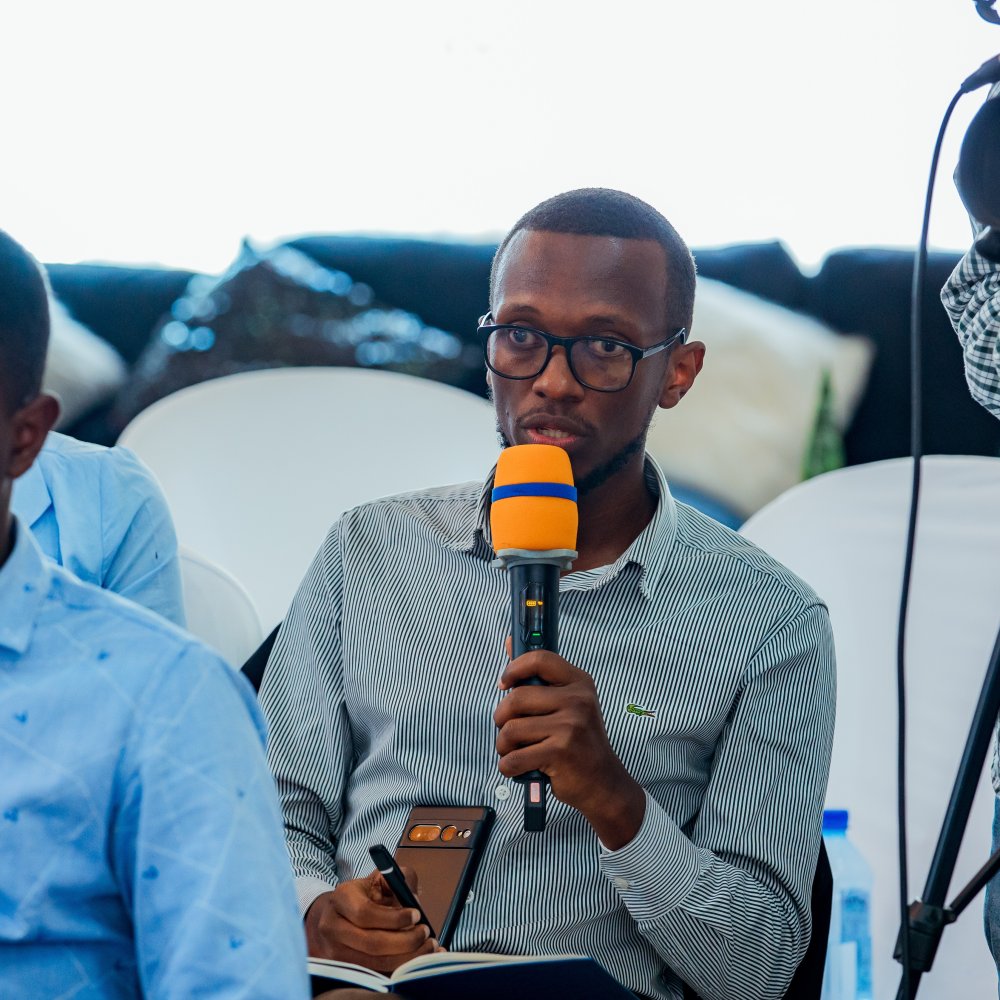
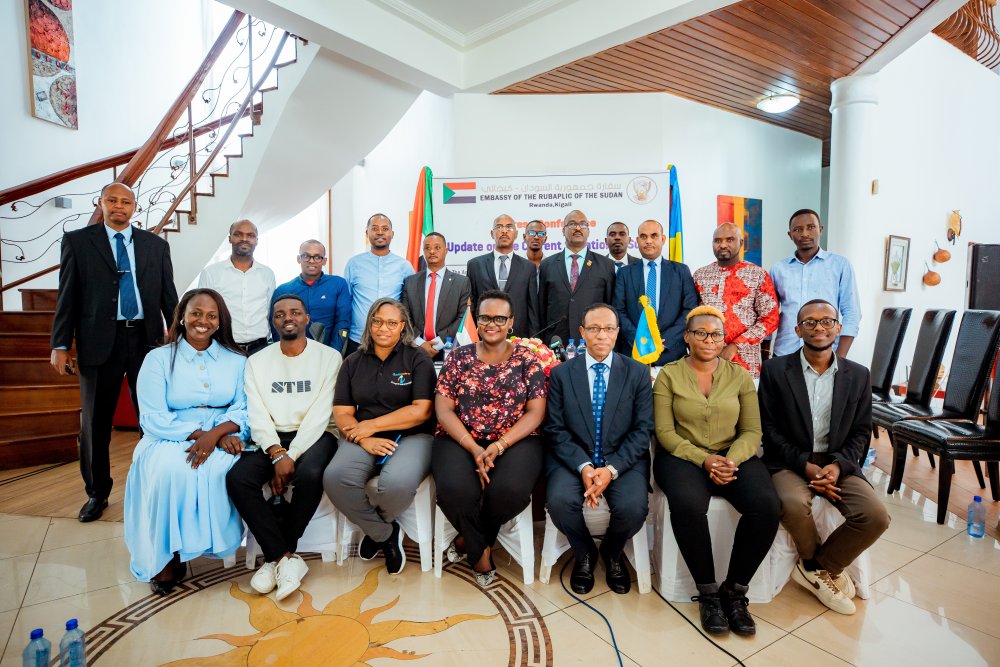
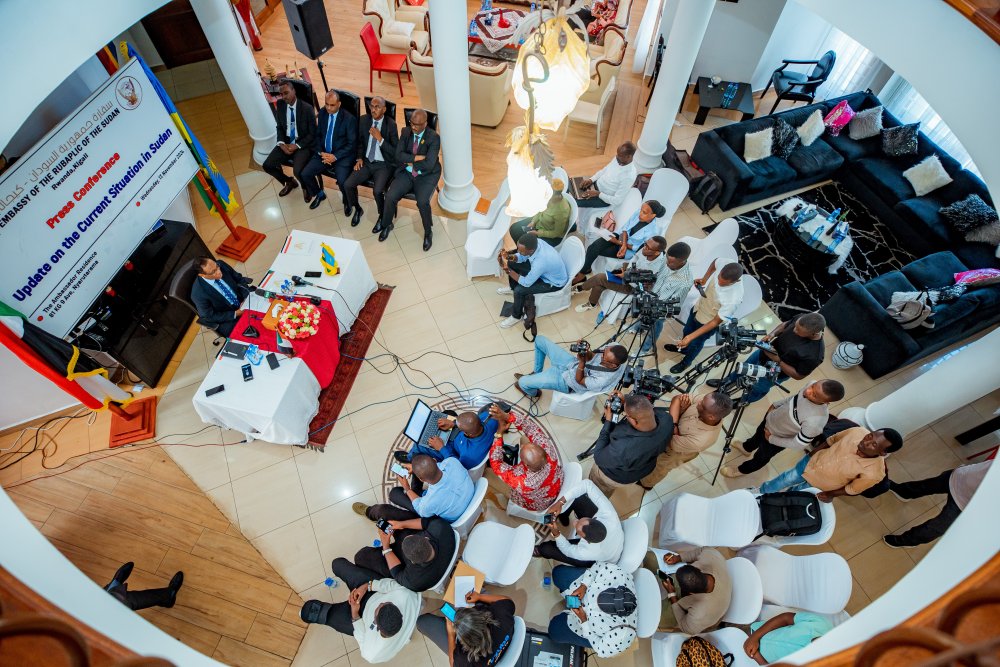
In a press briefing on Wednesday, Sudan’s Ambassador to Rwanda, Khalid Musa Dafalla Musa, expressed gratitude to the Rwandan government for its welcoming policy for Africans, including those facing hardship like Sudanese citizens.
He stated, “I want to thank the Rwandan government and President Paul Kagame for his policy of welcoming all Africans, especially those from Sudan. We currently have around 4,000 Sudanese nationals here.”
Ambassador Dafalla explained the reasons why Sudanese are attracted to investing in Rwanda.
“The reasons include investment opportunities. It’s an easy country to do business in, with friendly citizens and security, all factors investors consider when choosing where to invest.”
He added that Sudan has a strong relationship with Rwanda, especially since Rwanda’s forces contributed to restoring peace in regions like Darfur, where they left a positive legacy for their respect for the law.
He emphasized that the strong relations between the two countries will be beneficial when the war ends in Sudan.
“The strong relationship we have with Rwanda will help us in the future as we work towards building peace and security.”
He stressed, “When the war is over, we will need to collaborate with Rwandan institutions to learn how they rebuilt the country after the 1994 Genocide against the Tutsi.”
“We look forward to returning to Rwanda to study how you addressed justice issues, built a resilient Constitution, reintegrated former soldiers, and fostered a strong sense of national unity. The lessons drawn from your history will be invaluable for our future.”
He also expressed optimism about the Sudanese military’s performance on the battlefield, saying, “The government has regained control of at least 70% of Khartoum, as RSF lacks the support of the Sudanese people.”
He urged that RSF be labelled as a terrorist organization due to acts of killing unarmed civilians, raping women, and other atrocities.
So far, 300 hospitals and medical facilities in Sudan have been rendered inoperable, severely reducing the country’s healthcare capacity. Many schools have been attacked, with others being used by RSF as bases.
{{Reasons for the war driving Sudan into crisis
}}
Ambassador Dafalla Musa pointed out that “RSF started this war for two main reasons. First, to carry out a coup d’état and take control of the country for their economic interests.”
He added, “Second, they’re being used as a tool by foreign countries, hiring mercenaries from countries like Libya. They are driven by other foreign countries with interests in the region.”
He continued, saying, “Another significant reason for this war is to change the demographics of Darfur, wanting to turn it into an Arab-majority area by expelling African ethnic groups and resettling Arab communities.”
Darfur is one of the resource-rich regions in Sudan.
Ambassador Dafalla said the ongoing atrocities constitute genocide.
“These acts include killing large numbers of unarmed civilians, without any reason except to kill them. Evidence of mass graves of civilians has been found, as well as sexual violence against women and children.”
Regarding women, he added, “We even have reports of women committing suicide after being raped. This is part of their plan to change Darfur’s population.”
Aside from killing citizens with weapons, RSF has also been accused of poisoning water supplies.
“They engage in the barbaric act of poisoning drinking water, leading to more deaths. They’re using various methods to kill people who are unarmed and not involved in the war. This constitutes both war crimes and genocide.”
“They are using starvation as a weapon, preventing people from receiving aid, which they steal. This tactic is also used to intimidate civilians into joining RSF. They’re even using civilians for military operations, which is against international law.”
{{Foreign aid exacerbating the situation
}}
Ambassador Khalid Musa Dafalla openly stated that some countries continue to support RSF.
“There are regional countries supporting this war, including the United Arab Emirates, RSF’s primary backer. Chad is also used as a transit point for military supplies to RSF, helping the group continue the war. Without this weapon supply, the war would not go on.”
He noted that in the past six months, RSF has received 145 planes carrying weapons and transporting wounded fighters for treatment in the UAE.
RSF, he added, is also being supported by over 50,000 mercenaries “paid in foreign currency.”
{{AU’s response questioned
}}
The ambassador also criticized the African Union’s response, noting Sudan was removed from the AU.
“The African Union lacks the political will to help resolve this issue. We don’t believe that neutrality is the best approach to solving this issue. The best solution is for the AU to take the side of truth.”
He stated that the only way for Sudan to regain peace is to have a unified army and respect the signed agreements.
Both parties signed the “Jeddah Declaration of Commitment to Protect the Civilians of Sudan,” committing to safeguard civilians. This agreement was signed in Jeddah, Saudi Arabia, on May 11, 2023.
Ambassador Dafalla said, “We call on RSF to respect the agreement it signed with the government, which requires RSF to withdraw its forces from civilian infrastructure and relocate them to designated areas. Sadly, this agreement is not being followed.”
However, he noted that those responsible for war crimes should face justice.
He concluded, “During the transitional period, Sudanese people will have the opportunity to choose their preferred governance system through elections, and this period will be led by the current government in Sudan.”
“Moreover, those involved in all these atrocities, including genocide, must be held accountable and punished for the crimes committed against the people of Sudan.”